Georgian Culture and Traditions: A Visitor's Guide to Customs, Feasts, Faith and Song
Georgian culture is known for its hospitality, its toast-led feasts, 8,000 years of winemaking and singing in three voices, and almost all of it is still lived rather than staged. Here's what you need to know about Georgian traditions and customs, from the supra and the church to music, the alphabet and the festival year, and where I'd go in Tbilisi to see each one.
Georgian culture at a glance
Georgian traditions aren't kept behind glass: people still toast at dinner, cross themselves as they pass a church and sing at the table. This is my shortlist of the traditions that matter most to a visitor, and the easiest place in Tbilisi to meet each one.
| Tradition | What it is | Where I'd see it in Tbilisi | Cost |
|---|---|---|---|
| The supra | A feast run by a toastmaster, the tamada | A Georgian home or a folk-singing restaurant | 30 to 60 GEL a head |
| Qvevri wine | Wine fermented in buried clay jars | Any wine bar pouring amber wine | 8 to 20 GEL a glass |
| Polyphonic singing | Three voices, usually with no instruments | Sunday liturgy at Sioni or Anchiskhati | Free |
| Folk dance | Fast, athletic dances in traditional dress | A dinner show or an Erisioni concert | 60 to 100 GEL or more |
| Orthodox faith | Part of daily life since the 4th century | Sameba, Sioni and Anchiskhati | Free |
| The alphabet | Georgia's own script of 33 letters | Every street sign and menu | Free |
| Festivals | Tbilisoba, Alilo, Easter and the harvest | Old Town streets and squares | Mostly free |
Georgian hospitality: why a guest is a gift from God
The saying you'll hear first is that a guest is a gift from God, and Georgians mean it. In a home, your host keeps your plate full, refills your glass and may insist on walking you to where you're going. Turning down food reads as rude, so the polite move is to eat a little of everything and praise the cook.
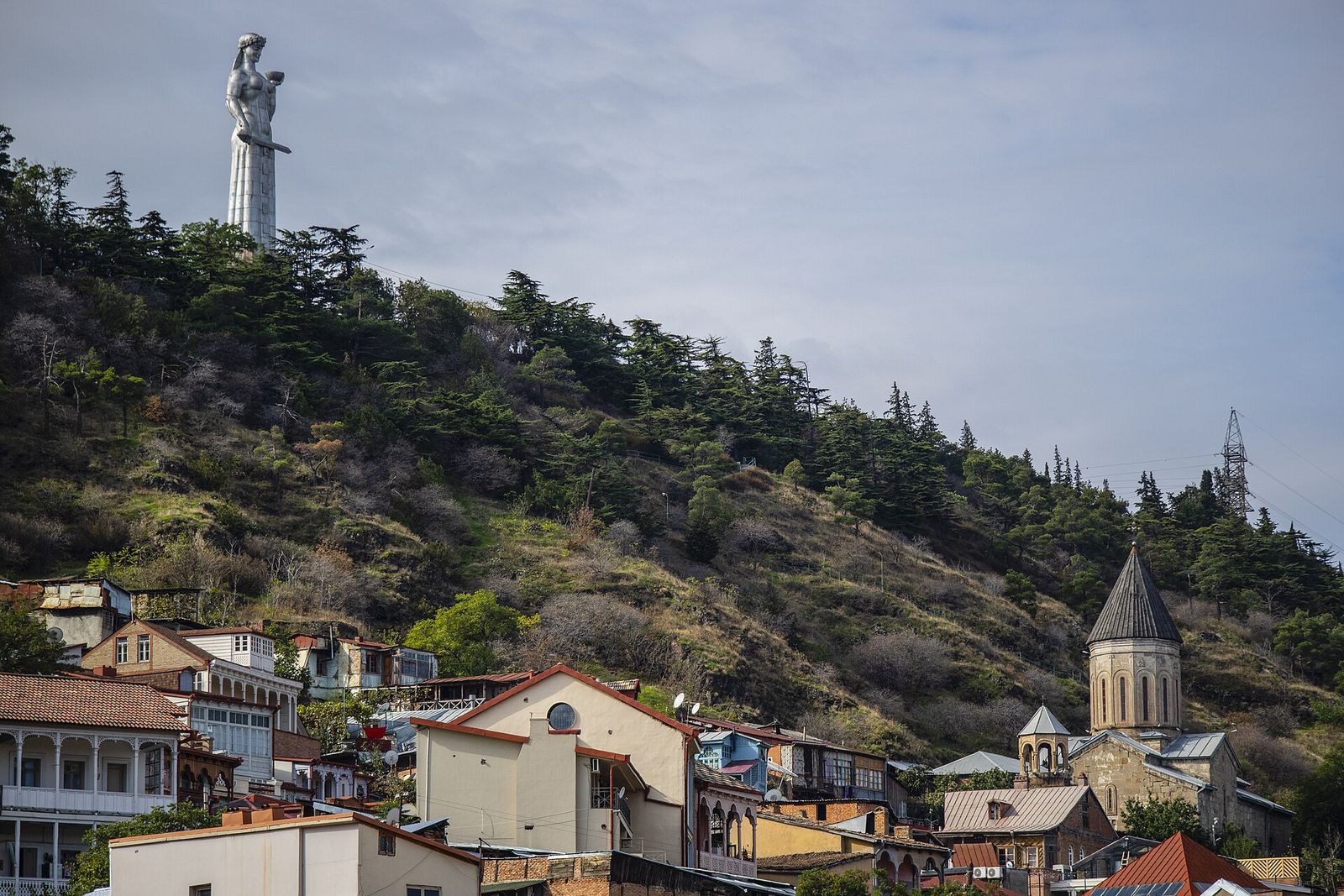
You can see the idea on the skyline. Kartlis Deda, the Mother of Georgia, stands 20 m tall on Sololaki Hill with a bowl of wine for those who come as friends and a sword for those who come as enemies. I like her as a summary of the national character: generous first, and nobody's pushover.
Respect for elders runs just as deep, so give your seat to an older person on the metro or a bus without waiting to be asked.
The supra: Georgian feasts, the tamada and toasts
If one tradition explains Georgia, it's the supra, the long feast where nobody drinks until a toast is made. A toastmaster called the tamada runs it, sets the pace and works through about 12 toasts in a loose order: peace, Georgia, the occasion, the dead, children, parents, women and friendship. A festive supra runs 4 to 5 hours, often more.
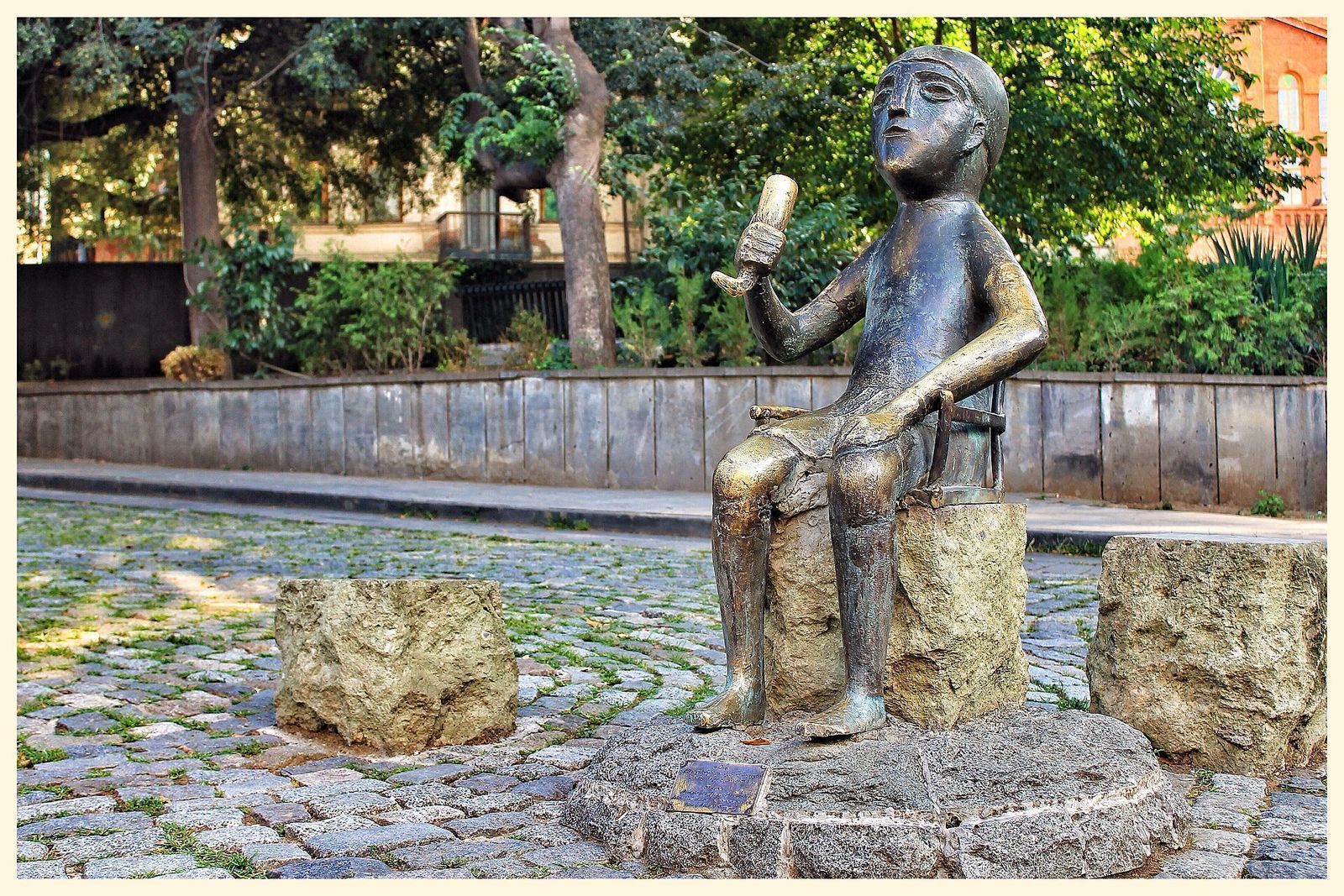
The cheer is gaumarjos, "to victory", and the tamada can hand the floor to a guest by saying alaverdi. Stay quiet while someone is speaking, stand in silence without clinking for the toast to the dead, and know that a kantsi drinking horn has no base, so once it's filled for you it has to be emptied. The toasts and rules of the supra take a few dinners to learn, and nobody expects a visitor to get them right the first time.
The food is the other half. Most of the classic Georgian dishes land on one table: pkhali and badrijani, lobio in clay pots, grilled mtsvadi, khachapuri and khinkali, eaten by hand.
There's a somber version too. The kelekhi follows a funeral, runs up to 2 hours with fewer toasts and never hears a gaumarjos. The supra itself went on Georgia's national list of intangible heritage in 2017.
Georgian wine and the qvevri tradition
Georgians have made wine for about 8,000 years, and they can prove it: the Georgian National Museum on Rustaveli Avenue holds a qvevri about 8,000 years old, decorated with clay grape clusters. A qvevri is an egg-shaped clay jar of 100 to 2,000 liters, buried in the ground so the wine ferments and ages inside it, and UNESCO added the method to its intangible heritage list in 2013.
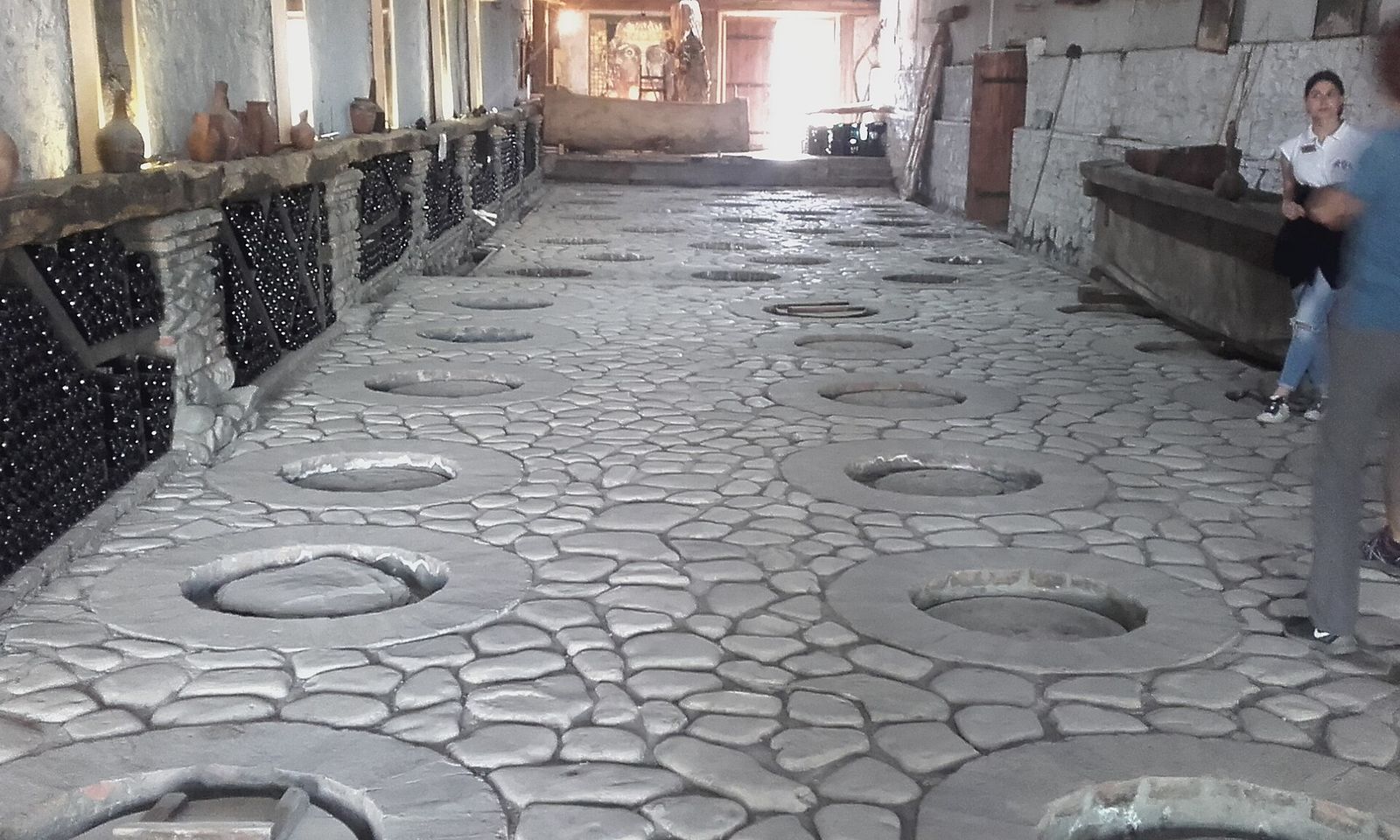
White grapes are left on their skins in the jar for months, which turns the wine amber and gives it tannin and a dried-fruit, nutty taste. Amber qvevri wine is what I'd order first in any Tbilisi wine bar, at about 8 to 20 GEL a glass, with a dry Saperavi second. Read the label before you order a bottle with dinner: most Georgian wine is dry, but Kindzmarauli and Khvanchkara are naturally semi-sweet reds.
Kakheti, about 2 hours' drive from Tbilisi, makes about 70% of the country's wine, and plenty of families still make their own. Rtveli, the grape harvest, runs from September into October, when families pick, tread the grapes, fill their qvevri and then feast.
Orthodox Christianity and church customs in Georgia
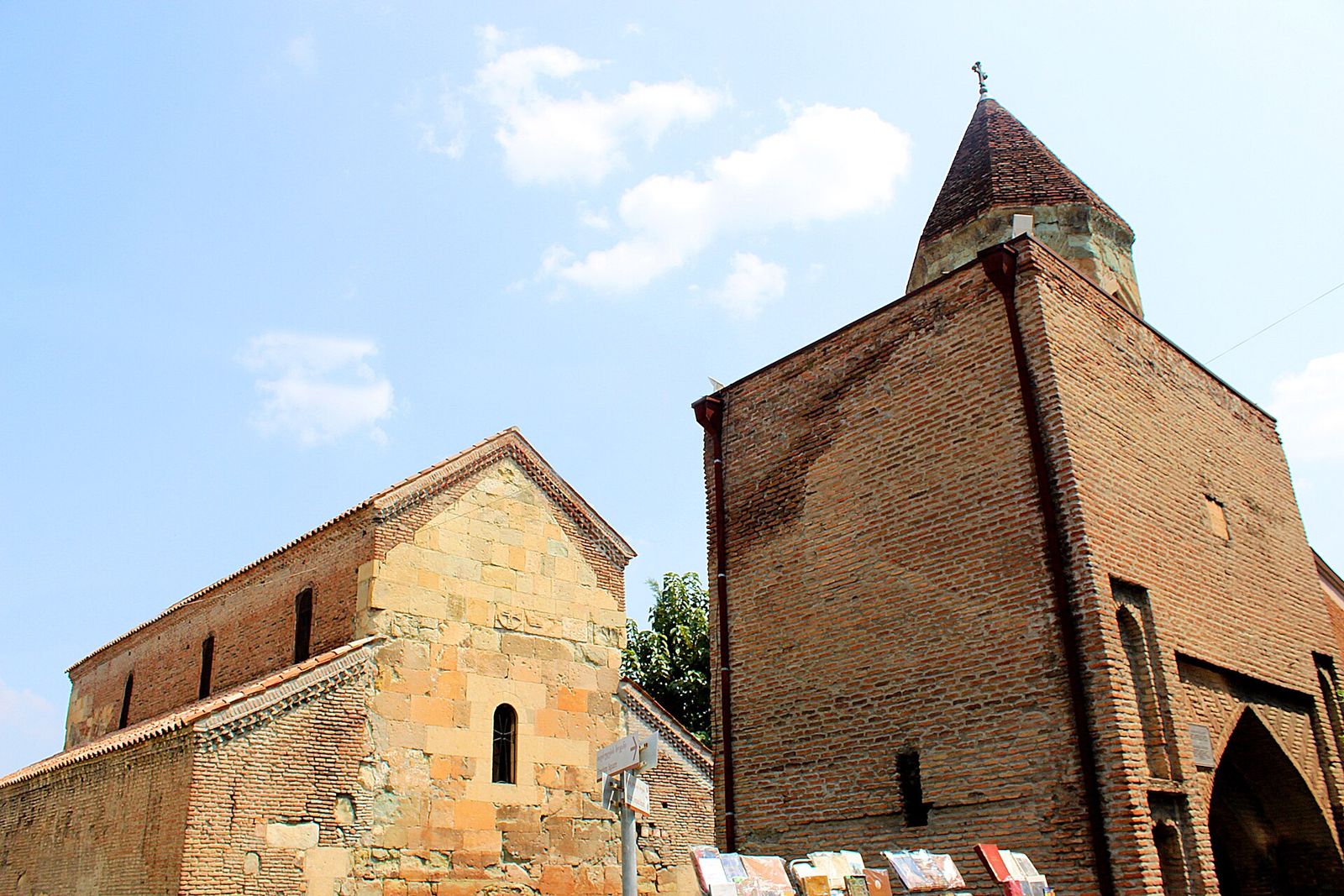
Georgia turned Christian in the 4th century, and Georgians credit St. Nino with bringing the faith. Every church in Tbilisi is free to enter, and the best churches in Tbilisi start with Anchiskhati, the oldest, from the 6th century, then Sioni and Metekhi, all within a 15-minute walk of each other in the Old Town.
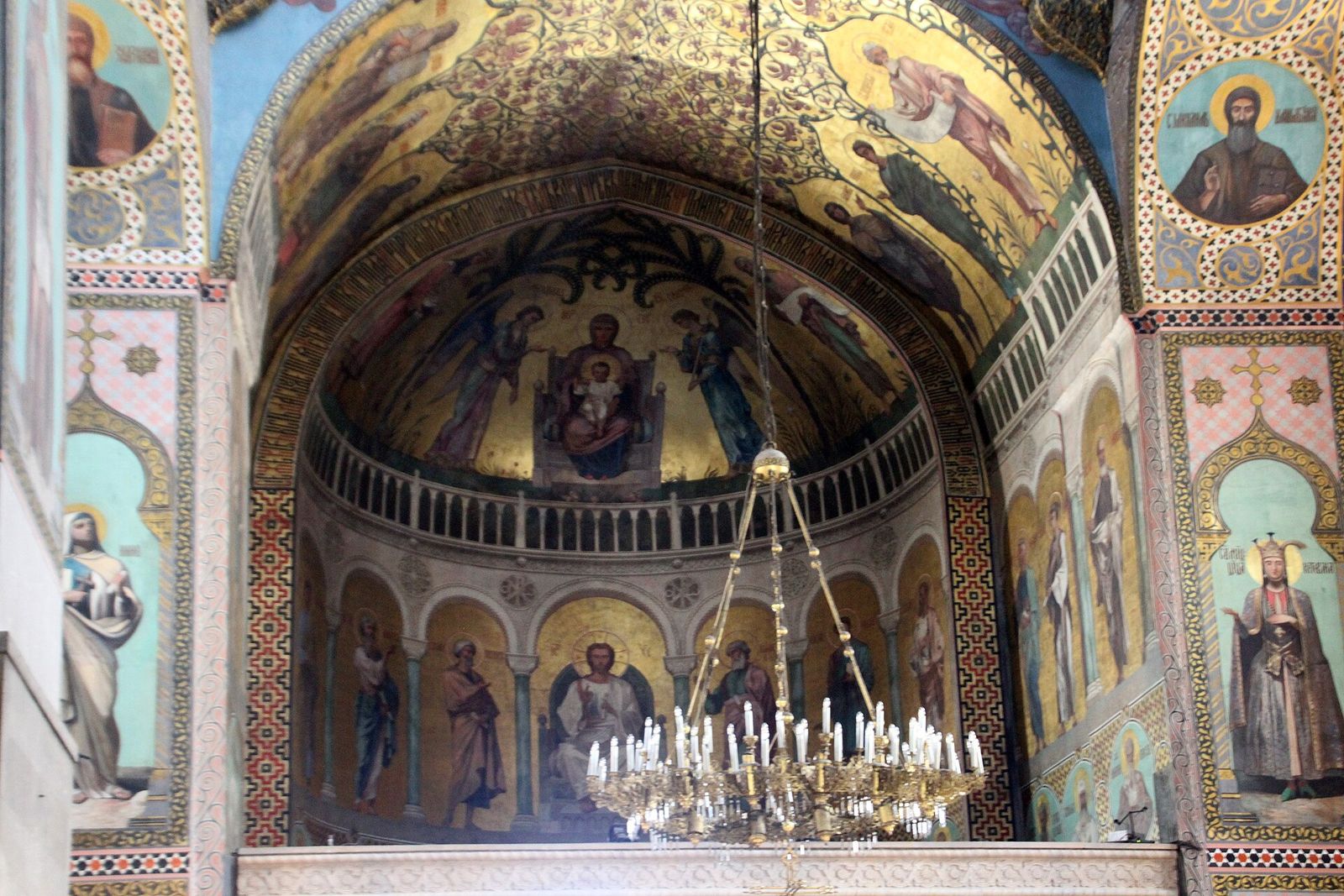
Orthodox churches have no seating and services can run for hours. Stand toward the back, keep your phone silent, stay out of the altar area and never sit in the central chair, which is kept for the Catholicos-Patriarch.
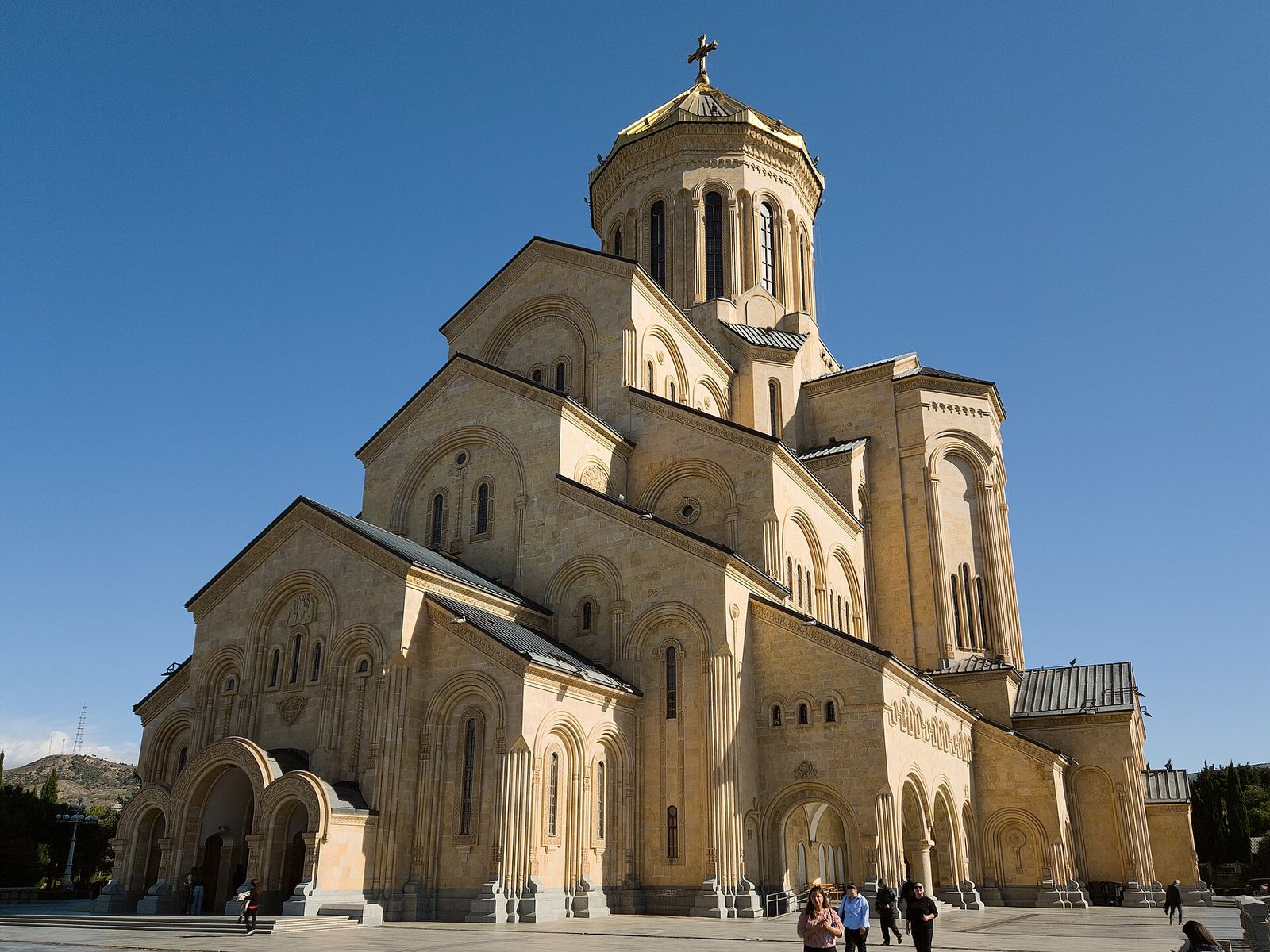
Sameba, the Holy Trinity Cathedral, across the river in Avlabari, is the big modern one, finished in 2004 and 87.1 m to the top of its cross, and the Patriarch leads the Easter night service there.
The church also sets the menu. During Lent many Georgians fast from meat, dairy and eggs, and restaurants keep a samarkhvo, or fasting, menu that suits vegetarians all year.
Polyphonic singing and Georgian folk dance
Georgian polyphony is singing in three voices, usually with no instruments: a low bass drone, a middle voice carrying the melody and a top voice that ornaments it. UNESCO proclaimed it a masterpiece of intangible heritage in 2001 and inscribed it on its list in 2008.
Each region sings differently. Svaneti has the most complex polyphony, Kakheti sings two voices in dialogue over a long drone, and west Georgia builds three partly improvised parts. Listen too for krimanchuli, a falsetto yodel that flips high above the other voices. The song to know is Chakrulo, a three-voice feast song about a warrior's resolve; a recording of it is on the Voyager Golden Record, sent into space in 1977.
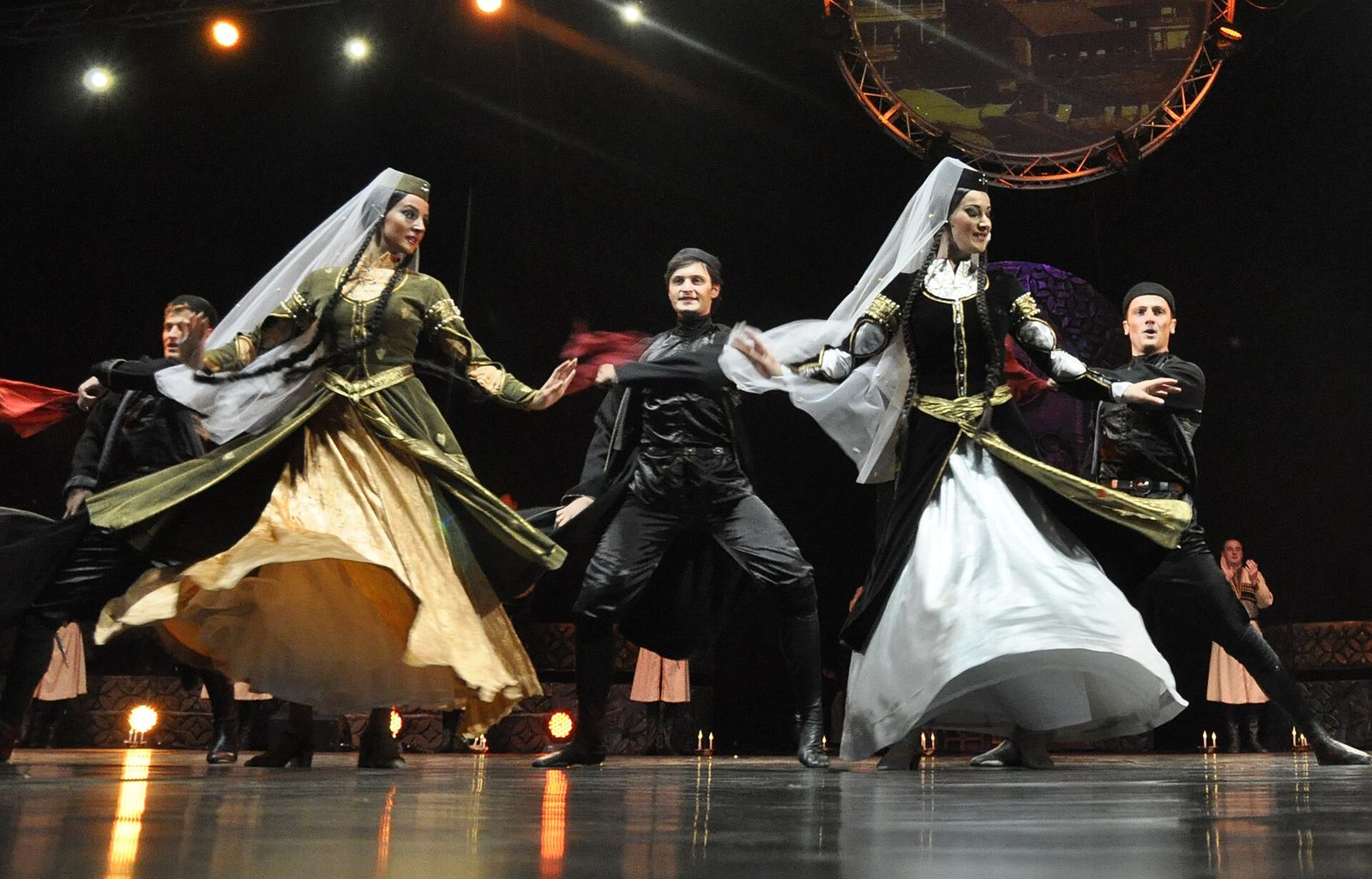
Folk dance is the loud half of the tradition: leaps, spins, sword dances and regional dances like kartuli and acharuli, in full costume. Sukhishvili, the national dance company founded in 1945, is the famous name, but it tours abroad for long stretches, so its Tbilisi dates are irregular. Among the places to see folk dance and hear polyphonic singing, Erisioni's 90-minute show at the Sports Palace starts at about 60 GEL, and evening dinner shows cost about 100 GEL a head or more.
The Georgian alphabet and language
Georgian is written in its own alphabet, Mkhedruli, with 33 letters; 5 of the original 38 fell out of use. Each letter always makes the same sound and there are no capital letters in normal writing. Two older scripts, Asomtavruli and Nuskhuri, live on mainly in churches, and UNESCO listed all three together in 2016. The oldest dated Georgian inscription in the country, at Bolnisi Sioni church, goes back to 494 AD.
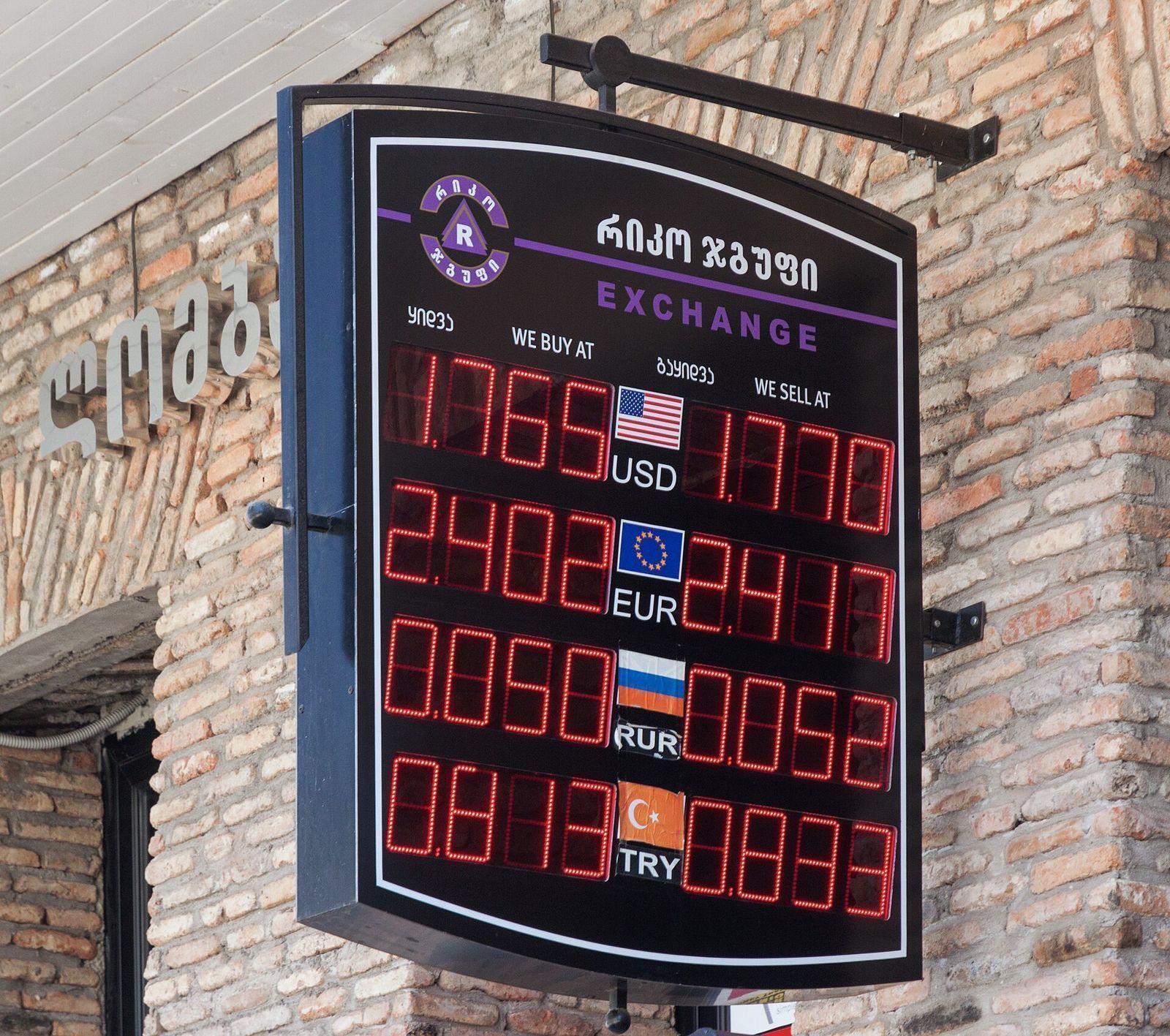
On 14 April 1978, crowds on Rustaveli Avenue forced Moscow to keep Georgian as the state language, and 14 April is now Georgian Language Day. Learning the 33 letters of the Georgian alphabet takes a few evenings and pays off on every metro sign and menu. A few words go even further: basic Georgian phrases like gamarjoba (hello, from the word for victory) and madloba (thank you) get a warmer reply every time.
Georgian weddings and traditional dress
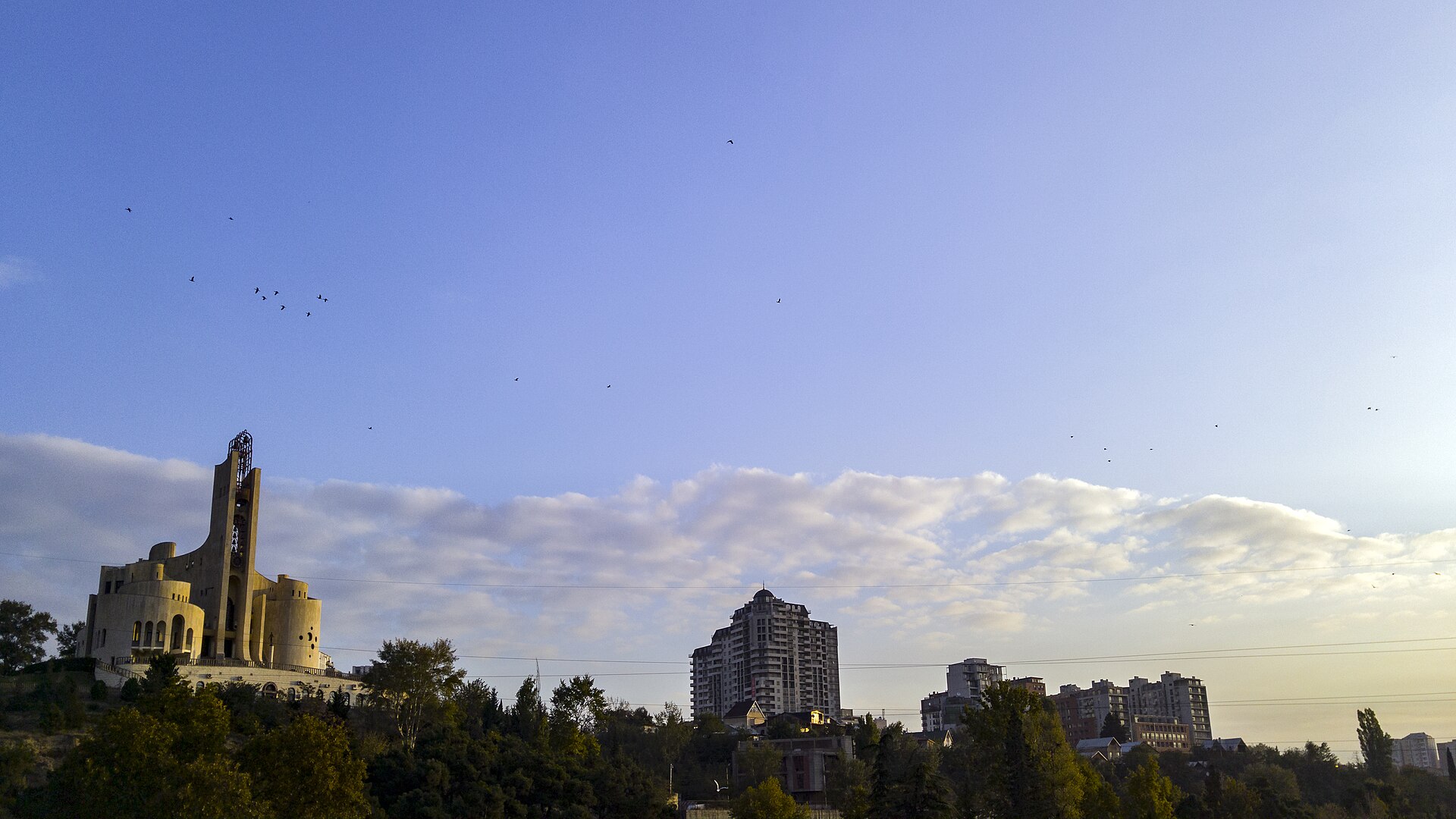
Weddings are the biggest supras of all. Traditionally they come in three stages, machankloba (matchmaking), nishnoba (the engagement) and kortsili (the wedding itself), and the guest list can pass 200 people per family. Soviet Tbilisi even built a Palace of Rituals for them, a swooping wedding hall above Ortachala finished in 1985 and now a private home, and it's still one of the stars of Soviet architecture in Tbilisi.
The outfit you'll see on choirs, dancers and the occasional groom is the chokha, a long wool coat for men with cartridge holders sewn across the chest. It has made a real comeback at weddings and cultural events.
Georgian customs: dos and don'ts for visitors
Most of Georgian etiquette comes down to three places: the church, the table and the home. The rules are easy, and Georgians are forgiving with visitors who try.
| Do | Don't |
|---|---|
| Eat a little of everything you're offered | Refuse food outright in someone's home |
| Bring a small gift when you're invited home | Arrive empty-handed |
| Wait for a toast before you drink | Toast with beer |
| Eat khinkali with your hands | Cut khinkali with a knife and fork |
| Give your seat to older people | Sit in the central chair in a church |
| Ask before you photograph people | Use flash near church frescoes |
| Let your hosts bring up politics | Start on Russia or the Church yourself |
Loud behavior and public displays of affection draw looks, but outside churches Tbilisi dresses like any European city, with no rules for visitors.
Festivals and holidays in the Georgian calendar
The Georgian year runs on the church calendar and the harvest. Christmas falls on 7 January because the Georgian church follows the Julian calendar, and Orthodox Easter moves each year, falling on 2 May in 2027.
| When | Festival | What happens | Where |
|---|---|---|---|
| 7 January | Christmas and Alilo | Choirs and carol singers walk through the city | First Republic Square to Sameba |
| April or May | Orthodox Easter | Red eggs, a midnight service and visits to family graves | Sameba and every church |
| Second Saturday of May | New Wine Festival | Tastings from big and small producers | Mtatsminda Park |
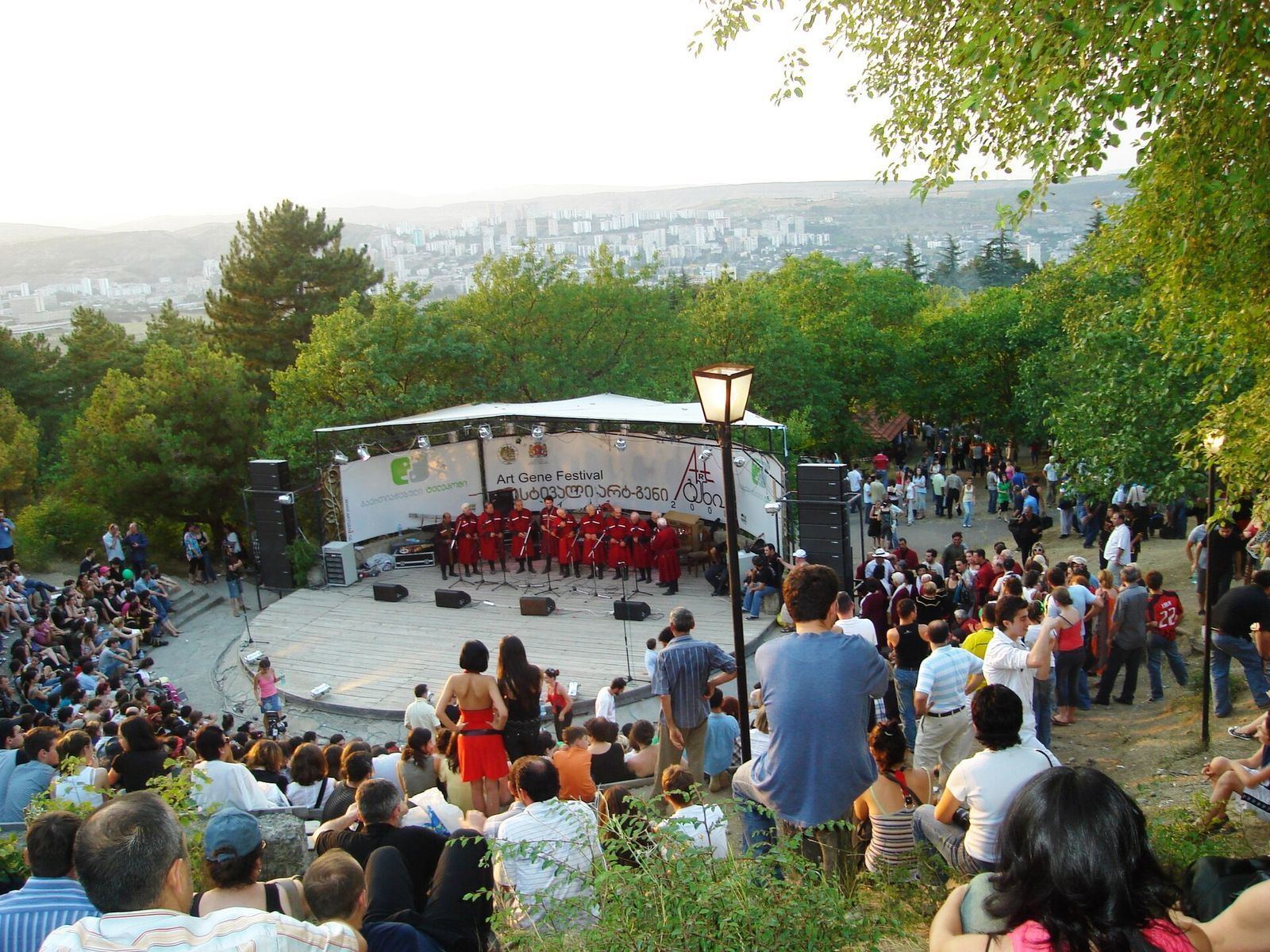
| July | Art-Gene | Folk music, crafts and dance | Open Air Museum of Ethnography |
| September to October | Rtveli | Picking, treading and feasting | Kakheti |
| Late September or early October | Tbilisoba | Concerts, food stalls and folk dance | Old Town and Rike Park |
| 31 December | New Year's Eve | Feasts at home, fireworks from every balcony | Everywhere |
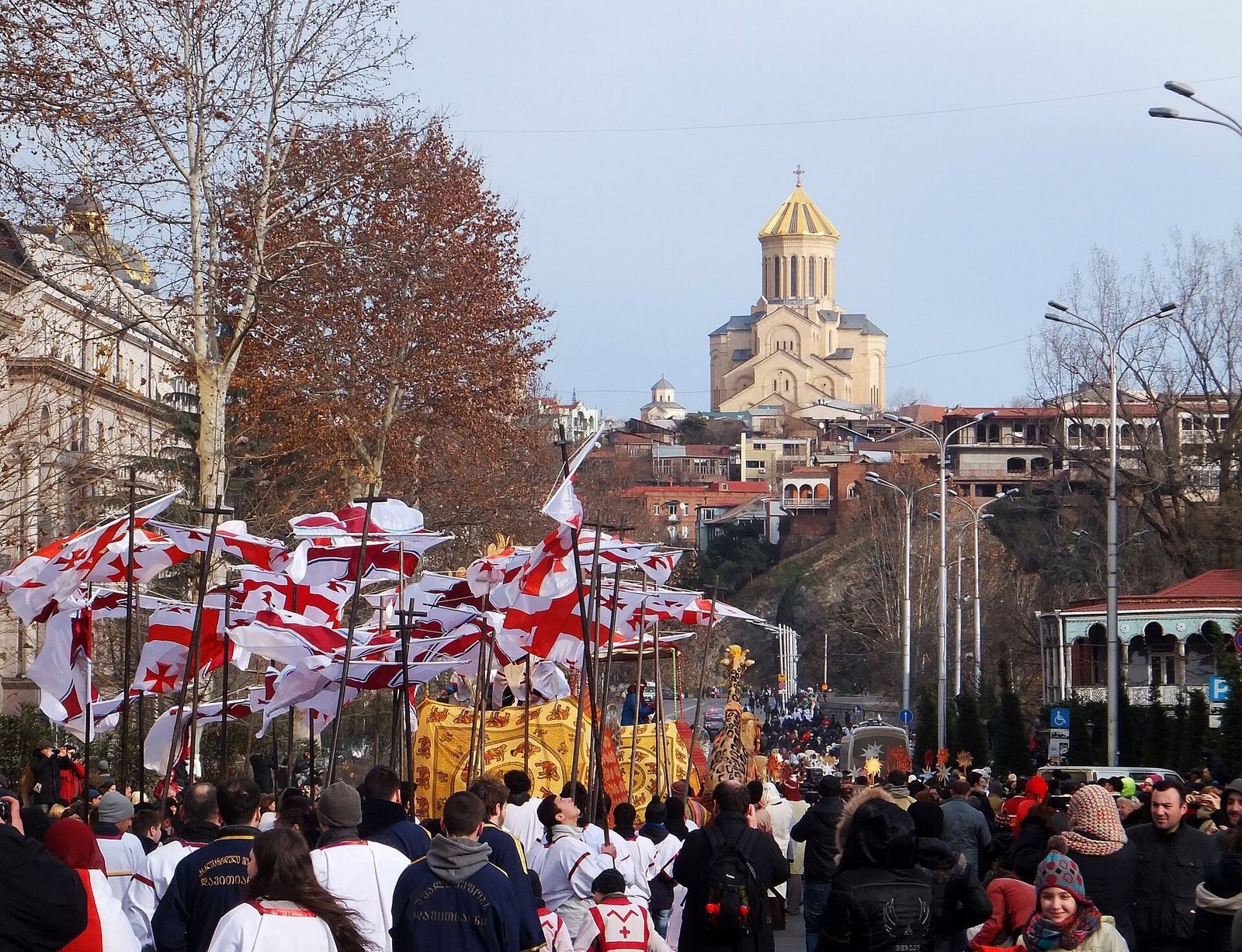
My favorite is Alilo, the Orthodox Christmas procession in Tbilisi, which walks from First Republic Square to Sameba from around noon on 7 January and is free to watch or join. Georgian Easter is the biggest church holiday, with eggs dyed red on Red Friday. In July, Art-Gene fills the Open Air Museum of Ethnography with folk singers, dancers and craftspeople, with 2026 day tickets from 60 GEL.
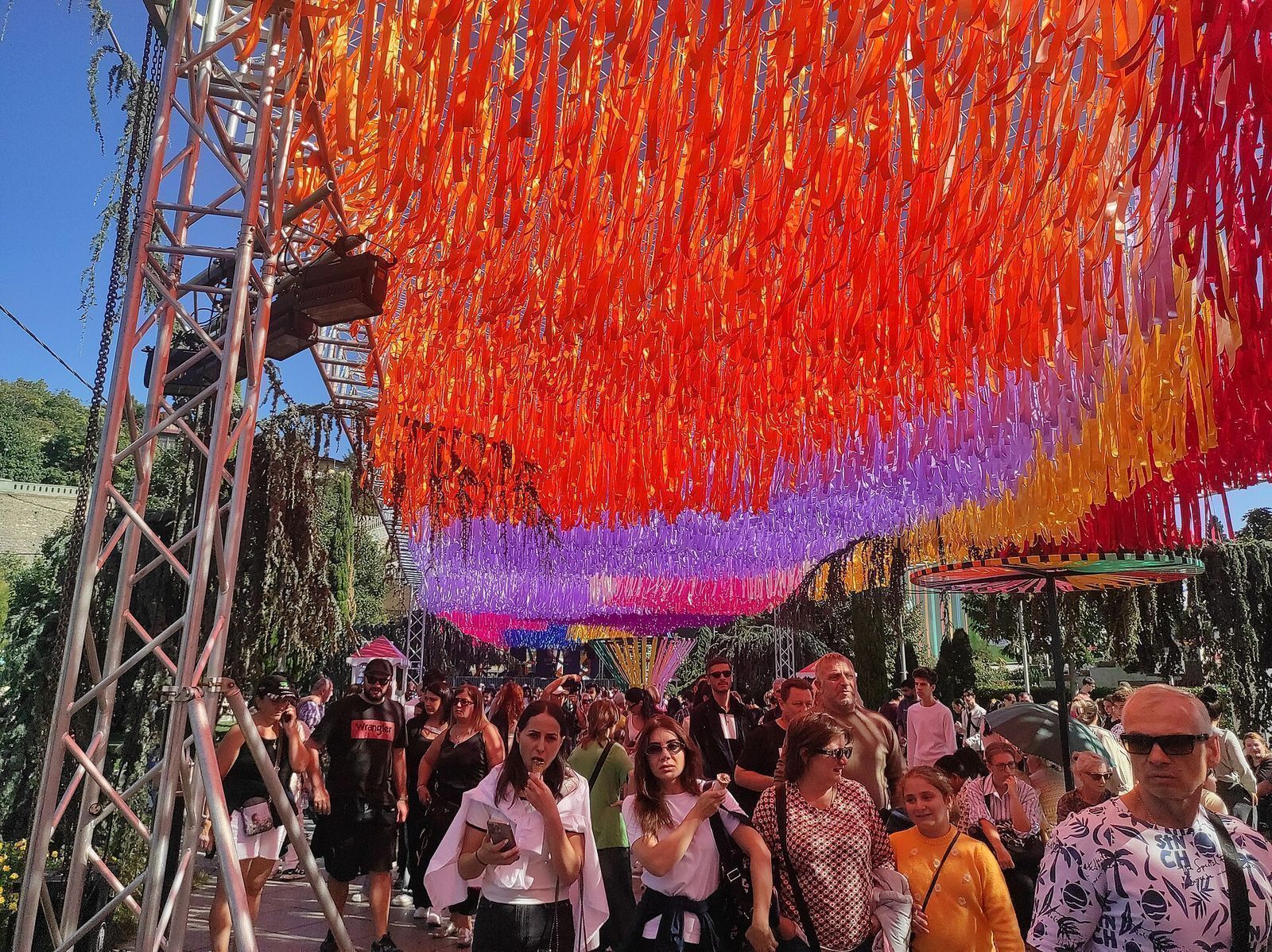
Tbilisoba, the city festival, ran on 3 and 4 October in 2026, and City Hall names the dates only weeks ahead. To catch the most festivals and holidays in Georgia on one trip, I'd go in the first days of October, with Tbilisoba in the Old Town and the harvest still on in Kakheti.
Georgian history in brief
Tbilisi has been burned and rebuilt so many times that the culture makes more sense once you know the outline of Georgian history. Legend says King Vakhtang Gorgasali founded the city around 458, after his falcon fell into a hot spring; the name comes from the Georgian word for "warm", and those springs still feed the sulfur baths of Abanotubani. David the Builder took Tbilisi back from the Arab emirs in 1122, and the Golden Age under Queen Tamar followed, when Shota Rustaveli wrote The Knight in the Panther's Skin.
Then came centuries of Mongols, Timur and Persia, the burning of 1795 and Russian annexation in 1801, which is why most of the Old Town you walk today dates from the 19th century. Georgia was independent from 1918 to 1921 and Soviet until 1991, and 9 April 1989, when Soviet troops killed at least 19 protesters on Rustaveli Avenue, is a date every Georgian knows. Through all of it, the church, the language and the supra kept the country Georgian, which is why people guard them so closely now.
Architecture, theatre and the arts in Tbilisi
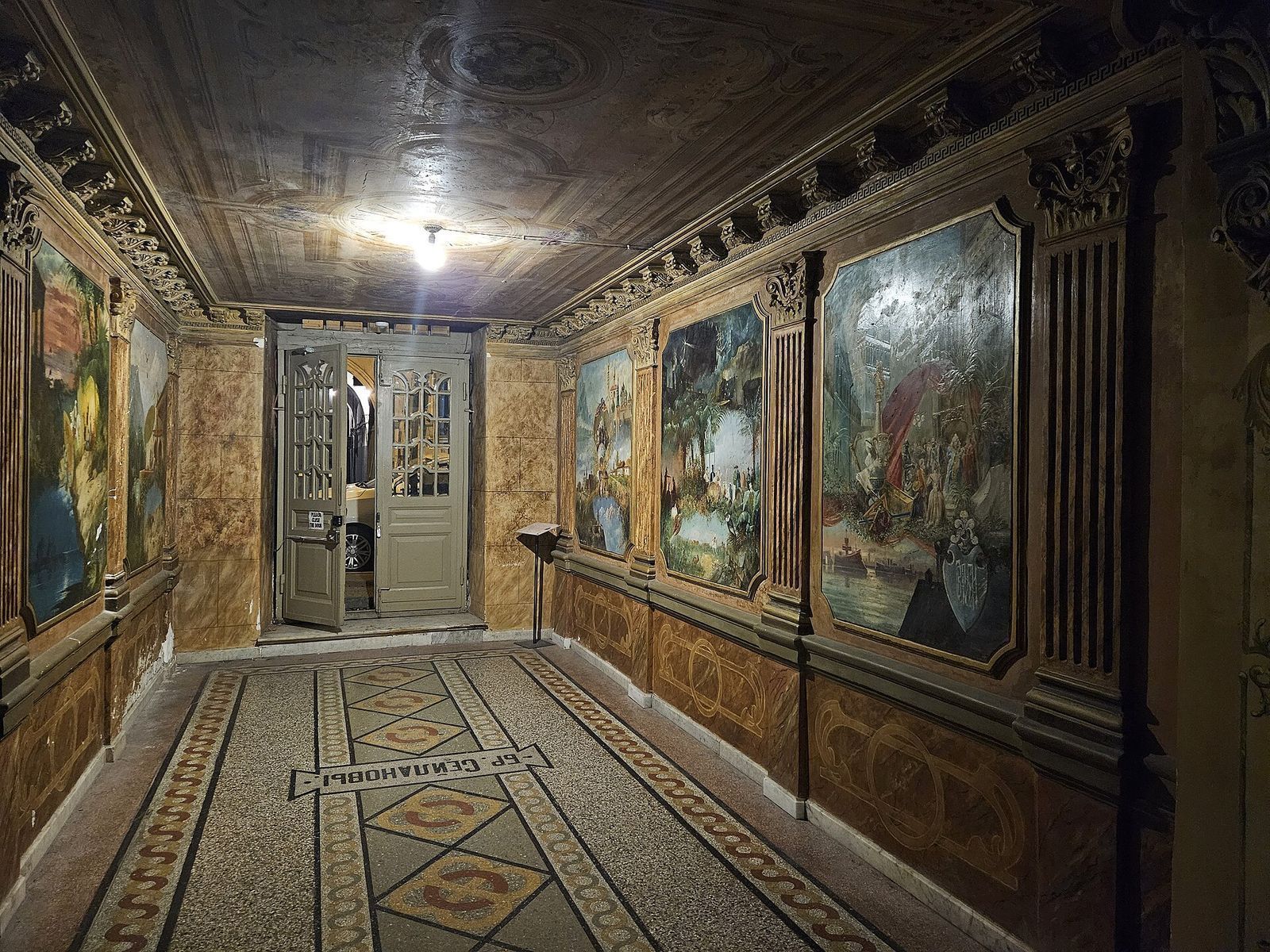
Tbilisi wears its culture on its buildings. The carved wooden balconies and painted entrance halls of Abanotubani and Sololaki come from the 19th-century city, and the mirror halls at the Tbilisi State Academy of Arts cost 12 GEL to see.
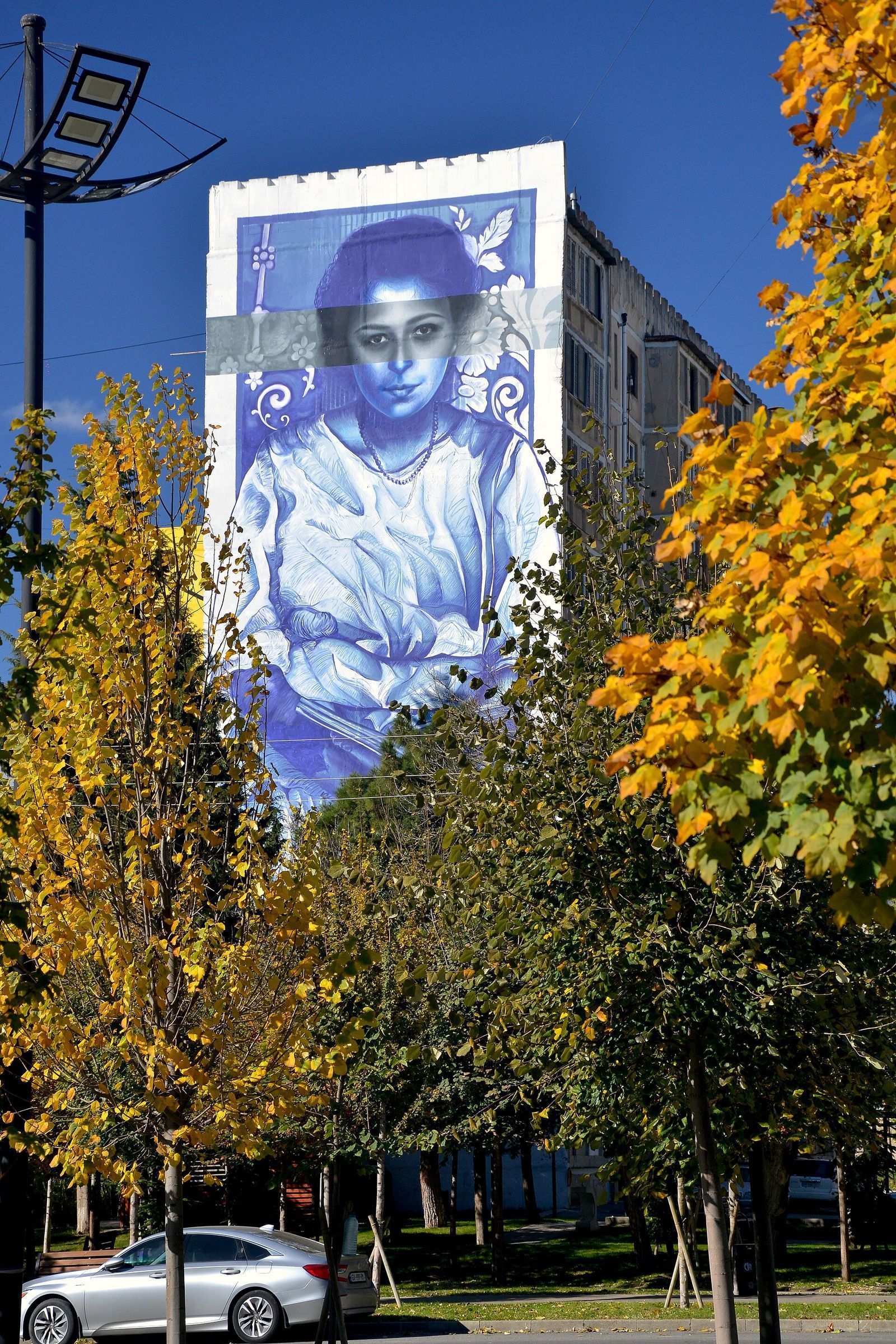
Out in the Soviet suburbs, the newest layer is paint: the street art in Tbilisi covers 10-story blocks in Varketili and Saburtalo, and new walls go up every autumn.
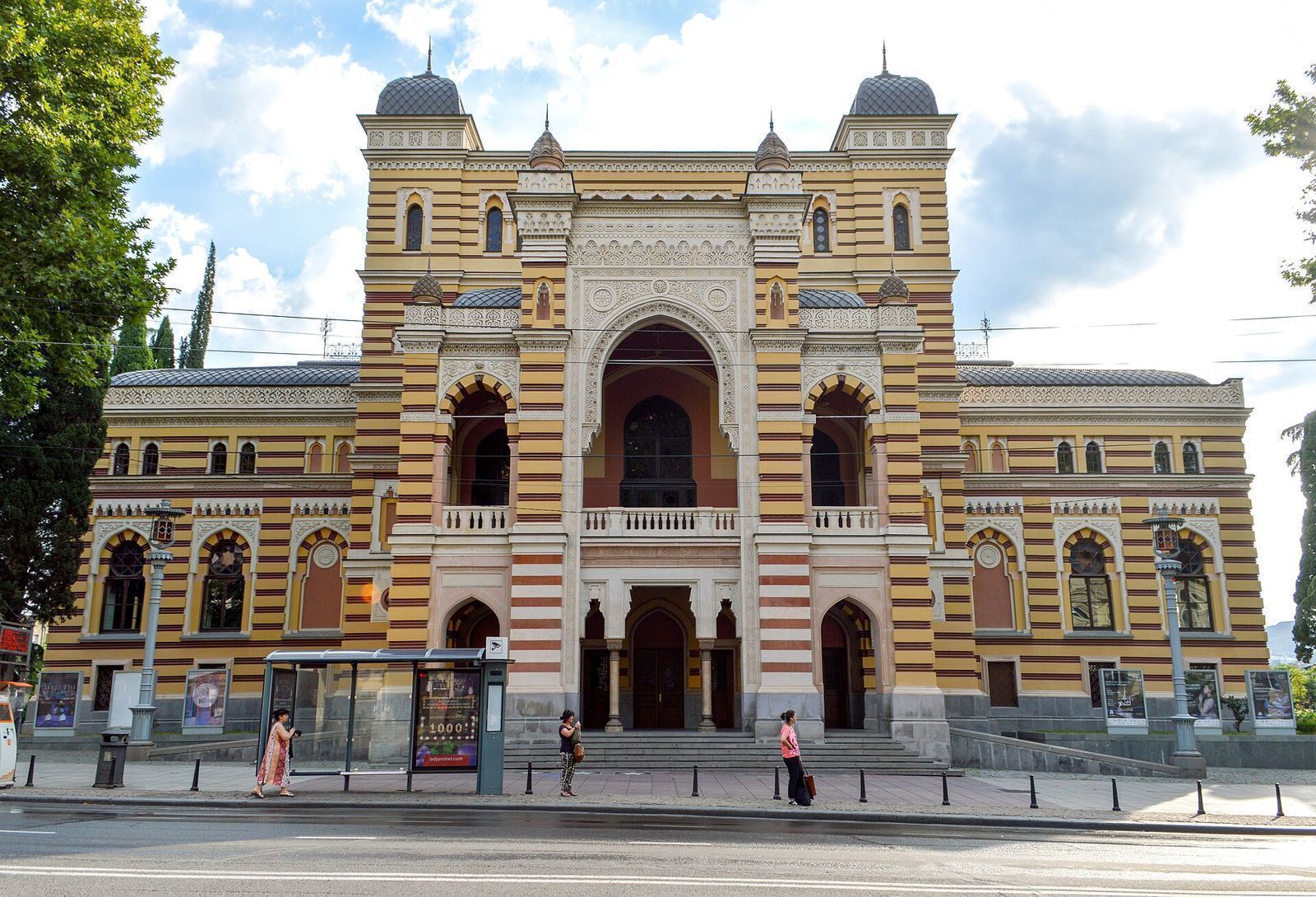
For a night out, the Moorish-style Opera and Ballet Theatre on Rustaveli Avenue is my pick, and ballet suits visitors best because it needs no words; upper-tier seats start at about 20 GEL.
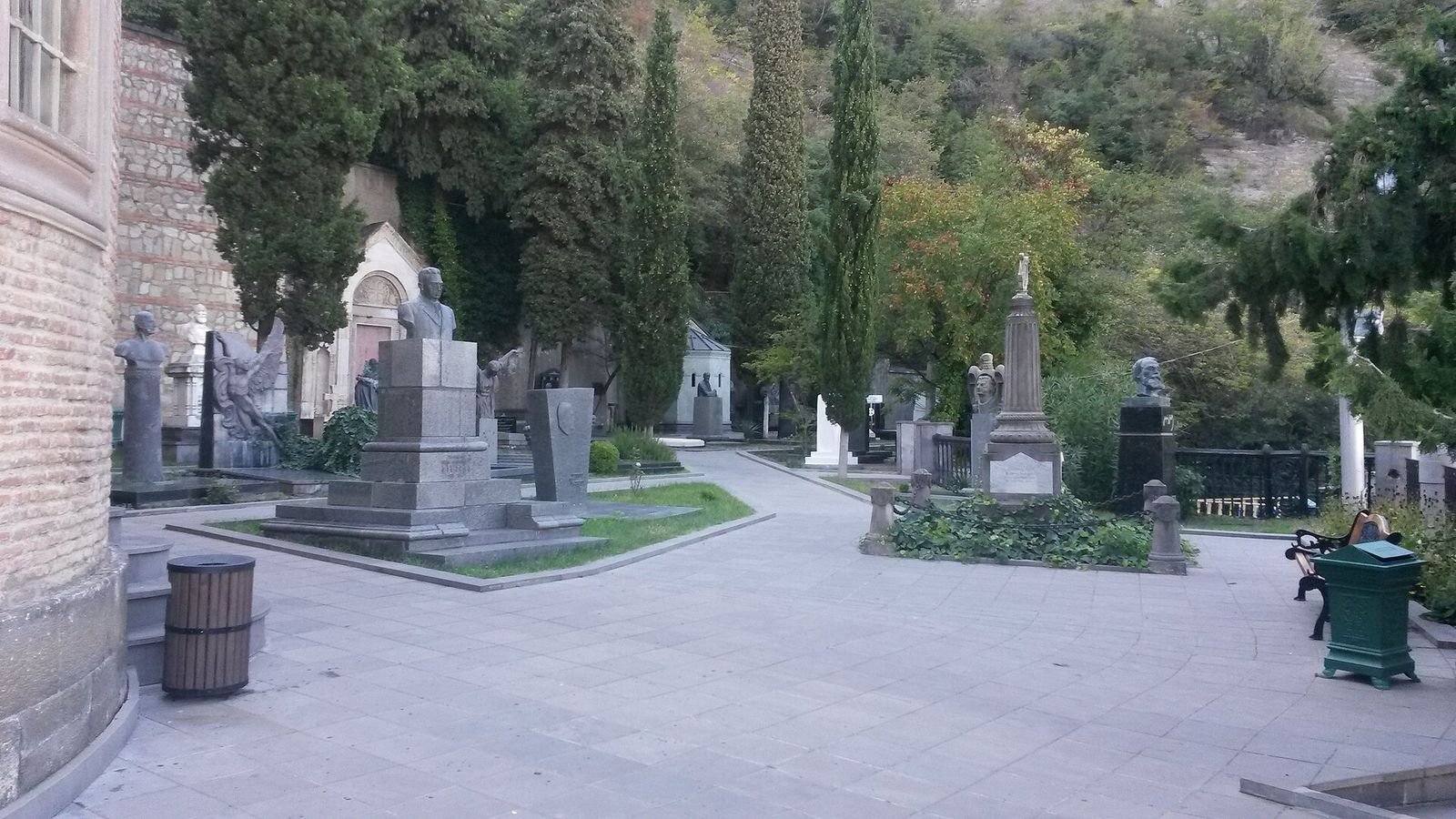
Georgians honor their writers in stone too: the free Mtatsminda Pantheon, on the funicular line, holds Ilia Chavchavadze, Vazha-Pshavela and Galaktion Tabidze. To carry some of the culture home, Georgian crafts like minankari cloisonne enamel, Tushetian felt and hand-painted ceramics from about 15 GEL beat anything with a flag on it.
Key takeaways
- Georgian culture runs on hospitality: accept the food, bring a small gift to a home and expect to be toasted.
- The supra is the tradition to experience above all, and the rule is simple: drink only on a toast, never with beer.
- Qvevri wine and three-voice polyphony are both on UNESCO's lists, and you can meet both in Tbilisi for 20 GEL or less.
- Dress for church whenever you sightsee, with shoulders and knees covered and a scarf in your bag.
- Time a trip for 7 January for Alilo, or the first days of October for Tbilisoba and the harvest.
Frequently asked questions
What is Georgian culture known for?
Georgian culture is best known for its hospitality, the supra feast and its toasts, 8,000 years of winemaking in clay qvevri and polyphonic singing in three voices. Its own 33-letter alphabet, Orthodox Christianity since the 4th century and athletic folk dance complete the picture.
What are the most important Georgian traditions?
The supra, with its tamada and toasts, is the tradition a visitor most needs to understand. Close behind come qvevri wine, church customs, polyphonic singing and the big holidays.
What should you not do in Georgia?
Don't toast with beer, refuse food in someone's home or walk into a church with bare shoulders or knees. Avoid the central chair in a church, flash near frescoes and politics until your hosts bring it up.
What is a supra in Georgia?
A supra is a traditional Georgian feast led by a toastmaster, the tamada, who proposes about 12 toasts over 4 to 5 hours. Guests drink only on his toasts and answer with gaumarjos, "to victory".
Do women need to cover their heads in Georgian churches?
Yes, women are expected to cover their hair in Georgian churches and to wear a skirt or dress to the knee. Most Tbilisi churches lend scarves and wrap skirts at the door.
What is the traditional Georgian dress called?
The traditional men's outfit is the chokha, a long wool coat with cartridge holders sewn across the chest. You'll see it on folk choirs and dancers, and more and more at weddings and cultural events.
When is the best time to see Georgian traditions in Tbilisi?
The first days of October are the best time, with Tbilisoba in the Old Town and the grape harvest still on in Kakheti. In winter, 7 January brings the Alilo procession, and Orthodox Easter is the biggest church holiday of the year.
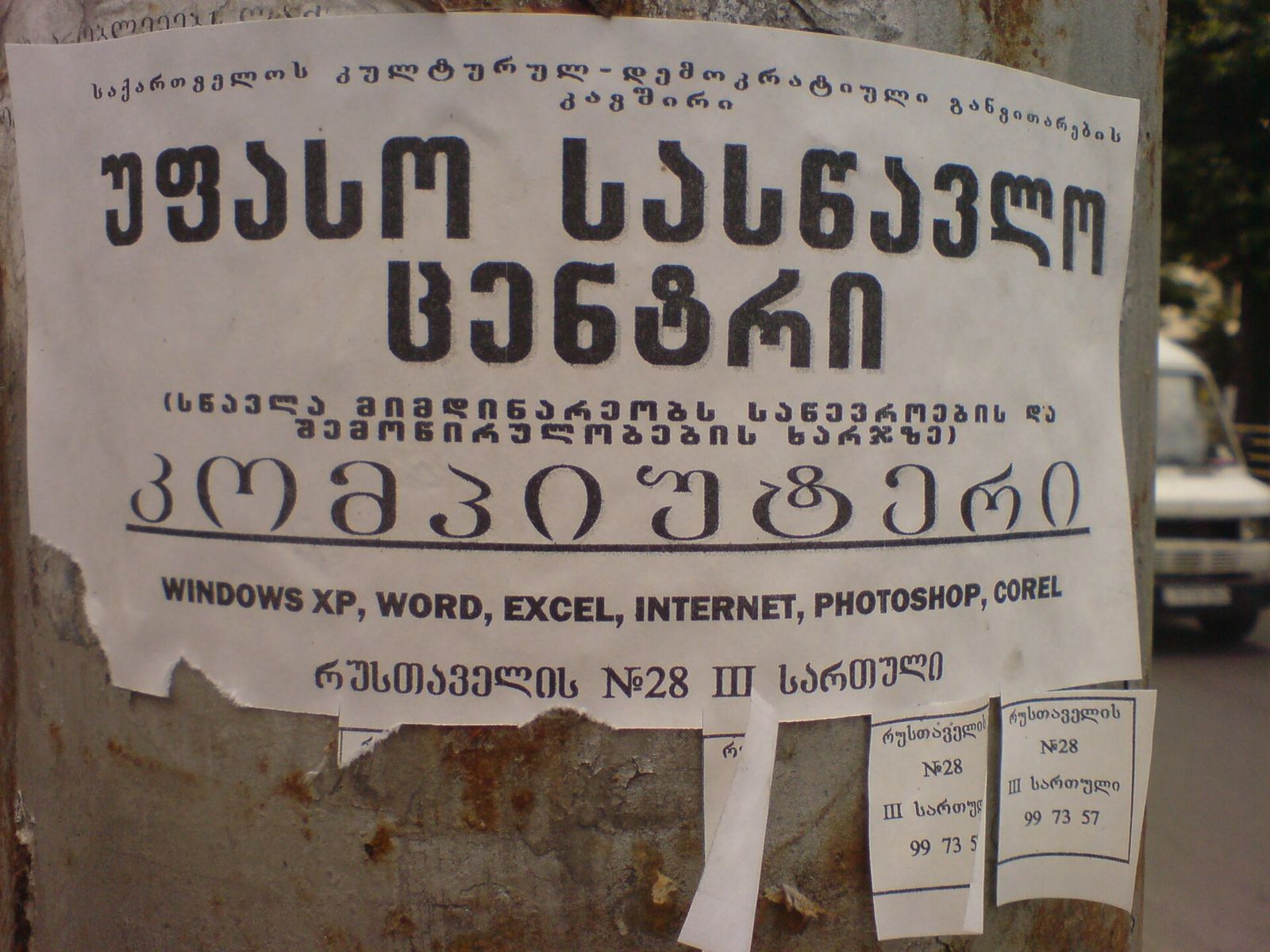
Basic Georgian Phrases for Travelers, with Pronunciation
Georgian has its own alphabet and a hello that means victory. Here are the phrases to learn and how to say them.
Read the guide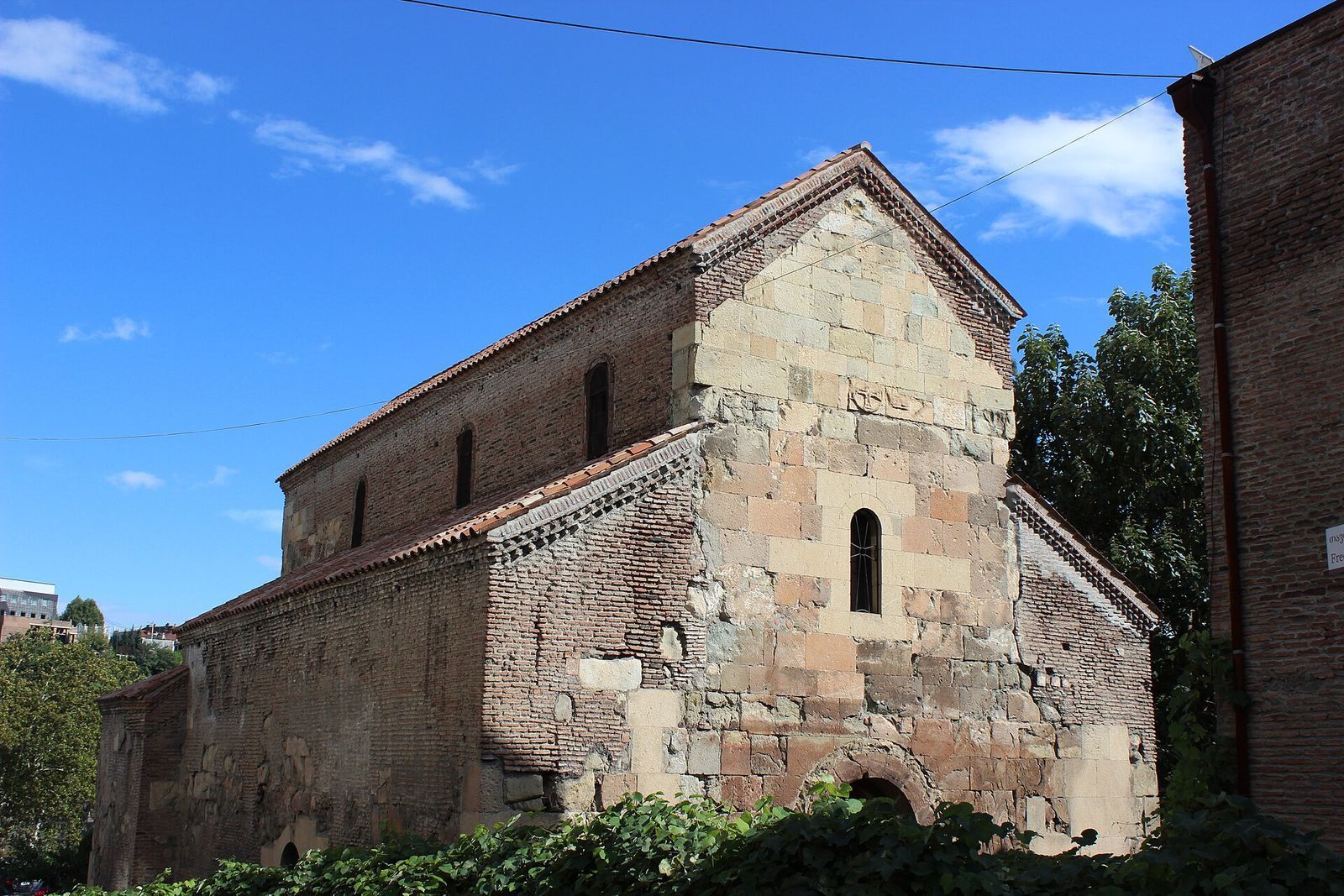
A Short History of Georgia and Tbilisi, From the Falcon Legend to Today
Tbilisi has been burned and rebuilt for 1,500 years. Here is Georgia's story in short, and where to see it today.
Read the guide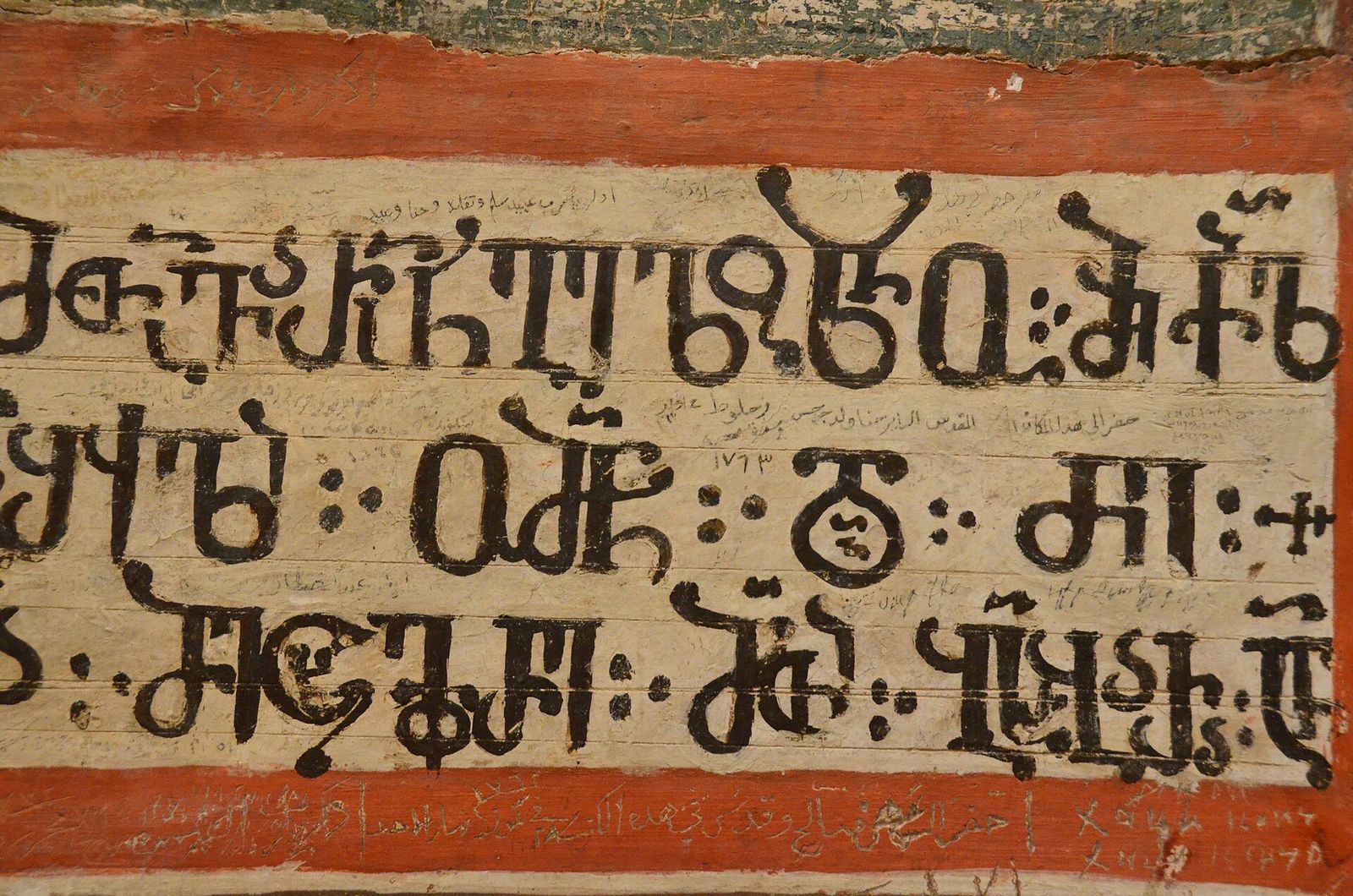
The Georgian Alphabet: 33 Letters, Three Scripts and Where to See Them
Georgia writes in its own alphabet. Here is how the 33 letters work, the three scripts and where to see them.
Read the guide