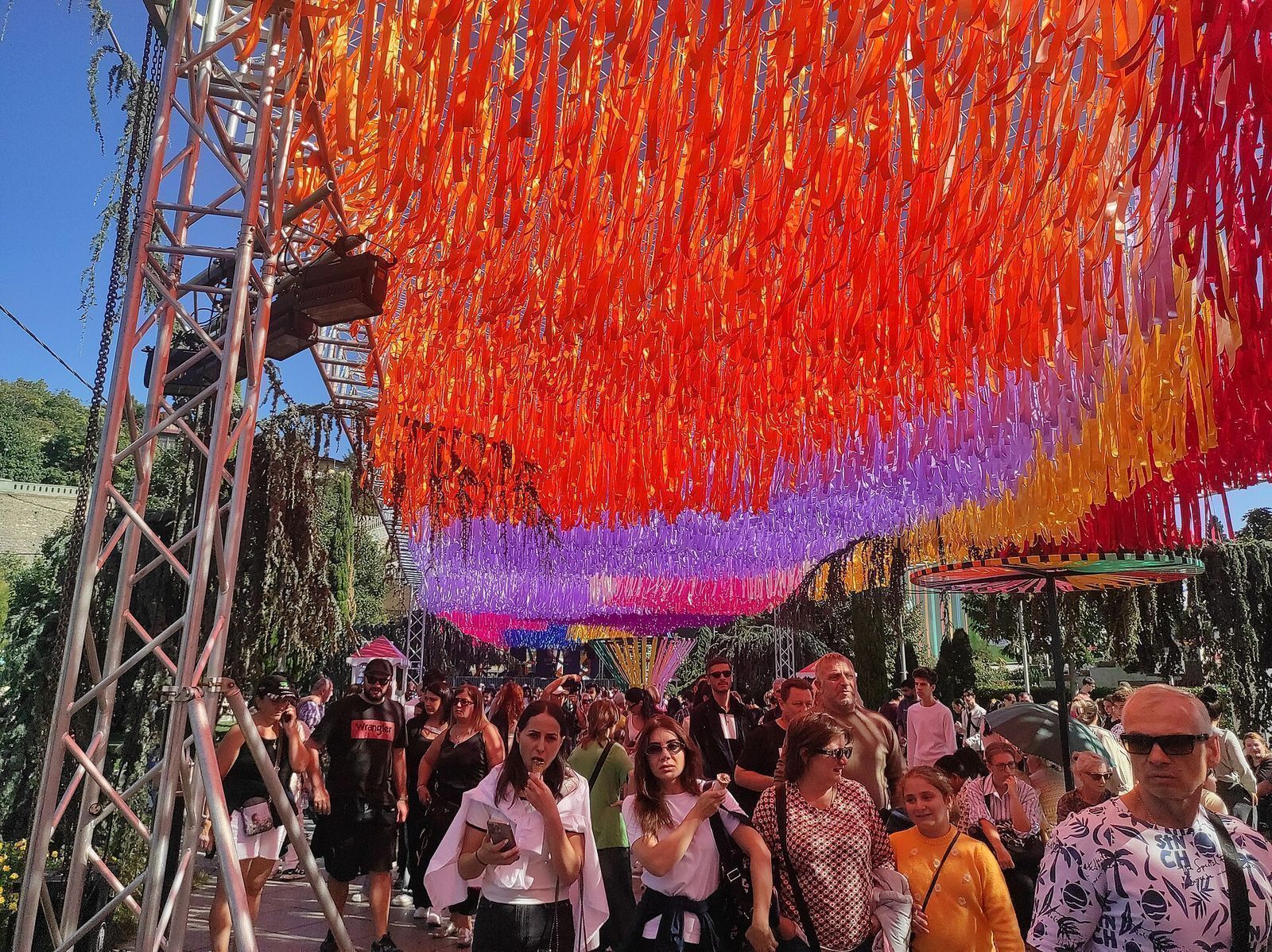
Festivals and Holidays in Georgia: The Year in Tbilisi and Beyond
Georgia is known for its feasts, and its calendar hands out plenty of reasons for one: Orthodox Christmas in January, Easter in spring, Tbilisoba and the grape harvest in autumn, and village feast days in the mountains all summer. Here's what you need to know about the festivals worth planning a trip around, when they fall, and what the 18 public holidays mean for your plans.
Georgia's festival calendar, month by month
Most of Georgia's big dates sit at the two ends of the year: the run of church holidays in January and the harvest season from September into October. Spring brings Easter and the first big wine tasting, and summer belongs to folk and music festivals in Tbilisi and feast days in the mountain villages.
| Month | Festival or holiday | Where | What happens |
|---|---|---|---|
| January | Christmas and Alilo (7th), Old New Year (13th), Epiphany (19th) | Tbilisi and every town | Carol procession, church services, family tables |
| February | Lamproba | Svaneti | A fire ritual in the mountain villages |
| Late winter or early spring | Berikaoba | Villages | A masked folk carnival with comic skits |
| March | Mother's Day (3rd), Women's Day (8th) | Nationwide | Two public holidays in one week |
| April or early May | Orthodox Easter and the Easter market | Tbilisi and nationwide | Crafts market, four days off, family visits |
| May | New Wine Festival (second Saturday), Independence Day (26th) | Tbilisi | Tastings at Mtatsminda Park, the national day |
| June | Lomisoba, Tbilisi Open Air | Mtiuleti highlands, Tbilisi | A mountain pilgrimage, a three-day music festival |
| July | Art-Gene, Kvirikoba (28th), Black Sea Jazz | Tbilisi, Svaneti, Batumi | Folk music and crafts, a village feast day, jazz by the sea |
| August | Tusheti cheese festival, GEM Fest, Mariamoba (28th) | Tusheti, Anaklia, nationwide | Highland food, electronic music, a church holiday |
| September | Rtveli begins, Alaverdoba, Tsinandali festival | Kakheti and Imereti | Grape picking, feasting, classical concerts |
| October | Tbilisoba, the end of Rtveli, Svetitskhovloba (14th) | Tbilisi, Kakheti, Mtskheta | The city festival, the last of the harvest |
| November | Giorgoba (23rd) | Nationwide | St George's Day |
| December | New Year's Eve | Tbilisi and every town | The start of a holiday season that runs to 19 January |
If you can only line up one, I'd pick the start of October. The best time to visit Tbilisi for walking and for festivals turns out to be the same few weeks: the summer heat has gone, Tbilisoba fills the Old Town, and the vineyards in Kakheti are still busy with the harvest.
Tbilisoba, Tbilisi's city festival
Tbilisoba is the city's own birthday party, a weekend of concerts, folk dance, theater and food and wine stalls spread through the old center. It began on 28 October 1979 and for decades ran on the last weekend of October. In recent years it has moved earlier, and the weekend changes every year: 20 and 21 September in 2025, then 3 and 4 October in 2026.
City Hall announces the dates only a few weeks ahead; in 2026 the announcement came on 22 September, less than two weeks before the festival. So if you want to plan a trip around it, aim for late September or early October and expect to confirm the exact weekend late.
What happens at Tbilisoba
In 2026 the program ran across Rike Park, Orbeliani Square, Gudiashvili Square, the Leghvtakhevi gorge, Europe Square and Metekhi Bridge, which between them cover most of Old Tbilisi on both banks of the river. Folk ensembles parade through the streets, stages put on dancers, singers and theater, and long rows of stalls sell food and wine.
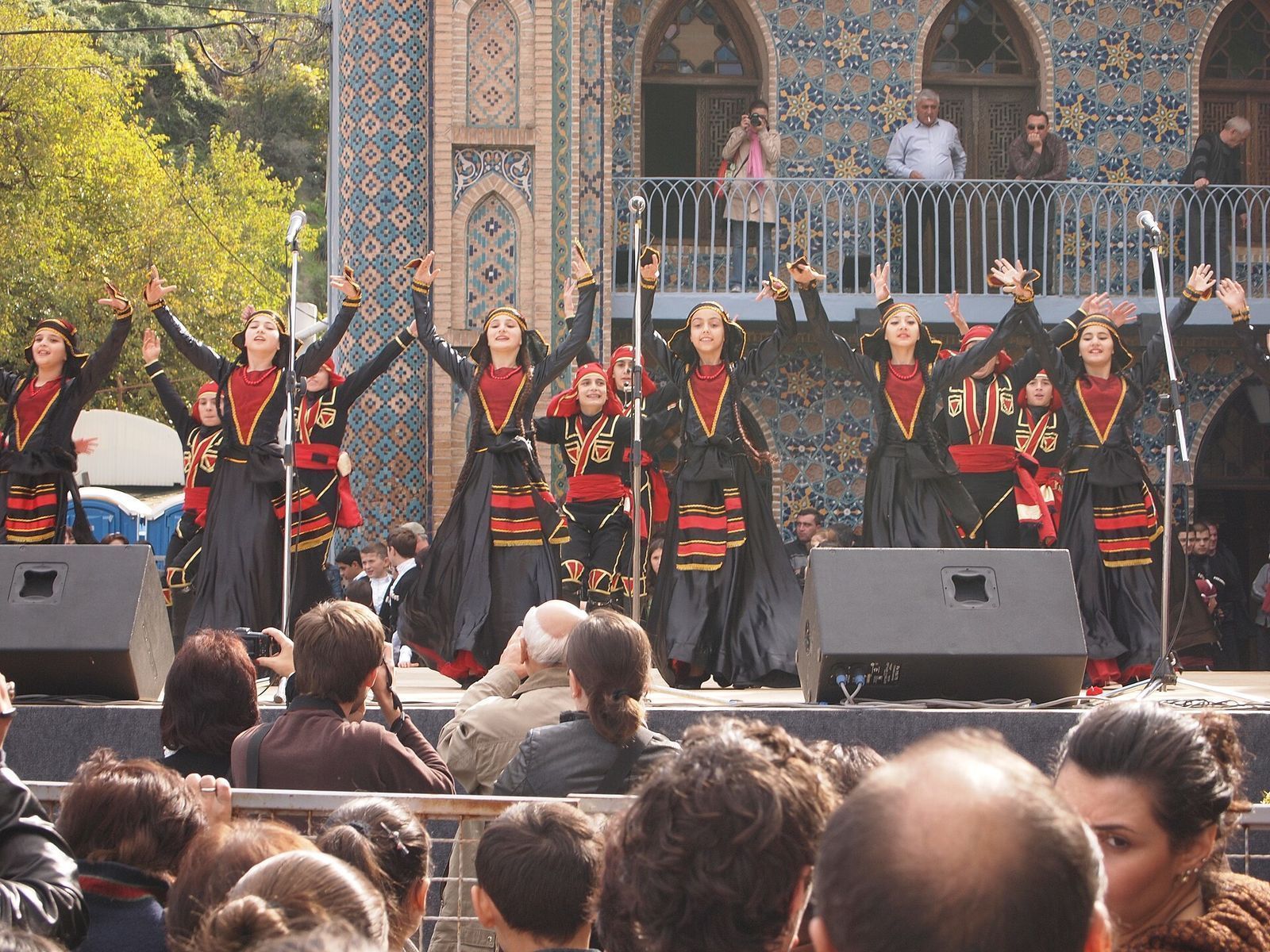
My way to do it: start at Rike Park in the afternoon, cross Metekhi Bridge into Abanotubani, walk up into the gorge behind the bathhouses, then work through the lanes toward Gudiashvili Square, eating as you go. The squares are at their best in the evening, when the concerts start and the whole Old Town is out.
Christmas, Alilo and the two New Years
The Georgian church follows the old Julian calendar, so Christmas, called Shoba, falls on 7 January rather than 25 December. The holiday season runs from New Year's Day to Epiphany on 19 January, with four public holidays inside it: 1 and 2 January, Christmas on the 7th and Epiphany on the 19th.
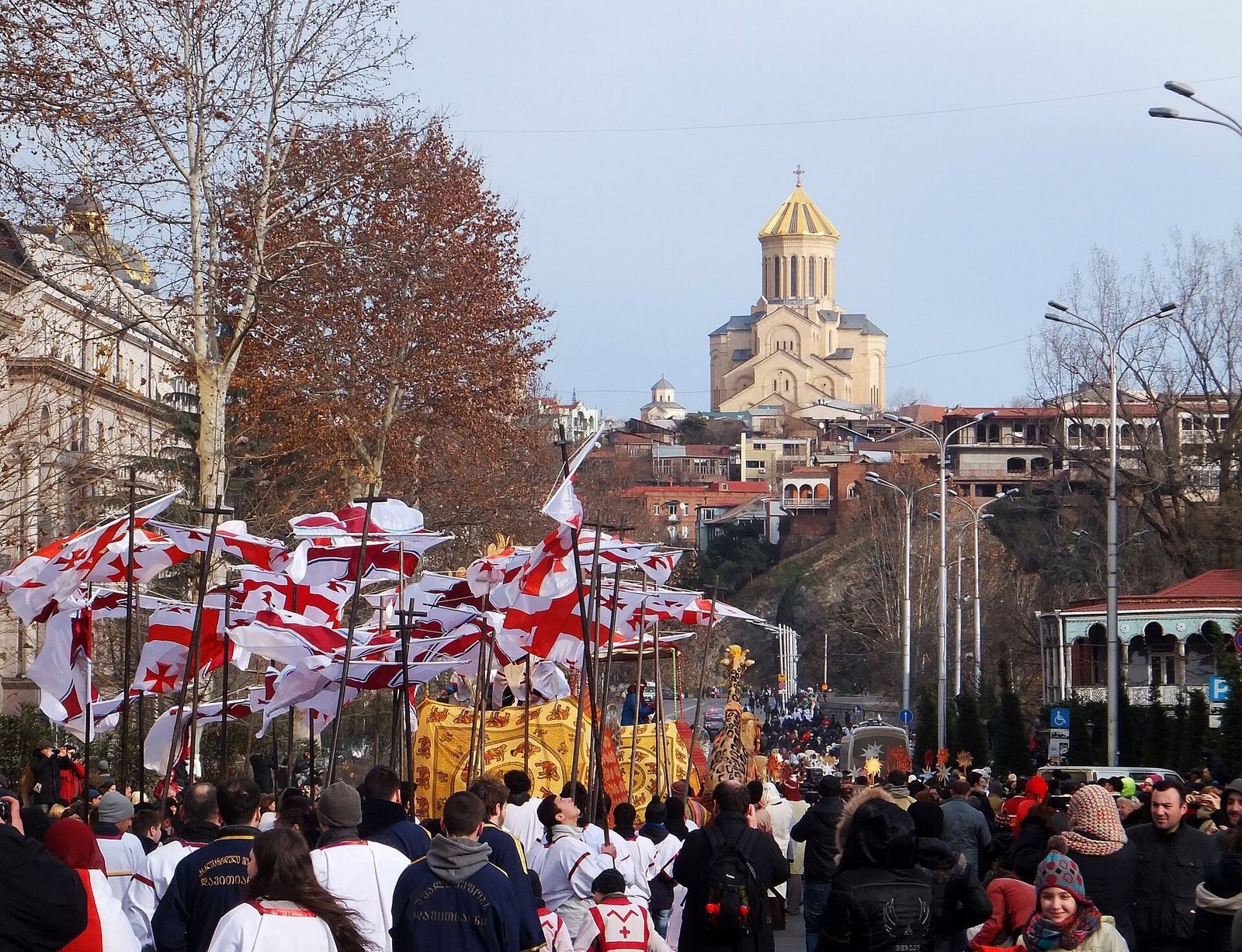
The day to be in Tbilisi is Christmas itself. The Alilo procession walks through the city and other towns that day: clergy, church choirs and crowds of believers, many in traditional dress, singing carols and collecting gifts for orphanages, care homes and families in need. It's the most Georgian thing you can see in winter, and all it asks of you is a warm coat and a spot on the pavement.
Then the New Year comes round a second time. On the night of 13 January, Georgians see in the Old New Year, the start of the year by the Julian calendar. It's celebrated, but it isn't a public holiday, so banks and offices are open the next morning.
A winter trip timed for Christmas and New Year in Tbilisi can take in New Year's Day, the Alilo procession and the Old New Year in under two weeks, and I'd pick that over a summer trip for anyone who wants to see the city's traditions rather than its terraces.
Orthodox Easter and the Easter market
Orthodox Easter is the only holiday on the calendar that moves. It follows the Orthodox church's own reckoning and usually falls later than Western Easter, somewhere between April and early May. In 2026, Easter Sunday was 12 April.
The four days around it are all public holidays: Good Friday, Holy Saturday, Easter Sunday and Easter Monday, which made 10 to 13 April a long weekend in 2026. Easter Monday is the day many families visit the graves of relatives.
In the week before Easter, Tbilisi holds an Easter market at Rose Revolution Square and in Rike Park, by the Bridge of Peace. The stalls sell paska, the sweet Easter bread, painted eggs, pottery, wood carving and textiles. It's my favorite crafts shopping of the year, and I'd go on a weekday afternoon.
Beyond the market, Easter in Georgia is a church and family holiday rather than a street festival, so plan it as a quieter trip than Tbilisoba or New Year.
Wine festivals and Rtveli, the grape harvest
Wine turns up at almost every Georgian celebration, and two dates are built entirely around it.
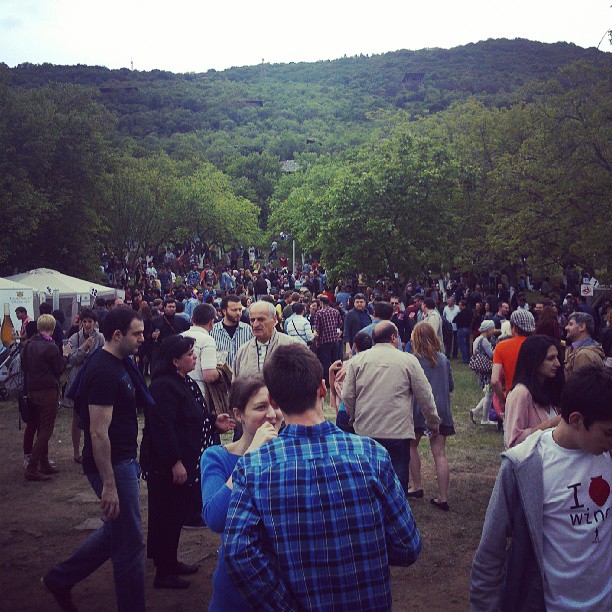
The New Wine Festival is held on the second Saturday of May up at Mtatsminda Park, on the hill above the city. Big and small producers pour their wines, with folk music and food alongside. Of all the wine festivals in Tbilisi, it's the one I'd plan a spring trip around, because it puts many small family producers in one place for an afternoon.
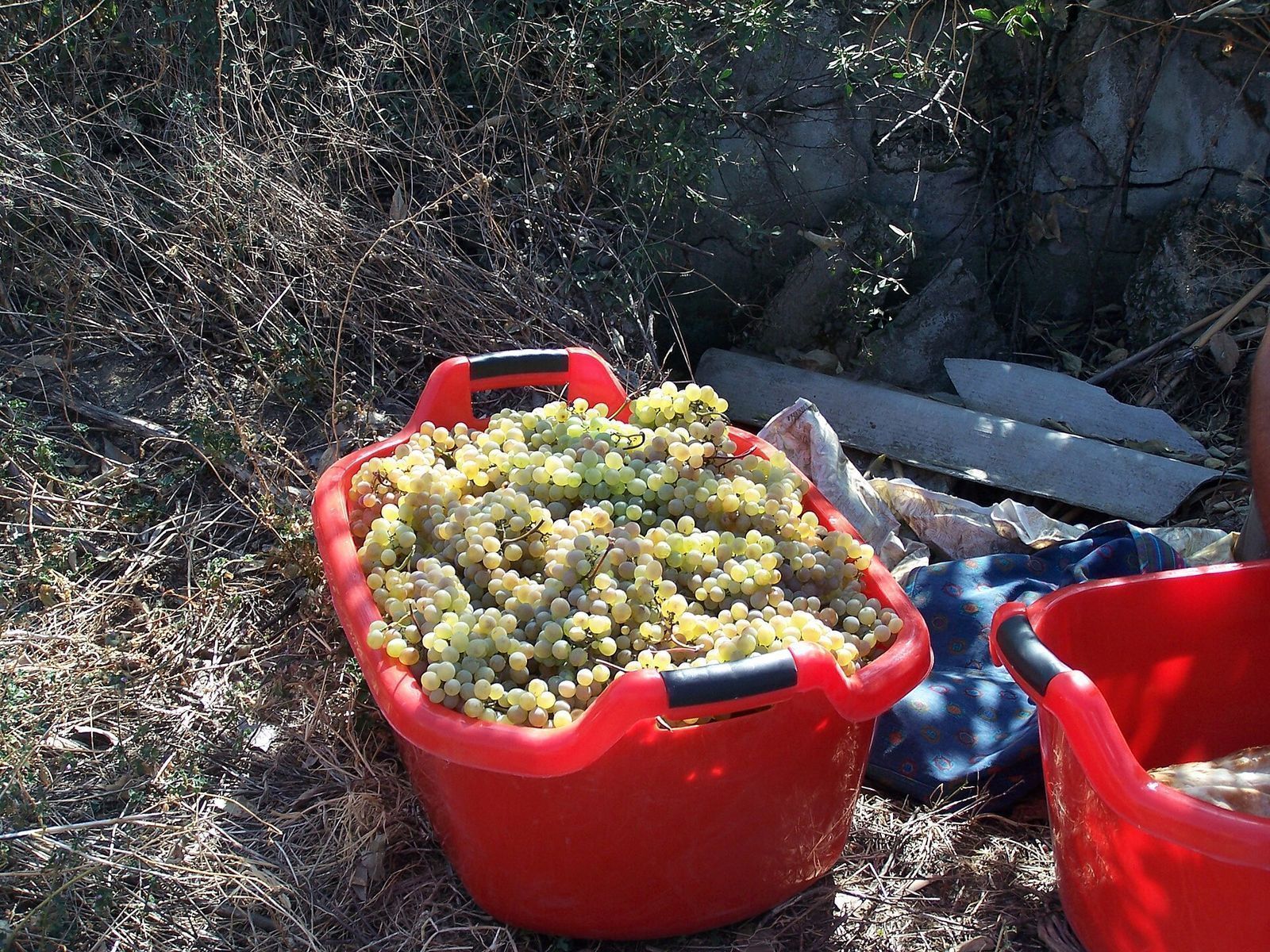
Rtveli is the grape harvest, and it runs from September into October in Kakheti, the wine region east of Tbilisi, and in Imereti in the west. Families and wineries pick the grapes, press them, then sit down to feast and sing. You can join in through one of the wineries in Kakheti, and a day of Rtveli picking and pressing is the most hands-on way to understand Georgian wine. Every harvest day ends at the table, and the harvest supra, with its toastmaster and long run of toasts, is the part people remember.
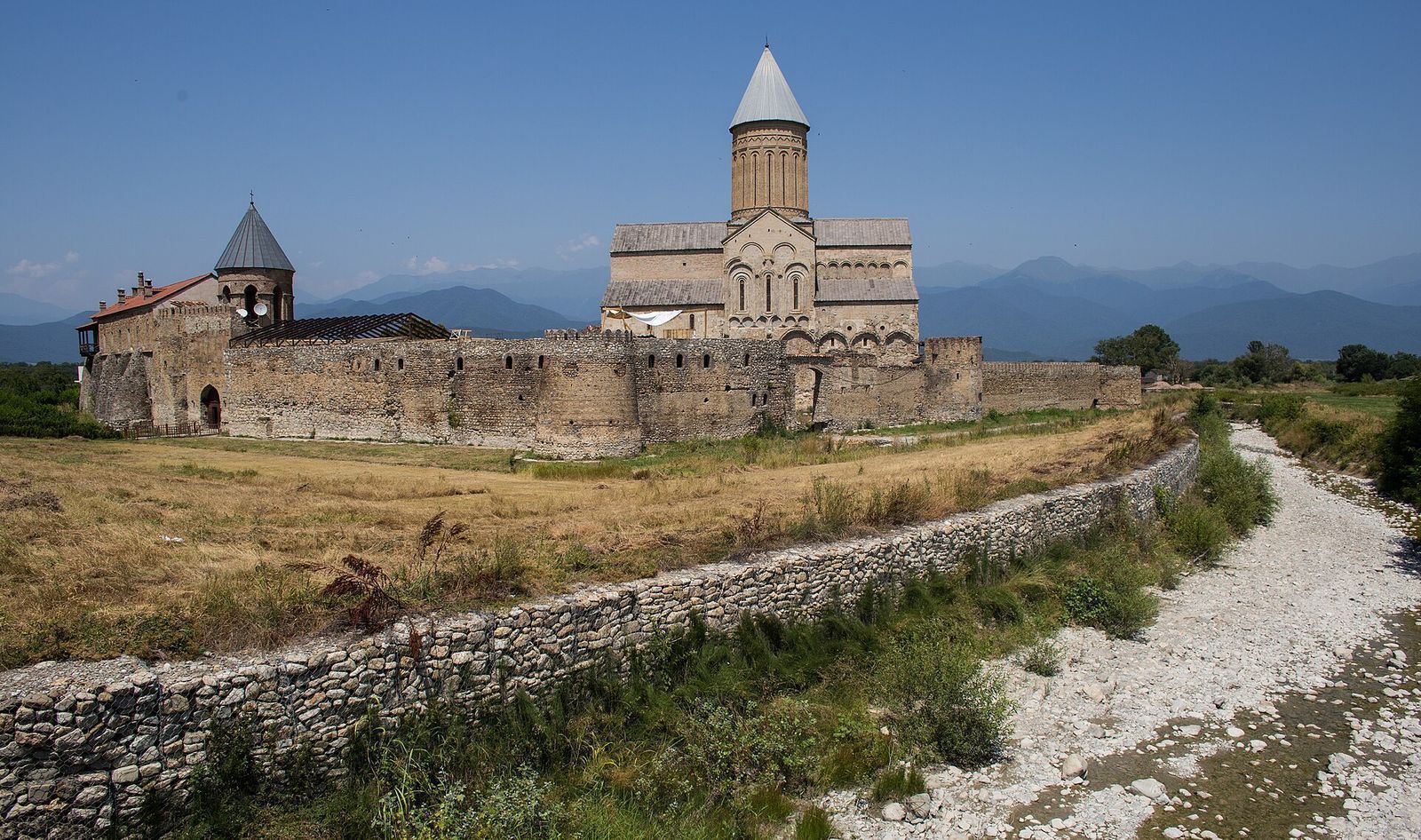
Two more autumn dates sit in Kakheti. Alaverdoba is usually in September, on the feast of St Joseph of Alaverdi, with singing, dancing and feasting around the monastery. The Tsinandali classical music festival also usually runs in September.
Art-Gene and the summer music festivals
Summer is the season for music. The heat makes Tbilisi slow in July and August, but the evenings are long, and most of the year's outdoor festivals fall between June and August.
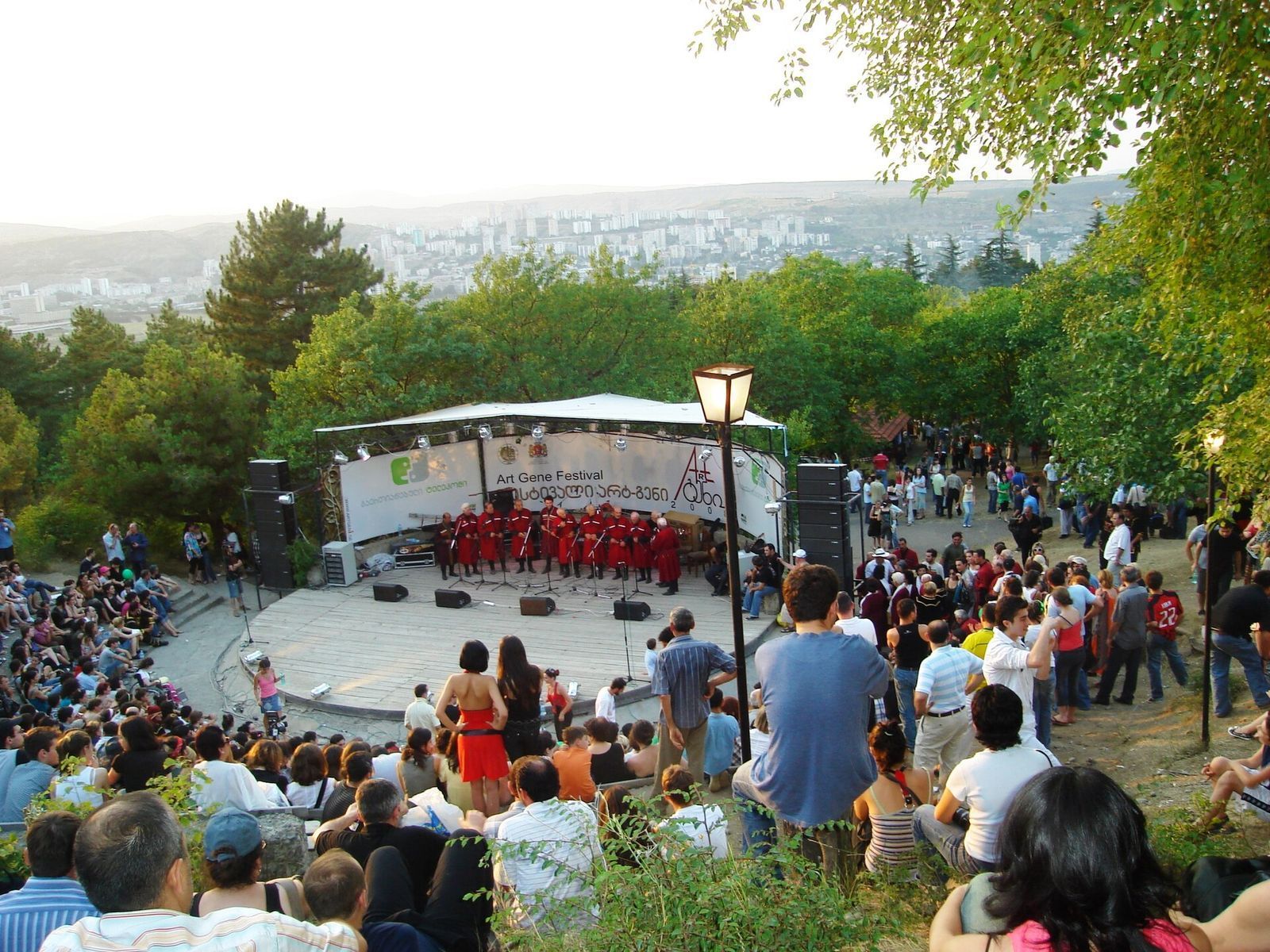
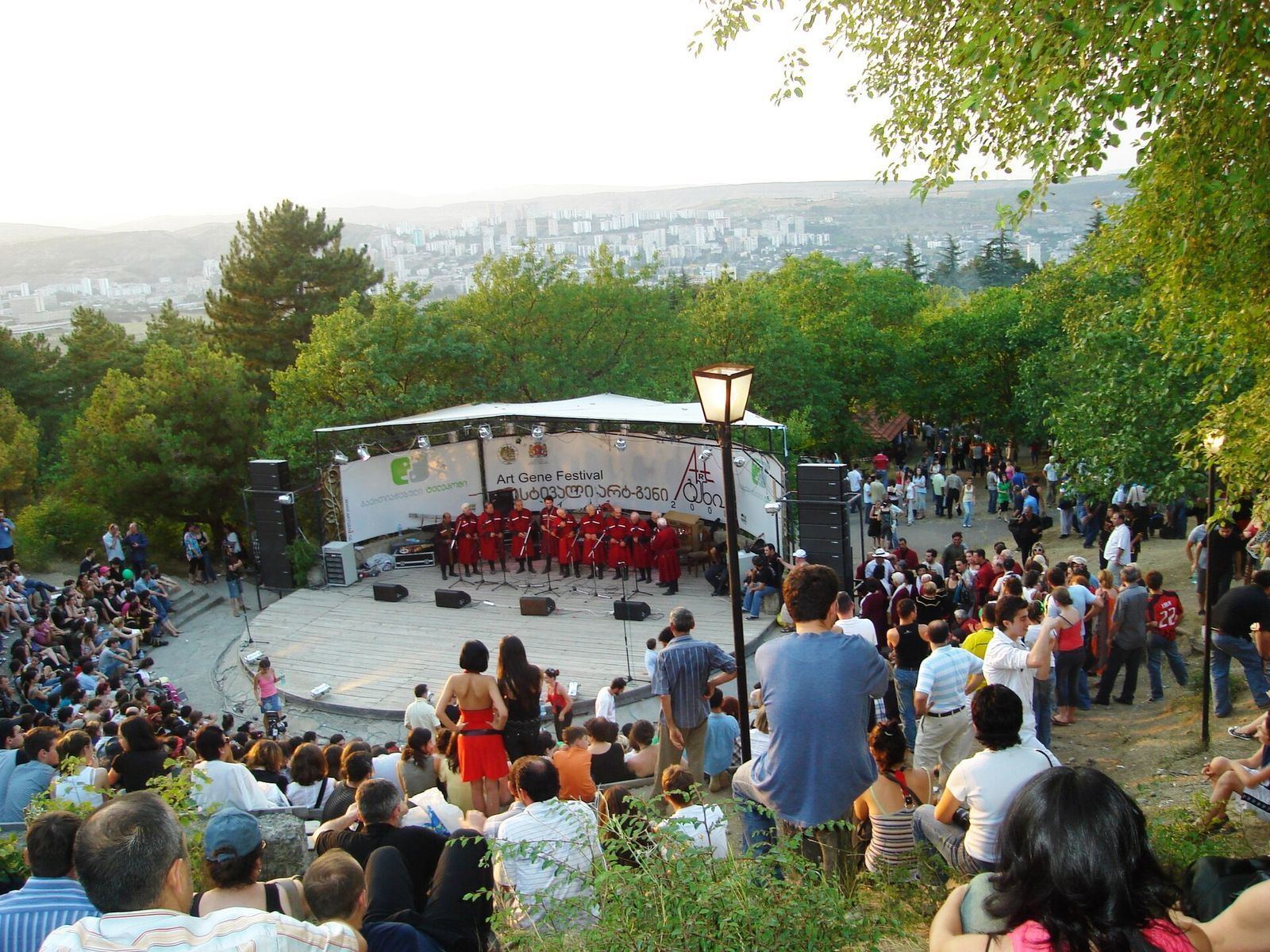
Art-Gene is my favorite of them. Running since 2004, it takes over the Open Air Museum of Ethnography in July with folk musicians, dancers and craftspeople from around the country, alongside contemporary artists. It's the easiest place in Tbilisi to hear Georgian polyphonic singing outdoors, with the old wooden houses of the museum as the backdrop. The 2026 edition ran from 23 to 26 July, opened by the Sukhishvili national ballet on the first night.
Tickets in 2026 were sold in two price steps:
| Art-Gene ticket, 2026 | Early price | Later price |
|---|---|---|
| Four-day pass | 145 GEL | 190 GEL |
| Day ticket | 60 GEL | 90 GEL |
The other summer festivals are louder and more scattered.
| Festival | Where | Usually | What it is |
|---|---|---|---|
| Tbilisi Open Air | Tbilisi | Early summer, three days | Rock, electronic and indie, running since 2009 |
| Black Sea Jazz Festival | Batumi | July | Jazz on the Black Sea coast |
| GEM Fest | Anaklia | August | Electronic music on the coast |
Dates for all three change from year to year, so check each one's own announcement before you book. The Sukhishvili company tours abroad often, including a run of October 2026 dates in the United States, which makes its Tbilisi shows irregular; catching it at Art-Gene is the surest bet.
Village and mountain festivals beyond Tbilisi
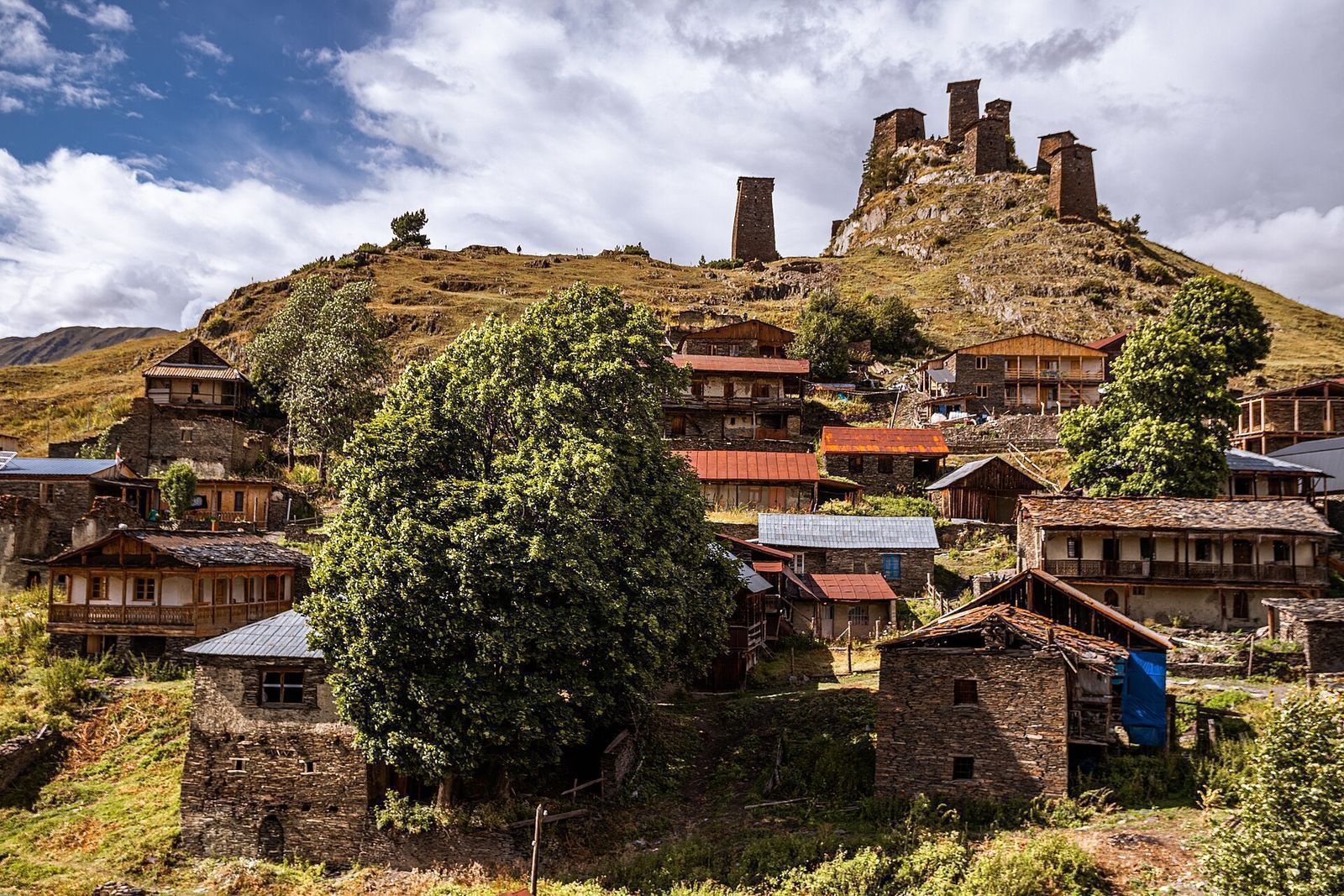
The festivals I'd travel furthest for are the village feast days in the mountains. Most are church holidays at heart: a service at the local church, then a long feast with singing outside. They are local celebrations rather than staged events, and you're there as a guest.
| Festival | Where | When | What happens |
|---|---|---|---|
| Lamproba | Svaneti | Usually February | A fire ritual in the villages |
| Berikaoba | Villages | Late winter or early spring | A masked carnival with costumed characters, music and comic skits |
| Lomisoba | Lomisi monastery, Mtiuleti highlands | Early June | A pilgrimage to the monastery, then feasting and games |
| Kvirikoba | Kala village, Svaneti | 28 July | A service at the church of St Kvirike, then feasting and singing |
| Tusheti cheese festival | Tusheti | August | A summer gathering around the region's cheese |
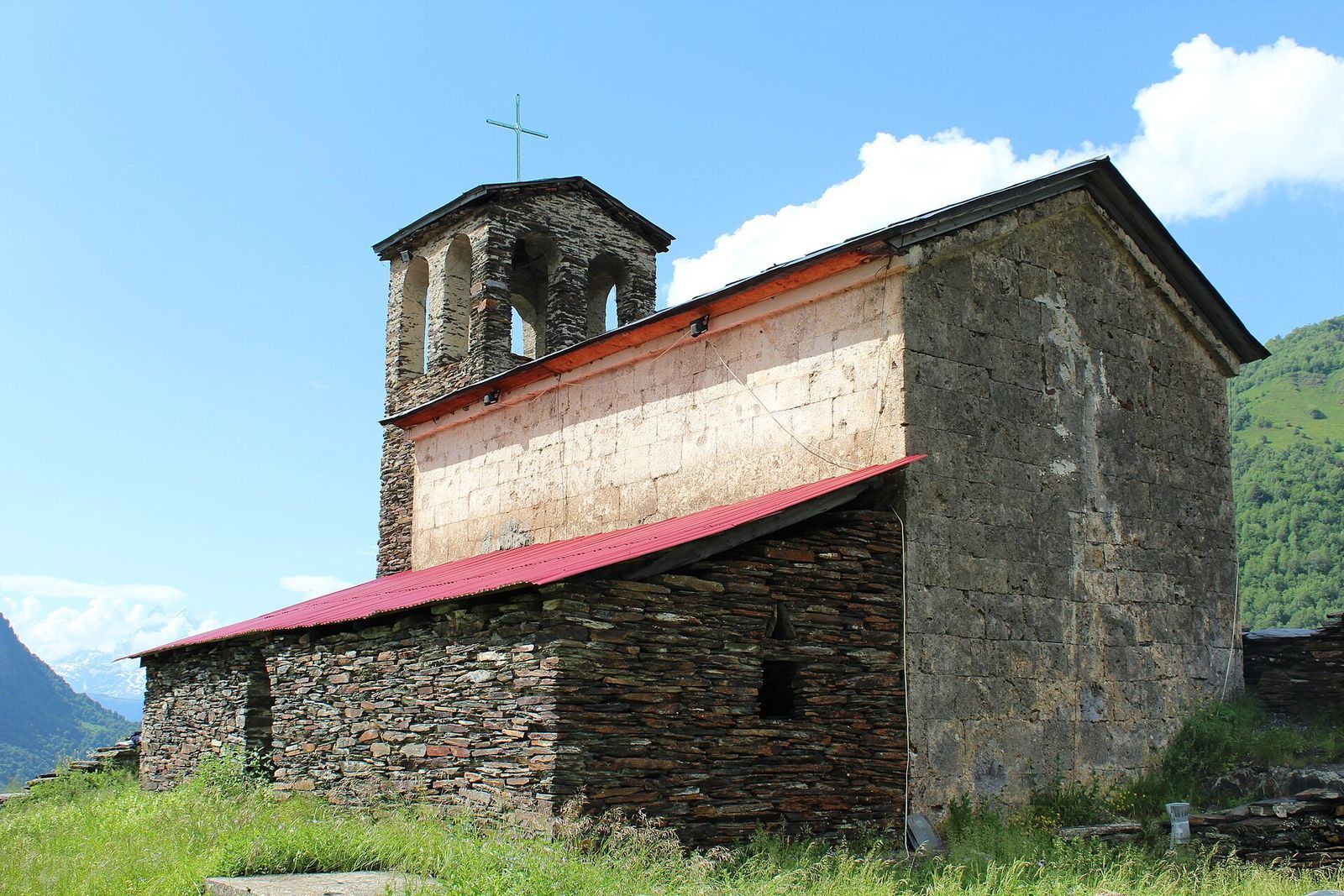
If you pick one, make it Kvirikoba. Svaneti in late July is green and open, the date is fixed, and a feast day in Kala shows you a side of Georgia that Tbilisi doesn't. The cheese festival is the reason to plan a summer trip to Tusheti, one of the most remote regions in the country.
Public holidays in Georgia
Georgia has 18 public holidays, set in the Labor Code. A holiday that lands on a Saturday or Sunday stays there; there is no extra Monday off. Orthodox Easter is the only one that moves. These are the dates for 2026.
| Date in 2026 | Holiday | What it marks |
|---|---|---|
| 1 and 2 January | New Year | Two days off; the 2nd is called Bedoba |
| 7 January | Christmas (Shoba) | Orthodox Christmas and the Alilo procession |
| 19 January | Epiphany | The last of the January church holidays |
| 3 March | Mother's Day | A day for mothers |
| 8 March | International Women's Day | Kept as a day off |
| 9 April | Independence Restoration Day | The 1989 protest on Rustaveli Avenue and independence in 1991 |
| 10 to 13 April | Orthodox Easter | Good Friday to Easter Monday; the dates move every year |
| 9 May | Victory Day | The end of the Second World War in Europe |
| 12 May | St Andrew the First-Called Day | The feast of the apostle Andrew |
| 17 May | Family Purity Day | A family holiday |
| 26 May | Independence Day | The 1918 declaration of independence |
| 28 August | Mariamoba | The Assumption of Mary |
| 14 October | Svetitskhovloba | The feast of Svetitskhoveli Cathedral in Mtskheta |
| 23 November | Giorgoba | St George's Day |
Two of these carry real weight in the city. On 9 April 1989, Soviet troops broke up a peaceful protest on Rustaveli Avenue and at least 19 people died; the day became a holiday after independence. On 26 May, Georgia marks the independence it declared in 1918 and lost to the Red Army in 1921, one of the turning points in Georgian history.
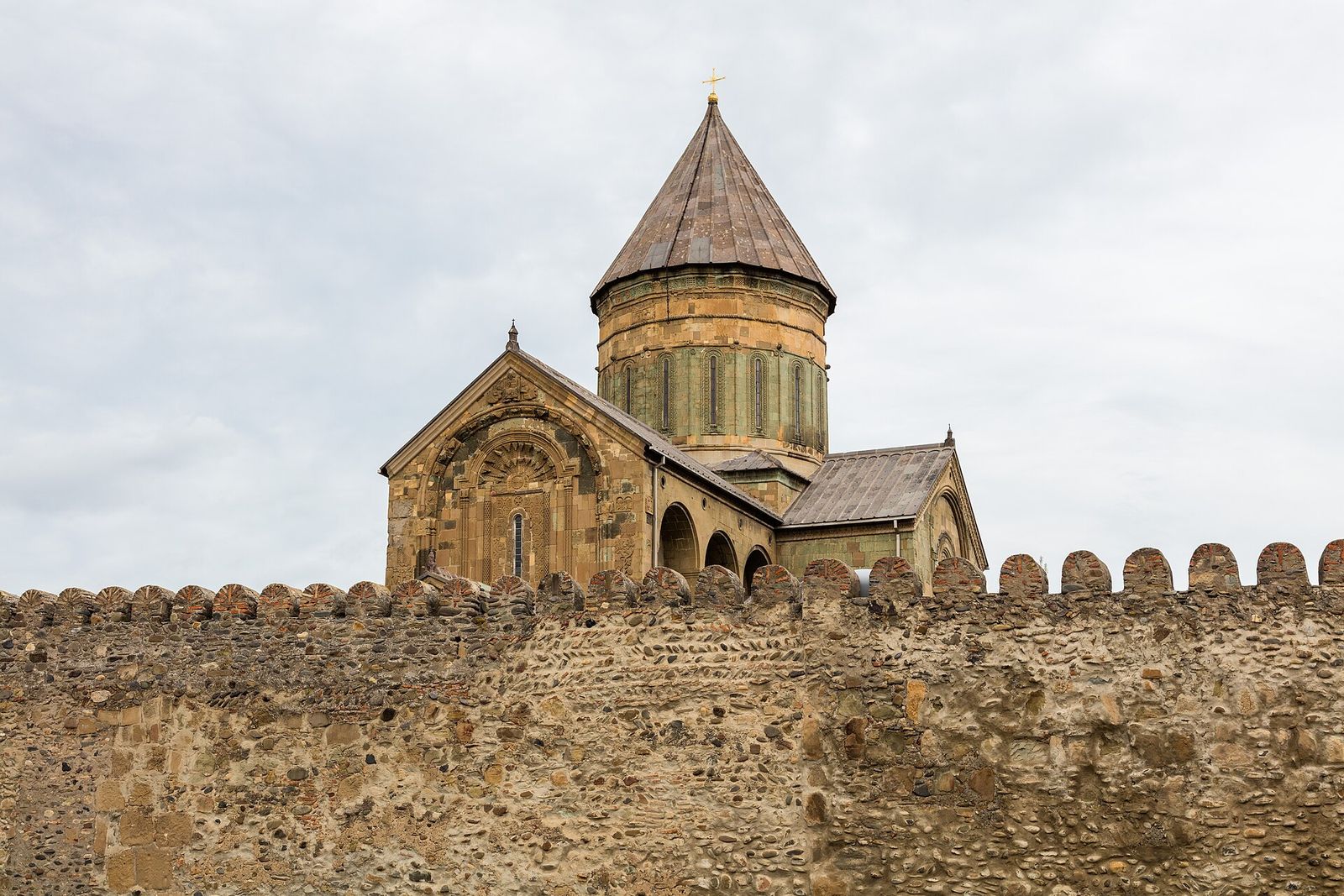
On 14 October, the feast of Svetitskhoveli Cathedral, a day trip to Mtskheta puts you at the cathedral on its own holiday rather than an ordinary weekday.
What is closed on public holidays
For a visitor, the holidays mostly matter for errands. Banks and government offices close, while restaurants and bars stay open. If you need cash or anything official, do it the working day before, especially around Christmas, the four days of Easter and the two days of New Year.
Which festival to plan a trip around
- A first trip: Tbilisoba in late September or early October, with a day in the Kakheti vineyards during Rtveli.
- Wine lovers: Rtveli from September into October, or the New Wine Festival on the second Saturday of May.
- Folk music and dance: Art-Gene in July, with folk ensembles from around the country over a few days.
- A winter trip: 1 to 13 January, for New Year, the Alilo procession on 7 January and the Old New Year.
- Mountains and villages: Kvirikoba in Svaneti on 28 July, or the cheese festival in Tusheti in August.
A festival is the wrong reason to come if you want a quiet city and easy bookings: Tbilisoba weekend and the Easter weekend are the two times I'd book rooms furthest ahead.
Key takeaways
- Tbilisoba now falls in late September or early October, and the weekend is only confirmed a few weeks ahead.
- Christmas is on 7 January with the Alilo procession, and the Old New Year follows on the night of 13 January.
- Georgia has 18 public holidays; they don't shift off weekends, and Easter is the only moveable one.
- Rtveli runs from September into October, and the New Wine Festival is on the second Saturday of May.
- Banks and government offices close on public holidays, while restaurants and bars stay open.
Frequently asked questions
When is Tbilisoba?
Tbilisoba now falls in late September or early October, on a weekend City Hall announces a few weeks ahead. In 2026 it ran on 3 and 4 October, and in 2025 on 20 and 21 September. It used to be held on the last weekend of October.
What is the biggest festival in Georgia?
Tbilisoba is the biggest street festival, taking over the Old Town for a weekend each autumn. The biggest dates for Georgians themselves are the church holidays, Christmas on 7 January and Orthodox Easter, along with Rtveli, the grape harvest.
How many public holidays does Georgia have?
Georgia has 18 public holidays, set in the Labor Code. They stay on their date even when it falls on a weekend, and Orthodox Easter, with four days off from Good Friday to Easter Monday, is the only one that moves.
When is Christmas in Georgia?
Christmas in Georgia is on 7 January, because the Georgian church follows the Julian calendar. It's a public holiday, and the Alilo procession of choirs and carol singers walks through Tbilisi that day.
What is the Old New Year in Georgia?
The Old New Year is the New Year by the old Julian calendar, celebrated on the night of 13 January. Georgians mark it as a second New Year, but it isn't a public holiday.
What is the best month to visit Georgia for festivals?
October is the best month for festivals, with Tbilisoba in the Old Town, the last of the grape harvest in Kakheti and Svetitskhovloba in Mtskheta on the 14th. For winter traditions, go in the first two weeks of January.
Are shops and restaurants open on public holidays in Georgia?
Restaurants and bars stay open on public holidays. Banks and government offices close, so get cash and sort paperwork the working day before.
Georgian Culture and Traditions: A Visitor's Guide to Customs, Feasts, Faith and Song
Georgian culture is known for feasts, wine and song. Here's what visitors should know about its customs and traditions.
Read the guide
Basic Georgian Phrases for Travelers, with Pronunciation
Georgian has its own alphabet and a hello that means victory. Here are the phrases to learn and how to say them.
Read the guide
A Short History of Georgia and Tbilisi, From the Falcon Legend to Today
Tbilisi has been burned and rebuilt for 1,500 years. Here is Georgia's story in short, and where to see it today.
Read the guide