Tusheti, Georgia: Omalo, Dartlo, Hikes and When to Go
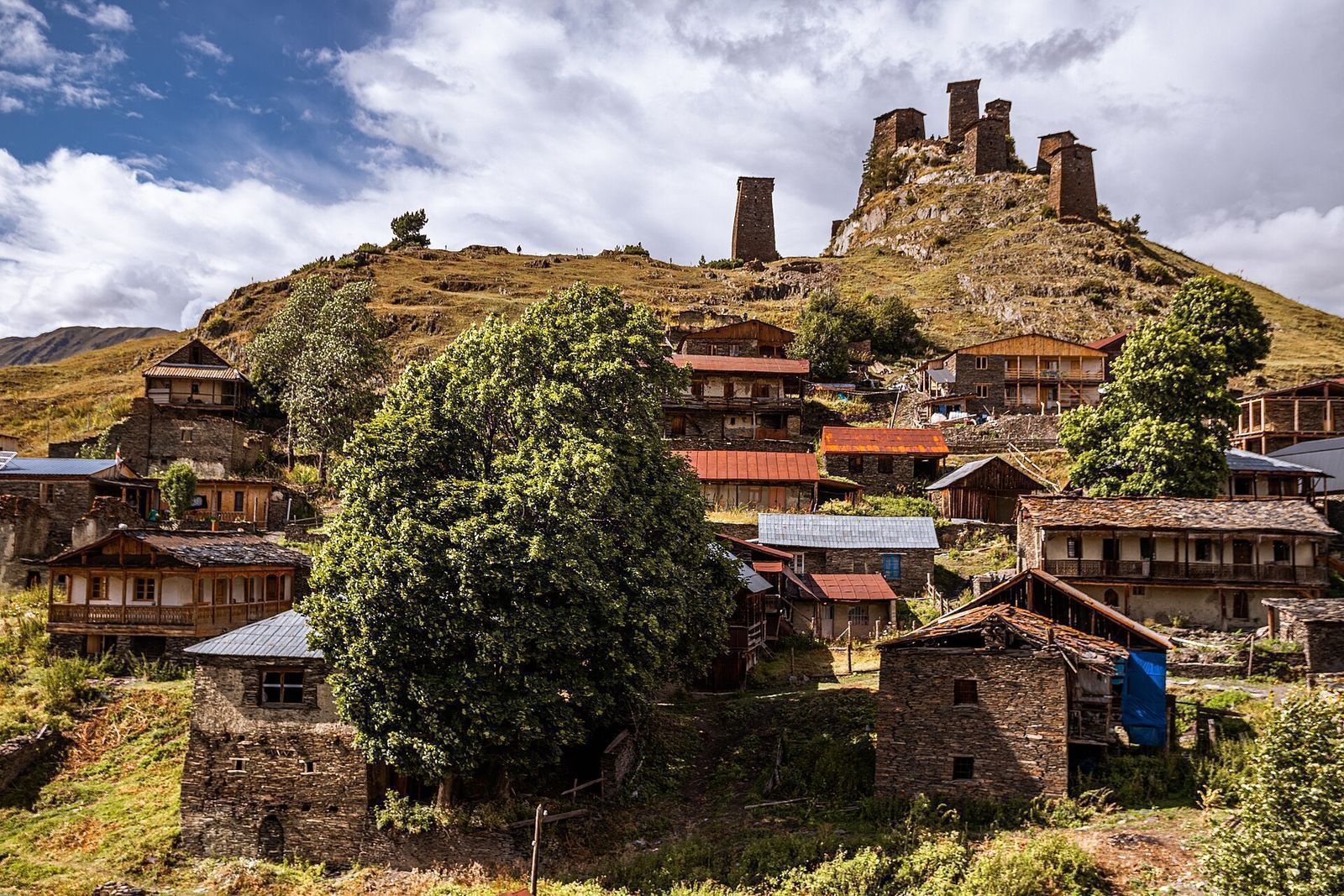
Tusheti is known for its slate tower villages, its sheep and the one summer road that leads in over the Abano Pass. It sits in the far northeast of Georgia, a long day's drive from Tbilisi, and it's my favorite corner of the Caucasus. Here's what you need to know about Omalo, Dartlo and the other villages, the walks between them, where to stay, what it costs and when to go.
Where Tusheti is and why go
Tusheti is a high mountain region on the north side of the main Caucasus ridge, in the far northeast corner of Georgia, with Chechnya and Dagestan beyond the peaks. On the map it belongs to Kakheti, but it has almost nothing in common with the wine valley below it. The Tush are shepherds, and many families still spend the summer in the mountain villages with their flocks and the winter down in Alvani.
What you come for is the combination: slate defense towers on the ridges, villages of stone houses with carved wooden balconies, alpine meadows, and whole days of walking between villages on jeep tracks and shepherd paths with very few people on them. The highest point is Mount Tebulo at 4,493 m. Omalo, the main village, sits at 1,880 m, and Bochorna, at 2,345 m, is often called the highest continuously inhabited village in Europe, with one permanent resident.
If you've seen the mountains on the paved road from Tbilisi to Kazbegi, Tusheti is the slower, emptier version: no grid power in most villages, no ATM in the whole region, and a dirt road that keeps the tour buses out. Svaneti, the other tower country, has more towers and a sealed road; Tusheti feels further from everything, and for me that's the appeal.
When to visit Tusheti
Tusheti has a season of about 3.5 months. Snow closes the Abano Pass from autumn until bulldozers clear it in early summer, and the opening date moves every year.
| Month | Road | What to expect |
|---|---|---|
| November to May | Closed by snow | No visitors; the pass is buried |
| June | Opens once the pass is cleared (20 June in 2026) | Waterfalls, wildflowers, rain, cold nights, some guesthouses still shut |
| July and August | Open | High season: every guesthouse open, the best walking, low 30s C by day and cold nights |
| September | Open | My pick: dry, quiet, autumn color on the slopes, low teens C by the end of the month |
| October | Open until the first heavy snow | Guesthouses closing; in 2026 the pass shut on 4 October |
I'd pick early to mid-September for a first trip. The guesthouses still have rooms, the jeeps are not full, and the weather for walking between villages is at its steadiest. July and August are the safe choice if you want the long treks, because the high passes open last.
August is also festival month. Atnigenoba, the biggest Tush festival, falls 100 days after Orthodox Easter, which usually lands it in August, and it moves between villages from year to year. Peristsvaleba follows on 19 August. Like most festivals in Georgia tied to the church calendar, Atnigenoba shifts with Easter, so check that year's date before you build a trip around it.
Getting to Tusheti from Tbilisi
There is one road in: a 70 km dirt track from Pshaveli over the 2,826 m Abano Pass to Omalo, and it's the reason Tusheti stays empty. The cheap way up is the 09:00 marshrutka from Ortachala bus station to Kvemo Alvani for 12 to 15 GEL, then a shared jeep from the junction to Omalo for 100 to 120 GEL a seat. Door to door it takes 7 to 8 hours, and the jeeps leave Alvani between about noon and 15:00.
The road from Tbilisi to Tusheti is unpaved, one car wide in places and has fatal accidents most years, so ride with a sober local driver and avoid days of heavy rain. On a first trip I'd let the guesthouse in Omalo arrange the jeep, and I'd sleep the night before in Telavi, 30 to 40 minutes from the Alvani junction, so the mountain road starts fresh instead of after a 06:00 alarm.
Omalo and Keselo fortress
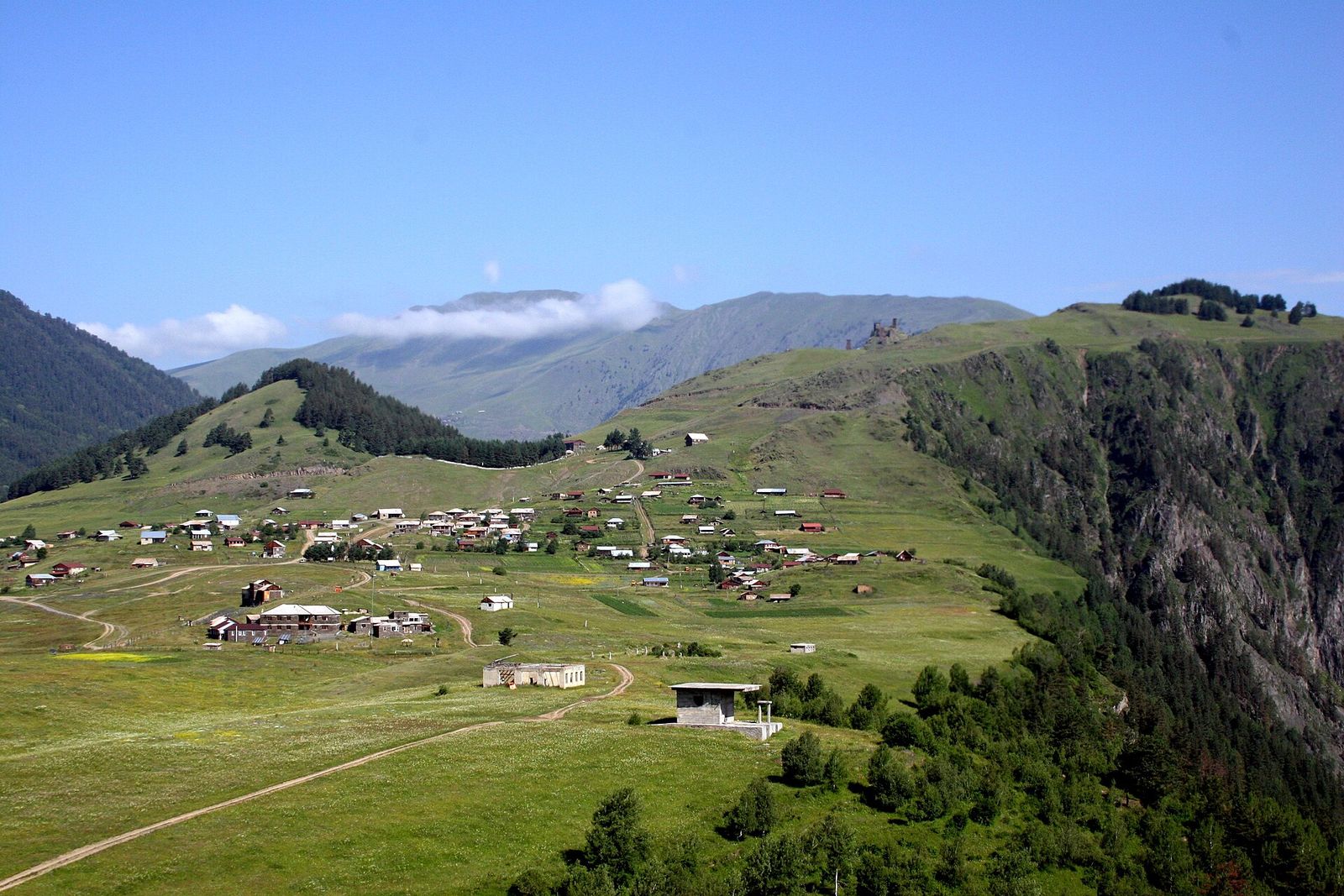
Omalo is the end of the road and the base for almost everyone. It's really two villages. Lower Omalo (Kvemo Omalo) is the larger one, with the visitor center and most of the guesthouses. Upper Omalo (Zemo Omalo) is smaller and quieter and sits right under the towers of Keselo. The two are 15 to 20 minutes apart on foot, so tell your driver which one you're staying in.
Keselo is the fortress: a cluster of restored slate towers on the ridge above Upper Omalo. The walk up from Lower Omalo is short and steep, and the best time is the hour before sunset, when the light turns the towers gold and the valley below drops into shadow. A small ethnographic museum sits inside the complex, but it opens only some of the time, so treat it as a bonus.
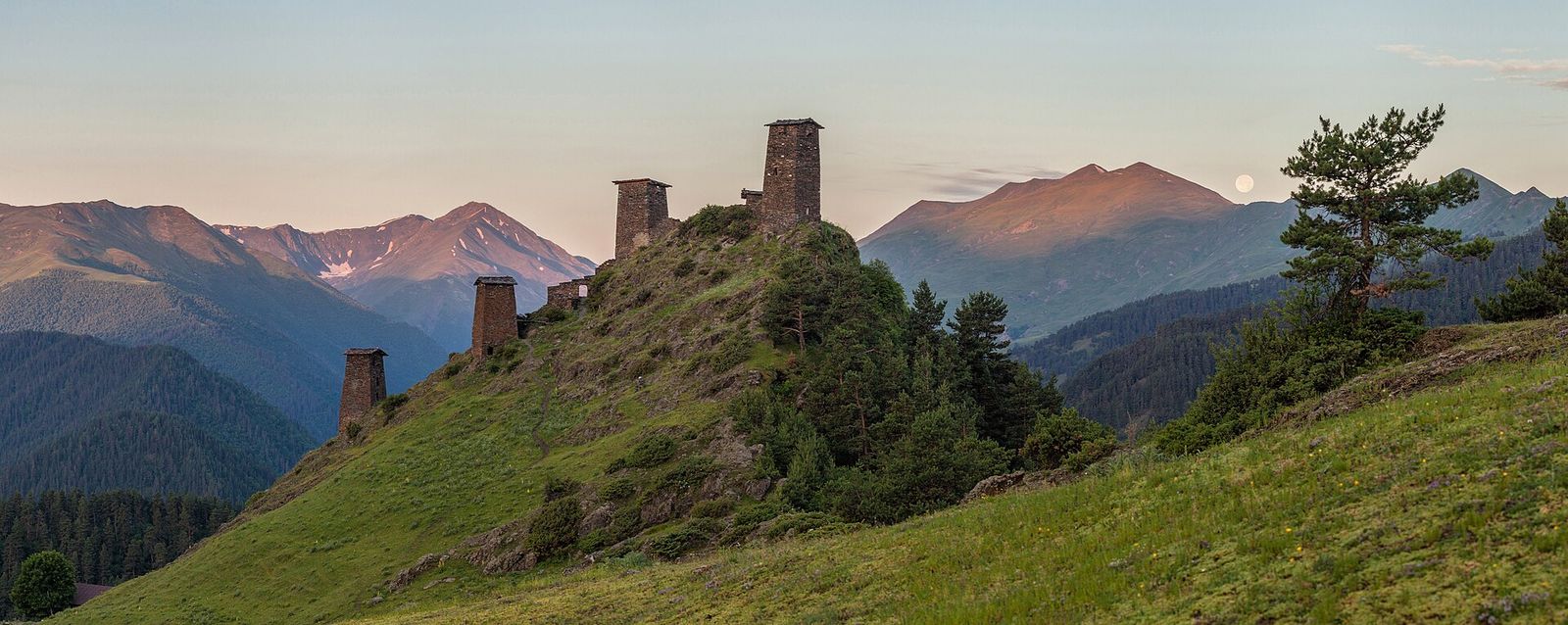
My plan for an arrival day is simple: drop the bags, eat whatever the guesthouse puts on the table, and walk up to Keselo for sunset. After 7 to 8 hours in a jeep it's exactly the right amount of effort, and it shows you the whole valley you'll be walking for the next few days.
Dartlo, Kvavlo and the Pirikiti valley
Dartlo is the village most people picture when they picture Tusheti: slate houses with wooden balconies stacked up a green slope, towers above, a river below in the Pirikiti valley. It's a fortified village from the 17th century, about 11 km from Omalo on foot. In the middle is a sabcheo, an open-air court with stone seats where village disputes were settled, and around it you'll find petroglyphs and the ruins of a church.
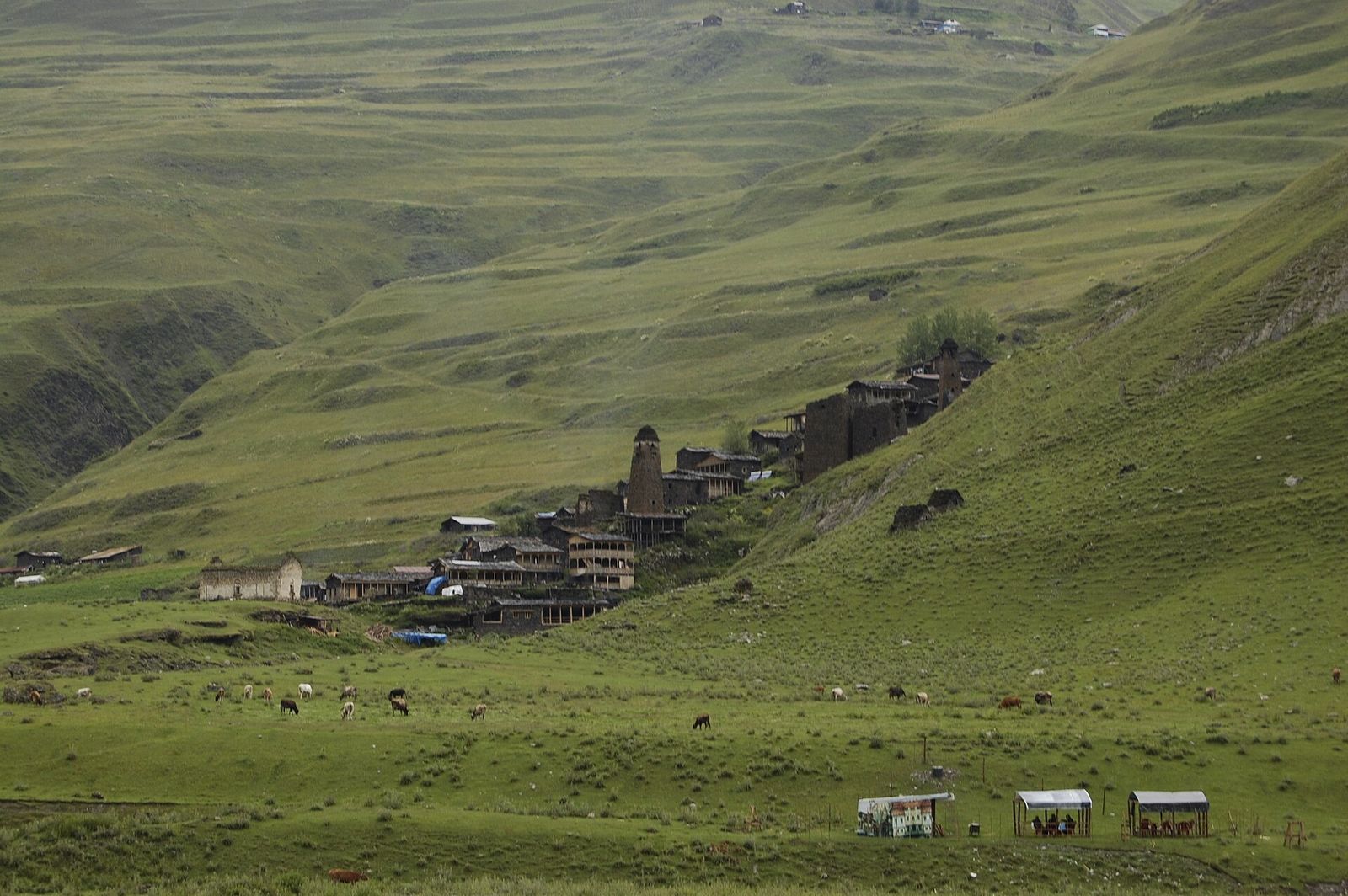
Dartlo is where I'd spend a night rather than visit on a day trip. The day walkers from Omalo head back by late afternoon, and in the evening it's just the guesthouses, the river and the cows coming home. It also has a restaurant, Samtsikhe, if you want a meal that isn't your guesthouse dinner.
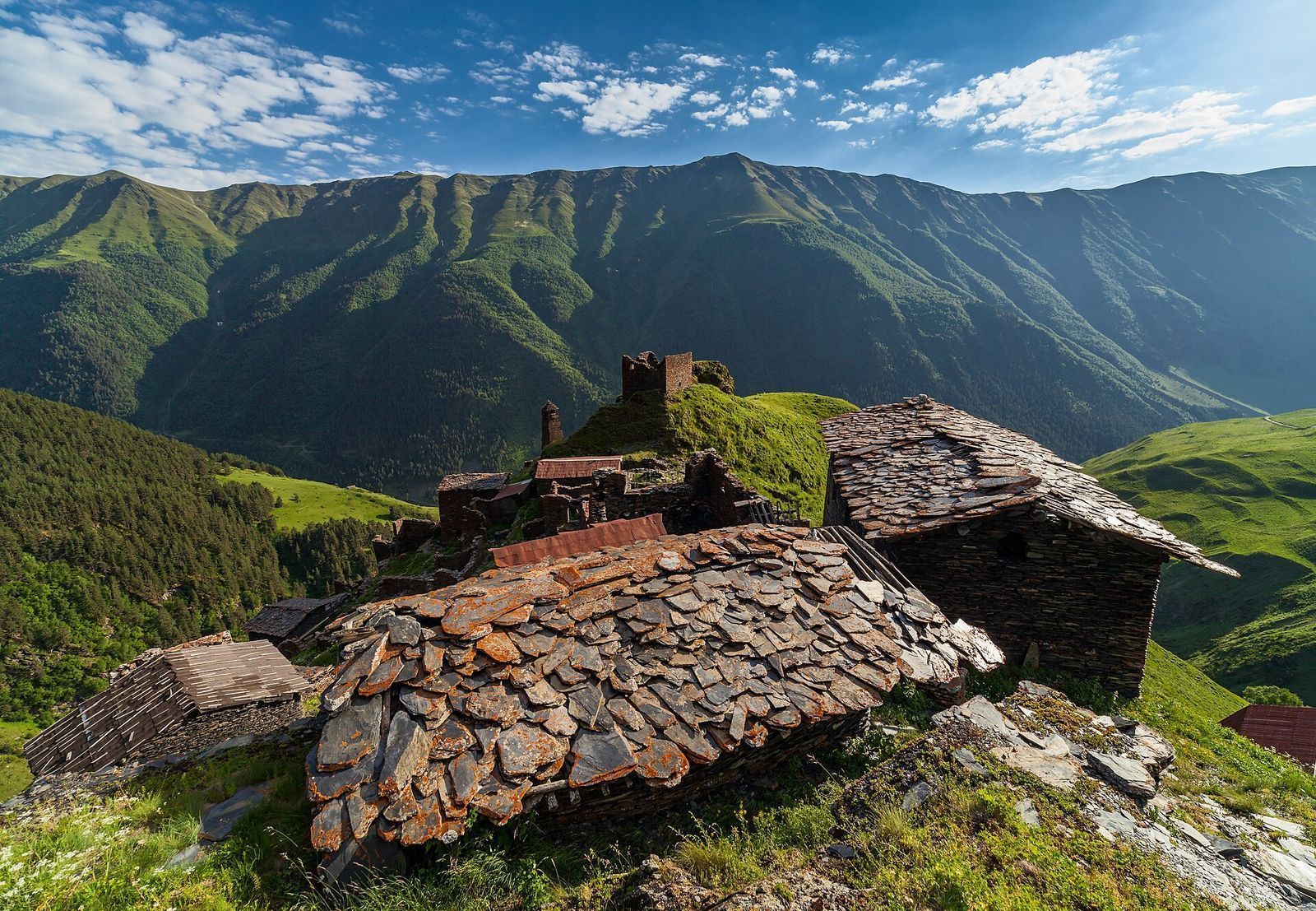
Above Dartlo, Kvavlo and Dano are tower hamlets perched on the slope, reachable only on foot or on horseback. The loop from Dartlo up to Kvavlo and Dano is about 7 km, but the climb out of the valley is steep enough to make it feel longer. Further up the Pirikiti valley lie Parsma and Girevi, tower villages that most people only see on a trek, and Girevi has the border post where walkers heading for the Atsunta Pass check in.
Shenako and Diklo
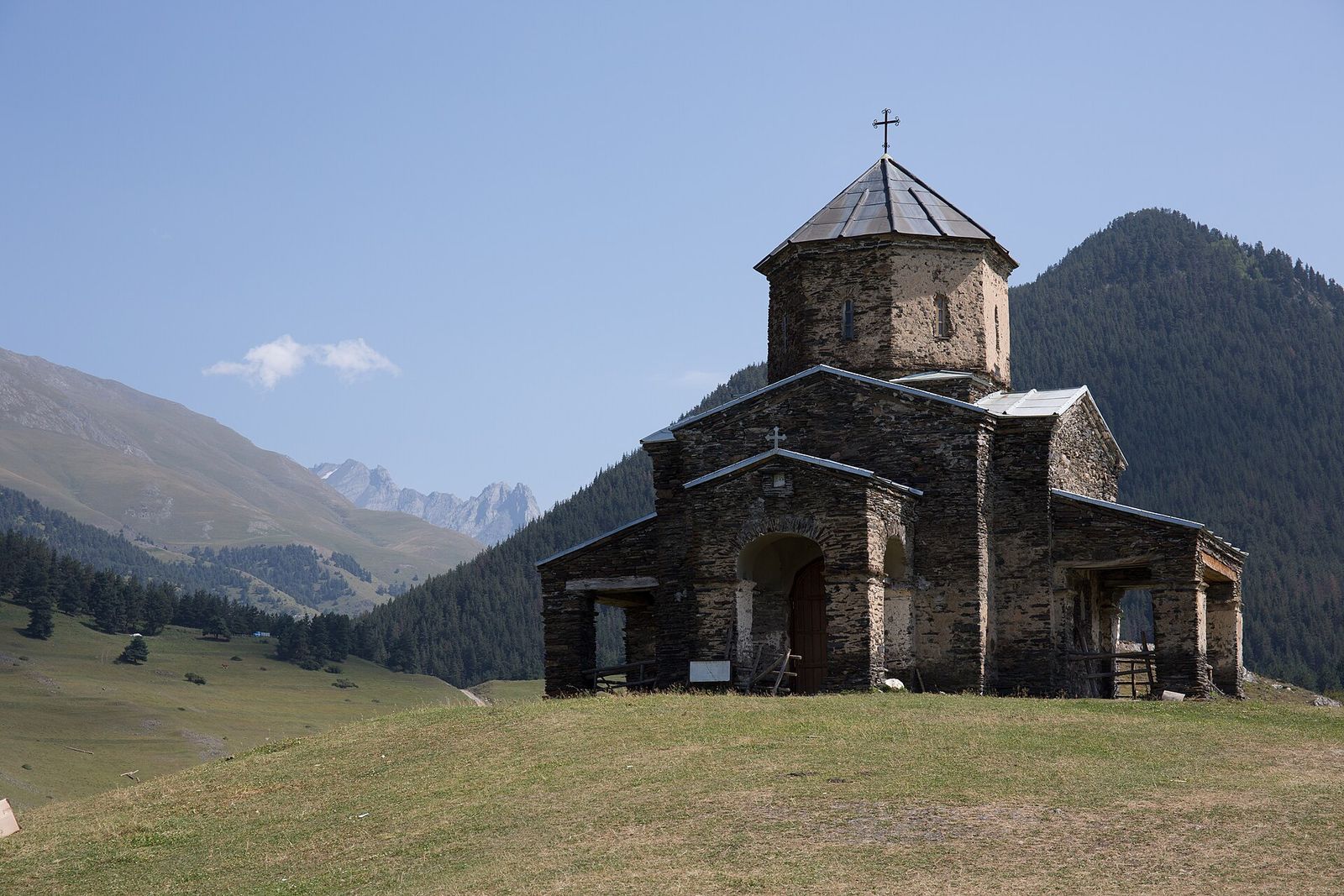
Shenako is a pastoral village of stone and wooden houses in the meadows on the way from Omalo to Diklo. Its landmark is St George's church, consecrated in 1843 and standing alone on a grassy rise at the edge of the village. Shenako is also the only village in Tusheti on an electricity grid, fed by a small hydropower plant; everywhere else runs on solar panels and generators.
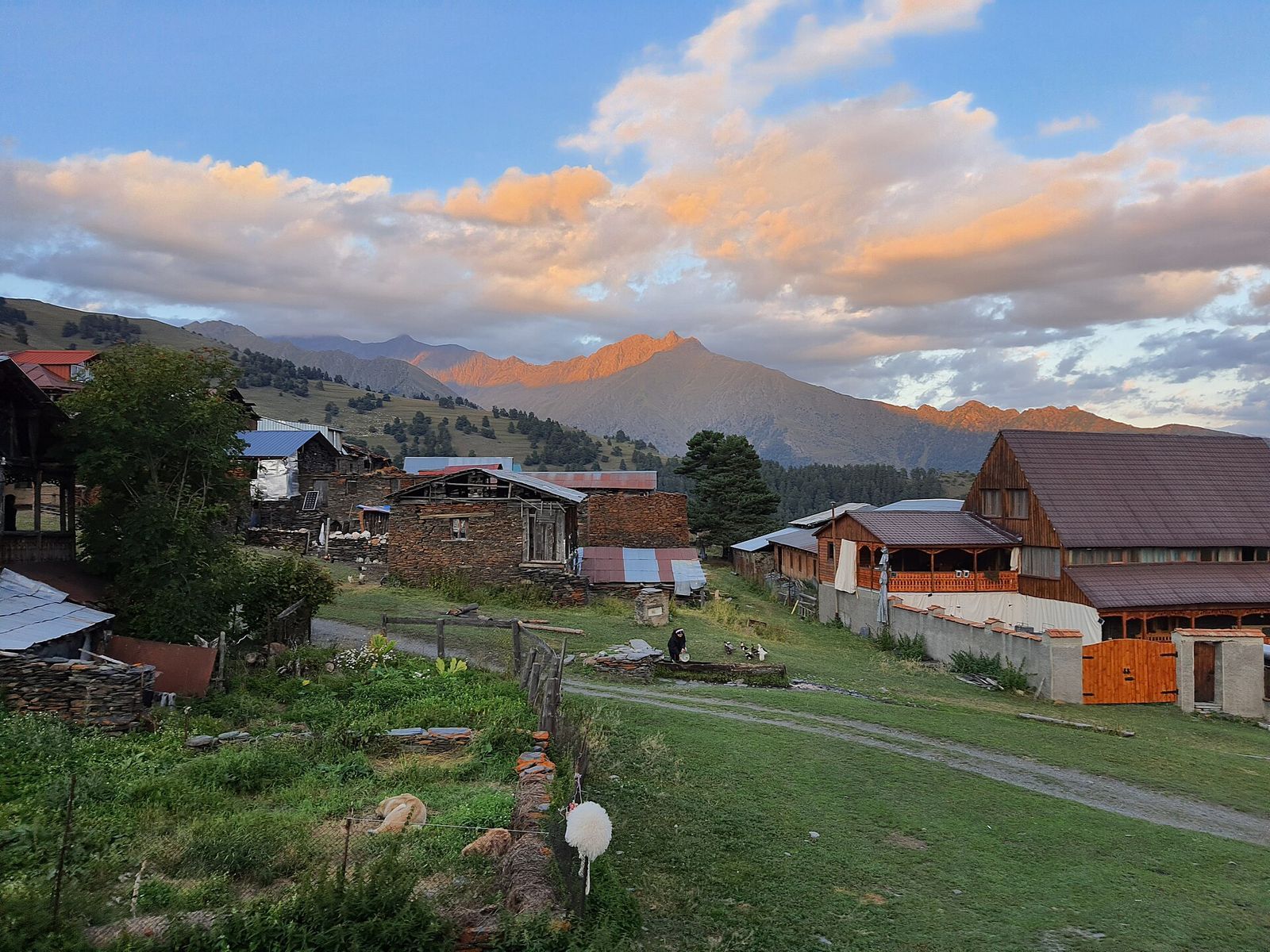
Diklo is the last village before the border with Dagestan, a little further along the same ridge. The walk from Omalo through Shenako to Diklo is about 11 km one way, around 4 hours, with 660 m of climbing, and it's my favorite day walk in Tusheti because it passes two villages and a church before the big view at the end.
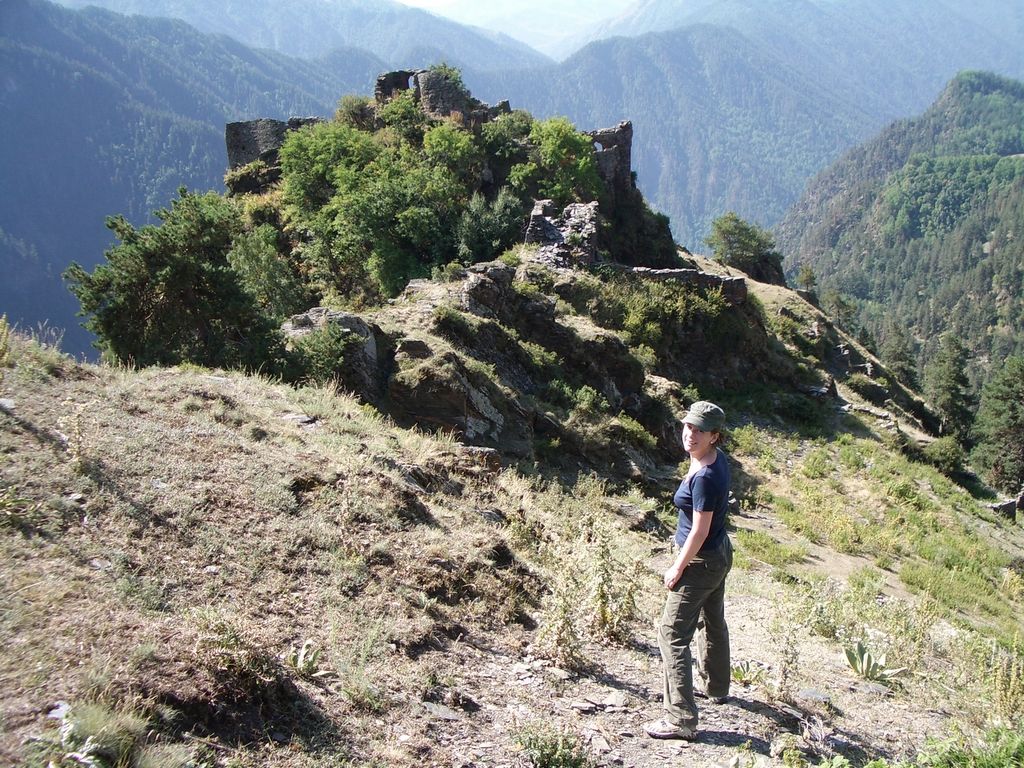
That view comes at Diklo fortress. Its ruins sit on a rock spur above the village, and the path out to them looks over the whole valley.
If you'd rather not walk both ways, your guesthouse can send a village car to collect you in Diklo. A car with a driver who waits for the return costs about 200 to 250 GEL, which splits well between four people.
The villages of Tusheti compared
Most visitors see Omalo, Dartlo, Shenako and Diklo, and those four are enough for a first trip. This is how I'd weigh them.
| Village | What's there | From Omalo | How I'd do it |
|---|---|---|---|
| Omalo (1,880 m) | Keselo fortress, the visitor center, most guesthouses, two bar-cafes in Upper Omalo | The base | Two nights or more |
| Dartlo | 17th-century towers, the sabcheo court, guesthouses and a restaurant | 10.9 km on foot, or a village car | A night |
| Kvavlo and Dano | Tower hamlets above Dartlo, the best view of the valley | About 7 km loop from Dartlo | A morning from Dartlo |
| Shenako | St George's church (1843), meadows, the only grid power | On the way to Diklo | A stop on the Diklo walk |
| Diklo | Fortress ruins on a rock spur, the Dagestan border | About 11 km one way, around 4 hours | A full day out, permit for the fortress |
| Parsma and Girevi | Tower villages up the Pirikiti valley, the border post | Beyond Dartlo | On a trek to the Atsunta Pass |
Hiking in Tusheti
Walking between villages is the reason to come, and the village routes need no guide if you have offline maps and some hiking experience. The visitor center in Lower Omalo sells a trail map for about 7 GEL with the 13 marked trails on it. Most village walks follow jeep tracks for part of the way, so you can walk out and ride back.
| Route | Distance | Climb | Time | Level |
|---|---|---|---|---|
| Lower Omalo to Keselo | Short | Steep | Under an hour | Easy |
| Omalo to Dartlo | 10.9 km one way | 405 m up, 670 m down | 3 to 4 hours | Moderate, mostly jeep road |
| Omalo to Shenako and Diklo | About 11 km one way | 660 m | About 4 hours | Moderate |
| Dartlo to Kvavlo and Dano | About 7 km | Steep | Half a day | Moderate |
| Lower Omalo to Oreti lake | 28.5 km round trip | About 1,680 m | About 9 hours | Hard |
| Omalo to Jvarboseli via Gogrulta | 24 km over 2 days | 1,770 m | 2 days | Moderate |
| Omalo to Shatili via the Atsunta Pass | 75 km | Pass at 3,431 m | 4 to 5 days | Hard, guide recommended |
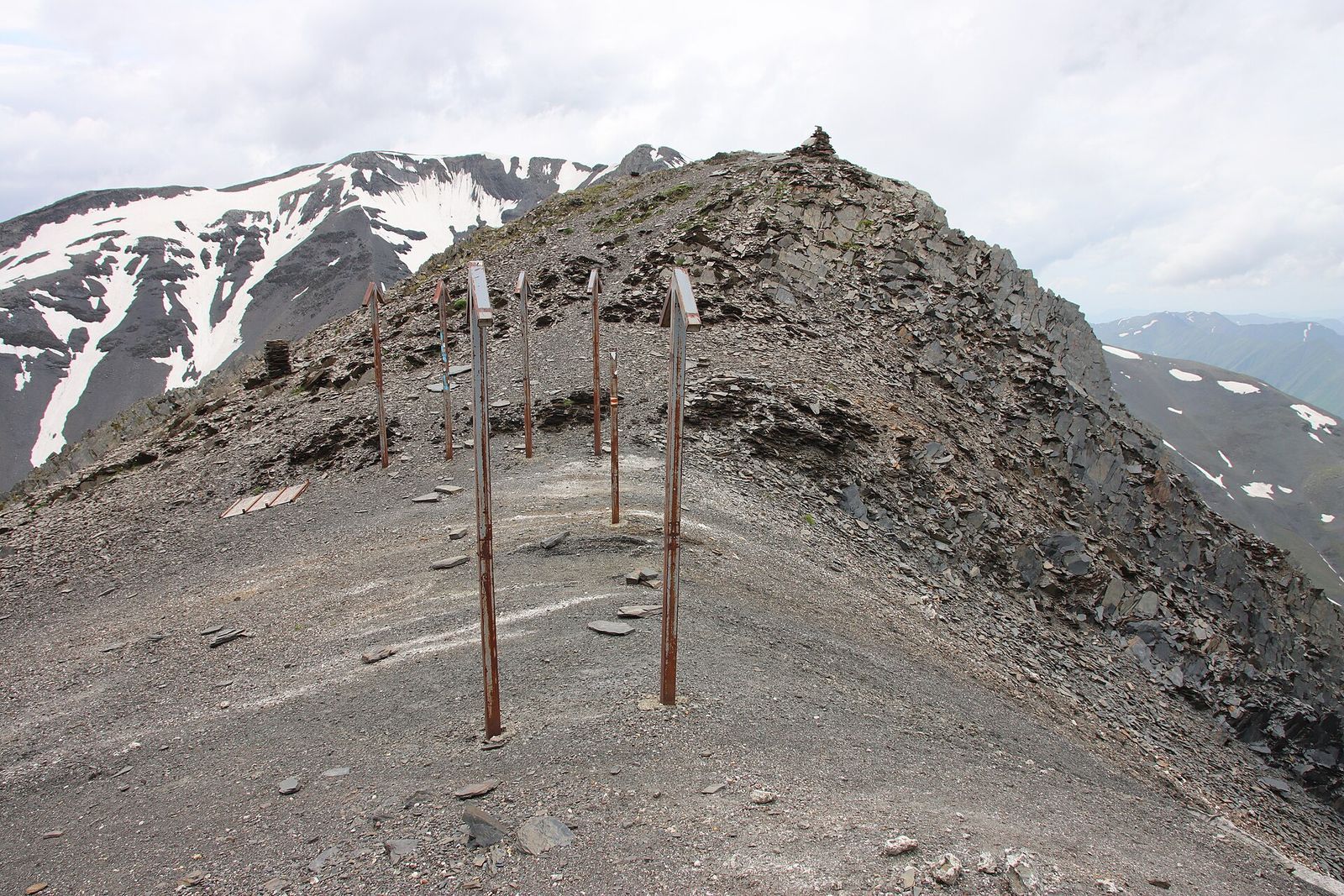
The big one is the trek from Omalo to Shatili in Khevsureti over the 3,431 m Atsunta Pass. Border guards decide when the pass opens, and in 2026 it was not open before 10 July after heavy snow, so it's a July and August trip. The shelters on the way, at Kvakhidi and Khidotani, are unstaffed and sometimes locked, so carry a tent and go with a guide, or at least with GPS tracks and someone who knows your plan.
Horses make the longer routes easier. About a dozen families in Omalo hire them out for 40 to 50 GEL a day per horse, plus the horseman, and a pack horse for the Shatili trek runs about 200 GEL a day.
Shepherd dogs are the real hazard on the trails, more than bears or the terrain. Give flocks a wide berth, and if the dogs come at you, stop, stay calm and wait for the shepherd to call them off. Even in August you'll want a warm layer, a rain shell and proper boots, the three things I'd move to the top of any packing list for Georgia that includes the high mountains.
Tusheti National Park and the visitor center
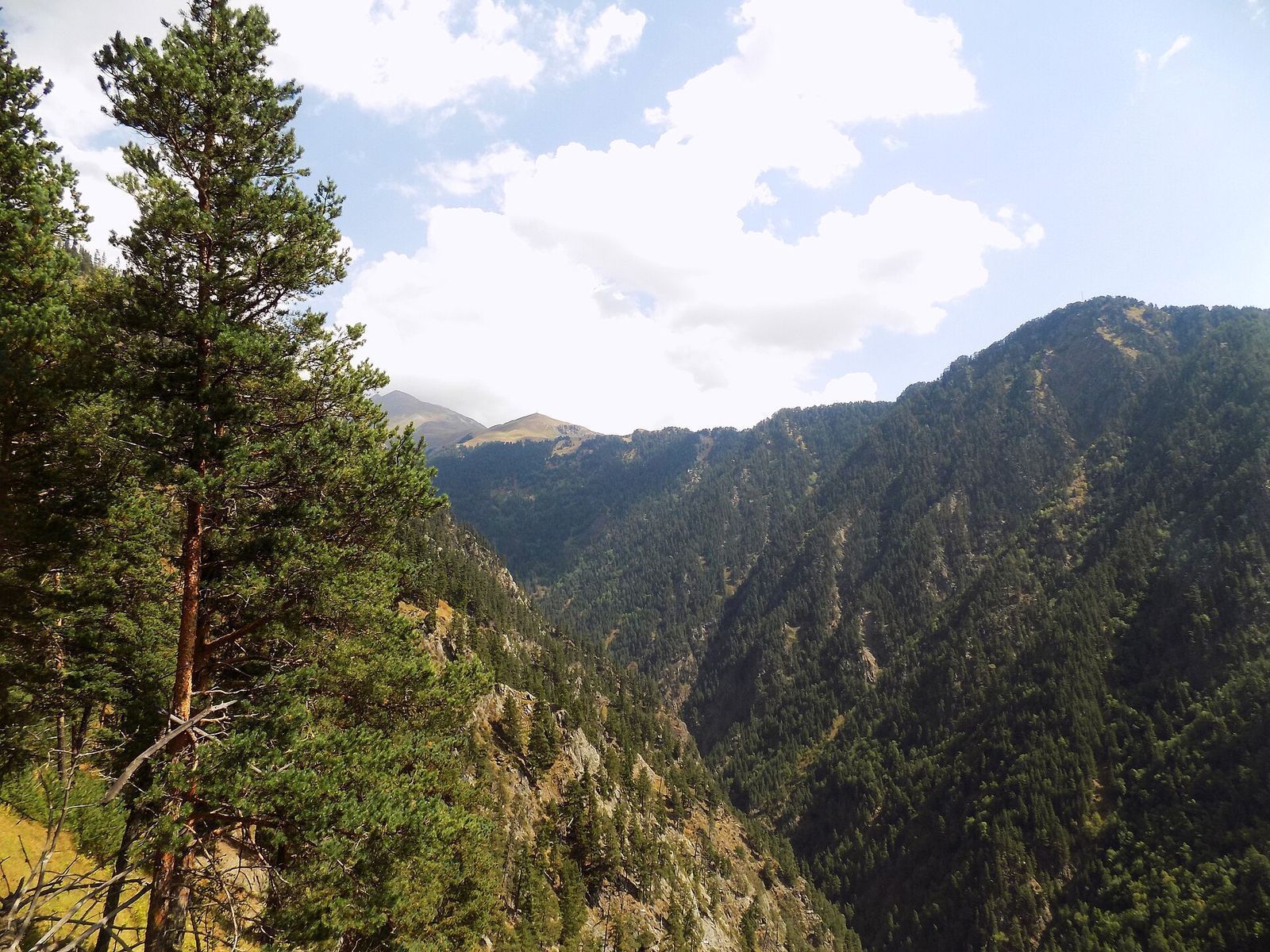
Tusheti's protected areas were created in 2003 and cover 113,660 hectares in three parts: a national park, a strict nature reserve and a protected landscape around the villages. There's no entry fee and no registration. A donation of 20 to 30 GEL at the visitor center is suggested, and I'd pay it, because the marked trails don't maintain themselves.
The visitor center in Lower Omalo has a small museum, English-speaking staff and the trail map, and it can find you a driver or a horseman if your guesthouse can't. It's also the place to ask about the Diklo permit and the state of the Atsunta Pass.
The park is home to Caucasian tur and chamois on the high slopes, brown bears and wolves in the forests, and golden eagles and bearded vultures overhead. You're more likely to see the eagles than anything on four legs, so pack binoculars if you have them.
Customs to respect in Tusheti
The Tush keep older traditions alongside the church, and the most visible of them are the khati, stone shrines that stand at the edge of villages and on hilltops. They're sacred, and visitors should keep away from them entirely. Women should not approach the men's khati or the church ruins, and some paths and forests are closed to women altogether; the Tsasne forest is one. Ask your host where you may walk before you go exploring.
A few more rules your hosts will notice:
- Dress modestly in the villages. Long trousers and covered shoulders, even on a hot day.
- Lead horses through villages. Riding through is seen as disrespectful.
- Toasts are optional. Declining a toast or a glass of aludi politely is fine.
Where to stay in Tusheti
Every bed in Tusheti is in a family guesthouse. Expect about 80 to 120 GEL a person a night with breakfast, and 20 to 30 GEL more for dinner, which almost everyone takes because there's very little else to eat. Rooms are simple. Power comes from solar panels and generators, sockets are few, hair dryers are out, and hot water depends on the sun.
| Where | Suits | What to know |
|---|---|---|
| Lower Omalo | First visits, budget travelers | The most guesthouses and the visitor center; cheaper rooms |
| Upper Omalo | Views and quiet | Fewer rooms, right under Keselo, the two bar-cafes |
| Dartlo | A night away from the base | A few guesthouses and the Samtsikhe restaurant; very quiet after dark |
In Omalo, Margaliti, Dora and Javakhe are family guesthouses that take online bookings, and Tishe in Lower Omalo has dorm beds as well as private rooms, a roof terrace and its own small shop and cafe-bar. In Dartlo, Dartlo Hotel is the one with a booking page. Shenako and Diklo have a few rooms too, if you want somewhere even quieter.
In July and August I'd book the guesthouse before anything else, because the rooms fill before the jeep seats do. Ask for the half-board price and the jeep transfer in the same message, and you'll have the whole trip settled in one conversation.
Food and drink in Tusheti
You eat what your guesthouse cooks, and it's built on what the mountains give: sheep's cheese, meat, dough and vegetables from the garden. Guda, a sharp sheep's cheese, is Tusheti's contribution to Georgian food, and up here it comes from the flocks on the slopes around you. The tap water is drinkable.
Aludi is the Tush beer: lightly fizzy, very low in alcohol and brewed in the villages. Outside the guesthouses, Upper Omalo has two bar-cafes and Dartlo has Samtsikhe, and a tea or a glass costs 3 to 5 GEL. The village shops are small and pricier than in the lowlands, so I bring snacks and anything I can't live without from the grocery shops in Kvemo Alvani.
Tush wool is the souvenir worth carrying home: felt and hand-knitted socks and hats sell for 50 to 100 GEL, made by the same families that run the guesthouses.
How many days in Tusheti
Three nights is the minimum, because the trip in and the trip out each take most of a day. Five nights gives you the walks without rushing, and a week covers the trek to Shatili.
| Trip | Plan | Suits |
|---|---|---|
| 3 nights | Arrive in Omalo, Keselo at sunset; walk to Shenako and Diklo; walk or drive to Dartlo and sleep there; down to Alvani | A first visit, and my pick |
| 5 nights | The 3-night plan plus the Kvavlo and Dano loop from Dartlo and a slow day with a horse | Walkers |
| 7 nights | 2 nights in Omalo, then the 4 to 5 day trek to Shatili over the Atsunta Pass | Trekkers in July and August |
Five nights is a big share of a two-week Georgia itinerary, and for anyone who likes walking it's the best use of the time I know. The ride down also drops you in the middle of wine country, so the natural next stop is a couple of nights among the Kakheti wineries before you head back to Tbilisi.
Costs, cash, signal and power in Tusheti
This is what a three-night trip costs one person on the budget route, at 2026 prices.
| Item | Cost |
|---|---|
| Marshrutka Tbilisi to Kvemo Alvani and back | 24 to 30 GEL |
| Shared jeep Alvani to Omalo and back | Up to 240 GEL |
| Guesthouse, 3 nights with breakfast | 240 to 360 GEL |
| Dinners, 3 nights | 60 to 90 GEL |
| A share of a village car to Dartlo or Diklo | 50 to 60 GEL in a group of four |
| Total | About 600 to 750 GEL |
The rest of the practical side:
- Cash: there are no ATMs and no card machines in Tusheti, and the last ATM is in Kvemo Alvani. The usual advice on money in Georgia applies twice over: bring lari, in small notes, for everything.
- Phone signal: 4G works in Omalo, Dartlo, Shenako and Diklo in 2026; on the road up it's patchy. Magti covers Tusheti best and Cellfie doesn't, so if you're buying a Georgian SIM card for this trip, Magti is the one.
- Power: solar and generators everywhere except Shenako. Bring a power bank and a headlamp.
- Medical: there's no hospital and only one licensed doctor, and a serious injury means a helicopter out. Georgia has required travel insurance since January 2026, so check that your policy covers remote mountains and evacuation.
- Passport: Tusheti is a border zone, so keep it on you.
Key takeaways
- Tusheti is reachable only while its road is open, roughly mid-June to early October; in 2026 it ran from 20 June to 4 October.
- Base yourself in Omalo and give it at least three nights: Keselo at sunset, the Shenako and Diklo walk, and a night in Dartlo.
- Guesthouses cost 80 to 120 GEL a person with breakfast, and a three-night trip runs about 600 to 750 GEL a person.
- Bring all your cash: there are no ATMs or card machines anywhere in Tusheti.
- Keep away from the khati shrines, bring no pork, and get a permit before walking to Diklo fortress.
Frequently asked questions
Is Tusheti worth visiting?
Yes, if you have at least three nights and like walking. The trip in takes a full day each way on a rough dirt road, but in return you get tower villages, alpine meadows and trails with very few other people on them.
How many days do you need in Tusheti?
Three nights at minimum, and five if you want to walk between villages without rushing. A week covers the trek from Omalo to Shatili over the Atsunta Pass.
When is the best time to visit Tusheti?
September is the best time for walking between villages: dry, quiet and still open. July and August are the busiest months and the only window for the high treks. The road usually opens in mid to late June and closes with the first heavy snow in October; in 2026 it closed on 4 October.
How do you get to Omalo?
Take the 09:00 marshrutka from Ortachala in Tbilisi to Kvemo Alvani for 12 to 15 GEL, then a shared jeep to Omalo for 100 to 120 GEL a seat. The whole trip takes 7 to 8 hours, and your guesthouse can arrange the jeep for you.
What is Dartlo known for?
Dartlo is known for its 17th-century slate towers and stone houses with wooden balconies, and for the sabcheo, an open-air court of stone seats in the middle of the village. It's about 11 km from Omalo on foot, and it's the best place in Tusheti to spend a quiet night away from the base.
Can you visit Tusheti without a guide?
Yes. The village walks around Omalo, Dartlo, Shenako and Diklo are marked and need only offline maps and basic hiking experience. For the multi-day trek to Shatili over the Atsunta Pass, a guide is strongly recommended.
Is there an ATM in Tusheti?
No. Tusheti has no ATMs and no card machines, so bring cash for the whole stay. The last ATM on the way in is in Kvemo Alvani.
Is Tusheti safe?
Tusheti itself is quiet and safe; the risks are the road and the mountains. Ride with a sober, experienced driver, keep away from shepherd dogs, carry your passport in the border zone, and make sure your insurance covers evacuation.
12 Best Places to Visit in Georgia in 2026, From Kazbegi to Batumi
Georgia is known for its mountains, wine and cave towns. Here are the 12 best places to visit and how to reach them.
Read the guide
Tbilisi to Batumi: Train, Bus, Marshrutka, Flight or Drive
Batumi is Georgia's Black Sea city. Here is every way to get there from Tbilisi, with times, fares and my pick.
Read the guide
Tbilisi to Kutaisi: Train, Marshrutka, Bus and Car in 2026
Kutaisi is Georgia's second city, 226 km west. How to get there by train, marshrutka or car, and what each one costs.
Read the guide