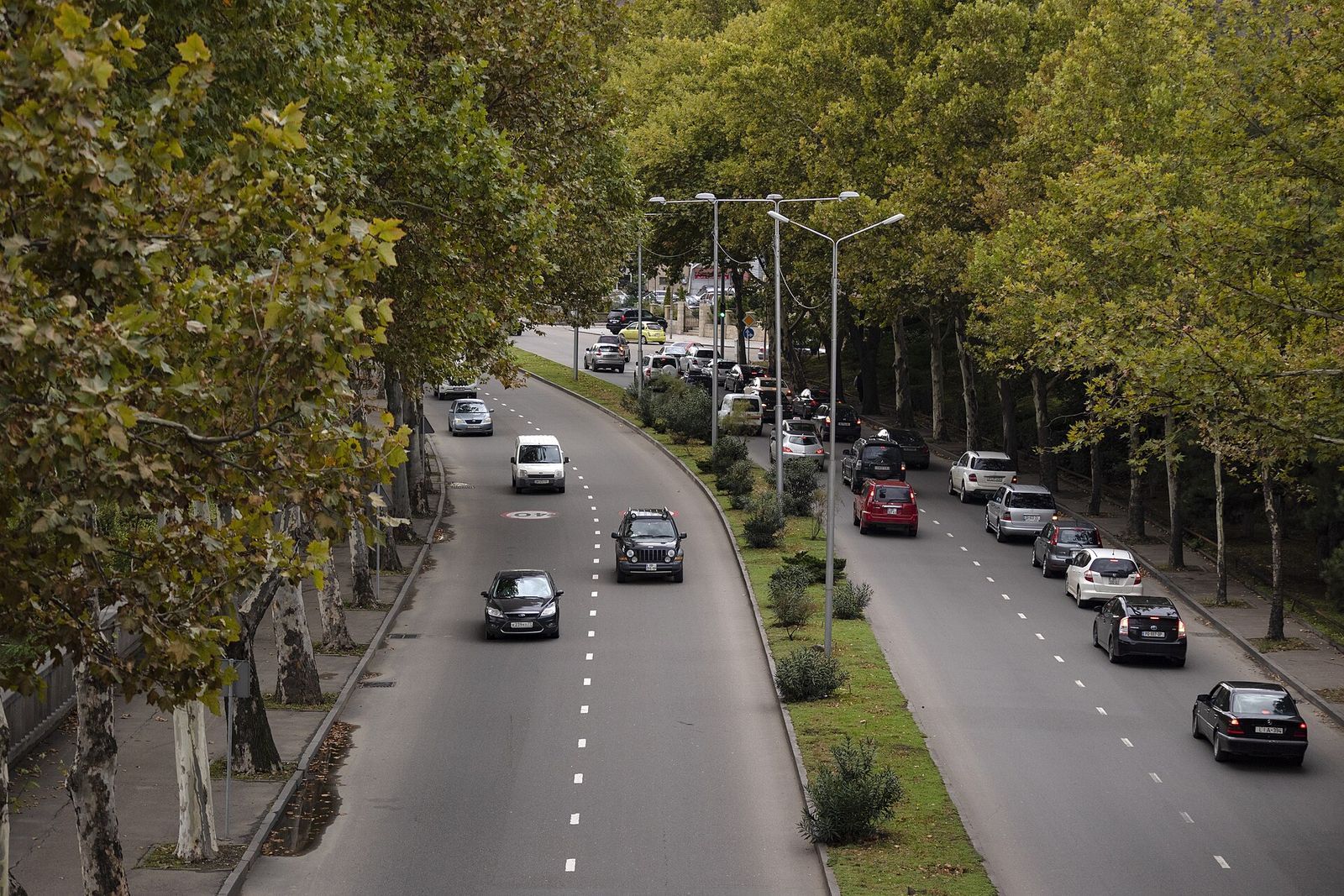
The Best Time to Visit Tbilisi, Month by Month
Tbilisi is known for long, golden autumns and summers that get properly hot, and the month you pick changes the trip more than in most cities: a July afternoon averages 33 C, a January one about 6 C. Here's what you need to know about the weather month by month, when crowds and prices peak, the festivals worth timing a trip around, and the best season for the rest of Georgia.
Best time to visit Tbilisi: the short answer
The best time to visit Tbilisi is late April to June, or September to October. Days sit between about 18 and 28 C, the trees are either fresh green or turning gold, and you can walk from Sololaki down to the baths at 2 pm without hunting for shade.
If I could pick only one window, I'd take the first half of October. The heat has gone, highs settle around 21 C, Tbilisoba fills the old town on the first weekend, and the harvest is still going in the vineyards of Kakheti. Hotel prices have also dropped back to mid-range after the September peak.
My second choice is mid-April to mid-May. The city is in blossom from mid-April, April gets about a third of May's visitors, and rooms cost 30 to 40% less than in May. The trade-off is weather that can swing from sun to showers in an afternoon.
Tbilisi weather by month
Here is the year at a glance: average daily lows and highs for Tbilisi, the same for Kazbegi in the mountains for anyone combining the two, how busy the city gets, and my one-line verdict on each month.
| Month | Tbilisi low to high | Kazbegi low to high | Crowds | My verdict |
|---|---|---|---|---|
| January | 2 to 6 C | -5 to 2 C | Low | Christmas on the 7th, then quiet and cheap |
| February | 3 to 8 C | -4 to 3 C | Low | The calmest month; museums, baths, opera |
| March | 6 to 13 C | -2 to 5 C | Moderate | Changeable; pack for sun and rain in one day |
| April | 10 to 18 C | 2 to 10 C | Moderate | Blossom, Easter, lower prices: my spring pick |
| May | 14 to 23 C | 5 to 15 C | High | Lovely, but the most showers and a price jump |
| June | 18 to 28 C | 8 to 18 C | High | Warm evenings before the real heat |
| July | 21 to 33 C | 10 to 20 C | Very high | Too hot for long city days; go to the mountains |
| August | 21 to 33 C | 10 to 20 C | Very high | Hottest; locals leave for the coast |
| September | 17 to 28 C | 6 to 16 C | High | Harvest starts, still summer-warm |
| October | 12 to 21 C | 2 to 12 C | Moderate | The best month of the year |
| November | 7 to 13 C | -2 to 5 C | Low | Cool, quiet, good for theater and wine |
| December | 3 to 8 C | -5 to 2 C | Low | Lights and markets; New Year week is busy |
Those are averages. Summer heat waves push Tbilisi to 38 to 40 C (100 to 104 F), and the mountains stay 10 to 15 C cooler than the city all summer. Rain comes mostly as spring showers and thunderstorms, with May and June the wettest stretch, while summer is mostly dry and sunny and winter is fairly dry. Snow in the city is rare and rarely lasts more than a day or two.
Best time to visit Tbilisi by type of trip
The right month depends on what else you want from the trip. This is how I'd decide:
- First trip to Tbilisi: the first half of October, or mid-April to May. Both give you walking weather for the old town hills and the full calendar of cafes, wine bars and day trips.
- Wine lovers: September to mid-October, when Rtveli, the grape harvest, runs across Kakheti and wineries invite visitors to pick and press. May is the runner-up, with Tbilisi's wine festivals.
- On a budget: mid-January to February. Rooms cost about half of summer prices, and the sulfur baths have no queue.
- Hikers: June to September. Daytime highs in Kazbegi in summer sit around 18 to 20 C while Tbilisi bakes, so I'd split the trip between city and mountains.
- Skiers: December to March, with Gudauri's ski slopes on the road north to Kazbegi. April can still be good.
- City plus beach: June to September, adding Batumi on the Black Sea, where July and August are the peak beach months.
- Festival timing: 7 January for Orthodox Christmas and the Alilo procession, or the first weekend of October for Tbilisoba.
Tbilisi by season
Every season works for a city break here; each one just asks for a different plan. Your packing list for Georgia changes more with the month than with the destination: layers and a light rain jacket from March to May, breathable clothes and a hat in summer, and a proper coat from December to February.
Spring in Tbilisi (March to May)
Tbilisi in spring starts grey and finishes glorious. March barely reaches 13 C and locals call it "crazy March" for weather that changes several times a day. April warms to 10 to 18 C, with blossom from the middle of the month, and May reaches 23 C with long evenings outside.
The catch is rain. May and June bring the most showers of the year, usually short afternoon bursts, so I keep a museum or a hot bath in reserve for the wet hours and walk in the mornings. Prices climb through the season, from mid-range in April to high in May.
Summer in Tbilisi (June to August)
June is warm and pleasant, 18 to 28 C, with the city's outdoor season in full swing. July and August are a different story: average highs of 33 C, heat waves of 38 to 40 C, and an old town built on steep hills. The sky is mostly clear and dry, and the streets fill up after dark, when it finally cools off.
Summer is peak season for visitors and prices, though late summer gets a little cheaper as August empties out. Many Tbilisians leave for Batumi, Kobuleti, Mestia or Racha in August, and I'd copy them: summer is the season for the high mountains. If you're set on Tbilisi in summer, plan the days around the heat.
Autumn in Tbilisi (September to November)

Autumn in Tbilisi is my favorite season. September still feels like summer at 17 to 28 C, but the worst heat has broken, schools reopen and the city gets back to its normal pace. October drops to 12 to 21 C, the leaves turn yellow along the river and up the hills, and the evenings turn crisp.
This is also the busiest food and wine season of the year: the harvest in Kakheti, new wine, and Tbilisoba in the old town. September is still priced as high season, October is mid-range, and November is cheap.
Winter in Tbilisi (December to February)
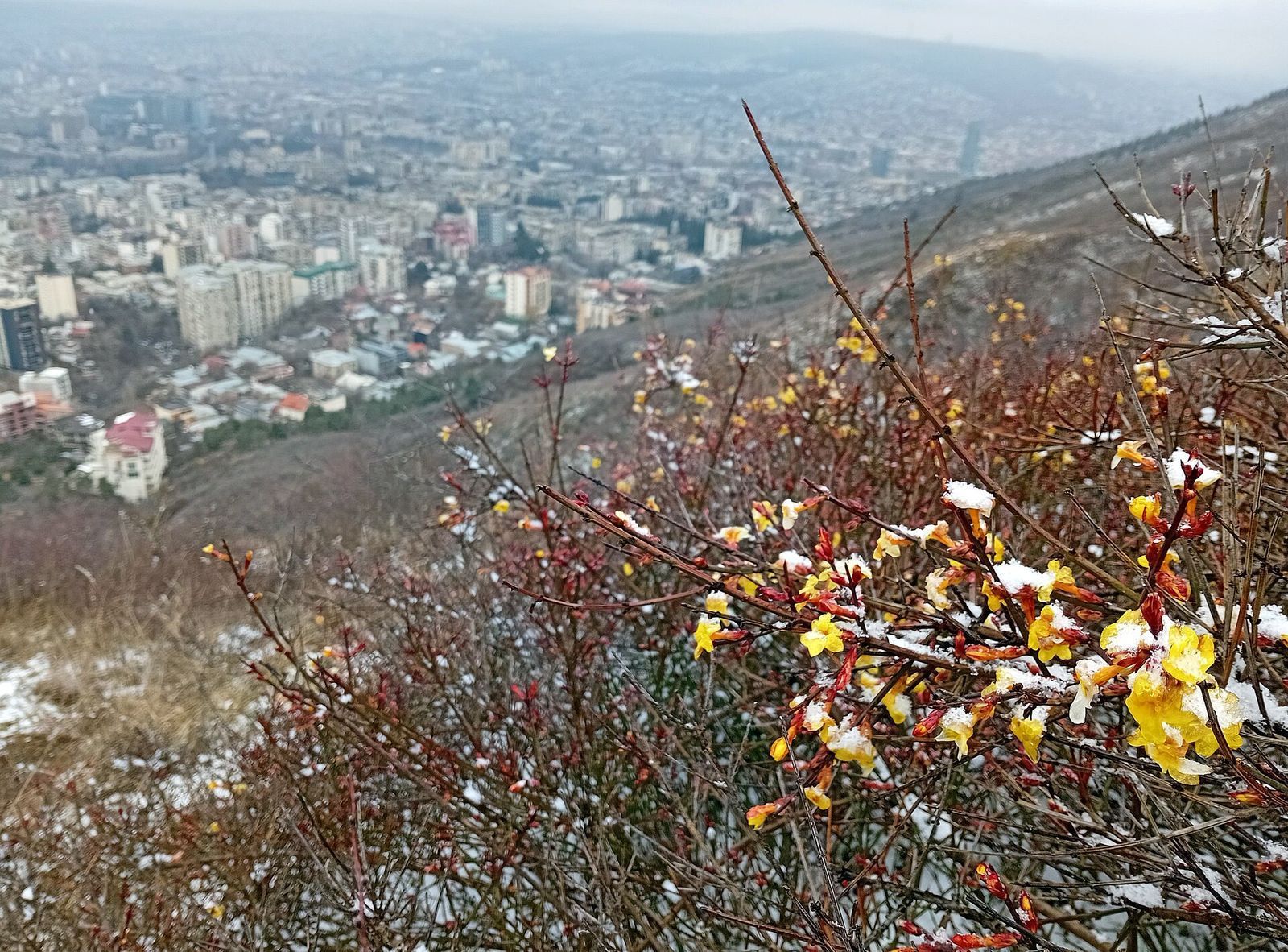
Winter in Tbilisi is mild by the standards of the rest of the country. Days run 2 to 8 C, the skies are often grey and damp, and snow, when it comes, is a light dusting that tends to melt within a day or two. The mountains are a different matter, with deep snow and ski season from December.
It's the quietest time to visit, with around 5 times fewer tourists than summer and rooms 30 to 50% cheaper. December has the lights and Christmas markets, January has Orthodox Christmas, and February is pure slow travel: opera, galleries, long lunches and an hour in a sulfur bath.
Tbilisi month by month
January and February
January opens with the end of the holidays. The Christmas markets usually run until 7 January and sometimes to the 14th, Orthodox Christmas on 7 January brings the Alilo procession through the streets, and Old New Year on 14 January closes the season. After that the city goes quiet and cheap.
February is one of the calmest months of the year: grey, chilly and easy with a warm coat. Rooms cost about half of their summer price, and the sulfur baths in Abanotubani are at their best when it's cold outside. Berikaoba, the old masked folk carnival, can fall in late February or March.
March
March is the start of spring and the least predictable month, with sun, rain and wind in a single afternoon. Cafes put tables outside on the warmer days, and shops run discounts around International Women's Day and Mother's Day. Pack layers and waterproof shoes.
April
April is my favorite spring month. Highs climb from the low teens to 18 C, the blossom comes out from mid-April, and you get far fewer visitors than in May. Orthodox Easter usually falls in April, sometimes in early May, and Easter in Georgia is the biggest religious holiday of the year, with church services through the night and family feasts on the Sunday.
May
May is the month many visitors love most, at 14 to 23 C with long, green evenings. Several wine festivals run back to back in the first half, and the wine festivals in Tbilisi are the easiest way to taste dozens of small producers in an afternoon. Independence Day on 26 May starts with a small military parade at Freedom Square, then fairs and concerts along Rustaveli Avenue. Expect showers, and book rooms 2 to 3 weeks ahead.
June
June is comfortable right up until the heat arrives at the end of the month. It's the month for outdoor music: Tbilisi Open Air is the big festival, and the National Botanical Garden hosts open-air concerts in May and June. Mornings at a cafe, evenings on a terrace, and the middle of the day somewhere cool.
July and August
Heat is the story of high summer, at 21 to 33 C on average. July brings the Art-Gene folk festival, with musicians and dancers from the regions, and the Sukhishvili National Ballet performs in the city. August is the hottest month and, oddly, the quietest one among locals, because much of Tbilisi leaves for the coast and the mountains.
September
September is when the city wakes up again. Schools reopen, traffic returns, and Rtveli, the grape harvest, begins in Kakheti. It's still warm, with highs up to 28 C early in the month, slightly less crowded than June, and prices are starting to fall.
October
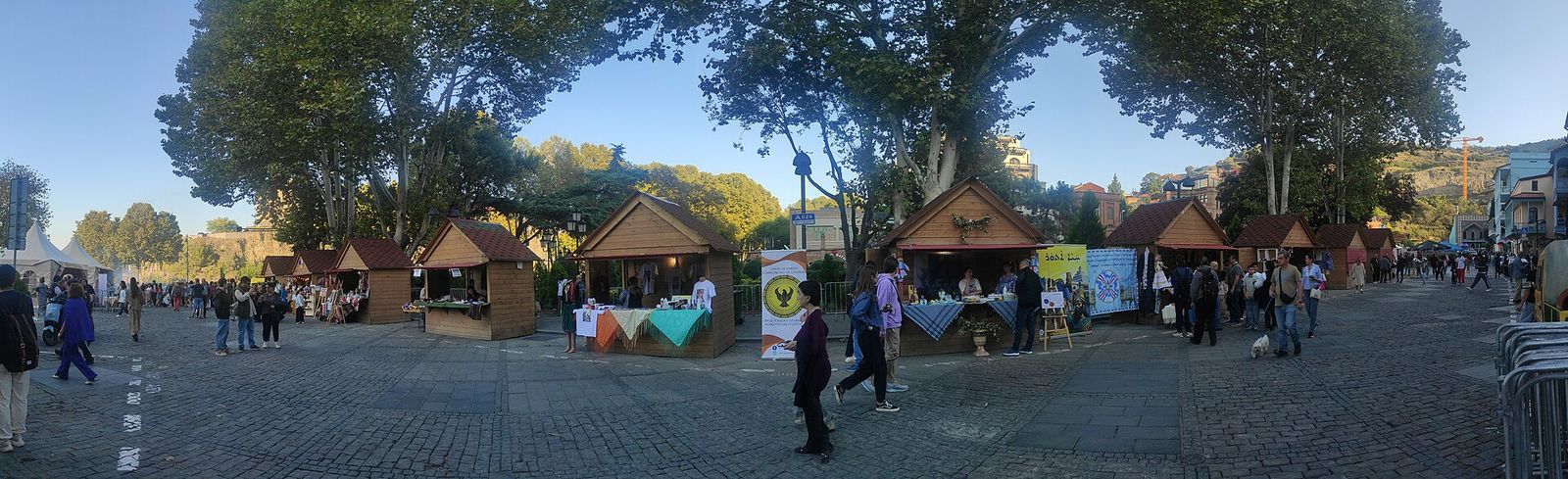
October is, for me, the best month of the year in Tbilisi. On the first weekend, Tbilisoba takes over the old town with folk performances, food stalls from every region and open-air concerts. The harvest wraps up by mid-October, highs sit around 21 C, and the festival calendar often adds film and coffee festivals.
November
November is cool and quiet, with no big public celebrations, but culturally it's busy: book fairs, theater and film festivals, and the regular season of opera and theater in Tbilisi, with tickets on TKT.ge or Biletebi.ge. It's also when the new wine is opened from the qvevri, the clay vessels it ferments in.
December
December brings lights, Christmas markets from mid-month, and a slow build to New Year's Eve in Tbilisi, when Freedom Square gets its giant tree and fireworks at midnight. Remember that Georgian Christmas is on 7 January, so 25 December is an ordinary working day here. Days run 3 to 8 C, and life moves indoors to cafes, galleries and the opera.
Festivals and holidays worth timing a trip around
These are the dates from the calendar of festivals and holidays in Georgia that I'd plan a Tbilisi trip around.
| Event | When | Where | What happens |
|---|---|---|---|
| Orthodox Christmas and Alilo | 7 January | Central Tbilisi | A festive procession through the streets |
| Old New Year | 14 January | Citywide | The last round of the holidays |
| Orthodox Easter | Spring, usually April | Churches across the city | Night services and family feasts |
| Wine festivals | First half of May | Tbilisi | Tastings from small producers |
| Independence Day | 26 May | Freedom Square, Rustaveli Avenue | Parade, fairs and concerts |
| Tbilisi Open Air | June | Tbilisi | The city's big summer music festival |
| Art-Gene | July | Tbilisi | Folk music and dance from the regions |
| Rtveli | September to mid-October | Kakheti | Grape picking, pressing and feasts |
| Tbilisoba | First weekend of October | Old town | Folk shows, regional food stalls, concerts |
| Christmas markets | Mid-December into January | Central Tbilisi | Lights, stalls and gifts |
| New Year's Eve | 31 December | Freedom Square | Tree and fireworks |
When Tbilisi is cheapest and busiest
Room prices follow the weather. Here is how the year breaks down:
| Period | Crowds | Room prices | Book ahead |
|---|---|---|---|
| 25 December to 3 January | Busy | Peak, fully booked | 2 to 3 months |
| Mid-January to February | Lowest | About half of summer | No rush |
| March to April | Moderate | Mid; April 30 to 40% below May | A week or two |
| May to June | High | 30 to 50% above winter | 2 to 3 weeks |
| July to August | Very high | High, easing in late August | Early |
| September | High | High, starting to fall | 2 to 3 weeks |
| October | Moderate | Mid | A week or two |
| November to mid-December | Low | 30 to 50% below summer | No rush |
The best value of the year is April and October: shoulder-season weather at mid-season prices. The cheapest stretch overall is mid-January to February, if grey skies don't bother you.
When not to visit Tbilisi
Every month has a case for it, but some suit some travelers badly. I'd think twice about these:
- July and August, for a city-only trip. At 33 C on an average afternoon and up to 40 C in a heat wave, the climb up to the fortress and the walk through the old town lanes are hard work. Combine the city with the mountains or the coast, or come another time.
- New Year week, on a budget. From 25 December to 3 January rooms are at their dearest and hard to find.
- March, if you hate surprises. It's the most changeable month, and a weekend can be all rain.
- Mid-January to February, if you want buzz. After Old New Year the city goes into its quietest stretch, with grey days and few events.
Best time to visit Georgia beyond Tbilisi
Tbilisi is good all year; the rest of Georgia is more seasonal. The mountains run 10 to 15 C cooler than the capital, mountain roads can close in winter, and the Black Sea has a short beach season.
| Destination | Best | Good | Skip |
|---|---|---|---|
| Tbilisi | Apr to Jun, Sep to Oct | All year | Jul to Aug, if heat bothers you |
| Kazbegi | May to Jun, Sep to Oct | Jul to Aug, winter | November and March |
| Kakheti | Sep to Oct, for the harvest | Apr to Jun | Winter, when it is quiet |
| Batumi | Jun to Sep | May and October | Nov to Mar, for the rain |
| Svaneti, for hiking | Jun to Sep | May and October | Nov to Apr |
| Gudauri, for skiing | Dec to Mar | April | May to Nov, no snow |
For a mixed trip, I'd go in June or September. You get warm city days, open mountain roads and clear hiking weather in Svaneti and Mestia, and in September the harvest on a Kakheti wine tour as well. High summer is the time for the remote valleys of Tusheti and Racha. On a Georgia itinerary of a week or more, put the mountains in the middle and Tbilisi at both ends.
Key takeaways
- Go in late April to June or September to October for 18 to 28 C days; the first half of October is my pick.
- Skip July and August for a city-only trip: 33 C averages and heat waves to 40 C.
- The cheapest weeks are mid-January to February, at about half of summer room prices; avoid 25 December to 3 January on a budget.
- Time the trip for Tbilisoba (first weekend of October), the harvest (September to mid-October) or Christmas and Alilo (7 January).
- For mountains go June to September, for skiing December to March.
Frequently asked questions
What is the best month to visit Tbilisi?
October is the best month to visit Tbilisi. Highs sit around 21 C, the grape harvest is on in Kakheti, Tbilisoba fills the old town on the first weekend, and room prices are mid-range. May and early June are close behind.
What is the cheapest time to visit Tbilisi?
Mid-January to February is the cheapest time to visit, with rooms at about half of summer prices and around 5 times fewer tourists. November and early December are also cheap. Avoid 25 December to 3 January, when prices peak.
Does it snow in Tbilisi?
Rarely, and it doesn't last. Tbilisi winters run 2 to 8 C, and snow usually comes as a light dusting that melts within a day or two. For reliable snow, head to Gudauri, where the ski season runs December to March.
How hot does Tbilisi get in summer?
Very hot. July and August average highs of 33 C (91 F), and heat waves reach 38 to 40 C (100 to 104 F). Sightsee in the mornings and evenings, and head to the mountains, which are 10 to 15 C cooler.
What is the rainiest month in Tbilisi?
May and June are the wettest months, mostly with short afternoon showers and thunderstorms. Summer is mostly dry and sunny, and winter is fairly dry with occasional light rain.
Is Tbilisi worth visiting in winter?
Yes, for a slow city break. Days are 2 to 8 C, there are few tourists, rooms are 30 to 50% cheaper, and the sulfur baths, museums and opera are at their best. December adds Christmas markets and 7 January the Alilo procession.
What is the best time to visit Georgia?
The best time to visit Georgia is May to June or September to October, when both Tbilisi and the mountains are pleasant. Go June to September for hiking in Kazbegi and Svaneti, September to October for the Kakheti harvest, and December to March for skiing.
Tbilisi Travel Tips: What I'd Tell You Before a First Trip to Georgia
Tbilisi is known for wine, sulfur baths and long dinners. Here's what to know about entry, money, transport and safety.
Read the guide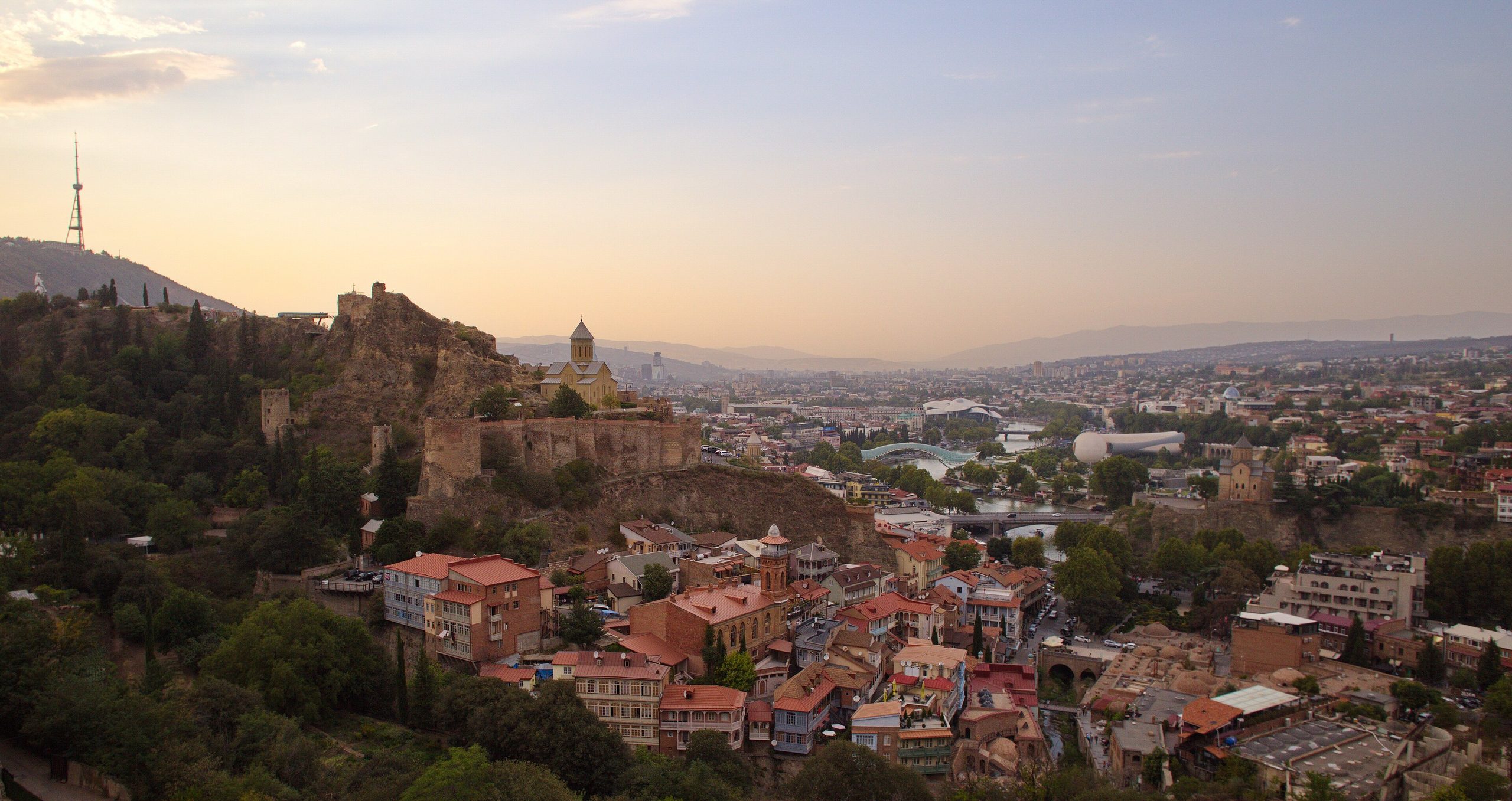
Tbilisi Itinerary: How I'd Spend 1 to 5 Days in Tbilisi
Tbilisi is best over 3 full days. Here is how to spend 1 to 5, with routes, meals, day trips and costs.
Read the guide
Tbilisi Airport to the City Center: Bus 337, Bolt, Taxis and Transfers
Tbilisi Airport sits 17 km from the center. Here is how the bus, Bolt, taxis and transfers compare on price and time.
Read the guide