25 Free Things to Do in Tbilisi (and What Only Looks Free)
Tbilisi is known for being easy on a budget, and a lot of its best sights cost nothing at all. The Old Town lanes, the churches, the ridge views, the flea market and the night walk along the river are all free. Here's my list of 25 free things to do in Tbilisi, the ones that cost a lari or two, and the "free" sights that charge you once you arrive.
The 25 free things to do in Tbilisi at a glance
Here is the full list in one place, with the time of day I'd go and the one catch each item has. Everything in it costs 0 GEL to see or enter; the catch column is where the small print lives.
| # | Free thing | Best time | The catch |
|---|---|---|---|
| 1 | Old Tbilisi lanes and the bath domes | Morning | None |
| 2 | Legvtakhevi waterfall | Any time | None, it is 5 minutes past the baths |
| 3 | Betlemi stairs and quarter | Late afternoon | 120 steps uphill |
| 4 | Old Town courtyards | Daytime | People live there |
| 5 | Narikala ridge and the Mother of Georgia | The hour before sunset | Upper walls fenced off |
| 6 | Tabori Monastery lookout | Sunset | About 45 minutes uphill on foot |
| 7 | Queen Darejan Palace balcony | Afternoon | None |
| 8 | Clock tower puppet show | 12:00 or 19:00 | A few minutes long |
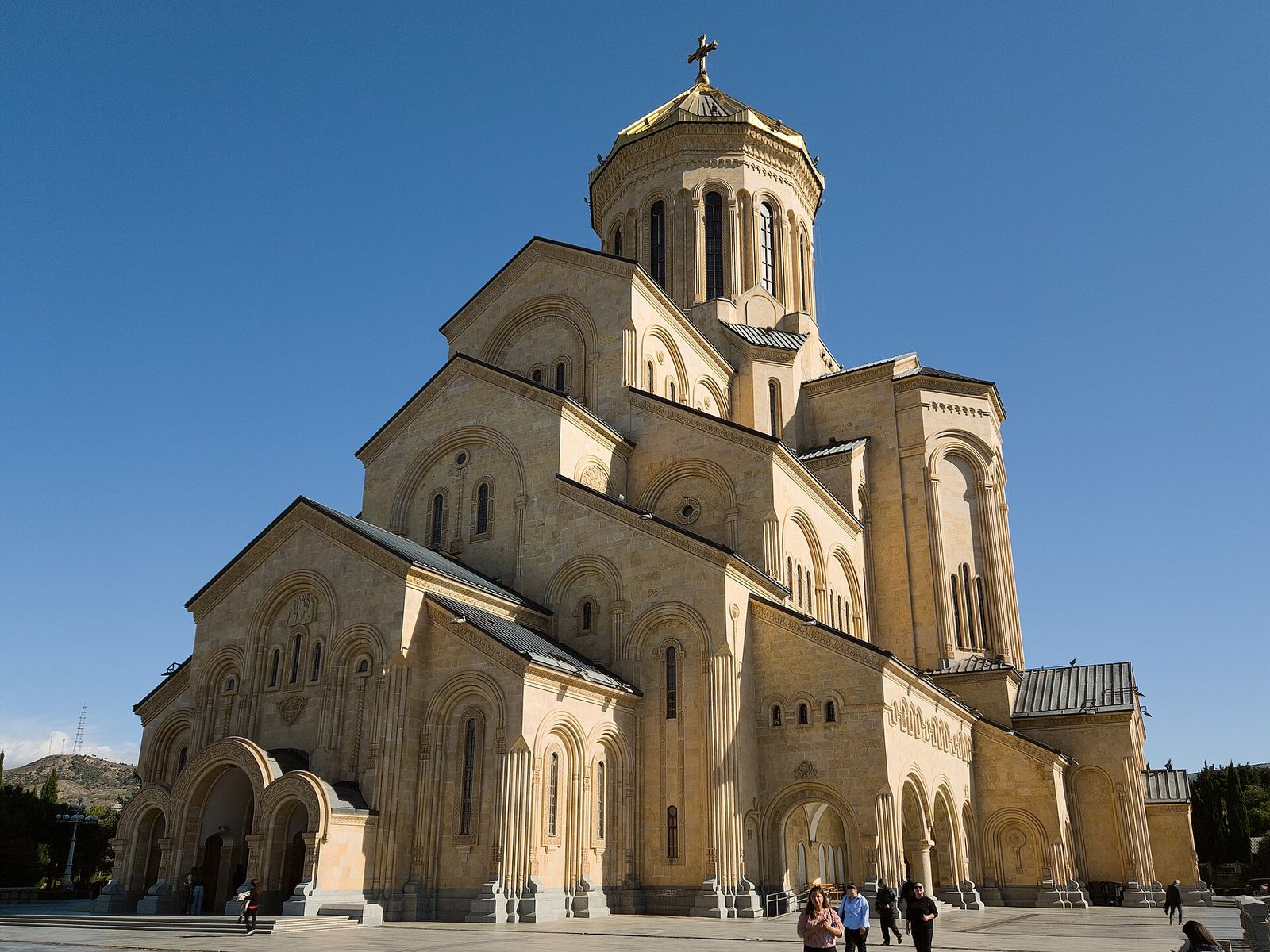
| 9 | Sameba Cathedral | Evening | Dress code, no photos inside |
| 10 | Sioni, Anchiskhati and Metekhi churches | Morning | Dress code |
| 11 | Sunday polyphonic singing | Sunday morning | Stand quietly at the back |
| 12 | Rike Park and the Bridge of Peace | After dark | None |
| 13 | Dry Bridge market | Weekends from 11:00 | Thin on rainy days |
| 14 | Dezerter Bazaar | Before 10:00 | Busy and loud |
| 15 | Sololaki entrance halls | Daytime | Residential buildings |
| 16 | Fabrika courtyard | Evening | The drinks are not free |
| 17 | Street art walk | Daytime | Spread over several neighborhoods |
| 18 | Rustaveli Avenue and Freedom Square | Evening | None |
| 19 | Tip-based walking tour | 12:00 daily | You tip the guide |
| 20 | Street music by Liberty Square metro | Evening | Tip if you stay |
| 21 | Stalin's Underground Printing House | Weekdays, 10:00 to 18:00 | Donation expected |
| 22 | Bitadze Tea shop and museum | Daytime | The tea is for sale |
| 23 | State Silk Museum | First Wednesday of the month | 12 GEL on other days |
| 24 | Mtatsminda Park on foot | Sunset | Rides cost 3 to 10 GEL |
| 25 | Turtle Lake and the Chronicles of Georgia | Afternoon | Both sit out of the center |
Walk Old Tbilisi and Abanotubani
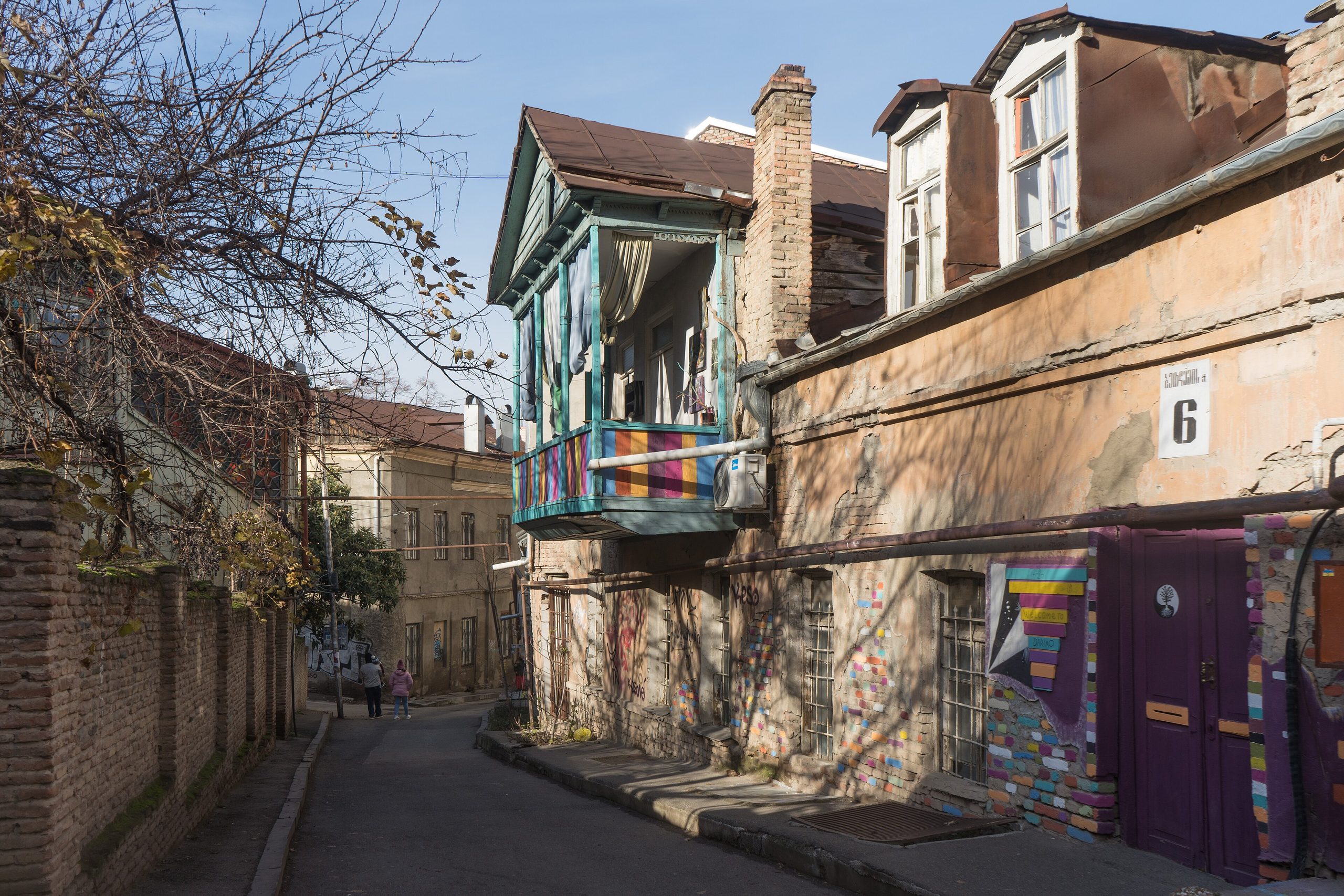
My favorite free thing in the city is also the simplest: walking Old Tbilisi with no plan and no map. Start at the brick domes of Abanotubani, the bath district at the foot of the fortress, and drift uphill from there. The wooden balconies, the carved doors and the crooked lanes are the reason most people fall for Tbilisi, and none of it has a ticket.
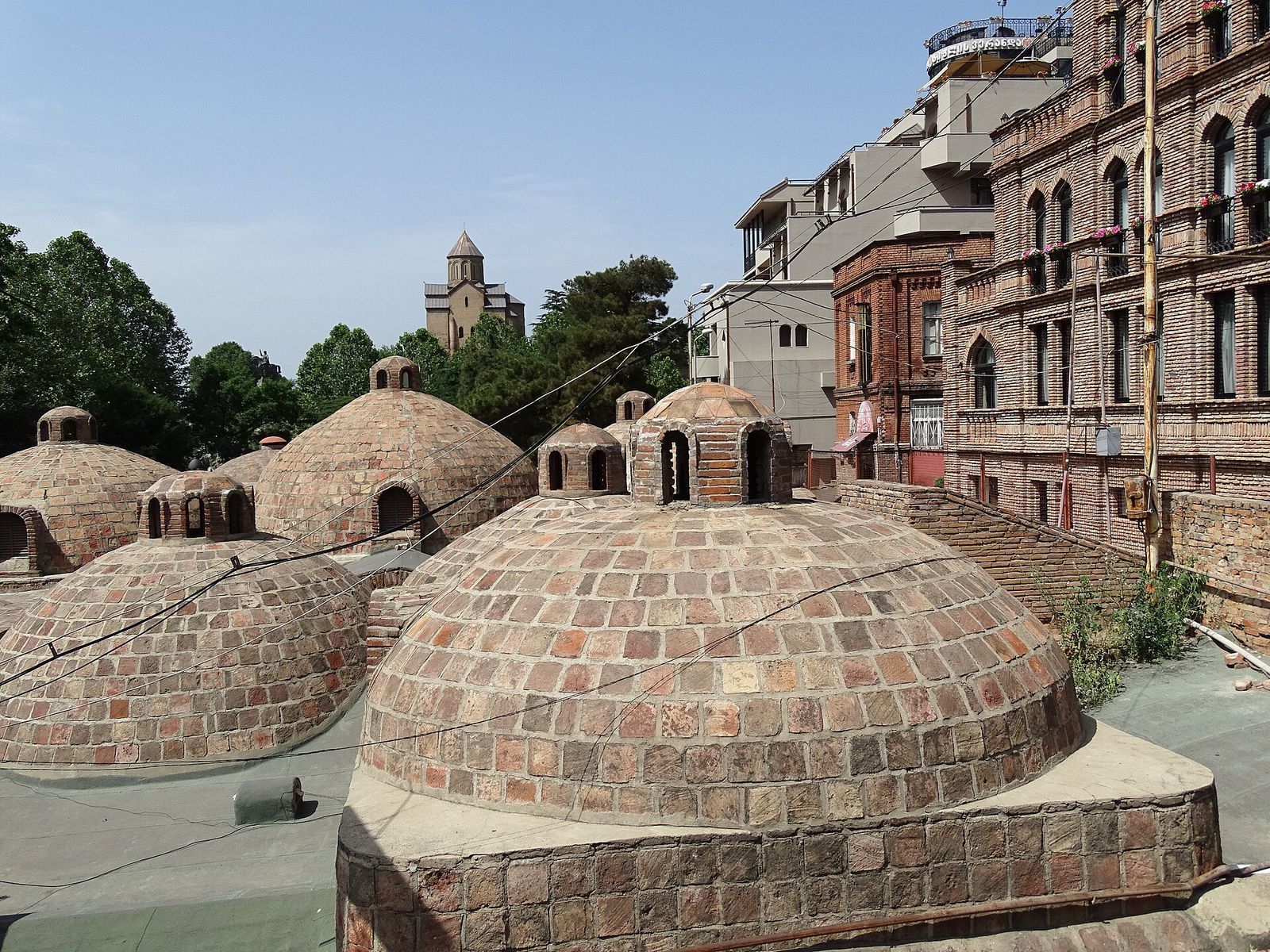
The domes you walk over are the roofs of Abanotubani's sulfur baths. Looking costs nothing; going in starts at about 6 GEL for a public hall and 120 GEL an hour for a private room, so I'd keep the soak for its own evening.
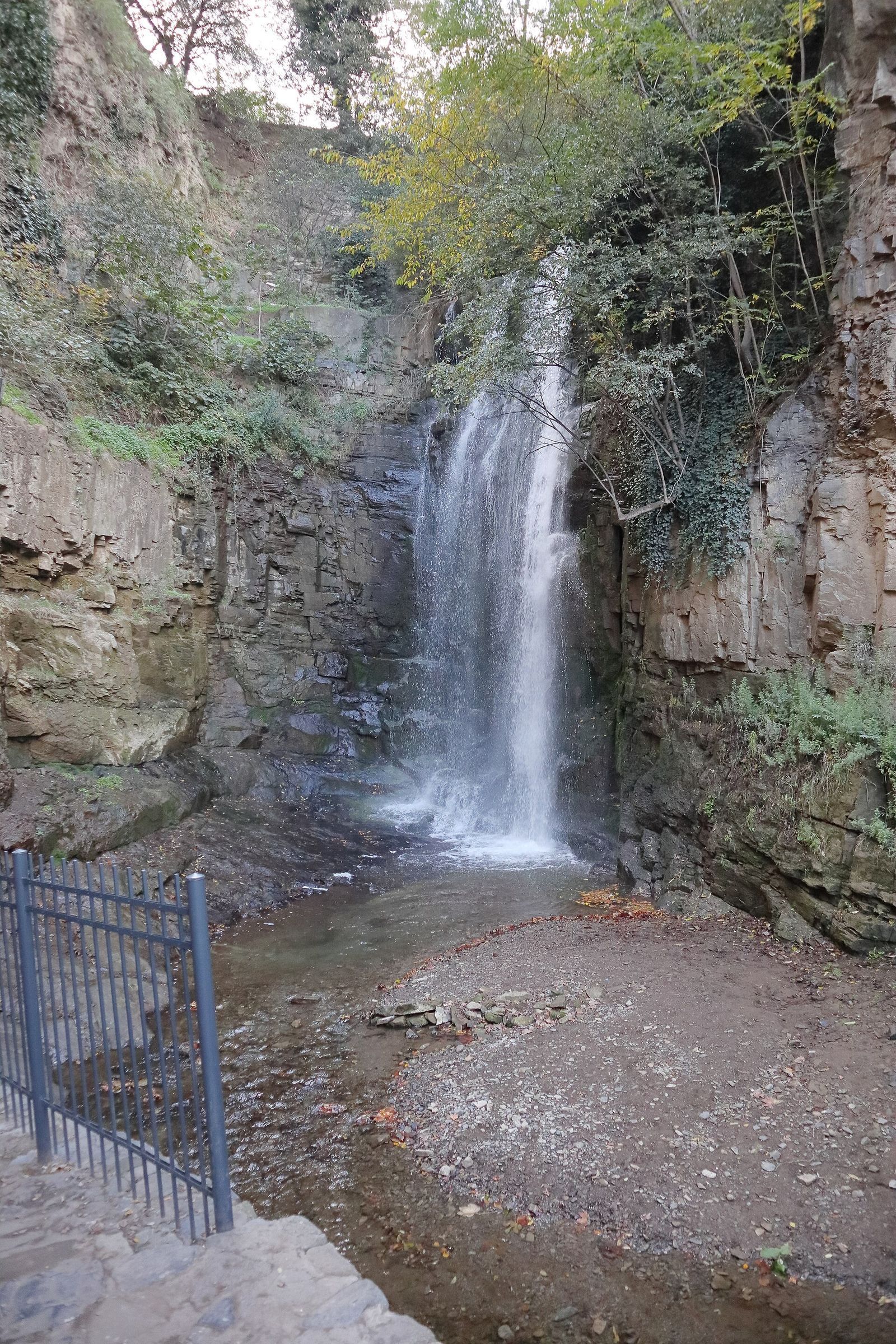
Follow the stream past the bathhouses into the Legvtakhevi gorge and in about 5 minutes you reach a small waterfall between the cliffs. Most visitors stop at the baths and never walk those extra few minutes, which is a shame, because it is the coolest spot in the Old Town on a hot afternoon.
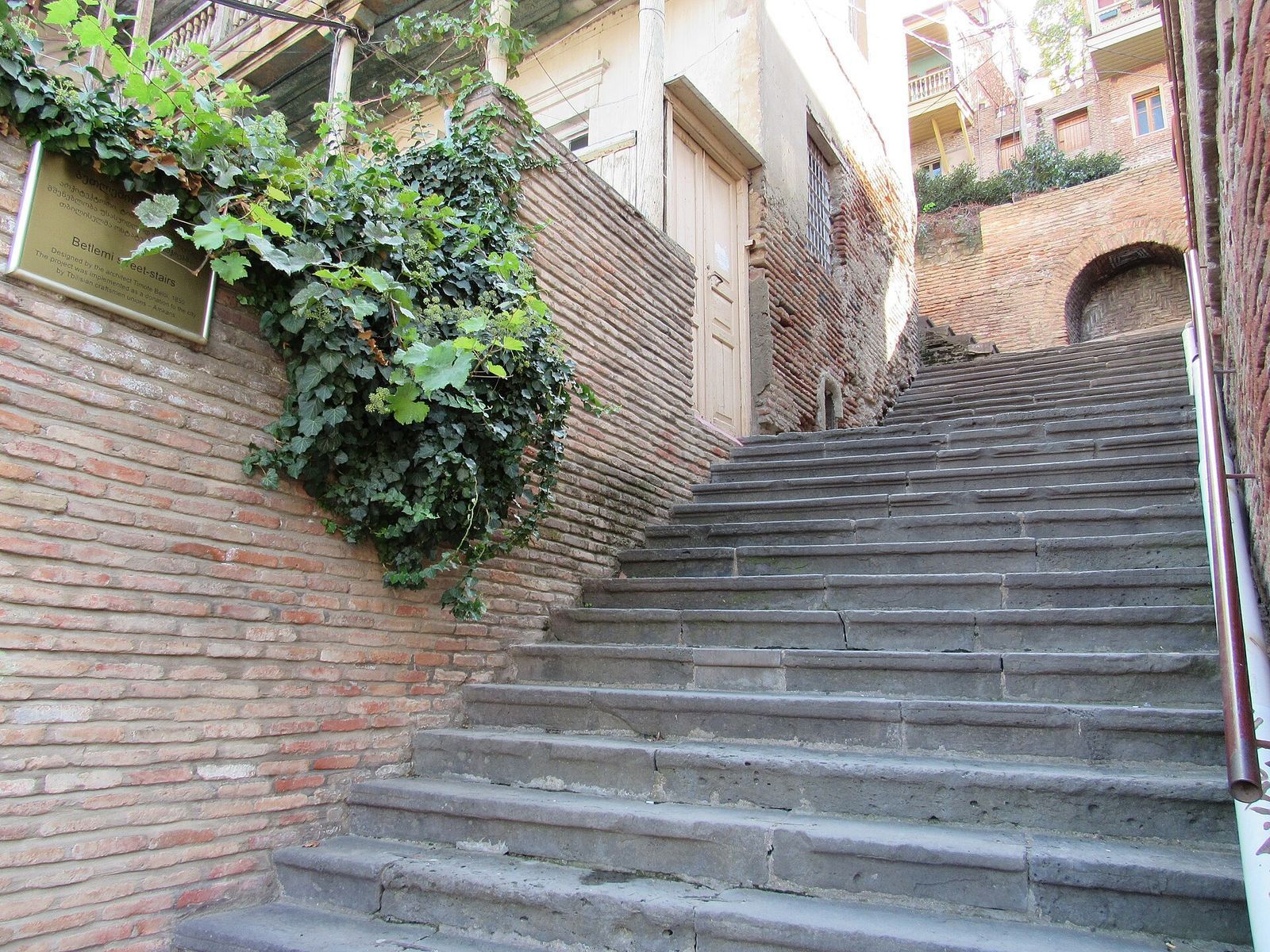
For a quieter climb than the fortress path, take the Betlemi stairs, 120 steps up into the Betlemi quarter. The view back over the domes and the river is close to the one from Narikala, with a fraction of the people.
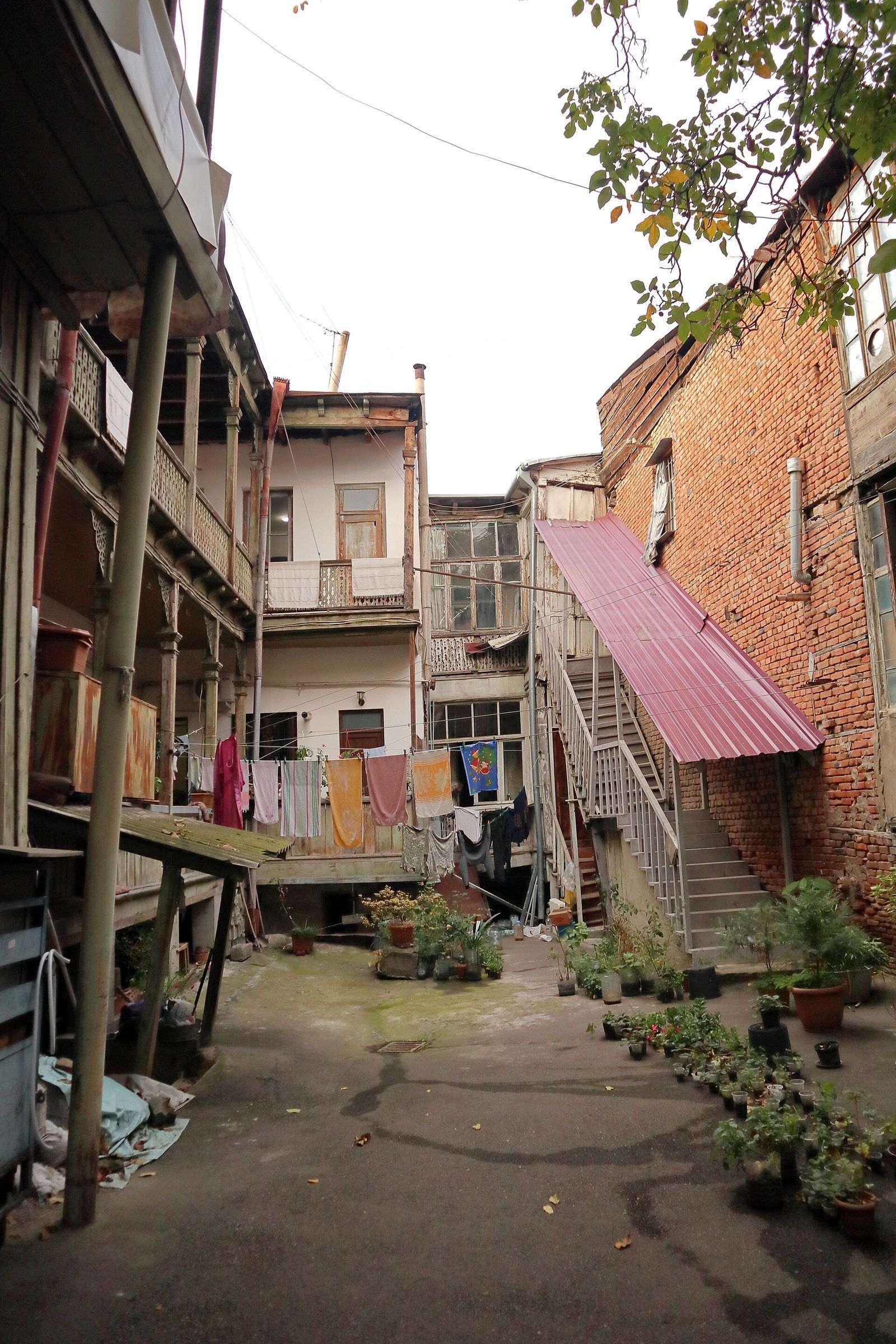
On the way, step through any open archway into one of the old courtyards: balconies on three sides, laundry lines, a vine climbing a staircase. These are homes, so keep your voice down, don't climb the stairs and don't point a camera through a window.
Narikala ridge, the Mother of Georgia and the free viewpoints
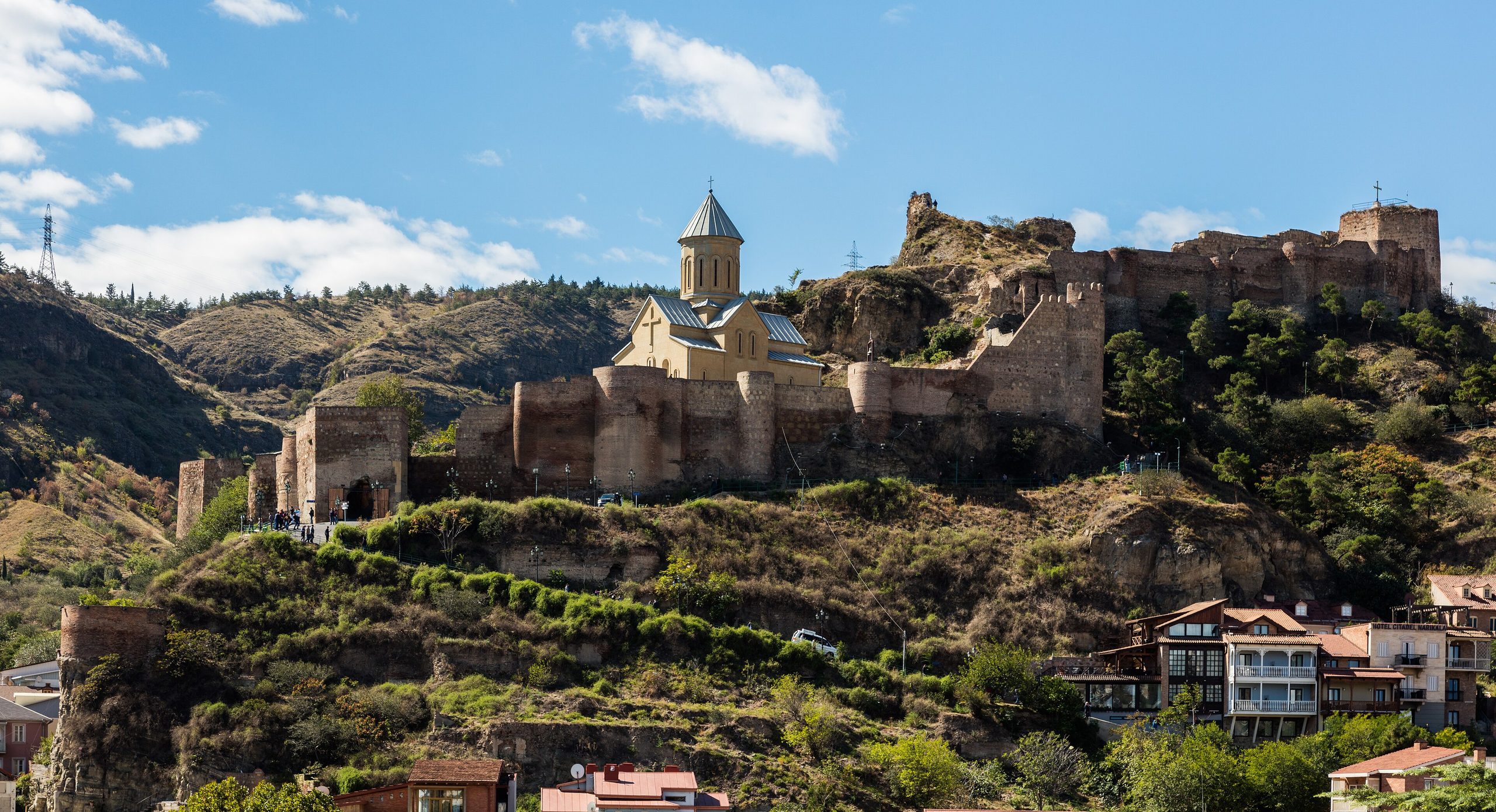
The walk from the baths up to Narikala Fortress takes about 15 minutes on a steep path, and it is free. The cable car from Rike Park costs 2.50 GEL on a transport card and saves your legs; I'd ride it up and walk down if you have a choice, since the descent through Betlemi or back past the baths is the better half of the walk.
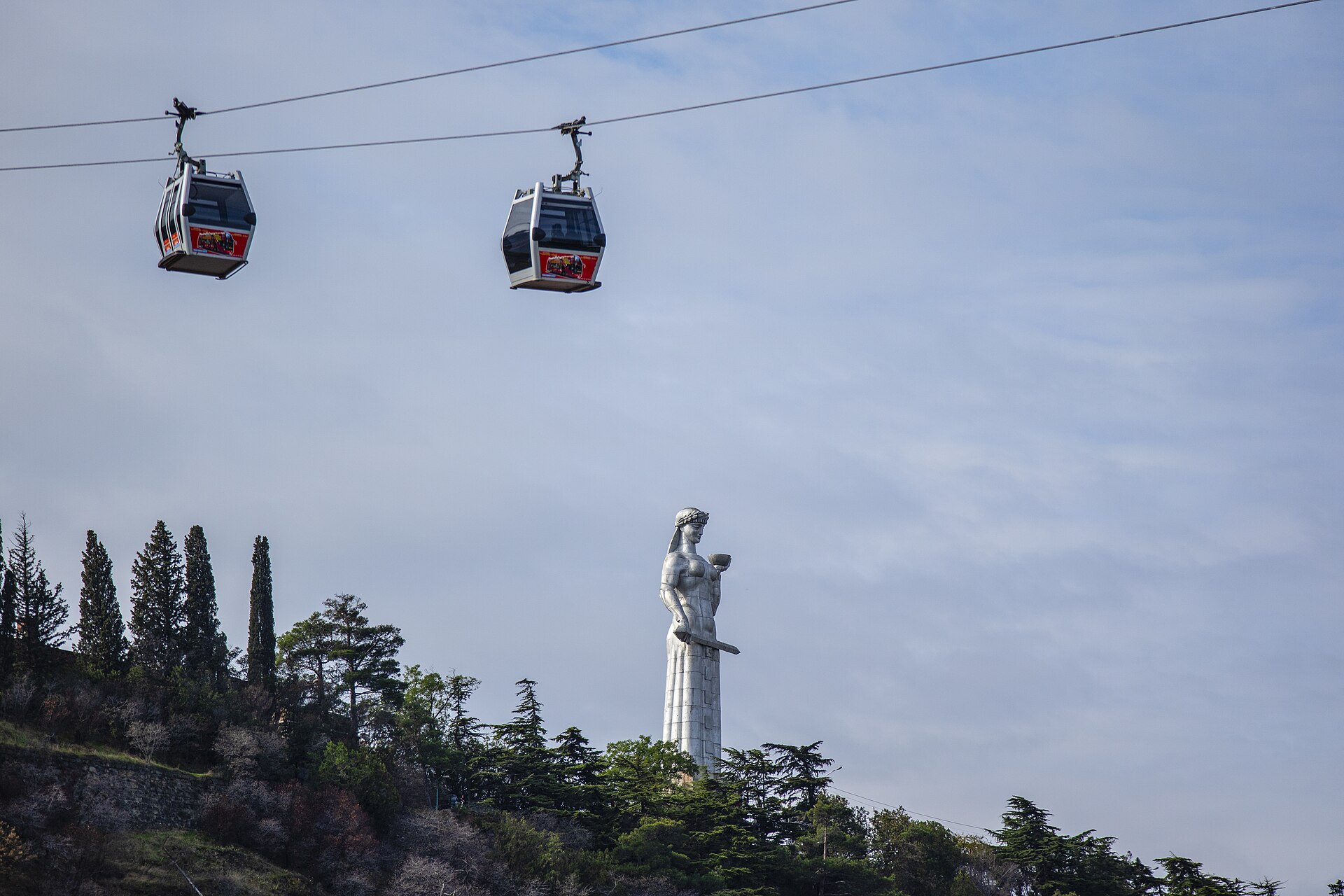
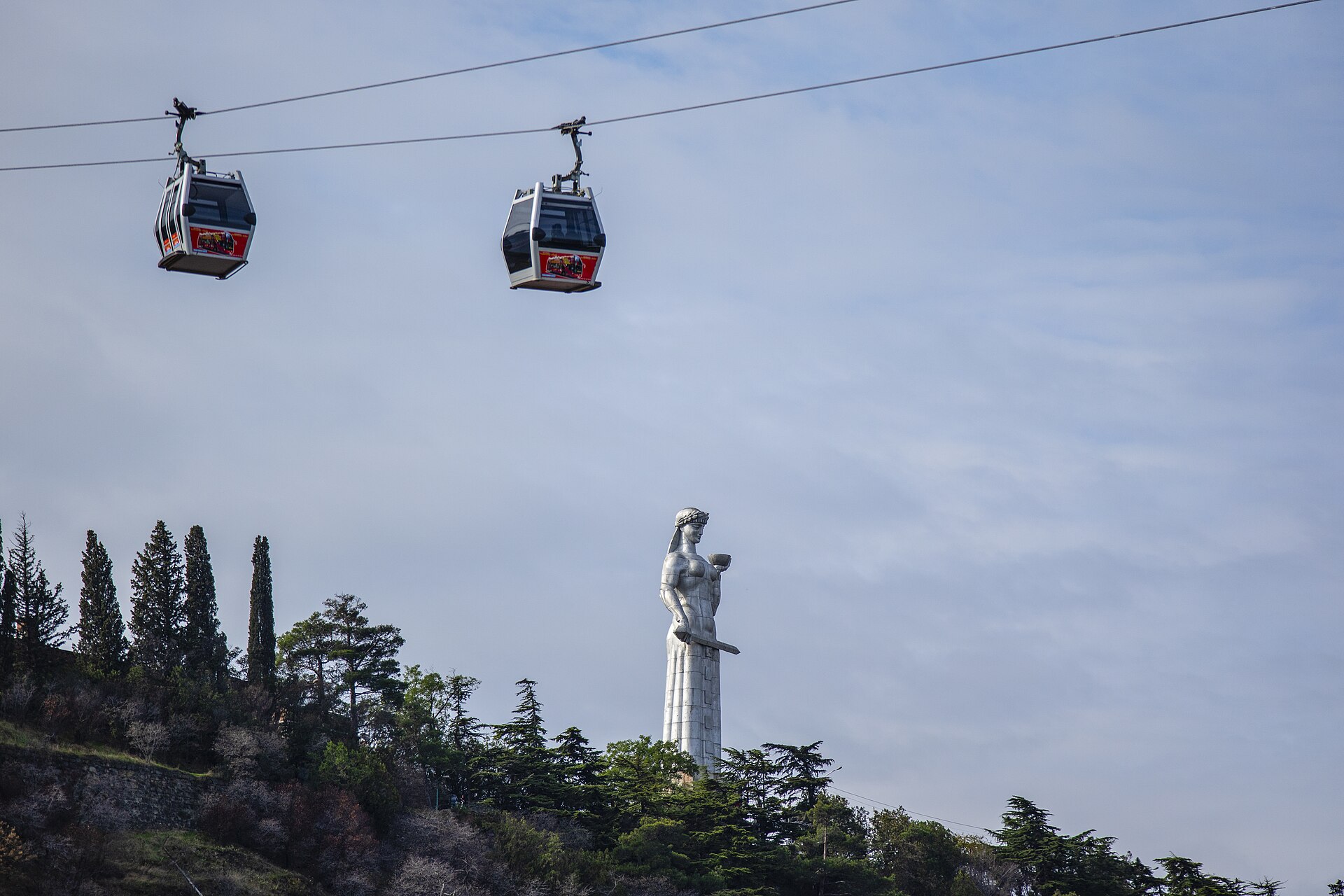
Along the ridge stands the Mother of Georgia, a 20 m aluminum statue first put up in 1958 and replaced in 1997, holding a bowl of wine for guests and a sword for enemies. The upper gate of the National Botanical Garden is on this ridge too; it costs 4 GEL, so it sits on my "nearly free" list rather than this one.
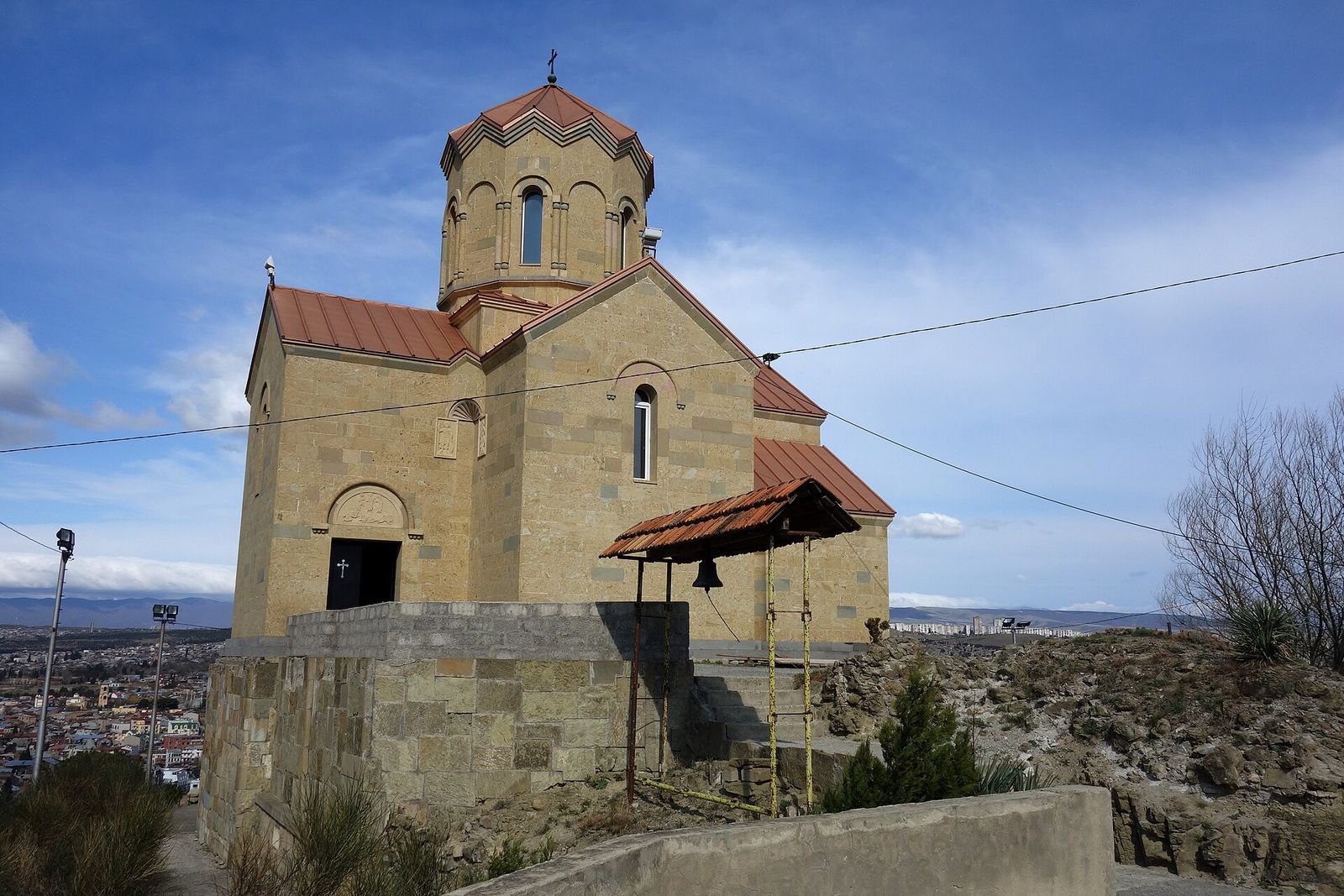
Sunset is free from anywhere in a city that sits in a bowl of hills. Of all the free viewpoints in Tbilisi, the ridge by the fortress walls is the one I'd pick for a first evening. For a view with nobody else in it, walk Baazov Street to its end and climb the spiral staircase to the Tabori Monastery lookout, about 45 minutes on foot from the Chreli Abano bathhouse.
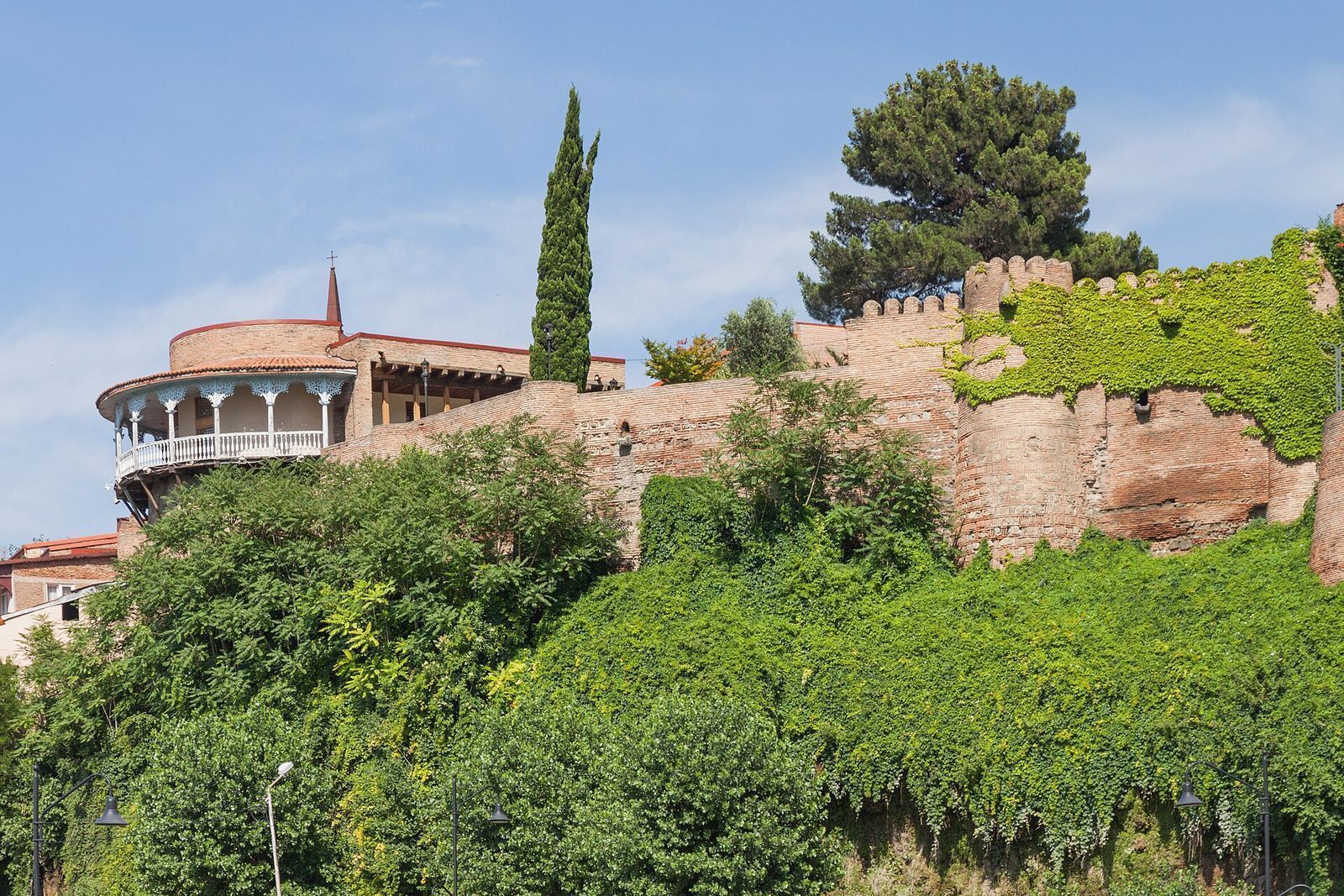
Across the river in Avlabari, the balcony of Queen Darejan's Palace is free to walk onto and looks straight back at the Old Town. It is a short detour on the way to Sameba, and it is rarely busy.
The clock tower puppet show
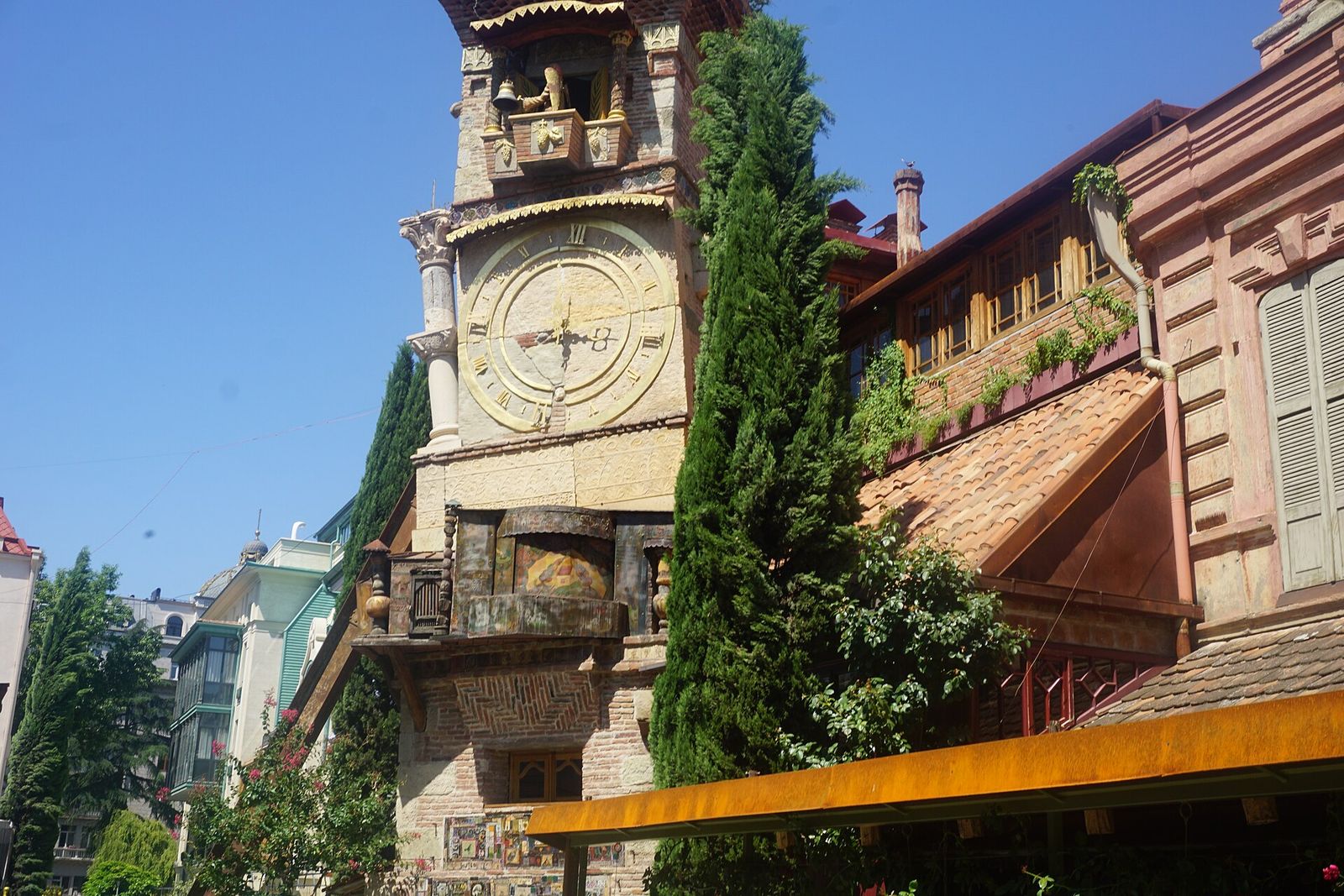
The leaning clock tower beside the Gabriadze puppet theater on Shavteli Street looks older than it is; it went up in 2010. Every hour a small angel steps out and strikes the bell with a hammer, and at 12:00 and 19:00 a short puppet show called The Circle of Life plays in the window above. It lasts a few minutes and you watch it from the street for free.
I'd aim for the 19:00 show. The midday one clashes with the walking tour start, and the lane is lovelier with the lamps on. The Gabriadze clock tower also stands a few steps from Anchiskhati, the oldest surviving church in the city, so pair the two.
Sameba Cathedral and the old churches
Every church in Tbilisi is free to enter, and the biggest is the one I'd send you to first. Holy Trinity Cathedral, known as Sameba, was built between 1995 and 2004 on Elia Hill in Avlabari, a short walk from Avlabari metro. Go in the early evening, when the low light turns the stone gold.
The old churches are smaller and, to me, more moving. Of the best churches in Tbilisi, the three below are all walkable from each other in under 30 minutes.
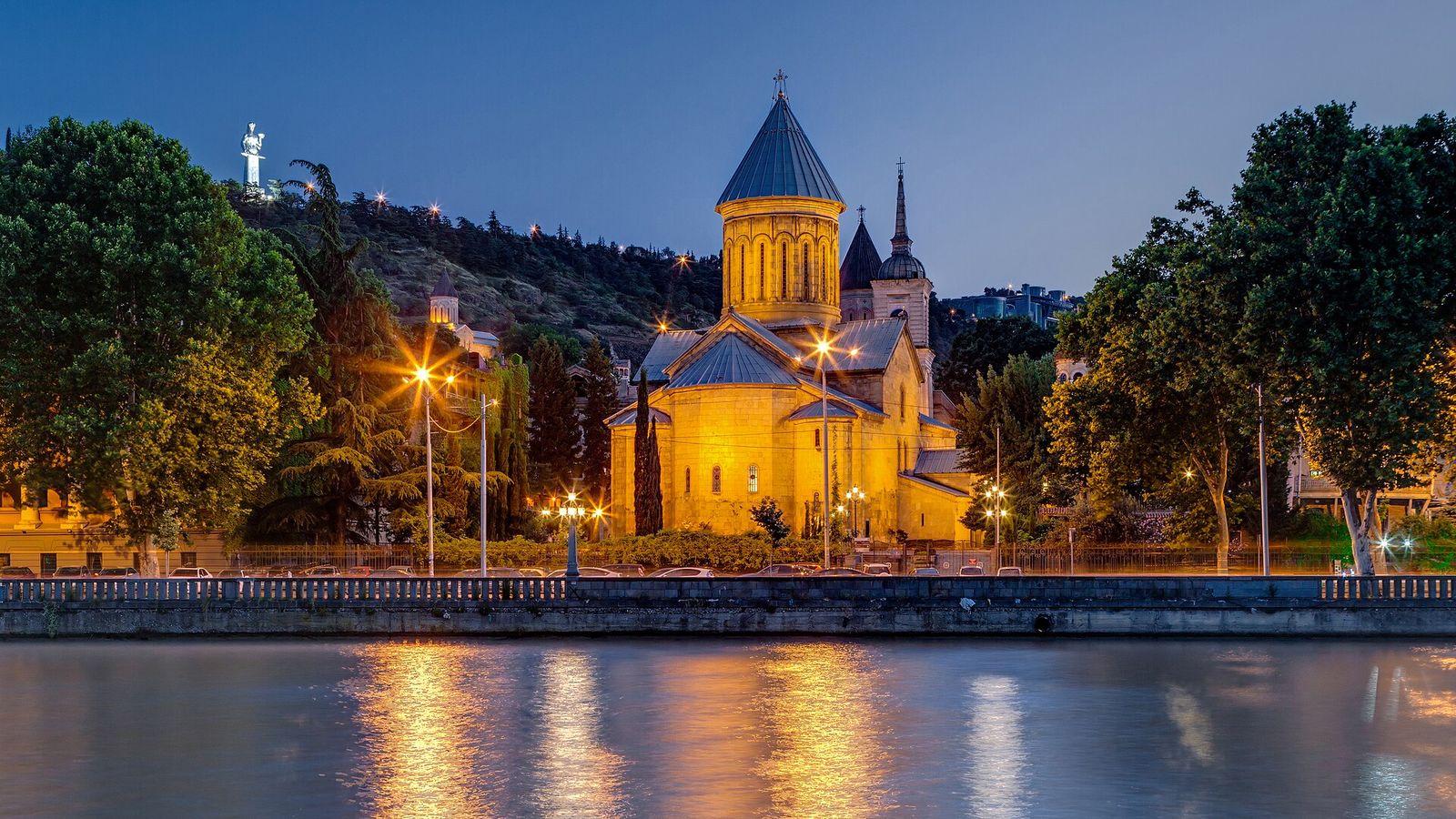
Sioni Cathedral in the Old Town holds the Cross of St Nino.
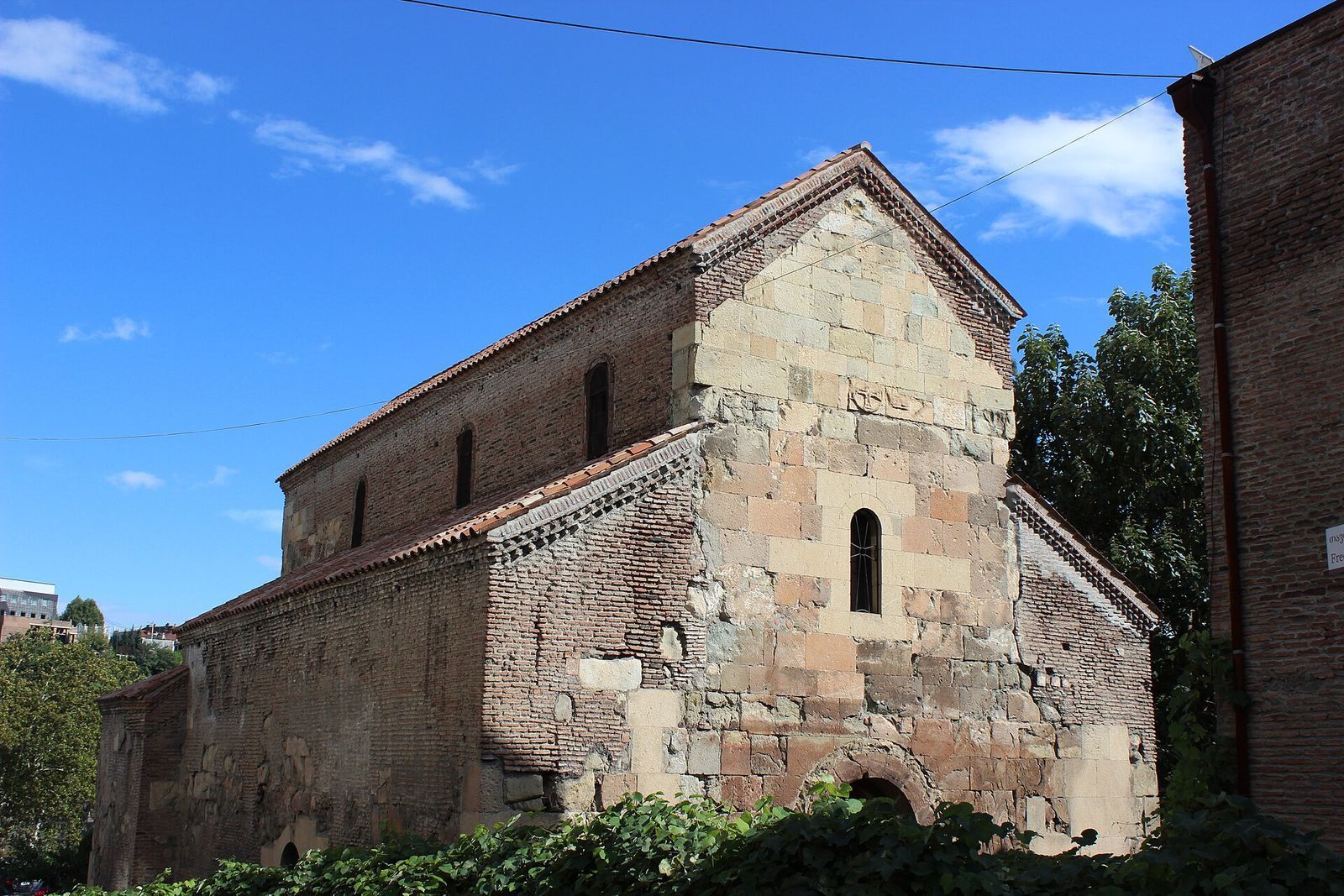
Anchiskhati is the oldest church in Tbilisi, a few steps from the clock tower on Shavteli Street.
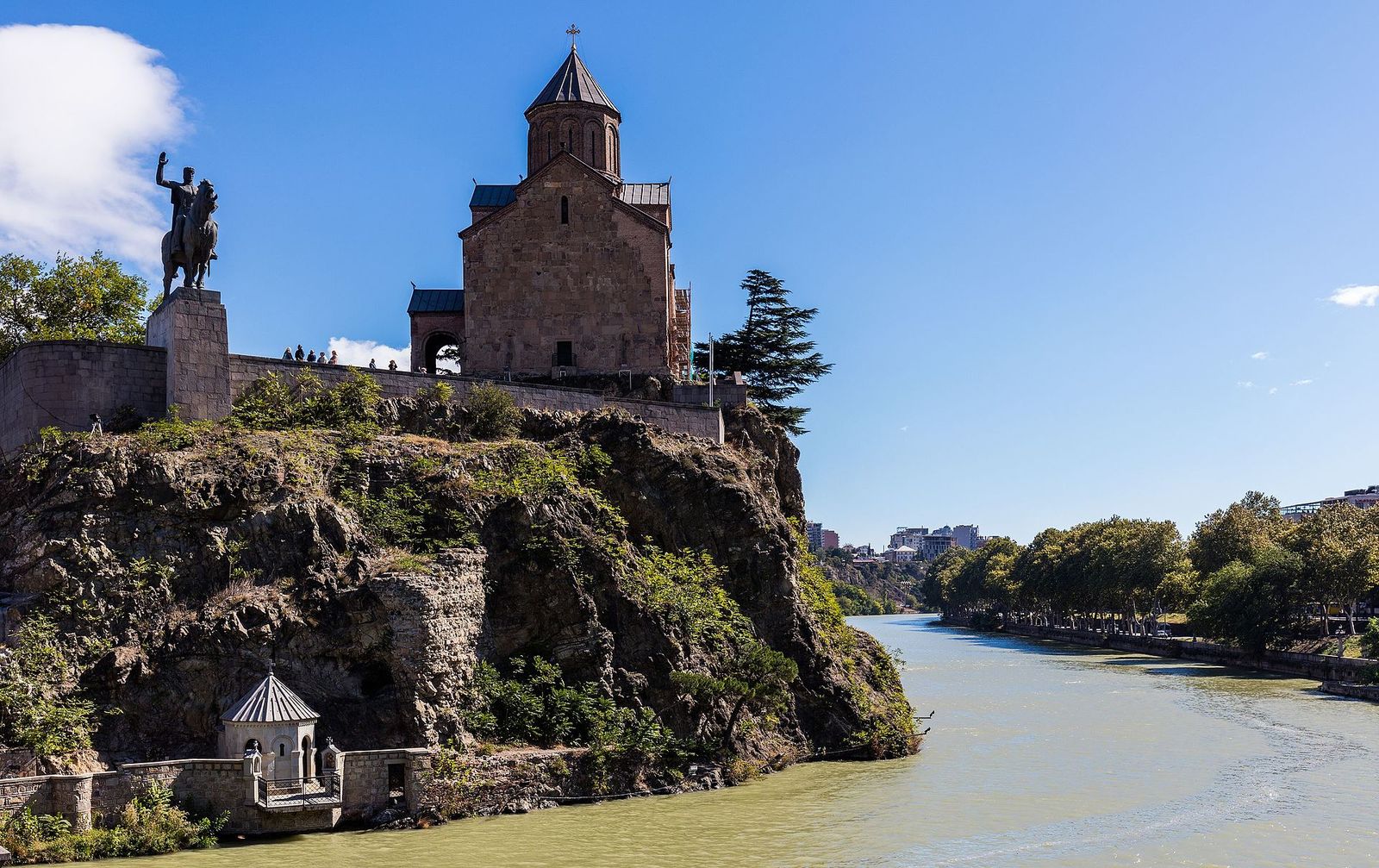
Metekhi sits on the cliff above the river with the statue of King Vakhtang Gorgasali beside it, and its terrace is one of the best free photo spots in the city.
If you are in town on a Sunday morning, go to a service. The polyphonic singing of a Georgian church choir is one of the most beautiful things you can hear in the country, and it costs nothing. Stand at the back, stay quiet, and leave when you like; people come and go throughout.
Rike Park and the Bridge of Peace after dark
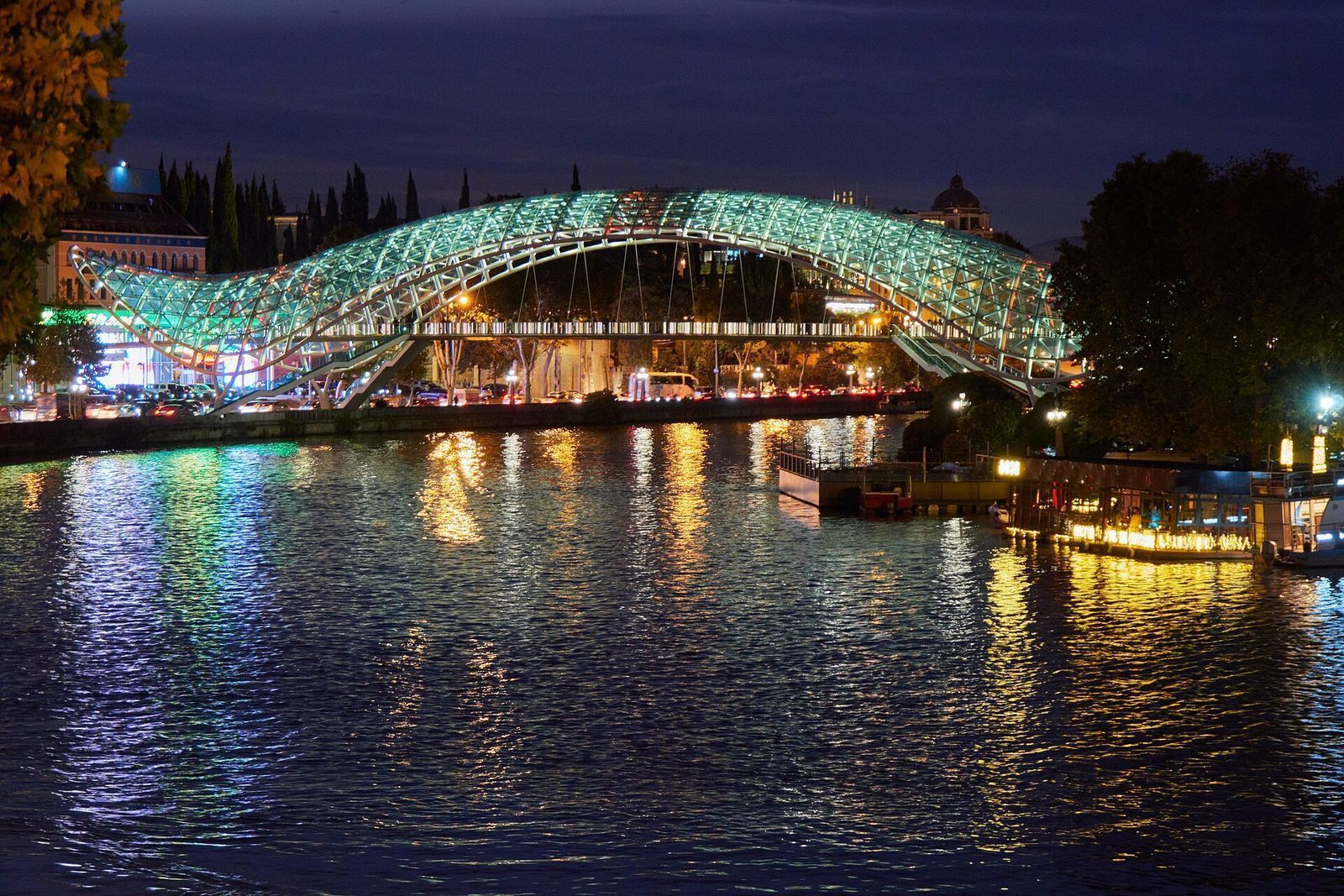
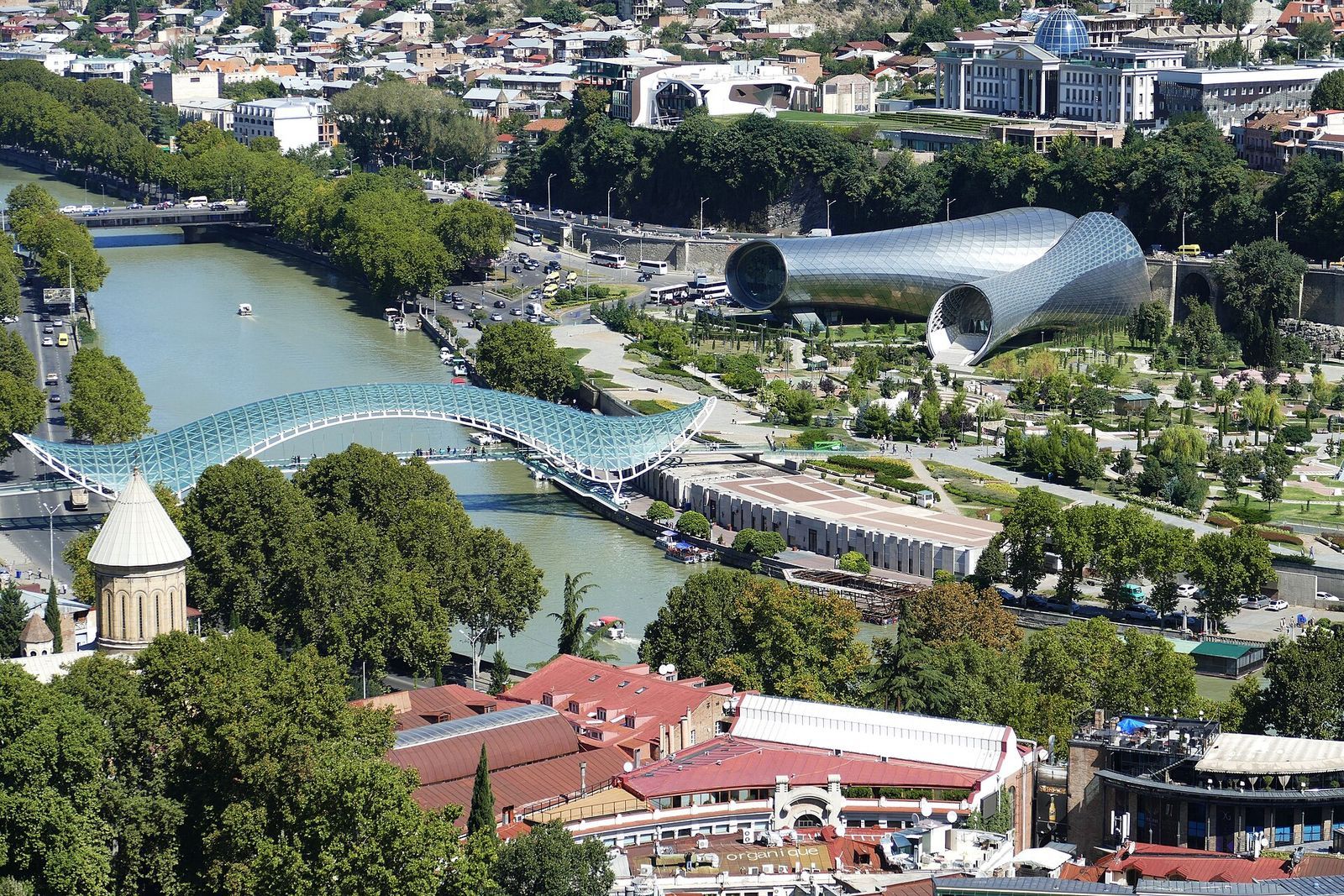
The riverbank below the Old Town is my favorite free evening in Tbilisi. The Bridge of Peace is a 156 m glass and steel footbridge, opened in 2010, and after dark its 50,000 LEDs light up the whole curve. Walk it from the Old Town side into Rike Park, with its fountains, benches and the view up to Metekhi.
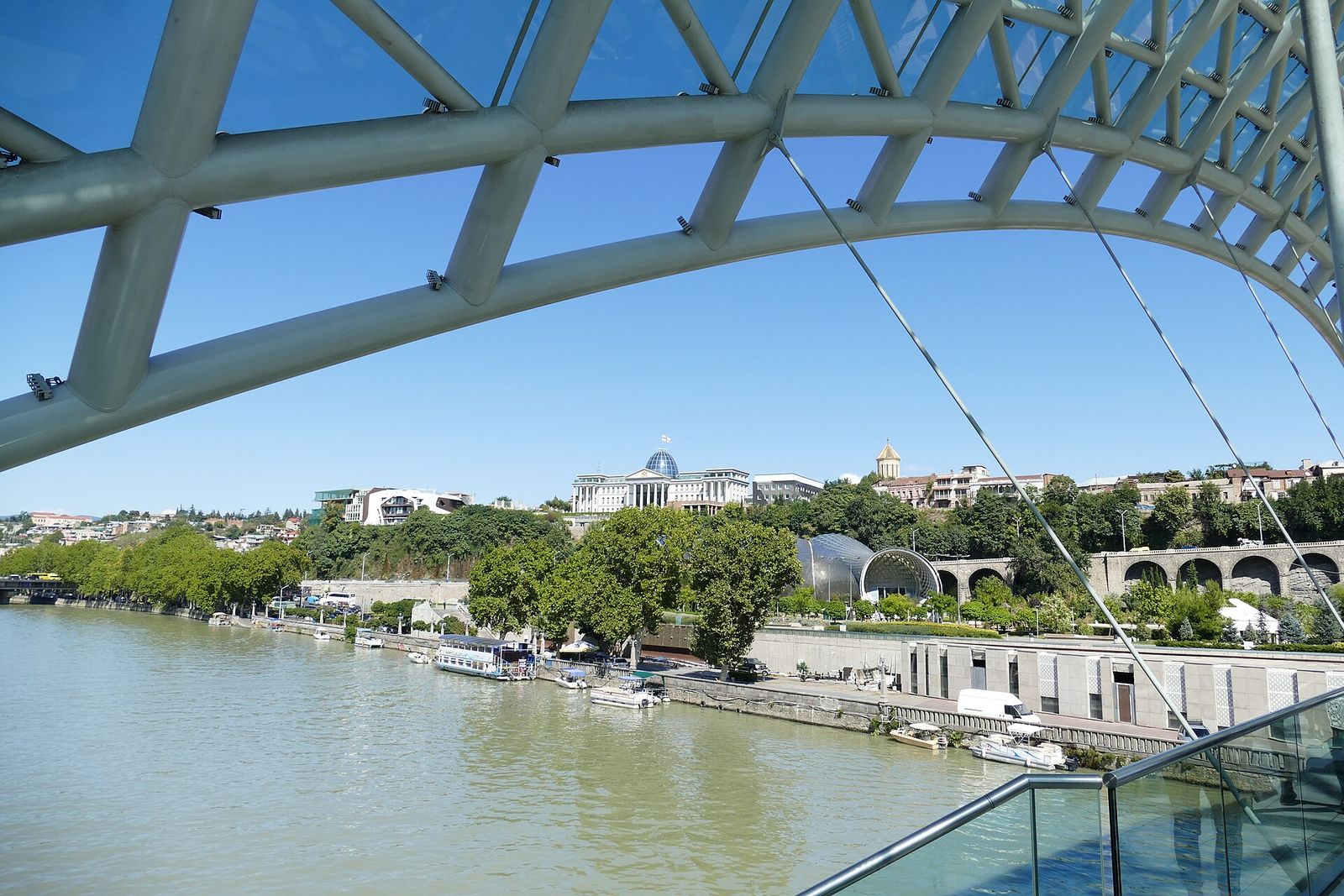
Rike Park is also where the cable car to the Narikala ridge leaves from, and it is the one thing on this riverbank that charges. Everything else, the bridge, the park, the riverside path and the light show, is open late and free.
The Dry Bridge market and Dezerter Bazaar
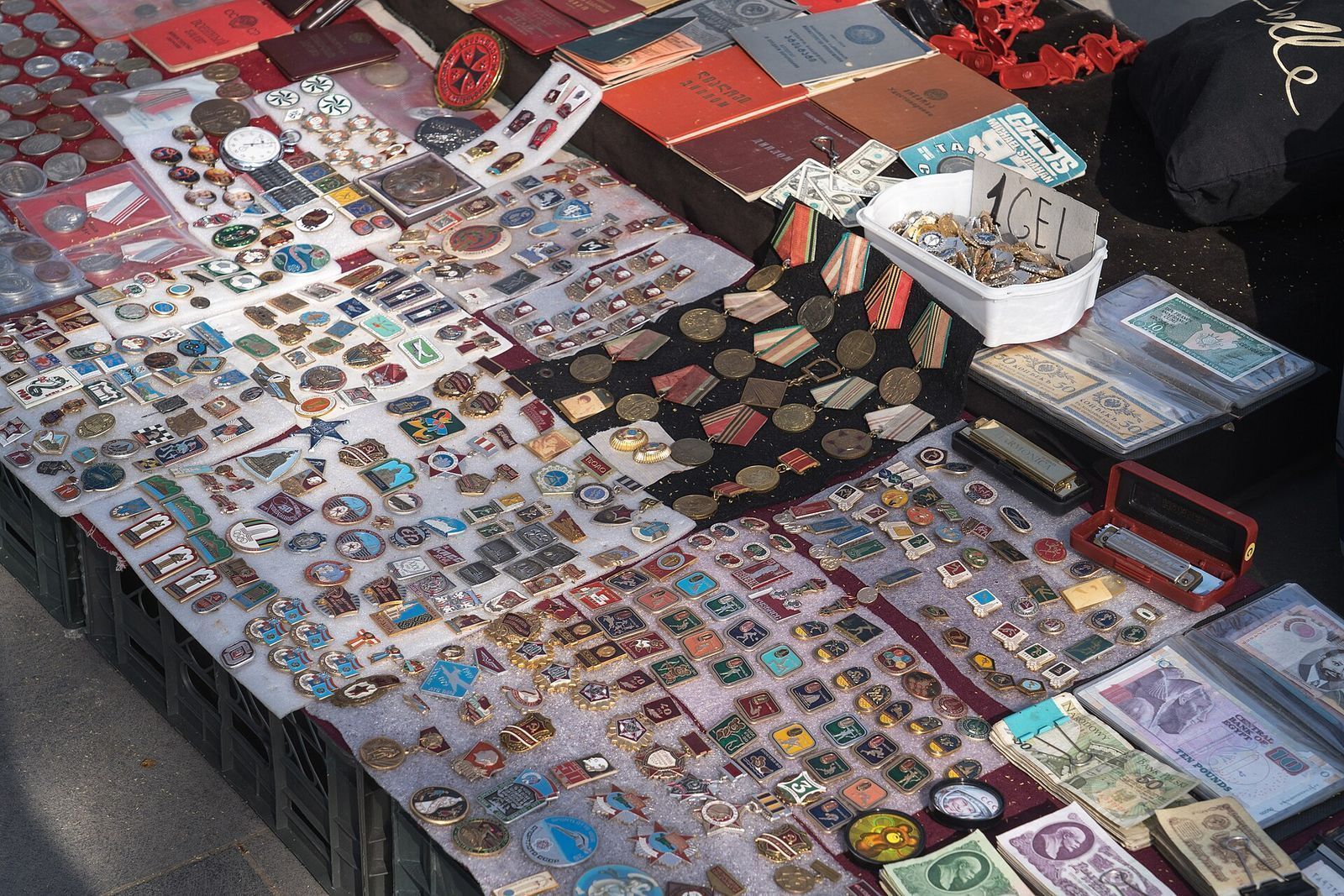
The Dry Bridge market is the best free hour in central Tbilisi. Sellers lay out Soviet medals and badges, old film cameras, vinyl, porcelain, daggers, backgammon boards and paintings along the bridge and the little park beside it. You never have to buy anything, and nobody minds you looking.

The Dezerter Bazaar is the city's big food market: halls of cheese, spices, churchkhela, herbs and fruit, with sellers calling out from every stall. Go before 10:00, when it is at its busiest with locals and the produce is freshest. It is free to wander, and a hot lobiani from a bakery stall costs 2 GEL if you give in.
Sololaki entrance halls, Fabrika and street art
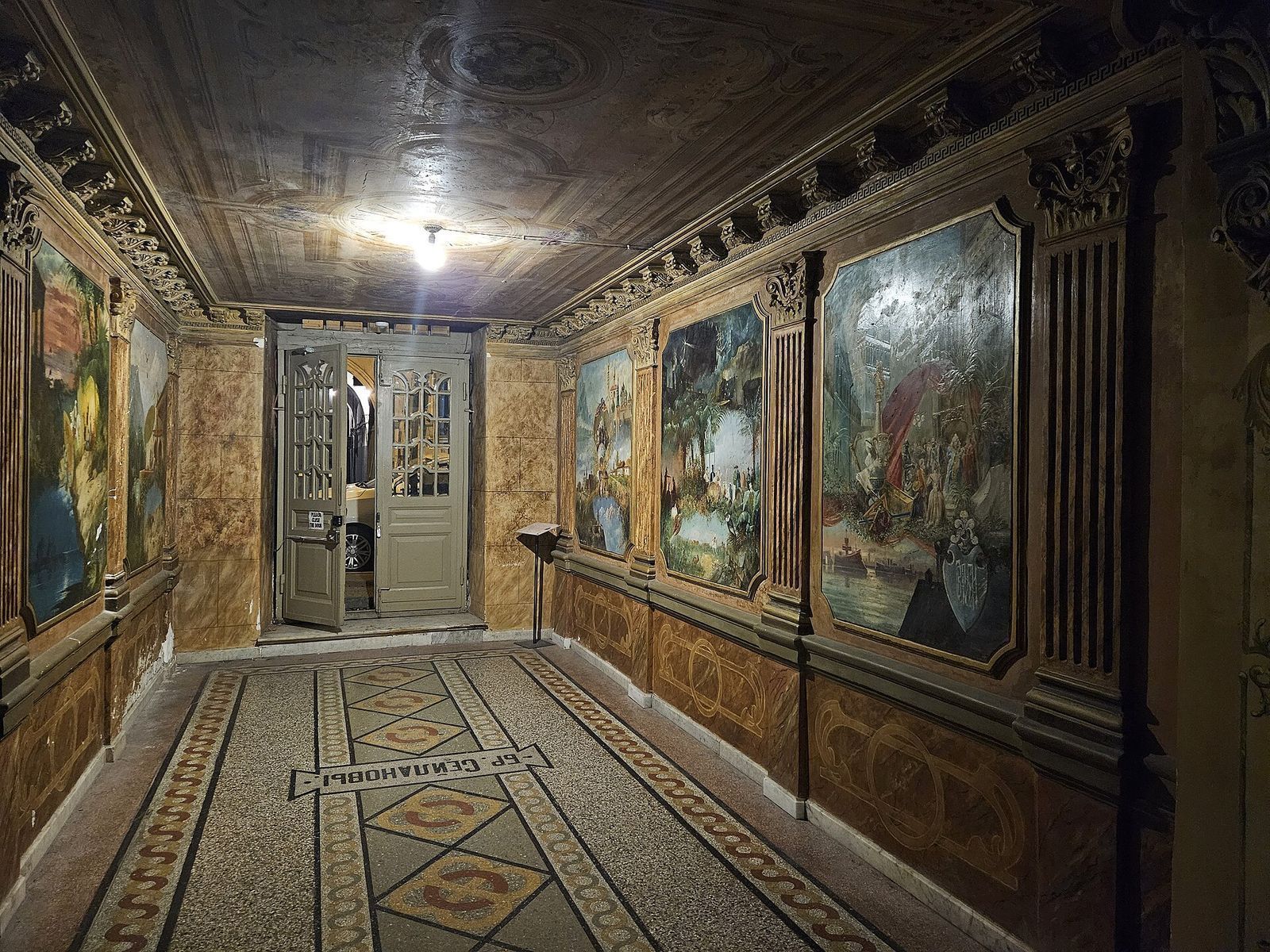
Some of the most beautiful interiors in Tbilisi are not in museums but in the entrance halls of old Sololaki apartment buildings: painted ceilings, plasterwork, stained glass and marble staircases. In Sololaki many street doors are left open, and you can step into the hallway for a look. These are people's homes, so stay on the ground floor and keep it brief.
The hallways belong to the same 19th and early 20th century building boom as Tbilisi's balconies and entrances, and a slow afternoon in Sololaki is a free lesson in both.
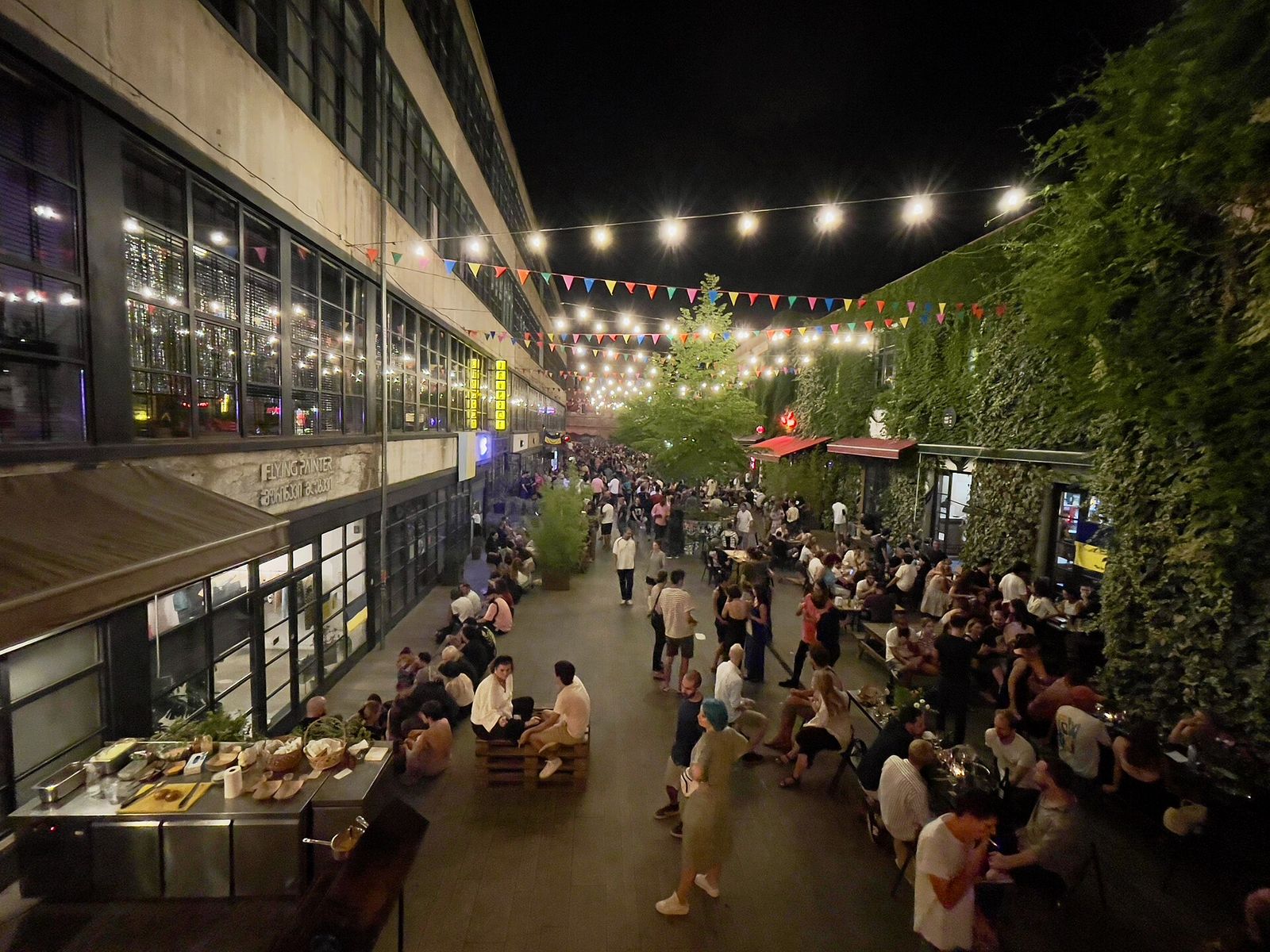
Across the river, Fabrika turned a Soviet sewing factory into a hostel and creative hub. Its courtyard is free to walk into, its walls are covered in murals, and in the evening it is one of the liveliest places in the city to sit and watch people.
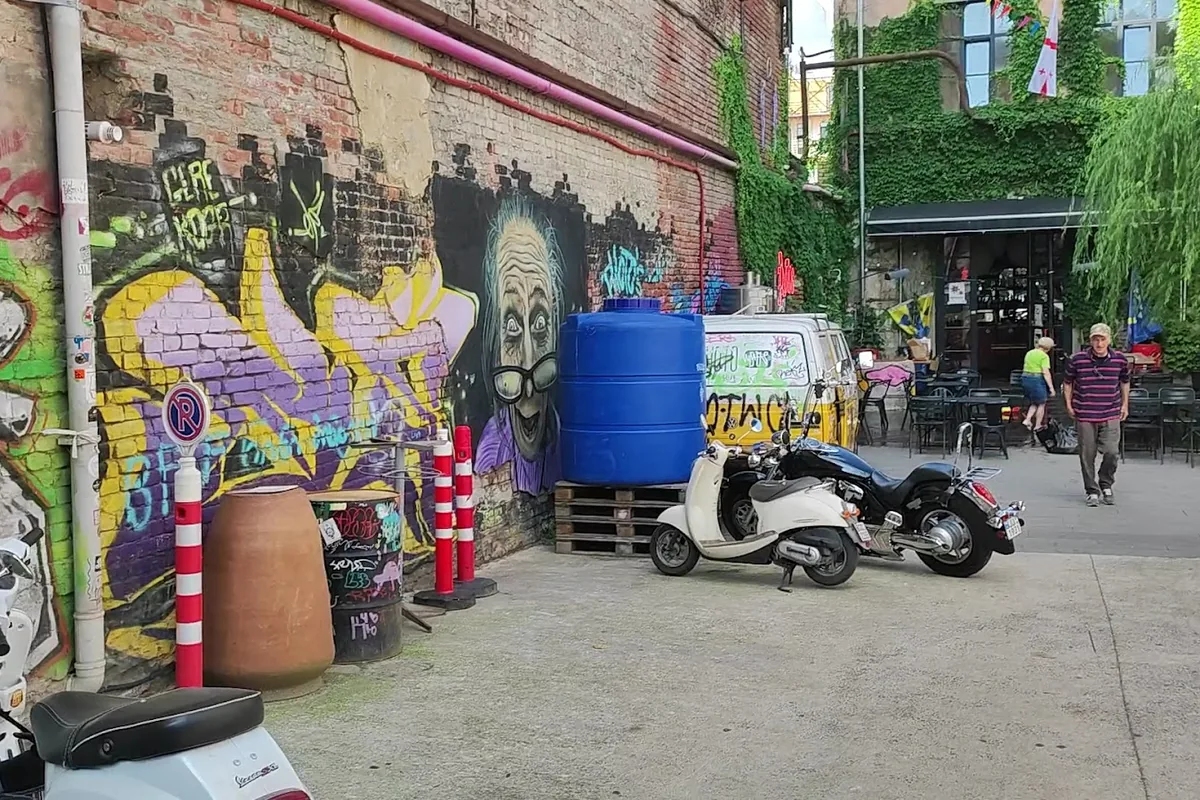
The graffiti on Fabrika's courtyard walls is a good first stop for a self-guided street art walk, which can wander out from here through the Marjanishvili side of the river.
Rustaveli Avenue, Freedom Square and the free walking tour
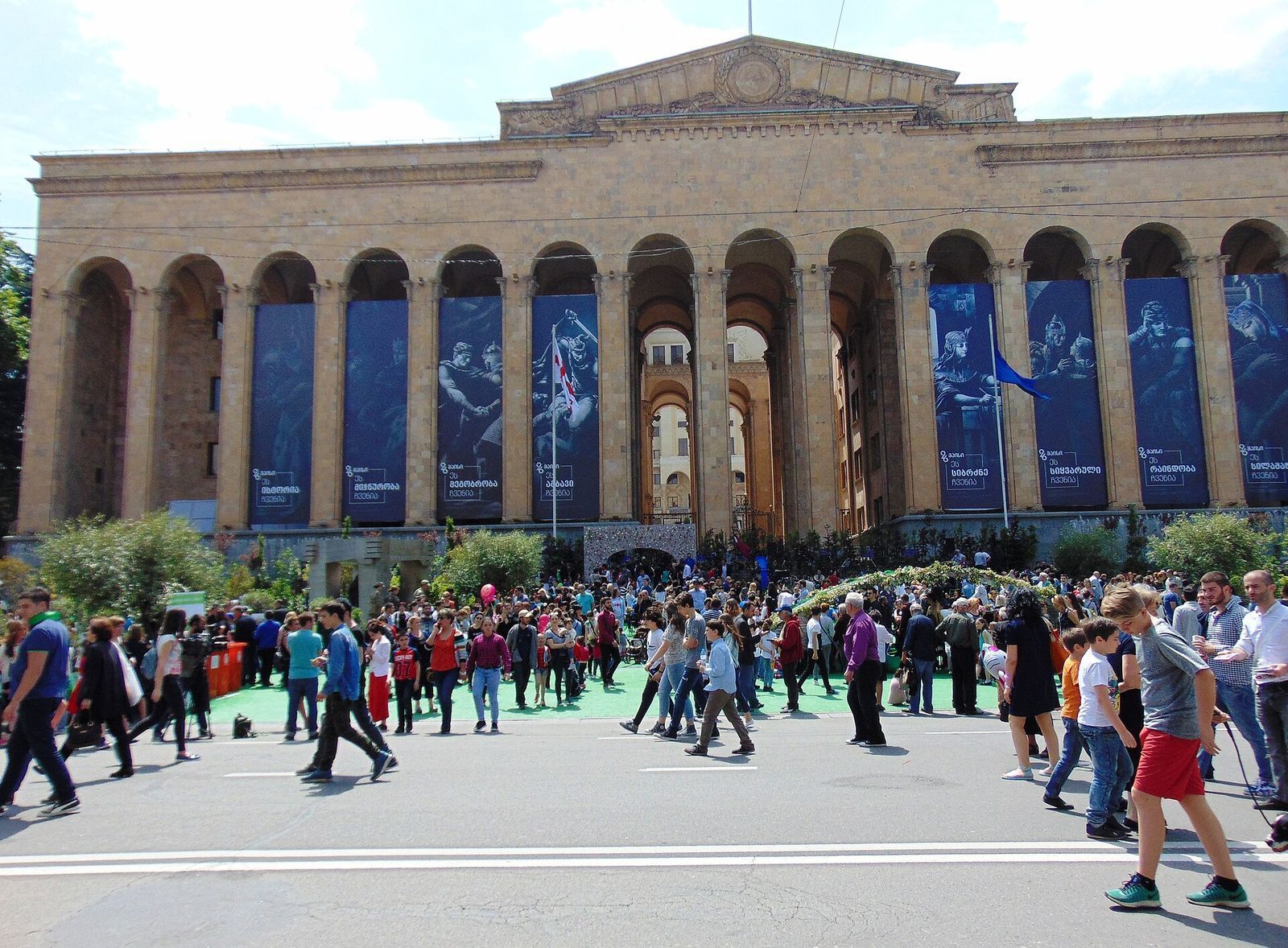
Rustaveli Avenue is the city's main boulevard, about 1.5 km of grand facades: the Opera, the Parliament, the Georgian National Museum and, at its end, Freedom Square with the 29 m St George column. Walking it in the evening, when half of Tbilisi seems to be out, is a free local ritual I'd never skip.
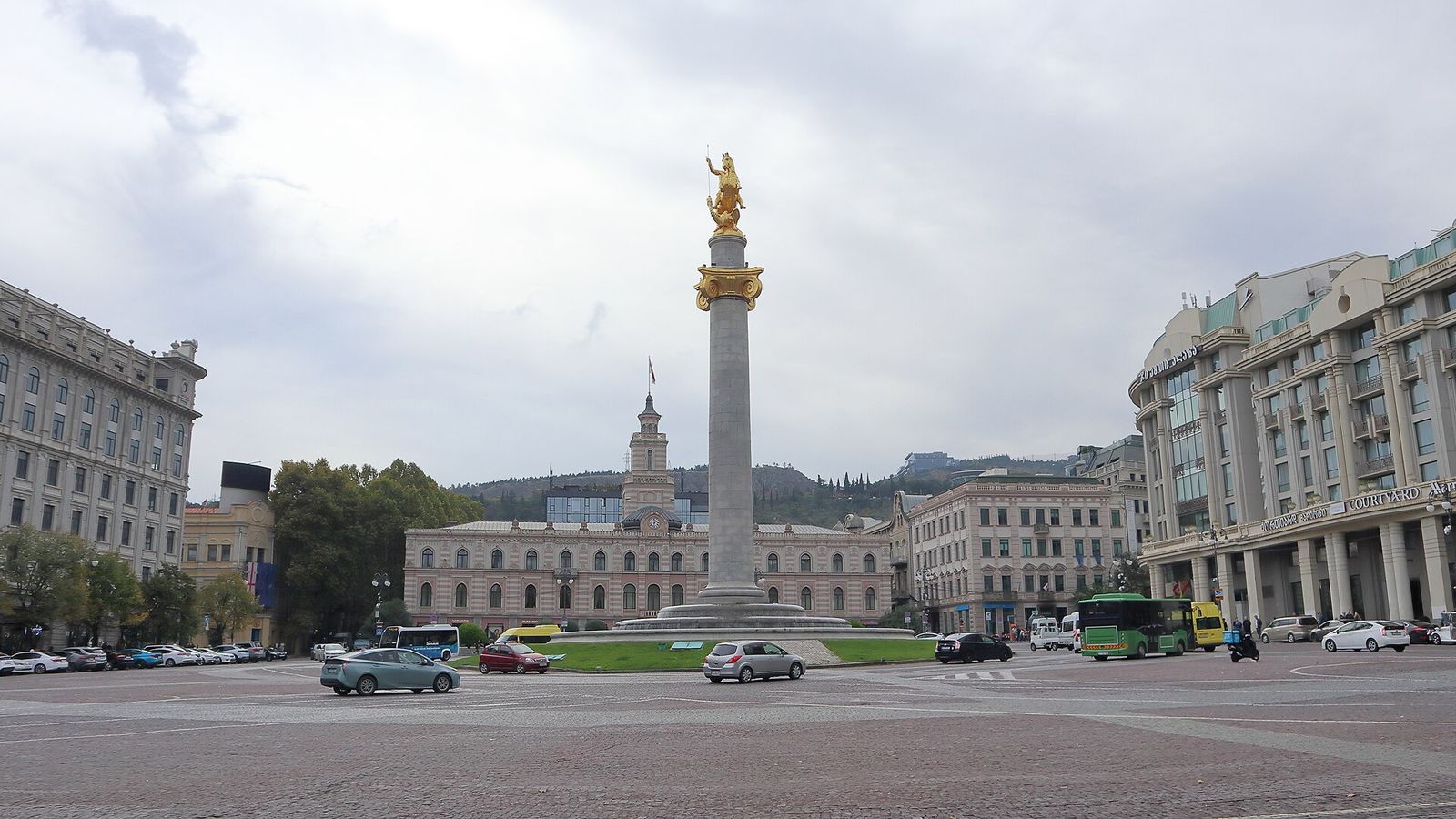
Freedom Square is also where the tip-based free walking tours in Tbilisi meet, daily at 12:00. You pay nothing up front and tip the guide at the end what you think it was worth. On a first day it is the easiest way to get your bearings and a list of places to come back to.
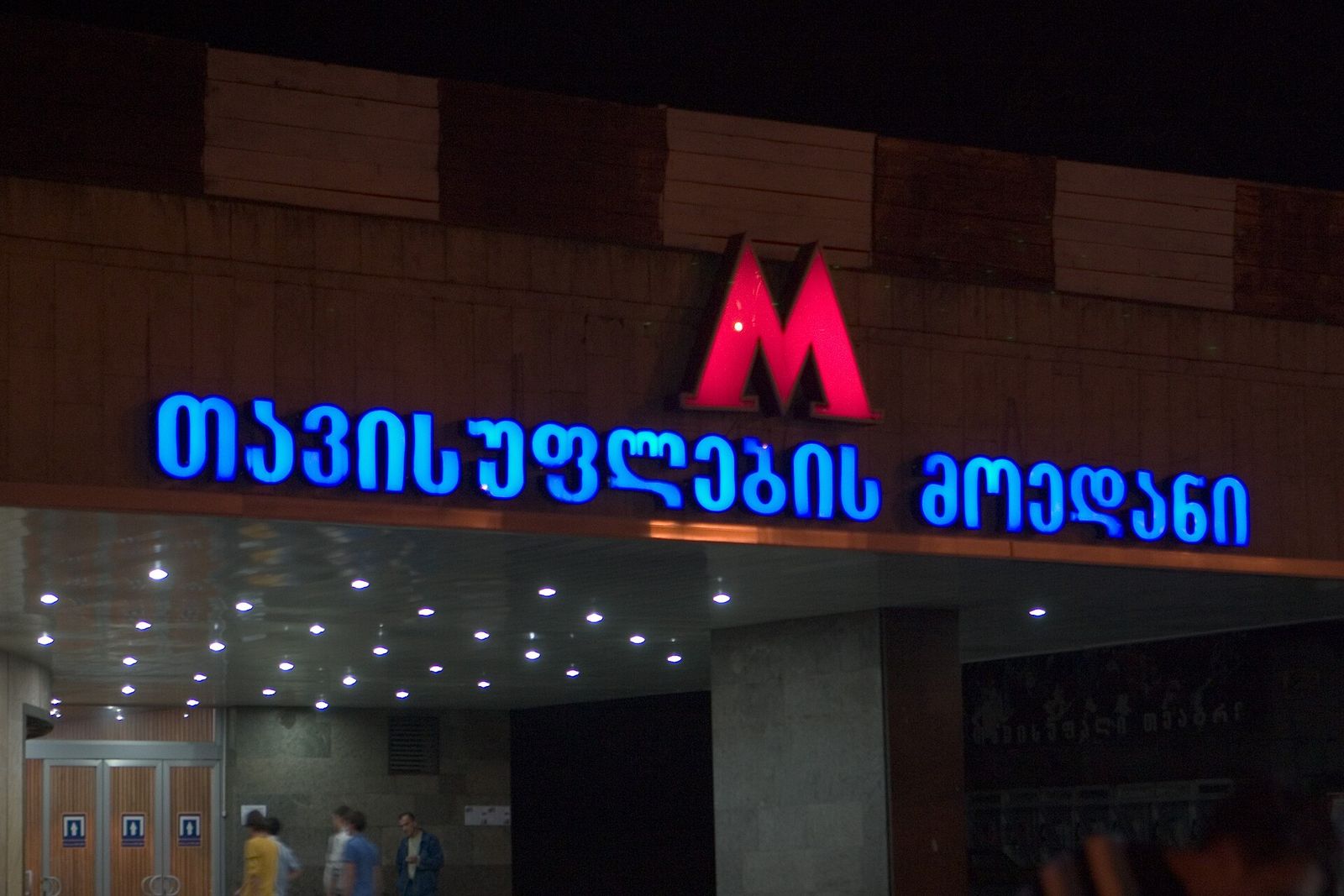
In the evenings, listen for street musicians around the Liberty Square metro entrance on the same square. It is the best spot in the city for buskers, and a lari in the case is fair if you stay for a few songs.
Free and nearly free museums
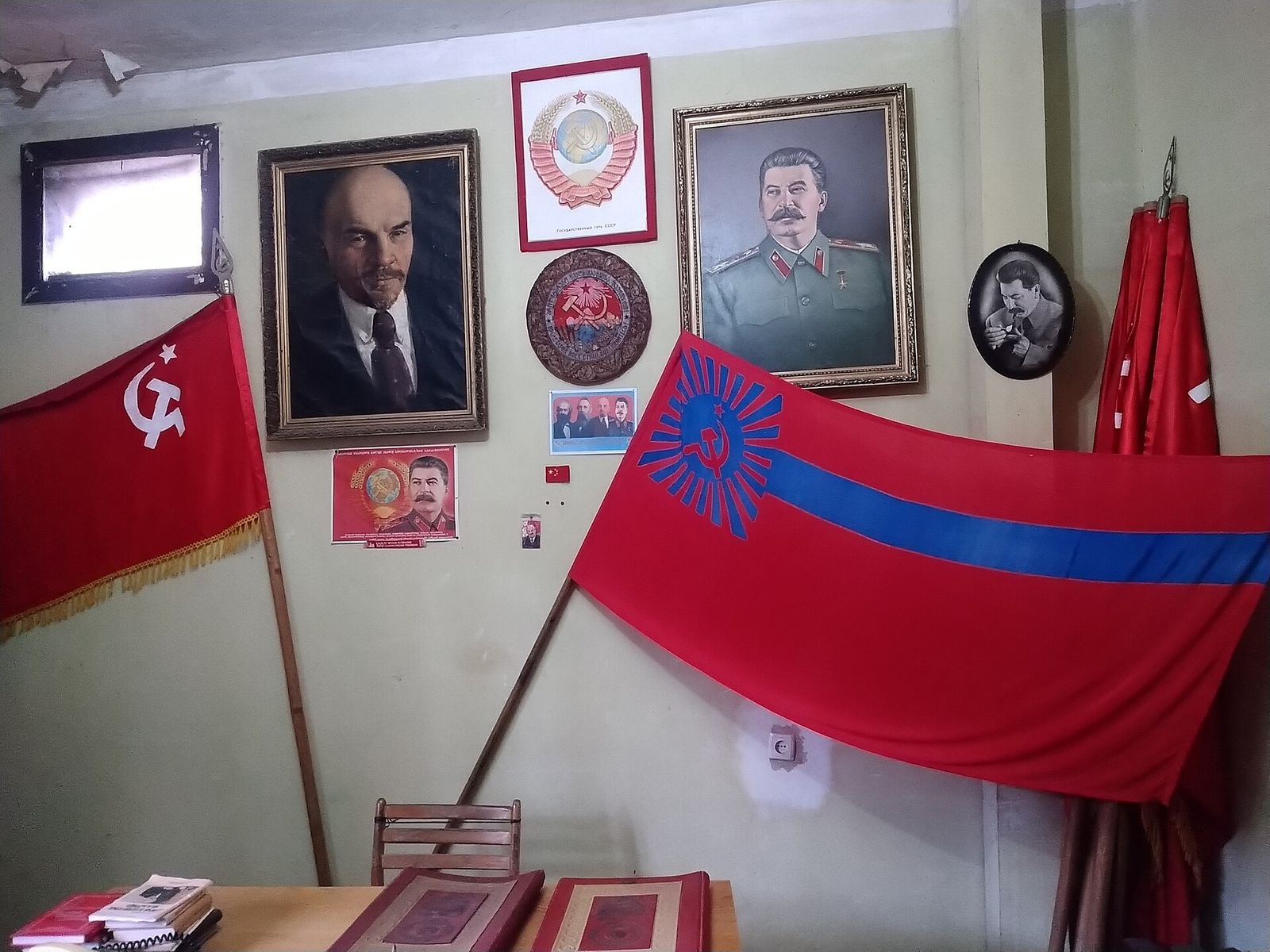
Most of Tbilisi's museums charge, but a few do not. Stalin's Underground Printing House in Avlabari, a secret press hidden under a house in the early 1900s, is free with a suggested donation and open Monday to Friday, 10:00 to 18:00. Leave a few lari with the caretaker on your way out.
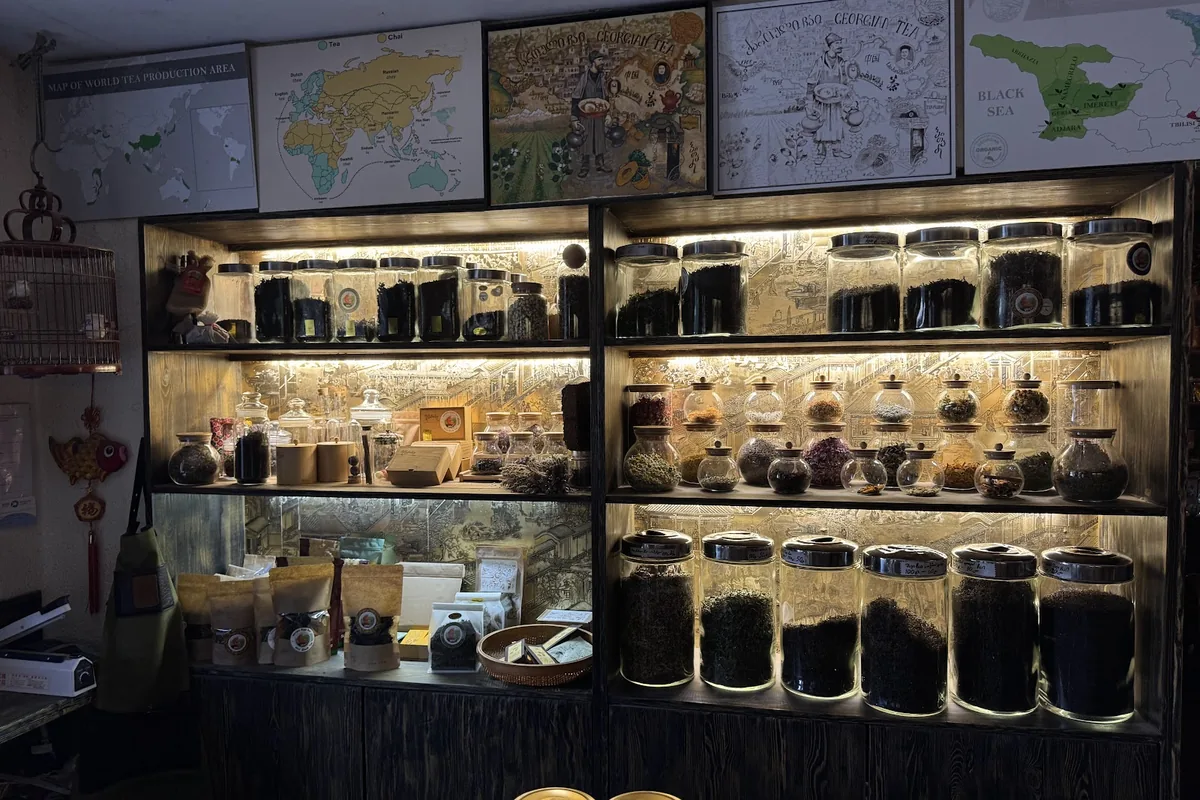
The Bitadze Tea shop and museum is free to walk into, with displays on the history of Georgian tea and loose-leaf tea to buy if you like what you smell.
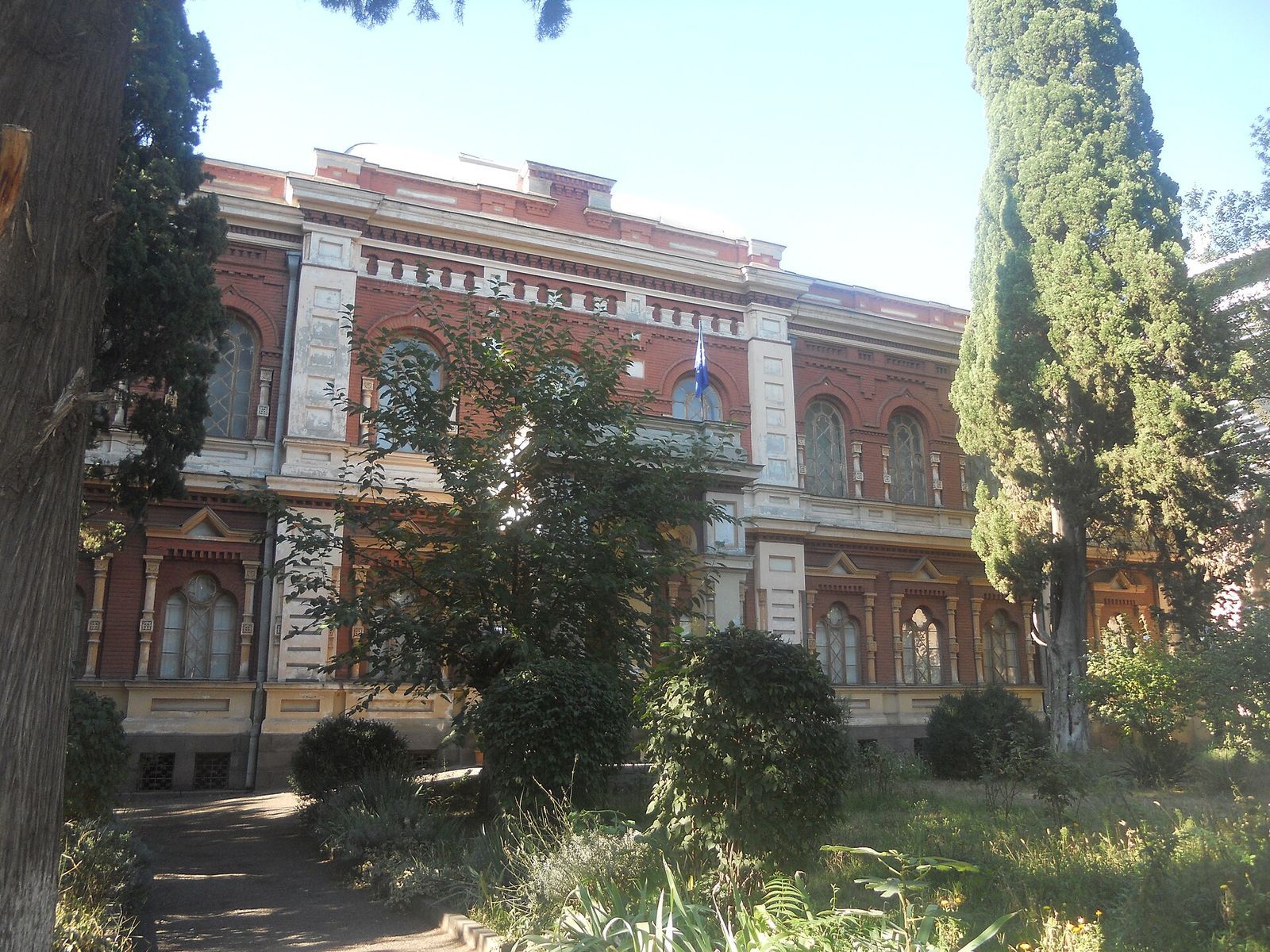
The State Silk Museum costs 12 GEL most days and nothing on the first Wednesday of each month.
The big paid museums are good value when you do want one. The Georgian National Museum costs 30 to 40 GEL for foreign visitors, and the best museums in Tbilisi mostly fall between 15 and 40 GEL, so one paid museum fits easily into an otherwise free trip.
Mtatsminda, Turtle Lake and the Chronicles of Georgia
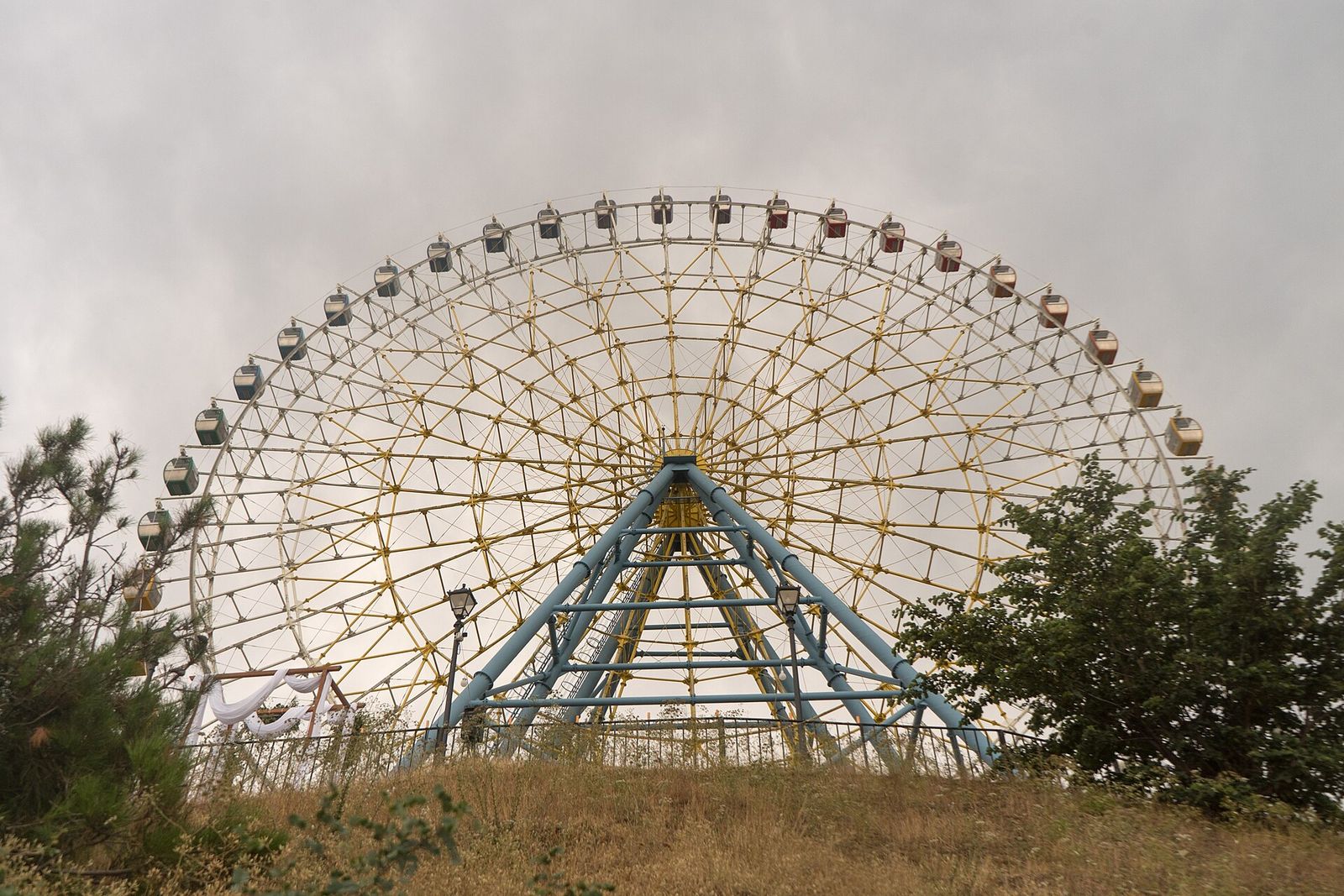
Mtatsminda Park sits on the hill above the city at about 770 m, with the TV tower, a Ferris wheel and a view over all of Tbilisi. Entry is free; the rides cost 3 to 10 GEL each. The free way up is on foot, past Mama Daviti Church and the Pantheon, which turns the climb into a sight of its own.
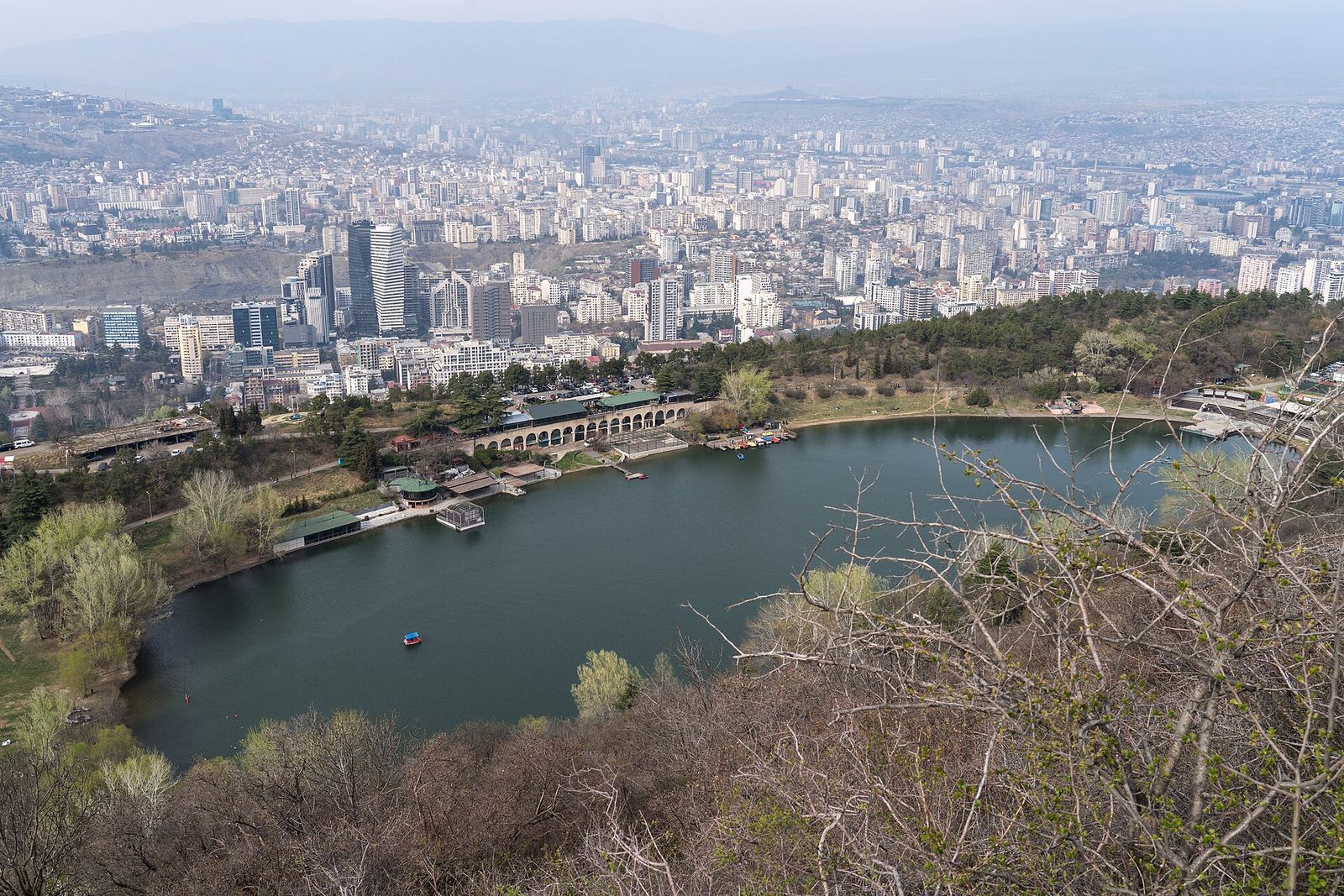
Turtle Lake is a small lake in the hills above Vake Park. The walk up from the park is free and green; a loop of the lake takes about 20 minutes, and the cable car back down costs 1 GEL if your legs are done. Locals come up here on warm weekends, and I'd join them.
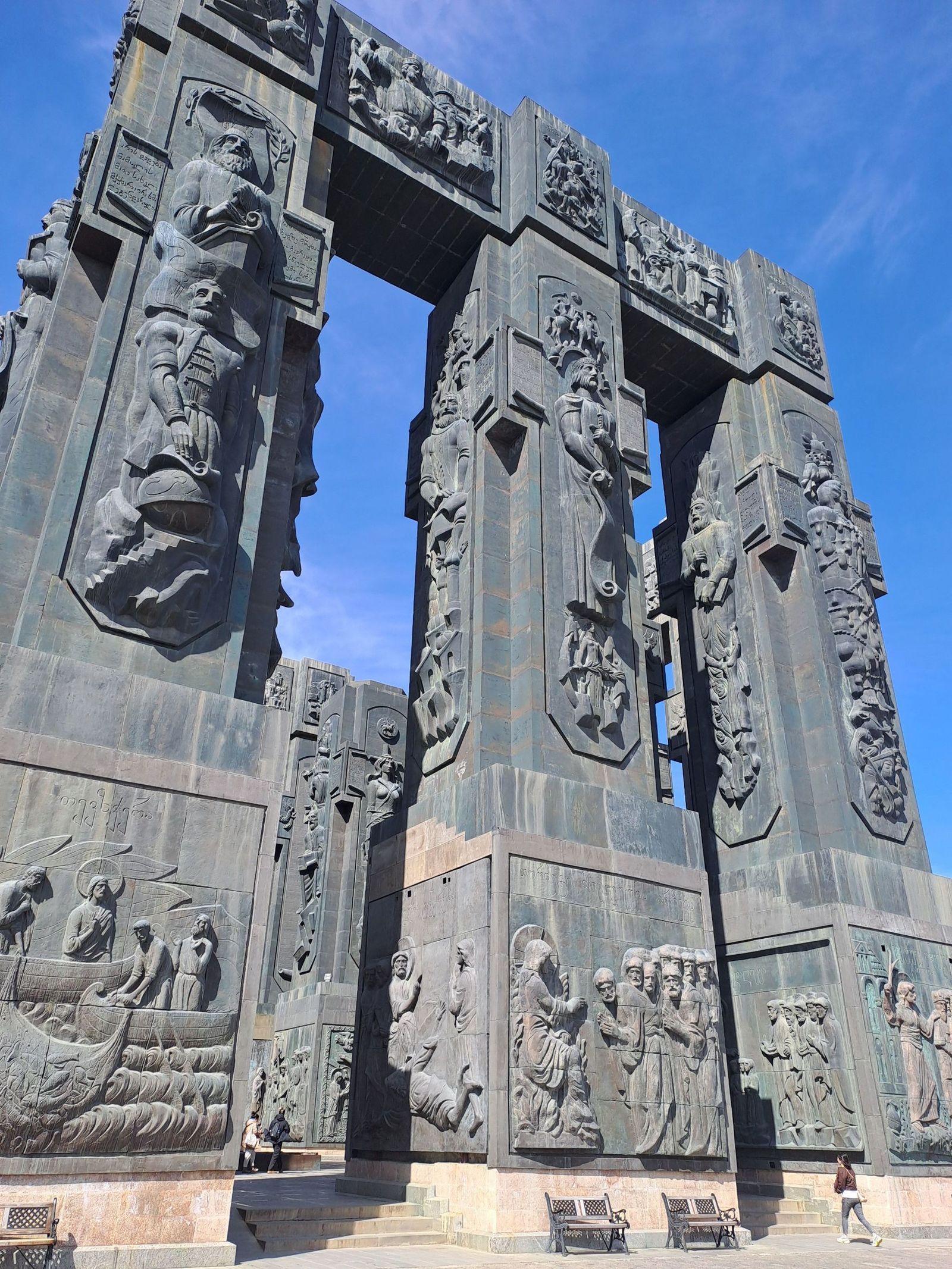
The Chronicles of Georgia are 16 giant stone pillars carved with scenes from Georgian history and the Bible, begun in 1985 and still unfinished. They stand on a hill above the Tbilisi Sea on the northeast edge of the city, free and open at all hours. Getting there is the only cost: it is a taxi ride from the center, and the view of the reservoir from the top steps is worth the fare.
Free festivals and events in Tbilisi
Tbilisi's calendar adds free things on top of the list above. Most festivals in Georgia are street events, and the city ones are open to anyone who turns up.
| Event | When | What is free | What costs money |
|---|---|---|---|
| Tbilisoba | Last weekend of October | Entry, concerts, street stalls to browse | Food and drink, with homemade wine around 3 GEL a glass |
| New Wine Festival | April to May | Street events, concerts and markets in Rike Park and Freedom Square | Tasting tickets, about 30 to 50 GEL |
| Open-air cinema | June to September | Screenings in parks and courtyards | Nothing |
| Mariamoba | 28 August | The main service at Metekhi | Nothing |
| Art-Geni | November | Some of the exhibitions | The rest of the exhibitions |
| Giorgoba | 23 November | Processions and concerts around Sameba | Nothing |
| Alilo | 7 January | The Orthodox Christmas carol procession | Nothing |
The spring wine festivals in Tbilisi are the one place where the free part and the paid part sit side by side: the music and the crowds are free, the glass is not.
What looks free in Tbilisi but costs money
Plenty of lists call these free. They are not, though most cost very little, and each has a free alternative close by.
| Looks free | What you pay | The free alternative |
|---|---|---|
| Sulfur baths | 6 to 30 GEL for a public hall, 120 to 600 GEL an hour for a private room | Walk the bath district and the Legvtakhevi waterfall |
| Narikala cable car | 2.50 GEL each way on a transport card | The 15-minute walk up from the baths |
| Mtatsminda funicular | 12 GEL each way plus a 2 GEL park card | The walk up past Mama Daviti Church |
| Mtatsminda rides | 3 to 10 GEL each | The park and the view |
| Botanical Garden | 4 GEL | The waterfall in the gorge below it |
| Georgian National Museum | 30 to 40 GEL, closed Mondays | Stalin's Underground Printing House, by donation |
| Opera | Tickets from 20 GEL | The facade and the evening crowd on Rustaveli |
| Old Town wine tastings | Some shops pour a free sample, others charge | Ask the price before you sit down |
| Turtle Lake cable car | 1 GEL | The walk up from Vake Park |
Getting between all of this is cheap too. A metro or bus ride costs 1 GEL, or about 1.50 GEL if you tap a foreign bank card, and the refundable Metromoney card costs 2 GEL. The Tbilisi metro reaches Avlabari, Freedom Square and Station Square for the Dezerter Bazaar, which covers most of this list.
My free day in Tbilisi
If I had one day and wanted to spend nothing but bus fare, I'd start in Abanotubani early, walk to the waterfall, then climb to the Narikala ridge while it is still cool. I'd come down through Betlemi, cross the Old Town to Sioni and Anchiskhati, and join the walking tour at Freedom Square at noon.
The afternoon goes to Sololaki's entrance halls, a slow walk up Rustaveli Avenue and an hour at the Dry Bridge market. Then I'd cross the river to Sameba for the golden hour, stop on Queen Darejan's balcony on the way down, and finish on the Bridge of Peace once the lights come on.
That day costs whatever you eat. Add a lobiani, a couple of metro rides and a lari for a busker and you are still under 10 GEL, which makes a free day the easiest win for anyone doing Tbilisi on a budget.
Key takeaways
- Tbilisi's best sights are free: the Old Town, the Narikala ridge, every church, the Bridge of Peace, the markets and the views.
- The money leaks in through transport up hills: the funicular, the cable cars and the Botanical Garden gate, all of which have a walking alternative.
- Time your day around the free timetables: the walking tour at 12:00 and the clock tower show at 12:00 and 19:00.
- Save the free outdoor list for Monday, when most museums are closed.
- Dress for churches before you leave in the morning: shoulders and knees covered, and a scarf for women.
Frequently asked questions
Is Narikala Fortress free to visit?
Yes, the ridge, the terraces and the views are free and open. The upper walls and towers have been fenced off since late 2023. You can walk up from the sulfur baths in about 15 minutes or take the cable car from Rike Park for 2.50 GEL.
Is Holy Trinity Cathedral free to enter?
Yes, Sameba is free, like every church in Tbilisi. Cover your shoulders and knees, and women should also cover their hair; scarves are available at the door. Photography is not allowed inside.
Is Mtatsminda Park free?
Yes, entry to Mtatsminda Park is free and you pay per ride, at 3 to 10 GEL each. The funicular up costs 12 GEL each way plus a 2 GEL park card, so walking up is the free option.
Is the free walking tour in Tbilisi really free?
It is tip-based, so you pay nothing up front and tip the guide at the end. Tours leave from Freedom Square daily at 12:00. Pay what you think the tour was worth.
Can you spend a day in Tbilisi for free?
You can see a full day of sights for free, but food and transport cost a little. A metro or bus ride is 1 GEL and a lobiani is 2 GEL, so a day of free sightseeing can come in under 10 GEL.
What free things can you do in Tbilisi on a Monday?
Everything outdoors on this list is open on Mondays: the Old Town, the Narikala ridge, the churches, the Bridge of Peace, the Dry Bridge market and the viewpoints. Most museums close on Mondays, but Stalin's Underground Printing House opens Monday to Friday.
When is the Dry Bridge market open?
The Dry Bridge market runs daily from 10:00 to 17:00. It is fullest at weekends from about 11:00, and many sellers stay home when it rains.
Is the Bridge of Peace free?
Yes, the Bridge of Peace is a public footbridge and free to cross at any hour. Go after dark, when its LED lights come on over the river.
25 Best Things to Do in Tbilisi in 2026 (With Prices)
Tbilisi is known for its sulfur baths, balconies and hilltop views. Here are 25 things to do, with prices and times.
Read the guide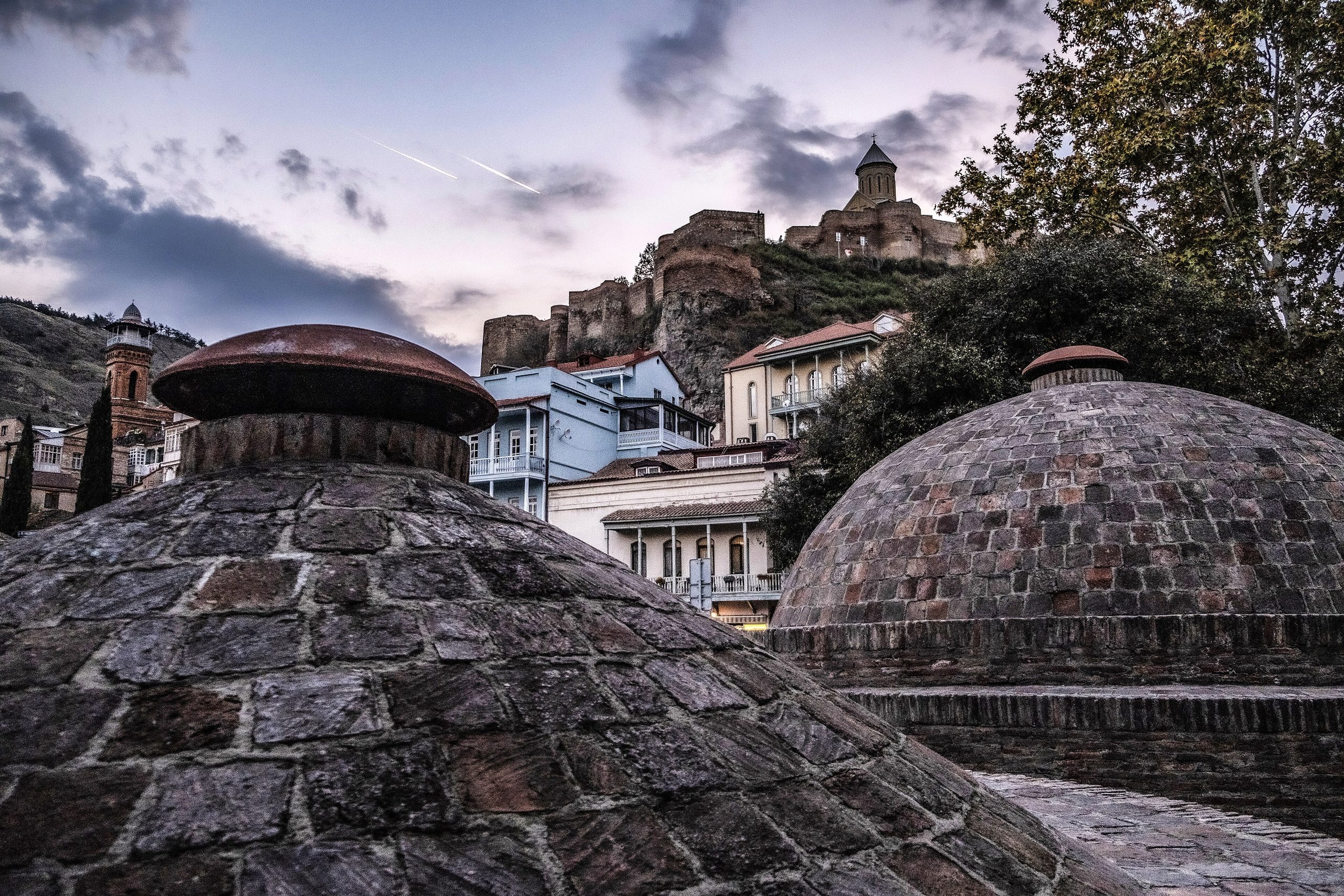
The Sulfur Baths of Abanotubani: Prices, Bathhouses and Booking
Tbilisi is known for its sulfur baths. Here is what to know about the bathhouses, room prices and booking.
Read the guide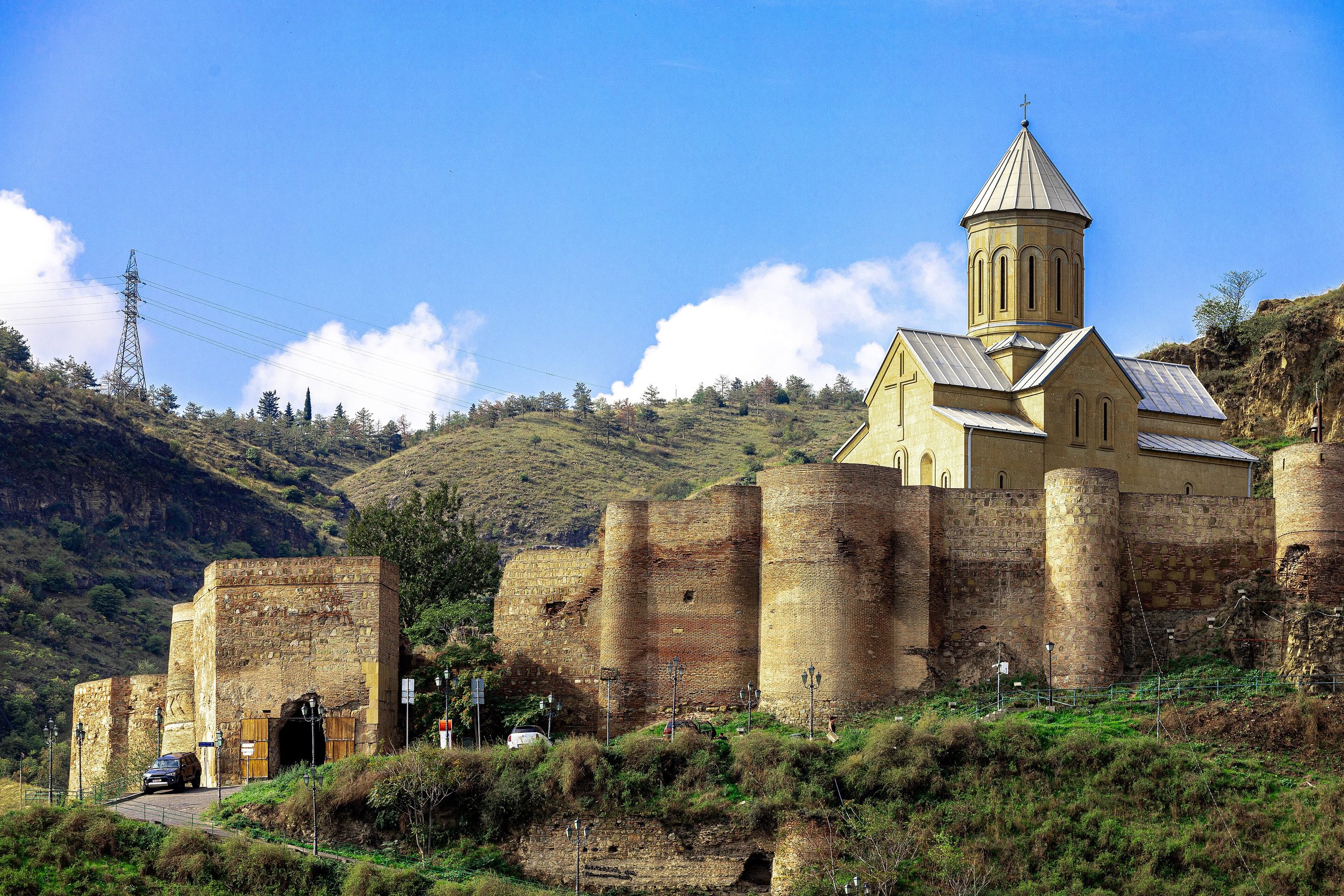
Narikala Fortress, Tbilisi: Getting Up, What Is Open and When to Go
Narikala is the fortress above Old Tbilisi. Here is what is open in 2026, how to get up and when to go for the view.
Read the guide