Georgian Drinks: What to Drink in Georgia and Where to Try It in Tbilisi
Georgia is known for wine, 8,000 years of it, but the drinks list runs well past the bottle. In Tbilisi you can drink amber wine from a clay qvevri, a shot of chacha, a bright green tarragon soda and a salty Borjomi the morning after. Here's what you need to know about traditional Georgian drinks: what each tastes like, what it costs, where I'd order it and how drinking works at the table.
Georgian drinks at a glance
Wine comes first in Georgia, by a long way, but I'd try one drink from every part of this table. It's the shortlist I give friends, with where I'd order each.
| Drink | What it is | Where I'd try it |
|---|---|---|
| Amber wine | White wine fermented on its skins; apricot, honey, walnut | Vino Underground |
| Saperavi | The inky, tannic flagship red | 8000 Vintages |
| Kindzmarauli | Naturally semi-sweet Saperavi | A wine shop that pours first |
| Mtsvane | An aromatic white, lighter than Rkatsiteli | Sadzvele Wine Hub |
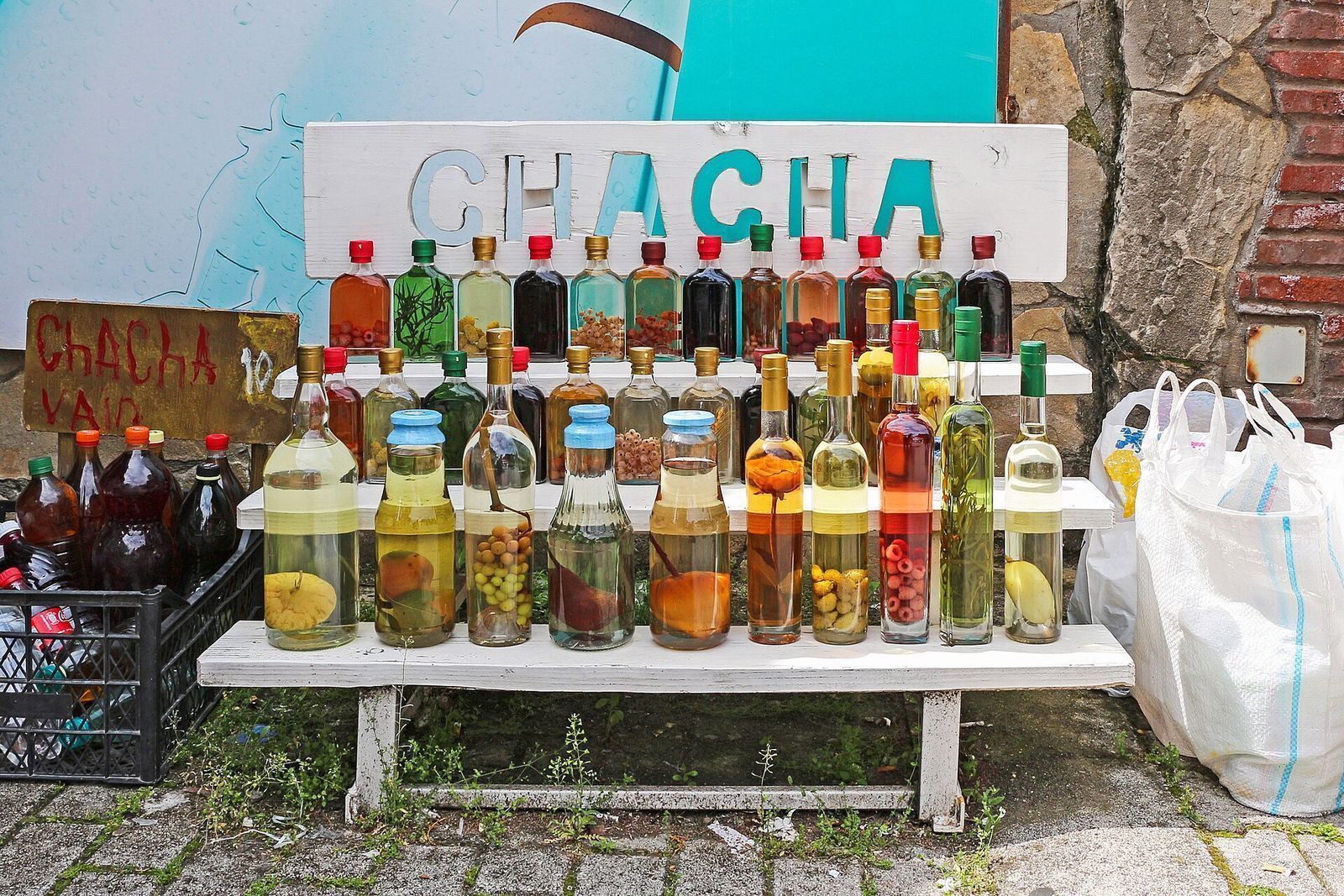
| Chacha | Grape brandy at 40 to 65% | Chacha Time |
| Fruit chacha | Chacha from mulberry, figs or plums | Chacha Corner |
| Georgian lager | Natakhtari, Kazbegi, Argo, Zedazeni | Any khinkali house |
| Craft beer | IPAs, plum sours, khinkali-spiced goses | Tsota Tsota, Sololaki |
| Aludi | Herb and wild hop mountain beer | A village festival, with luck |
| Tarkhuna | The bright green tarragon soda | Lagidze Water cafe, Vake |
| Lagidze water | Fruit syrup topped with soda | Any Lagidze fountain |
| Borjomi | Naturally salty mineral water | Any shop |
| Nabeghlavi | Milder mineral water from Guria | Any supermarket |
| Georgian black tea | Mellow tea from the humid west | Bitadze tea shop |
| Herbal tea | Mountain thyme, rose hips, hawthorn | Dried bundles at the markets |
| Georgian coffee | Boiled in a copper pot, grounds in the cup | Older bakeries |
Georgian wine: what to know before you order
Georgia claims about 8,000 years of winemaking, and Georgian wine still tastes like nothing from France or California. The country has about 525 native grapes, yet the Georgian grape varieties that fill most vineyards come down to two: Rkatsiteli for white and Saperavi for red. Kakheti, about 2 hours' drive east of Tbilisi, makes about 70% of the wine.
Qvevri and amber wine
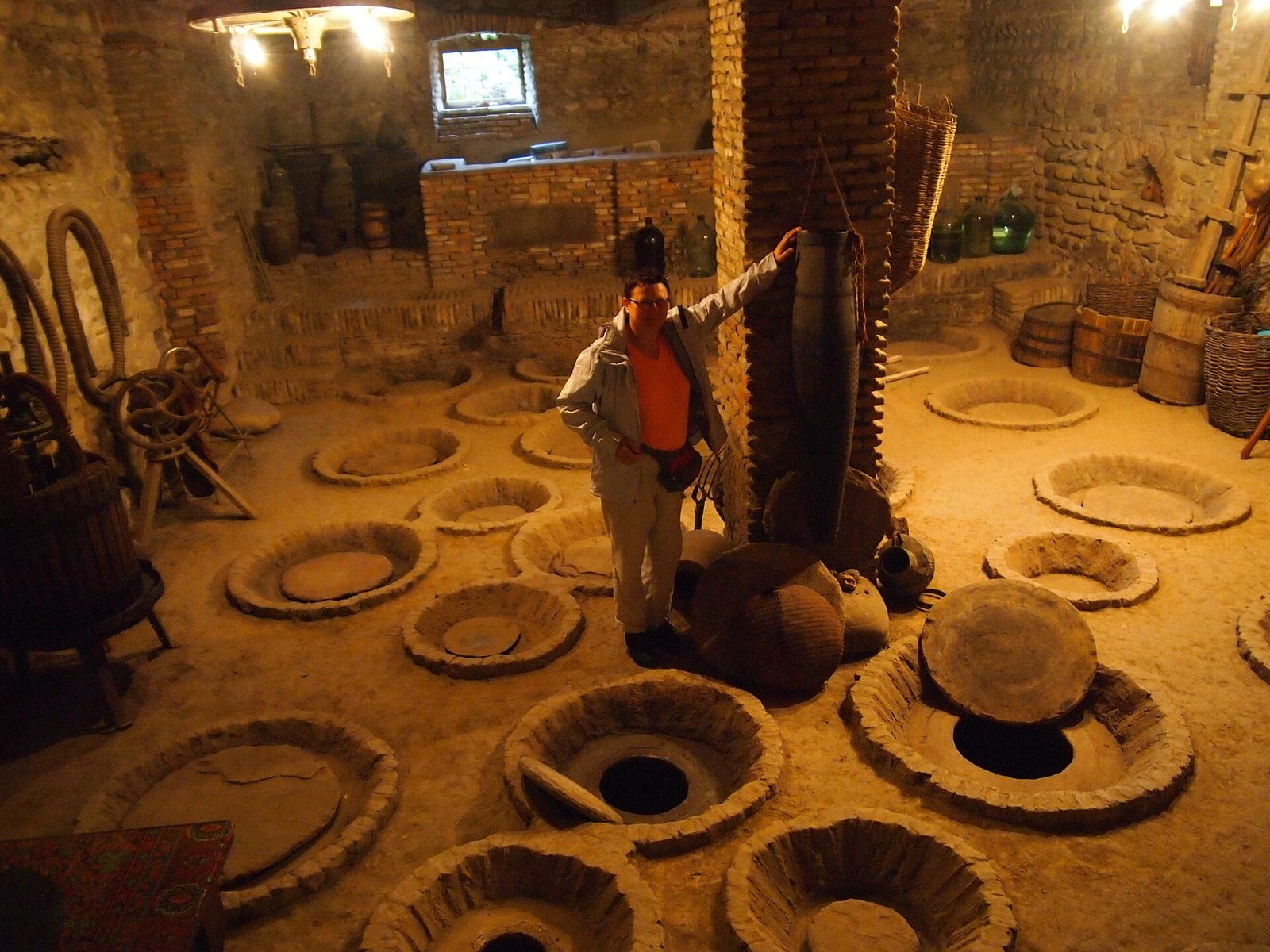
A qvevri is an egg-shaped clay jar of 100 to 2,000 liters, buried up to its neck in the cellar floor and sealed with beeswax and wet clay while the wine ferments inside. UNESCO added qvevri winemaking to its intangible heritage list in 2013.
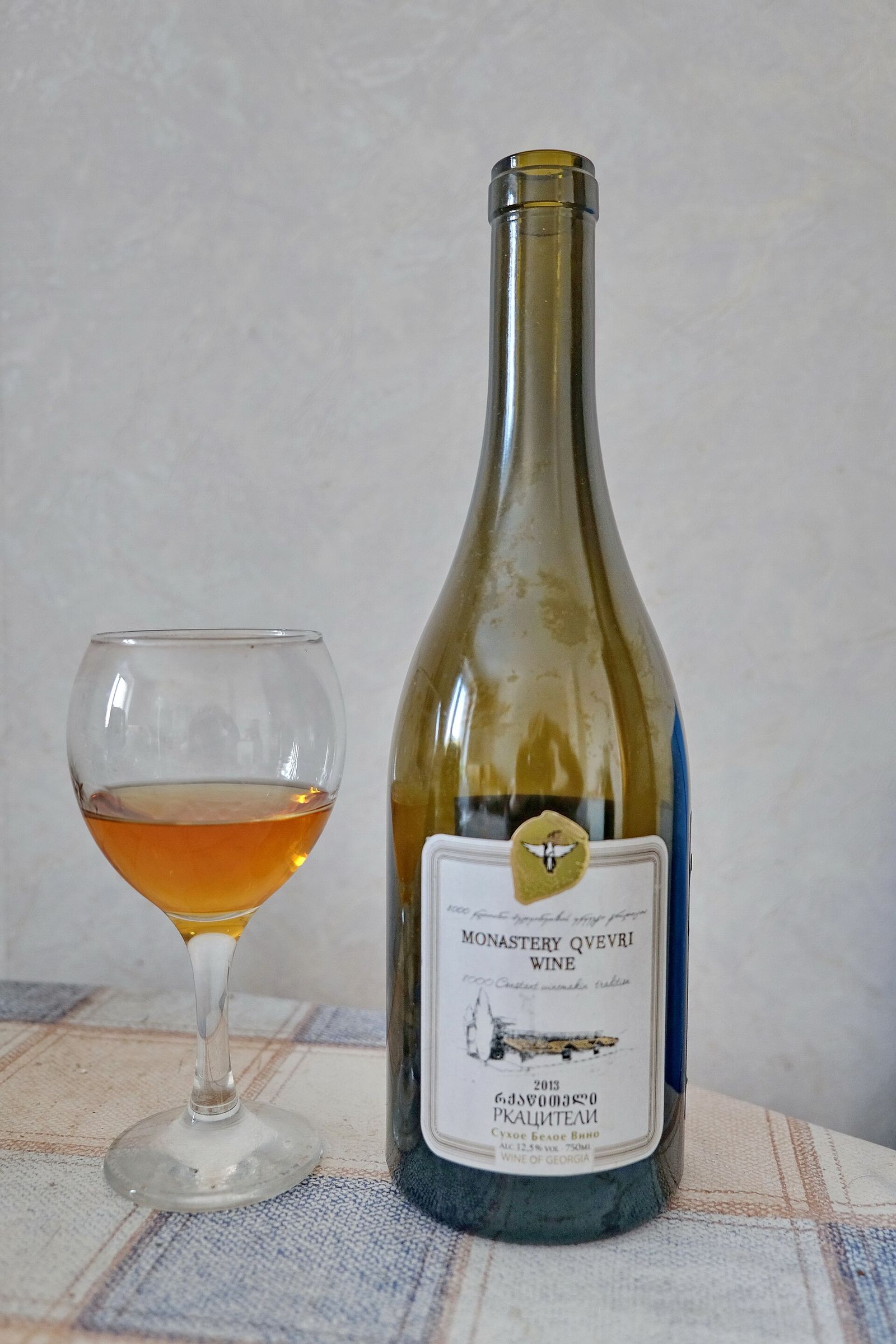
The style it made famous is amber wine: white grapes left on their skins, for about six months in a classic Kakheti wine. It pours the color of strong tea, tastes of dried apricot, honey and walnut, and has the tannin to stand up to grilled pork. It's what the rest of the world calls orange wine. Serve it at 13 to 18°C, not fridge-cold.
Saperavi and the semi-sweet reds
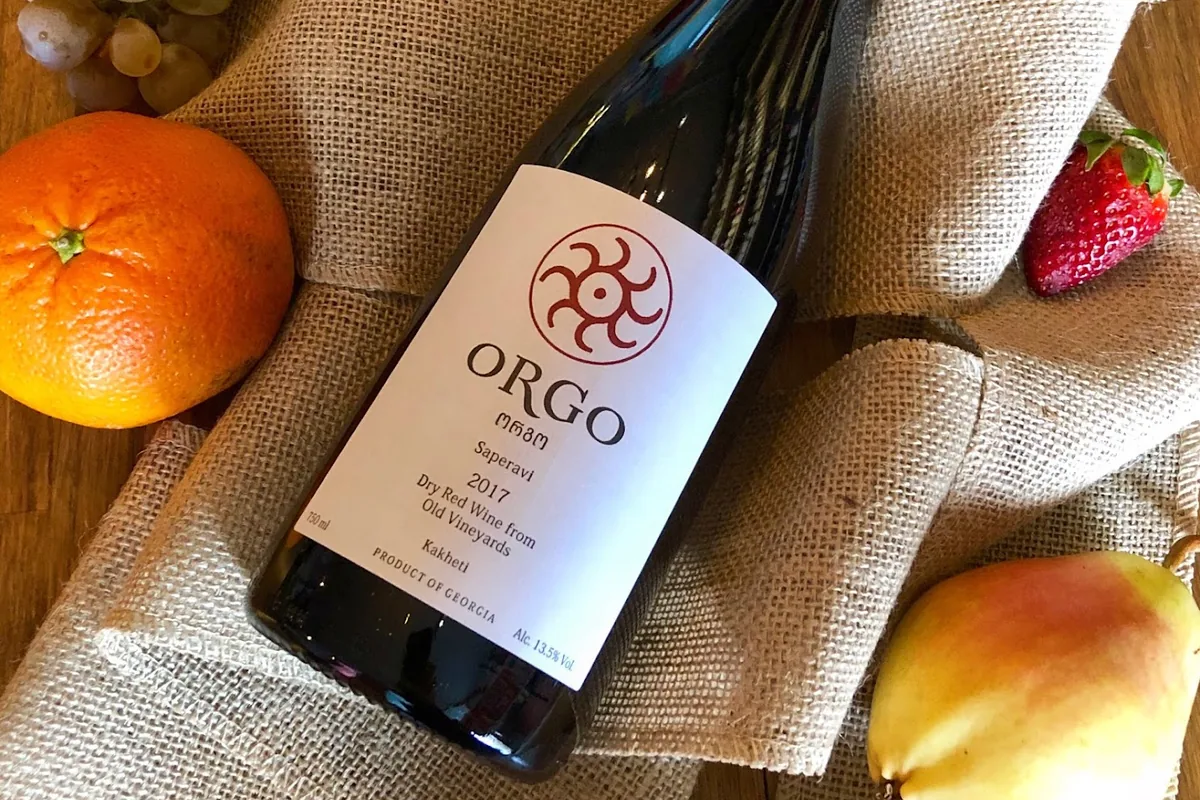
Saperavi means "dye": the grape has red flesh, so the wine comes out inky and tannic, and it ages for years. The Georgian wines I'd order first are an amber Rkatsiteli, a dry Saperavi and one semi-sweet red for the novelty. Many labels name a place rather than a grape, so this is the cheat sheet I keep in my head:
| Name on the label | Grape | Style |
|---|---|---|
| Mukuzani | Saperavi | Dry red, aged in oak |
| Kindzmarauli | Saperavi | Naturally semi-sweet red |
| Khvanchkara | Aleksandrouli and Mujuretuli | Semi-sweet red from Racha |
| Tsinandali | About 80% Rkatsiteli, 20% Mtsvane | Dry white |
| Manavi | Mtsvane | Dry, aromatic white |
Where to drink wine in Tbilisi
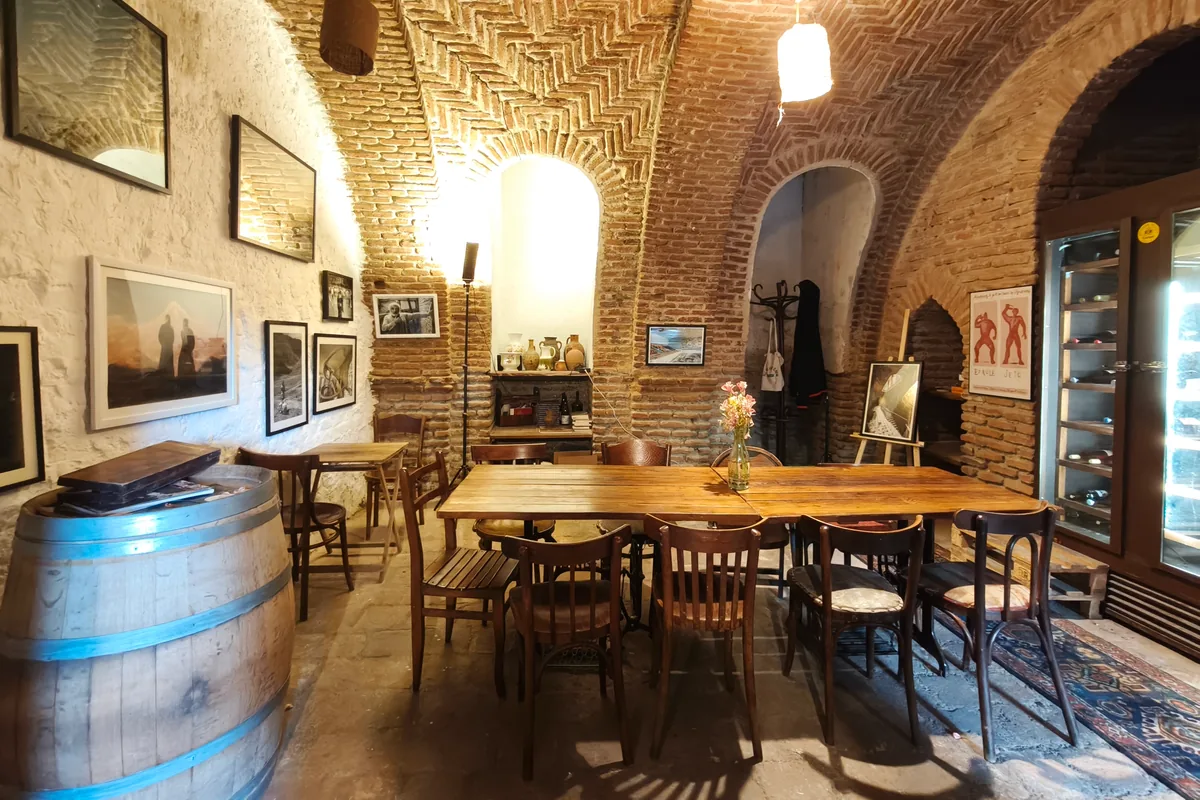
My first stop is always Vino Underground, a brick-vaulted basement on Galaktion Tabidze Street opened by natural winemakers, where a glass of qvevri wine runs 10 to 20 GEL. Tbilisi's best wine bars sit close together: Vino Underground, Wine Point and Ferment Wine Bistro are all a short walk from Freedom Square, and Sadzvele Wine Hub at Wine Factory N1 pours from about 200 wines.
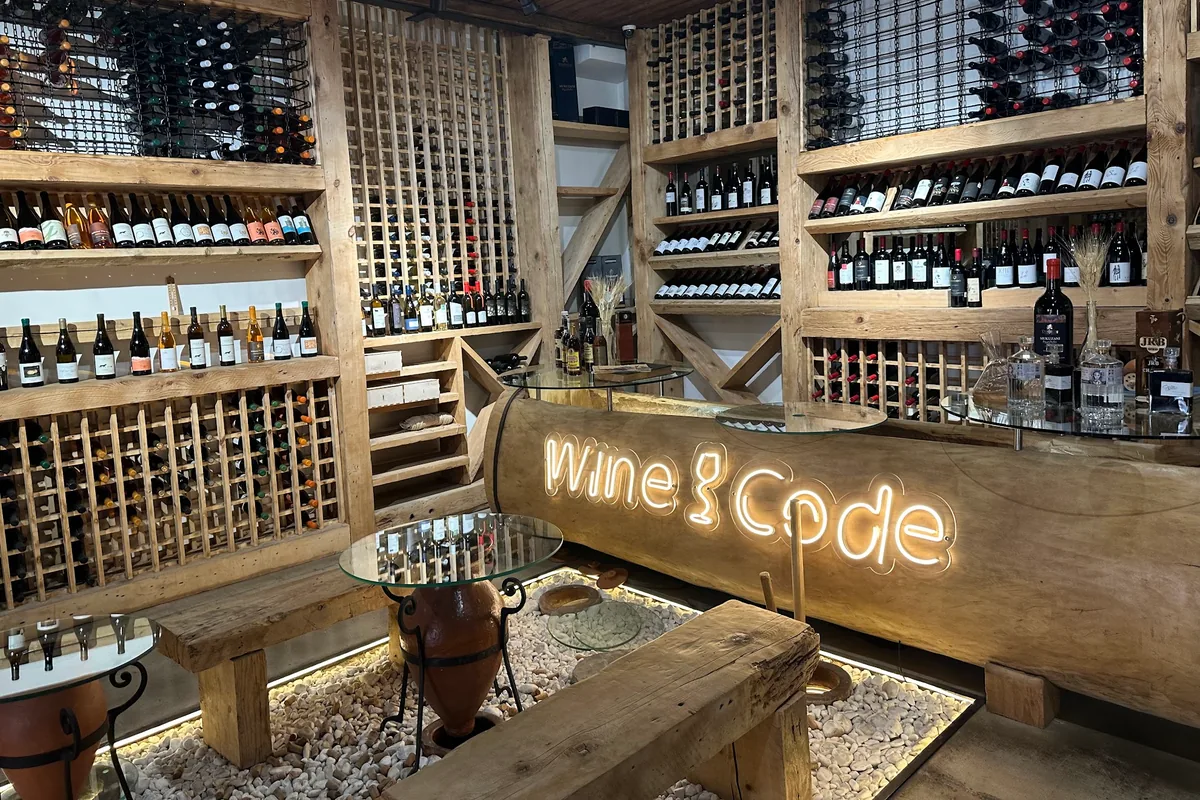
A booked wine tasting in Tbilisi costs 35 to 45 GEL for four wines. Wine Code in Avlabari is the cheaper one, and it adds a high-proof spirit to its 35 GEL tasting.
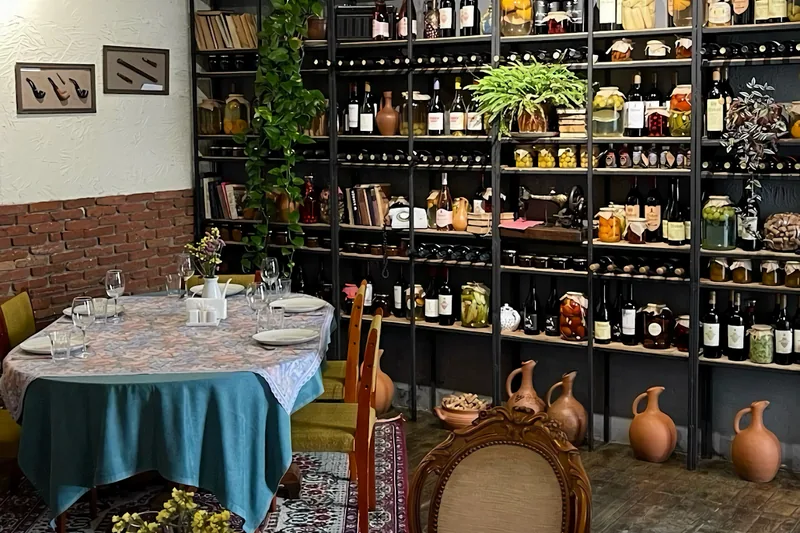
Wine Point, near Freedom Square, serves snacks with its 45 GEL flight of four. At either one I'd ask for an amber, a dry Saperavi and a semi-sweet red, which covers Georgia's three big styles in an hour.
The wine shops in Tbilisi I trust pour before you pay, and a decent bottle costs about 15 to 40 GEL. Georgia sets no limit on the wine you fly out with, but bringing wine home means checked luggage and your own country's duty-free allowance: 18 liters for the UK, 4 for the EU and 1 for the US.
The wine festivals in Tbilisi cluster in early May, and the New Wine Festival in Mtatsminda Park is the one I'd plan a trip around.
Wine country trips from Tbilisi
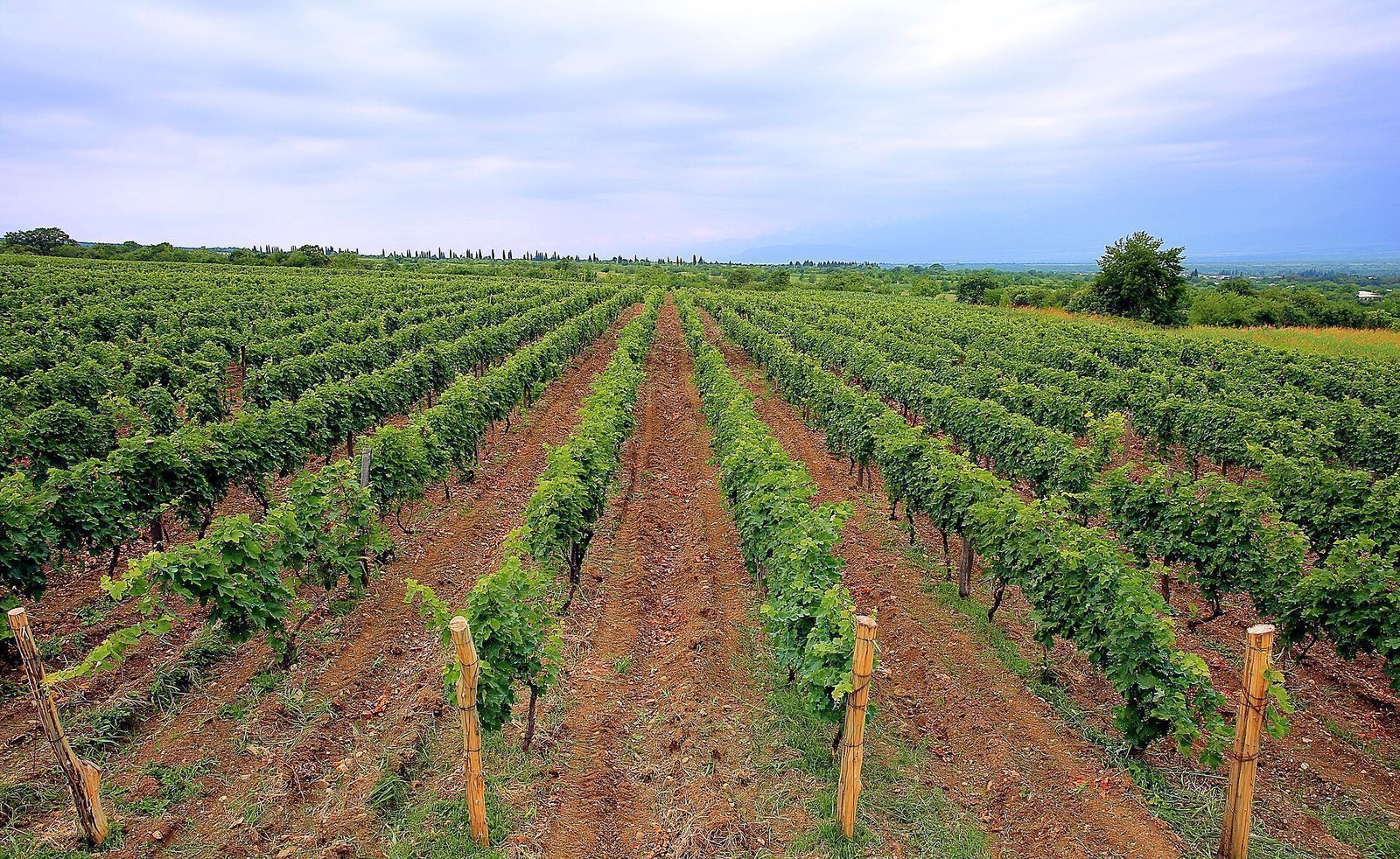
Tbilisi is the place to taste, but the cellars are out in the vineyards. A Kakheti wine tour is a full day of 8 to 12 hours with about 2 hours of driving each way. Group tours start at about 100 GEL a person plus lunch, and a private car starts at about 560 GEL for one or two people.
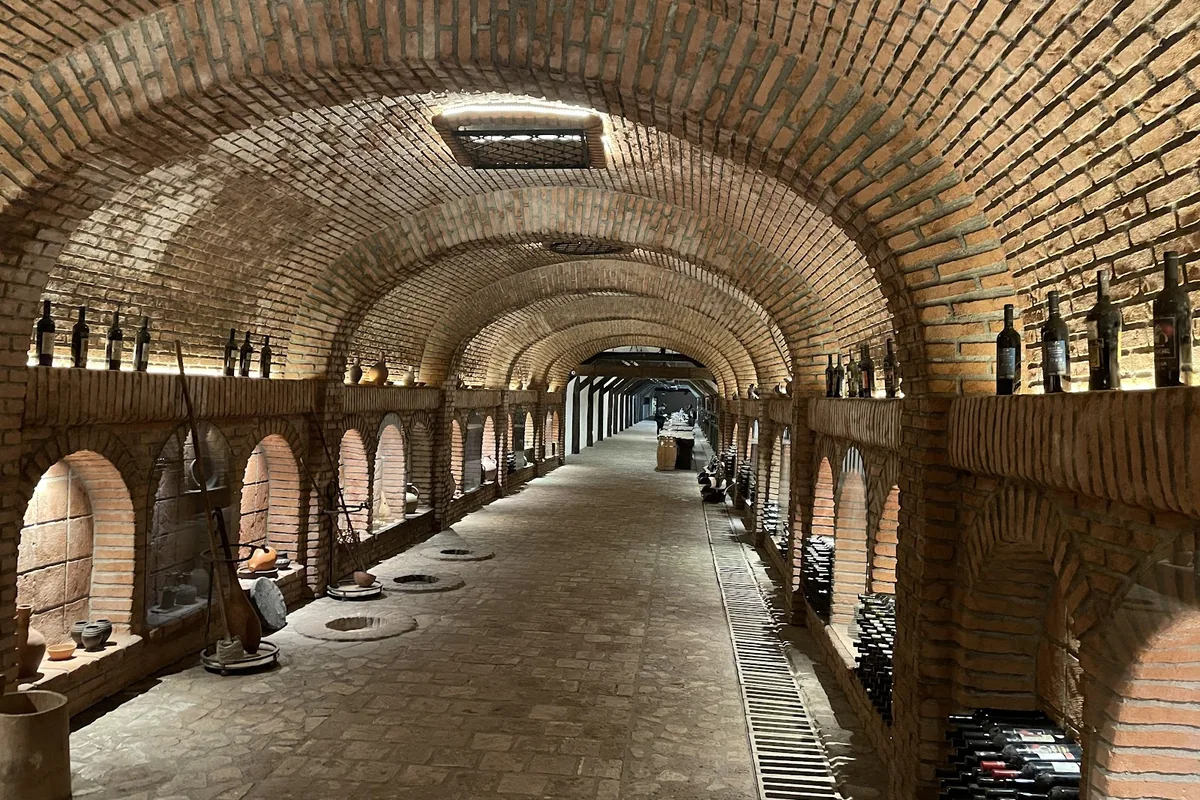
The wineries in Kakheti come in two kinds, and I'd mix them. The big names take walk-ins. Khareba pours inside a network of wine tunnels cut into the hills at Kvareli in 1962, and its tour with a tasting costs 35 GEL.
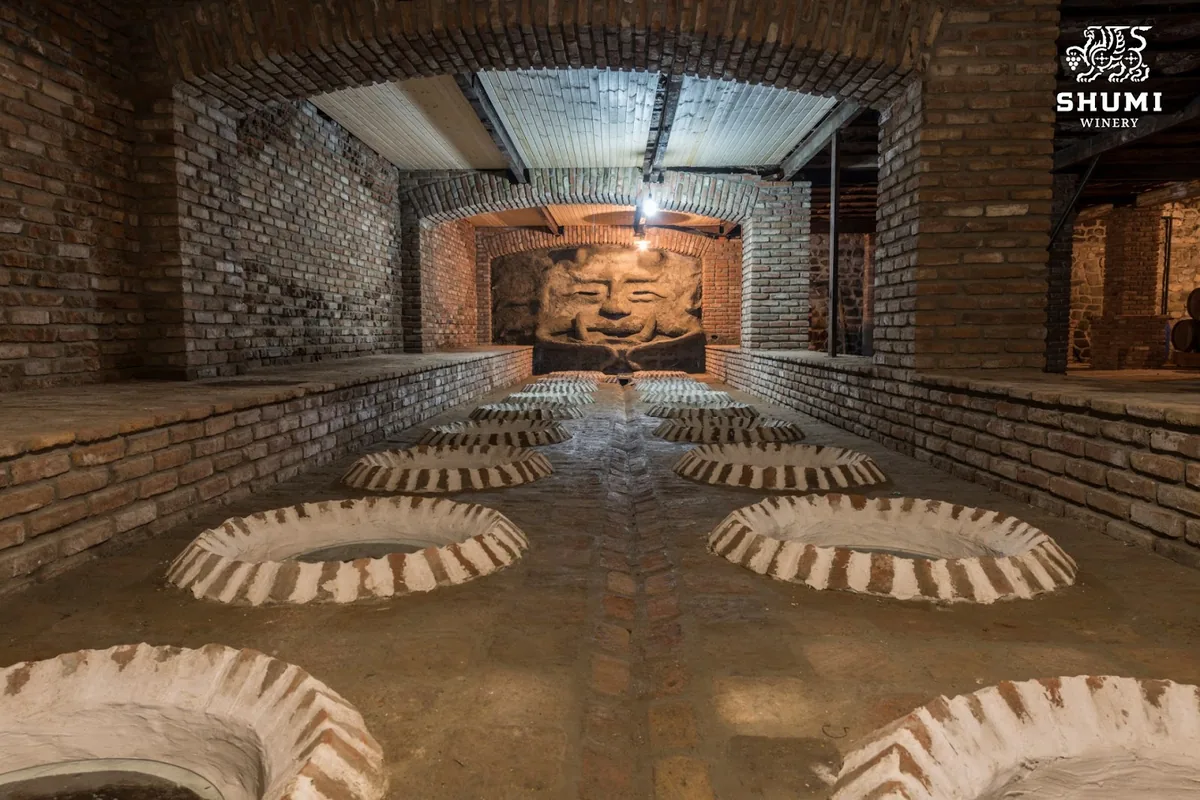
Shumi, in Tsinandali village, bottles most of the classic appellations, so it's the easy place to taste them side by side, with tastings from about 15 to 40 GEL. The family cellars are the other kind: they charge 30 to 120 GEL a head and want a message a few days ahead.
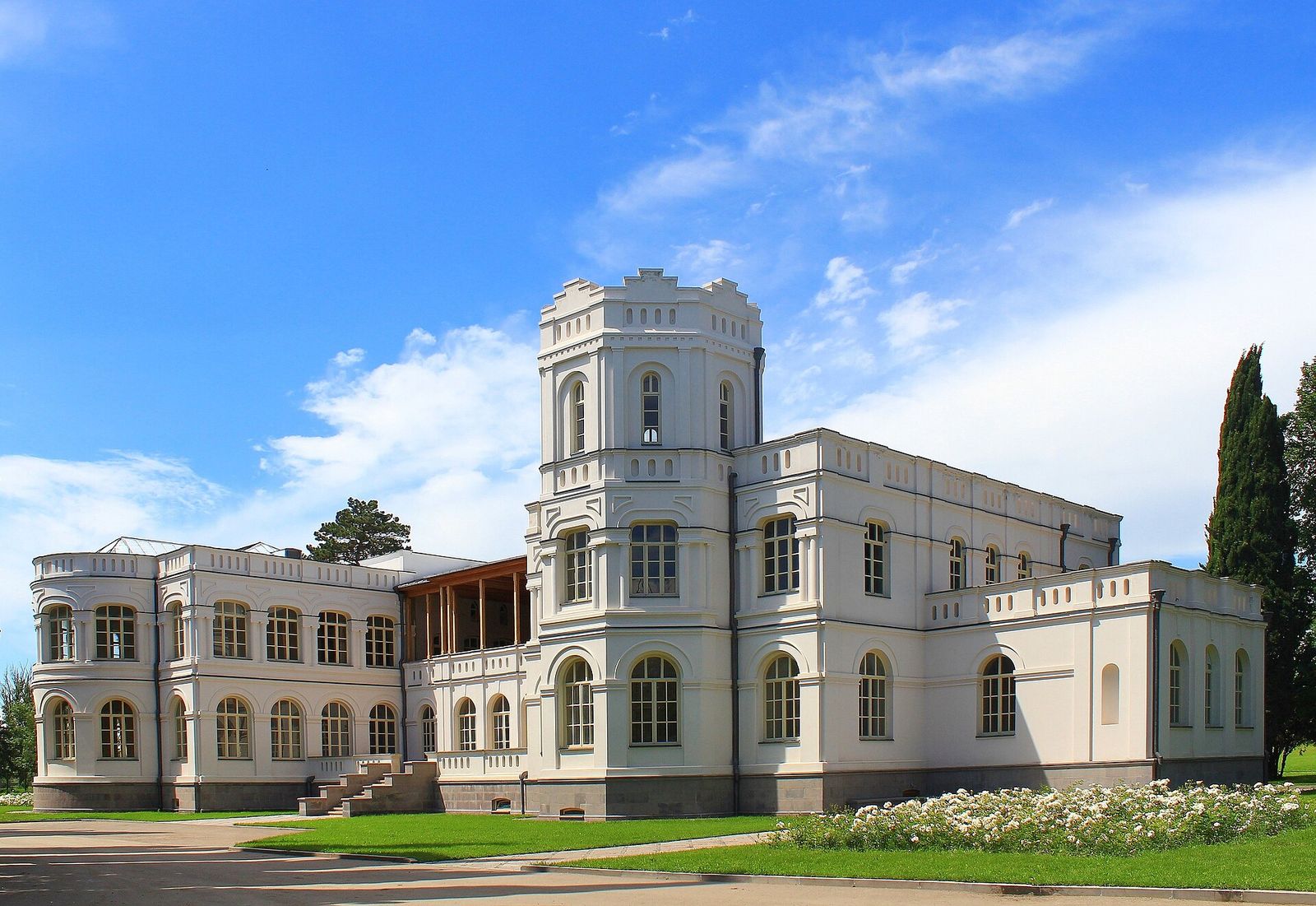
For a half day, the wineries near Tbilisi are closer: Chateau Mukhrani, a restored royal estate about 40 minutes away, pours four wines from about 35 GEL.
Chacha, Georgia's grape brandy
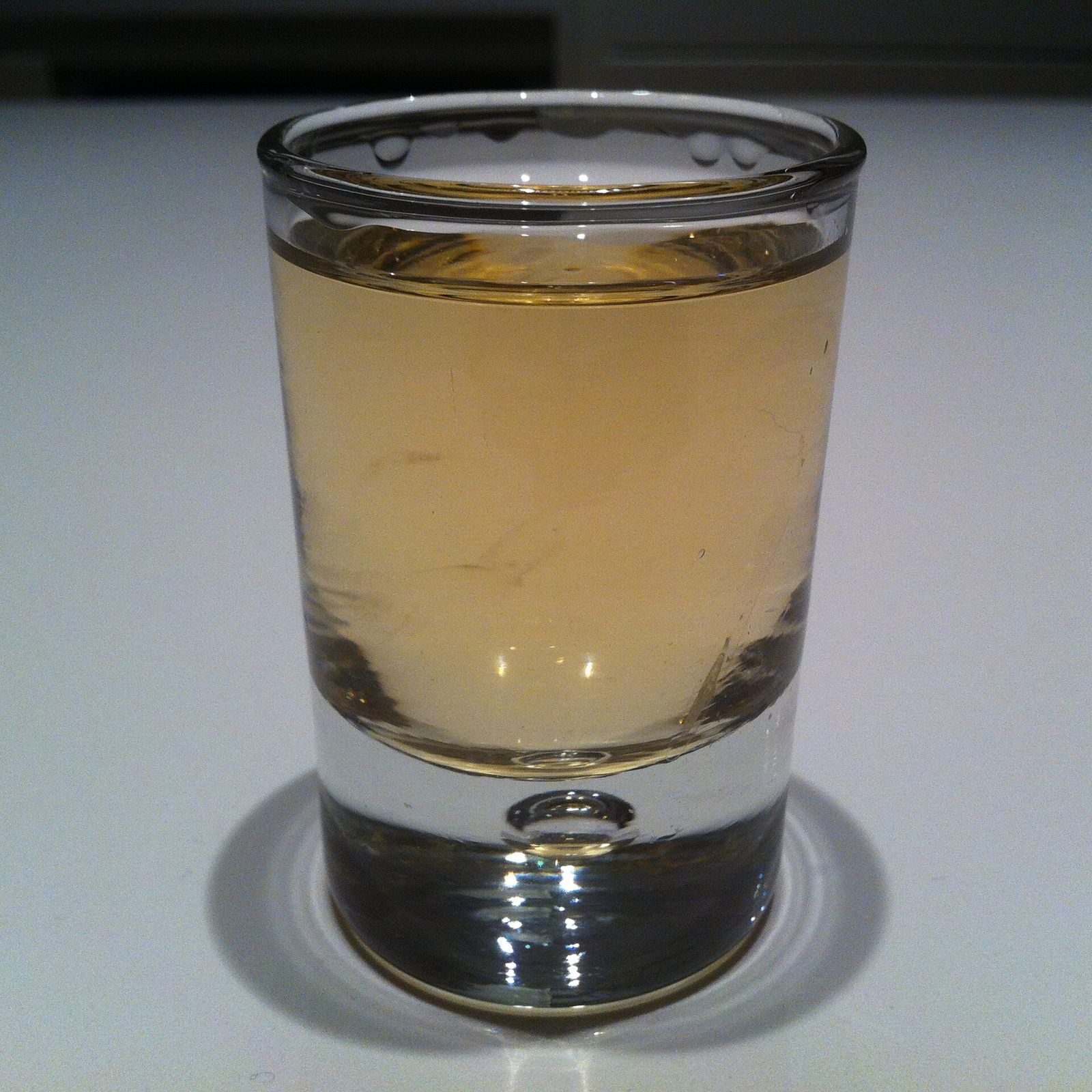
Chacha is distilled from the skins, seeds and stems left after winemaking, which makes it a cousin of grappa rather than vodka. Factory bottles run 40 to 43% and homemade chacha 45 to 65%. White chacha is clear and hot, aged chacha spends at least a year in oak and turns amber, and fruit chacha is made from mulberry, figs or plums.
Locals drink it neat, at room temperature, from a 30 to 50 ml glass, on a toast and before the food. At a feast it goes round first, and switching to wine after that is fine.
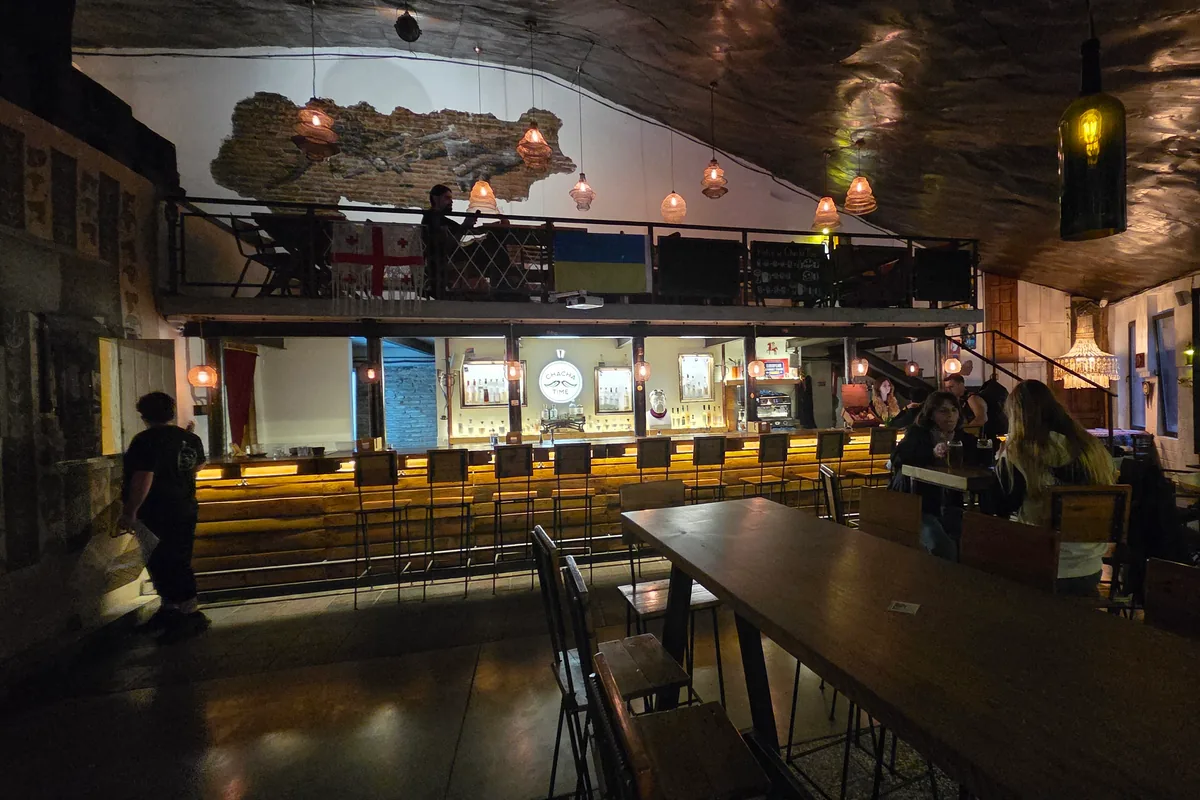
For a first taste I'd skip the random shot and go to Chacha Time at 5 Geronti Kikodze Street, which keeps 40+ chachas and pours 25 ml measures, so you can compare several without losing the evening.
Georgian beer and craft beer
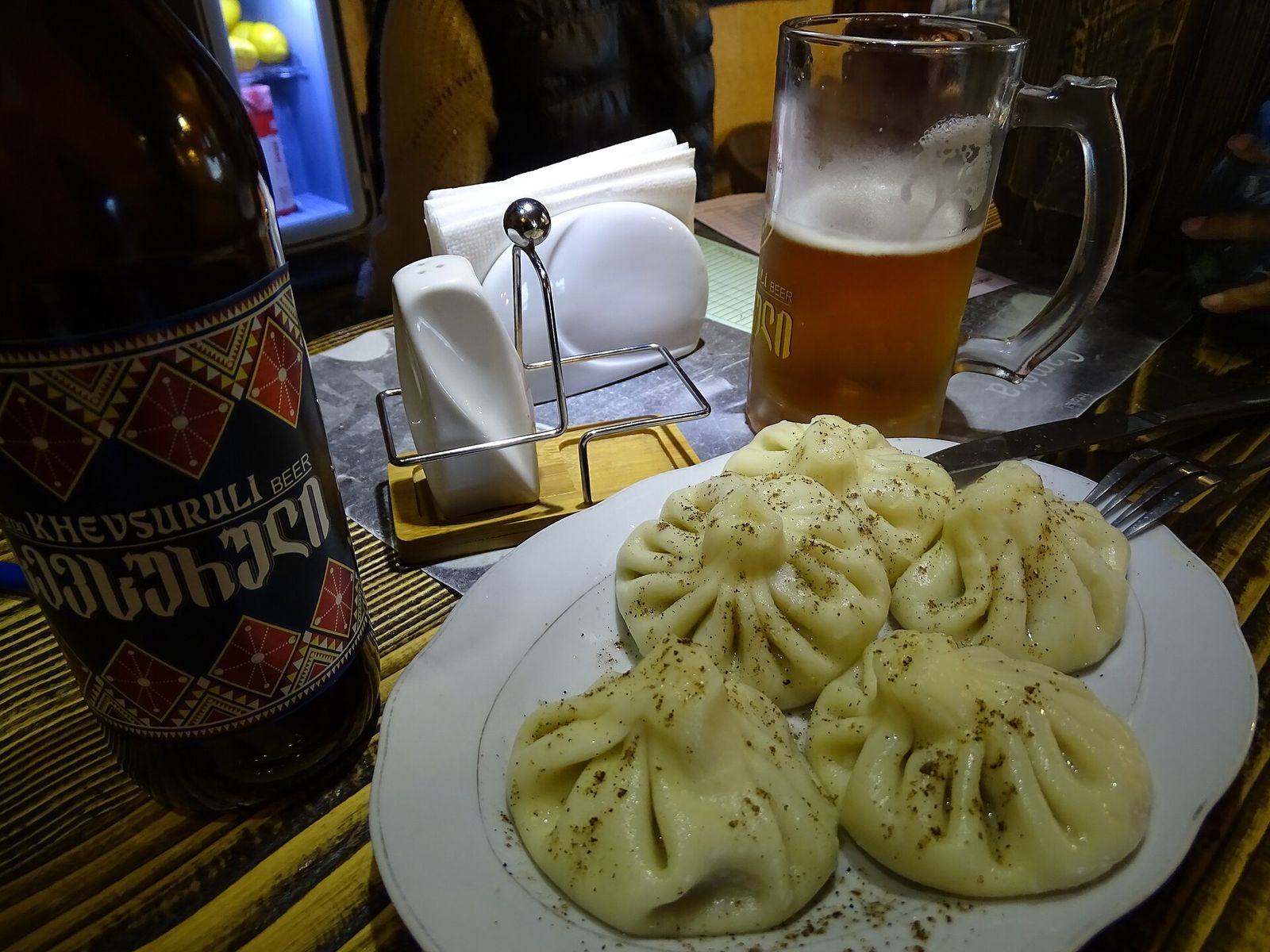
Wine has the history, but beer is what Georgians drink on a hot afternoon and with khinkali. Georgian beer mostly means four lagers: Natakhtari, the crisp, clean one brewed just outside Tbilisi; Kazbegi, maltier and a little sweeter; Zedazeni, the pick for a wheat or dark beer; and Argo, the one with a ship on the label. A beer costs 5 to 9 GEL in an ordinary bar.
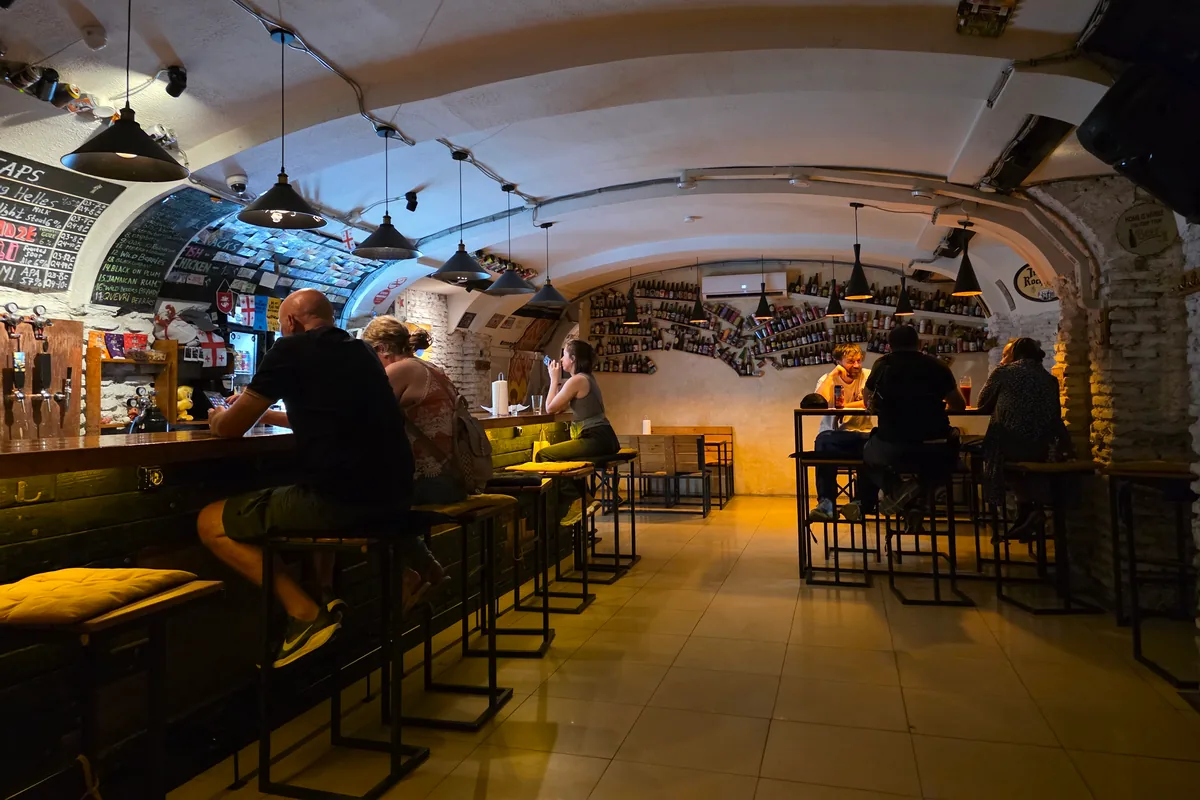
Craft beer in Tbilisi is young and good, and Sololaki is where it lives. Tsota Tsota is the house bar of Megobrebi brewery, with 14 taps, and Abragi on Shalva Dadiani Street pours only Georgian craft beer. Order one brewed with a Georgian flavor, such as a tkemali plum sour. In the mountains there is also aludi, a herb and wild hop beer brewed for village festivals, so treat a glass as luck rather than a plan.
Cocktail bars and rooftops in Tbilisi
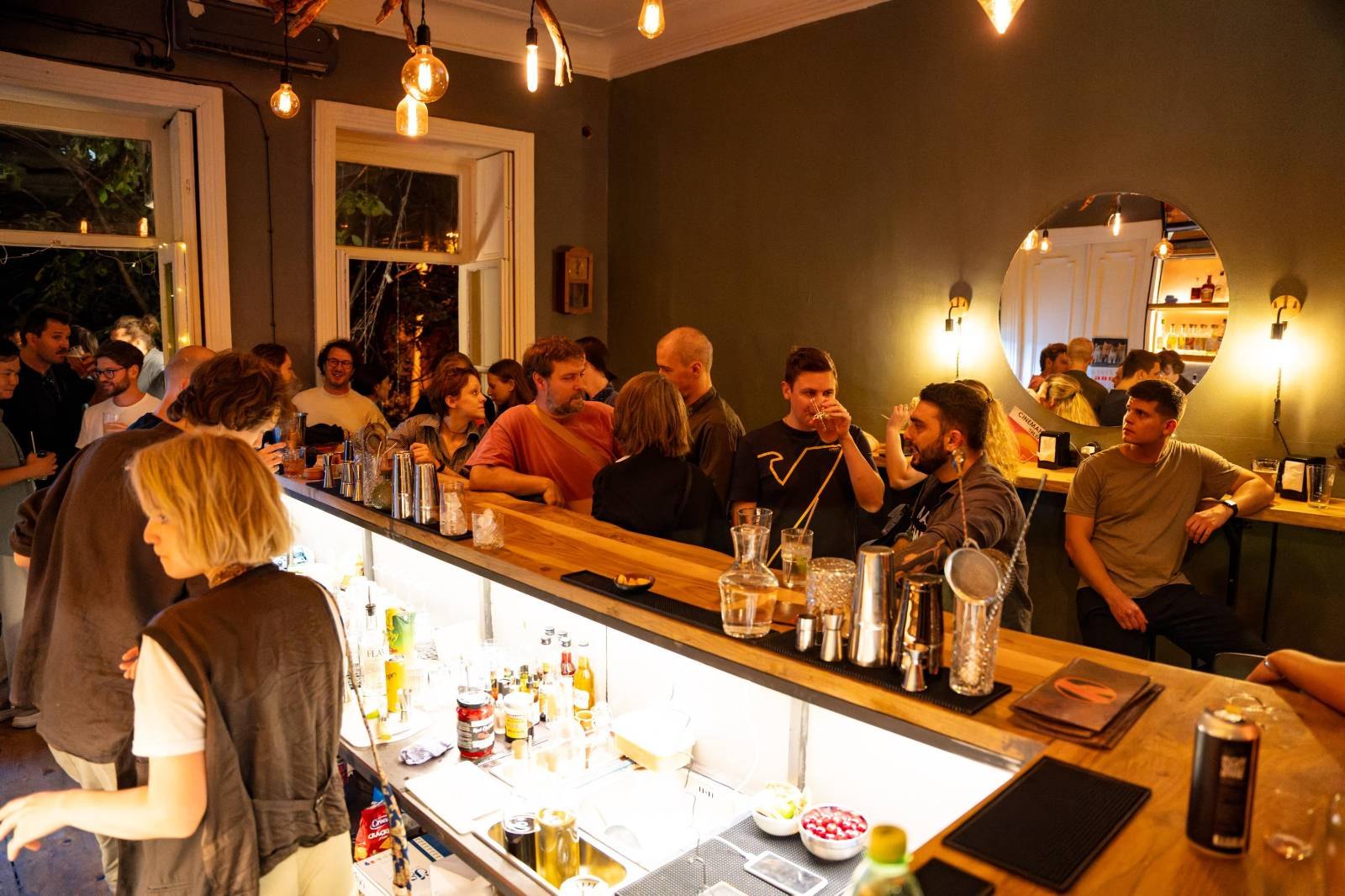
Tbilisi mixes better cocktails than you'd expect from a wine country, at 14 to 20 GEL in most bars. My first pick is Crossroads Bar at 30 Shalva Dadiani Street in Sololaki, the best cocktail bar in Tbilisi for making new friends. Locals and expats share the bar, it's easy to walk in alone, and the Pinelet, its bestseller of gin, pinecone liqueur and lime, has a gentle pine scent. Go on a Wednesday for the expat meetup, Tuesday or Sunday for karaoke, or Thursday for live music.
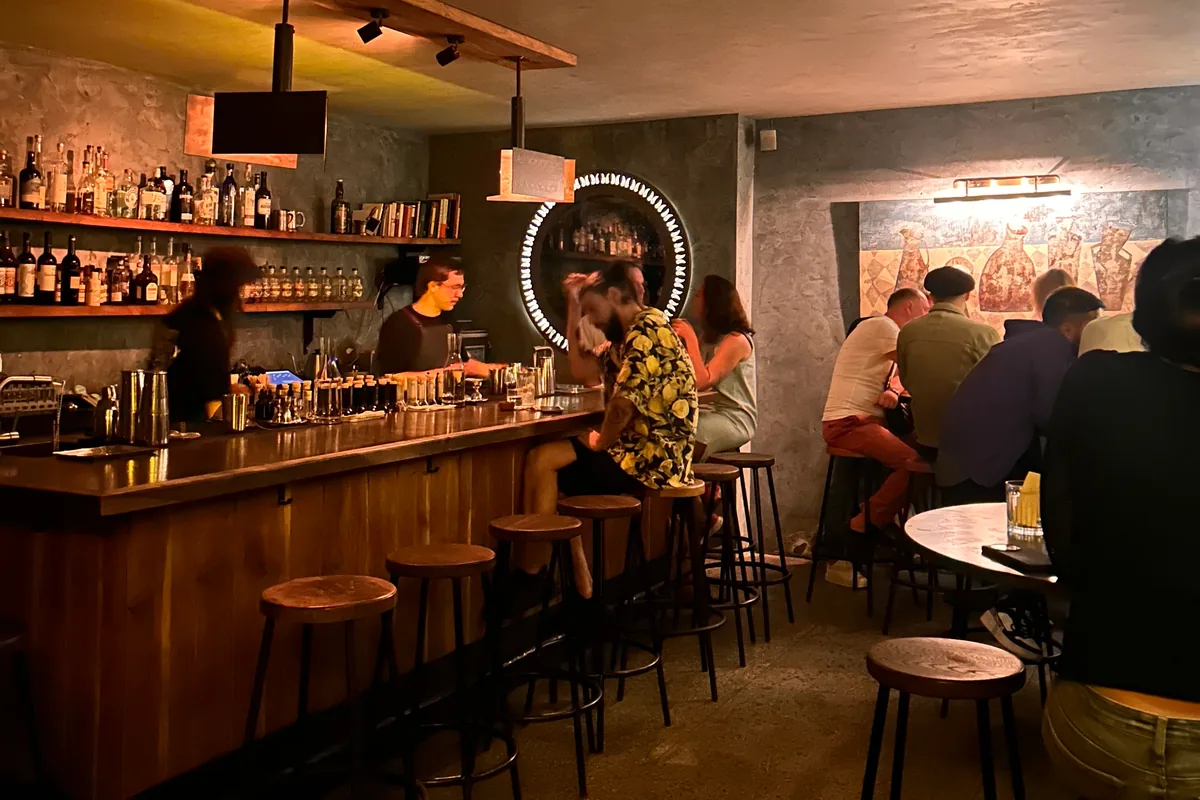
Most of my favorite bars in Tbilisi sit a few minutes' walk from Crossroads. The cocktail bars I'd add are 41° Art of Drinks, behind a metal door at 19 Galaktion Tabidze Street, and Chacha Time, whose Old Georgia is an Old Fashioned made with chacha aged in smoked oak.
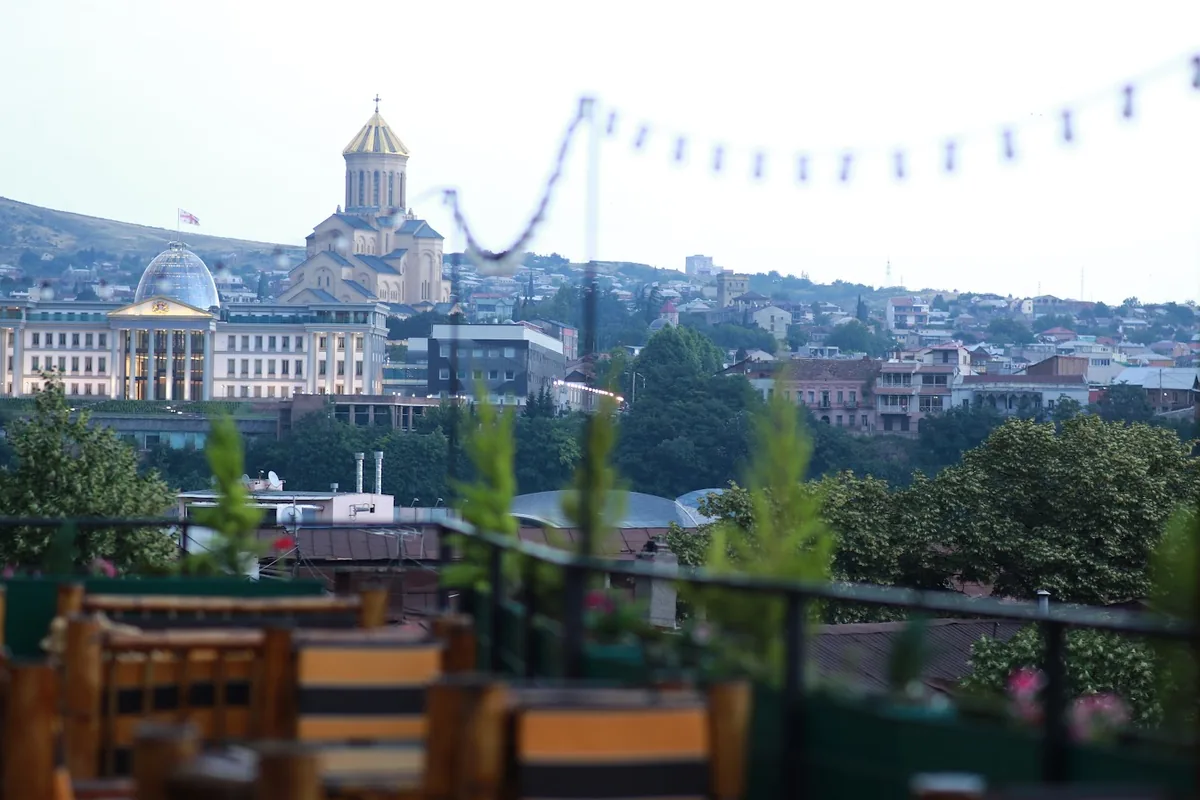
For a sunset glass, the rooftop bars start with Point Terrasse at 15 Anton Catholicos Street, where Narikala and Holy Trinity Cathedral fit in one view.
Lagidze water, Borjomi and other soft drinks
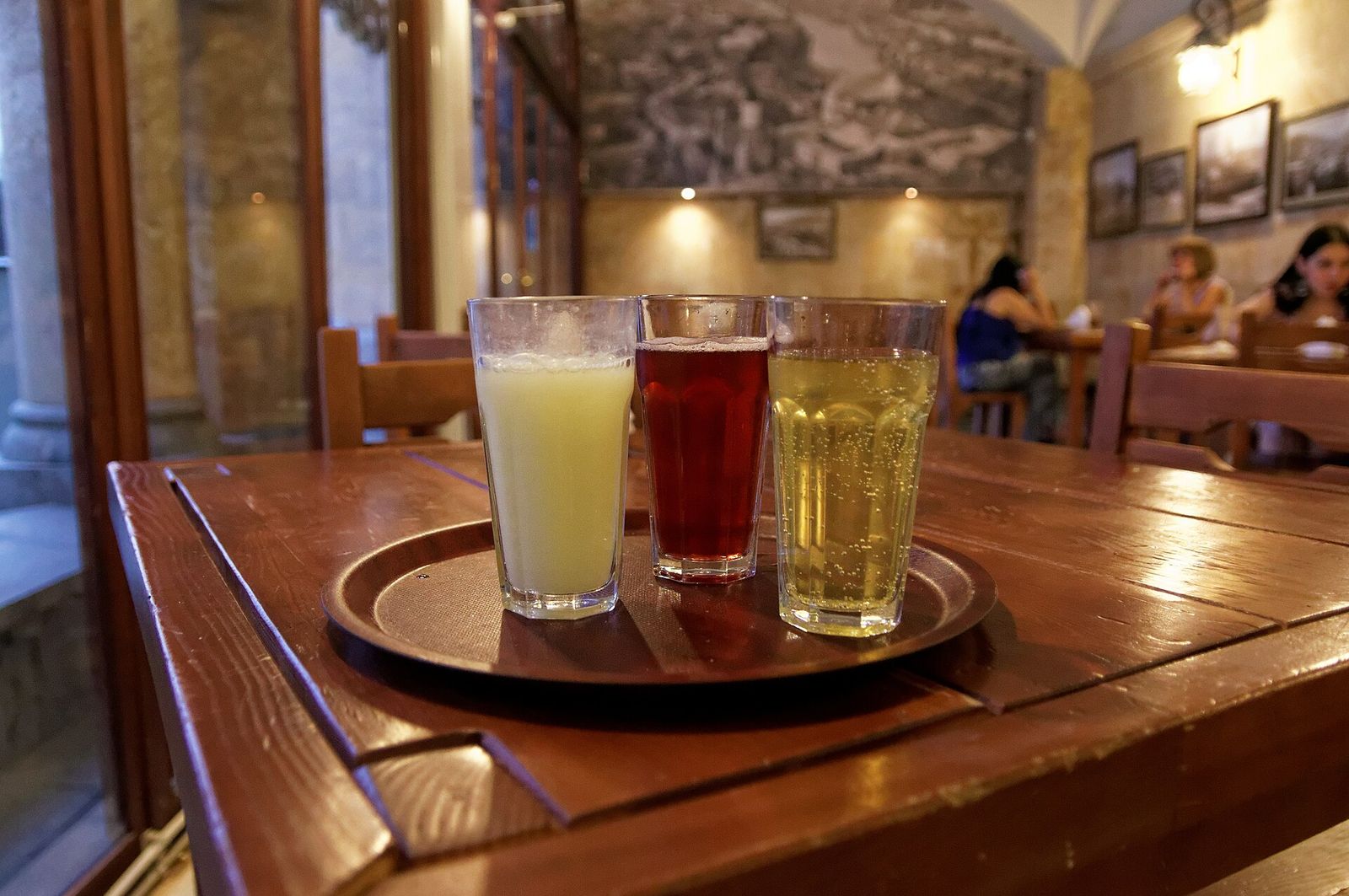
The drink every Georgian grows up on is Lagidze water: natural syrup in the glass, topped with soda from a fountain tap, a recipe Mitrofan Lagidze started in Kutaisi in 1887. Tarragon, chocolate and cream are the flavors locals order most.
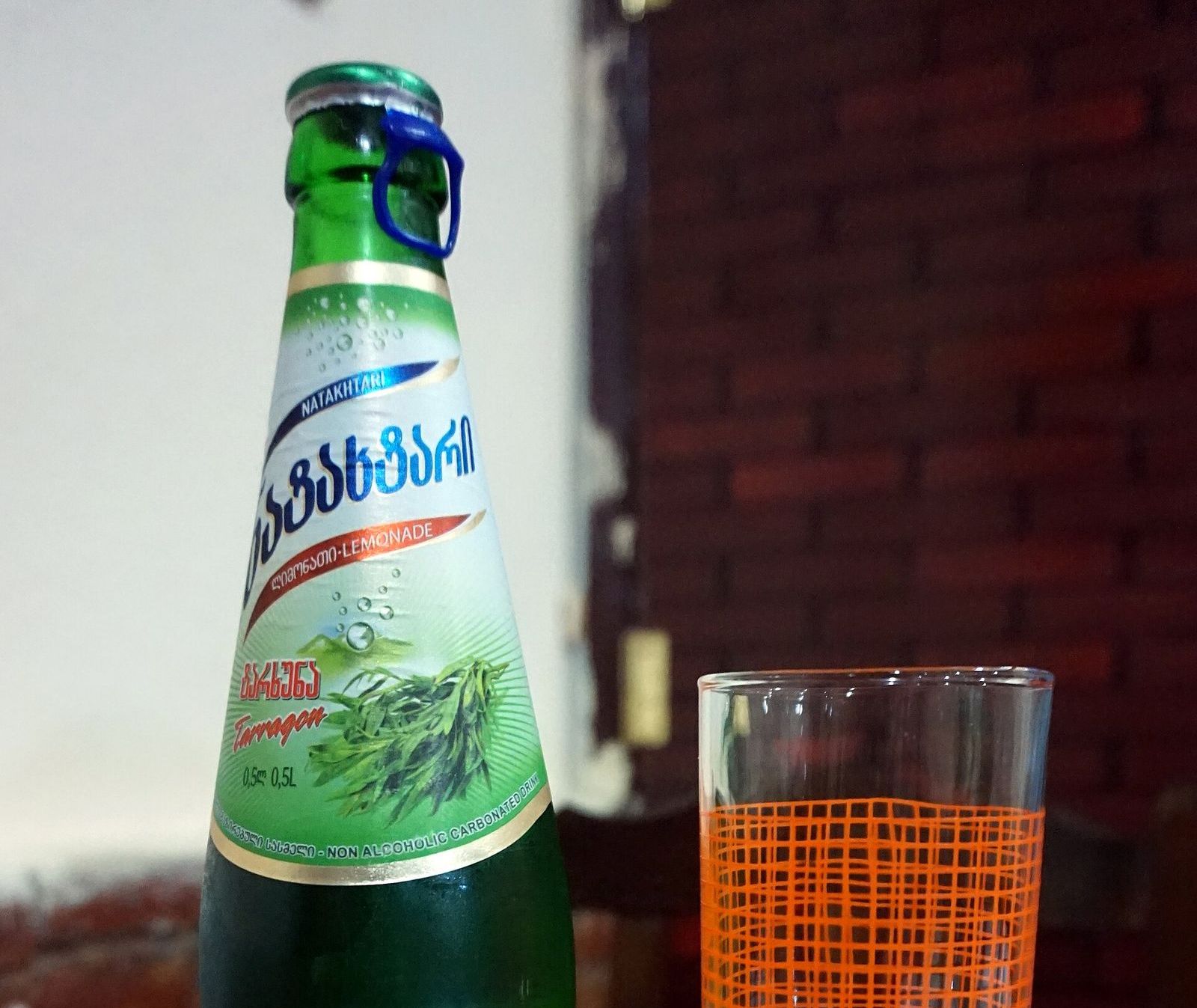
Order the bright green tarragon one, tarkhuna, first: sweet and herbal, with licorice and anise. Natakhtari bottles it too, so you'll find the green bottle in any supermarket fridge.
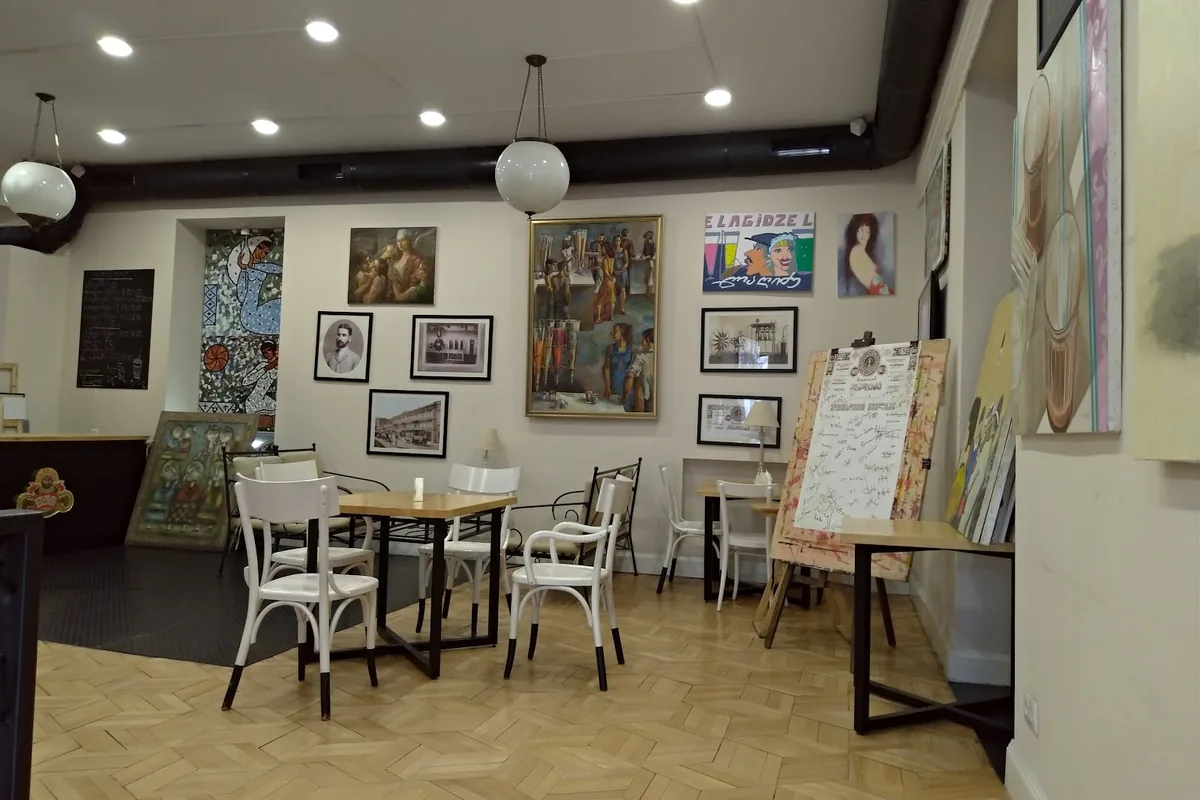
The surest fountain glass is at the Lagidze Water cafe on Zakaria Paliashvili Street in Vake, open 10:00 to 22:00. After the tarkhuna I'd have chocolate and cream mixed in one glass, the way locals drink it.
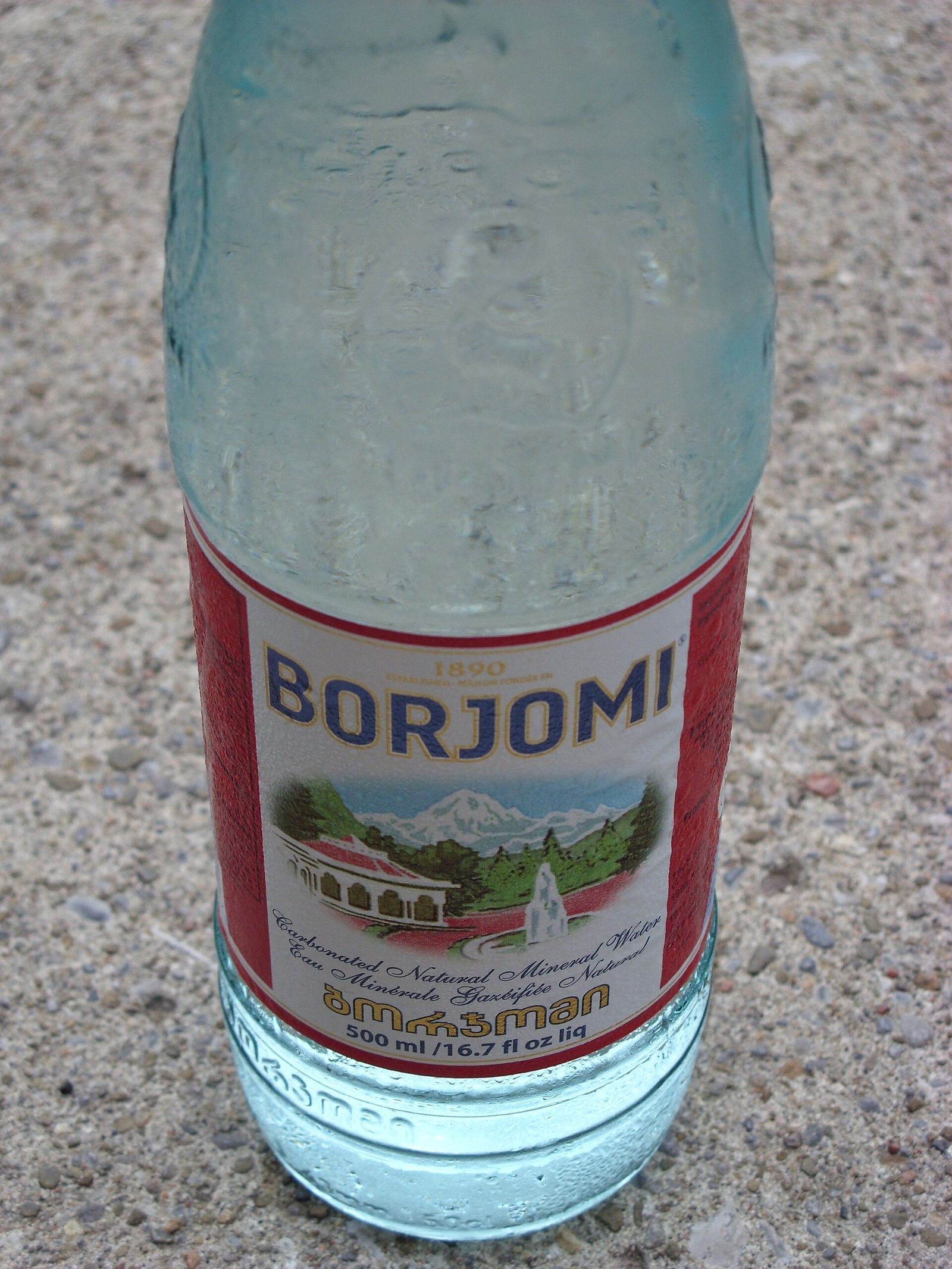
Borjomi is the salty one, with about 1,550 mg of sodium a liter, and the first sip surprises everyone. Georgians drink a glass or two with heavy meals and the morning after a feast. Nabeghlavi, from Guria, is milder, and I'd start there if Borjomi tastes too strong. Either costs 2 to 5 GEL, and Tbilisi's tap water is safe and free.
Georgian tea and coffee
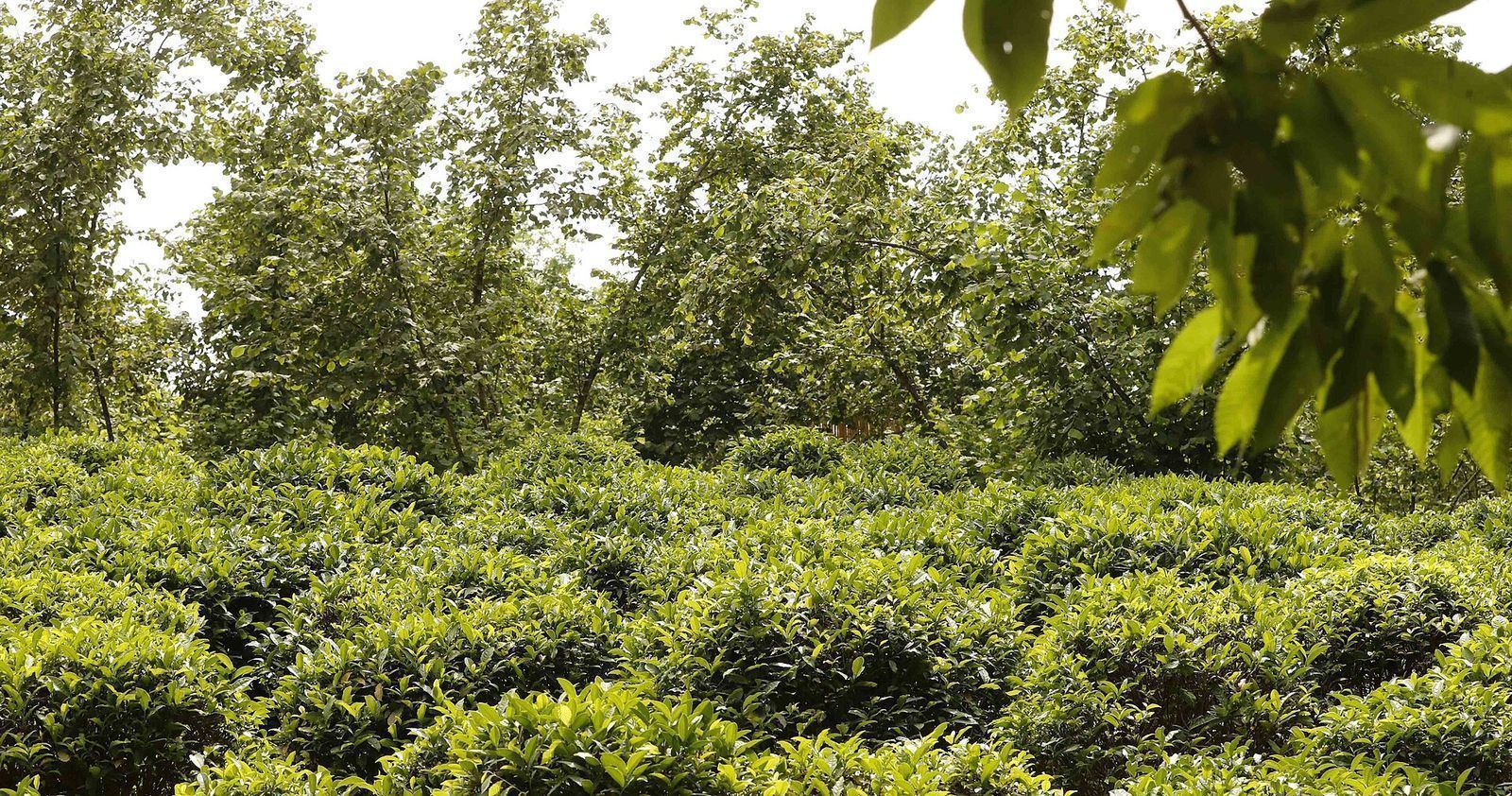
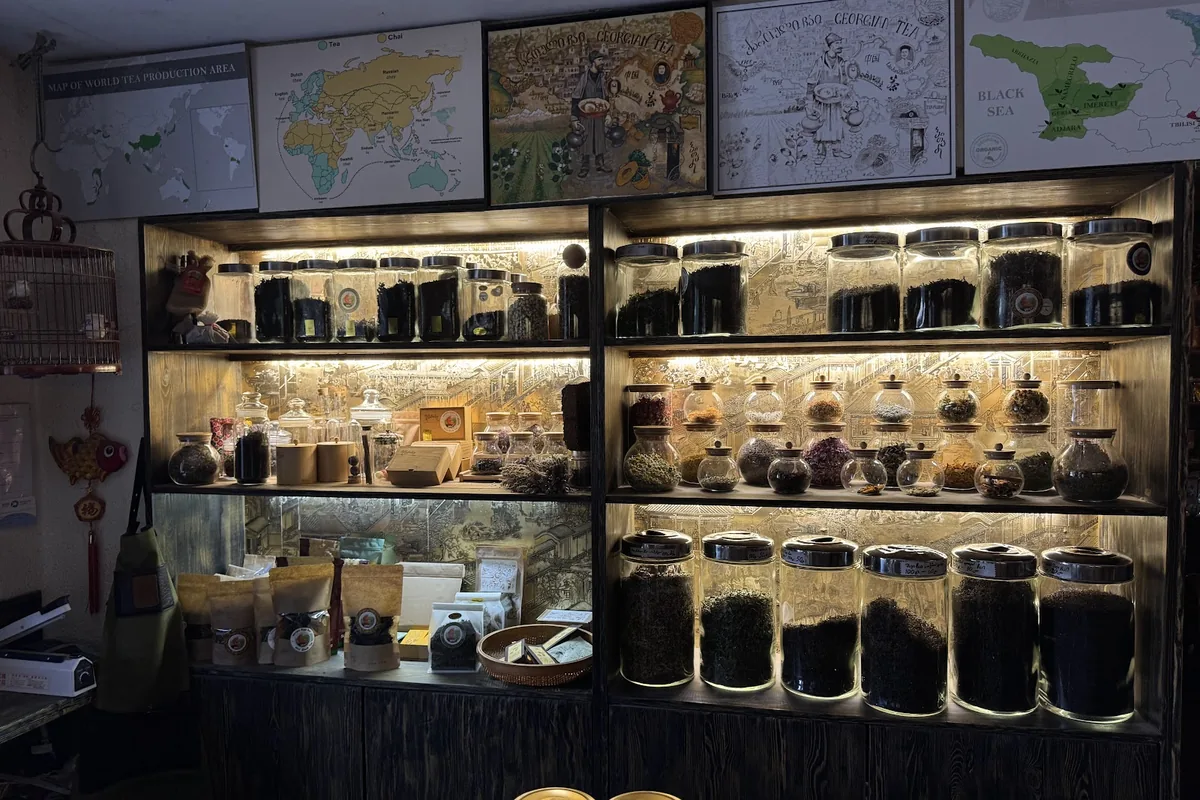
Georgian tea grows only in the humid west, in Guria, Adjara, Samegrelo and Imereti, and most of it is mellow, slightly sweet black tea. In Tbilisi, the Bitadze tea shop at 15 Galaktion Tabidze Street is free to walk into and runs a 40 GEL tea ceremony for groups of 4 or 5. Herbal teas are older here than tea itself: mountain thyme, rose hips and hawthorn sell in dried bundles at the markets, and thyme is my pick for a cold evening.
Mornings run on coffee. Georgian coffee is boiled in a small copper pot and served with the grounds in the cup, the way bakeries and older cafes make it, while the best cafes in Tbilisi pour espresso the way the rest of Europe does.
The supra: how Georgians drink
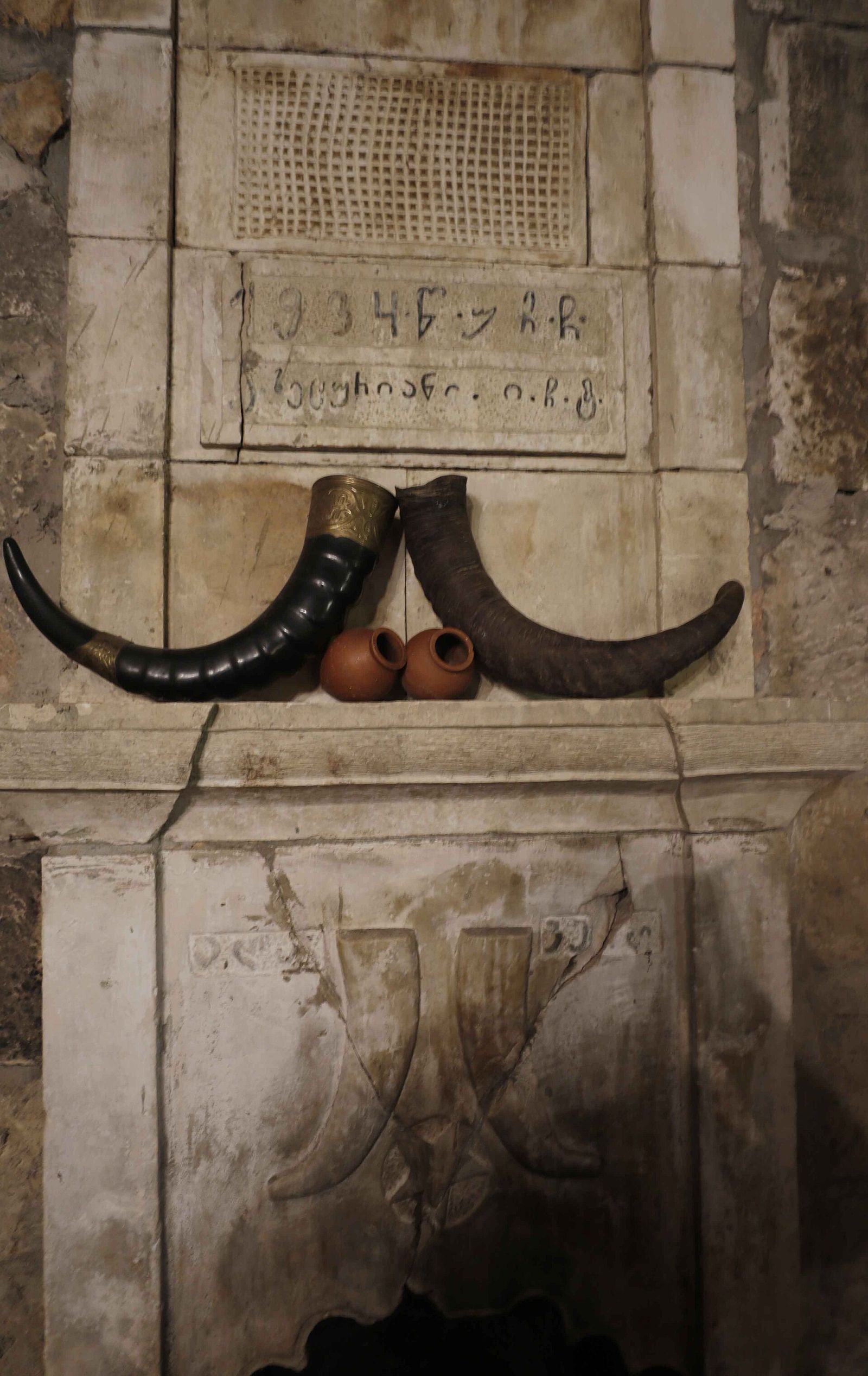
In Georgia, wine is drunk at the table, and the table has rules. A Georgian supra is a feast led by a toastmaster, the tamada, and nobody drinks except on one of his toasts. Expect 4 to 5 hours and about 12 toasts in a loose order: peace, Georgia, the occasion, the dead, children, parents, women and friendship. When glasses go up, say gaumarjos, "to victory". For the toast to the dead, stand in silence and don't clink.
Sip on the small toasts and drain your glass on the big ones. If the kantsi, the drinking horn, is filled for you, it has no base, so it has to be emptied before you put it down. Never raise a beer: in Georgian tradition a beer toast is for your enemies. Getting drunk is frowned on; the toasts, the talk and the food are the point.
Key takeaways
- Start with an amber qvevri wine and a dry Saperavi, and check labels for semi-sweet names before ordering for dinner.
- Chacha runs 40 to 65%, so sip it on a toast and taste it in 25 ml pours.
- Order tarragon Lagidze water with khinkali and a salty Borjomi the morning after a feast.
- Drink in Sololaki, not on Shardeni Street, where a cocktail costs 20 to 30 GEL.
- At a supra, drink only on a toast, say gaumarjos and never raise a beer.
Frequently asked questions
What is the national drink of Georgia?
Wine is Georgia's national drink, with about 8,000 years of history and a place at every family table. Chacha, the grape brandy, is the national spirit, and it usually goes round before the wine at a feast.
Is chacha stronger than vodka?
Often, yes. Factory chacha runs 40 to 43%, about the same as vodka, but homemade chacha runs 45 to 65%, so treat any unlabeled bottle as the strong end.
What is the green drink in Georgia?
It's tarragon lemonade, called tarkhuna, a sweet herbal soda with a licorice and anise taste. Order it fresh at a Lagidze fountain counter or buy it bottled in any supermarket.
Is Georgian wine sweet?
Most Georgian wine is dry. The exceptions are a few famous semi-sweet reds, Kindzmarauli, Khvanchkara, Akhasheni and Usakhelouri, so check the label when you want a dry bottle with dinner.
Can you drink the tap water in Tbilisi?
Yes, the tap water in Tbilisi is safe to drink. Georgians still order mineral water such as Borjomi or Nabeghlavi with meals, and a bottle costs 2 to 5 GEL.
What do Georgians say when they toast?
Georgians say gaumarjos, which means "to victory", when glasses go up. At a supra the tamada leads every toast, and when he passes one to you with "alaverdi", you add your own words before you drink.
How much does a drink cost in Tbilisi?
A beer costs 5 to 9 GEL in an ordinary bar, a glass of wine 8 to 18 GEL and a cocktail 14 to 20 GEL. Shardeni Street in the Old Town charges more, up to 14 GEL for a beer and 30 GEL for a cocktail.
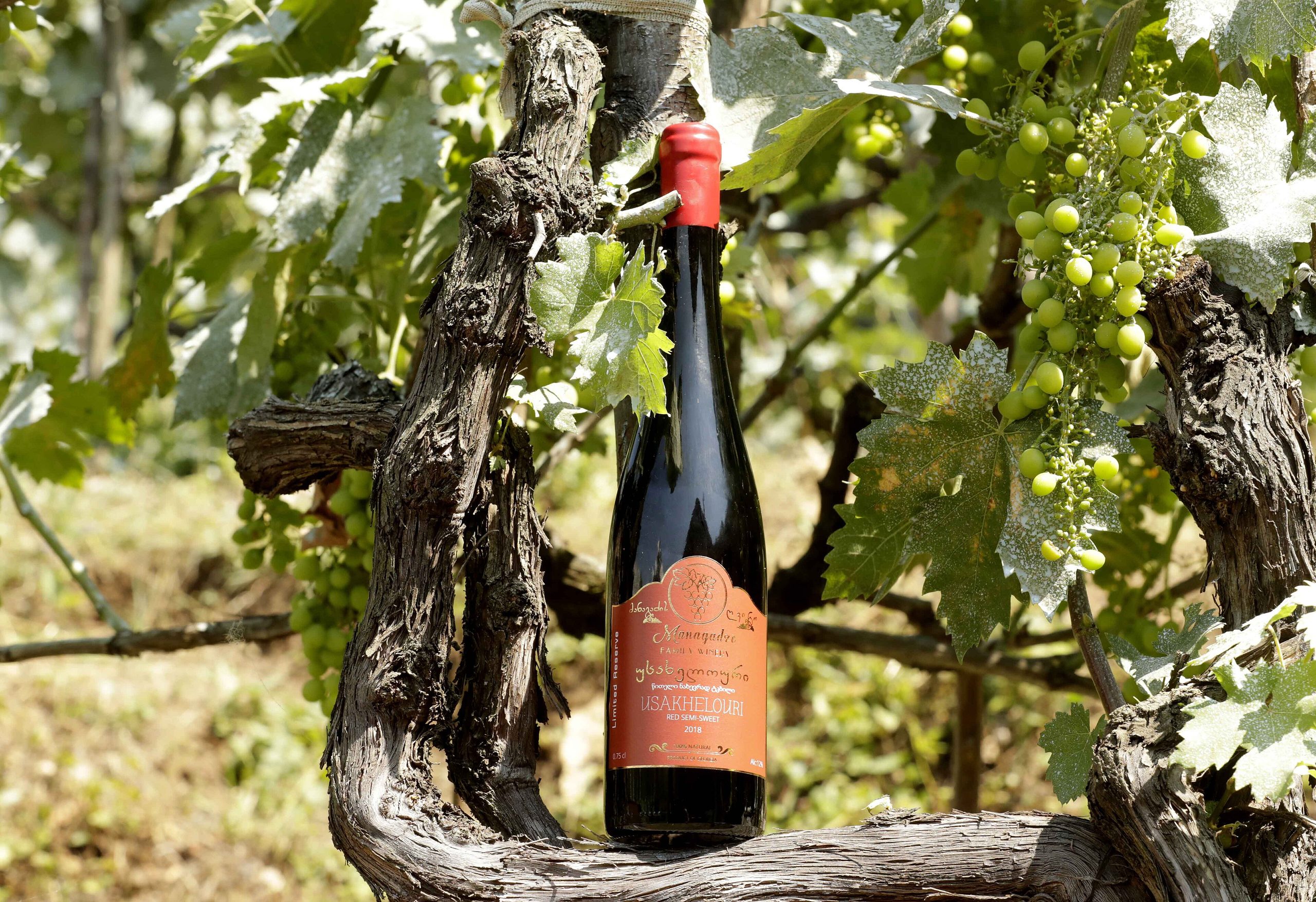
Georgian Wine Guide: Regions, Styles and What to Order
Georgia is known for 8,000 years of winemaking. Here is what to know about its styles, regions, prices and bars.
Read the guide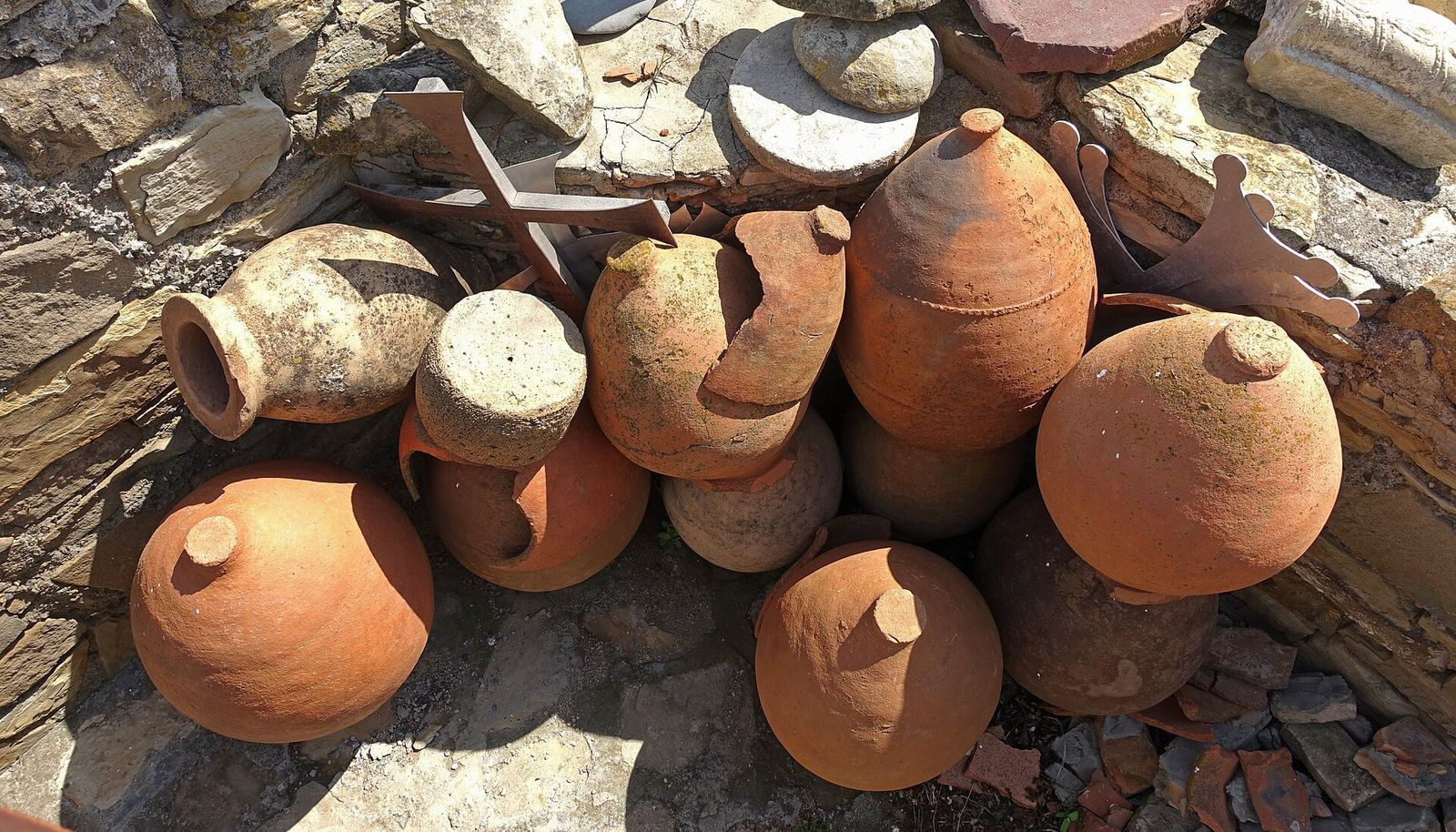
Qvevri Wine: How Georgia Makes Wine in Buried Clay Jars
Georgia is known for qvevri wine. Here is what the clay jars are, how the wine tastes and where to try it in Tbilisi.
Read the guide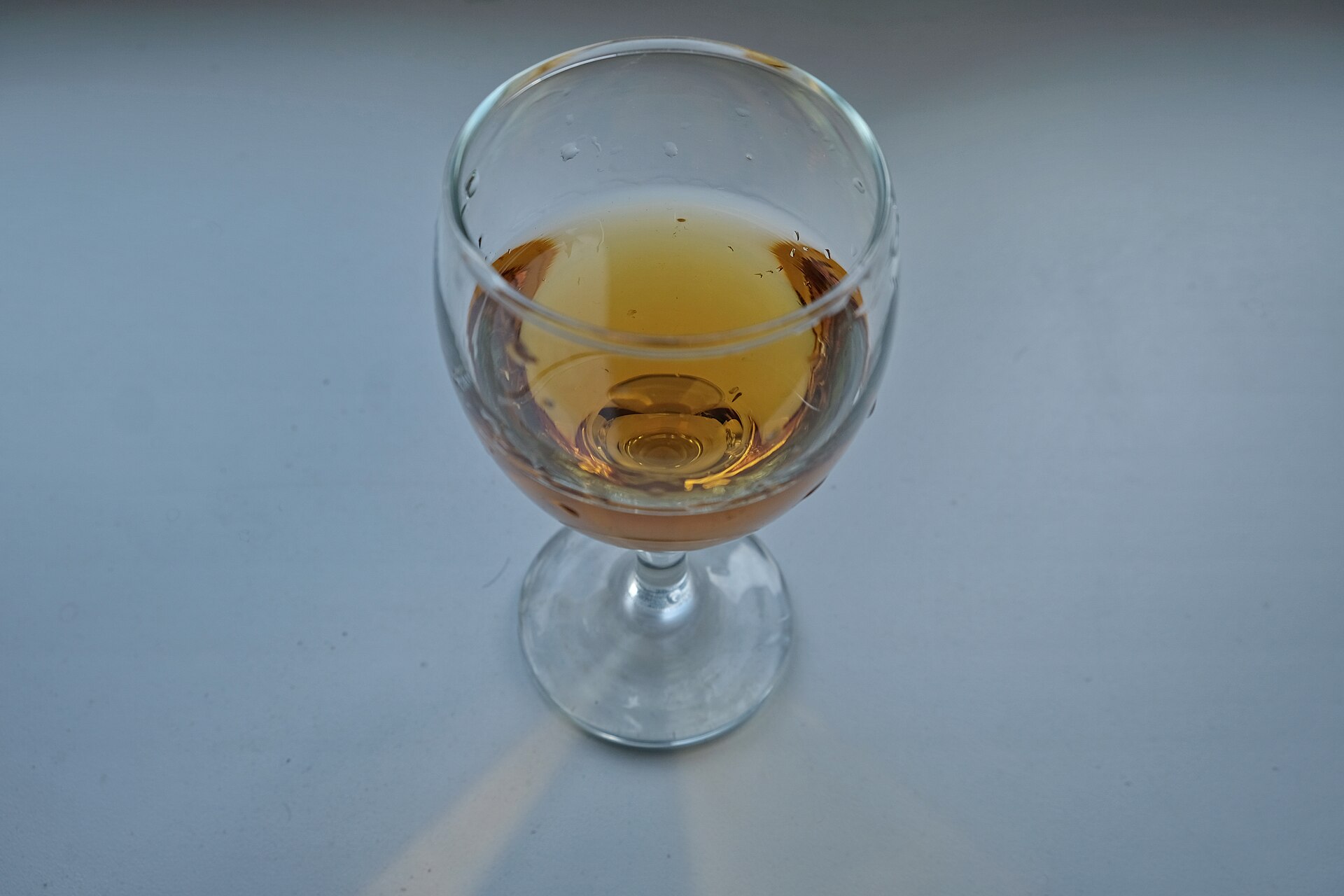
Amber Wine: Georgia's Orange Wine and Where to Drink It in Tbilisi
Georgia is known for amber wine. Here is what to know about how it is made, how it tastes and where to drink it.
Read the guide