Shopping in Tbilisi: Where to Shop, What to Buy and What It Costs
Tbilisi is known for its markets: a flea market on a bridge with no river under it, a food bazaar beside the railway station and wine shops that pour before you pay. Shopping here is cheap, mostly cash and best done on foot. Here's what you need to know about where to shop in Tbilisi, what's worth buying, what it costs in 2026 and how to get it all home.
Where to shop in Tbilisi at a glance
Shopping in Tbilisi splits neatly by what you're after: food and vintage at the markets, crafts in small studios and concept stores, chains in a handful of malls. This is the shortlist I give friends before their first trip.
| Where | Area | Best for | Open |
|---|---|---|---|
| Dry Bridge Market | Near Rustaveli Avenue | Soviet cameras, silver, paintings | Daily, about 10:00 to 17:00 |
| Dezerter Bazaar | Station Square | Churchkhela, spices, cheese, honey | Daily, about 07:00 to 17:00 |
| Meidan Bazaar | Old Town | Wine and crafts on a rainy day | Shop hours |
| Gallery 27 | Sololaki | Enamel, ceramics, lurji supra | Shop hours |
| 8000 Vintages | Off Rustaveli Avenue | Wine from big and small cellars | Shop hours |
| Fabrika | Marjanishvili | Local design, vintage pop-ups | Pop-ups, 12:00 to 21:00 |
| Galleria Tbilisi | Freedom Square | Chains, an ATM, a dry hour | About 10:00 to 22:00 |
If you only have one morning, do Dezerter at 09:00 and the Dry Bridge after it. They're a short ride apart on the Tbilisi metro, from Station Square to Liberty Square, and between them you'll see both what Tbilisi eats and what it once owned.
What to buy in Tbilisi, and what it costs
Georgia's best souvenirs are things you eat, drink or put on a table. My rule: food from the markets, crafts from the people who make them, vintage from the flea markets. These are the buys I'd make, at 2026 prices.
| What to buy | Typical price | Where I'd buy it |
|---|---|---|
| A bottle of Georgian wine | 15 to 40 GEL | 8000 Vintages, Warehouse at Stamba |
| Bottled chacha | 15 to 40 GEL | Chacha Corner |
| Churchkhela | 3 to 8 GEL a string | Dezerter Bazaar, Badagi |
| Svan salt | 5 to 8 GEL a 100 g bag | Dezerter Bazaar |
| Mountain honey | 15 to 30 GEL a kilo | Dezerter Bazaar |
| Lurji supra napkins or tablecloth | 18 to 100 GEL | Academy of Arts workshop |
| A small hand-painted ceramic | From about 15 GEL | Ceramic Room, Vera |
| A mini qvevri clay jug | 10 to 25 GEL | Markets and craft shops |
| A painting of Old Tbilisi | From about 20 to 30 GEL | Dry Bridge painters' market |
| Soviet vinyl | 5 to 20 GEL | Dry Bridge Market |
Most of the Georgian souvenirs worth the suitcase space cost under 40 GEL. Carpets and gold enamel are the exceptions, and they're the buys where the shop you pick matters most.
The Dry Bridge Market for Soviet antiques and paintings
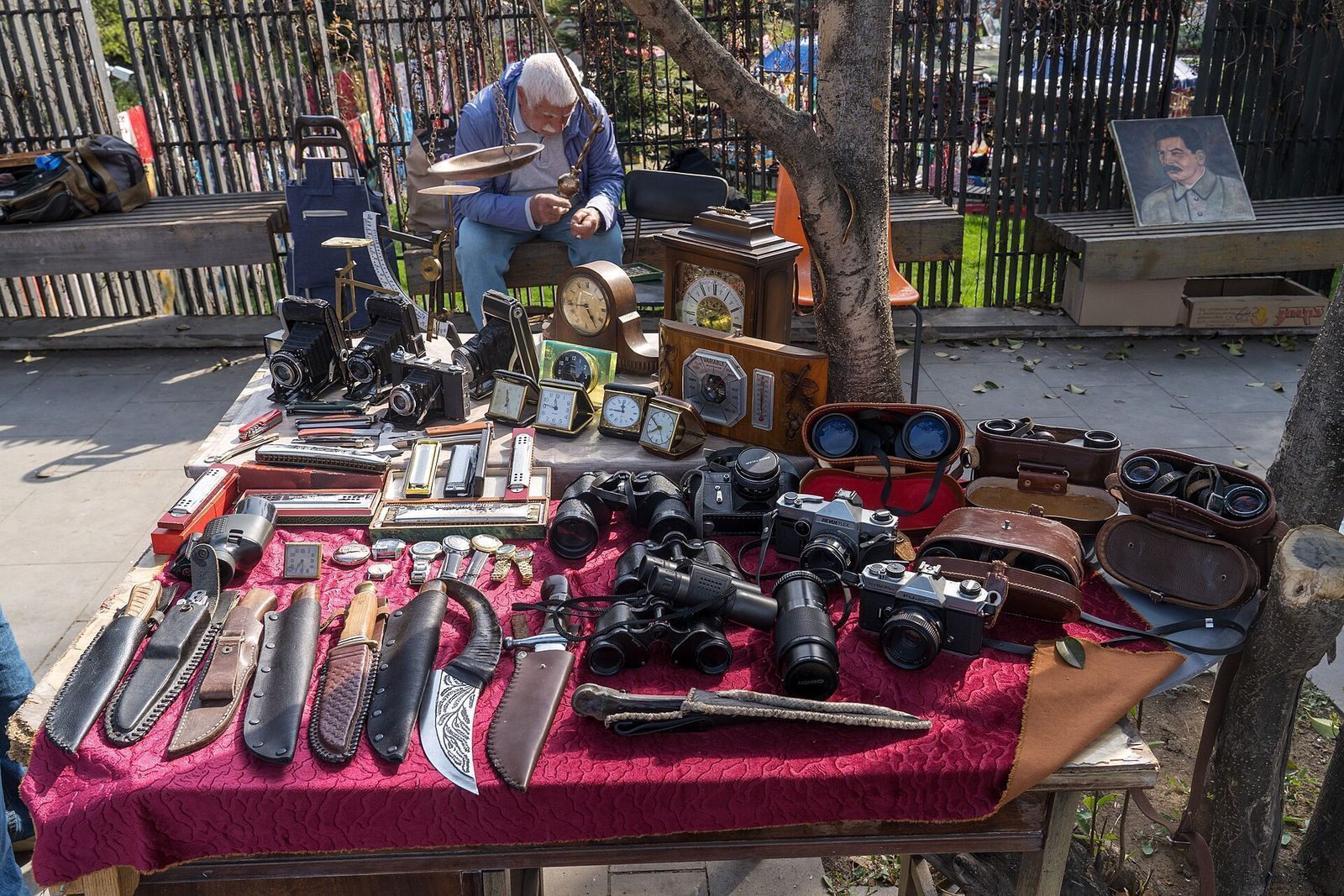
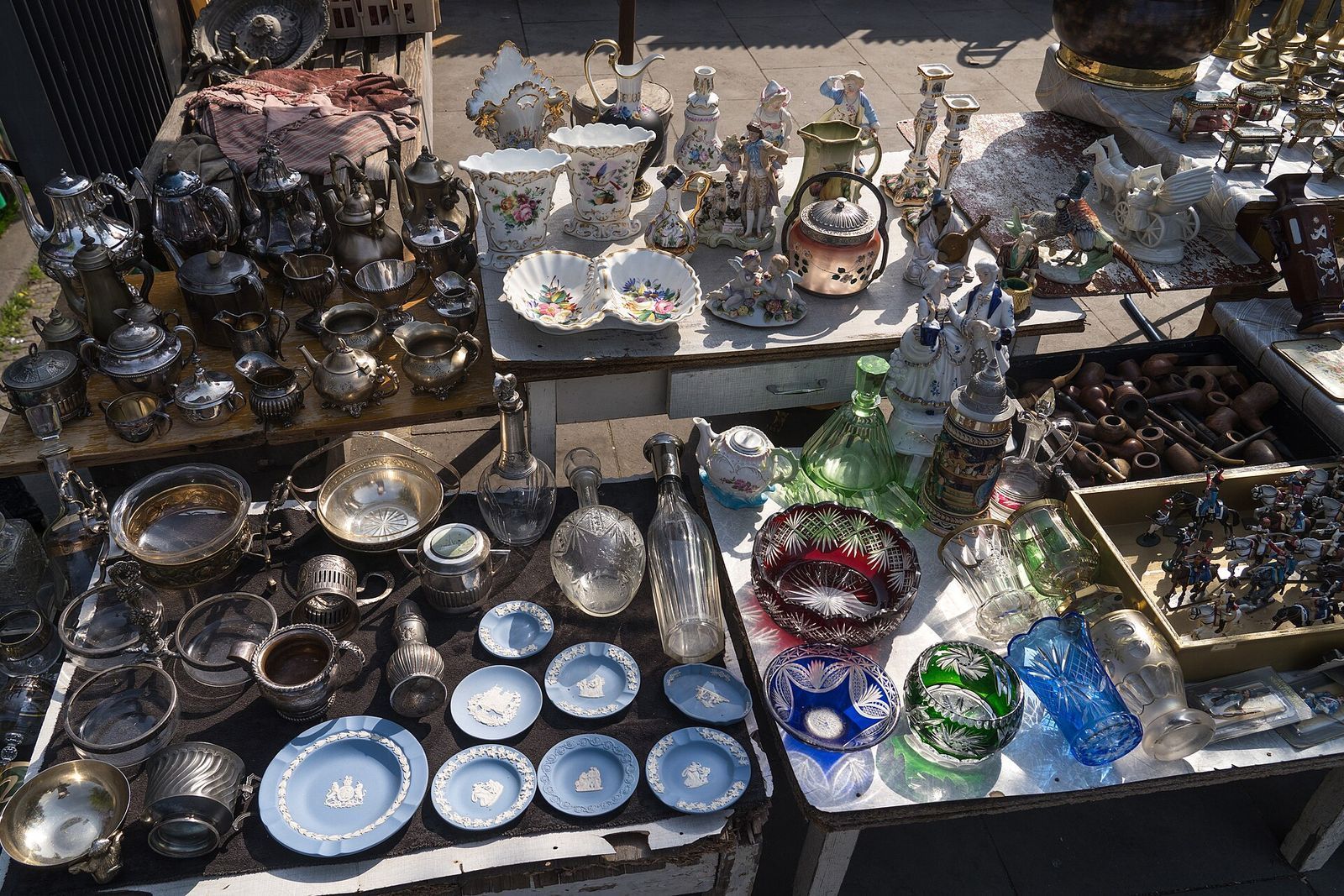
The Dry Bridge Market is my favorite place in the city to lose a Saturday morning. Sellers lay out Soviet film cameras, war medals, old silver, porcelain and paintings on a 19th-century bridge that has crossed a road rather than a river since 1933. It began in the early 1990s, when families short of money carried their belongings down to sell.
Most first-timers walk the bridge and miss half of it. The antiques market is downstairs, entered from the Right Embankment opposite 9 March Park, painters prop their canvases along the embankment, and the felt and ceramics stalls gather in Dedaena Park.
Copies are common, so ask whether a medal is original and pay a reproduction price if unsure. Do a full lap first: the same Zenit camera often sits on three tables at three prices.
Dezerter Bazaar and the food markets

Dezerter Bazaar is where Tbilisi buys its cheese, spices, fruit and meat, in covered halls and street stalls beside the Central Railway Station. It's 3 to 5 minutes on foot from Station Square metro and open daily from about 07:00 to 17:00. Go between 08:00 and 11:00 on a weekday, when every stall is stocked and sellers have time to let you taste.
Prices are the lowest near the center: khmeli suneli, the everyday spice blend, runs 3 to 5 GEL a bag and sulguni cheese 12 to 18 GEL a kilo. Come hungry, because a hot lobiani from a bakery window costs 2 to 3 GEL.
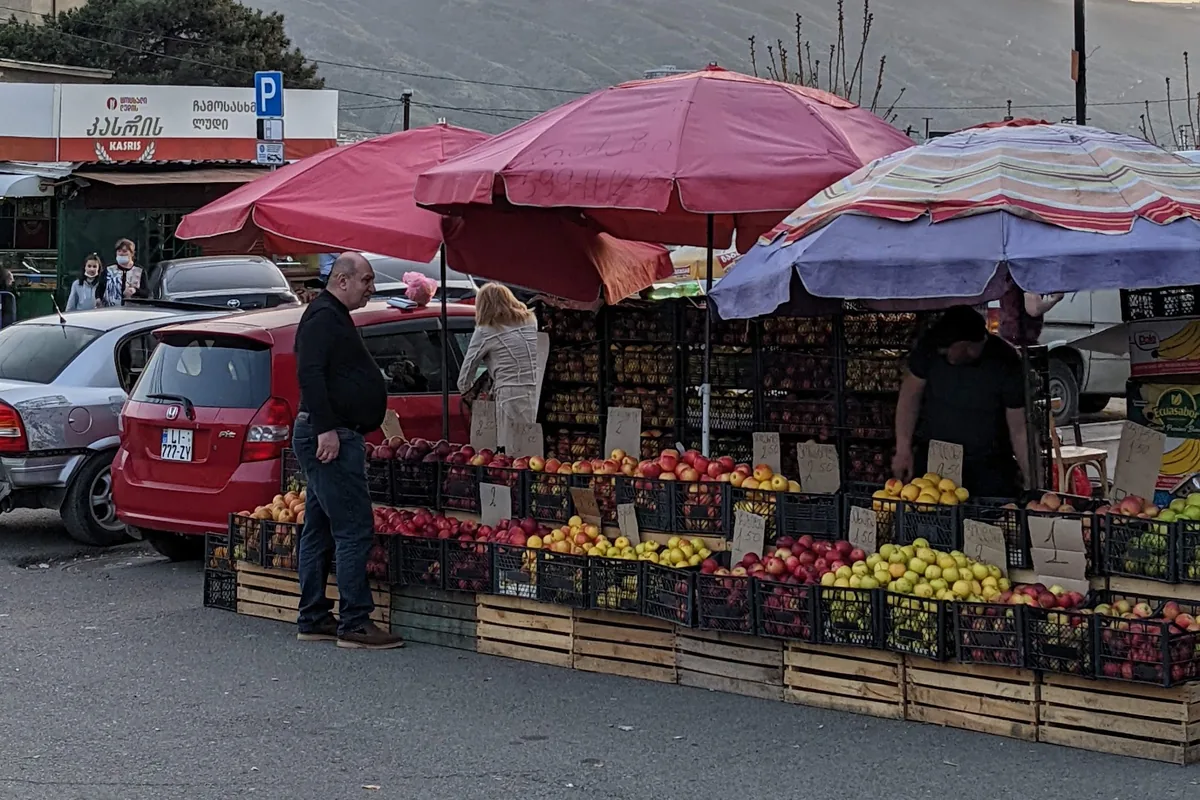
Dezerter is the biggest of the markets in Tbilisi, but not the quietest. For a more local morning, ride the metro to Samgori for the Navtlughi farmers market and the rough Barakholka flea market behind it, where old postcards cost a fraction of Dry Bridge prices.
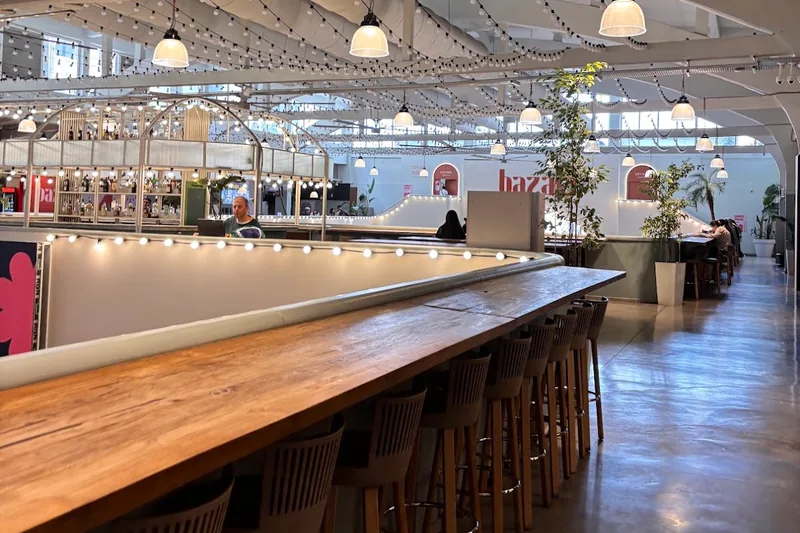
Bazari Orbeliani, in the Old Town, is the polished opposite: a renovated market hall with food counters that takes cards.
Churchkhela, spices and other food gifts
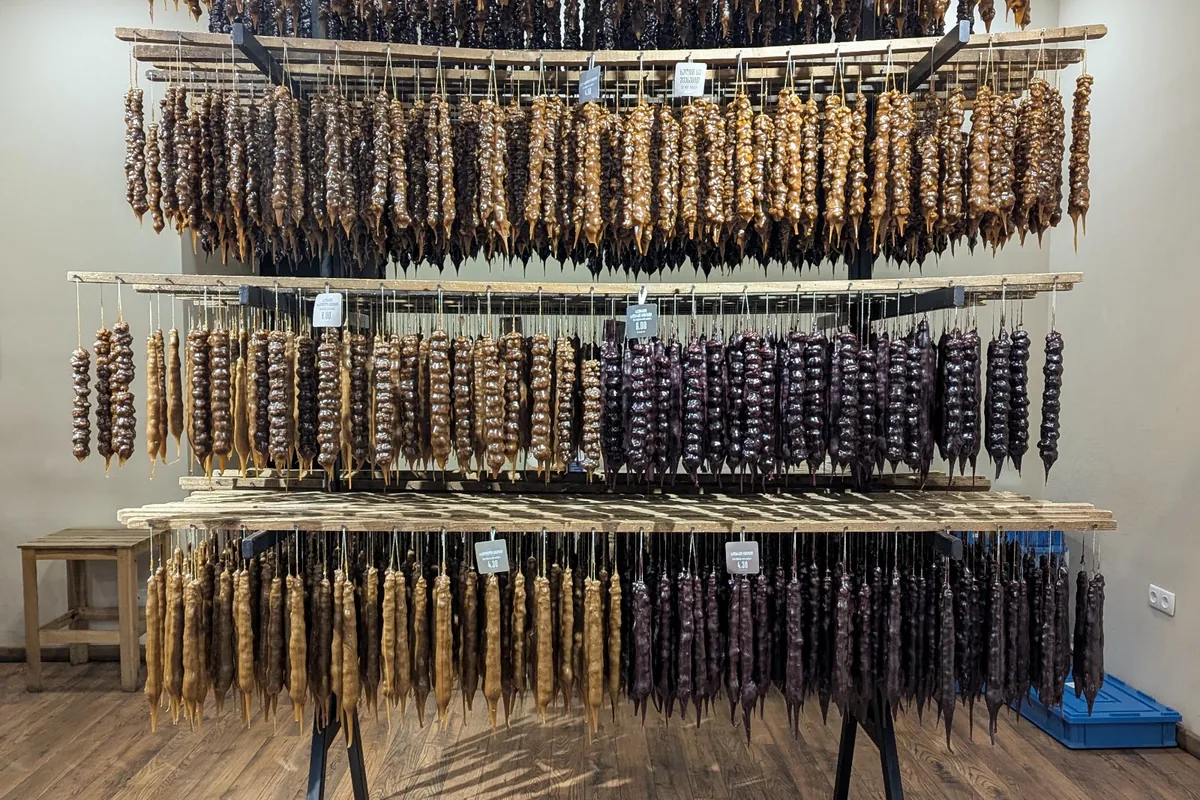
Food is the best-value shopping in Tbilisi, and it's what I bring home most. Churchkhela, walnuts on a string dipped again and again in thickened grape juice, is the classic among Georgian sweets and the cheapest good gift in the country. For gift boxes rather than loose strings, Badagi, on Roman Miminoshvili Street just off Rustaveli Avenue, has the biggest range in town, with no added sugar.
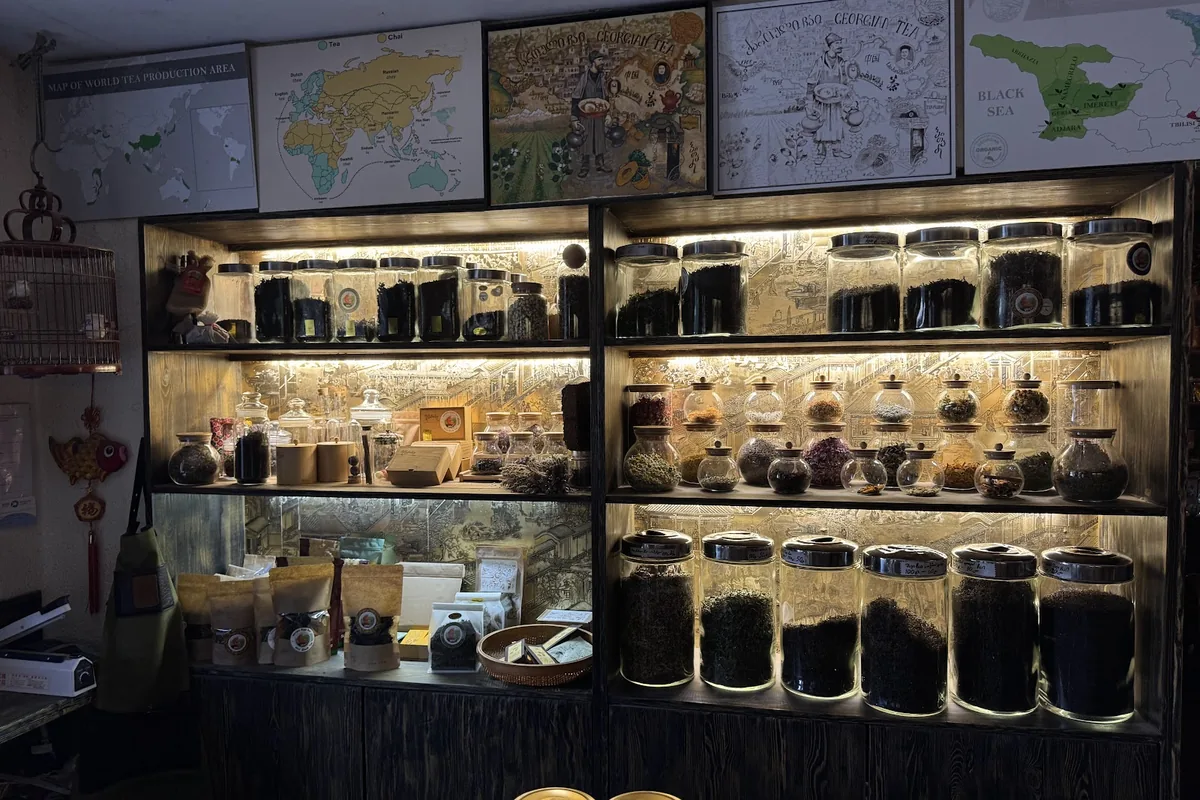
Add a bag of Svan salt, the mountain mix of salt, garlic, coriander and blue fenugreek, and a jar of tkemali, the sour plum sauce, at 3 to 8 GEL. For tea, Bitadze Tea Shop on Galaktion Tabidze Street in Sololaki sells Georgian loose-leaf in retro packets that already look like a present.
Meidan Bazaar and the Old Town shopping streets
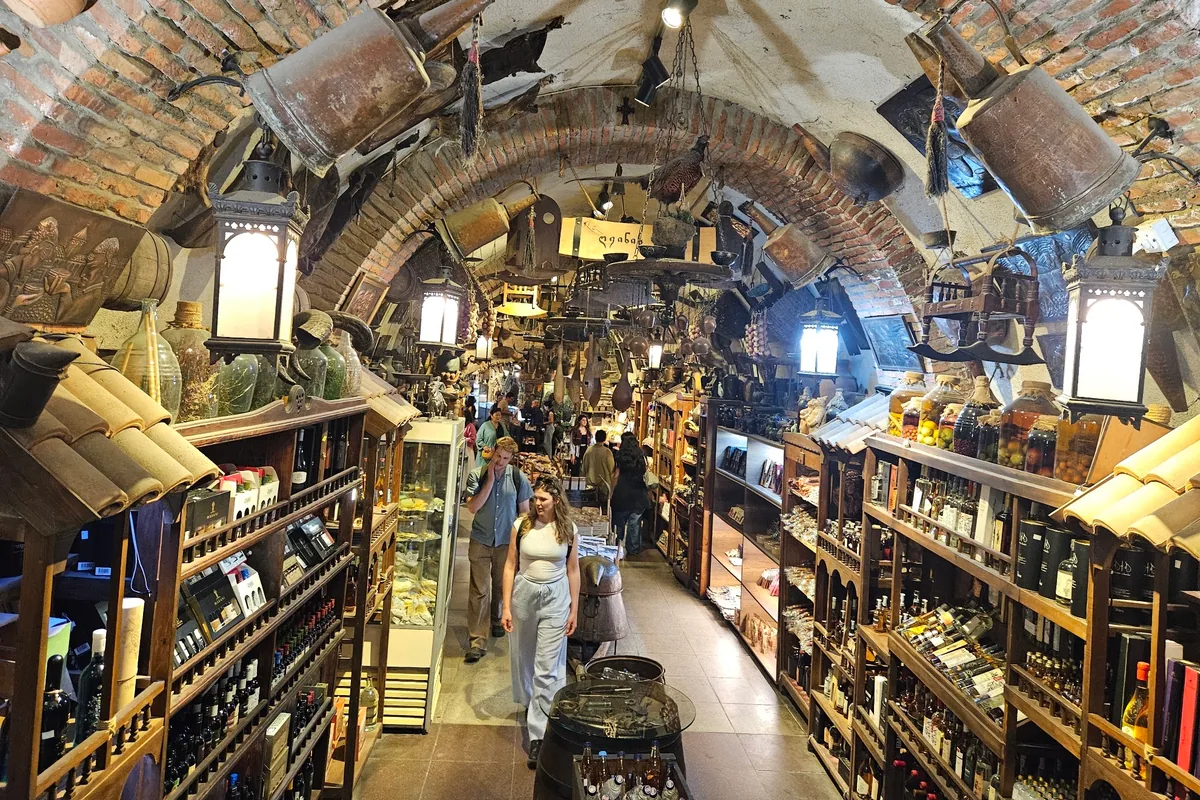
Meidan Bazaar runs through brick-vaulted tunnels under Meidan Square, at the foot of Old Tbilisi and a few minutes from the sulfur baths. Wine, spices, jams, knitwear and crafts sit under one arched roof, and because it's underground, rain can't touch it.
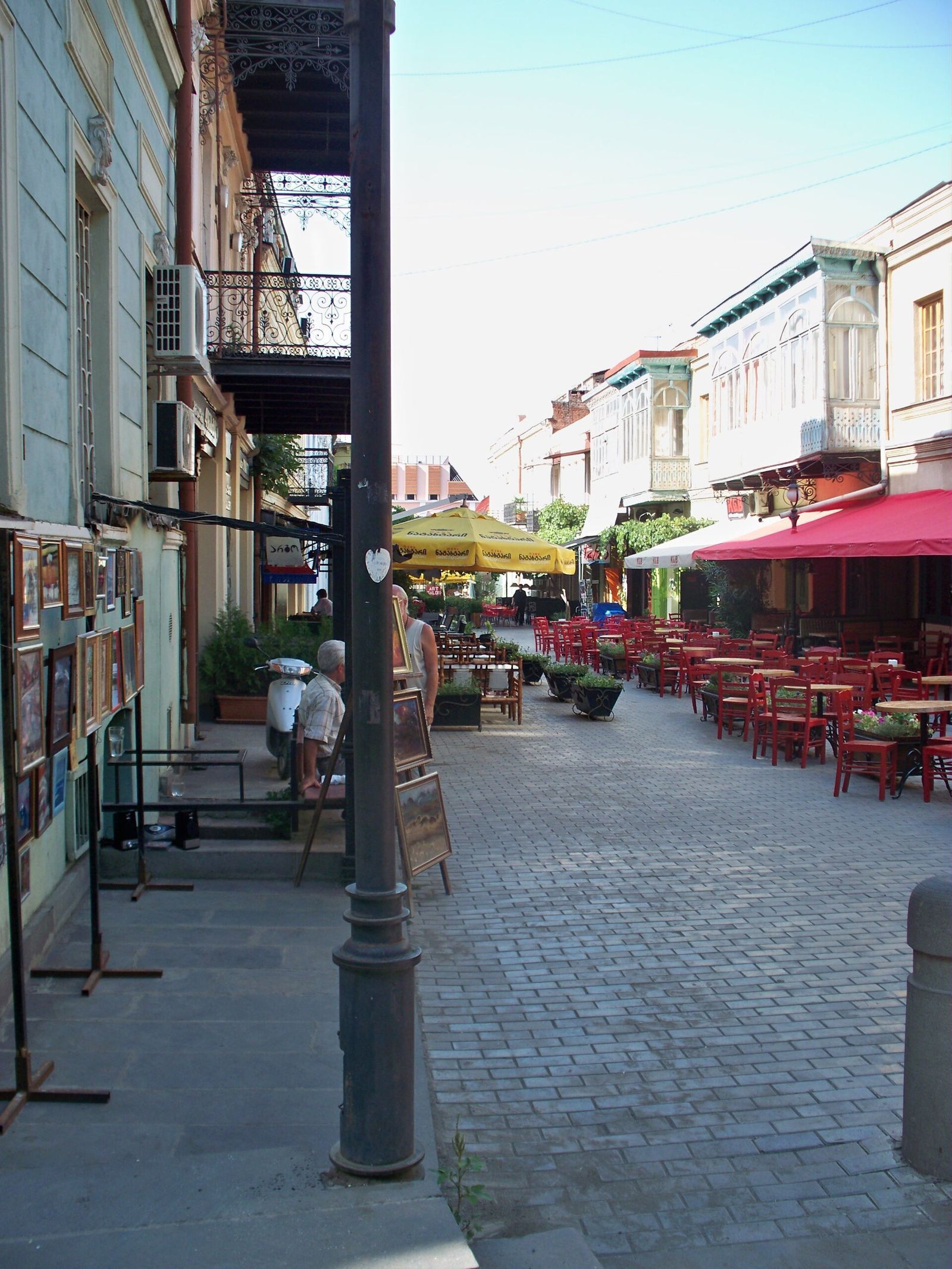
Above ground, Leselidze Street, Shardeni Street and Erekle II Street are lined with wine shops, enamel workshops, carpet dealers and souvenir stands. They're lovely to wander, but the prices are Old Town prices. I buy the special things here, a carpet from a real dealer or enamel where I can see the metal lines, and the everyday things at the markets.
Georgian crafts: carpets, enamel, ceramics and felt
The Georgian crafts to know are clay pottery, minankari enamel, Tushetian felt, hand-woven Kakhetian carpets and the blue printed tablecloth, and every one of them costs less and lasts longer from a studio than from a street stall.
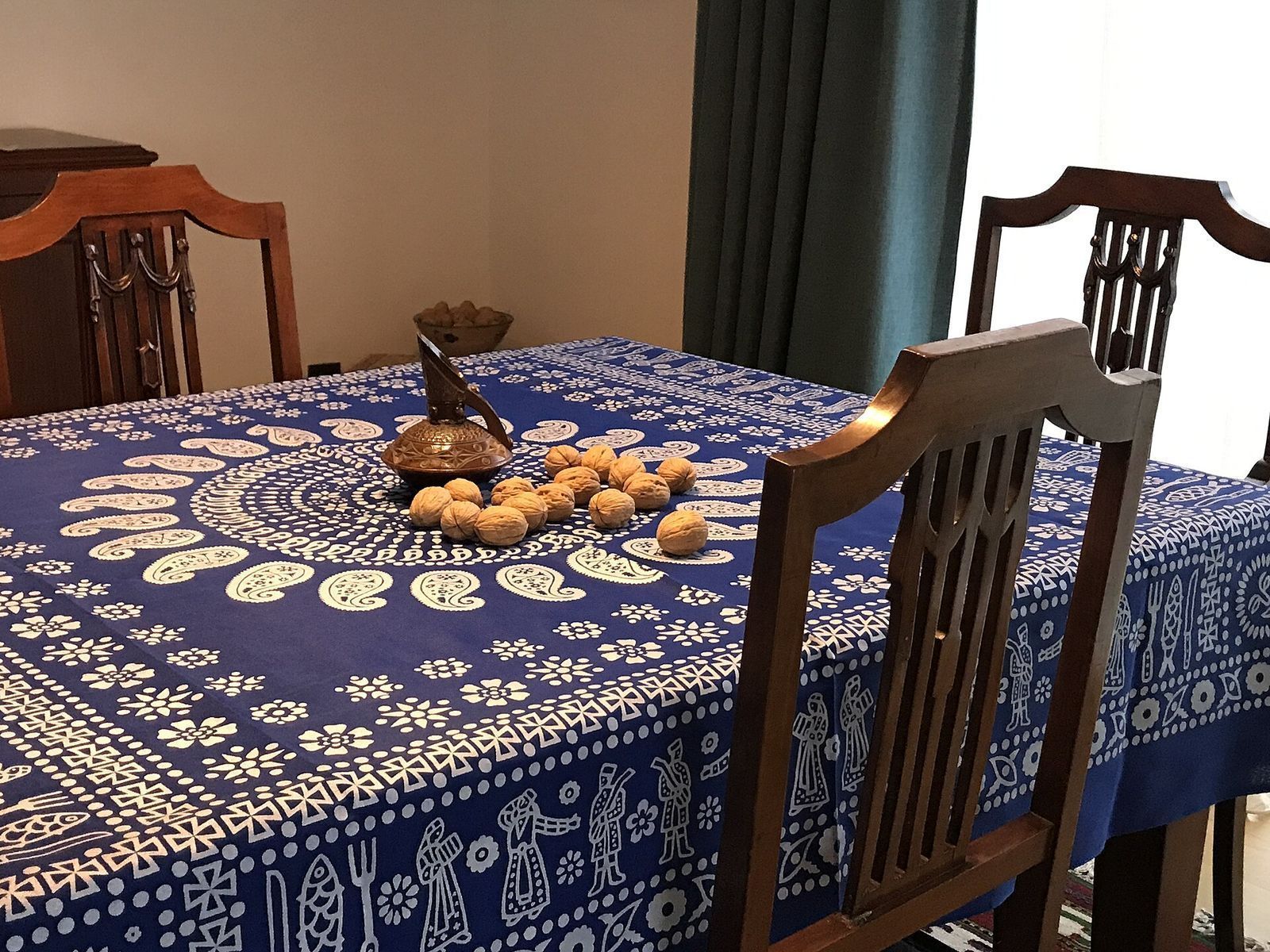
Lurji supra. White patterns hand block printed onto deep blue cotton, the cloth of the Georgian supra table. The workshop at the Tbilisi State Academy of Arts, 22 Griboedov Street, prints them on site, opens daily from 10:00 to 16:30 and charges 18 to 100 GEL. Most street versions are machine printed on polyester.
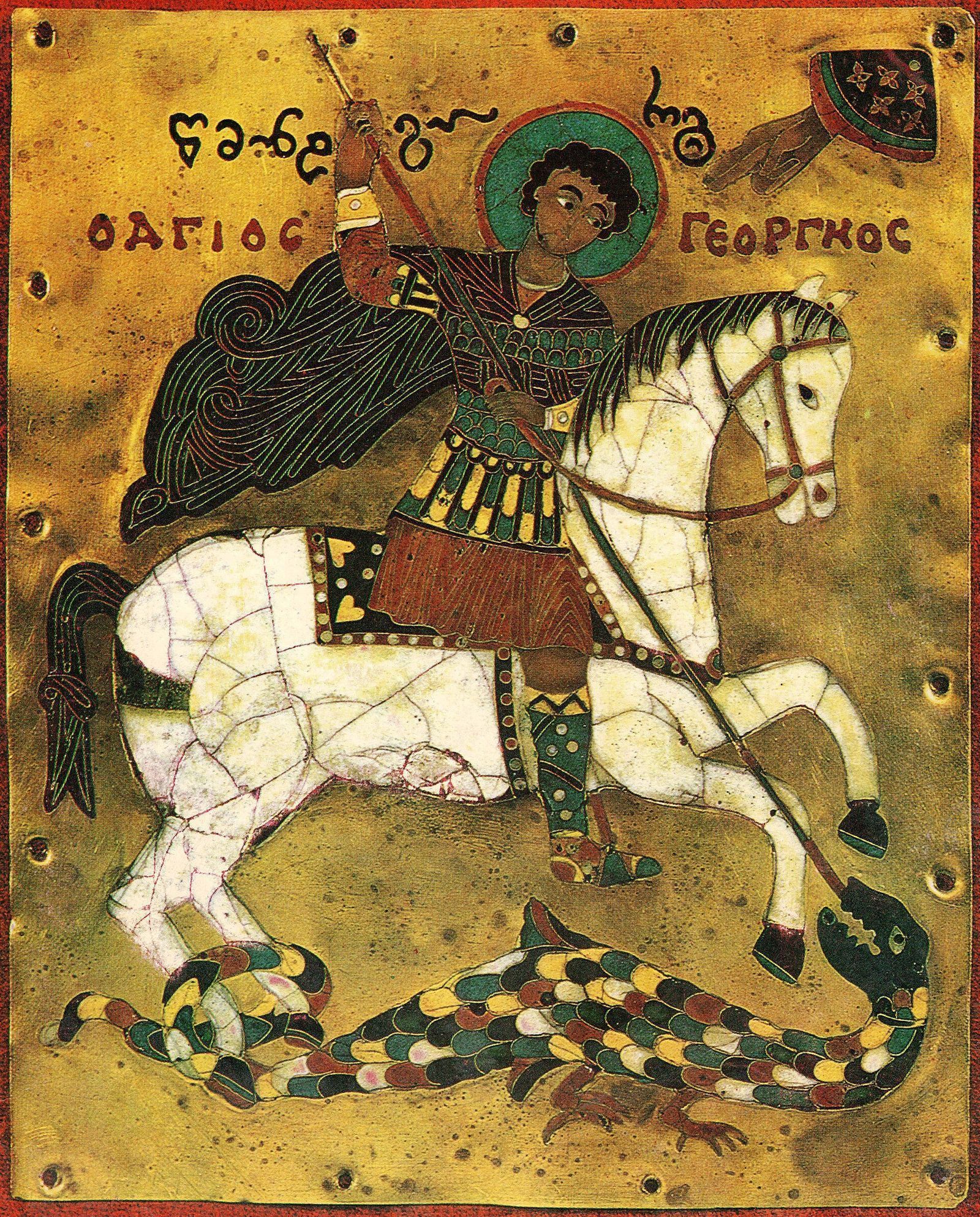
Minankari enamel. Colored glass fired between thin metal walls, with crisp, raised metal lines between the colors on a real piece. Istoriali, at 7 Niko Nikoladze Street, is where I'd buy gold; Ikorta's pieces, made by women displaced from South Ossetia, cost far less at Ethnodesign and OVOP.
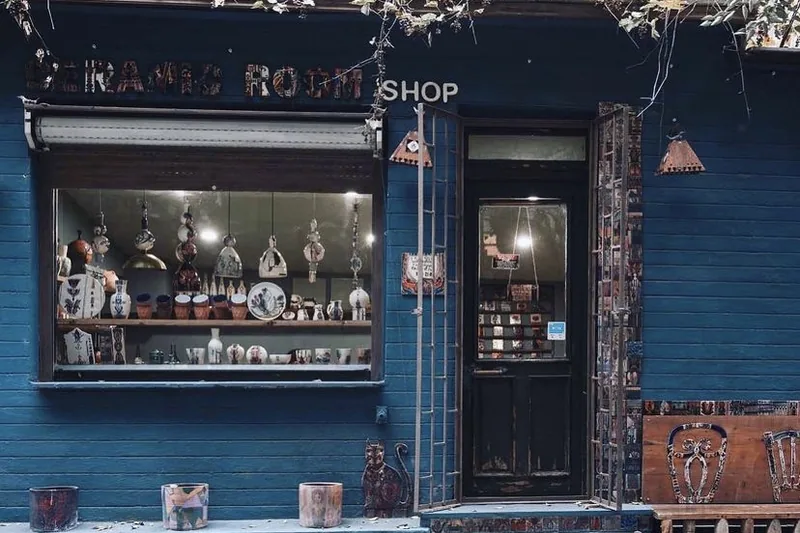
Ceramics. Ceramic Room, at 30 Vasil Barnovi Street in Vera, makes mugs and hand-painted tiles from about 15 GEL.
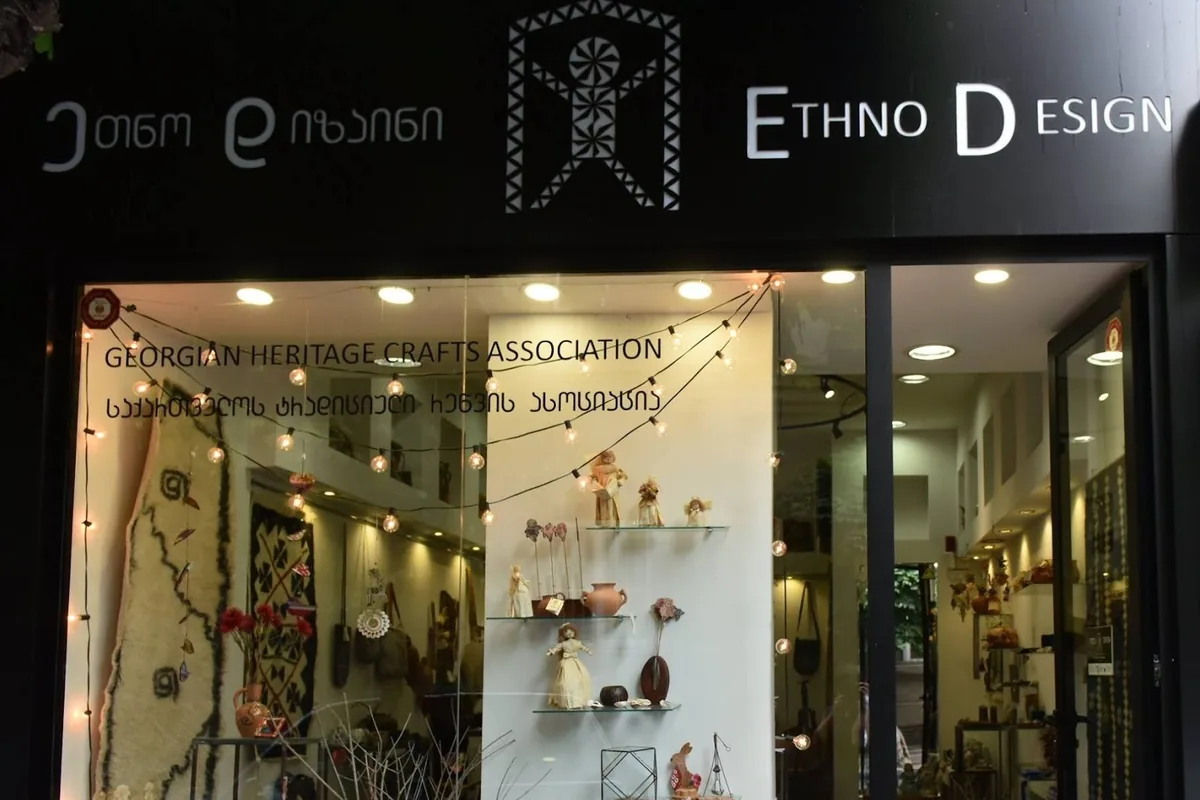
Felt. Tushetian felt slippers and hats fill Ethnodesign near Rustaveli metro, and the Dry Bridge stalls sell them for less.
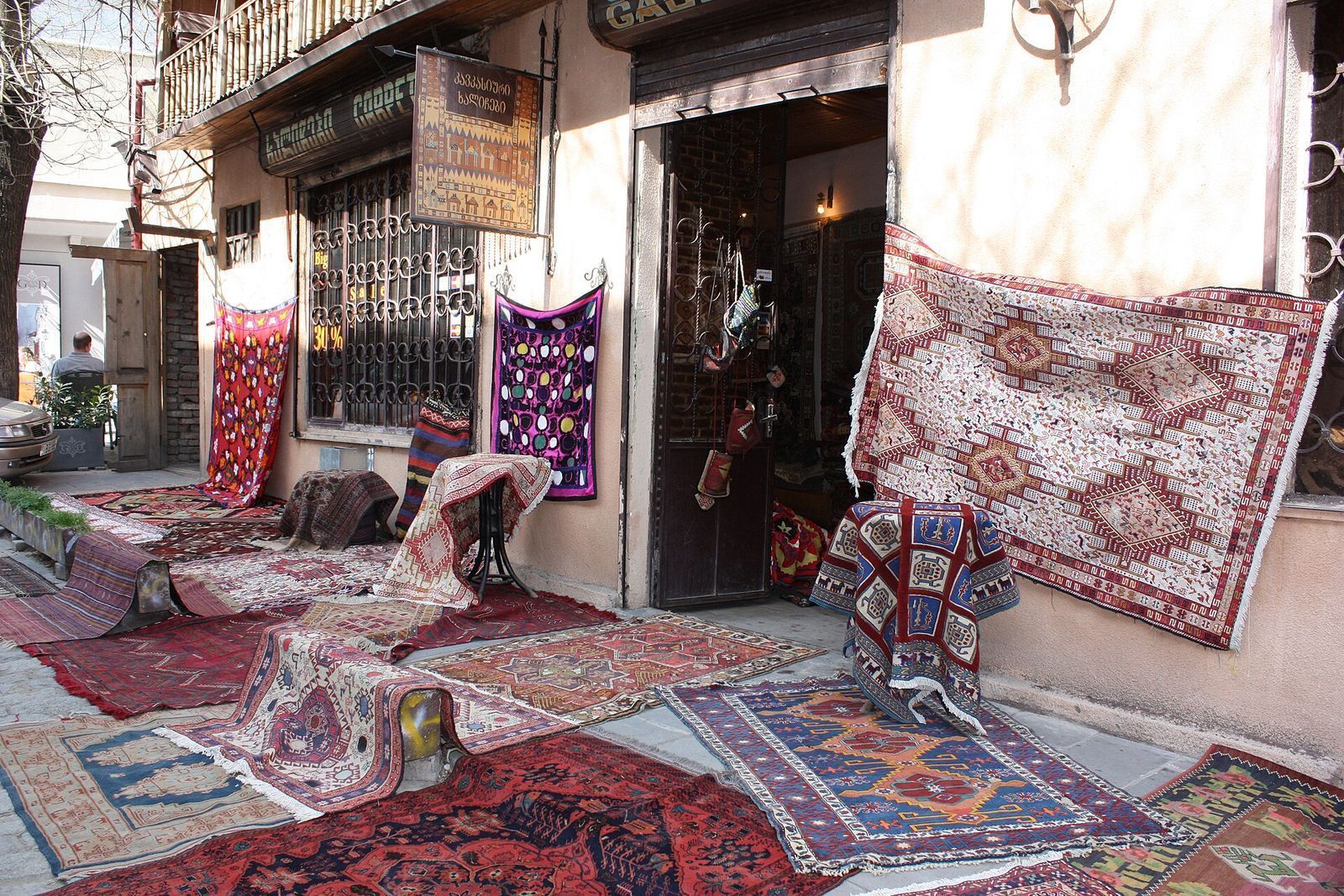
Carpets and kilims. Caucasian Carpets Gallery, at 8 Erekle II Street, sells Kakhetian kilims, ships worldwide and handles the paperwork an old carpet needs.
Concept stores and Georgian design in Sololaki, Vera and Fabrika
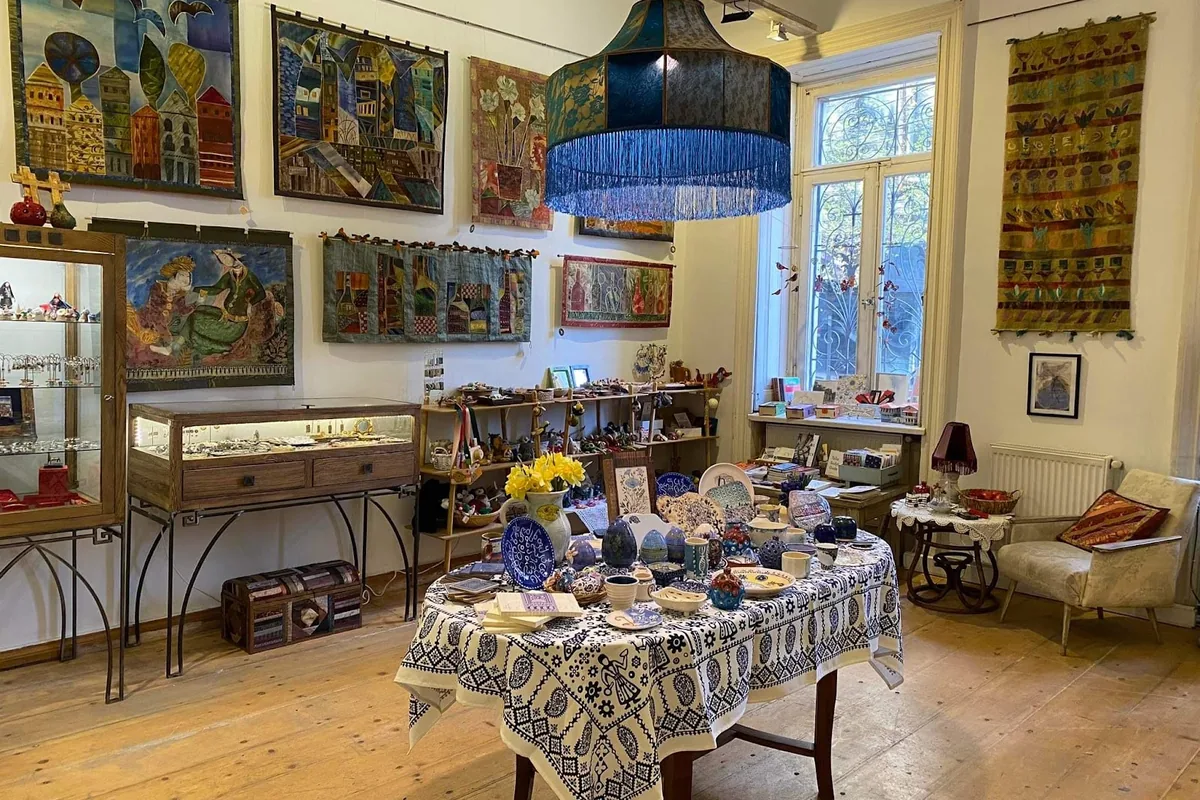
For gifts that look nothing like the souvenir stalls, I go to the concept stores, which buy from named makers. Gallery 27, at 52 Lado Asatiani Street in Sololaki, is the shop I'd send a first-timer to: enamel, ceramics, batik and lurji supra from dozens of local makers. ESKI, near Orbeliani Square, sells wool hats, socks and toys from about 25 social enterprises.
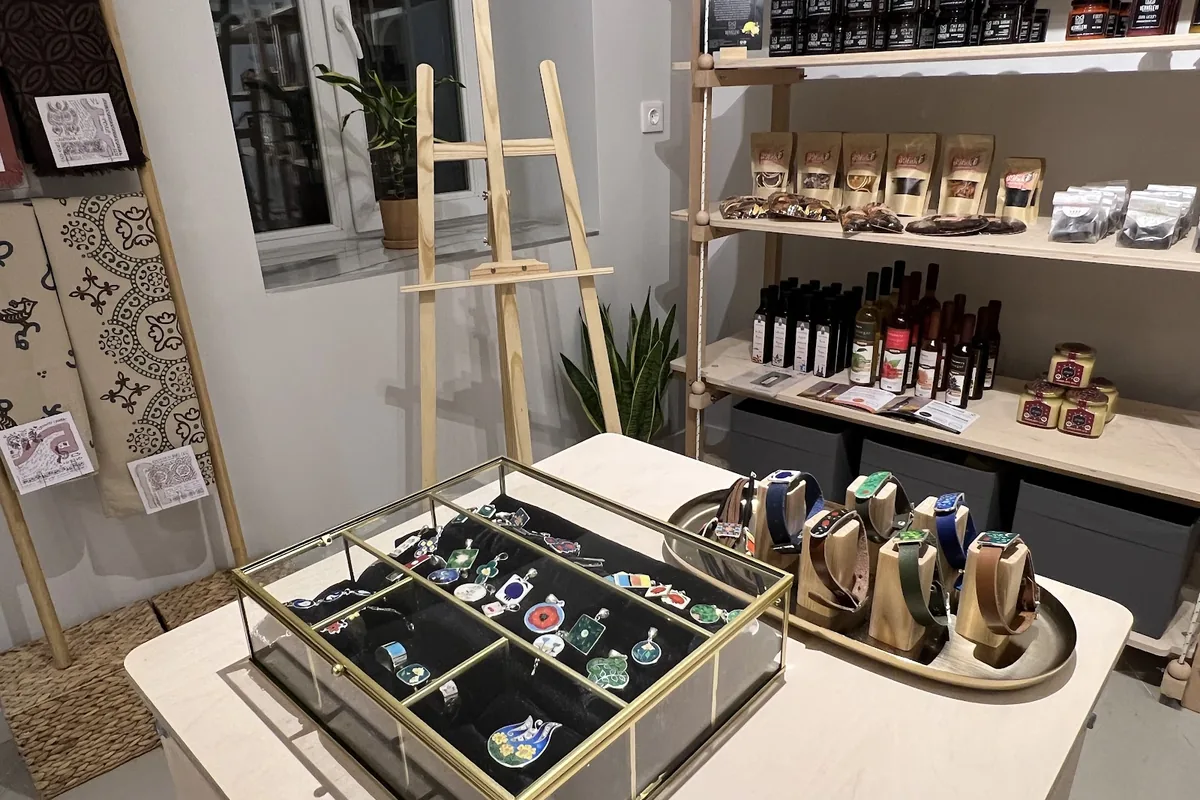
In Vera, OVOP on Akaki Shanidze Street gathers lurji supra, ceramics, slippers and honey from small villages across Georgia.
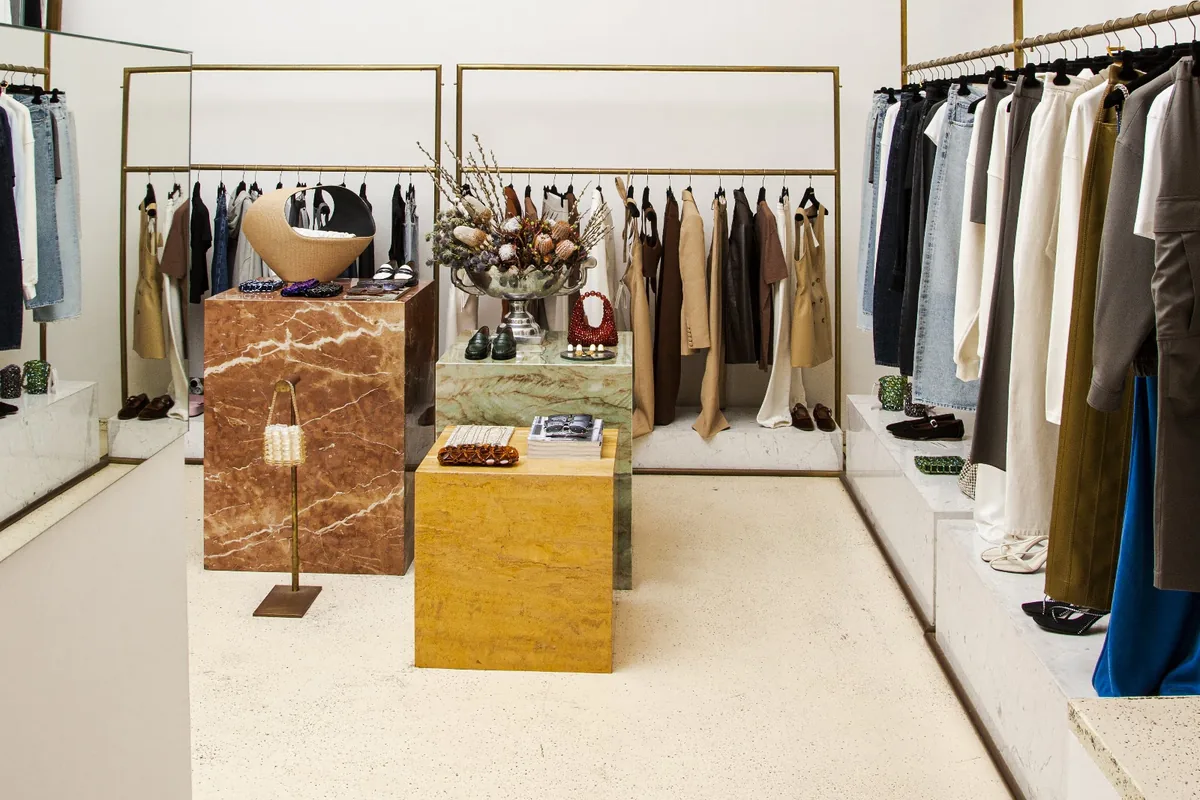
For Georgian designer clothes, More is Love, on Leo Kiacheli Street just behind Rustaveli Avenue, hangs local labels next to international ones.
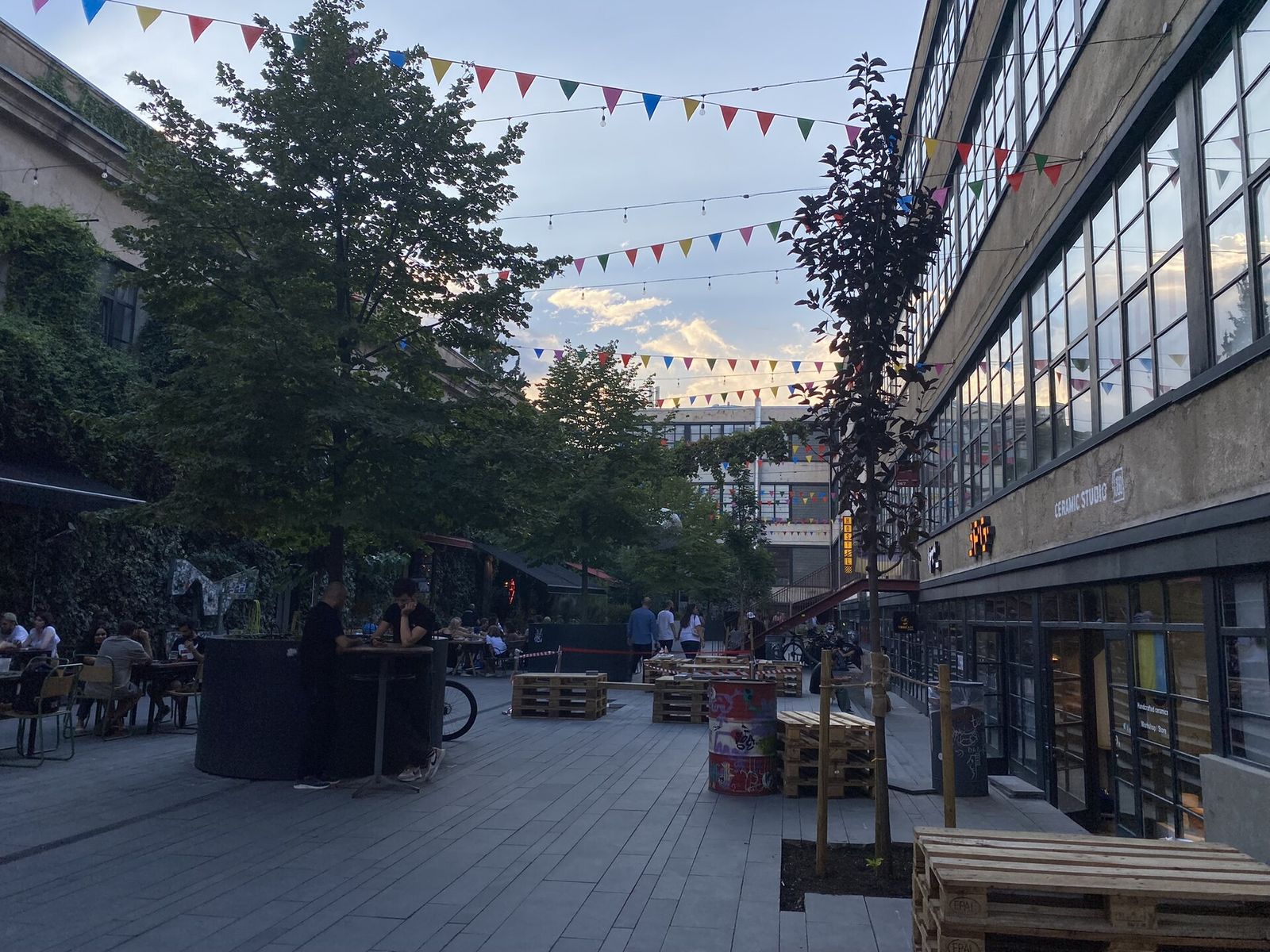
Across the river, Fabrika, a Soviet sewing factory turned hostel and courtyard cafes, keeps small shops and a ceramic studio around its courtyard and runs pop-up markets of vintage clothes, vinyl and local design, usually 12:00 to 21:00. Its Christmas fair joins the wooden stalls that fill central Tbilisi from mid-December until Orthodox Christmas on 7 January.
Wine and chacha shops
Wine is the souvenir I'd buy first. A decent bottle of Georgian wine costs 15 to 40 GEL, natural or qvevri wine from a small winery starts at about 30 to 40 GEL, and Saperavi, the dry red, suits almost anyone.
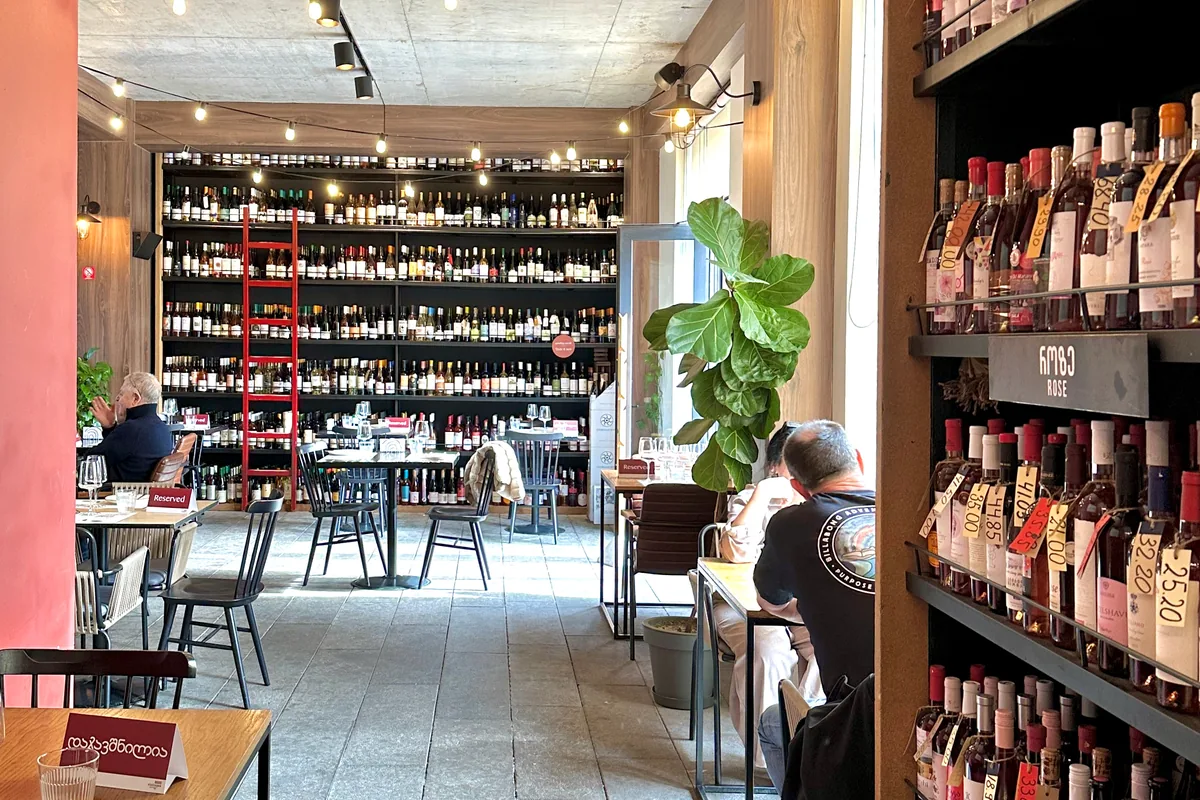
Of the wine shops in Tbilisi, I'd start at 8000 Vintages, off Rustaveli Avenue, for its small family cellars.
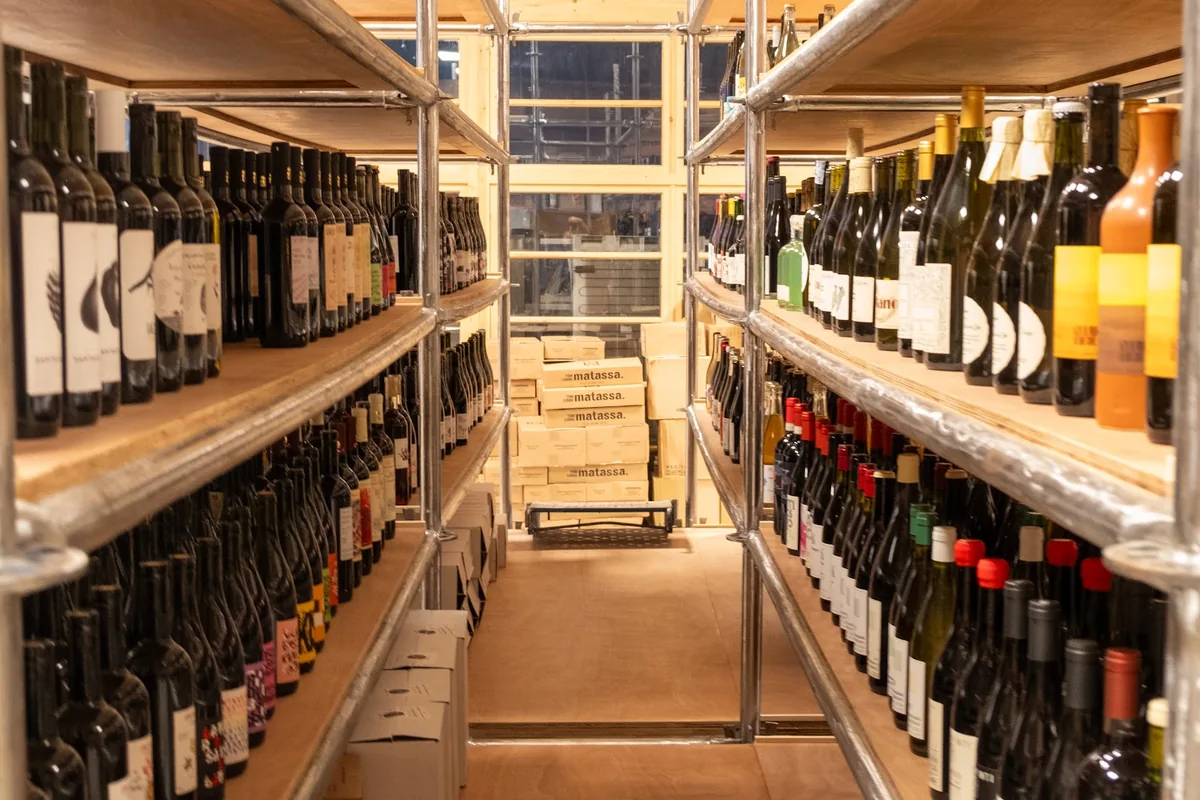
Next I'd go to Warehouse, inside the Stamba Hotel, for natural qvevri wines by the glass.
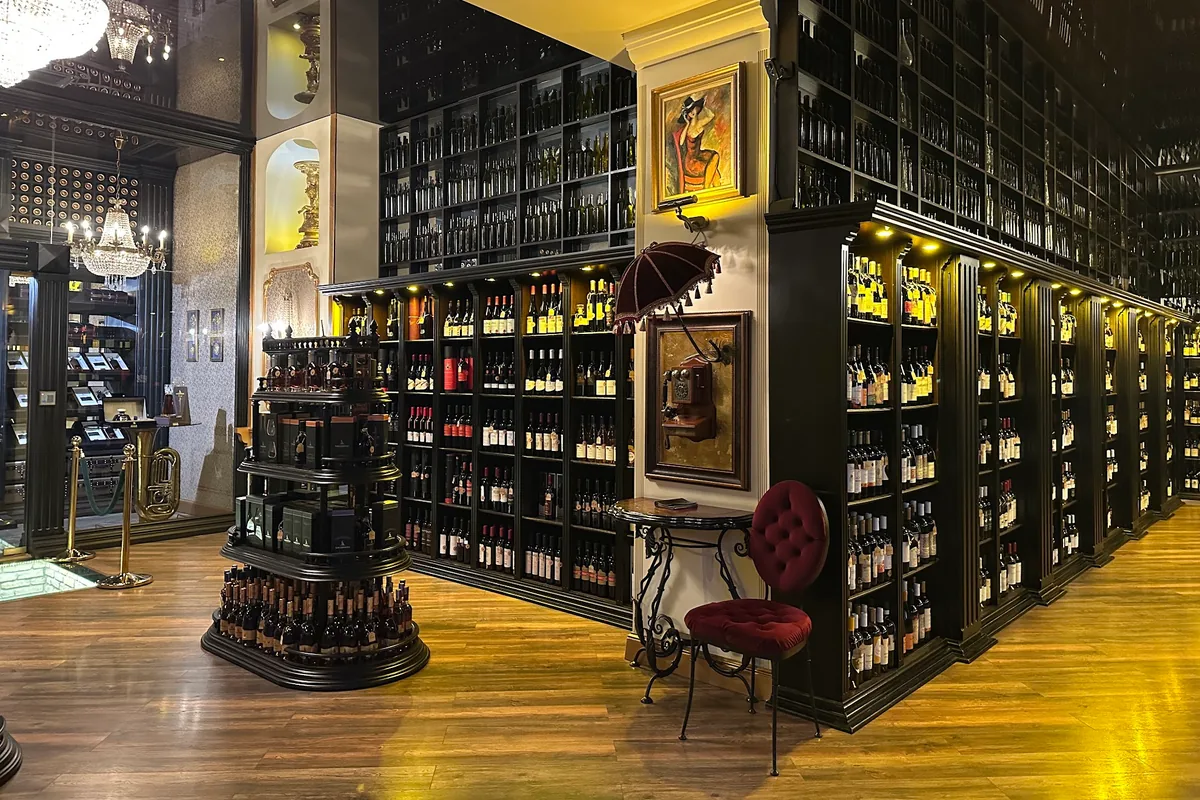
Wine Gallery in Marjanishvili sells draft wine from about 8 to 9 GEL a liter, for drinking this week.
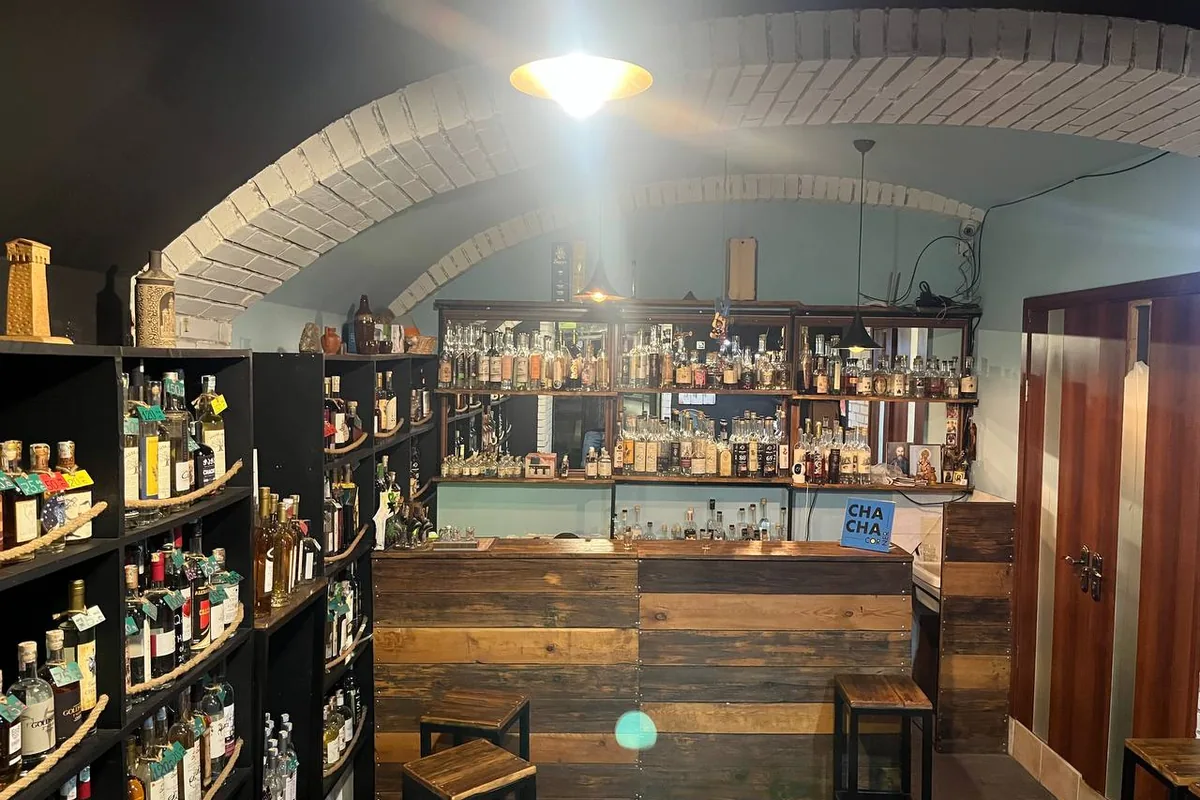
Chacha Corner in Sololaki stocks over 200 kinds of Georgia's grape brandy, and a bottle of chacha costs 15 to 40 GEL.
If a Kakheti wine tour is on your plan, keep some budget for it: winemakers there sell at the cellar door for as little as a third of the Tbilisi shop price.
Shopping malls in Tbilisi
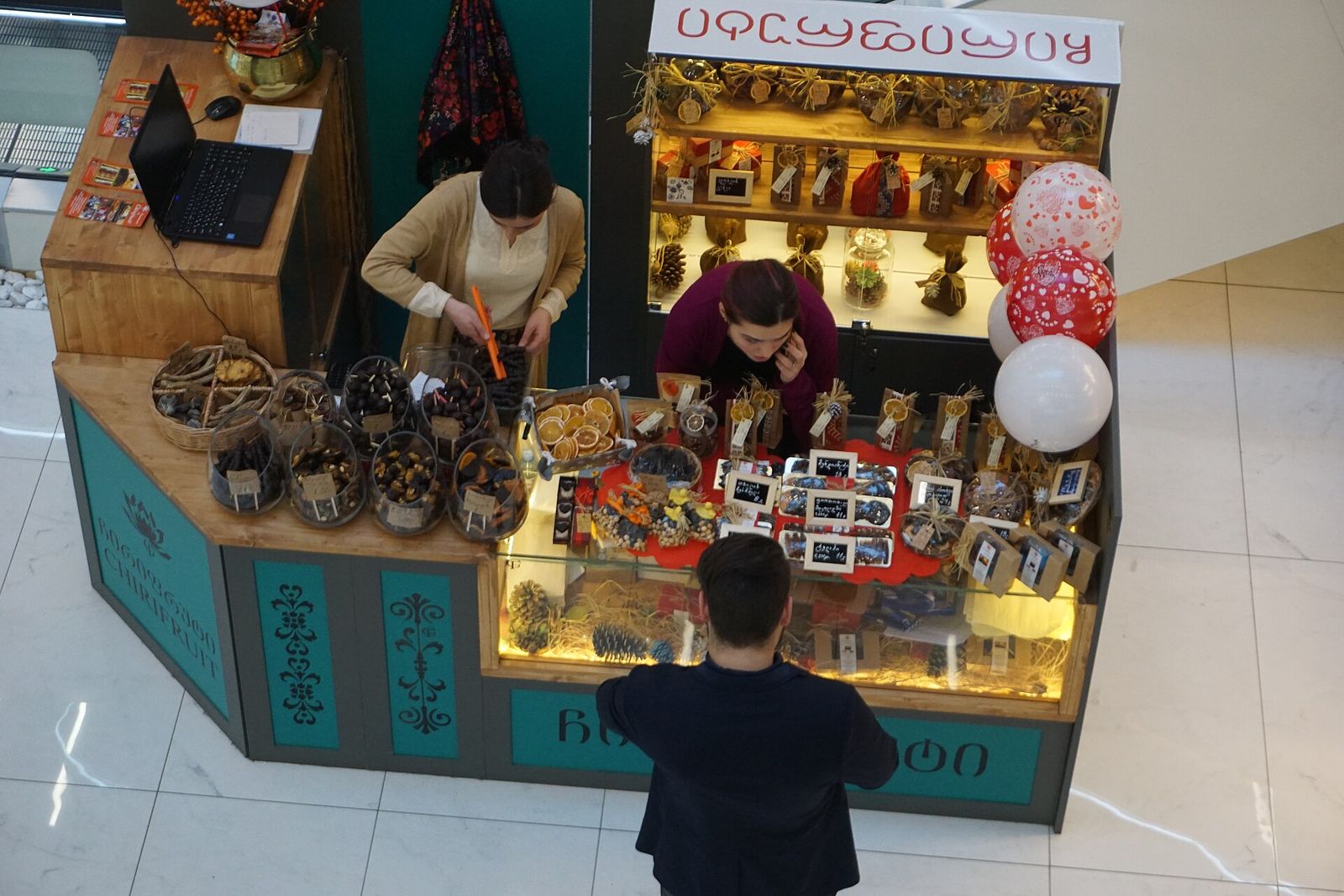
International chains in Tbilisi's malls cost about what they cost at home. Galleria Tbilisi, a Soviet department store on Freedom Square at the top of Rustaveli Avenue, reopened as a mall in 2018 and is the only one that fits around sightseeing. I use it for an ATM, a forgotten charger or a dry hour, and its kiosks sell Georgian dried fruit and sweets in gift boxes.
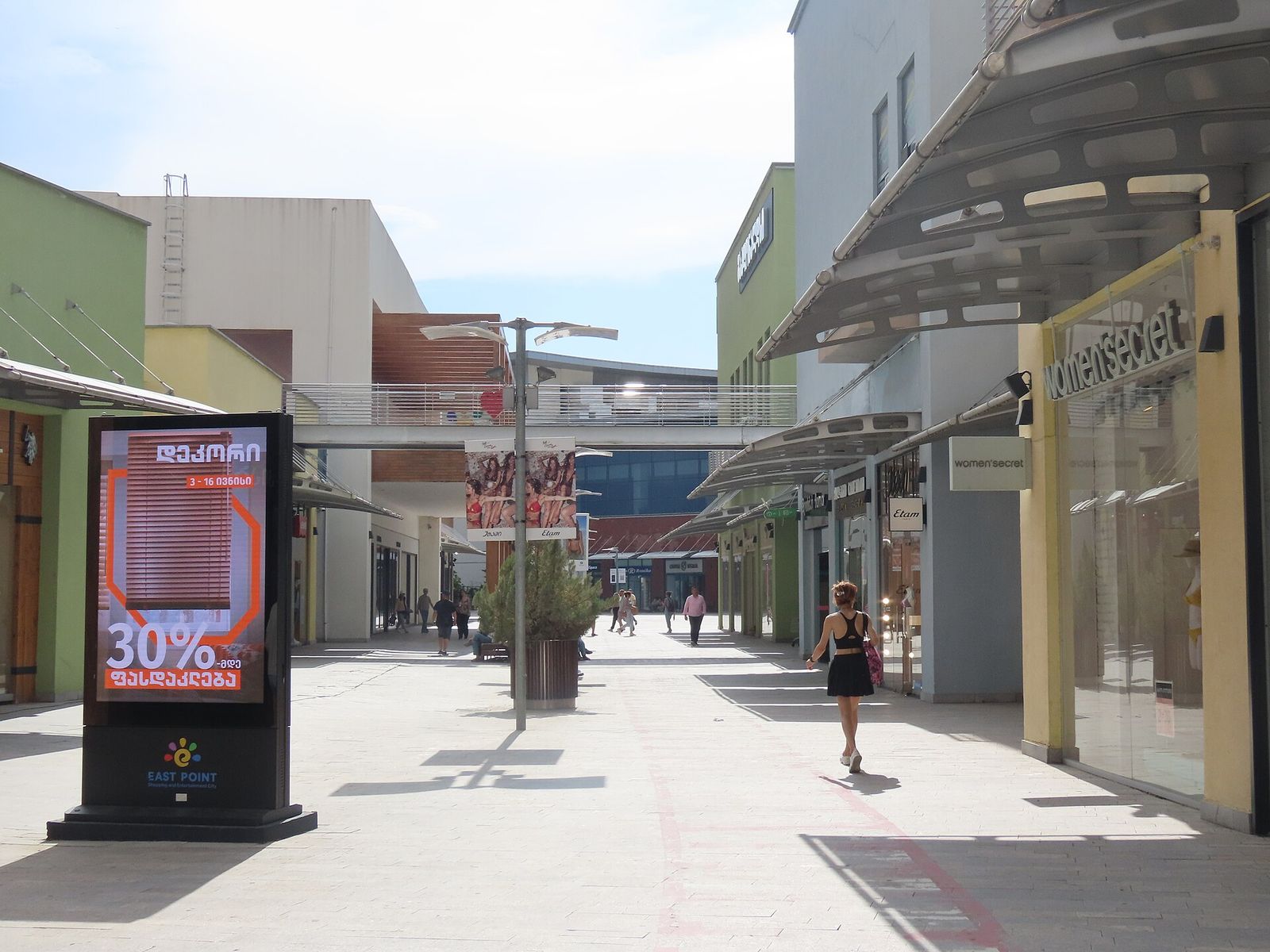
East Point, about 10 km east of the center on the airport road, is the biggest mall in Georgia: 85,000 m², more than 150 shops, a Carrefour and the country's first IMAX screen.
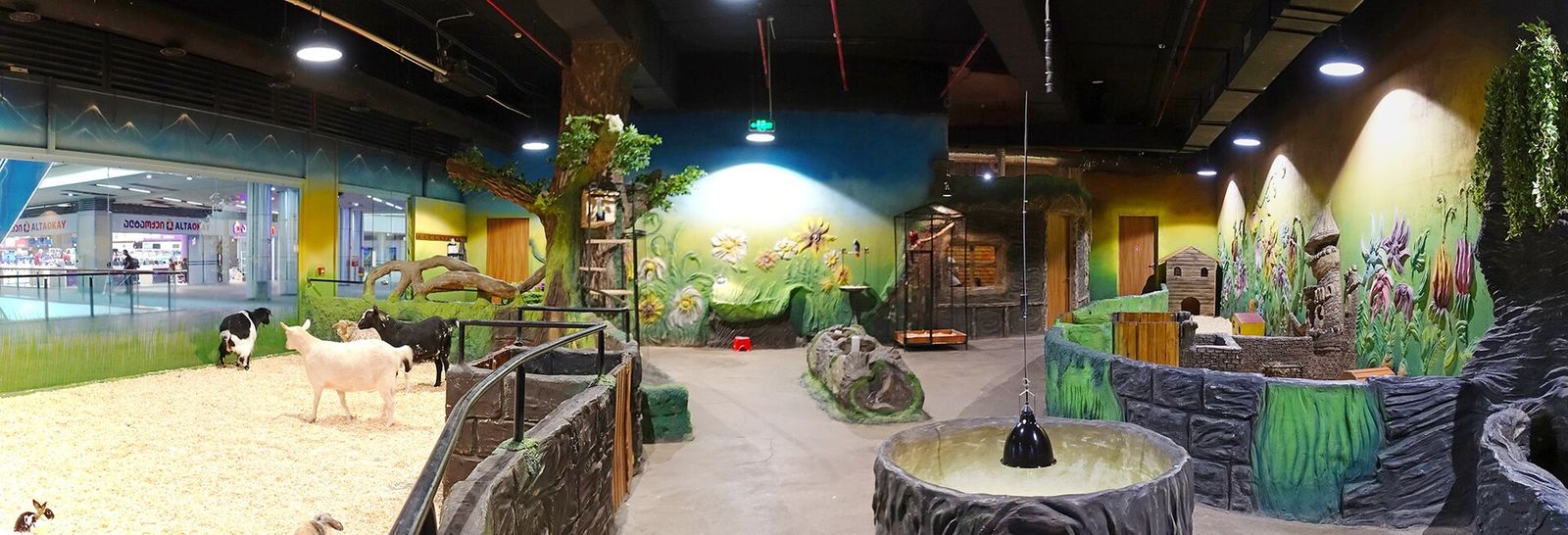
Tbilisi Mall in Digomi, on the road to Mtskheta, has 4 floors and a 15,000 m² hypermarket. Most malls in Tbilisi open from about 10:00 to 22:00 every day, Sundays included.
The real reason to go is the hypermarket, with Georgian wine and churchkhela at local prices; a stop at East Point in a Bolt taxi on the way to your flight is the easiest last-minute stock-up in town.
Where to shop in Tbilisi by neighborhood
Most of the good stops cluster in walkable groups, so where you stay changes how you shop.
| Area | Shop here for | Main stops |
|---|---|---|
| Old Town | Carpets, enamel, a rainy-day browse | Meidan Bazaar, Erekle II Street, Leselidze Street |
| Sololaki | Crafts, tea and chacha | Gallery 27, Bitadze Tea Shop, Chacha Corner |
| Rustaveli Avenue | Antiques, churchkhela boxes, chains | Dry Bridge Market, Badagi, Galleria Tbilisi |
| Vera | Ceramics, village crafts, natural wine | Ceramic Room, OVOP, Warehouse at Stamba |
| Marjanishvili | Local design, draft wine | Fabrika, Wine Gallery |
| Station Square | Food and gold jewelry | Dezerter Bazaar, the Gold Market |
| Samgori | The most local market morning | Navtlughi farmers market, Barakholka |
Sololaki is the area I'd pick for one afternoon, with the Old Town's shops downhill from it.
My one-day shopping route in Tbilisi
If I had one day to shop, this is how I'd spend it. It works best on a Saturday or Sunday, when the Dry Bridge is at full size, and needs nothing but the metro and your feet.
| Time | Where | What I'd buy |
|---|---|---|
| 08:30 | Dezerter Bazaar | Churchkhela, Svan salt, honey, a lobiani for breakfast |
| 10:30 | Metro to Liberty Square, then the Dry Bridge | A painting, a Soviet camera or a record |
| 13:00 | Bazari Orbeliani, Old Town | Lunch at the food counters |
| 14:30 | Gallery 27, Bitadze and Chacha Corner, Sololaki | Enamel or lurji supra, tea, chacha |
| 16:30 | Meidan Bazaar and Leselidze Street | Wine for home |
Food markets are best early and the flea market late morning, while the shops stay open into the evening.
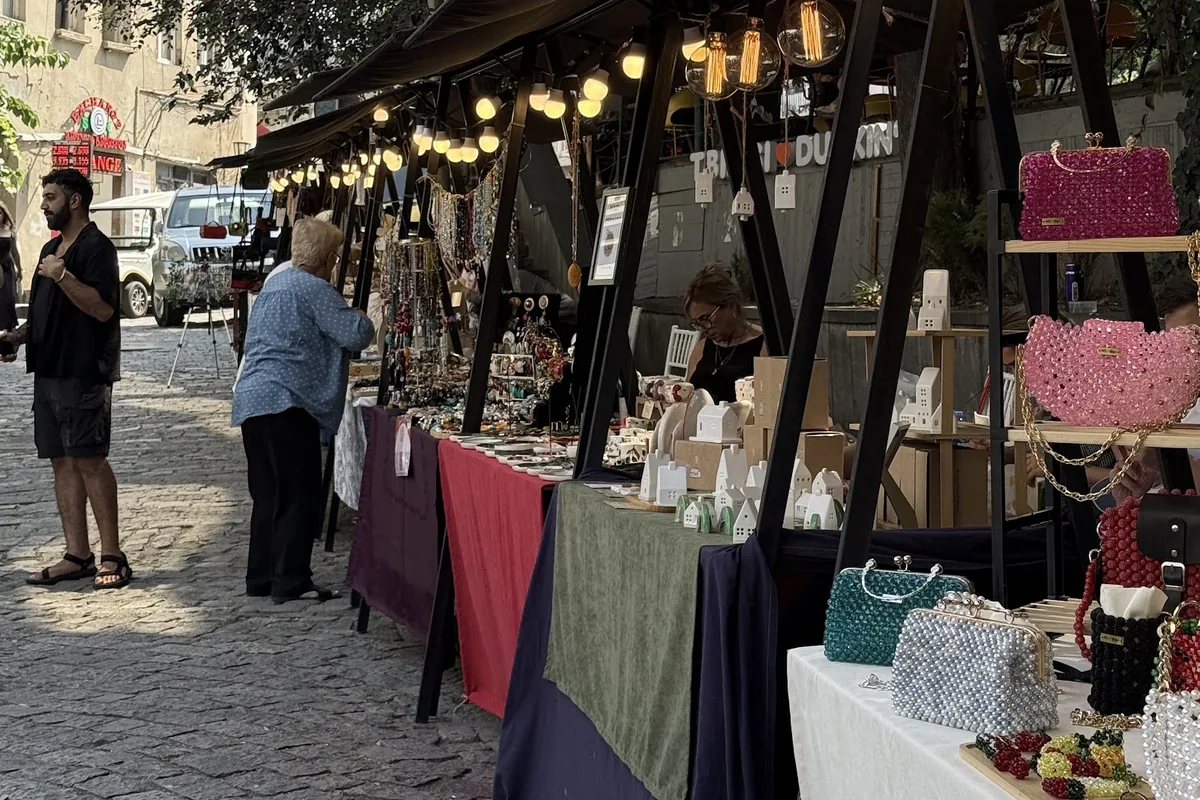
On a Saturday, finish at Flash Market on Sioni Street, where small brands sell handmade jewelry and leather until 21:00.
Paying, haggling and prices in Tbilisi
Markets run on cash and shops run on cards. Bring lari in 5, 10 and 20 GEL notes for the stalls, since a 100 GEL note for a 3 GEL bag of herbs usually means no change; money in Georgia is easy to get from bank ATMs in the center. Shops, concept stores, malls and the Academy of Arts workshop all take cards.
Haggling belongs at the flea markets, where the first price assumes you're a tourist and offering 20 to 40% less is normal; buying two or three things from one table gets the best price. At food markets, ask for a little off only on bigger buys. In shops and studios, prices are fixed.
Getting your shopping home
Georgia sets no export limit on wine or food for personal use. The limit that matters is the one where you land.
| What you're bringing | The rule |
|---|---|
| Wine into the EU | 4 L per adult, duty free |
| Chacha and other spirits into the EU | 1 L per adult |
| Honey into the EU and UK | Up to 2 kg per person |
| Meat and dairy into the EU | Mostly banned |
| Antiques over 100 years old | A Ministry of Culture export permit |
Bottles fly best in the middle of a checked suitcase, rolled in socks or towels, and the weight of bringing wine home creeps up fast: 6 bottles weigh about 9 kg. Market spices are sold loose and usually unlabeled, so buy sealed packs if your home country is strict about food.
Key takeaways
- The Dry Bridge Market is for Soviet antiques and paintings, and Dezerter Bazaar for food gifts at the lowest prices; both trade daily.
- Wine, churchkhela, spices and honey are the best-value buys, and most cost under 40 GEL.
- Buy crafts from the studios and concept stores of Sololaki and Vera, not the Shardeni Street stalls.
- Carry cash for markets and haggle only at flea stalls; shops and malls take cards at fixed prices.
- Bottles, jars and daggers go in checked luggage, and antiques over 100 years old need an export permit.
Frequently asked questions
Is Tbilisi good for shopping?
Yes, if you shop for Georgian things. Wine, churchkhela, enamel, ceramics and Soviet antiques are cheap and found nowhere else, while international fashion brands cost about what they do at home.
What should I buy in Tbilisi?
Georgian wine is the best buy, at 15 to 40 GEL for a good bottle, followed by churchkhela, Svan salt and mountain honey from the markets. For a handmade gift, a lurji supra tablecloth or a piece of minankari enamel is the most Georgian thing you can carry home.
Where is the main shopping street in Tbilisi?
Rustaveli Avenue is the main shopping street, with Galleria Tbilisi at its Freedom Square end and the Dry Bridge Market a few minutes away. For souvenirs, wine and carpets, the Old Town's Leselidze, Shardeni and Erekle II streets are busier, though pricier than the markets.
Can you pay by card in Tbilisi?
Yes, in shops, malls and concept stores, where contactless works almost everywhere. Markets are the exception: Dezerter, Samgori and the Dry Bridge run on cash, so carry lari in small notes.
Can you haggle in Tbilisi?
At flea markets and street stalls, yes: offering 20 to 40% under the first price is normal at the Dry Bridge and Barakholka. In shops, concept stores and the Academy of Arts workshop, prices are fixed.
Are shops open on Sundays in Tbilisi?
Yes. Malls open from about 10:00 to 22:00 every day, and the Dry Bridge Market and Dezerter Bazaar trade daily. Sunday is my favorite market day, because the Sololaki farmers market and the Dedaena Park vintage market add to the daily ones.
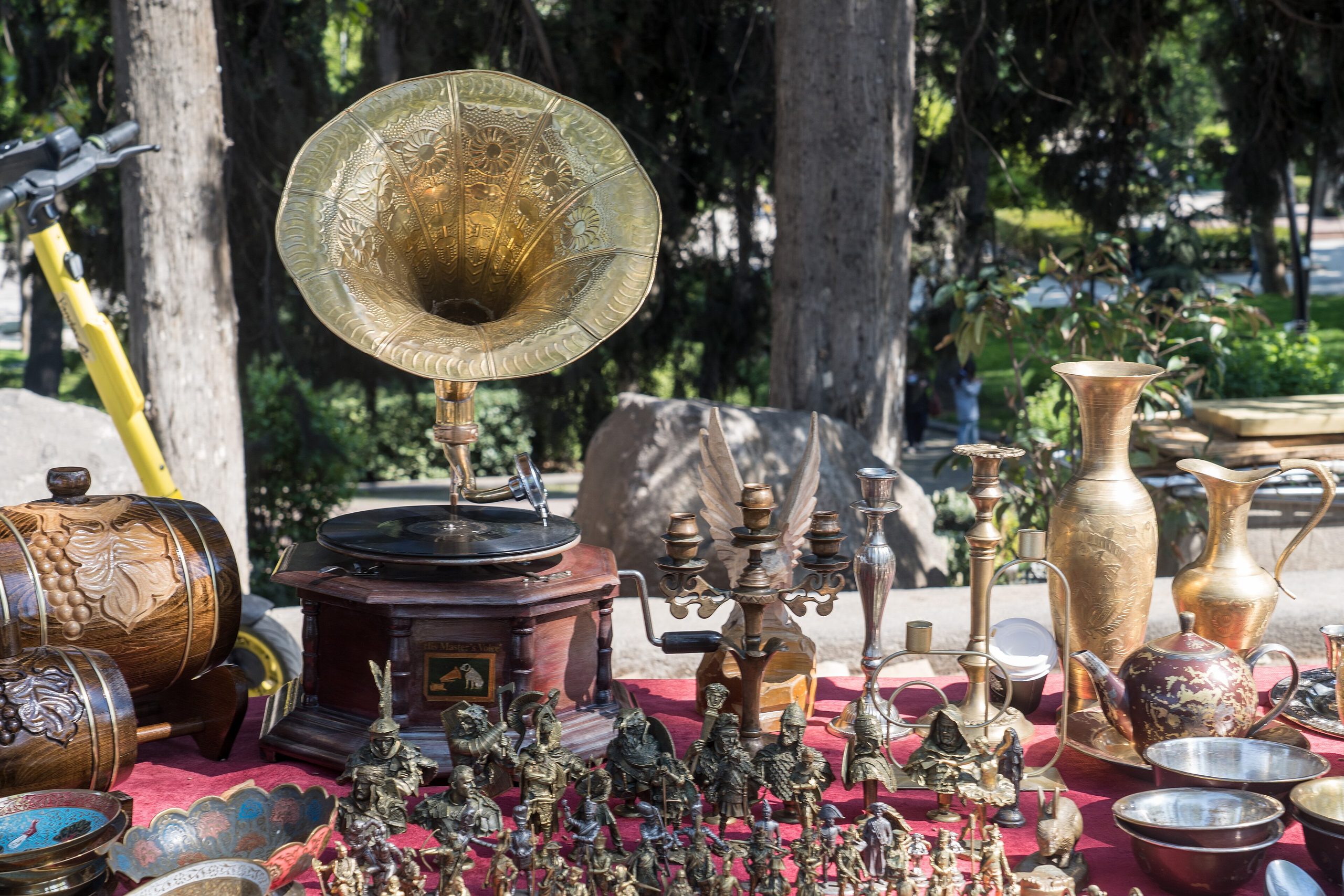
Dry Bridge Market, Tbilisi: A Guide to the City's Flea Market
Dry Bridge is the flea market of Tbilisi. Here is when to go, what to buy, how to haggle and how to get it home.
Read the guide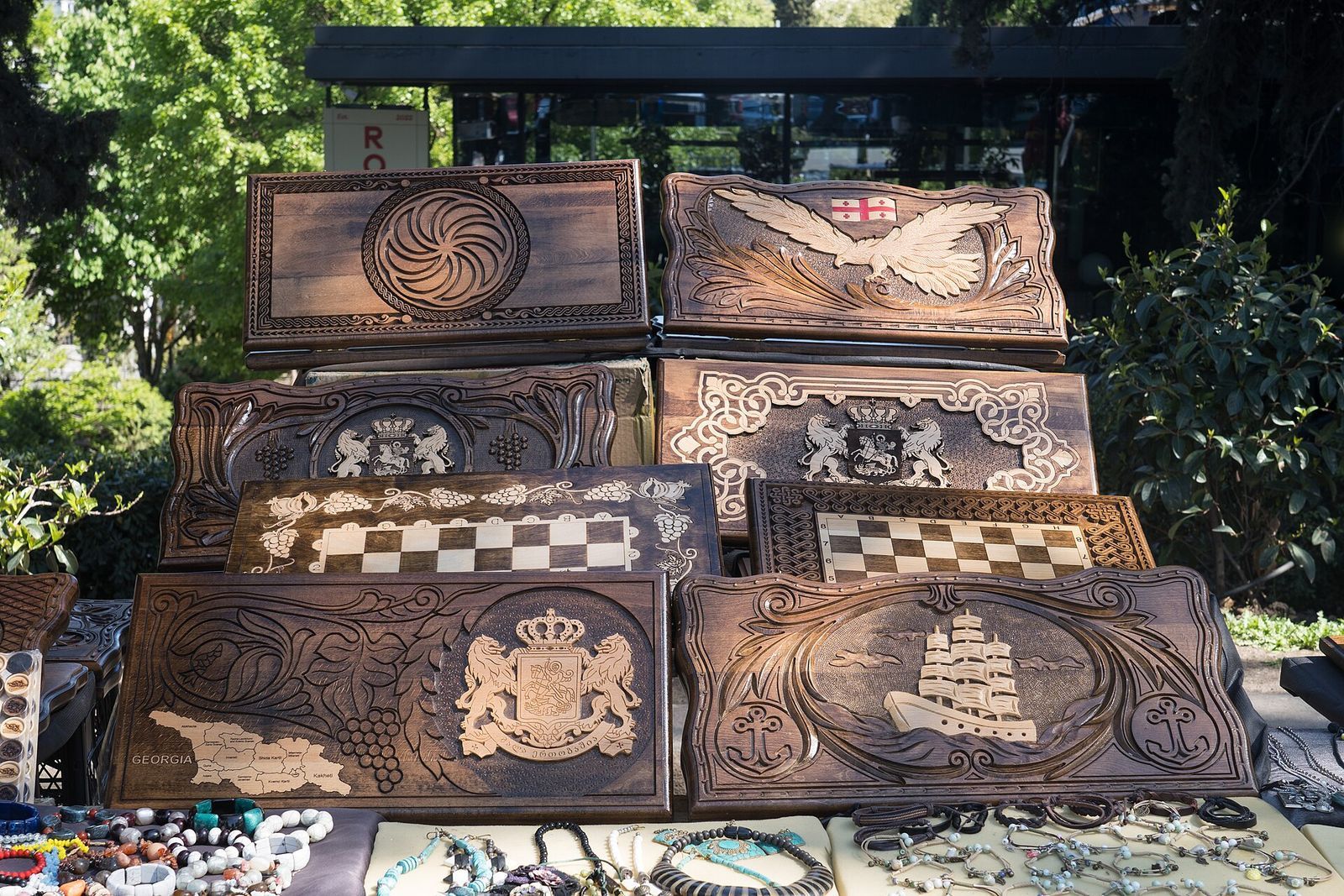
Georgian Souvenirs Worth Buying in Tbilisi
Georgia is known for its wine, churchkhela and crafts. Here is what to buy in Tbilisi, what it costs and where to shop.
Read the guide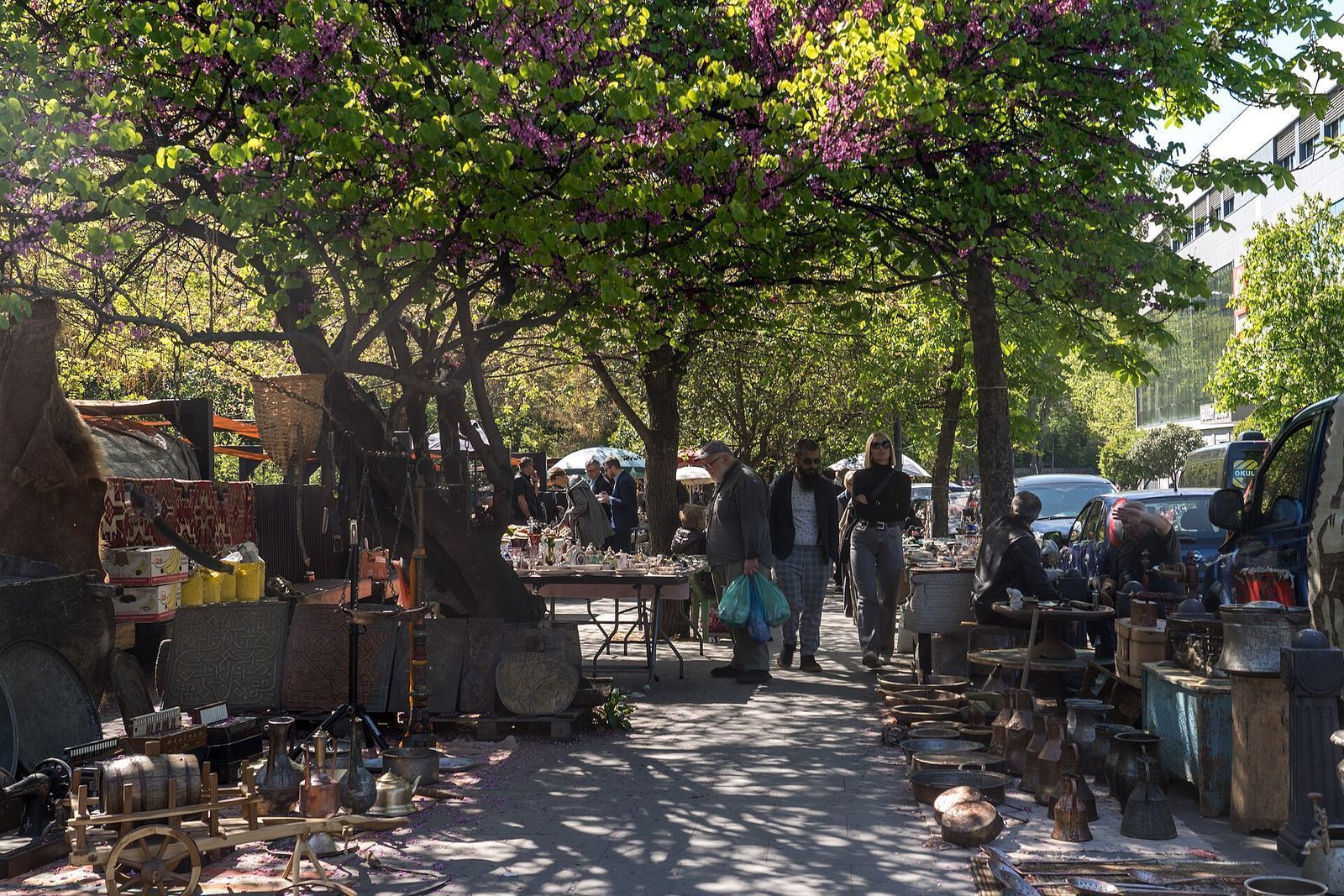
The Best Markets in Tbilisi: Bazaars, Flea Markets and Food Halls
Tbilisi is known for its bazaars and flea markets. Here are the best ones, what they sell and when to go.
Read the guide