Qvevri Wine: How Georgia Makes Wine in Buried Clay Jars
Georgia is known for qvevri wine, made in egg-shaped clay jars buried up to their necks in the cellar floor, the way Georgians have made it for about 8,000 years. Here's what you need to know about what a qvevri is, how the wine is made and how it tastes, where in Tbilisi you can see one and drink a glass, and when the drive to Kakheti pays off.
What is a qvevri?
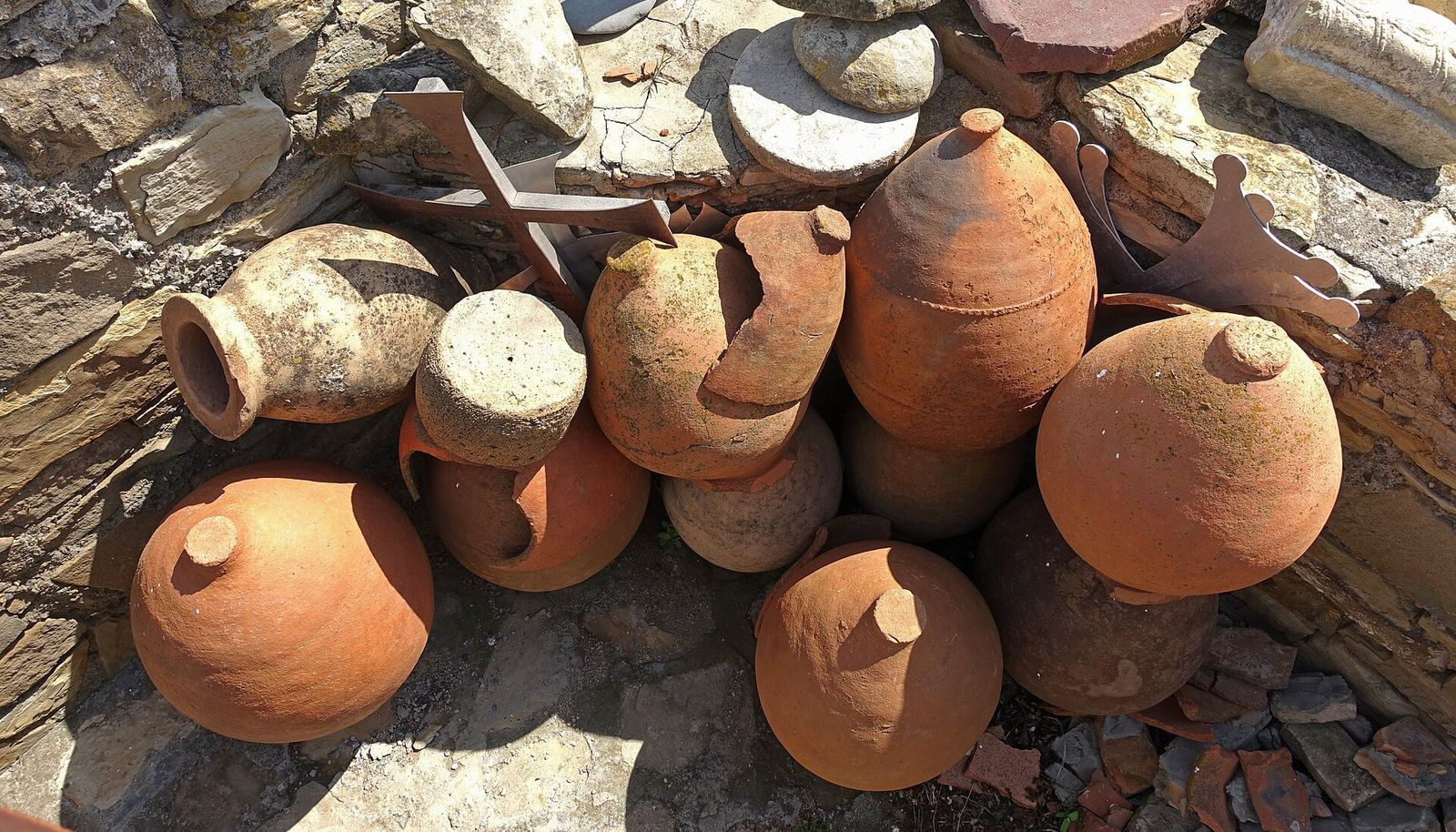
A qvevri is a big clay jar shaped like an egg, with no handles and a narrow pointed base, made to sit in the ground and hold wine while it ferments and ages. On menus and labels you'll see it spelled qvevri and kvevri. It's the same jar and the same wine, written two ways in Latin letters.
The sizes run from tiny to enormous. The smallest hold about 20 liters and the biggest around 10,000. Most Kakheti cellars use jars of 500 to 2,000 liters, while in Imereti, in western Georgia, smaller jars of 100 to 500 liters are the norm and go by the local name churi. A jar 1.2 meters tall takes up to 1.3 tons of clay.
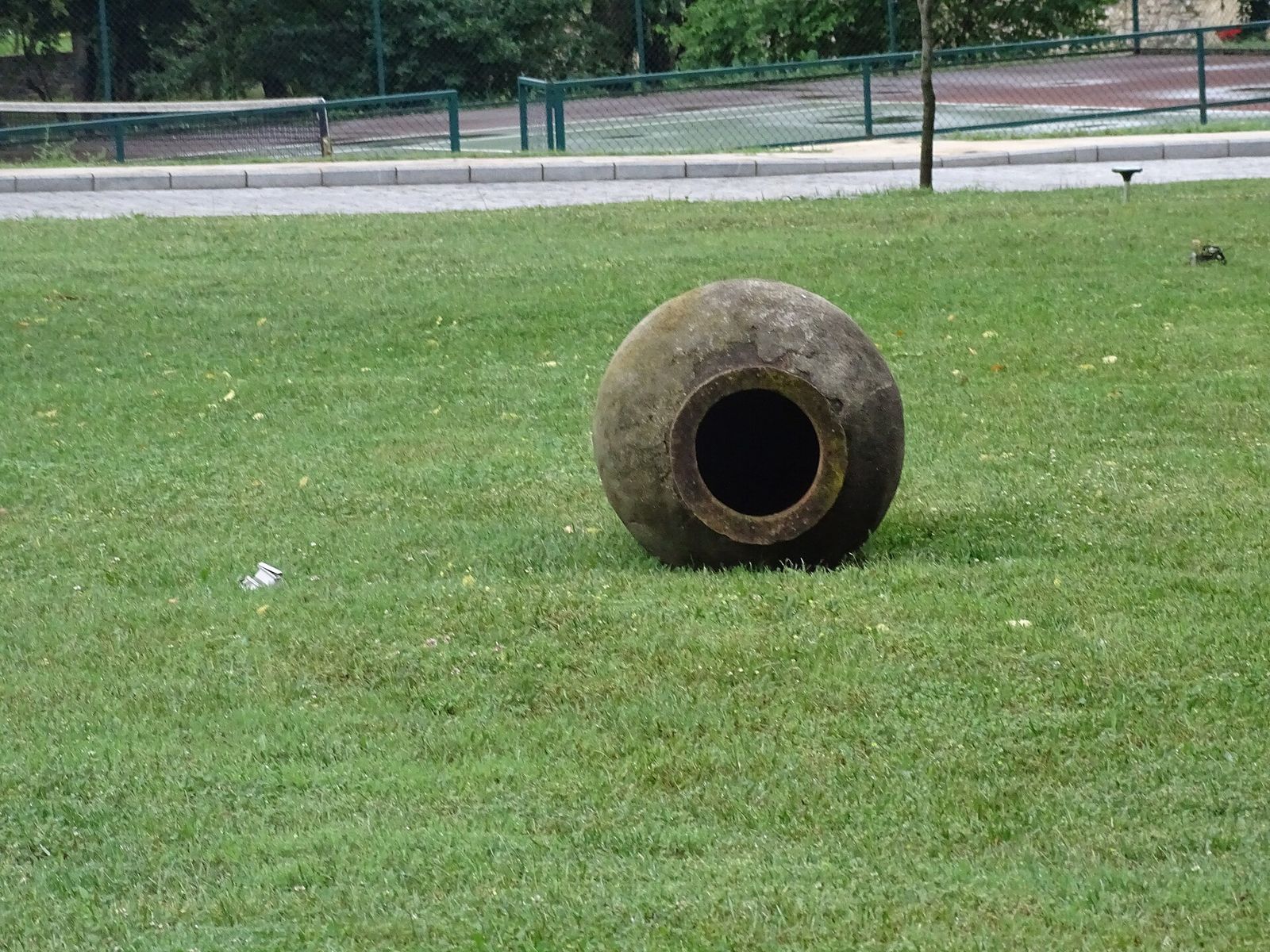
You'll also hear qvevri called amphorae, and wine shops abroad sell Georgian bottles as "amphora wine". The two are related. An amphora has handles and was made to carry wine or store it above ground. A qvevri is made to be buried and never moved again.
Not every Georgian wine is made in a qvevri. Plenty is made in steel tanks and oak barrels the European way, which is why the word qvevri on a label actually tells you something.
Why qvevri are buried underground
The first reason is weight. A big clay jar full of fermenting grapes weighs several tons, and above ground the walls would strain under that weight and the pressure of fermentation. The earth around it takes the load.
The second reason is temperature. A few feet down, the ground stays cool and steady all year, which works as an old-fashioned fridge and lets the wine rest on its skins for months without spoiling. In old villages the qvevri often went into the ground before the house was built over it.
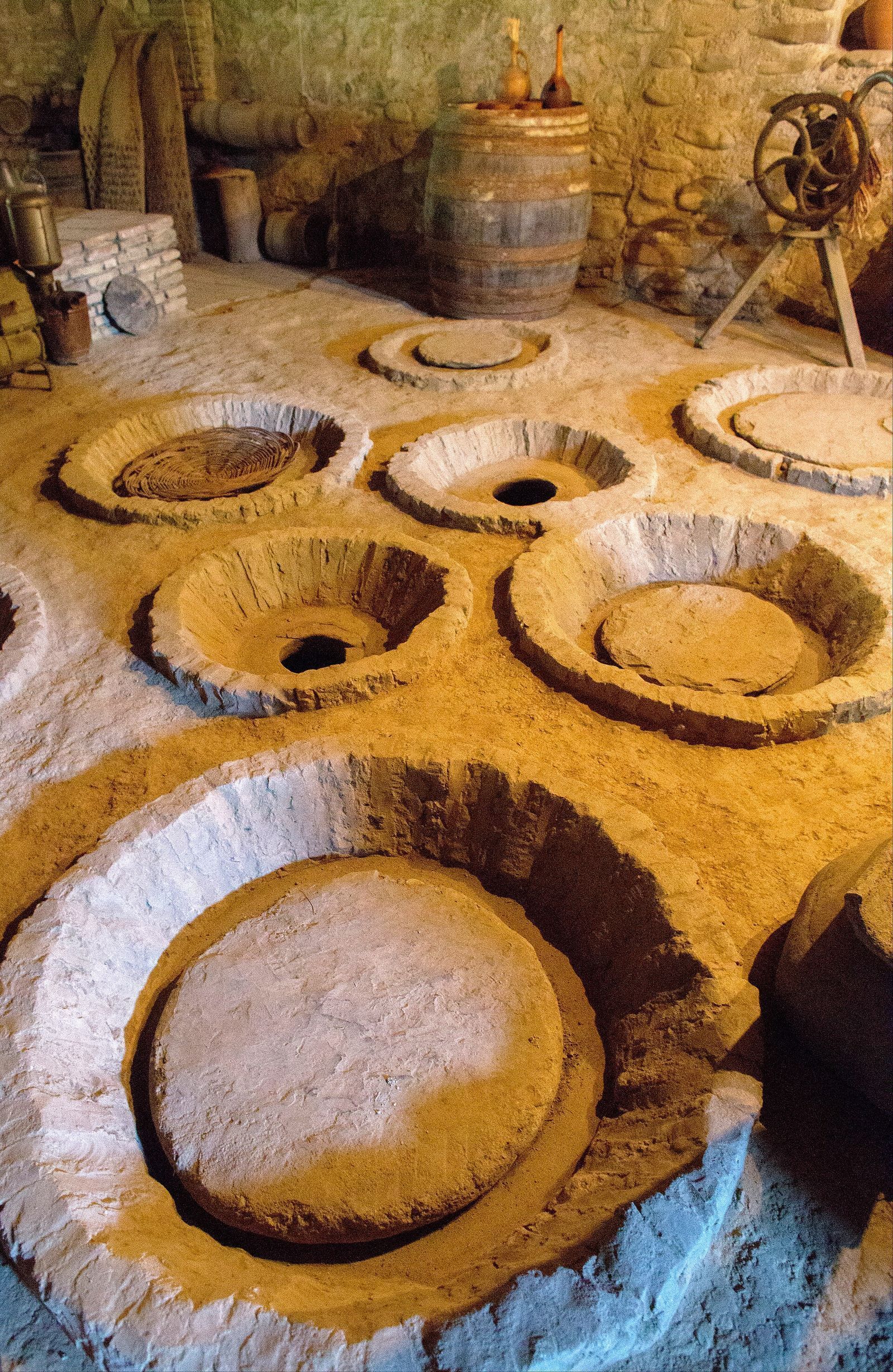
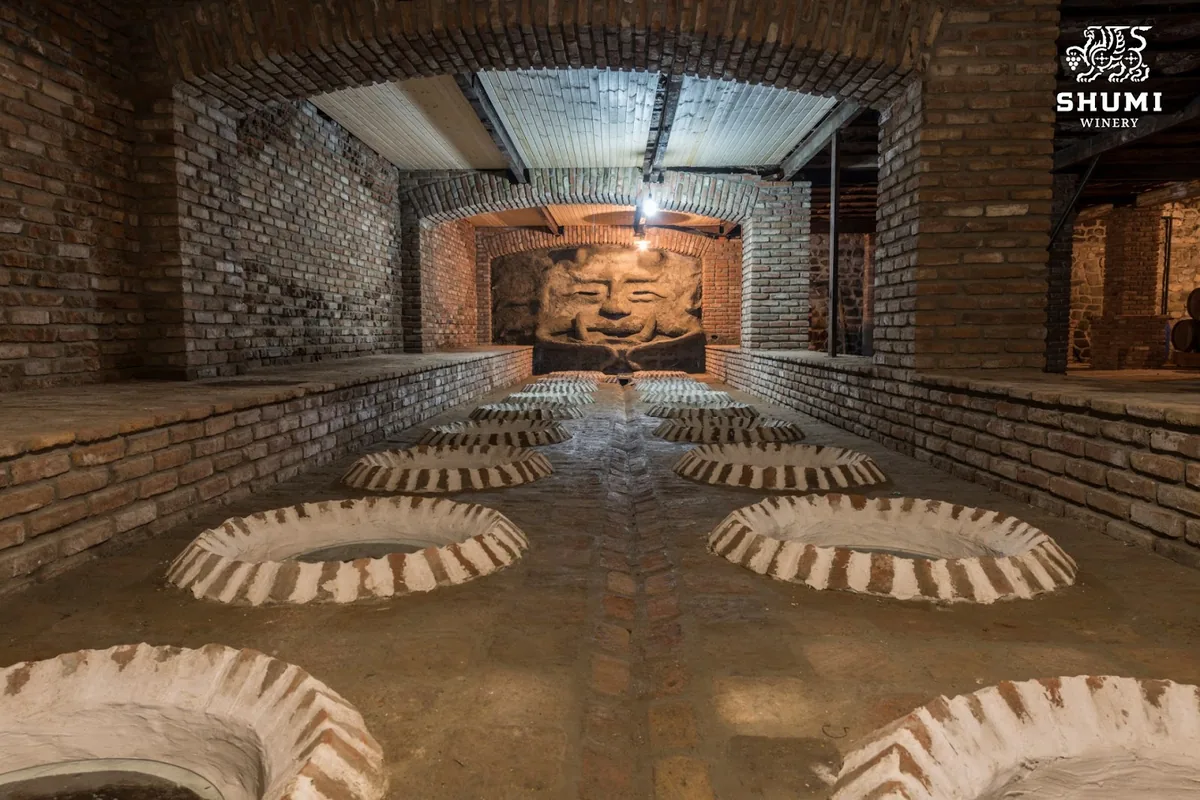
So when you walk into a marani, the Georgian wine cellar, you won't see the jars at all. You see a stone or clay floor with round rims set into it, each one closed with a flat lid. The outside of each jar was coated in lime mortar or concrete before it went in, which strengthens it and keeps tree roots out. Looked after properly, a qvevri can stay in use for hundreds of years.
How qvevri wine is made
At harvest the grapes are crushed and almost everything goes into the jar: the juice, the skins, the seeds and, in Kakheti, often the stems too. Fermentation starts on its own after a few days and runs for 2 to 4 weeks, while the winemaker punches the floating cap of skins back down several times a day. When the cap finally sinks, the qvevri is closed with a stone or wooden lid and sealed with clay.
This is where red and white part ways. Red wine is usually drawn off its skins and stems once fermentation ends. White wine in the Kakheti style stays on its skins, seeds and stems for about six months, and that long rest is where the amber color and the grip come from. In spring the wine moves to a freshly cleaned qvevri or goes into bottles.
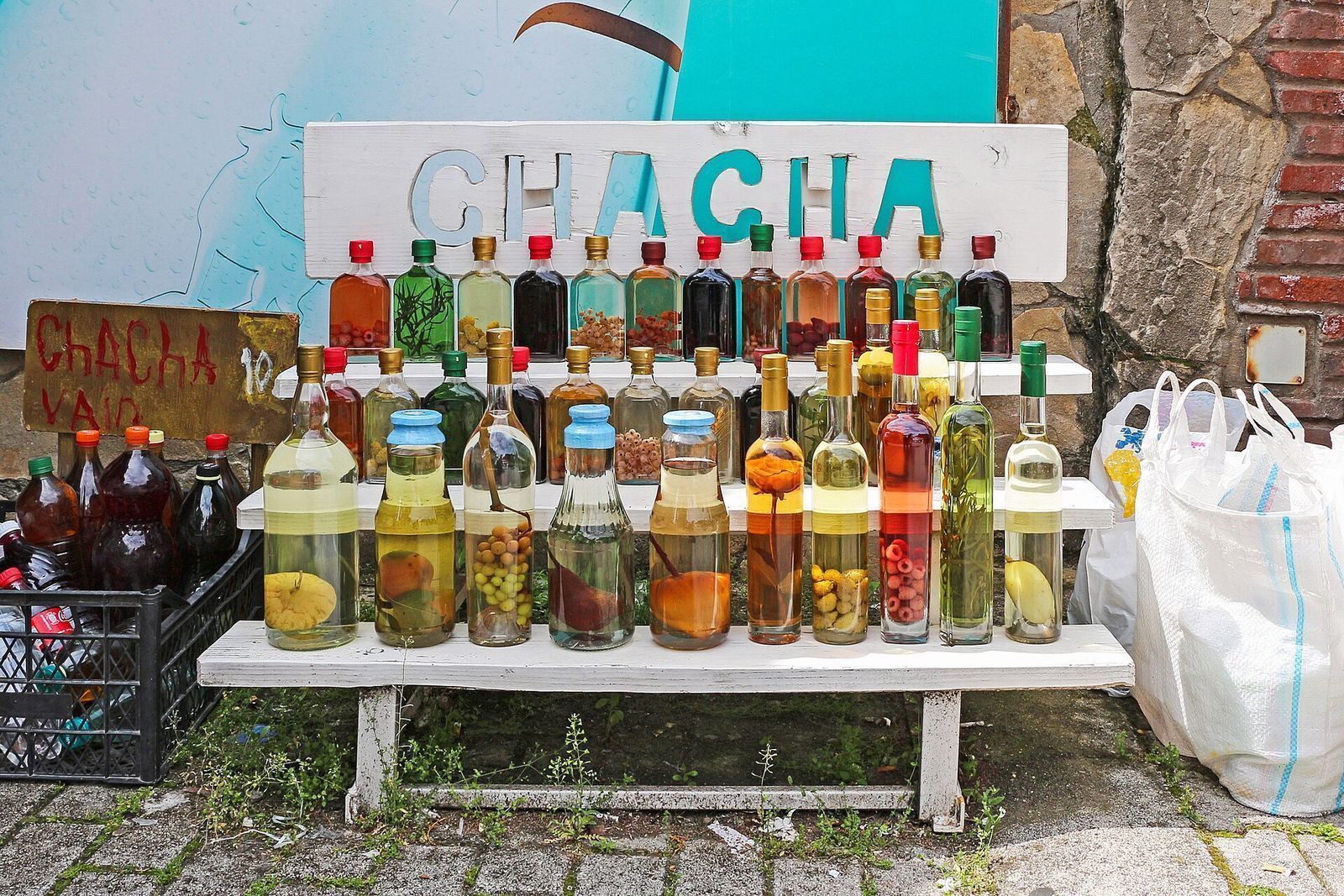
Before a new jar is used, hot beeswax is poured inside and rolled around the walls. It seals the clay and makes the jar easier to clean between vintages. Nothing goes to waste, either: the skins, seeds and stems left after pressing get distilled into chacha, Georgia's grape brandy, which is why a cellar visit often ends with a shot of it.
Kakhetian and Imeretian qvevri wine
Qvevri wine comes in two big regional traditions, Kakheti in the east and Imereti in the west, and they taste far enough apart that it pays to know which one you're ordering.
| Kakhetian style | Imeretian style | |
|---|---|---|
| Region | Kakheti, eastern Georgia, about 70% of the country's wine | Imereti, western Georgia |
| Jar size | 500 to 2,000 liters, sometimes more | 100 to 500 liters, called churi |
| What goes in | Juice, skins, seeds, often stems | Juice with fewer skins and seeds, usually no stems |
| White grapes | Rkatsiteli, Kakhuri Mtsvane, Kisi | Tsitska, Tsolikouri, Krakhuna |
| In the glass | Deep gold to amber, firm tannin, dried fruit and nuts | Lighter body, brighter acidity, softer tannin |
| Who it suits | Fans of bold, structured wine | First-timers and white wine drinkers |
If skin-contact wine is new to you, I'd start in Imereti. A Tsitska or Tsolikouri from a qvevri still reads as white wine, just with more texture. A Kakheti Rkatsiteli that spent six months on its skins is a bigger jump, and it is the one people remember.
What qvevri wine tastes like
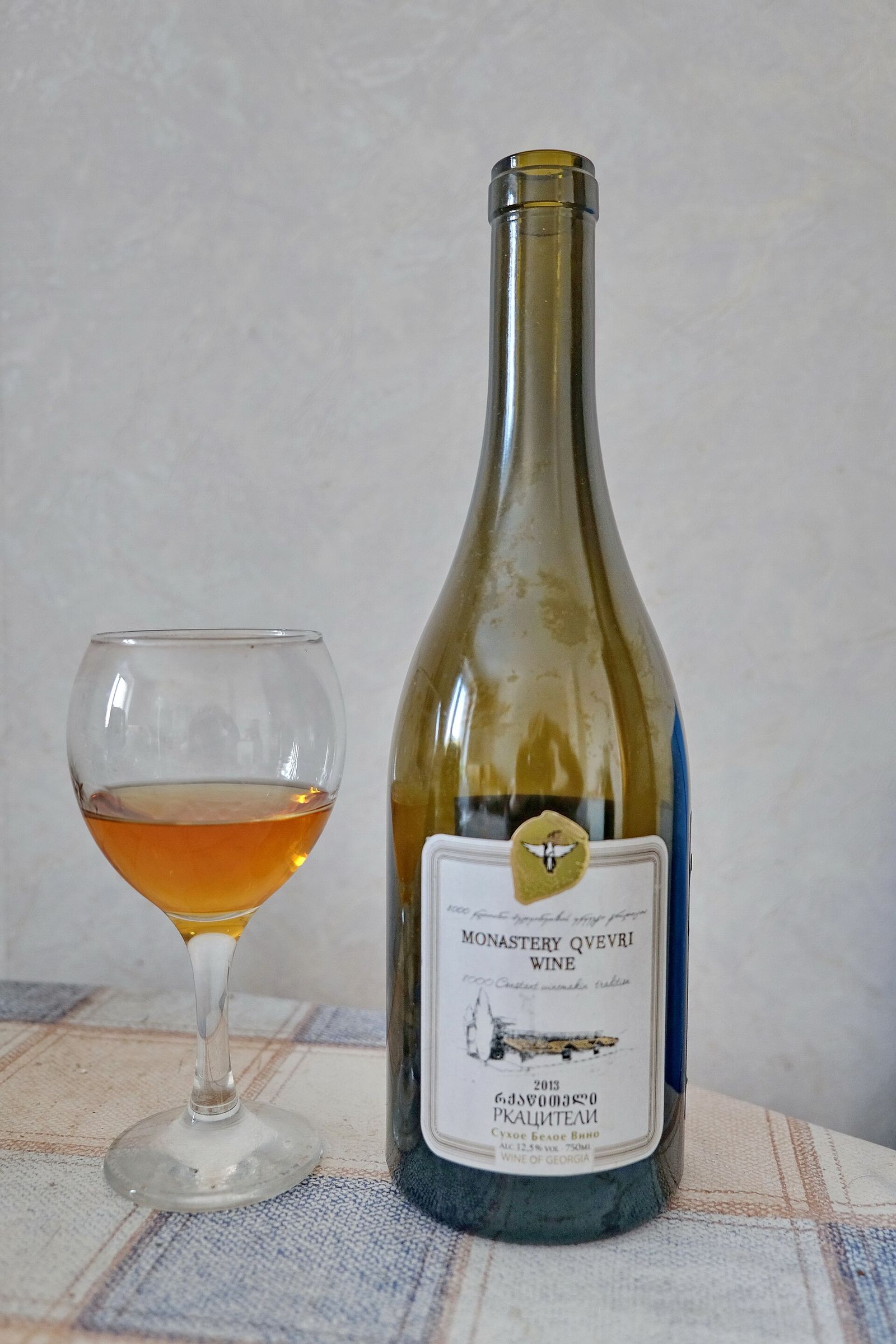
The skin-contact whites are what most people mean by Georgian amber wine, and they are the reason qvevri wine has a reputation. Expect a color anywhere from deep gold to copper, a dry finish, and tannin you can feel on your gums, closer to a light red than a white. The flavors lean toward dried fruit and nuts rather than fresh fruit.
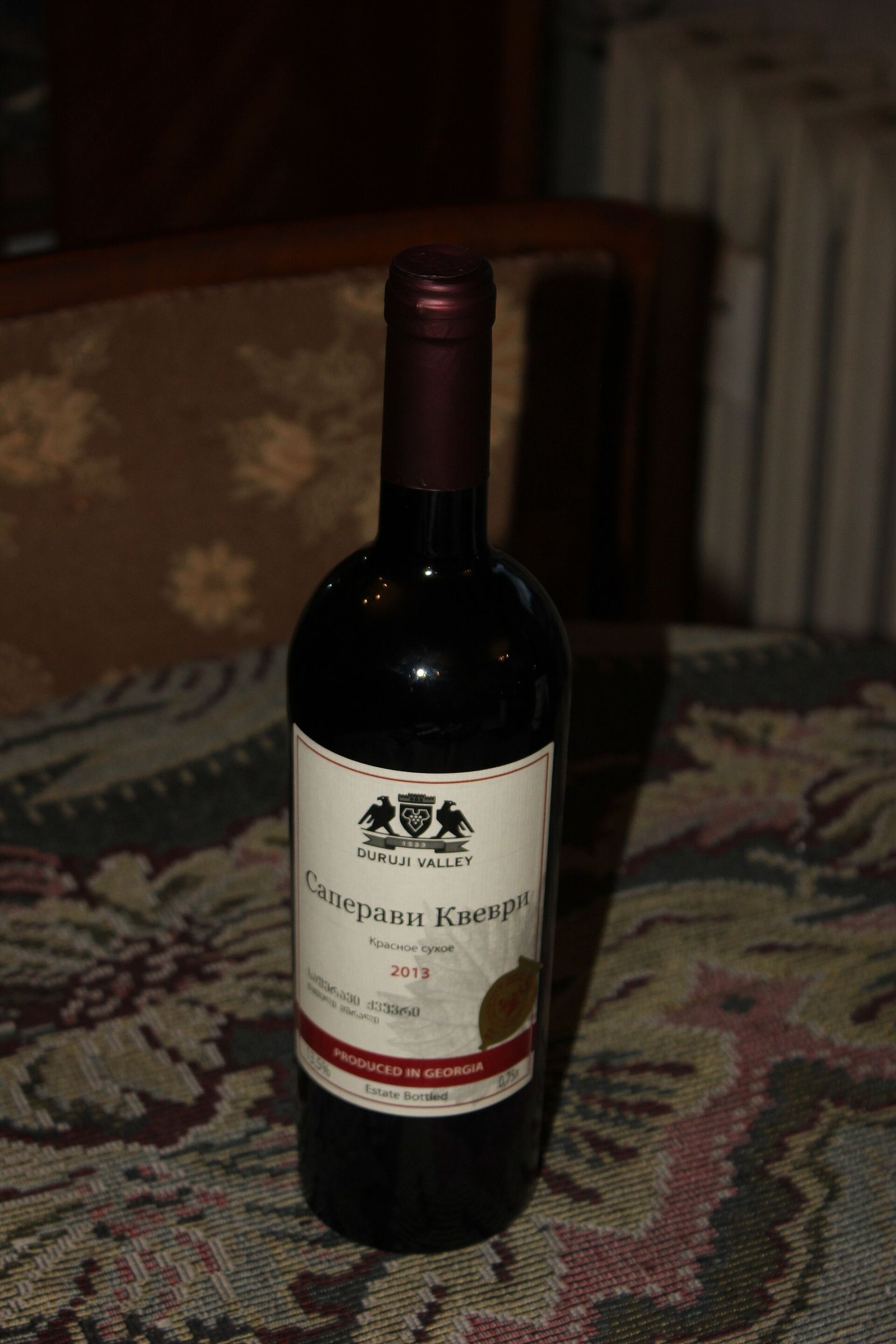
Red qvevri wine is rarer, since most qvevri wine on the market is white. The usual red grape is Saperavi, which has red flesh and dark juice, so qvevri Saperavi comes out inky, tannic and high in acidity. White, amber, rosé, red and even sparkling wine can all be made in a qvevri.
Is qvevri wine natural wine? Not automatically. A qvevri is only a vessel, so the wine made in it can be conventional, organic, biodynamic or natural. Many small producers do work with wild yeast and little or no added sulfite, which is why the two words get swapped so often.
Qvevri and UNESCO: 8,000 years of clay pot wine
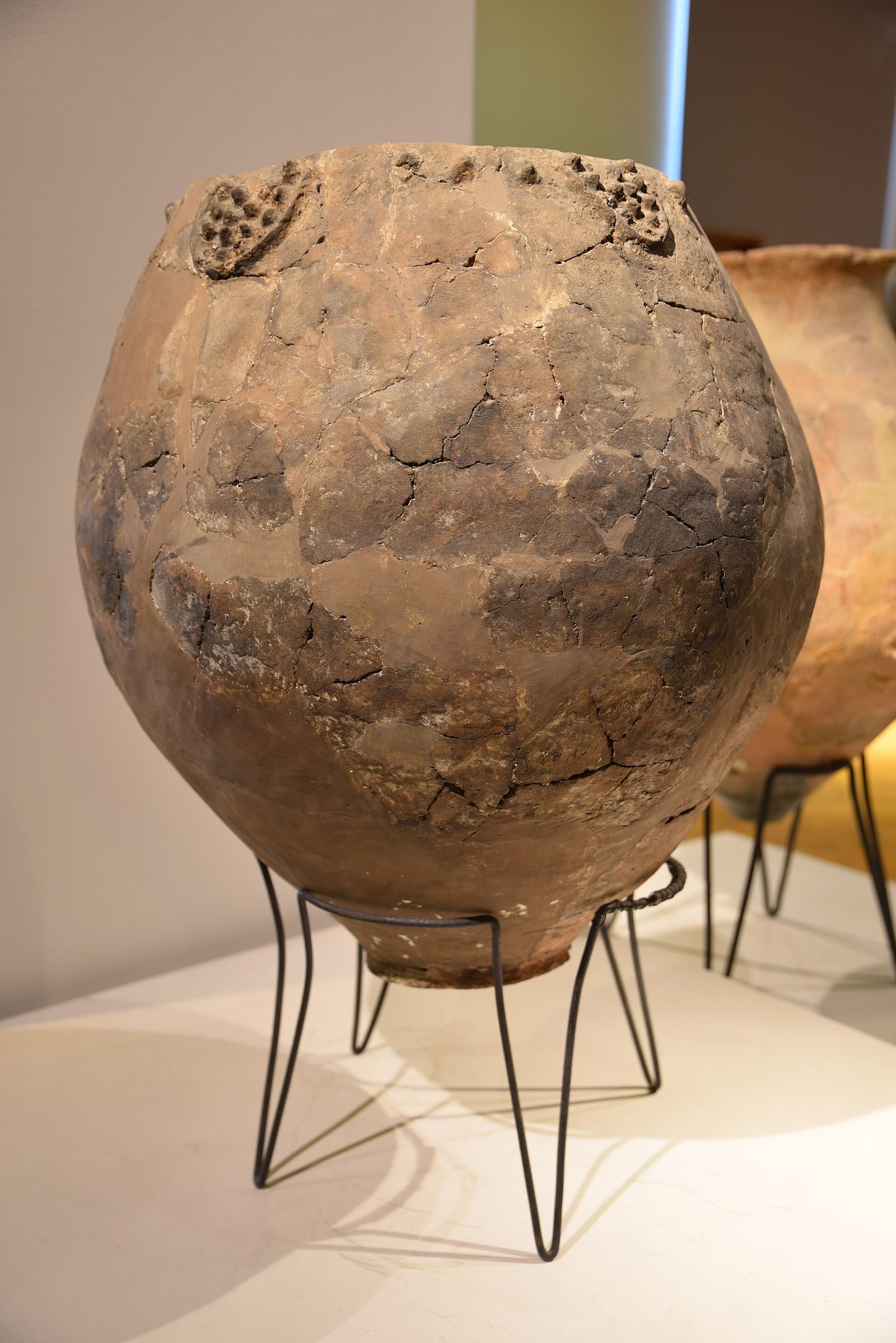
Georgia claims about 8,000 years of winemaking, and the clay jar is the proof it points to. The earliest known traces of grape wine, from around 6000 BC, come from jars dug up in what is now Georgia. One of them, from the Neolithic village of Khramis Didi Gora, sits in the Georgian National Museum on Rustaveli Avenue. It holds about 100 liters and has clusters of grapes pressed into the clay around its shoulder.
In 2013 UNESCO added the Ancient Georgian traditional Qvevri wine-making method to its list of the intangible cultural heritage of humanity. The listing covers the know-how rather than a place: making the jars, burying them, and making wine in them. Qvevri have since spread well beyond Georgia, and winemakers in Italy, Slovenia, Austria and the United States now ferment in them too.
Where qvevri are made: Georgia's potter villages
Only a handful of villages still make qvevri: Vardisubani in Kakheti, Makatubani and Shrosha in Imereti, and Atsana in Guria. The potters build each jar by hand from local red clay, coil by coil, adding 15 to 20 cm a day and letting each band dry for 24 hours before the next. A big qvevri takes about 90 days to build. It is then fired for 5 to 6 days at about 900°C.
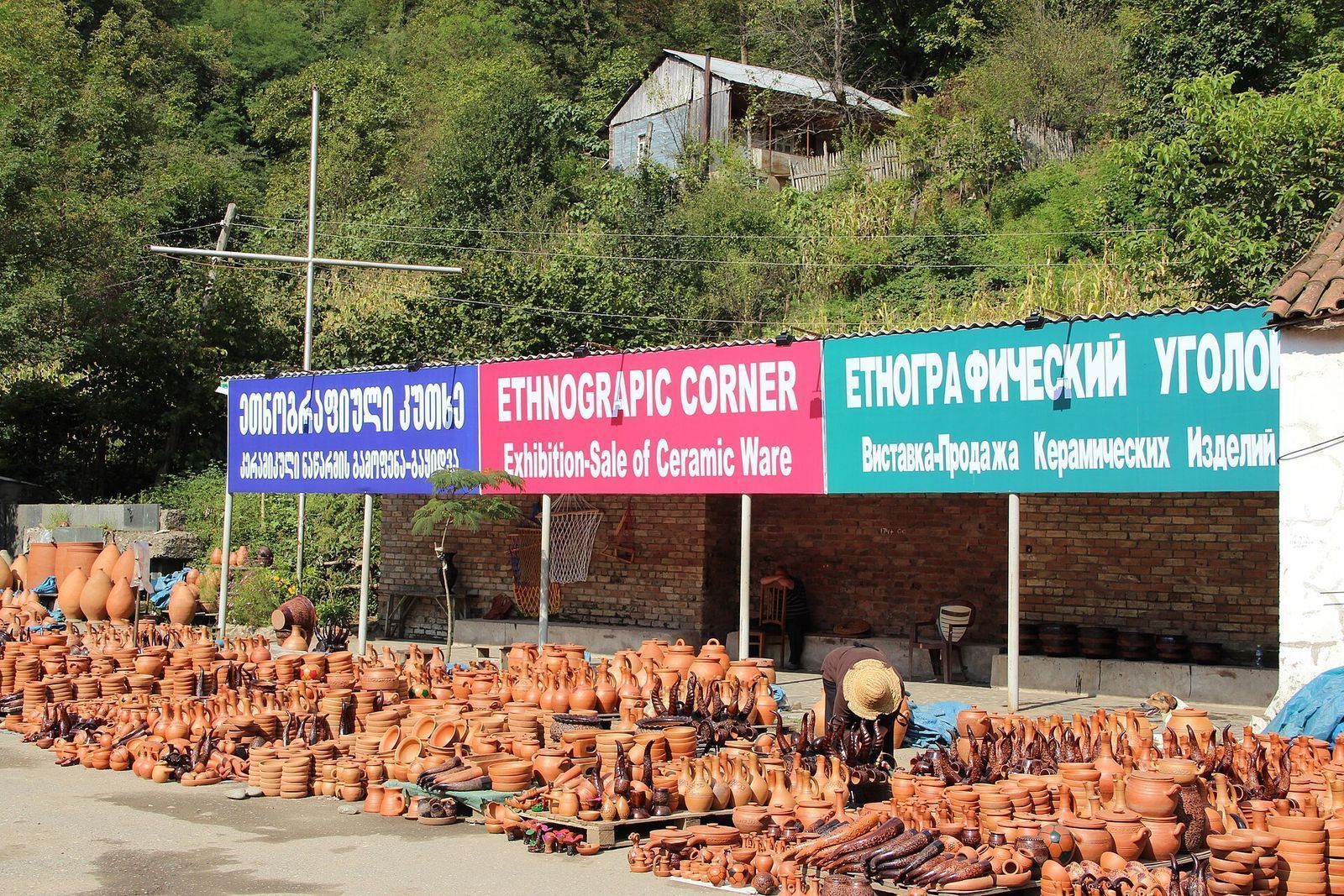
Potters work from March to the end of October, because clay will not dry in the winter cold. That makes a summer road trip the time to see one taking shape. If you're driving to Kutaisi, the main highway passes Shrosha near the Rikoti Pass, and its roadside stalls are stacked with clay pots and jugs. Makatubani is about 60 km from Kutaisi and has family workshops that take visitors.
Where to see a qvevri in Tbilisi
You don't have to leave the city to stand next to a qvevri. These are the places I'd send a curious first-timer, from the oldest jar in the country to cellars you can drink in.
| Place | Where | What you see |
|---|---|---|
| Georgian National Museum | Rustaveli Avenue | The Neolithic qvevri from Khramis Didi Gora, about 8,000 years old |
| Tbilisi Wine Museum | Lower floors of the Tbilisi History Museum building, Old Town | Halls below river level built around the qvevri |
| Sadzvele Wine Hub | Wine Factory N1, 1 Vasil Petriashvili St | Qvevri on display and the building's oldest cellar behind glass |
| Wine Code | Avlabari | A cellar room with small qvevri, plus tastings |
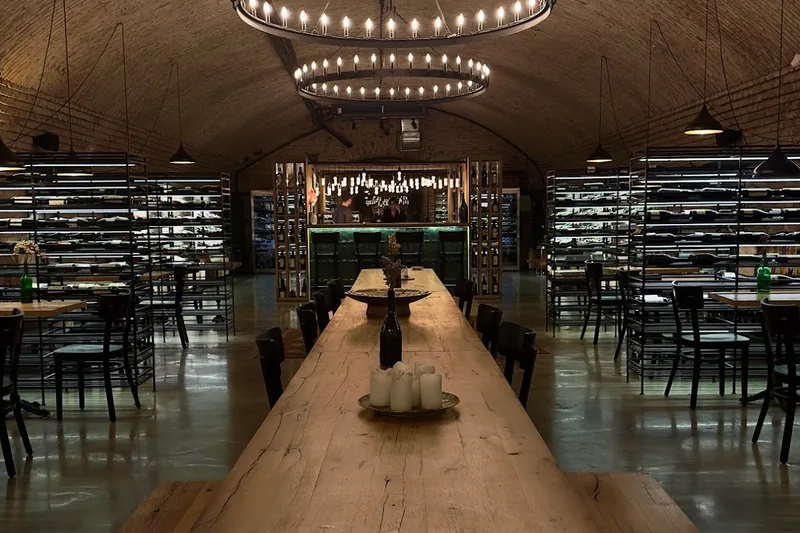
Sadzvele is my favorite of the four, because the jars sit in a working wine bar and you can taste what came out of them. It opened in fall 2024 inside Wine Factory N1, an 1896 winery that is now one of the city's converted factory spaces, with about 200 wines and a wine school upstairs.
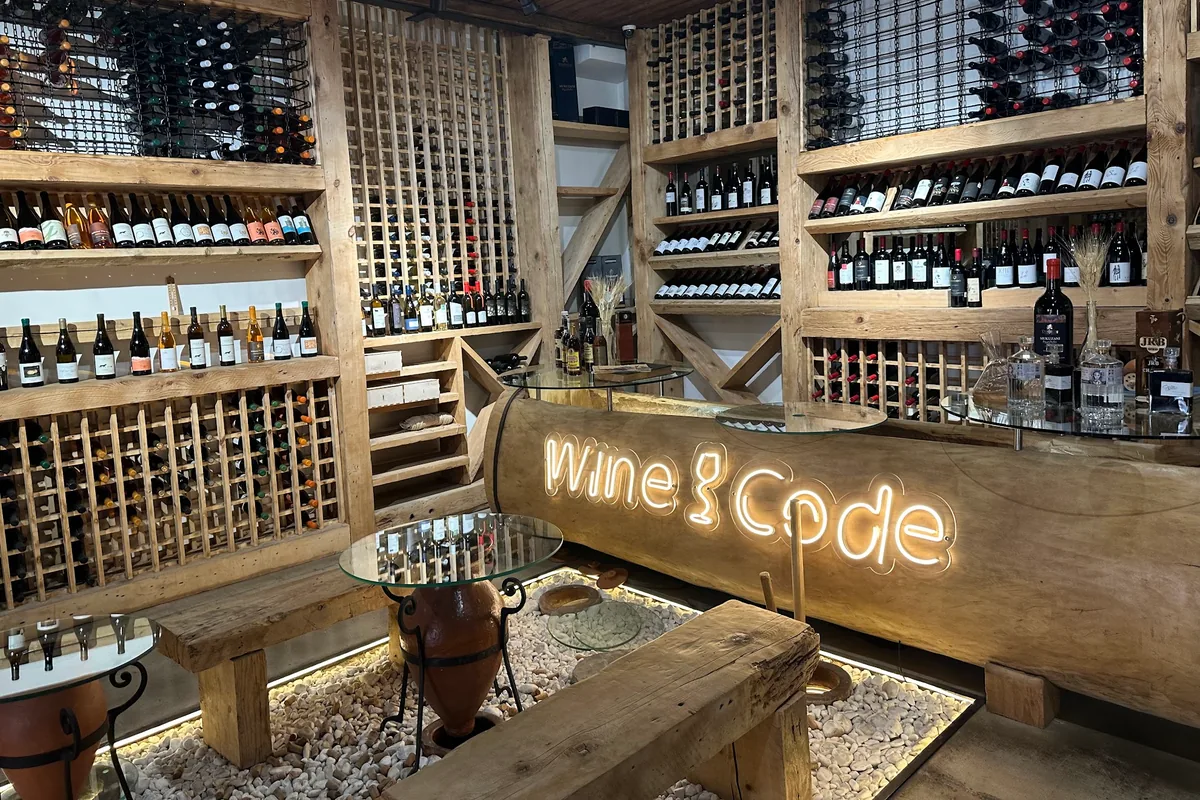
Wine Code, across the river in Avlabari, is smaller and more personal, and the staff like explaining where each wine was grown.
Where to drink qvevri wine in Tbilisi
Across the city's wine bars, a glass of qvevri wine costs 8 to 20 GEL and a bottle starts around 28 GEL. These six pour qvevri wine as a matter of course rather than as one line on the list.
| Bar | Area | Why go for qvevri wine | Price |
|---|---|---|---|
| Vino Underground | Galaktion Tabidze St, near Freedom Square | Brick basement opened by natural winemakers, focused on small qvevri amber producers | Glass 10 to 20 GEL, bottle 35 to 120 GEL |
| Ferment Wine Bistro | Off Gudiashvili Square | Run by winemaker Rezi Tsetskhladze; rare grapes and qvevri wine with modern Georgian food | Varies by bottle |
| Sadzvele Wine Hub | Wine Factory N1 | About 200 wines and qvevri on display | Tastings by booking |
| Wine Point | Ingorokva St, near Freedom Square | Small bar strong on amber, pet nat and sparkling | Wine of the day 10 to 15 GEL; four-wine tasting 45 GEL |
| Wine Code | Avlabari | Cellar room with qvevri, staff who talk terroir | Four wines plus spirits 35 GEL, booking needed |
| 8000 Vintages | Four branches, one on Kote Afkhazi St in the Old Town | Big and small producers, cheese and charcuterie boards | Glass 8 to 16 GEL, bottle 28 to 90 GEL |
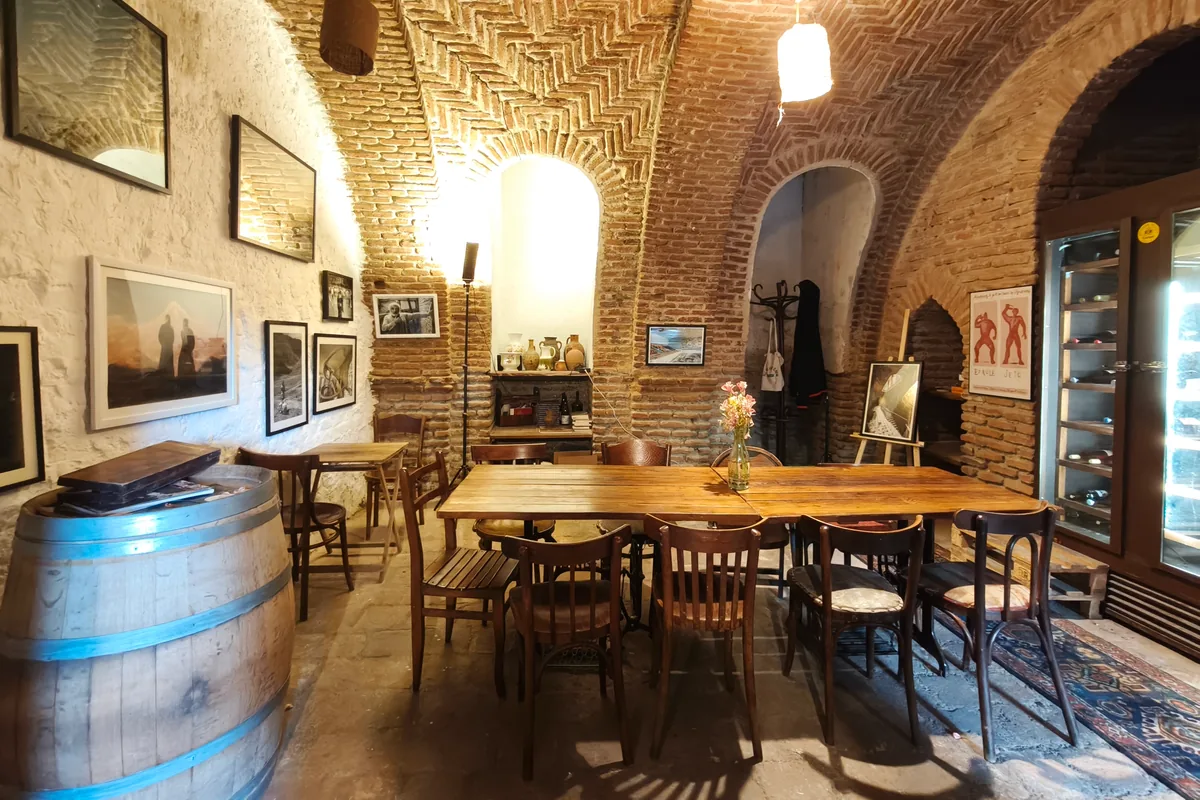
For a first qvevri glass I'd go to Vino Underground. It opens at 2pm daily, the staff speak English, and the list leans hard on small amber producers you won't find in a supermarket.
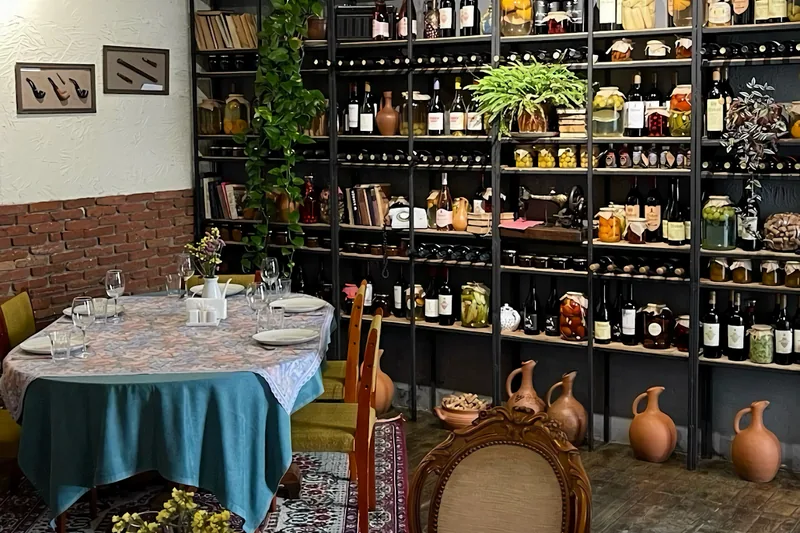
Wine Point is the budget pick: on Friday and Saturday from 7pm it runs a 25 GEL wine buffet with a glass and snacks.
If you'd rather have someone pour and explain, a sit-down wine tasting of four wines costs 35 to 45 GEL at Wine Code or Wine Point and needs booking.
Qvevri cellars in Kakheti
To see qvevri in use, and not just on display, go to Kakheti, the region that makes about 70% of Georgia's wine. Telavi and Sighnaghi are each about 2 hours' drive from Tbilisi over the hills, and most family wineries there keep a marani with qvevri set into the floor. A small-group Kakheti wine tour with lunch runs 9 to 10 hours and costs 320 to 420 GEL per person, or about 100 GEL on a budget group tour plus lunch.
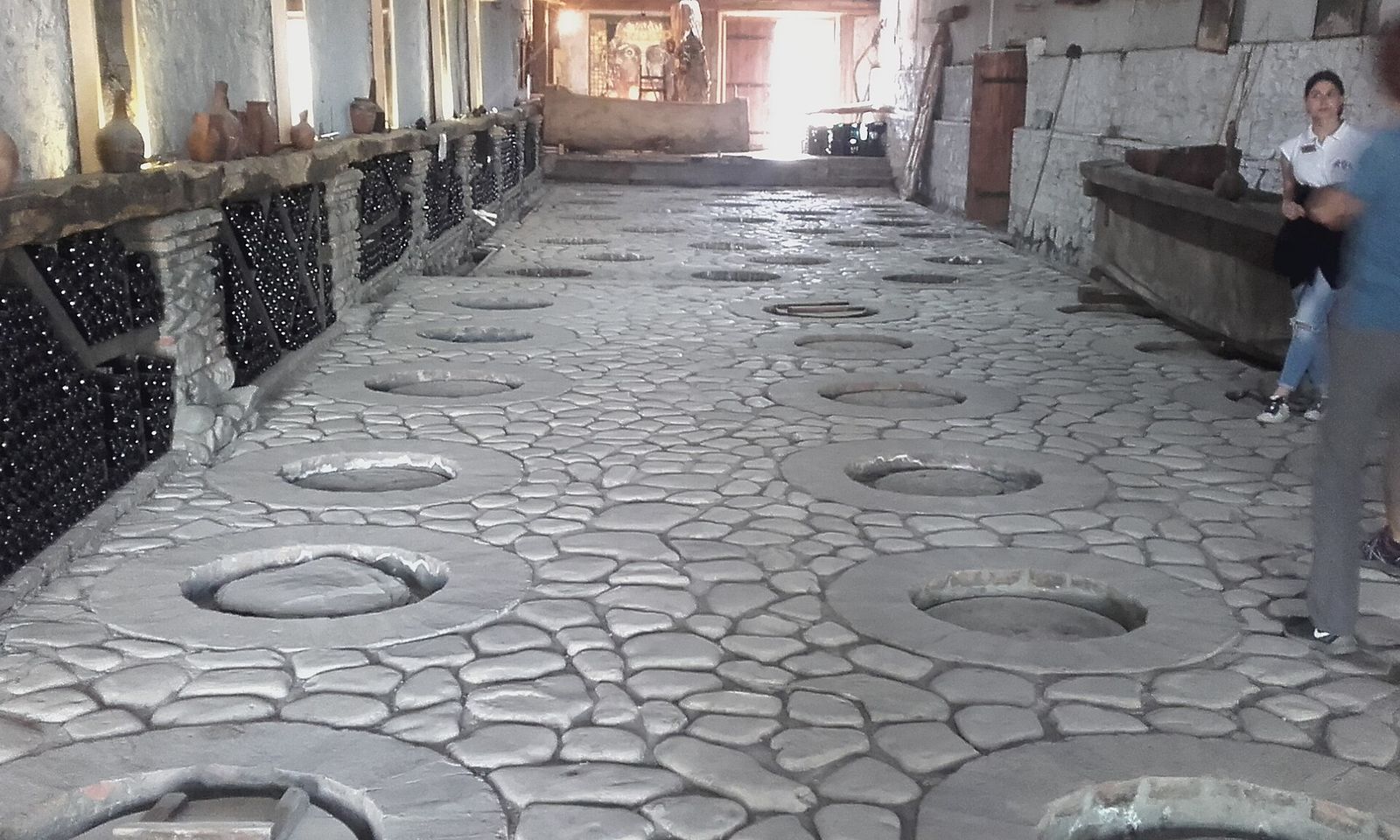
The family cellars are where qvevri wine makes the most sense. Tastings at the small wineries in Kakheti run 30 to 120 GEL per person, and a meal with wine 80 to 200 GEL, usually with 24 hours' notice.
The big names take walk-ins and have larger cellars. Shumi, in Tsinandali village near Telavi, has a brick marani with rows of qvevri set into the floor, and it's open daily from 10:00 to 20:00. An English tour costs 5 GEL and tastings run 15 to 40 GEL, which makes it an easy first look at qvevri before you sit down in a family cellar.
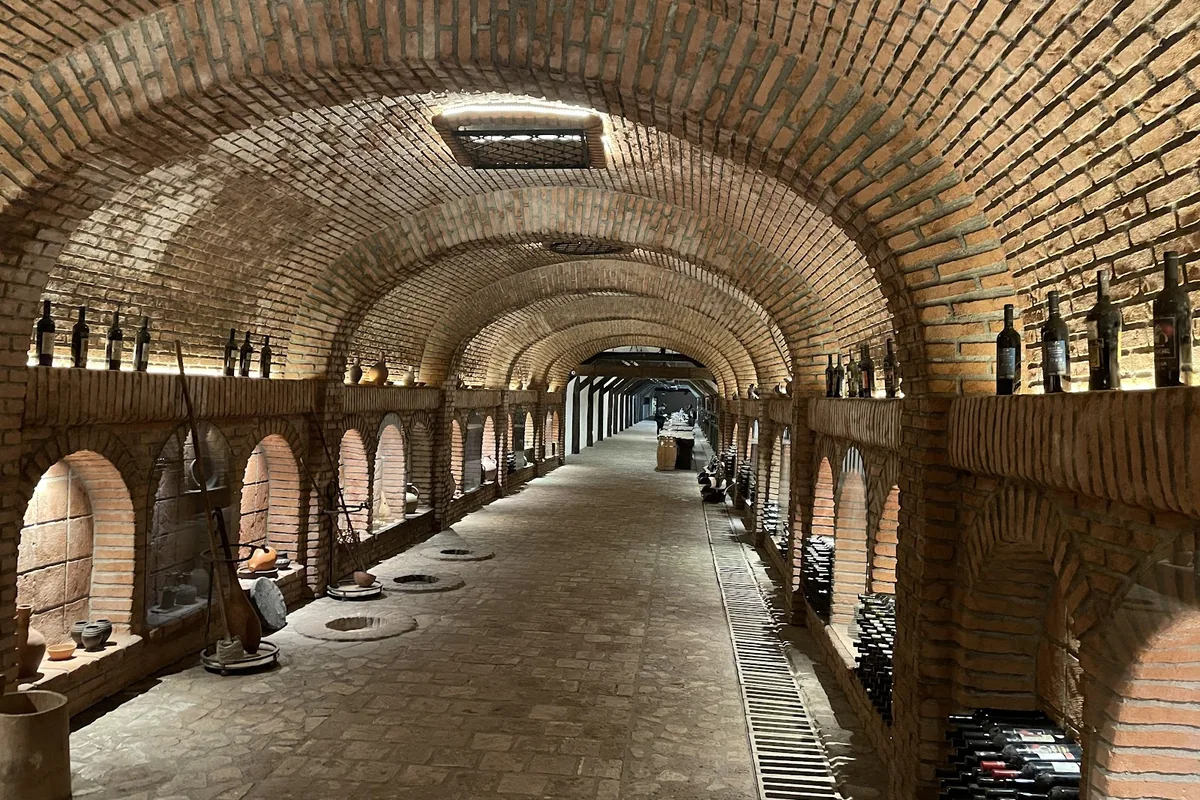
Khareba's Kvareli Wine Cave is a 7.7 km network of tunnels cut into the Caucasus foothills in 1962, with qvevri set into the floor of its brick gallery. It stays at 12 to 16°C all year, so it's the cellar I'd pick on a hot summer afternoon.
In the village of Napareuli, Twins Wine Cellar runs the Qvevri and Qvevri Wine Museum, a museum built around the jar.
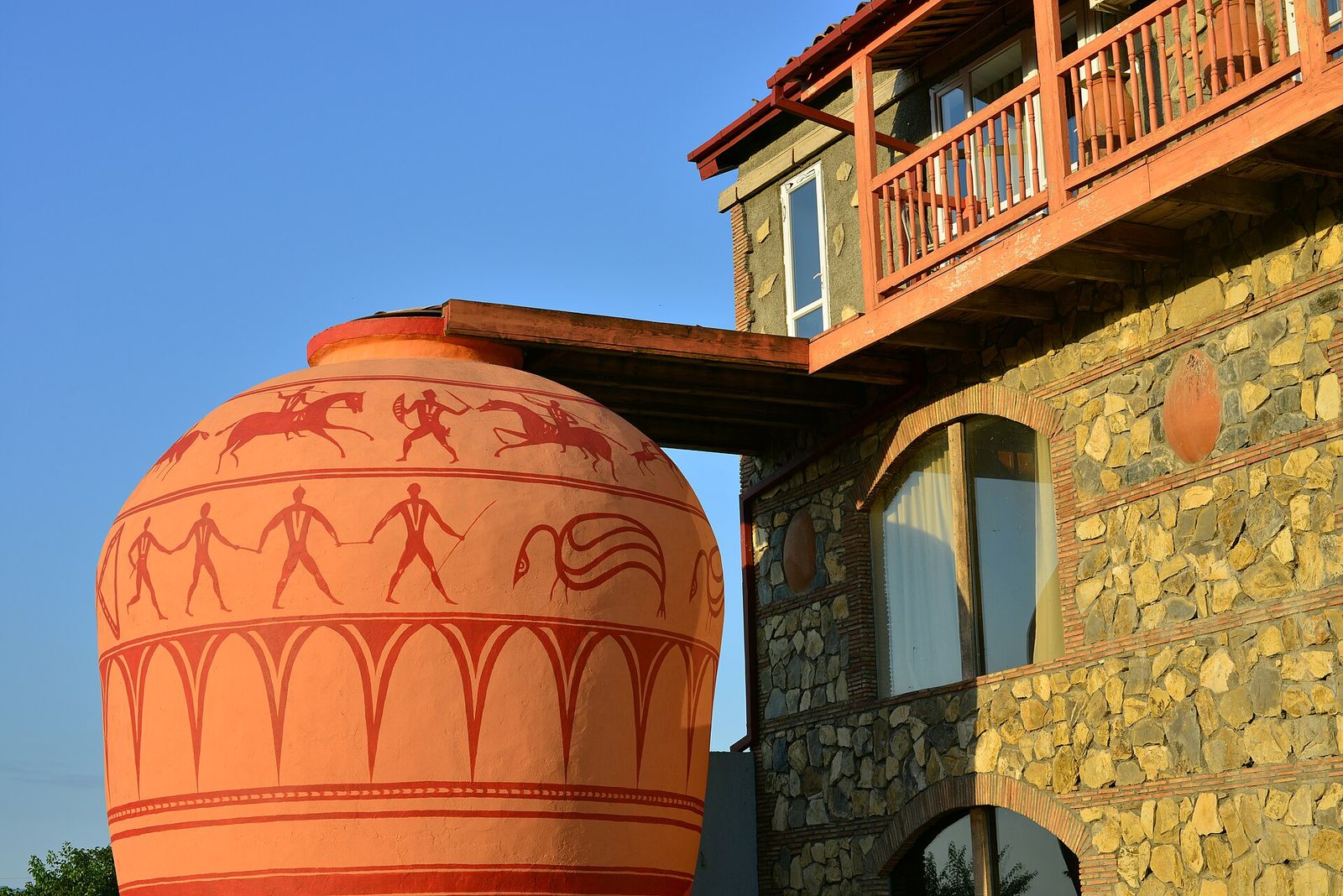
Time it right and you see the jars being filled. Come during rtveli, the grape harvest, which runs from late August to late October with most picking between about 5 September and 20 October. If 2 hours each way is too long, the Iori Valley wineries near Tbilisi are about 45 minutes out.
Buying qvevri wine to take home
Look for the word qvevri or kvevri on the front or back label. Many Georgian labels name the grape rather than the place, so check the back for the region as well. A Rkatsiteli or Kisi from Kakheti is the classic amber, and a qvevri Saperavi is the red to bring back.
Bottles cost about 15 to 100 GEL at the wineries, and the wine shops in Tbilisi carry many of the same producers if you skip Kakheti. Shipping wine abroad is hard, so most people carry their bottles home in checked luggage, and the rules on bringing wine home depend on where you're flying to.
Key takeaways
- A qvevri is a buried, egg-shaped clay jar of 100 to 2,000 liters that Georgians have made wine in for about 8,000 years, listed by UNESCO in 2013.
- Kakheti qvevri whites spend about six months on their skins and come out amber and tannic; Imereti versions are lighter and fresher.
- Qvevri wine is not automatically natural wine, but many small producers make it with wild yeast and little added sulfite.
- In Tbilisi, see the 8,000-year-old qvevri at the Georgian National Museum and drink qvevri wine for 8 to 20 GEL a glass.
- For jars in use, go to a Kakheti marani, ideally during the September and October harvest.
Frequently asked questions
What is qvevri wine?
Qvevri wine is wine fermented and aged in a qvevri, a large egg-shaped clay jar buried in the ground. The grapes usually go in with their skins and seeds, and white wines often stay on them for months, which gives them an amber color and tannin. It is the oldest way of making wine in Georgia.
Is it qvevri or kvevri?
Both spellings are correct and mean the same jar. Qvevri is the spelling in UNESCO's listing, while kvevri turns up on many labels and menus. Either word on a label tells you the wine was made in clay.
Why is qvevri wine orange?
Qvevri white wine turns amber because the juice ferments and rests with the grape skins, seeds and often stems for weeks or months. The skins give up color and tannin, the same way red wine gets its color from red skins. Whites made in a qvevri without long skin contact stay pale.
Is qvevri wine natural wine?
Not always. A qvevri is a vessel, so the wine made in it can be conventional, organic, biodynamic or natural. Many small Georgian producers use wild yeast and little or no added sulfite, which is why the two terms often get mixed up.
How long does qvevri wine age?
Fermentation takes 2 to 4 weeks, and Kakheti whites then stay on their skins for about six months before the wine is moved or bottled. Some winemakers age it for several more months or a few years in a second qvevri. Saperavi reds made in qvevri have the tannin and acidity to keep improving for years in the bottle.
Where can I see a qvevri in Tbilisi?
The Georgian National Museum on Rustaveli Avenue displays a qvevri about 8,000 years old. Sadzvele Wine Hub at Wine Factory N1 and Wine Code in Avlabari have qvevri on display in their cellars, and you can taste the wine in both. To see qvevri in working use, go to a winery in Kakheti.
Is qvevri winemaking on the UNESCO list?
Yes. UNESCO added the Ancient Georgian traditional Qvevri wine-making method to its list of intangible cultural heritage in 2013. The listing covers the craft of making the jars and making wine in them.
Georgian Drinks: What to Drink in Georgia and Where to Try It in Tbilisi
Tbilisi is known for its qvevri wine. Here's what to drink in Georgia, from amber wine to chacha, and where to try it.
Read the guide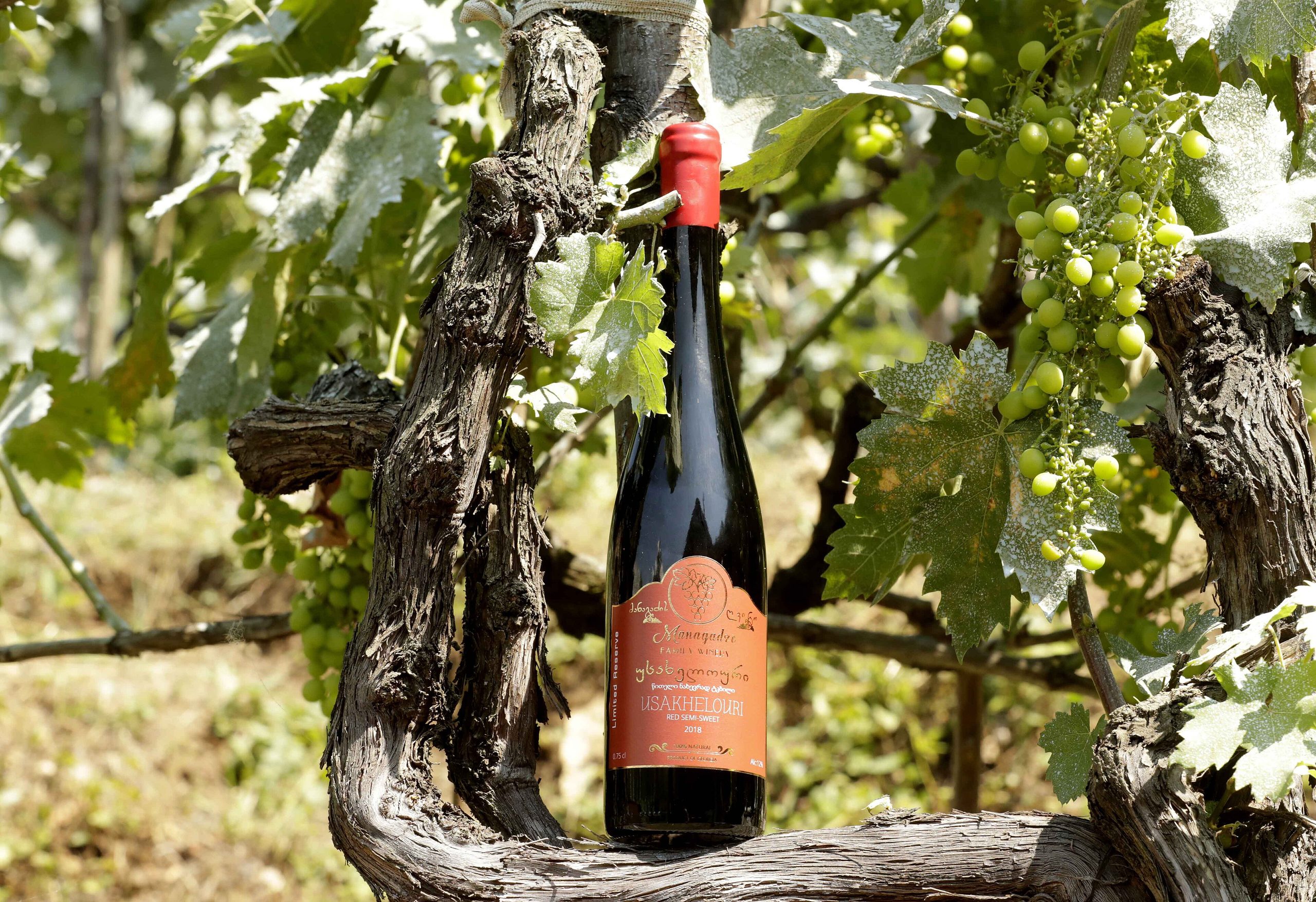
Georgian Wine Guide: Regions, Styles and What to Order
Georgia is known for 8,000 years of winemaking. Here is what to know about its styles, regions, prices and bars.
Read the guide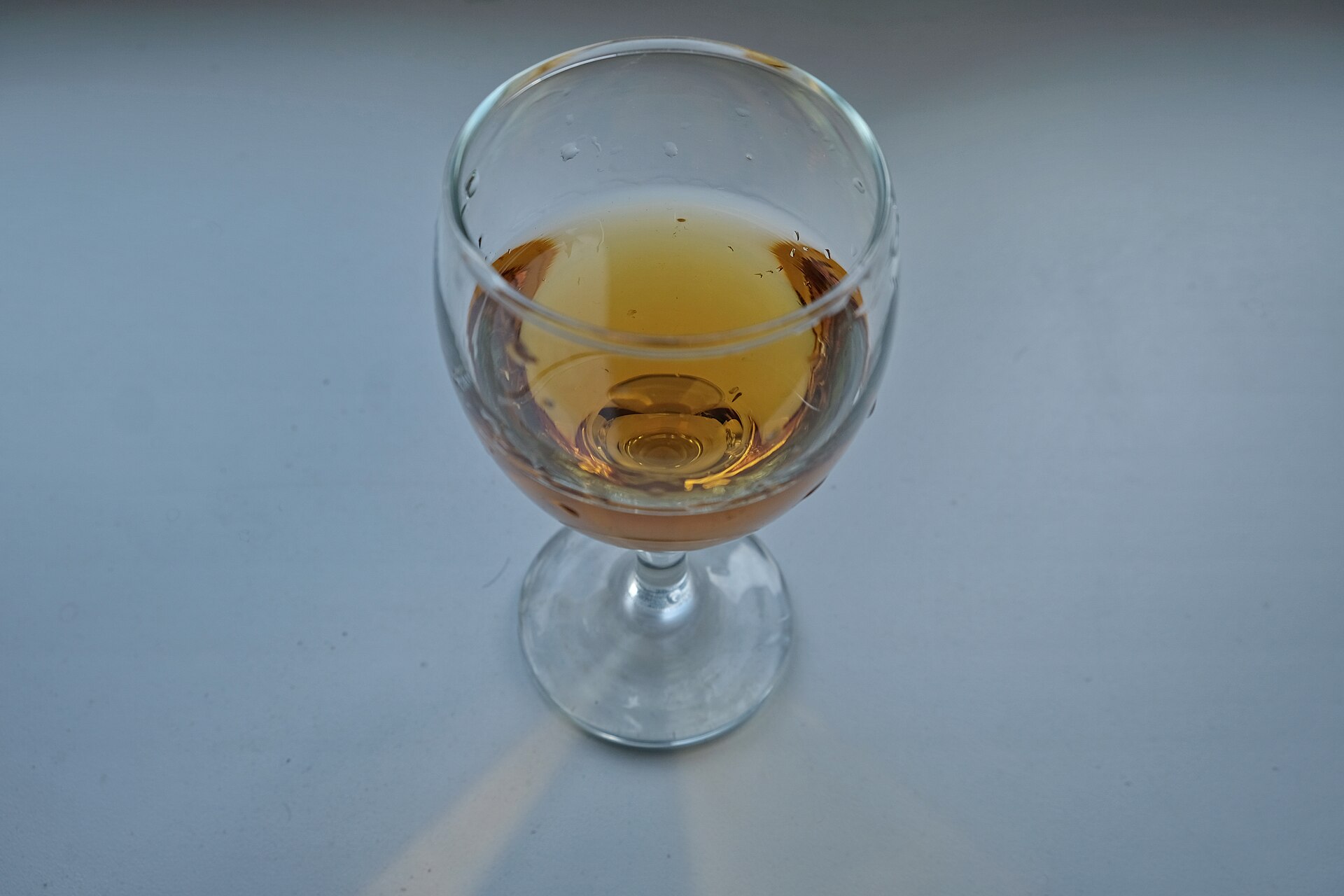
Amber Wine: Georgia's Orange Wine and Where to Drink It in Tbilisi
Georgia is known for amber wine. Here is what to know about how it is made, how it tastes and where to drink it.
Read the guide