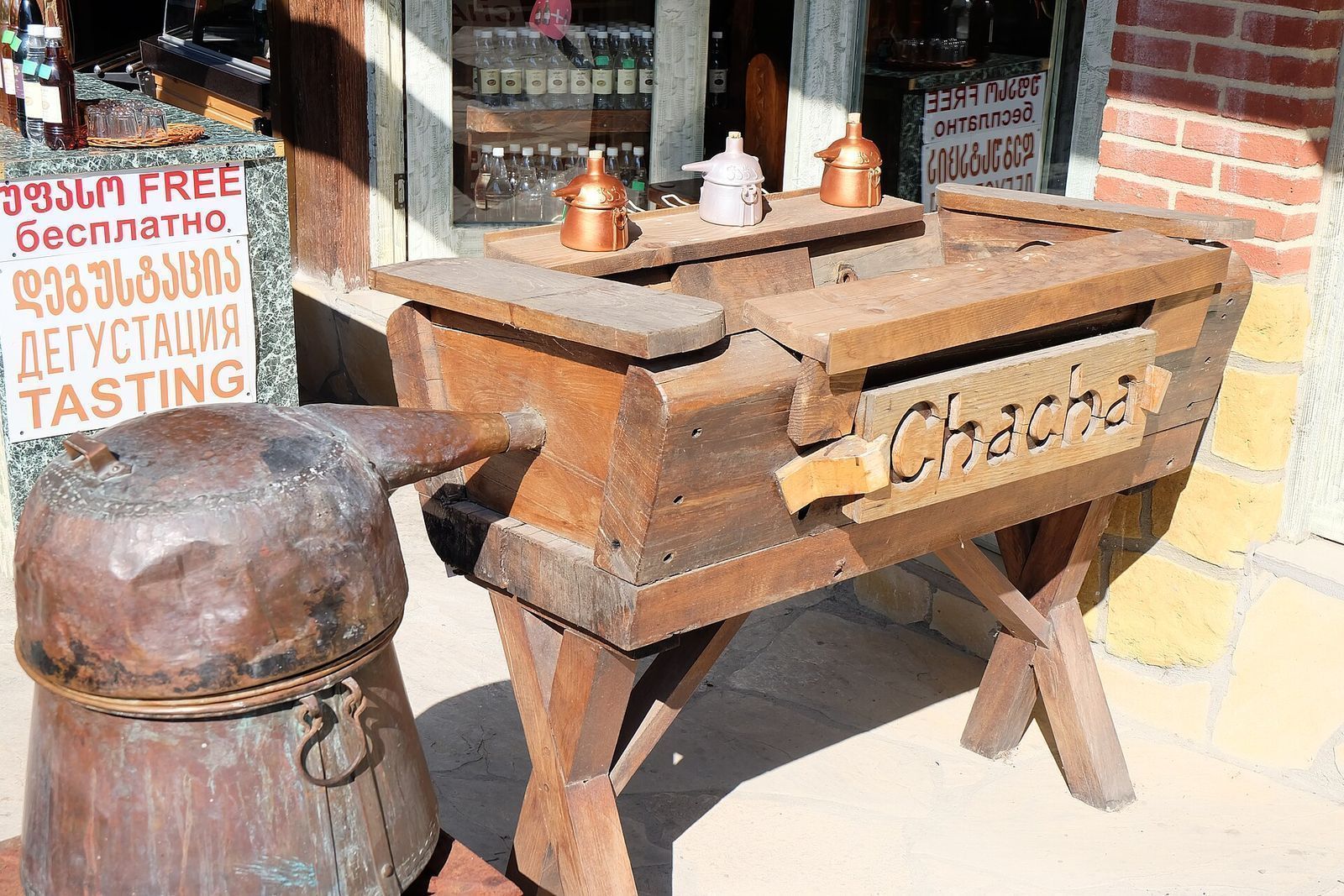
Georgian Chacha: The Grape Brandy and Where to Drink It in Tbilisi
Georgia is known for its wine, but at a Georgian table the first glass is often chacha, a clear grape brandy strong enough to make your eyes water. Visitors call it Georgian grape vodka. Here's what you need to know about how it's made, how strong it gets, how locals drink it, the Tbilisi bars that pour it, and where to buy a bottle worth taking home.
What is chacha?
Chacha is Georgia's grape spirit. After the harvest, winemakers are left with a heap of pomace: the skins, seeds and stems that remain once the juice has gone off to become wine. Ferment that pomace, distill it, and you have chacha. Georgians use the same word for the leftovers and for the spirit made from them.
That puts chacha in the same family as Italian grappa and French marc. "Grape vodka" is the nickname you'll hear most, and it makes sense the first time you see it served: clear, strong, poured into small glasses and drunk on a toast. But vodka is distilled to taste of nothing much, and chacha keeps the grape. A good one smells of fruit and a little of the cellar. A rough one burns all the way down.
Georgians have made it for at least 500 years, with written records going back to the 15th century. The name is now protected, so only chacha made in Georgia from Georgian grapes can carry the word on its label.
How chacha is made
Chacha starts where winemaking stops. Once the grapes are pressed, the pomace goes into clay pots or barrels and ferments for 2 to 4 weeks. Then it's distilled, usually twice, in a copper pot still.
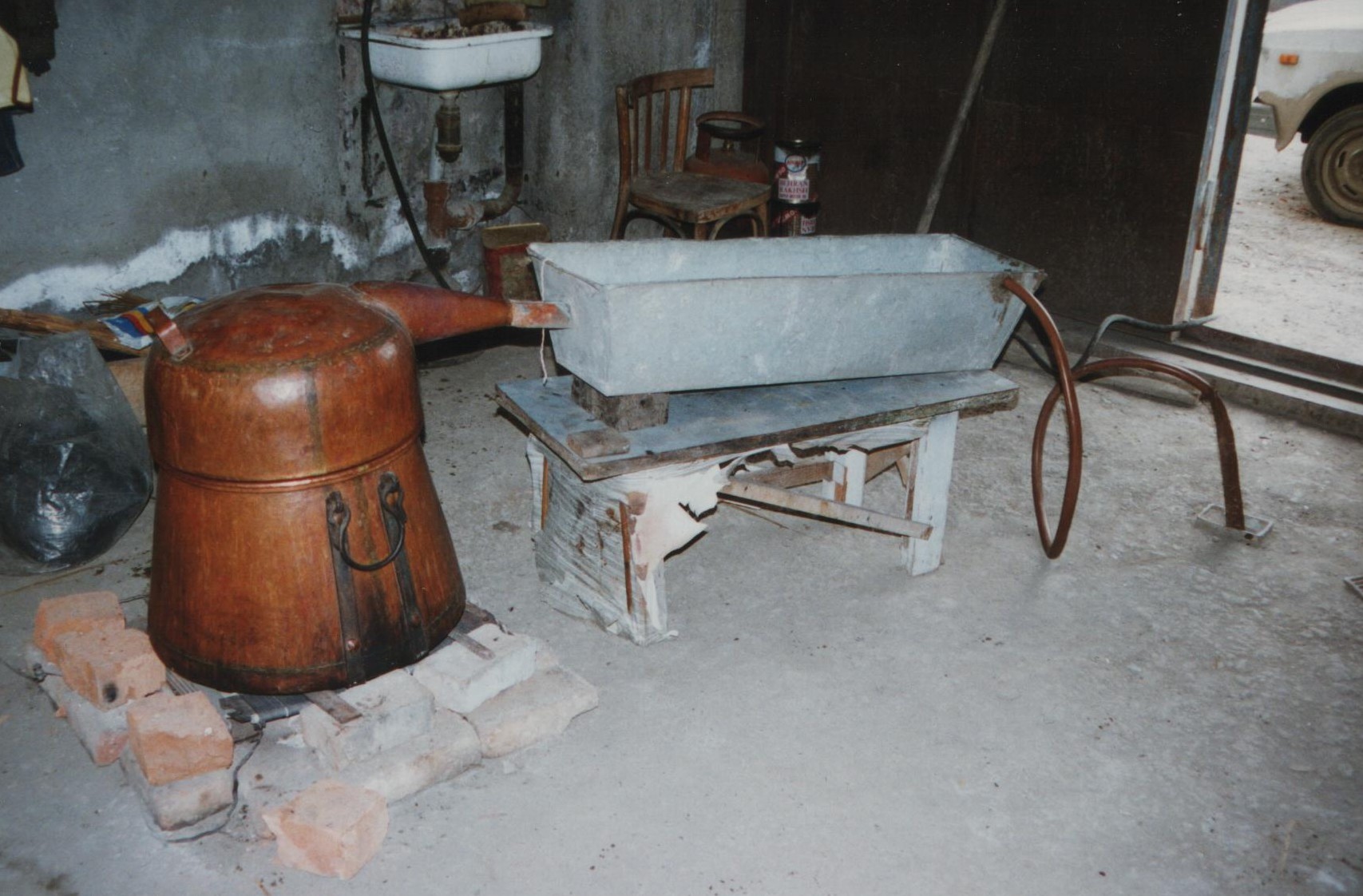
Plenty of Georgian families still make their own on a still like this one, in a shed or a yard, which is why so much of the chacha you'll be offered never had a label. In Kakheti, the main wine region, it's distilled from Rkatsiteli or Saperavi pomace, the flagship white and red grapes of Georgian wine, and it tastes earthy. Chacha from Imereti and Adjara in the west is lighter.
The raw material arrives every autumn. Rtveli, the grape harvest that runs from late August to late October, leaves every family winery with a fresh pile of pomace, and that pile becomes the next batch of chacha.
How strong is chacha?
Stronger than you think, and how much stronger depends on who made it. Factory chacha is bottled at roughly the strength of vodka. Homemade chacha follows no rules, and a twice-distilled home batch can reach 65%.
| Type | Strength (ABV) | What to expect |
|---|---|---|
| Factory-made | 40 to 43% | Smooth and consistent: the supermarket bottle |
| Oak-aged | 40 to 45% | Amber, softer, with notes of wood |
| Homemade, distilled once | 45 to 55% | Fruitier, rougher at the edges |
| Homemade, distilled twice | 55 to 65% | Clean but fierce: small sips only |
My rule: if someone pours from an unlabeled bottle, assume it sits at the top of that range and pace yourself. A 50 ml glass of 60% chacha carries about as much alcohol as a 250 ml glass of wine, and at a long dinner it comes round more than once.
Types of chacha: white, aged and fruit
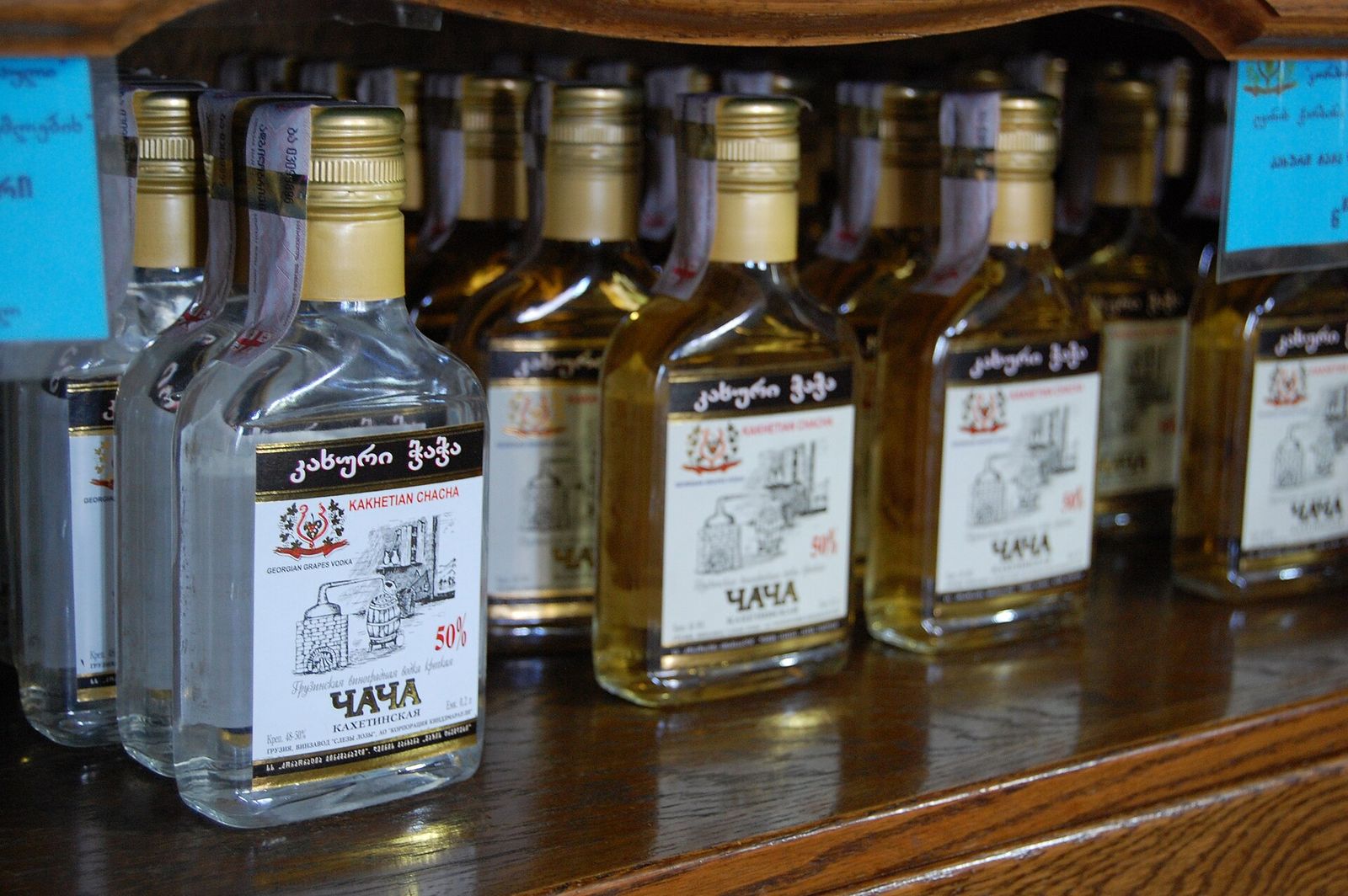
Most chacha you'll meet is white: clear, unaged and hot. It's the one poured at a feast and the one in most supermarket bottles, and it's the truest taste of the grape.
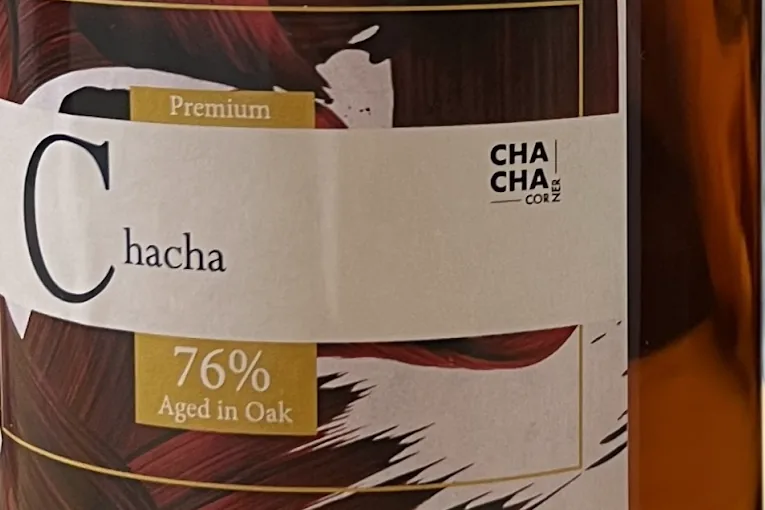
Aged chacha spends at least a year in oak, often in barrels of mulberry or chestnut wood, and comes out amber. It's rarer, pricier and much gentler. This is the one I'd hand to a friend who swears they hate spirits, and the one I'd buy as a gift.
Fruit chacha is made from or infused with mulberries, figs, plums and other fruit. Tbilisi bars also pour pomegranate, blackberry and cornelian cherry versions. They're sweeter and easier to drink than the white, which makes them a good first glass and a dangerous fourth one.
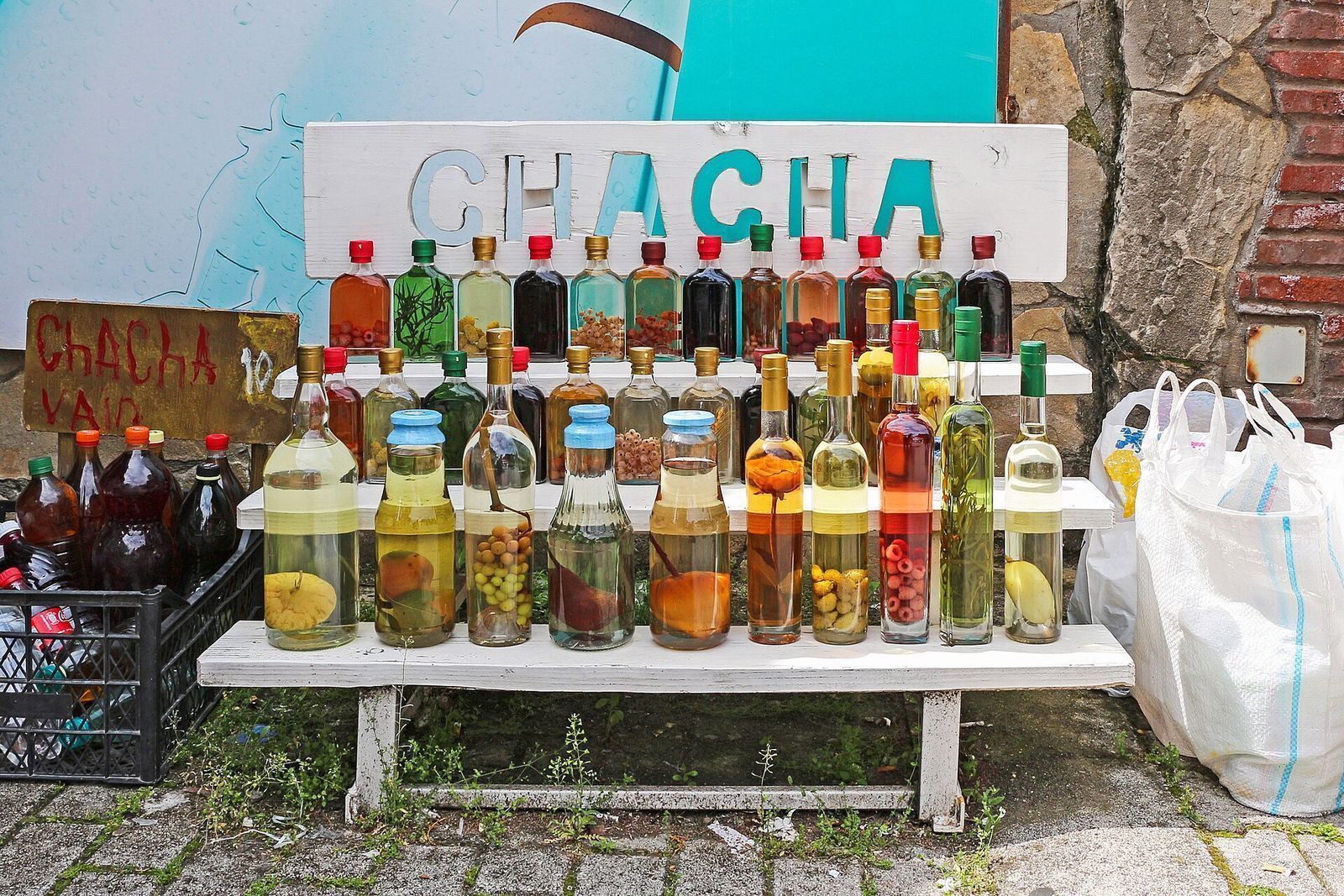
The bottles with whole fruit floating inside are as much a souvenir as a drink. You'll see them stacked on stalls in Mtskheta, the old capital. They make a great photo. Whether they make a great drink depends entirely on who filled them, so taste before you buy.
How to drink chacha like a local
Neat, at room temperature, from a small glass of 30 to 50 ml. No ice, no mixer, no wedge of lime. Georgians drink chacha before the food rather than after it, and never without a toast: someone says a few words, you raise your glass, look the person in the eye, and drink.
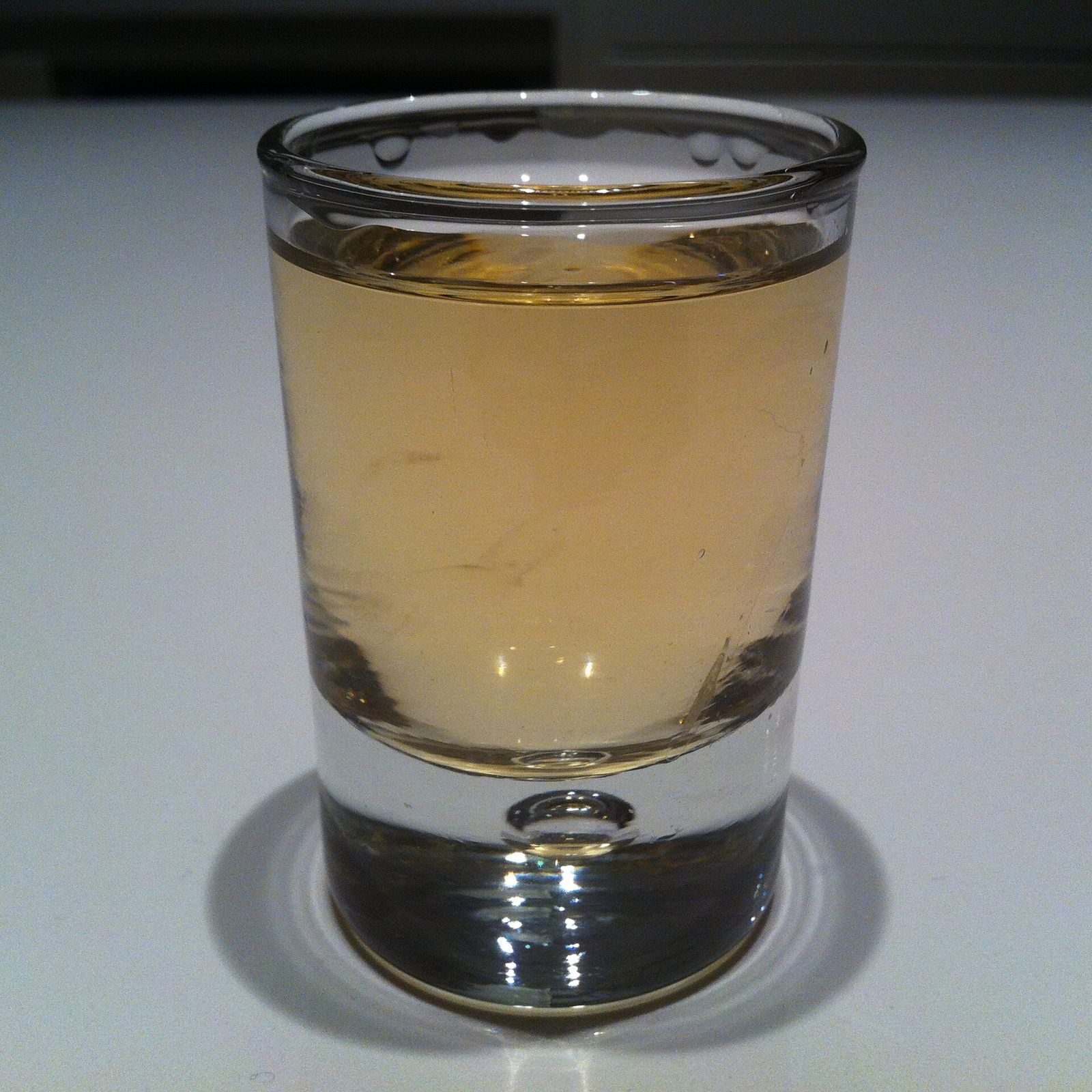
At a Georgian supra led by a toastmaster, chacha goes round first and the wine follows. Over a long meal you can be offered it 4 or 5 times. You don't have to keep up. Drinking the first round and moving to wine after it is completely normal, and nobody at the table will think less of you for it.
You don't have to drain the glass in one go, either. Sipping is fine, and with a 60% homemade pour it's the smart move.
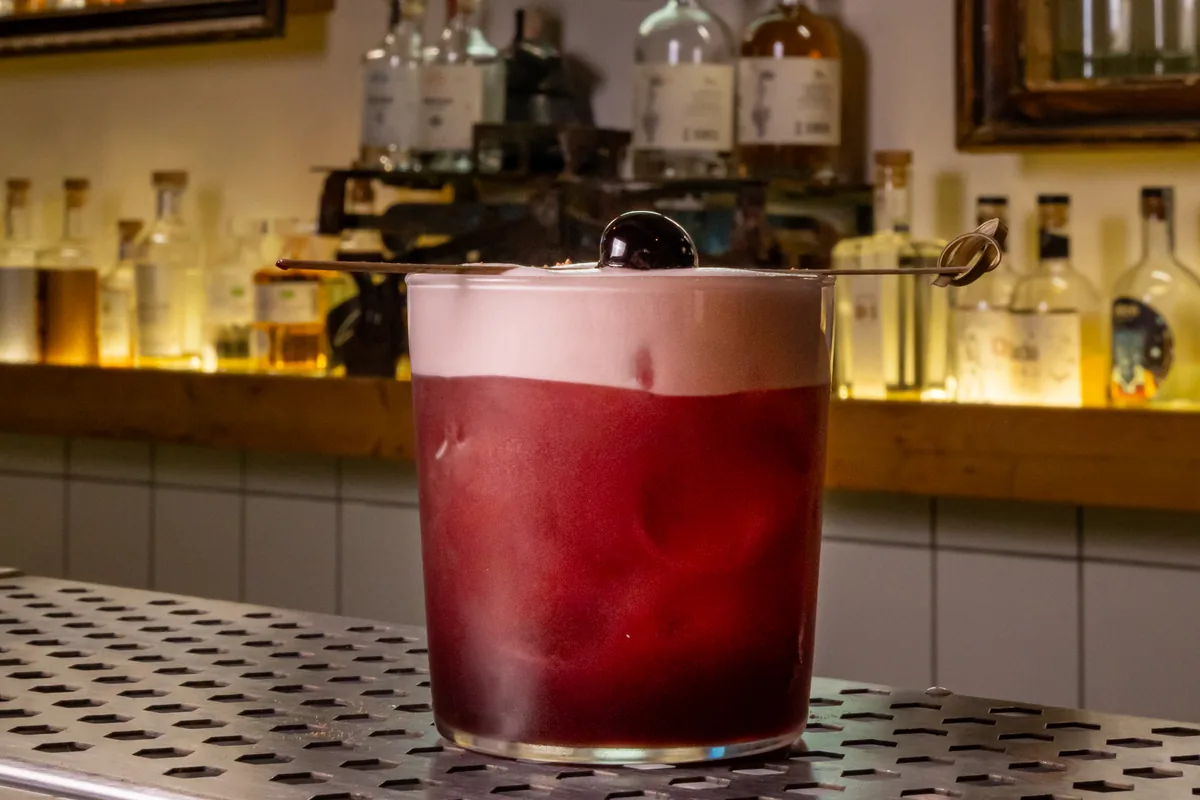
Chacha in cocktails is the newer habit. Bartenders on Tbilisi's cocktail bar scene treat it the way Mexican bars treat mezcal: shaken into sours, topped up as a spritz, or stirred into an Old Fashioned built on chacha aged in smoked oak. If neat chacha is too much for you, a Chacha Sour is the friendliest way in.
Where to drink chacha in Tbilisi
Almost every one of the bars in Tbilisi keeps a bottle of chacha behind the counter, but only a few make it the point. These are the places I'd go, and what I'd order at each.
| Bar | Address | What to order | Best for |
|---|---|---|---|
| Chacha Time | 5 Geronti Kikodze St | A tasting flight, then the Old Georgia | A first proper tasting |
| Chacha Corner | 11 Giga Lortkipanidze St | A guided tasting, then a bottle | Learning before you buy |
| Warszawa | 19 Aleksandr Pushkin St | A flavored chacha shot | A cheap start to the night |
| Process Craft Beer Bar | Kostava St, opposite Stamba | Chacha with a Georgian craft beer | Mixed groups |
| Dedaena Bar | Dedaena Park | Chacha or the house Georgian gin | Live music before a club |
| Wine Code | Avlabari | The four-wine tasting with spirits, 35 GEL | Wine and chacha in one sitting |
Chacha Time
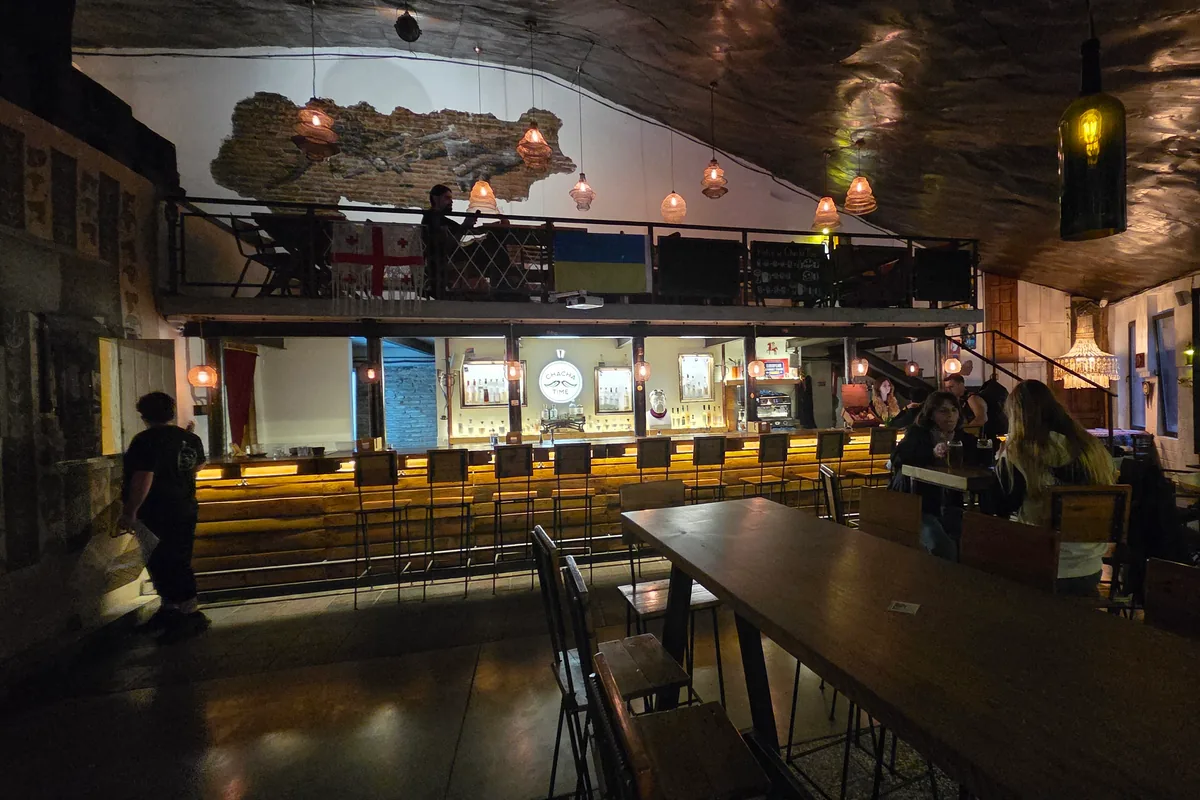
The one I'd send anyone to first. Chacha Time pours more than 40 chachas from across Georgia, including barrel-aged and single-grape bottles, in 25 ml measures, so a flight doesn't wreck your evening. Once you've found a favorite, try it mixed: the Old Georgia is an Old Fashioned made with chacha aged in smoked oak barrels, and the list also runs a Chacha Sour, a Chacha Spritz and a Bloody Mariam. Order the nadughi with matsoni and ajika to soak it up.
Chacha Corner
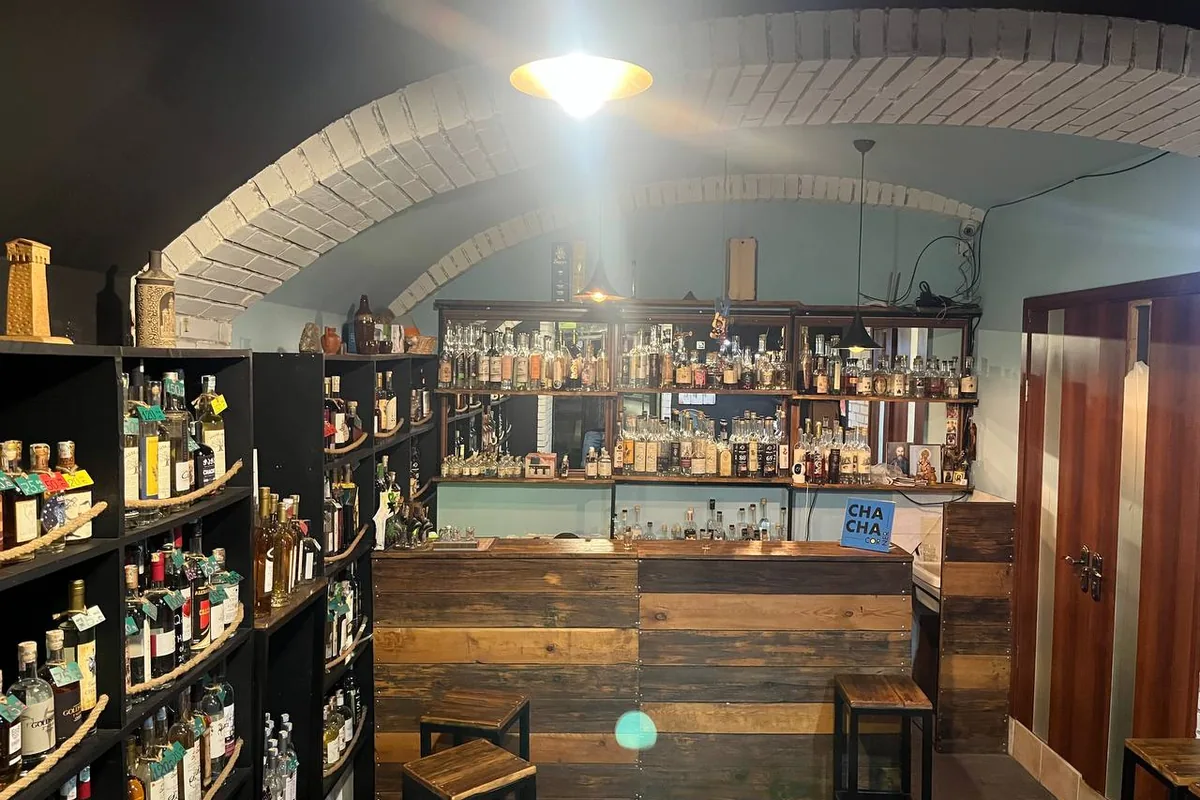
Half shop, half tasting room. The owner speaks English and explains how chacha is made and how the styles differ while you taste, which makes this the best place in town to learn before you spend money on a bottle. I'd come here on the day I plan to buy, not at the start of a night out, and leave with whichever bottle won the tasting.
Warszawa
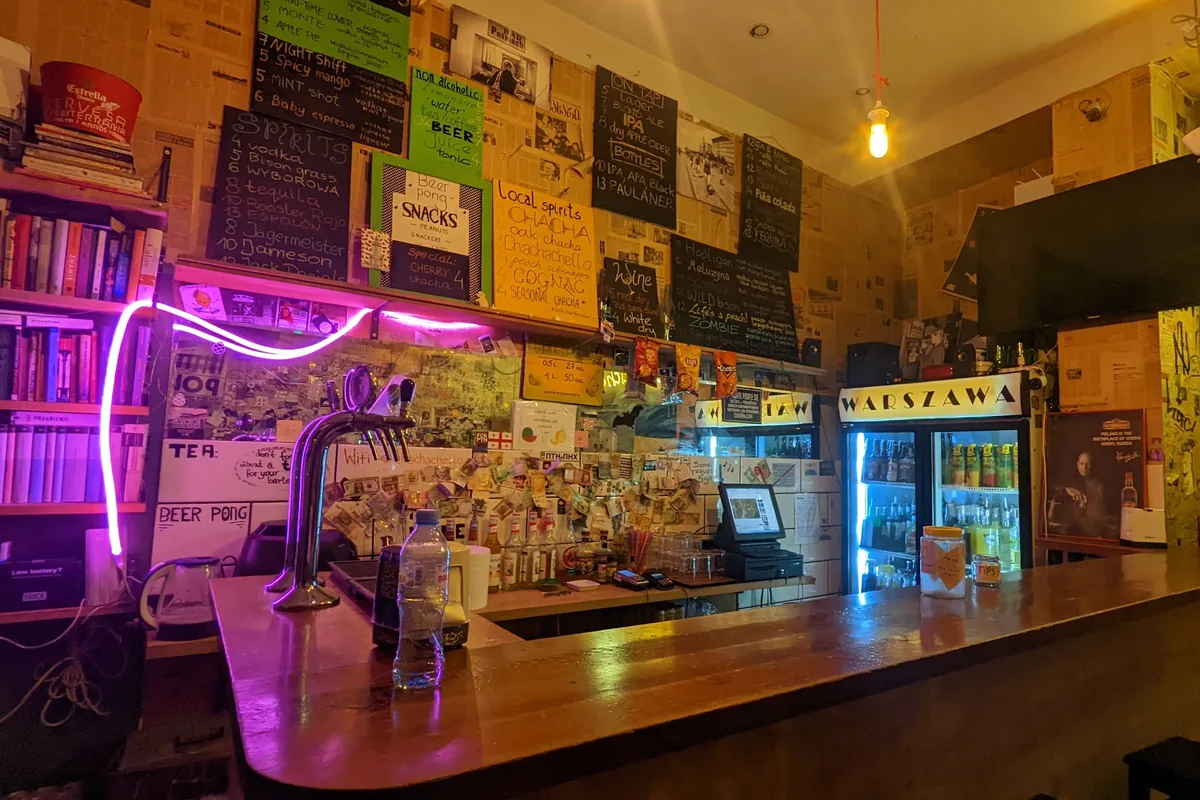
A tiny Polish-themed bar by Freedom Square, its walls covered in old Polish newspapers. There are only a few seats, so the crowd spills onto the pavement. The flavored chacha shots, watermelon among them, are some of the cheapest drinks in the center. It's a first stop rather than a place to learn anything, and that's exactly what it's good for.
Process Craft Beer Bar
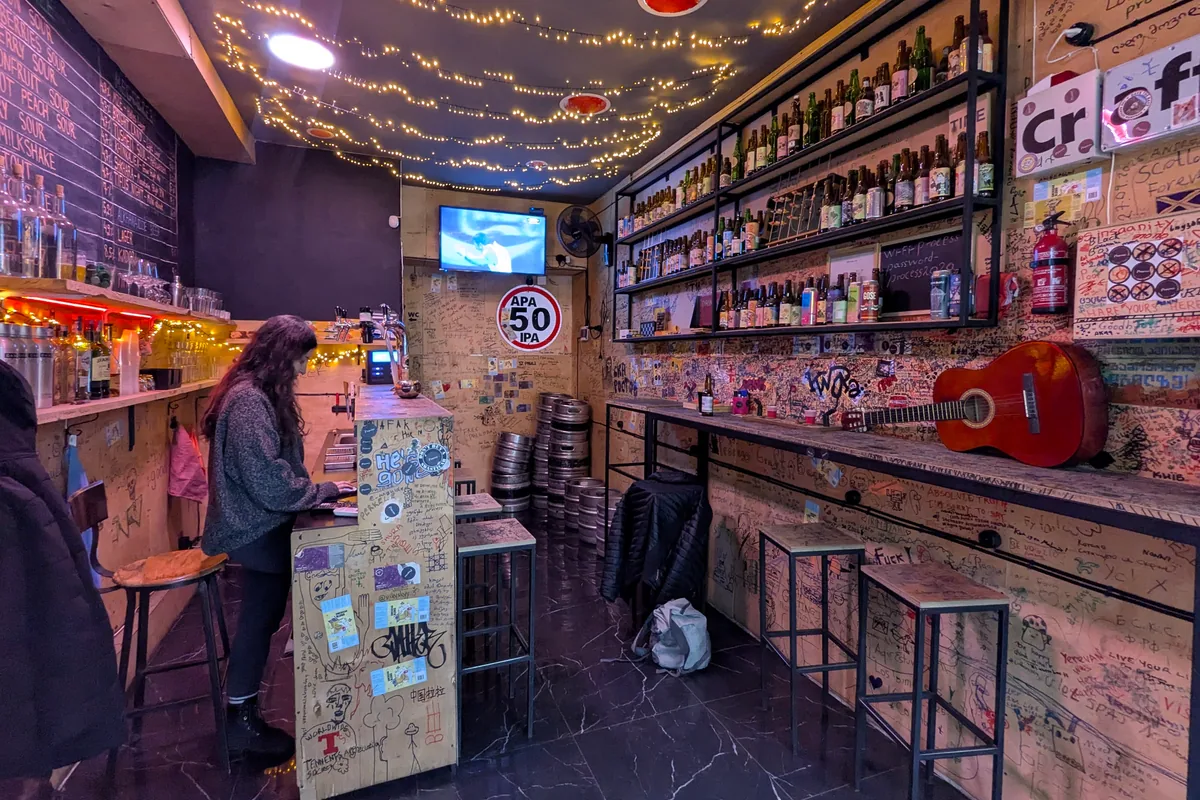
A tiny craft beer bar on Kostava Street, across from Stamba. The taps are the draw, with Georgian breweries and odd styles like tomato gose and tarragon sour, but it also keeps chacha and Georgian cider. It's the bar I'd pick for a group where one person wants beer, one wants cider, and one wants to try chacha for the first time.
Dedaena Bar
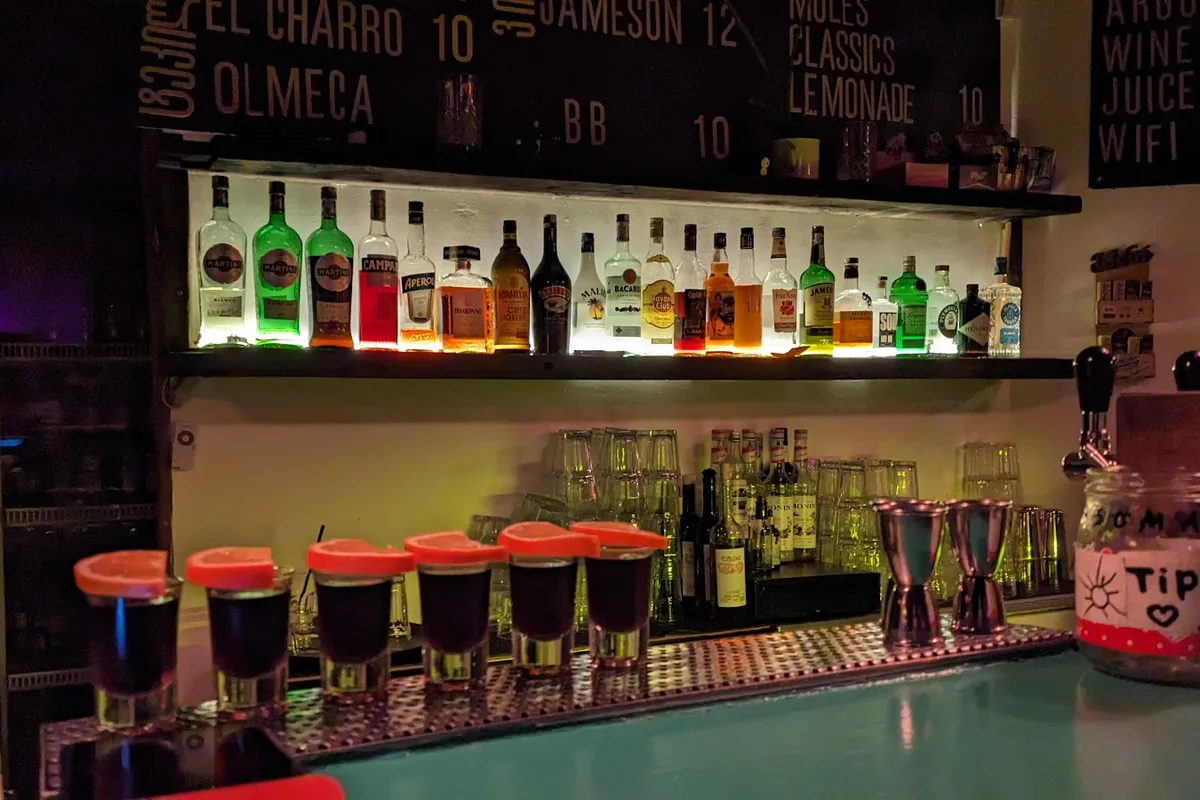
A live music bar in Dedaena Park that works as a pre-party spot before the clubs. It pours chacha alongside Alkhanaidze beer, cocktails and a house Georgian gin, with veggie burgers and falafel wraps if you need food. There's face control at the door, so dress for a night out rather than a day of sightseeing.
Wine Code
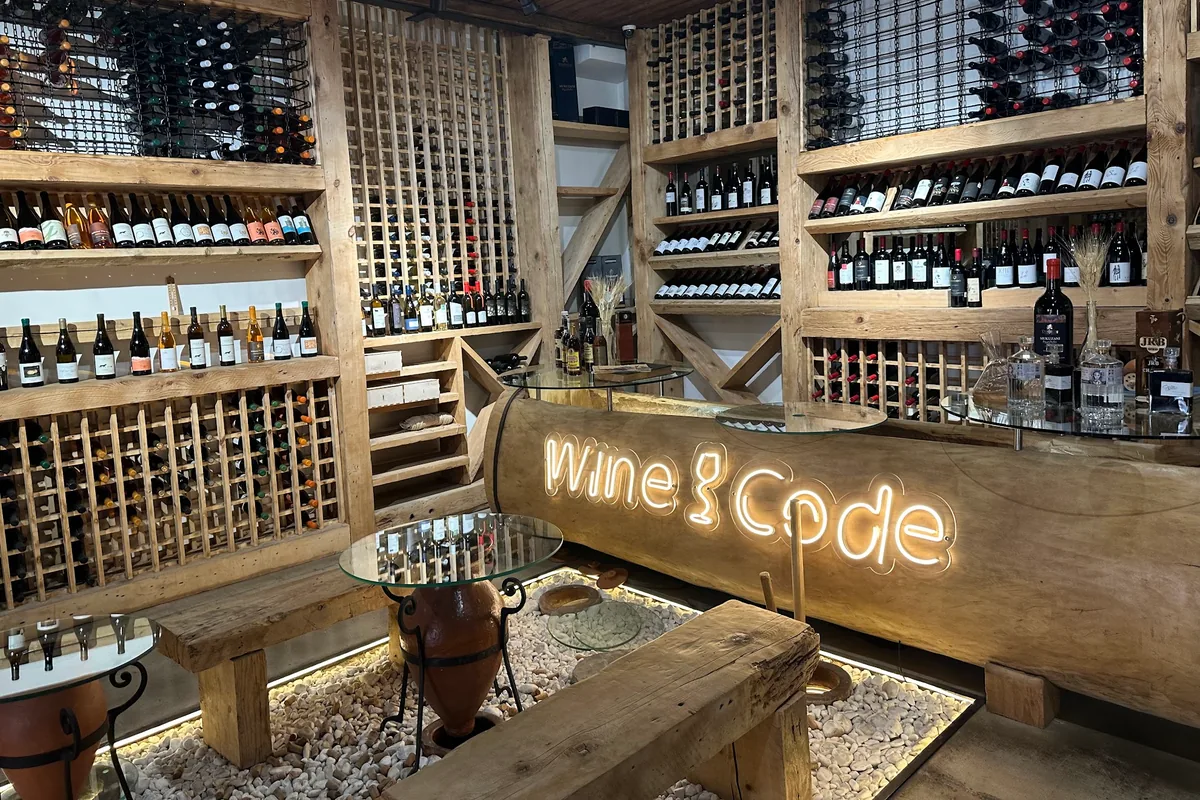
A wine bar in Avlabari where the staff talk you through terroir, with a cellar room and small qvevri on display. The four-wine tasting finishes with high-proof spirits and costs 35 GEL; book ahead. It's my pick if you want Georgian wine and chacha explained in one sitting, by someone who can answer the follow-up questions.
Where to buy chacha in Tbilisi and what it costs
Price follows the source more than the quality. A sealed factory bottle from a supermarket is a safe, cheap buy; a specialist shop costs more and gets you aged and rarer bottles; the market is cheapest of all and the biggest gamble.
| Where | What you get | Price |
|---|---|---|
| Carrefour and Nikora supermarkets | Factory brands: Shumi, Old Tbilisi, Sarajishvili | 15 to 35 GEL a bottle |
| Wine Gallery, Pekini Avenue | A specialist shop's wider range | 25 to 80 GEL a bottle |
| Dezerter Bazaar | Homemade, sold by the liter | 10 to 20 GEL a liter |
| Kakheti wineries | The winery's own chacha | 20 to 50 GEL a bottle |

At Dezerter Bazaar, the big central food market, vendors sell homemade chacha by the liter. Taste it before you pay, and buy from a stall that has obviously been trading there for years rather than from whoever calls out to you first.
An aged chacha in a sealed bottle is my favorite of the Georgian souvenirs that fit in a suitcase. It takes less space than wine, it doesn't spoil on the journey, and almost nobody at home has tasted it.
Homemade or factory chacha: which to buy
Buy factory chacha if:
- It's a gift. A sealed, labeled bottle looks the part and gets through customs without questions.
- You want to know the strength. The label says 40 to 43%, and that's what's in the bottle.
- You're short on time. Any supermarket has Shumi, Old Tbilisi or Sarajishvili for 15 to 35 GEL.
Buy homemade chacha if:
- You've tasted it first. If you liked the glass, the liter will taste the same.
- You trust the source. A winemaker you visited or a long-standing market vendor, never a roadside stranger.
- You want one family's grapes. Homemade chacha varies from village to village, and that variety is the reason to buy it.
Taking chacha home: how much you can carry
Spirits allowances are tight. The EU allows 1 liter of spirits over 22% per adult duty free, and the US allows 1 liter per adult. The UK allowance is more generous. Anything above your allowance has to be declared, and you'll pay duty on it.
Keep bottles sealed, or keep the receipt, so a customs officer can see what's inside and what you paid. Wrap each bottle in clothes and pack it in checked luggage, the same way you'd pack Georgian wine for the flight home.
Key takeaways
- Chacha is Georgian grape brandy distilled from wine pomace, nicknamed grape vodka but closer to grappa.
- Factory chacha is 40 to 43% and homemade chacha 45 to 65%, so pace yourself with any unlabeled bottle.
- Drink it neat, at room temperature, on a toast and before the food; switching to wine after the first round is fine.
- Taste a flight at Chacha Time or Chacha Corner before you buy a bottle to take home.
- Buy factory bottles in supermarkets for 15 to 35 GEL, and buy homemade only where you can taste it and trust the seller.
Frequently asked questions
What does chacha taste like?
White chacha tastes hot, dry and grapey, closer to grappa than to vodka. Aged chacha is softer and woody, and fruit chacha is sweeter and smells of whatever fruit went into it. Homemade bottles vary a lot from one family to the next.
Is chacha the same as grappa?
They're close cousins, not the same drink. Both are distilled from grape pomace, but chacha can only be made in Georgia from Georgian grapes such as Rkatsiteli and Saperavi, and homemade chacha often runs stronger, up to 65%.
Why is chacha called grape vodka?
Because it looks and is served like vodka: clear, strong and poured into small glasses for a toast. Strictly it's a grape brandy, and it keeps far more of the grape's flavor than a neutral vodka does.
How strong is chacha?
Factory chacha is 40 to 43% ABV, about the strength of vodka. Homemade chacha runs 45 to 55% after one distillation and 55 to 65% after two, while oak-aged chacha sits at 40 to 45%.
Is homemade chacha safe to drink?
From a trusted source, yes. Badly distilled chacha can contain methanol if the first part of the run wasn't thrown away, so buy homemade only from winemakers and established market vendors, never from an unknown seller.
How do Georgians drink chacha?
Neat, at room temperature, from a 30 to 50 ml glass, after a short toast and with eye contact. At a supra it comes before the wine, and it's drunk before the food rather than after it.
What is the best chacha brand to buy?
Shumi, Old Tbilisi and Sarajishvili are the factory names you'll see most, at 15 to 35 GEL in supermarkets. For something special, go to a specialist shop such as Wine Gallery on Pekini Avenue, where bottles run 25 to 80 GEL, and ask for an oak-aged chacha.
Can you bring chacha home from Georgia?
Yes, within your country's allowance. The EU and the US each allow 1 liter of spirits per adult duty free. Keep the bottle sealed or keep the receipt, and pack it in checked luggage.
Georgian Drinks: What to Drink in Georgia and Where to Try It in Tbilisi
Tbilisi is known for its qvevri wine. Here's what to drink in Georgia, from amber wine to chacha, and where to try it.
Read the guide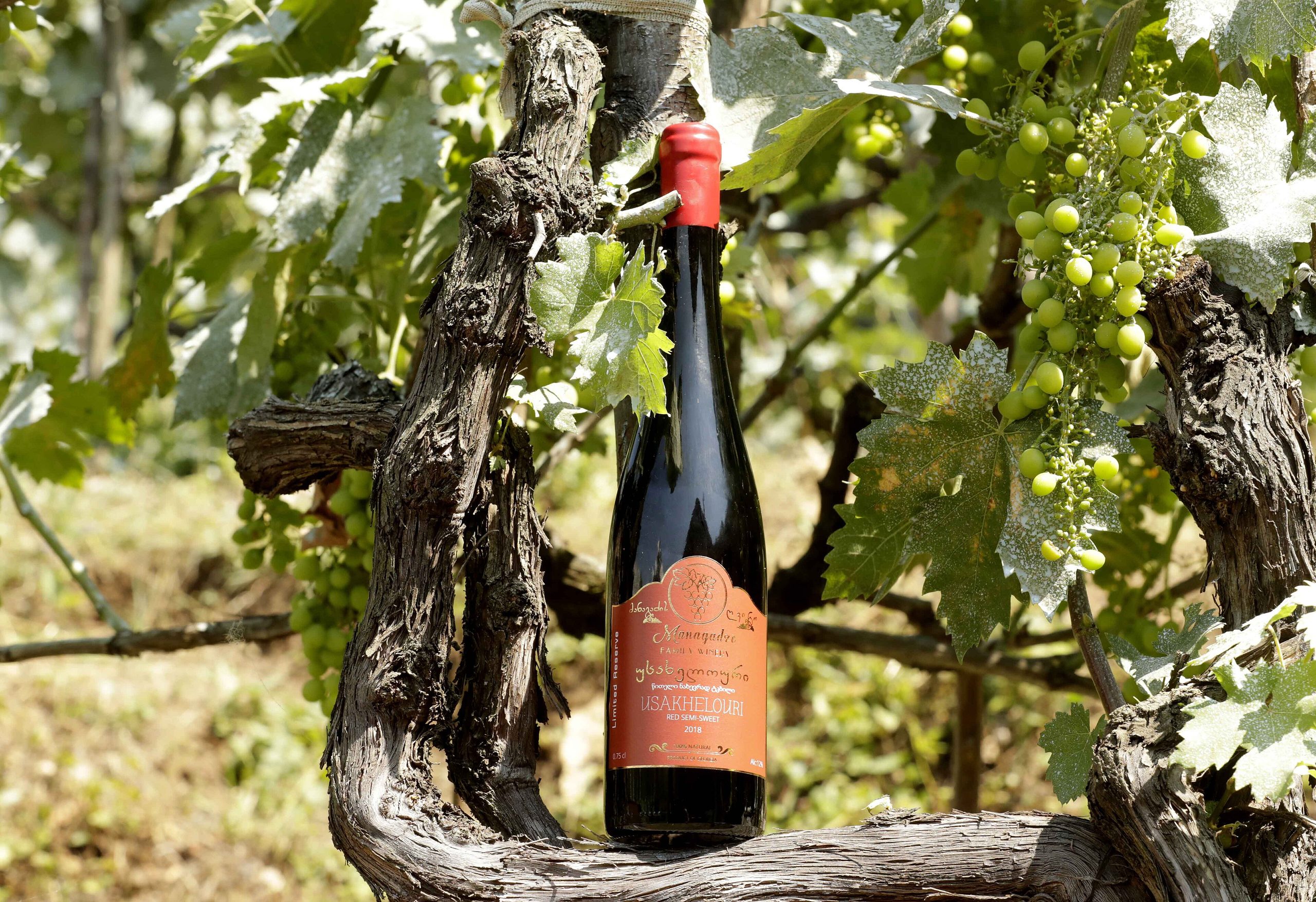
Georgian Wine Guide: Regions, Styles and What to Order
Georgia is known for 8,000 years of winemaking. Here is what to know about its styles, regions, prices and bars.
Read the guide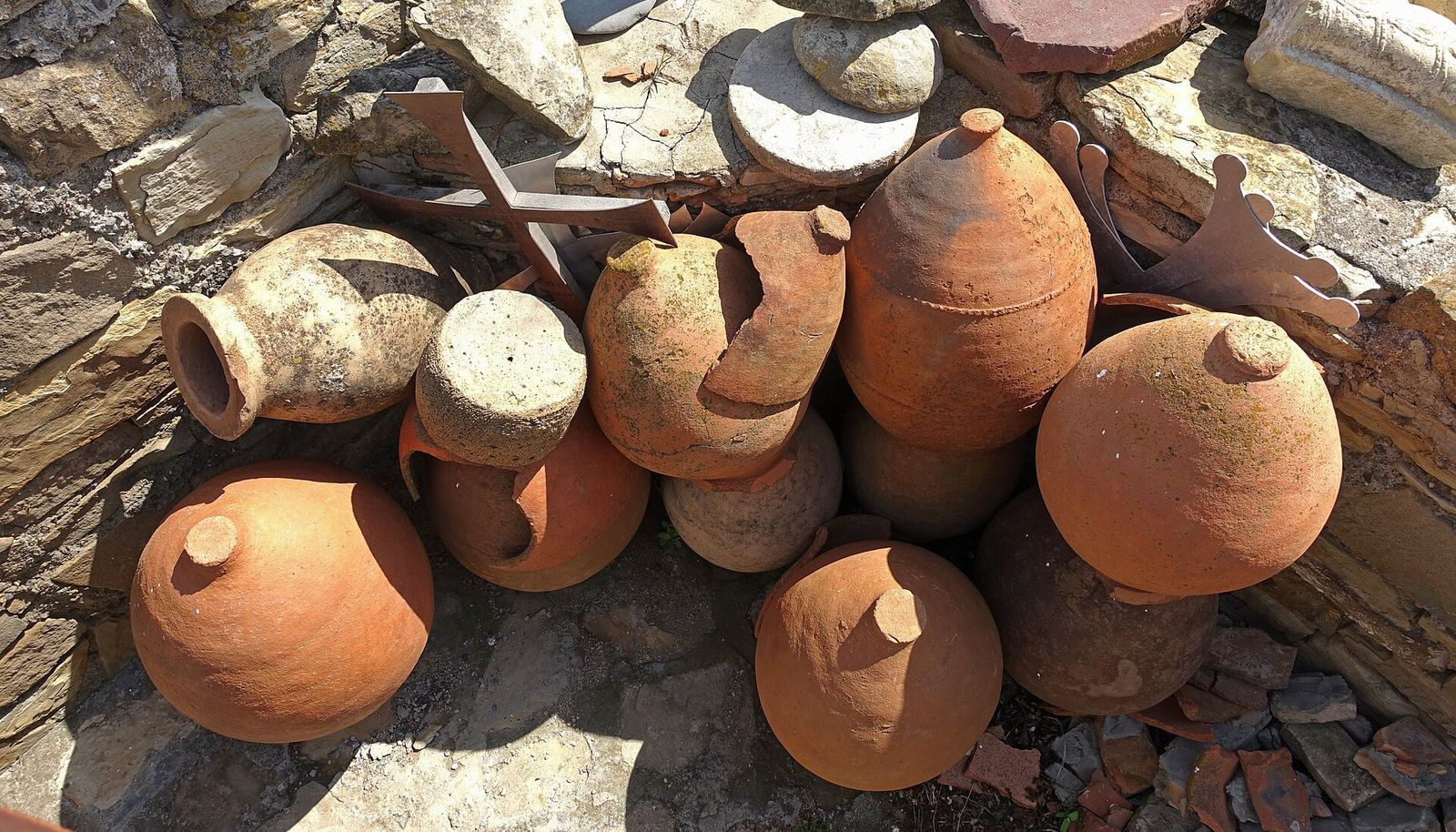
Qvevri Wine: How Georgia Makes Wine in Buried Clay Jars
Georgia is known for qvevri wine. Here is what the clay jars are, how the wine tastes and where to try it in Tbilisi.
Read the guide