Food Tours in Tbilisi: Prices, Routes and Which One to Book
Tbilisi is known for khinkali, khachapuri and wine made in clay jars, and a food tour is the quickest way to learn all three in one afternoon. Here's what the tours cost in 2026, how the main types differ, what you actually eat on one, and a self-guided food walk for the days you'd rather go without a guide.
What a food tour in Tbilisi is like
A Tbilisi food tour is a walk with a lot of sitting down. You meet a guide in the old center, walk between 1.5 and 2.5 km over 3 to 4 hours, and stop 9 to 12 times for something to eat or drink. Groups are small, usually 2 to 7 people, and most operators also run the same route as a private tour.
The stops follow a pattern you'll recognize by the second tour you read about. There's a bakery where the bread comes out of a round clay oven, a plate of walnut spreads and pickles, a market or bazaar for cheese, herbs and churchkhela, a khinkali house, a sit-down meal, and a last stop for wine or a shot of chacha. The longer tours slow the pace and turn the meal into a proper feast with toasts.
I like that the best guides use the food to explain the city. Tbilisi sat on trade routes between Persia, the Ottomans and Russia for centuries, and you taste that in the Azeri teahouses, the spice stalls and the Megrelian walnut sauces as much as you hear it on a history tour.
How much food tours in Tbilisi cost
Tours are sold in US dollars on the booking sites, so I've given the listed price with the rough lari figure next to it. Everything below includes the food and at least some drinks unless the row says otherwise.
| Tour type | Length | Price a person | What's included |
|---|---|---|---|
| Group tasting walk | 3 to 4 hours | From $59 (about 160 GEL) | 9 to 12 tastings, wine |
| Private Sololaki walk | About 4 hours | $79 to $109 (215 to 300 GEL) | 9 tastings, old taverns and local eateries |
| Street food tour | 3 hours | From about $90 (about 245 GEL) | Khinkali, khachapuri, lobiani, churchkhela, wine or beer |
| Dinner with a local family | About 3 hours | $49 to $55 (130 to 150 GEL) | Six dishes you cook, homemade wine and chacha, transport |
| Dezerter Bazaar market tour | 5.5 to 6 hours | $110 to $125 (300 to 340 GEL) | Market tastings, a restaurant meal, wine |
| All-day Silk Road Feast | About 7 hours | $125 (about 340 GEL) | Every stop, wine and spirits |
| Khinkali and khachapuri class | 2.5 hours | $29 to $31 (about 80 GEL) | Ingredients, the meal you make |
| Kakheti wine day trip | Full day | From about $39 (about 105 GEL) | 9 or 10 wine tastings |
Private tours cost more per head when you book them alone, because the guide's fee is split fewer ways. Children are usually cheaper: on the Silk Road Feast, kids 12 and under pay half, and kids 6 and under pay $25.
Tips for the guide are not included anywhere, and nobody will chase you for one. Restaurants on the route are already paid for, so the 10% service line you'd see on a normal bill doesn't apply.
The best food tours in Tbilisi, by type
Dozens of tours are listed, but they come in seven shapes. Pick the shape first, then the operator.
Sololaki and Old Town tasting walks
This is the classic Tbilisi food tour and the one I'd book on a first trip. The private 9-tasting walk through Sololaki runs about 4 hours at $79 to $109 a person, stopping at old taverns and small local eateries for khachapuri, khinkali and traditional drinks. Taste Tbilisi, run by Real Georgia Tours, covers the same district in about 3.5 hours with at least 10 tastings, including natural wine and chacha, as a private or small-group walk.
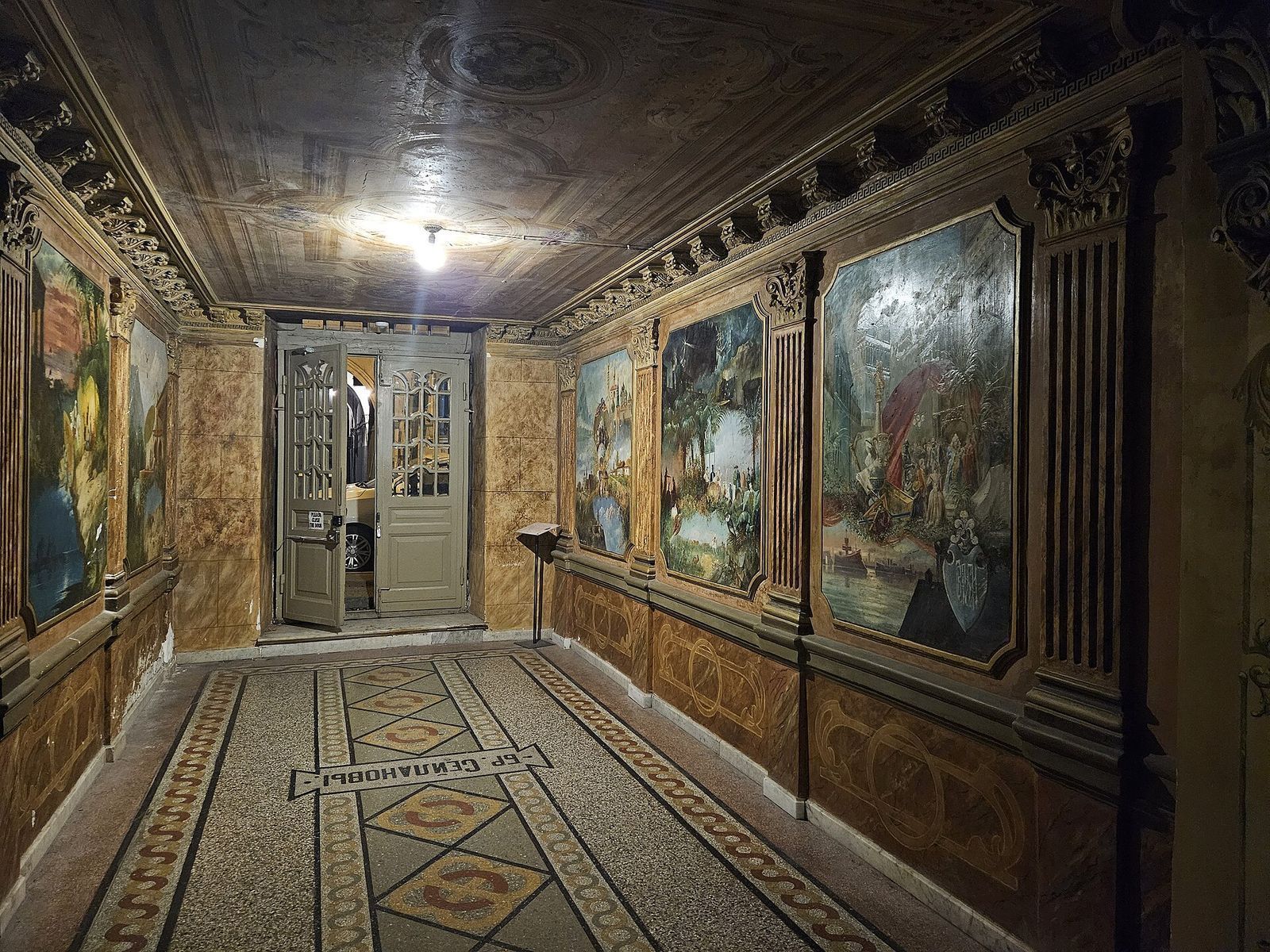
The reason I like these walks is the setting. Sololaki is the 19th-century merchant quarter right behind Freedom Square, with painted entrance halls and wooden balconies, and you'd walk its streets anyway. Doing it between plates of food is the better version of that walk.
The all-day feast: Culinary Backstreets' Silk Road Feast
If I had one full day for food in Tbilisi, I'd spend it on the Silk Road Feast. It starts at 10:00, Monday to Saturday, by the hot springs in the oldest corner of the Old Town, and it runs about 7 hours for 2 to 7 guests at $125 a person.
The stops tell the city's story in order. You start with tea and a slice of khachapuri in an Azeri teahouse, then shoti bread straight from a clay oven, walnut spreads and unusual pickles at a cafe that sells Georgian produce, and herbs, spices, sauces and churchkhela in the Orbeliani bazaar. After that come three handmade kinds of khinkali at a specialist, a long lunch in a hidden courtyard built around shkmeruli (chicken in garlic and milk), and natural qvevri wines from young winemakers to finish.
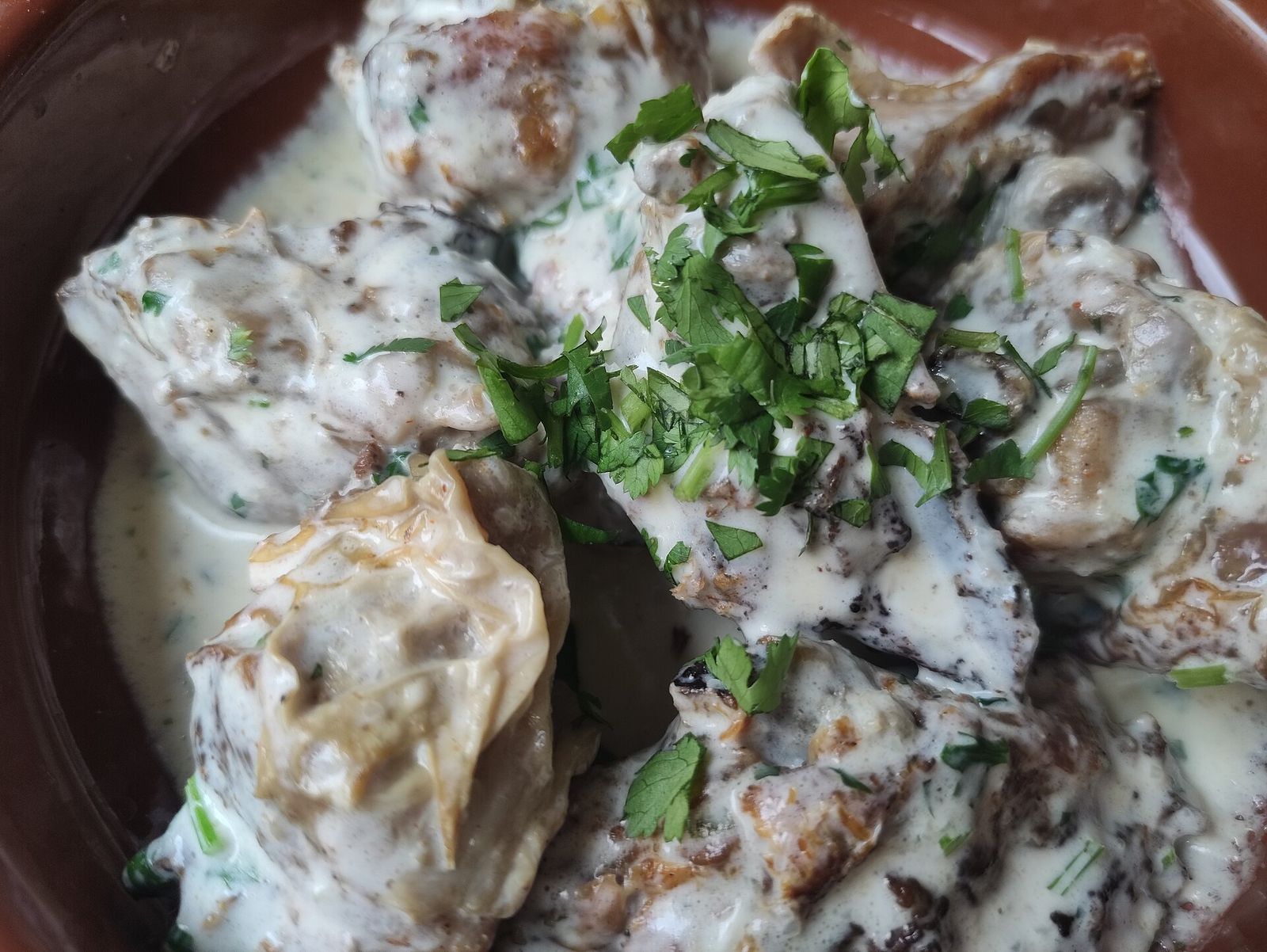
The lunch is run like a small Georgian supra, with toasts between courses, which is the part most visitors never get to see from a restaurant table. The walk itself is about 2.5 km, mostly flat with some cobbles and gentle hills.
Dezerter Bazaar and market tours
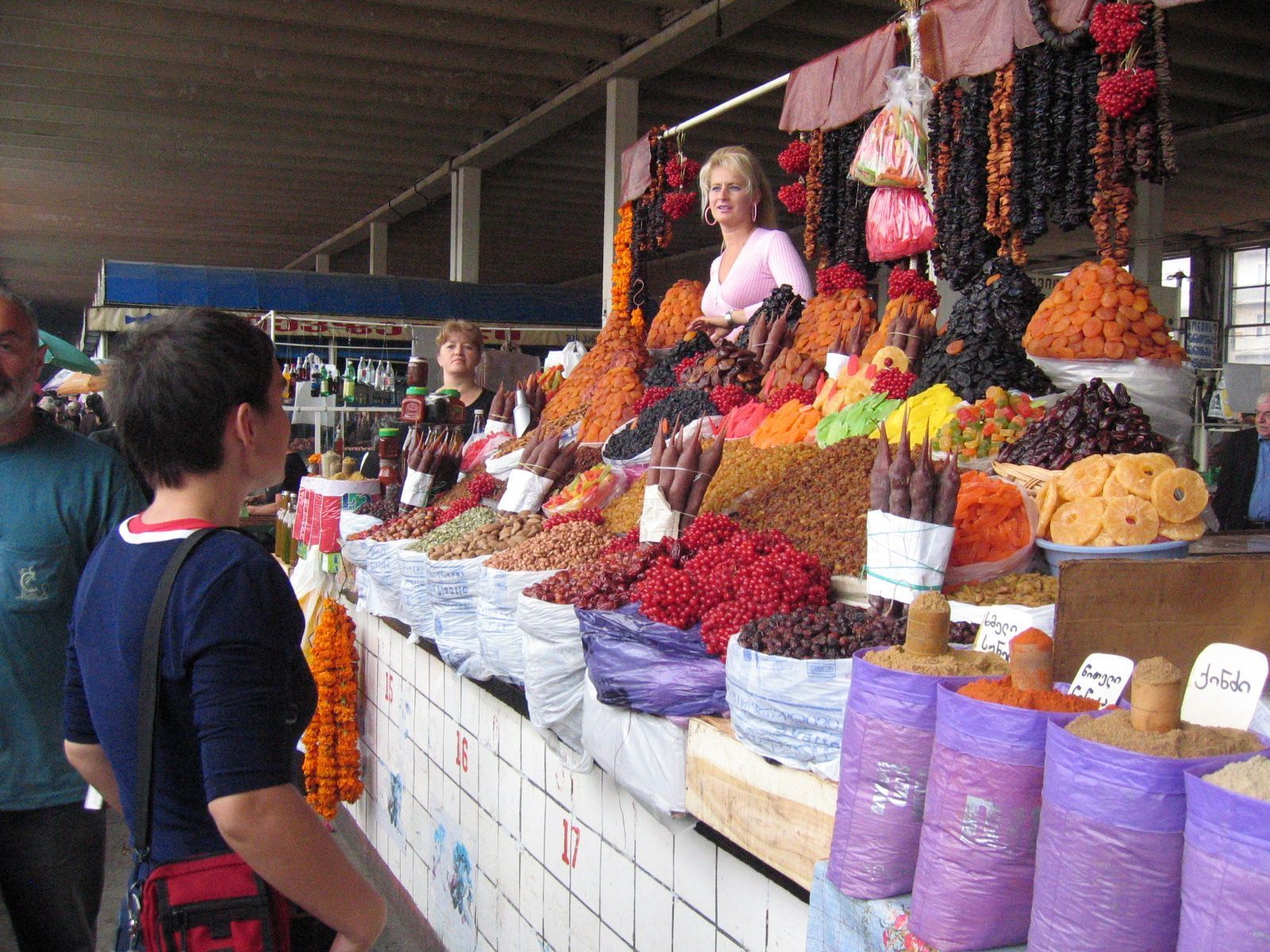
Market tours suit a second trip, or anyone who cooks at home. They start in Dezerter Bazaar, the big central market by Station Square, where a guide gets you tastes of cheeses, pickles, honey, cured meats and churchkhela that you wouldn't think to ask for on your own.
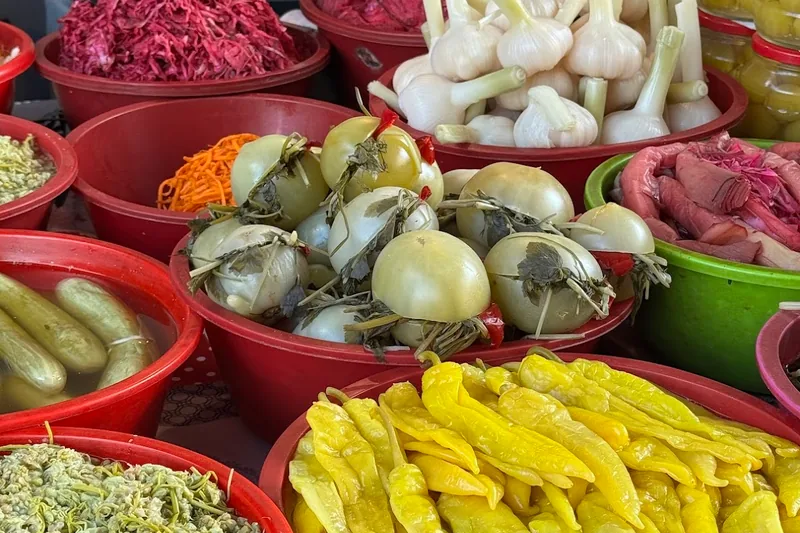
Three tours do this well. Eat Like a Local, also from Real Georgia Tours, spends about 3 hours and 10 tastings between the bazaar and the streets of Marjanishvili and finishes in the courtyard at Fabrika. Meet Me Here Tbilisi runs a 6-hour Dezerter's Bazaar tour at $110 a person with transport, all the food and the wine included. A third half-day tour runs 5.5 hours at $125, with the market, a restaurant meal and a wine bar.
Street food tours
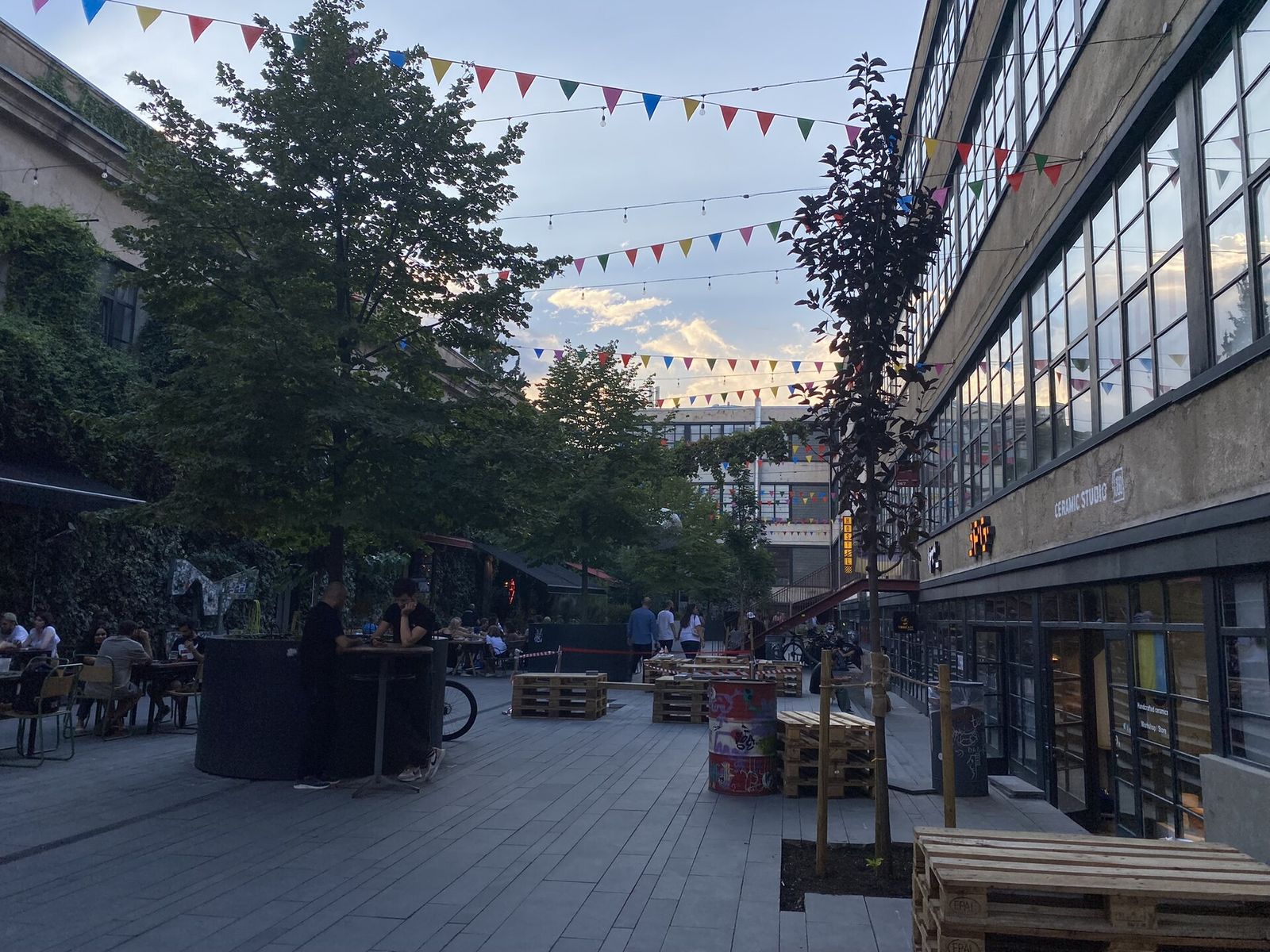
The Tbilisi Street Food Tour, run by TbilisInSight, is a 3-hour all-inclusive walk that starts in a yard serving mchadi (cornbread) with cheese and moves through bakeries and small cafes. You eat khinkali, khachapuri, lobiani and churchkhela, with wine or beer along the way.
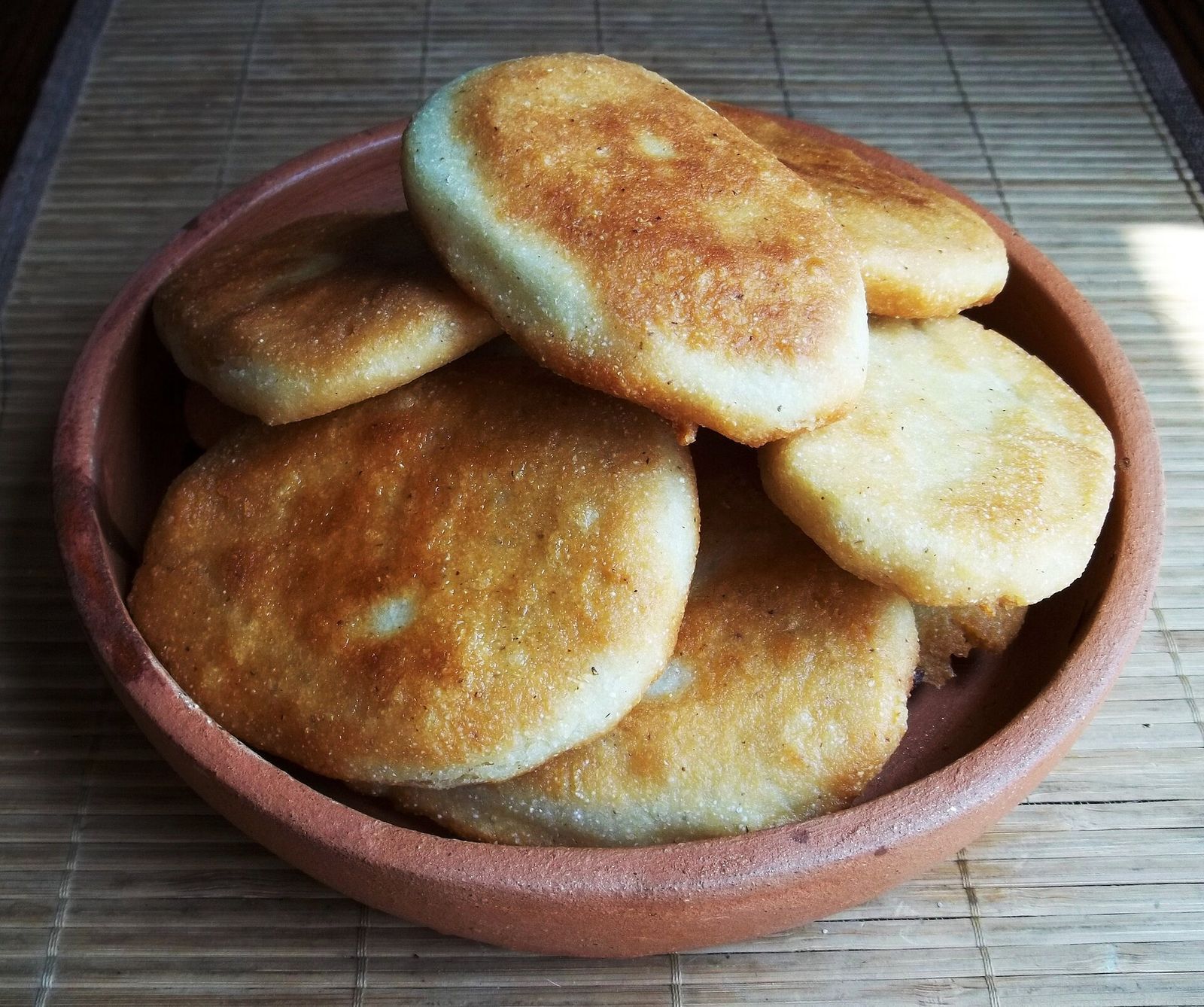
It's the closest a tour gets to how people in Tbilisi eat on a weekday, at bakery windows and counters rather than at tablecloths. The street food in Tbilisi is cheap enough to do alone afterward, so think of this one as the lesson before the homework.
Dinner in a local home
The family food tour is closer to a dinner invitation than a walk. You're driven to a local home, cook six traditional dishes with the family, including khinkali and eggplant with walnuts, and eat them with homemade wine and chacha. It takes about 3 hours and costs $49 to $55 a person with transport both ways.
This is the one I'd pick for travelers who care more about the table than the streets. It's also the easiest way to see how a Georgian home kitchen works.
Cooking classes
A cooking class in Tbilisi is the cheapest hands-on option. The small-group khinkali and khachapuri class lasts 2.5 hours and costs $29 to $31, and you eat everything you make. A private class in a cook's own apartment costs about $148 a person.
Classes are my pick for rainy afternoons, families with children and anyone on a budget. Once you've pleated a khinkali yourself, you'll spot a lazy one at every restaurant after that.
Wine-led tours
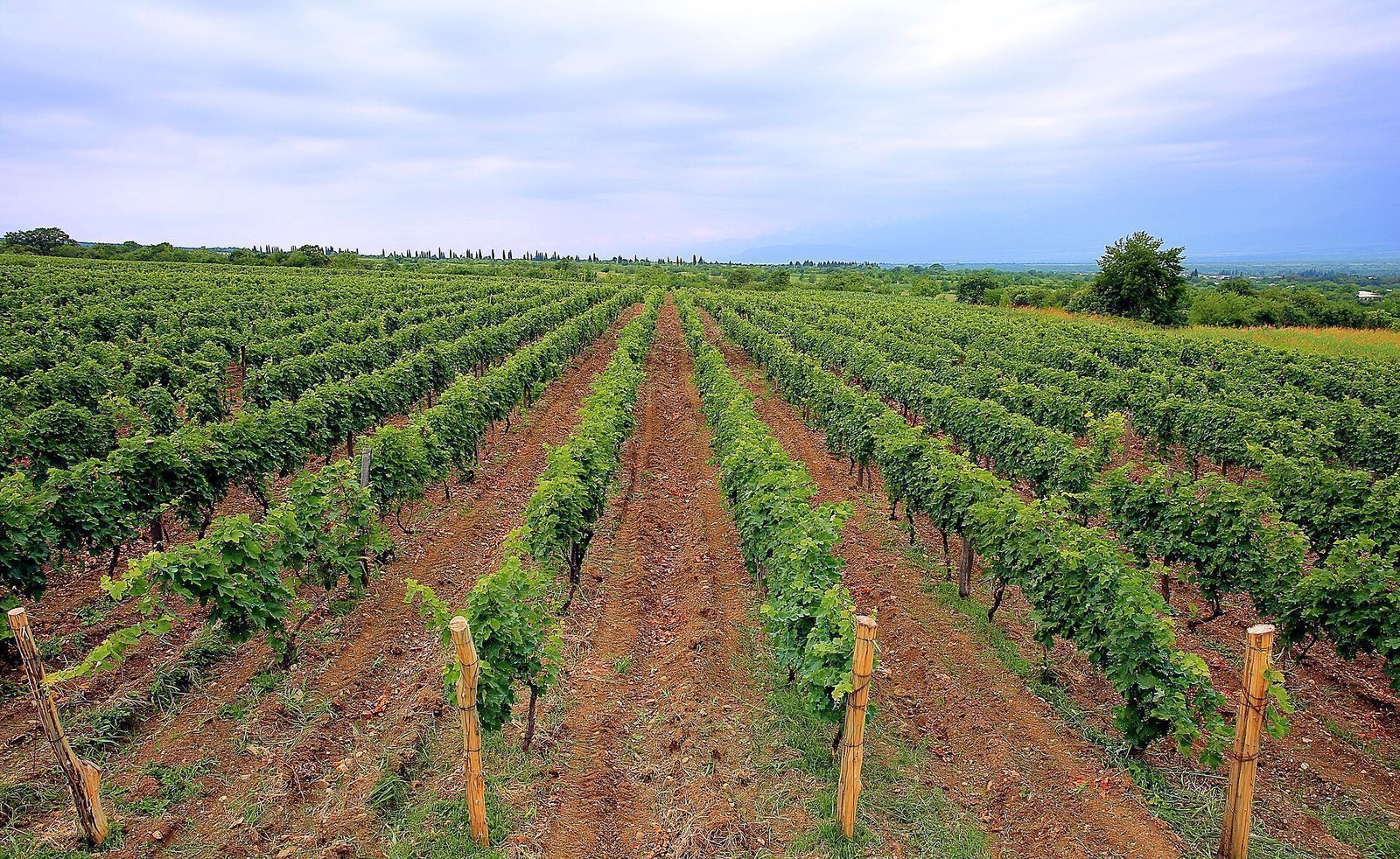
Wine is part of every food tour, but some tours put it first. The most booked is a Kakheti wine tour, a full day out to the main wine region with 9 or 10 tastings from about $39 a person.
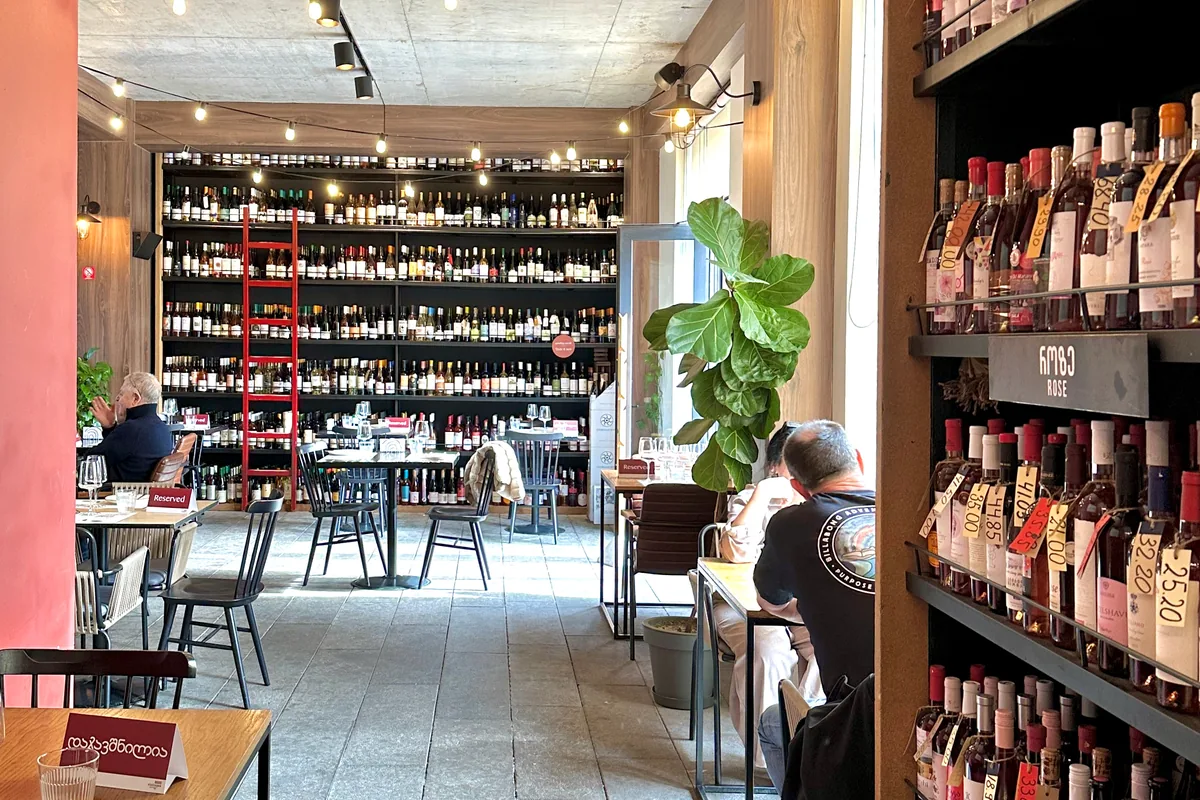
In the city, wine tasting in Tbilisi is easier: 8000 Vintages runs tastings daily from 13:00 to 18:00 by reservation at 55 GEL a person.
What you eat and drink on a Tbilisi food tour
Every tour has its own route, but the same 10 things turn up on almost all of them. This is the list to learn, and the start of everything in Georgian food.
| Tasting | What it is | Where it turns up |
|---|---|---|
| Shoti or tonis puri | Long bread baked on the wall of a round clay oven, 1 to 2 GEL at a bakery window | The bakery stop |
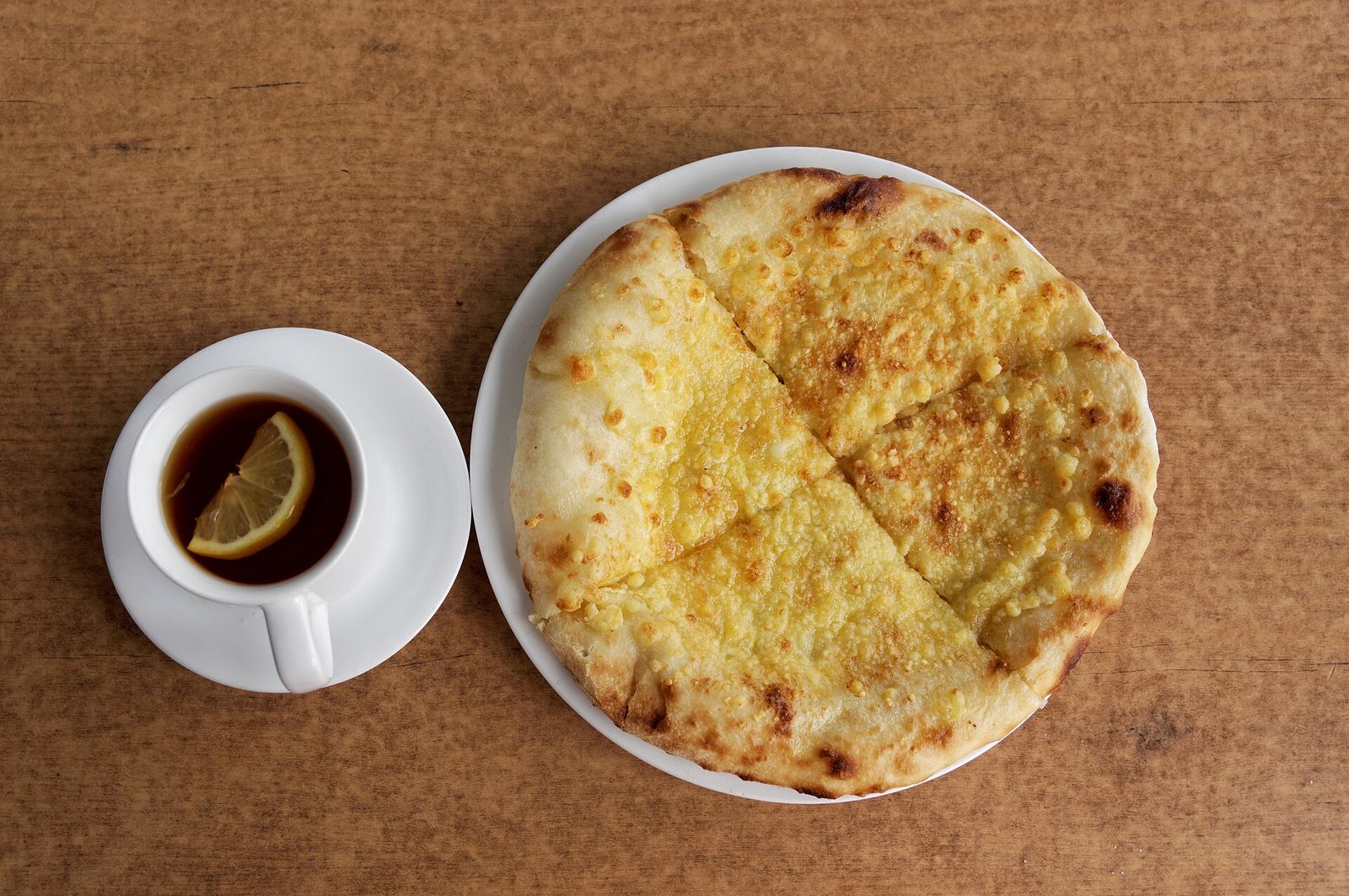
| Khachapuri | Cheese bread: round Imeruli, or boat-shaped Adjaruli with egg and butter | First stop or the bakery |
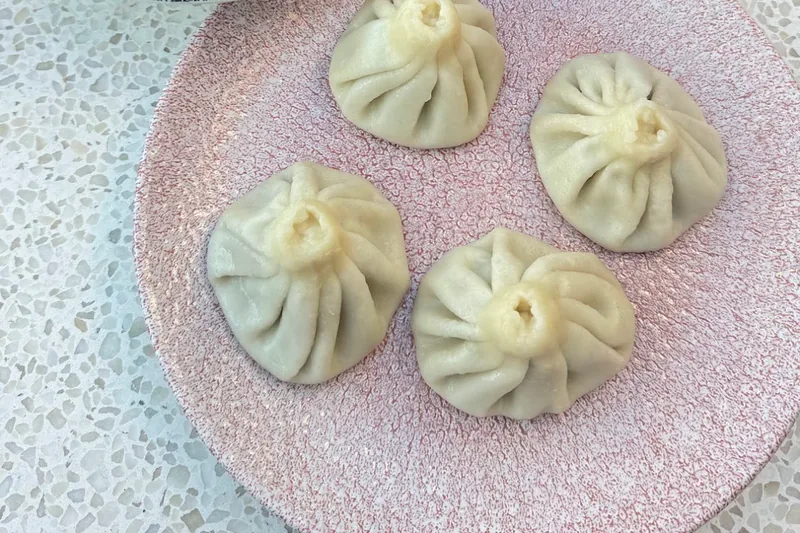
| Khinkali | Dumplings with spiced meat, mushroom, potato or cheese | The khinkali house |
| Pkhali | Spinach or beetroot pounded with walnut and topped with pomegranate | The cafe or the feast |
| Lobiani | Bread stuffed with spiced beans | Bakeries and street food |
| Mchadi with cheese | Cornbread with sulguni or fresh cheese | Street food tours |
| Churchkhela | Nuts threaded on string and dipped in thickened grape must | The market |
| Shkmeruli | Fried chicken baked in garlic and milk | The feast |
| Qvevri wine | Wine fermented in clay jars buried in the ground | The last stop |
| Chacha | Grape brandy, 40% when it's bottled and much stronger homemade | The toast |
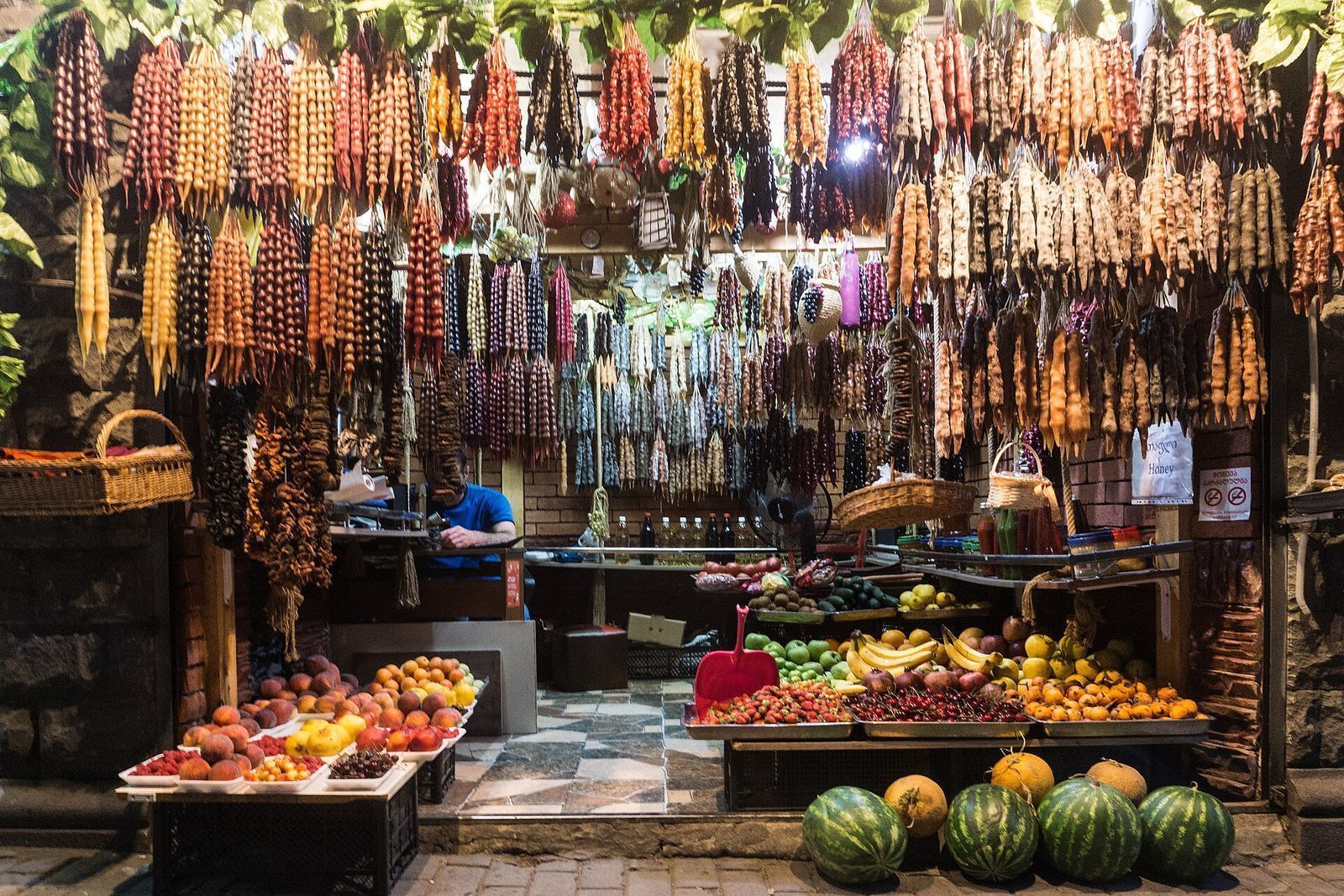
Churchkhela is the one you'll carry home. It hangs in strings on every market stall, keeps for weeks and travels well, and it's the easiest of the Georgian desserts to pack.
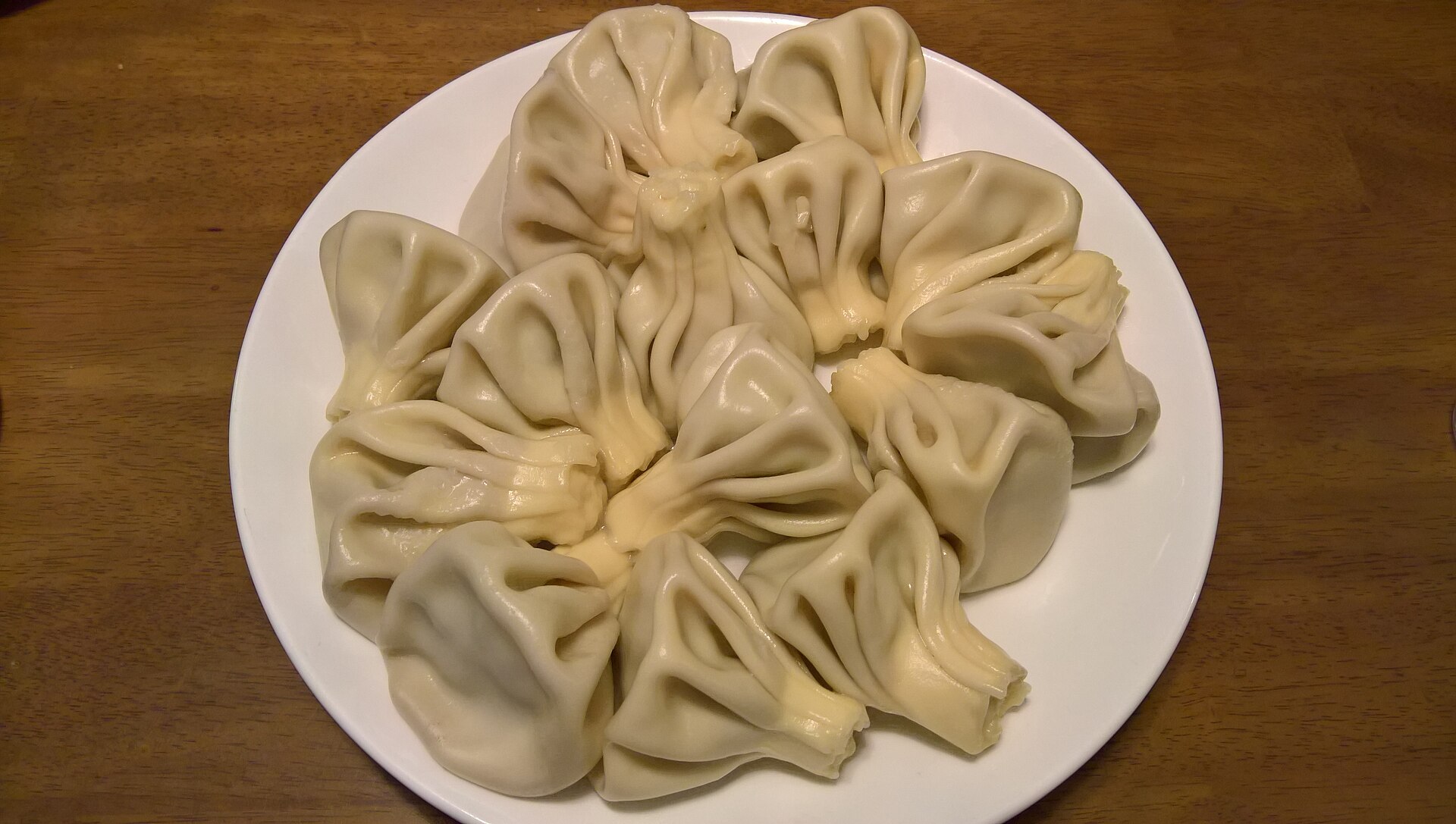
The khinkali stop is where most tours spend longest. Many restaurants use machines, but the best khinkali in Tbilisi are wrapped by hand, and a good guide takes you to one of those.
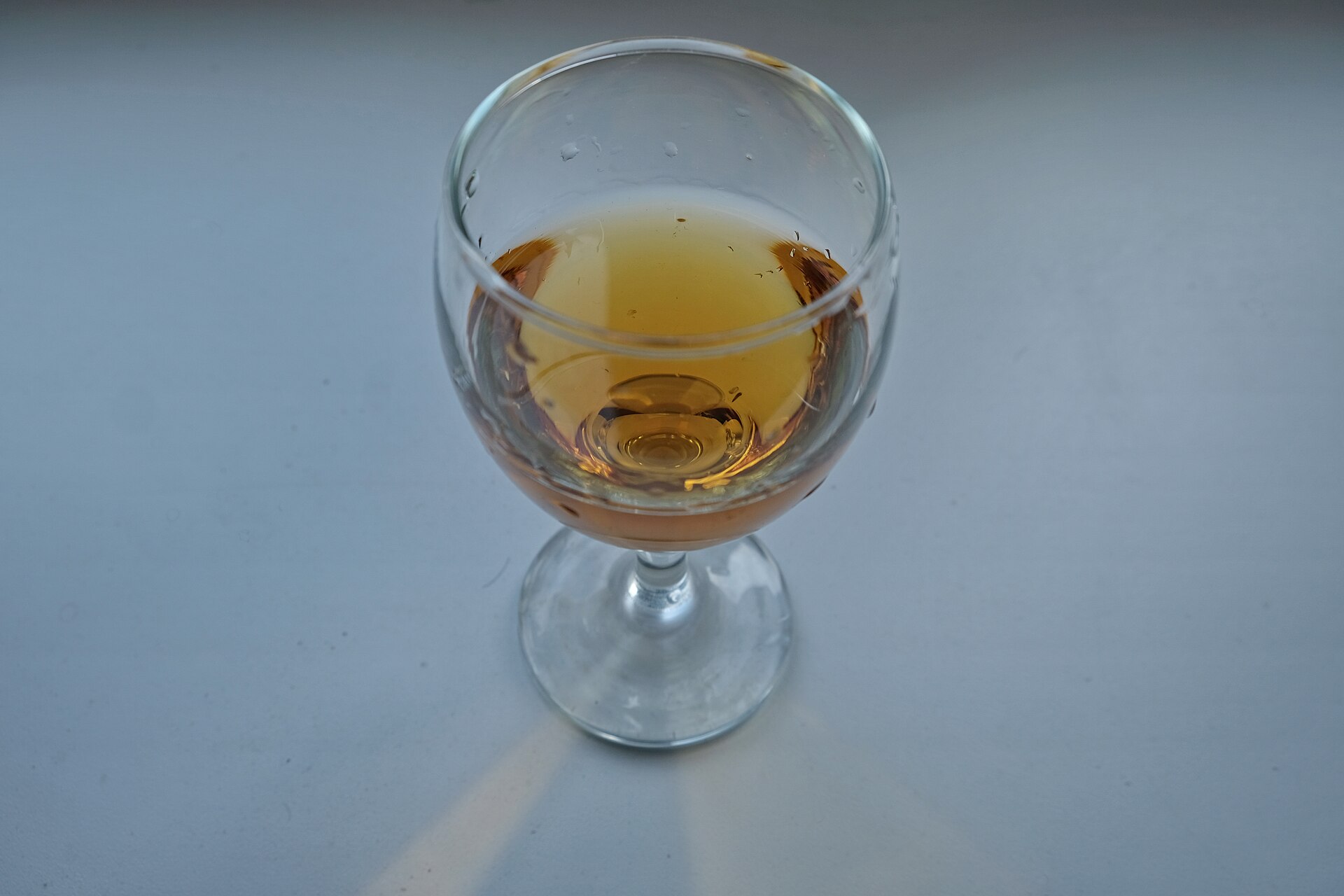
The wine at the last stop is often qvevri wine, and the white ones are amber because they sit on their skins in the jar.

Chacha comes out for the toast at the end. It's grape brandy, 40% when it's bottled and much stronger when it's homemade, so pace the wine before it.
How to choose a food tour in Tbilisi
Match the tour to the trip you're on:
- First trip, one free afternoon: a Sololaki tasting walk of 3 to 4 hours. You see the prettiest part of the center and eat the classics.
- You love markets or cook at home: a Dezerter Bazaar tour. The market is the part you can't decode alone.
- One whole day just for food: the Silk Road Feast, with the supra-style lunch.
- Kids, rain or a tight budget: a khinkali and khachapuri cooking class at about 80 GEL.
- Wine before food: a Kakheti day trip, or a tasting in the city.
And the cases where I'd skip a tour:
- You're vegan. Most stops have a vegetarian option, such as lobiani and pkhali, but full vegan tours are hard to arrange.
- You can't eat gluten. Khachapuri and khinkali are the core of every route, and you'd miss half the tastings.
- You already know Georgian food. If you only want the good places, the self-guided walk below does that for a fraction of the price.
A self-guided food walk in Tbilisi
You can copy the shape of a food tour on your own. This is my version in two halves: a market morning in Marjanishvili, and an afternoon into evening across the old center from Orbeliani to the baths.
| Stop | Neighborhood | What to order | Cost |
|---|---|---|---|
| Dezerter Bazaar | Station Square | Cheese, churchkhela, fruit | A few lari a taste, cash |
| Mapshalia | Aghmashenebeli Avenue | Kharcho, elarji, mchadi | Under 20 GEL a head |
| Bazari Orbeliani | Orbeliani | Coffee, a first plate | Cafe prices |
| Vino Underground | Sololaki | Qvevri wine by the glass | About 6 to 15 GEL a glass |
| Cafe Daphna | Old Town, by the baths | Khinkali, Imeruli khachapuri | 25 to 50 GEL a head |
Dezerter Bazaar

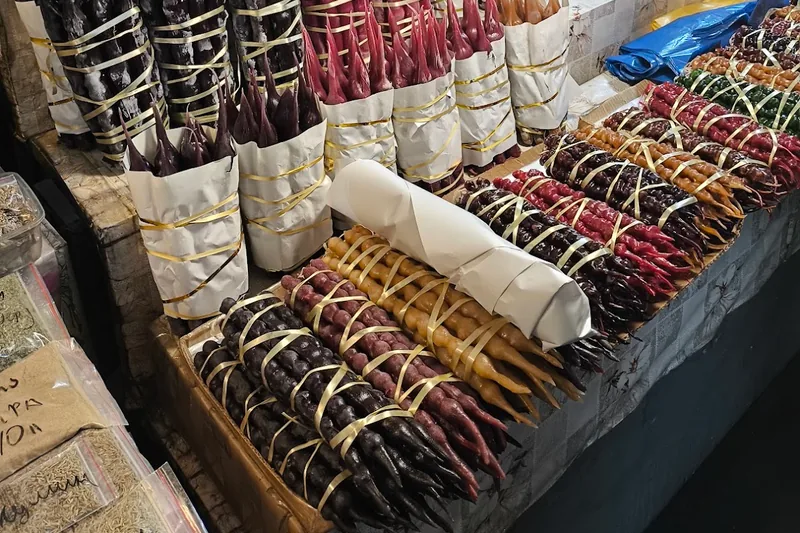
Start at the city's central market, open daily from 07:00 to 17:00 and at its best before noon. The covered halls hold the cheese counters, pickles and spices; fruit and vegetables spill into the lanes outside. Stallholders often offer a taste of cheese or churchkhela, and it's polite to ask before you pick anything up.
My order here is a wedge of sulguni, a string of churchkhela and whatever fruit is in season, eaten as you walk. It's a working market, not a tourist one, so the prices are the prices.
Mapshalia
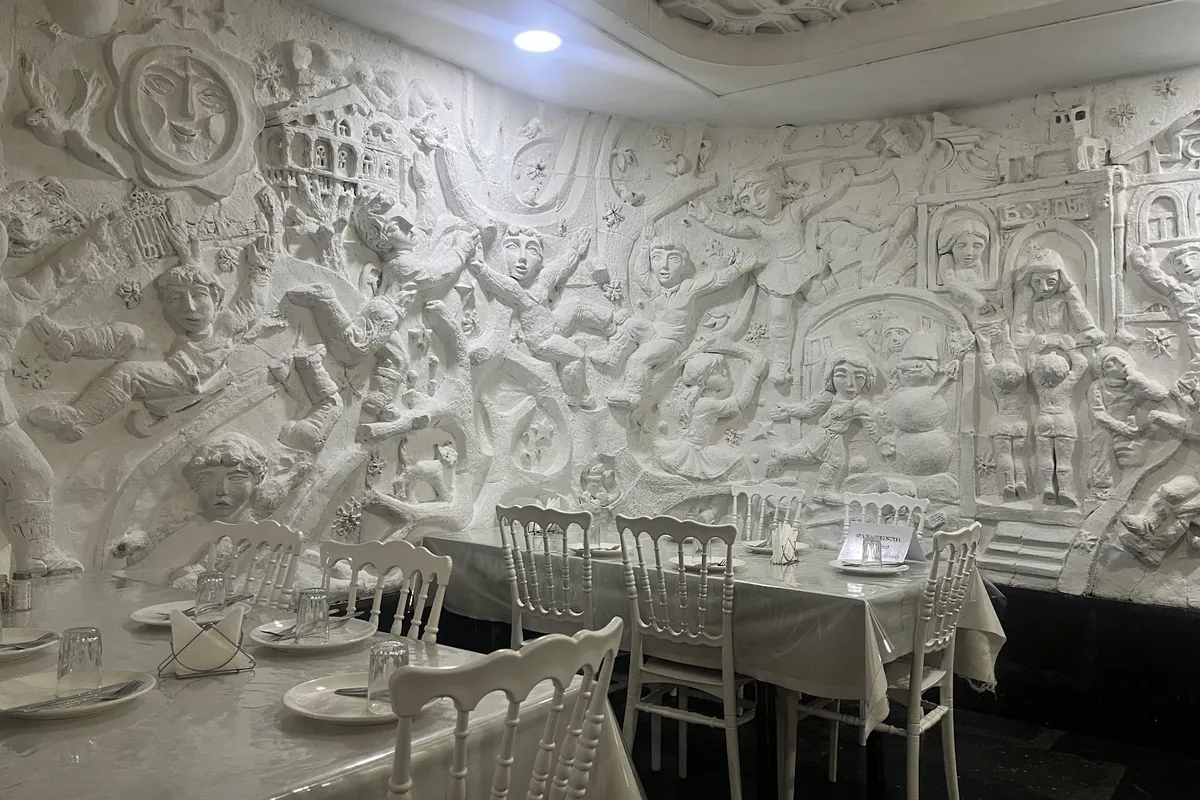
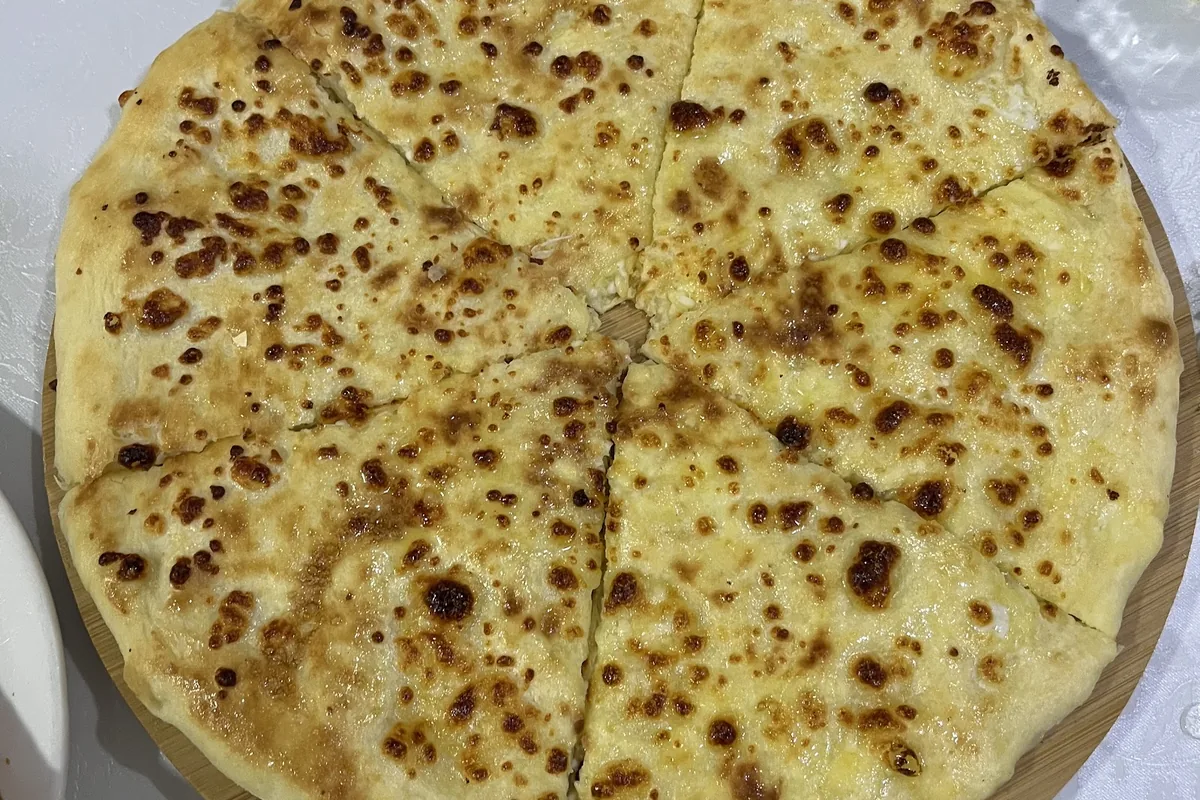
Walk down Aghmashenebeli Avenue to Mapshalia at number 137, a Megrelian canteen that feeds you well for under 20 GEL a head. Order the kharcho, which here means a walnut stew rather than the beef soup you'd get elsewhere, with elarji (cornmeal with sulguni) and mchadi. If there are two or more of you, add a Megrelian khachapuri, the round one with cheese baked on top as well as inside.
It's busy at lunch, so book ahead if you can, and carry cash.
Bazari Orbeliani
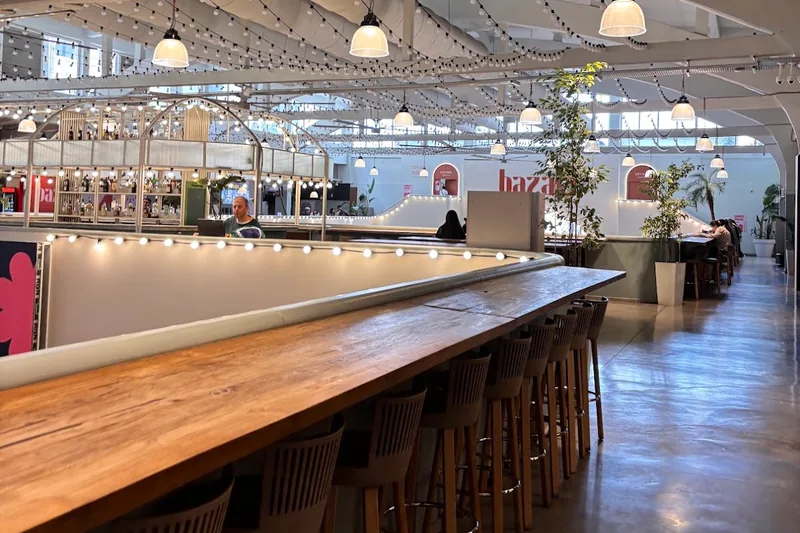
After a rest, start the second half at Bazari Orbeliani on Vekua Street, an old market hall near Orbeliani Square that now holds food counters, a bar and a Coffee LAB branch open from 10:00 to 23:00. It's the easiest place in the center to sit down, get a proper coffee and decide how hungry you are.
If you are hungry, the Georgian counters do a plate of khinkali with a tomato and cucumber salad, the simplest good lunch in the city.

Vino Underground
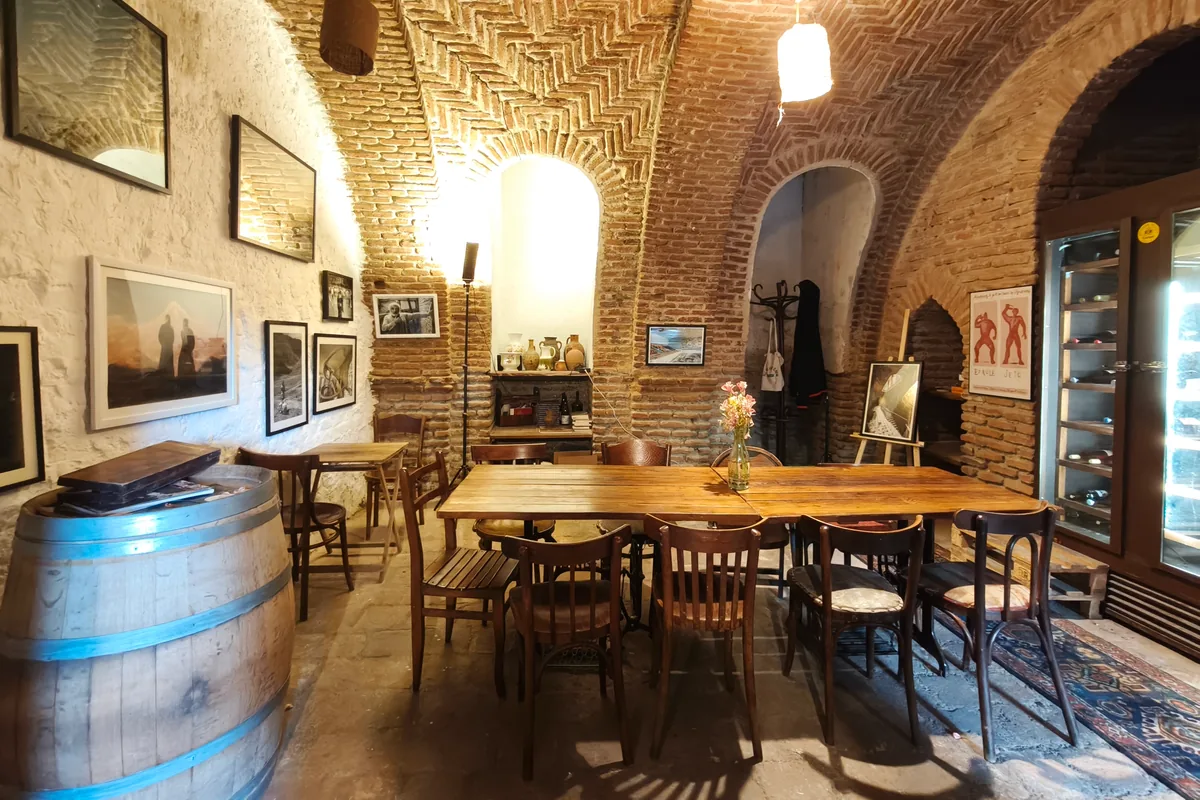
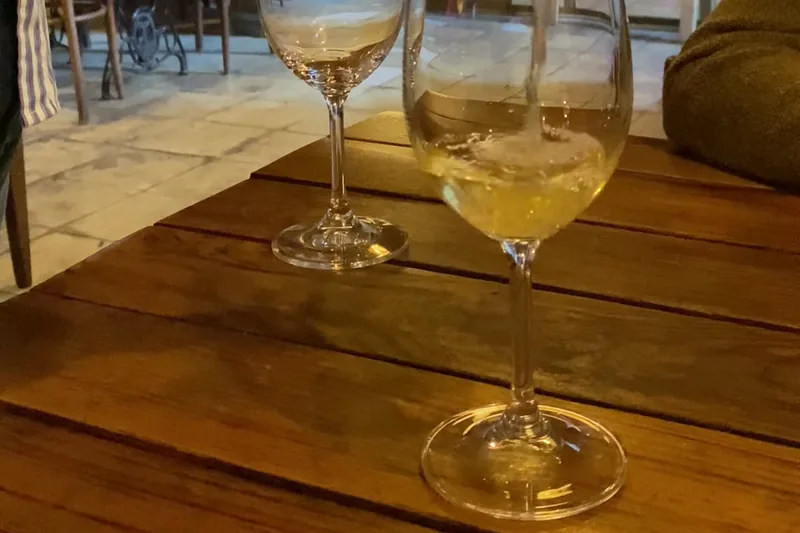
Walk down into Sololaki to Vino Underground at Galaktion Tabidze Street 15, a brick-vaulted cellar a few minutes from Freedom Square. It opens at 15:00 and stays open until 23:00 from Sunday to Thursday and midnight on Fridays and Saturdays. The list is natural and qvevri wine from small producers, poured by the glass.
Ask for an amber wine and a red Saperavi side by side; the staff will steer you to what's open. It's one of the best wine bars in Tbilisi for exactly this kind of first lesson, and a glass at a wine bar runs about 6 to 15 GEL.
Cafe Daphna
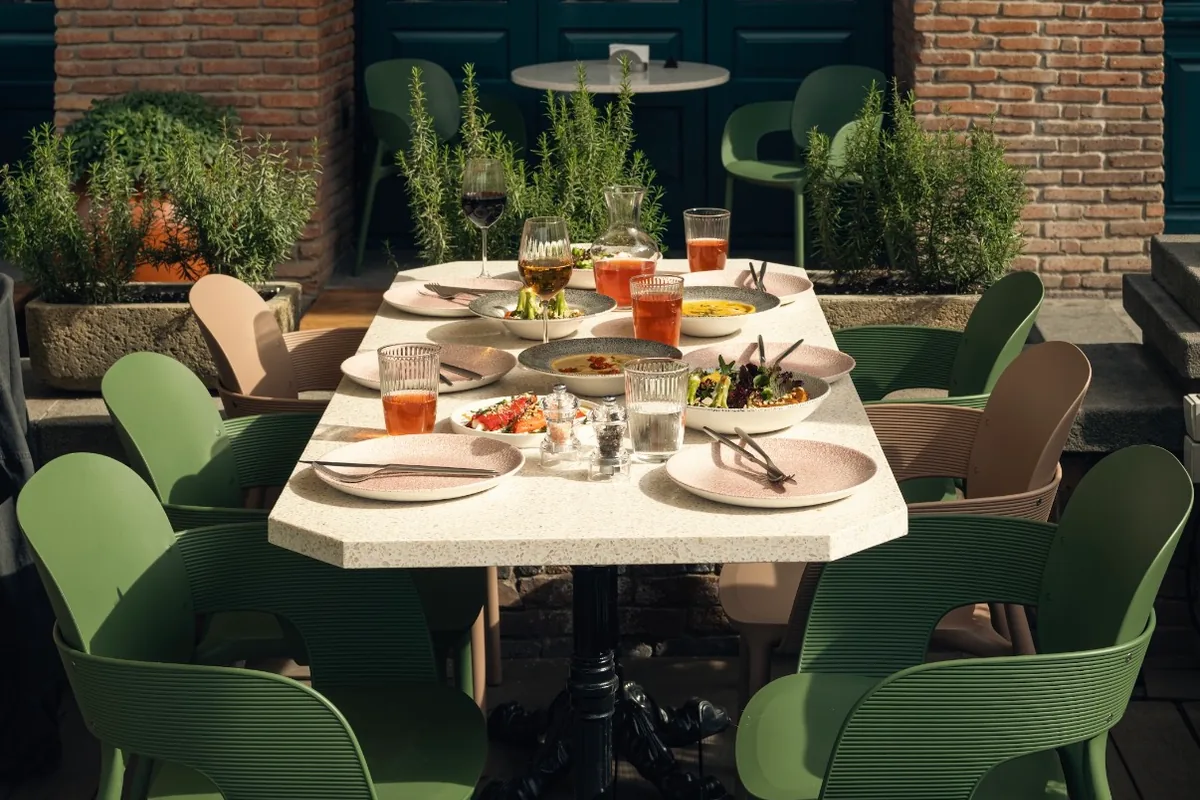
Finish with khinkali at Cafe Daphna, whose Meidan branch on Samghebro Street sits a few steps from the sulfur baths; the original is on Atoneli Street by the Dry Bridge. The khinkali are made by hand, in beef, potato and cheese, and spinach, and the Imeruli khachapuri is the round everyday kind. Expect 25 to 50 GEL a head.
The staff show first-timers how to eat khinkali, which makes it a good last stop. Weekdays are calmer, and the Atoneli Street original stays open until 2 AM, or 6 AM at weekends.
Tips for booking a food tour in Tbilisi
A few things I'd check before paying:
- What's in the price. Most tours include all the food and some wine, but "limited alcohol" is common, and extra glasses are on you.
- The cancellation terms. The Silk Road Feast refunds 90% up to 7 days out, 50% from 3 to 6 days, and nothing inside 72 hours. Expect something similar from the smaller operators.
- The day. The Silk Road Feast runs Monday to Saturday only, so check the days before you save a food tour for a Sunday.
- Your shoes. Sololaki and the Old Town are cobbled and hilly; flat walking shoes beat sandals.
- Breakfast. Skip it. Nine to 12 tastings is a full day of eating, and the tours are built for people who arrive hungry.
Tipping the guide is optional and never included. The usual restaurant habits around service charges and rounding up don't apply on a tour, and the rules for eating out in Tbilisi only kick in again at your next dinner.
Key takeaways
- A Tbilisi food tour is a 3 to 4 hour walk with 9 to 12 tastings, from about 160 GEL ($59) in a group.
- Sololaki tasting walks suit a first trip; Dezerter Bazaar tours suit a second trip or a keen cook.
- The all-day Silk Road Feast at $125 is the one to book if food is the reason you came.
- A 2.5-hour cooking class at about 80 GEL is the cheapest hands-on option.
- You can copy the tour yourself: market, Megrelian lunch, wine bar and khinkali for a fraction of a guided tour's price.
Frequently asked questions
How much does a food tour in Tbilisi cost?
A group food tour in Tbilisi costs from about $59 (160 GEL) a person. Private walks cost $79 to $109, market and all-day tours $110 to $125, and a cooking class $29 to $31. Prices include the food and usually some wine.
How long is a food tour in Tbilisi?
Most food tours in Tbilisi last 3 to 4 hours. Market tours run 5.5 to 6 hours, and the all-day Silk Road Feast about 7 hours. Cooking classes take about 2.5 hours.
Are food tours in Tbilisi worth it?
Yes, if you book one early in your trip. Georgian menus are long and unfamiliar, and a guide teaches you what to order, how to eat khinkali and which places locals use, which pays off at every meal afterward. If you already know Georgian food, a self-guided walk does the job for less.
What food do you try on a Tbilisi food tour?
You try khachapuri, khinkali, shoti bread from a clay oven, pkhali, lobiani, churchkhela and usually a sit-down dish such as shkmeruli. Drinks are Georgian wine, often qvevri wine, and a glass of chacha.
Can vegetarians do a food tour in Tbilisi?
Yes, vegetarians can do most Tbilisi food tours. Many stops have vegetarian versions, such as lobiani, pkhali and cheese or mushroom khinkali, as long as you tell the operator at least 48 hours ahead. Vegan tours are much harder to arrange.
Do you tip a food tour guide in Tbilisi?
Tipping a food tour guide in Tbilisi is optional and not included in the price. If the guide was good, a cash tip at the end is a kind thank-you, though it is never expected.
Is a food tour or a cooking class better in Tbilisi?
A food tour is better if you want to see the city and taste many dishes; a cooking class is better if you want to make khinkali and khachapuri yourself. The class is cheaper, at about 80 GEL against about 160 GEL for a group food walk.
Tbilisi Food Guide: What to Eat, Where to Eat It and What It Costs
Tbilisi is known for khinkali and khachapuri. Here's my food guide: what to eat, where to find it and what it costs.
Read the guide
Georgian Food: The Dishes to Try in Tbilisi
Georgia is known for khachapuri and khinkali. Here is what else to order, what it costs and where to eat it in Tbilisi.
Read the guide
The Best Restaurants in Tbilisi
Tbilisi is known for khinkali and khachapuri. Here are the restaurants I pick, what dinner costs and how to order.
Read the guide