Wine Tasting in Tbilisi: Where to Book a Tasting, Class or Sommelier
Tbilisi is known for its wine, and you can taste your way through Georgia's main styles without leaving the city. Here's what you need to know about the booked tastings, classes and sommelier sessions worth an evening, what each one costs in 2026, what you'll be poured, and when it pays to drive out to a winery instead.
Wine tasting in Tbilisi: the options compared
A wine tasting in Tbilisi comes in four shapes: a booked flight at a wine bar, a class or private session with a sommelier, a free taste in a wine shop before you buy, and a day trip to the cellars in Kakheti. Here's every option I'd consider, with what it pours and what it costs.
| Tasting | Where | What you get | Price | Booking |
|---|---|---|---|---|
| Wine Code | Avlabari | 4 wines plus a high-proof spirit | 35 GEL | Book ahead |
| Wine Point | Ingorokva St, near Freedom Square | 4 wines with snacks | 45 GEL | Book ahead |
| Wine Point buffet | Ingorokva St | A glass plus snacks, Friday and Saturday from 7pm | 25 GEL | Turn up early |
| Sadzvele Wine Hub | Wine Factory N1, Petriashvili St | A tasting from about 200 wines | Ask when booking | Book ahead |
| Qvevri vs classical class | Courtyard on Griboedov St | 4 wines with cheese, nuts and fruit, 90 minutes | About $25 | Book online |
| Private sommelier tasting | Near Rustaveli metro | 4 wines and snacks, 1 hour | About $70 | Book online |
| Wine tasting night | Wine bar near Technical University metro | Beginners' intro, then a themed tasting | 30 to 50 GEL | Every other Wednesday |
| A glass at a wine bar | Vino Underground, 8000 Vintages | One glass, with staff who explain it | 8 to 20 GEL | Walk in |
| Kakheti family winery | About 2 hours' drive | A tasting in the cellar | 30 to 120 GEL | Often walk in |
My short version: if you have one evening, book a four-wine tasting in town. If you want to understand why Georgian wine tastes the way it does, take the qvevri class. If you have a free day, go to Kakheti, because nothing in the city replaces standing in a cellar with the qvevri set into the floor.
Booked wine tastings in Tbilisi wine bars
These are the bars where you reserve a seat and someone pours a set flight and talks you through it. All of them sit within a short walk or taxi ride of Freedom Square, and all of them sell the bottles you taste, so you can buy the one you liked on the way out.
Wine Code, Avlabari
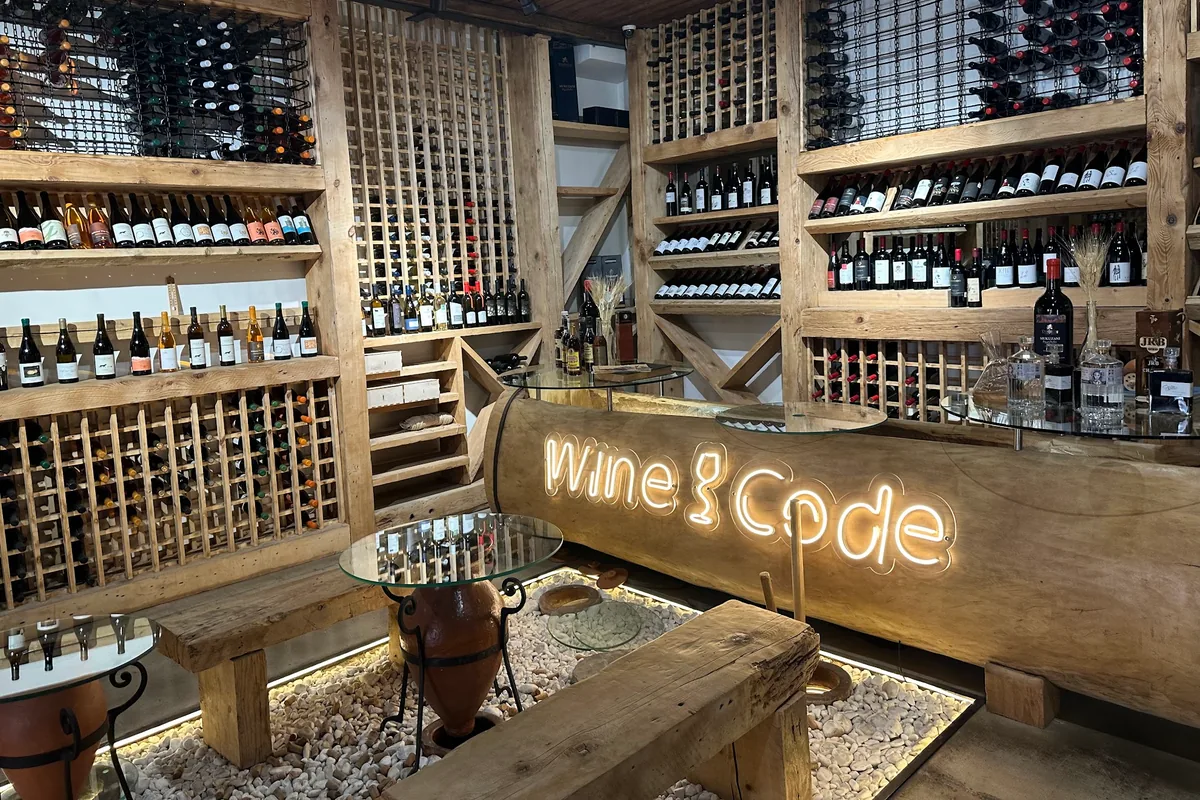
Wine Code is a wine bar and shop across the river in the Avlabari district. The four-wine tasting adds a high-proof spirit at the end and costs 35 GEL, the best price for a booked flight in town. The shop stocks rare reserve bottles, and there's a cellar room with a small qvevri on display. During the harvest you can stomp grapes in the satsnikheli as a visitor, which is about as hands-on as wine gets inside city limits. Book ahead; it's a small room.
Wine Point, near Freedom Square
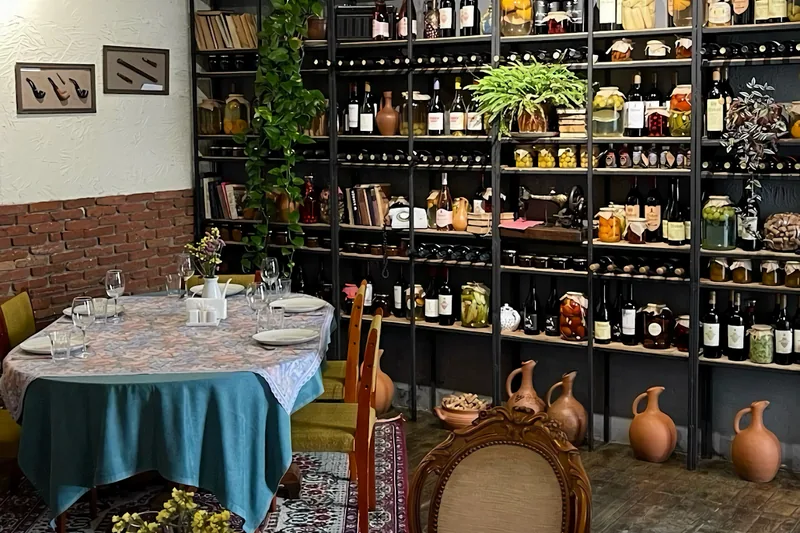
Wine Point is a small bar on Ingorokva Street near Freedom Square, and it's my pick for anyone curious about the newer side of Georgian wine. The list leans to pet nats, amber and sparkling wine.
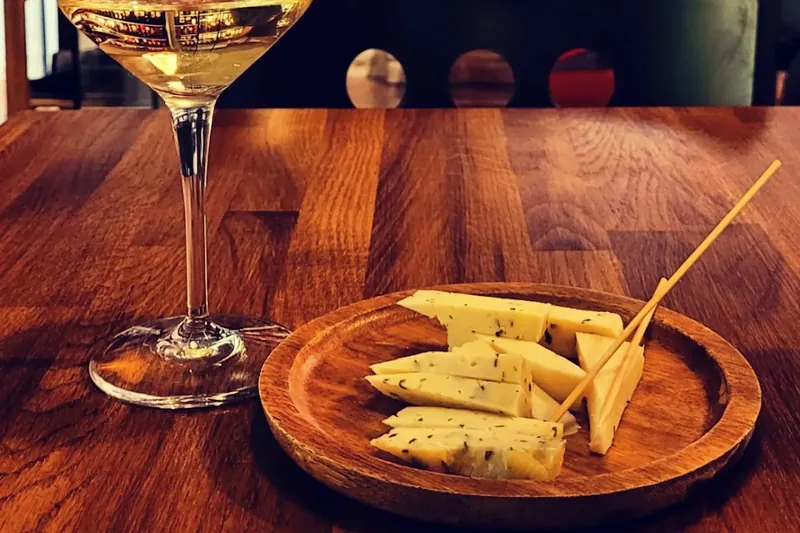
The four-wine tasting with snacks costs 45 GEL and needs booking. On Friday and Saturday from 7pm it runs a wine buffet, 25 GEL for a glass plus snacks, and on any night the wine of the day is 10 to 15 GEL a glass.
Sadzvele Wine Hub, Wine Factory N1
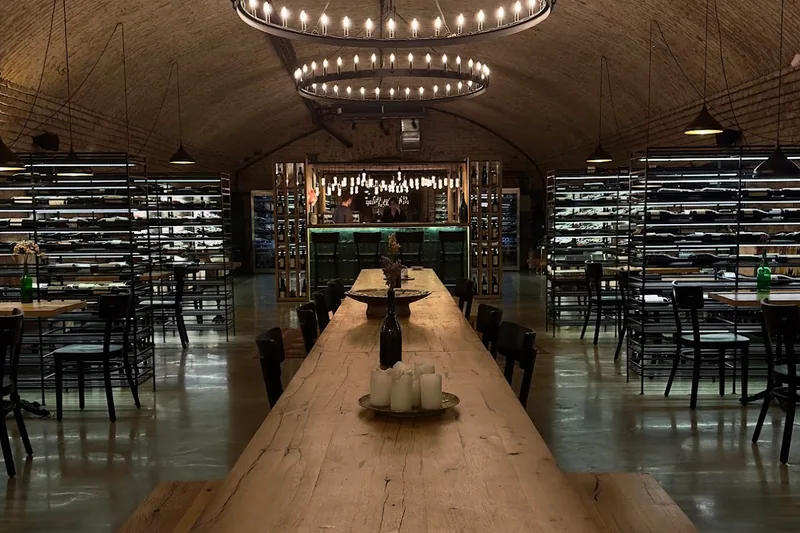
Sadzvele opened in fall 2024 inside Wine Factory N1, the 1896 winery building at 1 Vasil Petriashvili St that now holds bars and restaurants and is one of the converted factories of Tbilisi.
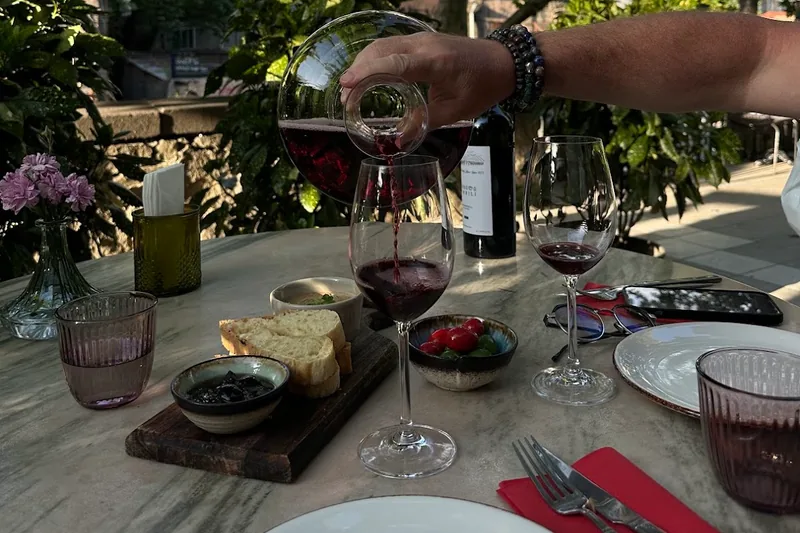
It's a wine bar, a wine school and an event room in one, with about 200 wines, qvevri on display and the building's oldest cellar visible through glass. Tastings are booked in advance. I'd come here if you want the history of the building with your wine.
8000 Vintages
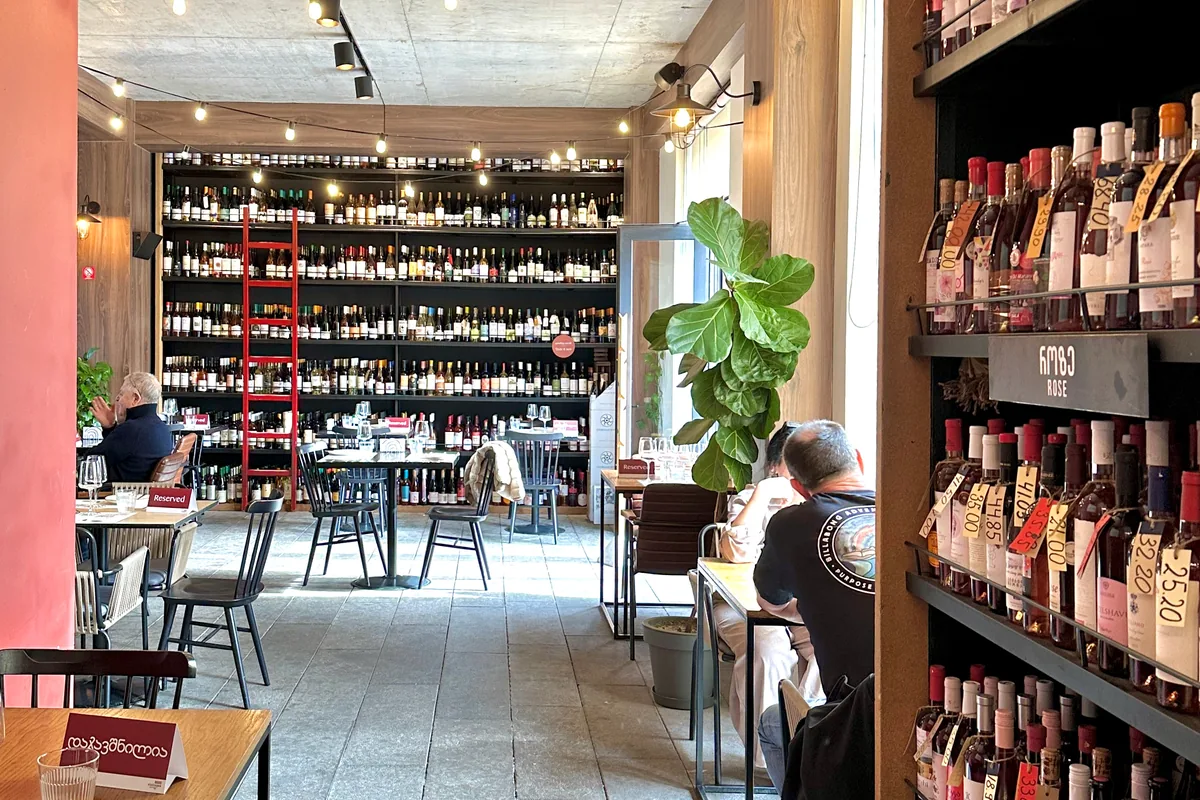
8000 Vintages is a wine shop and bar with four branches in Tbilisi, one of them on Kote Afkhazi Street in the Old Town, which opens at noon.
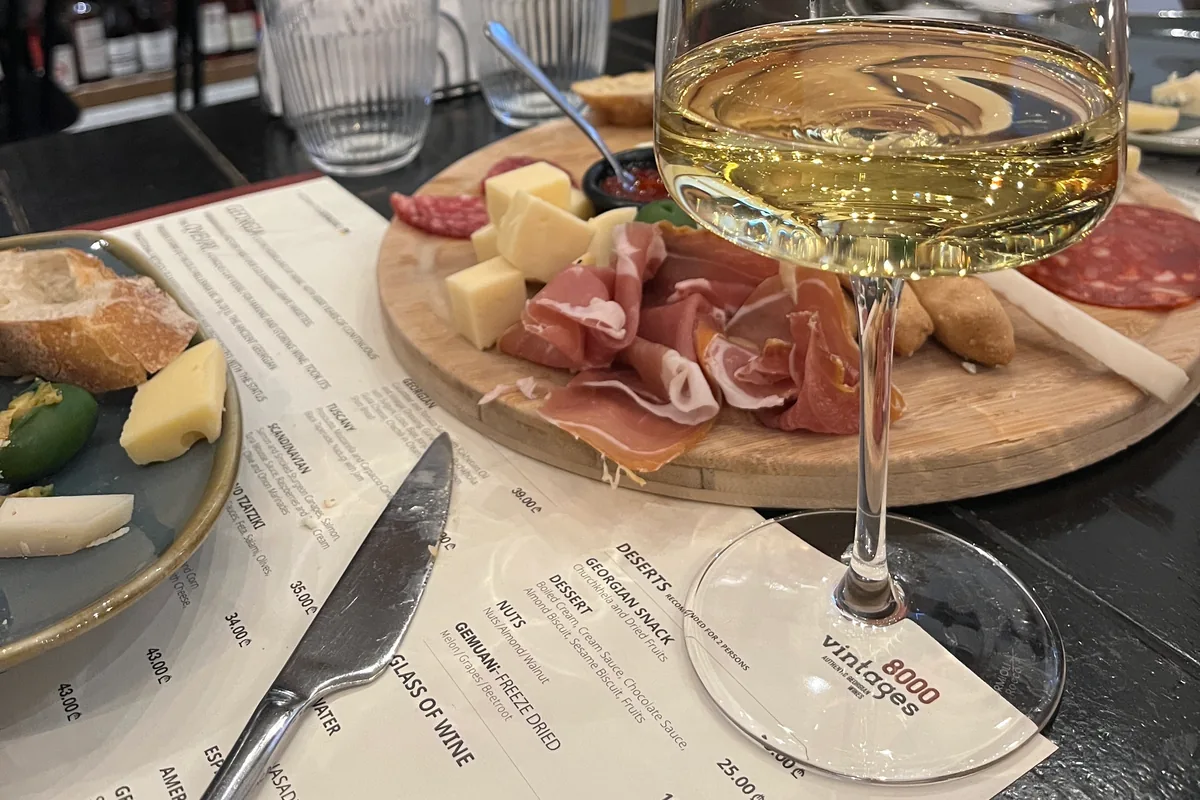
Glasses run 8 to 16 GEL, bottles 28 to 90 GEL, and there are cheese and charcuterie boards plus pkhali, the walnut and vegetable pastes. An in-house sommelier runs tastings and pairings on request. It's the easiest place to taste at lunchtime, before most of the smaller bars open.
DADI Wine Bar
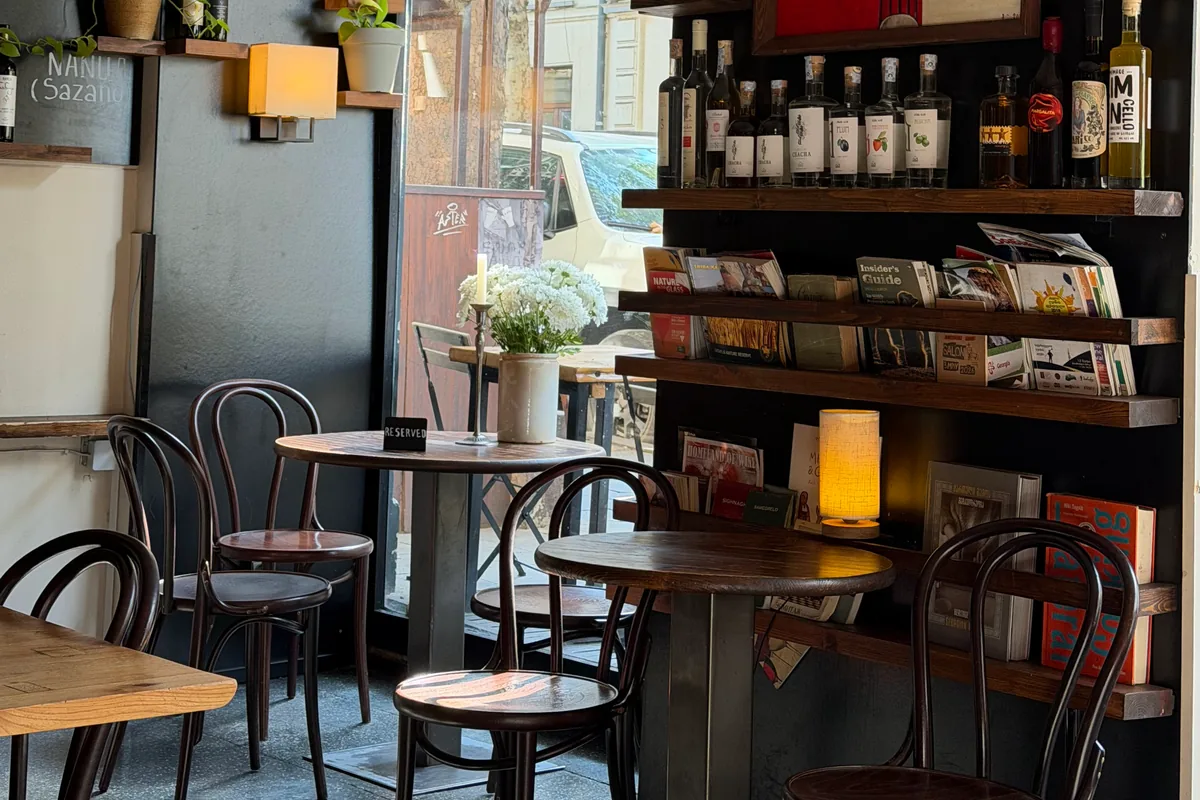
DADI is a boutique wine bar and shop a short walk from Freedom Square, with an à la carte menu and a long list of tasting options pitched at beginners.
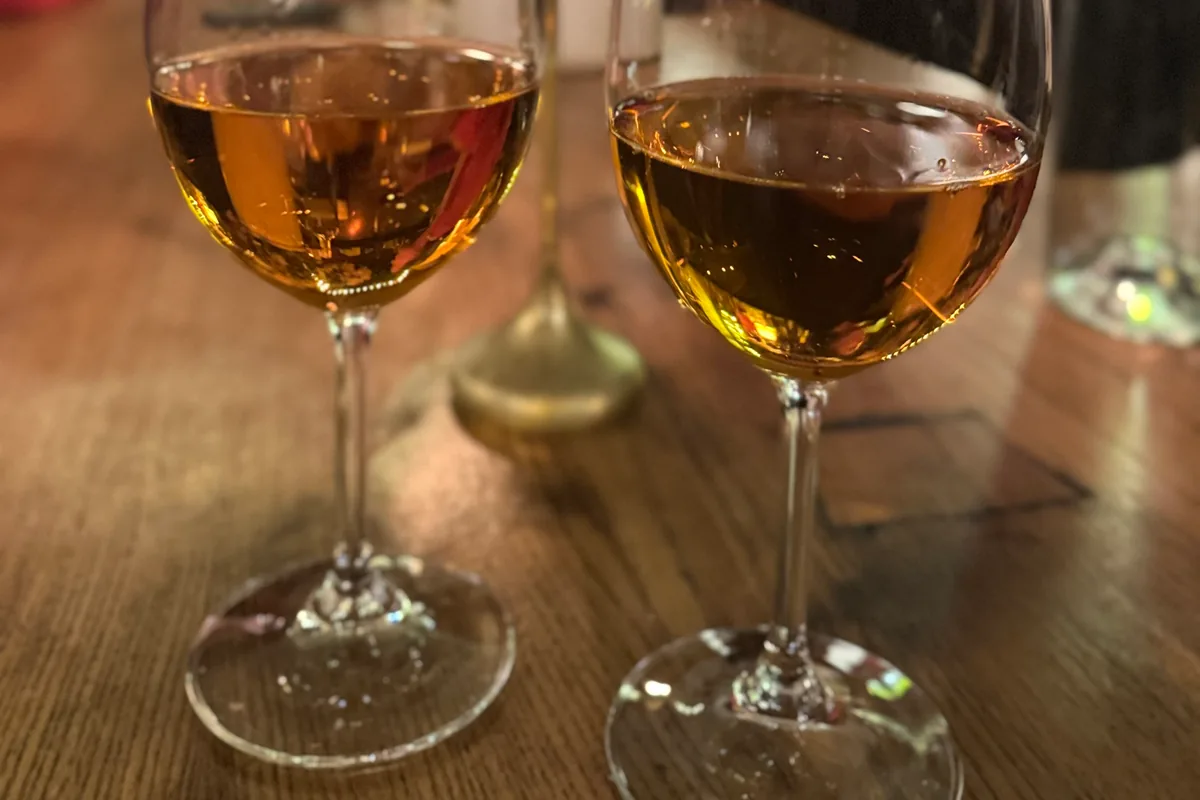
If you don't know your Rkatsiteli from your Saperavi yet, this is a good room to start in. Reservations are strongly advised.
For a glass rather than a set flight, the best wine bars in Tbilisi are mostly walk-in, and Vino Underground on Galaktion Tabidze St is the one I'd start with: a brick basement opened by natural winemakers, open from 2pm, with glasses at 10 to 20 GEL and staff who will happily explain each one.
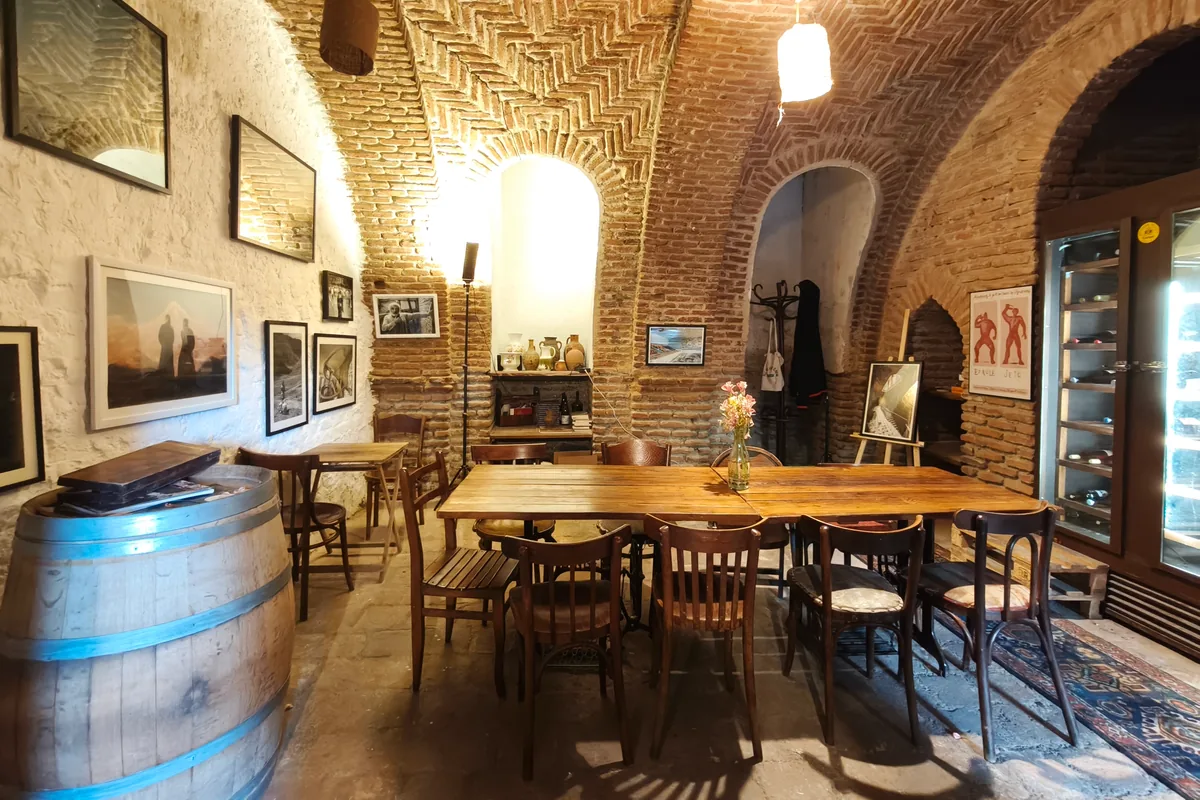
Wine tasting classes and sommelier tastings
A class or a sommelier session is a tasting with more teaching in it. You get fewer distractions, more questions answered, and usually a comparison built into the flight. These are the ones I'd look at.
- Qvevri vs classical wine class. A 90-minute class in a central courtyard on Griboedov Street, about $25 (roughly 70 GEL) per adult, held in English for over-18s. You taste four wines with cheese, nuts and fruit, and the point is the comparison: wine made in a buried clay qvevri against wine made the European way.
- Private sommelier tasting. A one-hour session near Rustaveli metro, about $70 (roughly 190 GEL) per adult, four local wines and snacks. It's the expensive option, and worth it if you want the sommelier to yourself.
- Wine tasting night. Eat This! Tours runs a tasting night every other Wednesday at a wine bar about 6 minutes' walk from Technical University metro. A beginners' introduction to Georgian wine starts at 8pm and the main tasting at 8:30pm, with themes such as female winemakers, tiny-batch wines or pet nats. It costs 30 to 50 GEL depending on the wines, usually about 45 GEL, and takes 20 guests at most.
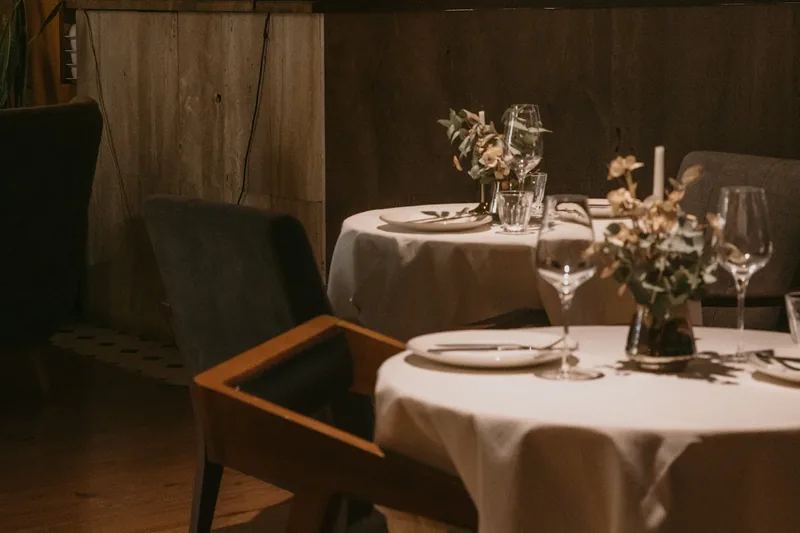
- St. Bunny Wine and Kitchen. A restaurant near Stamba and Rooms Hotel with a rabbit-focused menu, artisan wines including pet nats, and an English-speaking sommelier who runs beginner tasting classes. It also runs khinkali-making classes, if you want to cook and taste in one trip.
- Wine walking tour. The same tasting night team runs a private 4 to 5 hour walk with at least 12 pours of 40 ml each, cheese and snacks, and a stop at a home producer's 100-year-old cellar. It needs at least 4 guests and is priced on request.
- Evening wine tour with dinner. Guided evenings with two tastings and a dinner start at about $91 per person for a group of 6 to 15 and go up to about $200 for one person alone.
Which one suits you:
- First time with Georgian wine: the qvevri class. It answers the question everyone has after the first glass of amber wine, which is why it tastes like that.
- A couple with one free evening: a booked flight at Wine Code or Wine Point, then dinner nearby.
- Wine lovers who already know the basics: the Wednesday tasting night, for the small producers you won't find in shops.
- A group of friends: the walking tour, since 12 pours and a home cellar make an afternoon of it.
- Skip the classes if you already know you like natural wine. A seat at the bar at Vino Underground gets you the same conversation for the price of a glass.
Free tastings in Old Town wine shops
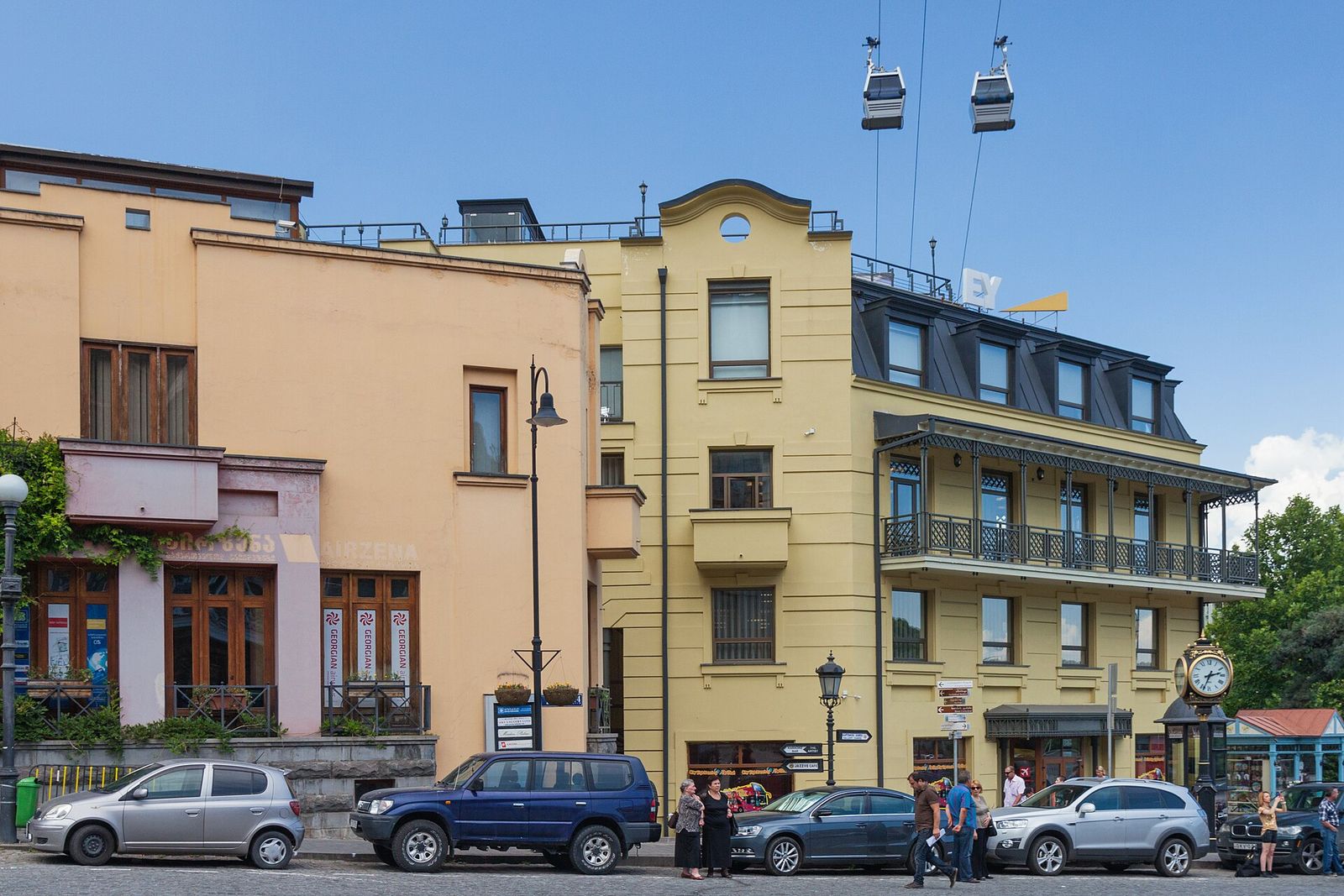
The cheapest wine tasting in Tbilisi is a walk down Kote Afkhazi Street, which plenty of locals still call Leselidze. It runs from Freedom Square down to Meidan through Old Tbilisi, and its wine shops will often pour you a free taste. It isn't a structured tasting, and nobody explains the terroir, but buying a bottle at the shop whose wine you liked is the polite thanks, and it's a good way to find a bottle for dinner.
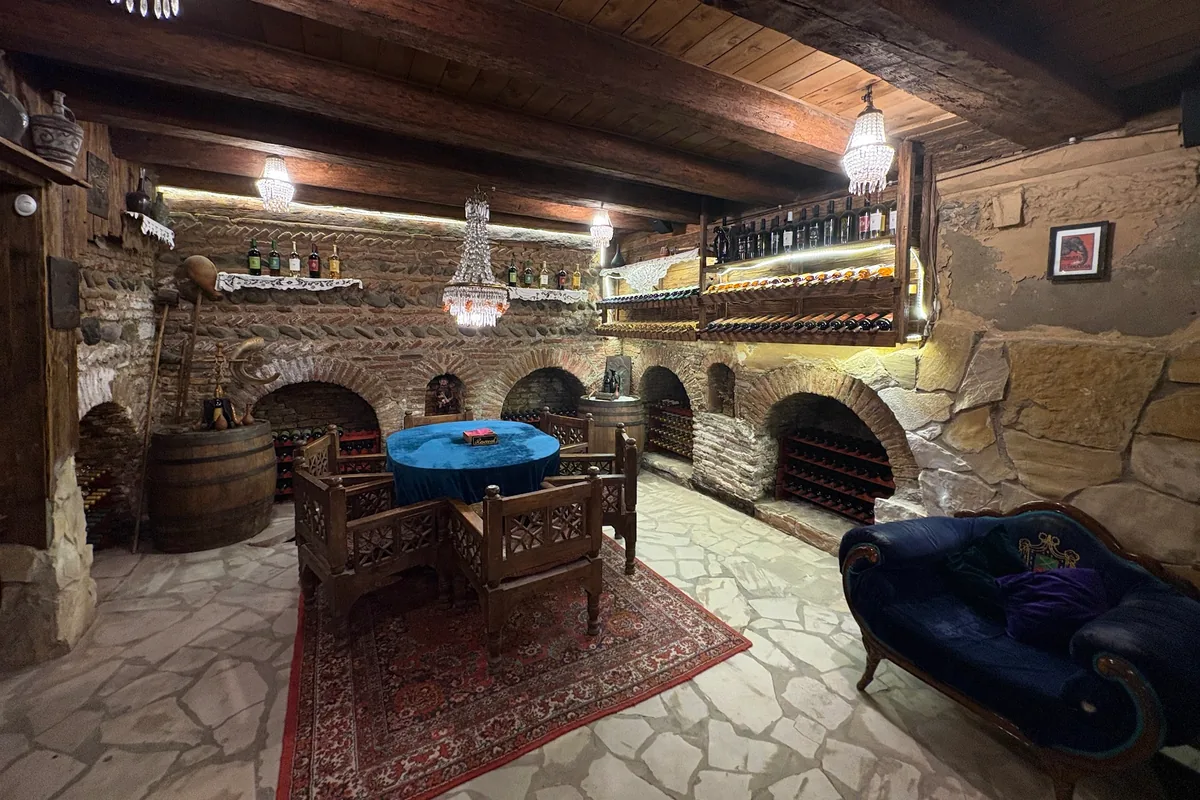
Two Old Town stops make a shop crawl feel like more than shopping. Karalashvili Wine Cellar is a hard-to-find cellar bar run by a family that has made wine since 1396, and the setting does half the work.
Wine Tower, next to the tamada statue, spreads over three floors, and in the warmer months its roof terrace looks out at the cable car and Narikala Fortress.
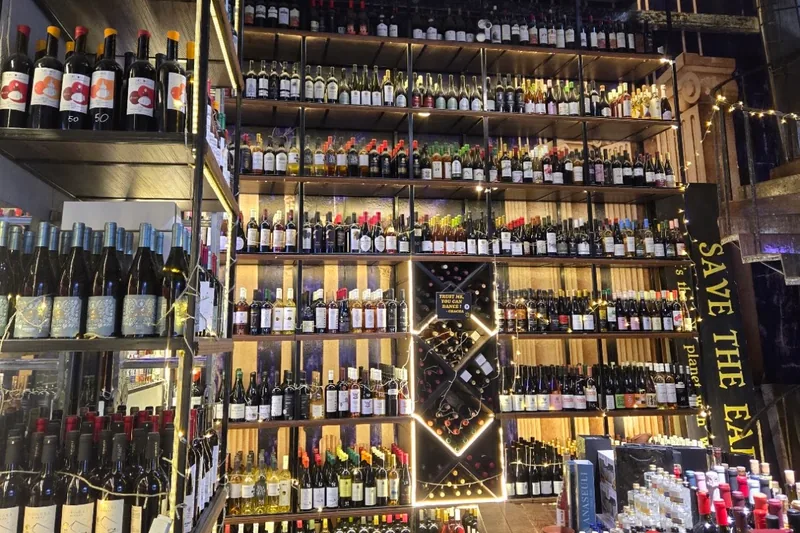
For something rougher and more local, the stalls at Dezerter Bazaar sell homemade wine on draught. Taste before you buy, and bring an empty bottle to fill.

What you'll taste at a Georgian wine tasting
Most tastings in Tbilisi pour four wines, and a good host picks them to show you the range. Expect at least one wine you have never tasted anything like. These are the styles that come up again and again.
| Style | Grapes and names to ask for | What it tastes like |
|---|---|---|
| Amber (qvevri white) | Rkatsiteli, Kisi, Mtsvane | Copper colored and dry, with tannin, dried fruit and nutty notes |
| Dry white | Tsinandali (Rkatsiteli and Mtsvane), Manavi (Mtsvane), Chinuri | Fresh and crisp; Mtsvane is the aromatic one |
| Dry red | Saperavi, Mukuzani | Dark, tannic and high in acidity |
| Semi-sweet red | Kindzmarauli, Khvanchkara | Naturally sweet, because fermentation stops early, not from added sugar |
| Pet nat and sparkling | Ask the bar what's open | Light and lightly fizzy |
| Chacha | Grape brandy from the pomace | Strong, 40 to 65% alcohol, often the last pour |
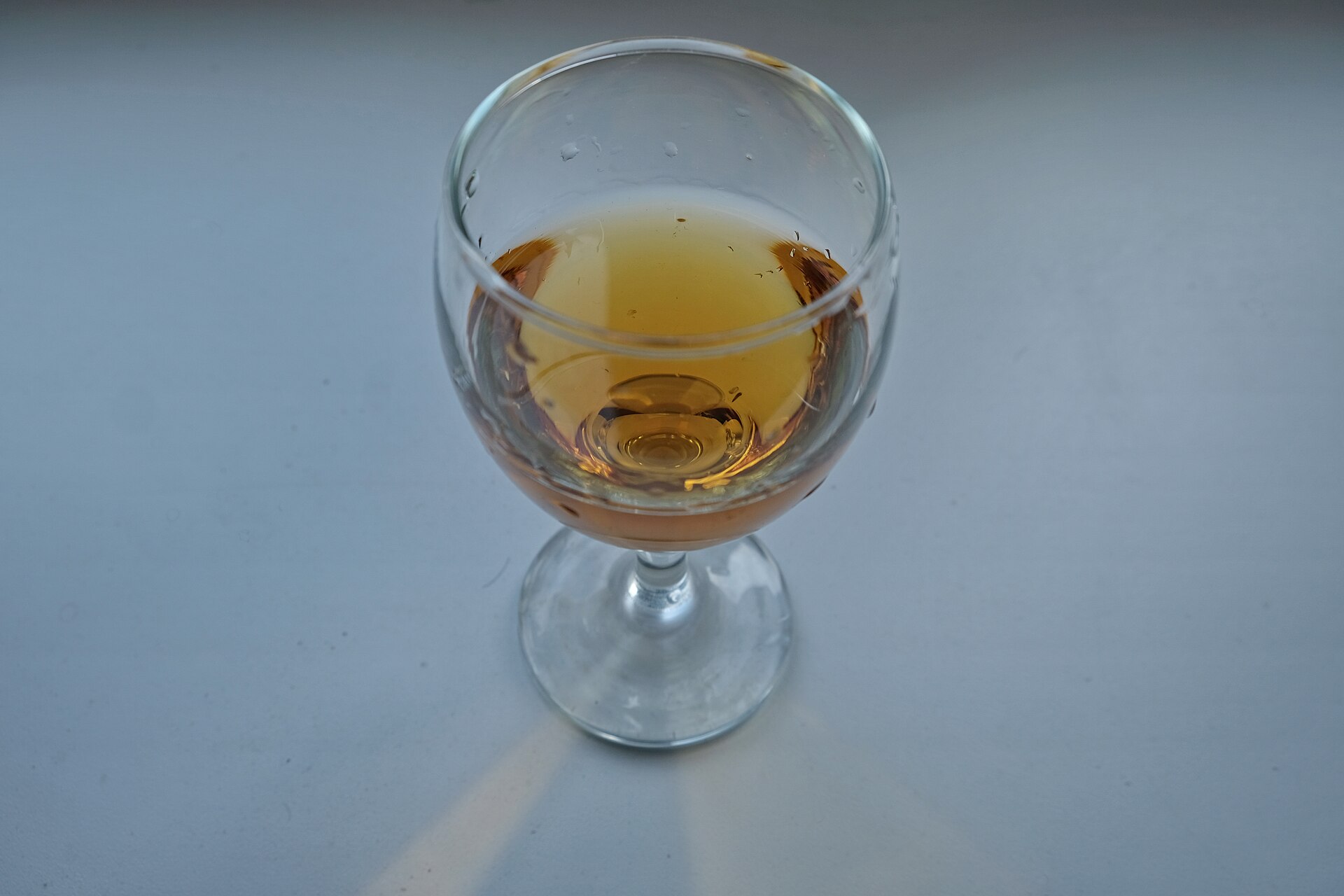
The wine everyone remembers is the amber. In Kakheti, white grapes stay on their skins in the qvevri, the buried clay jar, for about six months, which gives the wine its color and a grip on your gums closer to a red than a white. If it's new to you, ask for an amber wine from Rkatsiteli first, since it's the backbone of most of them.
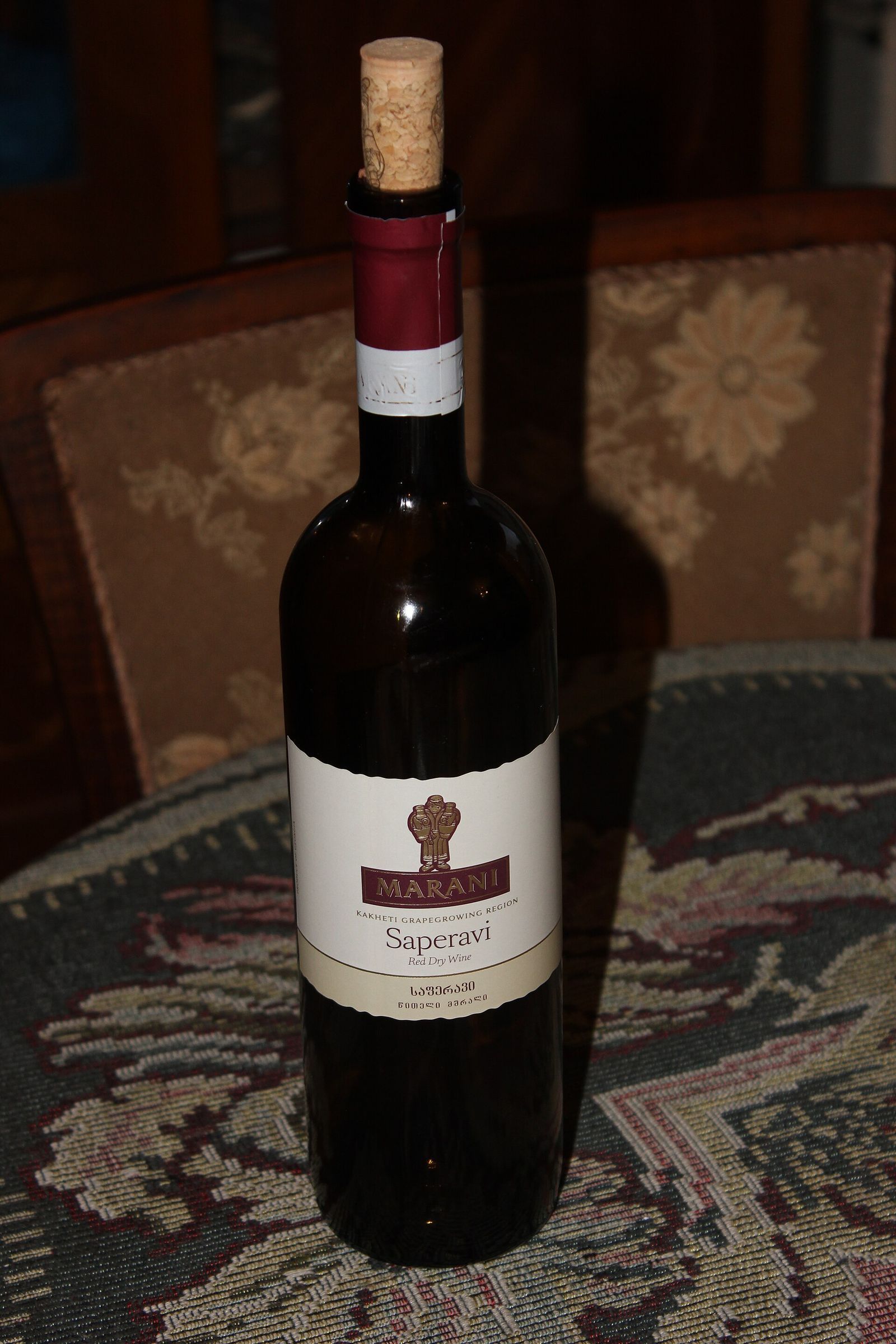
Saperavi is the flagship red, with red flesh and dark juice, and the name means "dye".
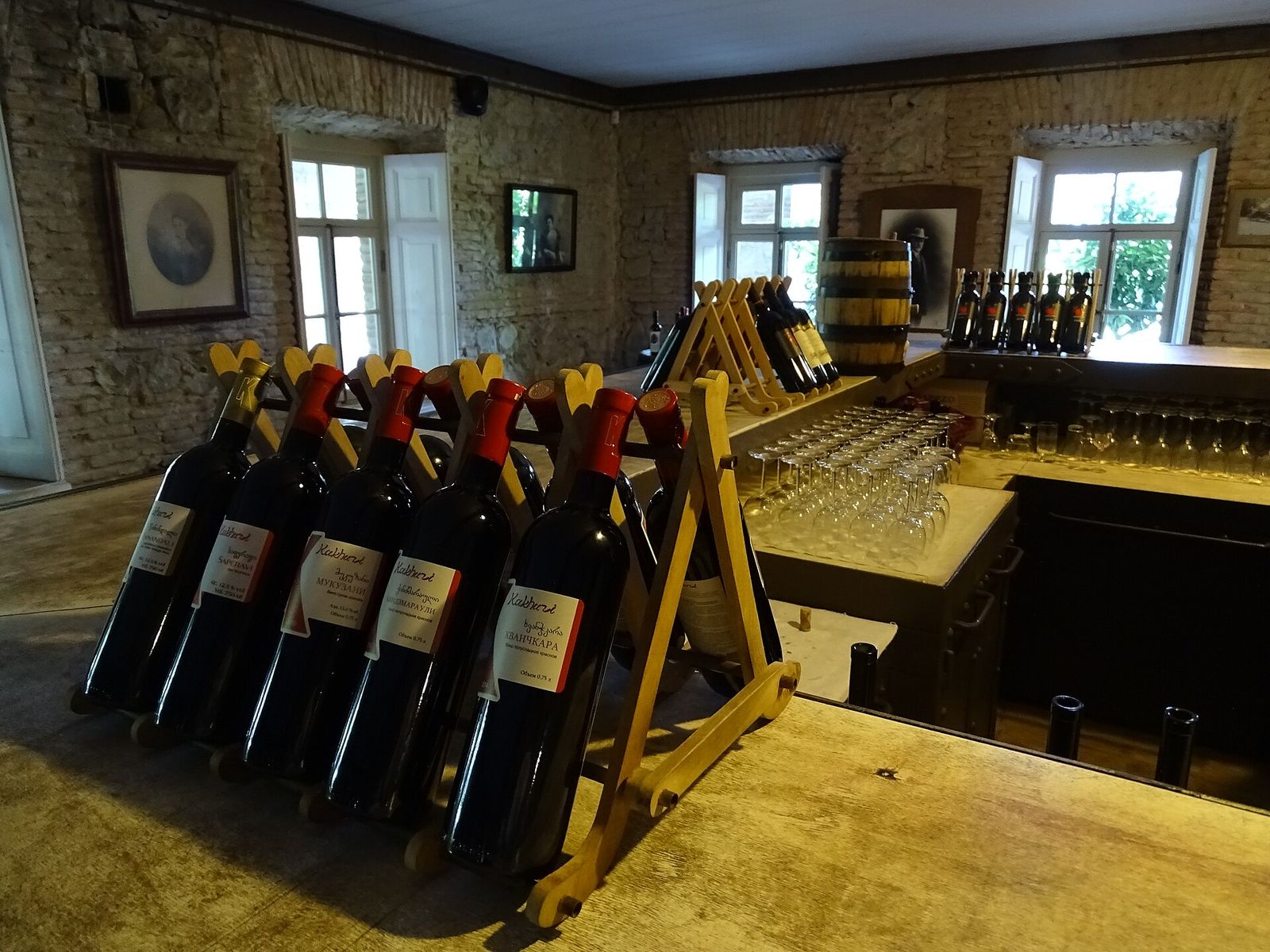
The semi-sweet reds surprise people: Kindzmarauli and Khvanchkara taste sweet without any added sugar, and they're an easy first glass for anyone who finds the amber too much. If you liked one wine in particular, the list of Georgian wines to buy tells you what else to look for on a shop shelf.
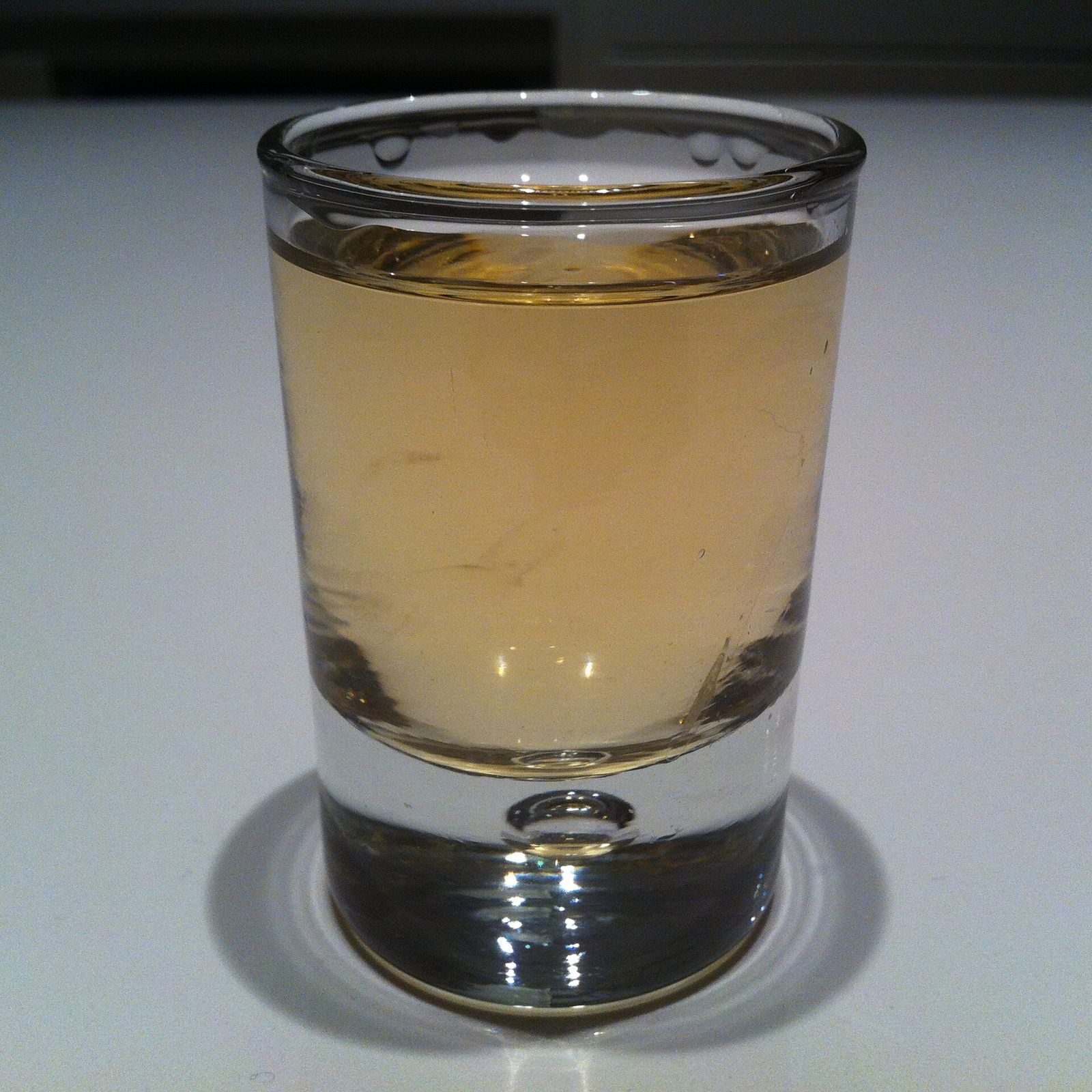
Many tastings finish with a high-proof pour, usually chacha, Georgia's grape brandy, distilled from the skins and seeds left after winemaking. Sip it. It's strong enough that nobody expects you to finish it.
What happens at a wine tasting in Tbilisi
A booked tasting is relaxed. You sit at the bar or at a table in a cellar room, and the host pours one wine at a time, usually whites first, then amber, then reds, then anything sweet or strong. With each pour you hear the grape, the region, the producer and how the wine was made, whether in a qvevri or in steel and oak the European way. There's a plate of something to eat alongside: cheese, nuts, bread or the house snacks.
It takes about an hour, an hour and a half for a class. Nobody minds if you leave half a glass, and questions are the point, so ask about anything that tastes odd to you, from cloudiness to tannin in a white. At the end you'll usually be shown the bottles, with the price to take one home.
A tasting is quieter than a Georgian feast. At a supra and its long run of toasts you drink when the toastmaster raises a glass; at a tasting you sip at your own pace and nobody makes a speech.
How to get the most from a tasting
A few things make the difference between four nice glasses and actually learning something.
- Book ahead. Wine Code, Wine Point, Sadzvele and DADI all need a reservation for a tasting, and the rooms are small.
- Eat first, or eat during. Four pours plus a chacha on an empty stomach is a short evening.
- Note the producer, not just the grape. Georgian labels usually name the grape, so photograph the back label too, which carries the appellation.
- Expect sediment. It's normal in natural and qvevri wine. Don't shake the bottle you buy; let it stand before you open it.
- Buy where you taste. Most of these bars double as shops, and the wine shops of Tbilisi can find the same producer if you'd rather shop around.
- Pack for the flight home. Most people carry bottles in checked luggage wrapped in clothes, and taking Georgian wine home comes down to your country's allowance and good packing.
A self-guided wine tasting evening in Tbilisi
You can build a tasting evening of your own around Freedom Square without a guide. Everything here is within a short walk in Sololaki and the streets around it, and it works best on a Friday or Saturday.
| Time | Stop | What to order | Cost |
|---|---|---|---|
| 6pm | Wine Point, Ingorokva St | The booked four-wine tasting, or the buffet from 7pm | 45 GEL, or 25 GEL |
| 7:30pm | Vino Underground, Galaktion Tabidze St | One amber glass from a small qvevri producer | 10 to 20 GEL |
| 8:30pm | Ferment Wine Bistro, off Gudiashvili Square | Dinner with a rare grape variety | Your dinner bill |
That's about 55 to 65 GEL of wine before dinner, and you'll have tasted from three very different lists. Ferment is owned by a winemaker, Rezi Tsetskhladze, and pours rare grapes and qvevri wine with modern Georgian food, so it's the right place to end on.
For an afternoon version, start at the Kote Afkhazi branch of 8000 Vintages when it opens at noon, work down the street's wine shops for free tastes, and finish at Wine Tower with the view. If you'd rather stay in one place, a booked flight at Sadzvele in Wine Factory N1 fills an evening on its own.
Wine tasting beyond the city: wineries near Tbilisi and Kakheti
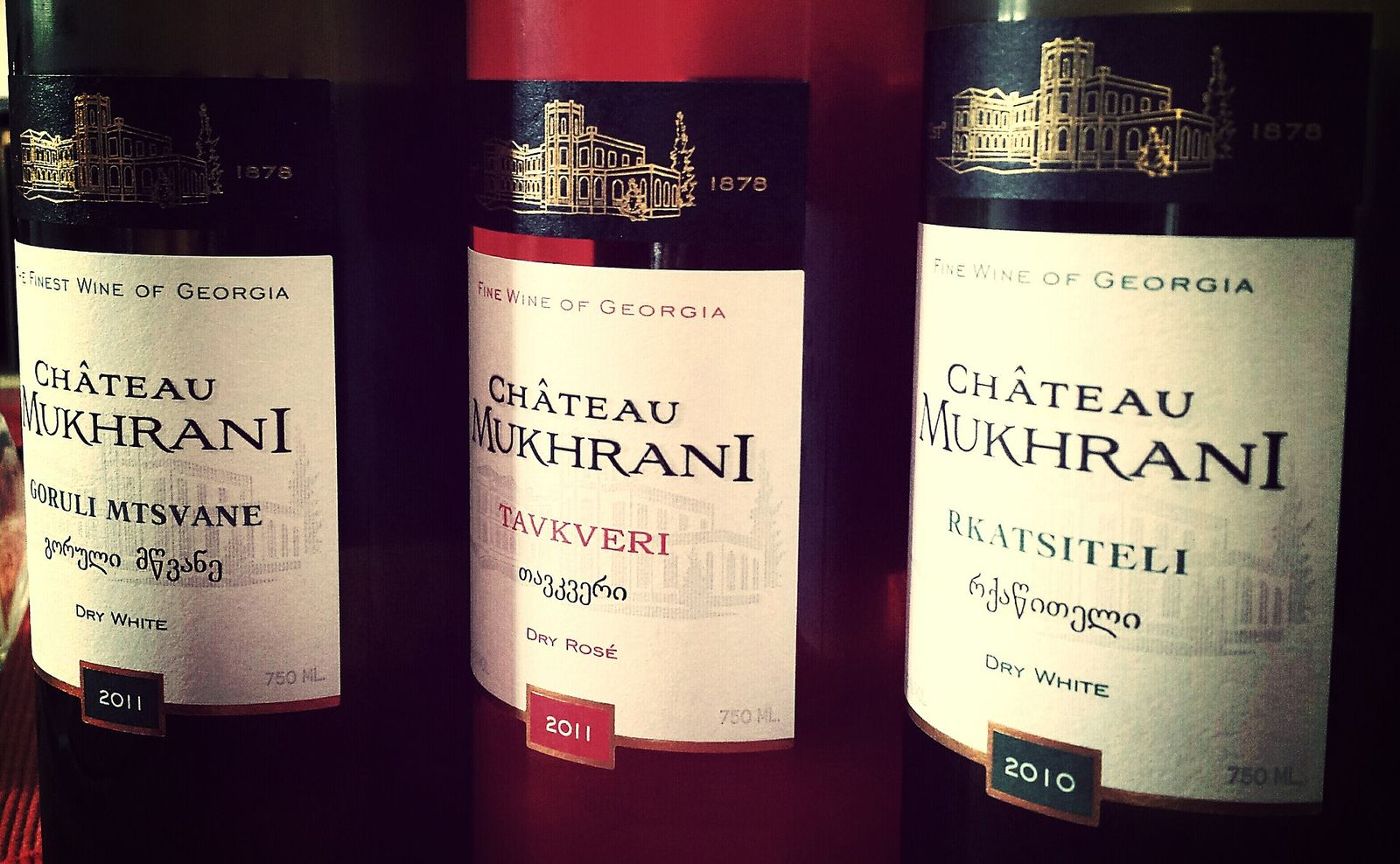
A tasting in town teaches you the wine. A winery shows you where it comes from. The wineries near Tbilisi are the shortcut: the Iori Valley cellars are about 45 minutes out, and the Chateau Mukhrani bottles at the top of this page come from an estate in Kartli, the central wine region around the capital.
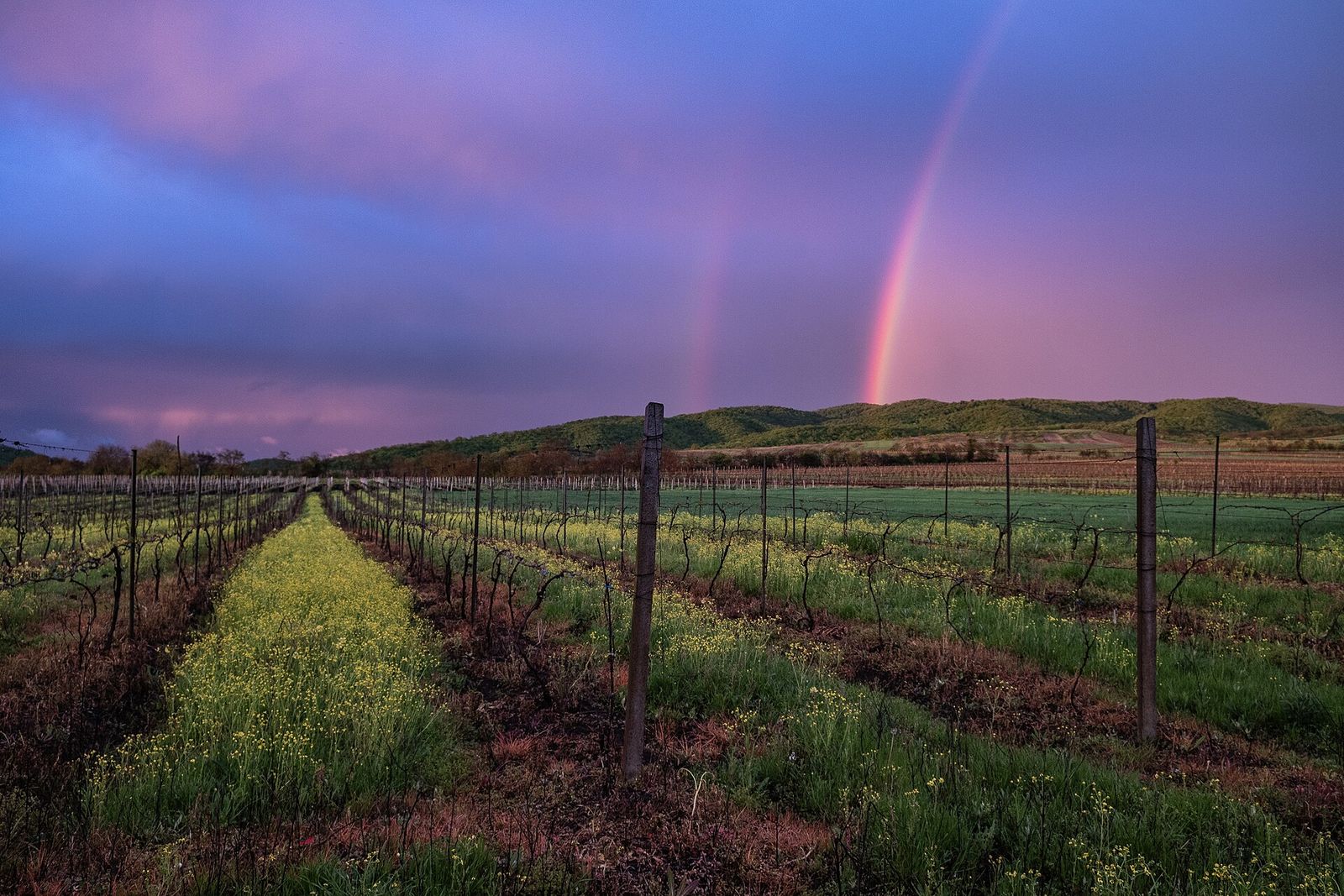
For the real thing, go to Kakheti, which makes about 70% of Georgia's wine. Telavi and Sighnaghi are each about 2 hours' drive away, and a Kakheti wine tour from Tbilisi runs from about 100 GEL on a budget group tour (plus about 50 GEL for lunch and extra wine) to 320 to 420 GEL in a small group with lunch.
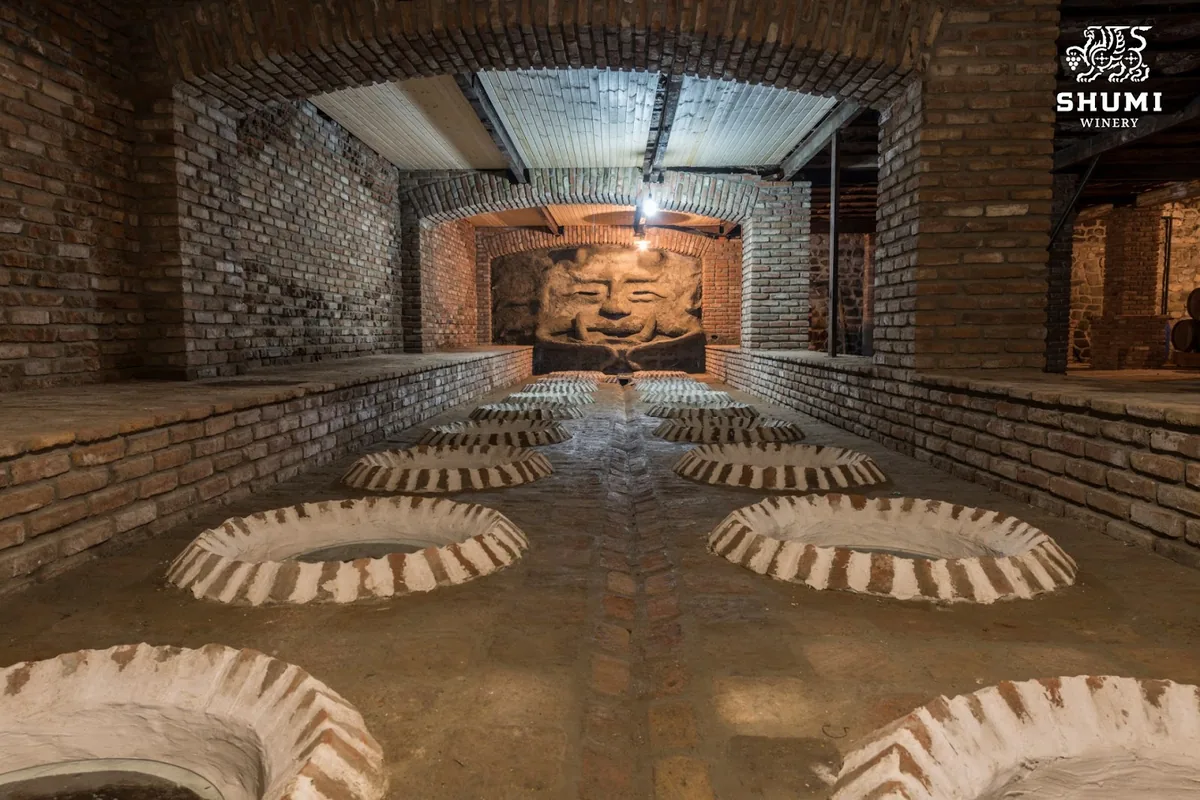
Prices at the cellars themselves are low. Shumi gives an English tour for 5 GEL, with tastings at 15 to 40 GEL.
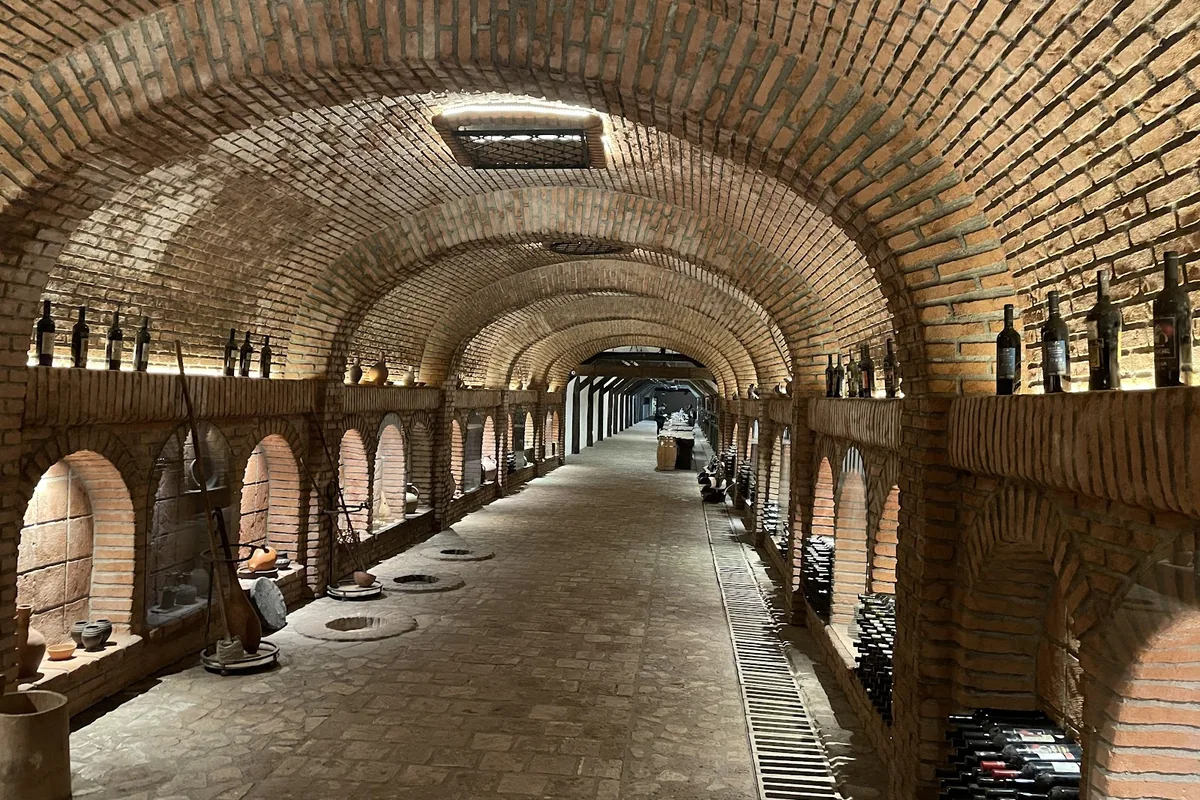
Khareba pours three wines and shows you its wine tunnel for 25 GEL. Family wineries charge 30 to 120 GEL a head for a tasting and 80 to 200 GEL for a meal with wine, which usually needs 24 hours' notice, and most Kakheti wineries take walk-ins for a plain tasting.
The best time to go is during the Rtveli grape harvest, from late August to late October, when the grapes are being picked and pressed. May and June are good too; July and August reach 35 to 40°C.
Key takeaways
- Book a four-wine tasting at Wine Code (35 GEL) or Wine Point (45 GEL) for the best value in the city.
- Take the 90-minute qvevri class, about $25, if you want to understand amber wine rather than just drink it.
- Free tastes in the Kote Afkhazi Street wine shops cost nothing but the bottle you buy as thanks.
- Ask for amber, dry red and semi-sweet red in one flight to cover Georgia's big styles.
- For cellars and vineyards, plan a day in Kakheti, ideally during the harvest from late August to late October.
Frequently asked questions
How much does a wine tasting cost in Tbilisi?
A booked four-wine tasting in a Tbilisi wine bar costs 35 to 45 GEL. A 90-minute class costs about $25 and a private one-hour sommelier tasting about $70 per adult. A single glass at a wine bar is 8 to 20 GEL.
Do I need to book a wine tasting in Tbilisi?
Yes, for any set tasting. Wine Code, Wine Point, Sadzvele Wine Hub and DADI all ask for a reservation, and the classes are booked online. You only walk in for a glass at the bar or a free taste in a wine shop.
Are there free wine tastings in Tbilisi?
Yes, in the wine shops along Kote Afkhazi Street in the Old Town, which often pour a free taste before you buy. It's informal, so buying a bottle you liked is the polite way to say thanks. Stalls at Dezerter Bazaar also let you taste their homemade wine first.
How long does a wine tasting in Tbilisi take?
A booked bar tasting takes about an hour, a class about 90 minutes and a private sommelier session 1 hour. A wine walking tour runs 4 to 5 hours, and a day trip to Kakheti takes 8 to 10 hours.
What wine should I try at a tasting in Georgia?
Try an amber qvevri wine first, ideally a Rkatsiteli, because nothing else tastes like it. Then a dry Saperavi and a semi-sweet Kindzmarauli or Khvanchkara. Together they cover the three styles Georgia is known for.
Is a wine tasting in Tbilisi worth it if I'm going to Kakheti?
Yes, and I'd do it first. A tasting in town teaches you the grapes and styles, so you know what to ask for in the cellars. In Kakheti you then get the vineyards, the buried qvevri and the winemaker's table, which a city bar can't give you.
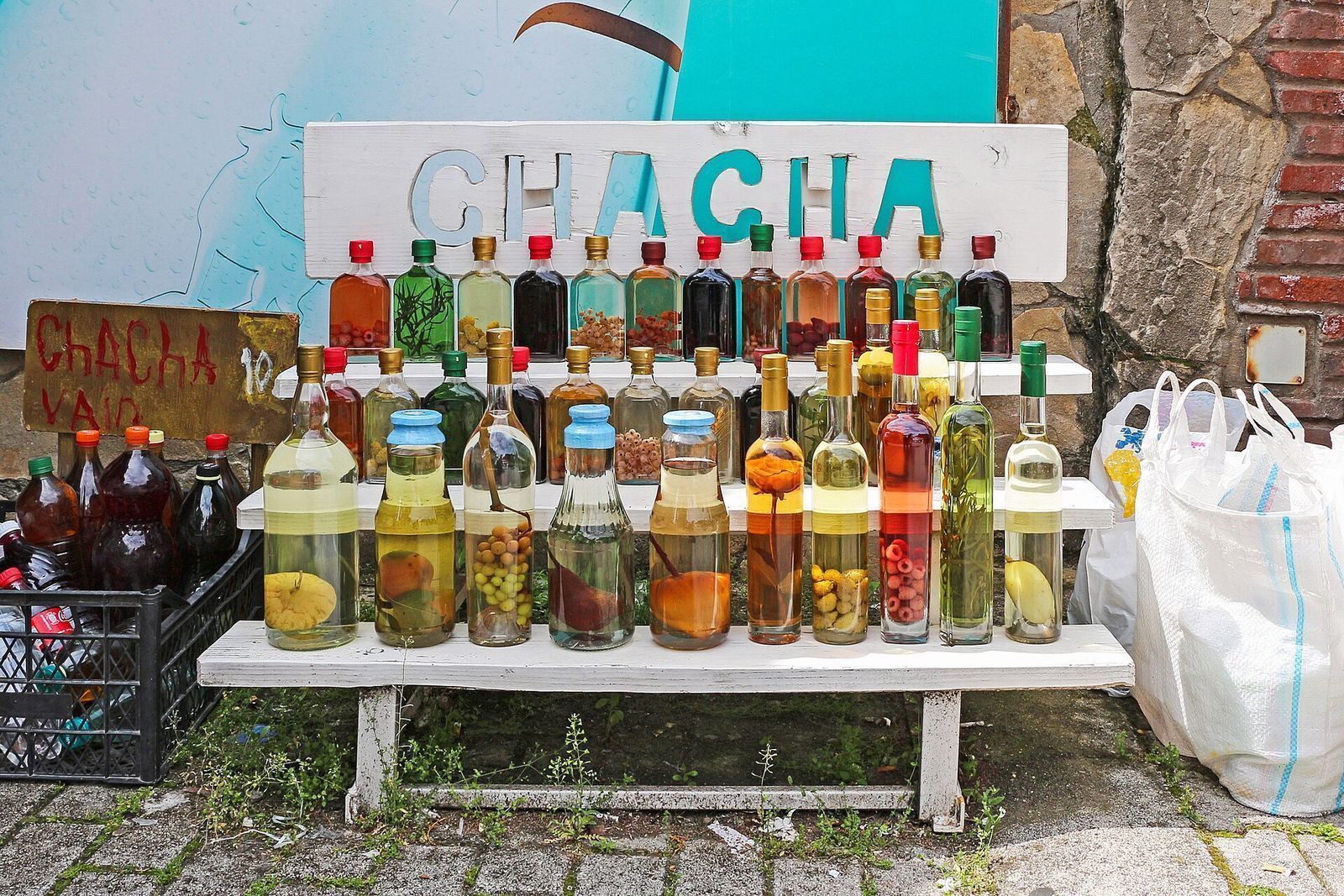
Georgian Drinks: What to Drink in Georgia and Where to Try It in Tbilisi
Tbilisi is known for its qvevri wine. Here's what to drink in Georgia, from amber wine to chacha, and where to try it.
Read the guide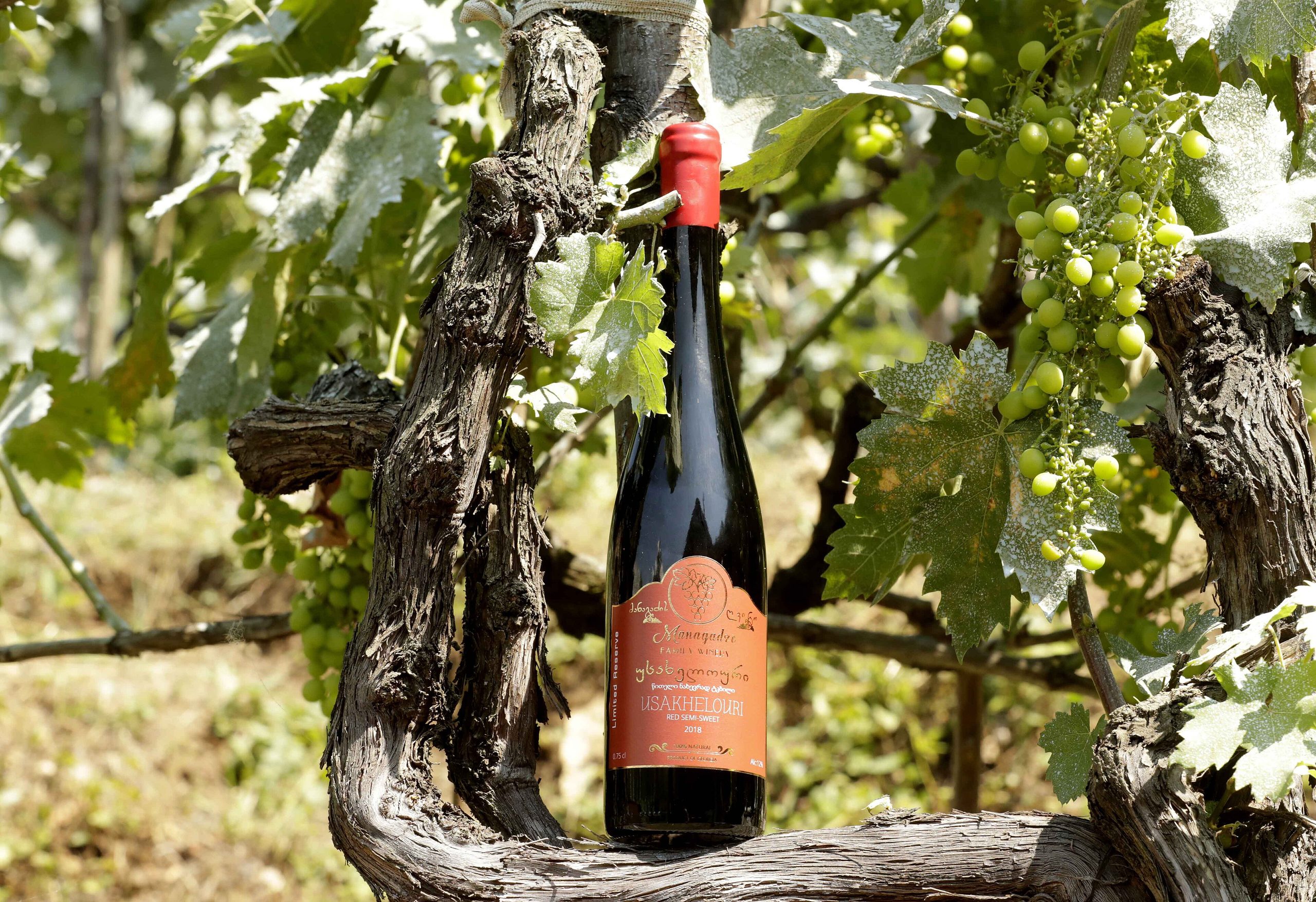
Georgian Wine Guide: Regions, Styles and What to Order
Georgia is known for 8,000 years of winemaking. Here is what to know about its styles, regions, prices and bars.
Read the guide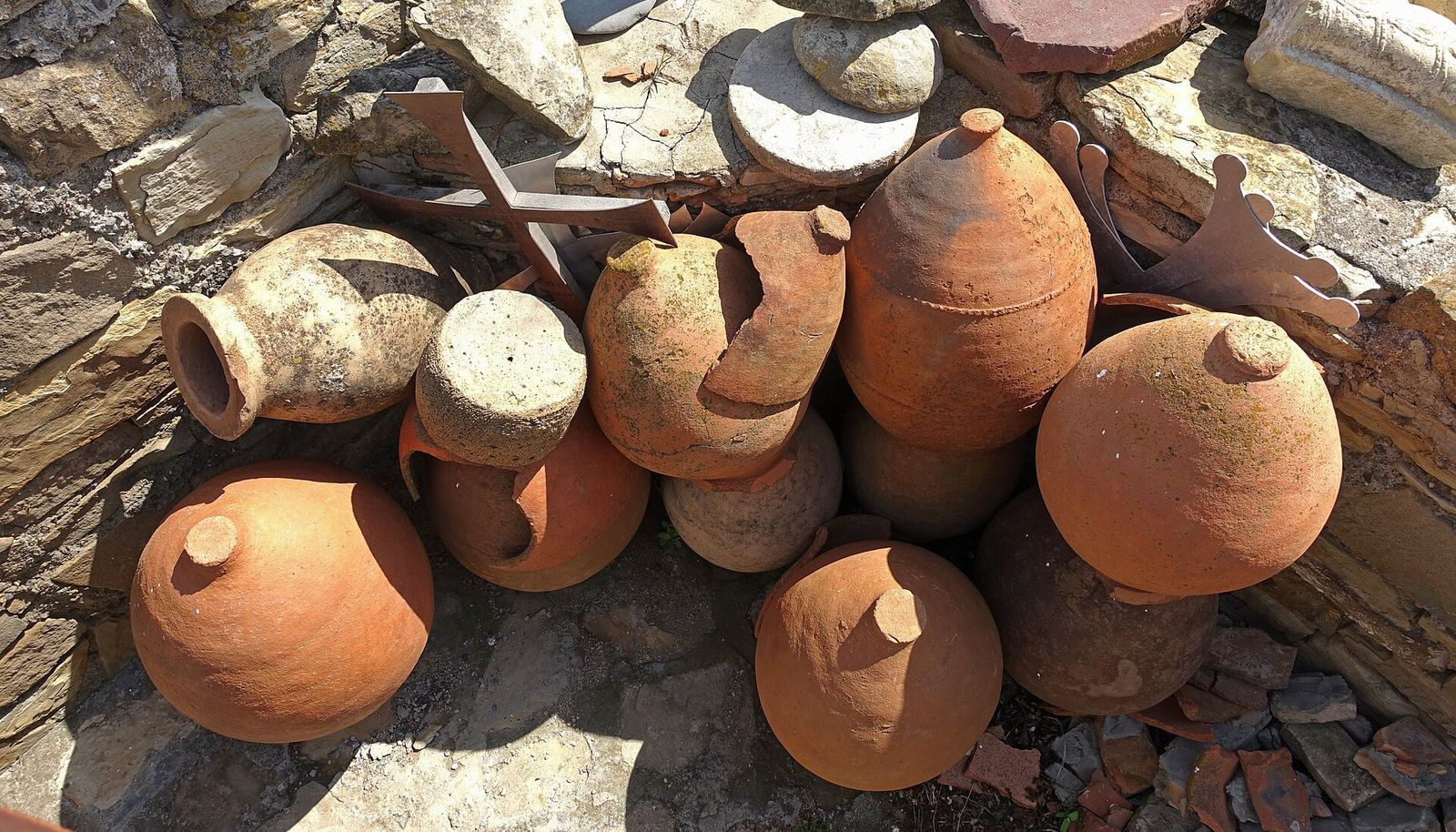
Qvevri Wine: How Georgia Makes Wine in Buried Clay Jars
Georgia is known for qvevri wine. Here is what the clay jars are, how the wine tastes and where to try it in Tbilisi.
Read the guide