Is Tbilisi Safe? What Tourists Should Know in 2026
Tbilisi is known as one of the easiest and safest cities in the region to visit, and that still holds in 2026. Violent crime against visitors is rare, and most trips pass without a single bad moment. Here's what you need to know about the evening protests on Rustaveli Avenue, the few scams aimed at tourists, the traffic and the dogs, and who to call if something does go wrong.
Is Tbilisi safe for tourists in 2026?
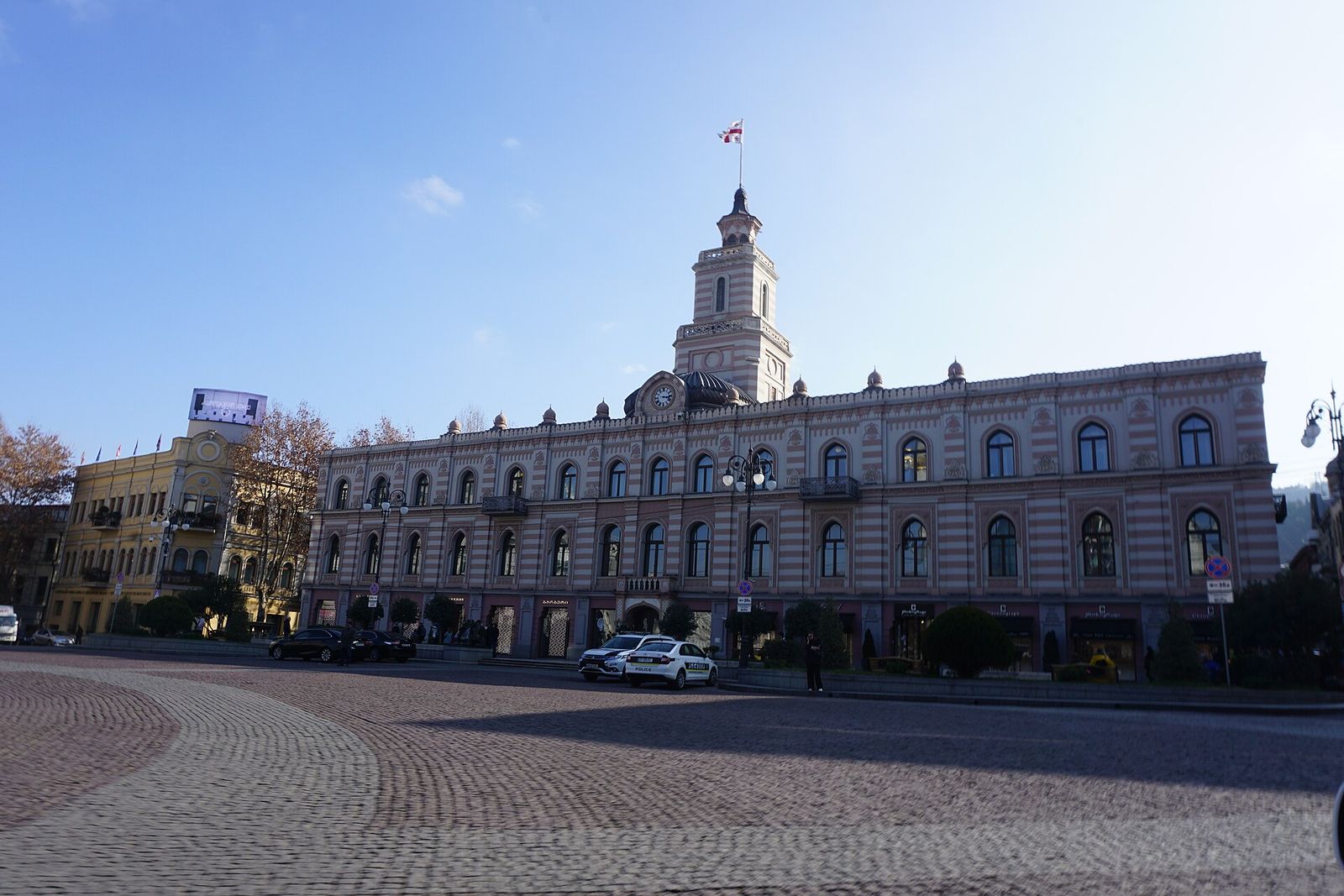
Yes. I'd send a first-time solo traveler to Tbilisi without a second thought. Violent crime is rare, tourists are rarely the target of it, and the center stays busy and relaxed late into the evening, with families out in the squares and people walking home from dinner well after midnight.
The police are visible and, in my experience, straightforward to deal with. Patrol cars sit on the main squares, and corruption in the police is extremely rare, so a traffic stop or a lost-wallet report is a normal, polite exchange rather than a shakedown.
What actually goes wrong for visitors is small and avoidable. A driver at the airport charges double. A friendly stranger from a dating app suggests a bar with a mystery bill. Someone lifts a phone from a back pocket at the flea market. And the thing that actually injures people here is the traffic, not crime.
The other thing on every visitor's mind is politics. Street protests have run in central Tbilisi since late 2024. They are concentrated on one stretch of one avenue, mostly in the evening, and the rest of the city carries on as normal, so they are easy to plan around.
The real risks in Tbilisi, ranked
This is how I'd rank what can go wrong on a trip to Tbilisi, from the thing most likely to catch you out to the least. Notice that crime against you, the thing people ask about most, sits at the bottom.
| Risk | Where and when | How likely | What I do |
|---|---|---|---|
| Traffic | Big roads and zebra crossings, all day | High: you cross roads daily | Use underpasses, cross with locals |
| Taxi overcharging | Airport arrivals, street taxis in the old town | Common if you flag a car | Book every ride in Bolt |
| Poor exchange rates | Airport exchange counters | Common | Change a little, then use city exchange offices |
| Pickpocketing | Dezerter Bazaar, Dry Bridge, crowded metro | Low to medium | Front pocket, zipped bag |
| The bar scam | Bars picked by a stranger from an app | Rare, but costly | Choose the bar yourself |
| Protests | Rustaveli Avenue by Parliament, evenings | Easy to avoid | Stay away from that stretch after dark |
| Stray dogs | All over the city, mostly asleep | Low | Walk past calmly |
| Violent crime | Anywhere | Rare | Ordinary city sense |
Protests on Rustaveli Avenue
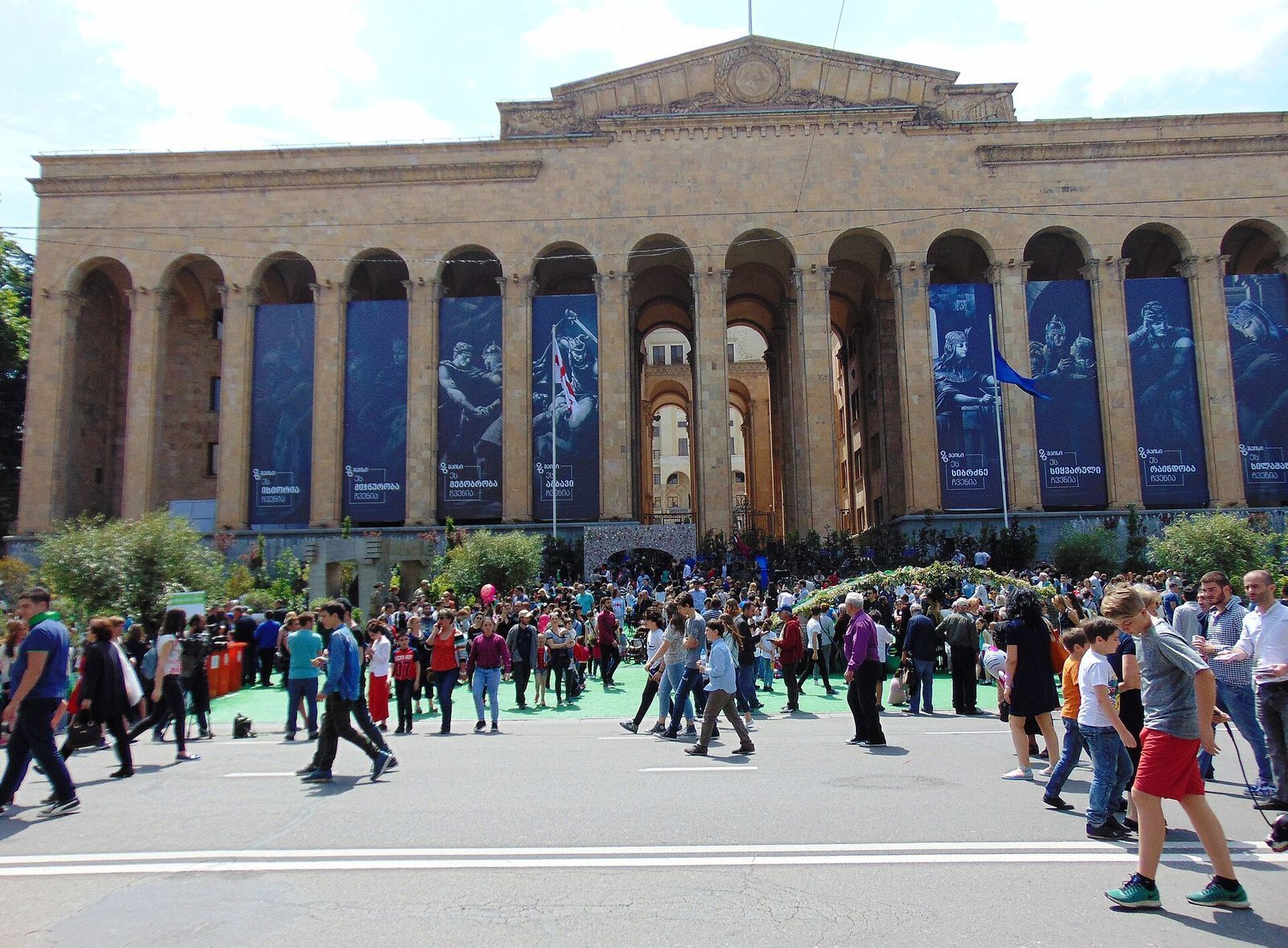
Protests started in late November 2024, after the government paused talks on joining the European Union, and they have carried on for well over a year and a half. They gather in the evenings in front of the Parliament building on Rustaveli Avenue, and on bigger nights they spread toward Freedom Square.
By day the avenue is its usual self. The museums, the opera, the shops and the cafes all open as normal, the metro runs, and you can walk the whole length in the afternoon without noticing anything unusual. Most nights the evening crowds are peaceful. Some nights have not been: police have used tear gas and other crowd control, and there are bag searches around Parliament.
My approach is simple. I do Rustaveli in the daytime and spend the evenings elsewhere. Dinner in Sololaki, a wine bar in the old town, or a late drink across the river at Fabrika all keep you well away from the protest stretch, and none of those areas sees any of it.
Common scams in Tbilisi and how to avoid them
Tbilisi has very little scam culture. There are four or five tricks aimed at visitors, and once you know them they are easy to sidestep.
Taxi overcharging at the airport and on the street
This is the one most visitors meet. Drivers wait at the airport exit and ask 50 to 80 GEL for a ride into the center. The same trip booked in the Bolt app costs about 25 to 35 GEL, a little more at night or in rain, with the price fixed before you get in. The official taxi booth inside the terminal sits in between, at 60 GEL to Avlabari and 80 GEL beyond, and if you land before about 10 pm the airport bus into the city costs 1 GEL on a Metromoney card.
Street taxis in the city have no meters, so the price is whatever the driver says when he sees you. Across the center Bolt charges 3 to 7 GEL; a street driver will often ask 10 to 20 GEL for the same ride. There is no Uber in Georgia. Bolt is what locals use, with Yandex Go as the backup, and both apps let you pay for taxis in Tbilisi by card in the app or in cash to the driver.
The bar scam
This one is rare but expensive. A stranger you meet on a dating app or social media suggests meeting for a drink and picks the bar. The evening is fun, then the bill arrives with wine or cocktails at several times the menu price, and the staff are not interested in discussing it. It happens in Tbilisi and in Batumi.
The fix is to pick the venue yourself. Suggest a place you have already looked up, check its reviews on Google Maps, and ask for the menu with prices before ordering. A busy bar with a printed menu, such as one of the best bars in Tbilisi, makes a far safer first meeting than a place a stranger insists on.
Spiked drinks
There have been cases of drink spiking in Georgian nightlife, as in most party cities. Buy your own drinks, watch them being poured, and keep them in sight. It matters most in the big clubs and on nights out with people you just met.
Street "tours" sold from parked cars
Around the old town you'll see drivers with banners or laminated photos offering tours of the city or day trips. These usually cost far more than a booked tour and come with a driver, not a guide: he takes you there, waits in the car, and you see the place on your own. Book day trips with a proper company, or go by marshrutka for a fraction of the price.
Exchange counters at the airport
Not a scam exactly, but it costs real money. Airport exchange counters pay rates 10 to 15% worse than the city, and airport ATMs add a fee of 2 to 3 GEL. Change only what you need for the first day, then use the exchange offices in town, which pay 2 to 5% better than banks and take no commission. Cards work almost everywhere, so you need less cash in Georgia than you might think: 50 to 100 GEL covers markets, bakeries and marshrutkas.
Pickpocketing in Tbilisi
Pickpocketing is not common, but it does happen where crowds are packed tight. The places to be a bit careful are Dezerter Bazaar, where the aisles are narrow and everyone is looking at the produce, the Dry Bridge flea market on a busy weekend, and the metro at rush hour.
I keep my wallet and phone in a front pocket or a zipped bag in those places and don't think about it anywhere else. Phones sit out on cafe tables all over Tbilisi, and snatch thefts are rare. The Tbilisi metro is clean and well used, and the only time I'd keep a hand on my bag is in a packed carriage at rush hour.
Traffic: the biggest everyday risk
If anything is going to hurt you in Tbilisi, it's a car. Drivers are fast and aggressive, overtaking is creative, and cars often do not stop at zebra crossings even when you are already on them. Locals cross with a sharp eye and a quick step, and you should too.
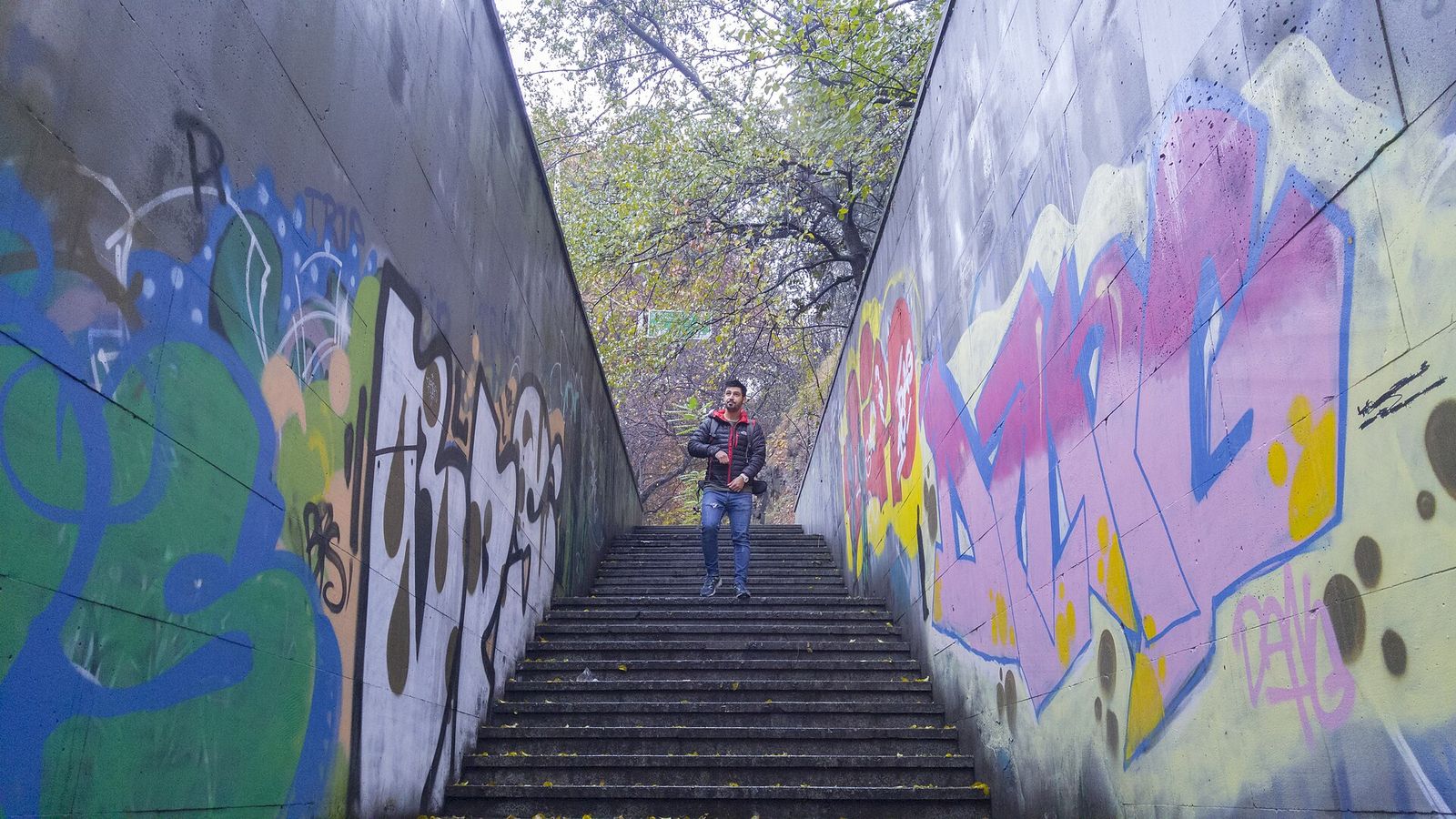
On the big roads the answer is to go under them. Rustaveli Avenue, Heroes' Square, the riverside highways and most major junctions have pedestrian underpasses, many of them lined with small shops and street art. Use them. Jaywalking is fined in Tbilisi, and tourists have been fined along with everyone else.
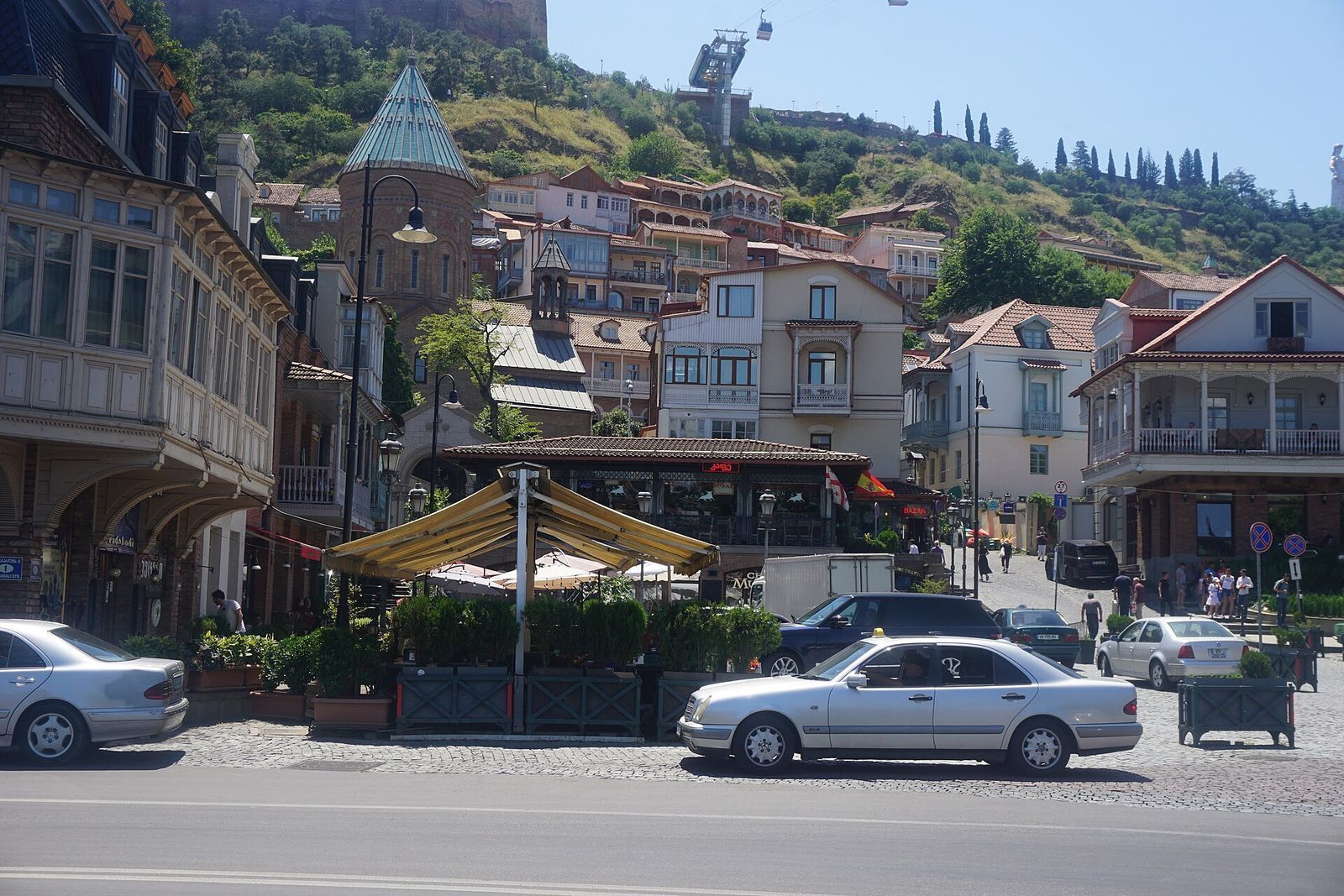
The other everyday hazard is the ground itself. The old town and Sololaki are built on hills, the lanes are steep and cobbled, pavements are uneven, and the occasional step or hole appears without warning. Good walking shoes do more for your safety here than anything else you pack.
Stray dogs in Tbilisi
You will see a lot of dogs. The city has about 30,000 street dogs by local estimates, and most of them are big, sleepy and entirely uninterested in you. They spend the day stretched out on warm pavements and in park shade, and some will trot along beside you for a block before losing interest.
Most of them are vaccinated and carry an ear tag that shows it. In the city I walk past calmly, don't feed packs, and have never had a problem. The dogs to respect are outside Tbilisi: shepherd dogs guarding flocks in the mountains are a different animal and can be territorial.
Is Tbilisi safe at night?
Yes, with one exception. The old town, Sololaki, Vera, Vake and the area around Fabrika in Marjanishvili are all fine to walk late, and plenty of people do. The exception is Rustaveli Avenue near Parliament in the evening, for the protest reasons above.
My rule for getting home is the same one locals use: walk if it's short and on streets you know, take a Bolt for anything else. A ride across the center costs a few lari, so there's no reason to walk a long unfamiliar route at 2 am. The old town lanes get dark and steep after midnight, and a twisted ankle is the realistic risk there.
Women traveling alone generally feel comfortable here, at night included, and catcalling is uncommon. The everyday advice for solo female travel in Georgia is the same as for anyone: book taxis in the app, keep an eye on your drink, and pick your own bars.
Police, emergencies and health in Tbilisi
The number to save is 112. It covers police, ambulance and fire, and it is the same number across Georgia. Patrol police are easy to find in the center, and if you lose a passport or a phone, a police report is a normal, straightforward process.
Pharmacies are everywhere. The two big chains are PSP and GPC, many branches open late, and most medicines are sold without a prescription. Tap water in Tbilisi is safe to drink. It is hard and tastes of chlorine, so some visitors stick to bottled water for a day or two, which costs 1 to 2 GEL for 1.5 liters.
Since 1 January 2026, every visitor to Georgia needs health and accident insurance for the whole stay, visa-free travelers included. The minimum cover is 30,000 GEL for treatment and hospitalization, border officers can ask to see it, and it can't be bought at the airport, so sort out travel insurance for Georgia before you fly.
Is Georgia safe outside Tbilisi?
Yes, and in the villages and small towns it often feels even calmer than the capital. Kutaisi and the wine towns of Kakheti are as easy as Tbilisi. The bar scam turns up in the seaside nightlife of Batumi too, so the same rule applies there: pick your own venue.
The real risk outside the city is the road. Mountain roads mean speeding, aggressive overtaking on blind bends, cows and sheep on the tarmac, and very little lighting after dark. I would not drive mountain roads at night, and on routes like the Kazbegi day trip I'd rather hire a driver or join a tour than drive myself. If you do drive, renting a car in Georgia starts at about 80 GEL a day for a sedan and needs an international driving license, and I'd plan every mountain leg for daylight.
Out in the hills, keep well clear of flocks of sheep. The shepherd dogs that guard them are large, serious working animals. Make a slow, wide detour around the flock and don't run.
Key takeaways
- Tbilisi is a safe city, and the problems visitors actually meet are money problems, not danger: taxis, bar bills and exchange rates.
- Plan Rustaveli Avenue for daytime and spend your evenings in Sololaki, the old town or Fabrika.
- Bolt solves the taxi problem completely; set it up before you land.
- Watch the traffic more than your wallet, and take the underpasses.
- Save 112 and pack your insurance documents, because the border can ask for them.
Frequently asked questions
Is Tbilisi safe to visit right now?
Yes. Daily life, sightseeing and transport are normal across the city in 2026. The one thing to plan around is the evening protests outside Parliament on Rustaveli Avenue, which you can avoid simply by spending your evenings in other neighborhoods.
Are the protests in Tbilisi dangerous for tourists?
Not if you keep your distance. They happen in the evenings on one stretch of Rustaveli Avenue, and most are peaceful, though police have used tear gas on some nights. Don't join in, because foreigners who take part can be fined or detained.
Is Tbilisi safe for solo female travelers?
Yes, women traveling alone generally find Tbilisi relaxed and comfortable, by day and at night. Use Bolt rather than street taxis, choose your own bars, and keep your drink in sight, the same as in any city with a nightlife.
Is Bolt safe in Tbilisi?
Yes, Bolt is the safest and cheapest way to get around. The fare is fixed in the app before the ride, the driver and plate are shown, and you can share the trip live. Check the plate matches before you get in.
Can you drink the tap water in Tbilisi?
Yes, tap water in Tbilisi is safe to drink. It is hard and slightly chlorinated, so some people prefer bottled water for the first day or two; a 1.5 liter bottle costs 1 to 2 GEL.
Which areas of Georgia should tourists avoid?
Avoid Abkhazia and South Ossetia, the two occupied regions, completely. In Tbilisi itself, the only area to skip is Rustaveli Avenue near Parliament in the evening, during the protests. Everywhere else is open to visitors.
What is the emergency number in Georgia?
The emergency number is 112, for police, ambulance and fire, anywhere in Georgia. In central Tbilisi patrol police are also easy to find on the main squares if you need help in person.
Tbilisi Travel Tips: What I'd Tell You Before a First Trip to Georgia
Tbilisi is known for wine, sulfur baths and long dinners. Here's what to know about entry, money, transport and safety.
Read the guide
Tbilisi Itinerary: How I'd Spend 1 to 5 Days in Tbilisi
Tbilisi is best over 3 full days. Here is how to spend 1 to 5, with routes, meals, day trips and costs.
Read the guide
The Best Time to Visit Tbilisi, Month by Month
Tbilisi is known for golden autumns and hot summers. Here is the weather by month, the crowds, and when I would go.
Read the guide