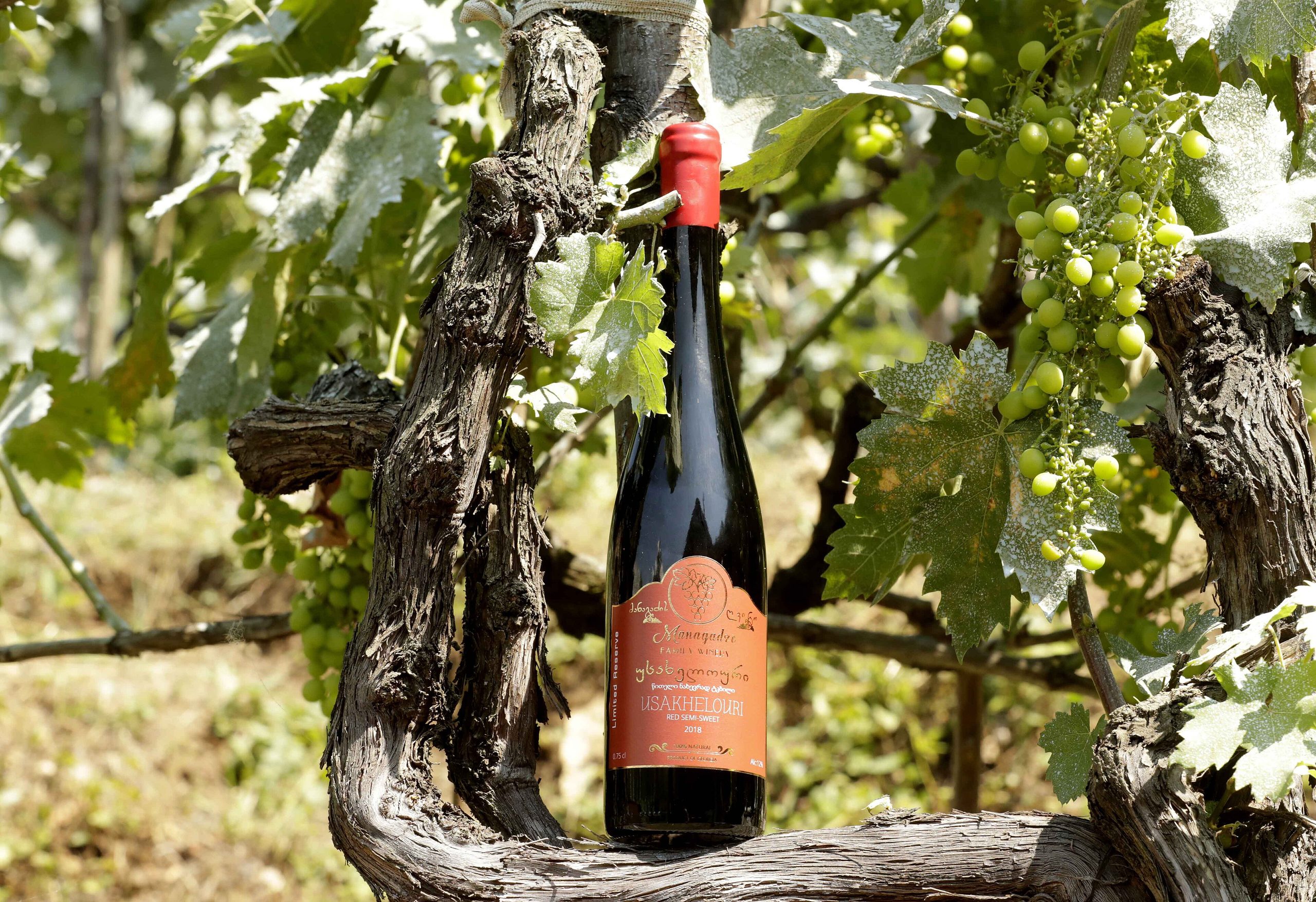
Georgian Wine Guide: Regions, Styles and What to Order
Georgia is known for its wine. The country claims about 8,000 years of winemaking, and plenty of it is still fermented in clay jars buried in the ground. Here's what you need to know about the styles, the regions, the names on the label, what a glass and a bottle cost in Tbilisi, and the two wines I'd order first.
What makes Georgian wine different
Three things. First, the vessel: the traditional method ferments and ages wine in a qvevri, a big egg-shaped clay jar buried up to its neck in the ground. Second, the skins: Georgian winemakers often leave white grapes on their skins, seeds and sometimes stems for months, which turns the wine amber and gives it grip. Third, the grapes: Saperavi, Rkatsiteli, Mtsvane, Kisi and the rest are Georgian varieties you rarely see on a wine list anywhere else.
Add the way Georgians drink, with food, slowly and on a toast, and you get a wine culture that feels different from the first glass. You don't need to know any of this to enjoy it. But knowing the difference between an amber, a dry red and a semi-sweet red saves you from ordering a sweet Kindzmarauli with your steak by mistake.
8,000 years of Georgian wine
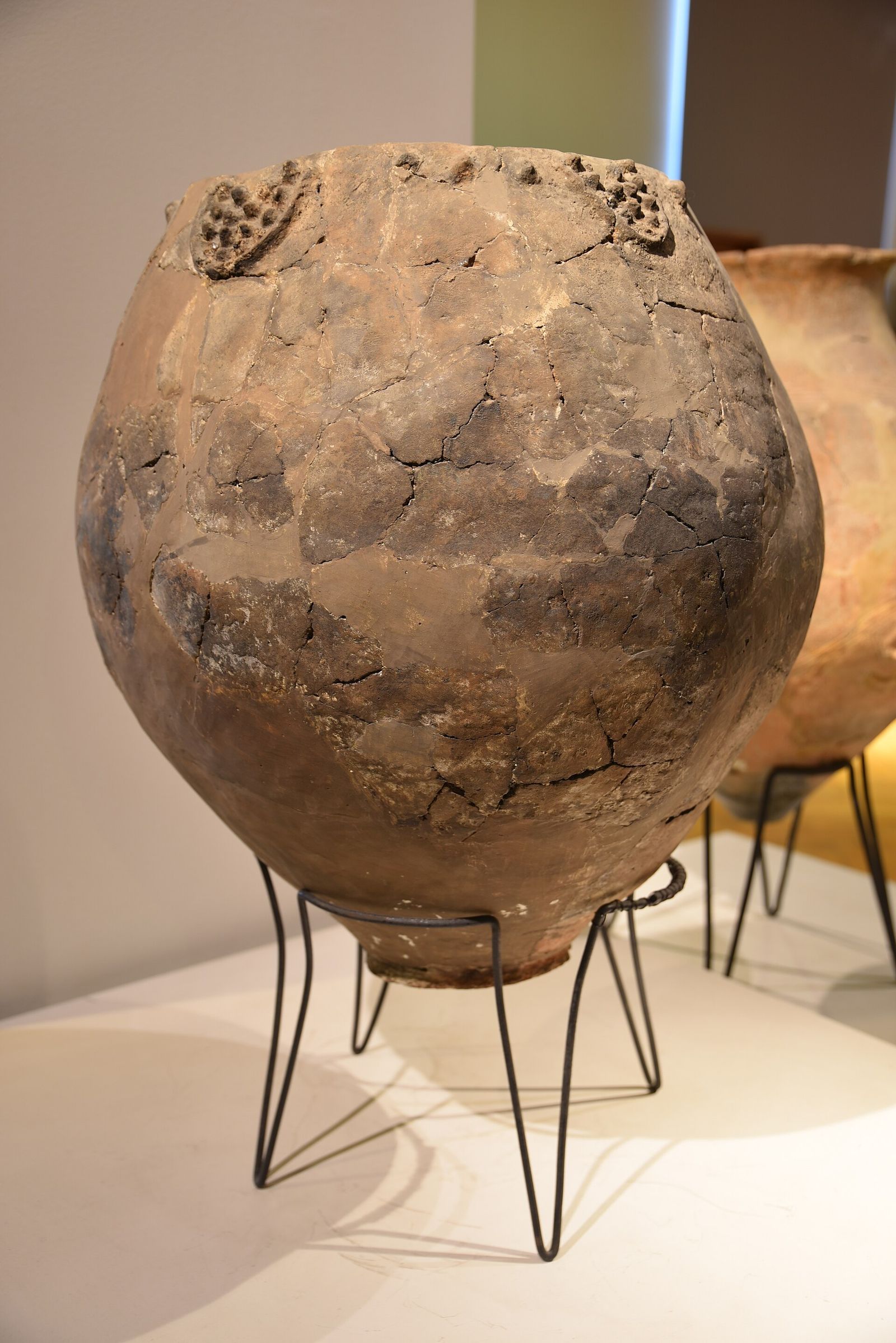
Georgia's claim to the oldest wine culture rests on clay. Archaeologists working south of Tbilisi have found Neolithic jars that held wine, and you can see one for yourself: the Georgian National Museum on Rustaveli Avenue displays a clay qvevri from Khramis Didi Gora, made in the first half of the 6th millennium BC, with bunches of grapes molded onto its shoulder. It held about 100 liters. That jar is where the 8,000 years comes from.
The story carries on from there. Monasteries kept cellars: Alaverdi in Kakheti, founded in the 6th century, still makes wine. In the early 1800s the Chavchavadze family at Tsinandali Estate started bottling wine the European way, which is where Georgia's European-style wines began. In 2013 UNESCO added qvevri winemaking to its list of intangible cultural heritage.
What strikes me most is that the old way never became a museum piece. Families in Kakheti still bury qvevri in their own cellars, and the clay-jar wines are the ones the best Tbilisi bars are proudest of.
How Georgian wine is made: qvevri or European style
Georgian wine is made one of two ways, and the label or the waiter will tell you which.
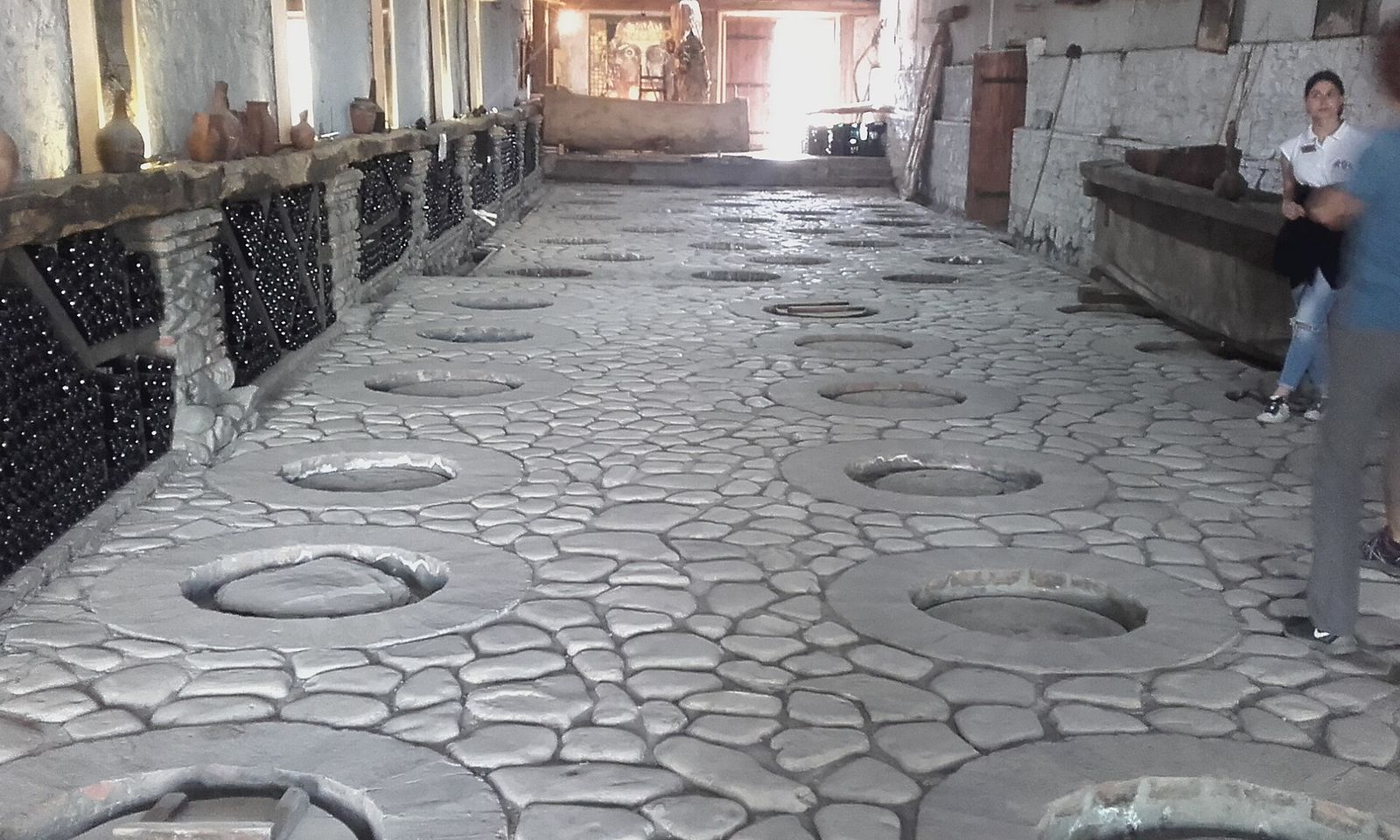
In the traditional method, crushed grapes go into a qvevri buried in the cellar floor with their skins and seeds. The wine ferments and rests there, sealed under a lid of beeswax and wet clay, and the ground keeps it at about 14 to 16°C. The European method is the one you know from France or Italy: white grape juice is pressed off the skins, and the wine ferments in steel tanks or oak barrels.
| Qvevri method | European method | |
|---|---|---|
| Vessel | Clay qvevri buried underground | Steel tanks or oak barrels |
| White grapes | Fermented with skins, seeds, sometimes stems | Juice pressed off the skins |
| Color of the white | Amber to coppery orange | Pale straw |
| Taste of the white | Tannic, dried fruit, nutty | Light and fresh, close to Pinot Grigio |
| Best for | Tasting what only Georgia does | An easy glass on a hot day |
Both are good. A European-style Rkatsiteli is a cheap, cold, easy white for a summer terrace. A qvevri Rkatsiteli from the same grape tastes like a different drink: darker, drier, with tannin like a red. I'd try the same grape both ways once, side by side, because nothing teaches Georgian wine faster.
Georgian wine styles: red, white, amber and semi-sweet
On a Tbilisi wine list you'll meet five styles. The one that surprises visitors is the naturally semi-sweet red: the winemaker stops the fermentation early, so some of the grape's own sugar stays in the wine. Nothing is added.
| Style | What it is | Main grapes | What it tastes like |
|---|---|---|---|
| Dry red | The everyday red | Saperavi | Dark, tannic, high acidity; leather and tobacco after 5+ years |
| Dry white | European style, off the skins | Rkatsiteli, Mtsvane, Chinuri, Tsolikouri | Light, crisp, fresh |
| Amber | White grapes fermented on their skins, often in qvevri | Rkatsiteli, Kisi, Khikhvi, Mtsvane | Coppery, tannic, dried fruit and nuts |
| Semi-sweet red | Fermentation stopped early, no sugar added | Saperavi; Aleksandrouli and Mujuretuli | Soft, fruity, sweet |
| Sparkling | Mostly from Kartli | Chinuri, Goruli Mtsvane | Light and fresh |
Amber wine, made from white grapes left on their skins, is the style Georgia is famous for abroad, where it's often sold as orange wine. In Kakheti the skin contact often lasts about six months, which is why a Kakhetian amber has the grip of a red and goes with fatty Georgian food: pork mtsvadi, cheese, walnut dishes.
Georgian grapes to know
Georgia grows many native grapes, but a handful fill most of the bottles you'll meet. These are the names worth remembering:
- Saperavi: the flagship red. Its flesh is red too, so the juice runs dark; the name means "dye". Deep tannin and acidity, and it ages well.
- Rkatsiteli: the most planted white and the backbone of most amber wine. Light and fresh made the European way, nutty and tannic from qvevri.
- Mtsvane: an aromatic white, often blended with Rkatsiteli. Manavi is pure Mtsvane.
- Kisi: a Kakhetian white that was nearly lost and has been revived in recent years, often made as amber.
- Khikhvi: another Kakhetian white for amber wine.
- Chinuri: a crisp white from Kartli, often made sparkling.
- Tsolikouri: a full-bodied white from western Georgia.
- Aleksandrouli and Mujuretuli: the two red grapes behind Khvanchkara.
You can taste your way through Georgian grape varieties like Kisi and Khikhvi in a single evening at a good wine bar, which is a far better use of a night than memorizing them.
Georgian wine regions
Georgia's wine map splits into several regions, but four matter to a visitor, and one of them makes most of the wine. Here is how they compare.
| Region | Where | Known for | Grapes to look for |
|---|---|---|---|
| Kakheti | East; about 2 hours' drive to Telavi or Sighnaghi | About 70% of all Georgian wine; qvevri reds and ambers | Saperavi, Rkatsiteli, Mtsvane, Kisi |
| Kartli | Central, the closest wine region to Tbilisi | Sparkling wine and light whites | Chinuri, Goruli Mtsvane |
| Imereti | West | Lighter, fresher whites | Tsolikouri, Tsitska |
| Racha-Lechkhumi | Northwest mountains | Naturally semi-sweet reds | Aleksandrouli, Mujuretuli, Ojaleshi |
Kakheti
Kakheti is Georgian wine country in the sense most people mean it. It makes about 70% of the national total and holds 20 of Georgia's 29 protected appellations, including Mukuzani, Tsinandali, Kindzmarauli, Napareuli and Manavi. The region splits into the Alazani Valley, where the big names are, and the Iori Valley, where some wineries are only about 45 minutes from Tbilisi. Most visitors base themselves in Telavi or Sighnaghi, the walled hill town, each about 2 hours away. The wine is big and full: qvevri Saperavi, Kakhetian ambers, and the semi-sweet Kindzmarauli.
Kartli
Kartli is the central region around Tbilisi and the easiest to reach on a half day. Its grapes have adapted to a hot, dry climate, and it's the home of Georgian sparkling wine, much of it from Chinuri. If you don't have a full day for Kakheti, the wineries near Tbilisi in Kartli give you a cellar and a tasting with far less driving.
Imereti
Imereti, in the west around Kutaisi, makes lighter, fresher whites from Tsolikouri and Tsitska. The vineyards sit sheltered from the wind, and the wines are the gentle opposite of a Kakhetian amber. I'd order an Imeretian white on a hot afternoon.
Racha-Lechkhumi
Racha-Lechkhumi is a small mountain region in the northwest, and its fame rests on one wine: Khvanchkara, a naturally semi-sweet red from Aleksandrouli and Mujuretuli grown only around the village of the same name. Because it grows around one village only, there's never much of it.
The humid subtropical west (Guria, Samegrelo and Adjara on the Black Sea coast) makes wine too, mostly in small amounts drunk close to home. You'll rarely see it on a Tbilisi list.
Reading a Georgian wine label
Many Georgian labels name the grape (Saperavi, Rkatsiteli) rather than the place. When a label does carry a place name, it's an appellation, and the name tells you the style. That matters most for the semi-sweet reds: a bottle that just says Kindzmarauli is sweet, while a Mukuzani from the same grape is dry. Check the back label for the appellation and the words dry or semi-sweet.
| Name on the label | Region | Grape | Style |
|---|---|---|---|
| Mukuzani | Kakheti | Saperavi | Dry red, aged in oak |
| Napareuli | Kakheti | Saperavi or Rkatsiteli | Dry red or dry white |
| Kindzmarauli | Kakheti | Saperavi | Naturally semi-sweet red |
| Akhasheni | Kakheti | Saperavi | Naturally semi-sweet red |
| Khvanchkara | Racha-Lechkhumi | Aleksandrouli and Mujuretuli | Naturally semi-sweet red |
| Tsinandali | Kakheti | About 80% Rkatsiteli, 20% Mtsvane | Dry white |
| Manavi | Kakheti | Mtsvane | Dry white |
If you drink Cabernet at home, order a Mukuzani. If you like your reds soft and fruity, Kindzmarauli is the classic semi-sweet, and the best Georgian wines to try on a first trip include one of each.
What Georgian wine costs in Tbilisi
Wine is one of the best-value things in Tbilisi. Prices are low by Western European standards, and serious bottles from small qvevri producers cost a fraction of their export price. Here's what to expect in 2026.
| What | Price (GEL) |
|---|---|
| Glass in an ordinary bar | 8 to 18 |
| Glass at a natural wine bar | 10 to 20 |
| Bottle in a wine bar | About 28 to 120 |
| Saperavi in a shop | 8 to 30 |
| Decent qvevri wine in a shop | From about 15 to 20 |
| Mukuzani or Tsinandali from a good producer | From about 18 |
| Four-wine tasting in a Tbilisi wine bar | 35 to 45 |
| Tasting at a family winery in Kakheti | 30 to 120 per person |
| Bottle bought at a Kakheti winery | About 15 to 100 |
Two tastings in town give you the best value. Wine Point near Freedom Square pours four wines with snacks for 45 GEL, and Wine Code in Avlabari pours four wines plus a high-proof spirit for 35 GEL; both need booking. A guided wine tasting in Tbilisi is the fastest way to learn the styles, because someone explains each glass as you drink it.
Where to drink Georgian wine in Tbilisi
Tbilisi has more good wine bars than a city its size has any right to, and most of them are a short walk from Freedom Square. These are the five I'd start with.
| Bar | Where | Best for |
|---|---|---|
| Vino Underground | Galaktion Tabidze St, near Freedom Square | Natural and qvevri wine from small producers |
| 8000 Vintages | 4 branches, one on Kote Afkhazi St in the Old Town | A wide range with cheese and charcuterie boards |
| Sadzvele Wine Hub | Wine Factory N1, 1 Vasil Petriashvili St | About 200 wines and bookable tastings |
| Ferment Wine Bistro | Off Gudiashvili Square | Rare grapes with modern Georgian food |
| Wine Point | Ingorokva St, near Freedom Square | Amber, pet nat and a wine of the day |
My first stop for anyone new to Georgian wine is Vino Underground, a brick basement opened by natural winemakers and one of the first places in town devoted to organic Georgian wine. It opens at 2pm, glasses run 10 to 20 GEL, and the staff speak English and like explaining what's in the glass. 8000 Vintages feels more like a bar, opens at noon, and pours glasses from 8 to 16 GEL.
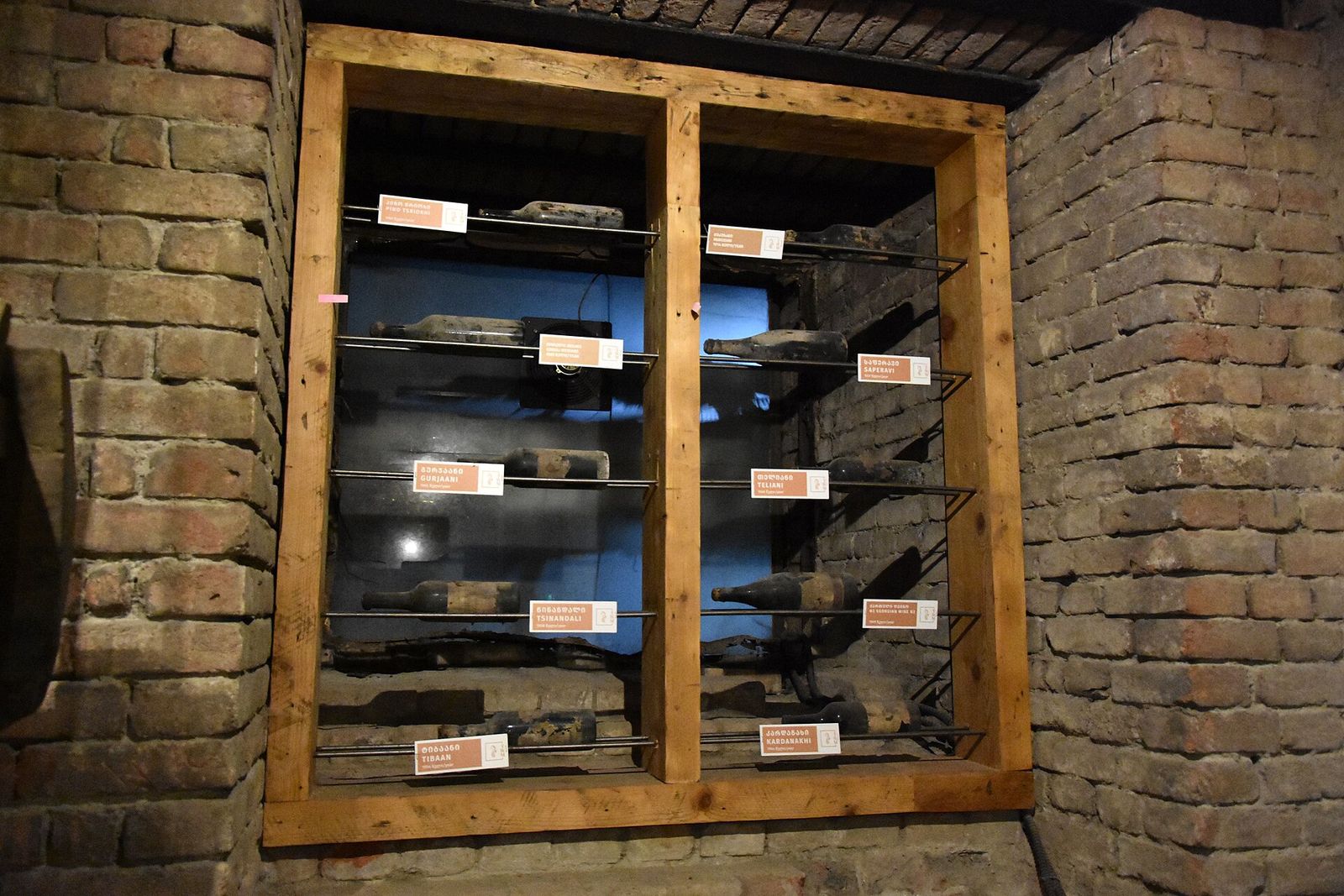
Sadzvele Wine Hub sits in the 1896 building of Wine Factory N1, one of the converted factories that now hold bars and cafes, with its old cellar on show behind glass. For dinner with serious wine I'd book Ferment, and the best wine bars in Tbilisi go well beyond these five, from tiny natural wine shops to the Stamba courtyard.
Where to buy wine in Tbilisi
For bottles, I'd go to a specialist shop rather than a supermarket. 8000 Vintages has a big range and English-speaking staff who will steer you to small producers. Wine Gallery is a chain with several branches and temperature-controlled storage. At Dezerter Bazaar, the central market, stalls sell homemade wine on draught: bring an empty bottle and taste before you buy.
A few things to know before you pay:
- Sediment is normal in natural and qvevri wine. Don't shake the bottle; open it and let it sit for ten minutes.
- "Organic" and "natural" are loose words on Georgian labels. Ask the staff or look for a certificate; Iago's Wine, Our Wine, Pheasant's Tears and Lapati are natural producers to look for.
- Wineries sell for less. Bottles bought at a winery cost a fraction of shop prices.
Shipping wine abroad from Georgia is hard, so most people carry bottles home in checked luggage, wrapped in clothes. Check your home country's allowance before you load up; taking Georgian wine home comes down to that allowance and good packing.
Drinking wine the Georgian way
Georgians drink wine with food and on a toast, and rarely any other way. At a feast, the supra, a toastmaster called the tamada leads a long run of toasts, and guests drink when a toast is made, not whenever their glass is full. The word you'll hear first is gaumarjos, "victory", the all-purpose cheers. A supra and its toasts can run for hours, and getting drunk at one is frowned on.
At a home or a family winery, chacha, the grape brandy, usually comes round first, before the wine. Accept the first one and switch to wine after if you'd rather; nobody minds. Refusing a host's wine outright reads as rude, so take a little even if you only sip it.
I like this pace. A Georgian table makes you slow down, eat between glasses and listen, which is how the wine is meant to be drunk.
Visiting wine country from Tbilisi
You can taste Georgian wine without leaving Tbilisi, but a day in Kakheti shows you where it comes from: vineyards under the Caucasus, family cellars with qvevri in the floor, and lunch at a winemaker's table. A Kakheti wine tour from Tbilisi is a long day, 8 to 10 hours on most tours, because Telavi and Sighnaghi are each about 2 hours' drive away.
- Budget group tour: about 100 GEL per person, plus about 50 GEL for lunch and extra wine.
- Standard small group: 320 to 420 GEL per person with lunch, in groups of up to 10.
- On your own: a marshrutka costs about 15 GEL each way, and most wineries take walk-ins for tastings.
The best time to go is during Rtveli, the grape harvest, which runs from late August to late October, with most picking between about 5 September and 20 October. During the Rtveli grape harvest the cellars are full and some families let guests help. May and June are lovely too. Avoid July and August if you can: Kakheti hits 35 to 40°C.
Key takeaways
- Georgian wine is made two ways, in buried clay qvevri or the European way, and the qvevri wines are the ones only Georgia makes.
- Kakheti makes about 70% of the country's wine; Kartli is the closest region to Tbilisi, Racha makes Khvanchkara, and Imereti makes lighter whites.
- Kindzmarauli, Akhasheni and Khvanchkara are naturally semi-sweet reds; Mukuzani and plain Saperavi are dry.
- A glass costs 8 to 18 GEL in a Tbilisi bar, and a four-wine tasting costs 35 to 45 GEL.
- Go to Kakheti in September or October for the harvest, and never drive after a tasting.
Frequently asked questions
Why is Georgian wine so famous?
Georgian wine is famous for its age and its method. Georgia has the earliest known evidence of winemaking, clay jars from the 6th millennium BC, and it still ferments wine in buried qvevri, a method UNESCO recognized in 2013. Its amber wines, made on white grape skins, are the style the rest of the world now sells as orange wine.
Is Georgian wine sweet or dry?
Most Georgian wine is dry. The well-known exceptions are the naturally semi-sweet reds, Kindzmarauli, Akhasheni and Khvanchkara, where fermentation is stopped early so some of the grape's sugar remains. Check the back label for the word semi-sweet if you want a dry bottle.
What is the most popular Georgian wine?
Saperavi is the most popular Georgian red, and Rkatsiteli the most planted white. Among named wines, Kindzmarauli and Khvanchkara are the best known semi-sweet reds, and Mukuzani and Tsinandali the classic dry red and dry white.
Which region of Georgia is best for wine?
Kakheti is the best region for wine and makes about 70% of Georgia's total. It also holds 20 of the country's 29 protected appellations, and Telavi and Sighnaghi are about 2 hours from Tbilisi. If you have only half a day, Kartli is closer.
How much does a bottle of Georgian wine cost?
A shop bottle of Saperavi costs 8 to 30 GEL, and a decent qvevri wine starts at about 15 to 20 GEL. In a Tbilisi wine bar, bottles run about 28 to 120 GEL. Bottles bought at a Kakheti winery cost about 15 to 100 GEL.
Is Georgian amber wine the same as orange wine?
Yes, amber wine and orange wine are the same style: white grapes fermented with their skins, which gives a coppery color and tannin. Georgians call it amber, and in Kakheti the skin contact often lasts about six months.
Can I take Georgian wine home?
Yes, and most visitors carry bottles in checked luggage, because shipping wine abroad from Georgia is hard. Wrap each bottle in clothes and check your home country's alcohol allowance before you buy. Sturdier bottles travel better than unsulfited natural wines.
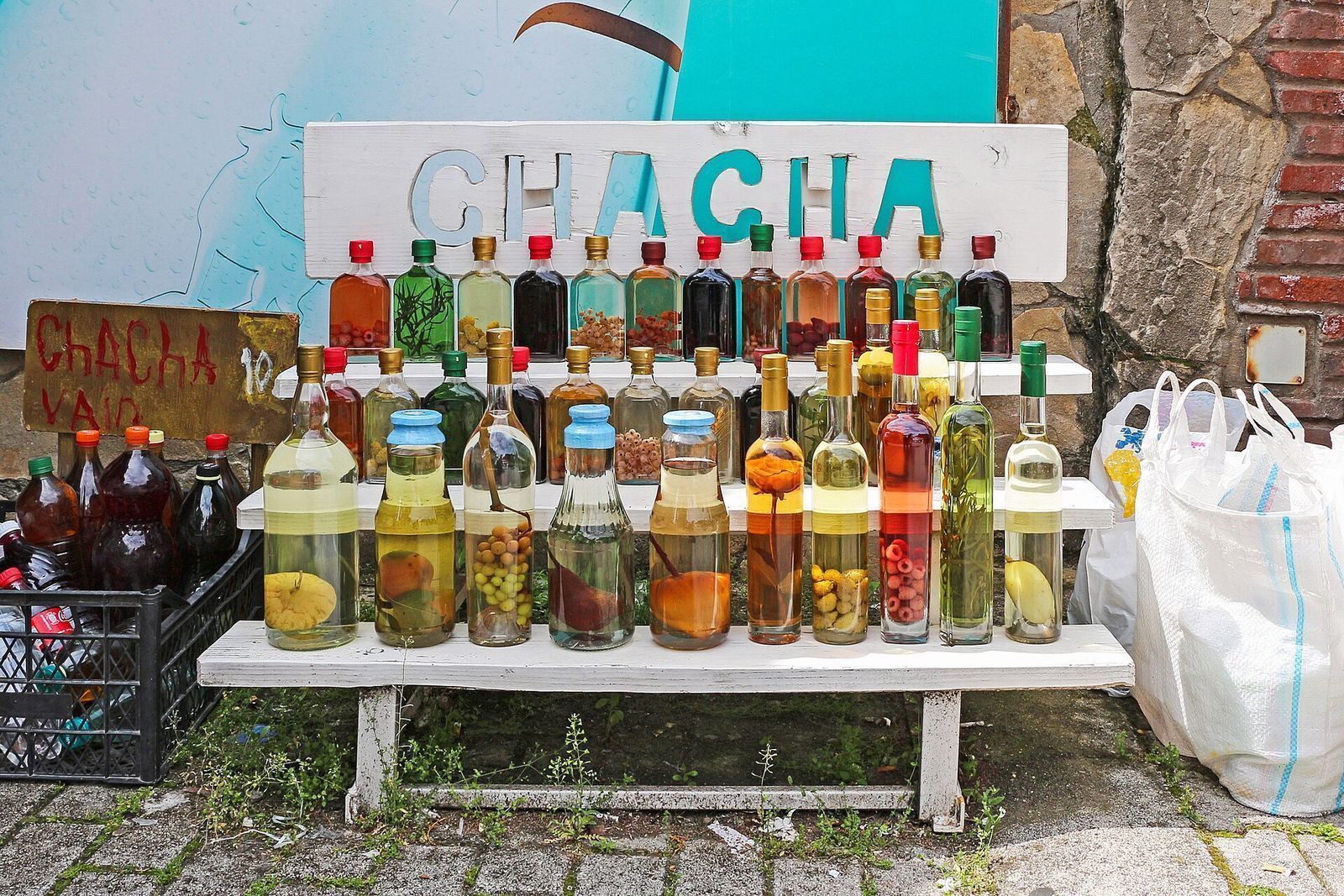
Georgian Drinks: What to Drink in Georgia and Where to Try It in Tbilisi
Tbilisi is known for its qvevri wine. Here's what to drink in Georgia, from amber wine to chacha, and where to try it.
Read the guide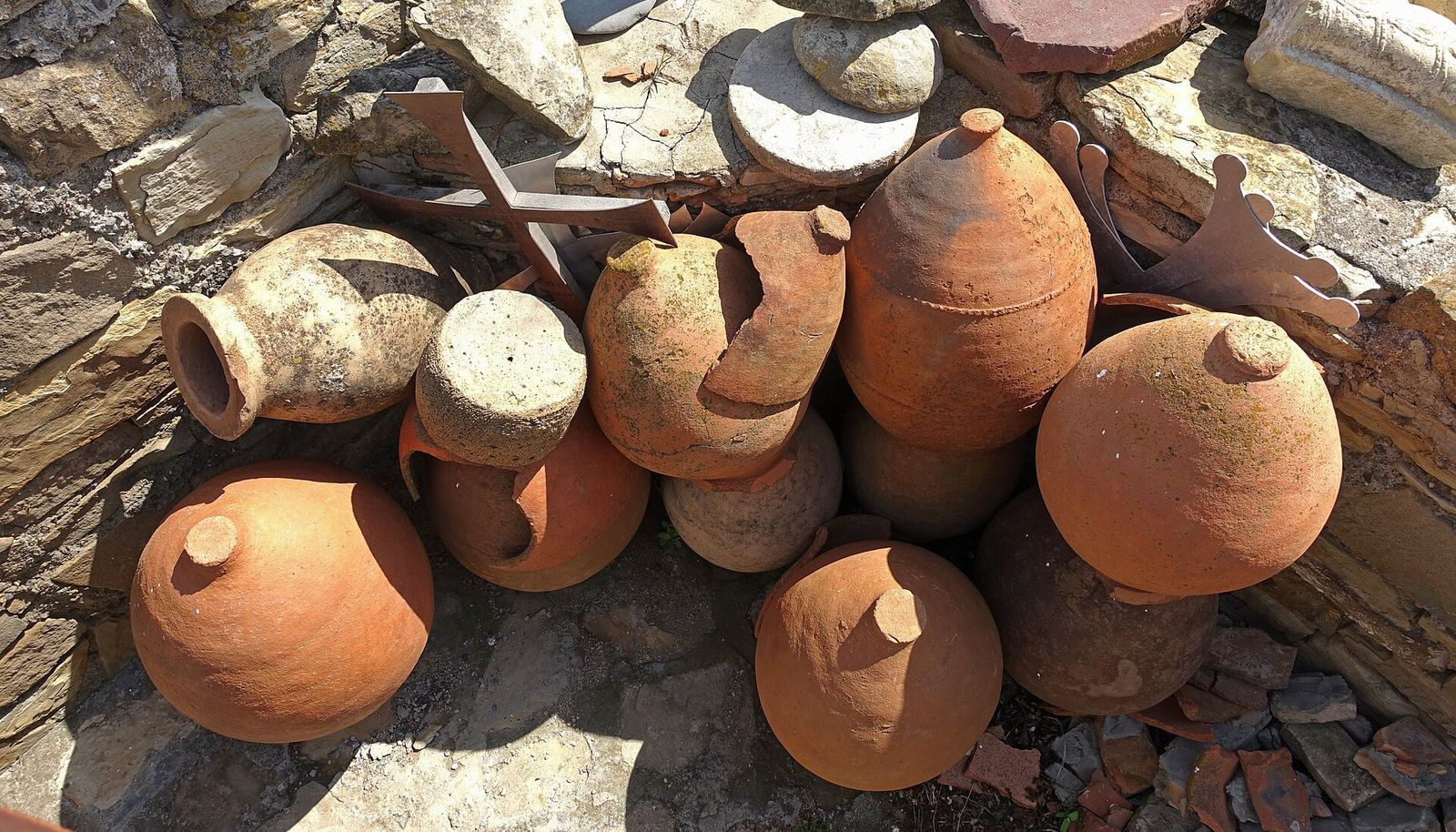
Qvevri Wine: How Georgia Makes Wine in Buried Clay Jars
Georgia is known for qvevri wine. Here is what the clay jars are, how the wine tastes and where to try it in Tbilisi.
Read the guide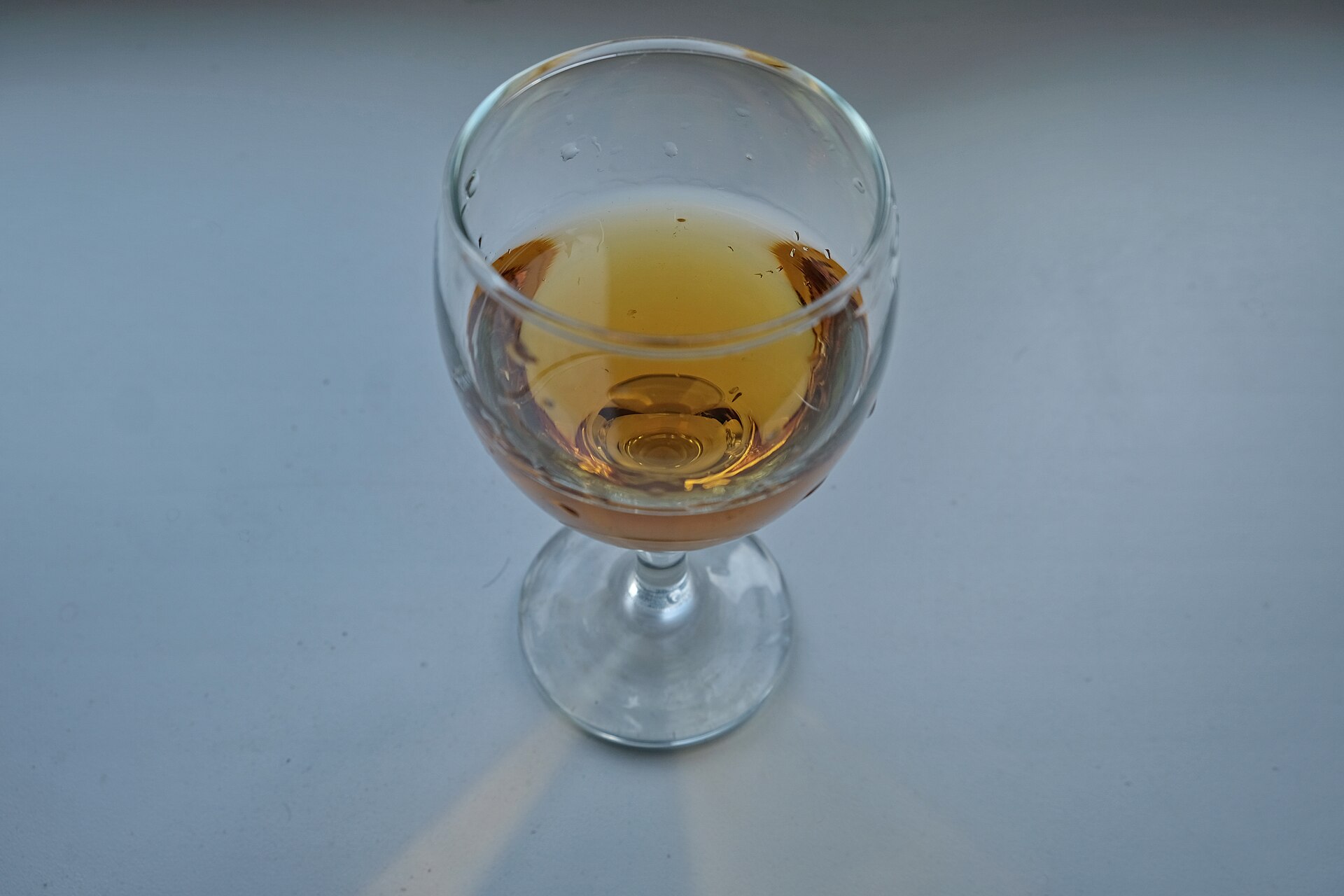
Amber Wine: Georgia's Orange Wine and Where to Drink It in Tbilisi
Georgia is known for amber wine. Here is what to know about how it is made, how it tastes and where to drink it.
Read the guide