Marjanishvili and Chughureti, Tbilisi: What to See, Eat and Where to Stay
Marjanishvili is known as the part of Tbilisi where the city goes to eat and drink: the left bank of the river around Fabrika and Aghmashenebeli Avenue, in the old German quarter of Chughureti. It's my favorite side of town for dinner and the best-value place to sleep near the center. Here's what to see, where to eat and drink, how to get there and who should stay here.
Where Marjanishvili and Chughureti are
Chughureti is the district on the left bank of the Mtkvari that runs from Station Square and Queen Tamar Avenue down toward Avlabari. Marjanishvili is its best-known corner, the blocks around Marjanishvili Square and the metro station of the same name, and most visitors use the two names for the same few streets. Older residents and some taxi drivers still call the area Plekhanov, its Soviet-era name, so don't be thrown if you hear it.
It feels nothing like Old Tbilisi across the river. The streets are flat, the buildings mix 19th-century townhouses with carved balconies and plain Soviet blocks, and the shops are bakeries, phone repair stalls, second-hand clothes and exchange offices rather than souvenirs. Some blocks are scruffy. It's a working neighborhood that happens to hold the best run of restaurants and bars in the city, and that's exactly why I like it.
Of all the Tbilisi neighborhoods a visitor is likely to see, this is the one where you'll hear the least English on the street and pay the least for dinner.
A short history of the German quarter
Chughureti grew in the 19th century as Tbilisi spread across the river. German colonists settled here in that century and built two-storey houses around courtyards, which is why the district is still called the German quarter. The backstreets northeast of Aghmashenebeli Avenue keep the best of their buildings.
Aghmashenebeli Avenue was laid out in the late 19th century as the left bank's answer to Rustaveli Avenue, lined with merchants' houses, shops and theaters. It takes its name from King David IV, called Aghmashenebeli, "the Builder", who took Tbilisi in 1122 and made it his royal capital, one of the big turning points in Georgian history. In Soviet times the avenue went by Plekhanov, after the Russian Marxist Georgi Plekhanov, and the name stuck to the whole area.
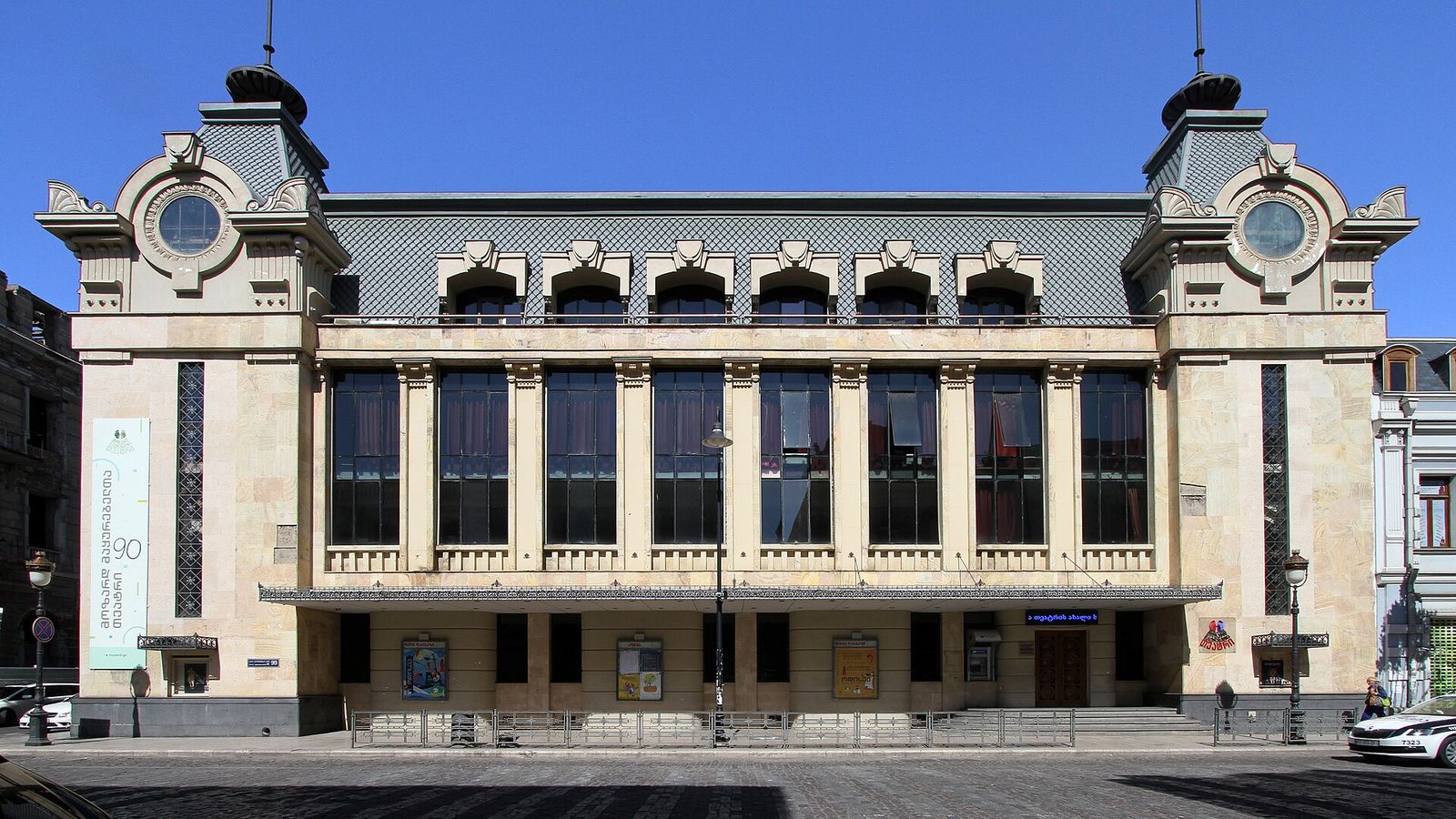
The neighborhood's modern name comes from the theater director Kote Marjanishvili (1872 to 1933). He founded his theater in Kutaisi in 1928 and moved it to Tbilisi in 1930, into the building that still stands on Marjanishvili Street, and the square and the metro station took his name. In the 2010s the city restored the main stretch of the avenue and closed it to cars, and Fabrika opened in an old Soviet sewing factory a few streets away. The cafes and bars followed, and rents have climbed with them.
Aghmashenebeli Avenue
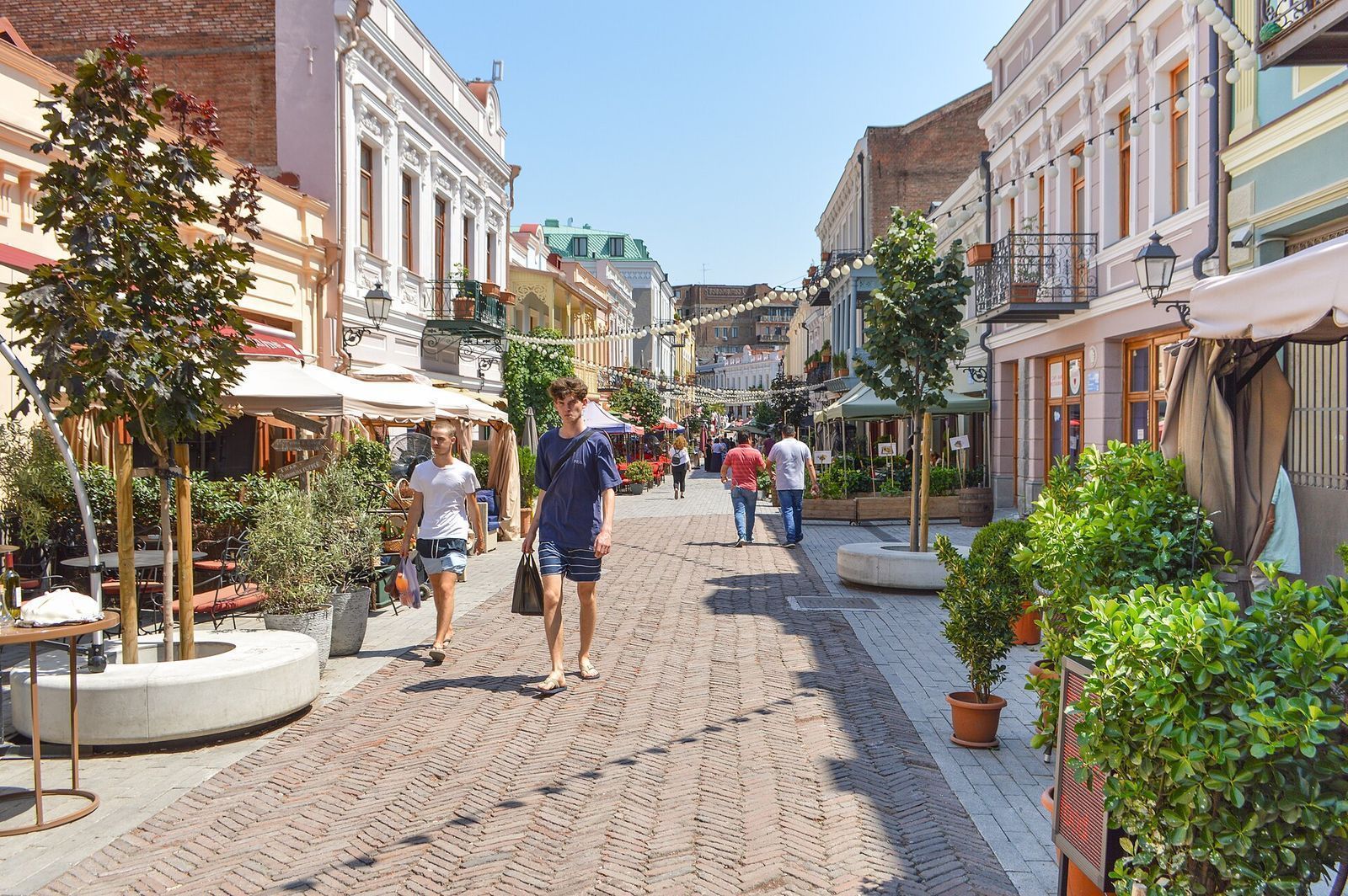
Aghmashenebeli Avenue runs parallel to the river for the length of Chughureti, from Queen Tamar Avenue near Station Square to Saarbrücken Square by the Dry Bridge, which some locals still call Vorontsov Square. The part you want is the restored, pedestrian stretch near Marjanishvili Square: pastel facades, carved wooden balconies, old-style street lamps and restaurant tables out on the paving.
It's more mixed than the photos suggest. A long run of Turkish and Arabic restaurants, sweet shops and hookah bars sits alongside Georgian restaurants and wine bars, and the stretches beyond the restored section are busy with traffic and everyday shops. I like that mix. It's the one central street where Tbilisi doesn't feel arranged for visitors.
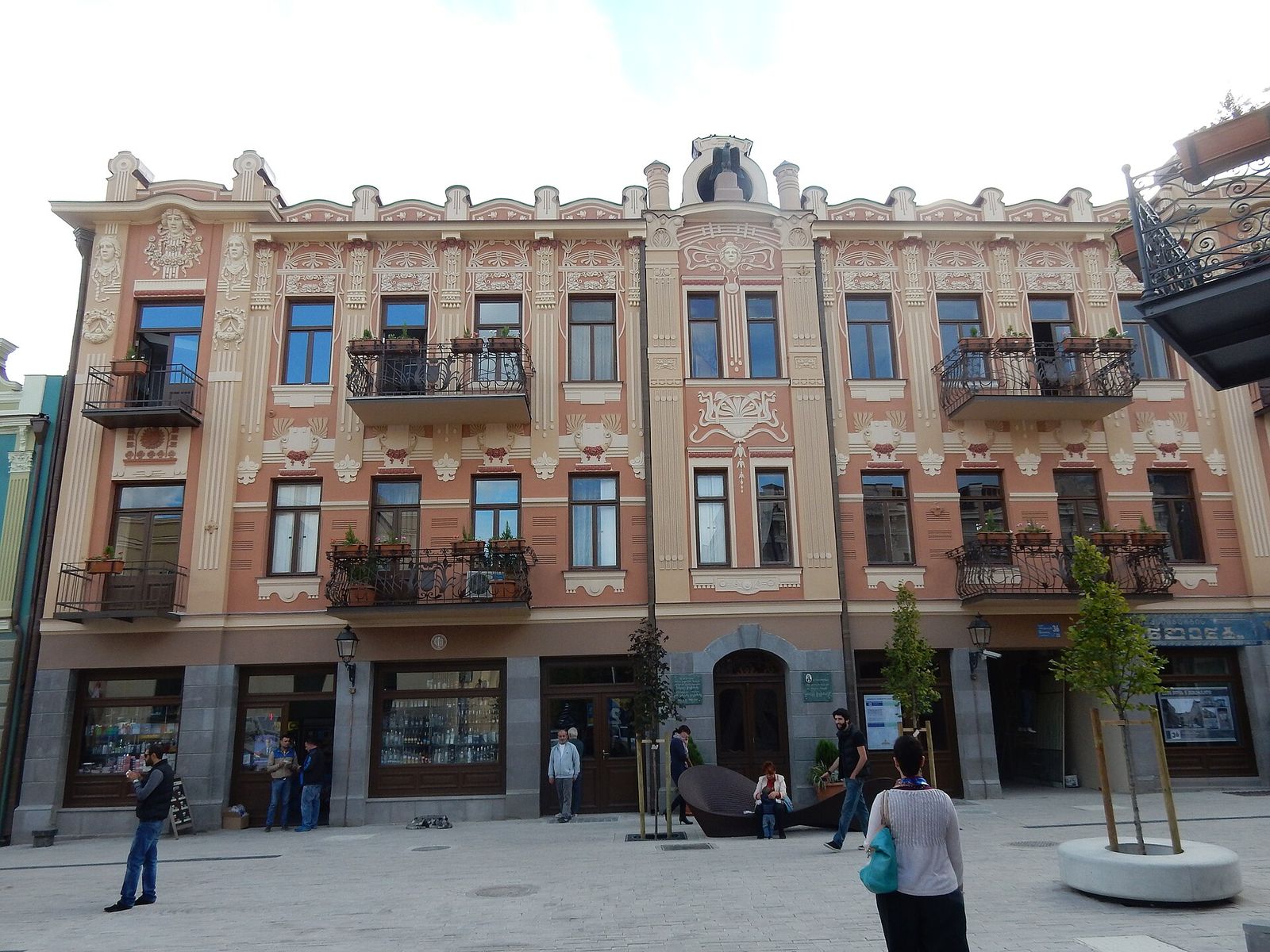
Two stops are worth slowing down for. Chavchanidze House, built by the merchant Erasti Chavchanidze and known locally as the Eagle House, has a painted entrance hall with old artwork on the walls.
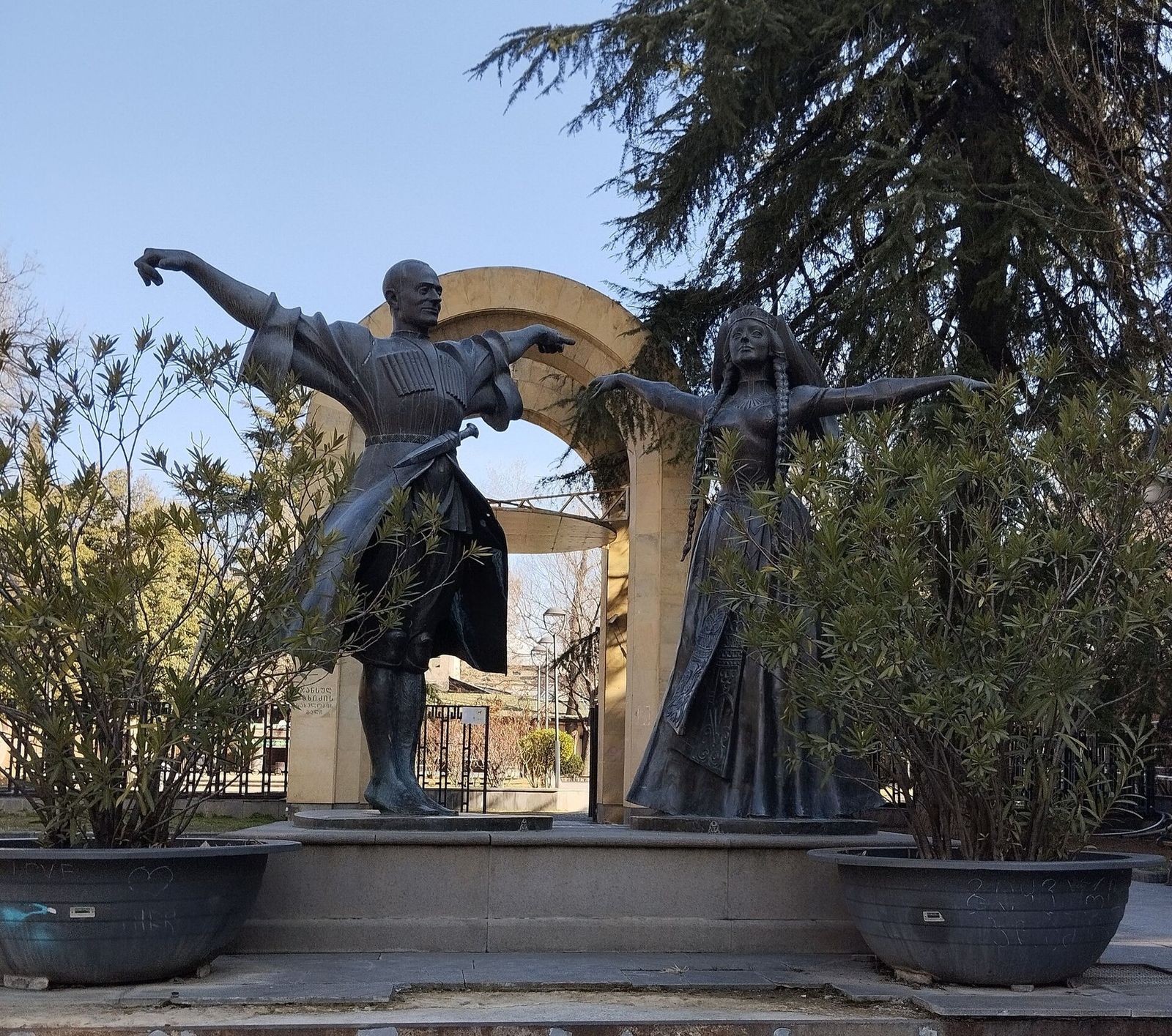
Jansug Kakhidze Garden, a small park off the avenue, has Zurab Tsereteli's statues of Iliko Sukhishvili and Nino Ramishvili, the dancers who founded the Georgian National Ballet.
Things to do in Marjanishvili
Marjanishvili has no big-ticket sight. What it has is a handful of good stops close together, which add up to an easy half day before dinner.
Fabrika
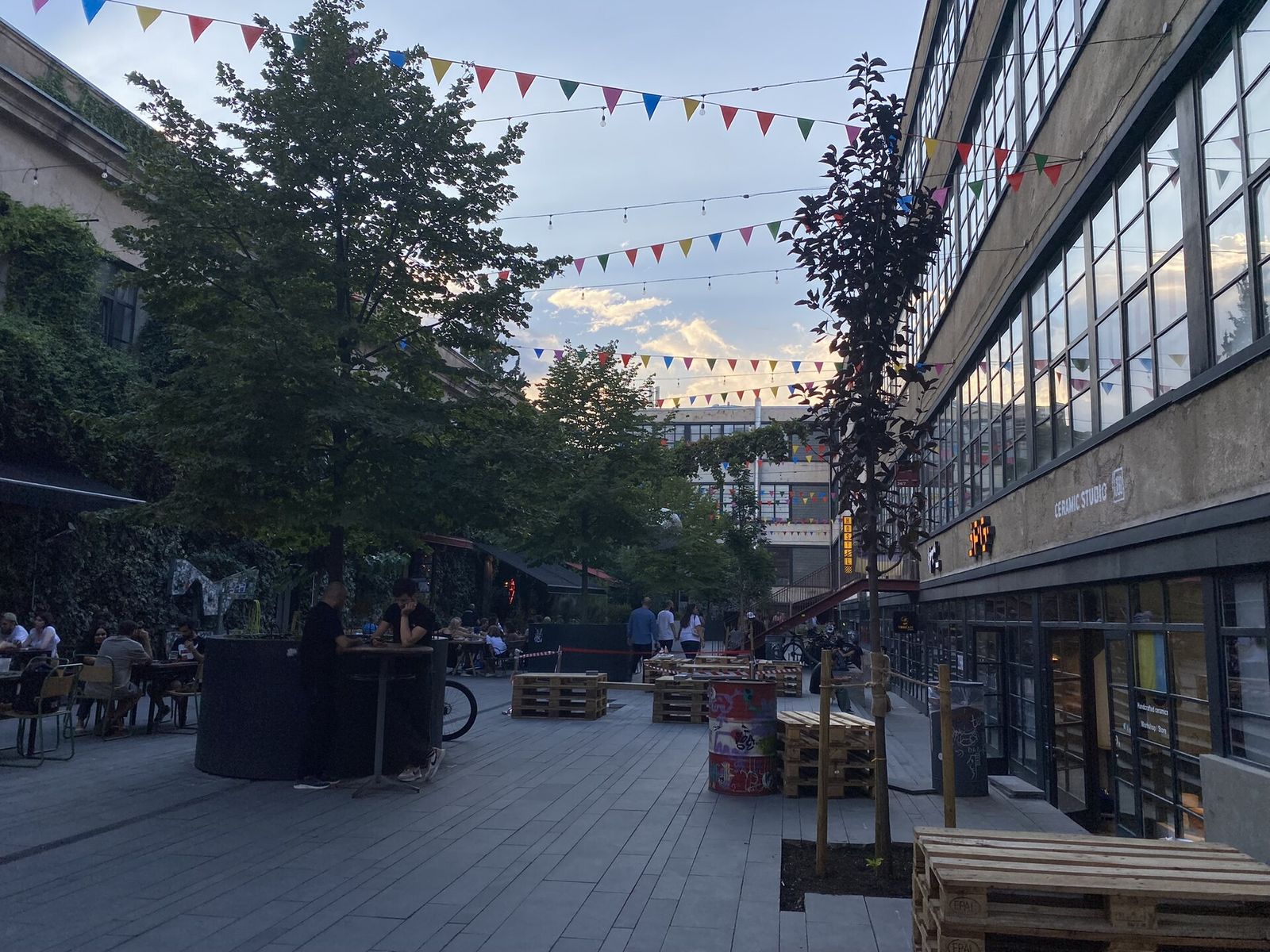
Fabrika is the reason most visitors cross the river. It's a former Soviet sewing factory at 8 Egnate Ninoshvili Street, now a huge hostel wrapped around a long courtyard of bars, cafes, design shops and murals, about 600 meters, or an 8 to 10 minute walk, from Marjanishvili metro. Walking in is free at any hour. By day it's coffee and laptops; after about 20:00 it fills up, and on warm weekends the courtyard stays loud until 2 or 3 am.
I'd come twice: once in the afternoon to see the studios and murals at Fabrika without the crowd, and once after dark for a drink. Street artists were invited to paint the factory's grey walls early on, and the result is one of the best walls of street art in Tbilisi.
Marjanishvili Theatre
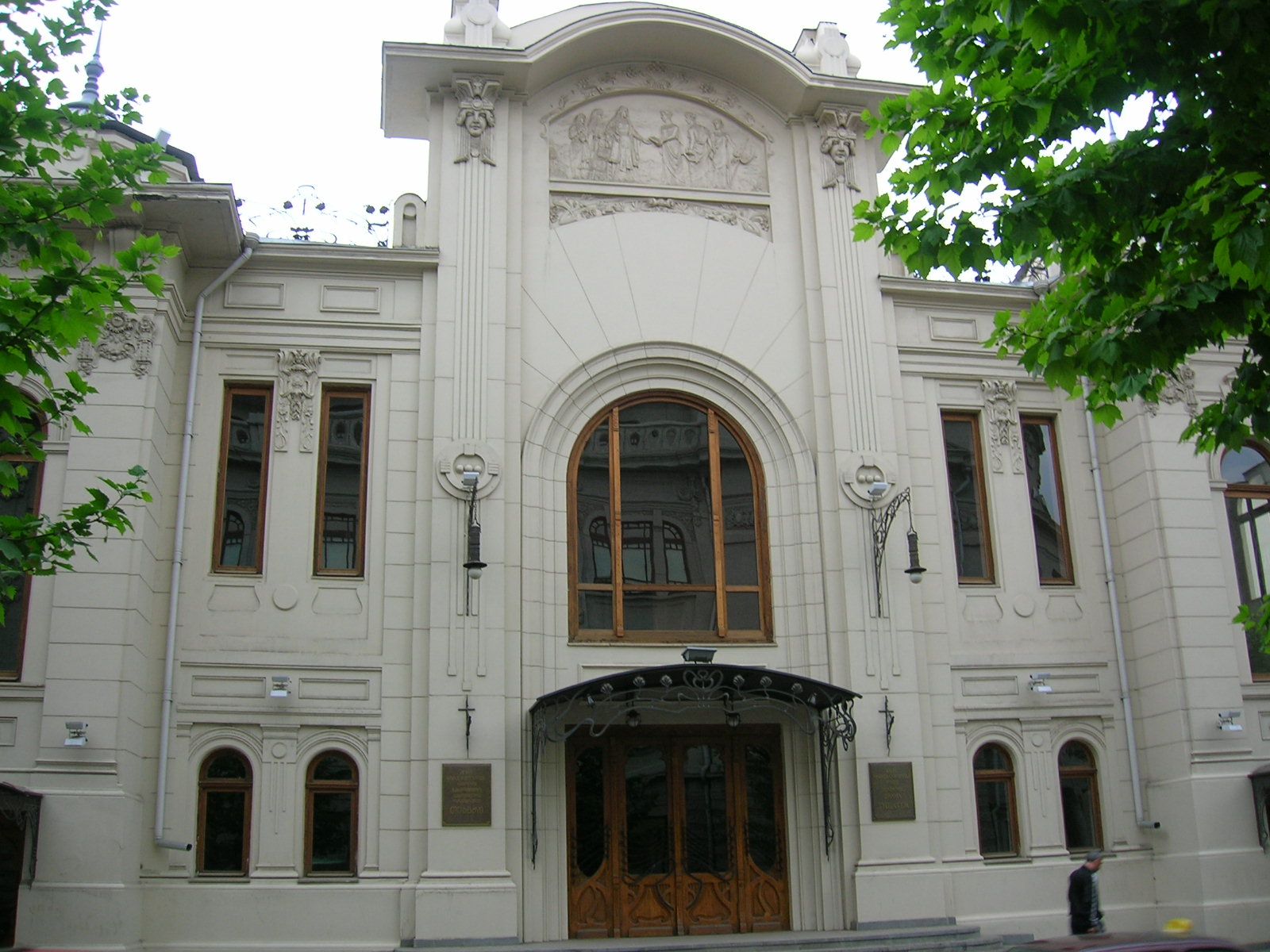
The Marjanishvili Theatre stands on Marjanishvili Street a short walk from the square, behind an early 20th-century facade with a tall arched window and a relief panel above the door. It's one of Tbilisi's main drama theaters, and stars for its actors are set into the pavement outside. Plays are in Georgian, so for most visitors it's a facade and a photo on the way to dinner.
If you want a night at the theater you can follow without the language, the ballet is the better pick, and opera and ballet tickets in Tbilisi start at about 20 GEL.
The Art Palace
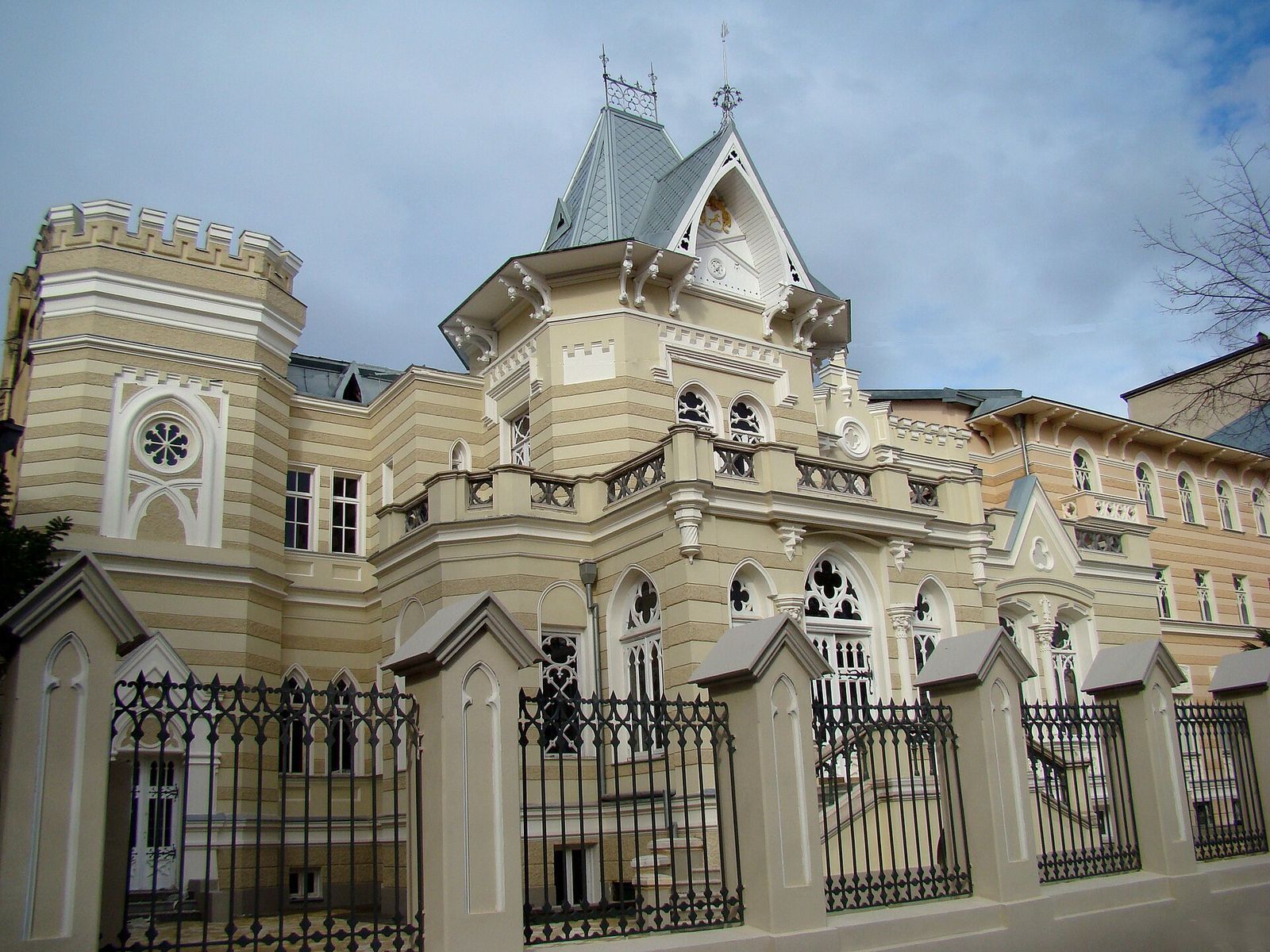
A few steps up Ia Kargareteli Street from the avenue stands a castle-like palace about a century old, now the Art Palace, Georgia's museum of theater, music and film. The collection runs to around 30,000 items, including works by Lado Gudiashvili, Elene Akhvlediani and Sergo Parajanov. Entry is 10 GEL and it's closed on Mondays.
It's the one museum I'd fit into a Marjanishvili afternoon, and it's far quieter than the big museums in Tbilisi on Rustaveli. Give it an hour.
The German quarter backstreets
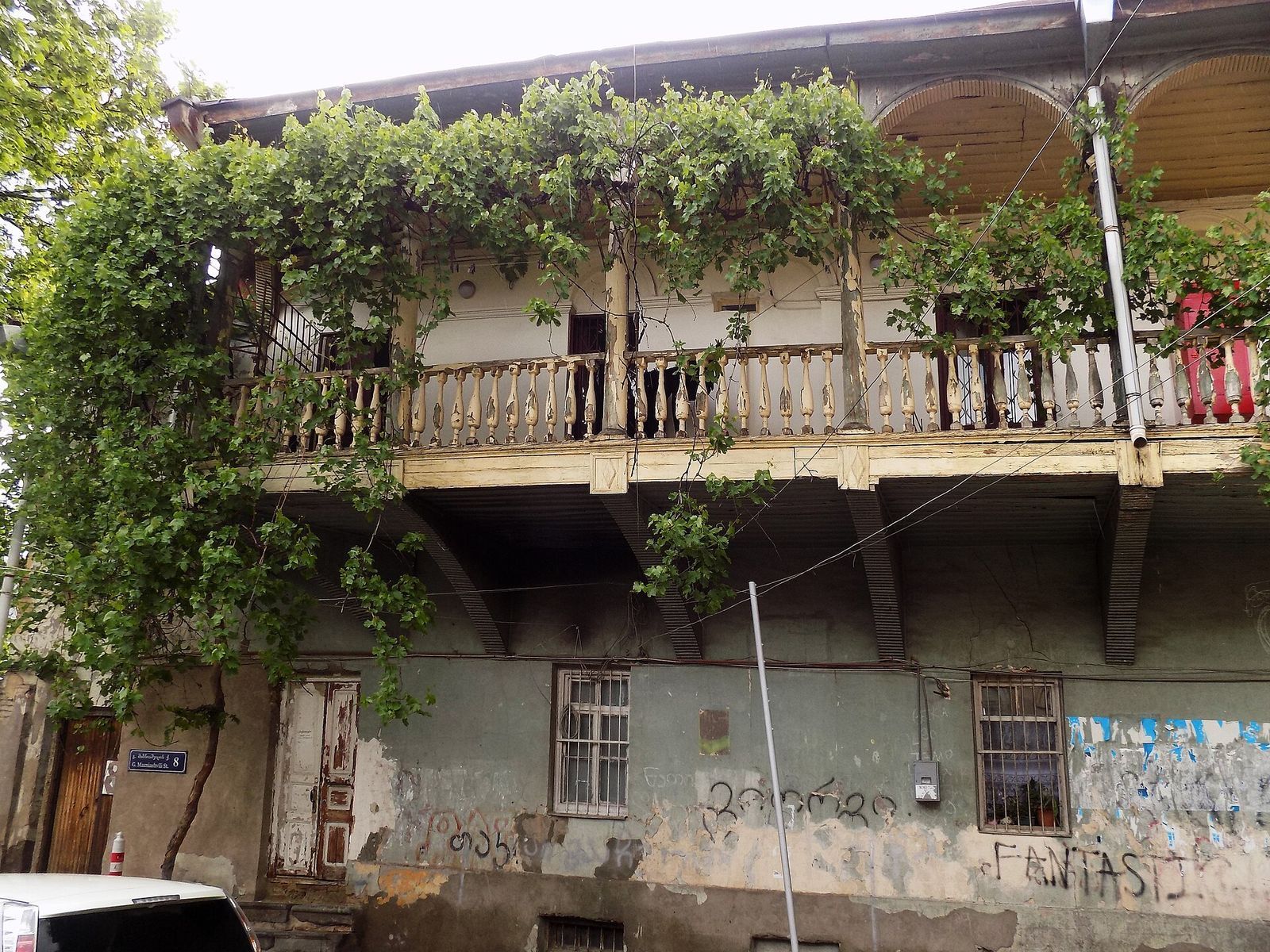
The streets northeast of Aghmashenebeli, toward the railway, are where the German colony's 19th-century houses survive: two-storey townhouses with wooden balconies, iron gates and inner courtyards, many of them shabby and a few beautifully kept. There's no set route and no signage. I walk the blocks between the avenue and Tsinamdzghvrishvili Street and look through whichever gates are open.
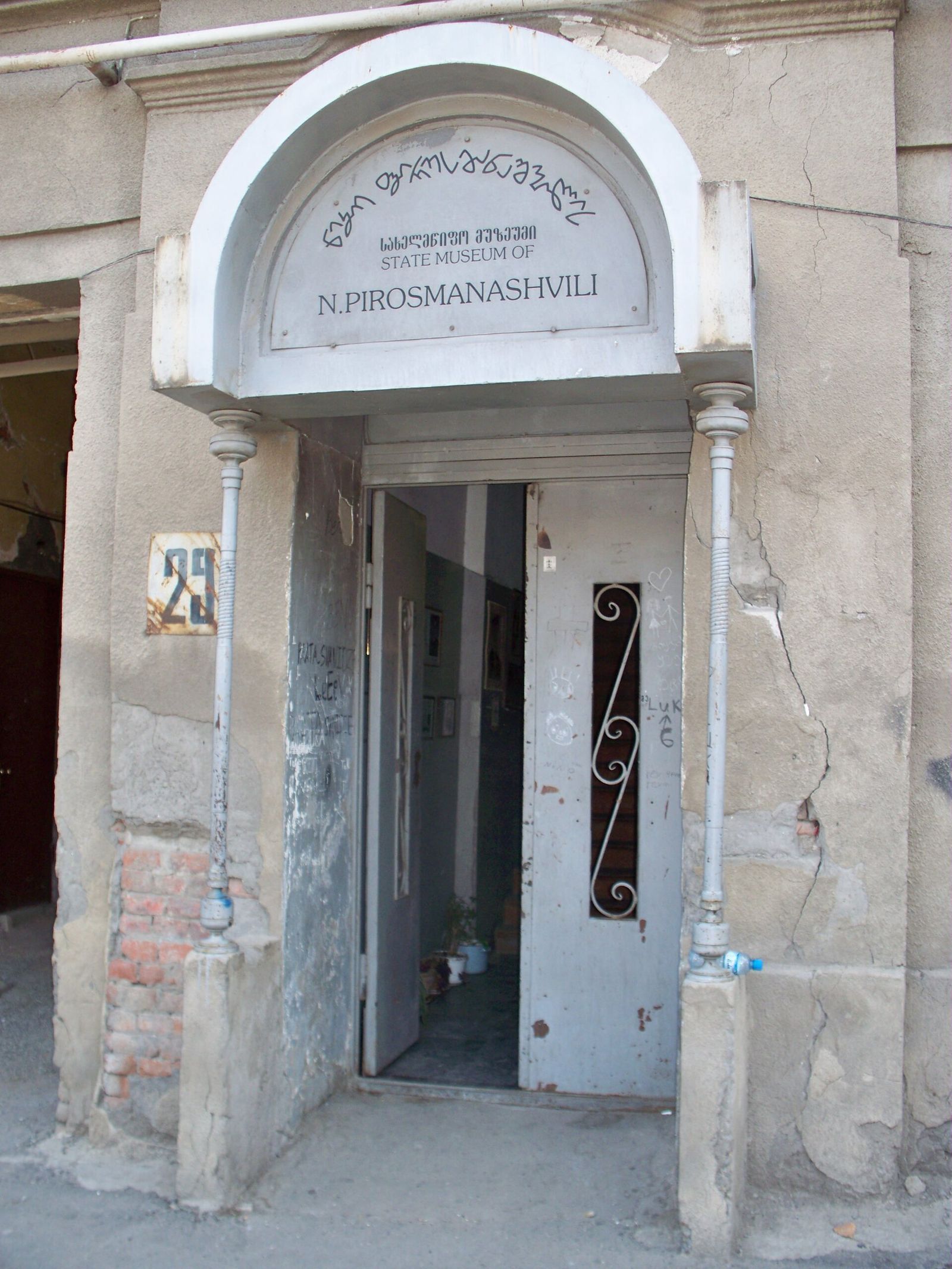
Niko Pirosmani, Georgia's best-known painter, spent his last years in a tiny room at 29 Pirosmani Street in Chughureti. The room is now a house-museum.
The Dry Bridge market
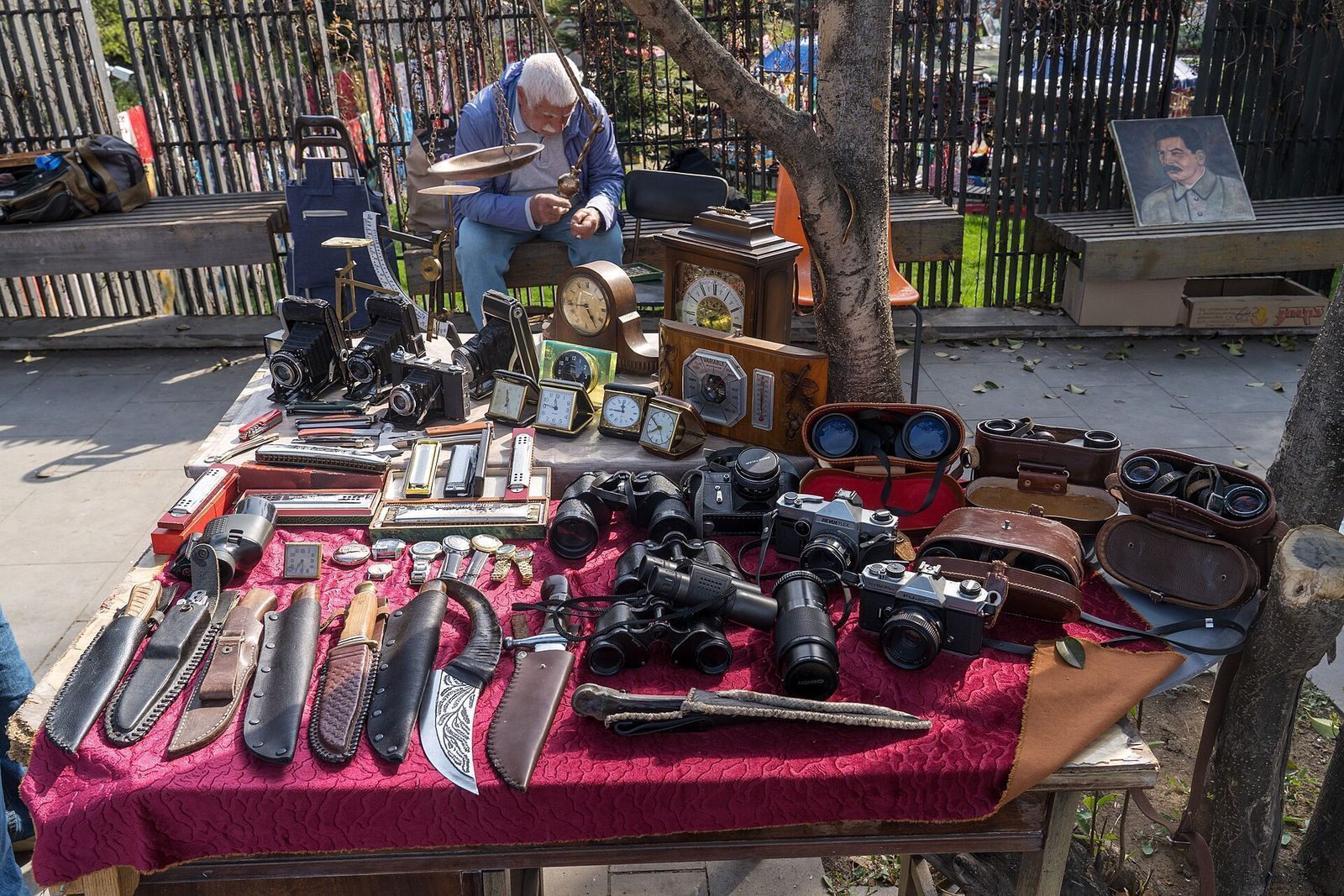
Where Aghmashenebeli Avenue ends at Saarbrücken Square, the Dry Bridge flea market spreads along the bridge and the little park beside it: Soviet badges and cameras, enamel, old jewelry, vinyl, paintings and knives laid out on rugs and folding tables. It runs daily from about 10:00 to 17:00, the full weekend market sets up from around 11:00, and the sellers pack up when it rains. Haggling is expected.
The Dry Bridge market is my favorite way to finish a Chughureti walk, and the riverside room of Puri Guliani, by the market, does a good khachapuri for afterwards.
The Dezerter Bazaar and Station Square

At the north end of the district, near Station Square, the Dezerter Bazaar is Tbilisi's big food market: halls and stalls of cheese, churchkhela, spices, fruit, meat and homemade wine at 10 to 20 GEL a liter. It opens from about 07:00 every day, it's busiest at weekends, and it's about 15 minutes' walk from Marjanishvili metro. Haggling is normal at the Dezerter Bazaar, and so is tasting before you buy.
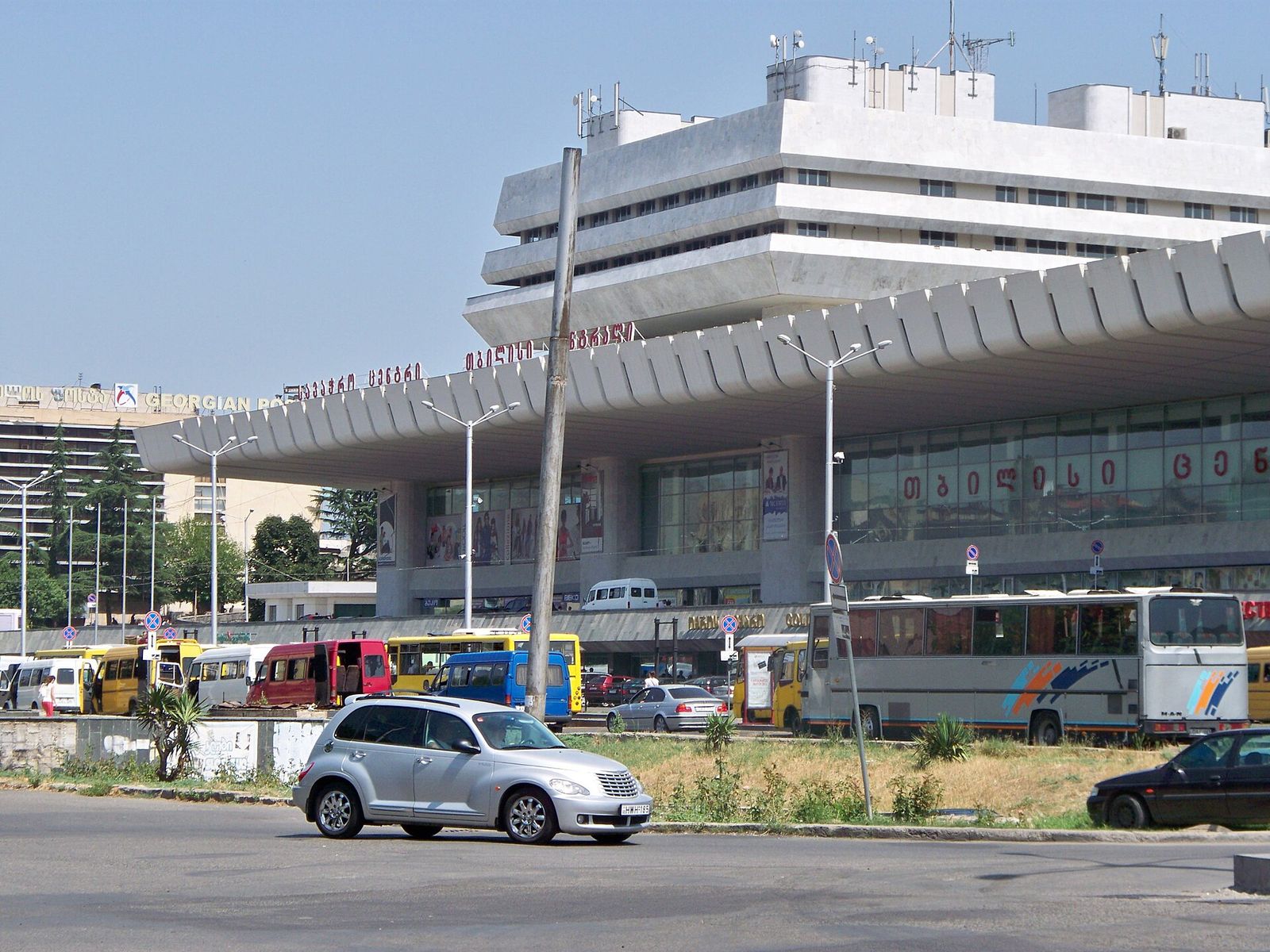
Station Square next door is the city's main transport hub, with the central railway station, marshrutka stands and an underground second-hand market where clothes, shoes and bags sell for very little. It's easy to get lost down there, which is half the fun.
A day in Chughureti
This is how I'd spend a full day on this side of the river, from the markets in the morning to dinner on the avenue. Everything is on foot.
| Time | Stop | What to do |
|---|---|---|
| 09:00 | Dezerter Bazaar | Breakfast of cheese, bread and fruit from the stalls; buy churchkhela for later |
| 10:30 | German quarter backstreets | Walk south through the 19th-century blocks toward the avenue |
| 11:30 | Aghmashenebeli Avenue | The pedestrian stretch, Chavchanidze House and Kakhidze Garden |
| 13:00 | Lunch | Megrelian food at Mapshalia or ORO |
| 14:30 | Art Palace and Marjanishvili Theatre | The museum (10 GEL), then the theater facade |
| 16:00 | Dry Bridge market | Browse before the stalls pack up at about 17:00 |
| 18:00 | Fabrika | A drink in the courtyard as it fills up |
| 20:00 | Dinner | Barbarestan, Craft Wine or Chveni, booked ahead |
Where to eat in Marjanishvili
This is the best part of Tbilisi to eat in, and dinner here still costs what locals pay. The five restaurants below are the ones I'd book, in no particular order, and the table after them has the cheaper, quicker places. Three of them sit on my list of the best restaurants in Tbilisi anywhere in the city, and all of them are within a short walk of Marjanishvili metro.
Barbarestan
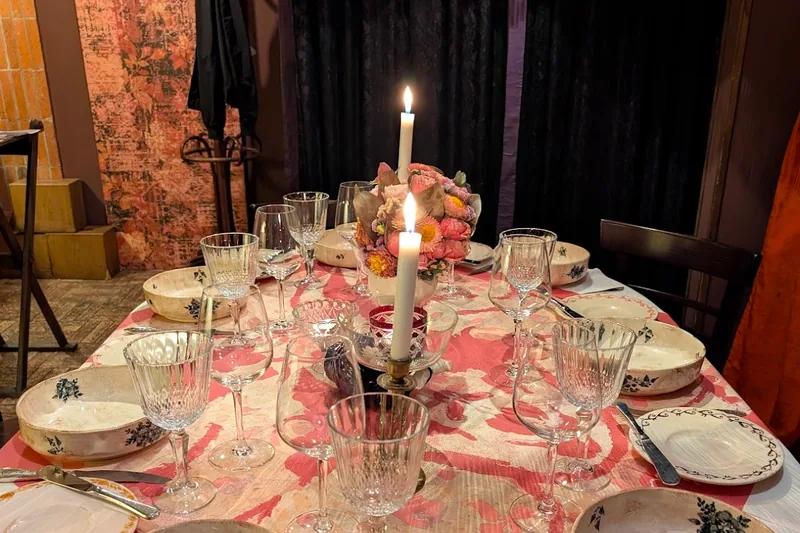
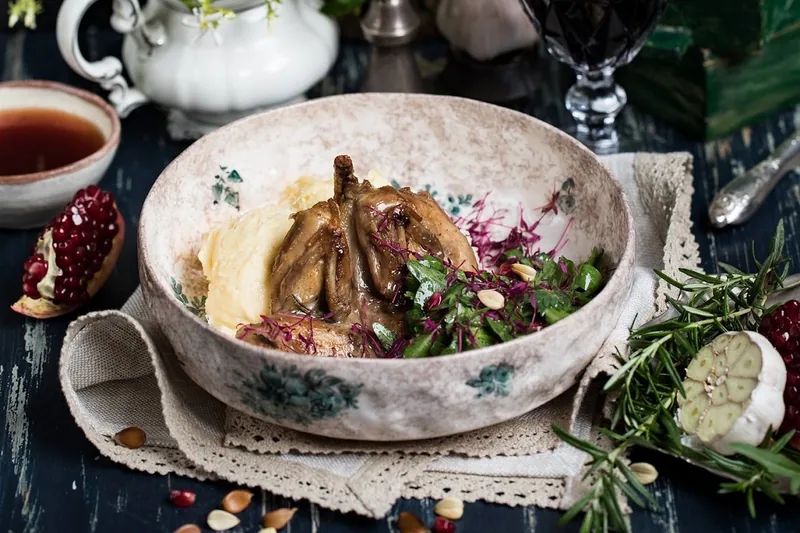
Barbarestan, at 132 Aghmashenebeli Avenue, cooks from Barbare Jorjadze's 19th-century cookbook, and it's the dinner I'd plan a Marjanishvili evening around. Expect dishes like pumpkin patties, cherry soup with mint, chakapuli and rabbit wrapped in ham, with qvevri wines to match and no beer. It's open 14:00 to 23:00 daily, there's live Georgian music on Saturday evenings, and it's full most nights.
Book well ahead, especially for a weekend. It's the restaurant I'd pick for a last night in Tbilisi.
Craft Wine Restaurant
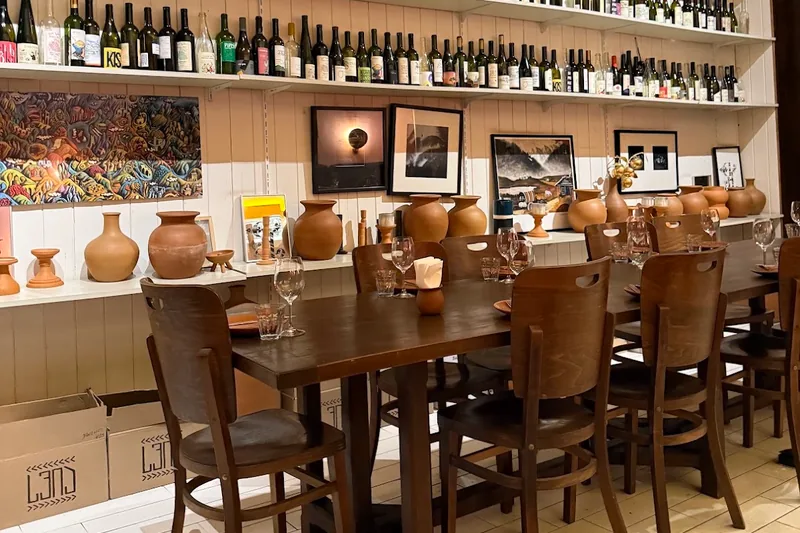
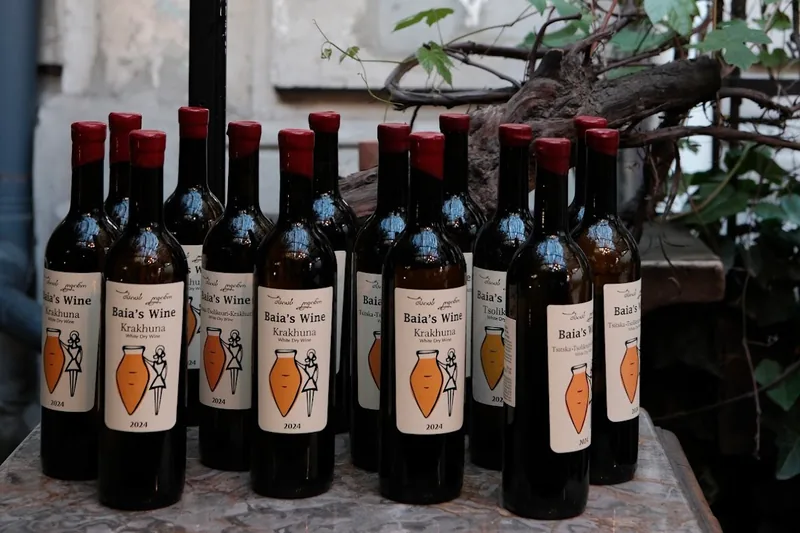
Craft Wine, at 54 Egnate Ninoshvili Street on the same street as Fabrika, is a natural wine restaurant with garden tables and a wall of bottles. Order the mtsvadi with grilled onions and barberry paste and the grilled eggplant with pkhali and ajika, then let the staff pick a bottle from a small producer.
It's where I'd take someone who wants serious Georgian wine without the ceremony of a formal tasting. The garden is the place to be on a warm evening, so ask for a table outside.
Chveni
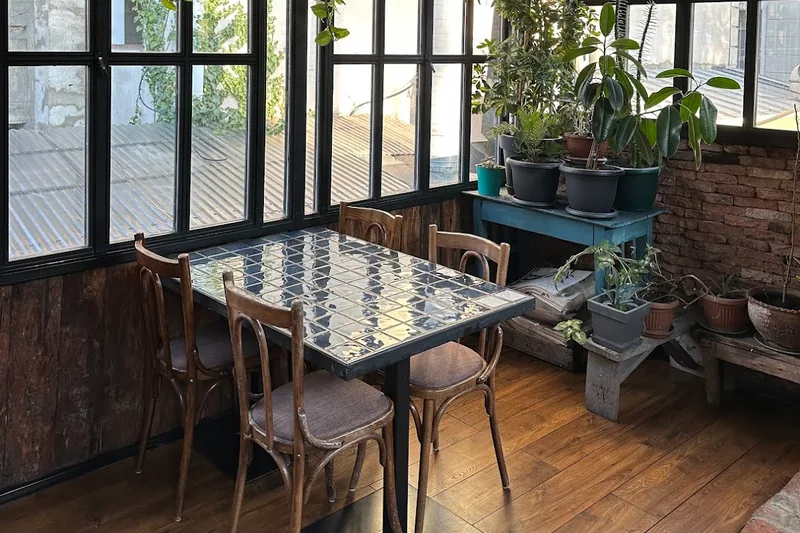
Chveni, at 8 Tchorokhi Street near Marjanishvili metro, is a restaurant and boutique hostel with an enclosed veranda of tiled tables and hanging plants. It opens daily from about noon until late, and dinner runs about 30 to 60 GEL a person.
Order the chicken croquettes in shkmeruli sauce, the garlic-and-milk chicken dish from Racha, and the ghomi dumplings with bazhe, a walnut sauce. It's my pick for a long, easy dinner with friends.
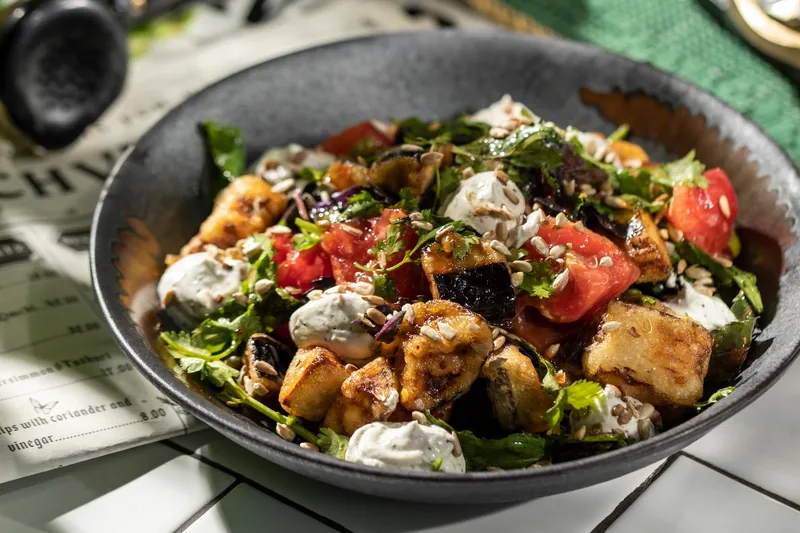
Unfound Door
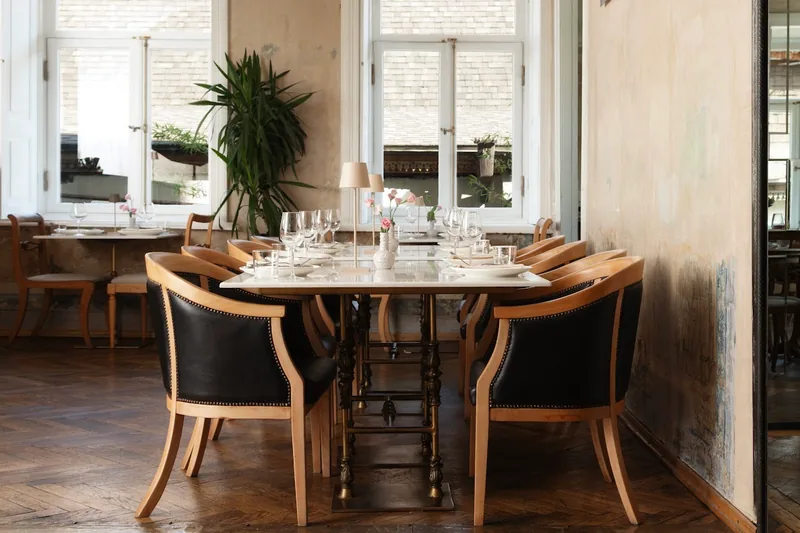
Unfound Door is a 7-room design hotel at 111 Aghmashenebeli Avenue with a restaurant under painted ceilings, in a house that was once a gathering place for Tbilisi's artists and writers. The restaurant opened in 2022 and opens at 08:00, so it works for breakfast as well as dinner.
The dish to order is the chvishtari, Svan cheese cornbread, served here with shallot cream and pickled pears. It's the best date-night room on the avenue.
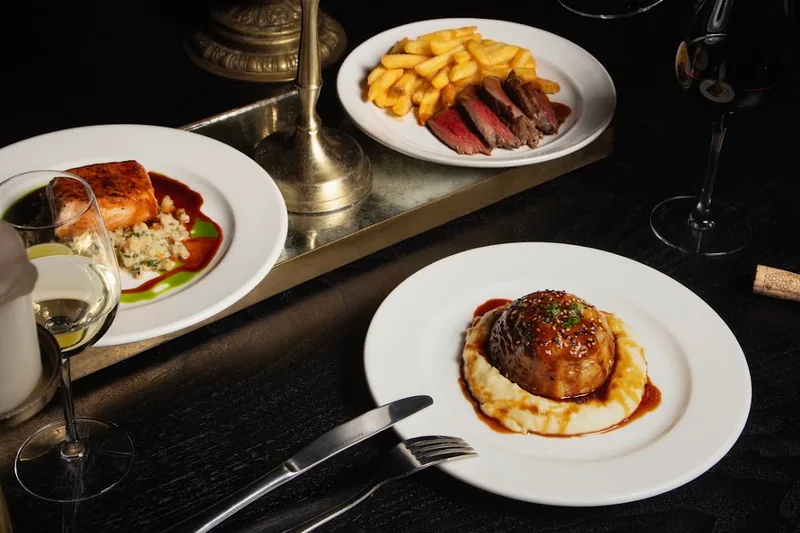
ORO Marjanishvili
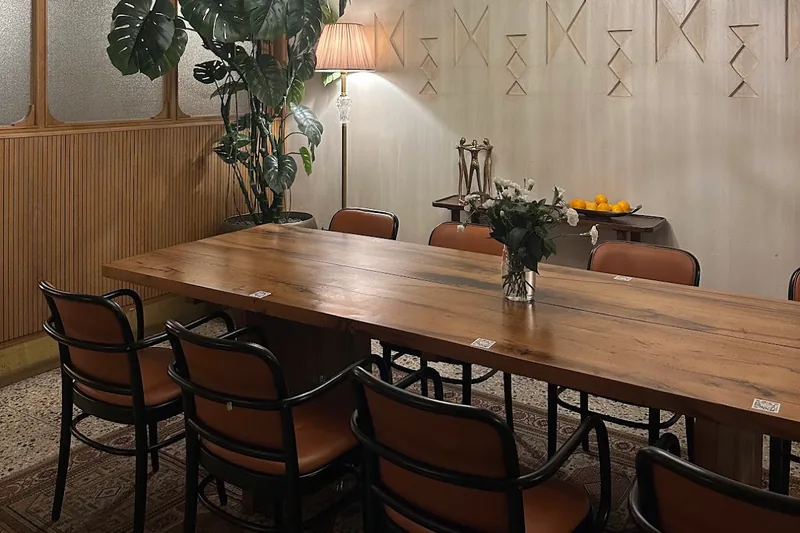
ORO, at 5 Kote Marjanishvili Street just off the square, cooks Megrelian food from western Georgia, the spicy, walnut-heavy side of Georgian food. Order the Megrelian kharcho and the Megrelian khachapuri, the one with a second layer of cheese melted on top.
It's simple, quick and a minute from the metro, which makes it my default lunch on this side of the river.
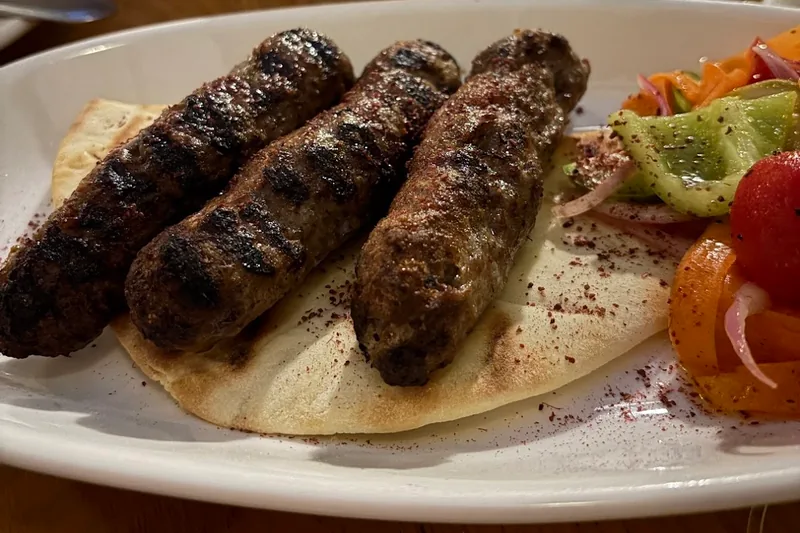
Cheaper and quicker places to eat
These are the places I'd use for lunch, a late plate or a khachapuri fix. Most are cheaper than the five above, and a few don't take cards, so carry some cash.
| Place | Where | What to order | Good for |
|---|---|---|---|
| Mapshalia | 137 Aghmashenebeli Ave | Elarji with bazhe, kharcho, Megrelian khachapuri | A cheap Megrelian canteen; carry cash |
| Ghebi | 115 Aghmashenebeli Ave | Shkmeruli, lobio, a big chvishtari | Food from Racha, open 24 hours |
| Khash-Khash | 33 Giorgi Mazniashvili St | Hand-wrapped khinkali, chikhirtma, fried Svan sulguni | Late plates, open until 2 am |
| Shavi Lomi | Near Marjanishvili metro | The gobi, a wooden platter of seasonal starters | Modern Georgian, 26 to 65 GEL a head |
| Kade | 94 Tsinamdzghvrishvili St | Mountain-style khinkali and stews | Khinkali the Mtiuleti way |
| Amo Rame Bani | 68 Aghmashenebeli Ave | Pshavi-style meat, potato or nadughi khinkali | Hand-made mountain recipes |
| Puri Guliani | By the Dry Bridge market | Adjaruli khachapuri or pkhlovana (leek and tarragon) | Khachapuri with a Lagidze water |
Khash-Khash, Kade and Amo Rame Bani make Chughureti one of the best areas for khinkali in Tbilisi. At Ghebi, skip the khinkali and order the chvishtari.
Coffee and brunch in Marjanishvili
Ninoshvili Street has become the coffee street on this side of the river, and the brunch here is better than its reputation.
Weller
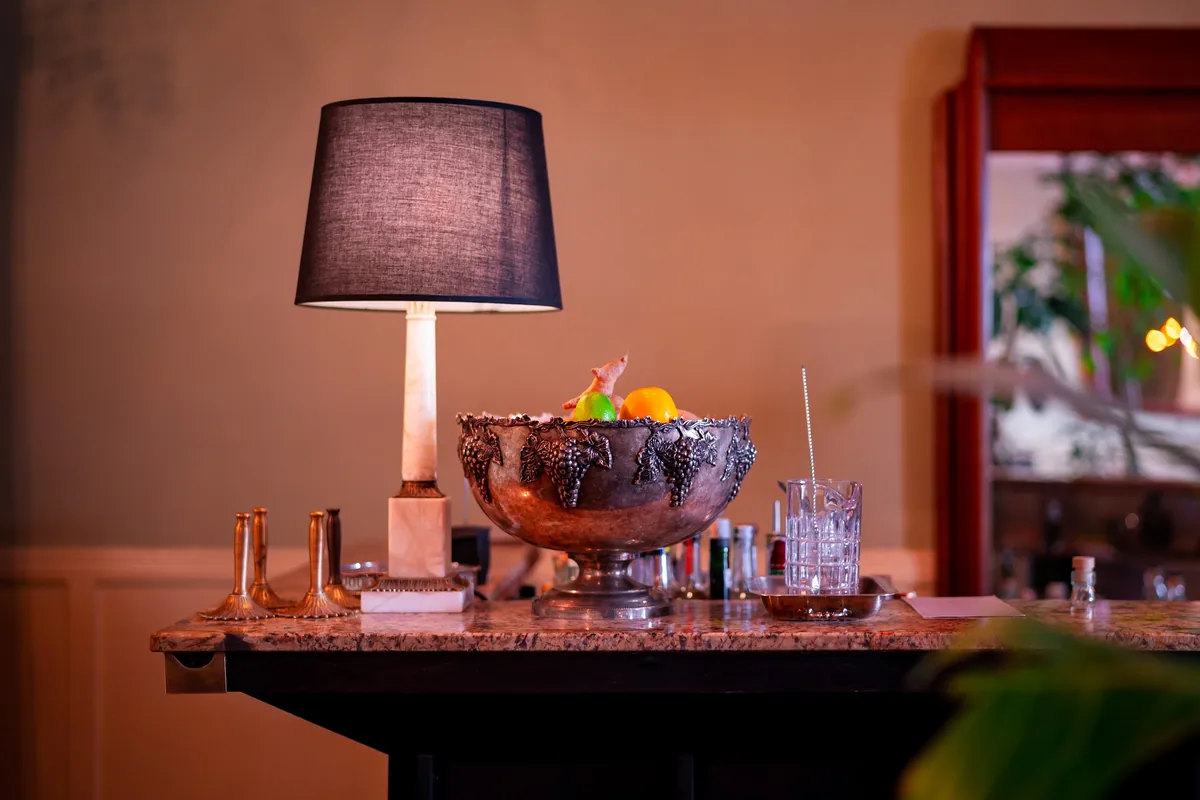
Weller sits on the ground floor of Communal Plekhanovi, a 14-room boutique hotel at 56 Egnate Ninoshvili Street, and it's the brunch spot this side of the river is known for. The room has a marble bar and vintage lamps, and the menu leans Middle Eastern.
With Unfound Door opening at 08:00 and Weller's weekend brunch, this is an easy part of town for breakfast in Tbilisi. I'd come for a late brunch on Sunday, then walk along Ninoshvili Street to Fabrika for a second coffee.
Coffee on Ninoshvili Street
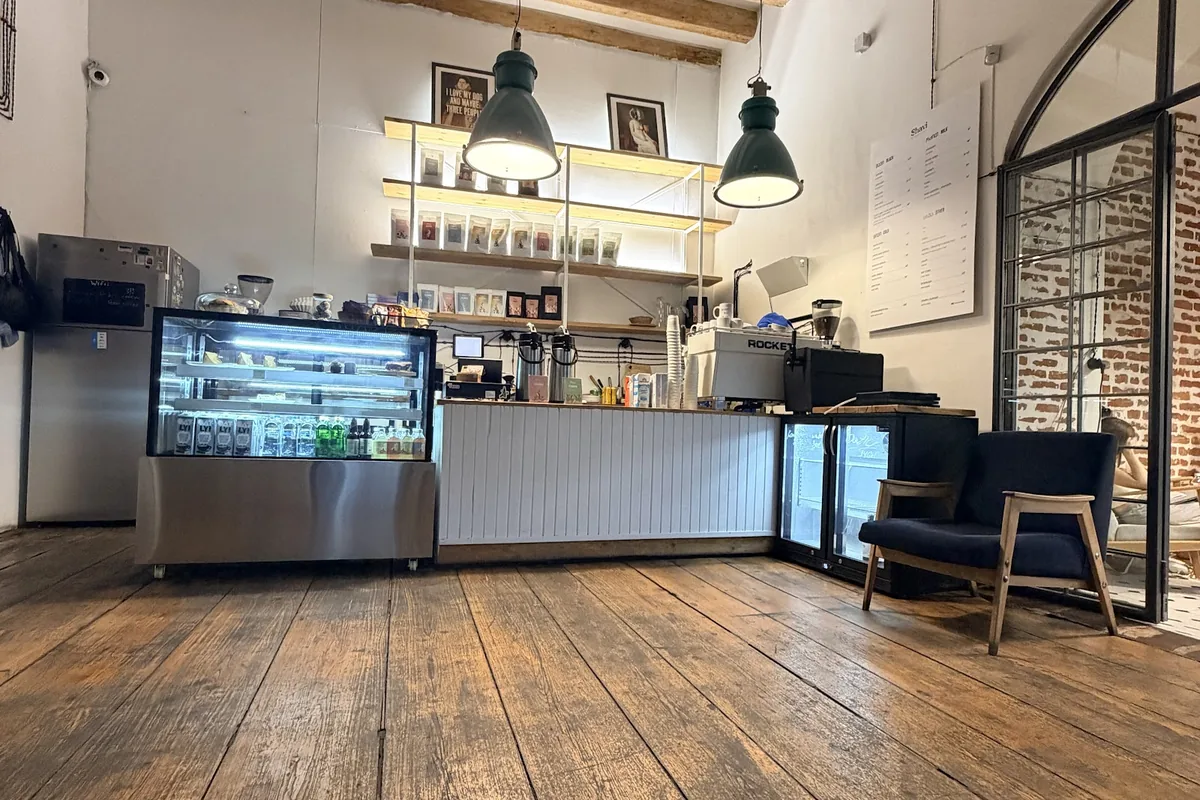
Shavi Coffee Roasters opened its largest branch at 17 Ninoshvili Street, by Marjanishvili metro, in 2024, with hand brew and batch brew on the menu.
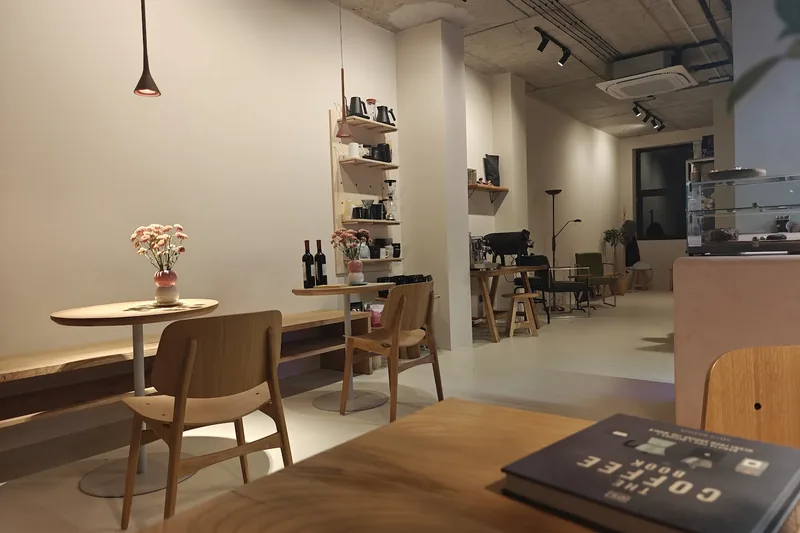
Tsvari Roasters, at 64 Ninoshvili, opened in late 2025 with rotating single origins, a cappuccino at 10 to 12 GEL and laptops welcome.
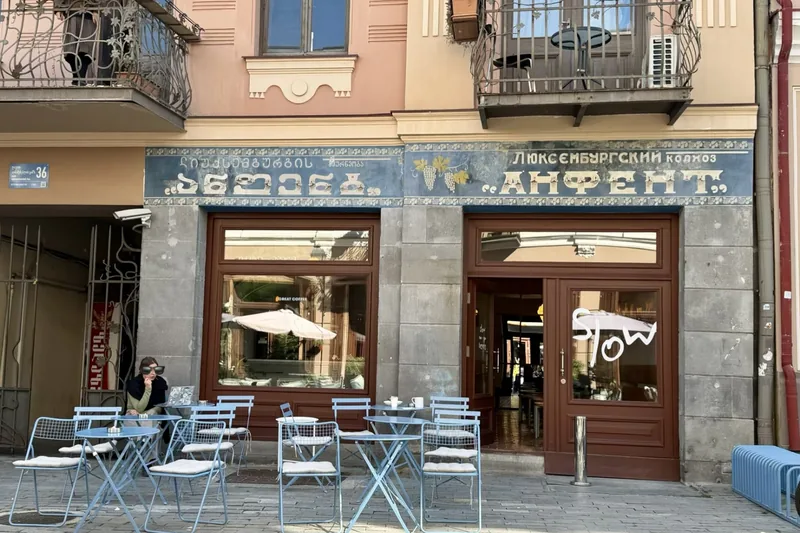
Slow, at 36 Aghmashenebeli Avenue, has a patio right on the pedestrian avenue, the best seat for watching the street go by.
Vera still has the most established roasters, but the newest cafes in Tbilisi tend to open here first.
Bars and nightlife in Marjanishvili
Most of the drinking here happens in two places: the Fabrika courtyard and the pedestrian end of Aghmashenebeli Avenue, where bars and terraces sit side by side and it's easy to hop between them. Fabrika is the cheaper of the two, with beer at about 7 to 10 GEL, most cocktails at 14 to 20 GEL, no cover charge and DJs from Thursday. These two bars inside it are the ones I'd pick.
Saamuri
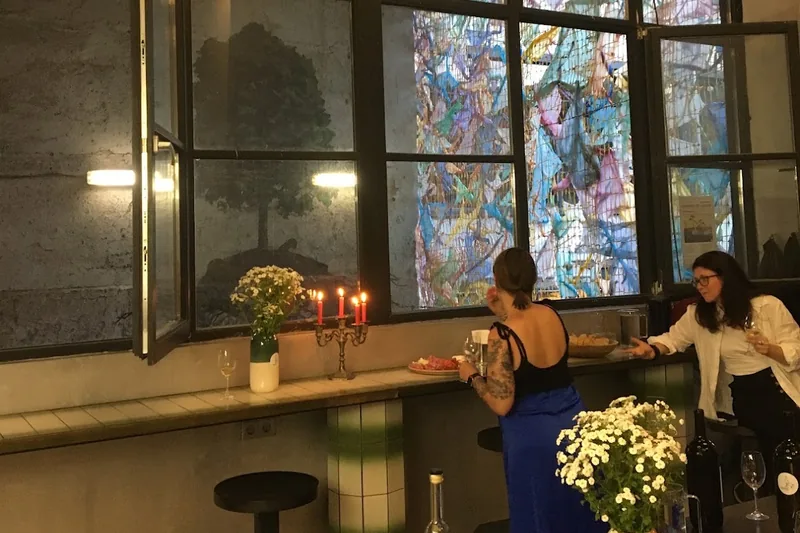
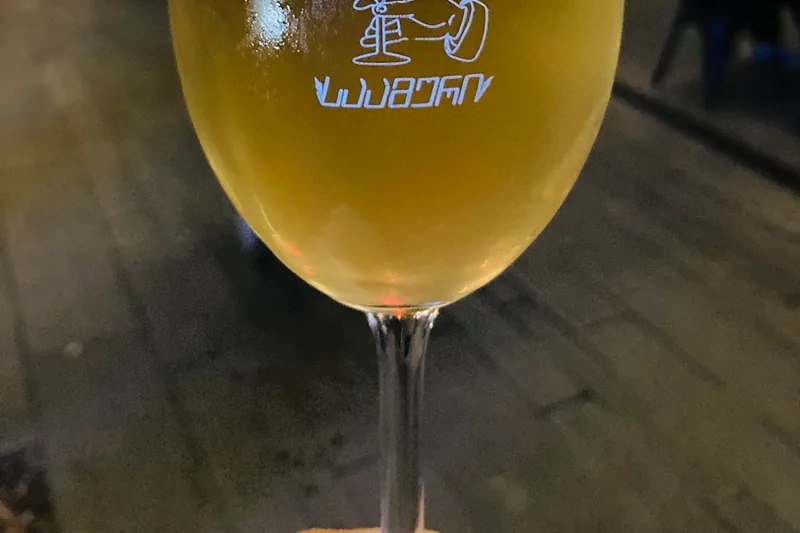
Saamuri is a natural wine bar and shop inside Fabrika, pouring around 100 wines from about 30 small producers. The staff are good at steering you toward something unfamiliar, and there's usually an amber wine by the glass if you've never tried the skin-contact whites made in clay qvevri.
It opens at 17:00 on weekdays and 14:00 at weekends. Go early in the evening, when there's still a seat by the tall factory windows.
G.U.M
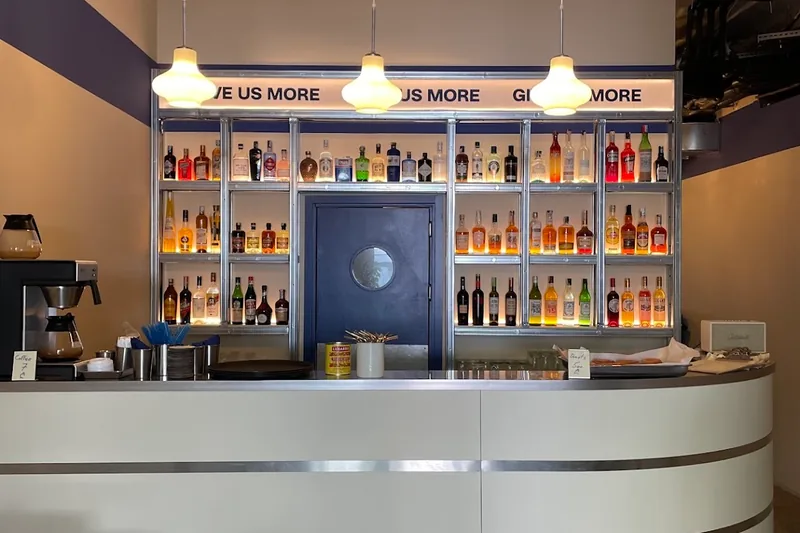
G.U.M is Fabrika's proper cocktail bar: a small room with a curved white counter and a glowing back bar. The menu sticks to classics done well, from a Tom Collins to a smoked maple Old Fashioned, at 20 to 29 GEL, a step up from the courtyard. It opens at 18:00 Monday to Wednesday and 13:00 Thursday to Sunday, and stays open past midnight.
Pick it for a quieter drink before the courtyard gets loud. For a whole night of cocktails, the best cocktail bars in Tbilisi cluster in Sololaki, about 10 minutes away in a Bolt.
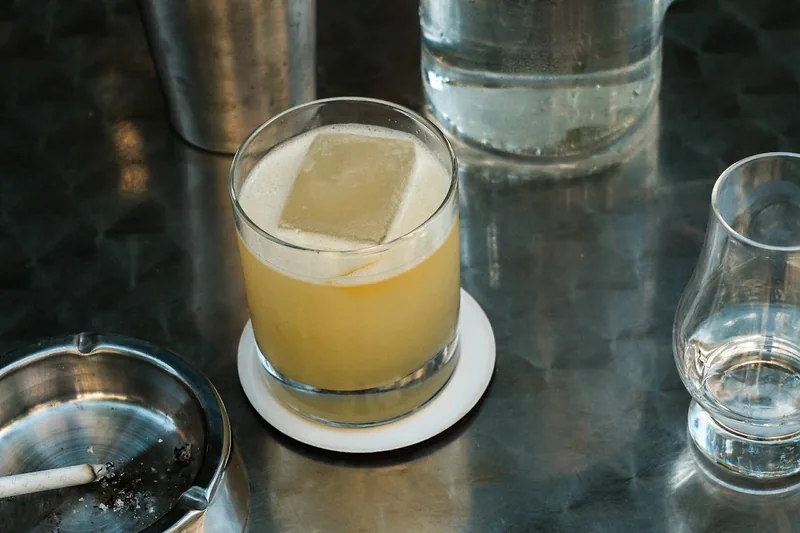
Weekend nights are loud around Marjanishvili Square and Fabrika until 2 or 3 am, which is great if you're out and less great if your window faces the courtyard. The avenue's hookah bars and Turkish cafes stay busy late too, and the whole strip feels safe and well lit after dark.
Staying in Marjanishvili
Marjanishvili is the best-value base near the center. You give up the short walk to the Old Town sights, and in return you get cheaper rooms, better food on your doorstep and a metro station on the square.
Stay here if you're one of these:
- A food-first traveler. You can eat somewhere different every night for a week without leaving these few streets.
- On a budget. Guesthouse doubles start around 50 GEL and dorm beds at 25 GEL, among the lowest prices this close to the center.
- Traveling solo. Fabrika's hostel, lounge and courtyard make this the easiest part of Tbilisi to meet people.
- Out late. The bars are a short walk away, and so is your bed.
- Staying a week or more. Flat streets, supermarkets, markets, coworking at Fabrika and apartment-style rooms make longer stays easy.
Skip it if you're one of these:
- A light sleeper. Weekend nights are loud around the square and Fabrika, and the main roads carry traffic late.
- Set on walking everywhere. The Old Town is about 40 minutes on foot, or two metro stops plus a stroll.
- After postcard streets. Parts of Chughureti are flat, functional and scruffy, while Sololaki gives you Art Nouveau facades right above the Old Town.
- On a first trip of 2 or 3 days. Sleep closer to the sights and come here for dinner.
| Room | Price per night | Where |
|---|---|---|
| Hostel dorm bed | 25 to 35 GEL | Smaller hostels; Fabrika from about 32 GEL |
| Guesthouse double, shared bathroom | From about 50 GEL | Side streets around the metro |
| Well-reviewed double, private bathroom | About 53 to 77 GEL | Guesthouses and small apartments |
| Typical double in the area | 50 to 100 GEL | Across Marjanishvili and Chughureti |
| Fabrika private room | About 145 to 210 GEL | 8 Egnate Ninoshvili Street |
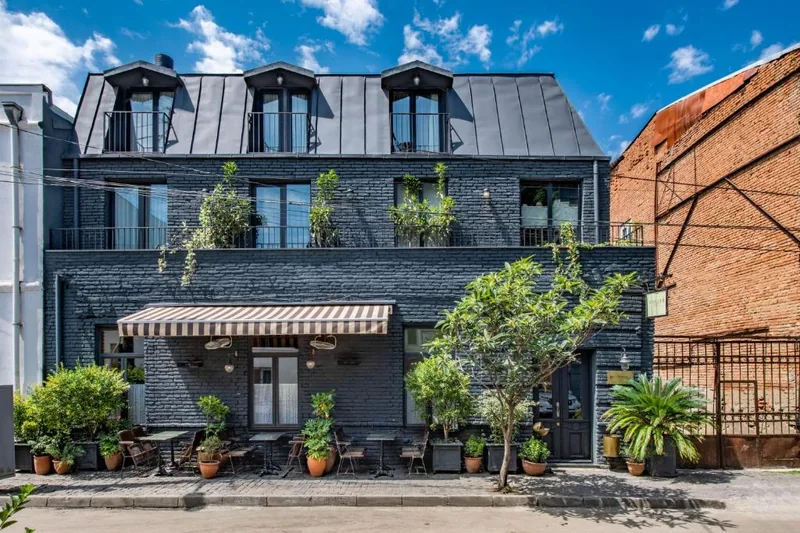
For a room with character, Unfound Door has 7 rooms with original frescoes above its restaurant on Aghmashenebeli Avenue, and Communal Plekhanovi has 14 rooms of vintage furniture over Weller on Ninoshvili Street, with breakfast included. Both rank among my favorite boutique hotels in Tbilisi.
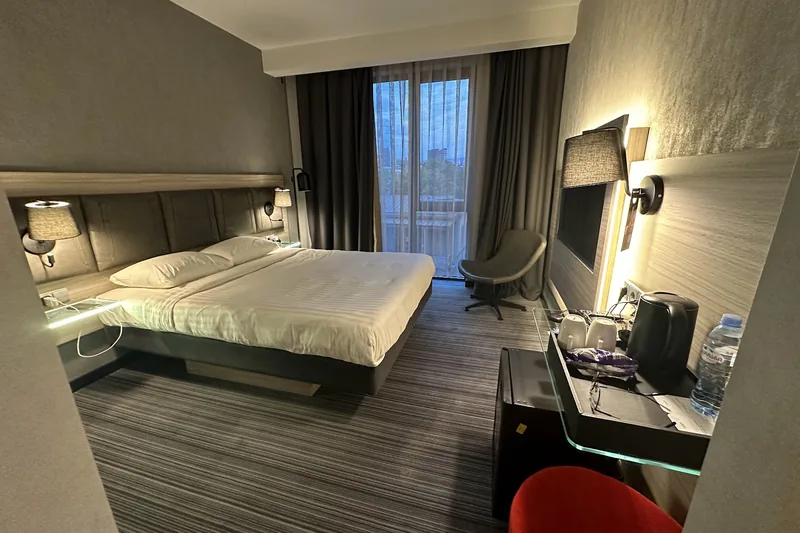
Moxy, at 1 Saarbrücken Square by the Dry Bridge, has apartment-style rooms and separate work rooms, the pick for remote workers.
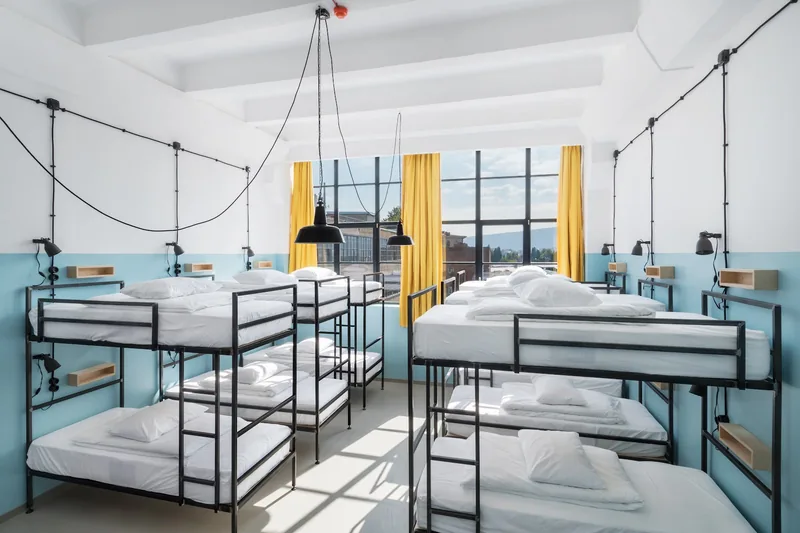
On a tighter budget, Fabrika Hostel & Suites is the largest hostel in the region, with mixed dorms of 3 to 12 beds from about 32 GEL a bed and private rooms from about 145 GEL. It's my first pick among the best hostels in Tbilisi, because the courtyard is downstairs. Chveni runs a smaller boutique hostel alongside its restaurant if you'd rather sleep away from the party.
Marjanishvili vs other neighborhoods
Here's how Marjanishvili compares with the other areas visitors usually weigh it against.
| Area | Double per night | Feel | Old Town sights | Best for |
|---|---|---|---|---|
| Marjanishvili and Chughureti | 50 to 100 GEL | Flat, local, loud on weekend nights | About 40 minutes on foot, or 2 metro stops | Food, nightlife, value, long stays |
| Old Tbilisi | 80 to 300 GEL | Crowded lanes, loud on weekend nights | On your doorstep | A first visit of 2 to 4 days |
| Sololaki | 60 to 200 GEL | Quiet, steep, Art Nouveau | About 5 minutes on foot | A central, quieter first-trip base |
| Vera | 60 to 350 GEL | Residential, cafes and wine bars | 5 to 10 minutes to Rustaveli, then a walk down | Couples and longer stays |
| Avlabari | 60 to 120 GEL | Quiet, fewer restaurants | About 10 minutes over the river | A cheaper base facing the Old Town |
My rule: on a first trip of 2 or 3 days, sleep in Sololaki or the Old Town and cross the river for dinner. For a week or more, or on a tight budget, Marjanishvili is where I'd stay, and it's the area first-timers most often overlook when they're choosing where to stay in Tbilisi.
Getting to Marjanishvili
| Way there | From | Time | Cost |
|---|---|---|---|
| Metro | Liberty Square to Marjanishvili, 2 stops (1 stop from Rustaveli) | About 10 minutes | 1 GEL |
| On foot | Freedom Square, 2.3 km | About 30 minutes | Free |
| On foot | Meidan Square in the Old Town | About 40 minutes | Free |
| Bolt | Freedom Square | 8 to 10 minutes | 5 to 7 GEL |
| Bus 337 | Tbilisi airport, stops in the Marjanishvili area | About 60 minutes | Tap a bank card |
| Bolt | Tbilisi airport | 25 to 35 minutes | 20 to 25 GEL |
The Tbilisi metro is the easy way in. Marjanishvili station sits right on the square, a ride costs 1 GEL on a Metromoney card, and trains run from about 06:00 to midnight. From the station, Fabrika is about 8 to 10 minutes on foot and the Dezerter Bazaar about 15.
Coming straight from the airport, bus 337 stops in the Marjanishvili area and at Saarbrücken Square on its way to Station Square, and it runs from about 07:00 to 23:00. The other options for getting from Tbilisi airport to the city are a Bolt for 20 to 25 GEL or a pre-booked transfer for a late arrival.
Key takeaways
- Marjanishvili is the visitor's corner of Chughureti, Tbilisi's old German quarter on the left bank, 2 metro stops from Liberty Square.
- Come for the evenings: Fabrika, the pedestrian end of Aghmashenebeli Avenue and restaurants like Barbarestan, Craft Wine and Chveni.
- The sights are small and close together: the theater, the Art Palace, the German quarter backstreets and the two markets.
- It's the best-value base near the center, with doubles from about 50 GEL, but weekend nights are loud.
- On a short first trip, sleep in Sololaki or the Old Town and come here for dinner; on a longer stay, sleep here.
Frequently asked questions
What is Marjanishvili known for?
Marjanishvili is known for food, nightlife and Fabrika, the converted Soviet sewing factory with a hostel and courtyard bars. It's also home to the Marjanishvili Theatre, which gave the area its name, and the restored pedestrian stretch of Aghmashenebeli Avenue.
Is Marjanishvili a good area to stay in Tbilisi?
Yes, for food lovers, budget travelers, solo travelers and longer stays. Rooms start at about 50 GEL and the metro is on the square, but weekend nights are loud and the Old Town is about 40 minutes on foot, so light sleepers and first-timers on a short trip do better in Sololaki or the Old Town.
Is Chughureti safe at night?
Yes, Chughureti is generally safe at night, and the avenue and Fabrika stay busy and well lit late. Use normal city sense with bags and phones in crowds, and order a Bolt rather than taking a street taxi home.
How far is Marjanishvili from the Old Town?
Marjanishvili is about 40 minutes on foot from Meidan Square in the Old Town, or 2 metro stops from Liberty Square plus a short walk. A Bolt across the river takes about 10 minutes and costs 5 to 7 GEL.
Why is Chughureti called the German quarter?
Chughureti is called the German quarter because German colonists settled there in the 19th century and built two-storey houses around courtyards. Some of their two-storey houses still stand in the backstreets northeast of Aghmashenebeli Avenue.
Is Aghmashenebeli Avenue pedestrian?
Partly. The restored stretch near Marjanishvili Square is closed to cars and lined with restaurants, cafes and bars, while the rest of the avenue toward Station Square and Saarbrücken Square carries traffic.
What is the difference between Marjanishvili and Chughureti?
Chughureti is the whole district on the left bank, from Station Square toward Avlabari, and Marjanishvili is the area around Marjanishvili Square and its metro station inside it. Most visitors use the two names for the same few streets around Fabrika and the pedestrian avenue.
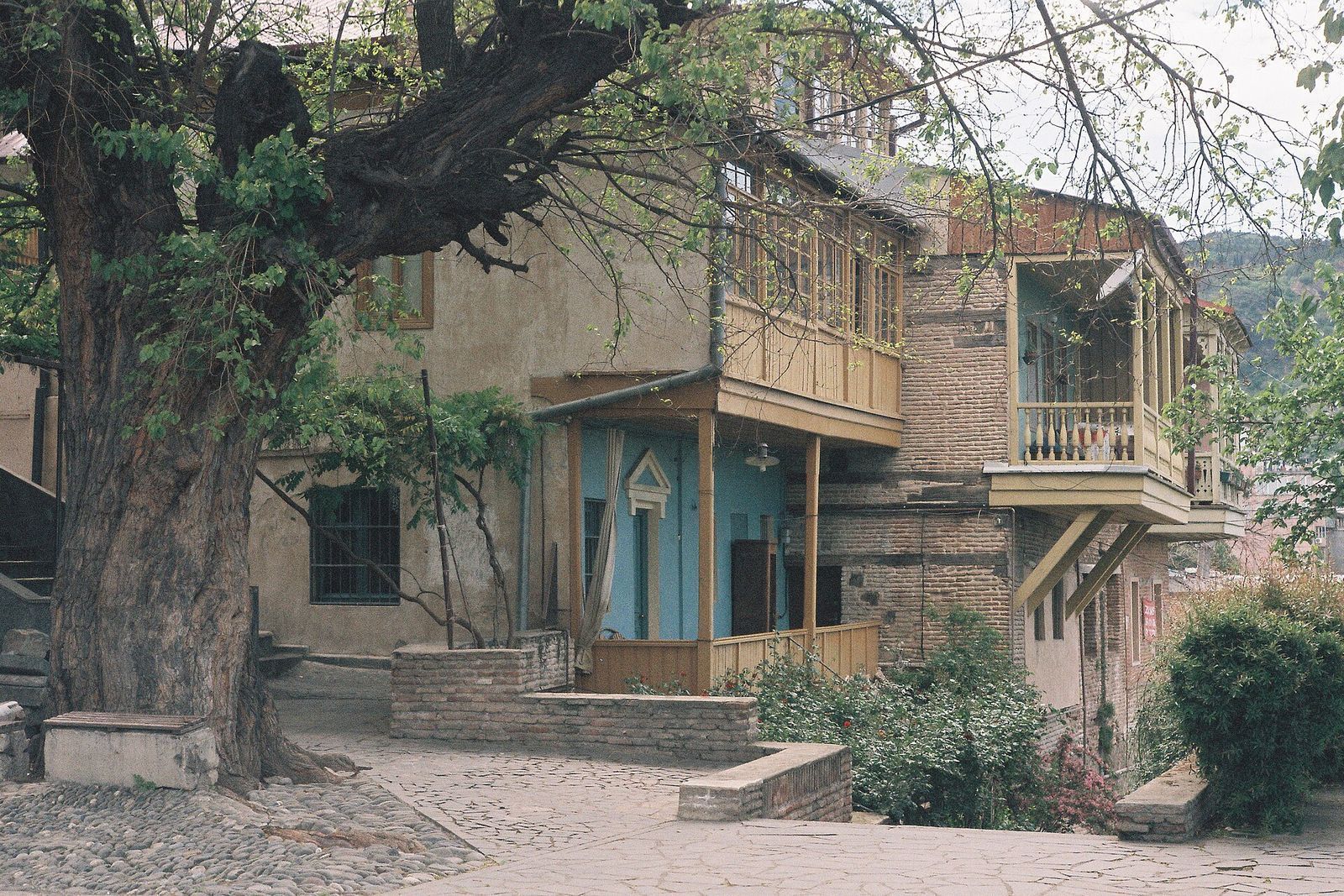
Tbilisi Neighborhoods: The 8 Best Areas and What Each One Is Like
Tbilisi is known for its old quarters. Here are the 8 best areas to explore, what each one is like and who it suits.
Read the guide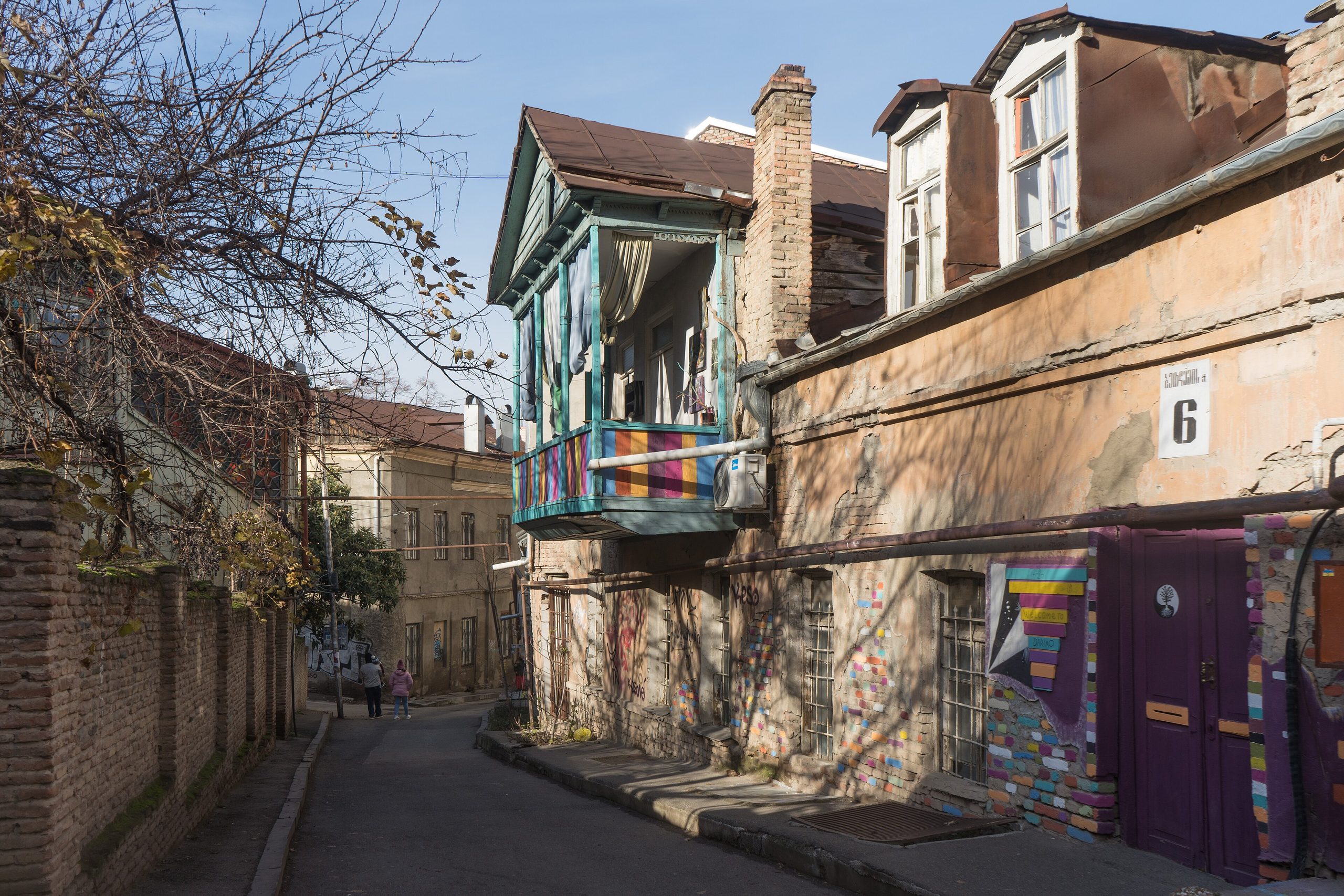
Old Tbilisi: Kala, Betlemi, Meidan and Shardeni Street
Old Tbilisi is the city of balconies and bath domes. Here is what to see, where to eat and whether to stay there.
Read the guide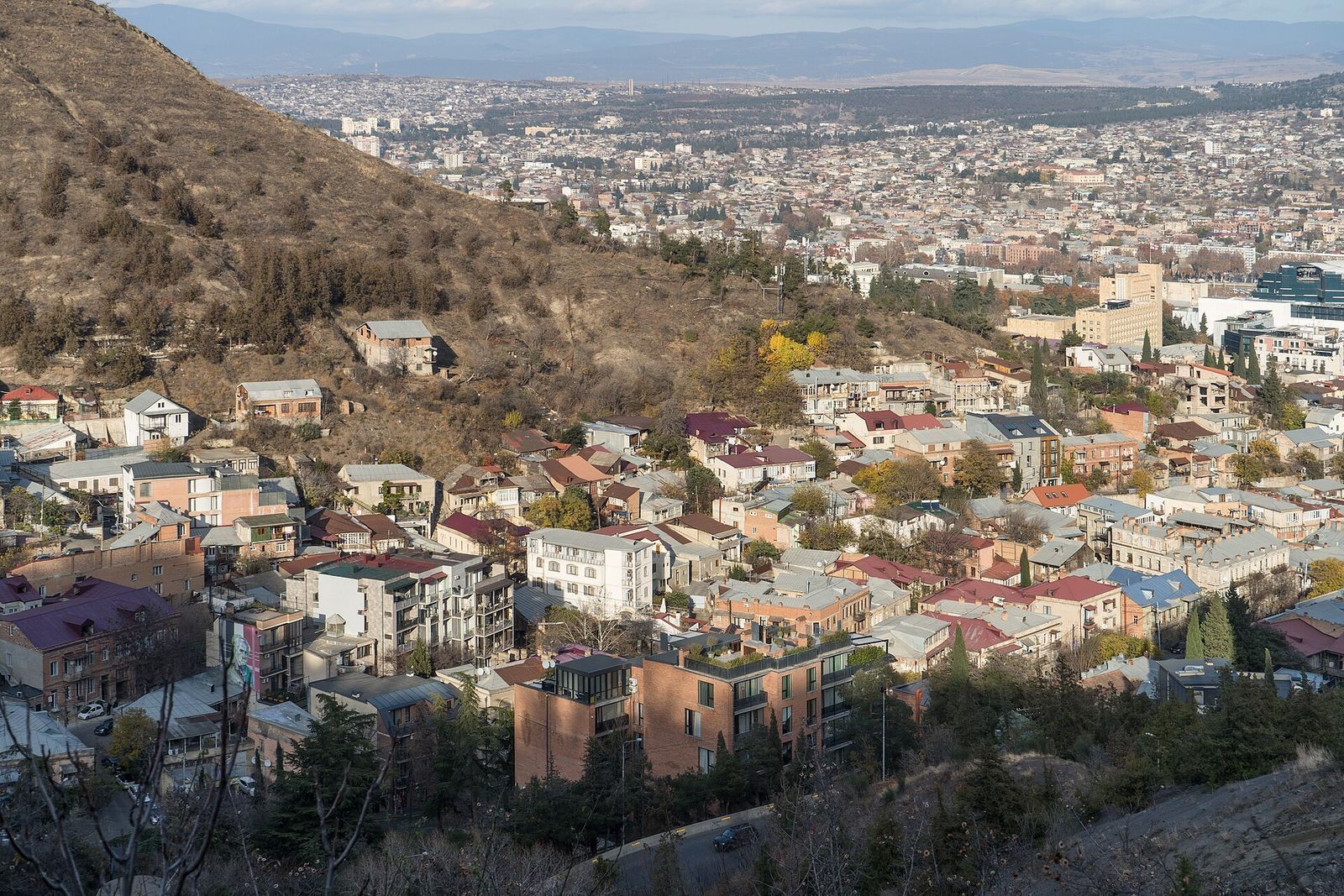
Sololaki, Tbilisi: Art Nouveau Entrances, Cafes and Where to Stay
Sololaki is the Art Nouveau quarter of Tbilisi. Here is what to see, where to eat and drink, and who should stay there.
Read the guide