Gori and Uplistsikhe Day Trip: Cave Town, Stalin Museum and Fortress
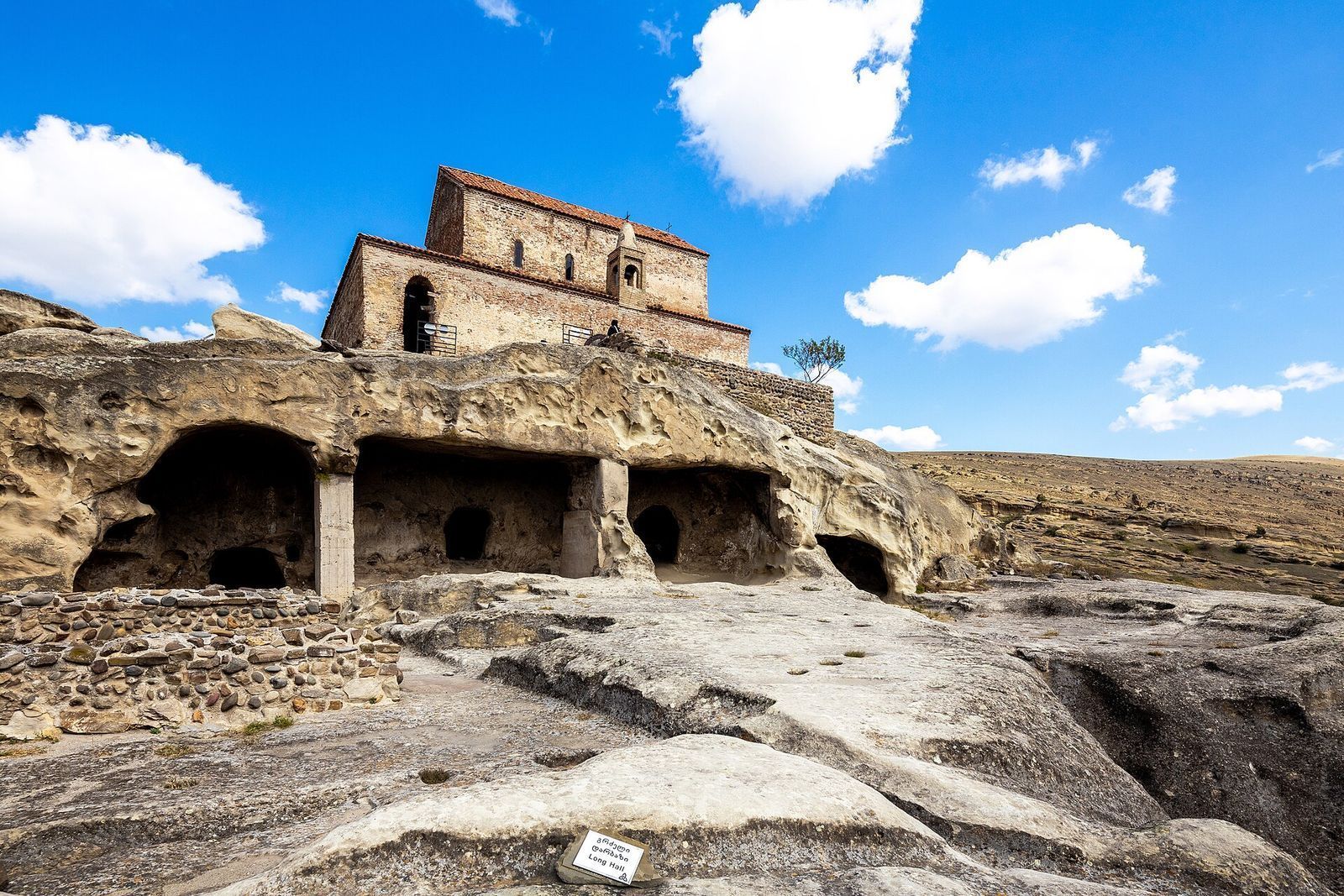
Gori is known for two things: Stalin was born here, and it is the gateway to Uplistsikhe, a town carved into a sandstone ridge above the Mtkvari river about 3,000 years ago. Together they make one of the best history day trips from Tbilisi. Here's what you need to know about the cave town, the Stalin Museum and Gori Fortress, how to get there and back, and the order I'd see them in.
Is Gori and Uplistsikhe worth a day trip?
Yes, if you like your history old and a little strange. Uplistsikhe was lived in from roughly the 1st millennium BC until the 13th century, and at its peak about 20,000 people lived on and around this rock. What is left is a ridge of soft stone hollowed into halls, streets, pagan temples and a church, with the river below and the plain running out toward the mountains. It is one of the oldest chapters of Georgian history you can walk straight into, with no glass cases and no barriers on most of it.
Then there's Gori itself, a quiet provincial town that holds the strangest museum in the country: a 1950s palace to Stalin, the town's most famous son, built around the tiny wooden house he was born in.
The pairing works because the two halves are so different. You get open rock and sky in the morning, a cool marble museum in the afternoon and a fortress with a view in between. It is a longer day than Mtskheta, about 9 hours door to door, but you are back in Tbilisi for dinner.
What to see at Uplistsikhe
Uplistsikhe means "the lord's fortress", and it sits on a long rock ridge on the left bank of the Mtkvari, about 15 km east of Gori. It grew rich as a trading stop on the caravan routes, held temples to the sun before Christianity arrived and emptied out after the Mongols came through in the 13th century. You walk in on the old rock-cut street and climb from hall to hall up to the brick church on the top.
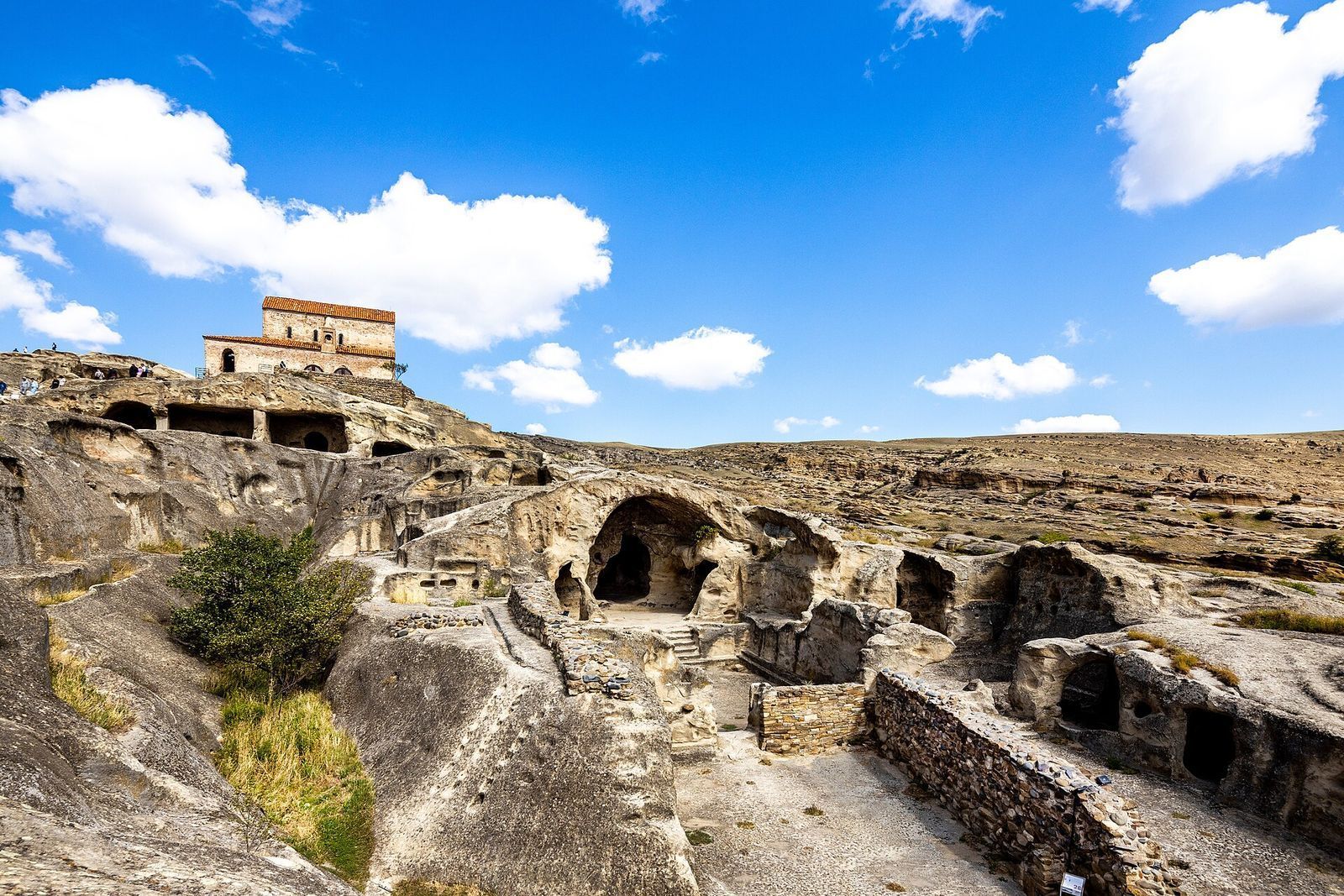
There are no marked trails, so it helps to know what you are looking for. These are the stops I'd make, in the order you meet them going up.
| Sight | What you see | Time to allow |
|---|---|---|
| The main street | The original road up through the rock, past the first carved houses | 15 minutes |
| Hall of Queen Tamar | The largest hall on the site, probably a pagan temple | 15 minutes |
| Single Pillar Hall | A hall whose ceiling rests on pillars left standing in the rock | 10 minutes |
| Caisson Hall | A ceiling carved into a geometric coffered pattern, the finest stonework here | 10 minutes |
| Three-nave basilica | A 6th-century church cut on the site of an older sun temple | 10 minutes |
| Prince's Church | A 10th-century brick church on the summit, with the best view | 20 minutes |
| The tunnel | A passage cut through the rock down toward the river | 10 minutes |
The halls and temples
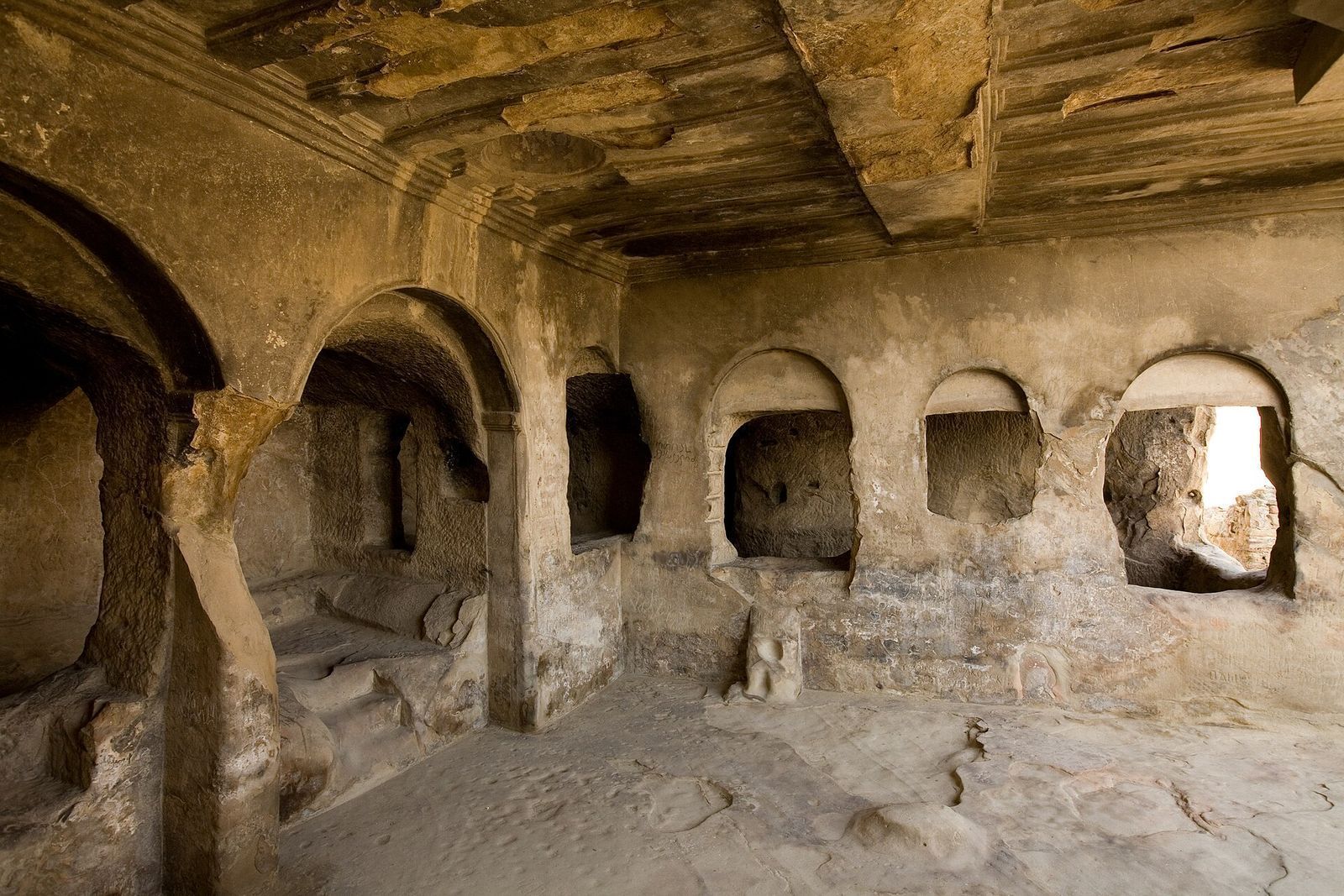
The big halls are the reason to come. The Hall of Queen Tamar is the largest, and it carries her name only because it looks like her rooms at Vardzia; she never lived here. Most of it was probably a pagan temple, and standing inside you can see why: the room is cut with real ambition, with a high ceiling and a wide mouth open to the light.
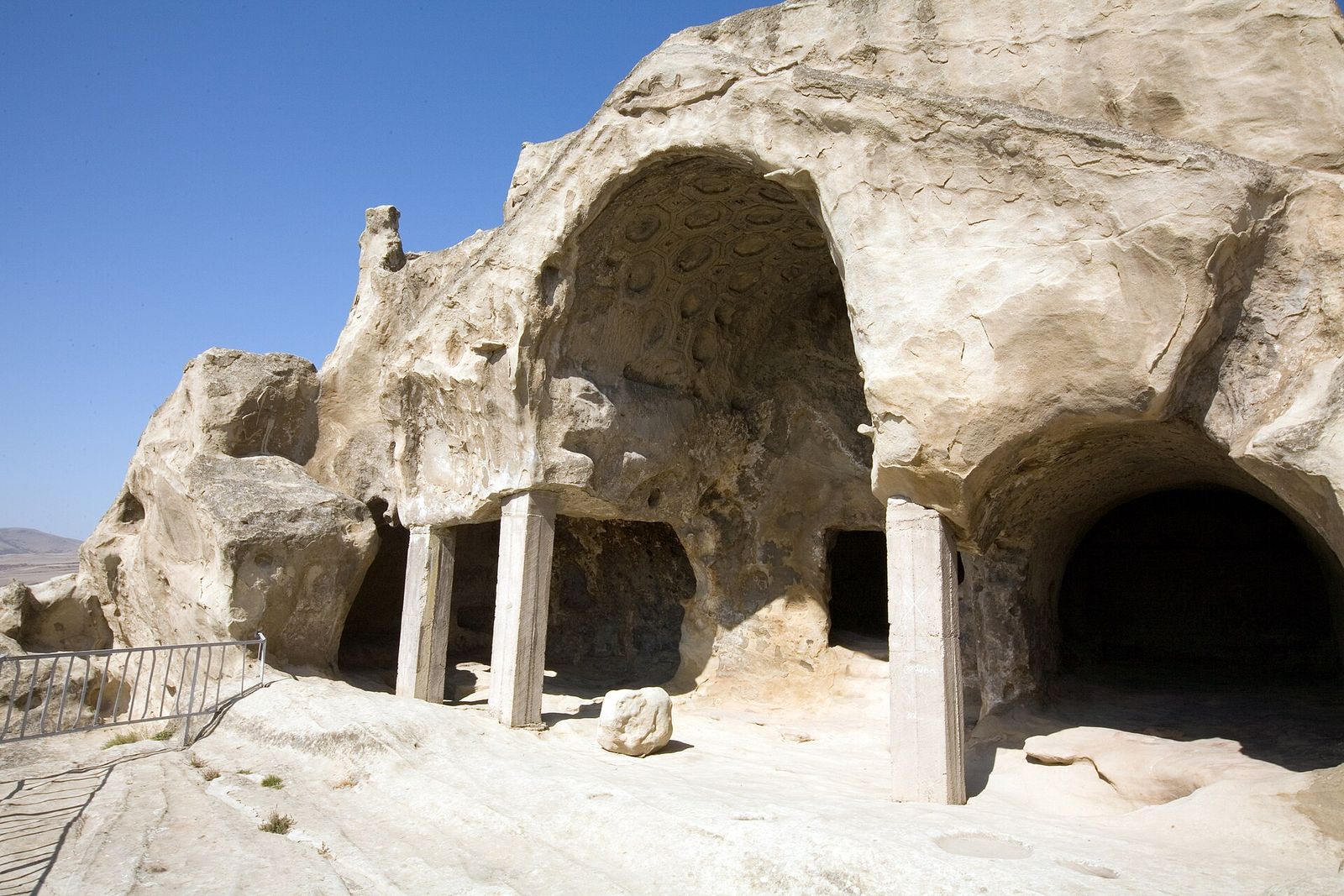
The Caisson Hall is my favorite. Its arched ceiling is carved into rows of sunken eight-sided panels, a coffered timber roof copied in solid rock by people who clearly had built in wood first and wanted the same look in stone. The Single Pillar Hall is the same idea in a plainer form: its builders left columns of rock standing to hold up the roof.
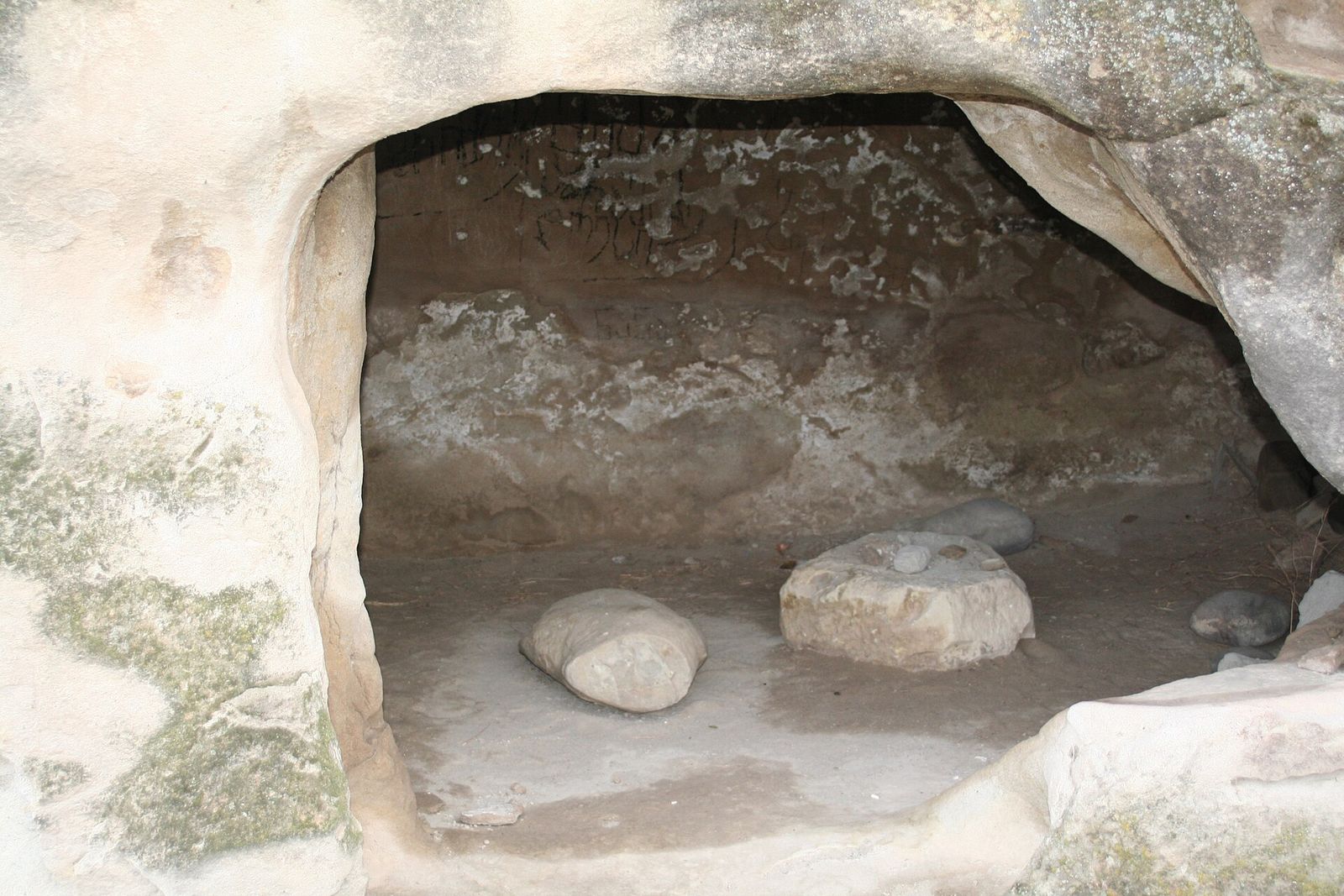
Between the named halls are dozens of smaller rooms, niches, steps and water channels. Wander into them. A lot of the fun here is working out what a room was for, a house, a storeroom or a shrine, with nothing to tell you.
Prince's Church at the top
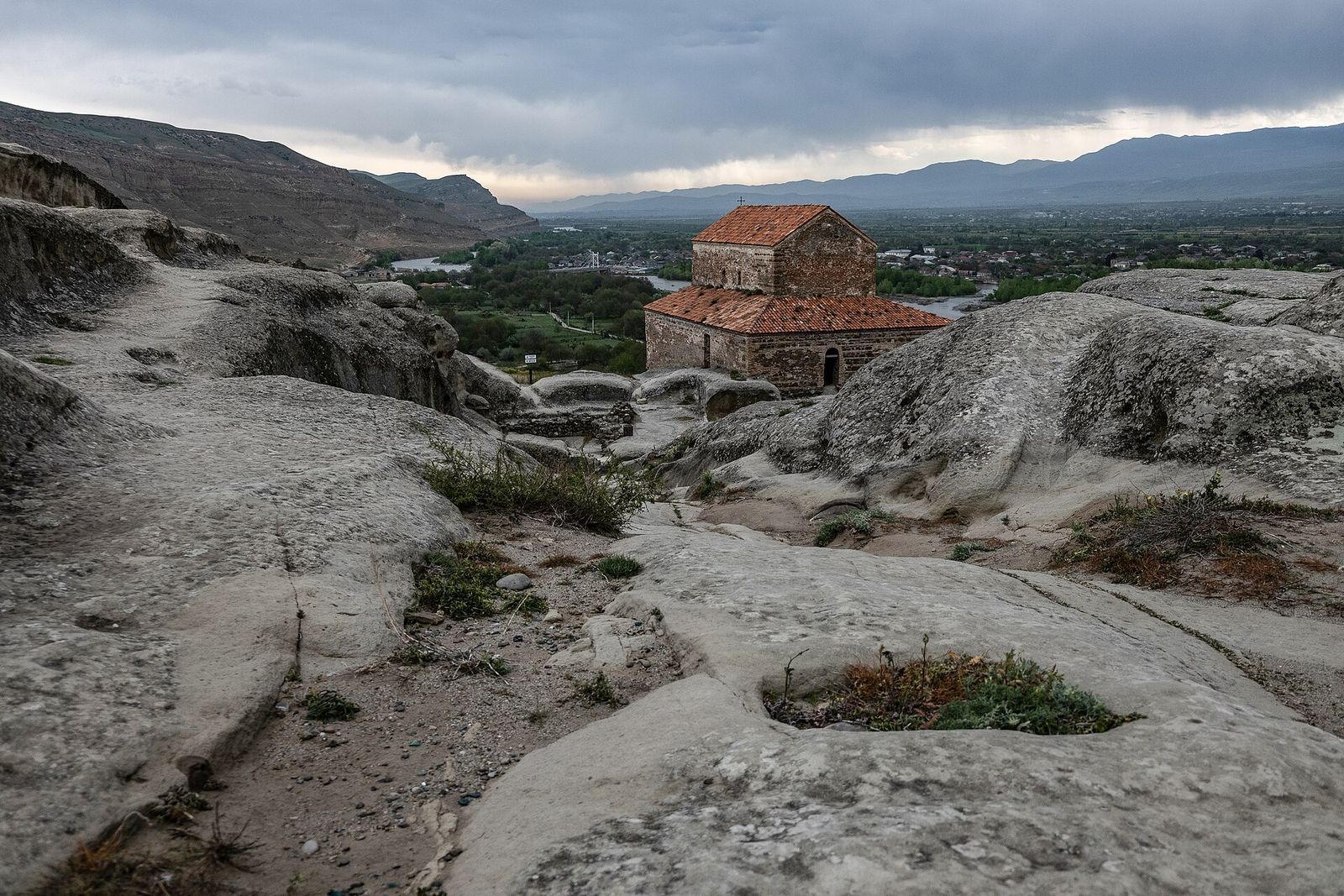
The 10th-century brick church on the summit is the one building at Uplistsikhe that is built rather than carved, and it is the landmark you see from the road. It is still a working church, so women cover their heads and men wear long trousers to go inside; wraps are handed out at the entrance. The terrace around it gives the best view of the site: the cave town below you, the Mtkvari curving past and the farmland running out toward Gori.
The tunnel to the river
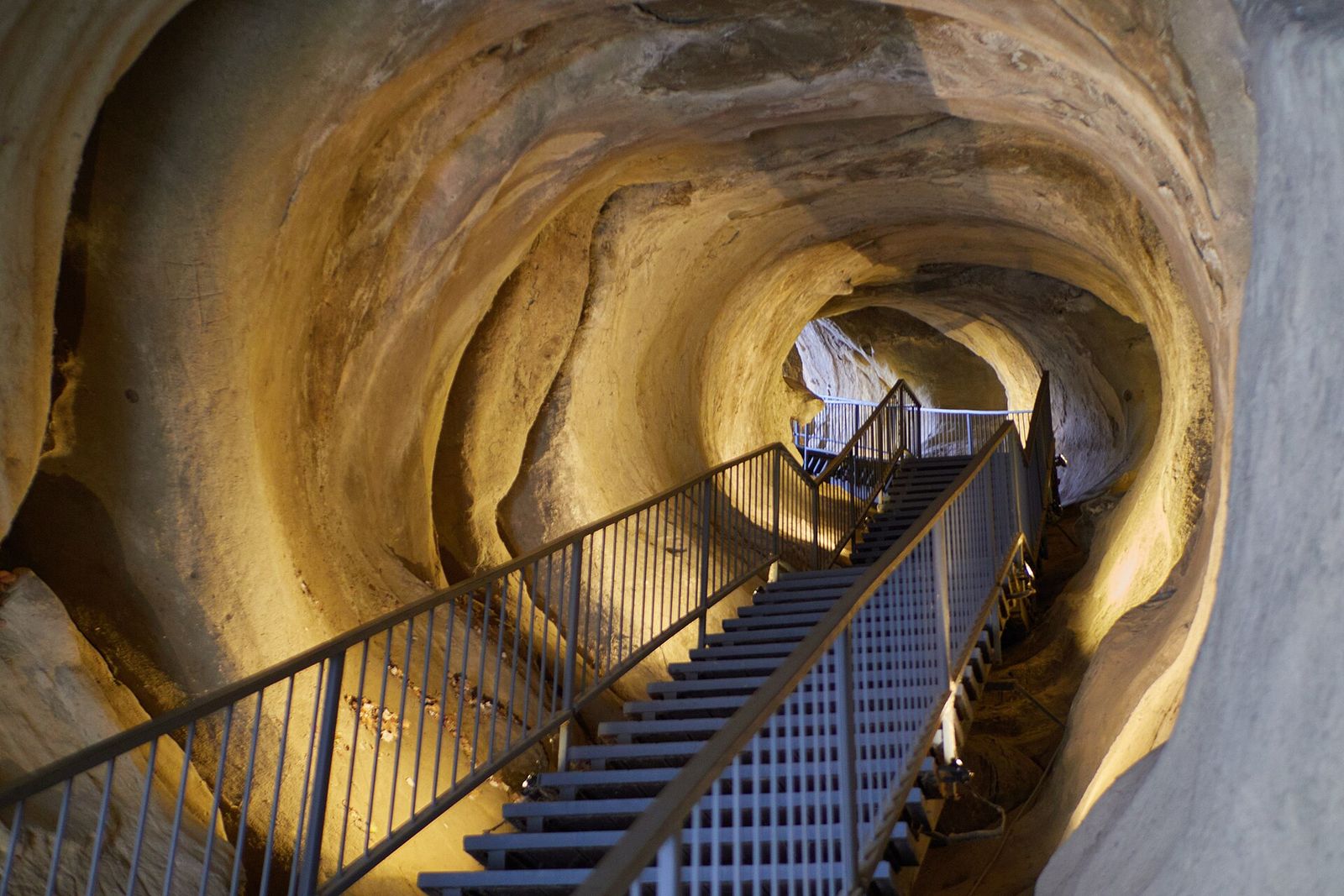
A passage cut through the rock runs down from the town toward the Mtkvari, and you can use it as your way in or out. It was the town's lifeline in a siege, a covered route to water. It is narrow and steep but short, and taking it down at the end of the visit makes a loop instead of a retrace.
Tickets are 15 GEL for adults and 5 GEL for students. An audio guide costs 15 GEL and a live guide 45 GEL, and I'd take one of the two: the signs are thin, and without the stories the site is a lot of beautiful holes in a rock. Allow 1.5 hours on your own and closer to 2.5 with a guide.
The Stalin Museum in Gori
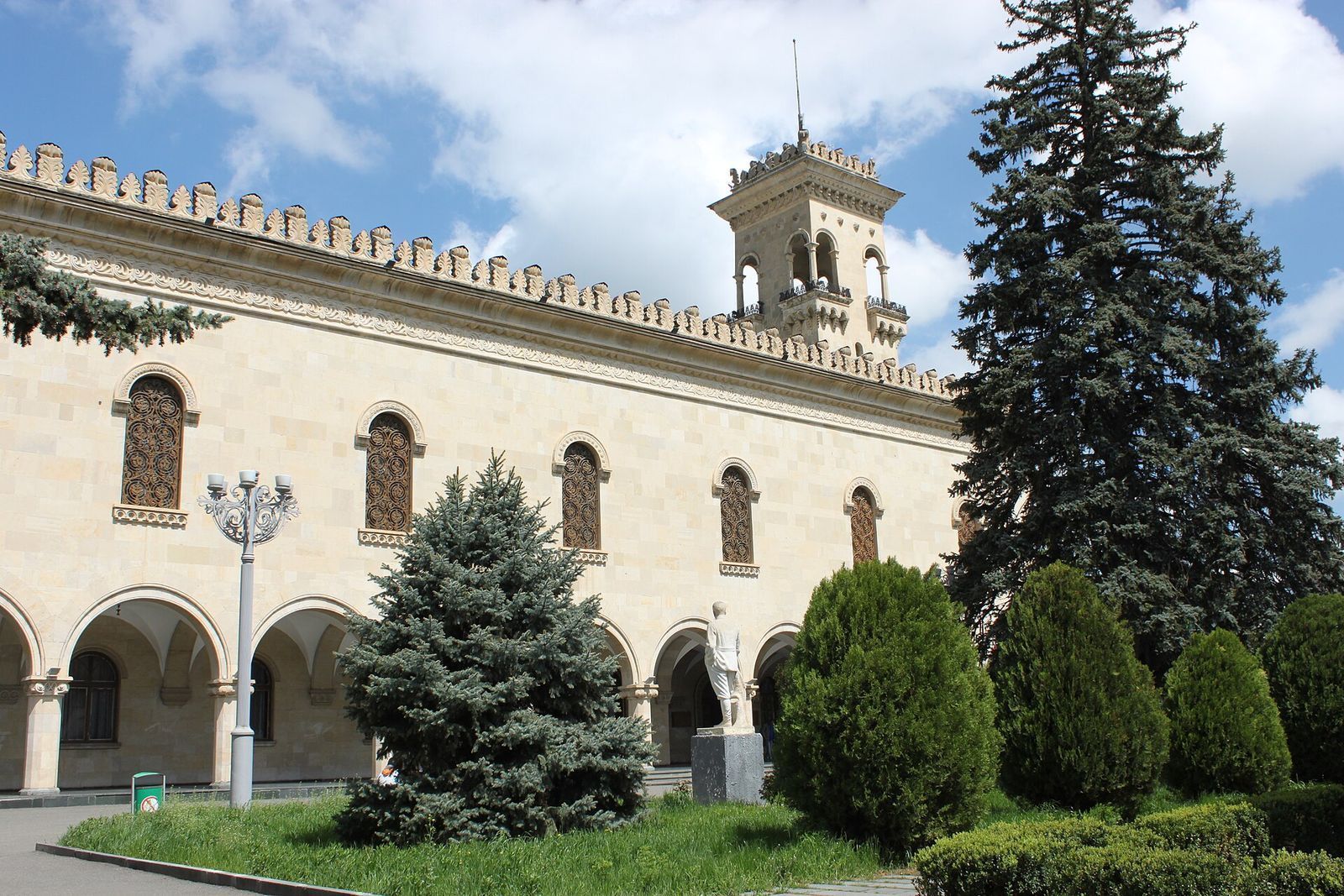
Joseph Stalin was born in Gori in 1878 as Ioseb Jughashvili, the son of a shoemaker. The museum to him opened in 1957, and it still reads like it: a grand Stalinist palace on Stalin Avenue in the middle of town that tells his life as a success story, from school photos to his years in power. The purges, the famines and the gulag barely feature. That is exactly why I'd go. It is a museum about how the Soviet Union wanted Stalin remembered, preserved with very little changed, and that makes it a historical document in its own right.
The complex has three parts, and the standard ticket covers the first two. The main building holds six exhibition halls of photos, letters, uniforms, gifts and personal belongings, ending in a dim round room with a bronze copy of his death mask.
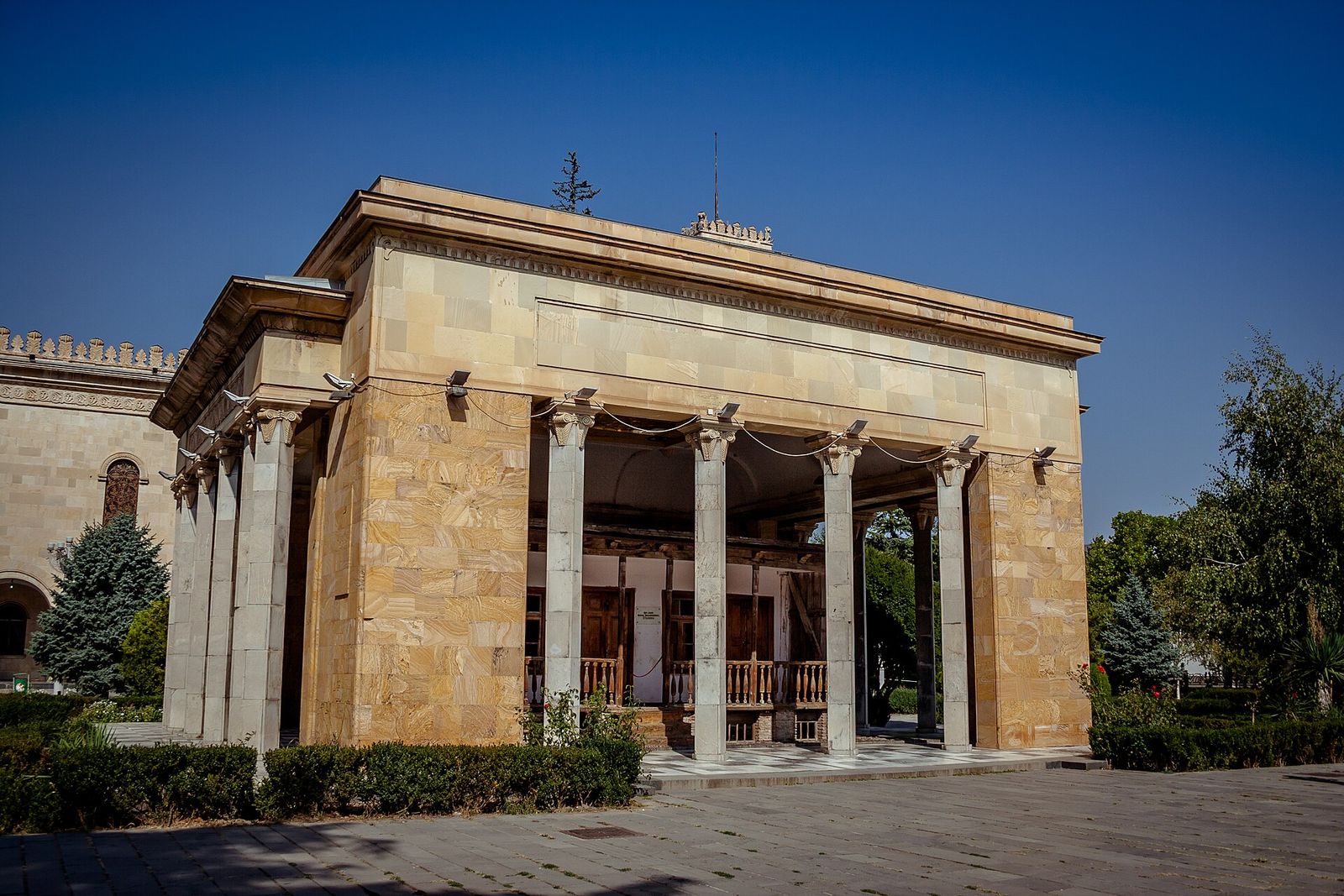
The birth house is the small wooden house where he spent his first four years, kept under a stone pavilion in the park in front of the museum. It is small and plain and takes 5 minutes.
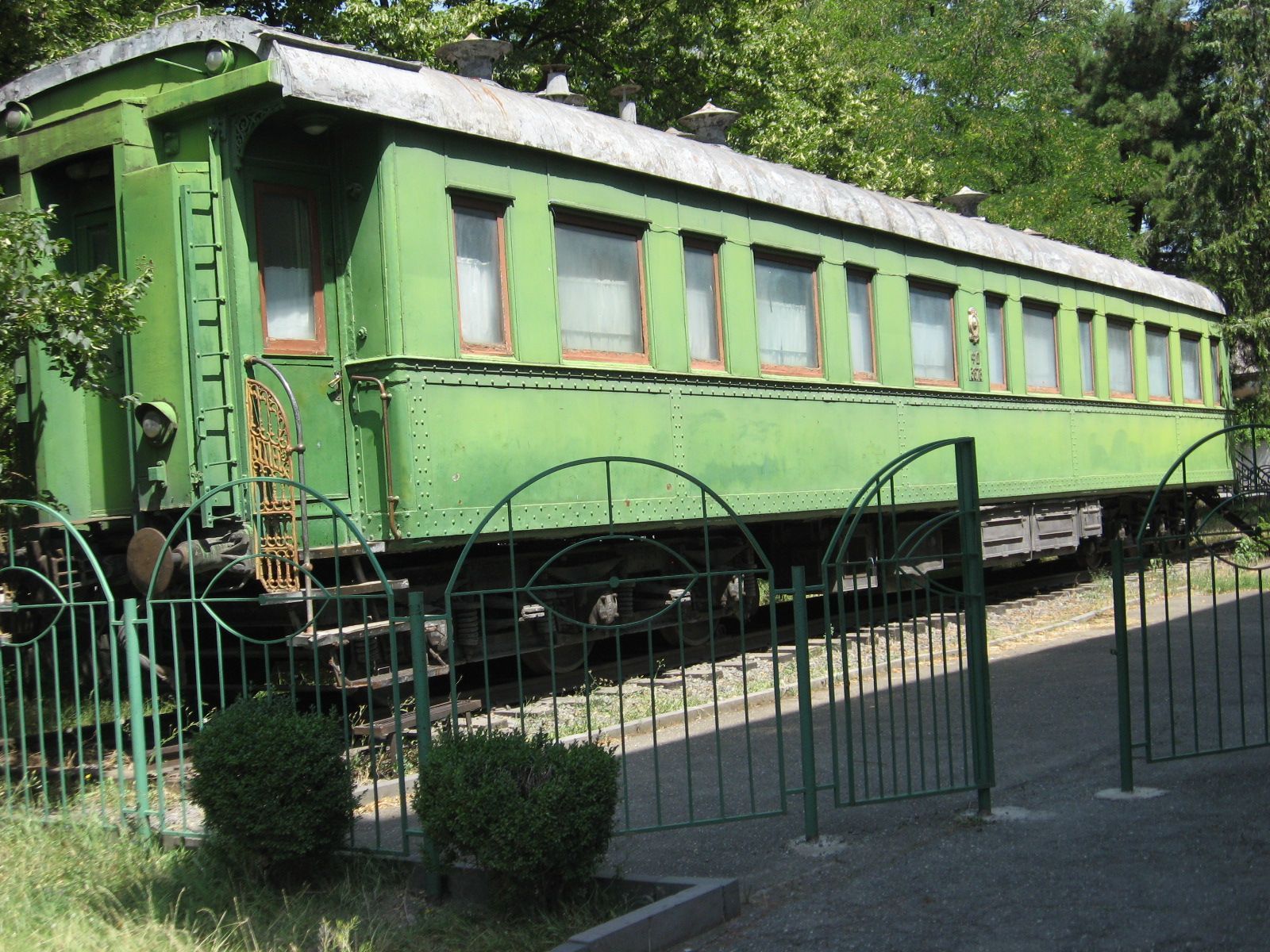
The railway carriage is his armored green carriage, parked beside the museum, which you can step inside for an extra 5 GEL. It is the part people talk about afterward, so I'd pay it.
The museum is open from 10:00 to 18:00, closing an hour earlier from November to April, and it shuts on New Year's Day and Easter Sunday. Allow 45 to 60 minutes for all three parts. A guide comes with the ticket when one is free; you may wait up to 20 minutes for an English speaker, or you can simply walk round on your own.
Gori Fortress
Goristsikhe, the fortress, sits on a round hill right in the center of town, about 500 m from the museum and a 15 to 20 minute climb from the main street. Entry is free. A fortress has stood on this hill since at least the first centuries AD, rebuilt again and again as armies crossed this plain, and an earthquake in 1920 brought down much of what stood.
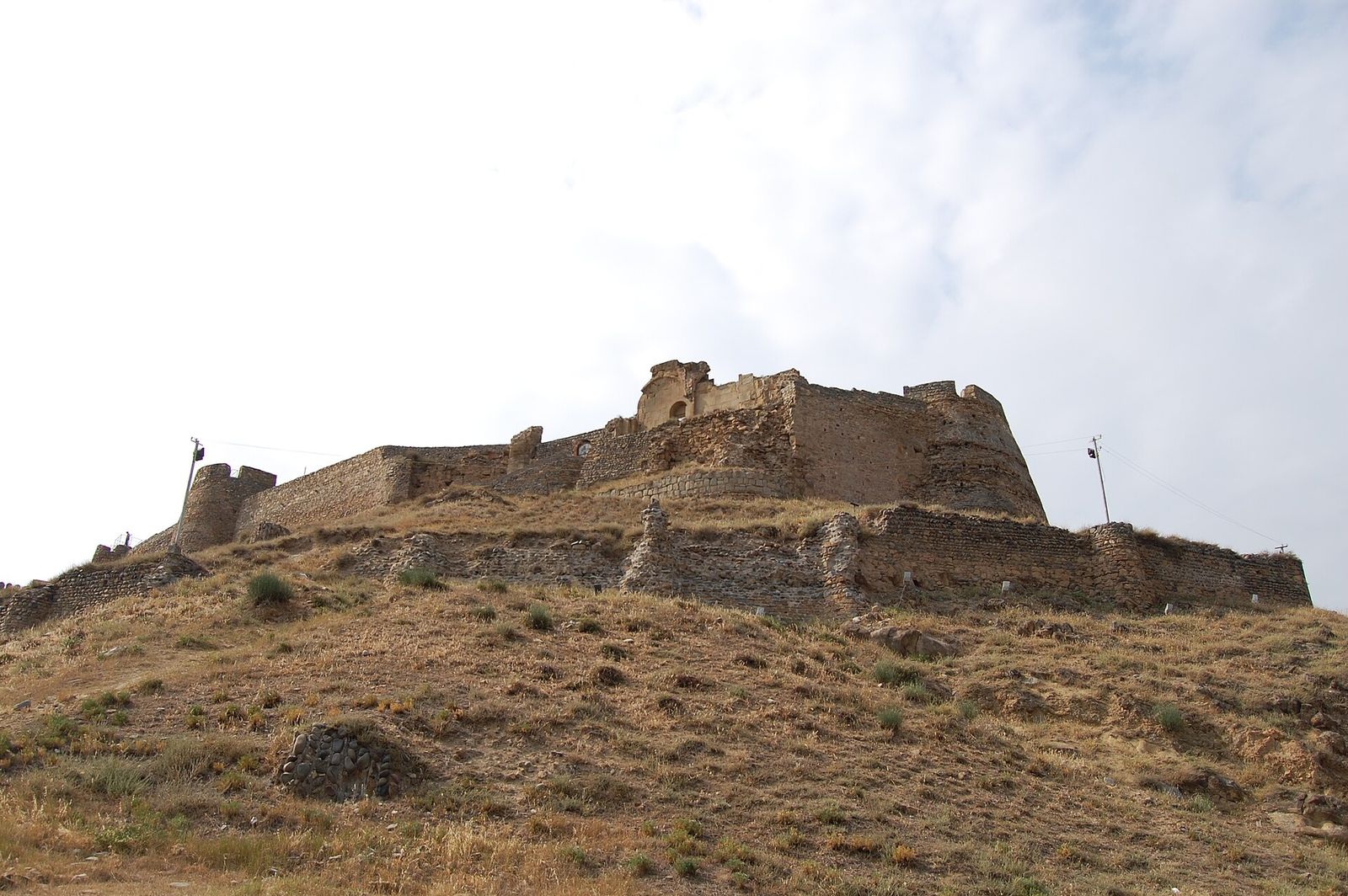
You climb for the view. From the walls you see the whole town, the meeting of the Liakhvi and Mtkvari valleys, and on a clear day the white line of the Greater Caucasus to the north. Inside the walls there is not much: grass, some broken towers and a few benches. Half an hour is plenty.
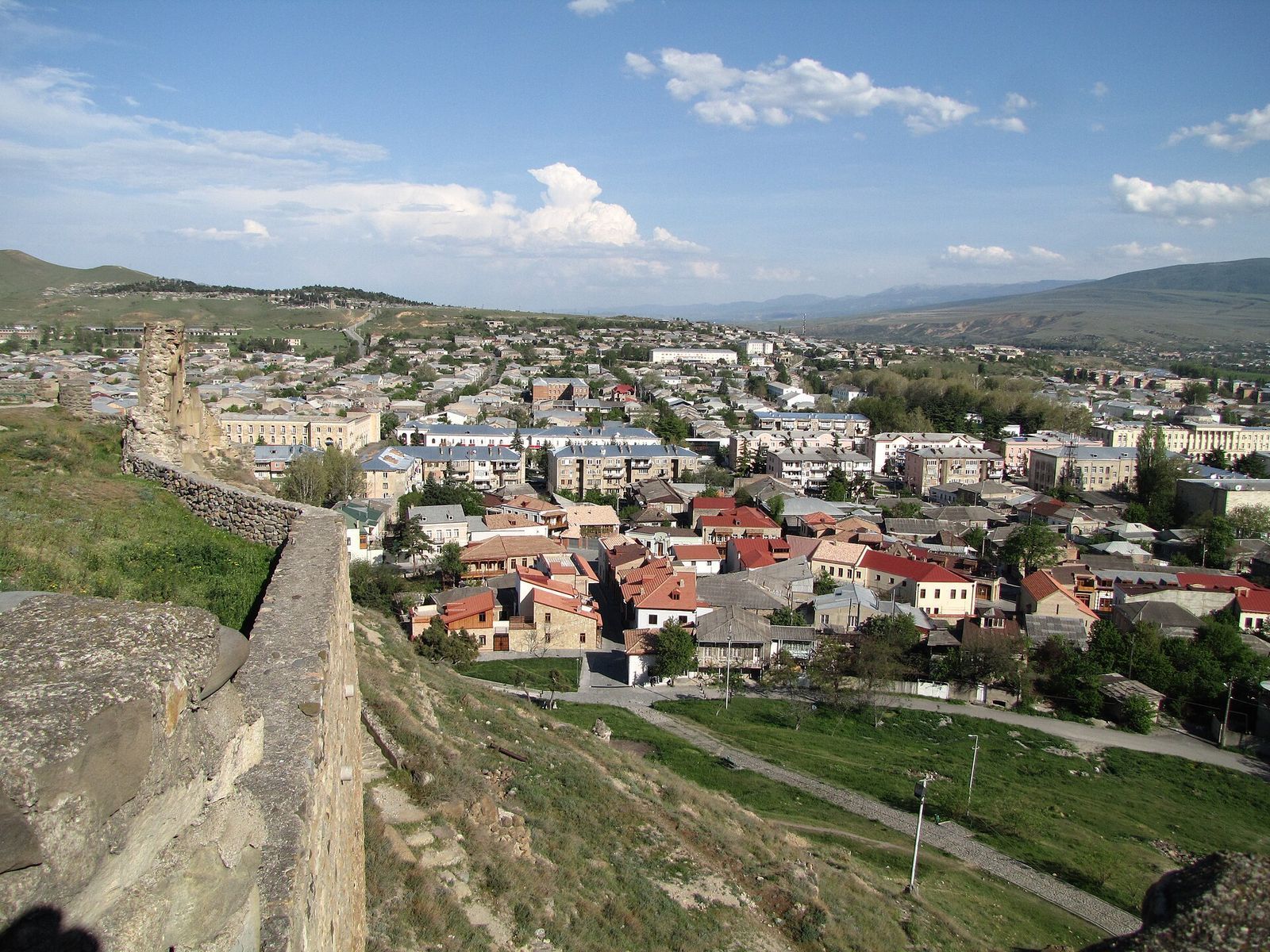
The town below has its own recent history. Gori was bombed and briefly occupied by Russian troops in the August 2008 war, and since then it has quietly stepped away from its famous son: the big Stalin statue in the central square came down at night in 2010. Walk the central boulevard between the fortress and the museum and you see a modest, tidy town getting on with things.
How to get from Tbilisi to Gori and Uplistsikhe
The trip has two legs: Tbilisi to Gori, which is easy, and Gori to Uplistsikhe, which is where people get stuck. Here are your options for each.
| Leg | From | Time or distance | Cost | Best for |
|---|---|---|---|---|
| Van to Gori | Didube bus station | 1 to 1.5 hours | 5 to 7 GEL per person | Solo travelers and pairs |
| Train to Gori | Tbilisi Central Station | About 1 to 1.5 hours | About 5 to 13 GEL by class | Anyone the timetable suits |
| Taxi to Uplistsikhe | Gori bus station | About 15 km | 15 to 20 GEL one way, 35 to 40 GEL return with a wait | Most visitors |
| Van to Kvakhvreli | Gori bus station | About 15 km, then a 2 km walk | 2 to 3 GEL | Tight budgets with time to spare |
| Group or private tour | Central Tbilisi | 7 to 8 hours | From about 55 GEL per person in a group | The history explained, no logistics |
Van from Didube
Vans to Gori leave from the Didube bus station, next to Didube metro. They run often from about 08:00, cost 5 to 7 GEL and take 1 to 1.5 hours along the highway west. The destination signs on the windscreens are in Georgian script, so say "Gori" to anyone in the yard and you will be walked to the right van. Pay the driver in cash. Most vans finish at Gori bus station, which is also where the taxis and vans for Uplistsikhe wait.
Train to Gori
The train from Tbilisi Central Station is the comfortable choice: a proper seat, about 1 to 1.5 hours, and roughly 5 to 13 GEL depending on the class. The catch is that only a few trains a day stop in Gori, so the timetable sets your day rather than the other way round. Check the times and buy on railway.ge before you plan anything else.
Gori to Uplistsikhe
No bus goes to the Uplistsikhe gate. The easy answer is a taxi from Gori bus station: about 15 to 20 GEL one way, or 35 to 40 GEL for the return trip with the driver waiting 1.5 to 2 hours. That is what I'd do. Agree the price and the waiting time before you get in, and pay at the end.
The cheap answer is the van to Kvakhvreli, the next village, which leaves Gori bus station about every 30 minutes and costs 2 to 3 GEL. It drops you at a bridge about 2 km from the entrance, and you walk the rest. Coming back, walk to the same stop and flag a van on the main road toward Gori.
Driver or tour
A driver for the whole day lets you set your own hours and add a stop on the way out. Fixed-price driver apps quote the full loop before you book, so there is no haggling. Group tours usually pair Gori and Uplistsikhe with Mtskheta, run 7 to 8 hours and start around 55 GEL a head on the big booking sites. Small local operators charge from about 150 GEL per person, and a private guided day starts around 510 GEL for 1 to 2 people. Check whether the entry tickets are included, since many listings leave them out.
My Gori and Uplistsikhe day on the clock
This is the van and taxi version, built around Uplistsikhe opening at 10:00 and the museum closing at 18:00. It works from April to October. In winter, keep the same order and expect to finish an hour earlier.
| Time | Leg | Cost | Note |
|---|---|---|---|
| 08:00 | Van from Didube to Gori | 5 to 7 GEL | Leaves when full |
| 09:30 | Taxi from Gori bus station to Uplistsikhe | 35 to 40 GEL per car, return | Agree a 2-hour wait |
| 10:00 | Uplistsikhe | 15 GEL, plus 15 GEL for the audio guide | Up through the halls, down through the tunnel |
| 12:00 | Taxi back, dropped at Gori Fortress | Included | 15 to 20 minute climb |
| 12:45 | Lunch near the central boulevard | About 20 to 35 GEL | Khinkali and mtsvadi |
| 14:00 | Stalin Museum, house and carriage | 15 GEL plus 5 GEL | 45 to 60 minutes |
| 15:30 | Van from Gori back to Tbilisi | 5 to 7 GEL | Back at Didube by about 17:00 |
A solo traveler spends about 100 to 125 GEL for the day before the audio guide. Two people splitting the taxi spend about 85 to 105 GEL each. The order matters more than the exact times: cave town while it is cool, fortress on the way back into town, museum in the afternoon heat.
Van, driver or tour, and when to skip it
Most people should do this trip one of four ways:
- Van and taxi if you are one or two people, fine with one change in Gori and after the cheapest day. It is the plan above.
- A driver if you are three or four, because the cost splits well and you can add Mtskheta's churches on the way out and still be at Uplistsikhe by late morning.
- A tour if you want the stories. The Stalin Museum especially is better with someone who can fill in what its walls leave out.
- On the way west if you are heading to Borjomi or on to Kutaisi anyway. Gori sits on the main highway, so stop here en route instead of making it a round trip, ideally with a driver who can mind your bags.
And skip it in these cases:
- You have two or three days in Tbilisi. A short Tbilisi itinerary gets more from Mtskheta or Kazbegi, which are closer or more spectacular.
- It is midsummer and you cannot be at Uplistsikhe by 10:00. Midday on bare rock in July is miserable, and the museum alone does not carry the trip.
- Vardzia is already on your route and you are short on days. Vardzia is the bigger and more dramatic cave monastery; Uplistsikhe is far older but more of a ruin, so it is the one I'd drop.
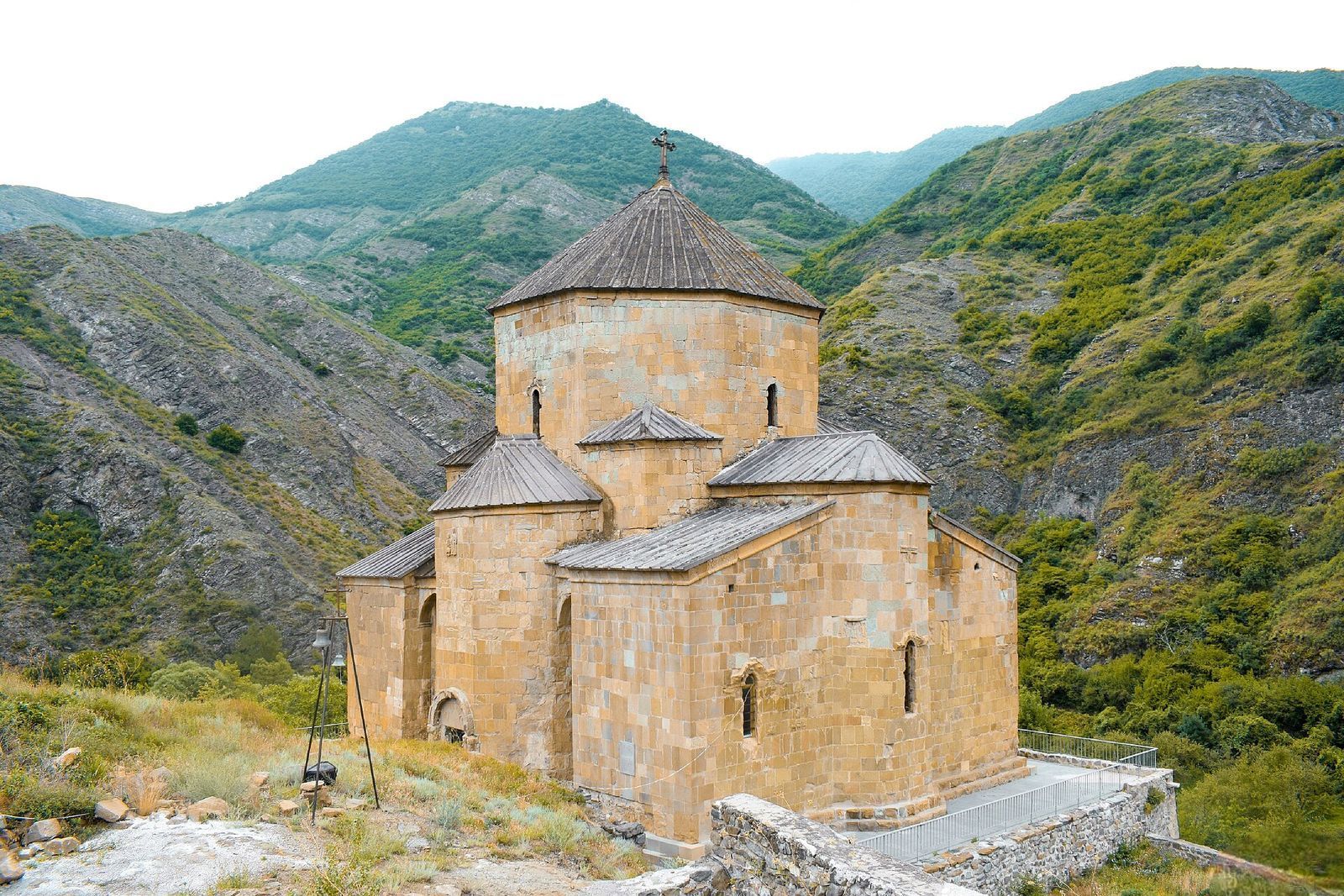
With a driver, one more stop fits: Ateni Sioni, a 7th-century church in a small wine valley just south of Gori. It adds about an hour and is the quietest part of the day.
Where to eat in Gori
Gori is not a food destination, and nobody comes here for a famous restaurant. The cafes and restaurants cluster along the central boulevard near the museum and the old central square, and prices sit below Tbilisi. Expect khinkali at 1 to 1.5 GEL each, mtsvadi (grilled pork skewers) at 12 to 18 GEL a portion and kubdari, the meat-filled bread from Svaneti, at 8 to 12 GEL.
The menus read like a short list of the Georgian food you have been eating in Tbilisi, so order the reliable things: a plate of khinkali, a skewer of mtsvadi, bread and a salad of tomatoes and cucumbers. A filling lunch for one runs about 20 to 35 GEL.
What to wear and bring
Uplistsikhe is the part of the day that asks the most of you, so pack for the rock:
- Shoes with grip. The steps and slopes are worn smooth and get slippery after rain.
- Sun cover. A hat, sunscreen and at least a liter of water from May to September.
- A warm layer. The ridge is windy in autumn and winter, and the museum halls are cold all year.
- Church cover. A scarf for women and long trousers for men if you want to go inside Prince's Church.
- Cash in small notes. Vans, the Kvakhvreli bus and taxis are cash only.
Key takeaways
- Do Uplistsikhe first, at 10:00, then Gori Fortress, lunch and the Stalin Museum in the afternoon.
- Budget about 100 to 125 GEL solo for the van, taxi, tickets and lunch.
- The Didube van to Gori costs 5 to 7 GEL; the taxi from Gori to Uplistsikhe and back costs 35 to 40 GEL with a wait.
- Pay the extra 5 GEL for Stalin's railway carriage, and go in knowing the museum tells only his side of the story.
- With a driver, add Mtskheta on the way out; if Vardzia is on your route and time is short, Uplistsikhe is the one to drop.
Frequently asked questions
How do I get from Tbilisi to Uplistsikhe?
Take a van from Didube bus station to Gori for 5 to 7 GEL, then a taxi from Gori bus station to Uplistsikhe. The taxi costs about 35 to 40 GEL for the return trip with a wait. On a budget, a 2 to 3 GEL van to Kvakhvreli gets you within 2 km of the entrance.
How long do you need at Uplistsikhe?
Allow 1.5 hours on your own and up to 2.5 hours with a guide or audio guide. Add the travel and the full day trip with Gori takes about 9 hours from Tbilisi and back.
How much is the Stalin Museum in Gori?
The ticket costs 15 GEL and includes the main halls and Stalin's birth house. His railway carriage costs 5 GEL more. The museum is open from 10:00 to 18:00, an hour less in winter.
Is Uplistsikhe worth visiting?
Yes, especially if you like ancient sites you can walk through freely. It is a town carved from rock that was lived in for more than 2,000 years, and the view from Prince's Church is the best on the day. Skip it only if Vardzia is already on your route and time is short.
Can you visit Gori and Uplistsikhe in one day?
Yes, and it is the usual way to do it. Leave Tbilisi by 08:00, see Uplistsikhe from 10:00, then Gori Fortress, lunch and the Stalin Museum, and you are back in Tbilisi by about 17:00.
How old is Uplistsikhe?
Uplistsikhe was founded around 3,000 years ago, in the 1st millennium BC, and was lived in until the Mongol invasions of the 13th century. Its church on the summit dates from the 10th century and its rock-cut basilica from the 6th.
Is Gori Fortress free?
Yes, Gori Fortress costs nothing to enter. It is a 15 to 20 minute climb from the town center and about 500 m from the Stalin Museum, and half an hour inside the walls is enough.
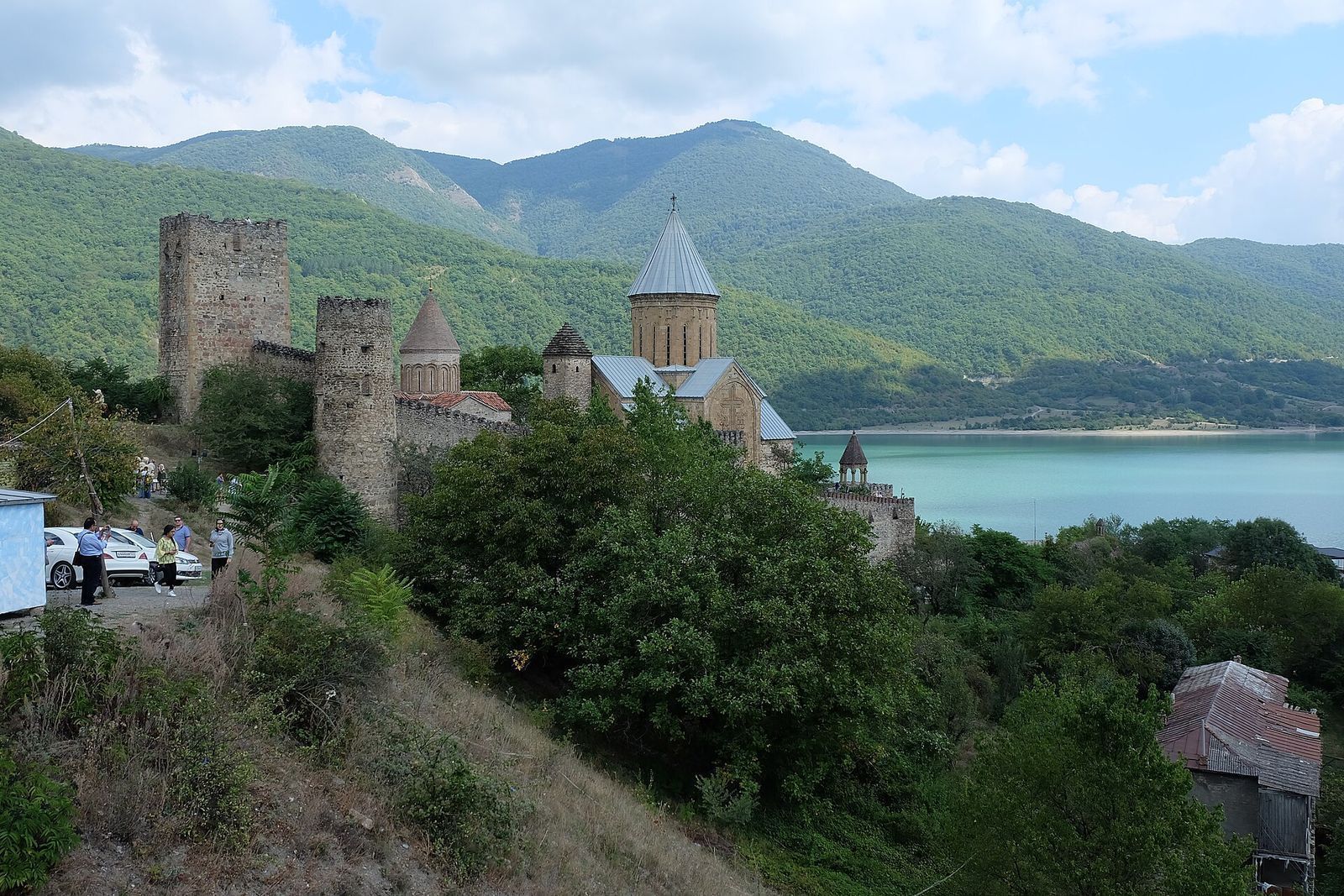
12 Best Day Trips from Tbilisi, With Prices and Timings
Tbilisi is known for its easy day trips. Here are the 12 best, how to reach each one and what a day out costs.
Read the guide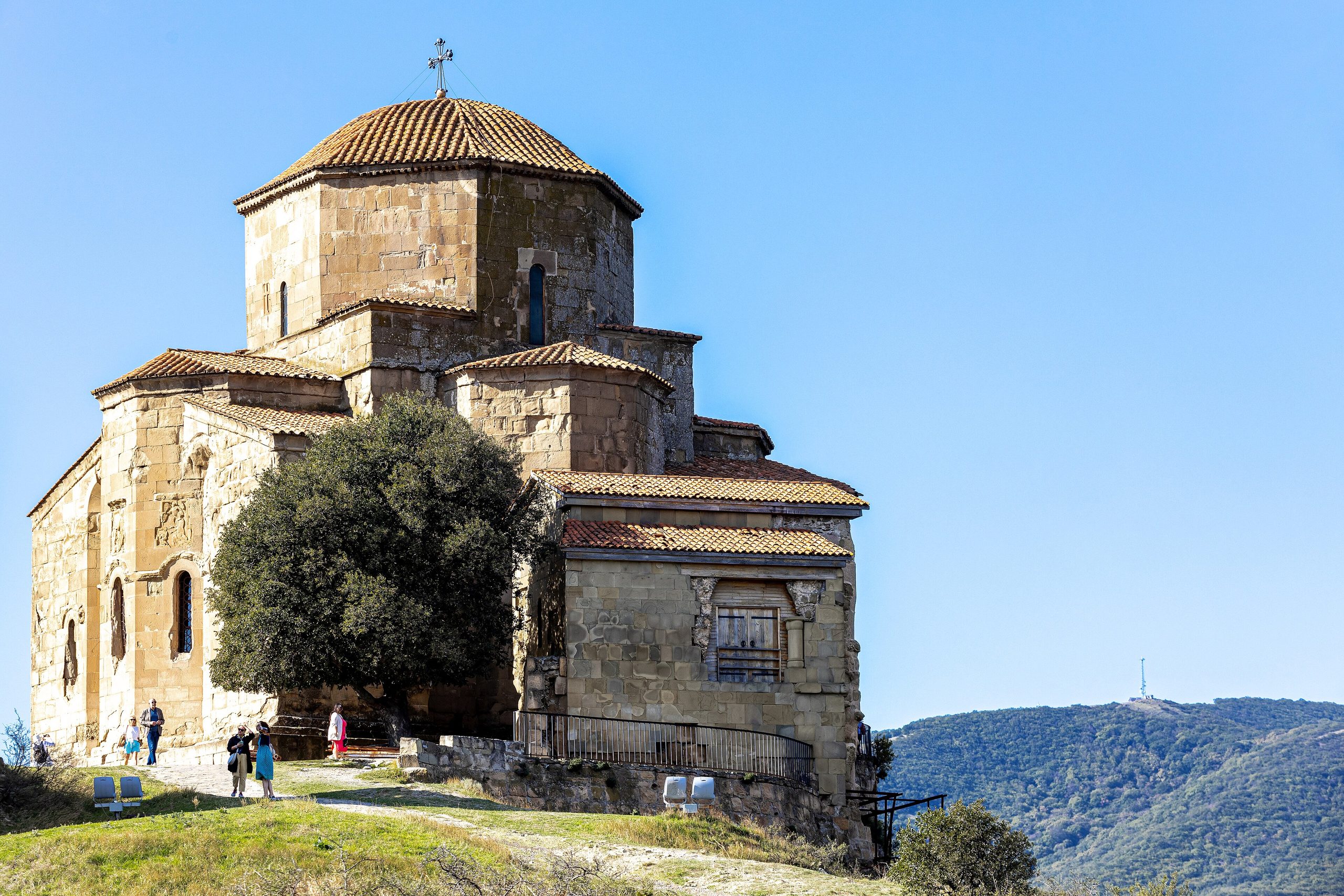
Mtskheta Day Trip from Tbilisi: Jvari, Svetitskhoveli and Getting There
Mtskheta is the easiest day trip from Tbilisi. Here is how to get there, what to see and how to fit it in half a day.
Read the guide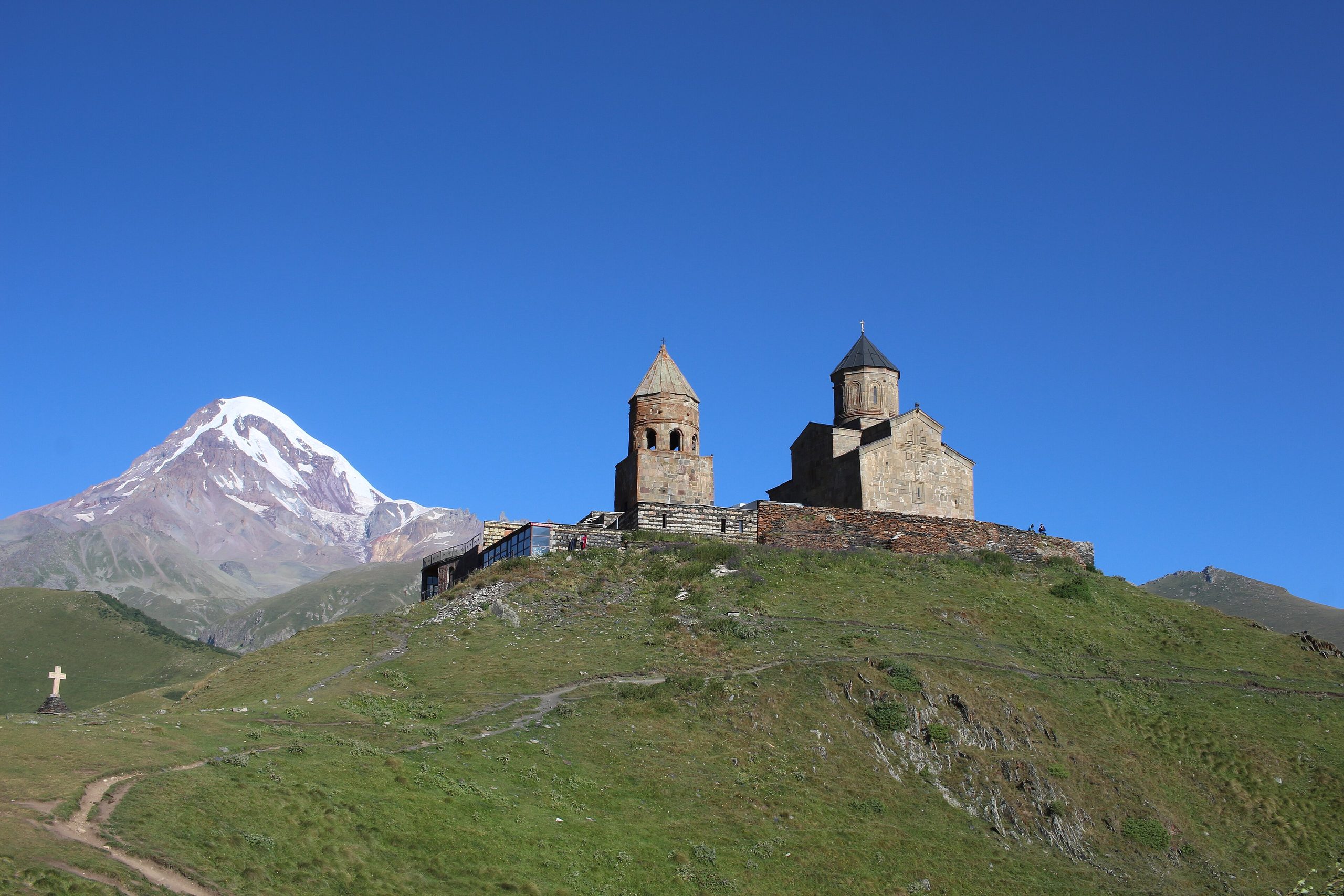
Kazbegi Day Trip from Tbilisi: Gergeti, Ananuri and the Military Highway
Kazbegi is the classic mountain day trip from Tbilisi. Here is the route, the stops, the costs and how to time it.
Read the guide