Georgian Souvenirs Worth Buying in Tbilisi
Georgia is known for its wine, its walnut churchkhela and a craft tradition that runs from blue printed tablecloths to gold enamel. Tbilisi is where most travelers do their gift shopping, so here's what's worth buying, what each souvenir costs in 2026, the shops and markets I'd use for each one, and how to get bottles, spices and honey home in one piece.
The best Georgian souvenirs at a glance
Here's my shortlist with the price you should expect to pay in Tbilisi in 2026. Market prices sit at the low end of each range; old town shops sit at the top or above it.
| Souvenir | Typical price | Where I'd buy it | Best for |
|---|---|---|---|
| Bottle of wine | 10 to 40 GEL | 8000 Vintages, Warehouse | Anyone who drinks |
| Chacha | 15 to 40 GEL bottled | Chacha Corner | Spirits fans |
| Churchkhela | About 3 GEL at the market | Dezerter Bazaar, Badagi | Office gifts, kids |
| Tklapi (fruit leather) | 2 to 4 GEL | Dezerter Bazaar | A cheap extra |
| Spice blends, Svan salt | 2 to 5 GEL a bag | Dezerter Bazaar | Home cooks |
| Tkemali or adjika | 3 to 8 GEL a jar | Dezerter Bazaar | Home cooks |
| Mountain honey | 15 to 30 GEL a kg | Dezerter Bazaar | Family (not Australia or NZ) |
| Lurji supra tablecloth | 18 to 100 GEL | Academy of Arts workshop | The best all-round gift |
| Ceramics | From 15 GEL | Ceramic Room, concept stores | Anyone with a kitchen shelf |
| Mini qvevri clay jug | 10 to 25 GEL | Markets, craft shops | Wine lovers |
| Kantsi drinking horn | 15 to 40 GEL | Dry Bridge Market | A fun party gift |
| Khanjali dagger | From 50 GEL new, 150 GEL antique | Dry Bridge Market | Collectors |
| Soviet vinyl | 5 to 20 GEL | Dry Bridge Market | Music lovers |
| Alphabet poster or magnet | 5 to 15 GEL | Bookshops, concept stores | Small, flat, easy to pack |
Georgian wine and chacha
Wine is the souvenir I'd bring home first. A good bottle of Georgian wine costs from about 15 GEL in Tbilisi, and most of what you'll want sits between 10 and 40 GEL. Saperavi, the dry red, is the safe pick for almost anyone. Kindzmarauli, the semi-sweet red, is the bottle every shop pushes at visitors, and it's the one older relatives tend to love. For the friend who drinks natural or orange wine, look for an amber wine made in qvevri, the clay jars Georgians bury in the ground.
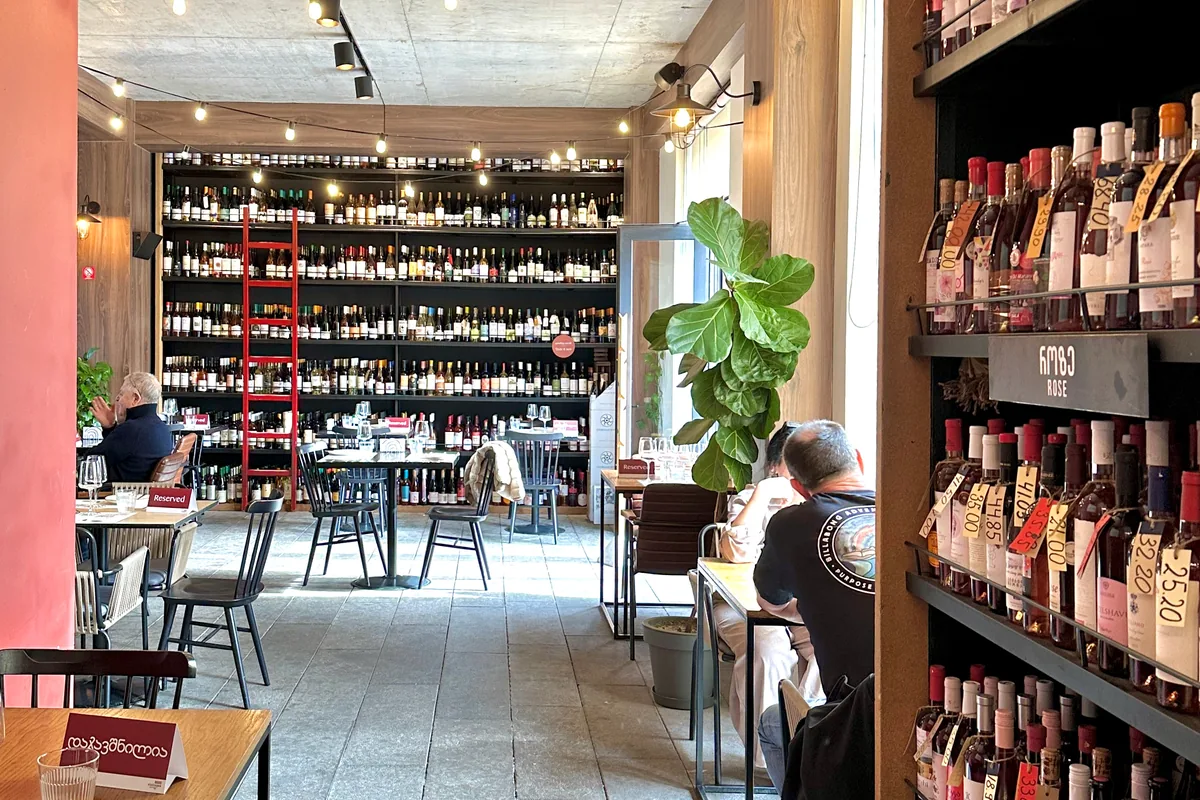
Of the wine shops in Tbilisi, two cover almost everything a visitor needs. 8000 Vintages, on Revaz Tabukashvili Street off Rustaveli Avenue and at other branches around town, has a huge range, a section for small family cellars and regular tastings.
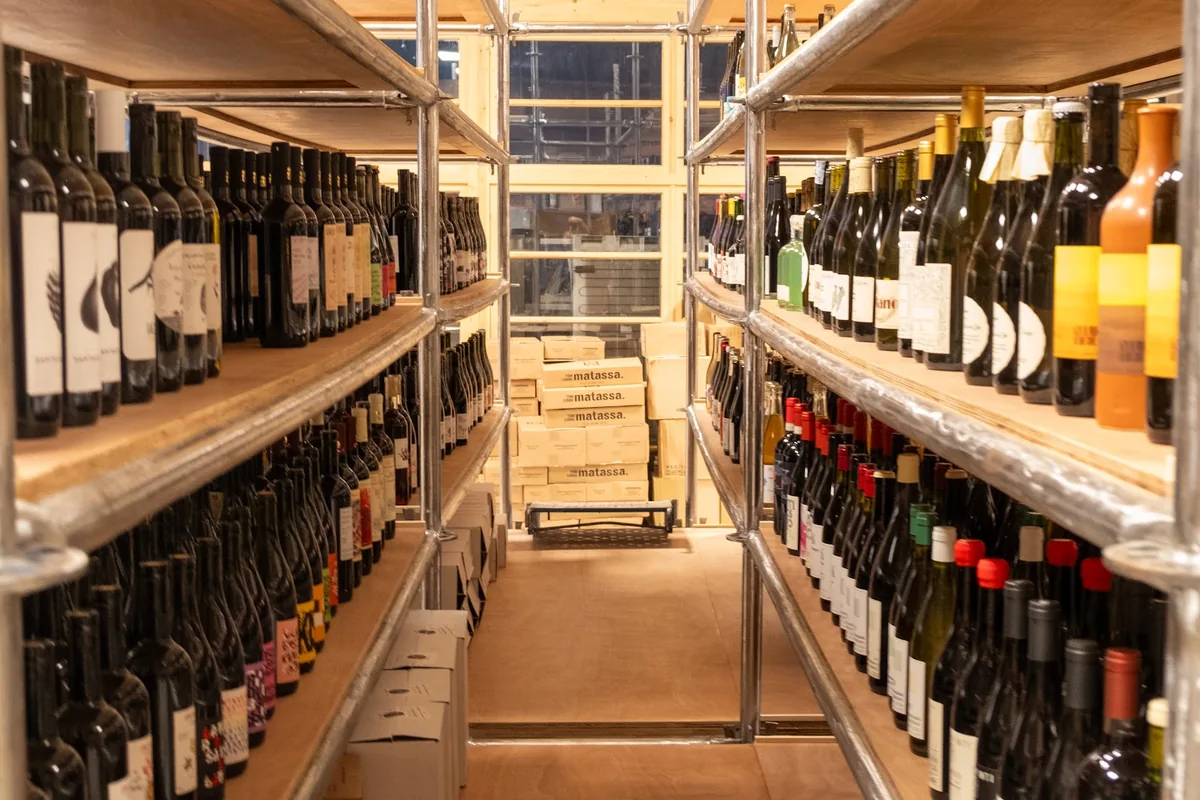
Warehouse, inside the Stamba Hotel at 14 Merab Kostava Street, leans toward natural qvevri wines from small producers and pours by the glass, so you can taste before you commit to carrying a bottle.
If you're heading out on a Kakheti wine tour, save your wine budget for it. Winemakers there sell at the cellar door for as little as a third of the Tbilisi shop price.
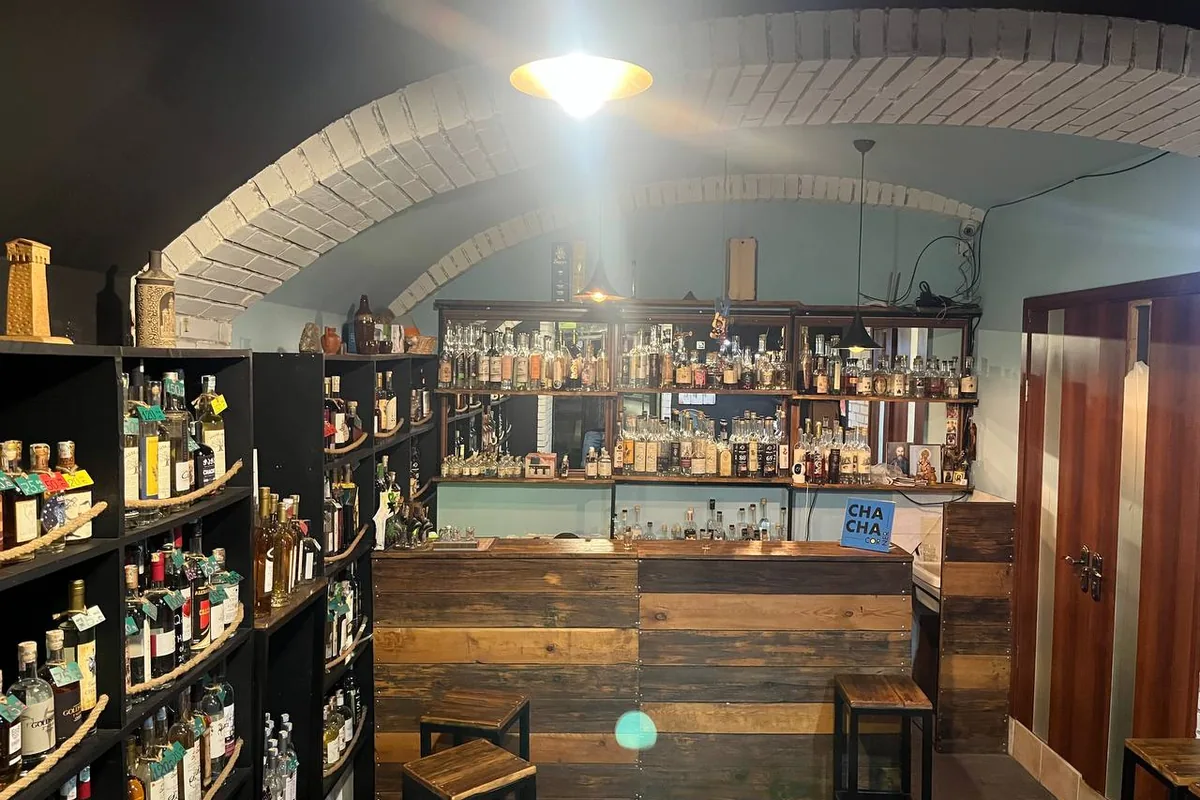
Chacha is Georgia's grape brandy, distilled from what's left after winemaking, and it's strong. Bottled chacha runs 15 to 40 GEL; the homemade stuff in markets is 10 to 15 GEL a liter, but I'd only buy that for myself, never as a gift in a reused plastic bottle. Chacha Corner in Sololaki, at 11 Giga Lortkipanidze Street, stocks over 200 kinds from small and large producers and runs tastings. Ask for a Kakhetian chacha, which is the smoothest style for a first bottle.
Churchkhela and other Georgian sweets
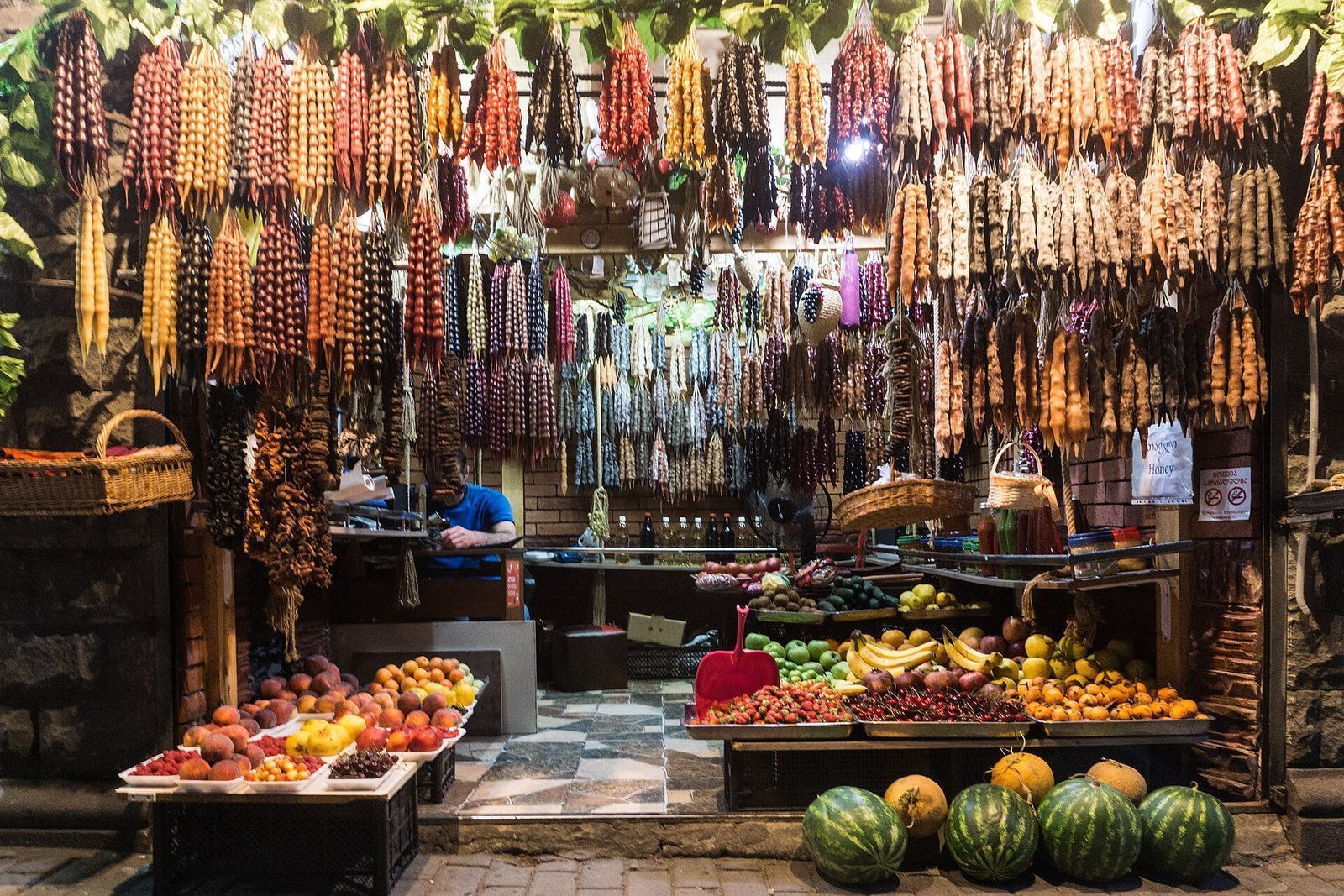
Churchkhela is the snack you'll see hanging in every market in strings of red, purple and gold. It's a string of walnuts or hazelnuts dipped again and again in thickened grape juice, then dried, and it's the cheapest good gift in the country. At the market it costs about 3 GEL; on Leselidze Street in the old town the same piece goes for 5 to 7 GEL.
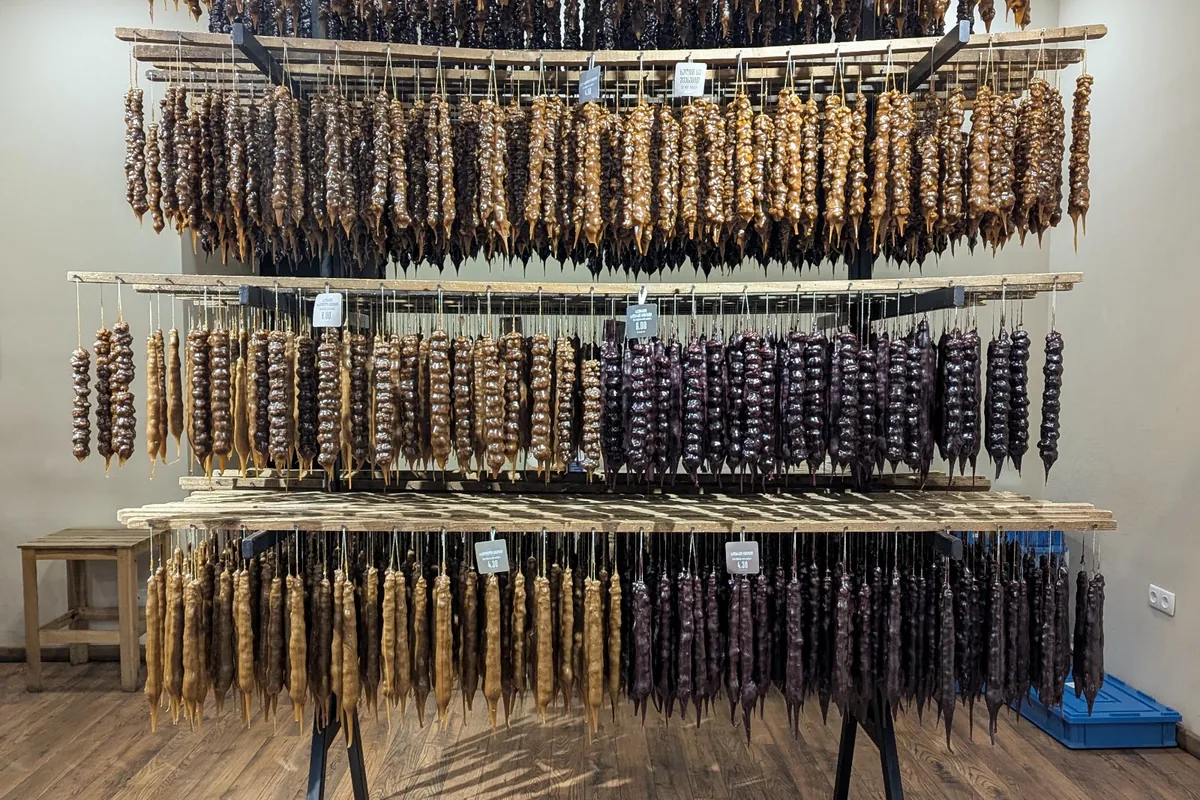
For gift boxes I go to Badagi, at 4 Roman Miminoshvili Street just off Rustaveli Avenue. It has the biggest range in town, walnut, extra-nutty and hazelnut, all with no added sugar, plus gift bags that make a 3 GEL sweet look like a proper present.
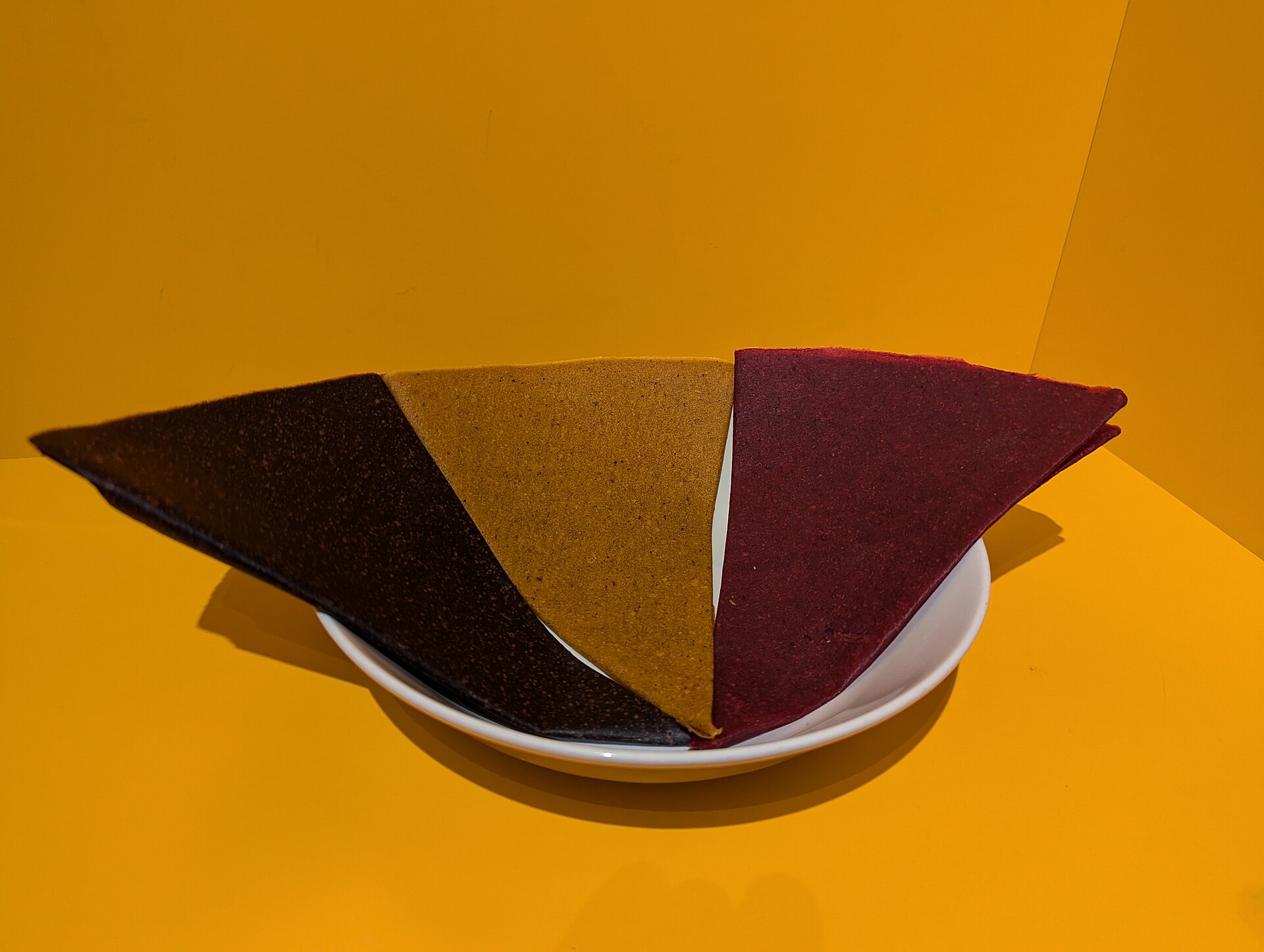
Tklapi is Georgian fruit leather, thin sheets of dried plum or other fruit puree, and costs 2 to 4 GEL.
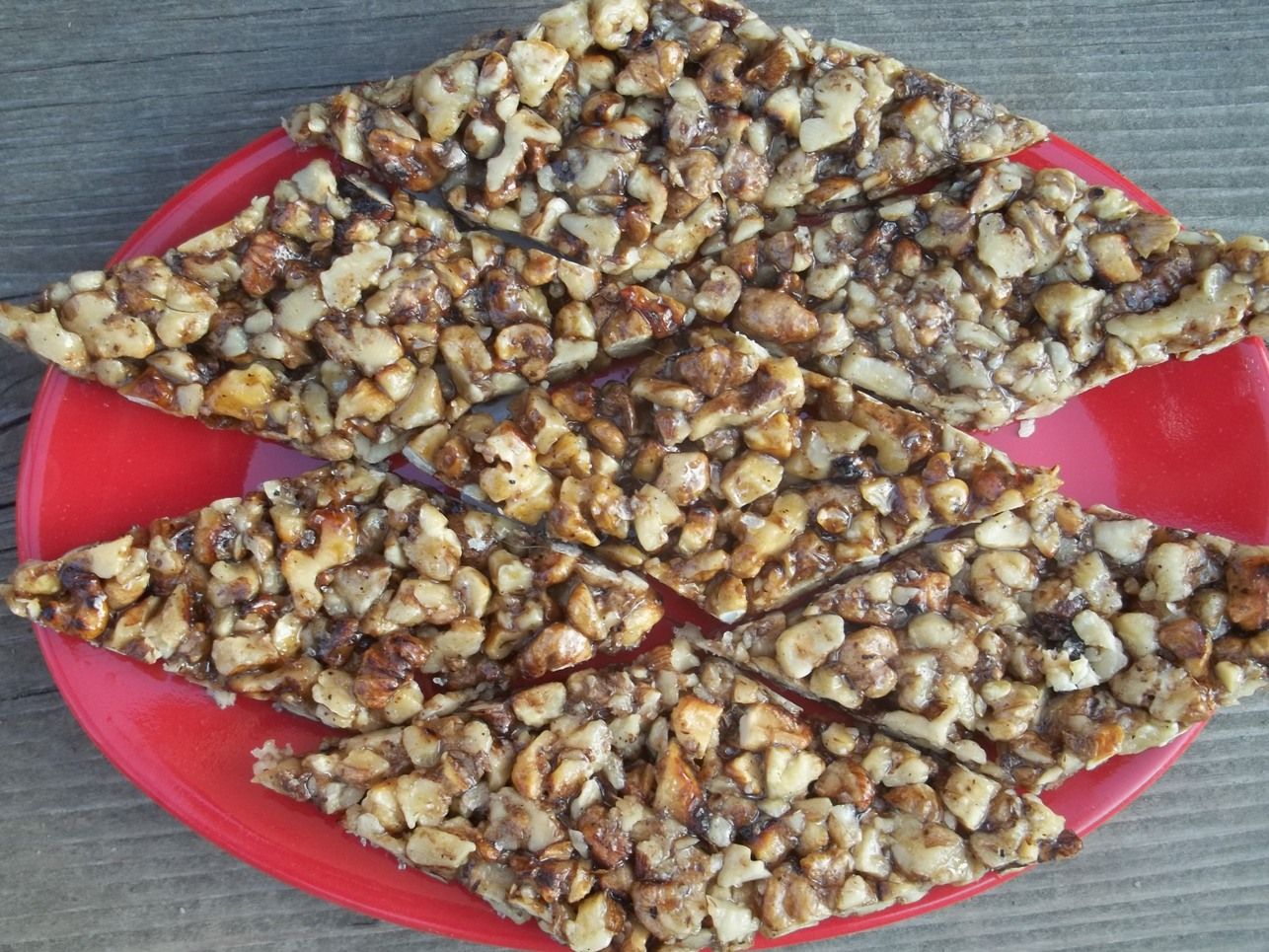
Gozinaki, a brittle of walnuts set in honey, is the other sweet I'd add to the bag; you'll find it in the food concept shops and supermarkets.
Georgian spices, sauces and Svan salt
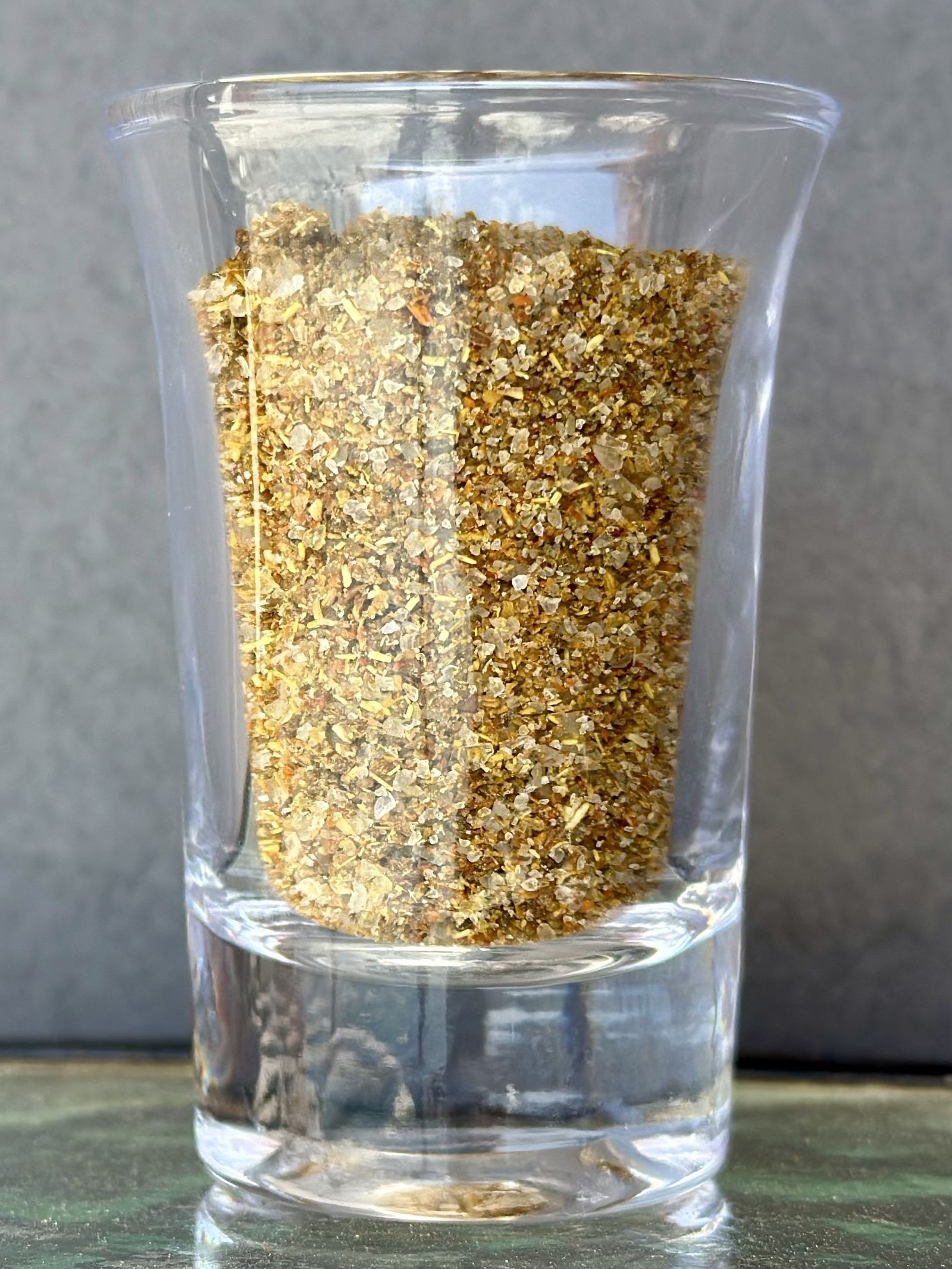
Georgian spice blends are light, cheap and the gift home cooks get most excited about. Khmeli suneli, the everyday herb and spice mix behind half of Georgian cooking, costs 2 to 3 GEL a bag. Utskho suneli is blue fenugreek, the nutty spice that gives Georgian stews their flavor. Svan salt, from the mountains of Svaneti, mixes salt with garlic, coriander, utskho suneli and pepper, and costs 3 to 5 GEL. I put it on eggs, tomatoes and grilled meat for months after every trip.
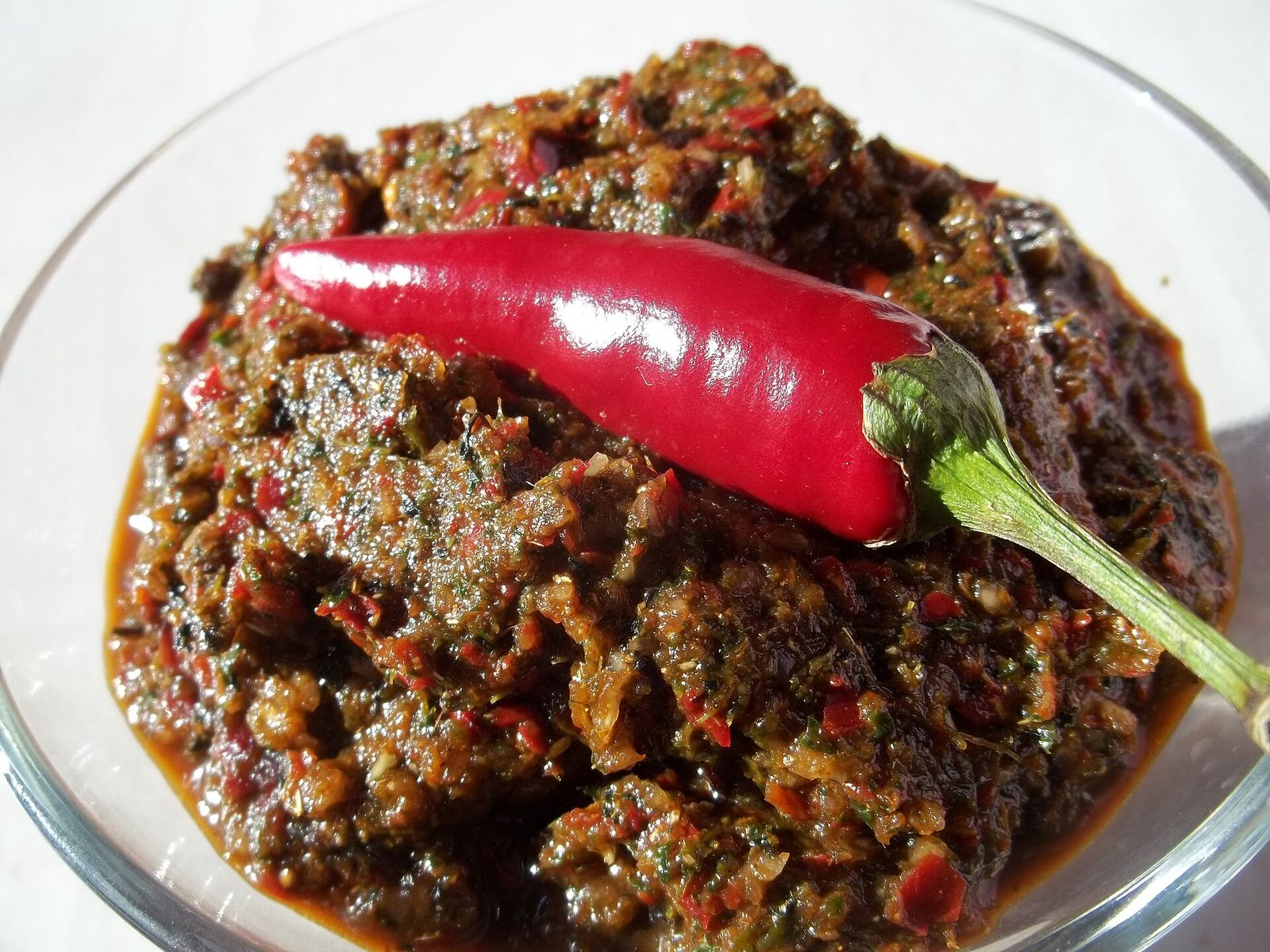
For sauces, adjika is a hot red pepper paste at 3 to 5 GEL a jar.
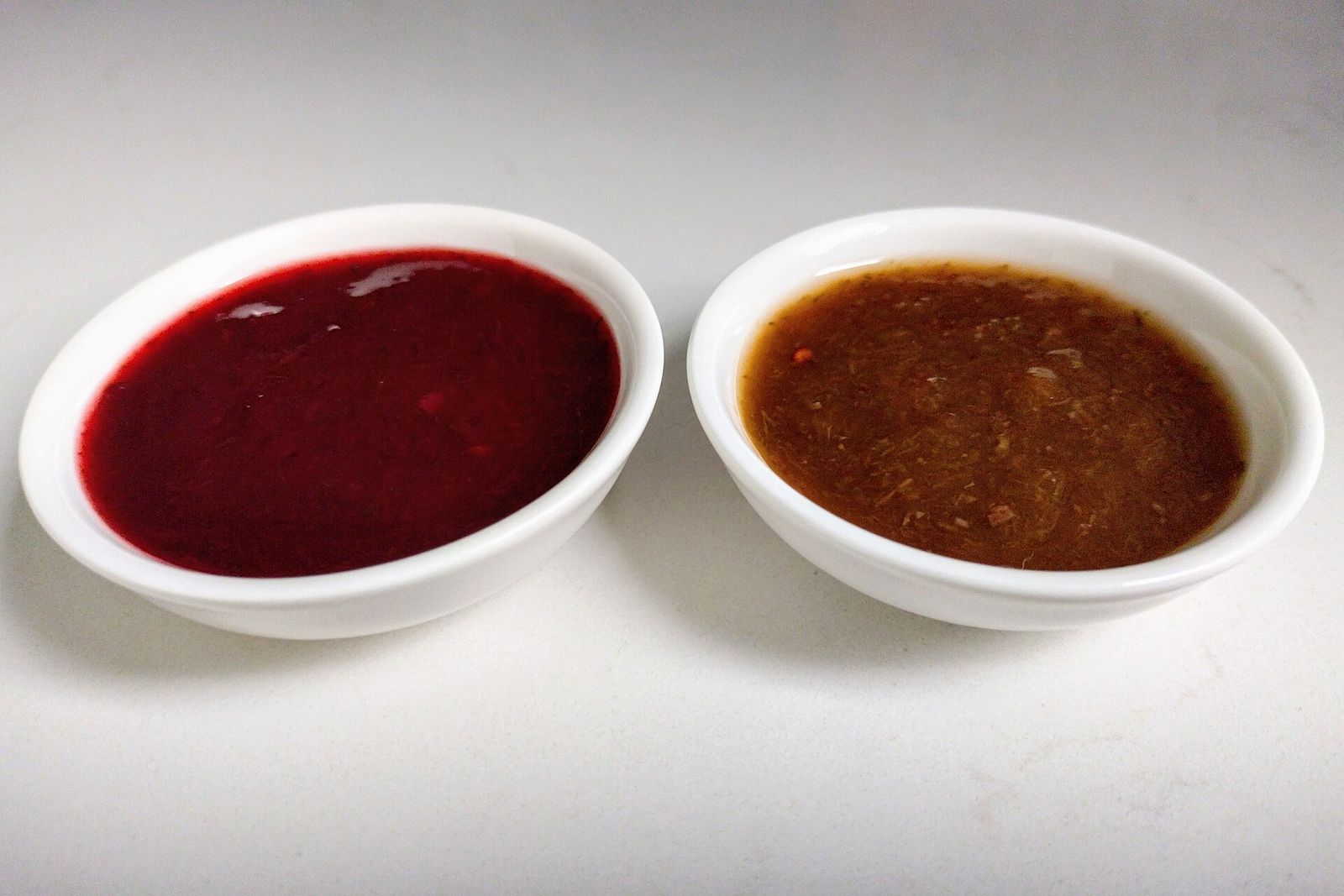
Tkemali is the sour plum sauce Georgians put on everything grilled, at 5 to 8 GEL. Both come in glass jars, so they're checked-luggage gifts only.

The cheapest place for all of it is Dezerter Bazaar, the big food market by Station Square, where the spice stalls also sell wooden khinkali-making sets for under 10 GEL. If smell worries you, Waime packs its spices to travel without scenting your suitcase. Otherwise, move anything loose into zip-lock bags, since paper packets tear and Svan salt can make a whole case smell of garlic.
Georgian tea and honey
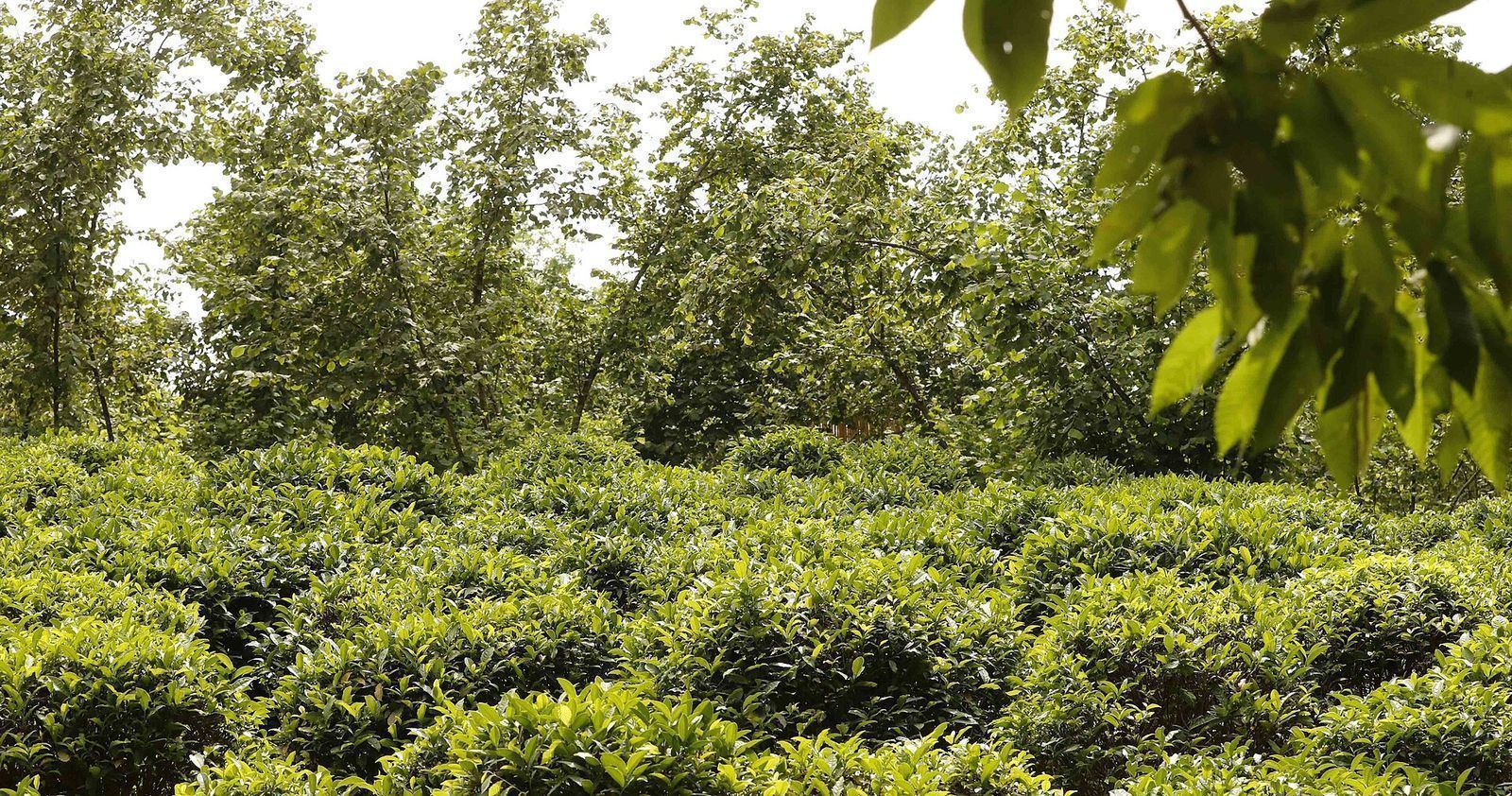
Georgia grows its own tea in the west of the country, in Guria, Adjara and Samegrelo, and a packet makes a light, cheap gift.
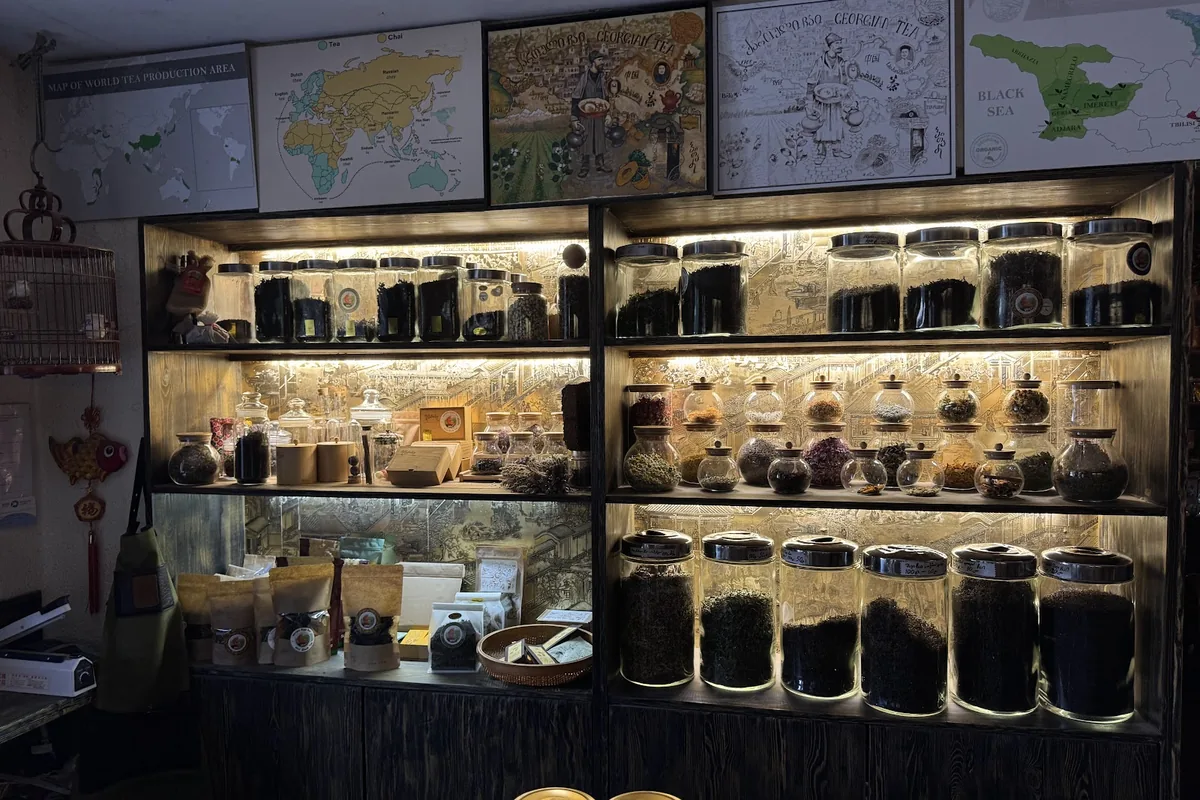
Bitadze Tea Shop and Museum, at 15 Galaktion Tabidze Street in Sololaki, sells loose-leaf Georgian tea in retro packaging that looks like a gift before you've done anything to it. Kona is the other name to look for, with loose-leaf teas and herbal blends sold in neat boxes.
Honey is the gift I buy for family. Look for mountain honey from Tusheti or Svaneti, which costs 15 to 30 GEL a kilo at the market, where sellers let you taste before you buy. Seal the lid, wrap the jar in cling film and keep it in checked luggage.
Lurji supra: the blue tablecloth
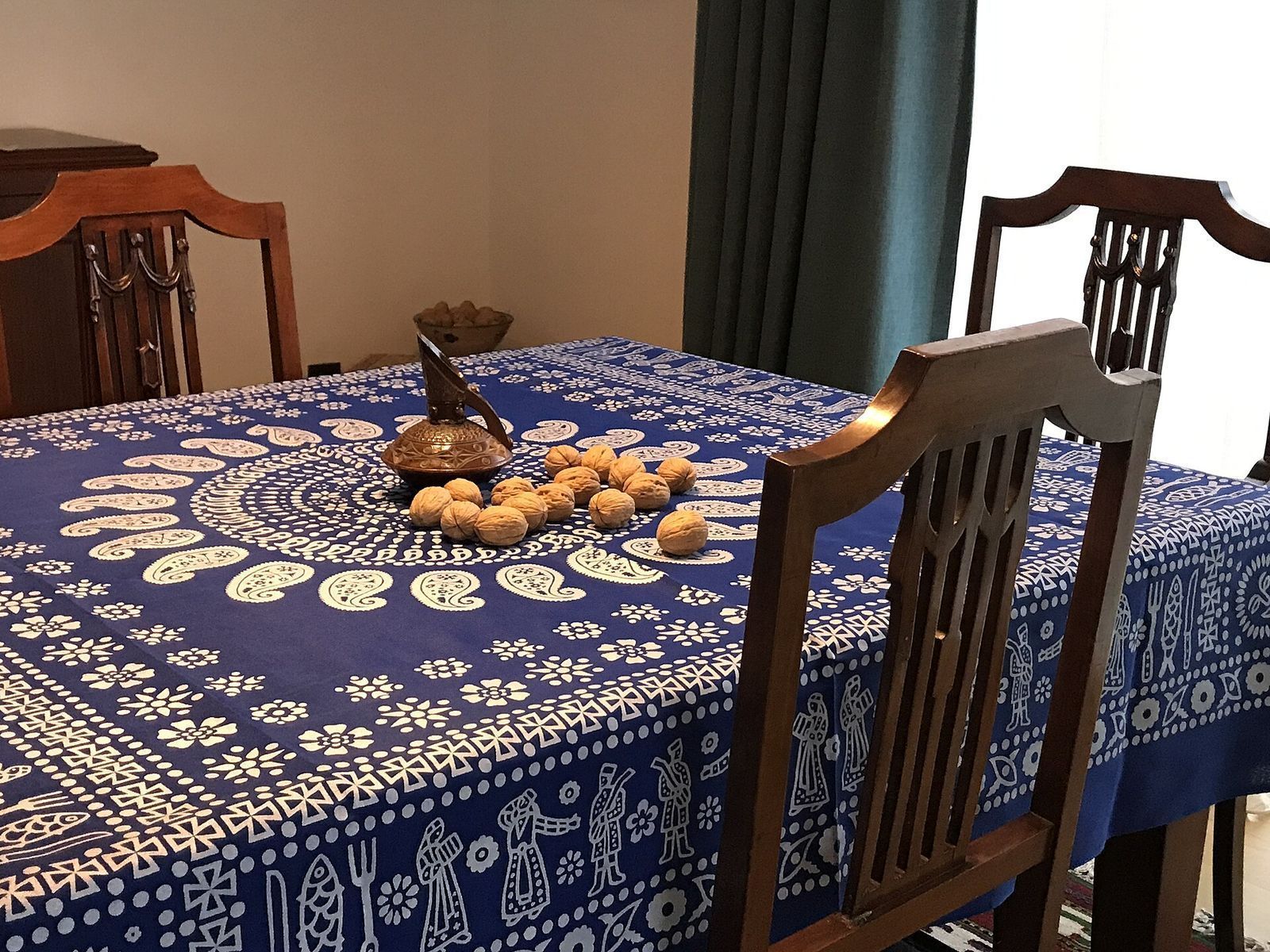
If I could bring home only one Georgian craft, it would be a lurji supra. The name means "blue tablecloth": white patterns printed onto deep blue cotton or linen, the cloth that used to cover the table at a Georgian feast. The craft nearly died out and is now made again by hand.
The place to buy one is the Lurji Supra workshop at the Tbilisi State Academy of Arts, where the cloths are hand block printed and screen printed on site. Prices run from 18 GEL for small pieces to 100 GEL for a full tablecloth, cards are accepted, and if the staff are free they'll show you how the printing works. You'll also find lurji supra in Gallery 27, OVOP and the Stamba bookstore, but the workshop has the best range at the source price.
Minankari enamel jewelry
Minankari is Georgian cloisonné enamel: thin metal walls soldered onto a base and filled with colored glass, then fired. It's one of the oldest Georgian crafts, and a pair of earrings or a pendant is the gift I'd pick for someone who doesn't need another tablecloth.
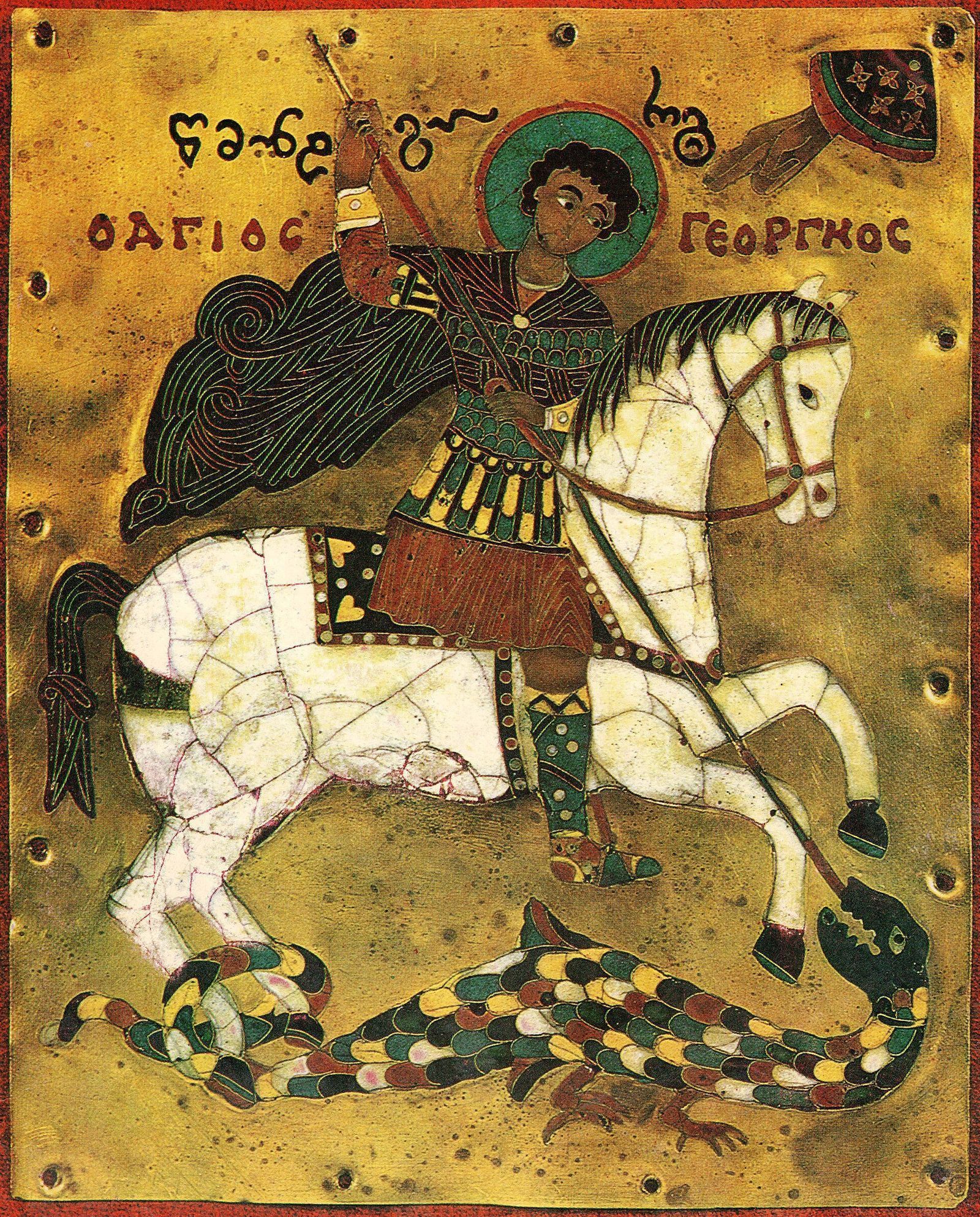
Price depends almost entirely on the metal. Silver pieces are the affordable end; gold is a splurge. Istoriali, at 7 Niko Nikoladze Street near Rustaveli metro, makes fine gold and enamel jewelry with ancient Colchian motifs, and it's where I'd go for a serious present. For something lighter on the wallet, Ethnodesign and OVOP both stock Ikorta, an enamel workshop whose pieces cost far less, and Gallery 27 carries enamel from smaller makers.
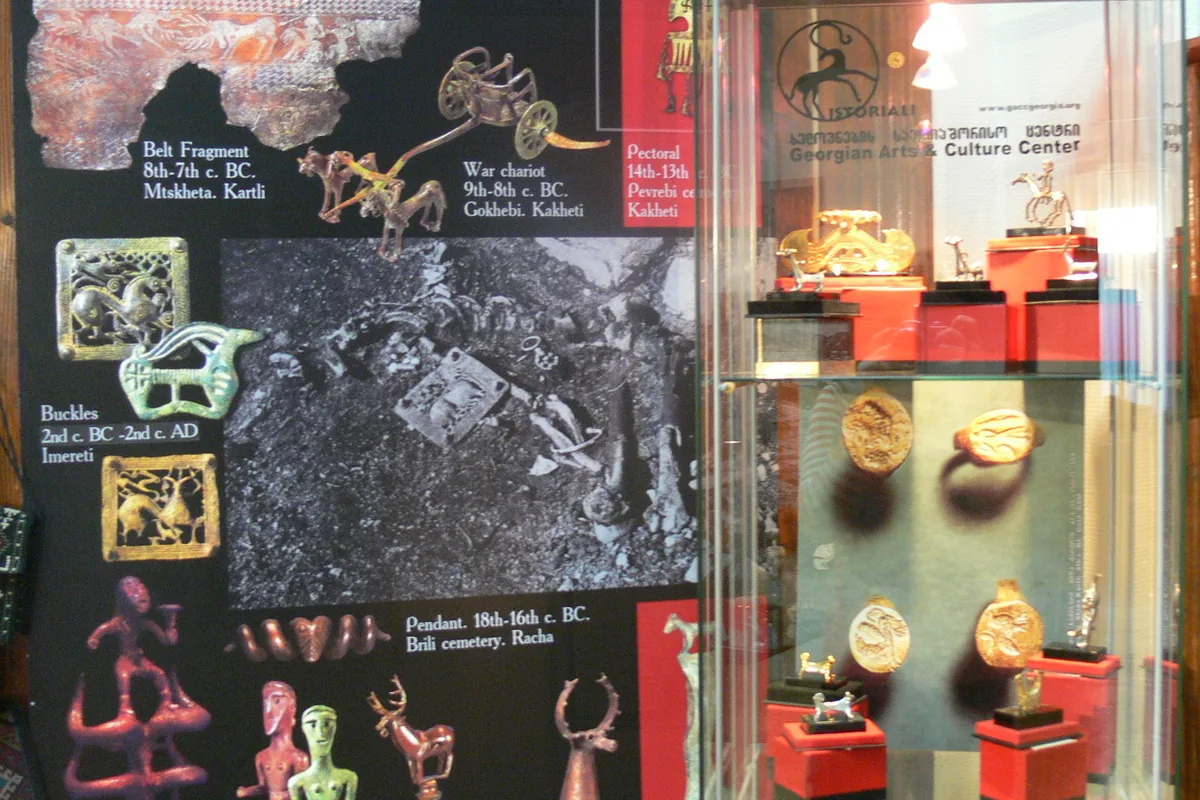
Skip the enamel on the old town street stalls. Real minankari has crisp metal lines between the colors; the cheap stuff is printed or painted, and it shows when you look closely.
Ceramics, felt and wool
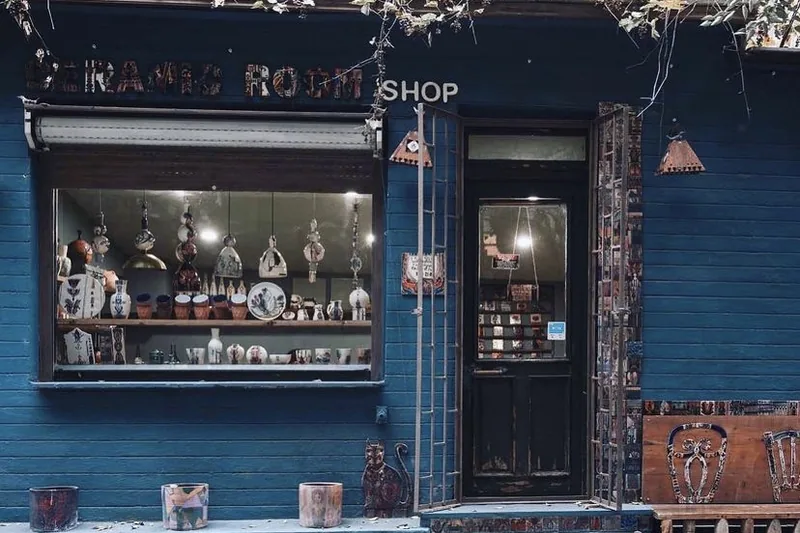
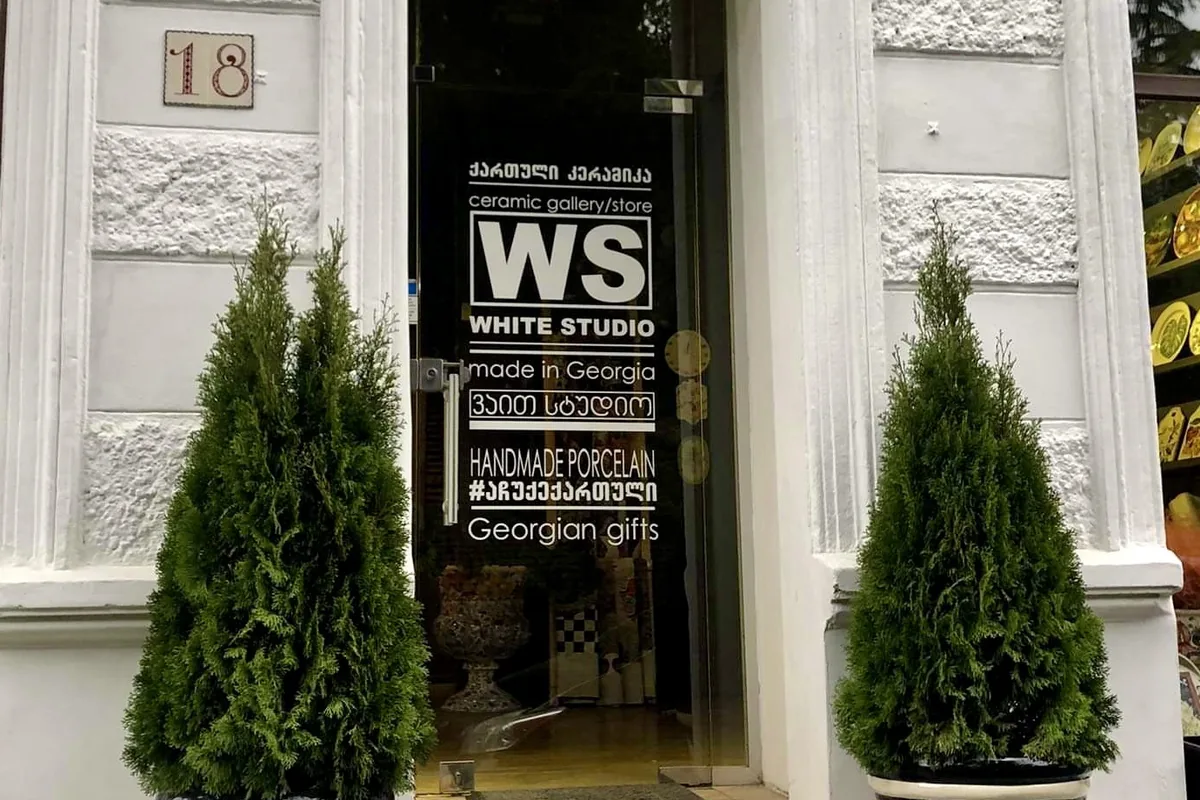
Georgian ceramics start from about 15 GEL for a small hand-painted piece. Ceramic Room, at 30 Vasil Barnovi Street in Vera, makes mugs, tableware, hand-painted tiles and house numbers with Georgian motifs, and it's my favorite stop for a gift that will actually get used. White Studio Home, also in Vera, does bigger hand-painted tableware and vases, but some of it is too large to carry home. A mini qvevri clay jug, 10 to 25 GEL in markets and craft shops, is the ceramic gift for wine lovers.
Felt is the other craft I'd look for. Tusheti, in the far northeast, is known for its sheep, and its felted hats, slippers and pouches turn up in Ethnodesign and ESKI. Wool socks and chita slippers make easy, packable gifts, and Babale sells cheerful socks and home textiles designed by teens with Down syndrome.
Drinking horns, daggers and carpets
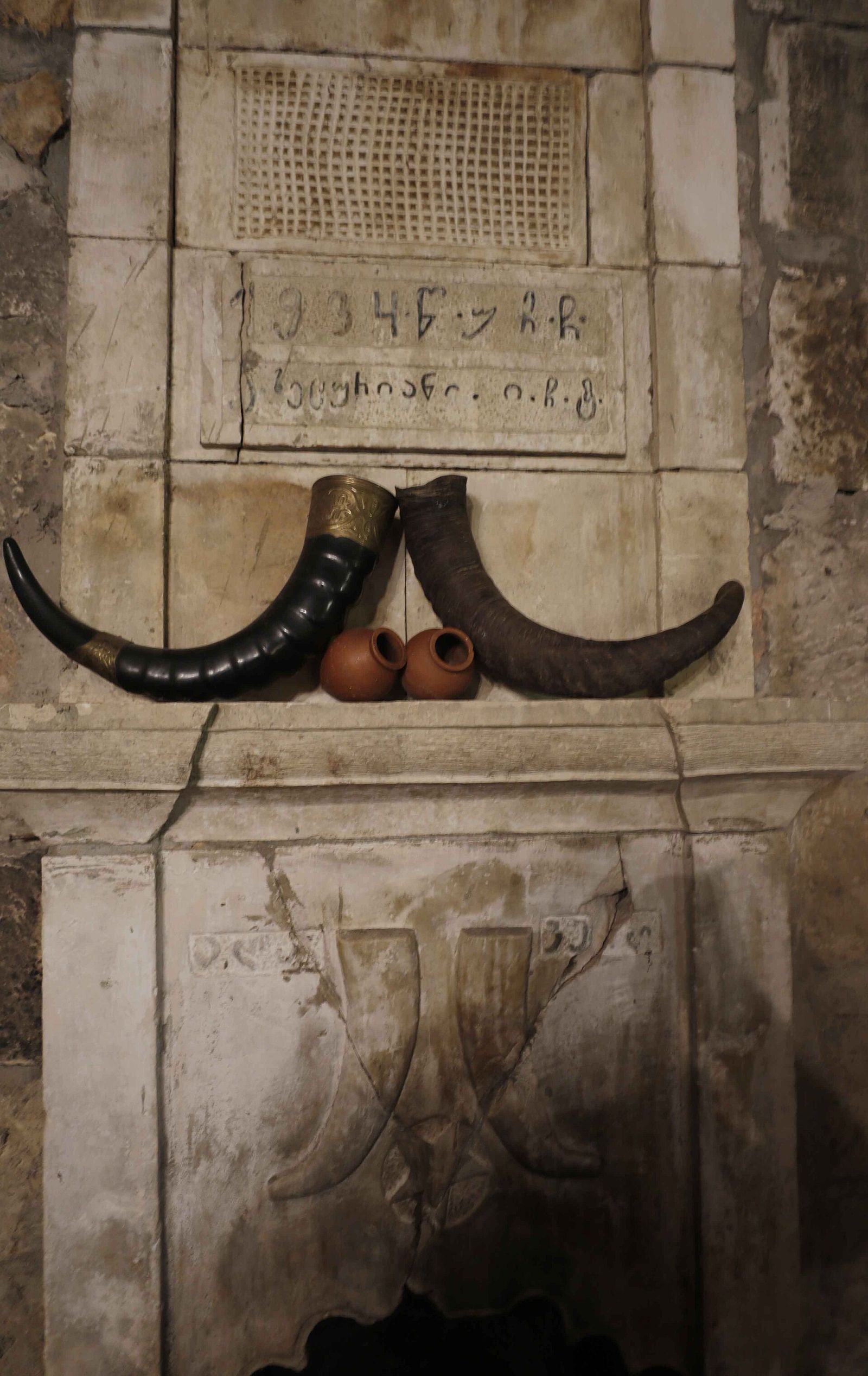
A kantsi is the Georgian drinking horn, often trimmed with silver, and it's the gift that gets passed around at the next party. Expect 15 to 40 GEL for a decent one. The catch is that a horn can't be put down until it's empty, which is rather the point at a Georgian table.
A khanjali, the traditional dagger, costs from about 50 GEL new and around 150 GEL for an antique at Dry Bridge Market. It goes in checked luggage only, with no exceptions.
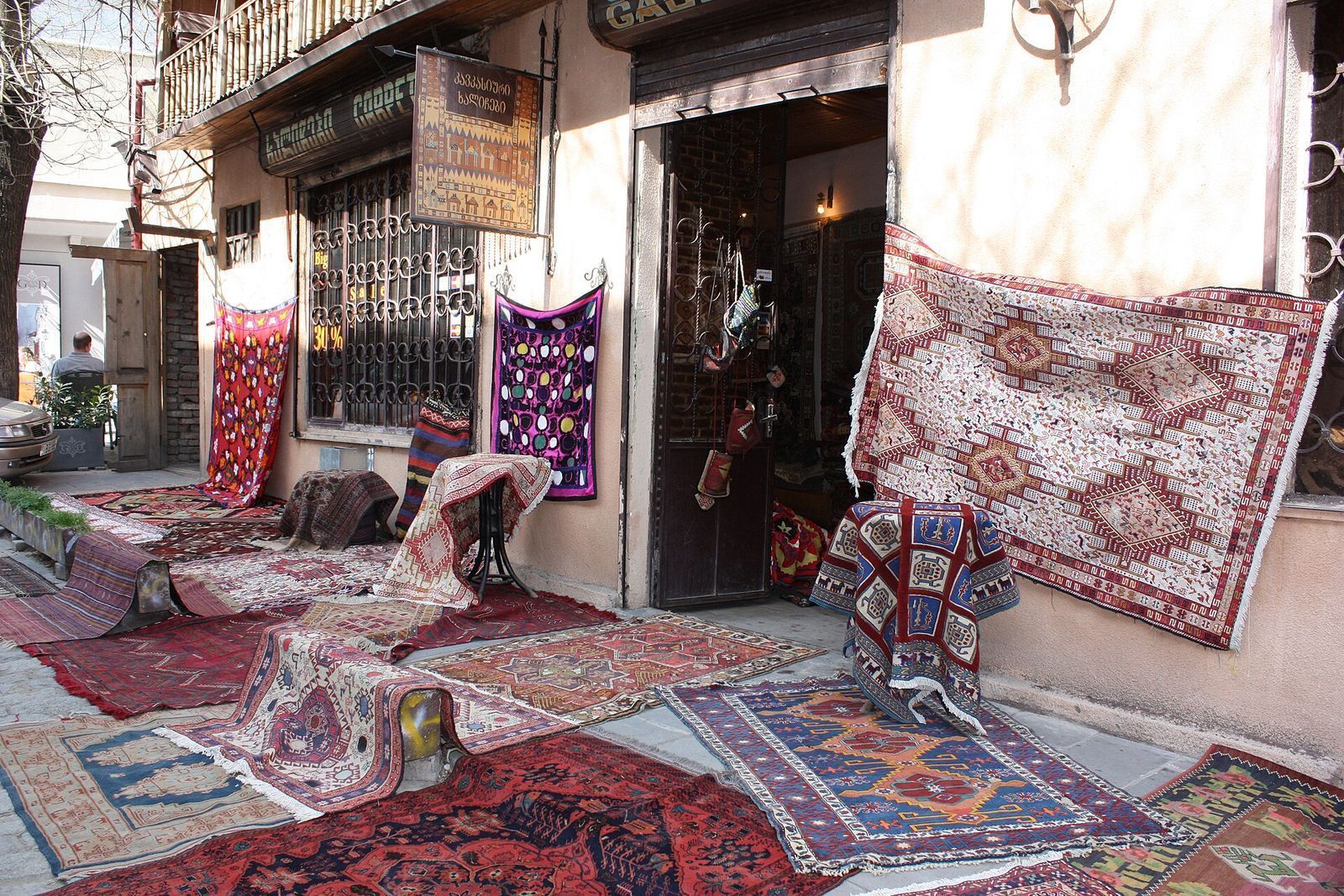
For carpets and kilims, use a real dealer. Caucasian Carpets Gallery, at 8 Erekle II Street in the old town, sells authentic Kakhetian kilims and export-quality rugs, ships worldwide and helps with the paperwork an antique carpet needs to leave the country. Cheaper carpets at the markets vary wildly in quality and origin.
Soviet posters, vinyl and flea market finds
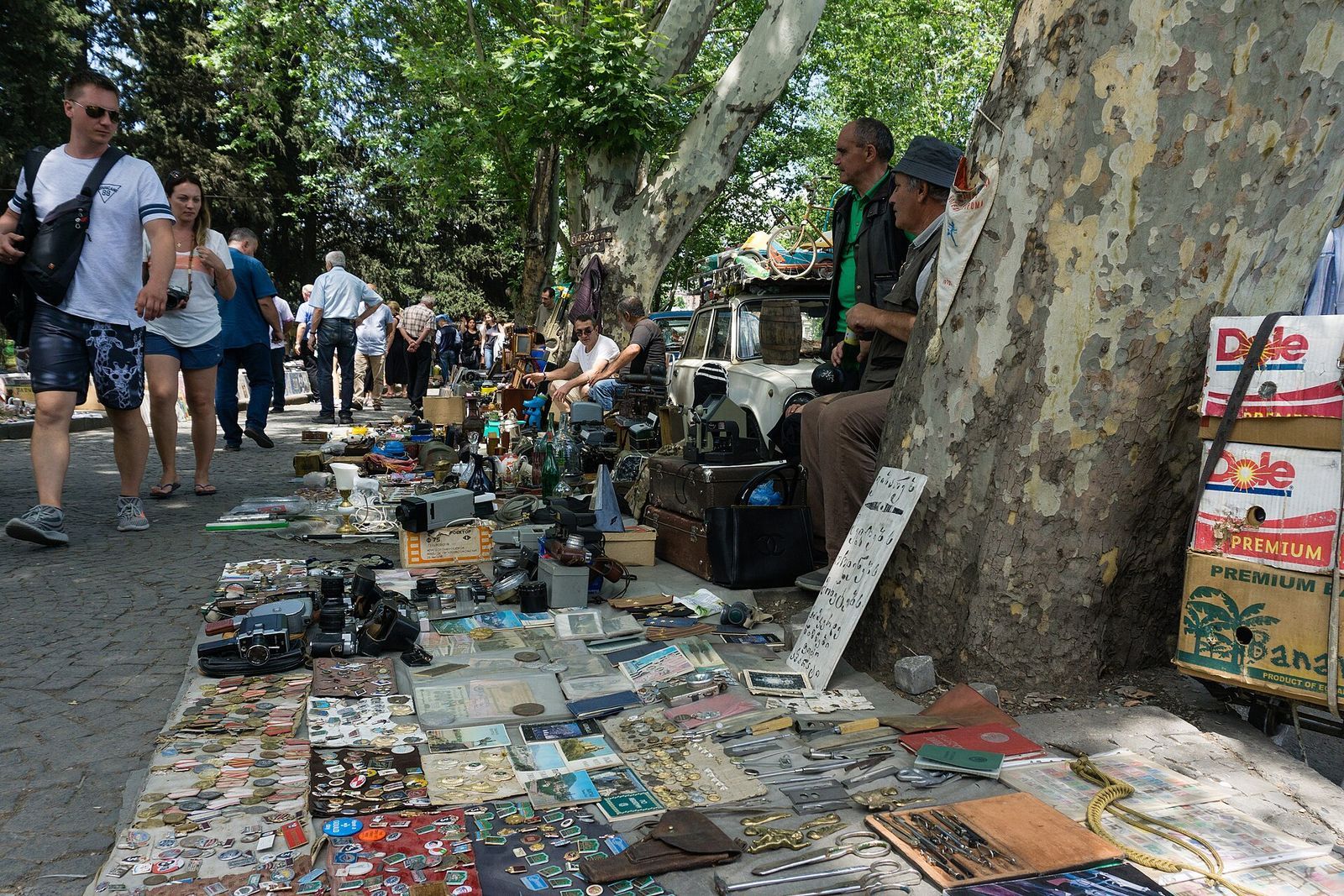
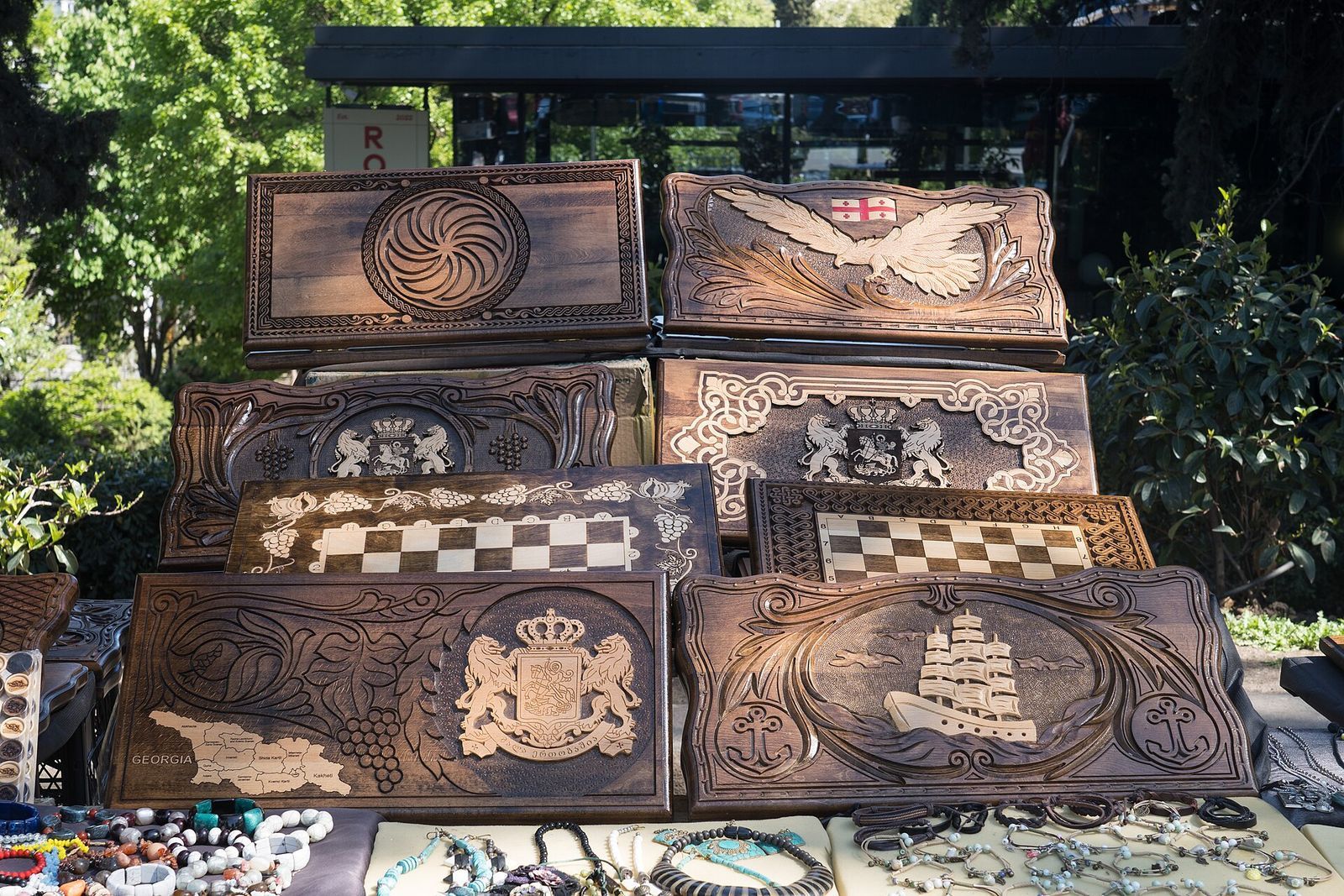
For anything vintage, start at Dry Bridge Market, the open-air flea market by Dedaena Park. It runs daily from mid-morning, is busiest at weekends and winds down around 17:00. You'll find Soviet badges and medals, old cameras, kilims, silver, paintings near the bridge, and the carved wooden backgammon and chess boards stamped with the Georgian coat of arms. Soviet vinyl costs 5 to 20 GEL. Prices here start high, so haggle.
Barakholka, the flea market in Samgori, is cheaper with fewer tourists, and of the two flea markets in Tbilisi it's the one for cast iron pans, ceramic jugs and wooden chests. Go on a weekend morning and allow an hour.

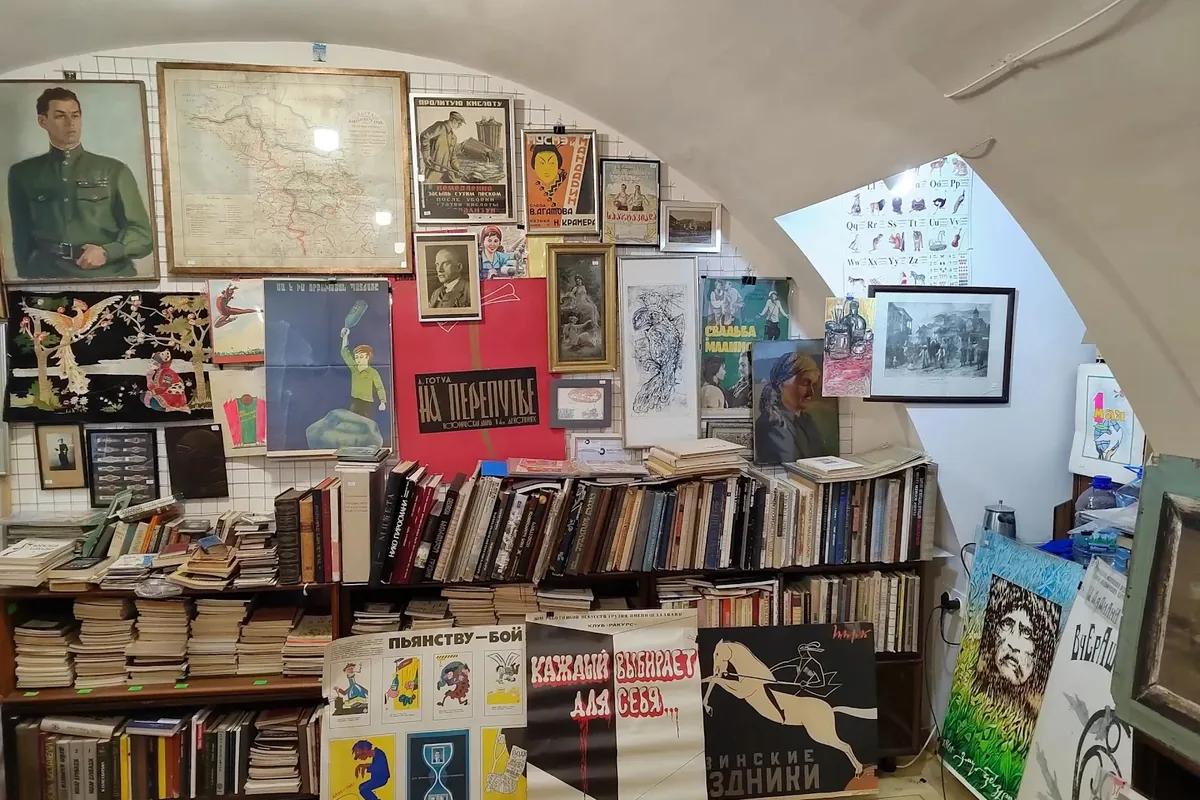
For posters, the shop at the National Archives of Georgia, at 1 Vazha-Pshavela Avenue in Saburtalo, sells reproductions of Soviet Georgian film and propaganda posters; enter by the eastern door and go upstairs. Old Book Story, at 30/6 Ivane Javakhishvili Street in Chughureti, has original vintage film posters, postcards and old Georgian and Russian books. Its prices are higher, but fair for originals.
Where to buy souvenirs in Tbilisi
My rule is simple: food from the market, crafts from concept stores that buy from named makers, vintage from the flea markets. These are the shops I'd use.
| Shop | Area | What to buy there |
|---|---|---|
| Gallery 27 | Sololaki, 52 Lado Asatiani St | Batik scarves, lurji supra, ceramics, enamel |
| ESKI | Near Orbeliani Square, 7 Nato Vachnadze St | Goods from about 25 social enterprises: wool hats, socks, toys |
| Ethnodesign | Near Rustaveli metro | Tushetian felt, ceramics, Ikorta enamel |
| OVOP | Vera, 15 Akaki Shanidze St | Lurji supra, ceramics, slippers, honey, spices |
| Babale | Old Tbilisi, 21 Alexandre Dumas St | Textiles, socks, ornaments |
| Badagi | Off Rustaveli, 4 Roman Miminoshvili St | Churchkhela, tklapi, gift boxes |
| Bitadze Tea Shop | Sololaki, 15 Galaktion Tabidze St | Georgian loose-leaf tea |
| Chacha Corner | Sololaki, 11 Giga Lortkipanidze St | Over 200 chachas, tastings |
| 8000 Vintages | Off Rustaveli, plus branches | Wine from big and small cellars |
| Dezerter Bazaar | Near Station Square | Spices, churchkhela, honey, khinkali sets |
| Dry Bridge Market | By Dedaena Park | Soviet vintage, horns, daggers, art |
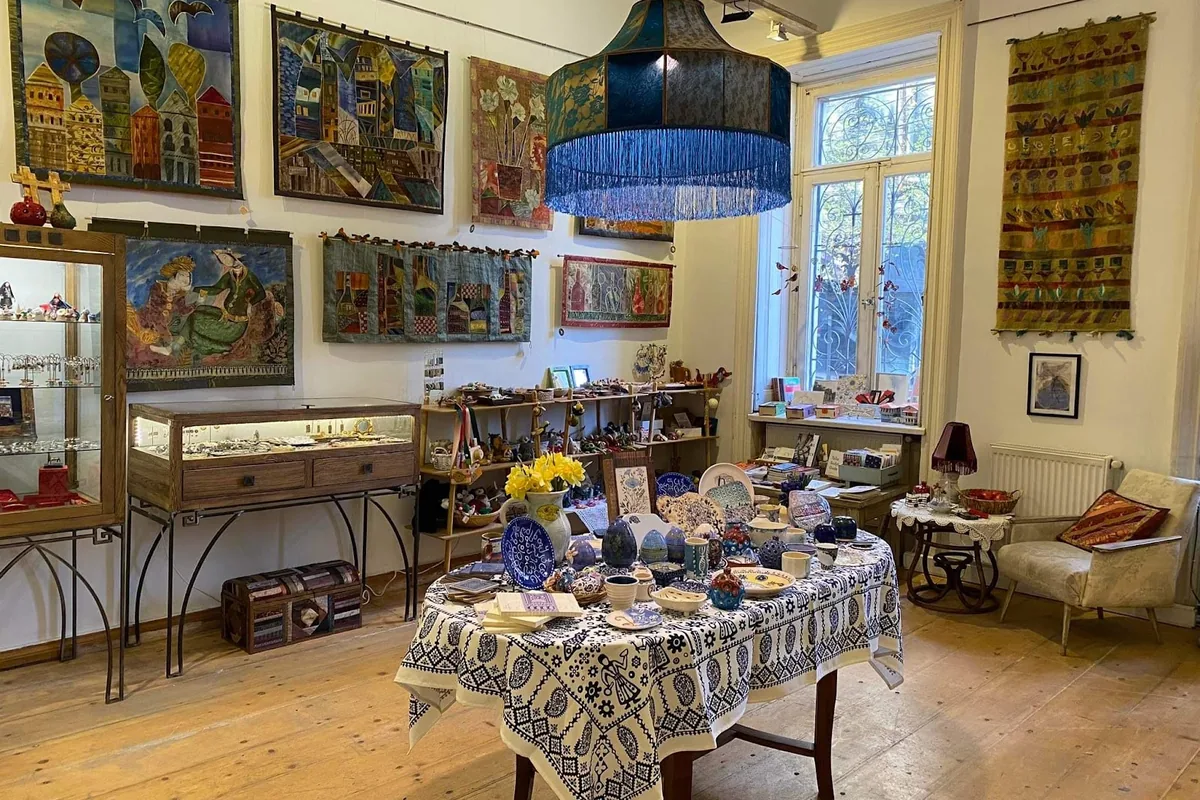
Three of my favorite stops sit within a few streets of each other in Sololaki: Gallery 27, Bitadze and Chacha Corner, so one afternoon covers crafts, tea and spirits. Gallery 27 is the shop I'd send a first-timer to, with work from dozens of local makers and nothing that looks factory made. ESKI and Babale are social enterprises, and OVOP gathers products from small villages across Georgia under one roof.
Souvenirs to skip
Some things look like good buys and aren't. These are the ones I'd walk past:
- Shardeni Street and Meidan Bazaar stalls. The horns, magnets and churchkhela are the same as everywhere else, marked up by 50 to 100%. Most souvenir shops on the main tourist streets of Old Tbilisi are fine for browsing, not for buying.
- Leselidze Street churchkhela. It's about 30% dearer than at Dezerter Bazaar, and often older.
- Roadside "homemade" wine. It's often watered down or fake. Buy bottled wine from a shop or straight from a winery.
- Cheese for a long trip home. Smoked sulguni keeps 2 to 3 days at room temperature, so it's a gamble on any trip with a layover of 6 hours or more, and the EU bans most dairy and meat brought in from outside the bloc.
- Antiques with no paperwork. Anything over 100 years old needs an export permit from Georgia's Ministry of Culture. Ask the seller for a certificate on anything that's genuinely old.
Haggling and paying for souvenirs
At the flea markets and street stalls, the first price is the tourist price. Offering 20 to 40% less is normal, friendly haggling is expected, and the seller will tell you if you've gone too low. Bundling helps: 3 churchkhela and a bag of spices from one stall gets a better price than buying each separately.
In shops and concept stores, prices are fixed and nobody haggles. Most of them take cards, the Academy of Arts workshop included, while market stalls want cash in lari. Carry small notes for the markets; money in Georgia is easy to get from bank ATMs, but stallholders rarely have change for a big note.
Gift ideas by budget
- Under 10 GEL: churchkhela, tklapi, a bag of khmeli suneli or Svan salt, an alphabet magnet, a wooden khinkali-making set, Soviet vinyl from 5 GEL.
- 10 to 50 GEL: a bottle of Saperavi or chacha, a kantsi drinking horn, a small ceramic, a lurji supra napkin or runner, a kilo of mountain honey, a mini qvevri jug, a Georgian recipe book (15 to 30 GEL).
- 50 GEL and up: a full lurji supra tablecloth, a khanjali dagger, minankari jewelry, a kilim, designer clothing from a Tbilisi label.
Getting souvenirs home
Georgia has no export limit on wine or food for personal use. The limit that matters is the one at your destination.
| What you're bringing | The rule |
|---|---|
| Wine into the EU | 4 L per adult, duty free |
| Spirits (chacha) into the EU | 1 L per adult |
| Wine into Turkey | 1 L |
| Honey into the EU and UK | Up to 2 kg per person |
| Honey into Australia and New Zealand | Not allowed |
| Meat and dairy into the EU | Mostly banned |
| Antiques over 100 years old | Need a Ministry of Culture export permit |
Bottles travel best in the middle of a checked suitcase, rolled in towels or socks, and bringing wine home adds up fast: 6 bottles weigh about 9 kg. Weigh your bag at the hotel before you leave. If you've overbought, a cheap sports bag from Dezerter Bazaar costs 10 to 15 GEL, and a second checked bag on a low-cost airline usually runs 25 to 40 EUR, which is still less than leaving the wine behind.
Key takeaways
- Wine, churchkhela, spices, tea and honey are the best-value Georgian souvenirs, and most cost under 40 GEL.
- The lurji supra from the Academy of Arts workshop (18 to 100 GEL) is the best handmade gift in Tbilisi.
- Buy food at Dezerter Bazaar, crafts at Gallery 27, ESKI, Ethnodesign or OVOP, and vintage at Dry Bridge or Barakholka.
- Haggle 20 to 40% off at markets, never in shops, and skip the Shardeni Street stalls.
- Jars, bottles and daggers go in checked luggage; the EU allows 4 L of wine, 1 L of spirits and 2 kg of honey per adult.
Frequently asked questions
What is the most popular souvenir from Georgia?
Wine is the most popular souvenir from Georgia, usually a bottle of Saperavi or Kindzmarauli for 10 to 40 GEL. Churchkhela comes a close second, because it's cheap, light and found nowhere else.
What is a good cheap souvenir from Georgia?
Churchkhela, at about 3 GEL a piece at the market, is the best cheap souvenir from Georgia. A bag of khmeli suneli or Svan salt for 2 to 5 GEL and tklapi fruit leather for 2 to 4 GEL are close behind, and all three weigh almost nothing.
Where is the best place to buy souvenirs in Tbilisi?
For food, Dezerter Bazaar has the lowest prices and Badagi the best churchkhela gift boxes. For handmade crafts, Gallery 27 in Sololaki, ESKI near Orbeliani Square and the Lurji Supra workshop at the Academy of Arts are the places I'd go first, and Dry Bridge Market is the spot for Soviet vintage.
Can you take wine out of Georgia?
Yes. Georgia sets no export limit on wine for personal use, so the rule that counts is your destination's allowance: 4 L of wine per adult duty free into the EU, and 1 L into Turkey. Pack bottles in the middle of a checked suitcase, rolled in clothes.
Can you take churchkhela on a plane?
Yes. Churchkhela is a dry, solid sweet, so it can go in hand or checked luggage. Keep it in its own bag, because the grape coating stains clothes.
Can you haggle in Tbilisi?
At markets and street stalls, yes: offering 20 to 40% under the first price is normal. In shops, concept stores and the Academy of Arts workshop, prices are fixed and haggling isn't done.
Can you take antiques out of Georgia?
Antiques over 100 years old need an export permit from Georgia's Ministry of Culture. Ask the seller for a certificate on any genuinely old item, and buy carpets from a dealer like Caucasian Carpets Gallery that handles the export paperwork.
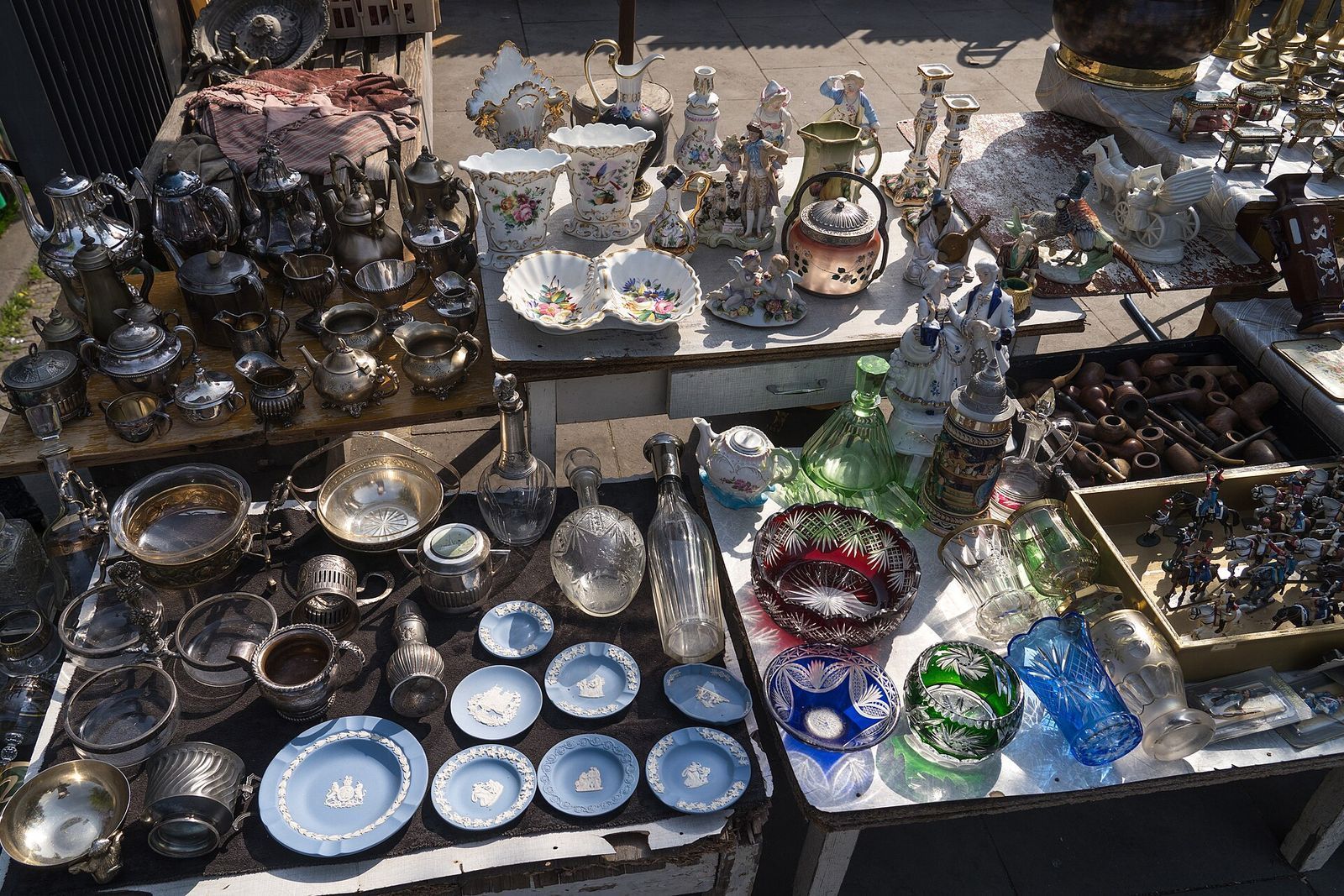
Shopping in Tbilisi: Where to Shop, What to Buy and What It Costs
Tbilisi is known for its flea markets, bazaars and wine. Here's where to shop, what to buy and what it costs.
Read the guide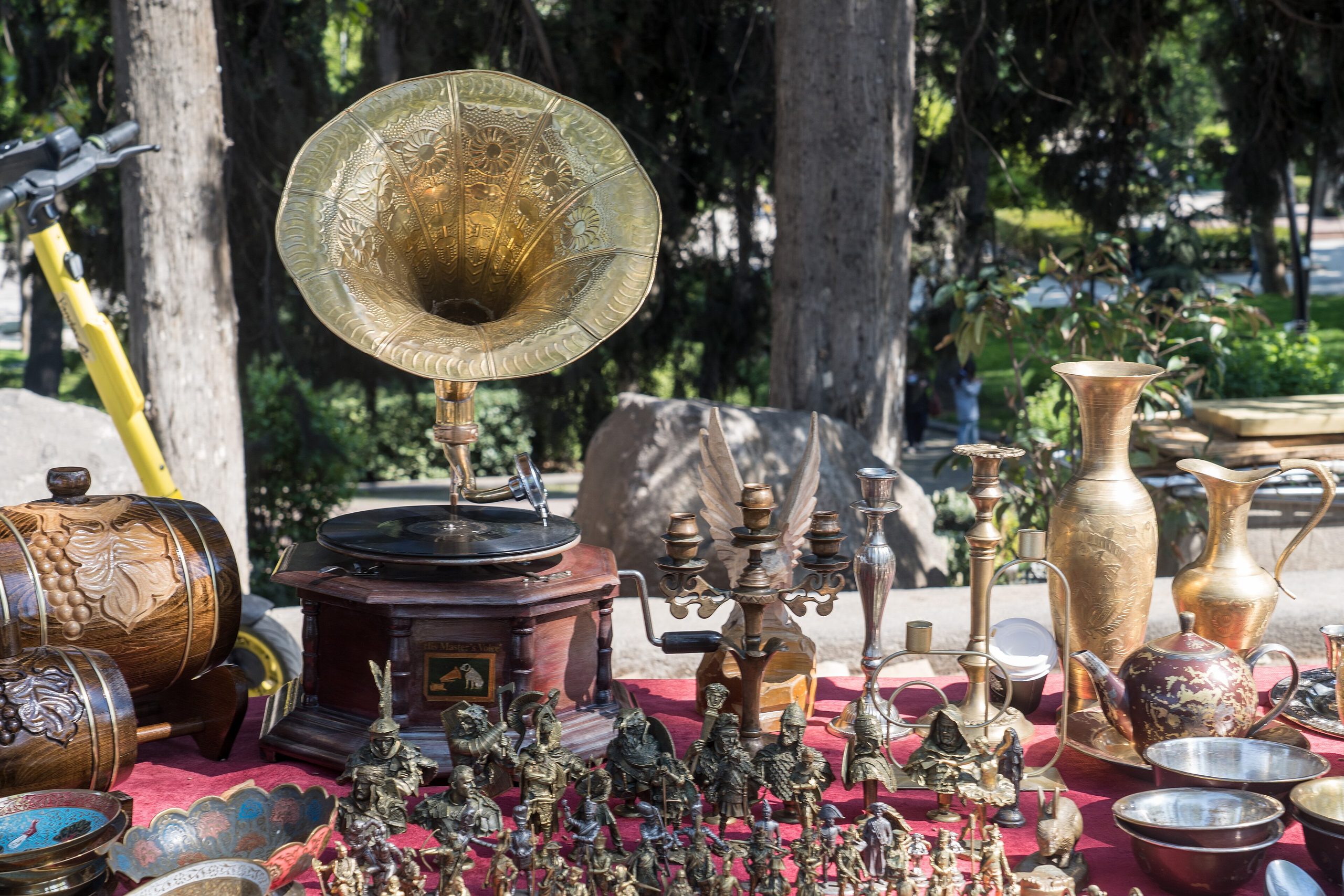
Dry Bridge Market, Tbilisi: A Guide to the City's Flea Market
Dry Bridge is the flea market of Tbilisi. Here is when to go, what to buy, how to haggle and how to get it home.
Read the guide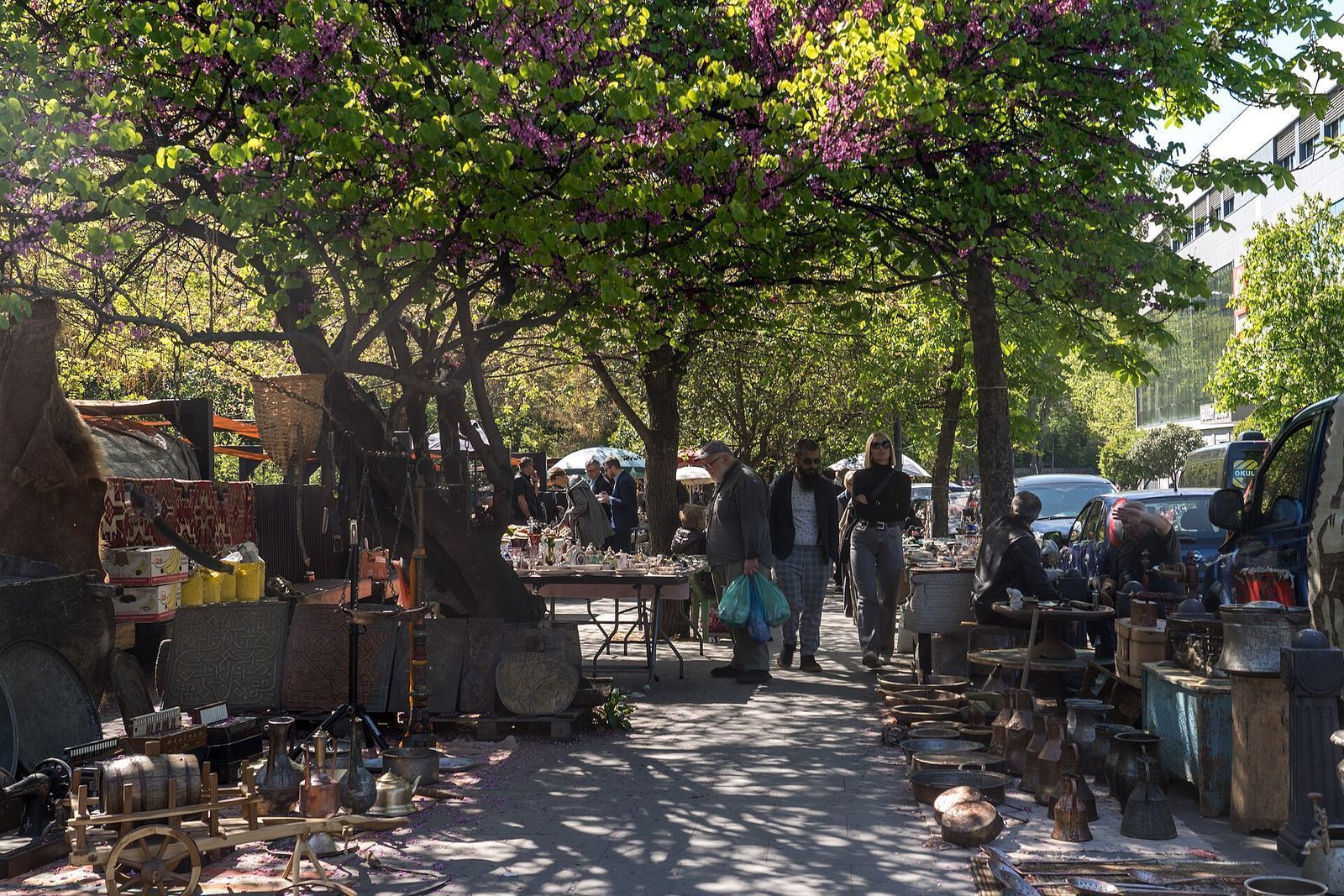
The Best Markets in Tbilisi: Bazaars, Flea Markets and Food Halls
Tbilisi is known for its bazaars and flea markets. Here are the best ones, what they sell and when to go.
Read the guide