Cooking Classes in Tbilisi: Where to Learn Khinkali and Khachapuri
Tbilisi is where most travelers first fold a khinkali, and a cooking class is the most fun way to learn why the locals make it look so easy. Classes run from a 2-hour studio session to an afternoon in a family kitchen with a market walk first. Here's what you cook, where to book, what it costs in 2026 and how to pick a good class.
Is a cooking class in Tbilisi worth it?
Yes, if you like eating more than sightseeing. Georgian food is half the reason to come to Tbilisi, and a class is the fastest way to understand it: once you've pleated a khinkali yourself, you can tell a lazy one from a great one at every restaurant for the rest of the trip. It's also the best rainy-afternoon plan in the city.
I'd book one early in the trip rather than on the last day. The dishes you learn in a class are the same ones on every menu, and the Georgian food you order afterward makes more sense when you've seen what goes into it.
A class suits:
- Couples and friends who want a long, social afternoon that ends with a meal and a few glasses of wine.
- Families, because folding dumplings keeps kids busy and fed.
- Solo travelers, since a group class is an easy way to meet people.
- Home cooks who want recipes they can repeat, since most hosts hand them out at the end.
It's the wrong pick if you have one day in Tbilisi and want to taste as much as possible. A food tour covers ten dishes in the time a class spends on two.
Types of cooking class in Tbilisi
Tbilisi has four kinds of class, and the difference is mostly where you cook and who teaches you. Prices are per person; classes booked through the big platforms are priced in dollars, so the lari figures are approximate.
| Type of class | Where | Length | Price per person | What you make | Best for |
|---|---|---|---|---|---|
| Group class | A restaurant or studio | 2 to 2.5 hours | About 80 to 95 GEL ($29 to $35) | Khinkali, one khachapuri | Budget, solo travelers |
| Longer group class | A restaurant or home kitchen | About 4 hours | About 155 to 175 GEL ($58 to $64) | Khinkali, khachapuri, elarji | People who want more than two dishes |
| Home class | A family flat | 2 to 3 hours | About 285 to 365 GEL ($105 to $135) | Khinkali, khachapuri, salads and sides | Couples, families |
| Private class with a market tour | The market, then a local home | 4 hours or more | About 400 to 565 GEL ($149 to $209) | A full Georgian table | A special day, keen cooks |
Specialist classes sit alongside these. You can book a 2-hour khachapuri, khinkali and bread-making masterclass for about 185 GEL ($68), a 4-hour khinkali masterclass with drinks for about 320 GEL ($120), and 3-hour churchkhela classes where you thread walnuts on a string and dip them in thickened grape juice.
Where to take a cooking class in Tbilisi
These are the classes I'd look at first. They're in no particular order, because the right one depends on whether you want a cheap group session, a professional kitchen or a family table.
Chakandrila Cooking Classes
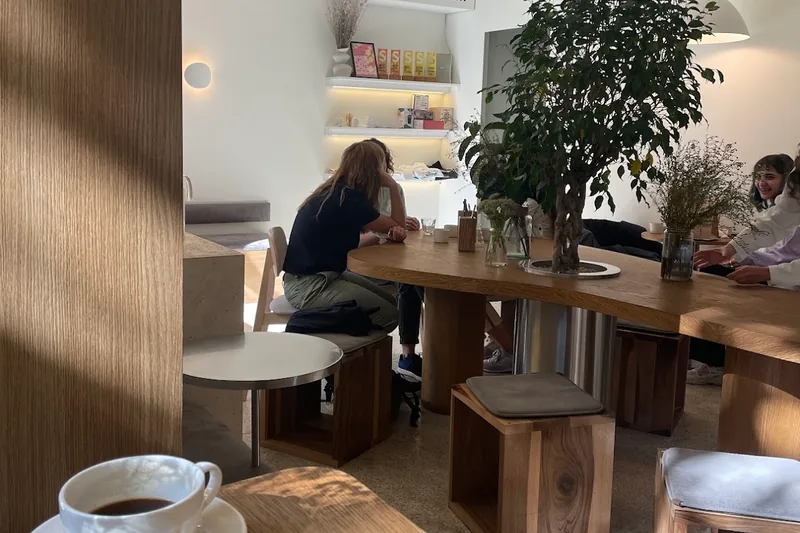
Chakandrila is a cooking studio in central Tbilisi built for exactly this, with a long communal table where the whole group cooks together. You can pick one of its set packages or build your own menu, which is the reason I'd choose it if there's a dish you've already fallen for at a restaurant. A 2-hour class costs 95 GEL a person.
It suits small groups and friends traveling together who want to choose what they cook rather than follow a fixed menu. Book through the studio's own site at chakandrila.org.
St.Bunny
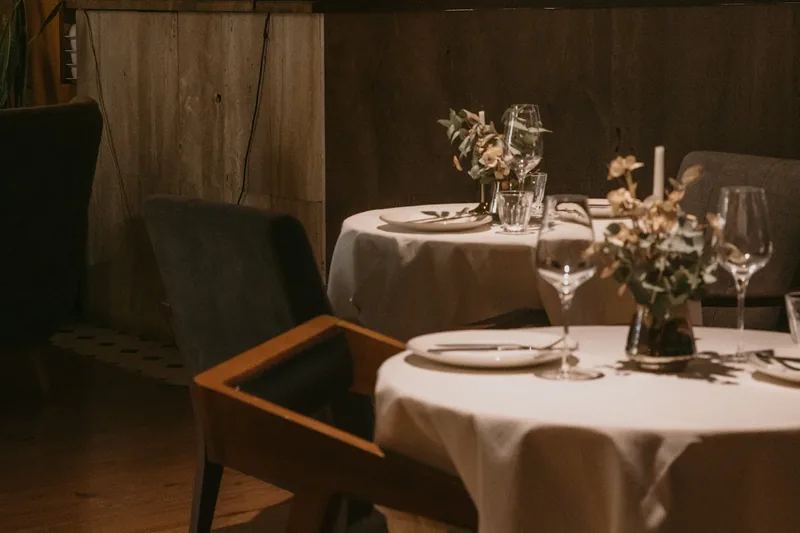
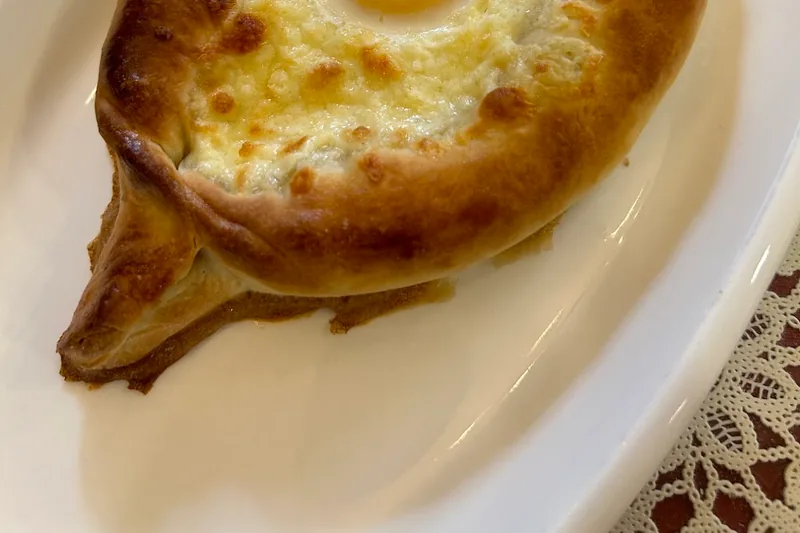
St.Bunny is a restaurant on the third floor of the Merani shopping center, and its khinkali and khachapuri class is one of the cheapest in the city, from about $29 (about 80 GEL). The 2.5-hour session covers khinkali and Imeruli khachapuri, the round, sealed cheese bread, and the price includes local cheeses, a salad and homemade wine. A shorter 1.5-hour version is listed too.
This is the budget pick and the easiest one to book at short notice, with free cancellation up to 24 hours ahead. It's a group class in a restaurant, so expect more people around the table than in a home class.
Nana's Kitchen
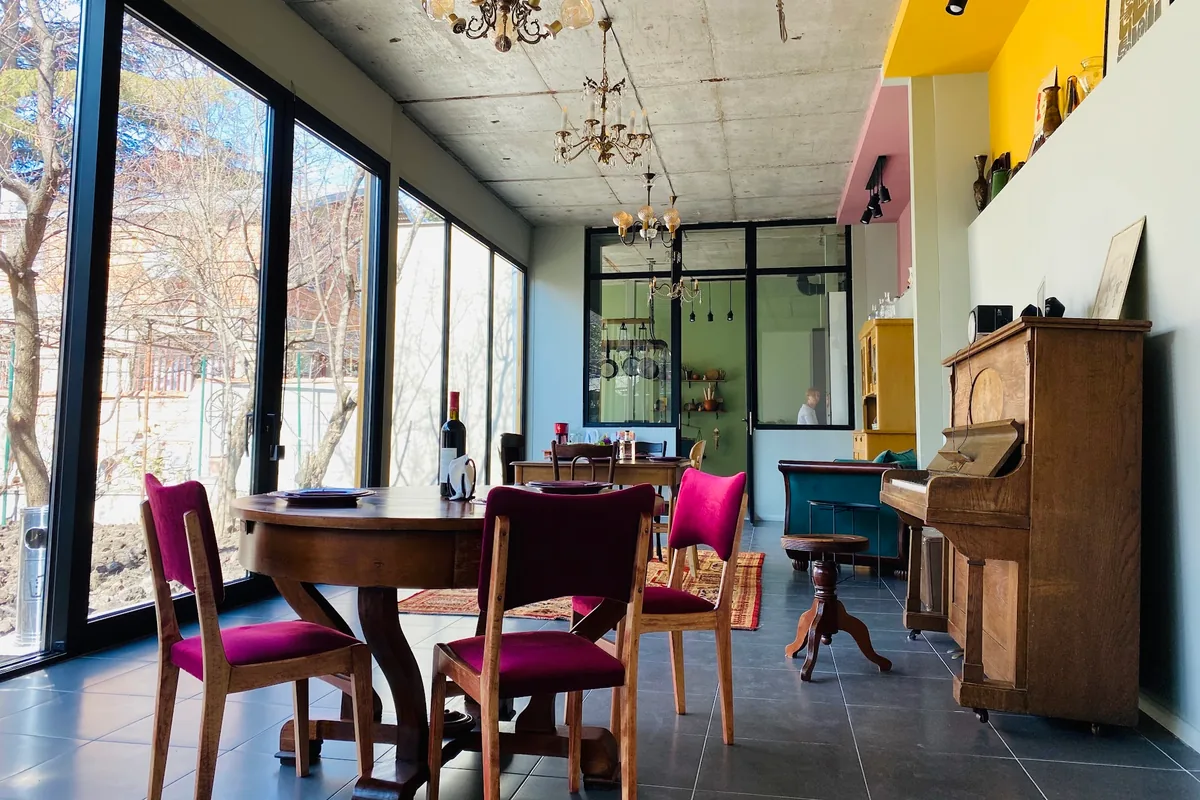
Nana's Kitchen is a class in a family home, and it's the one I'd book for a first trip if the budget stretches. It runs about 3 hours including the meal and costs about $110 (about 300 GEL) per adult, booked as a private class. The focus is khinkali, and the meal at the end puts khachapuri and walnut side dishes on the table around them.
It suits couples and families who want a host's full attention and a table that feels like dinner at a friend's house rather than a workshop.
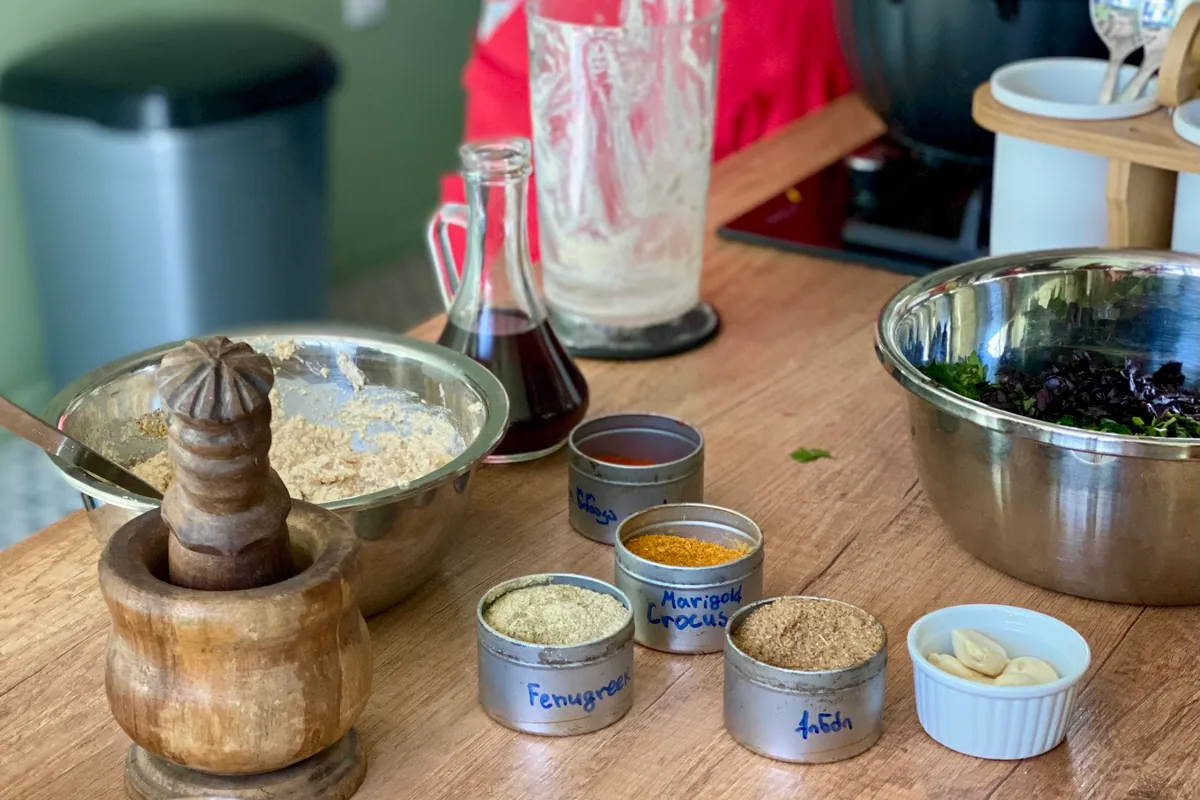
Culinarium Cooking School
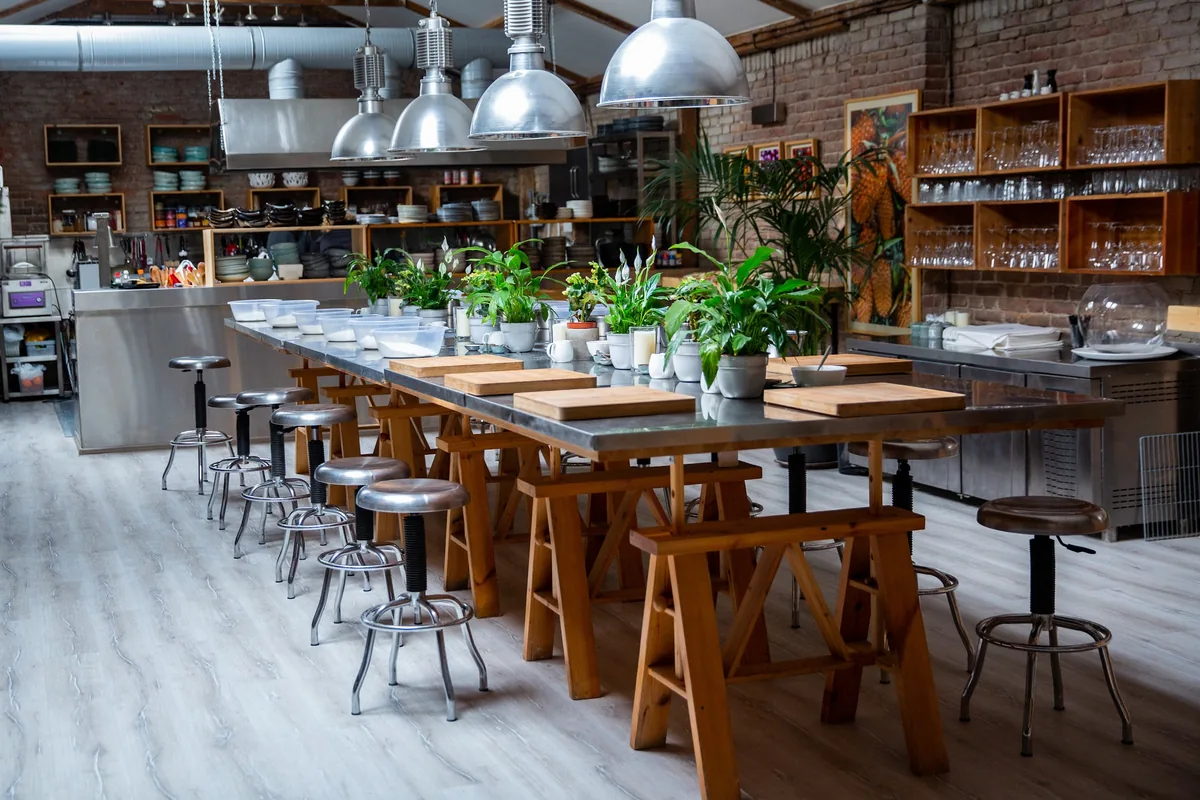
Culinarium is a proper cooking school with a professional kitchen and prep tables, tied to Tekuna Gachechiladze, one of Georgia's best-known chefs. It's the one place on this list that feels like a cooking course rather than a tourist activity, with stations, stools and a chef's standards.
I'd pick it if you already cook seriously at home. It has far fewer traveler reviews than the platform classes, so message ahead to ask which dates run in English, what the menu is and what it costs.
Georgian Flavors
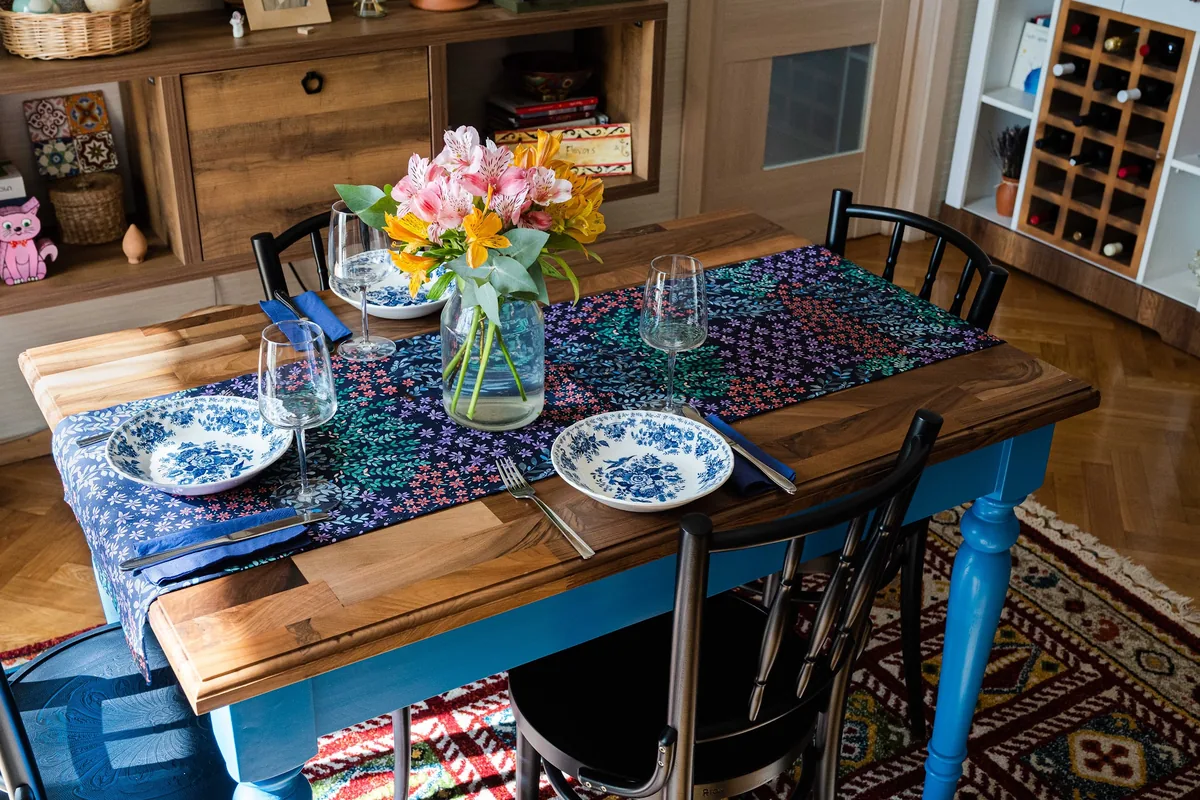
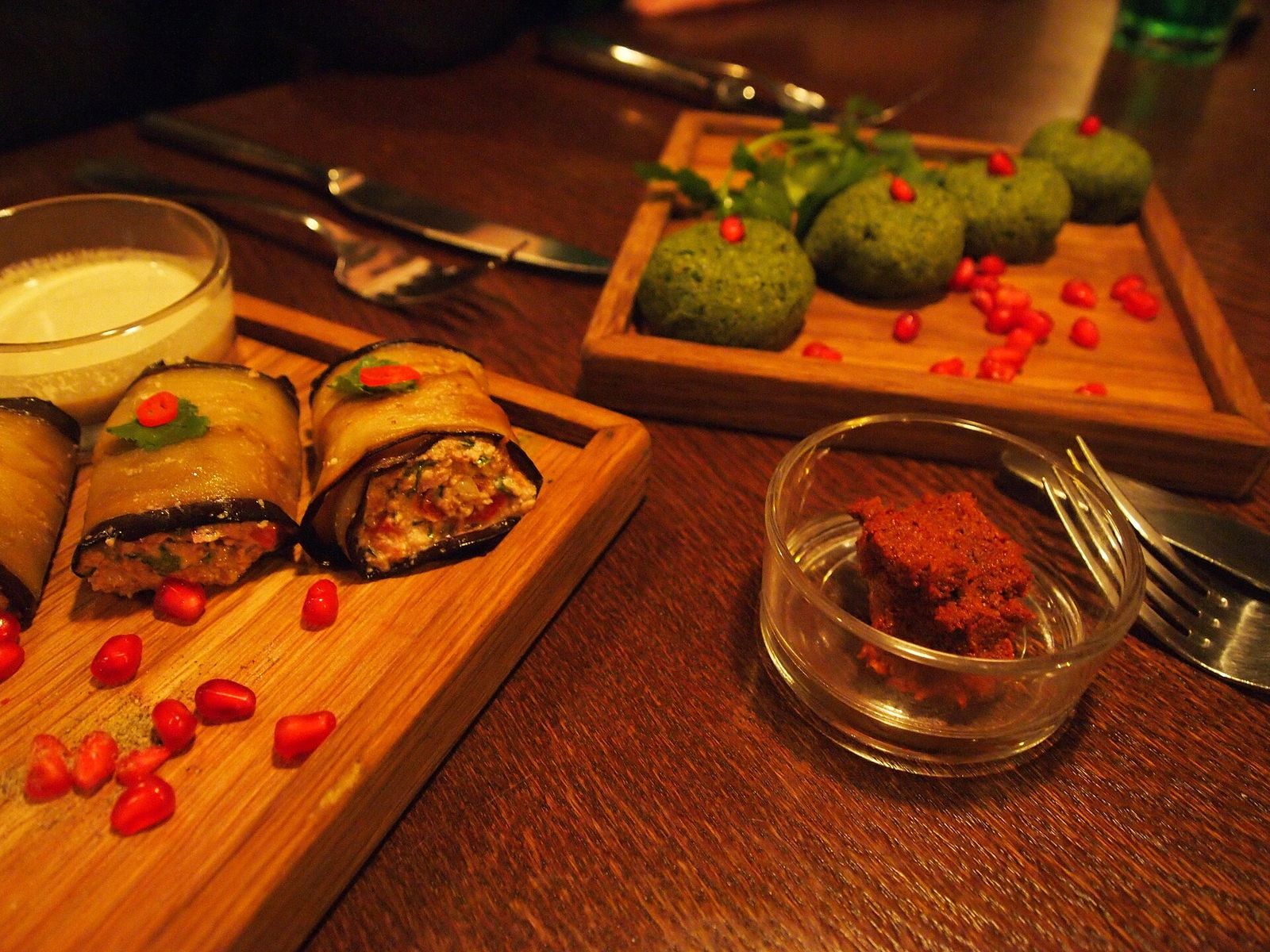
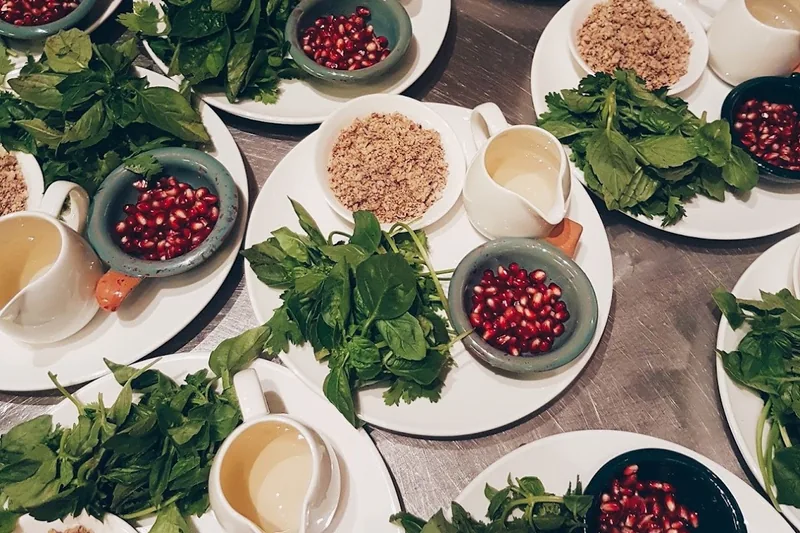
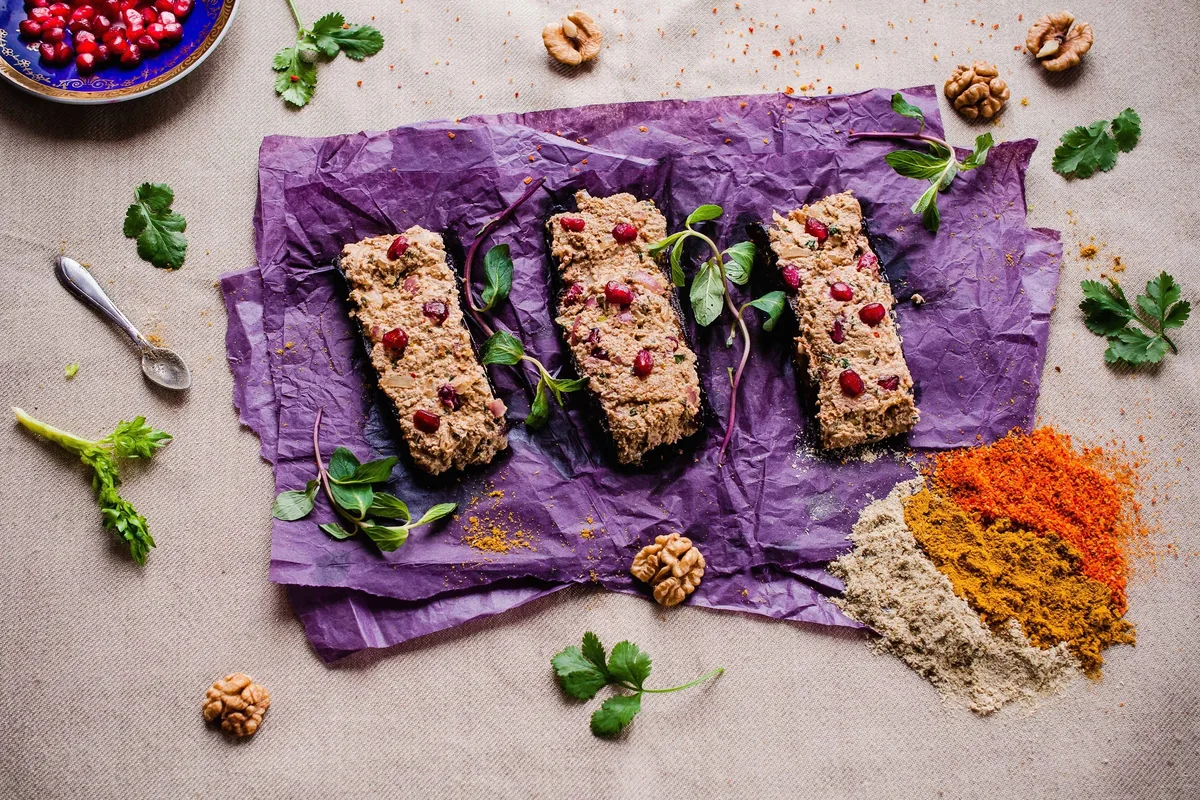
Georgian Flavors runs its classes in the owner's own home on the Vake and Saburtalo side of the city, and the owner trained for 10 months at a cooking school in Tbilisi before starting them. Expect a small group at a set dining table, with the vegetable dishes given as much care as the dumplings: pkhali, eggplant rolls with walnut paste and pomegranate on top.
It suits travelers who want a home class with a trained cook. Book through georgianflavors.com.
Home classes and other options
The booking platforms list plenty of hosts who teach from their own kitchens. A grandmother's flat near Rustaveli Avenue runs a 2-hour private class for about $105 to $135 (285 to 365 GEL) a person, depending on group size and whether you add a market tour. A mother-and-son duo teaches near Freedom Square, and there's a dedicated vegetarian Georgian cooking class for anyone skipping meat. Tour agencies also sell 2.5-hour master classes for about 80 GEL with everything included.
What you cook in a Georgian cooking class
Almost every class in Tbilisi teaches khinkali and one khachapuri, because they're the two dishes everyone wants to make at home. Longer classes add the cold starters and sides that fill the rest of a Georgian table.
| Dish | What it is | How hard | Where it's taught |
|---|---|---|---|
| Khinkali | Pleated dumplings with spiced meat and broth inside | Hard: the folding takes practice | Almost every class |
| Imeruli khachapuri | Round bread sealed around cheese | Easy | Most group classes |
| Adjaruli khachapuri | Boat-shaped bread with cheese, a raw egg and butter | Medium | Many classes, sometimes your choice |
| Elarji | Cornmeal cooked with sulguni cheese, from Samegrelo | Easy, but tiring to stir | 4-hour classes |
| Pkhali | Spinach or beetroot pounded with walnuts | Easy, seasoning takes tasting | Home classes |
| Badrijani nigvzit | Fried eggplant rolled around walnut paste | Medium | Home classes |
| Lobiani and mchadi | Bean-filled bread and cornbread | Easy | Home and bread classes |
| Churchkhela | Walnuts on a string dipped in grape must | Messy | Churchkhela classes |
Khinkali
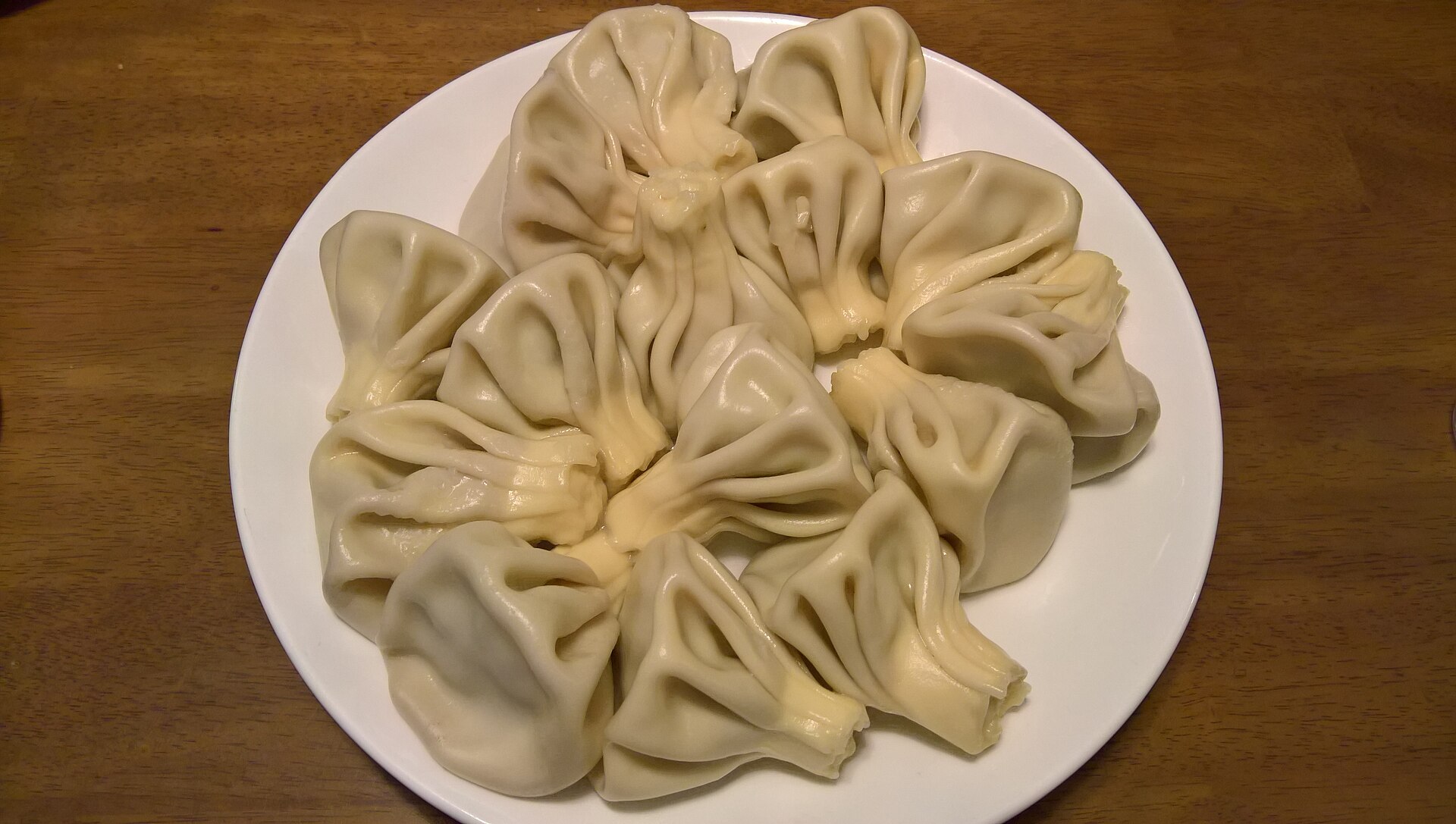
Khinkali is the dish that makes or breaks a class. The dough is only flour and water, and the filling is minced beef and pork with onion, salt, pepper and fresh coriander, the city style. Nobody adds soup: the broth inside comes from the meat juices as the dumpling cooks, which is why the pleats have to seal tight.
The folding is the hard part. Your first few will leak, sag or come out lopsided, and the host will fold one in a few seconds to show you how it's meant to look. By the end of the class most people have a plate they're proud of, and you learn to eat them properly while they're hot: hold the knot, bite a small hole, drink the broth, then eat the rest. If you want to taste the masters afterward, the best khinkali in Tbilisi come from kitchens that fold by hand all day.
Khachapuri
Most group classes teach Imeruli, the everyday round cheese bread, because it's forgiving and bakes fast. Some let the group vote between styles, and the boat-shaped Adjaruli is the crowd favorite: you shape the dough into a canoe, fill it with cheese, and crack an egg and add butter into the middle just before it comes out of the oven. Once you've made one, you'll understand why a whole one is a meal, not a side, at the places that bake the best khachapuri in Tbilisi.
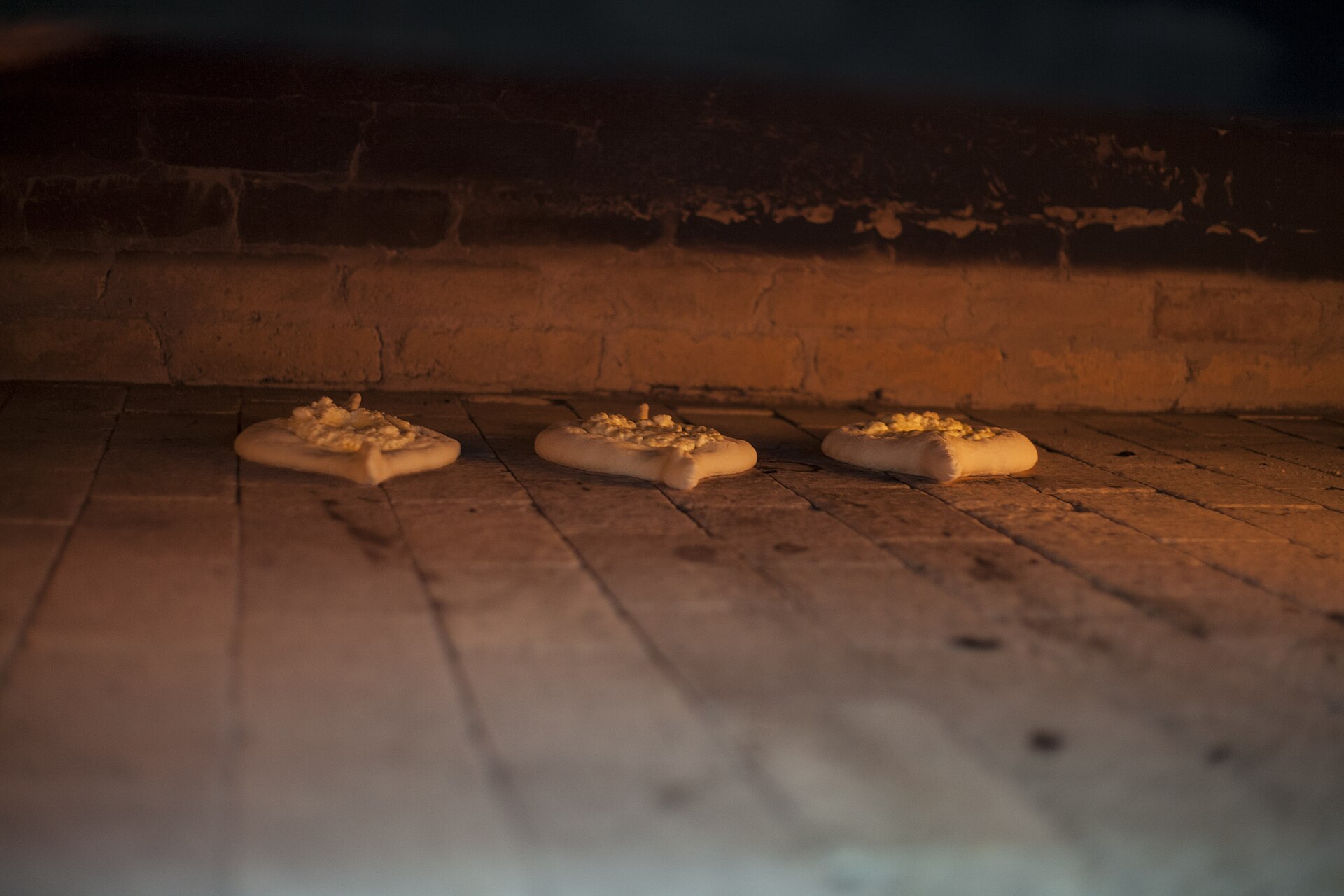
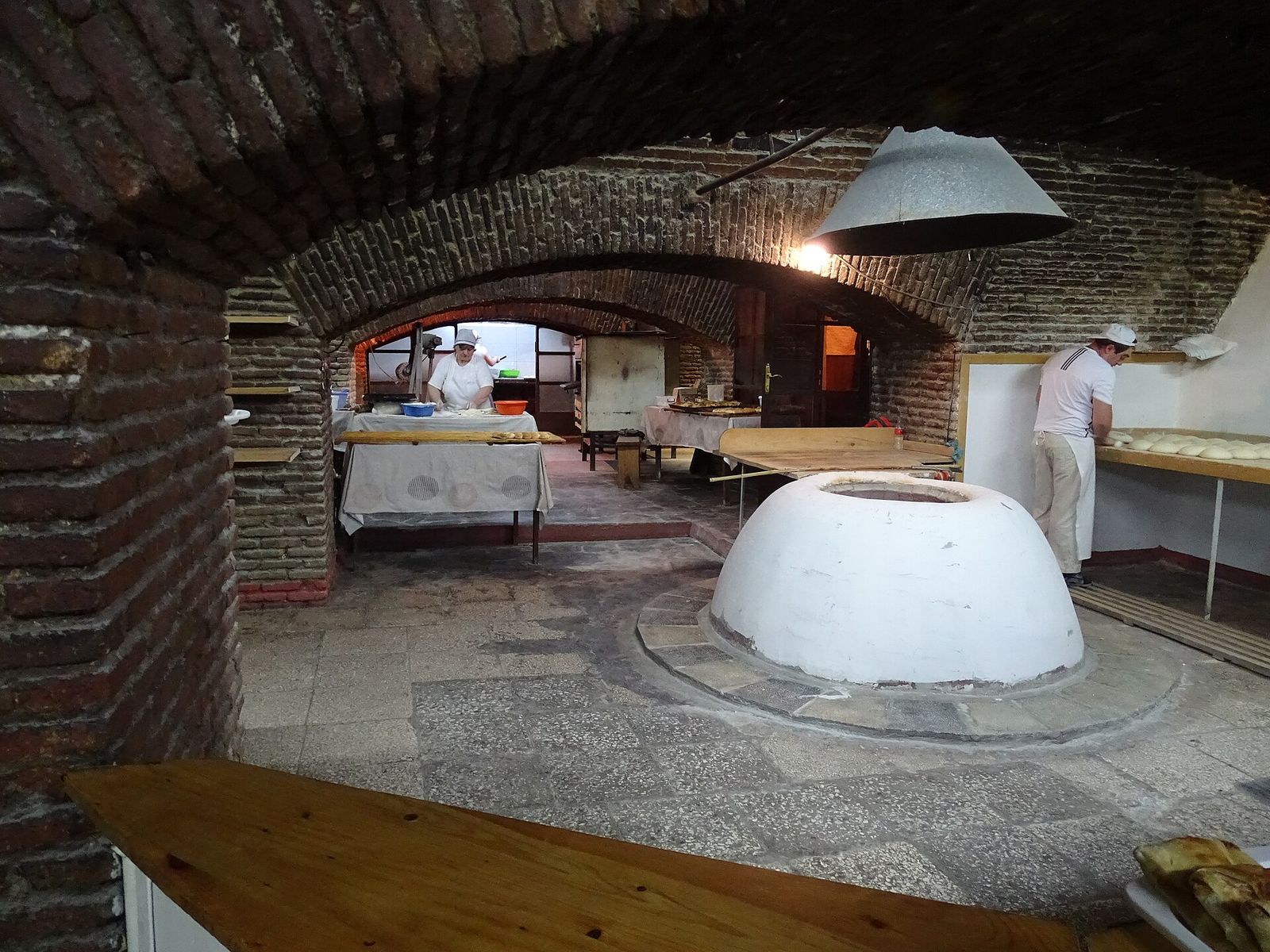
Bread classes are their own thing. You learn shoti and mchadi, but the tone, the deep round clay oven that bakers slap the dough against, is usually demonstrated rather than handed over. The one at a neighborhood bakery window, part of any walk through Tbilisi street food, turns out loaves for about 1 to 2 GEL.
What happens at a cooking class
Most classes start with a glass of wine and a short talk about Georgian food while the dough rests. Then you work through the menu at the table: rolling and cutting the khinkali dough, mixing the filling, folding, then shaping the khachapuri while the dumplings boil. Group classes take 2 to 2.5 hours from start to finish; home classes with more dishes run to 3 or 4.
The end is the best part. Everything you made goes on the table with cheese, a salad and more wine, and the host usually leads a toast or two, a small version of a Georgian supra. Some hosts pour a shot of chacha, the strong grape brandy, at this point. You leave full, with written recipes to take home.
Market tour and cooking class at Dezerter Bazaar

The longer private classes start with a walk through Dezerter Bazaar, the big food market by Station Square, to buy the cheese, herbs, walnuts and spices for the meal. The market part takes about 2 hours, then you head to your host's kitchen to cook. Packages with a market walk, a class and a meal in a local home cost about $189 to $209 (510 to 565 GEL) a person.
It's the best version of a class if you love markets. You see the cheeses you'll eat for the rest of the trip, the dried spice mixes Georgians cook with, and stalls of churchkhela hanging like candles.
Cooking class prices in Tbilisi
Prices depend on the length, the group size and whether you cook in a home or a restaurant. These are the going rates in 2026, per person.
| Class | Length | Price per person |
|---|---|---|
| Tour agency master class, all included | 2.5 hours | About 80 GEL |
| Group khinkali and khachapuri class in a restaurant | 1.5 to 2.5 hours | About 80 GEL ($29 to $31) |
| Studio class at Chakandrila | 2 hours | 95 GEL |
| Longer class with elarji | About 4 hours | About 155 to 175 GEL ($58 to $64) |
| Khachapuri, khinkali and bread masterclass | 2 hours | About 185 GEL ($68) |
| Family home class | About 3 hours | About 300 GEL ($110) |
| Khinkali masterclass with drinks | 4 hours | About 320 GEL ($120) |
| Private class in a local home | About 3 hours | About 400 GEL ($149) |
| Market tour, class and meal in a home | Half a day | About 510 to 565 GEL ($189 to $209) |
Private classes priced by group size get much cheaper per head as the group grows. One family masterclass sold as a day tour costs 600 GEL for a solo traveler and 210 GEL each for a group of 8. The price almost always includes the ingredients, the meal and the wine, so there's nothing else to pay on the day.
How to spot a good cooking class
The happy reviews of Tbilisi classes all say the same thing: a patient host, good food and a fun afternoon. The unhappy ones also repeat each other, so these are the questions I'd ask before paying.
- Do we make the dough? Some cheap classes use pre-made, frozen dough and pre-cut circles, so you only learn to fold.
- How many people are in the group? "Small group" can mean 13 people around one table.
- Does everyone cook, or is it a demonstration? At some restaurant classes the host cooks and the group watches.
- Do we eat what we make? You should. The best classes put your own lopsided khinkali on the table.
- Who teaches? A local home cook or a chef beats a hired presenter reading from a script.
Vegetarian, vegan and allergy-friendly cooking classes
Georgian cooking is easy to adapt for vegetarians. Pkhali, badrijani nigvzit, lobiani and the breads are meat-free already, and khinkali come with mushroom, potato or cheese fillings. Tell the host when you book and the menu changes around you. There's also a dedicated vegetarian cooking class, and the city's vegetarian restaurants cook the same dishes if you want to keep tasting.
Vegans are fine too: hosts swap in plant-based fillings and leave out the cheese breads. Gluten-free is the hard one, since dough is the heart of khinkali and khachapuri, so ask the host before booking.
Cooking classes with kids
Khinkali making suits children from about 6 up: it's hands-on, a bit messy and ends with dumplings. Home classes are the best fit for families, since the host can slow down and the kids can get flour everywhere without bothering strangers. A cooking class makes a good rainy-day plan on any list of things to do in Tbilisi with kids.
When to book a cooking class in Tbilisi
Book 2 to 5 days ahead from June to September, when the popular home classes fill up, and a day or two ahead the rest of the year. Most classes refund in full with 24 to 48 hours' notice, and a same-day cancellation usually costs the full price.
Afternoon and early-evening classes are the most popular, because they turn into dinner. A morning class is the one to pick if it starts with the market, since the stalls are fullest before noon.
Cooking class or food tour?
Take a food tour if you have one or two days and want to taste as much as possible: food tours in Tbilisi cover ten or more tastings in about 4 hours. Take a cooking class if you want to learn two dishes properly and sit down to a long meal. If you have four days or more, do both, the tour first so you know what you like, then the class. Neither replaces a proper wine tasting, which is a separate evening of its own.
Key takeaways
- A group khinkali and khachapuri class costs about 80 to 95 GEL for 2 to 2.5 hours, wine and the meal included.
- A family home class costs about 300 GEL for 3 hours, and private classes with a market tour reach 400 to 565 GEL.
- Khinkali and one khachapuri are on almost every menu; longer classes add elarji, pkhali and eggplant rolls.
- Ask about group size and whether you make the dough before you pay.
- Book early in the trip, 2 to 5 days ahead in summer.
Frequently asked questions
How much does a cooking class cost in Tbilisi?
A group class costs about 80 to 95 GEL a person for 2 to 2.5 hours. A class in a family home is about 300 GEL, and a private class with a market tour costs 400 to 565 GEL. The price usually includes the ingredients, the meal and wine.
How long is a Georgian cooking class?
Most group classes take 2 to 2.5 hours, including the meal at the end. Home classes run about 3 hours, and classes that start with a market walk take 4 hours or more.
What do you make in a khinkali making class?
You make the dough, the spiced meat filling and the pleated dumplings, then boil and eat them. Most khinkali classes also teach one khachapuri, usually the round Imeruli or the boat-shaped Adjaruli, and serve them with cheese, a salad and wine.
Is a cooking class in Tbilisi worth it?
Yes, if you enjoy food and want a long, social afternoon that ends in a big meal. It also teaches you what good khinkali look like, which pays off at every restaurant afterward. If you only have a day, a food tour covers more dishes.
Is there a khachapuri cooking class in Tbilisi?
Yes. Almost every class teaches at least one khachapuri alongside khinkali, and there are 2-hour khachapuri, khinkali and bread-making masterclasses for about 185 GEL. Ask which style is on the menu, since Imeruli is the usual one and Adjaruli is sometimes a choice.
Can vegetarians take a Georgian cooking class?
Yes. Many Georgian dishes are meat-free already, and hosts swap in mushroom, potato or cheese khinkali when you ask at booking. There's also a dedicated vegetarian Georgian cooking class in Tbilisi.
How far ahead should I book a cooking class in Tbilisi?
Book 2 to 5 days ahead from June to September and a day or two ahead the rest of the year. Most classes refund in full if you cancel 24 to 48 hours before.
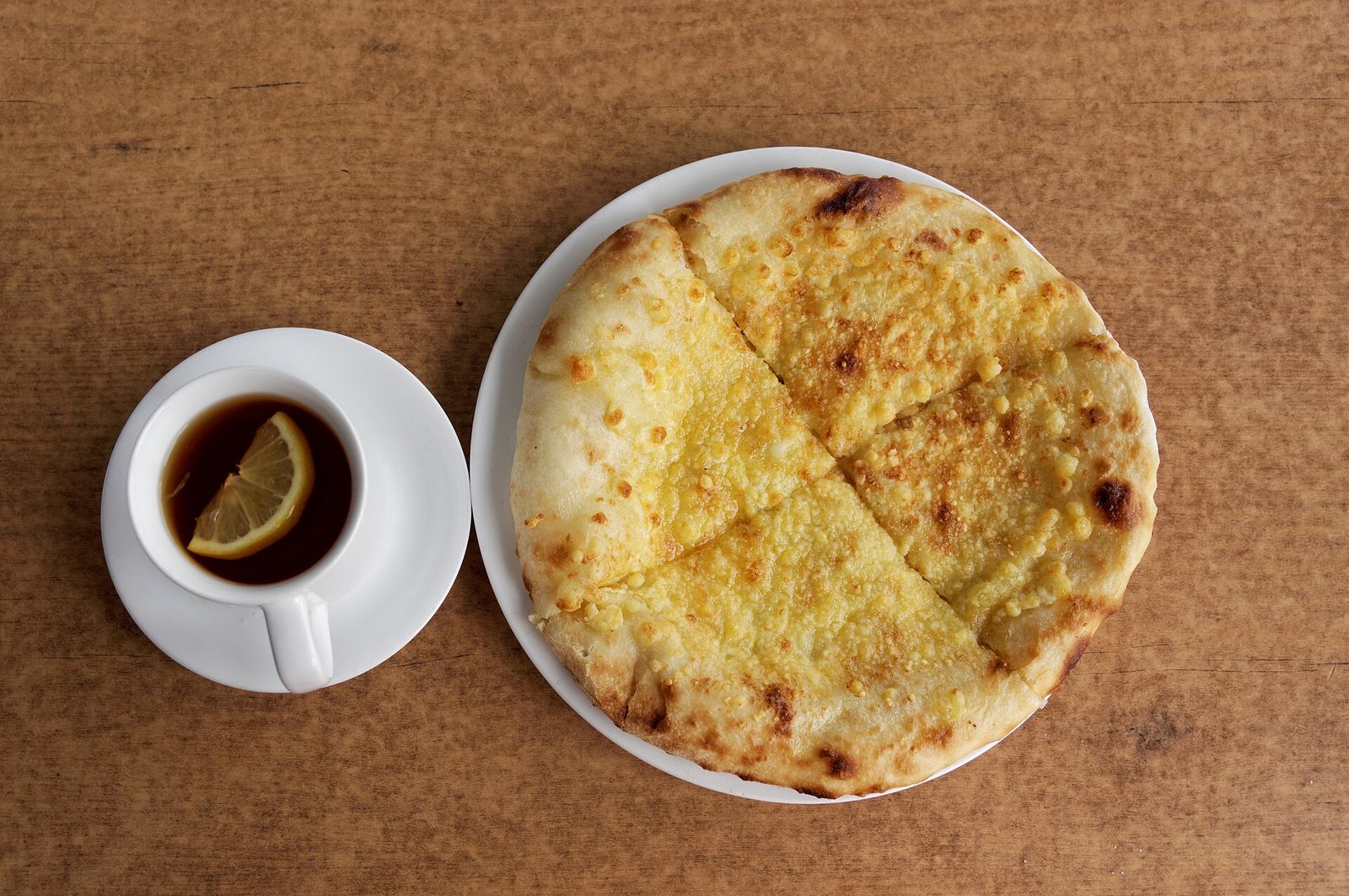
Tbilisi Food Guide: What to Eat, Where to Eat It and What It Costs
Tbilisi is known for khinkali and khachapuri. Here's my food guide: what to eat, where to find it and what it costs.
Read the guide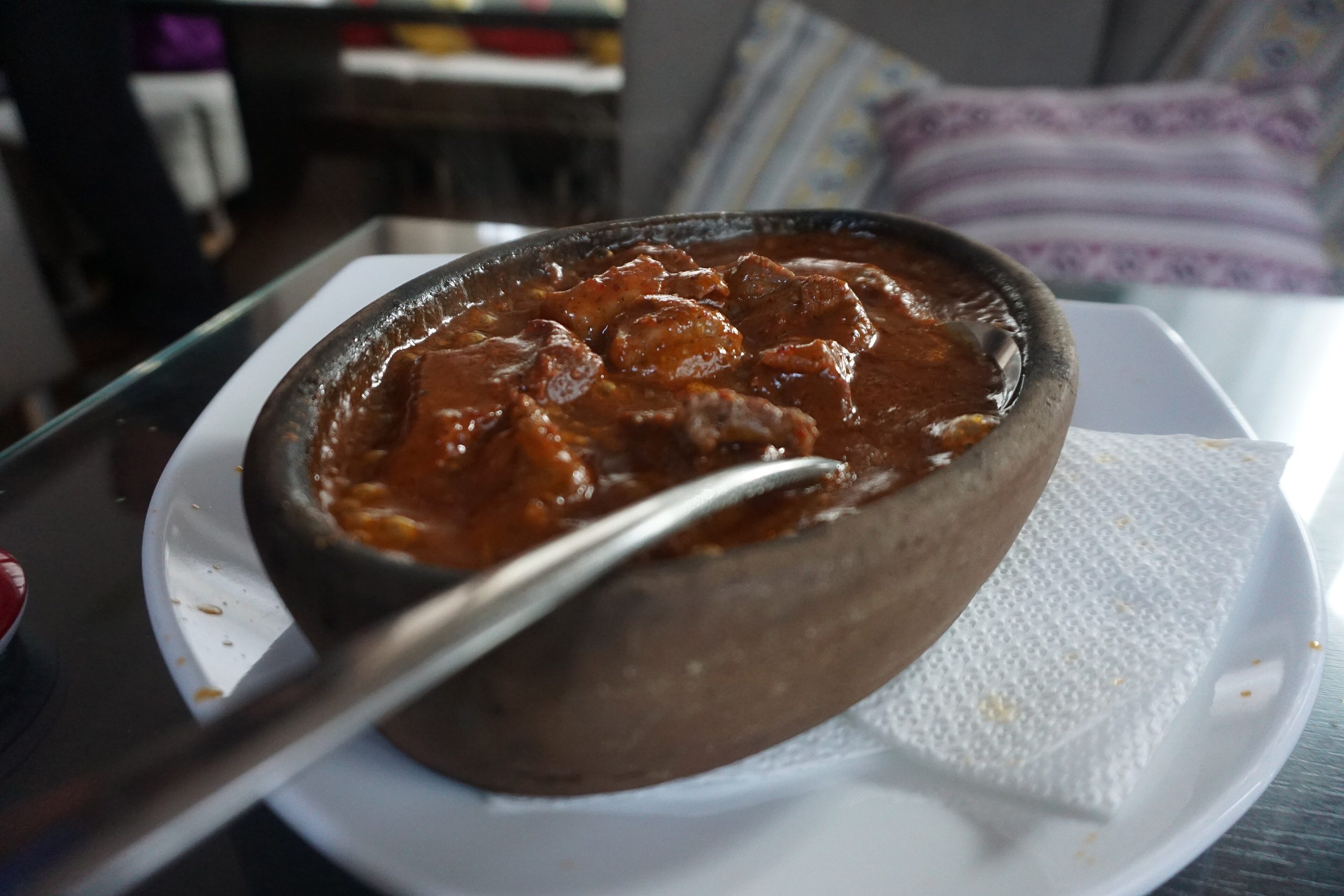
Georgian Food: The Dishes to Try in Tbilisi
Georgia is known for khachapuri and khinkali. Here is what else to order, what it costs and where to eat it in Tbilisi.
Read the guide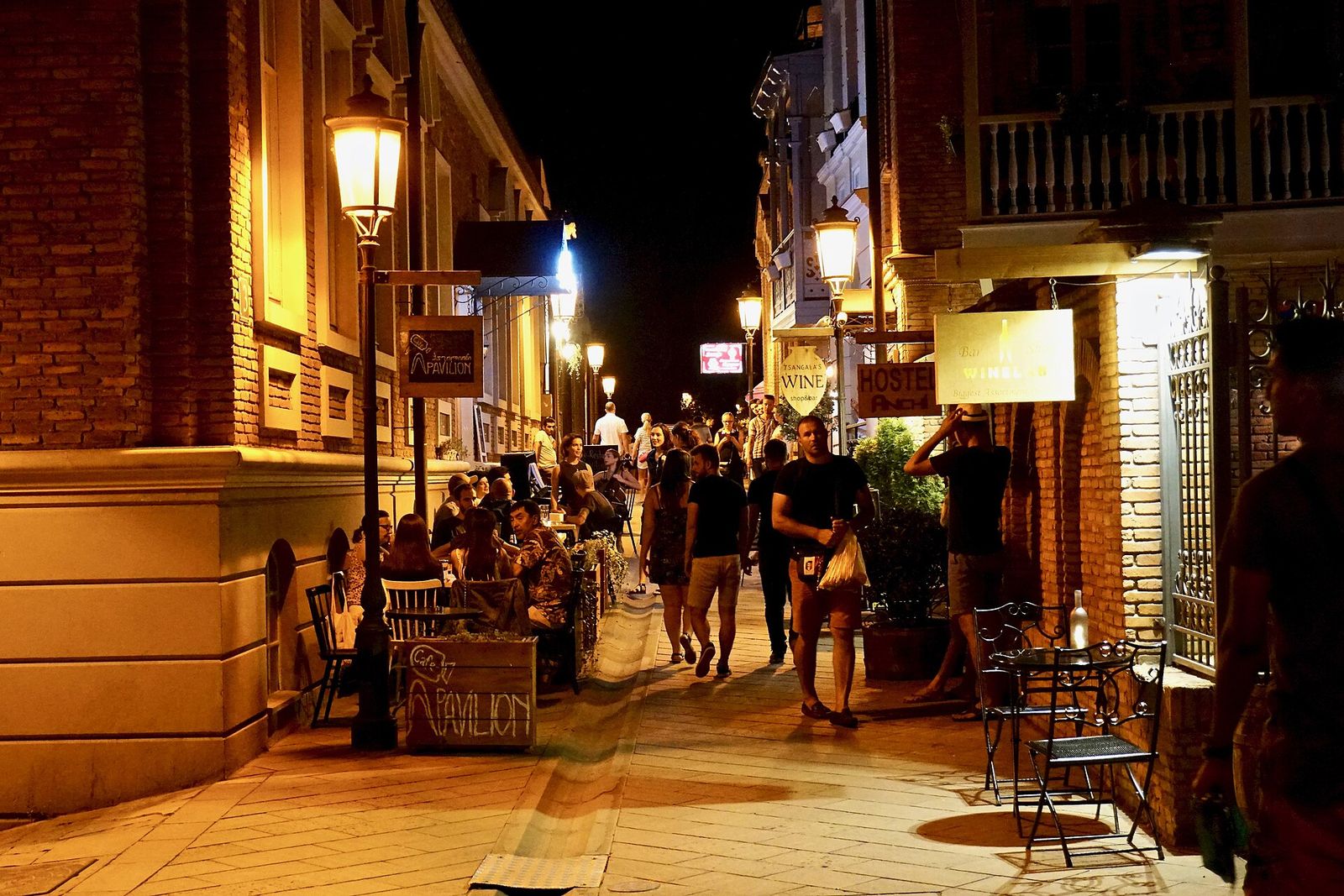
The Best Restaurants in Tbilisi
Tbilisi is known for khinkali and khachapuri. Here are the restaurants I pick, what dinner costs and how to order.
Read the guide