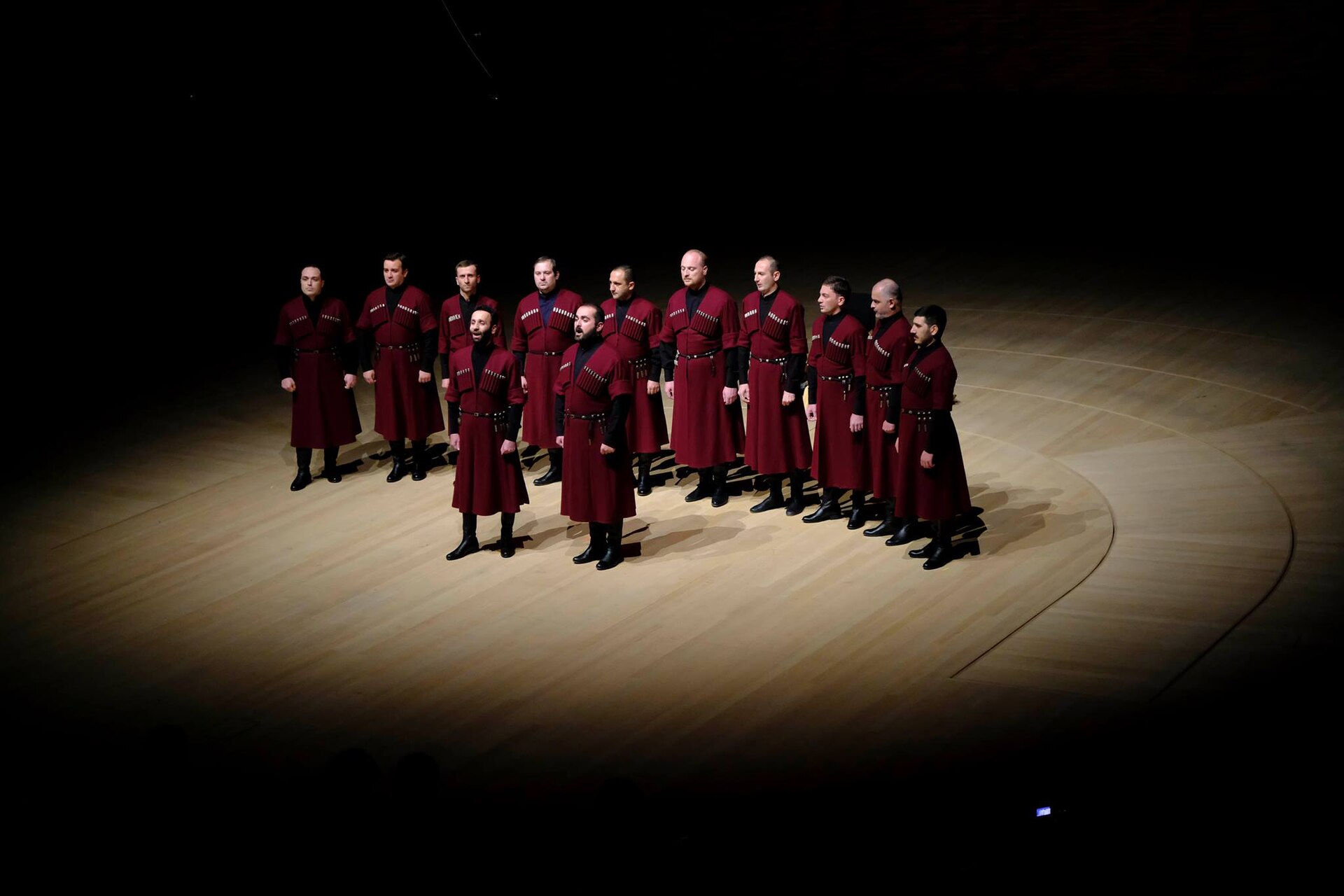
Folk Music and Dance in Tbilisi: Polyphonic Singing, Sukhishvili and Dance Shows
Georgia is known for its polyphonic singing, three voices woven together with no instruments, and for folk dance that moves somewhere between ballet and a sword fight. In Tbilisi you can hear the first at a weekend church service and see the second over dinner any night of the week. Here's what you're listening to, where to find it, and what the shows cost.
What is Georgian polyphonic singing?
Georgian polyphonic singing is part-singing for three voices, sung without instruments in its traditional form. The bottom voice holds a low drone, the middle voice carries the melody, and the top voice weaves ornaments around it. Each voice does its own job, and when a good choir locks in, the chords ring in a way that sounds like nothing else in Europe.
It is old. The roots go back before Christianity reached Georgia in the 4th century, and the tradition grew up apart from Western harmony rules, which is why some chords land strangely on ears raised on church hymns or pop. Georgian songs build their scale on the fifth rather than the octave, so intervals that sound "wrong" in Western music are exactly right here.
UNESCO proclaimed Georgian polyphony a Masterpiece of the Oral and Intangible Heritage of Humanity in 2001 and inscribed it on the Representative List in 2008. Inside Georgia it never needed the label: people sing it at the table, in church, at weddings and in village squares, and many Georgians can hold a part in a few well-known songs.
Regional styles of Georgian singing
Georgia is small, but each region sings differently. Three styles cover most of what you'll hear in Tbilisi.
| Region | Style | What to listen for |
|---|---|---|
| Svaneti, high in the Caucasus | Complex polyphony | Dense, rough, very old chords; the most ancient-sounding songs |
| Kakheti, the east | Polyphonic dialogue over a drone | Two solo voices trading long lines over a deep bass; slow, rich feast songs |
| West Georgia (Guria, Imereti, Samegrelo) | Contrasted polyphony | Three partly improvised parts that chase and cross each other; fast and showy |
The Svan songs are the ones that raise the hair on your arms, and if you head up to Svaneti you may hear them sung in a village rather than on a stage. Kakhetian songs belong to the wine country, long and deep and made for a table that has been eating and drinking for hours, which fits a region that makes most of Georgian wine. West Georgian songs are the athletic ones, with voices leaping up and down and parts improvised on the spot.
Chakrulo and the krimanchuli yodel
If you learn one song, make it Chakrulo. It is a three-voice feast song from Kakheti about a warrior's resolve, built on a long bass drone with two voices soaring over it, and it is sung at ceremonies and festivals across the country. A recording of Chakrulo flew into space in 1977 on the Voyager Golden Record, the disc NASA sent out as a sample of life on Earth.
The other sound to listen for is the krimanchuli, a falsetto yodel that flips high above the other voices. Once you have heard it you'll recognize it in every West Georgian song a choir pulls out.
Where to see folk music and dance in Tbilisi
There is no weekly folk concert in Tbilisi that you can set your watch by. What there is: church choirs every weekend, dinner shows every night, big-company concerts when they are in town, and a summer festival. This is how they compare.
| Where | What you get | When | Cost |
|---|---|---|---|
| Sameba cathedral and Anchiskhati Basilica | Church choirs singing the liturgy | Saturday evening and Sunday morning services | Free |
| Dinner shows (Ethno Tsiskvili, Ethnographer) | Folk dance and live music while you eat | Every evening | About 100 GEL a head or more for dinner |
| Erisioni at the Sports Palace | A full staged show of dance and song, 90 minutes | When announced | From 60 GEL |
| Sukhishvili concerts | The national dance company | Irregular; it tours abroad a lot | Varies by venue |
| Art-Gene festival | Four days of regional choirs, dance and crafts | July | 60 to 90 GEL a day in 2026 |
| A supra with friends | Singing at the table between toasts | Whenever you're invited | The host's treat |
My short answer: a dinner show if you have one evening, a Sunday morning service if you want the singing at its purest, and Sukhishvili or Erisioni if your dates line up with a concert.
Hearing polyphonic singing in Tbilisi
Church choirs at Sameba and Anchiskhati
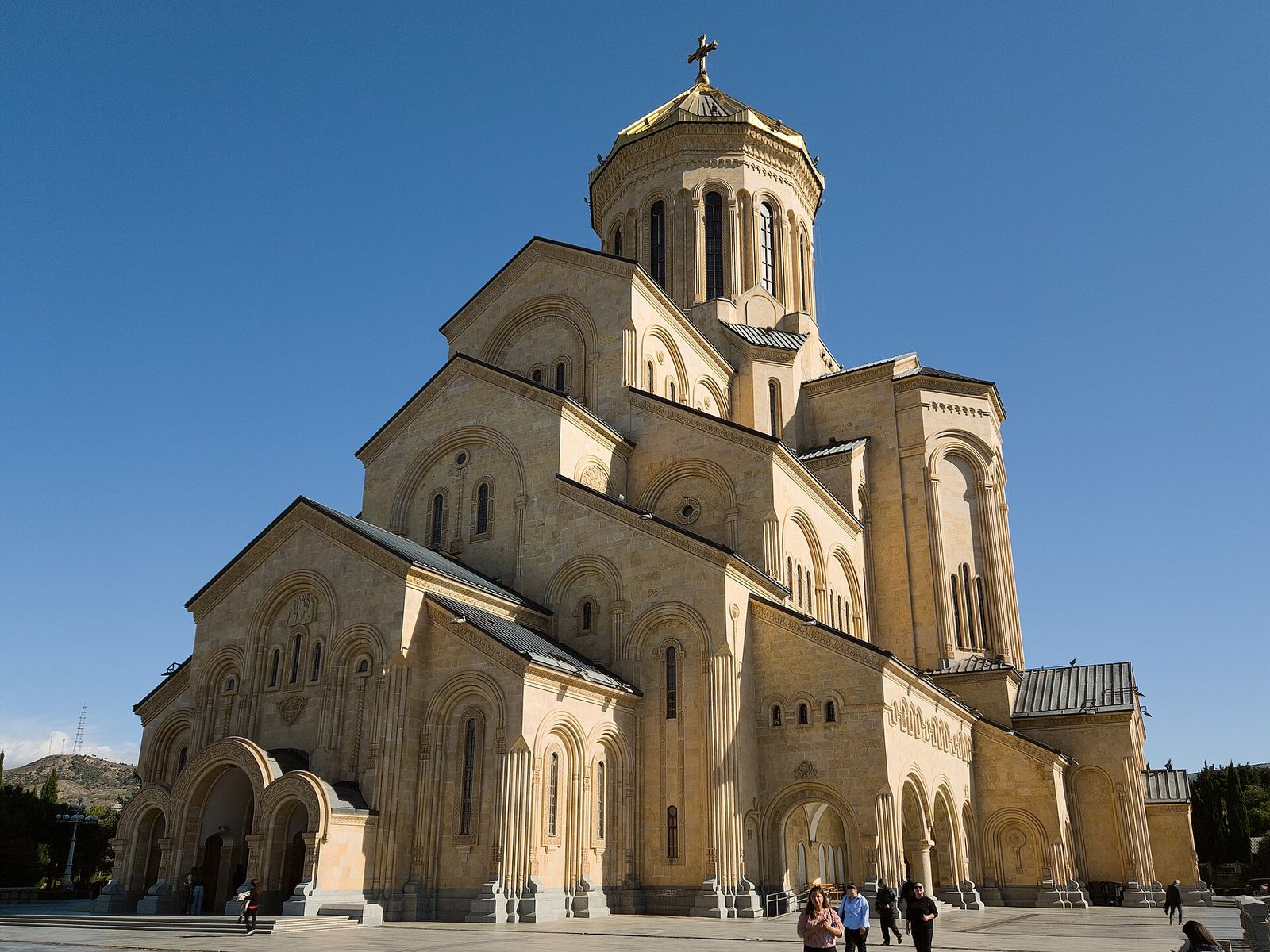
The most moving place to hear Georgian singing costs nothing. Orthodox services in Georgia are sung, and the big Tbilisi churches have serious choirs. Basiani, one of the country's best-known ensembles, is attached to the Patriarchate and sings as part of the choir at Holy Trinity Cathedral, better known as Sameba. The Saturday evening and Sunday morning services are the times to go.
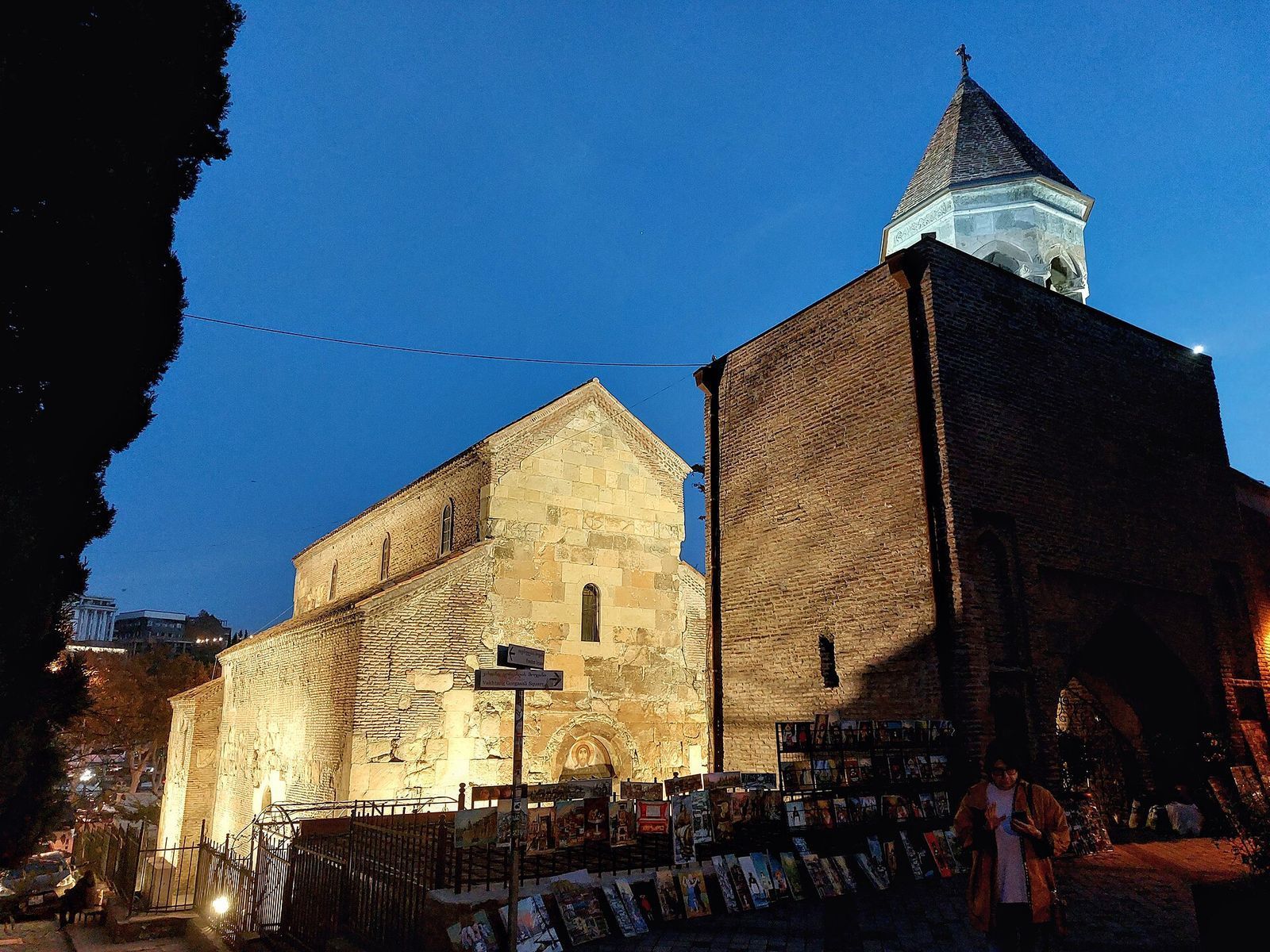
Anchiskhati Basilica, on Shavteli Street at the edge of the Old Town, is the oldest church in Tbilisi, from the 6th century, and its choir is known for both sacred and folk singing. The church is small and dark, so the voices fill it completely. I'd pick Anchiskhati for intimacy and Sameba for scale.
Concerts by Rustavi, Basiani and other ensembles
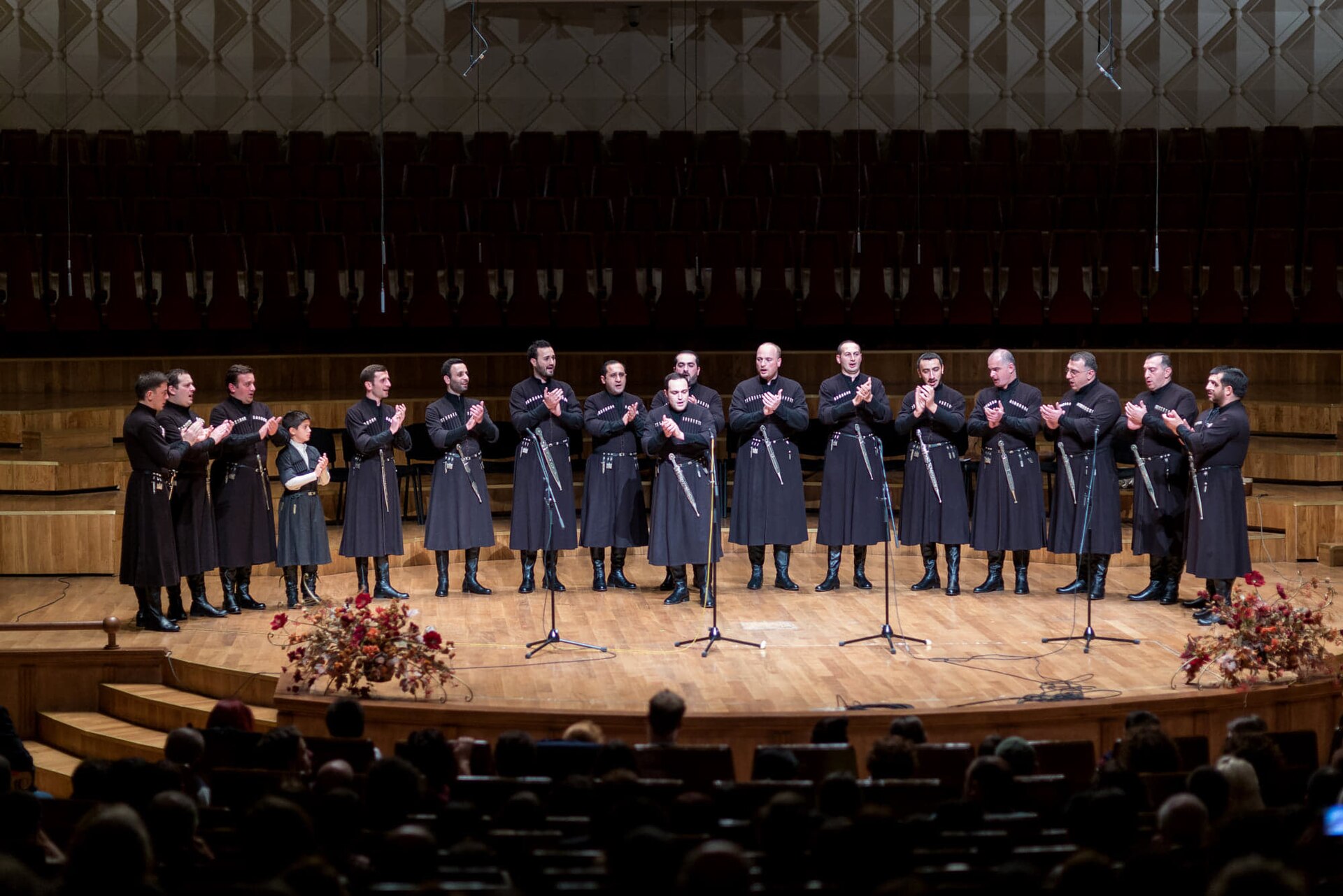
Tbilisi is home to the ensembles that took Georgian polyphony to the rest of the world. Rustavi, the State Academic Ensemble of Folk Song and Dance, was founded in Tbilisi in 1968 by Anzor Erkomaishvili and has more than 700 songs in its repertoire. Basiani sings concerts as well as services, the Georgian State Chamber Choir and the Gori Women's Choir perform on the big stages, and Trio Mandili, three young women who became famous through their social media videos, are the group many visitors already know before they arrive.
None of them keeps a weekly residency. Concerts are announced a few weeks ahead on the Georgian ticket sites (tkt.ge is the big one) and on the ensembles' own social pages, so look as soon as your dates are set. On an ordinary weeknight, the bar scene for live music in Tbilisi leans toward jazz, rock and electronic, and a folk choir is rarer there than at a restaurant.
Singing at a supra
The way most Georgians sing is at the table. At a Georgian supra, the long feast led by a toastmaster, songs come between toasts, and by the third hour somebody always starts Chakrulo or a table song and the rest of the room picks up the parts. If you are invited to a family supra, you will hear more real polyphony in one night than at most concerts. You may also be asked to sing something from home, so have a song ready.
Georgian folk dance: what you are watching
Georgian dance is a show of contrasts. The men leap, spin and drop to their knees at full speed, and they dance on the tips of their toes in soft leather boots, with no blocks in them. The women glide so smoothly under their long dresses that they look like they are on wheels. Many dances come from a single region or tell a story, and a good show runs through a dozen of them in an hour.
The ones you'll see on most programs:
- Kartuli. The romantic pair dance, often danced at weddings. The man circles the woman with his eyes down and never touches her; it is all restraint and posture.
- Kintouri. Tbilisi's own dance, named after the kintos, the street traders of Old Tbilisi. Playful and cheeky, with a lot of shoulder-shaking and showing off.
- Rachuli. From the mountain region of Racha: fast, bouncy and full of jokes between the dancers.
- Acharuli. From Adjara on the Black Sea coast: bright costumes, flirting couples and the most cheerful music on the program.
- Samaia. A women's dance in threes, slow and regal, in long robes and crowns.
- Sword dances. Men in pairs or groups clashing real swords and shields at speed, with sparks if they are doing it properly. Usually the finale.
The men's costume is the chokha, a long wool coat with rows of cartridge holders sewn across the chest, worn with a dagger at the belt and a fur hat. You'll see it at weddings and national holidays too, not only on stage.
Sukhishvili, the Georgian National Ballet
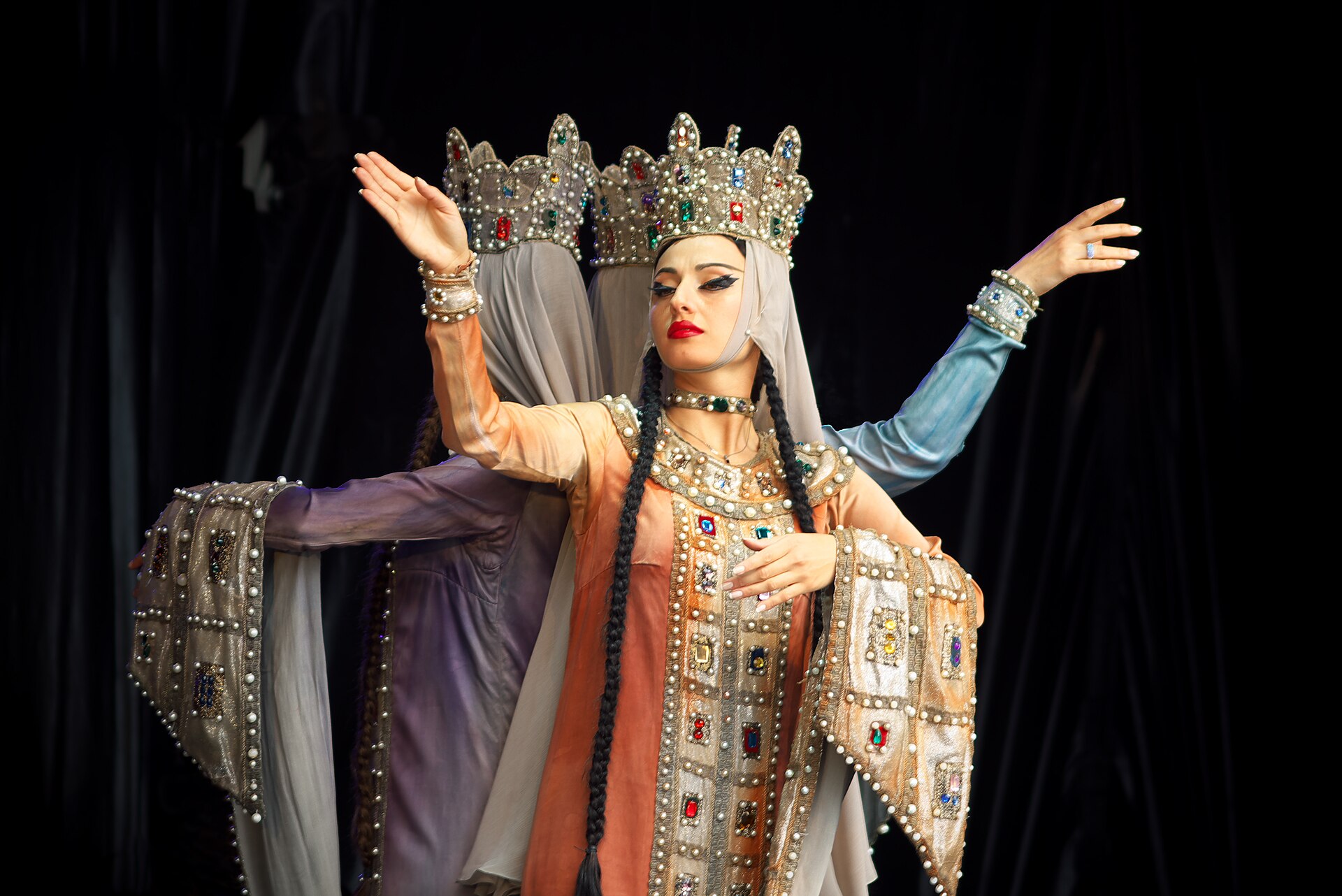
Sukhishvili is the company most people mean when they search for Georgian dance. Iliko Sukhishvili and Nino Ramishvili founded it in 1945, and it took Georgian folk dance and staged it with the scale and polish of a ballet company: big ensembles, perfect lines, costume changes every few minutes. It is the best-known Georgian dance company abroad, and it has the touring schedule to prove it.
That is the catch for visitors. Sukhishvili's Tbilisi dates are irregular because the company spends long runs on the road. In October 2026 it is touring the US, with dates in California, Washington, Illinois and Florida. In July 2026 it opened the Art-Gene festival in Tbilisi on 23 July. When it does play at home, the concerts are big events and sell well, so book as soon as a date appears.
Sukhishvili is folk dance staged with ballet discipline, not classical ballet. If you want tutus and Tchaikovsky, the ballet company at the Tbilisi Opera House is the one to look up.
Erisioni and the Sports Palace show
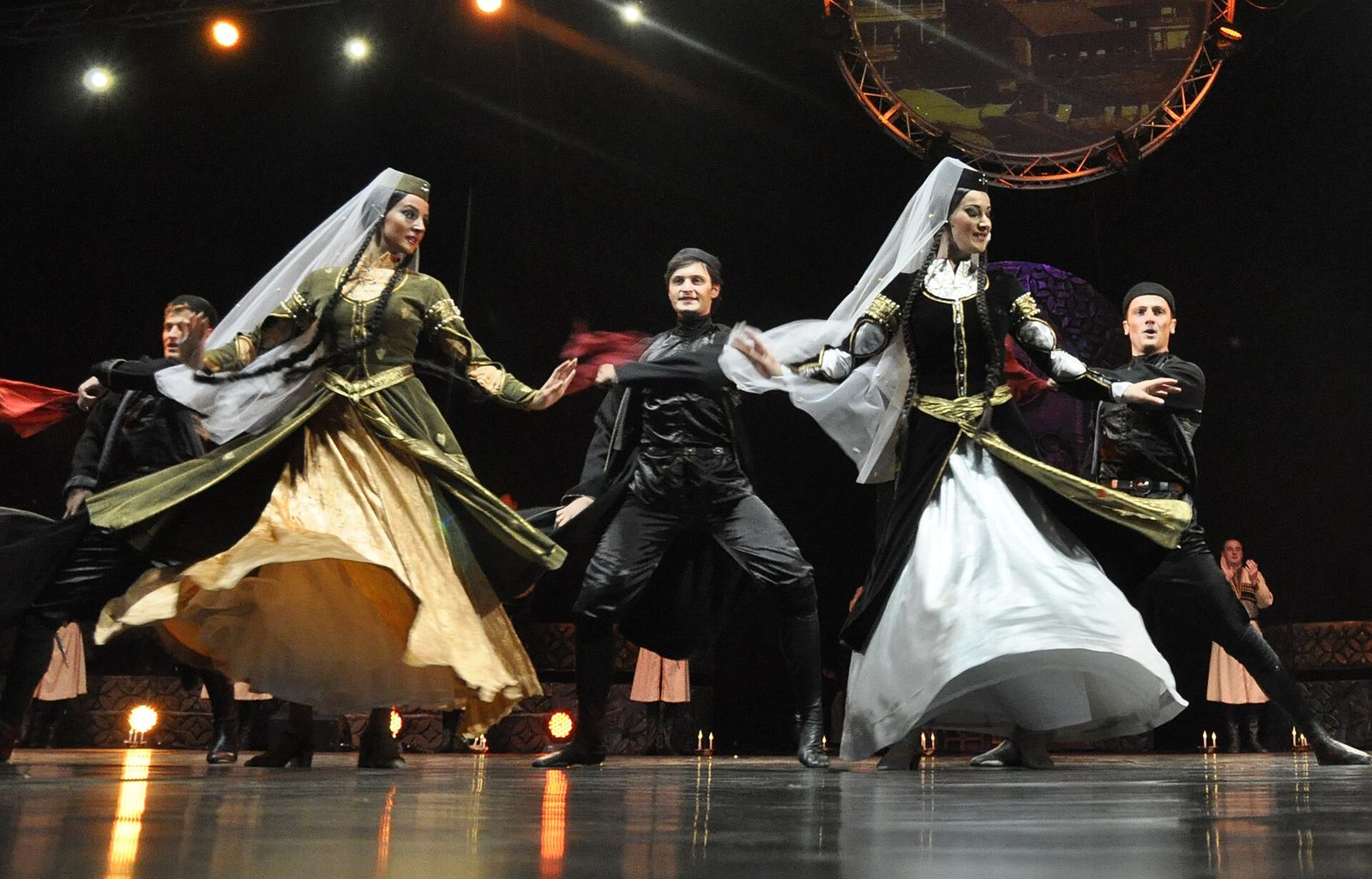
Erisioni is the other state ensemble, and it does both dance and song. Its "Georgian Treasure" show at the Tbilisi Sports Palace runs 90 minutes, with tickets from 60 GEL. It's the best value of the staged shows: the dancing is at the same level as the big tours, the choir sings between the dance numbers, and you sit in a proper hall rather than at a dinner table.
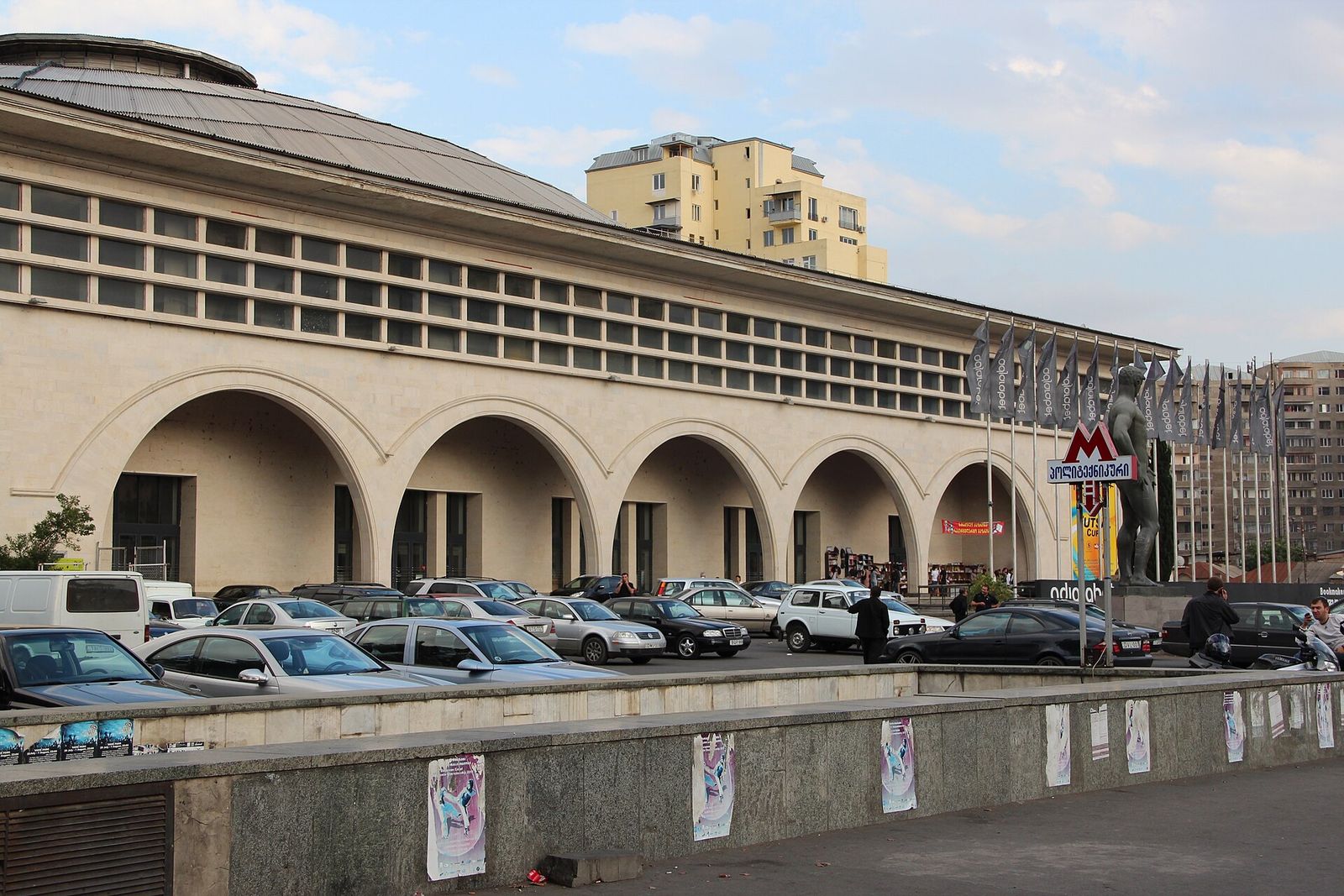
The Sports Palace is a 1961 concrete dome on the Saburtalo side of the city, with about 11,000 seats, so it doesn't feel intimate. Pay a little more for seats in the lower rows, where you can see the footwork. As with Sukhishvili, dates come and go with the ensemble's touring, so check the listings for your week.
Folk dance dinner shows in Tbilisi
If you have one evening and want both singing and dancing, a dinner show is the sure thing. Two big restaurants on Akaki Beliashvili Street, on the Didube side of the city, put on live Georgian music and dance in the evenings, with the dancers performing on a stage among the tables. Expect around 100 GEL a head or more once you add food and wine. You're paying for the show as much as the food.
Ethno Tsiskvili
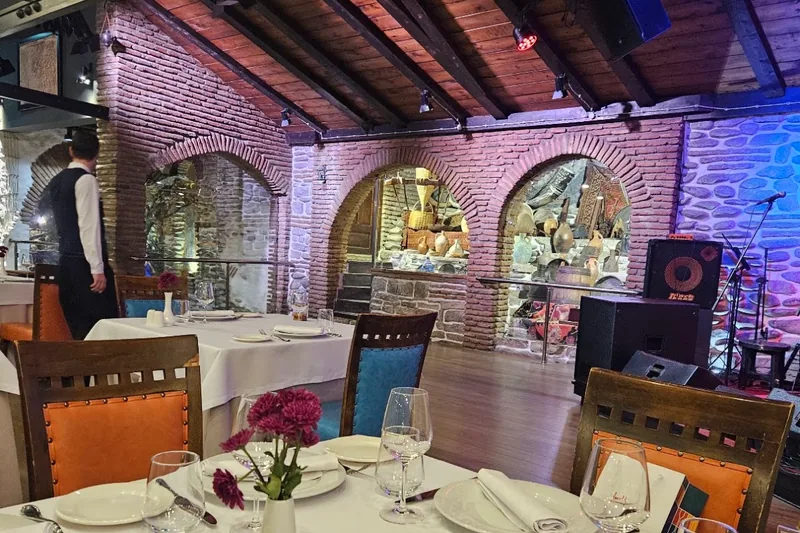
Ethno Tsiskvili, at 99 Beliashvili Street, is a sprawling Georgian restaurant with brick arches, vaulted wooden ceilings and a stage for the show. Live Georgian music and dance run every night, and the program builds through the evening to the fast men's dances and the sword fights. It's the one I'd send first-timers to, because the room and the show feel like a big night out rather than a staged tourist dinner, and it is just as popular with locals.
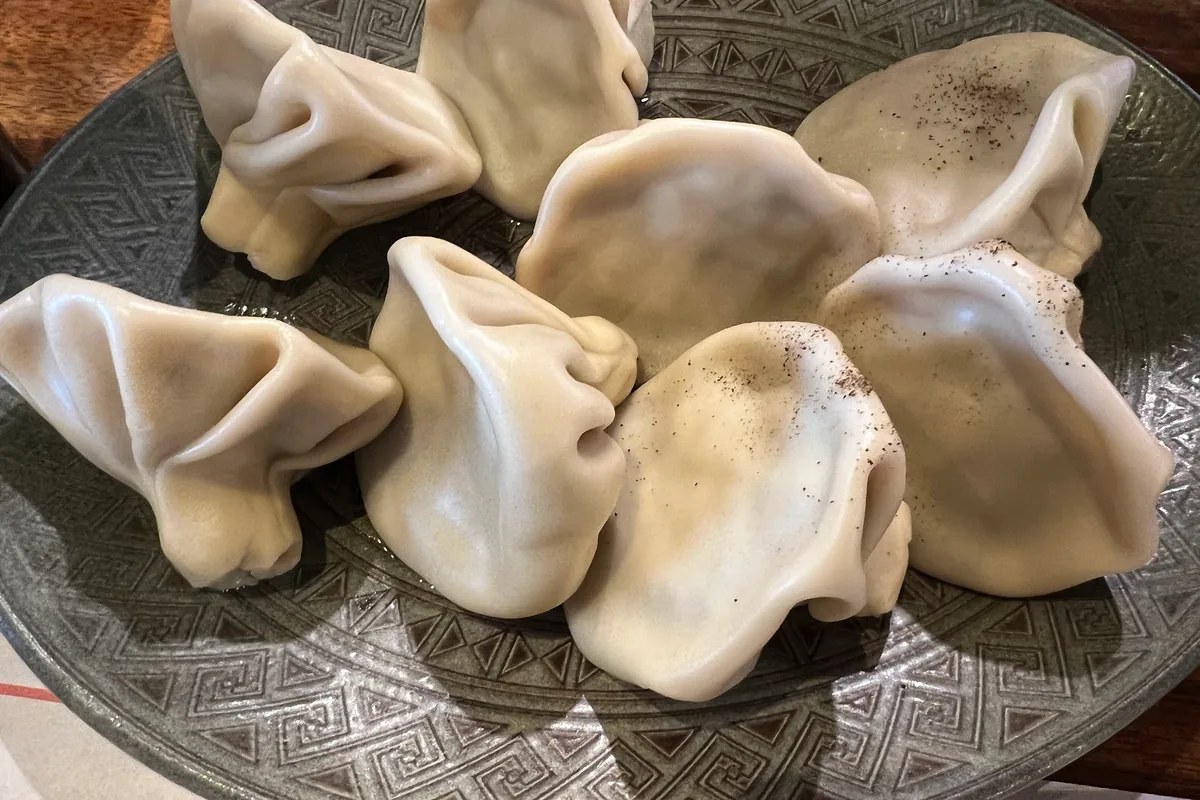
It suits groups, families and anyone who wants the full feast with a show attached. It's less good for a quiet dinner for two: the place is huge and loud on weekends, and service slows down when every table is full. Order the classics, khinkali, pkhali and a grilled mtsvadi, and let the show be the main event.
Ethnographer
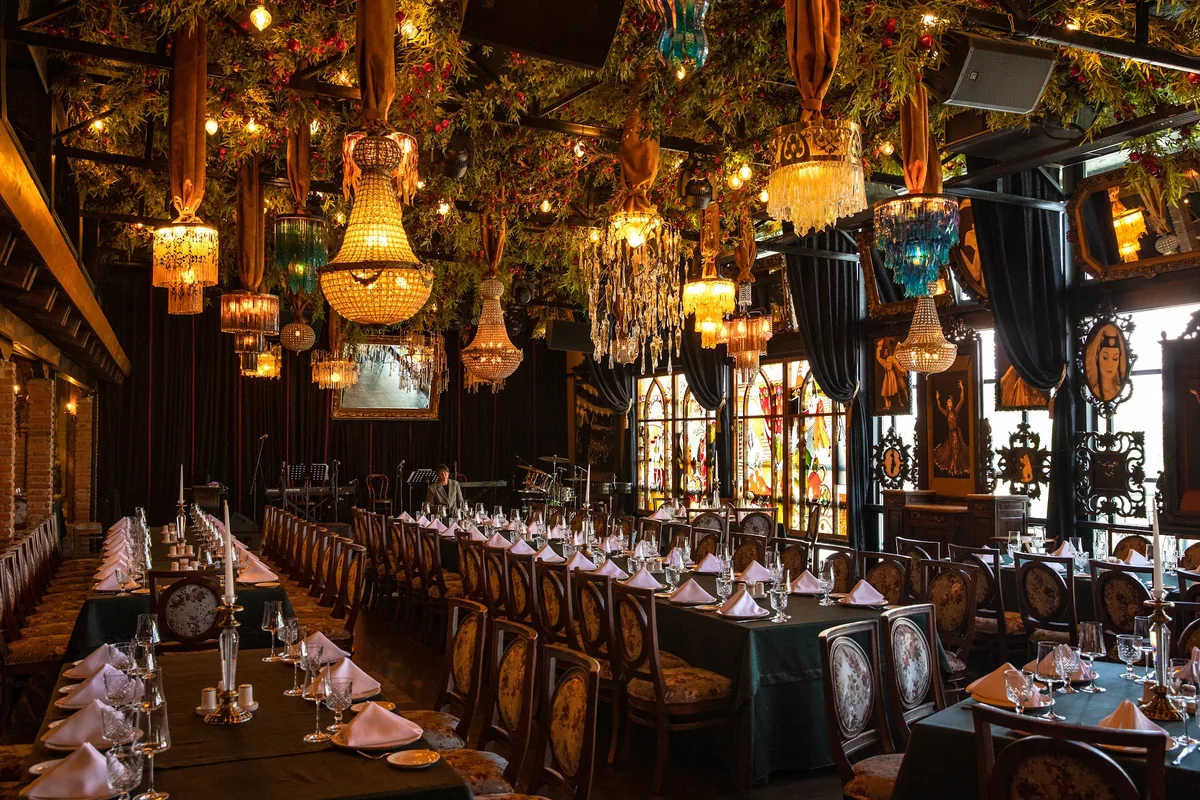
Ethnographer, a few doors along at 105 Beliashvili Street, is the grander of the two: a big banquet hall with chandeliers and long set tables, live musicians and a troupe of dancers on the program most evenings. It opens at noon, so it also works for a late lunch, but the show is the reason to come at night.
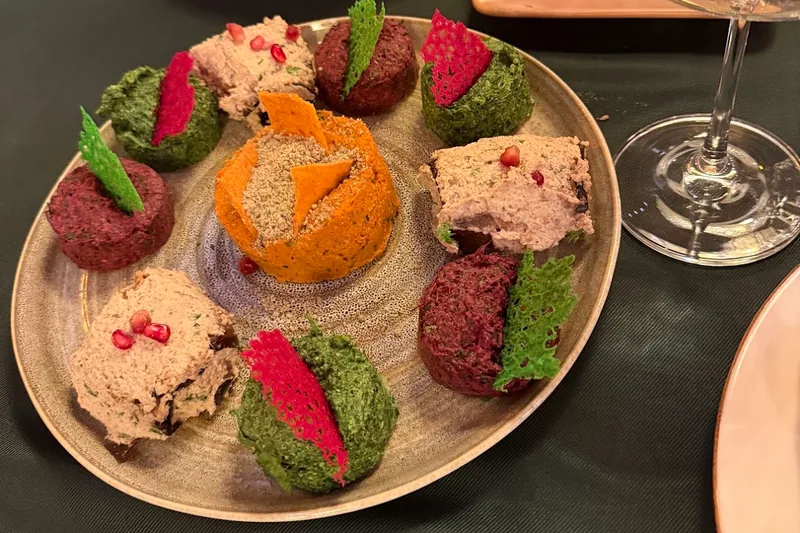
The dancing is polished, the front tables sit right by the stage, and the musicians play folk songs between the dance sets. The prices sit above an ordinary Georgian restaurant, and the hall gets very loud when it's full. It suits a celebration or a group that wants a long, noisy evening; couples after a romantic dinner should pick somewhere smaller and see the dance another night.
Art-Gene and the festivals with folk music
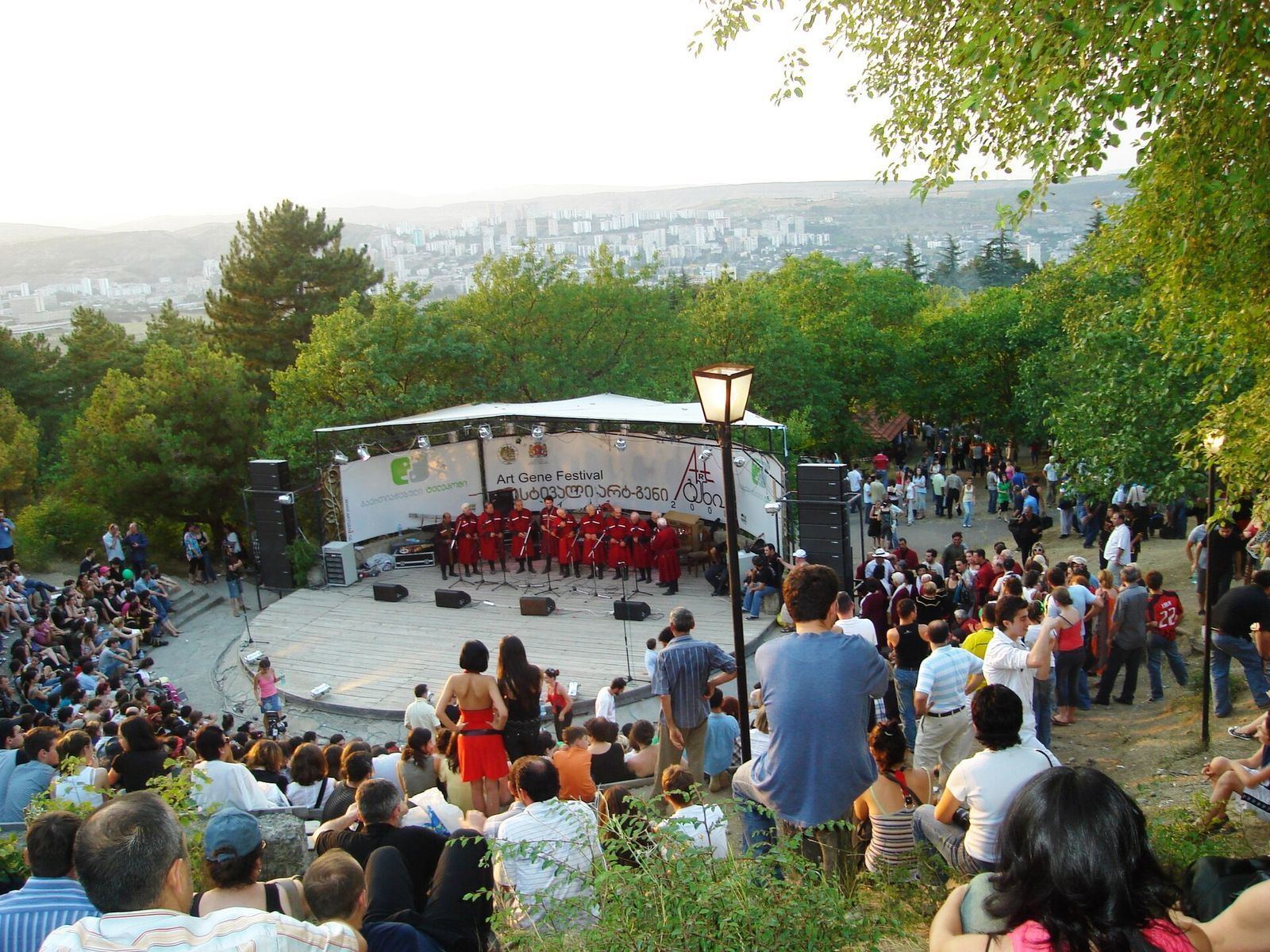
The best single place to hear Georgia's regional styles side by side is Art-Gene, a folk festival founded in 2004 and held every July at the Open Air Museum of Ethnography, the hillside park of old wooden houses above Vake. Village choirs and dance groups come from all over the country, many of them groups you would never hear in a concert hall, and the craftspeople set up stalls between the houses. In 2026 it ran from 23 to 26 July, with Sukhishvili opening the first night.
Folk singing and dancing also turn up at most of the big dates on the Georgian festival calendar:
| Festival | When | Where | What you'll hear and see |
|---|---|---|---|
| Alilo | 7 January | Tbilisi and other cities | Church choirs and carol singers in procession |
| Tbilisi New Wine Festival | May | Tbilisi | Folk music between the wine stalls |
| Art-Gene | July | Open Air Museum of Ethnography | Regional choirs, dancers and crafts |
| Kvirikoba | 28 July | Kala village, Svaneti | A church service, then feasting and Svan songs |
| Rtveli and Alaverdoba | September into October | Kakheti | Harvest and feast-day singing and dancing |
| Tbilisoba | Late September or early October | Old Town, Tbilisi | Concerts, dance and a folk ensemble parade |
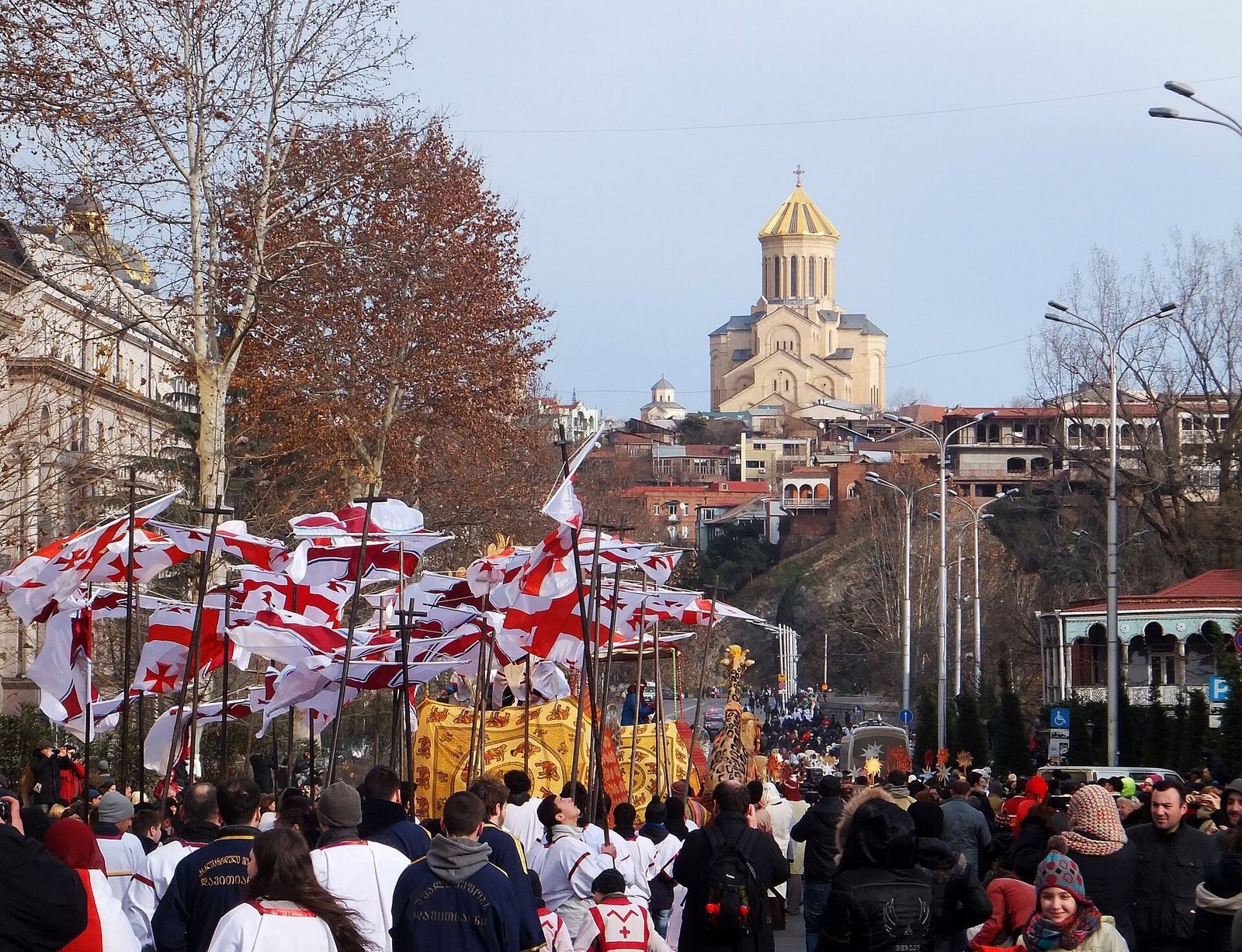
Alilo, the Christmas procession on 7 January, is the one I'd fly in for: choirs and families in traditional dress walking and singing carols through the city, part of Christmas in Tbilisi. In autumn, the Rtveli grape harvest in Kakheti brings the singing back where it started, out in the vineyards and at the table.
Which one to pick for your trip
- One evening in Tbilisi. A dinner show at Ethno Tsiskvili or Ethnographer. Singing, dancing and dinner in one booking.
- You care most about the singing. A Sunday morning service at Sameba or Anchiskhati, then a concert if Rustavi, Basiani or the Chamber Choir is on.
- You want the dance at its best. Sukhishvili if the dates match, Erisioni at the Sports Palace if not.
- You're here in July. A day or two at Art-Gene, which beats every other option for range.
- You're on a tight budget. The church choirs are free, and a staged Erisioni show from 60 GEL costs less than most dinner shows.
The wrong pick: a dinner show if you want to hear the singing properly. The music is good but it competes with plates, toasts and birthday parties at the next table.
Key takeaways
- Georgian polyphony is three-voice singing with no instruments, recognized by UNESCO in 2001 and listed in 2008.
- Weekend services at Sameba and Anchiskhati Basilica are the free, everyday way to hear it.
- Ethno Tsiskvili and Ethnographer put on folk dance and music every evening, at about 100 GEL a head or more.
- Sukhishvili and Erisioni are the companies to see on stage, but their Tbilisi dates depend on touring; check before you plan.
- Art-Gene in July is the best few days of the year for regional folk singing and dance.
Frequently asked questions
What is Georgian polyphonic singing?
It is traditional Georgian part-singing for three voices, usually with no instruments. A low voice holds a drone, a middle voice carries the melody and a high voice adds ornaments, and UNESCO has recognized it as intangible heritage since 2001.
Where can I see Georgian dancing in Tbilisi?
The most reliable option is a dinner show at Ethno Tsiskvili or Ethnographer, where dancers perform every evening. For a full staged show, look for Erisioni at the Tbilisi Sports Palace or a Sukhishvili concert, and in July go to the Art-Gene festival.
How much does a Georgian dance show cost in Tbilisi?
Erisioni's 90-minute show at the Sports Palace starts at 60 GEL a ticket. A dinner show costs about 100 GEL a head or more, since you pay for the meal rather than a ticket, and Art-Gene day tickets ran from 60 to 90 GEL in 2026.
When does Sukhishvili perform in Tbilisi?
There is no fixed season, because the company tours abroad for long stretches; in October 2026 it is in the US. Watch its own schedule and the Georgian ticket sites, and book as soon as a Tbilisi date appears, since home concerts sell well.
Can you hear polyphonic singing in Tbilisi churches?
Yes. Orthodox services in Georgia are sung, and the choirs at Sameba cathedral and Anchiskhati Basilica are among the best in the country. Go to a Saturday evening or Sunday morning service, dress modestly and stand at the back.
What is the most famous Georgian song?
Chakrulo, a three-voice feast song from Kakheti about a warrior's resolve. A recording of it was sent into space in 1977 on the Voyager Golden Record, and Georgians still sing it at feasts and festivals.
What is the most famous Georgian dance?
Kartuli, the elegant pair dance often danced at weddings, is the best known, alongside the sword dances that close most shows. Sukhishvili, the national dance company, made Georgian dance famous abroad.
Georgian Culture and Traditions: A Visitor's Guide to Customs, Feasts, Faith and Song
Georgian culture is known for feasts, wine and song. Here's what visitors should know about its customs and traditions.
Read the guide
Basic Georgian Phrases for Travelers, with Pronunciation
Georgian has its own alphabet and a hello that means victory. Here are the phrases to learn and how to say them.
Read the guide
A Short History of Georgia and Tbilisi, From the Falcon Legend to Today
Tbilisi has been burned and rebuilt for 1,500 years. Here is Georgia's story in short, and where to see it today.
Read the guide