Open Air Museum of Ethnography, Tbilisi: Tickets, Getting There and What to See
Tbilisi's Open Air Museum of Ethnography is a hillside of real village houses, towers and wine cellars, taken apart across Georgia and rebuilt in the woods above Vake. It's my favorite museum in the city and the one most visitors miss, because it sits outside the center. Here's what tickets cost, how to get up there, what to see and how to fit it into a half day.
What the Open Air Museum of Ethnography is
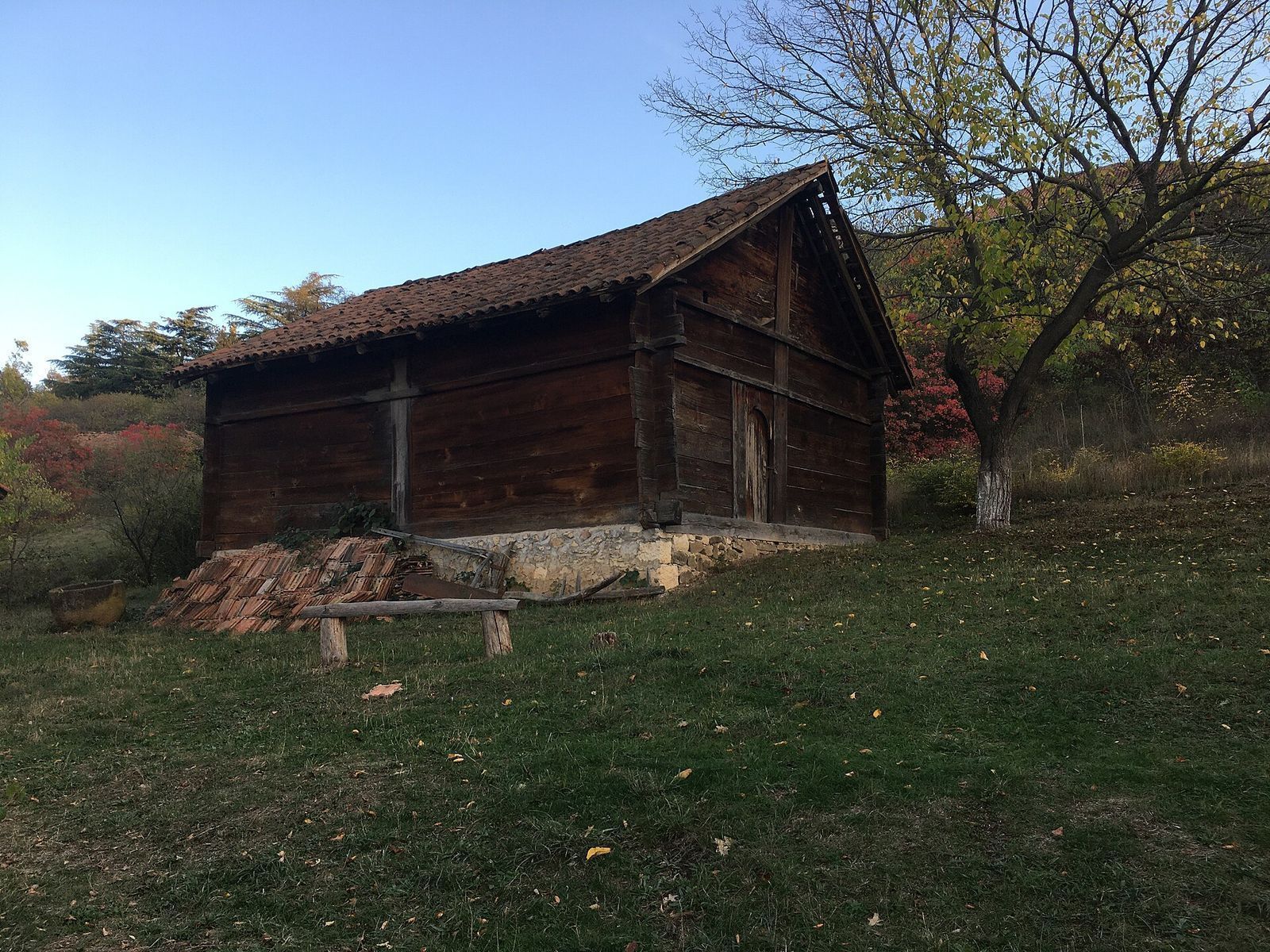
The full name is the Giorgi Chitaia Open Air Museum of Ethnography, after the ethnographer who founded it in 1966. The idea was simple: instead of putting Georgian village life behind glass, bring the villages to Tbilisi. Houses, barns, towers and churches were taken down in their home regions, moved piece by piece and put back together on the slopes below Turtle Lake.
Today the museum covers about 52 hectares of wooded hillside, split into 11 sectors, with around 70 buildings. The sectors follow the regions, so a 2-hour walk takes you from a stone defense tower from the high Caucasus to the wooden verandas of western Georgia and the half-buried earth houses of the south. The oldest pieces are archaeological finds; the newest houses were lived in until the early 20th century.
What sets it apart from the Georgian National Museum on Rustaveli Avenue is space and air. You walk dirt paths between trees and long grass, duck into smoky kitchens and climb onto verandas, and on a weekday morning you can have whole sectors to yourself. It's the closest thing to a village trip you can do in an afternoon without leaving the city.
Tickets and opening hours
A foreign visitor's ticket costs 25 GEL, and Georgian citizens pay 8 GEL. You buy it at the gate. The museum is open Tuesday to Sunday from 10:00 to 18:00 and closed on Mondays.
| What | Price or time | Notes |
|---|---|---|
| Ticket, foreign visitor | 25 GEL | Bought at the gate |
| Ticket, Georgian citizen | 8 GEL | Bought at the gate |
| Five-museum pass | 50 GEL | Sold by the Georgian National Museum; ask which 5 museums it covers |
| Opening days | Tuesday to Sunday | Closed every Monday |
| Opening hours | 10:00 to 18:00 | Some houses stay locked in winter |
| Time to allow | 2 to 3 hours | 3 to 4 hours if you go into every house |
At 25 GEL it costs the same as the National Gallery and well under the 40 GEL National Museum, which makes it one of the better-value tickets among the big Tbilisi museums for the time you spend there. The 50 GEL pass pays off if you're also doing the National Museum and the National Gallery; on its own, the single ticket is the better buy.
The ticket covers the whole site. There's no separate charge for the houses, the tower or the view from the top.
How to get to the Open Air Museum of Ethnography
The museum sits on the road up to Turtle Lake, on the hill above Vake Park. There's no direct public transport to the gate, so you have three choices, and the best one involves a cable car.
| Way there | Starts at | Time | Cost | Best for |
|---|---|---|---|---|
| Cable car to Turtle Lake, then walk down | The top of Vake Park | A short ride, then about 20 minutes on foot | 1 GEL | Most people: the walking is all downhill |
| Taxi | Anywhere in the center | Door to gate | About 10 to 13 GEL by Bolt | Hot days, kids, a tight schedule |
| Walk up from Vake Park | Vake Park | 40 to 50 minutes uphill | Free | Cool mornings and keen walkers |
The cable car to Turtle Lake
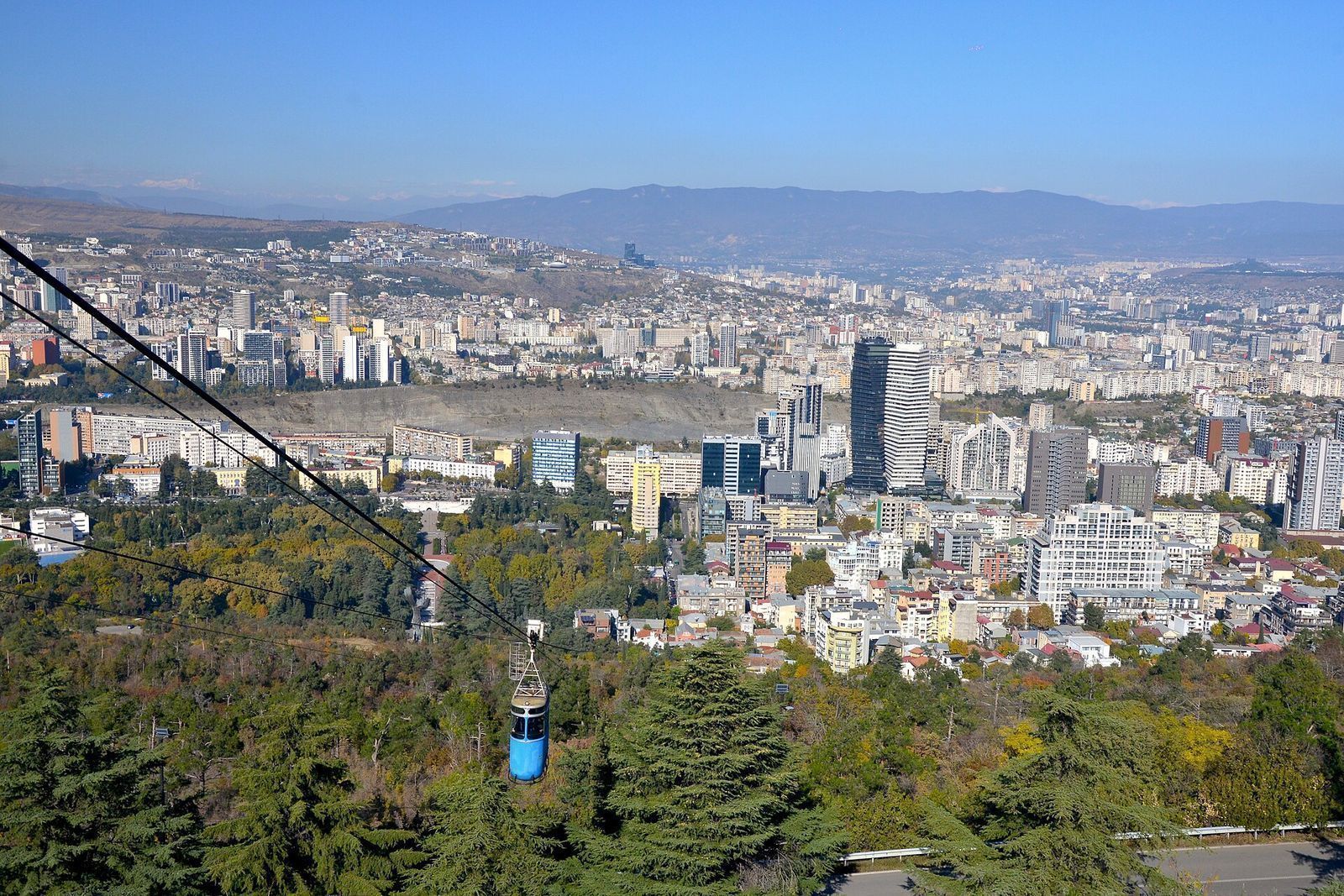
An old Soviet ropeway runs from the top of Vake Park up to Turtle Lake, a small lake in a forested bowl above the city. It costs 1 GEL one way and runs daily from 10:00. From the lake, follow the road about 20 minutes downhill to the museum gate.
You pay by tapping a Metromoney card at the gate. The card costs 2 GEL with a refundable deposit, and the same card pays for the Tbilisi metro and the city buses, so it earns its keep within a day. One card covers a whole group: tap once per person.
It's the most relaxed of the cable cars in Tbilisi: no Old Town queue, and the ride over the treetops gives you Vake and the Axis Towers spread out below before you've even reached the lake.
By taxi
A Bolt from the Old Town or Rustaveli Avenue costs about 10 to 13 GEL and drops you at the gate. Use an app rather than flagging a car on the street; the price is fixed before you get in, which is how taxis in Tbilisi work best for visitors. Getting back is just as easy: order a car from the gate when you're done, or walk down the road into Vake.
On foot from Vake Park
If you like a climb, it's 40 to 50 minutes uphill from Vake Park to the museum, mostly along the road. It's a decent workout and shady in parts, but in July and August I'd only do it first thing in the morning. Walking all the way to Turtle Lake through the museum takes 45 to 60 minutes each way.
What to see at the Open Air Museum of Ethnography
The paths wander rather than follow a set route, and there's no wrong way round. I'd head for the Svan tower first, since it's the highest point and the best view, then work down through the houses with the city opening up below you.
The Svan tower
The stone tower on the crest of the hill is the one you can see from all over Vake. In the high mountain villages of Svaneti, families built towers like this as refuges, a place to hold out during raids and blood feuds, and whole villages still bristle with them today. This one is the closest you'll get to a Svan village without an overnight trip.
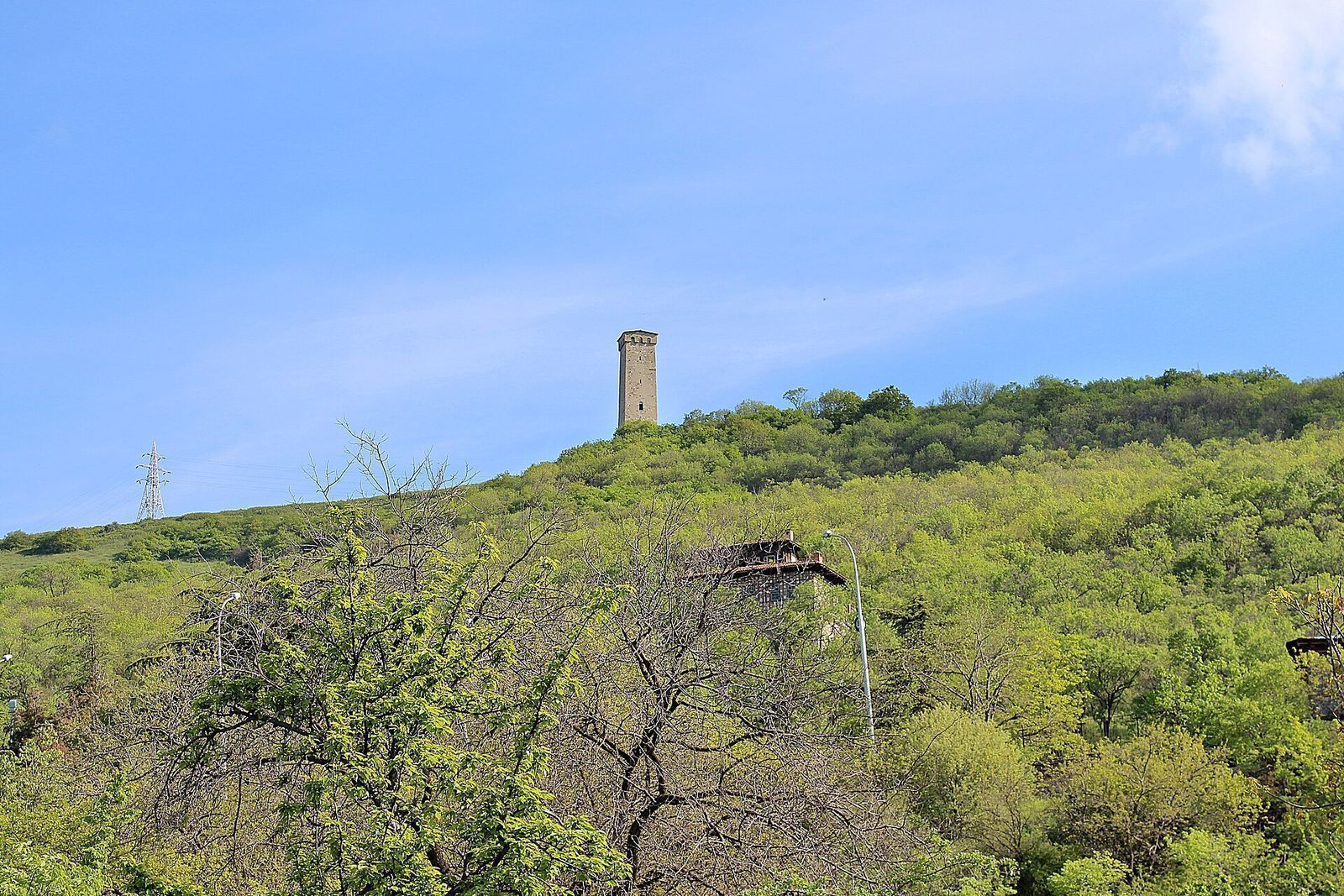
Stand at its foot and look back toward the city: the towers of Vake, the river valley and the hills of western Tbilisi are all laid out in front of you.
Darbazi houses from southern Georgia
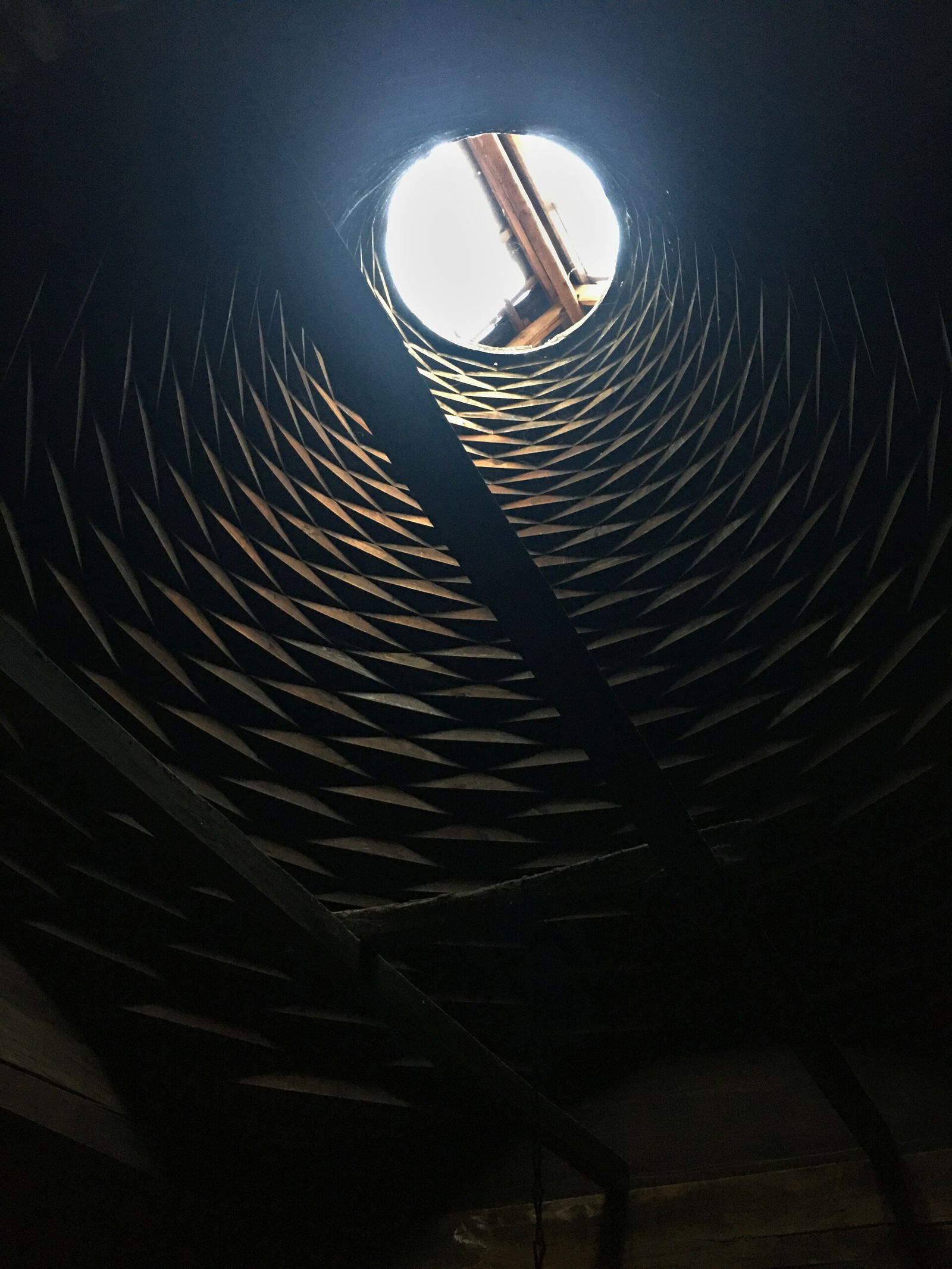
The strangest building here is the darbazi, the traditional house of southern Georgia. The museum's example is a Meskhetian darbazuli house from Samtskhe-Javakheti, dug partly into the ground, with an earth roof on top. Inside, a wooden ceiling rises in stepped rings to a single opening in the middle, which let out the smoke from the hearth below and let in the only daylight.
It feels more like a cave than a house, and that was the point: thick earth walls kept out the cold of the high plateau. Step inside, let your eyes adjust, and look straight up.
Wooden houses of western Georgia
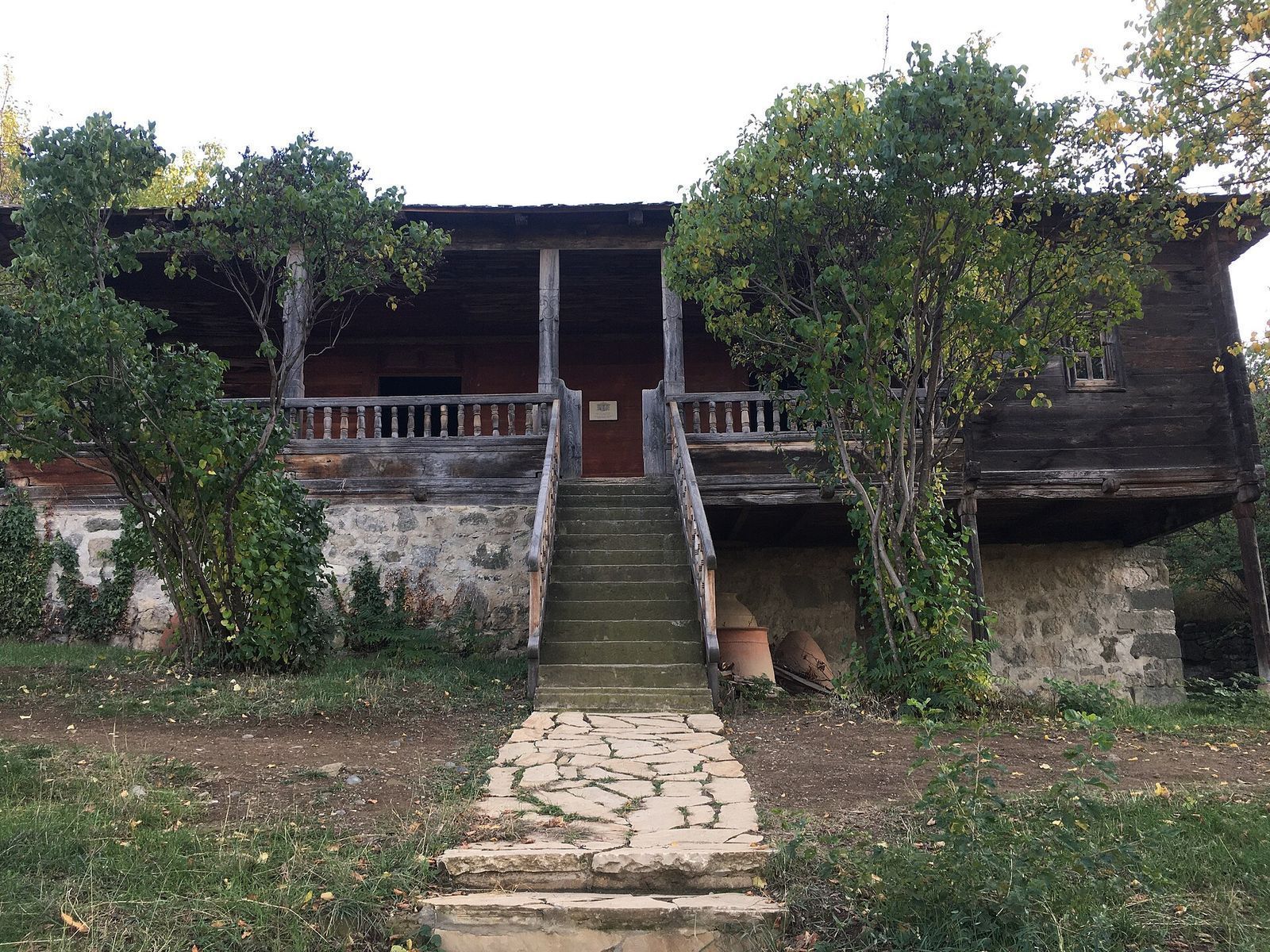
Western Georgia is wetter and greener than the east, and its village houses are wood. The museum has an 18th-century Imeretian log house set on a stone foundation, wooden Mingrelian houses, and a classic oda from the village of Atsana in Guria: a wooden house lifted off the ground with a wide veranda along the front.
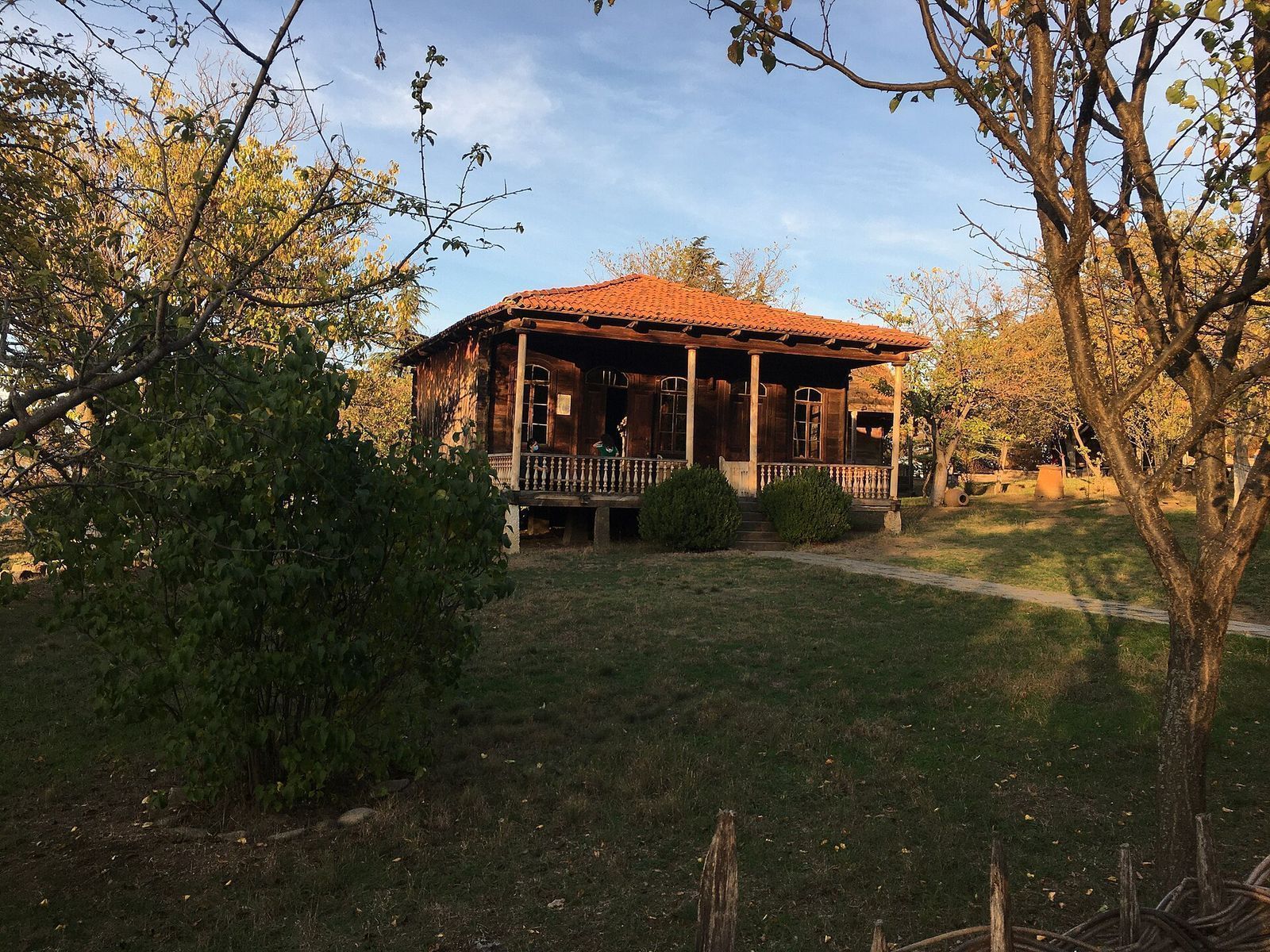
These are my favorite houses on the hill. The verandas were where families ate, worked and talked in the warm months, and standing on one with the trees around you is a better explanation of western Georgian life than any museum label.
Wine cellars, forges and farm buildings
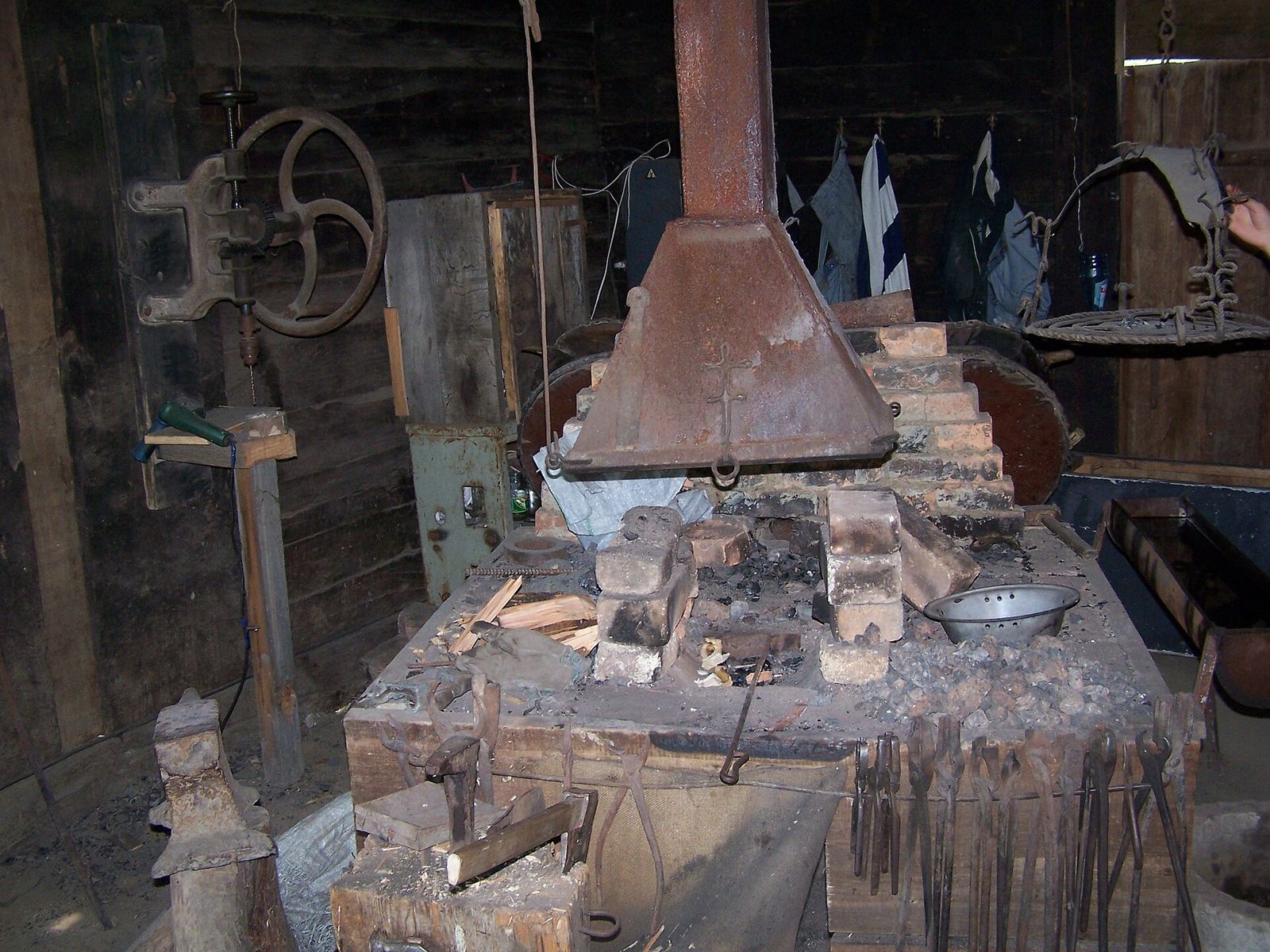
The farm buildings fill in the rest of village life. There are wine cellars with clay qvevri buried in the floor up to their necks, the same vessels Georgian qvevri wine is still made in today, plus forges, a house with its own blacksmith shop, stables, barns and cowsheds. Look out too for the hunting lodge, which dates from the 18th or 19th century.
Most of these are simple stone and timber sheds, and they're easy to walk past. Don't: the wine cellars especially show how central wine was to every household, not just to the big estates.
Inside the houses
Many of the houses are furnished as they would have been: hearths with cauldrons hanging on chains, wooden bowls and clay jugs, low stools, beds and chests. Elsewhere you'll find traditional clothing, embroidery, carpets, carved wood and a small collection of weapons, from knives to swords and daggers.
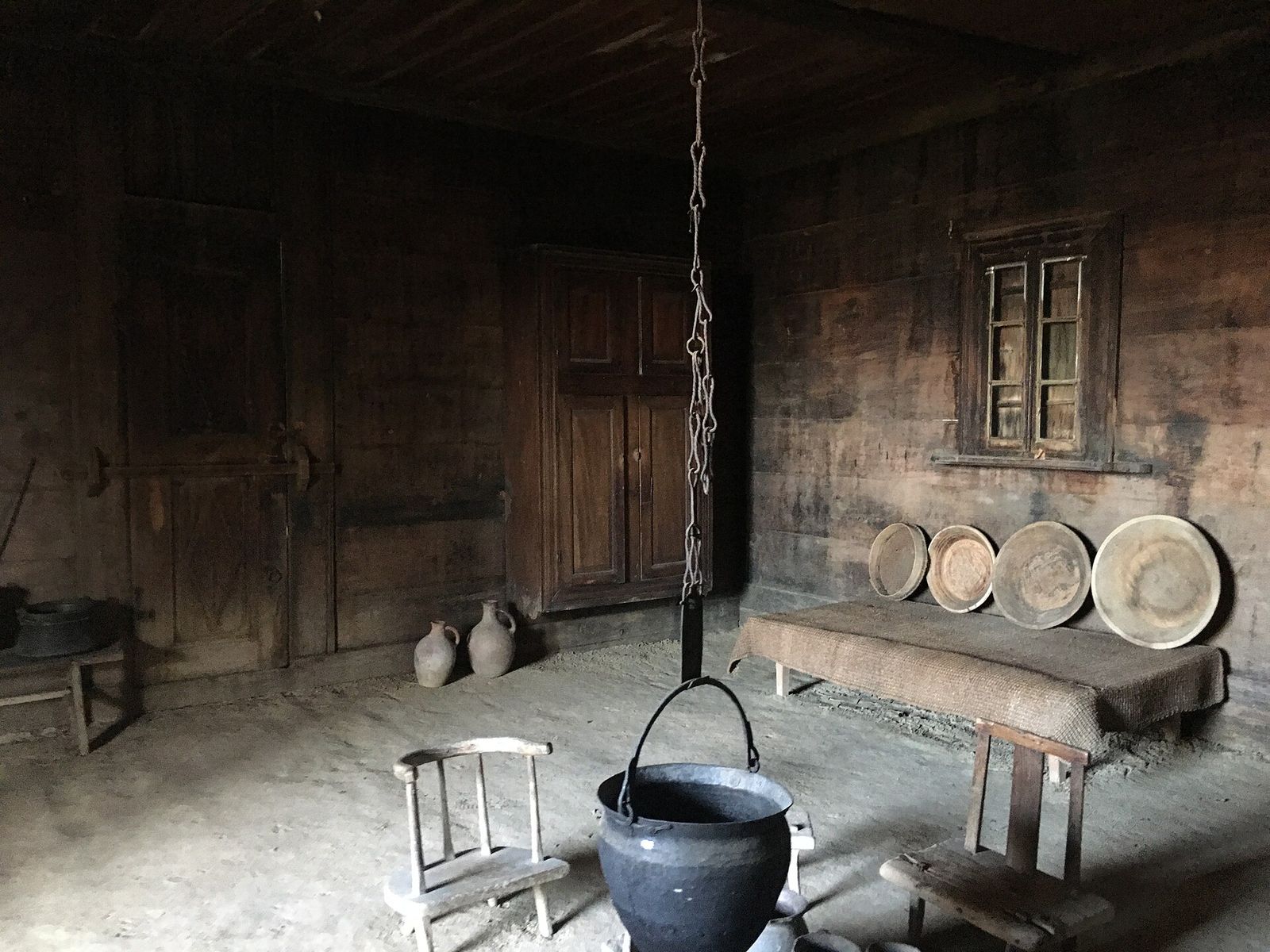
The textiles and carving are the roots of the Georgian crafts you'll see in workshops around the Old Town, and seeing them in a real kitchen makes the shop versions make more sense.
Stone stelae and church ruins
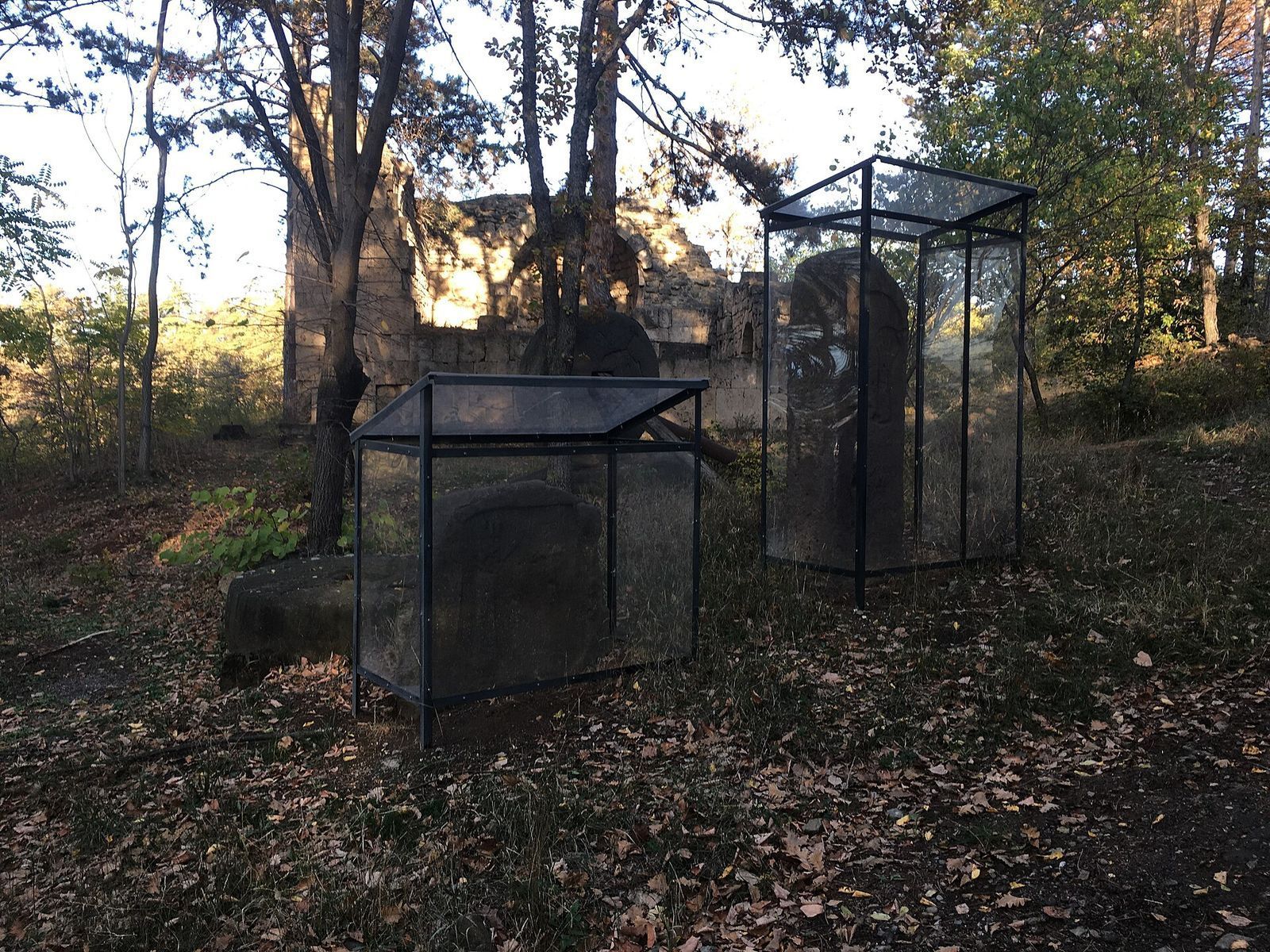
Scattered among the trees are carved stone stelae, now protected in glass cases, and the stone remains of old church buildings. There are also small displays of archaeological finds, the oldest objects on the site. It's a quieter corner than the houses, and the carved crosses on the stones are worth a close look.
The view over Vake
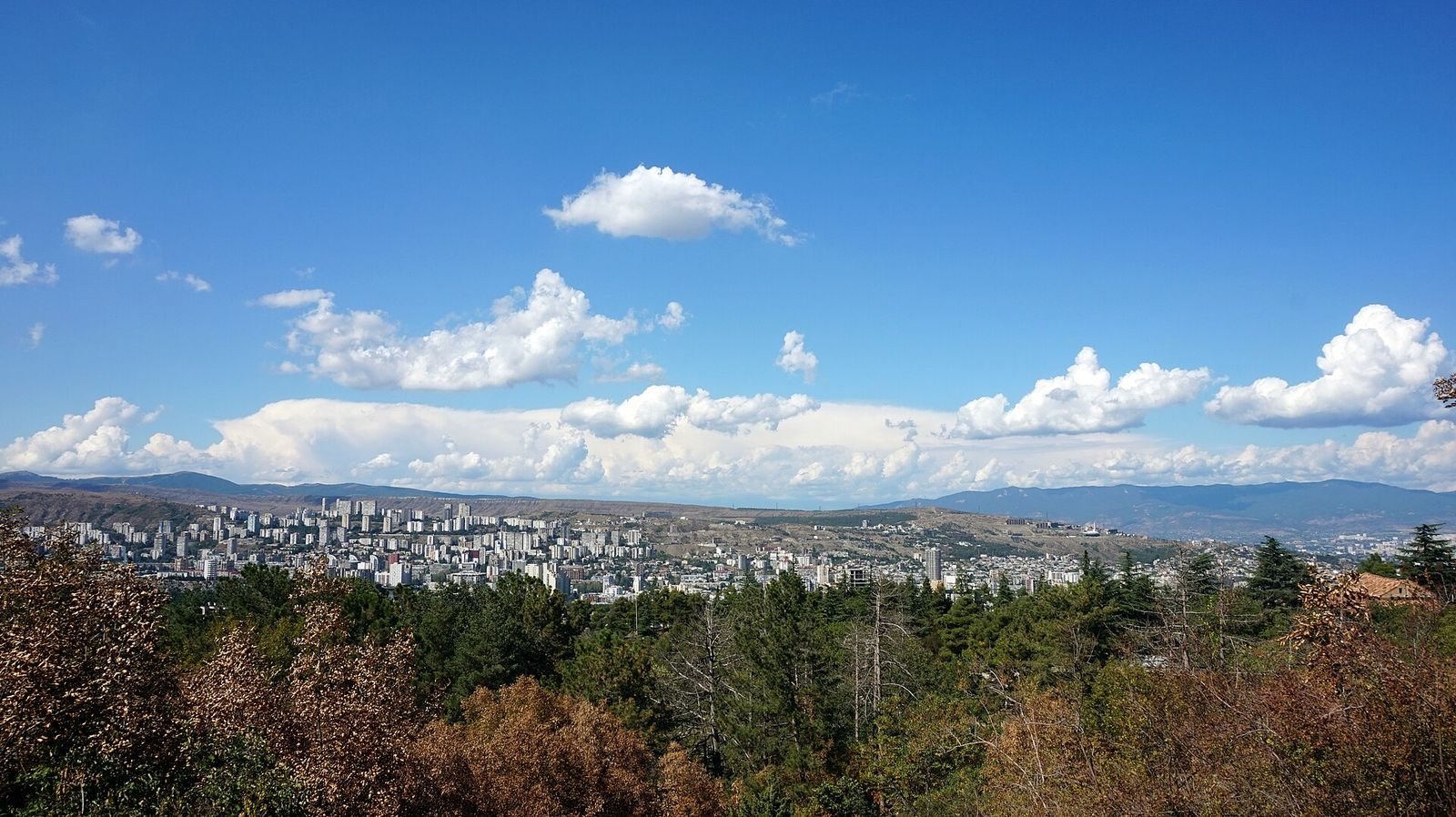
The museum sits high above the city, and from the top paths you look down over Vake, the Axis Towers and the western half of Tbilisi. It's a softer, greener view than the ridge above the Old Town, and it makes the museum one of the more relaxed Tbilisi viewpoints, with houses and orchards in the foreground instead of crowds.
Is the Open Air Museum of Ethnography worth it?
Yes, for most people. It's my favorite museum in Tbilisi, and the 25 GEL ticket buys a couple of hours outdoors among buildings you'd otherwise have to drive hundreds of kilometers to see. But it isn't for everyone.
It suits:
- Travelers staying in the city. If you won't leave the city on this trip, this is the best look you'll get at village Georgia, from Svan towers to western verandas, in one afternoon.
- Travelers heading for the regions. A visit before Svaneti, Kakheti or the south shows you what to look for in the villages you'll pass through.
- Families. Children can walk in and out of the houses and climb onto verandas, which beats any glass case, and Tbilisi with kids has few better half days outdoors.
- Photographers. Old timber, stone, autumn color and a city view, with very few people in the frame.
- Anyone tired of the Old Town crowds. It's the calmest museum in the city on a weekday morning.
Skip it if:
- You only have a day or two in Tbilisi. The trip out and back plus the visit takes half a day, and the Old Town, the baths and the ridge come first.
- It has just rained. The dirt paths turn to mud and you'll spend the visit watching your feet.
- Walking is hard for you. The site is a steep, spread-out hillside with uneven paths and steps, and there's no way round that.
Best time to visit
Spring and autumn are the best seasons. The paths are dry, the trees are green or turning, and it's warm enough to sit on a veranda. Those months are the best time to visit Tbilisi in general, and up here the autumn color makes the old timber houses glow.
Summer works if you go early. The trees give some shade, but the hillside still gets hot by midday, so arrive at 10:00 and finish before the heat. Each summer the museum grounds host the Art-Gene folk festival, with folk music, crafts and food spread among the houses; it's one of the best festivals in Georgia for seeing village traditions, and the busiest the hill ever gets.
Winter is quiet and sometimes snowy, which is lovely for photos, but some of the houses stay locked and the paths can be icy. Go on a clear, dry day and expect to see more outsides than insides.
A half day at Turtle Lake and the museum
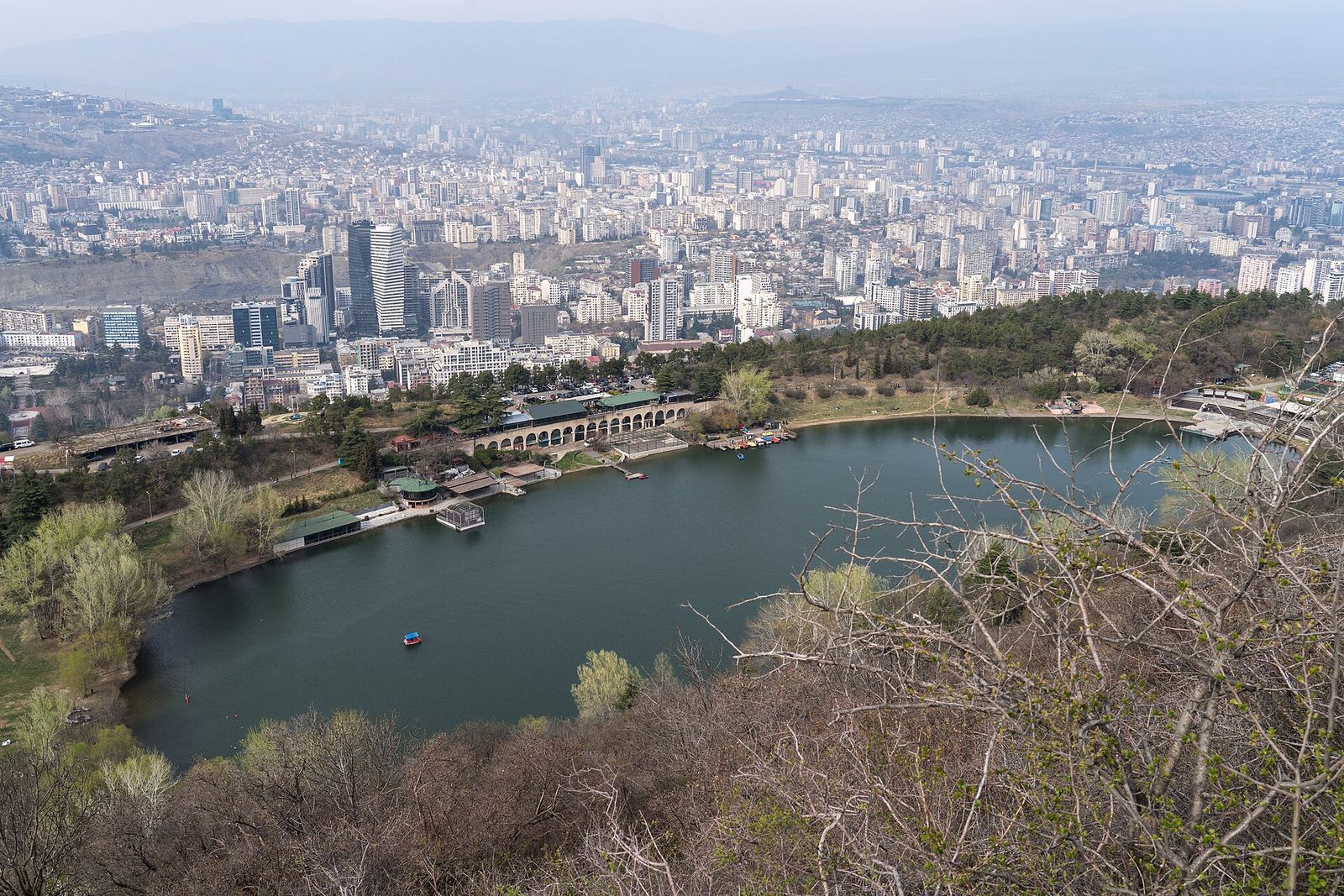
The museum and Turtle Lake sit on the same hill, so I always do them together. This is the half day I'd plan, ending in Vake for a late lunch.
| Time | Stop | Notes |
|---|---|---|
| 10:00 | Cable car from the top of Vake Park | 1 GEL on a Metromoney card |
| 10:15 | Turtle Lake | Coffee by the water and a walk around the lake |
| 11:00 | Walk down the road to the museum | About 20 minutes, all downhill |
| 11:20 | Open Air Museum of Ethnography | 25 GEL, 2 to 3 hours |
| 14:00 | Bolt or walk down to Vake | Lunch on Abashidze or Chavchavadze |
| 15:30 | Vake Park | Free; a slow walk to finish |
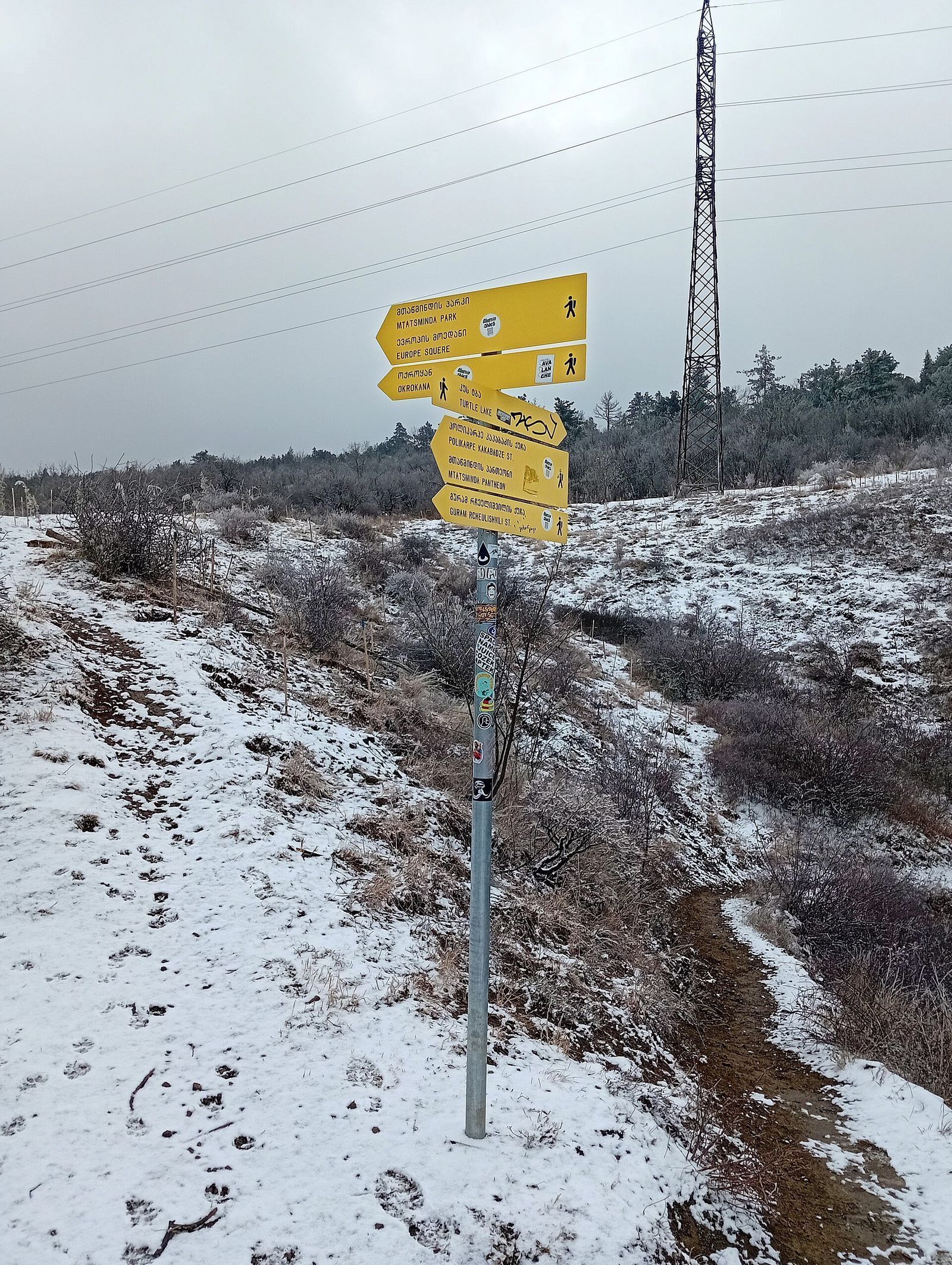
If you'd rather keep walking, there's a bigger day hidden in the same hill. Marked forest trails run along the ridge from Turtle Lake across to Mtatsminda Park, about 3 hours with stops, finishing at the TV tower with all of Tbilisi under your feet. Do the museum first, ride or walk back up to the lake, and set off from there.
Tips for visiting
- Wear shoes with grip. The paths are dirt, grass and old stone, steep in places and slippery when wet.
- Carry water. The site is big and spread out, and on a warm day you'll want it long before you're back at the gate.
- Start at the top. Climb to the Svan tower first and work down, so the last stretch of the visit is the easy one.
- Go inside. Half the museum is in the interiors; try every door and ask the keepers.
- Bring a Metromoney card. It pays for the Turtle Lake cable car, and buying one in advance saves a scramble at the ropeway.
- Check the forecast. A dry, sunny day is the whole difference between a great visit and a muddy one.
Key takeaways
- Tickets are 25 GEL for foreign visitors, and the museum is open Tuesday to Sunday, 10:00 to 18:00, closed Mondays.
- About 70 buildings from across Georgia, from a Svan tower to darbazi earth houses and wooden odas, stand on 52 hectares above Vake.
- Take the 1 GEL Turtle Lake cable car up and walk 20 minutes down to the gate, or pay about 10 to 13 GEL for a Bolt.
- Allow 2 to 3 hours and go on a dry day in spring or autumn.
- Pair it with Turtle Lake on the same hill for an easy half day.
Frequently asked questions
How much is the Open Air Museum of Ethnography in Tbilisi?
A ticket costs 25 GEL for foreign visitors and 8 GEL for Georgian citizens. It covers the whole site, including the houses and the Svan tower. The Georgian National Museum also sells a 50 GEL five-museum pass, so ask which museums it covers before you buy.
What are the opening hours of the ethnographic museum?
The museum is open Tuesday to Sunday from 10:00 to 18:00. It's closed on Mondays, and in winter some of the houses stay locked even when the grounds are open.
Is the Open Air Museum of Ethnography open on Mondays?
No. It closes every Monday, like nearly every museum in Tbilisi. Plan it for any day from Tuesday to Sunday.
How do I get to the Open Air Museum of Ethnography?
The easiest way is the Turtle Lake cable car from the top of Vake Park, 1 GEL on a Metromoney card, then about 20 minutes downhill on foot. A Bolt from the center costs about 10 to 13 GEL, or you can walk up from Vake Park in 40 to 50 minutes.
Can you walk from Turtle Lake to the ethnographic museum?
Yes. Follow the road downhill from the lake for about 20 minutes and you reach the museum gate. It's the best way to arrive, because you ride the cable car up and do all your walking downhill.
How long do you need at the Open Air Museum of Ethnography?
Plan on 2 to 3 hours, or 3 to 4 if you want to go inside every house. Add an hour or so for Turtle Lake if you come up by cable car.
Who founded the Open Air Museum of Ethnography?
The ethnographer Giorgi Chitaia founded it in 1966, and the museum carries his name. Its houses were moved from villages across Georgia and rebuilt on the hill above Vake.
Is the ethnographic museum worth visiting in winter?
It can be, on a clear, dry day, when the hill is quiet and sometimes snowy. Some of the houses stay locked in winter and the paths can be icy, so you'll see more of the outsides than the interiors.
25 Best Things to Do in Tbilisi in 2026 (With Prices)
Tbilisi is known for its sulfur baths, balconies and hilltop views. Here are 25 things to do, with prices and times.
Read the guide
The Sulfur Baths of Abanotubani: Prices, Bathhouses and Booking
Tbilisi is known for its sulfur baths. Here is what to know about the bathhouses, room prices and booking.
Read the guide
Narikala Fortress, Tbilisi: Getting Up, What Is Open and When to Go
Narikala is the fortress above Old Tbilisi. Here is what is open in 2026, how to get up and when to go for the view.
Read the guide