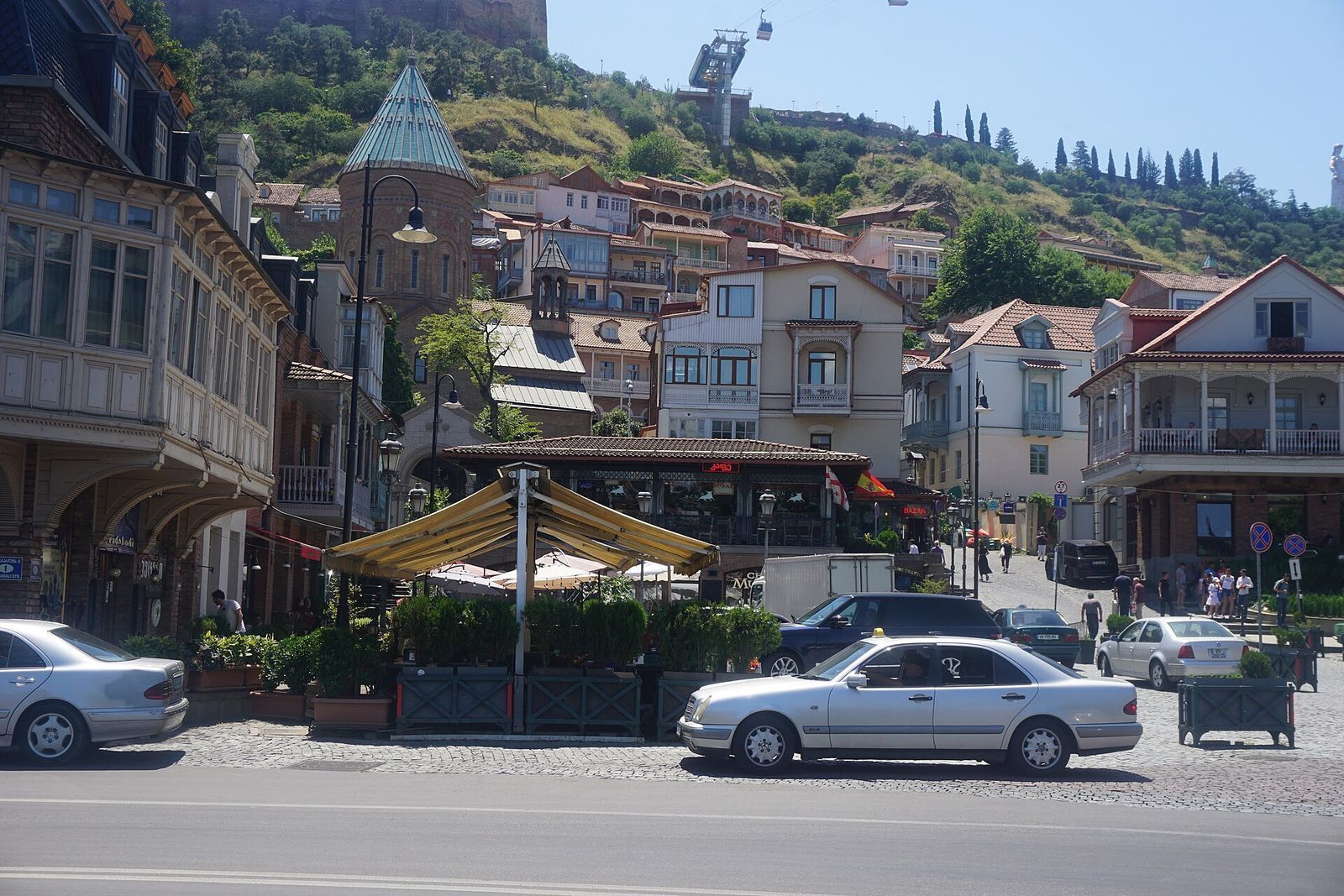
Tbilisi Travel Tips: What I'd Tell You Before a First Trip to Georgia
Tbilisi is known for its sulfur baths, its qvevri wine and dinners that run for hours, and it's one of the easiest first cities in the Caucasus once you know a few practical things. Here are the Tbilisi travel tips I'd give a friend before a first trip to Georgia: the 2026 entry rules, the airport, money, getting around, safety, prices and eating out.
Visa and travel insurance rules for Georgia in 2026
The visa rules for Georgia are some of the most generous anywhere. Citizens of more than 90 countries, including the US, UK, EU, Canada and Australia, walk in without a visa and can stay up to 365 days in a row. Most other passports get 90 days in any 180 with a valid US, UK or Schengen visa, or apply for an e-visa a few weeks before flying.
What changed in 2026 is insurance. Since 1 January, every foreign visitor needs health and accident cover for the whole stay with at least 30,000 GEL (about $11,000) for treatment and hospitalization. Almost any standard policy clears that, and basic travel insurance for Georgia starts at about $4 a week online.
The best time to visit Tbilisi
The best time to visit Tbilisi is late April to June and September to October.
| Season | Tbilisi weather | Prices and crowds | My verdict |
|---|---|---|---|
| Spring (March to May) | 6 to 13 C in March, 14 to 23 C in May; May is wet | April rooms run 30 to 40% below May's | Lovely from mid-April |
| Summer (June to August) | 21 to 33 C in July and August, heat waves to 40 C | Peak season, peak prices | Pair it with the mountains |
| Autumn (September to November) | 17 to 28 C in September, 12 to 21 C in October | Busy in September and October | My favorite |
| Winter (December to February) | 2 to 8 C by day, snow rarely lasts | 30 to 50% cheaper, except 25 December to 3 January | A cheap, quiet city break |
My pick is the first half of October, when highs sit near 21 C, the Tbilisoba festival fills the Old Town on the first weekend and the grape harvest is still on in Kakheti. Later on, Tbilisi in autumn turns gold on Mtatsminda. Second place goes to late April into May, when Tbilisi in spring means lilac, roses and the odd downpour.
Tbilisi in summer works if you sightsee before 11:00 and after 17:00 and escape to Kazbegi, 10 to 15 C cooler, for a night or two. Tbilisi in winter is mild and quiet, with Christmas on 7 January and the Gudauri ski slopes about 2 hours away.
How many days to spend in Tbilisi
Give Tbilisi 3 full days, 4 if you can, and keep the first one light. A good Tbilisi itinerary puts the Old Town and the Narikala ridge on day 1, Sololaki, Rustaveli Avenue and the left bank on day 2, and Sameba at sunset on day 3. Fit in a private sulfur bath room too: most cost 120 to 300 GEL an hour per room, so four friends split it cheaply.
The classic first-timer mistake is trying to see all of Georgia in a long weekend. With a week, the Georgia itinerary I'd follow keeps Tbilisi as the base, with a morning in Mtskheta, a night in Kazbegi and a night in Kakheti's wine country; Svaneti and Batumi need two weeks. On a bigger loop, every Caucasus itinerary runs through Tbilisi, because the border between Armenia and Azerbaijan is closed and no flights link the two.
Getting from Tbilisi airport into the city
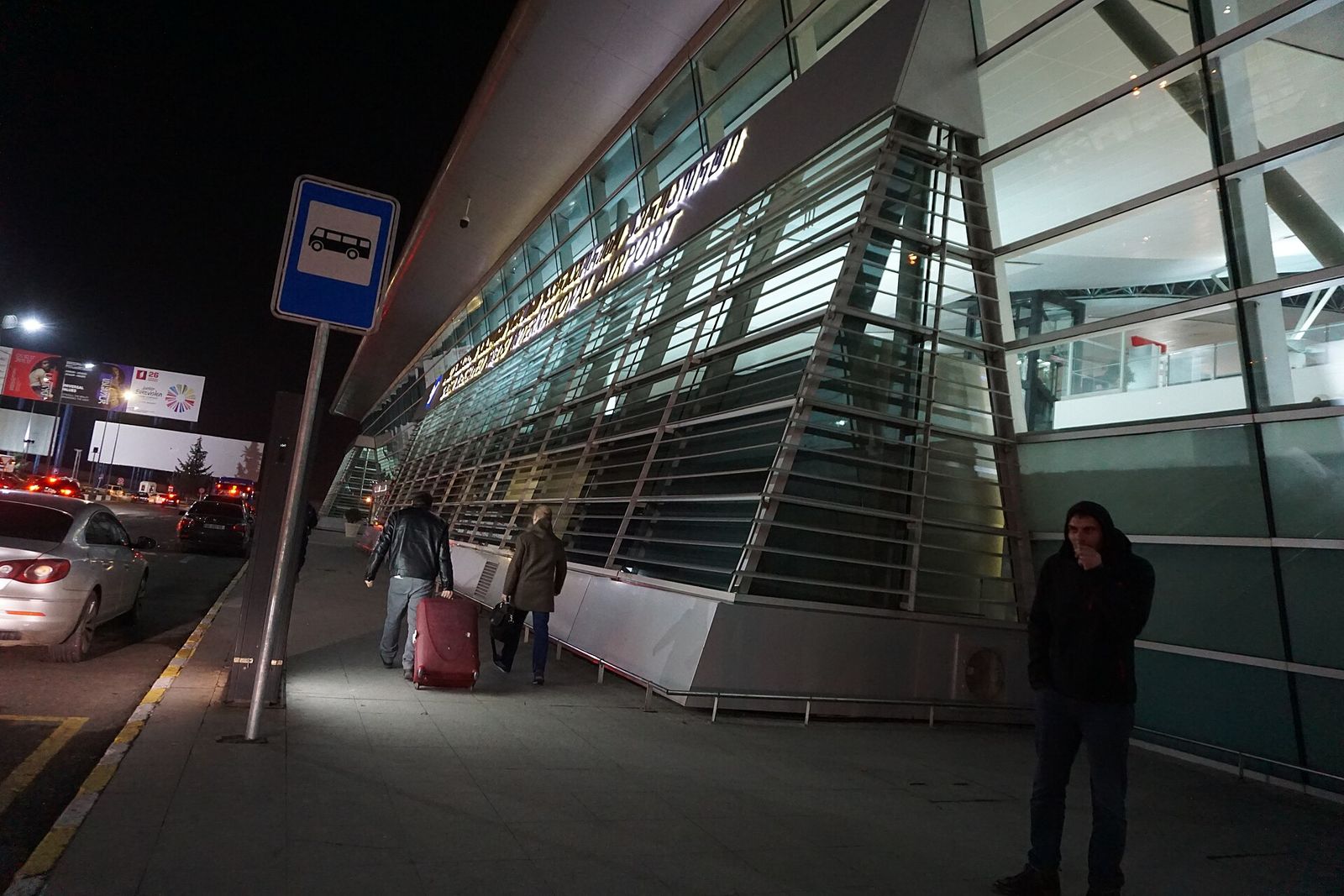
Tbilisi International Airport is 17 km southeast of the center. The cheapest ride from the airport to the city center is bus 337, which stops outside departures, runs about 7 am to 11 pm and reaches Avlabari, Freedom Square and Station Square in about an hour. It takes no cash: tap a Metromoney card or a foreign bank card. For most arrivals I'd order Bolt, with the price fixed in the app, because the drivers who walk up to you at the exit ask 40 to 100 GEL.
| When you land | What I'd take | Cost | Time to the center |
|---|---|---|---|
| 7 am to 10 pm, light bag | Bus 337 | 1 to 1.50 GEL | About 60 minutes |
| Any hour, phone with data | Bolt | About 25 to 35 GEL | 25 to 30 minutes |
| Any hour, no data | Official taxi booth in the terminal | 60 GEL to Avlabari, 80 GEL beyond | 25 to 30 minutes |
| Small hours, or a group of 4 | Prebooked transfer | From about 53 GEL a car | 25 to 30 minutes |
Plenty of budget flights land in Kutaisi instead, 247 km west, and the Kutaisi Airport bus to Tbilisi costs 25 GEL and takes 3.5 to 4 hours. Arriving before check-in? The arrivals hall keeps bags for 10 GEL a day, and luggage storage in Tbilisi in the center starts at 7 GEL a bag on Pushkin Street.
Getting around Tbilisi: metro, buses and Bolt
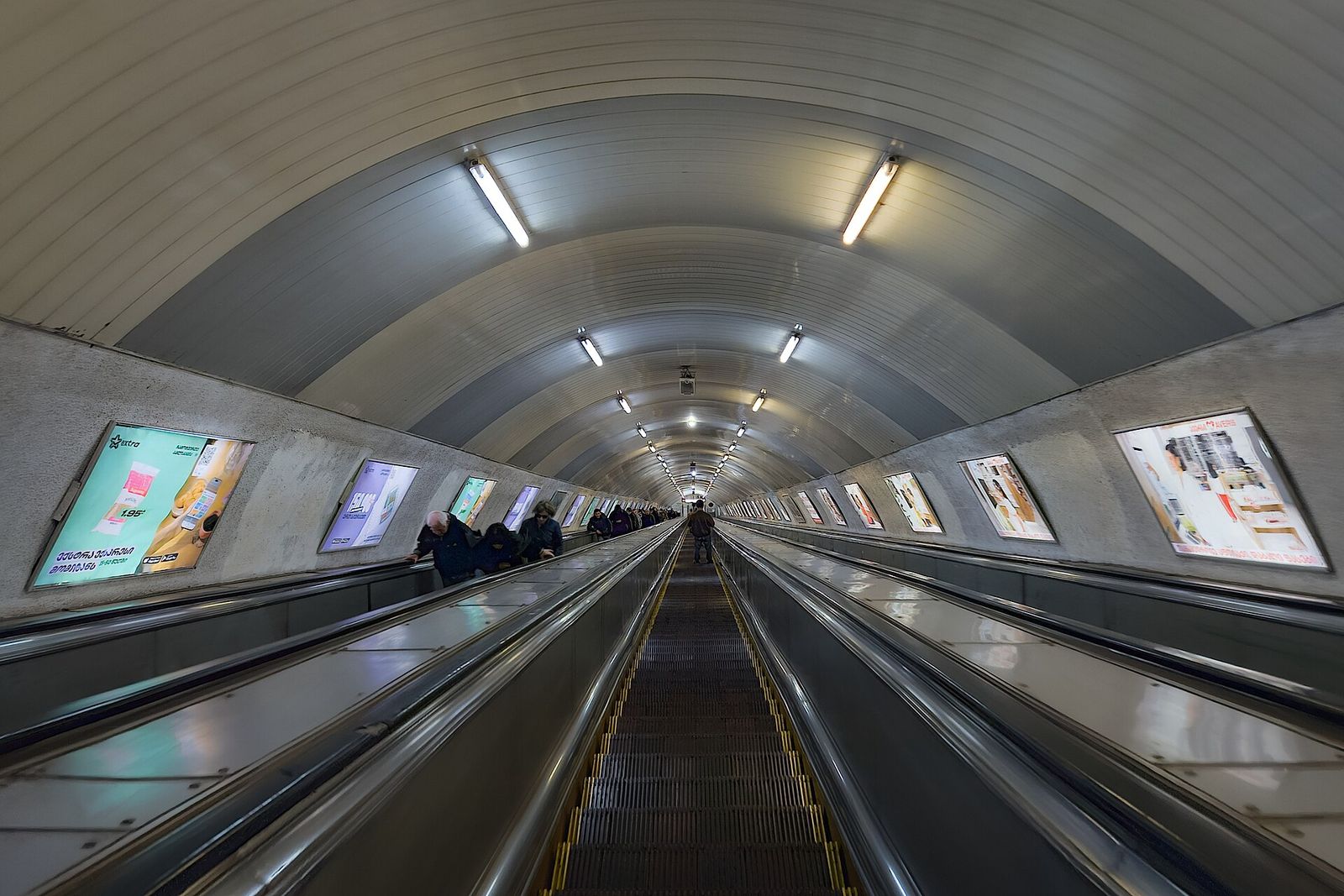
Central Tbilisi is walkable but hilly, with uneven pavements and wide roads. Getting around Tbilisi is cheapest with a Metromoney card from any metro station window: load 10 GEL and it pays for the metro, buses, minibuses and both cable cars, and any bus or minibus within 90 minutes of your first tap is free.
The Tbilisi metro has 2 lines and 23 stations, and 5 of them do most of a visitor's work: Freedom Square, Rustaveli, Avlabari, Marjanishvili and Didube. It skips the airport, Mtatsminda, Vake and the Old Town's hills, so most days mix it with walking and an app taxi. There is no Uber in Georgia, so taxis in Tbilisi mean Bolt, with Yandex Go as the backup. Street taxis have no meters; agree the fare first, and about 1.5 times the Bolt price is fair.
Getting around Georgia runs on marshrutkas, cash-only minibuses from Didube to Mtskheta (2 GEL) and Kazbegi (15 to 20 GEL) and from Samgori to Kakheti. For Batumi I'd take the 5-hour Stadler train and book trains in Georgia on TKT.ge as soon as sales open, because summer trains sell out. An economy rental car runs about 80 GEL a day, but car rental in Georgia needs an International Driving Permit, and on mountain roads I'd hire a driver instead.
Money in Tbilisi: lari, cards and cash
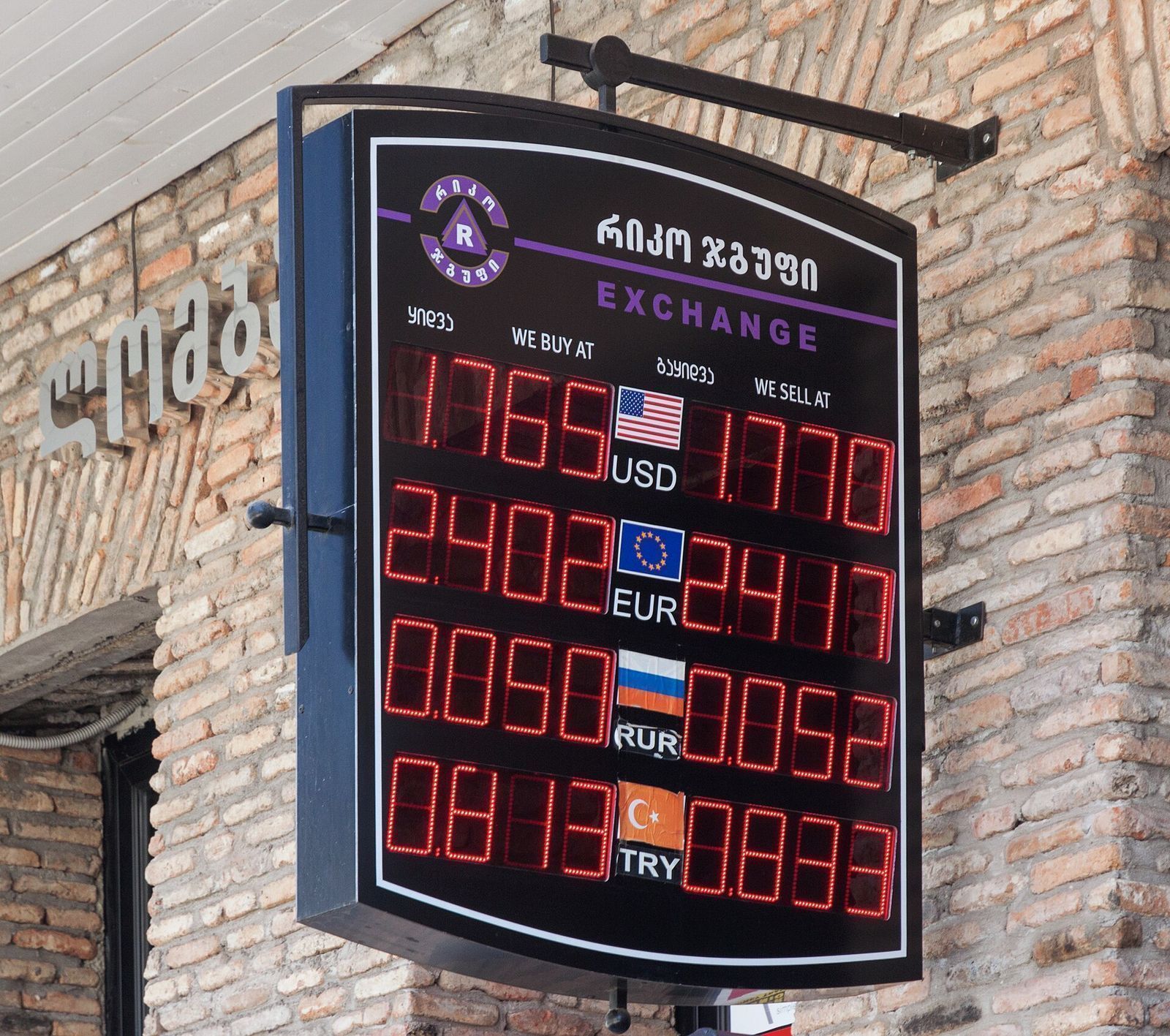
Georgia's currency is the lari (GEL, ₾). A US dollar buys about 2.7 GEL and a euro about 2.9 GEL, so dividing by 3 gets you close. Visa and Mastercard work in about 90% of places in Tbilisi, Apple Pay and Google Pay are common, and nobody adds a card surcharge. Mir cards don't work at all, and American Express barely does.
I keep 50 to 100 GEL in cash for bakeries, markets, marshrutkas and tips. Money in Georgia goes furthest at an exchange office in town, which pays 2 to 5% more than a bank with no commission and no passport; Rico Credit and the booth at 6 Pushkin Street near Freedom Square are the ones I'd use.
SIM cards and eSIMs in Georgia
The SIM card for Georgia I'd buy is Magti if your trip leaves the capital: about 20 GEL gets 15 GB for 30 days, with the best signal in Kazbegi, Svaneti and Tusheti. For Tbilisi alone, Silknet's unlimited tourist plan costs 10 GEL for 7 days. You need a passport and an unlocked phone, or an eSIM from about $4.50 for a short city break.
What things cost in Tbilisi
Georgia isn't as cheap as it was a few years ago, but food and transport still cost little in 2026.
| Item | Typical price |
|---|---|
| Hostel dorm bed | 25 to 40 GEL |
| Private room in a guesthouse | 60 to 100 GEL |
| 3-star hotel double | 120 to 200 GEL |
| Khinkali, per piece | 1 to 2.50 GEL |
| Adjarian khachapuri | 10 to 18 GEL |
| Market lunch for two | 15 to 20 GEL |
| Glass of wine in a restaurant | From 6 GEL |
| Private sulfur bath room, per hour | 120 to 300 GEL |
Put together, Tbilisi on a budget works out at about 80 GEL a day for a backpacker, 200 GEL mid-range and 400 GEL with a good hotel. The money leaks are always the same: street taxis, airport exchange desks, restaurants on Rustaveli Avenue and tipping on top of a service charge.
Is Tbilisi safe?
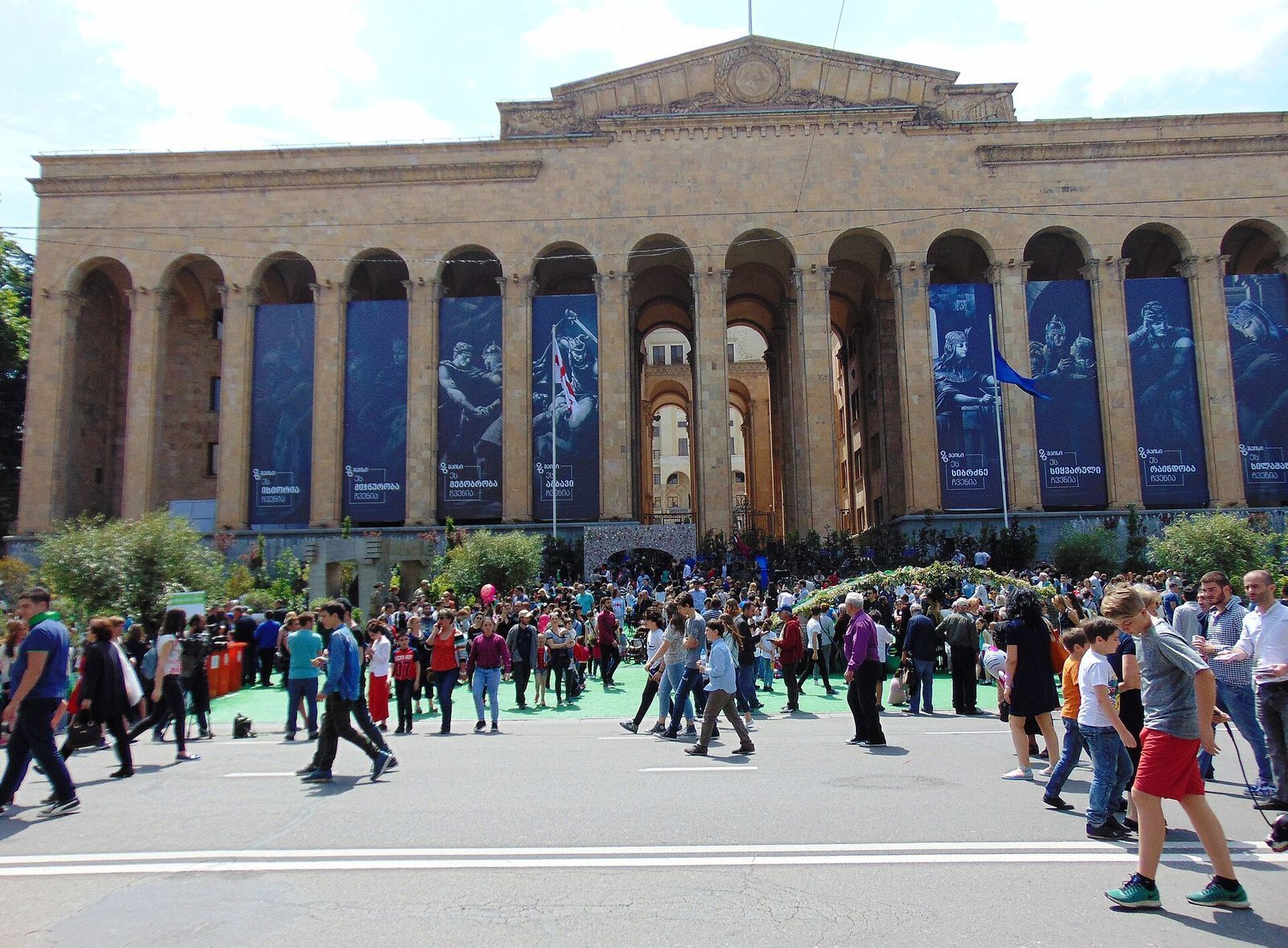
Yes. Violent crime is rare and tourists are rarely targeted, so the safety risks in Tbilisi are small ones, like pickpockets in markets and crowds. Since November 2024, protests have gathered in the evenings on Rustaveli Avenue outside Parliament. Daytime life there is normal, but I'd skip that stretch after dark and never join in.
The bigger everyday danger is traffic. Cars often ignore zebra crossings, so use the underpasses on the big roads; jaywalking gets fined. The city's roughly 30,000 street dogs are mostly vaccinated, ear-tagged and calm, tap water is safe to drink, and 112 reaches police, ambulance and fire.
Traveling alone in Tbilisi is easy, and the rules above cover most of it. For women, solo female travel in Georgia runs on the same rules plus a firm, friendly no, because curiosity and invitations are far more common than aggression.
Eating, drinking and tipping in Tbilisi
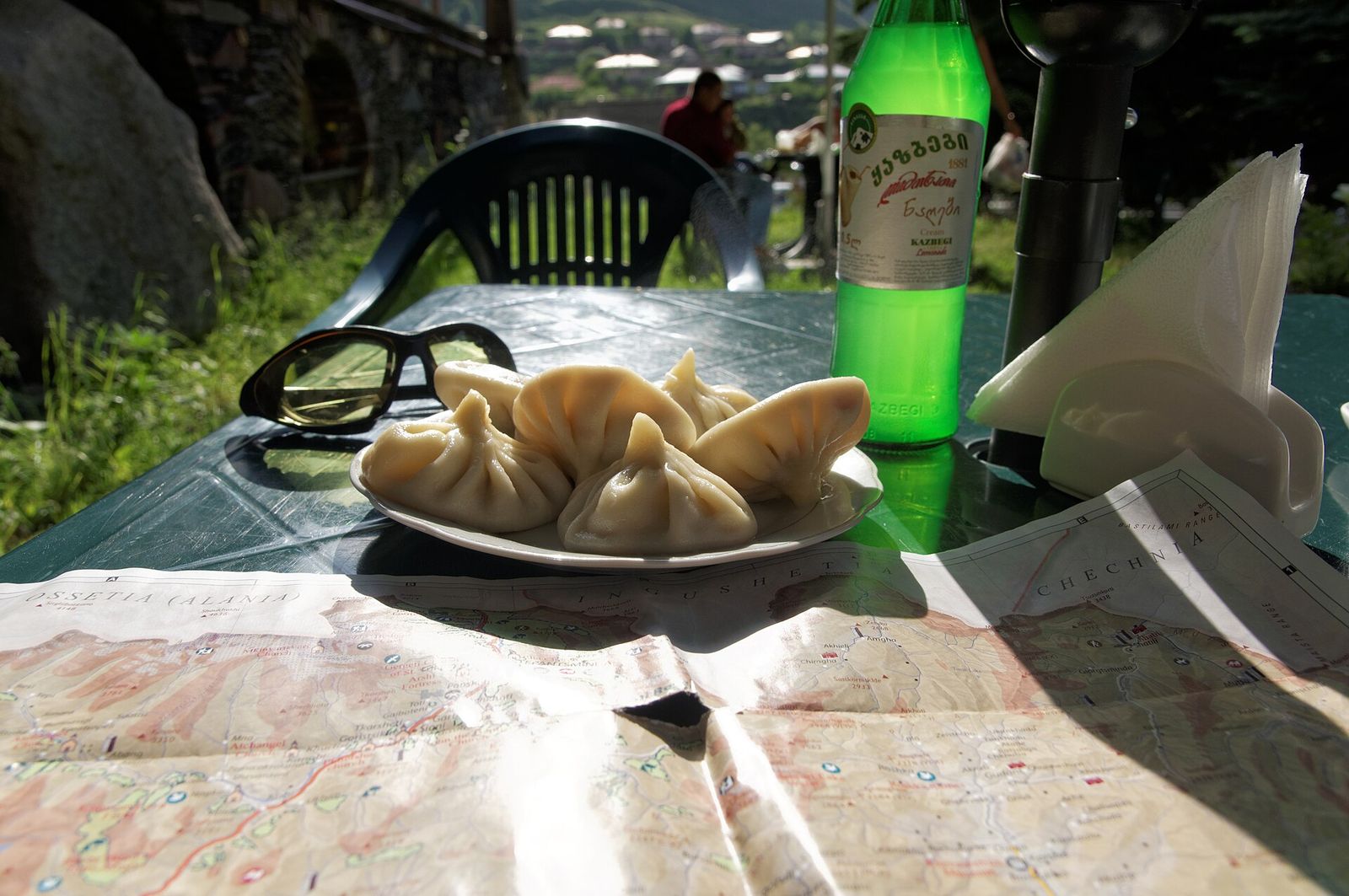
Georgian food is a reason to come on its own. Khinkali are eaten by hand: hold the knot, bite a small hole, sip the broth, then eat the rest and leave the knot on the plate. Order 5 to 10 each and add a khachapuri, pkhali and badrijani walnut rolls for the table.
Service is slow and nobody rushes you out. I'd skip the restaurants on Rustaveli Avenue, which charge more for less. At a table with Georgians there will be toasts, so raise your glass and say gaumarjos rather than turning one down.
Tipping in Georgia is optional. About 10% is the custom at sit-down restaurants, but many bills already add a 10% service charge, and then nothing more is expected. Bolt drivers and bakeries need no tip, and a guide or driver who spends a full day with you gets 20 to 50 GEL.
Churches, etiquette and a few Georgian words
Georgians are direct, which first-timers sometimes read as rudeness; it isn't. Learn gamarjoba (hello), madloba (thank you) and gaumarjos (cheers), and a few more Georgian phrases earn smiles in the markets. Many Old Town courtyards are people's homes, so go in quietly or not at all. And pack for hills: my packing list for Georgia starts with shoes that grip on polished cobbles, a light scarf for churches and an adapter for Type C and F plugs.
Key takeaways
- Buy travel insurance with at least 30,000 GEL of medical cover before you fly; it has been mandatory for every visitor since 1 January 2026.
- Spend at least 3 full days in Tbilisi, and aim for late April to June or September to October.
- Use Bolt or the Metromoney card for every ride, never a driver who approaches you at the airport.
- Carry 50 to 100 GEL in cash, change money in town and always pay in lari.
- Watch the traffic, pick your own bars and stay away from Parliament on Rustaveli Avenue in the evenings.
Frequently asked questions
Is Tbilisi worth visiting?
Yes. Tbilisi packs carved balconies, sulfur baths, some of the best food and wine in the region and easy day trips to the mountains into one affordable city. It's also the natural base for the rest of Georgia.
How many days do you need in Tbilisi?
Three full days covers the Old Town, Narikala, Sololaki, Rustaveli Avenue and a sulfur bath without rushing. Add two more for day trips to Mtskheta and Kazbegi, and a week or more for the rest of Georgia.
Do I need travel insurance to visit Georgia?
Yes. Since 1 January 2026 every foreign visitor, visa-free travelers included, needs health and accident insurance for the whole stay with at least 30,000 GEL of cover. You can't buy it at the airport.
Is Tbilisi expensive?
No, though it costs more than it did a few years ago. A backpacker manages on about 80 GEL a day and a mid-range traveler on about 200 GEL, with khinkali at 1 to 2.50 GEL a piece and metro rides at 1 GEL.
Is English spoken in Tbilisi?
Mostly, yes, among younger people and in hotels, restaurants and shops in the center. Older Georgians and people in villages speak less English, so a few Georgian words help.
What should I avoid in Tbilisi?
Avoid street and airport taxis, airport exchange desks, restaurants on Rustaveli Avenue and bars suggested by strangers you met online. In the evenings, steer clear of the protests outside Parliament.

Tbilisi Itinerary: How I'd Spend 1 to 5 Days in Tbilisi
Tbilisi is best over 3 full days. Here is how to spend 1 to 5, with routes, meals, day trips and costs.
Read the guide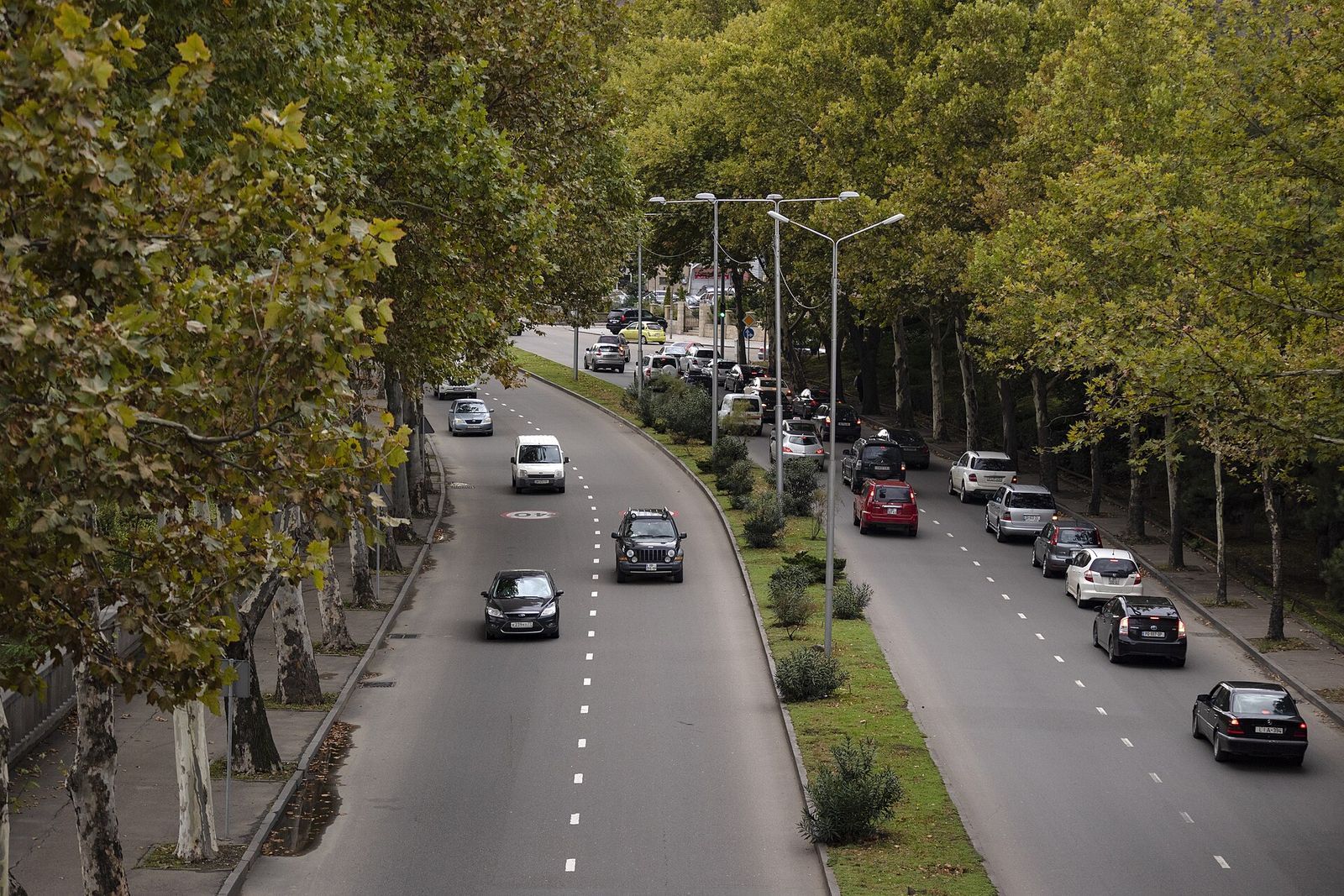
The Best Time to Visit Tbilisi, Month by Month
Tbilisi is known for golden autumns and hot summers. Here is the weather by month, the crowds, and when I would go.
Read the guide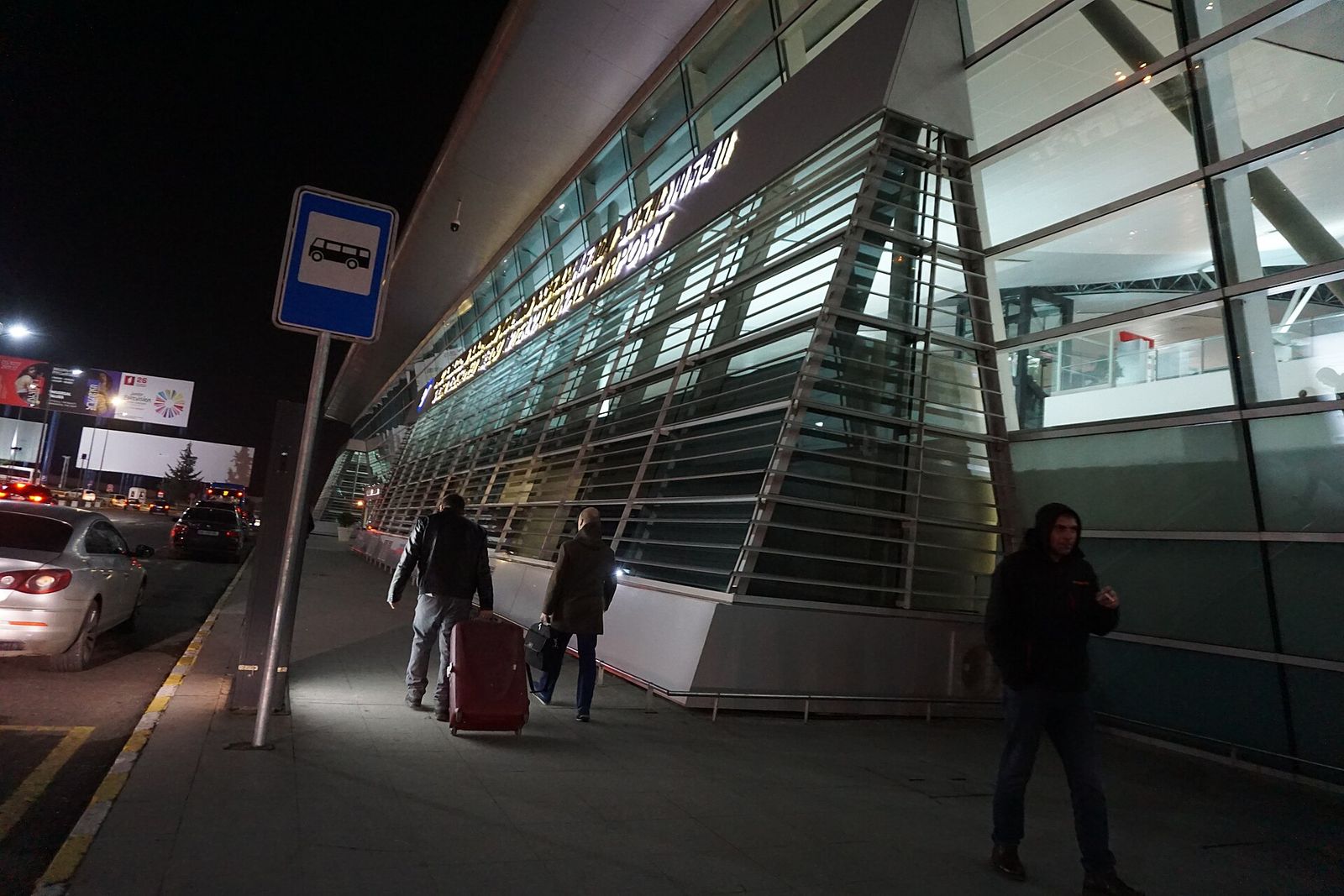
Tbilisi Airport to the City Center: Bus 337, Bolt, Taxis and Transfers
Tbilisi Airport sits 17 km from the center. Here is how the bus, Bolt, taxis and transfers compare on price and time.
Read the guide