Renting a Car in Georgia: Prices, Rules and Roads from Tbilisi
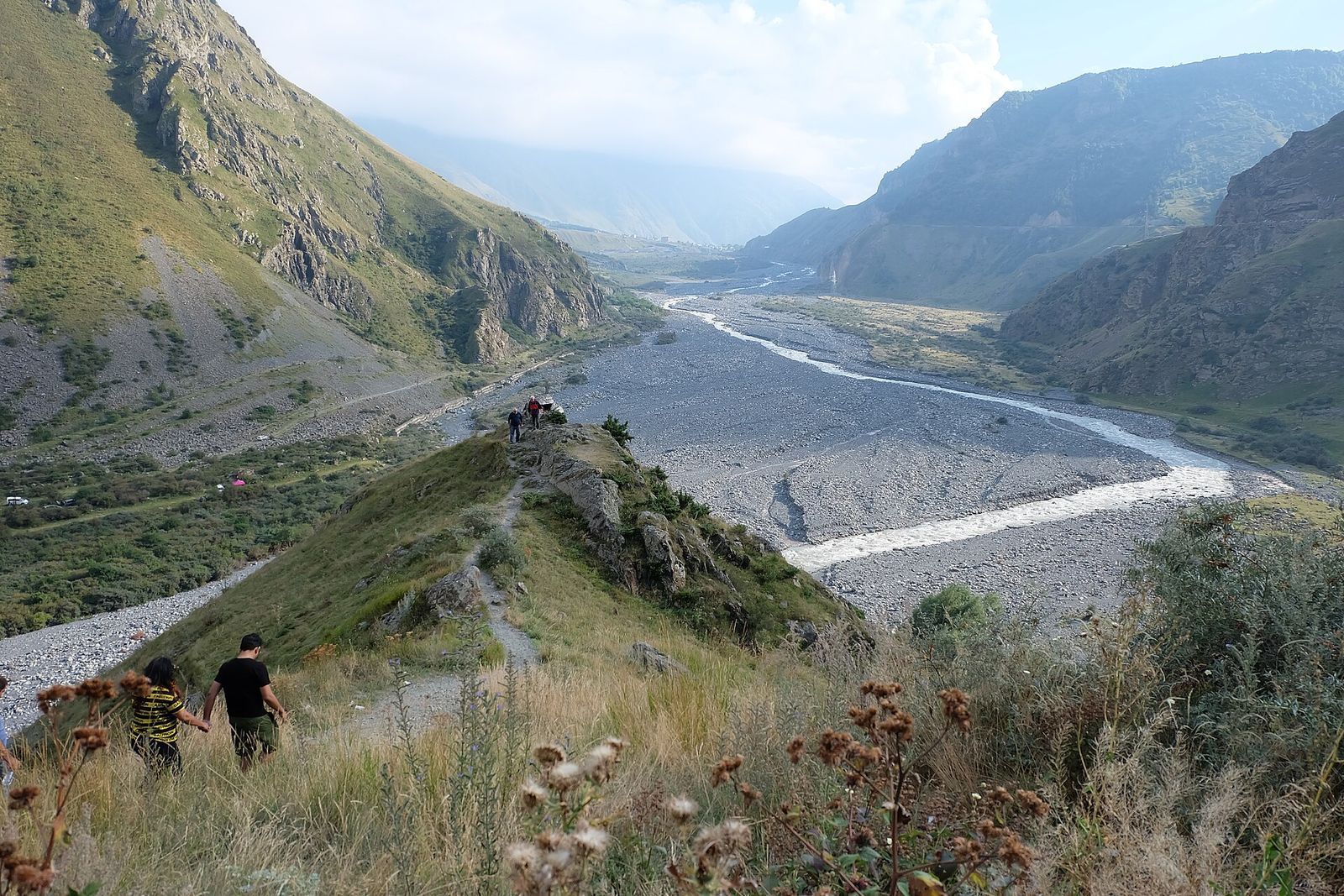
Georgia is a road trip country: wine villages 2 hours east of Tbilisi, the mountain highway north to Kazbegi, the long run west to the Black Sea. A rental car lets you stop at every monastery and viewpoint on the way instead of watching them through a minibus window. Here's what you need to know about car rental prices in Tbilisi, the documents and deposit, insurance, the road rules and which routes are fine in a normal car.
Should you rent a car in Georgia?
For anything outside Tbilisi, often yes. Georgia is small, the main highways are good, and the places you came for (Kakheti's wineries, the Kazbegi valley, Borjomi, the road west to the coast) are spread out in a way that marshrutkas handle slowly and tours handle on someone else's schedule. A car turns a 2-hour drive into a full day of stops.
For Tbilisi itself, no. The city traffic is hard work, parking in the center is a hunt, and a Bolt ride across town costs 3 to 8 GEL, so I'd keep the car out of your city days entirely and use taxis in Tbilisi and the metro until the morning you leave town.
A rental suits you if you are:
- A confident driver who is happy with fast overtaking, narrow mountain bends and the odd herd of cows in the lane.
- Spending 3 days or more outside Tbilisi, which is where the cost per day starts to beat tours and drivers.
- Traveling as two to four people, splitting one car, one fuel bill and one parking fee.
- Planning a loop, for example Tbilisi, Kazbegi, Kakheti and back, rather than a single there-and-back trip.
- Keen on small places, the villages, roadside churches and viewpoints that no tour has time for.
Skip it if you are:
- Staying in Tbilisi with one or two day trips; tours and drivers cost about the same and you get to drink the wine.
- Heading for Tusheti, Ushguli or Khevsureti, where a local driver with a 4x4 is safer and often cheaper.
- Nervous behind the wheel, because Georgian roads reward assertive driving and punish hesitation.
Before you book, weigh the car against the train: getting around Georgia by rail and marshrutka is cheap between the big towns, and the Tbilisi to Batumi train beats any drive on that route.
Car rental prices in Georgia
Rental prices in Georgia are low by European standards, and they depend on three things: the car class, the city you collect from and the month. These are typical daily rates in 2026 for a standard booking with basic insurance.
| Car class | Tbilisi | Batumi | Kutaisi |
|---|---|---|---|
| Economy | 80 GEL | 85 GEL | 90 GEL |
| Crossover | 120 GEL | 130 GEL | 140 GEL |
| SUV 4x4 | 150 GEL | 170 GEL | 180 GEL |
| Minivan, 7 seats | 200 GEL | 220 GEL | On request |
From June to August, add 30 to 50% to those figures and book 2 to 4 weeks ahead, because the newer cars go first. Autumn and late spring are the sweet spot: cheaper rates, mild weather and roads that are all open.
Longer rentals cost less per day. A week usually works out about 15% cheaper per day than a 3-day rental from the same company, so if you're on the fence between 5 days and 7, the extra 2 days cost less than you'd think.
Local companies run about 30% cheaper than the international brands at the airport. The catch is the fleet: most cars in Georgia are used imports from the US and Europe, and a cheap local rental can be a car with a lot of kilometers on it. Most booking sites that list local firms let you filter by the car's age, and I always do.
What you need to rent a car in Georgia
The paperwork is short, but bring all of it to the desk:
- Your home driving license, held for at least 1 year, and often 3 years with the international brands.
- An International Driving Permit. Some companies hand over the keys without one, but many ask for it, and it is the document police expect to see at a stop or after an accident. It costs little at home and settles the question.
- Your passport, which goes on the contract.
- A credit card in the driver's name for the deposit. Some local firms take a debit card or a cash deposit, but the international desks want a credit card with embossed numbers.
- A minimum age of 21 to 23, depending on the company. Drivers between 21 and 25 usually pay a young driver surcharge, and the international brands often set the bar at 23 or 25.
Some local companies quote and take deposits in US dollars, which is easy to cover on arrival: many ATMs in Georgia dispense dollars as well as lari, and TBC and Bank of Georgia machines are everywhere.
Deposits and car insurance in Georgia
This is where rentals in Georgia differ most from company to company, so read this part of the contract before you sign anything.
| Cover | What it pays for | Typical cost |
|---|---|---|
| Basic third-party (TPL) | Damage you do to other people and their cars, not the rental | Included |
| Full insurance (CDW) | Damage to the rental car, with a deductible | 20 to 50 GEL a day |
| Super CDW or full cover | The rental car with zero deductible, often wheels and glass too | The top end of that range |
| Green Card | Cross-border cover for Armenia | From 30 GEL for 15 days |
I always take the full cover. The basic policy leaves you paying for every scratch on the rental car, and the deductible on a mid-level policy is usually $100 to $500, often the same amount as the deposit. With zero-deductible cover from a local company, many rentals need no deposit at all.
Deposits run in two ways. Companies that take a card deposit block about 500 to 1,000 GEL on it for the length of the rental. Local companies often take a small advance online and a cash deposit of $200 to $300 at pickup, refunded when you return the car, and about half the cars they list need no deposit at all.
None of this replaces your own travel insurance for Georgia, which every visitor has needed since January 2026. The car policy covers the car; your travel policy covers you.
Where to rent: Tbilisi, Kutaisi or Batumi
Tbilisi has the most choice and the lowest prices. Sixt, Hertz, Avis and Europcar have desks at Tbilisi International Airport, and local companies deliver to the airport or your hotel for a small fee. Collecting at the airport makes sense if you're driving straight out of the city; otherwise take the bus or a Bolt from Tbilisi Airport to the city and have the car brought to you later.
Kutaisi is the budget airline gateway in the west. Rates run a little higher than in Tbilisi, but local firms meet flights at the airport, and starting here puts Svaneti, the Imereti canyons and the coast within reach without the 3-hour drive from the capital. If you land there and want Tbilisi first, the bus or train from Kutaisi Airport to Tbilisi beats driving it on day one.
Batumi is 5 to 10% dearer than Tbilisi and parking in the city is tight. I'd only collect here if the trip starts on the coast.
One-way rentals work best along the main corridor: Tbilisi, Kutaisi and Batumi. A one-way drop fee is normal; ask for it before booking, because it varies a lot between companies.
Picking up the car
Walk round the car with your phone filming before you drive off: every panel, the wheels, the windscreen, the interior and the fuel gauge and odometer. Point out every scratch and dent to the agent and make sure it is written on the contract. It takes 5 minutes and it is the only proof you have at the return.
Check the tires too, especially if you're heading into the mountains. A worn tire on the Military Highway in the rain is the kind of problem the contract will not fix for you.
Then read the contract for four things: the fuel policy (most are full to full), any daily kilometer limit, the area restrictions (unpaved roads, borders, the mountains) and what happens if you return late. Save the company's phone number before you leave the lot, so a flat tire on a mountain road is one call away from sorted.
Georgian road rules and fines
Georgia drives on the right, and the main road signs are in Georgian and English. The rules themselves will look familiar; enforcement is the part to take seriously, because most of it is by camera.
| Rule | Limit or requirement | Fine |
|---|---|---|
| Speed in towns | 60 km/h, sometimes 40 | 40 to 150 GEL |
| Speed on rural roads | 90 km/h | 40 to 150 GEL |
| Speed on motorways | 110 km/h | 40 to 500 GEL |
| Mountain passes | 40 to 60 km/h | 40 to 150 GEL |
| Alcohol | 0.3 per mille, so treat it as zero | Up to 1,000 GEL and the license |
| Phone at the wheel | Hands-free only | 150 GEL |
| Seatbelts | Required | 40 GEL |
| Parking in Tbilisi | Paid zones only | 50 GEL |
Headlights go on at night and in bad weather. Speed cameras sit on all the major roads, and some stretches measure your average speed between two points, so slowing for the camera and speeding up after it does not work. There's a small tolerance, about 15 km/h over the limit, but I wouldn't plan around it.
Traffic police in Georgia don't look for bribes, and a stop is usually a quick document check. Keep the rental papers, your license and the International Driving Permit together in the glovebox. The emergency number for police, fire and ambulance is 112.
What driving in Georgia is really like
The roads are better than their reputation. The drivers are the part that takes getting used to. Speeding is common, people overtake on blind mountain bends, and on a single-lane road a car will often sit a meter behind you until it can pass. My rule is to let them: pull right, slow down and wave them through.
On mountain roads, a short honk before overtaking means "I'm passing", and you'll hear it on every bend toward Kazbegi. It isn't aggression, and you can use it yourself.
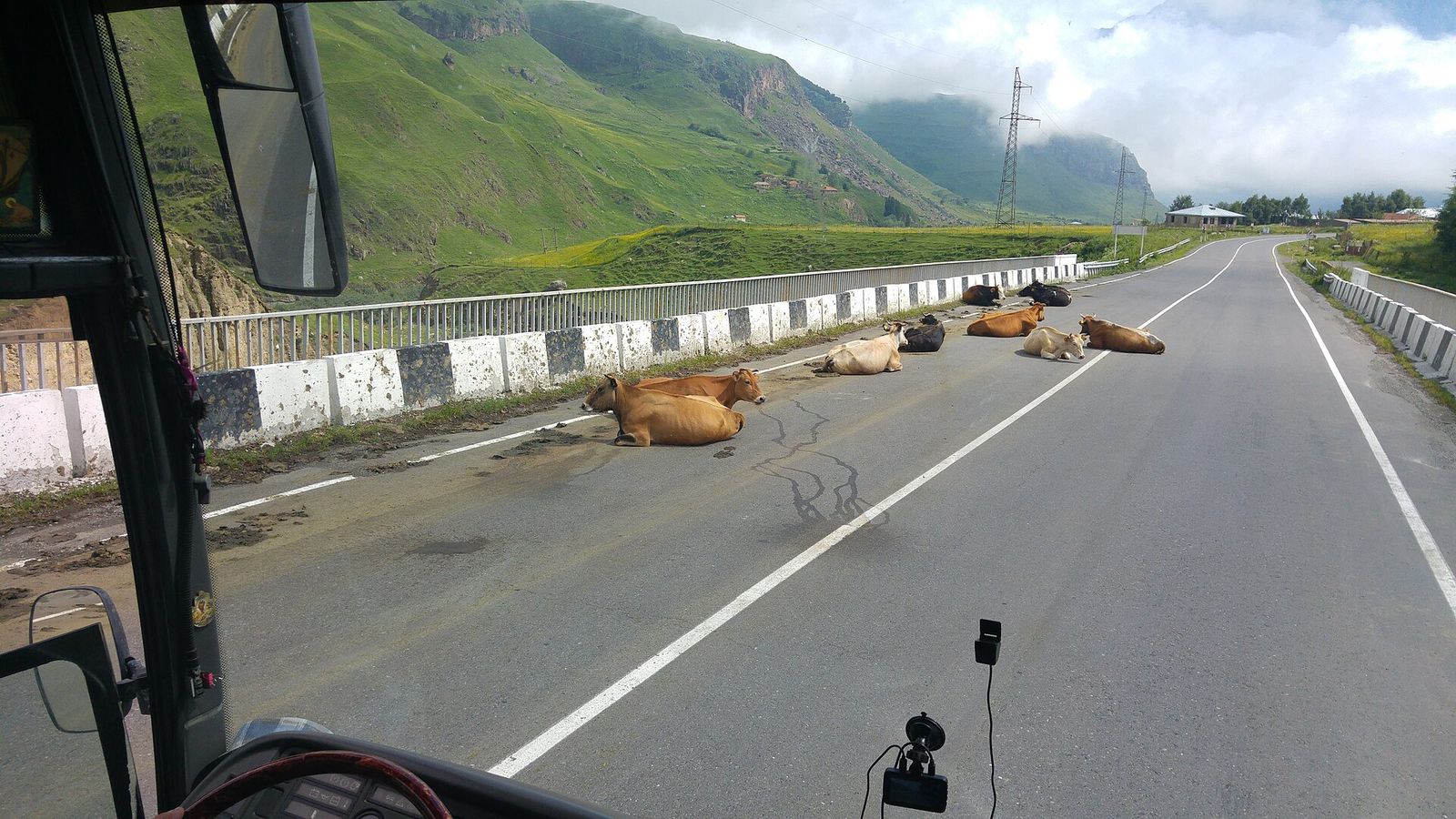
Animals are the other thing. Cows wander onto rural roads and the mountain highways, and they often lie down right in the lane, especially in the Kazbegi valley. Slow down on any blind bend near a village, because there may be a herd around it.
Tbilisi traffic is its own skill. Rush hour is slow, lanes are a suggestion, and cars don't always stop at zebra crossings, so watch for pedestrians who do expect them to. Two local quirks catch visitors out: the big Heroes Square roundabout is easier if you go round once to find your lane before exiting, and on Chavchavadze Avenue the bus lane runs on the left, against the traffic.
Parking in central Tbilisi costs 1 GEL an hour, around the clock, in the marked zones. Pay through the Tbilisi Parking app or at the orange street machines, which take cash and give no change. Outside Tbilisi and Batumi, parking is almost always free, with 3 to 5 GEL charged at a few busy sights.
For maps, I'd download offline maps for the mountain days, because the signal drops in the gorges, and get a local SIM with data for the rest; a Magti card gives the best coverage outside the cities, and the SIM card options in Georgia cost little for a week or two.
Drive times and road conditions from Tbilisi
The roads you're most likely to drive are paved and fine in any car. Here are the main routes from Tbilisi with realistic times, not the ones your phone predicts at 3 am.
| Route from Tbilisi | Distance | Drive time | Road | Car |
|---|---|---|---|---|
| Mtskheta | On the edge of the city | 30 minutes | Highway | Any |
| Kazbegi (Stepantsminda) | 160 km | About 3 hours | Paved mountain highway over the Jvari Pass, 2,379 m | Any, in summer |
| Sighnaghi or Telavi (Kakheti) | 90 to 120 km | 1.5 to 2 hours | Paved, some single-lane stretches, Gombori Pass | Any |
| Kutaisi | 230 km | About 3 hours | The best road in the country | Any |
| Batumi | 360 km | About 5 hours | Divided highway near Tbilisi, slower near Samtredia | Any |
| Mestia (Svaneti) | Via Kutaisi or Zugdidi | 7 hours or more | Paved | Any |
| Omalo (Tusheti) | Via Telavi and the Abano Pass | A long day | Dirt track, June to October | 4x4 with a local driver |
The Georgian Military Highway to Kazbegi
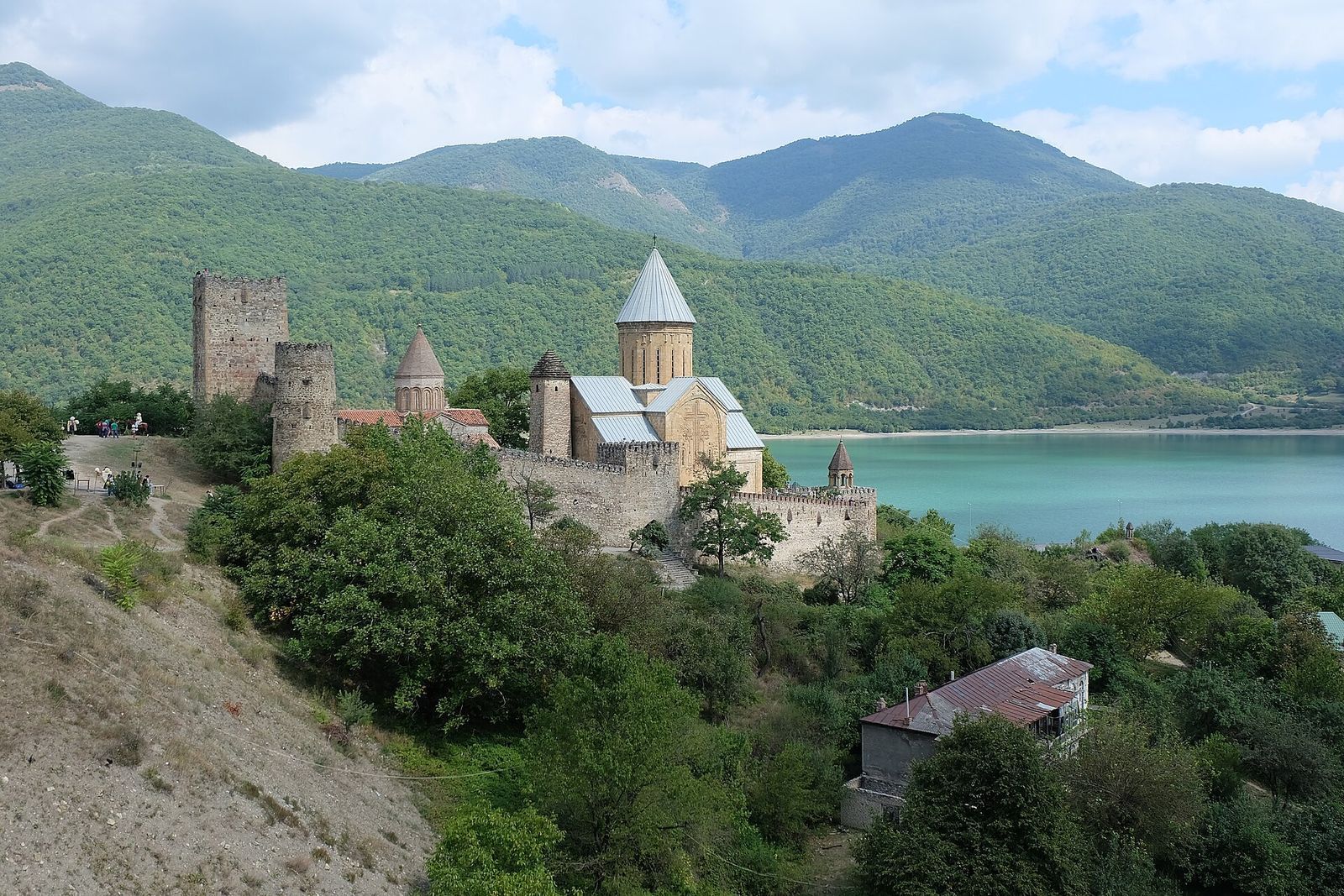
This is the drive most people rent a car for, and it deserves it. The road climbs north from Tbilisi past the Zhinvali Reservoir and Ananuri fortress, through the ski resort of Gudauri and over the Jvari Pass, then drops into the Terek valley to Stepantsminda under Mount Kazbek.
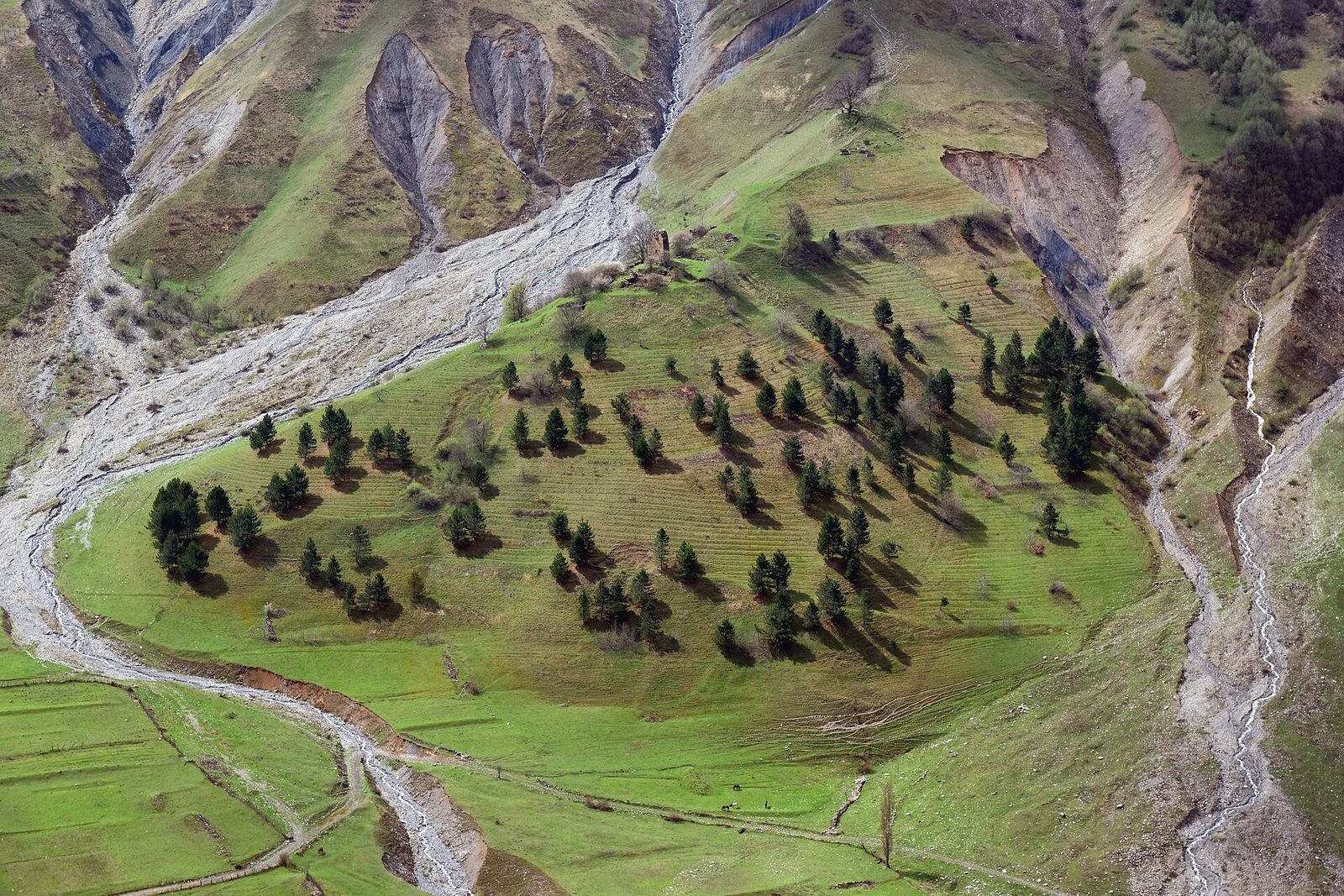
It is paved the whole way, and the last section to Kazbegi and the road up to Gergeti Trinity Church are new and smooth. The hard part is the climb around Gudauri and the pass: sharp switchbacks, potholes in places, and a constant stream of trucks heading for the Russian border. A tunnel is being built to bypass the roughest stretch. Leave Tbilisi early, around 07:00, to stay ahead of the trucks and get the light at the top. A Kazbegi day trip works as a long day, but with a car I'd stay at least one night in Stepantsminda.
East to Kakheti
The wine region is the easiest road trip in Georgia, and the one where a car makes the least sense if you plan to taste. The road to Telavi crosses the Gombori Pass as a narrow single lane with tight turns; the road to Sighnaghi is a mix of divided and undivided highway and the gentler of the two. Police patrols are heaviest in Kakheti, so this is where to watch the speed limits most closely.
West to Kutaisi, Batumi and Svaneti
The highway west from Tbilisi is the best road in Georgia, divided and fast for the first stretch out of the capital, then slower, at 80 km/h with railway crossings and traffic jams around Samtredia. Driving Tbilisi to Batumi takes about 5 hours without stops, and it's a fine drive, though I'd take the train on that route and rent on the coast if I needed a car there.
Mestia is paved all the way now, but it's a long day: 7 hours or more from Tbilisi, so break it in Kutaisi. The route over the Goderdzi Pass from Adjara to Akhaltsikhe, the Trans-Adjarian road, is partly unpaved and very slow, around 8 hours for 200 km, so give it a pass unless you have a 4x4 and a reason to be there.
Roads that need a 4x4 in Georgia
A normal car covers almost everything a first-time visitor wants to see. These are the exceptions:
- Tusheti. The road to Omalo over the Abano Pass is a dirt track with cliff edges, open only from about June to October. Rental companies often forbid it outright, and some will take the keys back if they find out. Go with a local driver.
- Ushguli from Mestia. Parts of the road have been paved in recent years, but it is still a mountain road at the edge of the country. I'd want a crossover at least and written permission for the unpaved stretches.
- Khevsureti (Shatili). A dirt road, June to October only, 4x4 mandatory.
- Goderdzi Pass. Partly paved; a 4x4 is the safer choice after rain.
- Juta, near Kazbegi. Paved to the last village, then about 6 km of gravel that turns to mud when wet. There's a checkpoint about 3 km before Juta where you can leave the car for 10 GEL or take a local 4x4 taxi for 40 GEL.
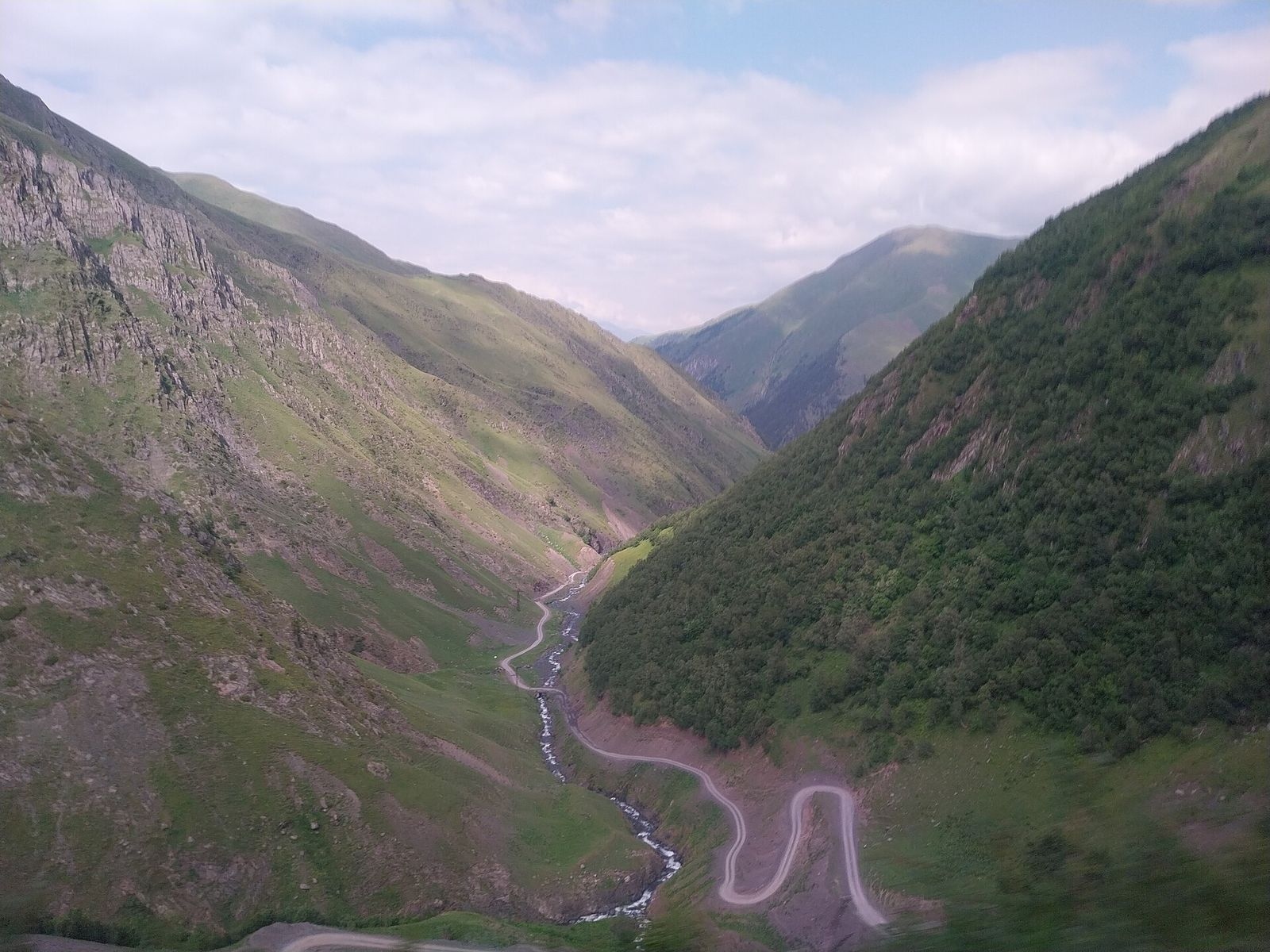
For Tusheti in particular, I'd leave the rental in Telavi or Tbilisi and book a seat in a shared 4x4. The drivers do that road every day, and it is no place to learn it.
Winter changes the picture. The Jvari Pass closes after heavy snowfalls, the mountain roads need winter tires, and a 4x4 is the sensible choice for Gudauri or Kazbegi. If you're planning a winter trip to Tbilisi with a ski day or a Kazbegi run, ask the company for winter tires when you book and check the pass before you set off.
Fuel and gas stations
Regular petrol costs about 3.2 to 3.9 GEL a liter, and LPG about half that. Over a 9-day loop of the country, expect a fuel bill of roughly 120 US dollars in an economy car.
Wissol, Socar, Gulf and Lukoil have stations along every main highway. Most stations have an attendant who fills up for you; just say the grade (92, 95 or diesel) and "full". The pump labels are often in Georgian only, which is another reason to let the attendant do it.
There are no fuel stations in Tusheti or in upper Svaneti beyond Mestia, so fill up in the last town before any mountain road. A wash at a self-service car wash costs about 2 GEL, and about 10 GEL for a full service, which is worth doing before you return a mud-covered car.
Driving to Armenia and other borders
Most visitors who rent in Tbilisi and want to cross a border are heading for Armenia. It is possible, but only with planning:
- Written permission from the rental company, usually a power of attorney arranged at least a week before pickup.
- A cross-border fee of 50 to 150 GEL, depending on the company.
- Green Card insurance for Armenia, from about 30 GEL for 15 days.
Not every company allows it, so ask before you book rather than at the desk. If the company says no, the easier plan is to drop the car in Tbilisi and take a shared taxi or bus for Tbilisi to Yerevan, then rent again on the other side.
The land border with Azerbaijan is still closed to travelers in 2026. Abkhazia and South Ossetia are occupied territories, and no Georgian rental contract or insurance covers them.
Rent a car or hire a driver?
This is the question I'd answer first, because in Georgia the answer changes with the trip. A private driver for the day costs not much more than a rental for short trips, you can drink at the winery, and the driver knows the mountain roads. For longer loops, the car wins on cost and freedom.
| Trip | Rental car (2 people) | Tour or driver | My pick |
|---|---|---|---|
| Kazbegi day trip | About 190 GEL | 175 to 200 GEL in total | Either; rent if you stay the night |
| Kakheti wine day | About 150 GEL, and the driver can't drink | From 98 GEL a person, wine included | Tour or driver |
| 5-day loop around Georgia | About 700 GEL | About 1,200 GEL | Rental car |
| Svaneti, 3 days | 500 GEL or more, 4x4 needed | From 350 GEL | Tour or driver |
| Tusheti | Often not allowed | Shared 4x4 from Telavi | Driver |
My rule: rent for multi-day loops on paved roads, and book a driver for wine days and anything on a dirt road. If you do hire a driver for a day, a tip of 20 to 50 GEL is the norm.
For a first trip of 7 to 10 days, a car pays off most on a Georgia itinerary from Tbilisi that loops north to Kazbegi, west to Borjomi and back through Kakheti, with each leg short enough to leave the afternoons for stops.
Key takeaways
- Expect about 80 GEL a day for an economy car in Tbilisi and about 150 GEL for a 4x4, plus 30 to 50% in summer.
- Bring your license, an International Driving Permit, your passport and a credit card, and take full insurance at 20 to 50 GEL a day.
- The main highways to Kazbegi, Kakheti, Kutaisi, Batumi and Mestia are paved and fine in any car; Tusheti, Ushguli and Khevsureti are 4x4 or driver territory.
- Cameras catch speeding on every main road, fines reach your card through the rental company, and unpaid fines can stop you at the border.
- Rent for multi-day loops; hire a driver for wine tasting and dirt roads.
Frequently asked questions
Is it safe to drive in Georgia?
Yes, for a confident driver on the main roads. The roads are mostly in good shape; the risks are fast, aggressive overtaking, cows on rural roads and mountain bends at night. Drive defensively, let faster cars pass and avoid mountain roads after dark.
Do I need an International Driving Permit in Georgia?
Bring one. Some rental companies accept a home license printed in Latin letters on its own, but many ask for the permit, and police expect it at a stop or after an accident. A license in a non-Latin alphabet also needs a notarized English translation.
How much does it cost to rent a car in Georgia?
About 80 GEL a day for an economy car in Tbilisi, 120 GEL for a crossover and 150 GEL for a 4x4, with 30 to 50% added from June to August. Full insurance adds 20 to 50 GEL a day, and fuel runs about 3.2 to 3.9 GEL a liter.
Can I rent a car in Georgia without a credit card?
Often, yes, with a local company. Many local firms accept a debit card or a cash deposit of $200 to $300, and with full insurance about half of their cars need no deposit at all. The international desks at the airport usually insist on a credit card in the driver's name.
Do I need a 4x4 in Georgia?
Not for the main routes. Kazbegi in summer, Kakheti, Borjomi, Kutaisi, Batumi and Mestia are all paved and fine in a normal car. You need a 4x4 for Tusheti, Khevsureti and the dirt sections around Ushguli, and it's the safer choice in the mountains in winter.
Can I drive a rental car from Georgia to Armenia?
Yes, with the rental company's written permission, a cross-border fee of 50 to 150 GEL and Green Card insurance from about 30 GEL for 15 days. Arrange it at least a week before pickup, because not every company allows it.
What side of the road do they drive on in Georgia?
Georgia drives on the right, like most of Europe and the US. The main road signs are in Georgian and English, so the highways are easy to follow.
Is it better to rent a car or hire a driver in Georgia?
It depends on the trip. A rental is cheaper and freer for a multi-day loop on paved roads, about 700 GEL for 5 days against about 1,200 GEL for a tour. A driver is better for wine days in Kakheti and for dirt roads to Tusheti or Svaneti.
Tbilisi Travel Tips: What I'd Tell You Before a First Trip to Georgia
Tbilisi is known for wine, sulfur baths and long dinners. Here's what to know about entry, money, transport and safety.
Read the guide
Tbilisi Itinerary: How I'd Spend 1 to 5 Days in Tbilisi
Tbilisi is best over 3 full days. Here is how to spend 1 to 5, with routes, meals, day trips and costs.
Read the guide
The Best Time to Visit Tbilisi, Month by Month
Tbilisi is known for golden autumns and hot summers. Here is the weather by month, the crowds, and when I would go.
Read the guide