Tbilisi Street Food: What to Eat, Where to Find It and What It Costs
Tbilisi is known for street food you buy through a bakery window: shotis puri pulled hot off the wall of a clay oven, lobiani stuffed with spiced beans, flaky penovani that falls apart in your hand. Here's what you need to know about what to eat, where to find it, what it costs, and where to go when you want a cheap plate with a table under it.
What street food in Tbilisi looks like
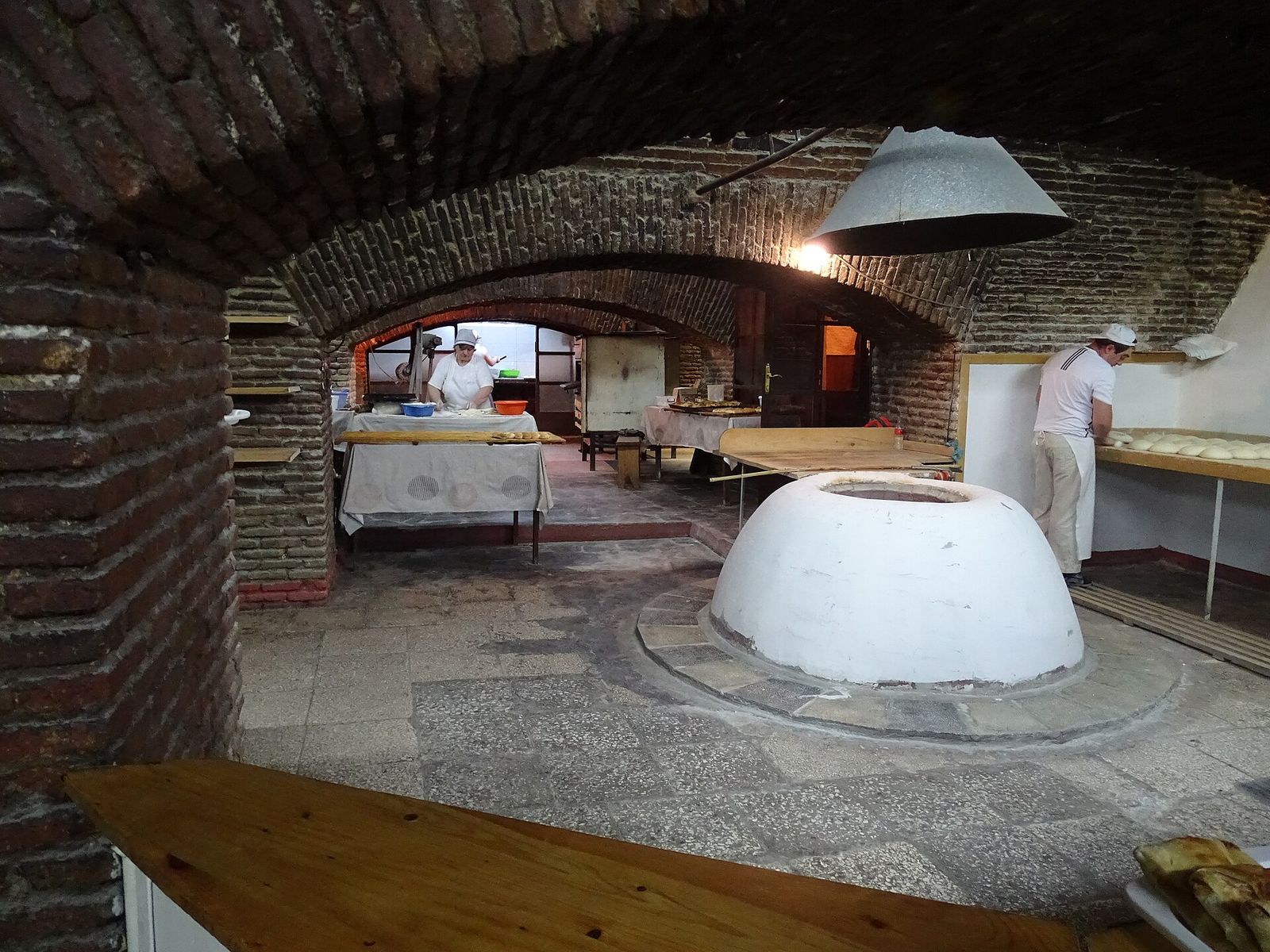
Don't come looking for night markets and rows of food carts. Tbilisi's street food lives in small bakeries, called satskhobi or simply tone after their oven, that sit a few steps below the pavement on almost every residential street. You order through a window or across a counter, the baker hands over something hot in a sheet of paper, and you eat it on the move. Add a handful of grill joints, a chebureki house, the markets and a few counters doing modern takes on Georgian snacks, and you have the map.
It is cheap, it is filling, and most of it is bread with something inside. The breads, cheeses and sauces are the same ones that fill a table of Georgian food in a restaurant, only without the plates.
| Food | What it is | Where to buy it |
|---|---|---|
| Shotis puri | Canoe-shaped white bread baked on the wall of a tone oven | Any tone bakery |
| Lobiani | Round bread filled with mashed spiced beans | Tone bakeries, Dezerter Bazaar |
| Penovani | Cheese folded into flaky puff pastry | Bakeries and bakery cafes |
| Imeruli khachapuri | Round cheese bread, sold whole or by the slice | Bakeries, every cafe |
| Chebureki | Thin fried pastry with meat, cheese, mushroom or potato | Vakhtanguri's in Avlabari |
| Mtsvadi in bread | Grilled pork or chicken wrapped in shotis puri or lavash | Tsetskhli Ainto, Big Boar |
| Churchkhela | Walnuts on a string dipped in thickened grape juice | Old Town stalls, markets |
Shotis puri and the tone bakeries
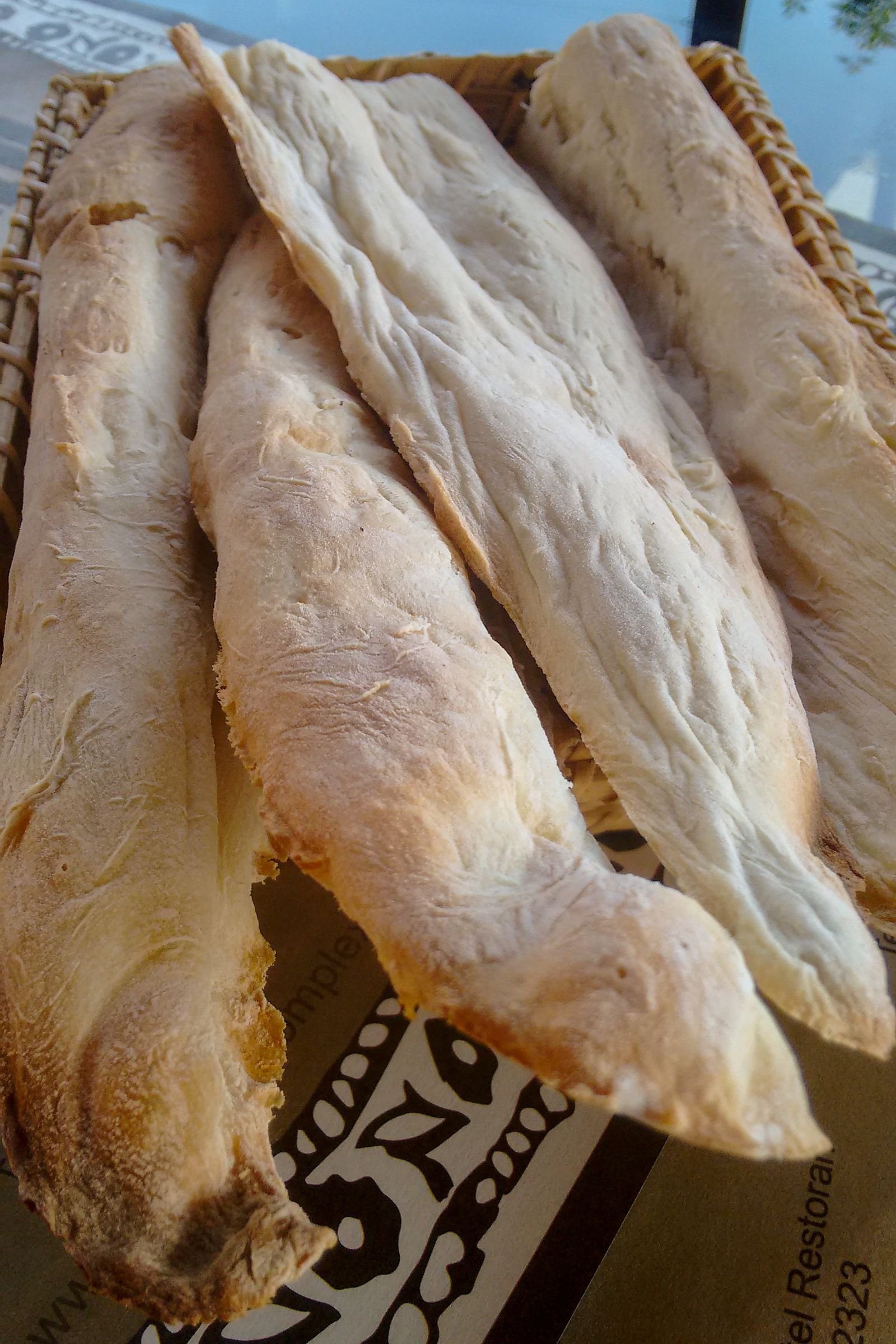
The tone is a deep, round clay oven sunk into the floor, and it is the heart of Tbilisi street food. The baker slaps long tongues of dough onto the hot inner wall, and a few minutes later hooks them out as shotis puri: a pointed, canoe-shaped loaf with a crackling crust and a soft middle. A loaf costs 1 to 3 GEL, and a warm one with nothing on it is one of the best things you will eat in Georgia.
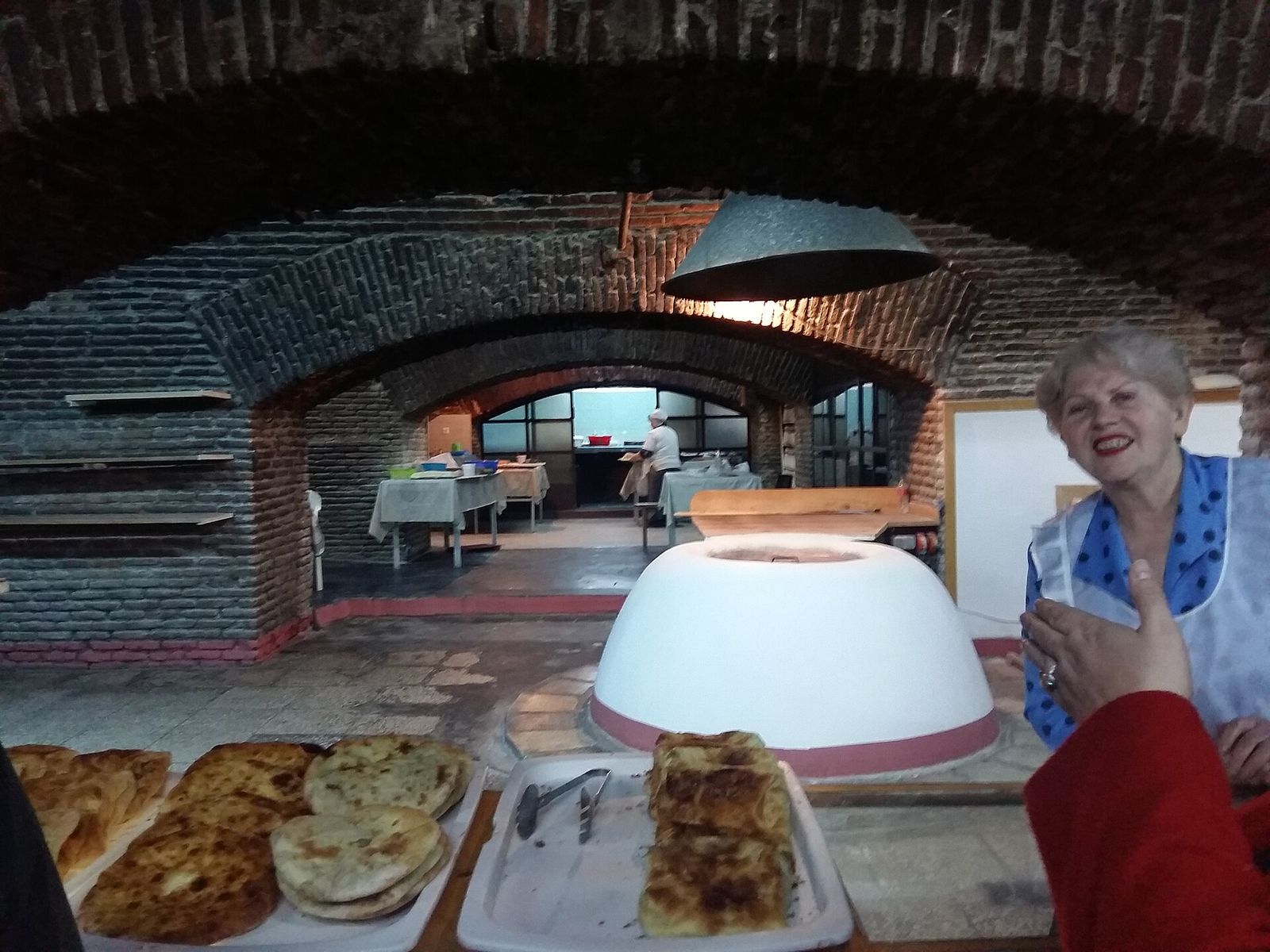
You find tone bakeries by looking down. They are usually in half-basements with a window or a doorway at street level, a stack of loaves on the counter and a queue of locals on their way home. Most have no menu on the wall; you point. Besides shotis puri, the same oven turns out lobiani and khachapuri all morning, at 3 to 8 GEL a piece.
My routine for a slow morning in a new neighborhood: find the nearest tone, buy one shotis puri and one lobiani, and eat both on a bench before coffee. It costs less than a cappuccino, and you learn the street better than from any cafe.
Lobiani: Georgia's bean bread
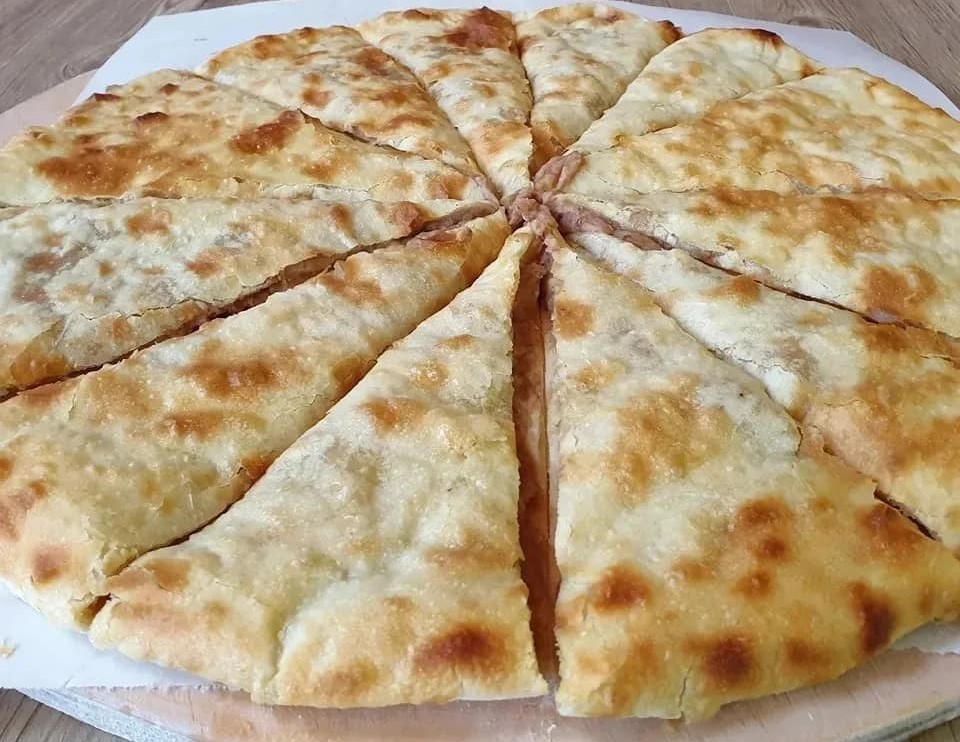
Lobiani is a round flatbread stuffed with mashed kidney beans seasoned with onion, garlic and coriander, then baked until the crust blisters. It is filling, cheap and warm, and it is my pick for the first street snack of a trip. Expect to pay 4 to 6 GEL at most bakeries, with the full range running 3 to 8 GEL across the city.
The version to look for is rachuli lobiani, from the mountain region of Racha, which works smoked pork or bacon into the beans. It is richer and saltier than the plain kind, and the best ones come from the tone rather than a modern bakery oven.
Lobiani is also the bread you see at the stalls in the markets, baked in portable ovens and sold straight from the tray. Dezerter Bazaar is the best place to try it that way.
Penovani and khachapuri by the slice
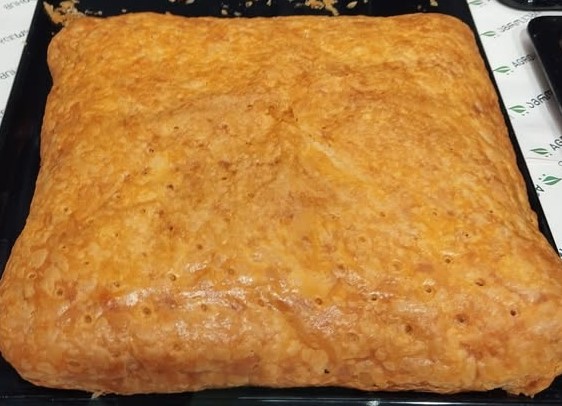
Penovani is khachapuri made with puff pastry instead of bread dough: a square of flaky, buttery layers folded around salty cheese. It travels better than any other khachapuri, which is why it is the one locals grab on the way to work, and it is the best thing to eat while walking through the Old Town. Bakeries and bakery cafes all over the city sell it.
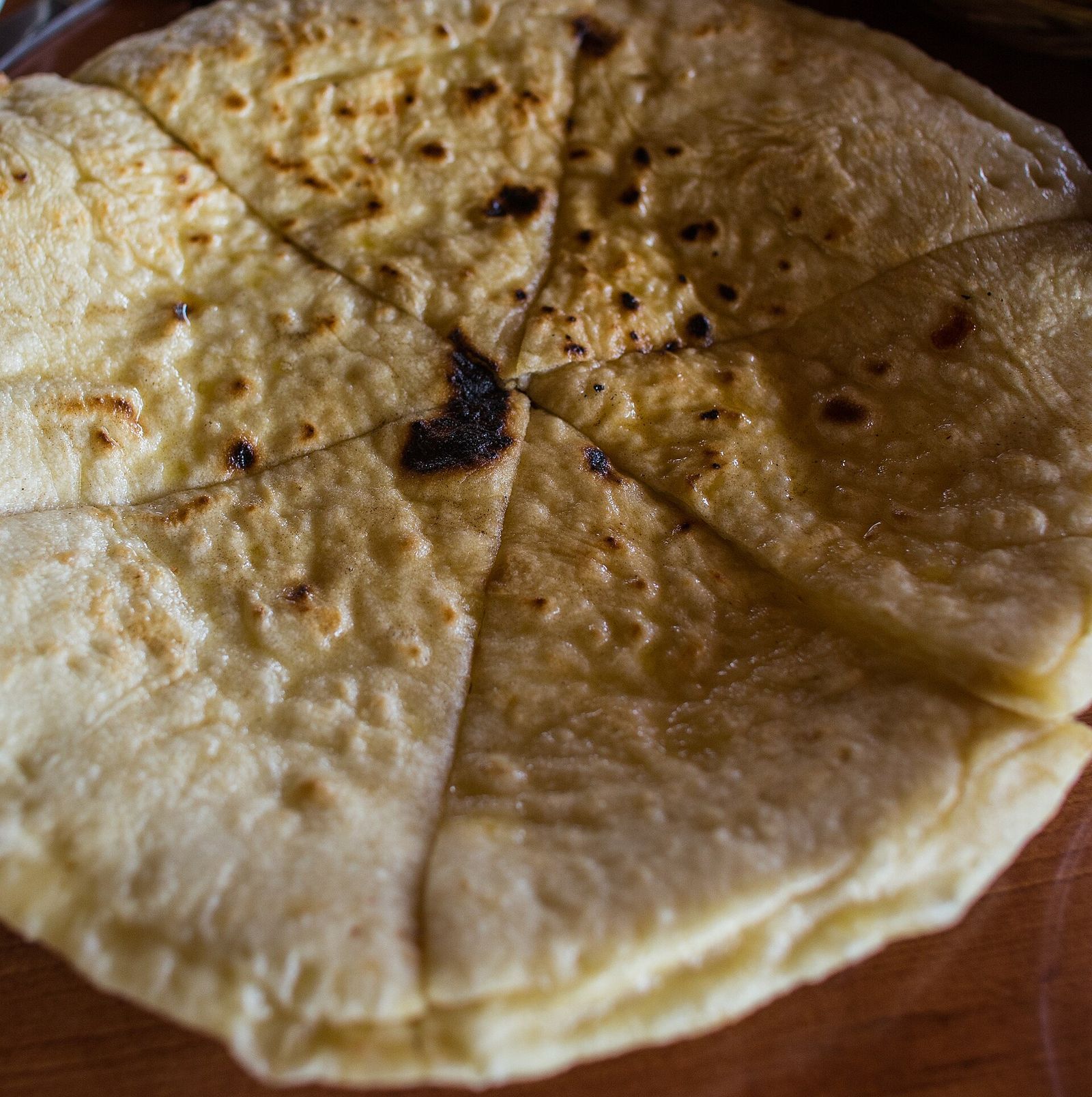
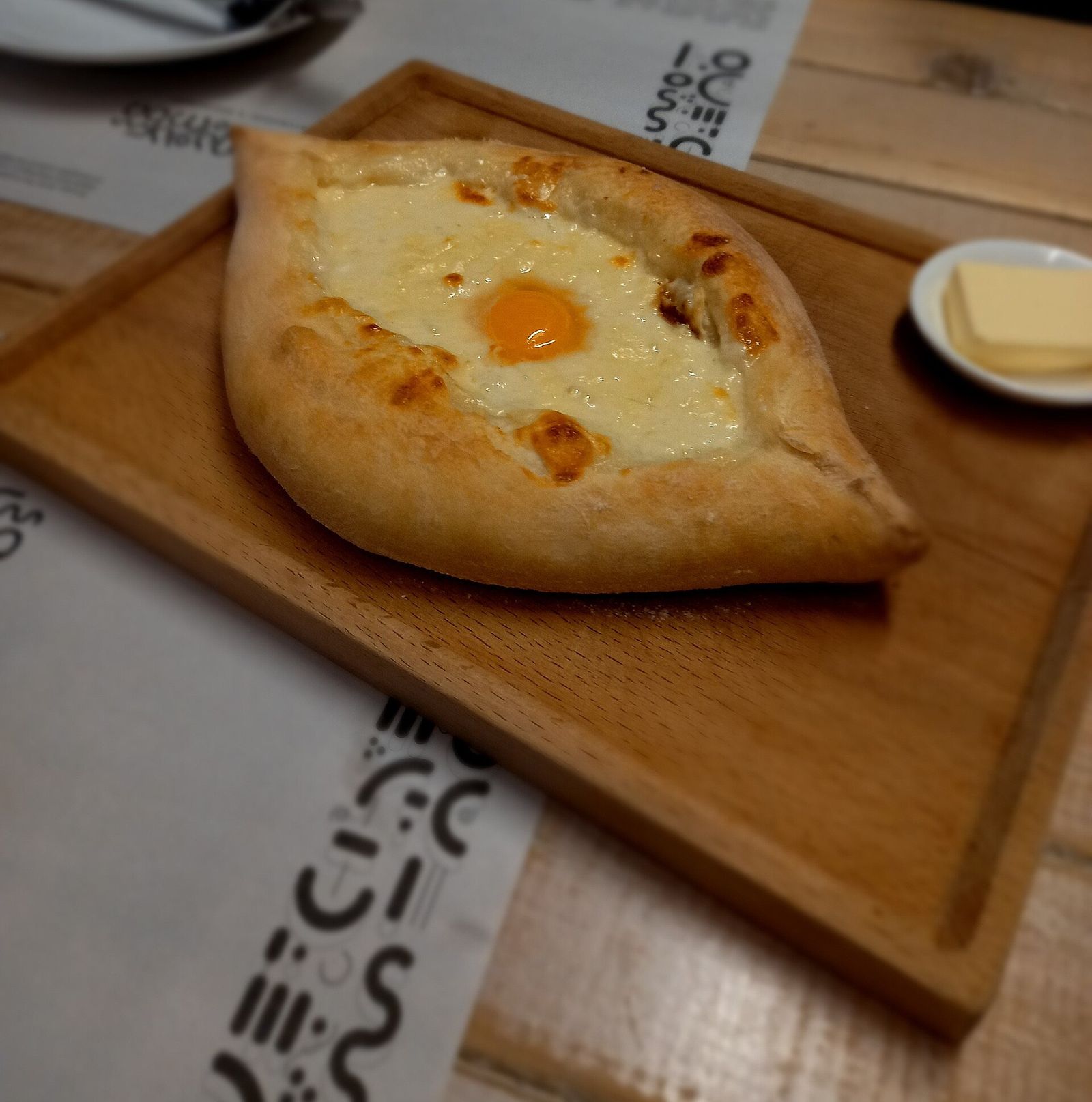
Imeruli khachapuri, the round, sealed cheese bread, is the everyday version. Bakeries sell it whole for 10 to 20 GEL or by the slice for 3 to 6 GEL. Adjaruli, the open boat with the egg and butter, is a sit-down dish rather than street food, and it costs 14 to 28 GEL in a restaurant; one is enough for two people.
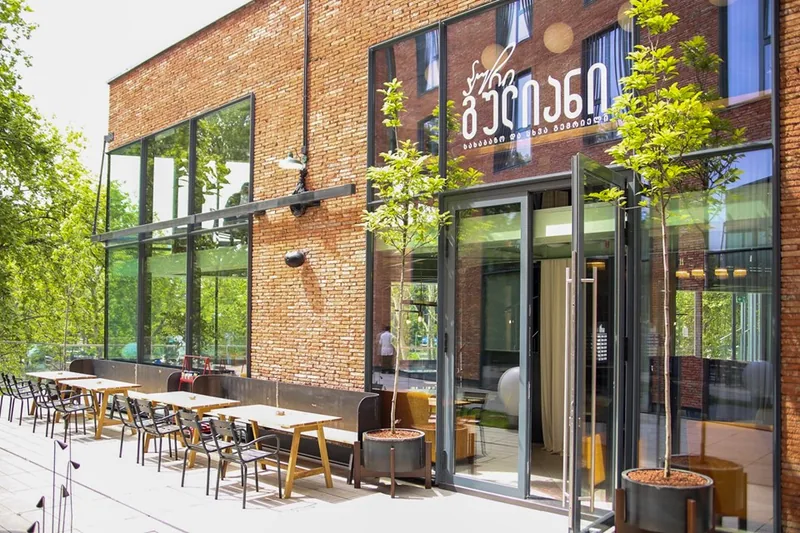
If you want to sit down with a proper Adjaruli, Puri Guliani by the Dry Bridge does a good one along with pkhlovana, a leek and tarragon version; ask for "tsomi gamotslili" and they scoop out some of the bread. A bakery slice and a restaurant boat are different meals, and the best khachapuri in Tbilisi is worth one sit-down lunch even on a street food trip.
Other bakery snacks to try
The bakery window holds more than bread and cheese. These are the ones I'd point at:
- The pastry sausage. A frankfurter baked inside a roll of pastry, sold at nearly every bakery. Georgia's answer to the sausage roll.
- Potato, mushroom and tarragon pies. Small baked or fried pies with a savory filling, cheaper than khachapuri and lighter.
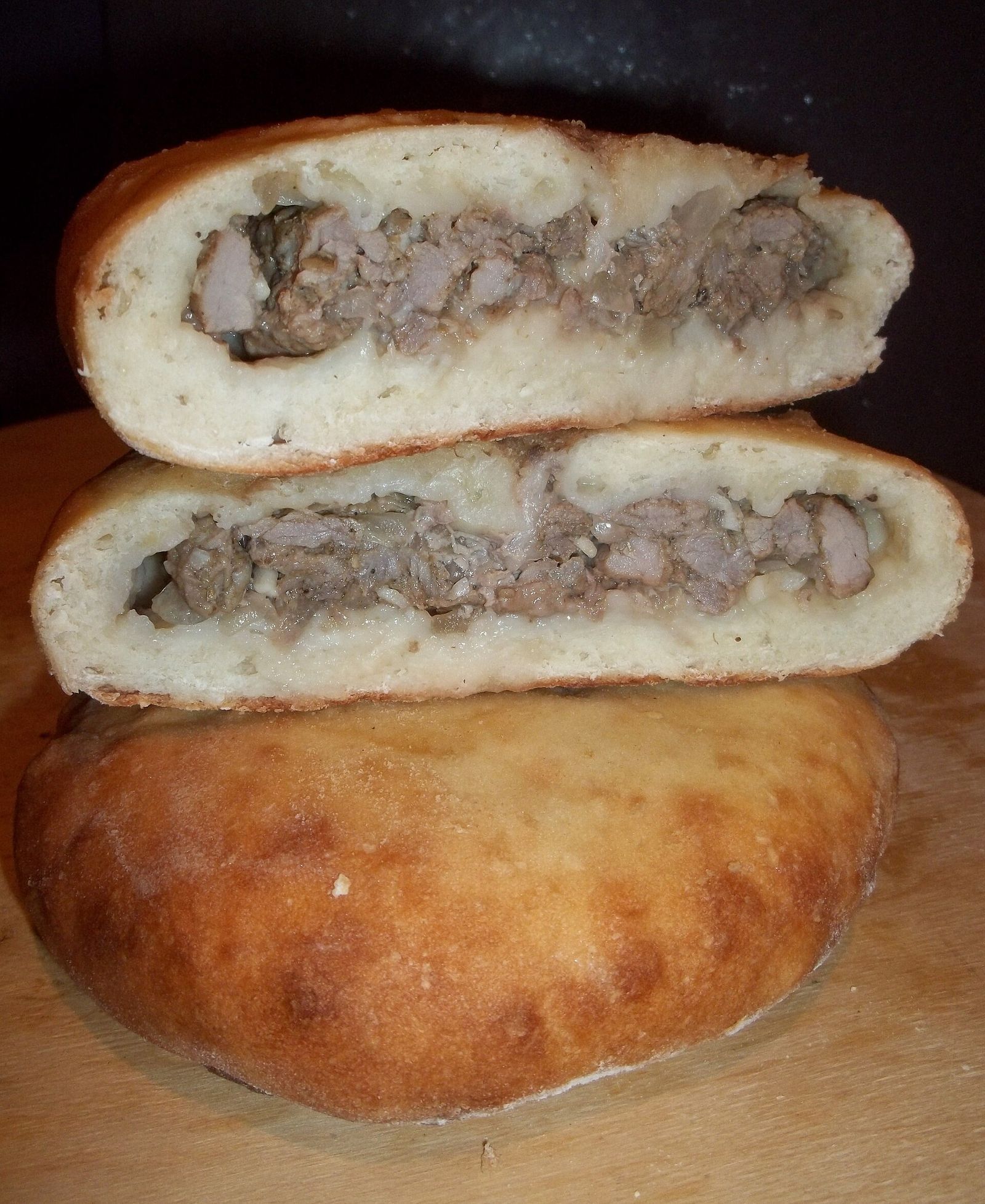
- Kubdari. A round bread from Svaneti stuffed with chopped, spiced meat. It is heavier than lobiani, so treat it as lunch rather than a snack.
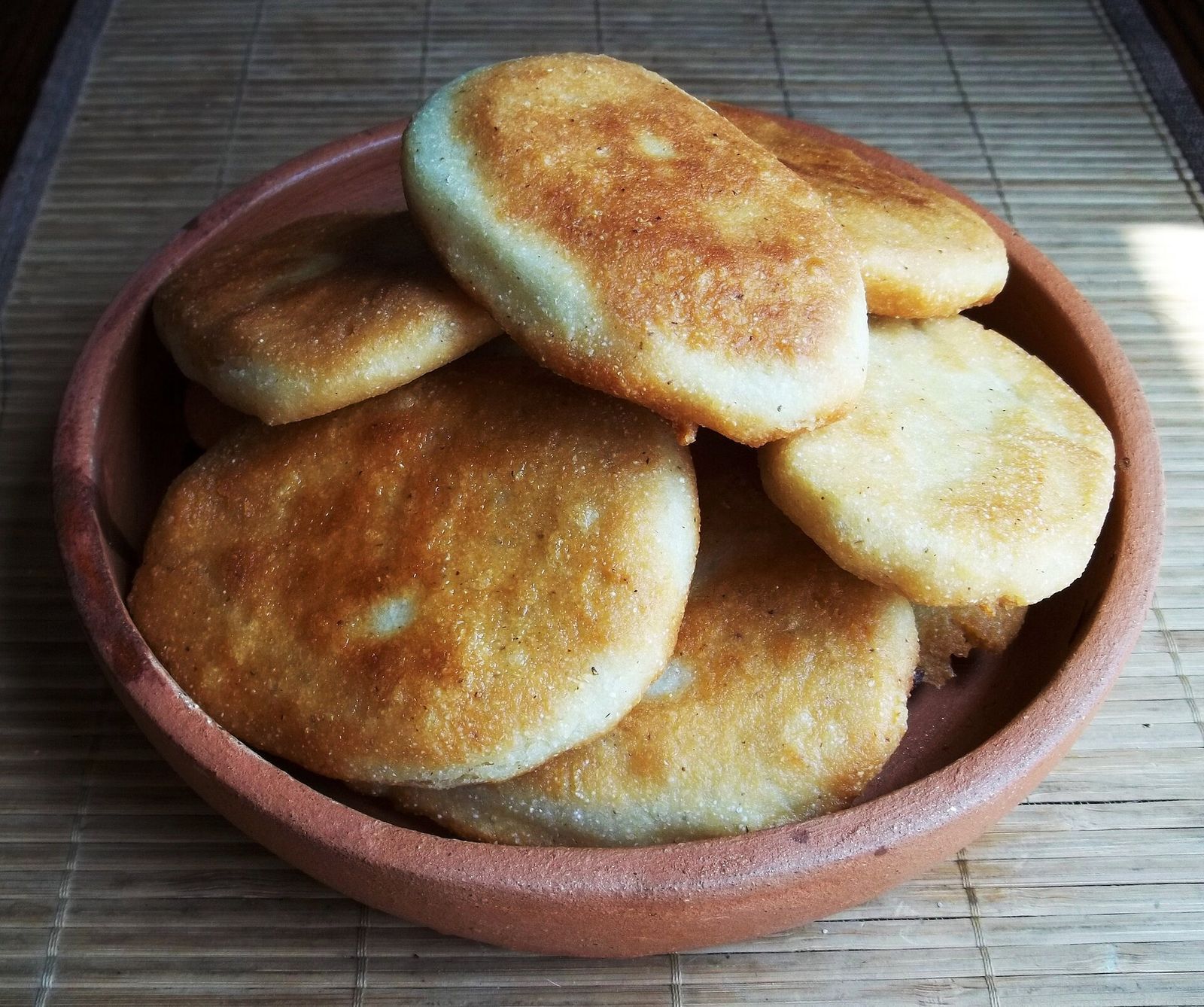
- Mchadi. Dense cornbread cakes, more often served with beans in a canteen than sold on their own.
Coffee at the older bakeries is Georgian coffee, boiled in a small pot with the grounds left in the cup. It comes sweet unless you say "ushaqro" for no sugar.
Chebureki at Vakhtanguri's in Avlabari
Vakhtanguri's Chebureki
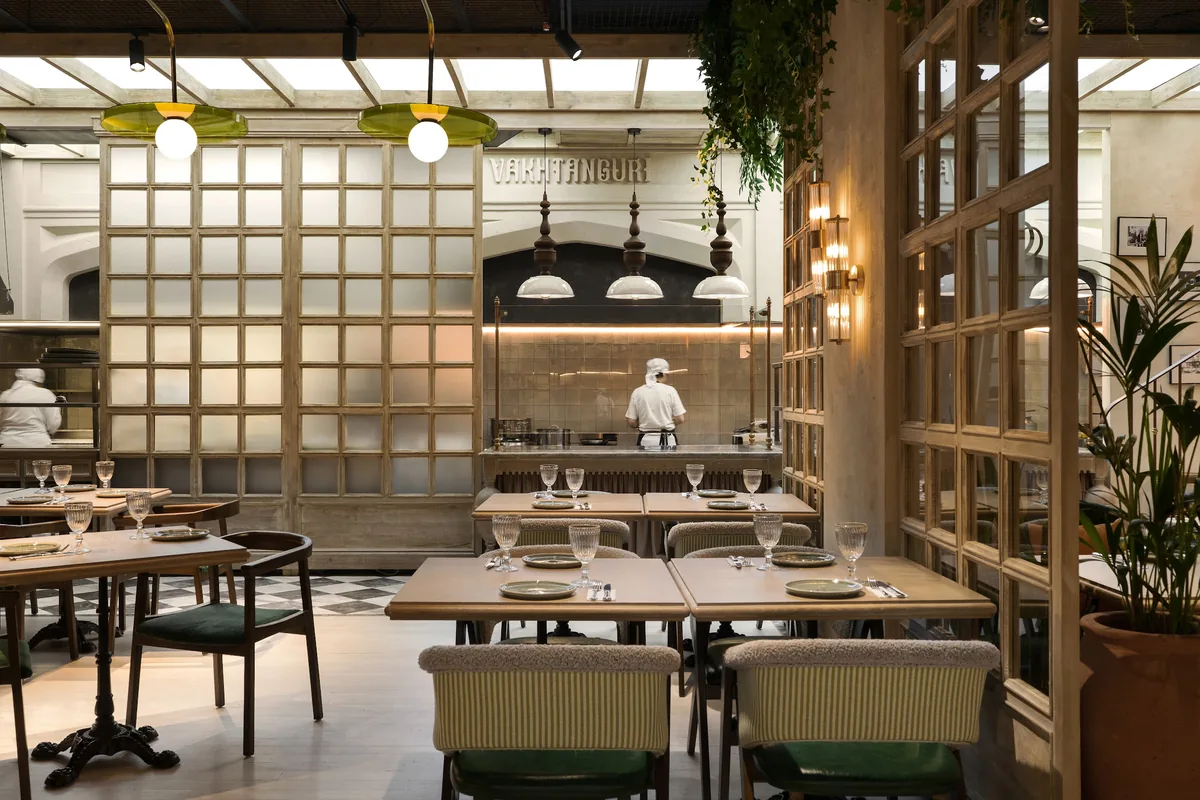
Chebureki are half-moons of thin dough with a filling inside, fried until the pastry blisters and crackles. Vakhtanguri's in Avlabari is the place in Tbilisi to eat them, a few minutes' walk from the cathedral. The fillings are meat, cheese, mushroom and potato, and the dough is thin and crisp rather than bready.
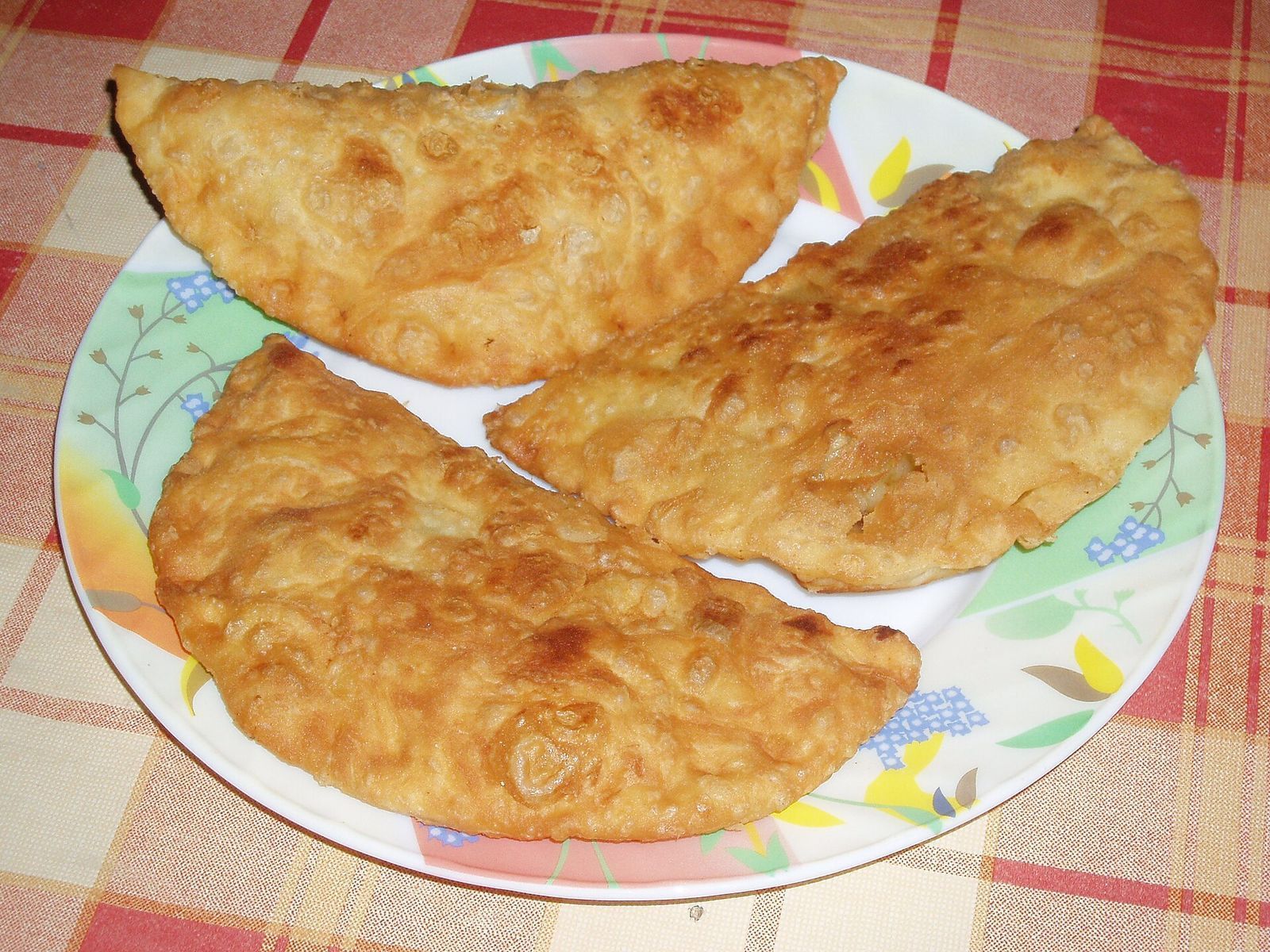
Order chebureki for the table, but don't stop there. The Georgian classics on the rest of the menu, khinkali, kebabs and grilled mtsvadi, are as good a reason to come. It is the easiest hot-food stop after a visit to Holy Trinity Cathedral, close by in the same neighborhood.
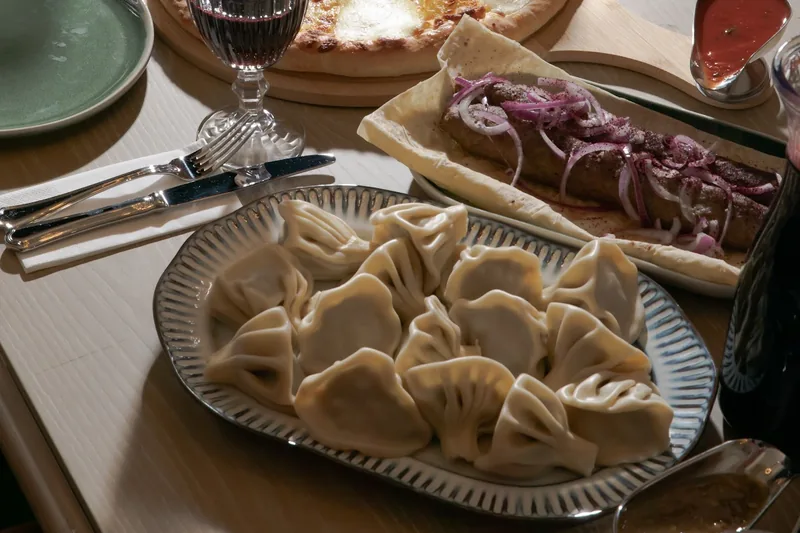
Grilled meat in bread: mtsvadi, kebabs and shawarma
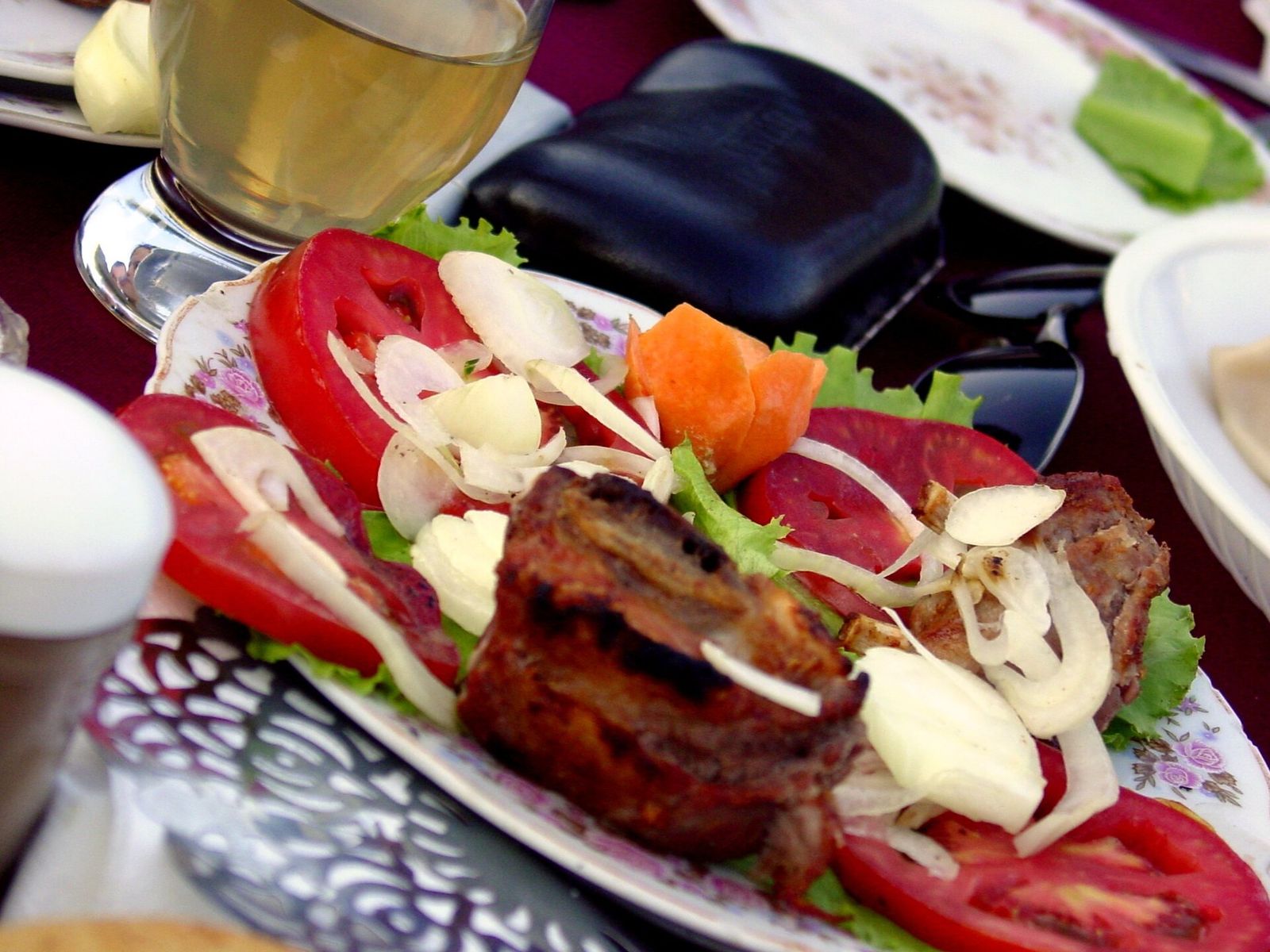
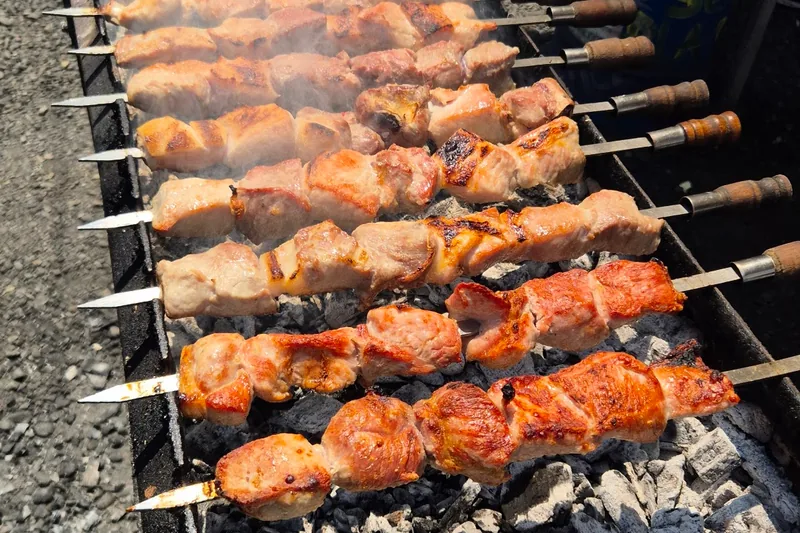
Georgian street food gets its protein from the grill. Mtsvadi is cubes of pork, veal or chicken grilled on skewers, and the street version comes wrapped in shotis puri or lavash with raw onion.
Tsetskhli Ainto
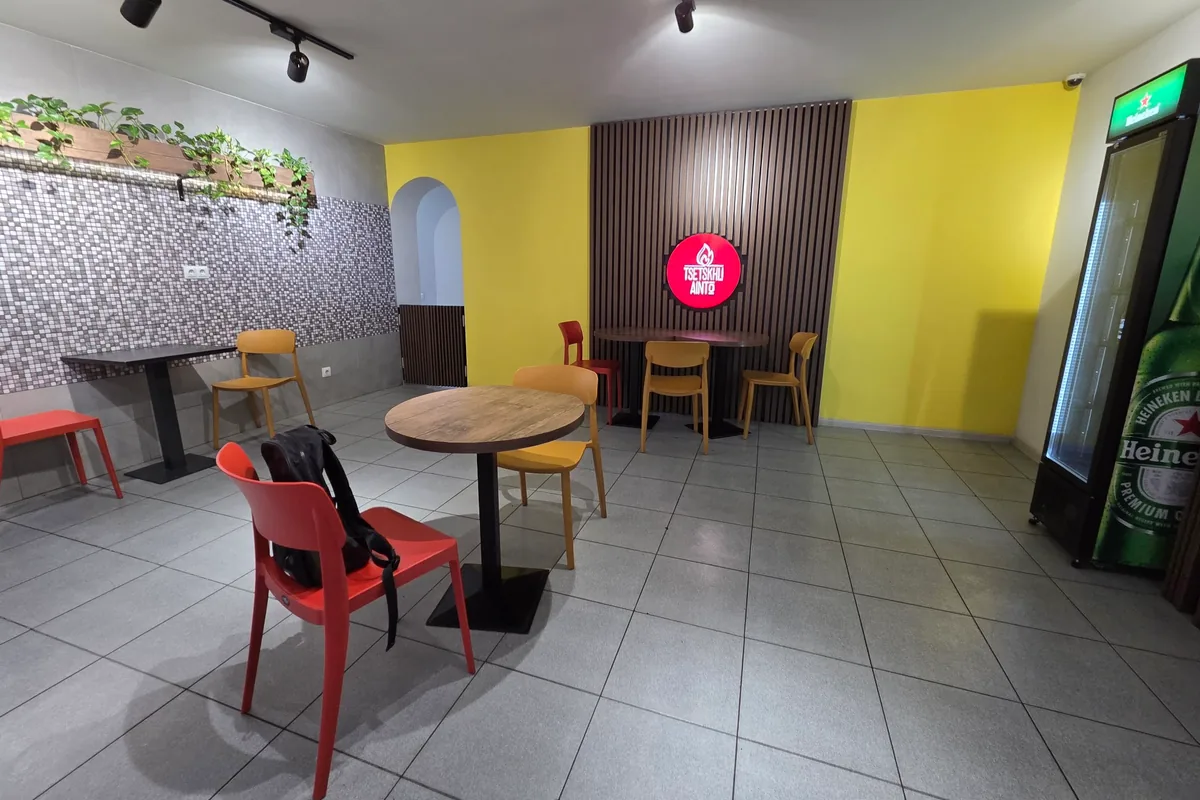
Tsetskhli Ainto has branches in Saburtalo and Vake and does one thing well: meat off the fire. Order the pork or chicken mtsvadi, or the Kakheti-style mtsvadi, with shotis puri, or a lavash kebab if you want something to carry. The room is simple; you come for the meat, not the decor.
Sauces cost extra, so ask for tkemali (sour plum) when you order rather than when the meat arrives.
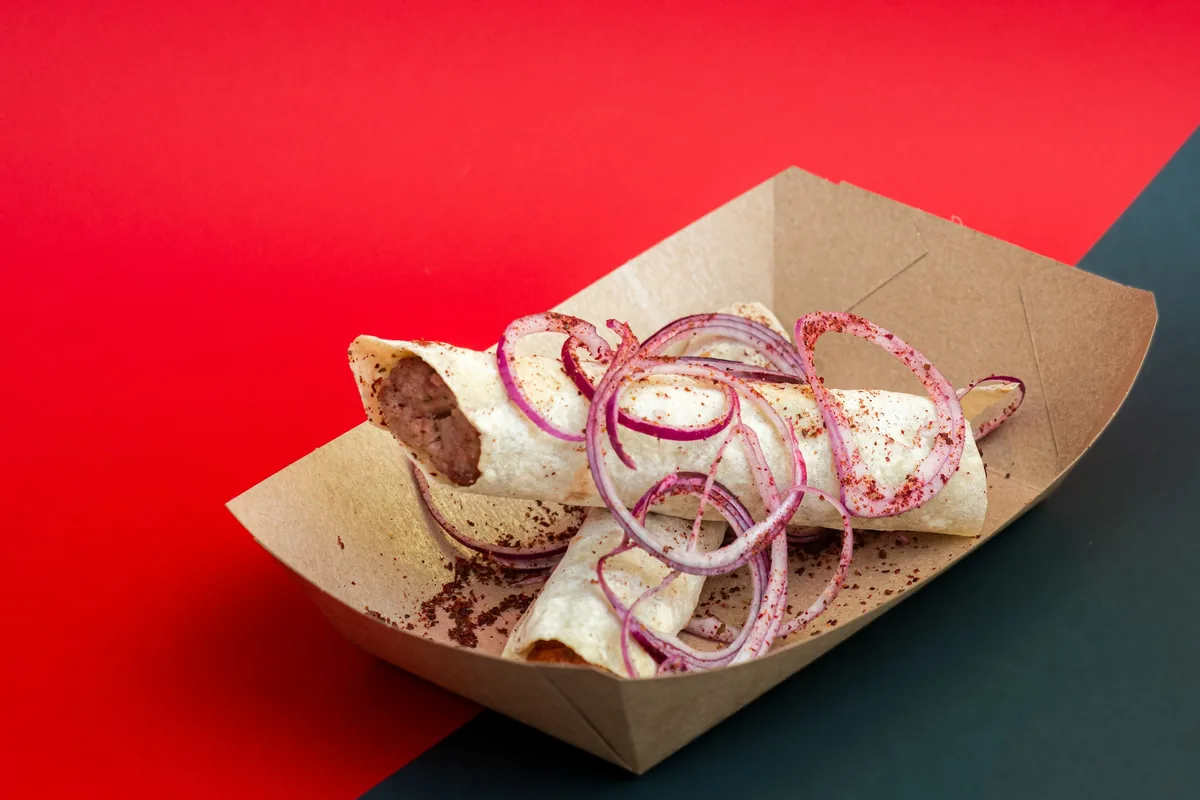
Big Boar
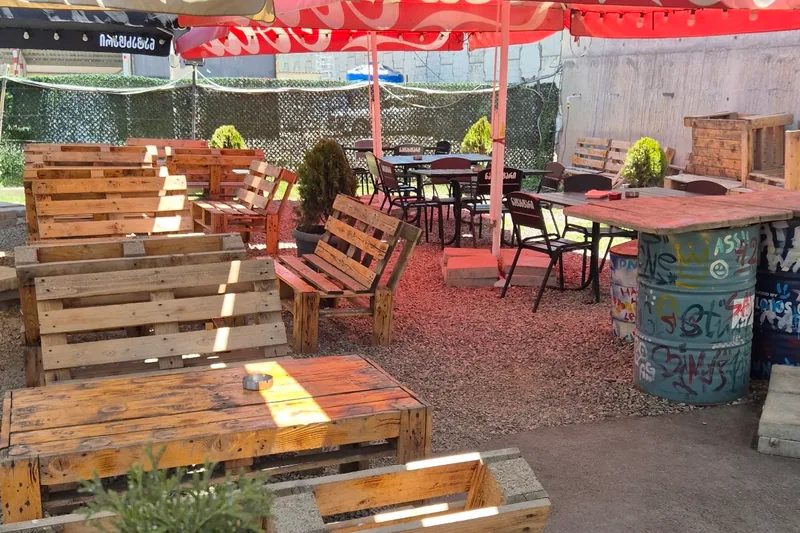
Big Boar started life as a food truck and now has branches in Gldani, Saburtalo and Varketili, all out of the center. It grills pork and offal over charcoal, and sometimes wild boar. It is a trip for people who care about grilled meat more than about sights, and it pays off; the meat comes out fast, juicy and cheap.
Shawarma on Aghmashenebeli Avenue
Shawarma is the city's late-night food, and the counters along Aghmashenebeli Avenue around Marjanishvili stay open long after the restaurants close. It is not Georgian, but at 1 AM nobody in Marjanishvili cares.
Modern street food: Tamtaki and Shoti
A few chef-run counters have taken bakery food and grill food and turned them into something you eat in two hands.
Tamtaki
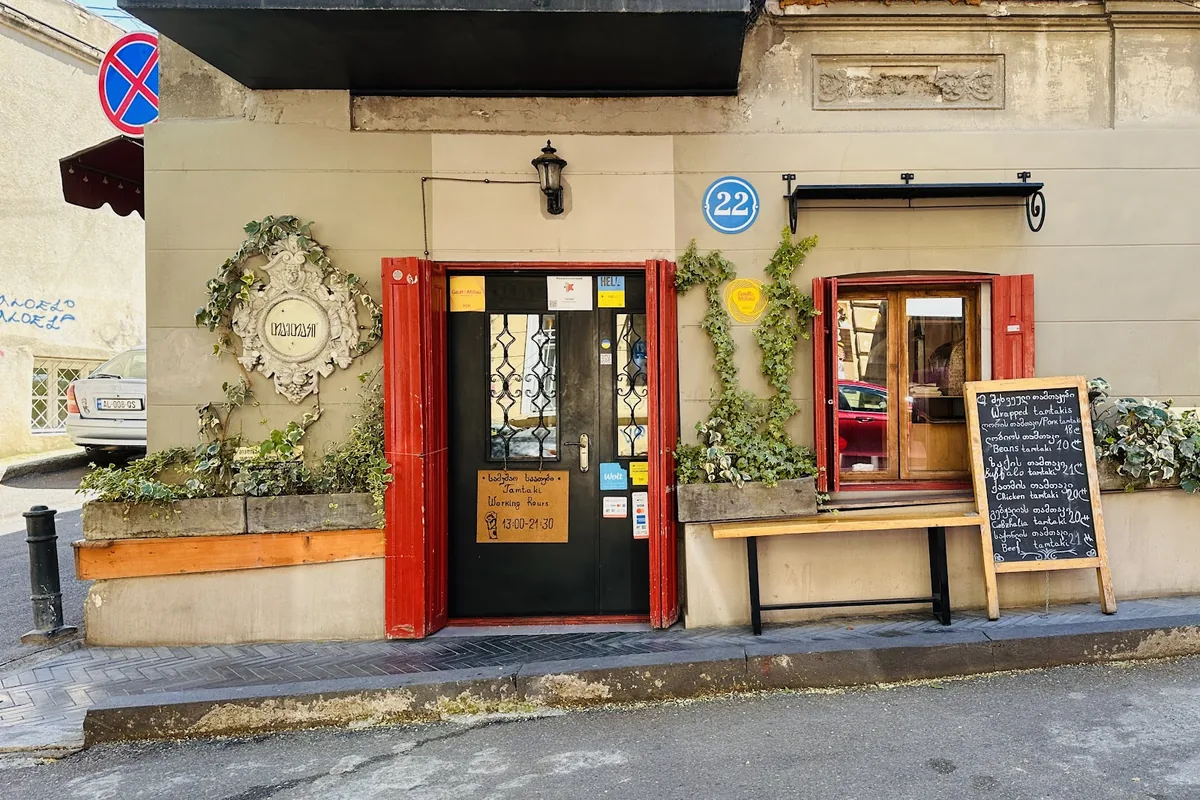
Tamtaki is chef Tamta Kikaleishvili's handheld street food, sold from a few tables in Vera and from a counter inside Sasadilo at Zeche in Chugureti. The menu is built around the tamtaki, the handheld snack the place is named after; the buffalo and the oyster mushroom versions are the ones to order. It is the place to try when you have done the classic bakery run and want a new take.
Shoti at Bazari Orbeliani
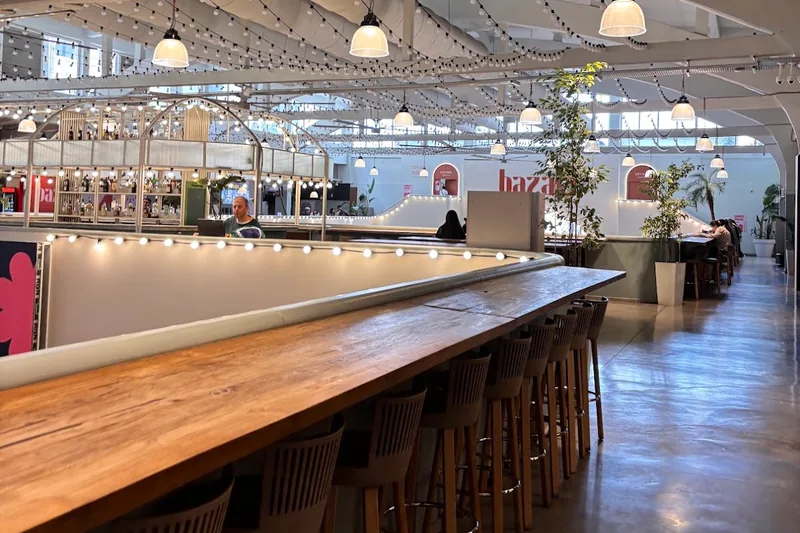
Shoti began as a vendor at food festivals and now has a permanent home on the second floor of Bazari Orbeliani, the food hall at 3a Vekua Street. It makes sandwiches in shoti bread baked in a tone oven, which is the bakery loaf doing a new job. The food hall around it is a good rainy-day option, with coffee and several Georgian counters under one roof.
Dezerter Bazaar: snacks, cheese and churchkhela

Dezerter Bazaar, the big market by Station Square, is where the city buys its meat, cheese and produce, and it is the best place in Tbilisi to snack your way through a morning. Go before noon, when the stalls are full and the hot food is fresh. Look for lobiani from the portable ovens, slabs of sulguni and Imeruli cheese, dried fruit, nuts and churchkhela, with most snacks under 5 GEL.
It is loud, crowded and real, a market for locals rather than a show for visitors. Hold onto your bag in the narrow aisles, bring small notes, and allow an hour; the cheese and meat halls of Dezerter Bazaar are the busiest part and the best one for snacking.
Churchkhela and sweet street snacks
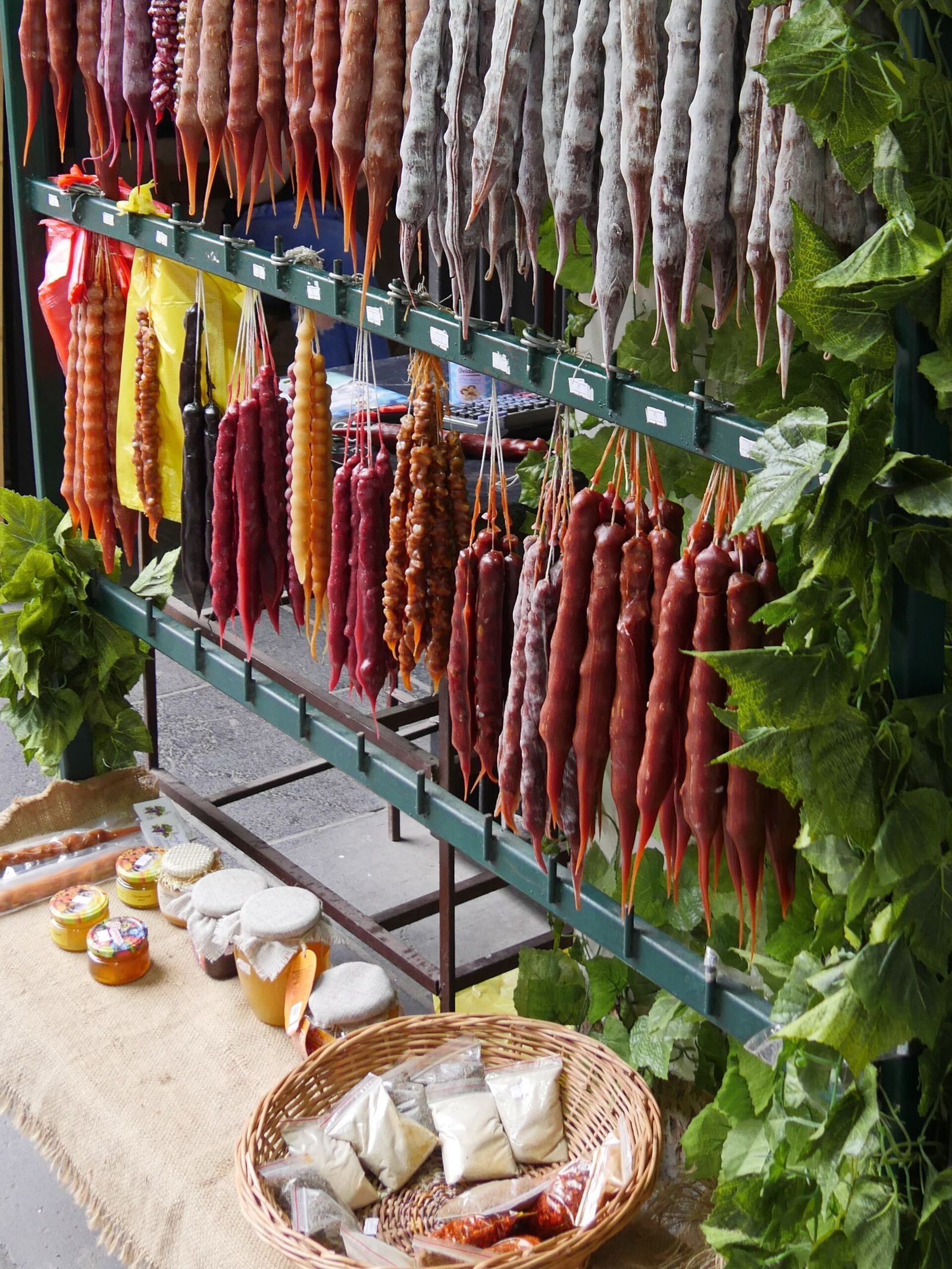
Churchkhela is the sweet you see hanging in long strings from stalls all over Old Tbilisi: walnuts or hazelnuts threaded on a cord and dipped again and again in thickened grape juice until they set into a chewy, candle-shaped stick. It is sold at Old Town stands, by the paths up to Narikala and at every market, and it travels well, which makes it the one street snack you can pack for the flight home.
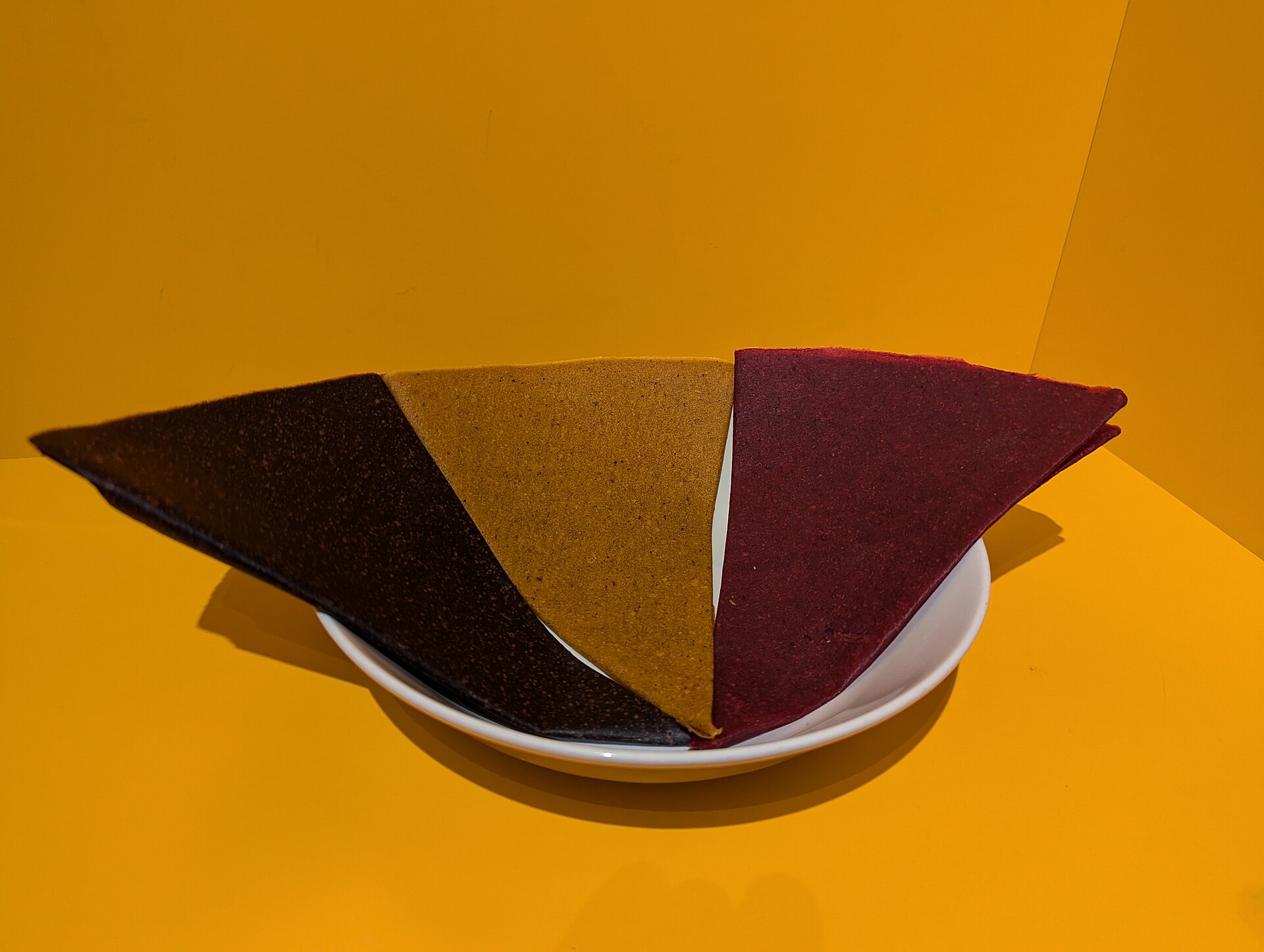
Next to the churchkhela you will often find tklapi, thin sheets of fruit leather made from plums or grapes. Both are cheaper at Dezerter Bazaar than at the stalls on the tourist lanes. Most other Georgian desserts, from honey-walnut gozinaki to pelamushi grape pudding, belong to bakeries and home kitchens rather than the street.
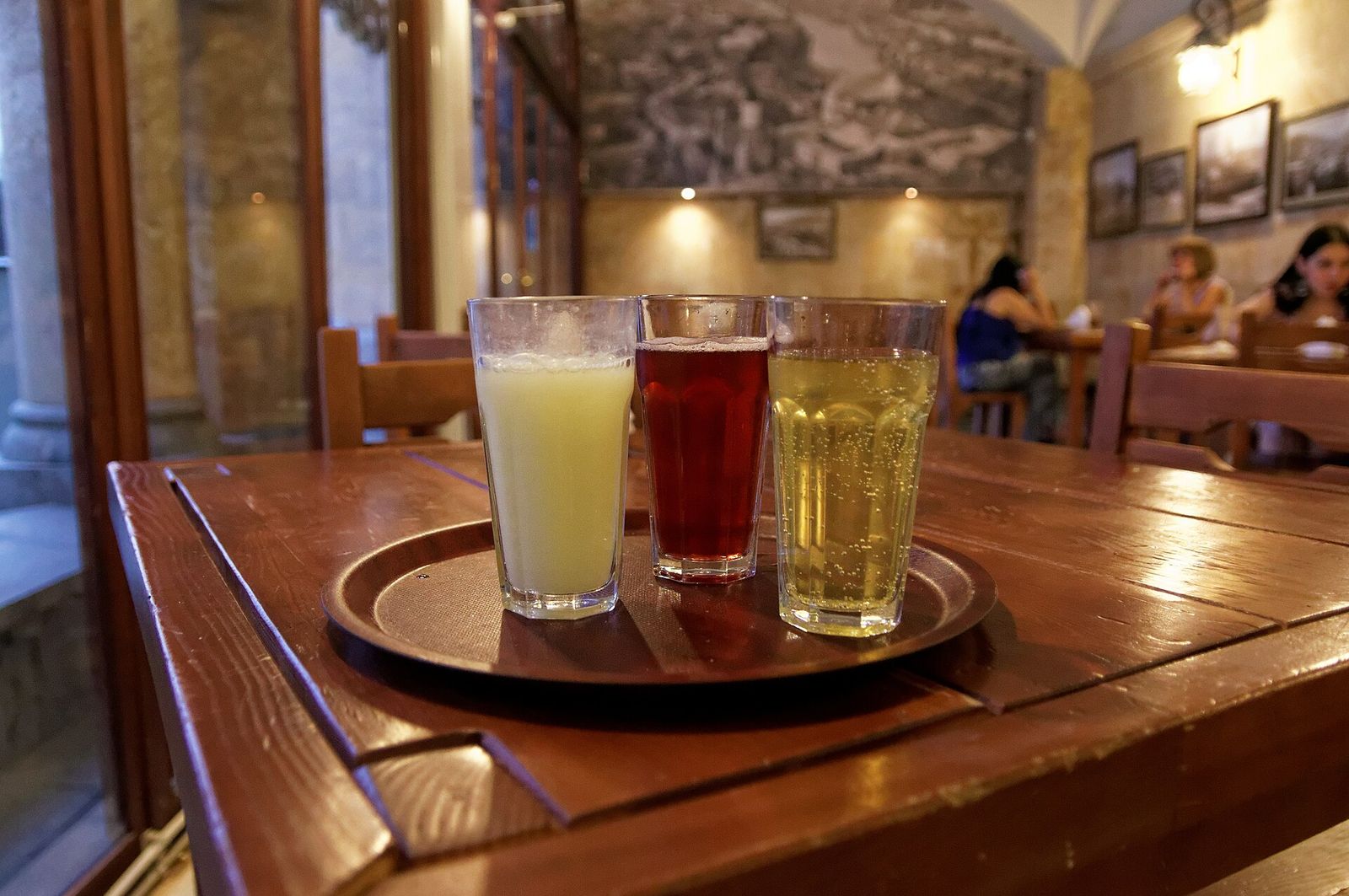
To drink, skip the cola and get a Lagidze-style soda: tarragon, pear or cream syrup topped with fizzy water. Of the Georgian lemonade flavors, tarragon is the one to try first, and it goes well with anything salty from the bakery.
Cheap sit-down eats: canteens and khinkali
Sometimes you want a plate and a chair. Tbilisi's old canteens and khinkali houses are the step up from the bakery window, and lunch at most of them is under 20 GEL a head.
| Place | Area | What to order | Notes |
|---|---|---|---|
| Mapshalia | Aghmashenebeli Ave 137, Chugureti | Megrelian kharcho, elarji, lobio, mchadi | Cash; busy at lunch and dinner |
| Coca-Cola Dining Room | Tsereteli Ave 114, Didube | Mtsvadi, kharcho, kupati | Cash only; chalkboard menu in Georgian |
| Dumplings N1 | Ketevan Dedofali Ave 69a, Isani | Soviet-style pelmeni | Open 24 hours, cash only |
| Ghebi | Aghmashenebeli Ave 115, Chugureti | Lobio, shkmeruli | Rachan food, open 24 hours |
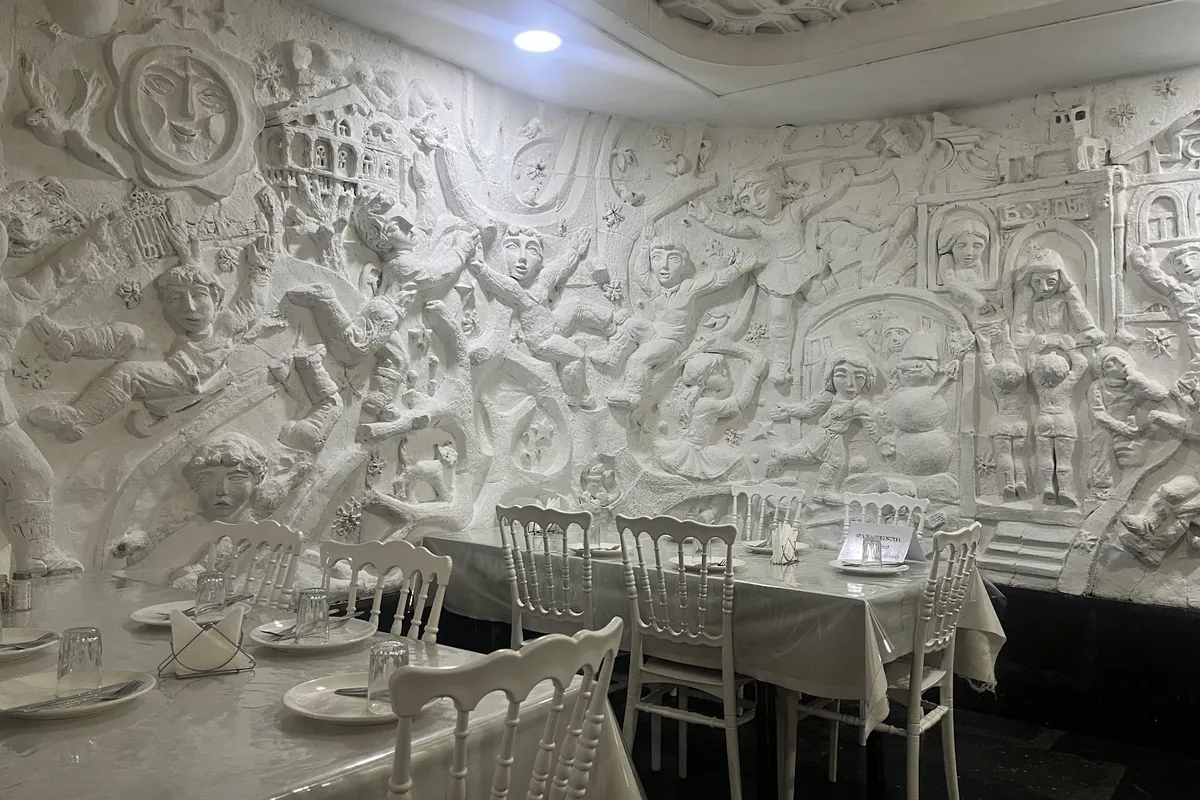
Mapshalia is my favorite of the four. It is a plain Megrelian canteen where the kharcho comes as a walnut stew over ghomi, and lunch for two costs less than one dinner main in the Old Town.
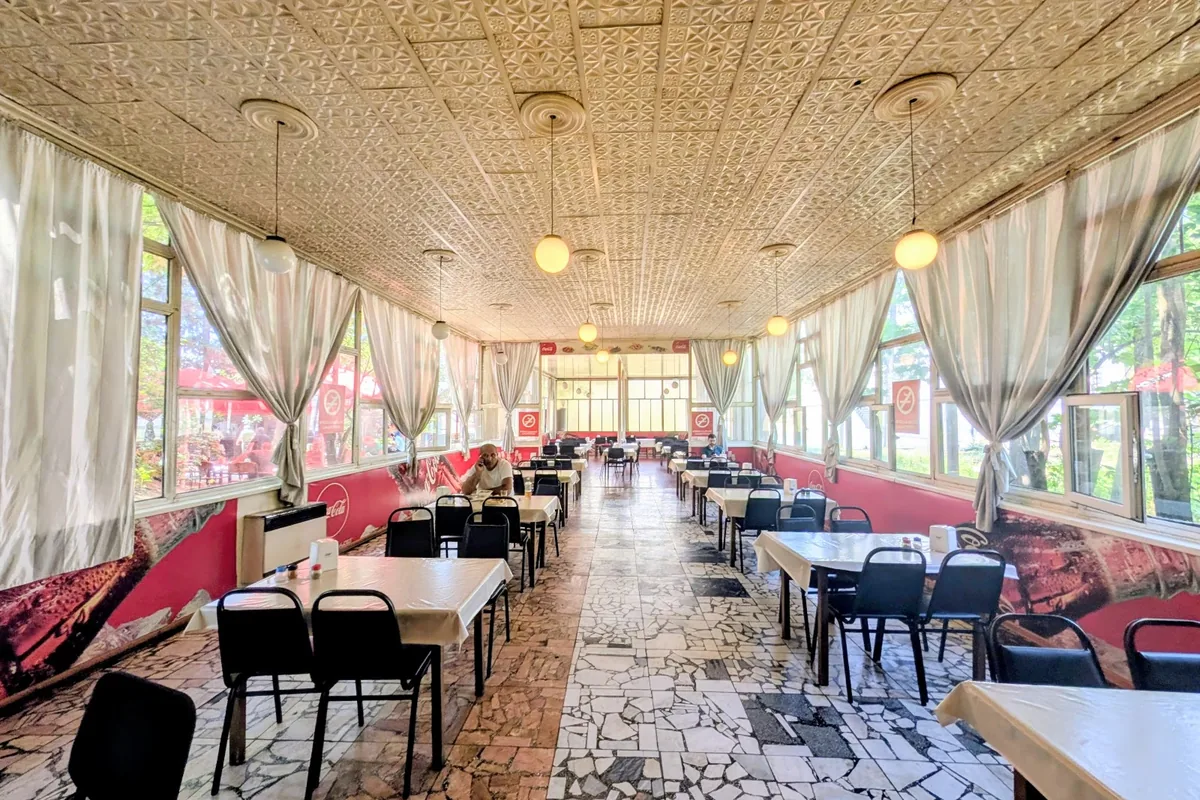
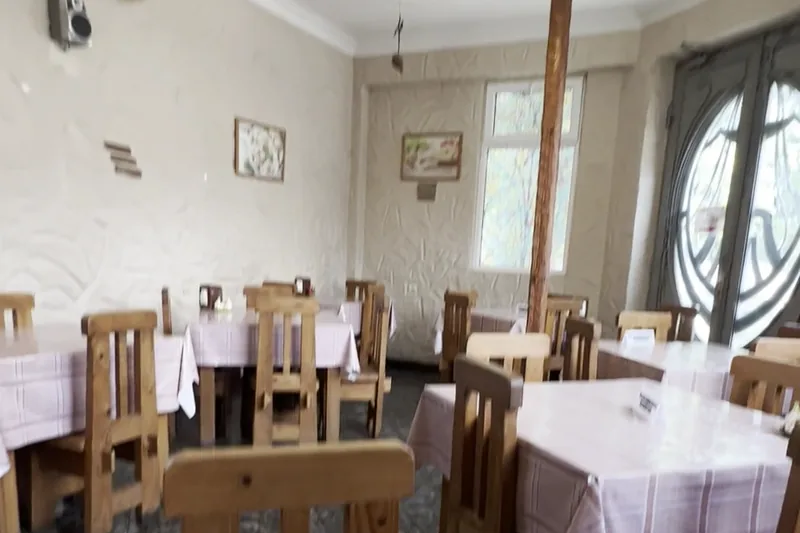
Coca-Cola Dining Room in Didube has been feeding the neighborhood for over 30 years, with a handwritten menu, almost no English and cheap, honest mtsvadi.
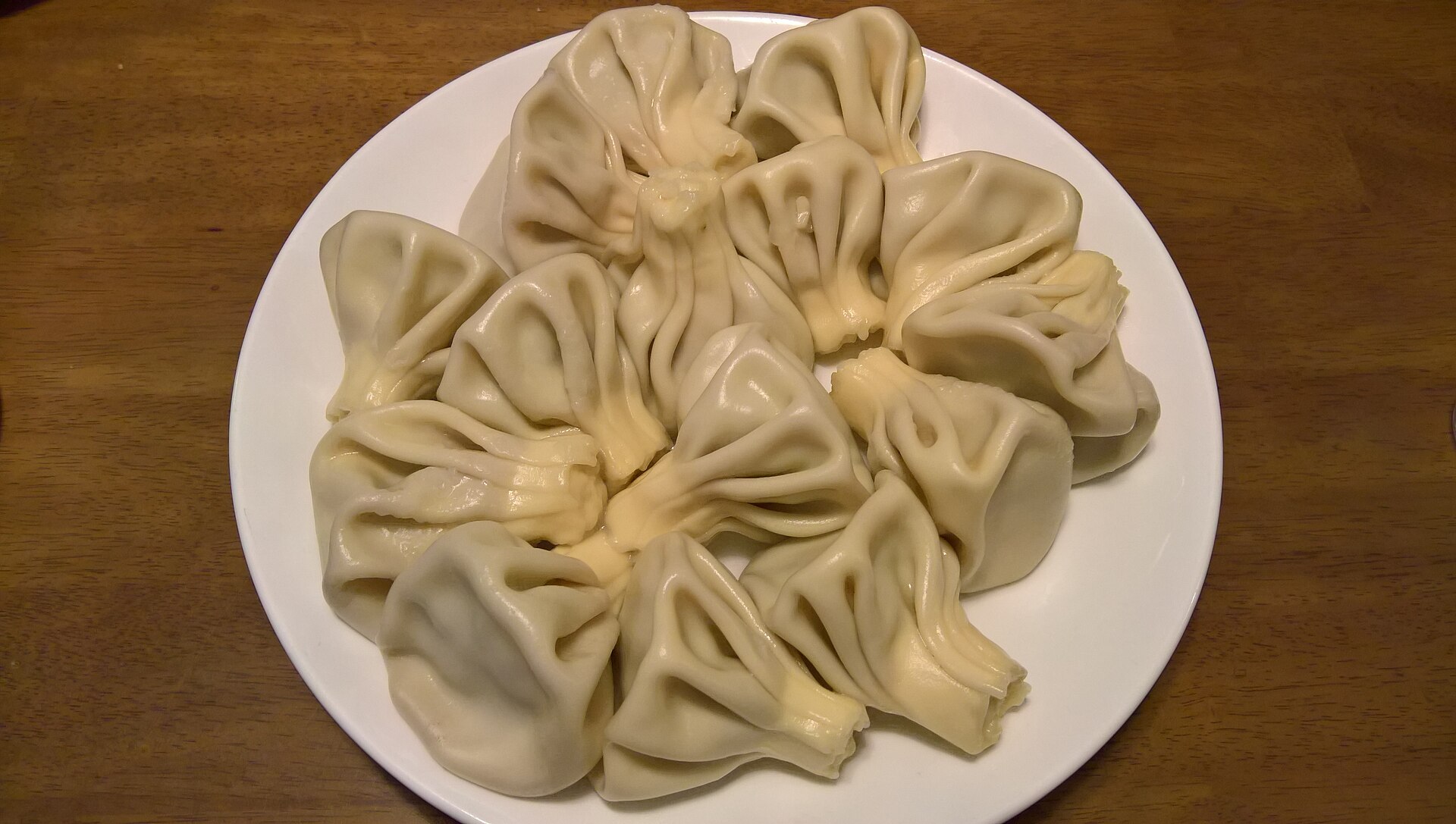
Khinkali are the other cheap meal, at about 2.40 to 3 GEL a piece, or 4 to 5 for the cheesy dambalkhacho. Ten between two people with a salad and a beer is a full dinner. The best khinkali in Tbilisi come from a handful of mountain-style kitchens, but almost any busy khinkali house will do for a cheap night.
Late-night street food in Tbilisi
Tbilisi eats late, and a few places never close:
- Maspindzelo Express, off Kostava Street near Rustaveli metro, runs around the clock on Fridays and Saturdays and serves khinkali five to a clay bowl.
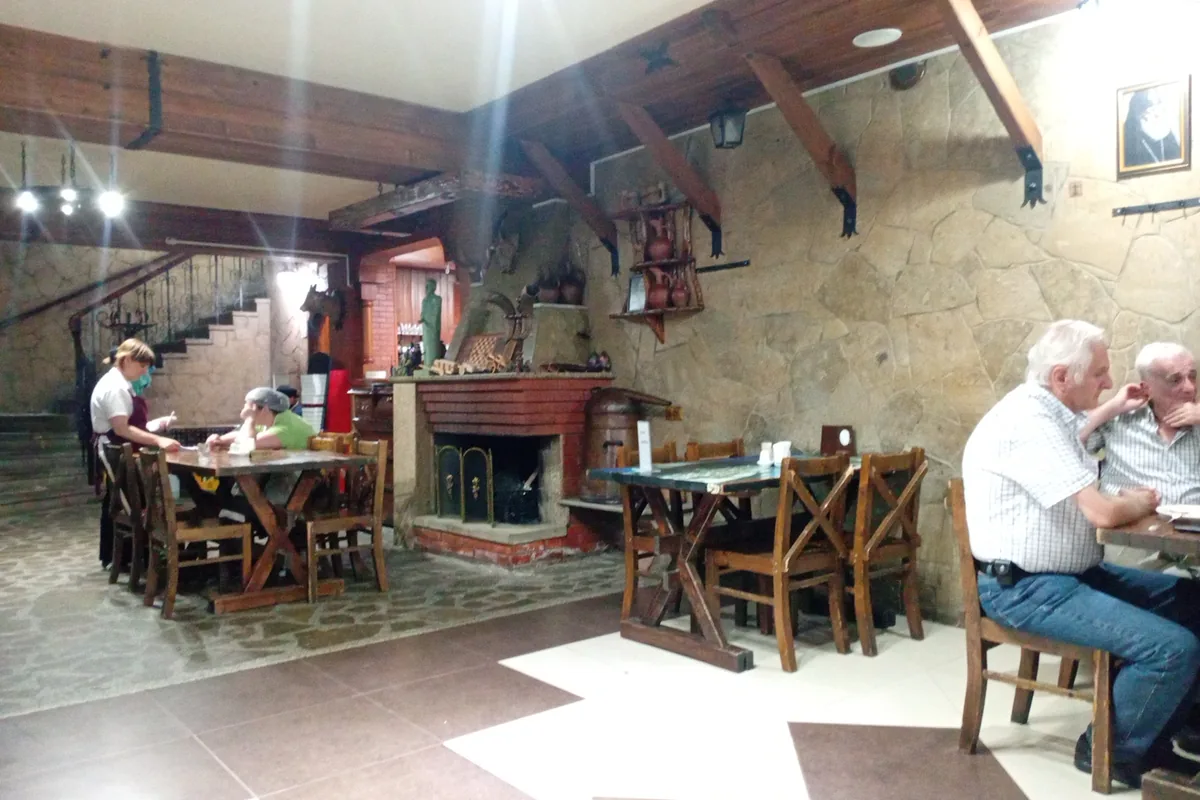
- Ghebi on Aghmashenebeli Avenue is open 24 hours, every night.
- Dumplings N1 in Isani serves pelmeni around the clock, cash only.
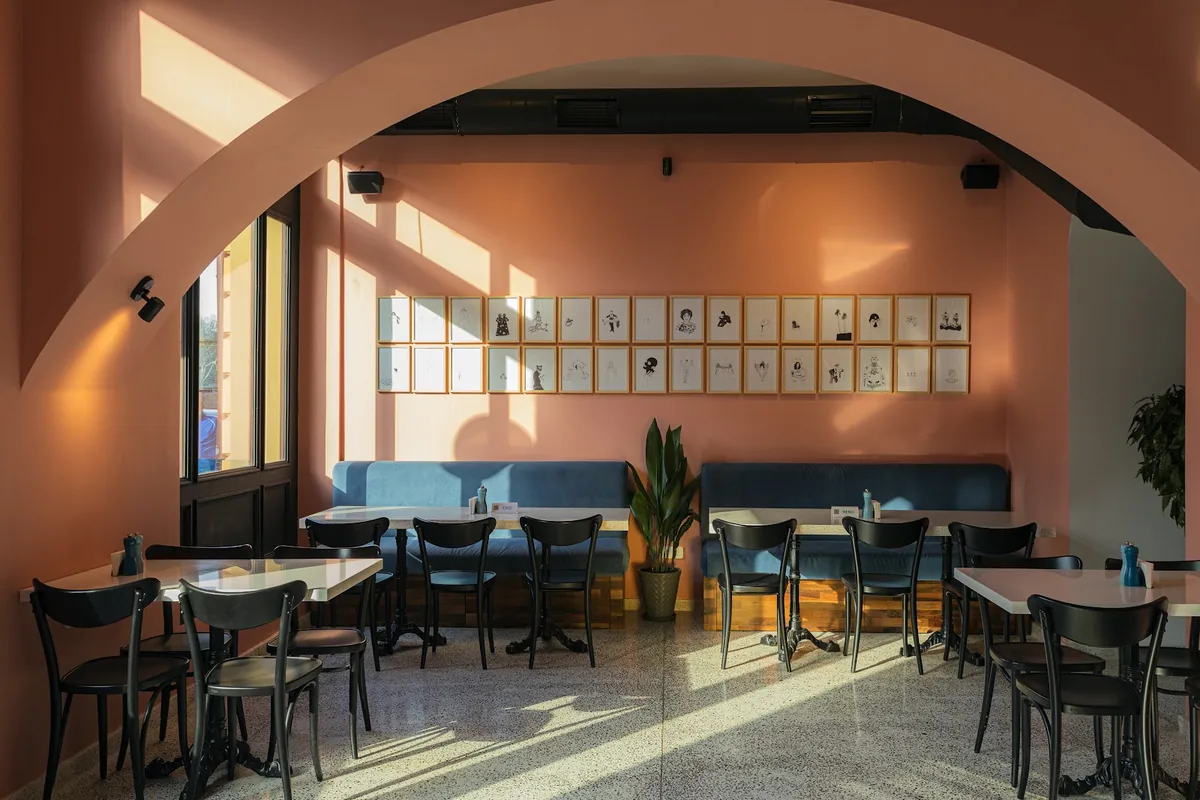
- Cafe Daphna, by the Dry Bridge at Atoneli Street 29, serves khinkali until 2 AM, and until 6 AM at weekends.
- Shawarma counters on Aghmashenebeli Avenue around Marjanishvili, for anything after midnight.
If your night ends at a club, plan the food stop on the way there rather than on the way home. The Tbilisi nightlife districts and the 24-hour places line up well: Aghmashenebeli Avenue is close to Fabrika and the Marjanishvili bars.
What street food costs in Tbilisi
Street food prices barely change across the city; the bakery on your hotel's corner and the one in Saburtalo charge about the same. Sit-down places on the most touristy Old Town lanes charge noticeably more, often 30 to 50% above the side streets.
| Item | Price in GEL |
|---|---|
| Shotis puri, one loaf | 1 to 3 |
| Lobiani from a tone bakery | 3 to 8, usually 4 to 6 |
| Khachapuri slice or penovani | 3 to 6 |
| Whole Imeruli khachapuri | 10 to 20 |
| Adjaruli khachapuri in a restaurant | 14 to 28 |
| Khinkali, per piece | 2.40 to 3 |
| Canteen lunch for one | under 20 |
| Market snack at Dezerter Bazaar | under 5 |
Here is a day of eating only from bakeries, markets and canteens, worked out:
| When | What | GEL |
|---|---|---|
| Breakfast | A lobiani from the tone | 4 to 6 |
| Mid-morning | Penovani on the walk to the Old Town | 3 to 6 |
| Lunch | Kharcho and mchadi at Mapshalia | 10 to 18 |
| Afternoon | A snack at Dezerter Bazaar | 2 to 5 |
| Dinner | 10 khinkali | 24 to 30 |
| Total | 43 to 65 |
That leaves room for a glass of house wine and the metro, and it is how I'd eat on a tight trip. Food is the easiest line to keep low when you plan Tbilisi on a budget, because the cheapest meals in the city are also some of the best.
How to eat street food in Tbilisi well
- Eat early. Bakeries are at their best in the morning, and the market's hot food is gone by mid-afternoon.
- Follow the queue. A line of locals at a bakery window means fast turnover and fresh bread, which is also the best food-safety rule in the city.
- Eat it hot. Lobiani, penovani and chebureki all lose most of their charm once they cool.
- Mix it with one proper meal. Street food covers breakfast and lunch well; dinner at one of the best restaurants in Tbilisi costs less than you'd expect and shows you the rest of the cuisine.
- Book a guided walk if you want the stories. Most food tours in Tbilisi fold a bakery, a market and a khinkali house into one afternoon, with someone to explain what you are eating.
Key takeaways
- Tbilisi's street food comes from tone bakeries: shotis puri for 1 to 3 GEL, lobiani and khachapuri for 3 to 8 GEL.
- Lobiani is the first snack to try, penovani the best one for walking, and rachuli lobiani the one with pork.
- Vakhtanguri's in Avlabari is the chebureki stop; Tsetskhli Ainto and Big Boar do the grilled meat.
- Dezerter Bazaar is open daily 07:00 to 17:00, cash only, and best before noon.
- A day of cheap eating costs about 45 to 65 GEL; carry small notes for bakeries and markets.
Frequently asked questions
What is the most popular street food in Tbilisi?
Lobiani and khachapuri from the neighborhood tone bakery are the most common street food in Tbilisi, along with plain shotis puri. Locals buy them on the way to work or home, and you will see people eating penovani on the street every morning.
How much does street food cost in Tbilisi?
Very little. A loaf of shotis puri costs 1 to 3 GEL, a lobiani or a khachapuri slice 3 to 8 GEL, and a canteen lunch under 20 GEL, so a full day of eating cheaply comes to about 45 to 65 GEL.
Is street food in Tbilisi safe to eat?
Yes, at busy places. Bakeries with a queue sell bread within minutes of it leaving the oven, and most street food is baked or fried hot. Pick stalls with fast turnover and skip anything that has sat under a lamp for hours.
What is the difference between lobiani and khachapuri?
Lobiani is filled with spiced mashed beans, while khachapuri is filled with cheese. They look almost the same from outside and come out of the same ovens, and both cost about the same at a bakery.
What is penovani?
Penovani is khachapuri made with puff pastry, a flaky square folded around salty cheese. It is the easiest khachapuri to eat while walking, and you will find it at nearly every bakery in Tbilisi.
Where can I eat late at night in Tbilisi?
Ghebi on Aghmashenebeli Avenue and Dumplings N1 in Isani are open 24 hours, and Maspindzelo Express near Rustaveli runs around the clock on Fridays and Saturdays. Cafe Daphna by the Dry Bridge serves khinkali until 2 AM, and until 6 AM at weekends.
Is there vegetarian street food in Tbilisi?
Yes, plenty. Plain lobiani, penovani, cheese khachapuri, potato and mushroom pies, and churchkhela are all meat-free; just check that a lobiani is not the rachuli kind, which contains pork.
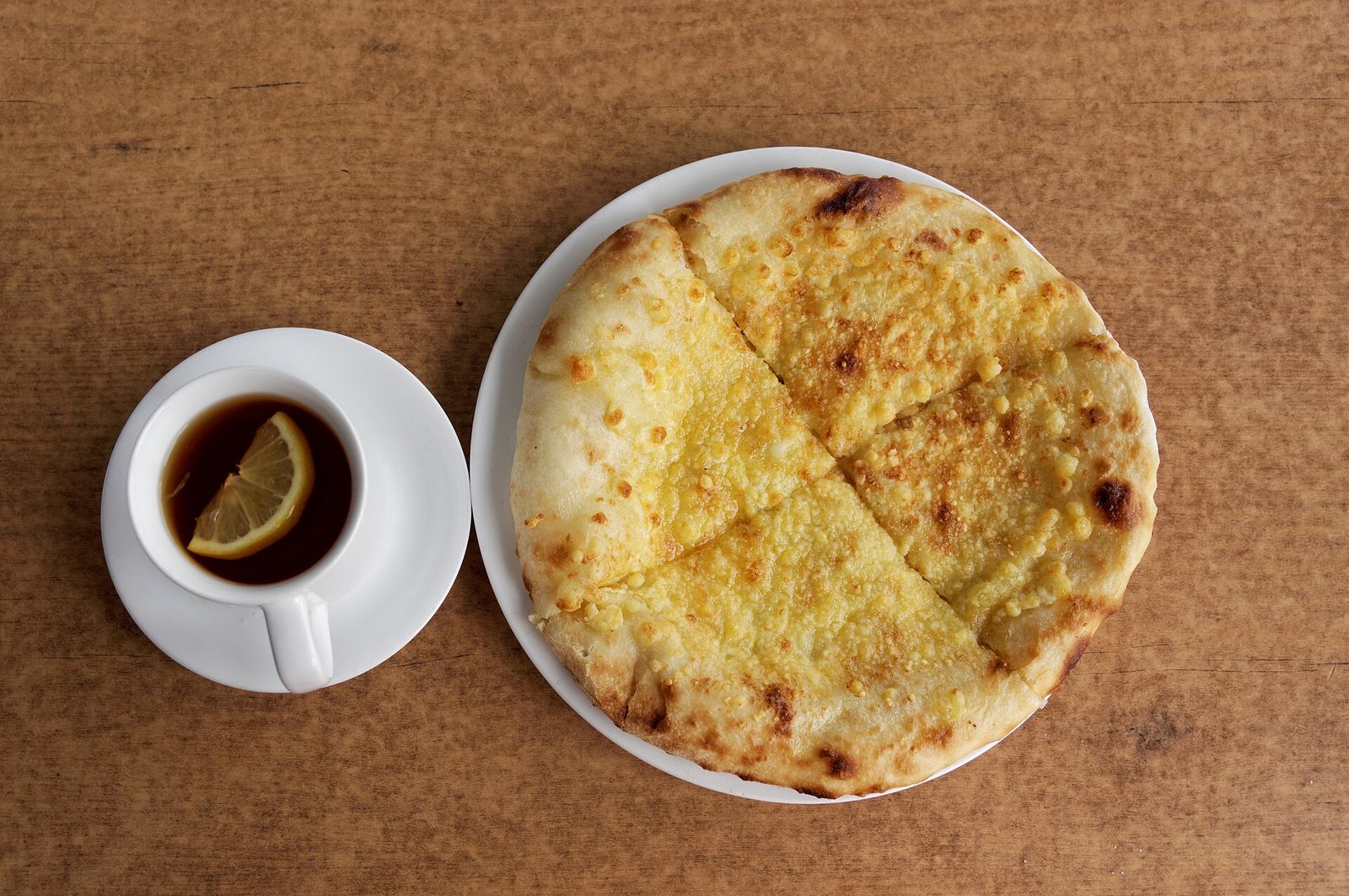
Tbilisi Food Guide: What to Eat, Where to Eat It and What It Costs
Tbilisi is known for khinkali and khachapuri. Here's my food guide: what to eat, where to find it and what it costs.
Read the guide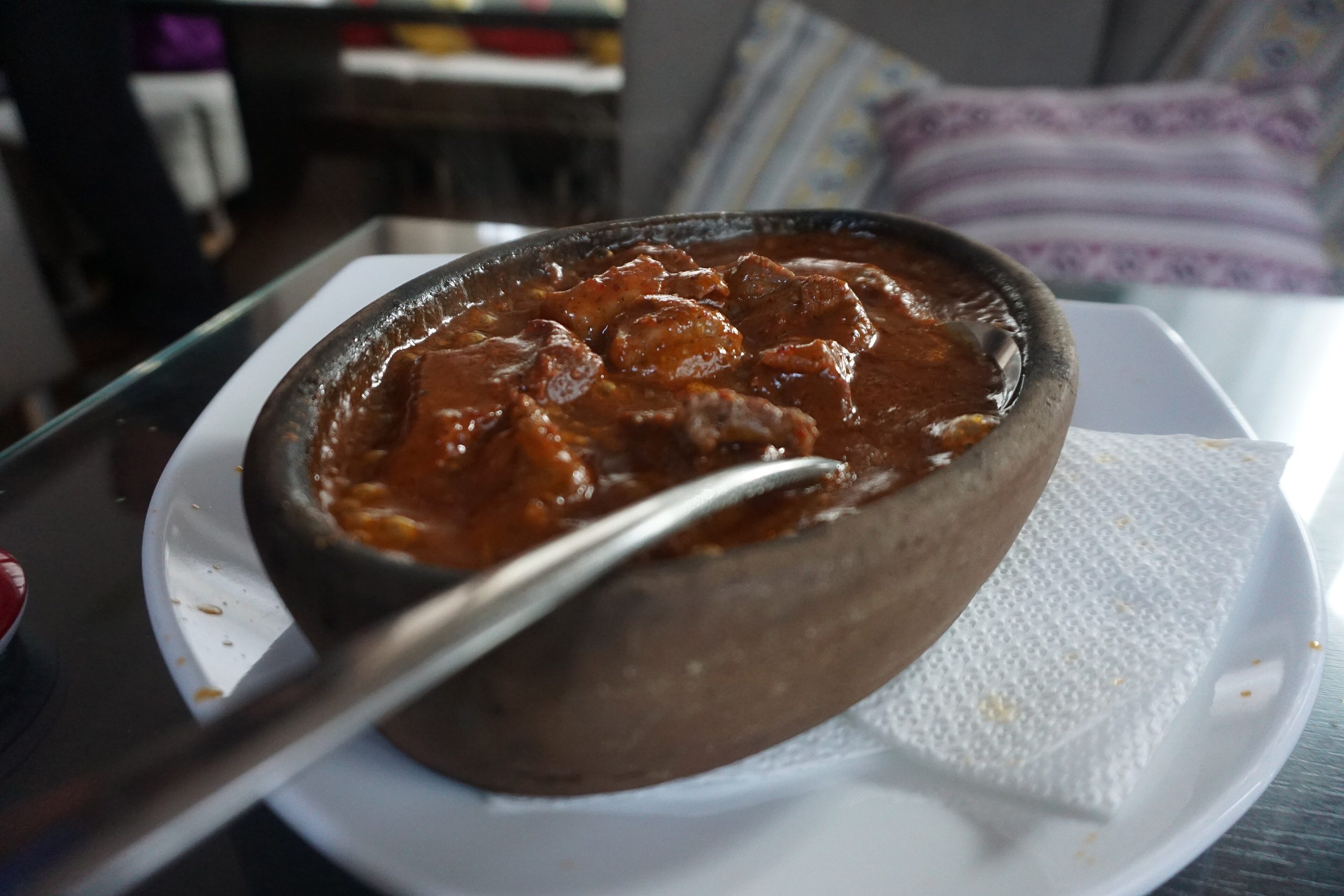
Georgian Food: The Dishes to Try in Tbilisi
Georgia is known for khachapuri and khinkali. Here is what else to order, what it costs and where to eat it in Tbilisi.
Read the guide
The Best Restaurants in Tbilisi
Tbilisi is known for khinkali and khachapuri. Here are the restaurants I pick, what dinner costs and how to order.
Read the guide