Georgian National Museum, Tbilisi: The Gold, the Soviet Hall and Tickets
The Georgian National Museum on Rustaveli Avenue is the country's main museum, best known for the Colchian gold in its Treasury, the Dmanisi skulls and a sobering hall on the Soviet years. Here's what a ticket costs in 2026, which rooms deserve your time, how long to give the visit and how to fit it into a morning on Rustaveli.
Georgian National Museum at a glance
The building on Rustaveli Avenue goes by two names. Its official one is the Simon Janashia Museum of Georgia, after the historian who shaped it, while "Georgian National Museum" is the name of the state network that runs it along with a dozen or so other museums in Tbilisi and around the country. Ask a taxi driver for either and you'll end up at the same door, a few minutes' walk from Freedom Square.
Inside, one building carries Georgia from its first humans to the end of the Soviet Union. It isn't huge, and that's part of the appeal: you can see the very best of it in a morning and still have the afternoon for the Old Town. If I could only send a first-time visitor to one of the museums in Tbilisi, it would be this one.
Tickets, opening hours and the museum pass
You buy tickets at the desk on the way in. There's no need to book ahead, because the museum is rarely crowded, and the ticket desk takes cards.
| Ticket | Price, 2026 | Notes |
|---|---|---|
| Foreign adult | 40 GEL | Every permanent room, Treasury included |
| Georgian citizen | 15 GEL | Residence card holders can ask for this rate |
| Children under 6 | Free | Students and pensioners pay less with ID |
| Five-museum pass | 50 GEL | Five museums in the Georgian National Museum network |
| Guide | From about 45 GEL | Arranged at the desk, on top of the ticket |
| International Museum Day, 18 May | Free | Most Tbilisi museums open free for the day |
Prices went up in 2026. The 40 GEL ticket covers the whole permanent collection, and there's no separate charge for the gold in the Treasury.
The opening hours are simple: 10:00 to 18:00 from Tuesday to Sunday, with the last tickets sold at 17:30. Arriving after 16:30 leaves you racing the guards through the upper floors, so I'd aim to walk in by 15:00 at the latest.
What's inside, floor by floor
The permanent collection splits into six sections, spread from the basement to the top floor. Here's how I'd rate them and how long each deserves.
| Section | What's there | Time to give it | My verdict |
|---|---|---|---|
| Archaeological Treasury | Gold jewelry from Colchis, Trialeti and Akhalgori | 30 to 45 minutes | The reason to come |
| Stone Age Georgia | The Dmanisi skulls and early human finds | 20 minutes | See it |
| Soviet Occupation Hall | 1921 to 1991: documents, photos, film, a train carriage | 30 to 40 minutes | See it, and go slowly |
| Numismatic Treasury | About 3,500 coins, from the 6th century BC to 1834 | 15 minutes | For coin and history fans |
| Kobiashvili collection | Nearly 200 weapons, Persian and Oriental art, clothing | 15 to 20 minutes | Good if you have time |
| Caucasus Biodiversity | Minerals, rocks and stuffed animals of the Caucasus | 15 minutes | Skip unless you have kids |
The Treasury is in the basement and the Soviet Occupation Hall is on the top floor, so I'd start at the bottom and work up.
The Archaeological Treasury: Colchian gold
The Treasury is the room people mean when they say the Georgian National Museum is worth it. It's a dark, quiet vault of lit glass cases holding gold from burial grounds across Georgia: earrings, diadems, necklaces, bracelets, cups and tiny animal figures, the oldest pieces about 5,000 years old. The work is so fine that a lot of it looks like it was made last year.
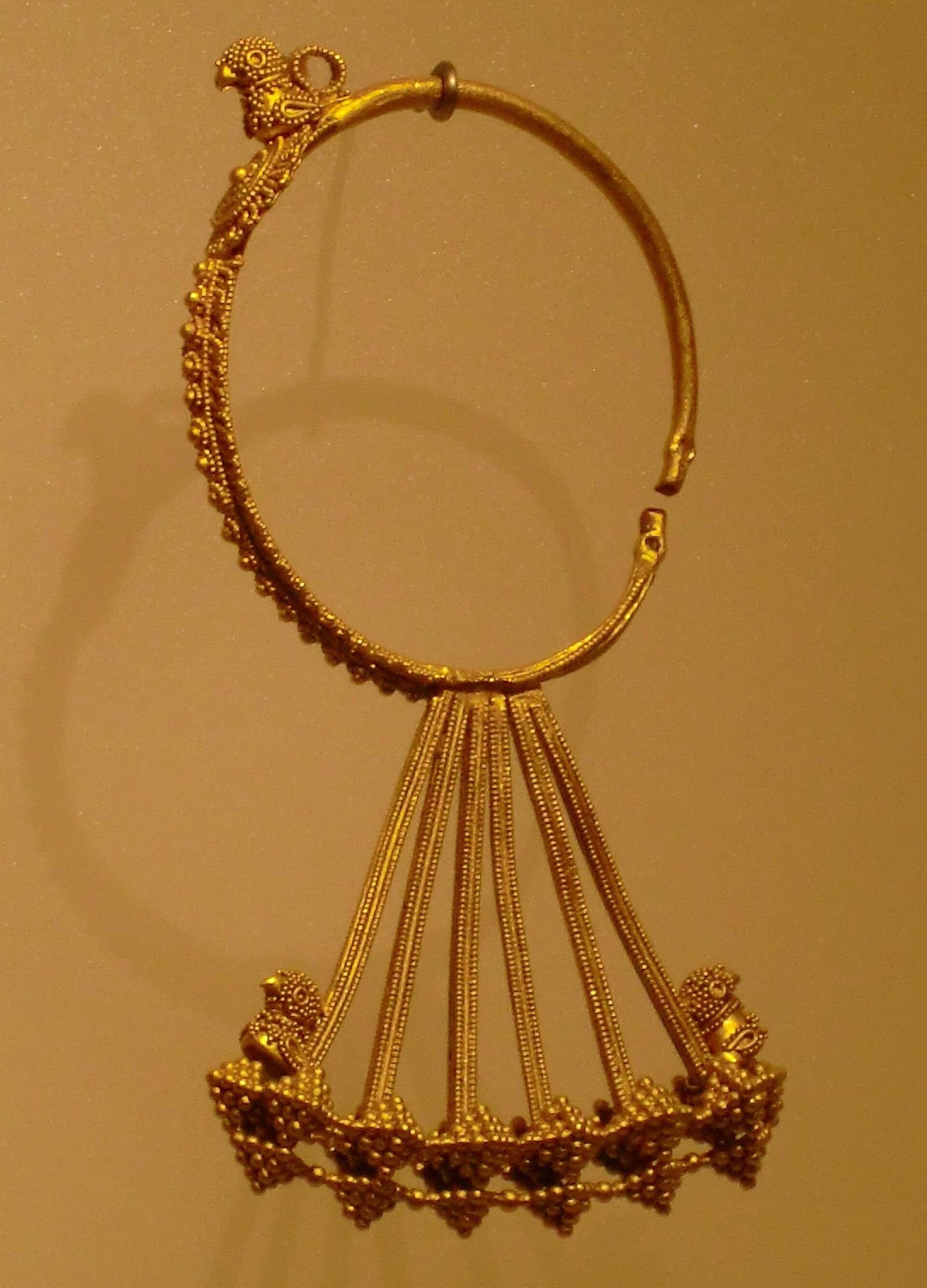
Go in with a magnifying-glass mindset. The best pieces are small, and the detail sits in tiny gold granules, wire twisted thinner than thread and animals no bigger than a fingernail. I spend most of my time bent over the earrings.
Vani and the gold of Colchis
Colchis was the ancient kingdom of western Georgia, the land Jason and the Argonauts sailed to for the Golden Fleece. A lot of the Treasury's best gold comes from Vani, an excavated Colchian town in the old heartland near Kutaisi, and once you've seen it the Golden Fleece story makes more sense: this was a place that worked gold better than almost anyone in the ancient world.
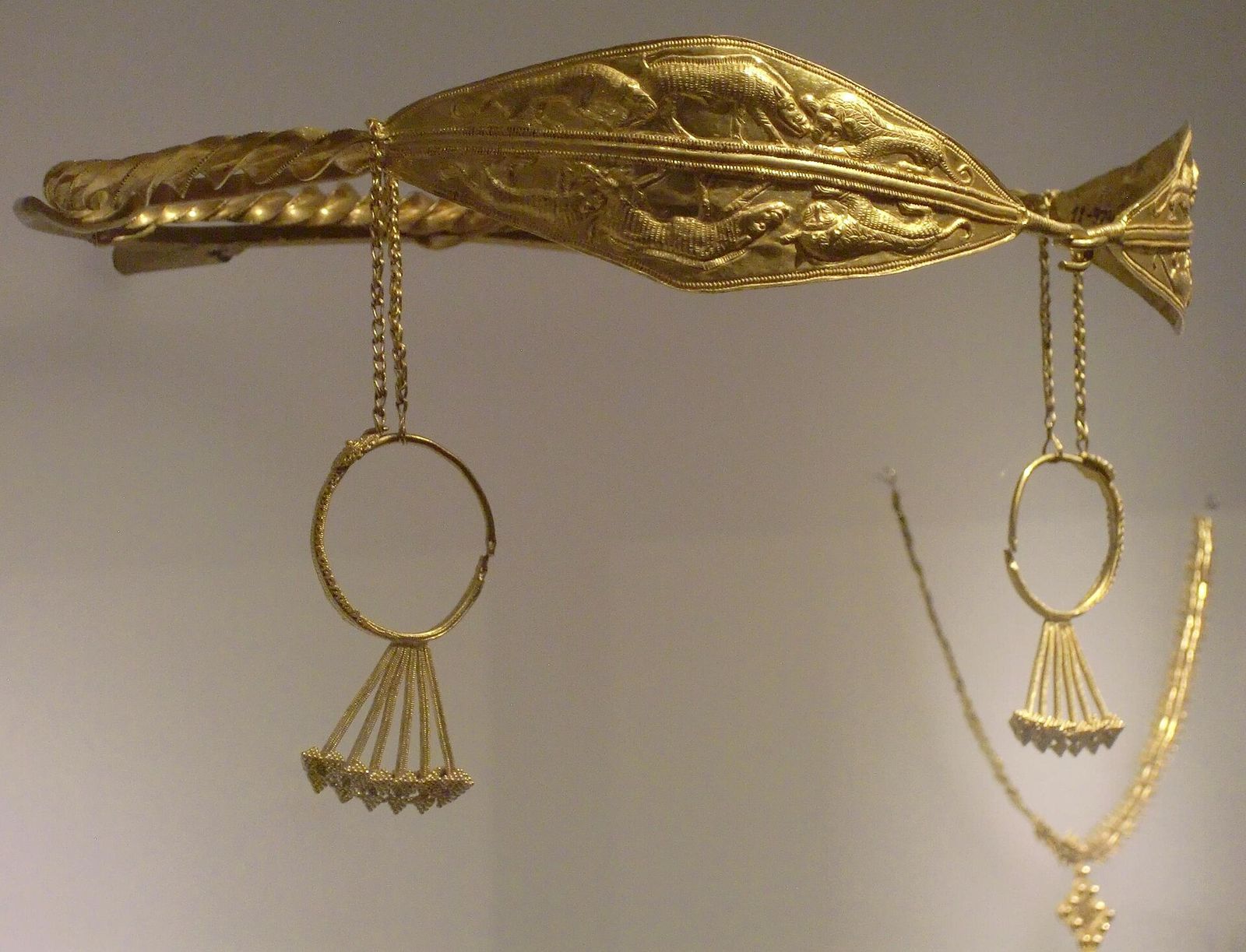
Look for the diadems, thin gold bands with a pointed plaque at the front stamped with animals, and the earrings from the 5th century BC with birds perched on the rim and gold chains hanging below. The bracelets end in animal heads, and some of the necklaces carry dozens of identical tiny beads, each one hand-made.
Trialeti and Akhalgori
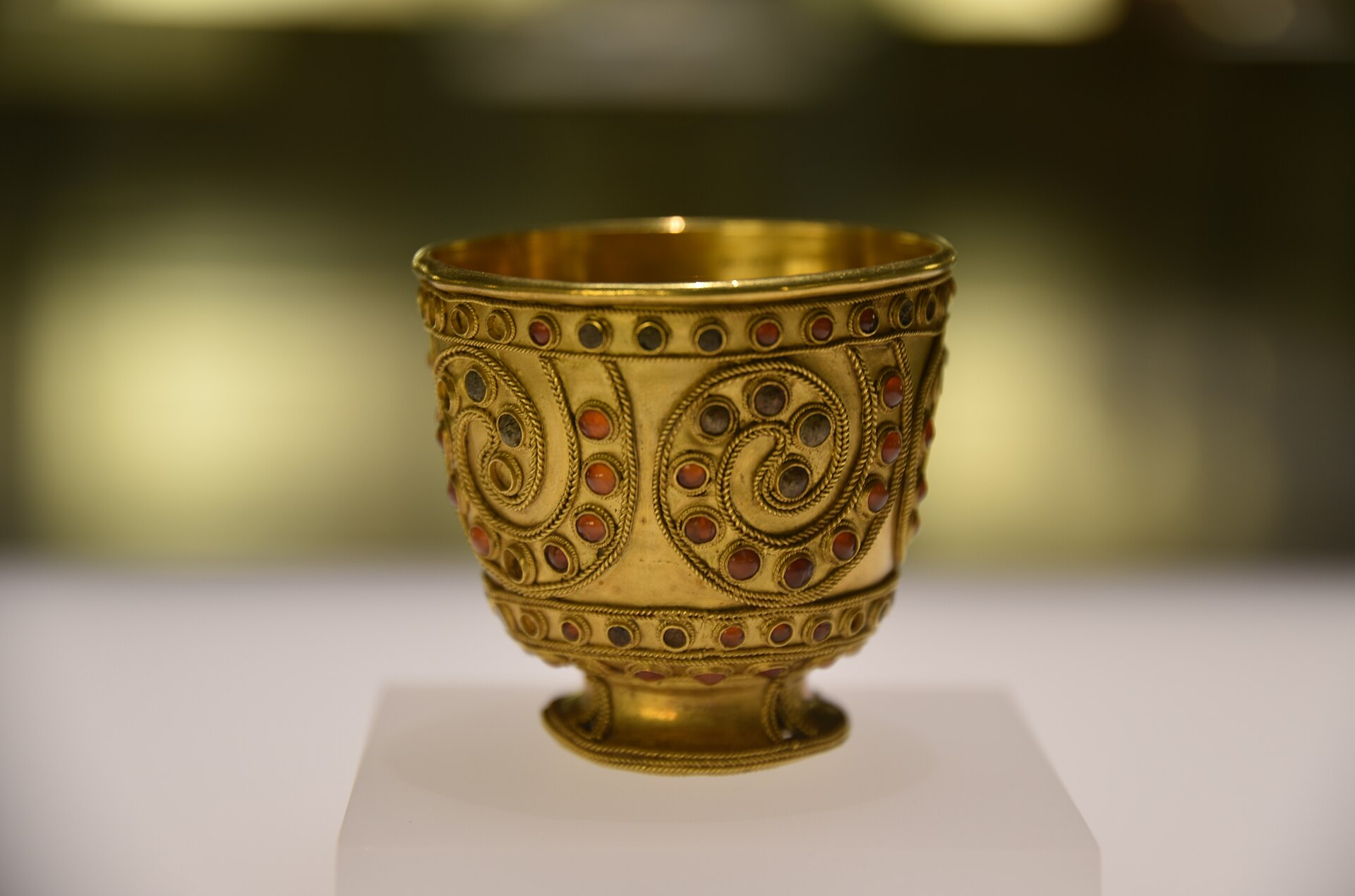
The other side of the Treasury belongs to eastern Georgia. The oldest pieces come from the Trialeti burial mounds, a Bronze Age culture in the south of the country, and the star is a gold cup set with colored stones. Next to it sit silver vessels, ceramics and jewelry from the same graves.
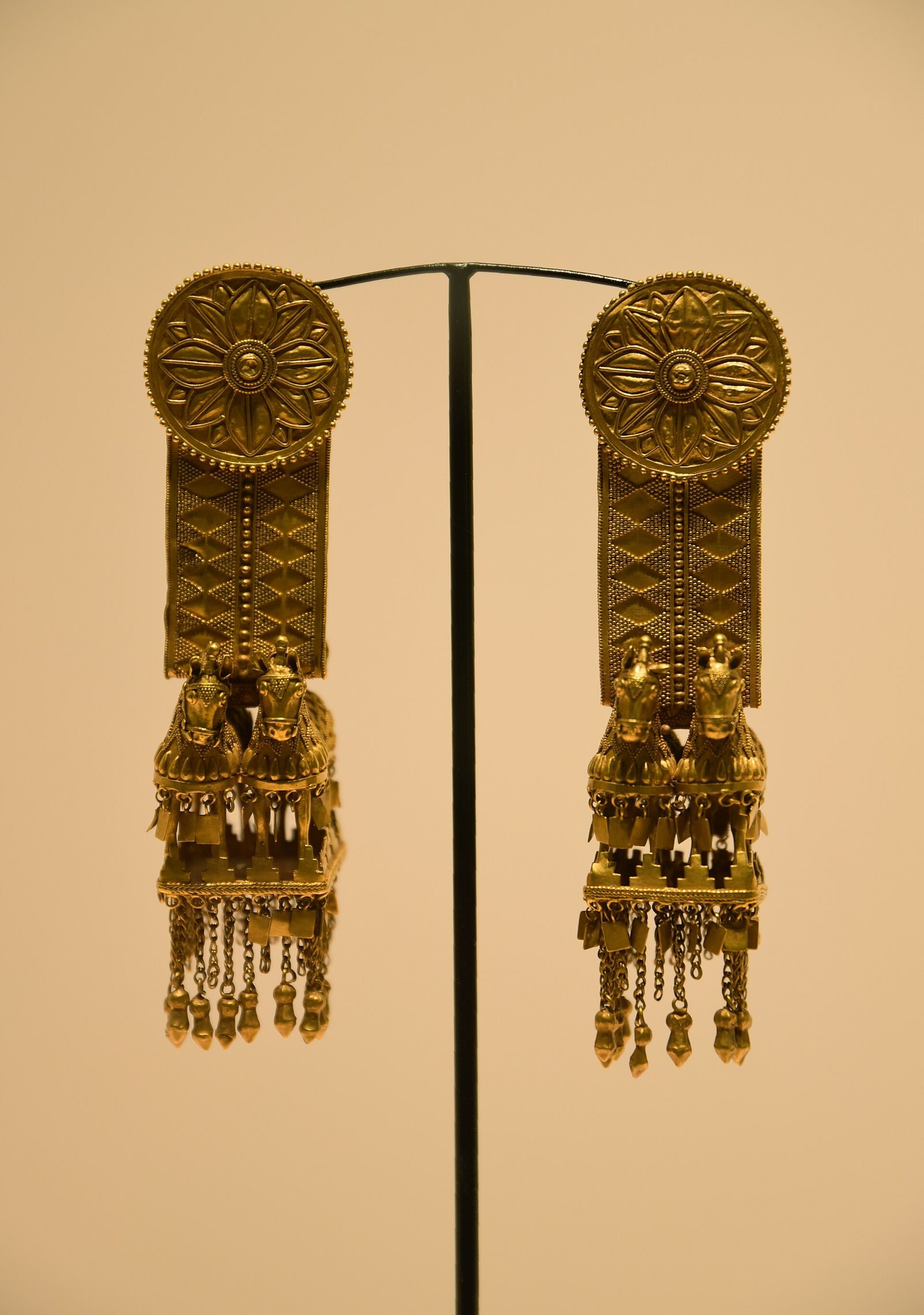
The Akhalgori hoard, from the 4th century BC, is my favorite case. Its temple rings, worn hanging by the face, carry rows of tiny gold horses, made in eastern Georgia on the model of Colchian jewelry. It's the clearest sign in the room that the two halves of ancient Georgia traded ideas as well as gold.
Dmanisi and Stone Age Georgia
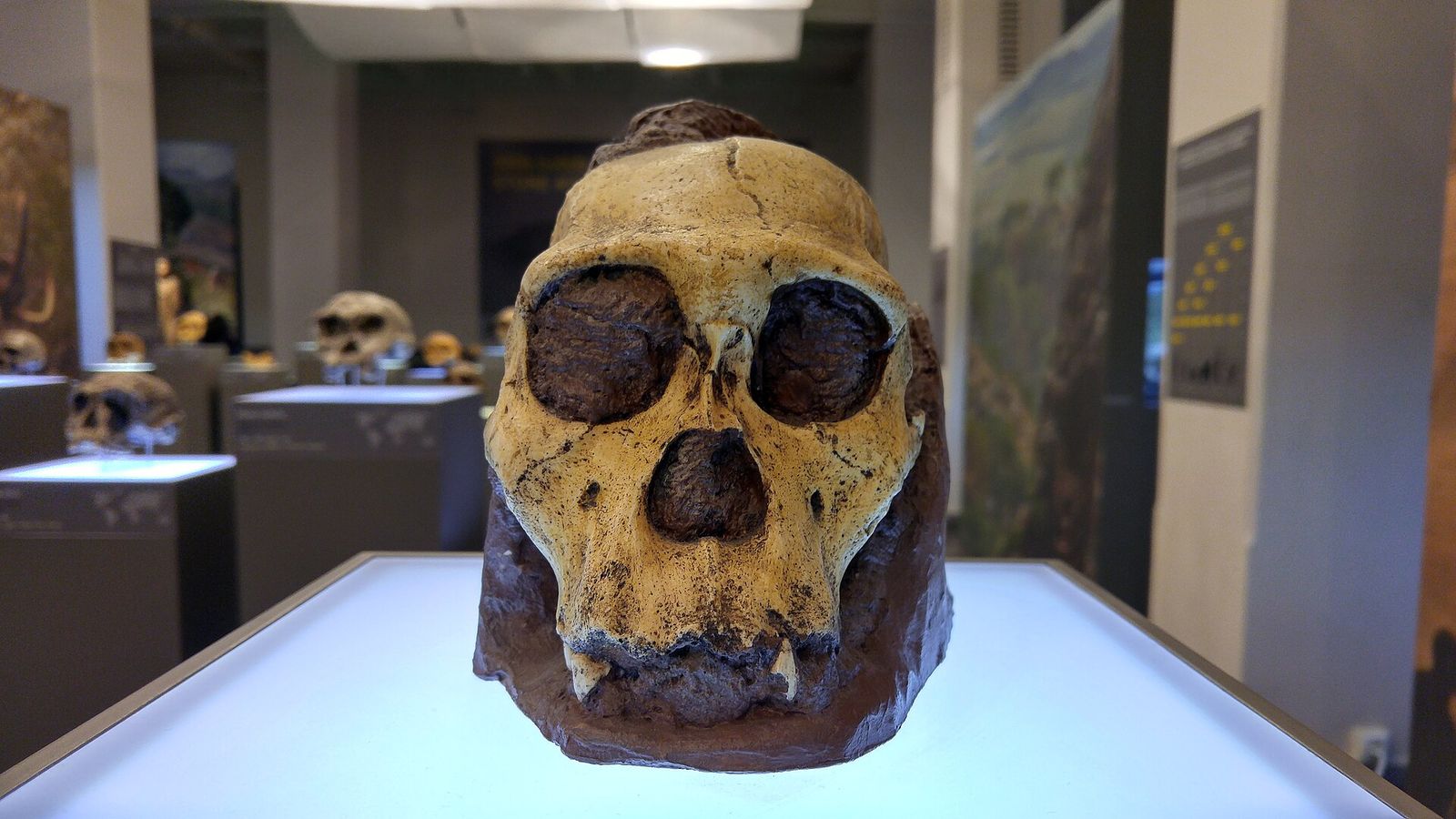
The Stone Age rooms tell one of the bigger stories in human prehistory. At Dmanisi, in southern Georgia, archaeologists found skulls of early humans dated to about 1.8 million years ago, some of the oldest human remains found anywhere outside Africa. They changed the timeline of when our ancestors first left the continent.
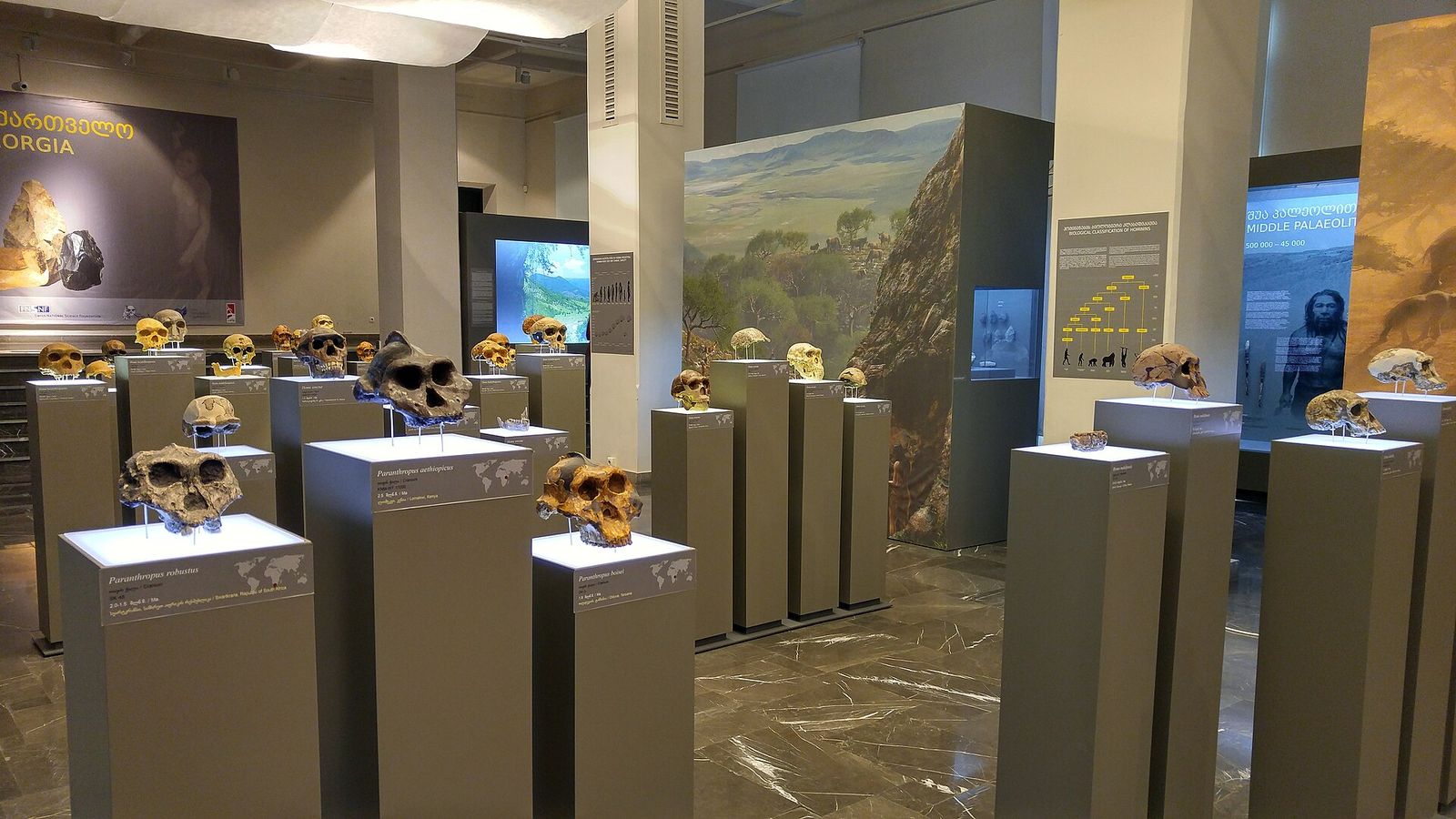
The hall is laid out as a forest of plinths, each with a skull from a different branch of the human family tree, so you can see the Dmanisi finds next to their relatives from Africa and Europe. Look for the two reconstructed heads nicknamed Zezva and Mzia, which put a face on the Dmanisi people. It's a 20-minute room, and it's the one children tend to like best.
The Soviet Occupation Hall
The top floor covers 1921 to 1991, from the Red Army invasion that ended Georgia's first independence to the fall of the USSR. It's told through photographs, documents, film and objects, and it doesn't soften anything: the purges, the deportations, the executions and the long list of artists, academics and priests the regime killed.
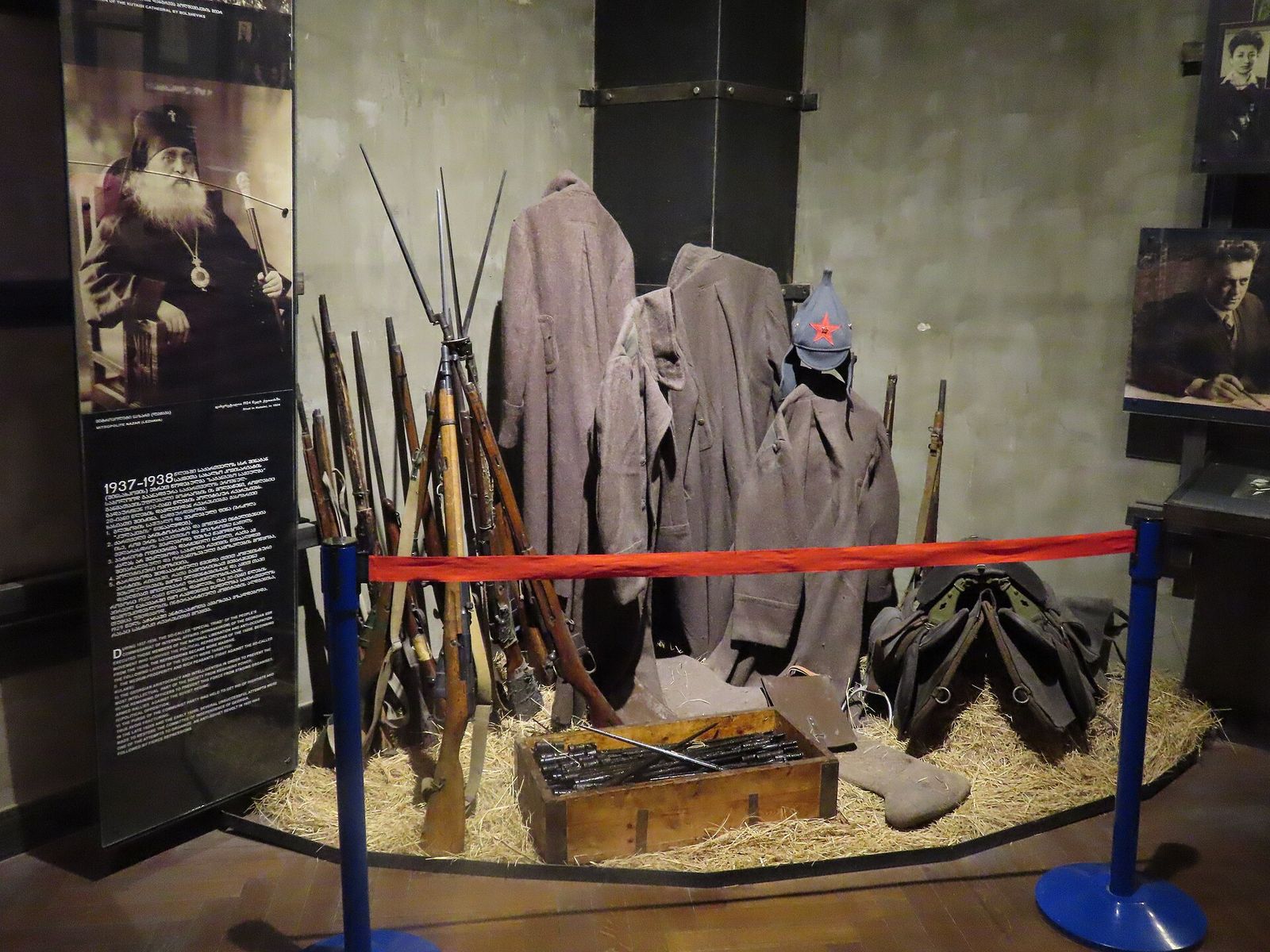
Two things stay with most visitors. One is a Soviet officer's desk, set up as if the man had just left it. The other is a wooden train carriage that was used to execute participants in the 1924 national uprising against Soviet rule. The hall is dim and quiet, and it's the most affecting room in any museum in Tbilisi.
It helps to know the outline of Georgian history before you climb the stairs, especially the three years of independence from 1918 to 1921 that the hall keeps returning to. It also explains a lot about how Tbilisi talks about Russia today.
Coins, weapons and Persian art
Two smaller collections fill the gaps between the headline rooms, and both reward 15 minutes if you have the energy.
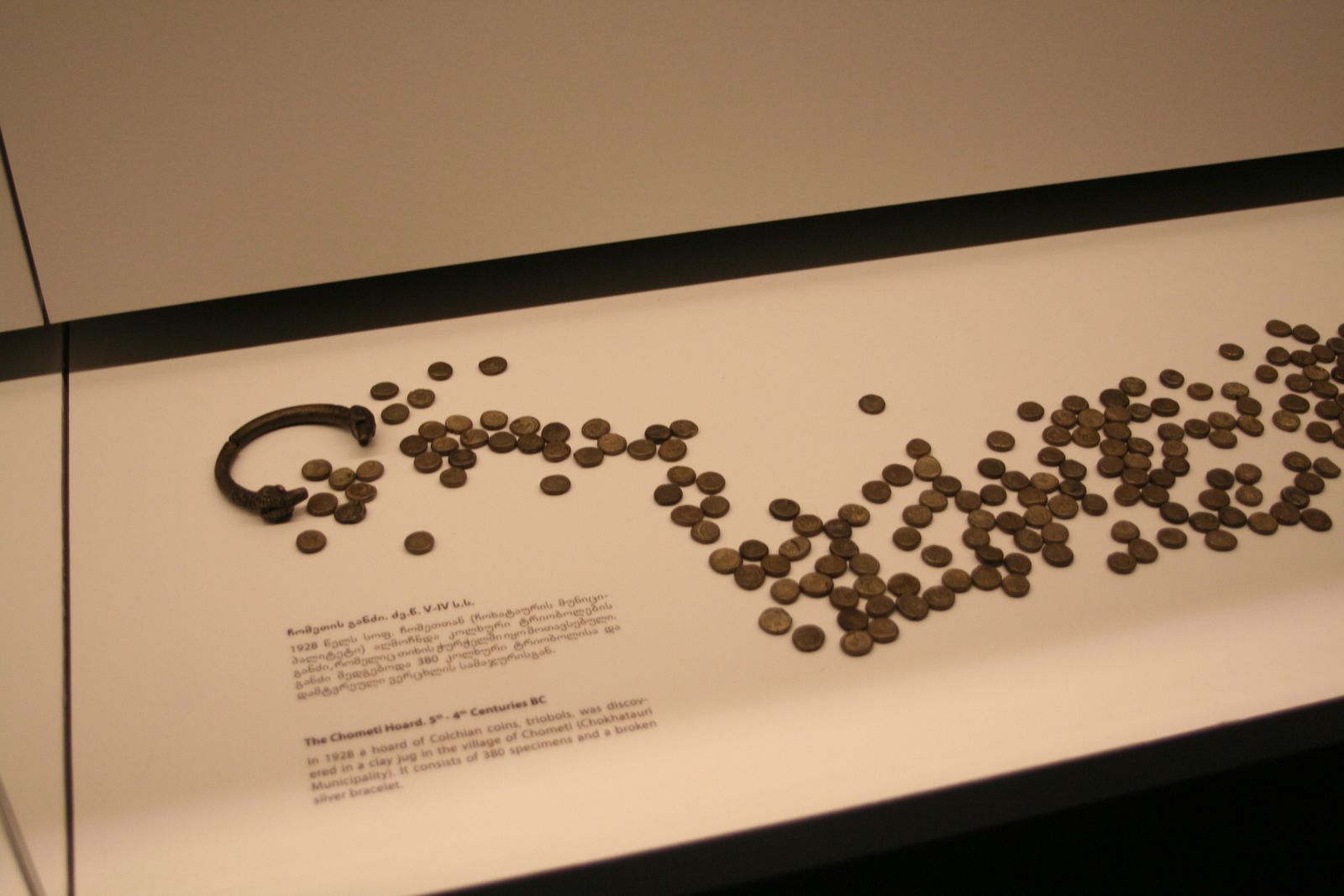
- The Numismatic Treasury holds about 3,500 coins used on Georgian land from the 6th century BC to 1834: early primitive money, the Colchian silver coins known as tetri, and coins of Alexander the Great, Rome and Sassanian Persia. The Colchian coins are the ones to look for.
- The Zurab Kobiashvili collection is a private collection of nearly 200 weapons, plus Oriental art, statues, ceramics and clothing from the 16th to the 19th centuries. The weapons are the highlight, and the Oriental art includes Persian portraits from the Qajar era, a reminder of how close Tbilisi sat to Iran for centuries.
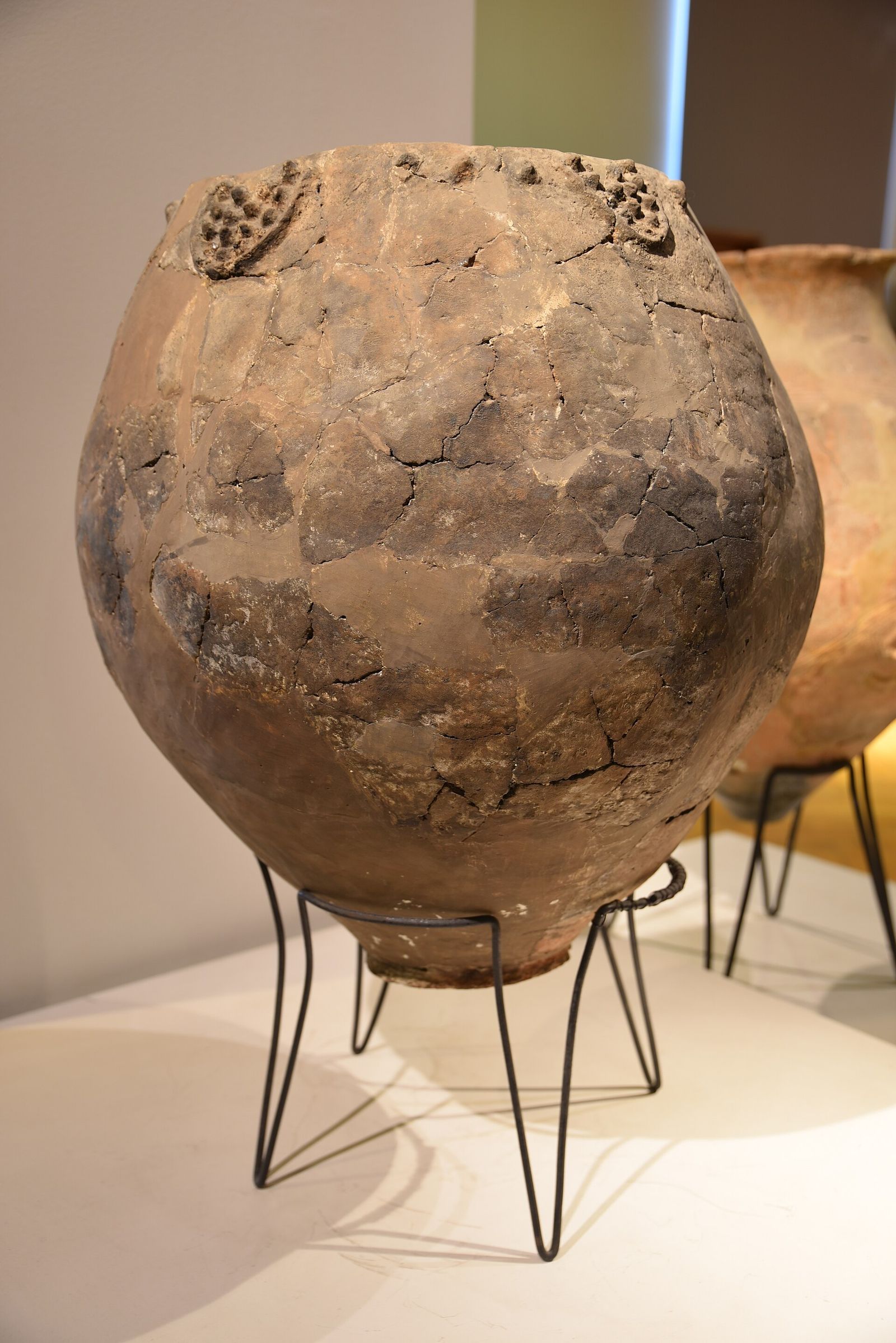
There's one more find I always point people to if it's on display. A clay jar decorated with grape clusters, dug up at Khramis Didi Gora and dated to the 6th millennium BC, is some of the earliest evidence of winemaking anywhere, and the clay vessels behind qvevri wine come from the same tradition.
The natural history floor and visiting with kids
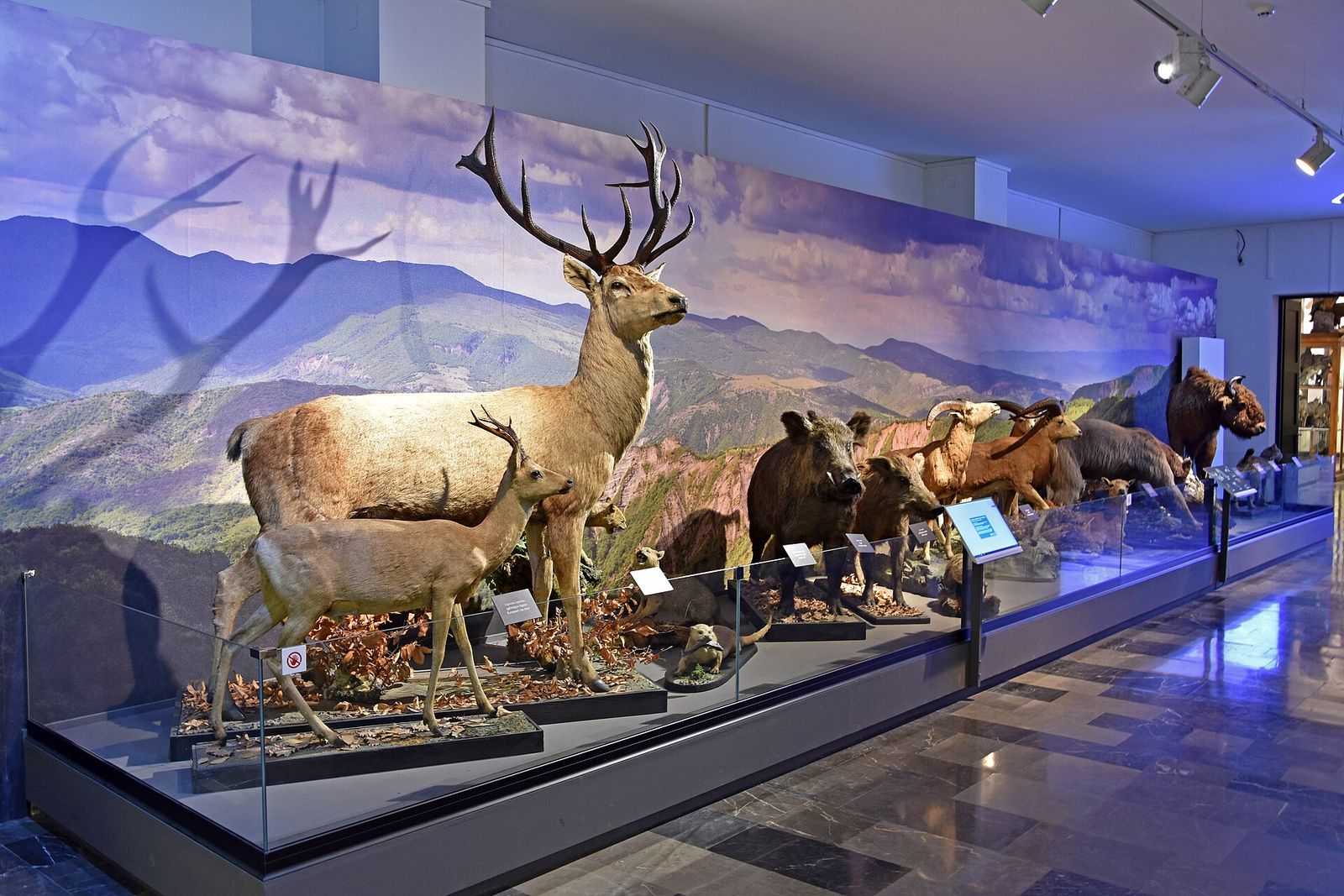
Caucasus Biodiversity is the old-school natural history floor: minerals and rocks, then stuffed birds, mammals, reptiles, insects and fish from the mountains and forests of the Caucasus. One mammal display has a screen that plays the animals' calls, and a large biodiversity map shows where each species lives.
It's the floor I'd skip on a short visit, and the one I'd head to first with children. Between the stuffed bears, the skulls in the Stone Age hall and free entry for under-6s, the museum is one of the easier indoor stops in Tbilisi with kids, especially on a hot afternoon.
How long you need: two routes through the museum
Most people need 1.5 to 2 hours. These are the two routes I'd use, depending on how much museum you have in you.
The 90-minute route covers the highlights:
| Stop | What you see | Time |
|---|---|---|
| Archaeological Treasury | The gold of Colchis, Trialeti and Akhalgori | 35 minutes |
| Stone Age Georgia | The Dmanisi skulls, Zezva and Mzia | 15 minutes |
| Soviet Occupation Hall | 1921 to 1991, the train carriage | 35 minutes |
| Ticket desk and stairs | Getting in and between floors | 5 minutes |
The 3-hour route takes in everything:
| Stop | What you see | Time |
|---|---|---|
| Archaeological Treasury | Every case, slowly | 45 minutes |
| Numismatic Treasury | The coin rooms beside it | 15 minutes |
| Stone Age Georgia | The full hall | 20 minutes |
| Caucasus Biodiversity | The natural history floor | 15 minutes |
| Kobiashvili collection | Weapons and Persian art | 20 minutes |
| Soviet Occupation Hall | Every room, with the films | 40 minutes |
| Temporary exhibition | Whatever is on that season | 25 minutes |
A short history of the museum
The museum began in 1852 as the collection of the Caucasus department of the Russian Imperial Geographic Society, when Tbilisi was the capital of Russia's Caucasus territories. Over the following decades it grew through excavations, gifts and purchases, survived a fire and changed its name more than once.
Its most dramatic chapter came in 1921. As the Red Army moved on Tbilisi, Georgia's independent government sent the museum's treasures, the gold included, to Europe to keep them out of Soviet hands. The collection spent more than two decades in exile and came home in 1945. Much of the gold you see in the Treasury today is in Tbilisi only because of that journey.
Today's name honors Simon Janashia, one of Georgia's leading 20th-century historians. The museum is also the head of the national network, which brought most of Georgia's state museums under one roof in the mid-2000s, including the Open Air Museum of Ethnography on the hills above Vake.
Getting there and what's nearby on Rustaveli Avenue
The museum stands on Rustaveli Avenue, about a 5-minute walk from Freedom Square. The nearest station on the Tbilisi metro is Liberty Square: come up to the square and walk up Rustaveli Avenue for about 5 minutes. Any taxi driver knows it.
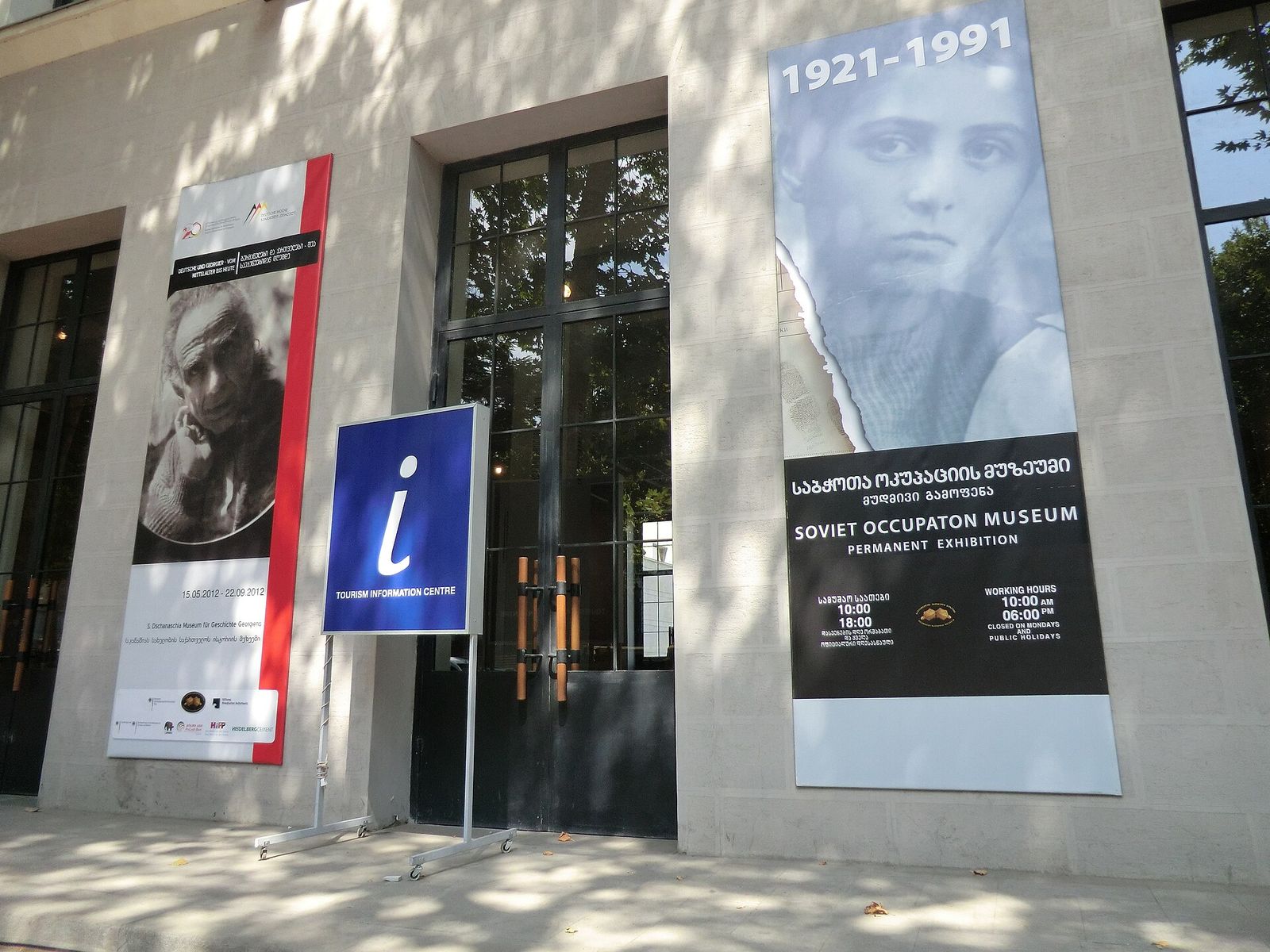
The museum sits on the best stretch of the avenue for a half day of sightseeing, and I'd always pair it with something nearby.
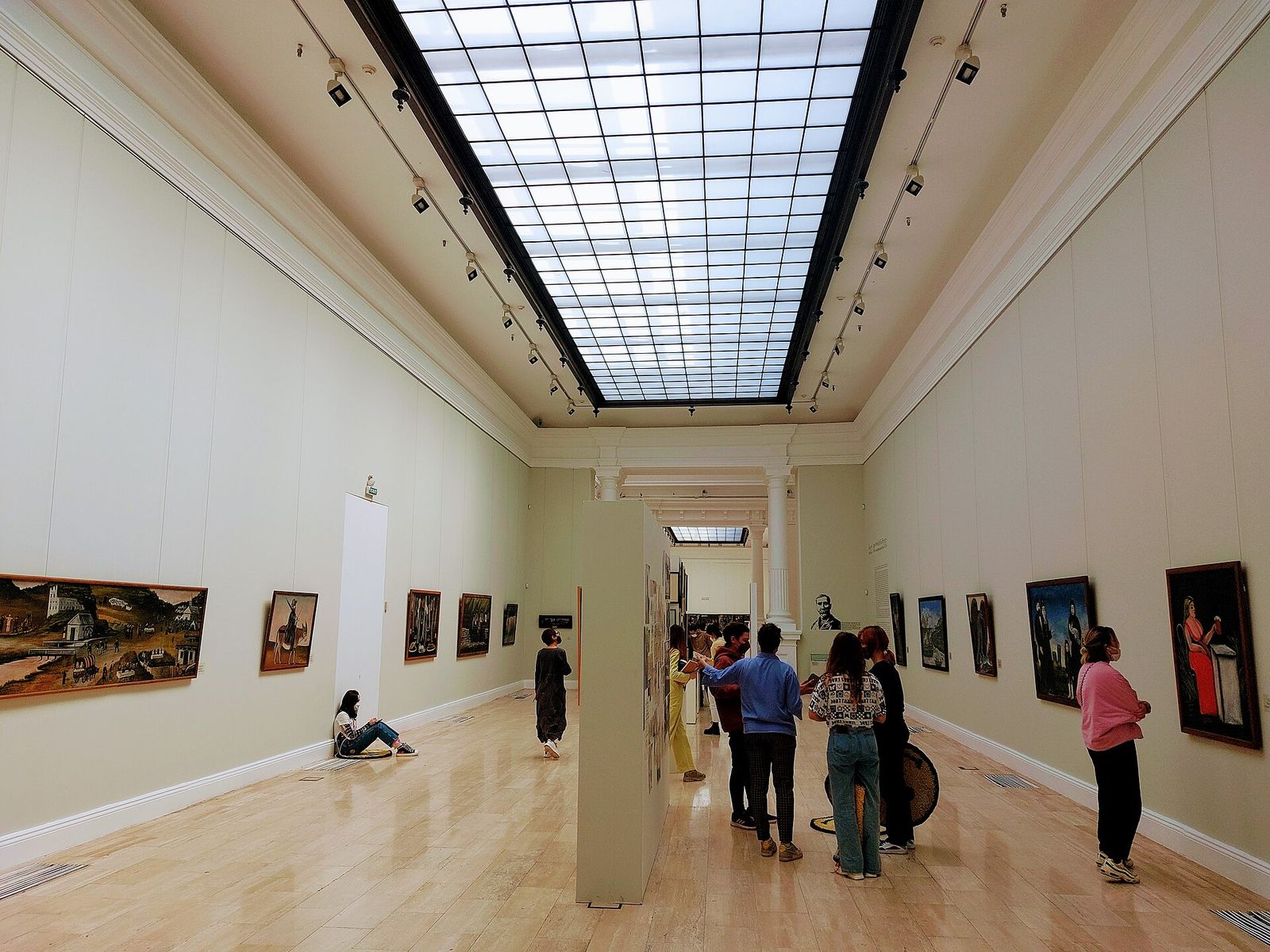
The National Gallery, a few steps along Rustaveli, holds the Pirosmani paintings and the Georgian modernists. It's 25 GEL, about 45 minutes, and covered by the five-museum pass.
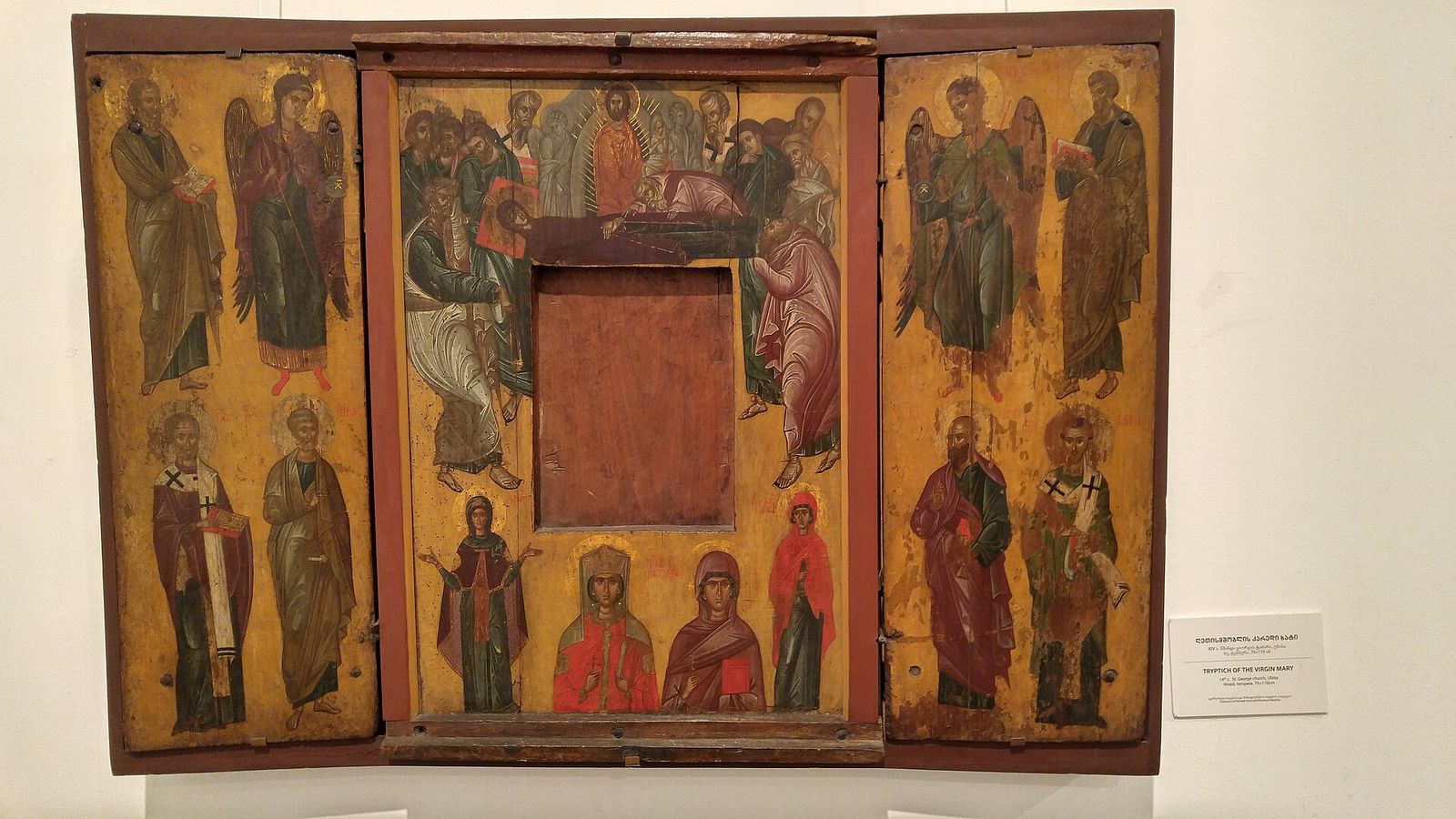
The Art Museum of Georgia, just off Freedom Square, is the place for icons and medieval church art, at 40 GEL. I'd only do it on a separate day; two big museums back to back is a lot.
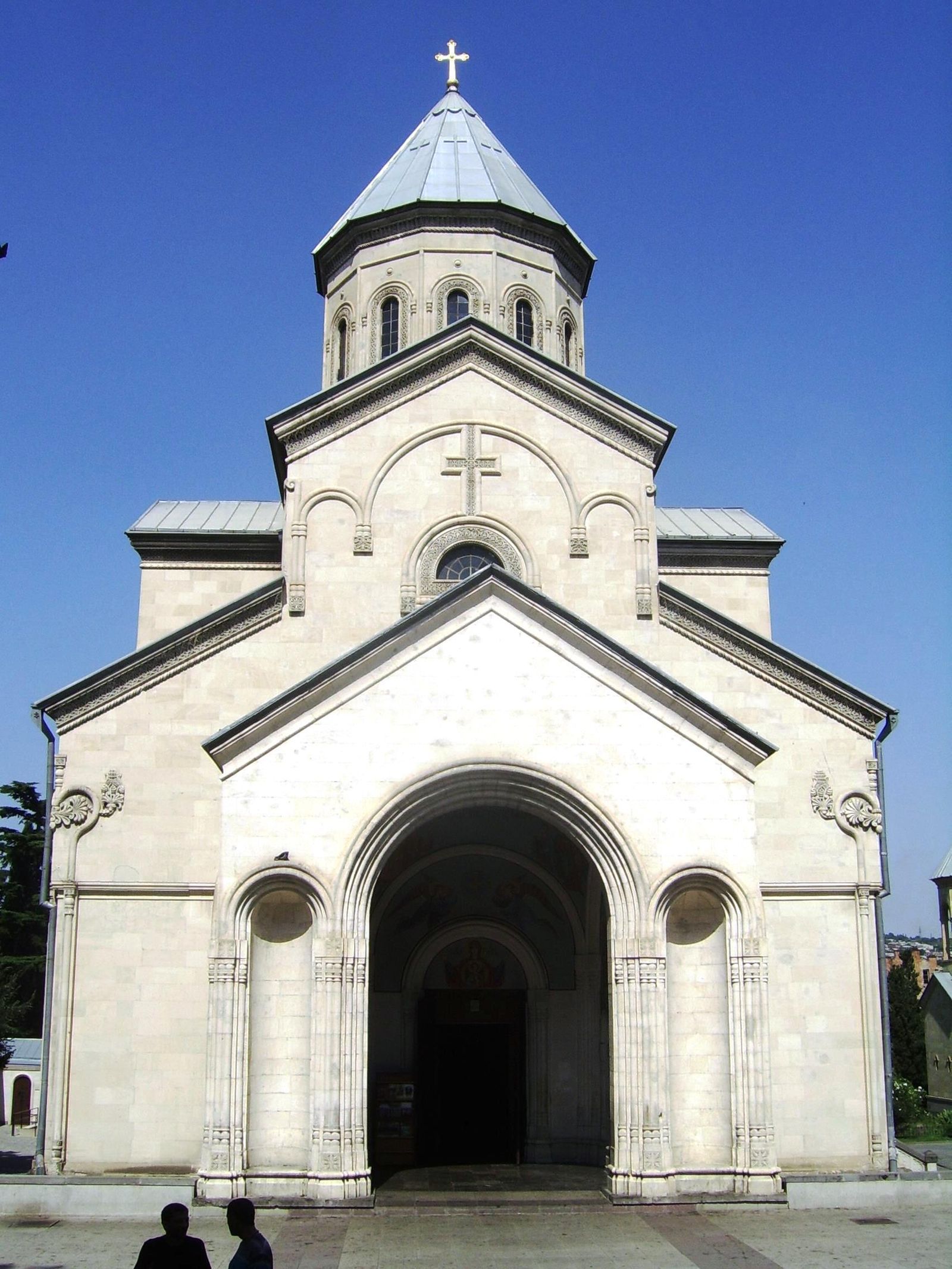
Kashveti Church, across the avenue from the National Gallery, is free and painted inside, and makes a 10-minute pause between galleries.
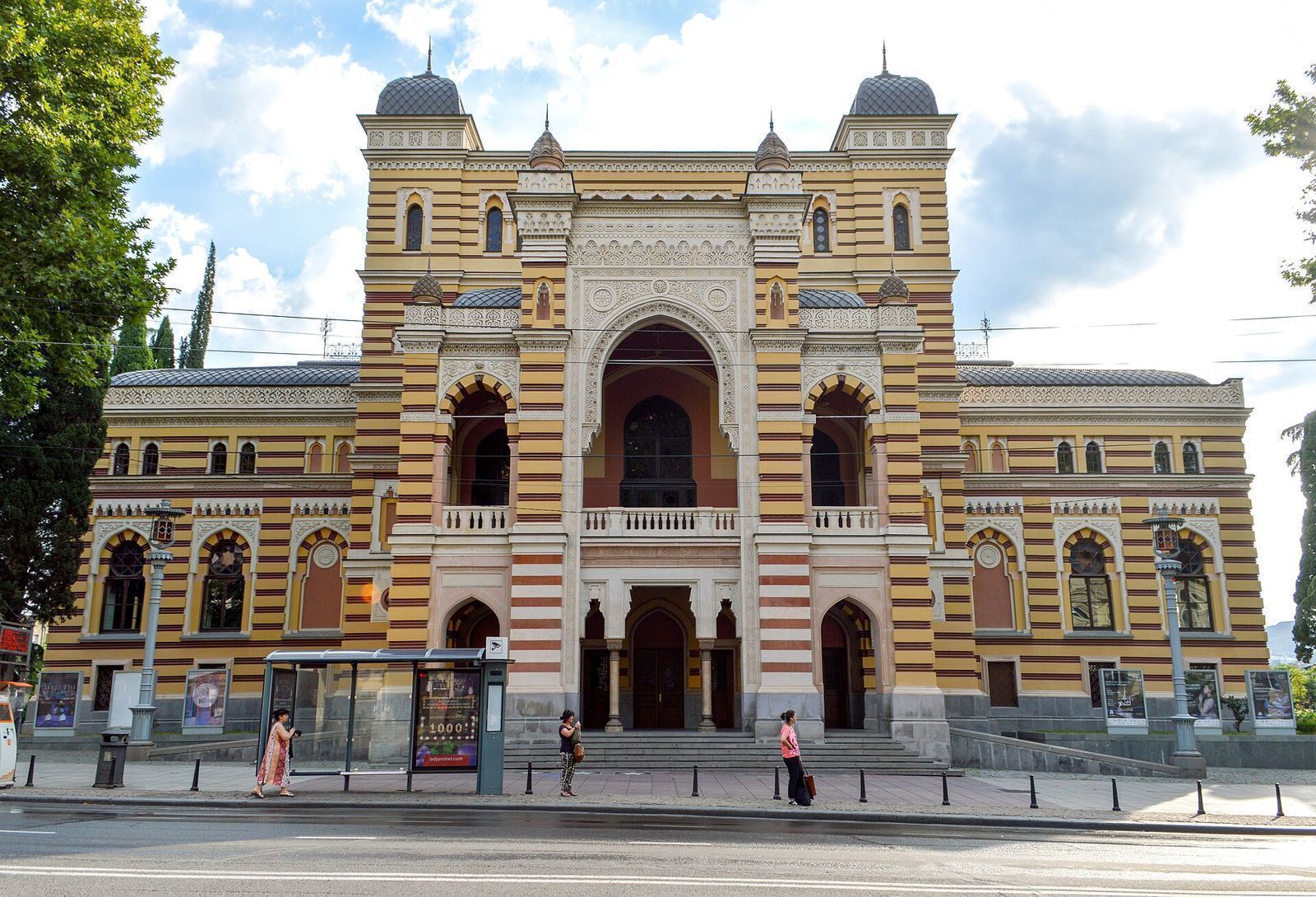
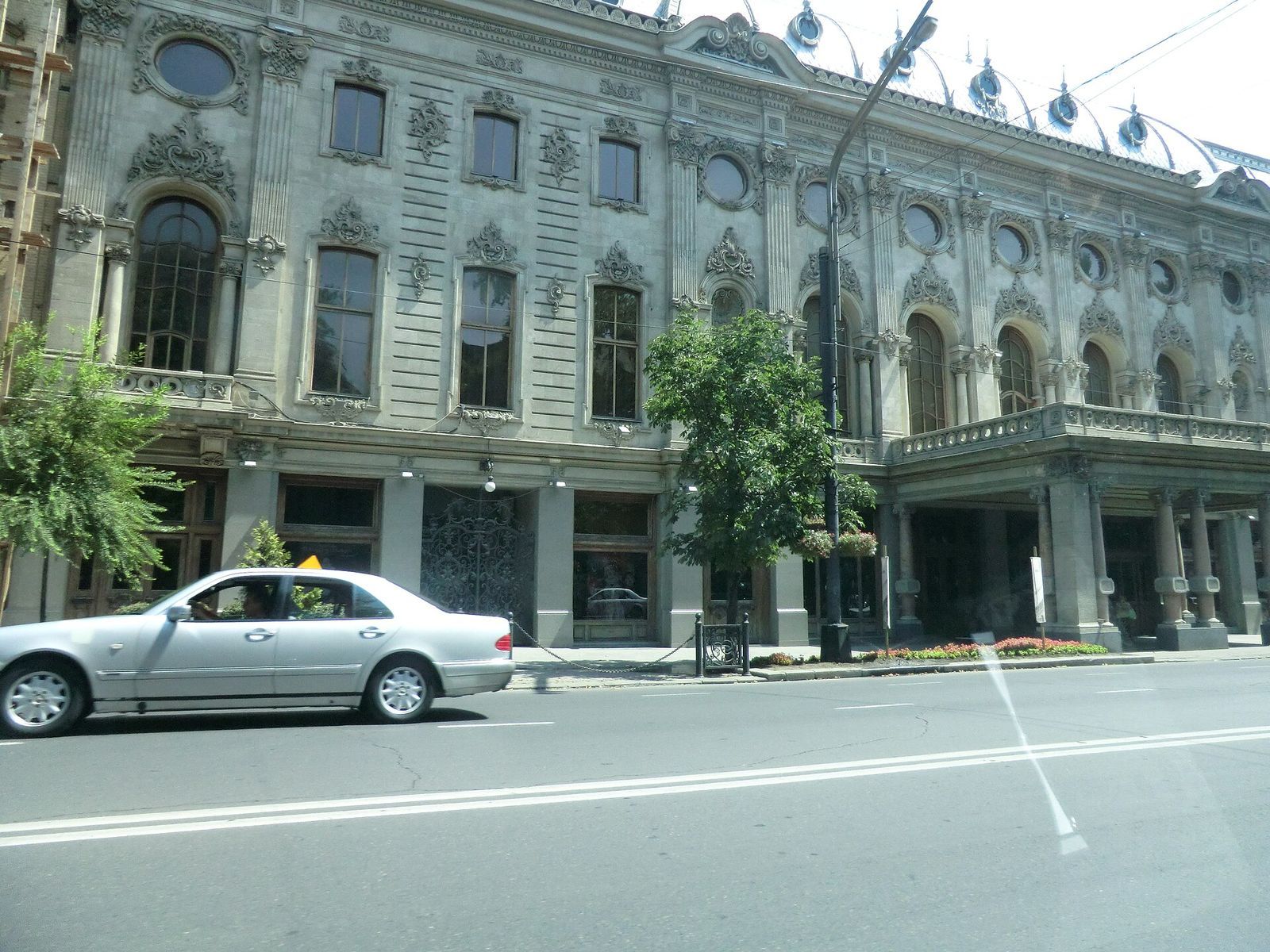
The Opera and the Rustaveli Theatre are further along the avenue, so an evening at the opera in Tbilisi after a museum morning keeps the whole day on one street.
Is the Georgian National Museum worth it?
Yes, for most visitors, and it's the first museum I'd fit into a Tbilisi itinerary. It suits you best if you're:
- Interested in ancient history or jewelry. The Treasury is the finest collection of ancient gold in the Caucasus.
- Curious about the Soviet years. The Occupation Hall explains modern Georgia better than any book you'll read on the plane.
- Traveling with kids. The skulls and the stuffed animals hold their attention, and under-6s get in free.
- Short on time. It covers 1.8 million years in about 2 hours, all a short walk from Freedom Square.
- Visiting on a hot or rainy day. It's the best indoor half day in the center.
It's less of a fit if you've already seen a lot of ancient gold elsewhere and don't care about Soviet history, or if 40 GEL is a stretch on your budget. In that case I'd put the money toward the National Gallery (25 GEL) for Pirosmani, or spend a free morning in the Old Town instead.
Key takeaways
- The Georgian National Museum, officially the Simon Janashia Museum of Georgia, is on Rustaveli Avenue near Freedom Square.
- Tickets are 40 GEL for foreign visitors, cover the Treasury and the Soviet Occupation Hall, and are sold at the door.
- It's open Tuesday to Sunday, 10:00 to 18:00, with last tickets at 17:30, and closed on Mondays.
- Head for the Colchian gold in the Treasury first, then the Dmanisi skulls and the Soviet Occupation Hall on the top floor.
- Plan on 1.5 to 2 hours, and buy the 50 GEL five-museum pass if you'll also see the National Gallery.
Frequently asked questions
How much is the Georgian National Museum?
A ticket costs 40 GEL for foreign visitors in 2026 and covers every permanent room, including the Treasury and the Soviet Occupation Hall. Georgian citizens pay 15 GEL and children under 6 go free. A 50 GEL pass covers five museums in the same network.
Is the Treasury included in the ticket?
Yes. In 2026 the standard 40 GEL ticket includes the Archaeological Treasury and the Numismatic Treasury, with no separate charge for the gold rooms. Head there first, before the tour groups arrive.
What are the Georgian National Museum's opening hours?
It's open Tuesday to Sunday from 10:00 to 18:00, and the last tickets are sold at 17:30. The museum is closed every Monday, like most state museums in Tbilisi.
How long do you need at the Georgian National Museum?
Plan on 1.5 to 2 hours for the Treasury, the Dmanisi skulls and the Soviet Occupation Hall. Allow about 3 hours to see every floor, including the coins, the weapons and the natural history rooms.
What is the Simon Janashia Museum?
It's the same building as the Georgian National Museum. The Simon Janashia Museum of Georgia is the official name of the main museum on Rustaveli Avenue, while the Georgian National Museum is the network that runs it and many other museums in Georgia.
Can you take photos in the Georgian National Museum?
In most rooms, yes, as long as you don't use flash. The gold rooms of the Treasury are the exception, where photography is often not allowed, so ask the attendant before you get your phone out.
Is the Georgian National Museum good for kids?
Yes. Children usually like the skulls in the Stone Age hall and the stuffed animals on the natural history floor, and under-6s get in free. Skip the Soviet Occupation Hall with young children, since some of its photographs are hard to look at.
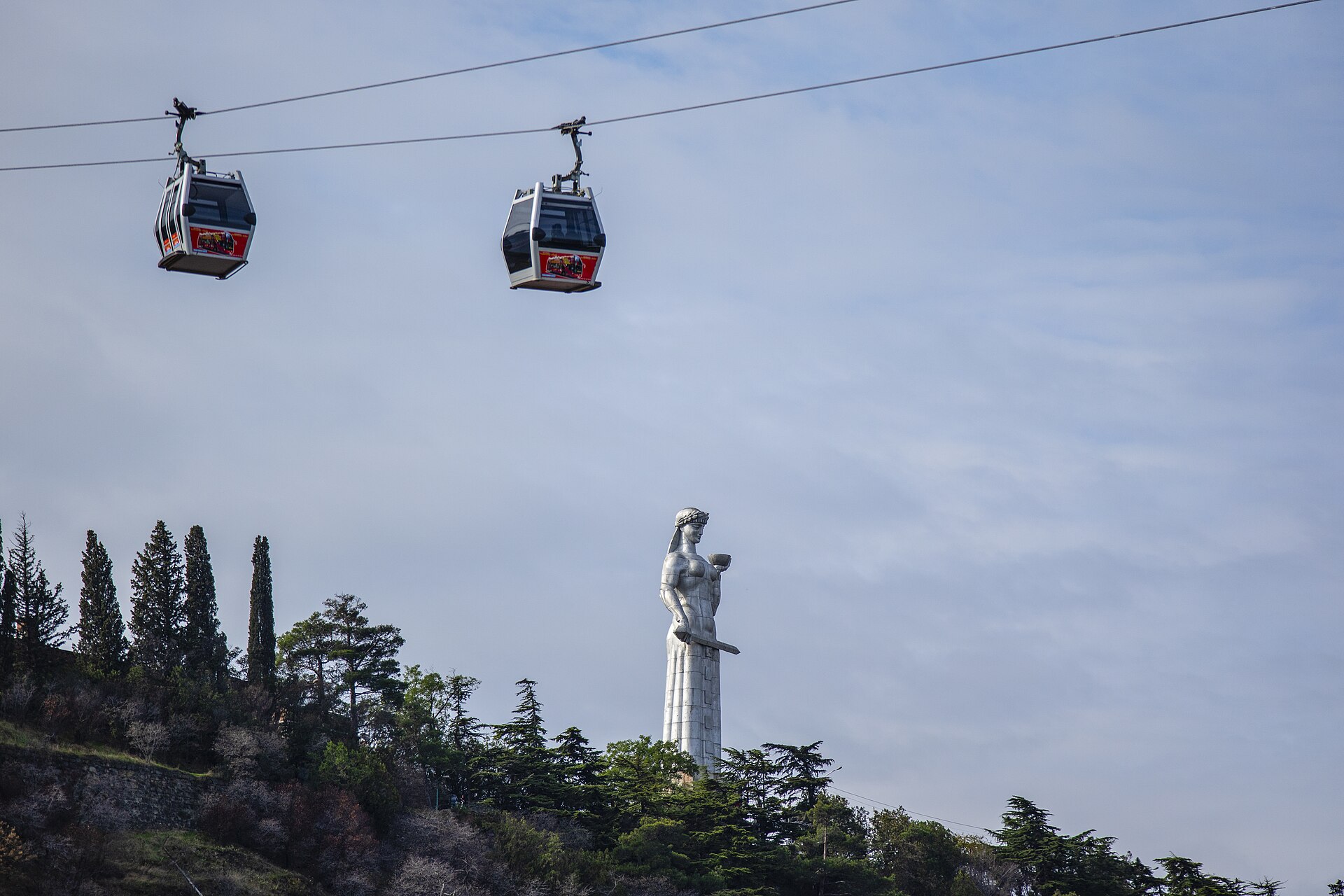
25 Best Things to Do in Tbilisi in 2026 (With Prices)
Tbilisi is known for its sulfur baths, balconies and hilltop views. Here are 25 things to do, with prices and times.
Read the guide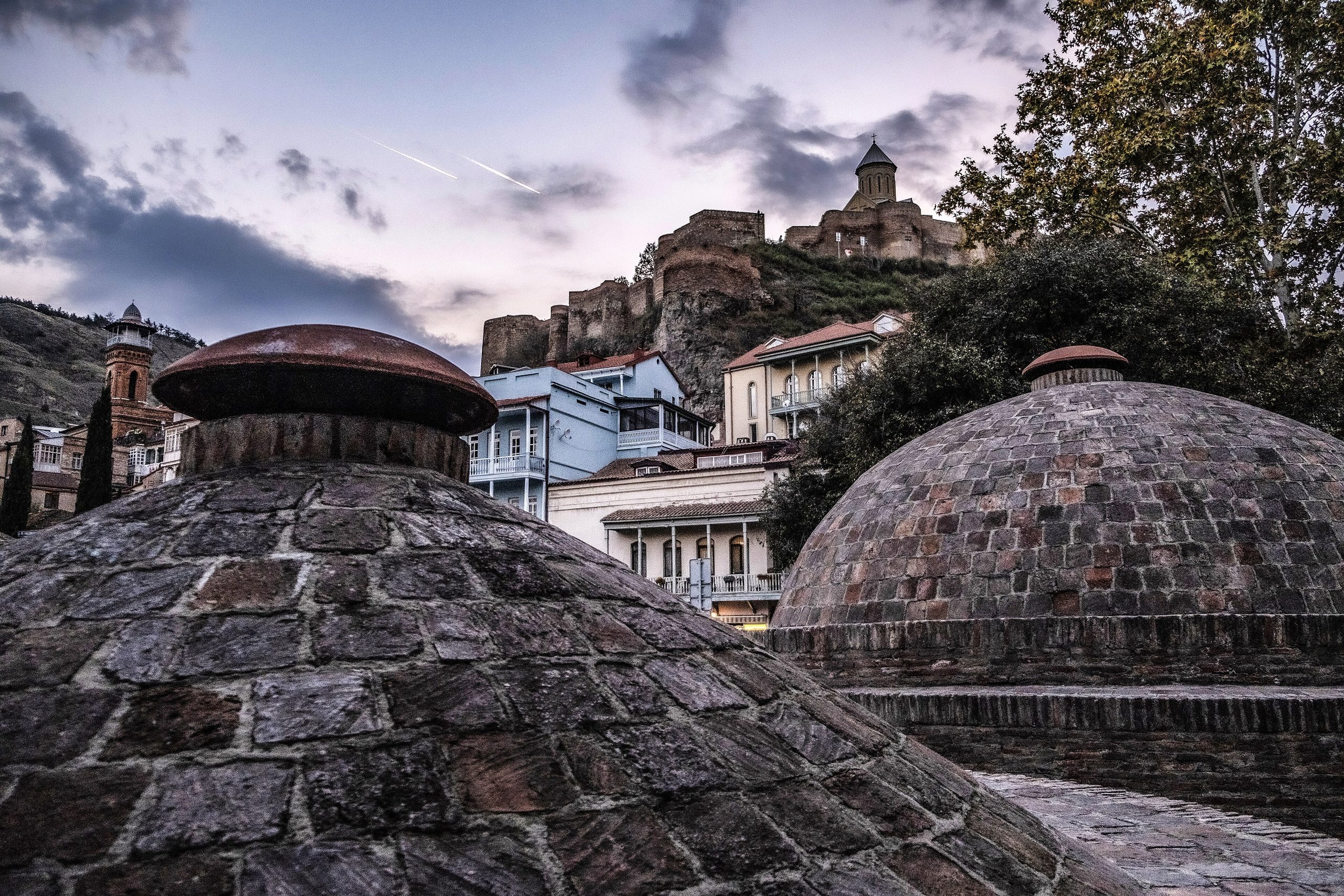
The Sulfur Baths of Abanotubani: Prices, Bathhouses and Booking
Tbilisi is known for its sulfur baths. Here is what to know about the bathhouses, room prices and booking.
Read the guide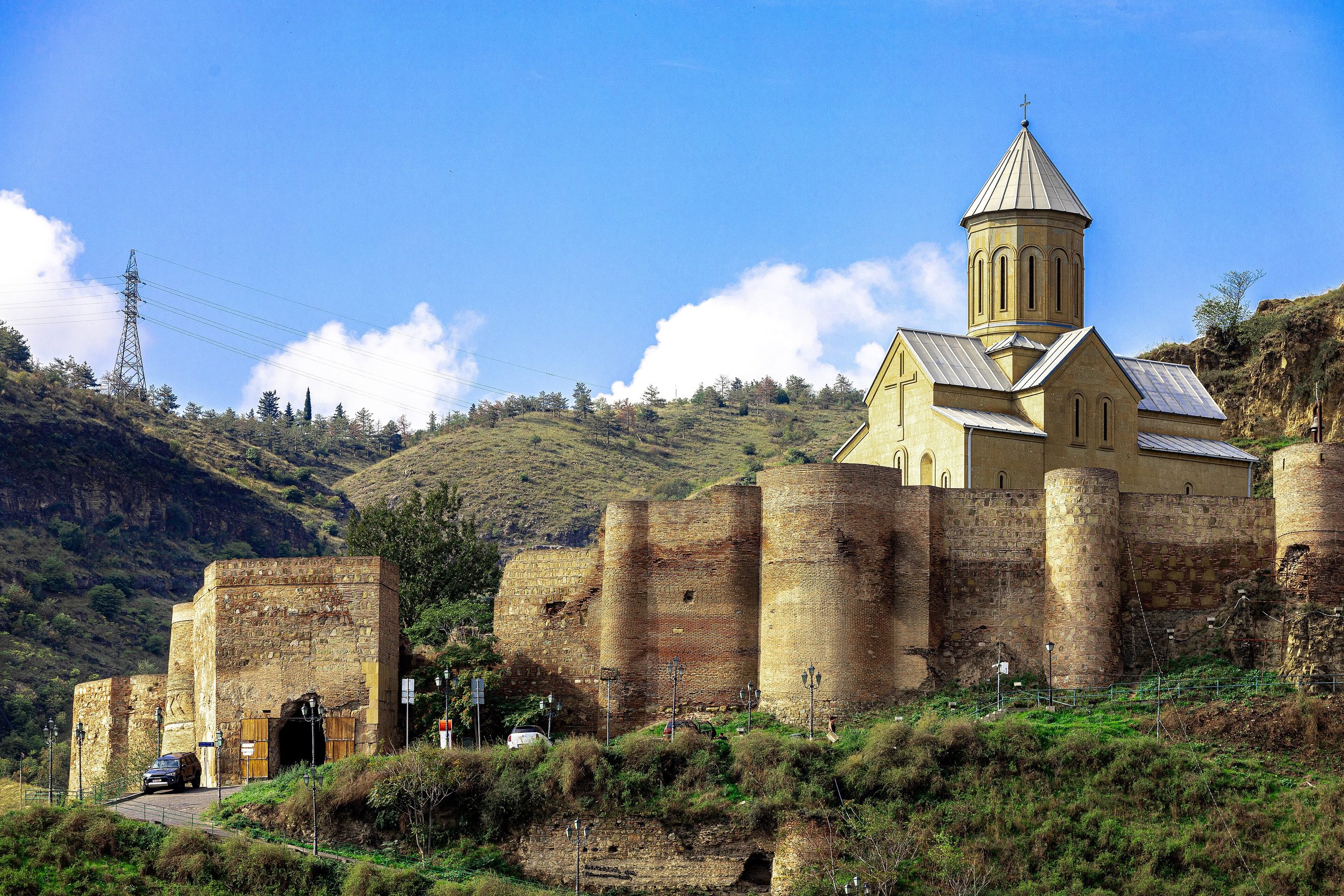
Narikala Fortress, Tbilisi: Getting Up, What Is Open and When to Go
Narikala is the fortress above Old Tbilisi. Here is what is open in 2026, how to get up and when to go for the view.
Read the guide