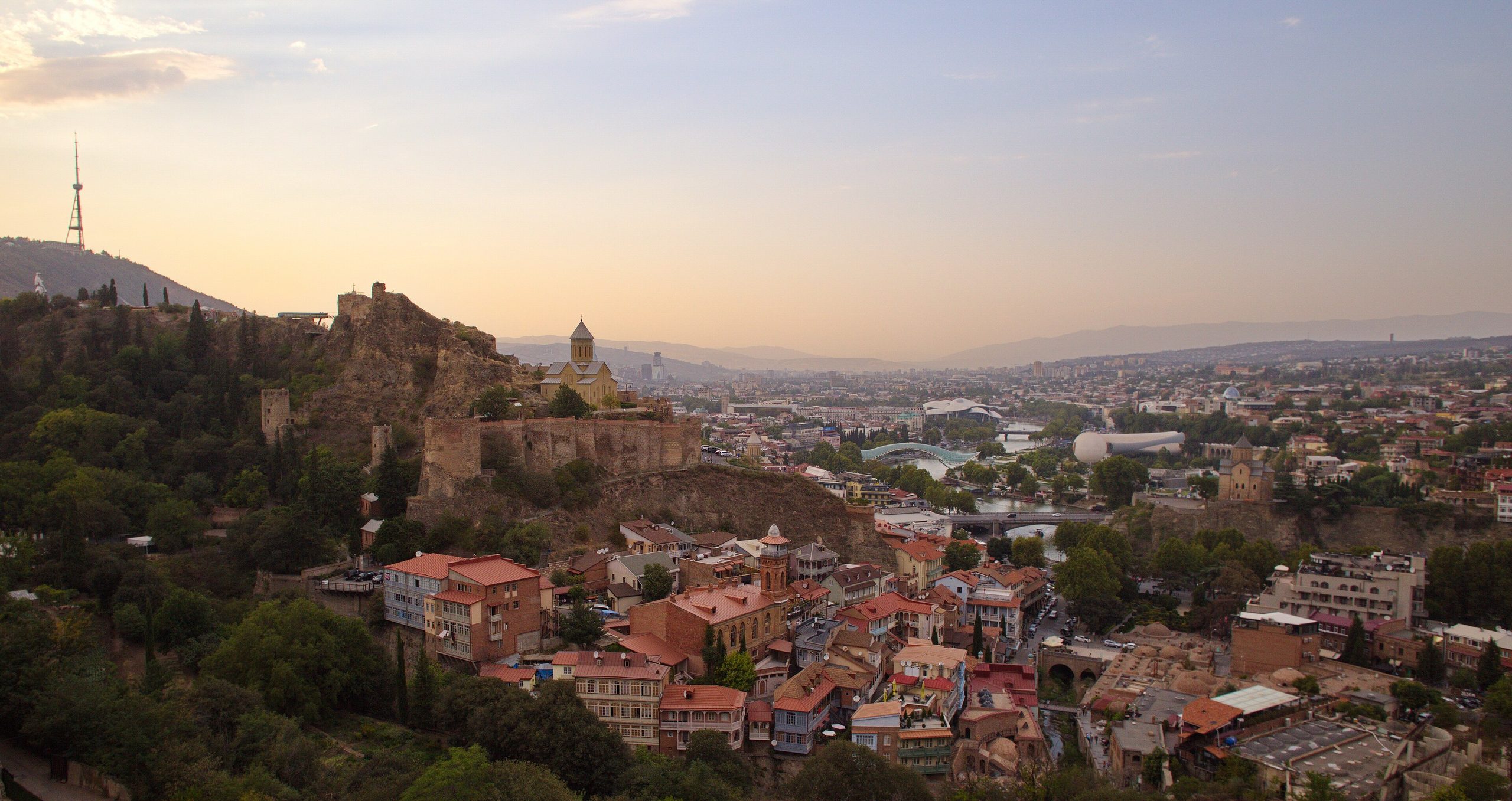
Tbilisi Itinerary: How I'd Spend 1 to 5 Days in Tbilisi
Tbilisi is known for fitting a lot into a small, walkable center: bath domes, a fortress ridge, Art Nouveau streets and more wine bars than you'll get through. Here's how I'd spend 1 to 5 days there, with the route for each day, where I'd eat along the way, which day trips earn a slot and what it all costs.
How many days to spend in Tbilisi
Three full days is the number I give anyone planning a first trip. That covers the Old Town, the modern center along Rustaveli Avenue, the left bank around Fabrika and one slow morning in a sulfur bath, without rushing from sight to sight.
Two days works if you start early and accept that you'll skip a museum. Four or five days is where Tbilisi turns into a base, because the best day trips in Georgia all start here.
| Days | What you see | Who it suits |
|---|---|---|
| 1 day | Old Town, the baths district, the cable car to the Narikala ridge, the Bridge of Peace | A stopover or a long layover |
| 2 days (a weekend) | Day 1, plus Sololaki, the Dry Bridge market, Fabrika and a bath | City breakers who start early |
| 3 days | Everything above at a walking pace, plus Rustaveli Avenue, the National Museum and Sameba at sunset | First-timers; my default |
| 4 days | Adds Mtskheta, the Dezerter Bazaar and Mtatsminda at night | One taste of the countryside |
| 5 days | Adds a full day in Kazbegi or Kakheti | Mountains or wine country |
If you land late, the ride in from the airport is 1 GEL on bus 337 until about 23:00, or about 25 to 35 GEL by Bolt after that. Either way, the arrival evening is not day 1.
Day 1: Old Town and the Narikala ridge (the one-day plan)
If you only have one day in Tbilisi, this is the day. It's the postcard version of the city, almost all of it on foot, and it ends on a ridge above the rooftops at sunset.
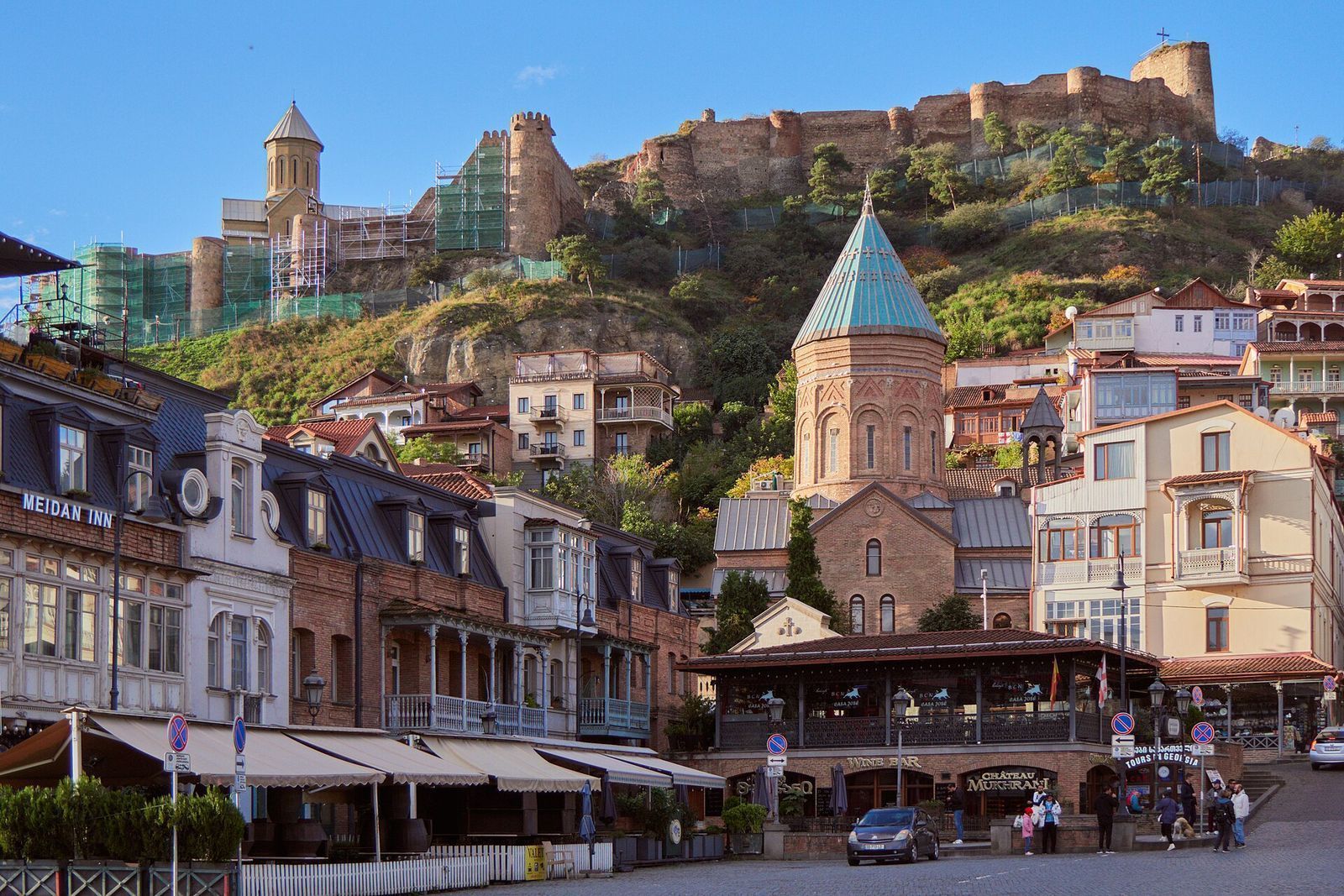
Morning: Meidan, the baths and the waterfall. Start at Meidan, the square at the foot of Old Tbilisi, about 20 to 25 minutes' walk from Freedom Square. With the fortress walls right above it and the bath domes a couple of minutes away, it's the natural first stop.
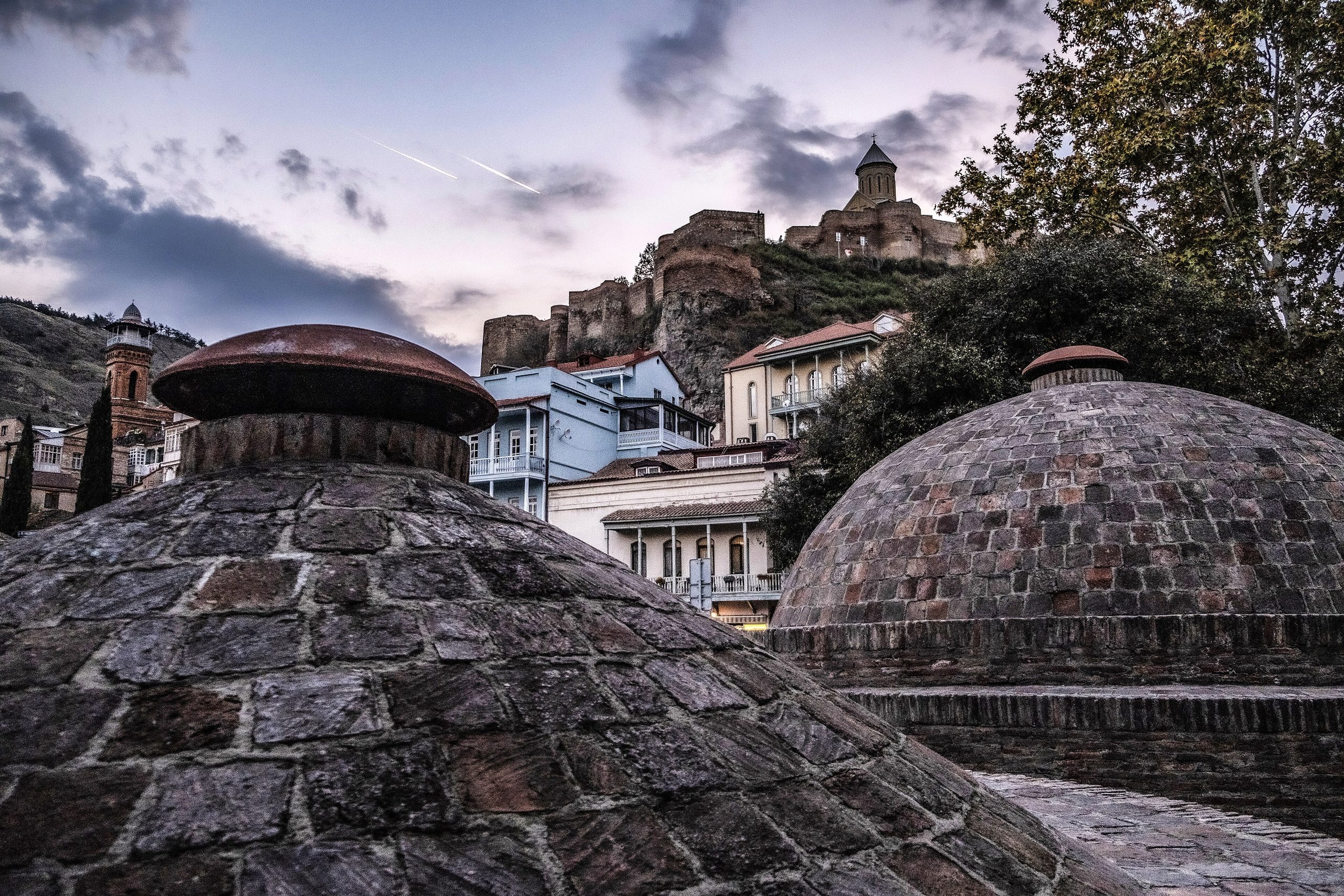
From the square, walk past the brick domes of Abanotubani, the sulfur bath district, where the bathhouses sit underground and only their domes rise above the pavement. You'll be back here on day 3 for a bath, so for now just walk through.
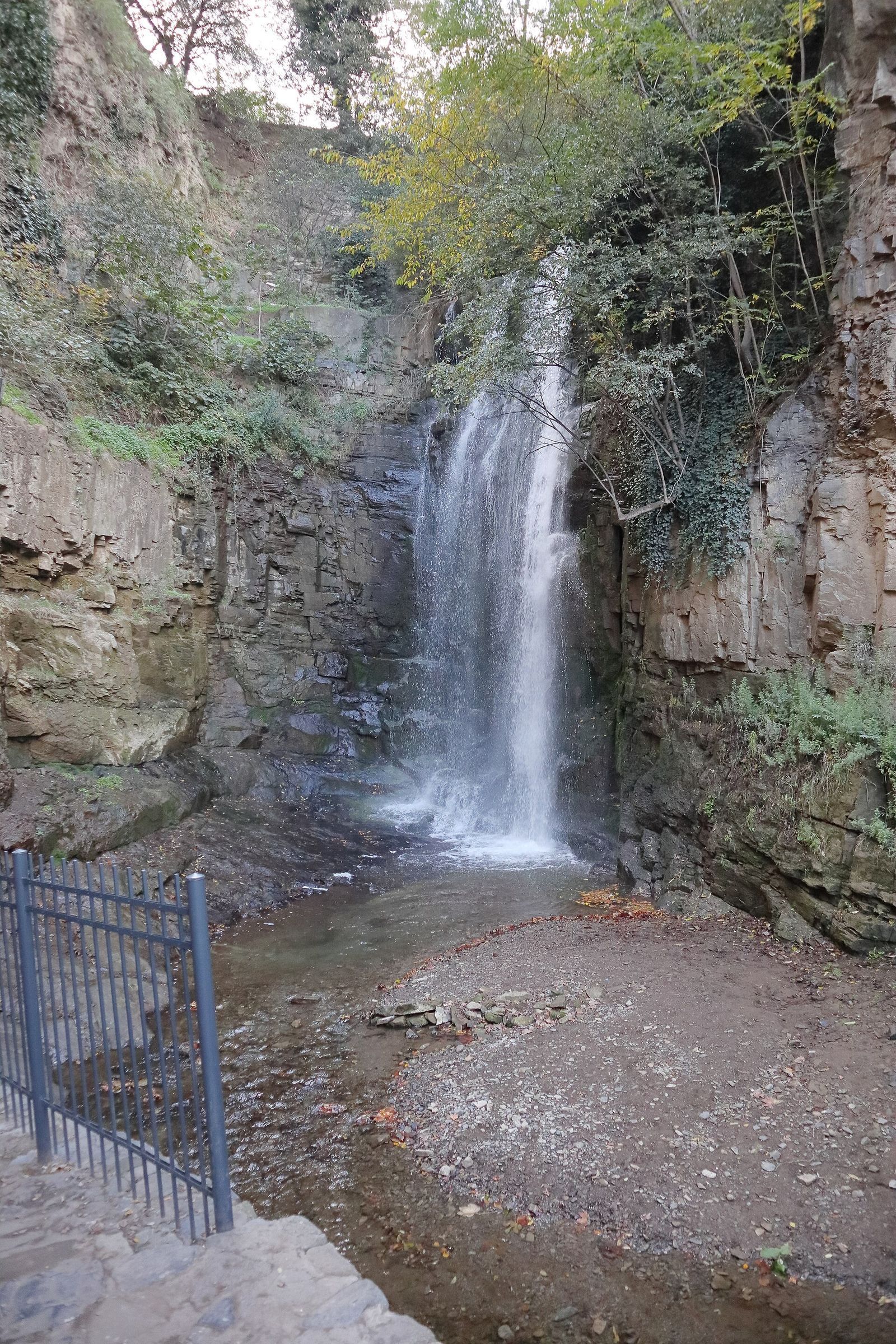
Keep going until the lane narrows into Leghvtakhevi, a short gorge with a waterfall at its end. Before 10:00 you'll have it almost to yourself.
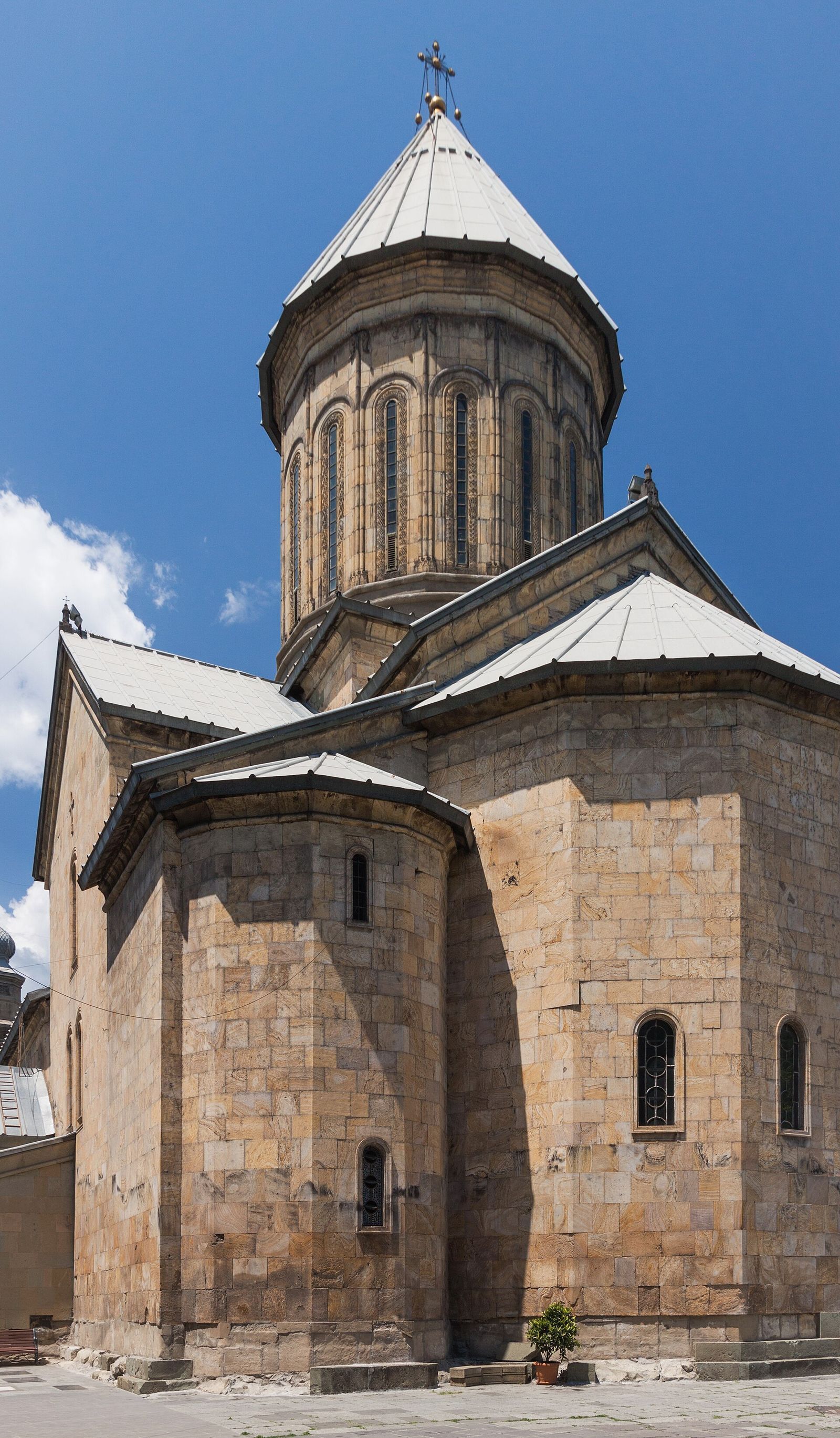
Late morning: Kala and the clock tower. Climb back up into Kala, the oldest quarter, for the carved balconies, the wine shops and Sioni Cathedral, the stone church with the conical dome on Sioni Street.
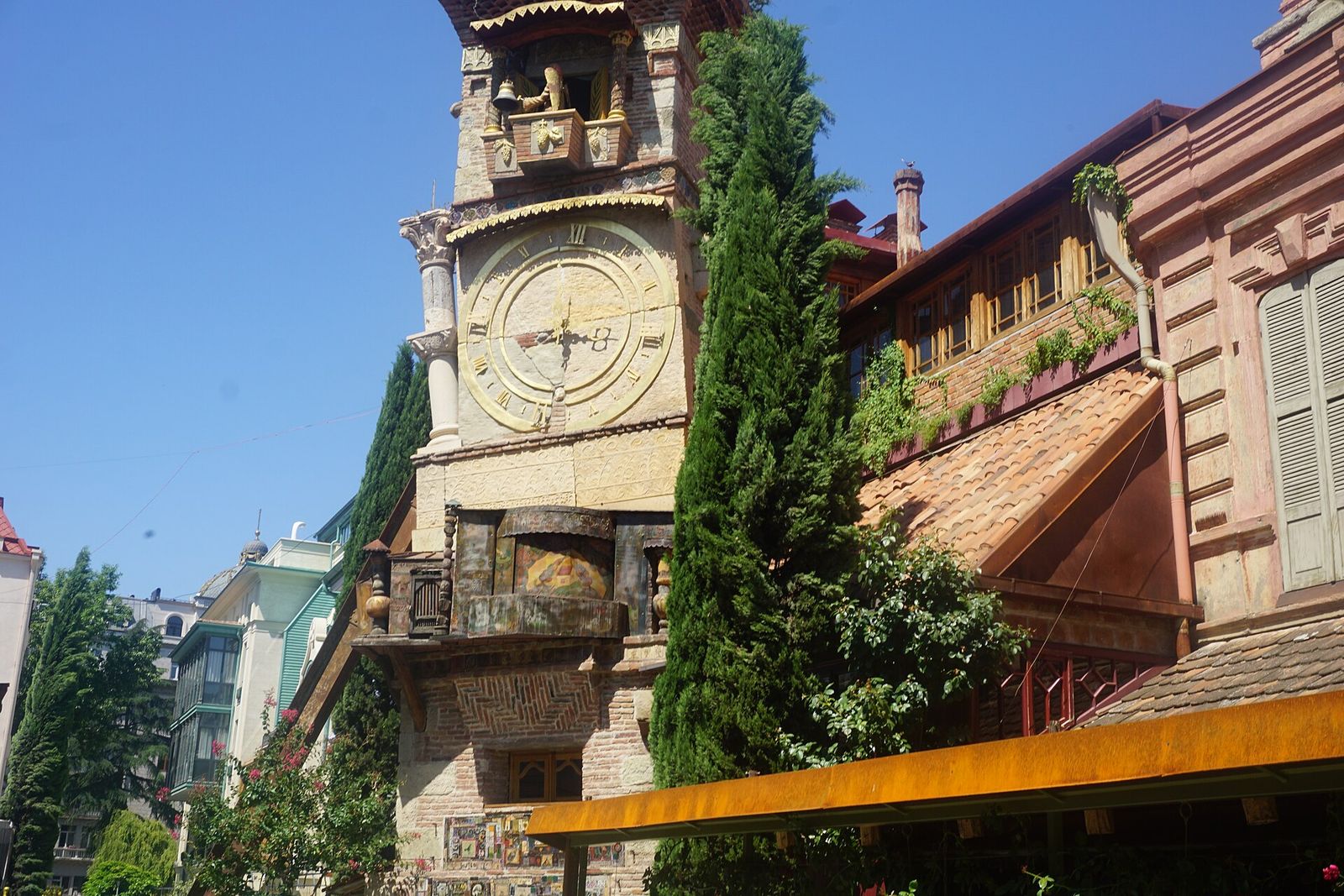
Time it so you reach the leaning clock tower by the Gabriadze theater at 12:00, when the small puppet show plays out at the top; it runs again at 19:00.
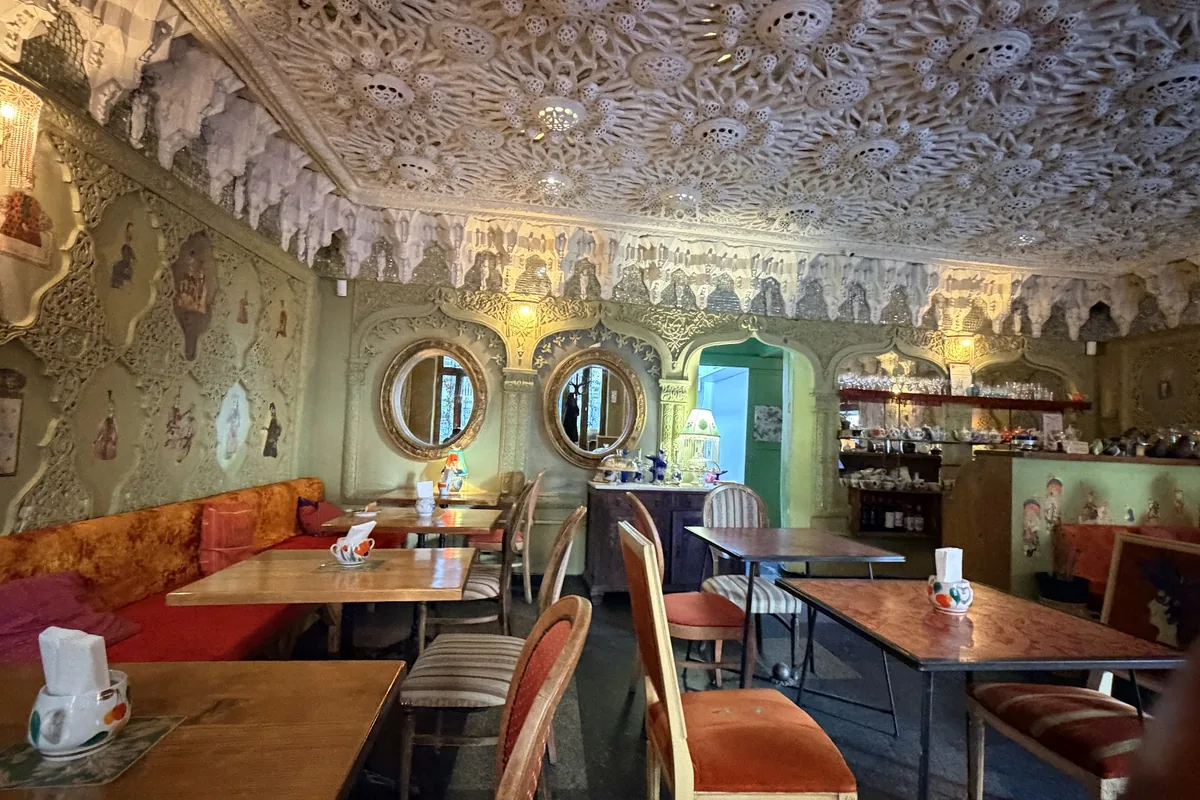
Cafe Leila, a few steps away at 18 Shavteli Street, takes walk-ins, so that's where I eat lunch. The menu leans vegetarian, the room is an old sweet shop with a carved and painted ceiling, and the mushroom kharcho with blackberry sauce and cornbread is the dish I order.
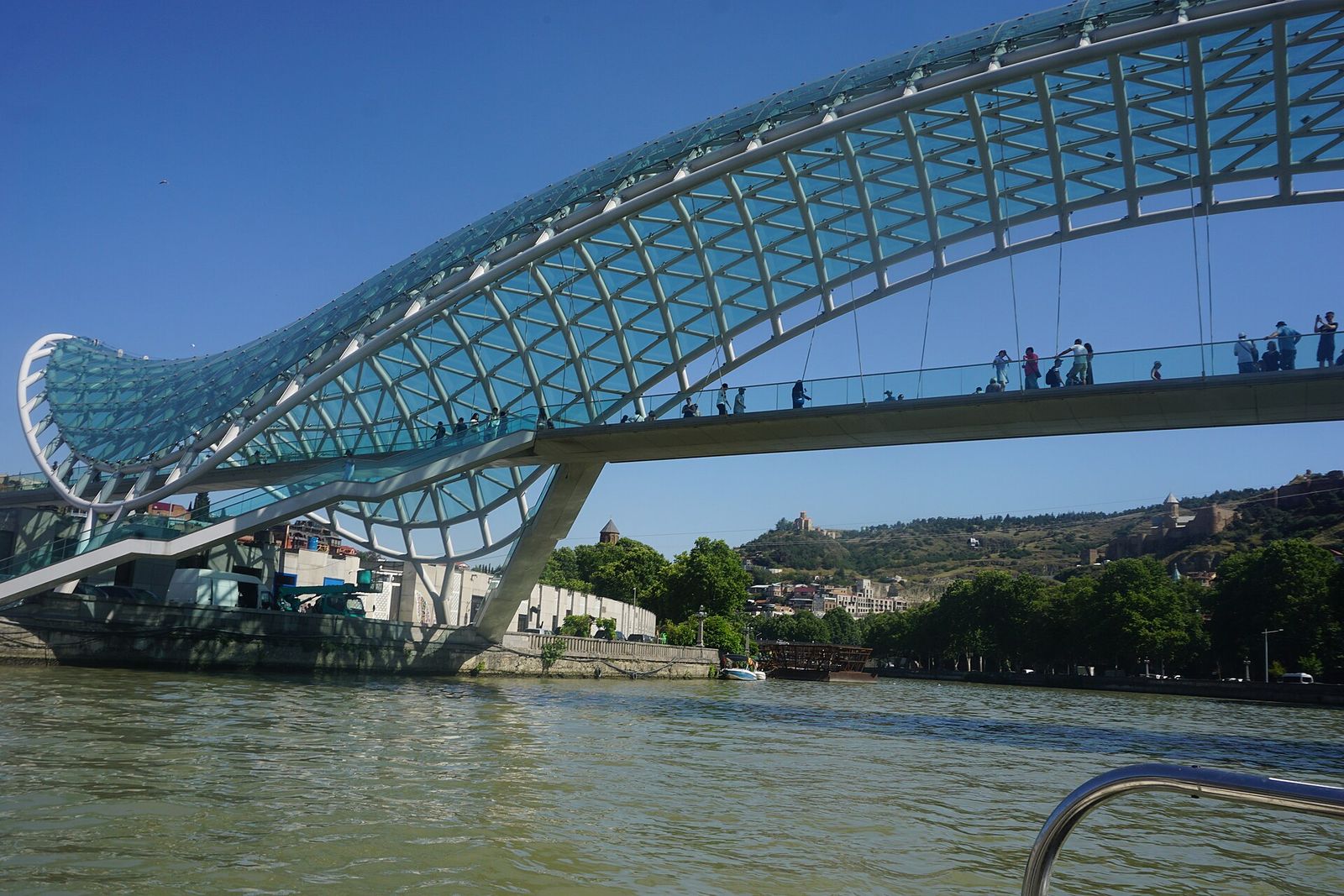
Afternoon: the cable car to the ridge. Walk down to the river and cross the Bridge of Peace, the glass and steel footbridge, to Rike Park.
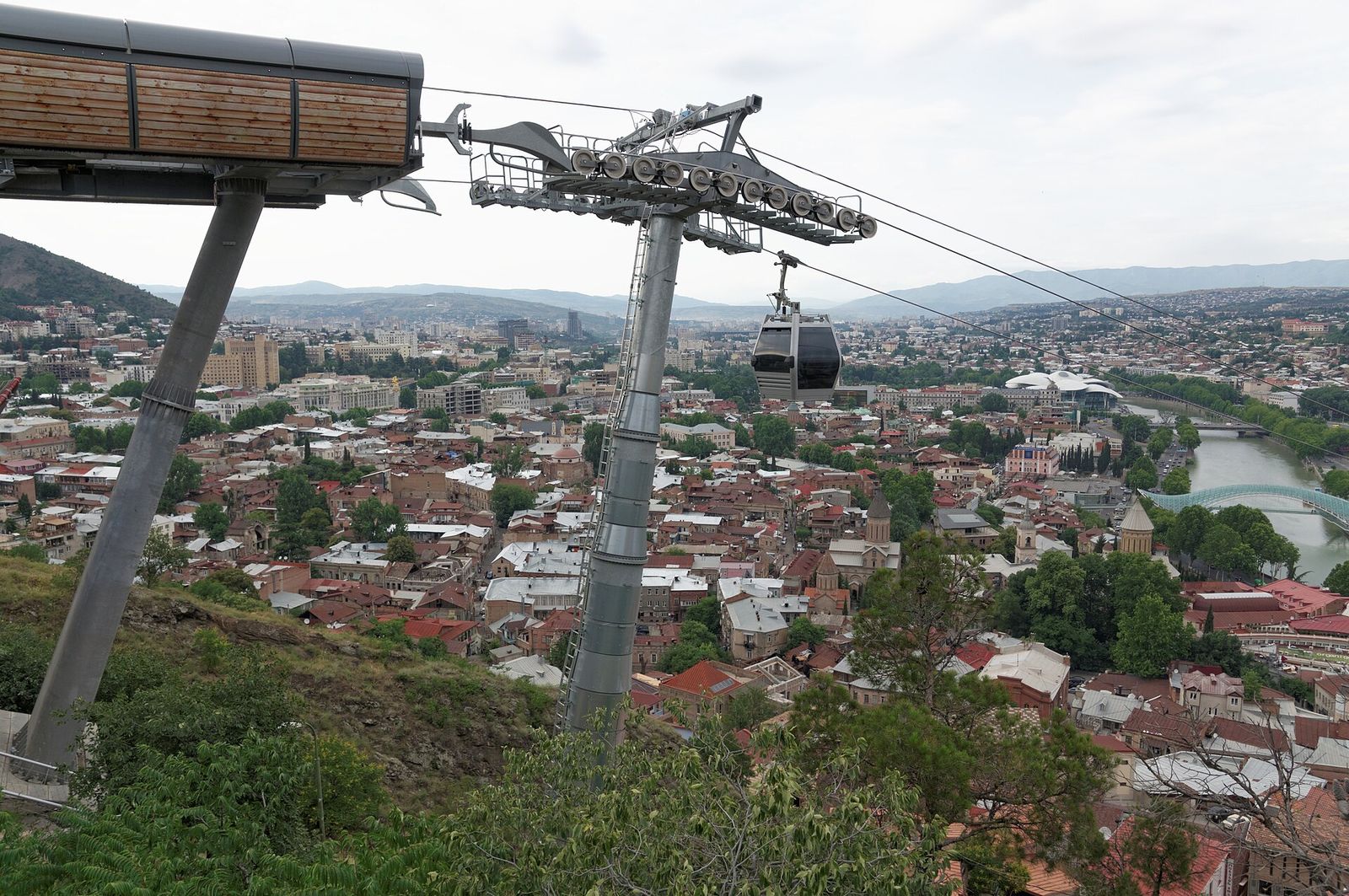
From the park, the cable car up to the ridge costs 2.50 GEL and takes a few minutes, with the Old Town rooftops sliding past under the gondola.
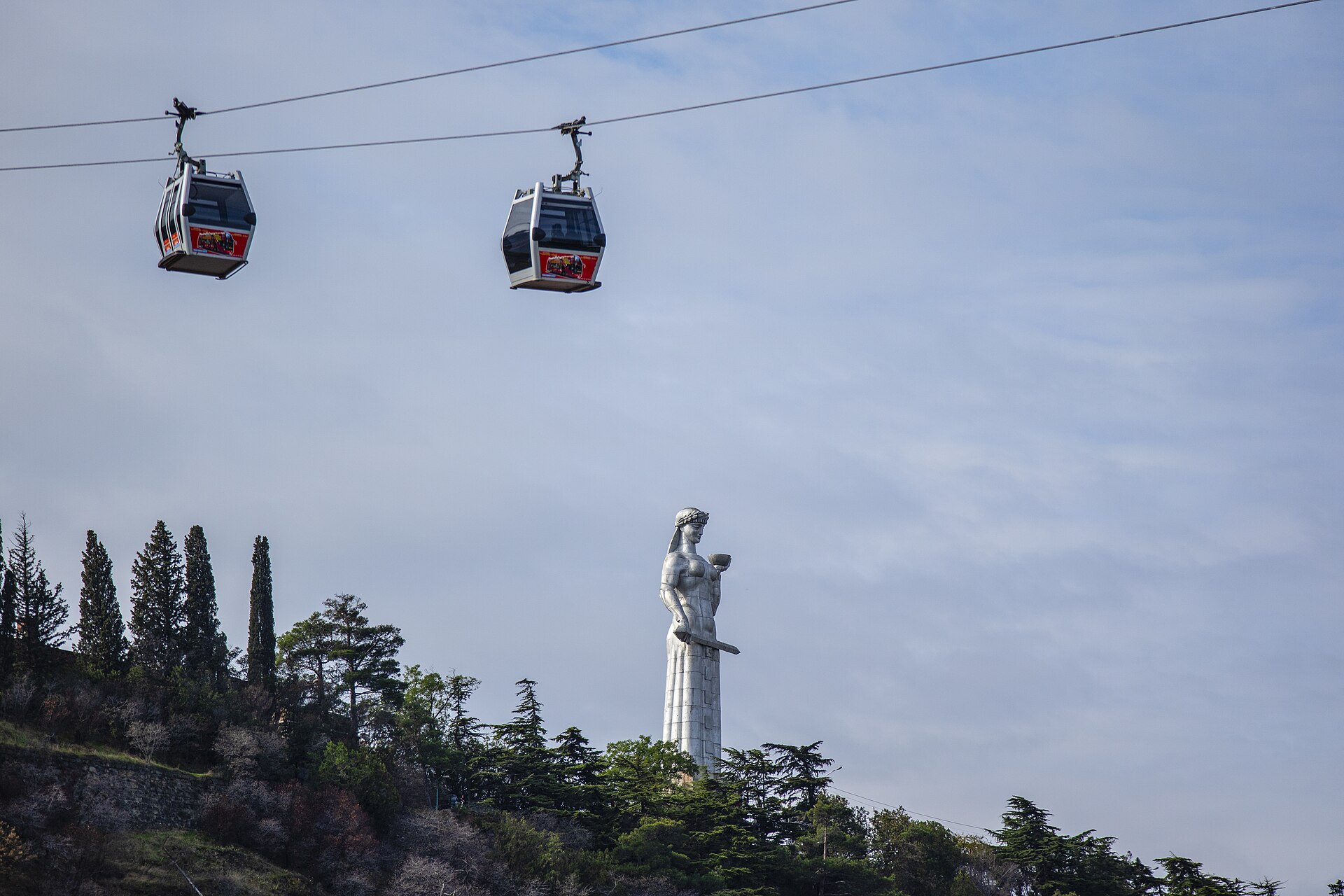
Up top you'll find the Mother of Georgia statue, about 20 m of aluminum with a sword in one hand and a bowl of wine in the other.
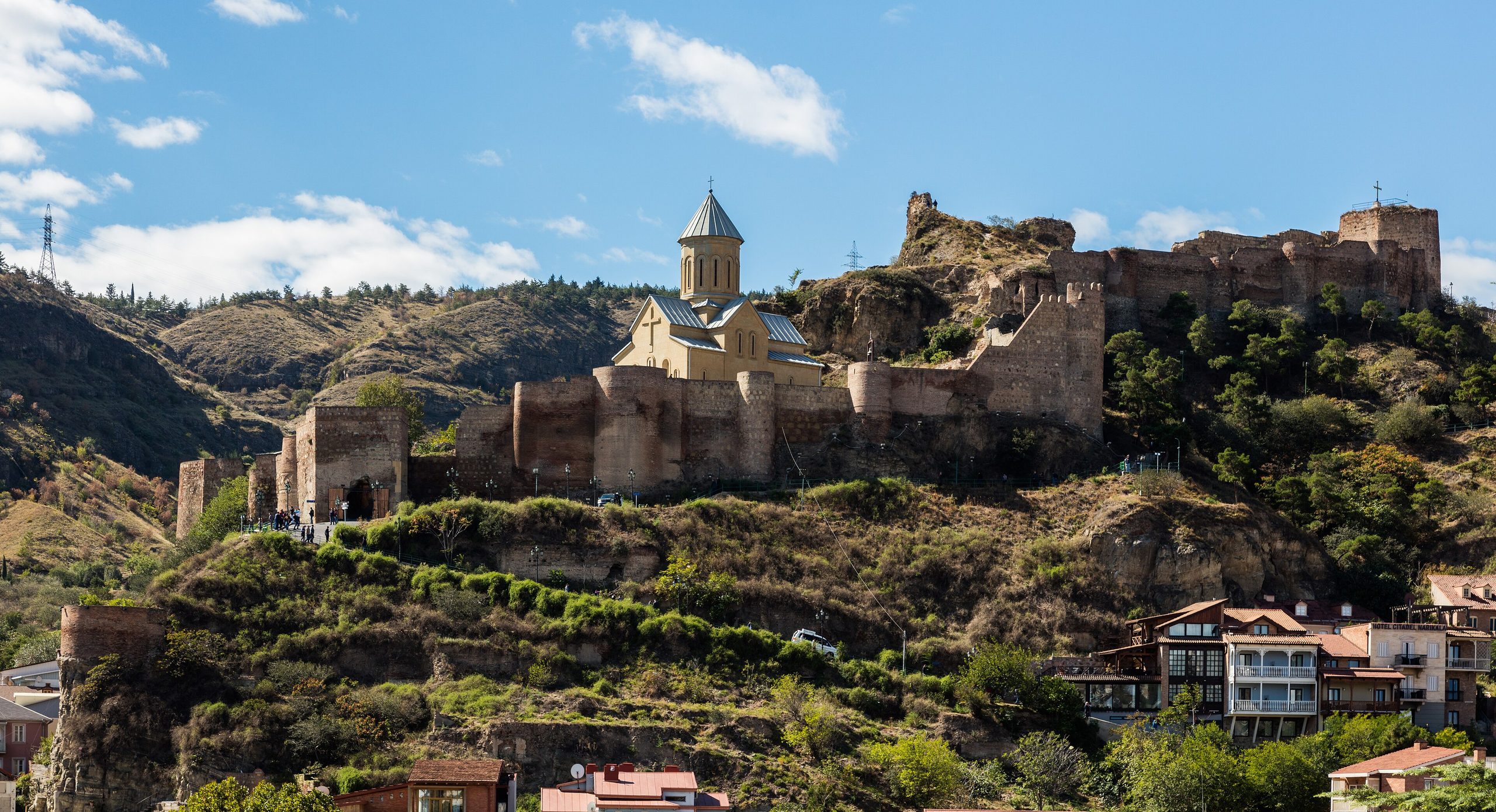
The same ridge holds the walls of Narikala Fortress. The upper walls have been fenced off for restoration since late 2023, but the ridge path, the lower walls and the viewing terraces are open and free.
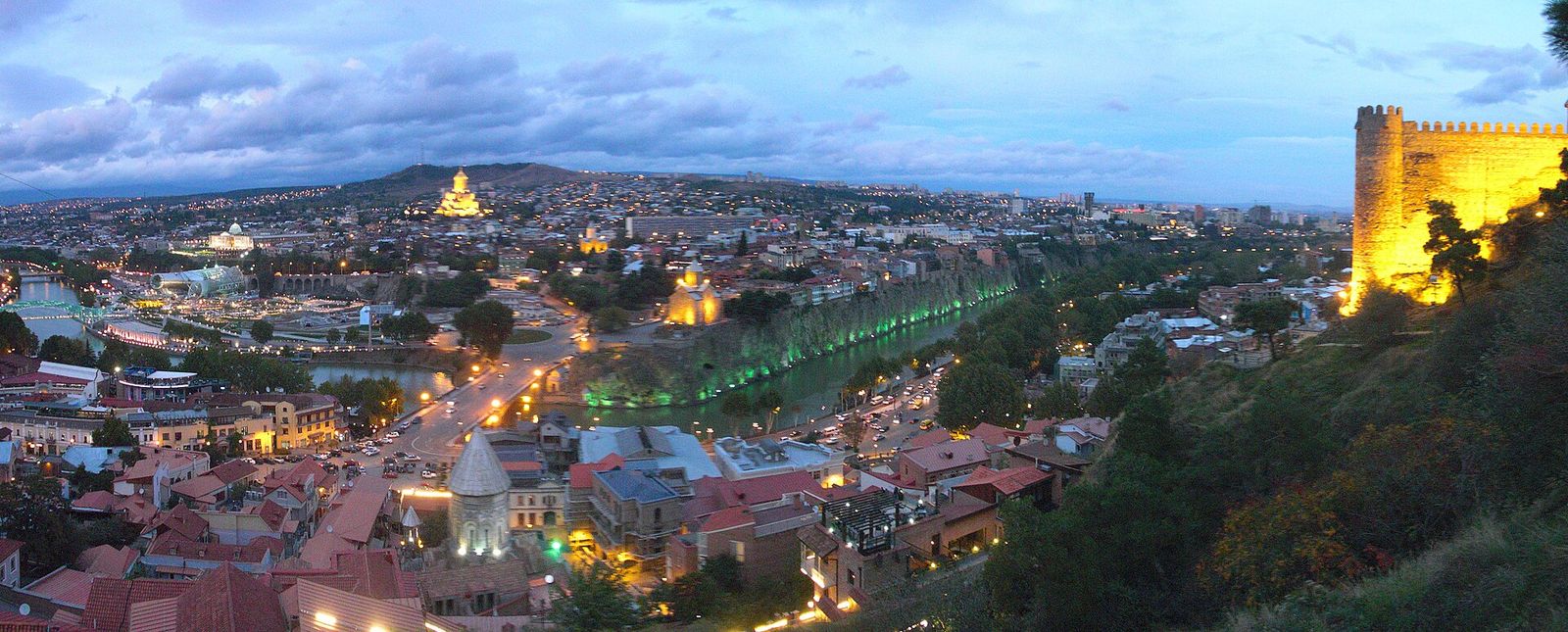
Evening: sunset, then Sololaki. Stay on the ridge for the last hour of light, when the Bridge of Peace and Sameba light up below you.
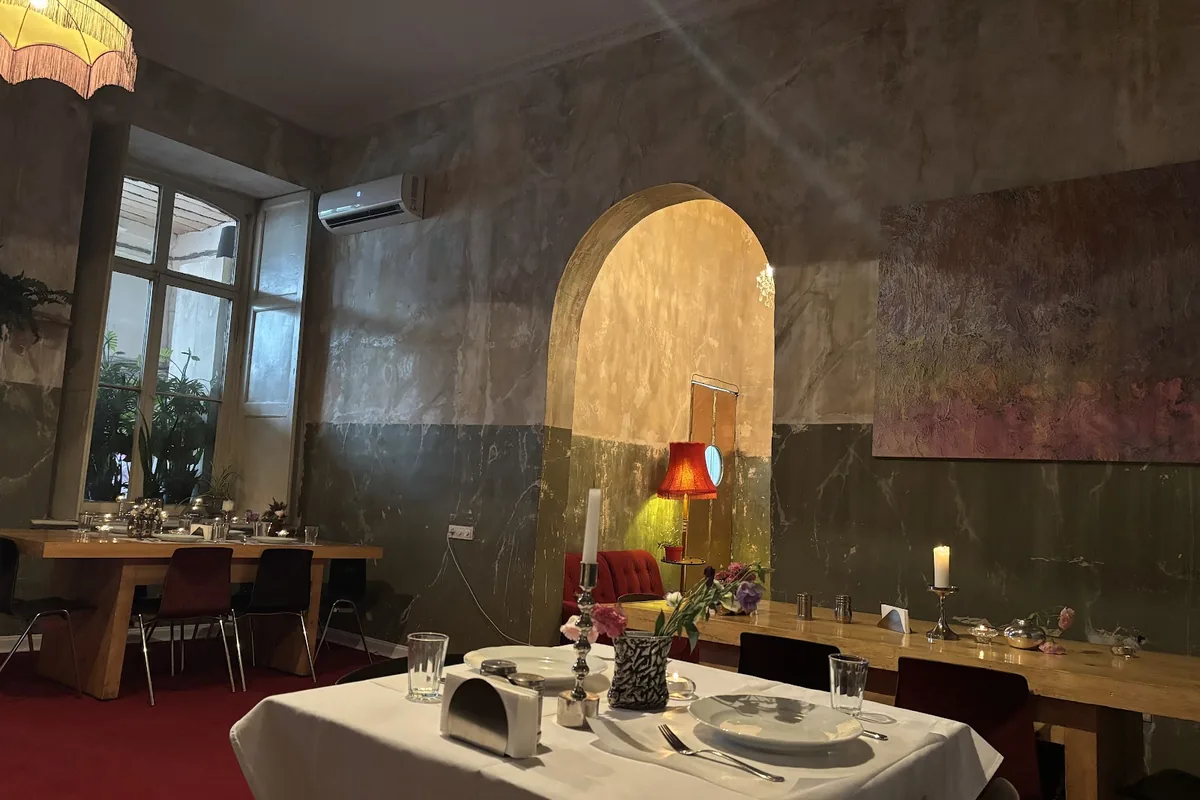
Then walk down off the ridge into Sololaki for dinner at Iasamani, 33 Lado Asatiani Street, where more than half the menu is vegetarian and walk-ins are welcome. Order the oyster mushrooms with cherry and pomegranate sauce, and end day 1 there.
Day 2: Sololaki, Rustaveli Avenue, the Dry Bridge market and Fabrika
Day 2 swaps the old city for the 19th-century one, then crosses the river to the side of Tbilisi where locals actually go out.
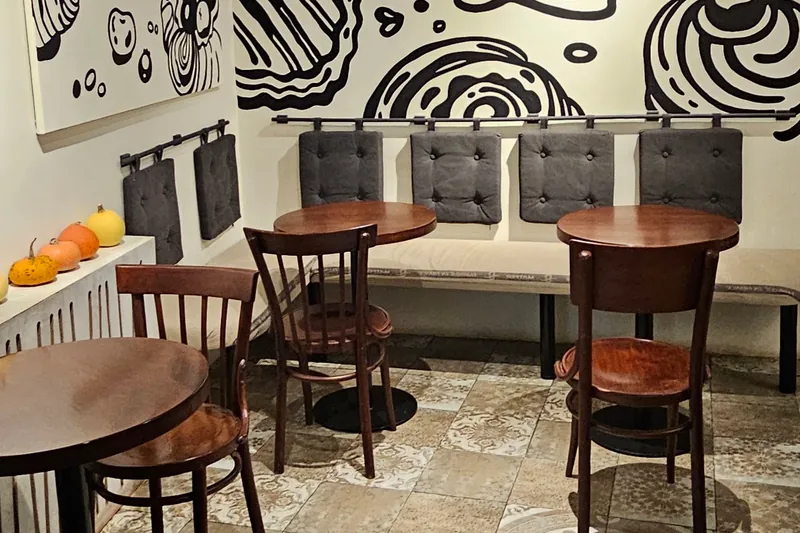
Breakfast in Sololaki. Start at Baba Bakery, 4 Machabeli Street, a minute from Freedom Square. Everything is baked in house, and an almond croissant with a cappuccino is my favorite quick breakfast in Tbilisi before a long day on foot.
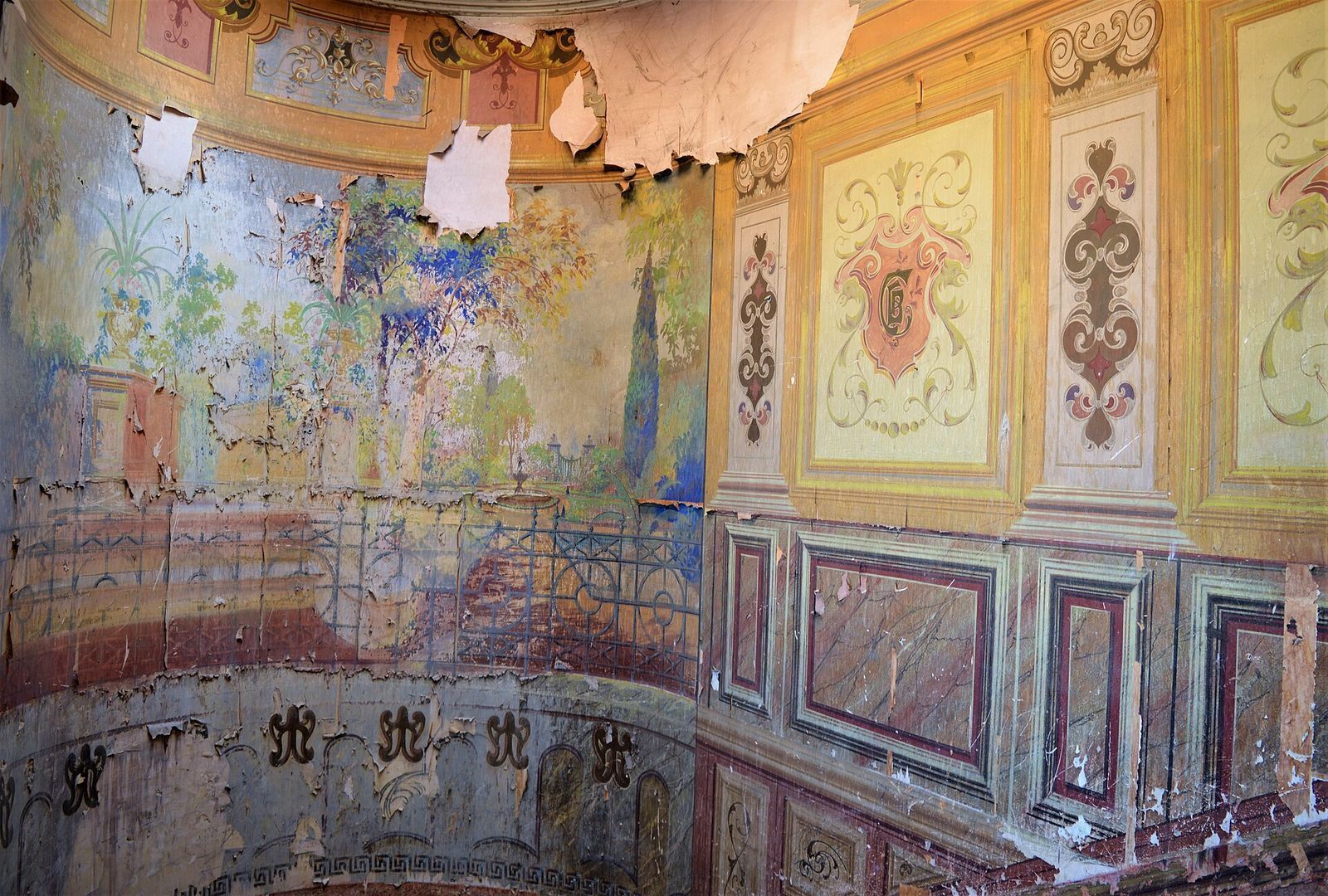
Then wander Sololaki, the merchant quarter of the late 19th and early 20th century, where the entrance halls hide painted ceilings and carved wooden staircases. If a door is open, a quiet look is usually fine; keep your voice down, because people live there.
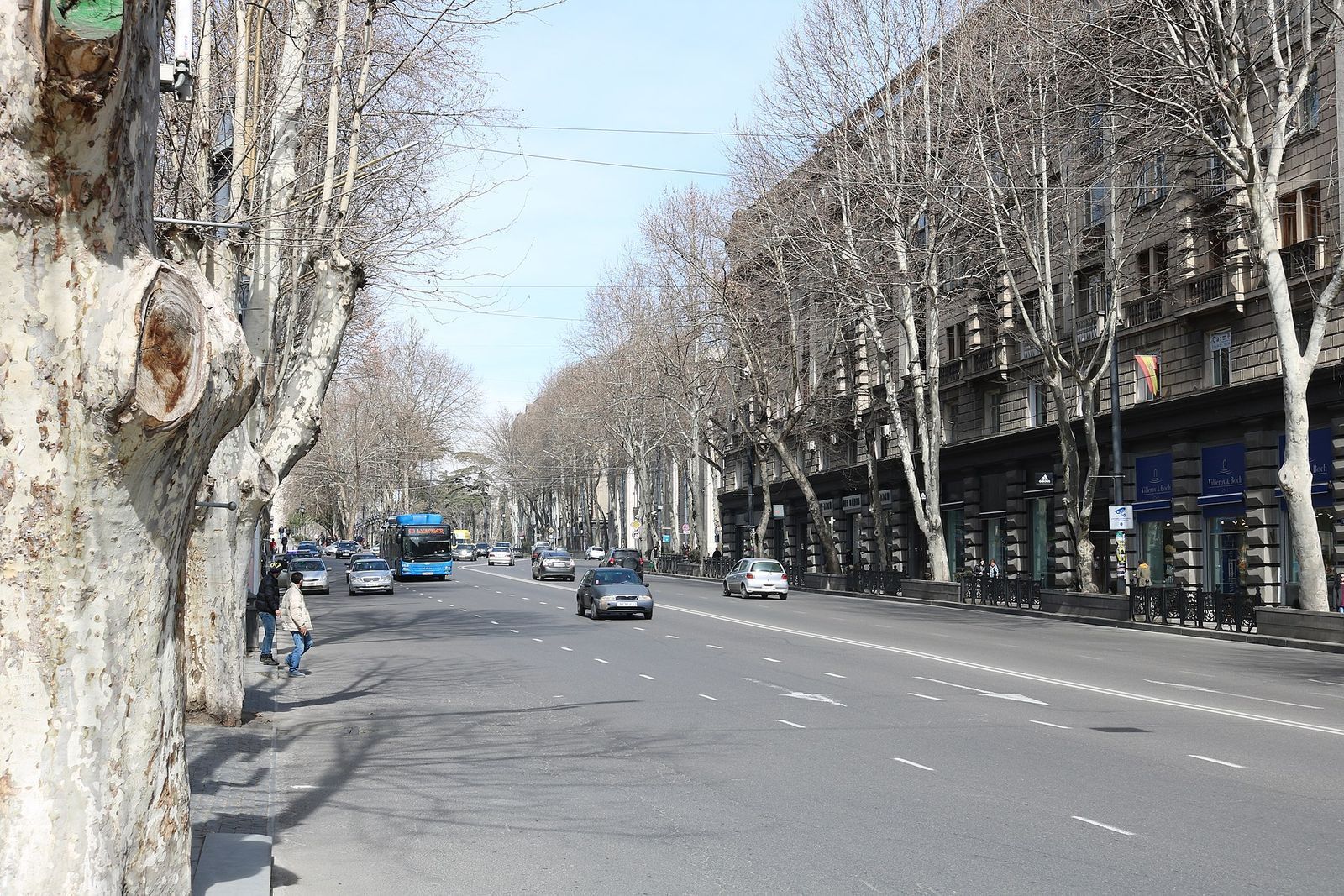
Late morning: Rustaveli Avenue and the National Museum. From Freedom Square, walk up Rustaveli Avenue past the Opera, the theaters and Parliament. Don't eat on Rustaveli itself; the restaurants on the avenue charge more for less.
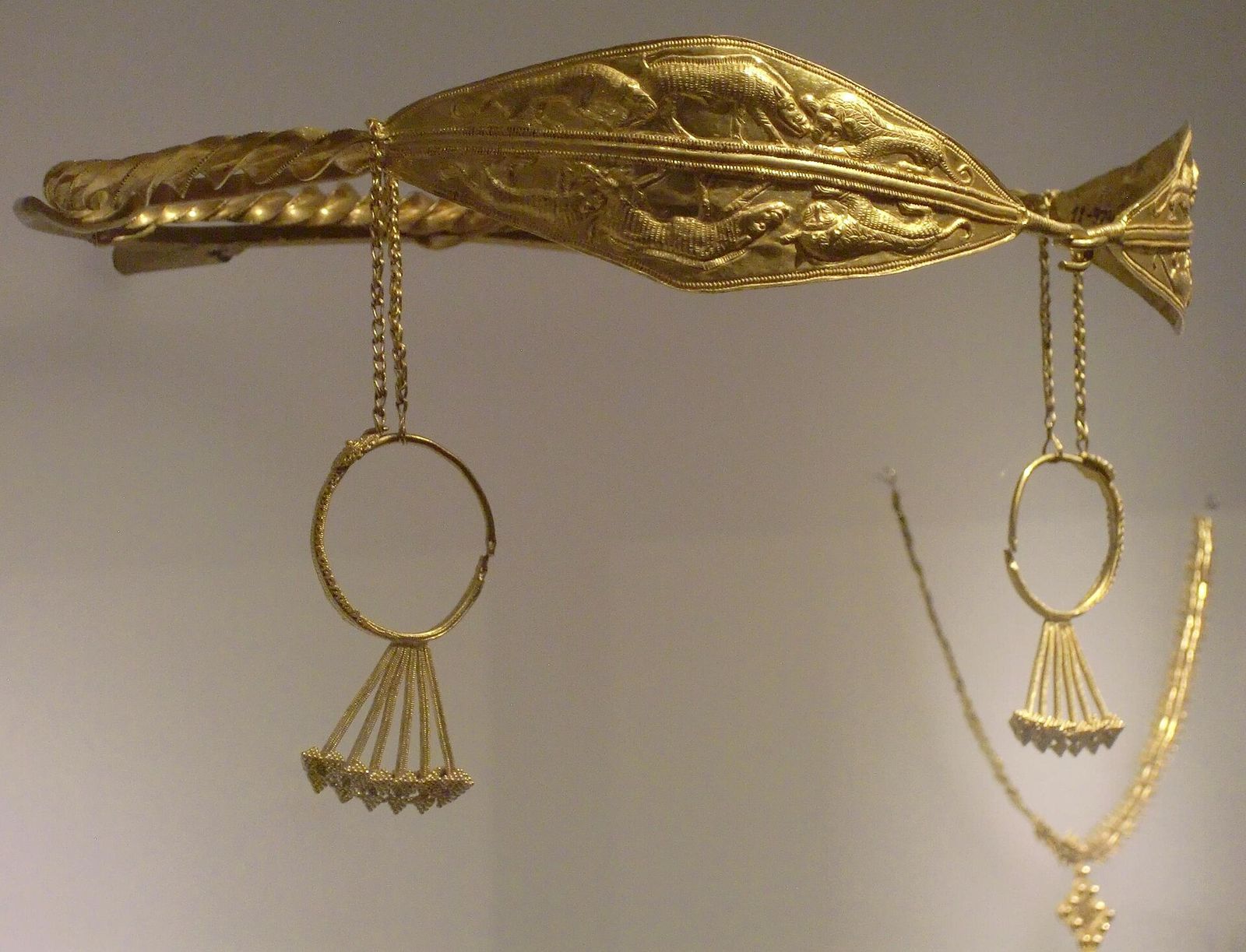
Give the Georgian National Museum 1.5 to 2 hours: it costs 40 GEL for foreigners, opens Tuesday to Sunday from 10:00 to 18:00, and one ticket covers the Colchian gold in the Treasury and the Soviet Occupation Hall.
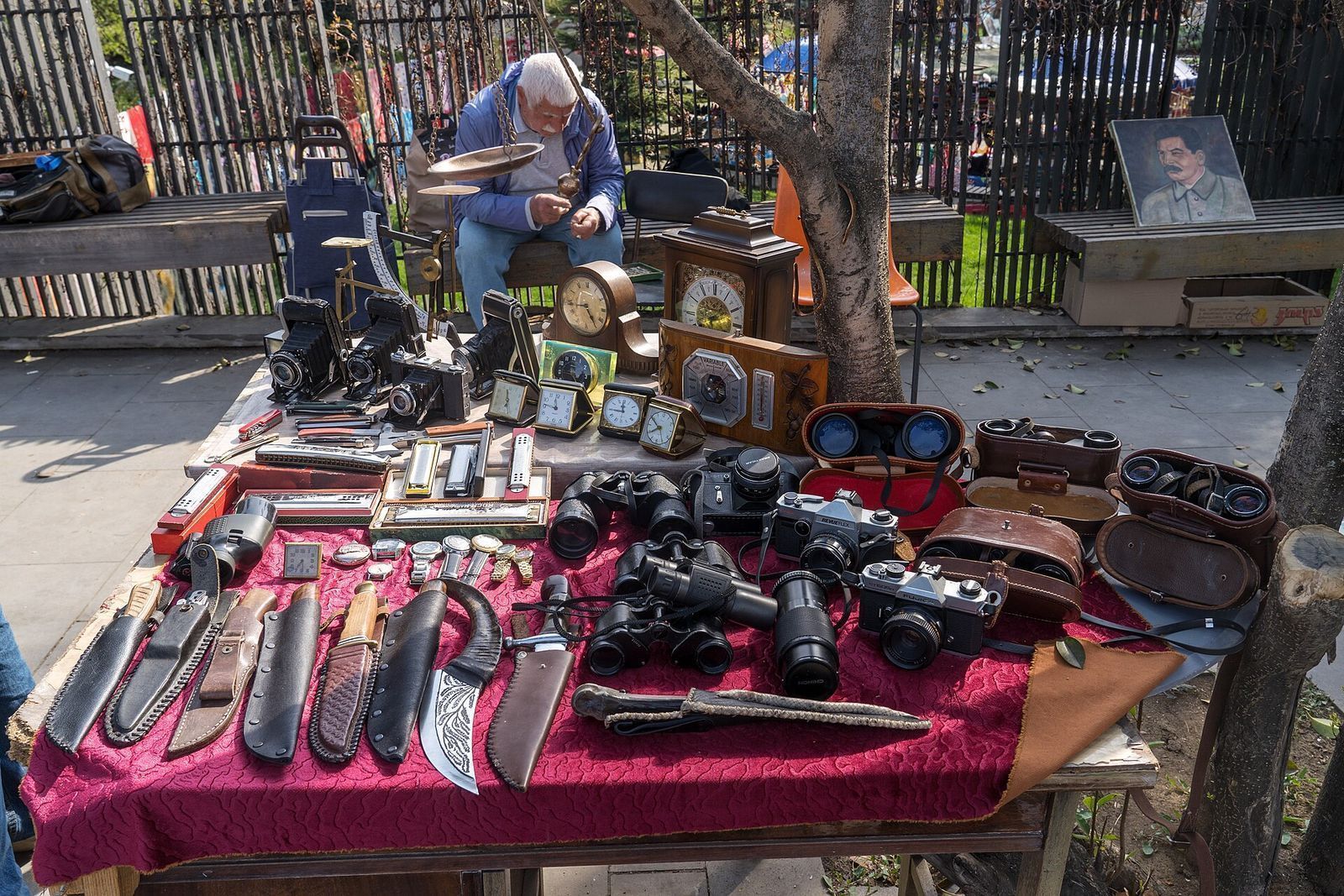
Early afternoon: the Dry Bridge market and khinkali. Walk down to the Dry Bridge market, the open-air flea market on the bridge and in the parks beside it, open daily from about 10:00 to 17:00. Soviet film cameras, medals, old porcelain and paintings from about 20 to 30 GEL are the things to look for. Bring lari in small notes and haggle with a smile.
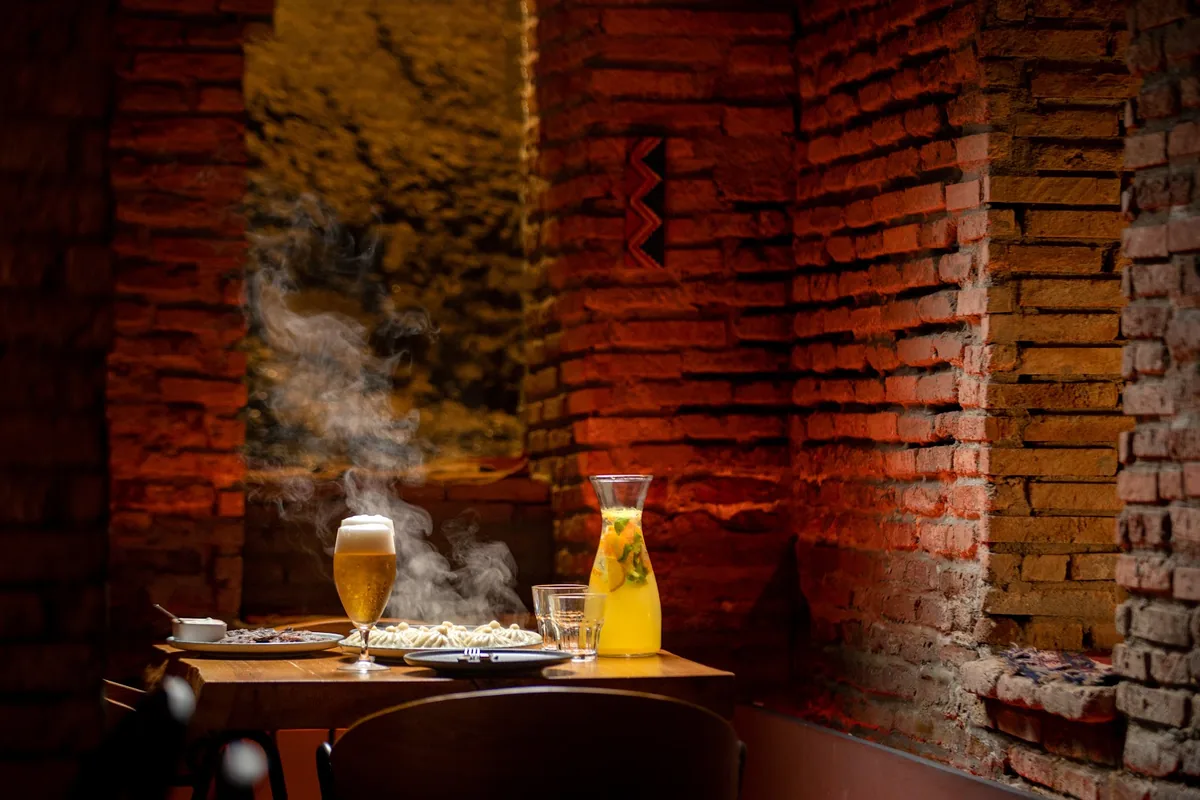
Lunch is right next to the market at Pictograma, which makes small, hand-wrapped khinkali in the mountain Khevsureti style. Khinkali cost about 2.40 to 3 GEL a piece around town, and most places want an order of at least five of a filling.
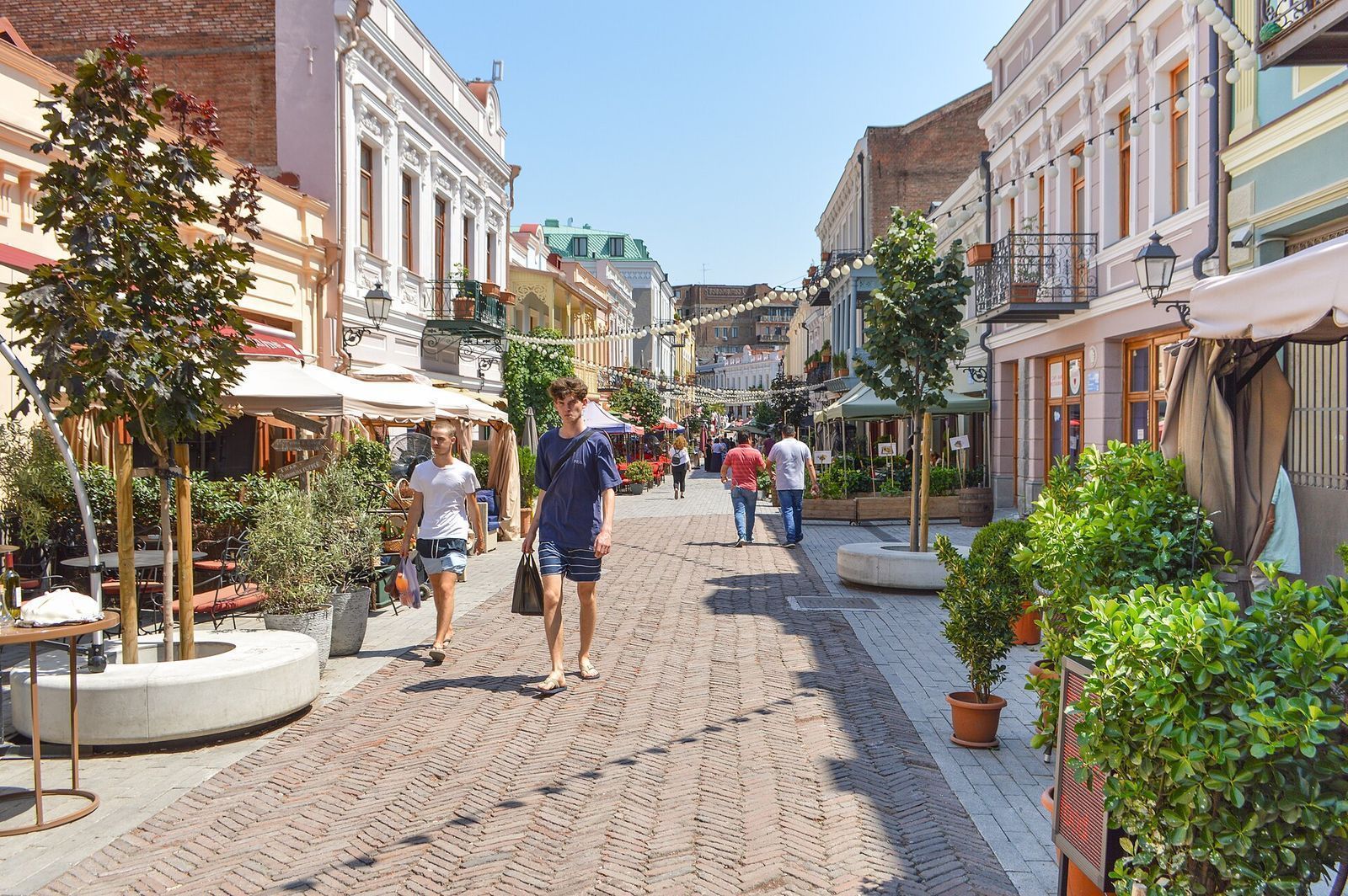
Afternoon: Marjanishvili and Fabrika. Cross the river to Marjanishvili and stroll Aghmashenebeli Avenue, the restored 19th-century street on the left bank.
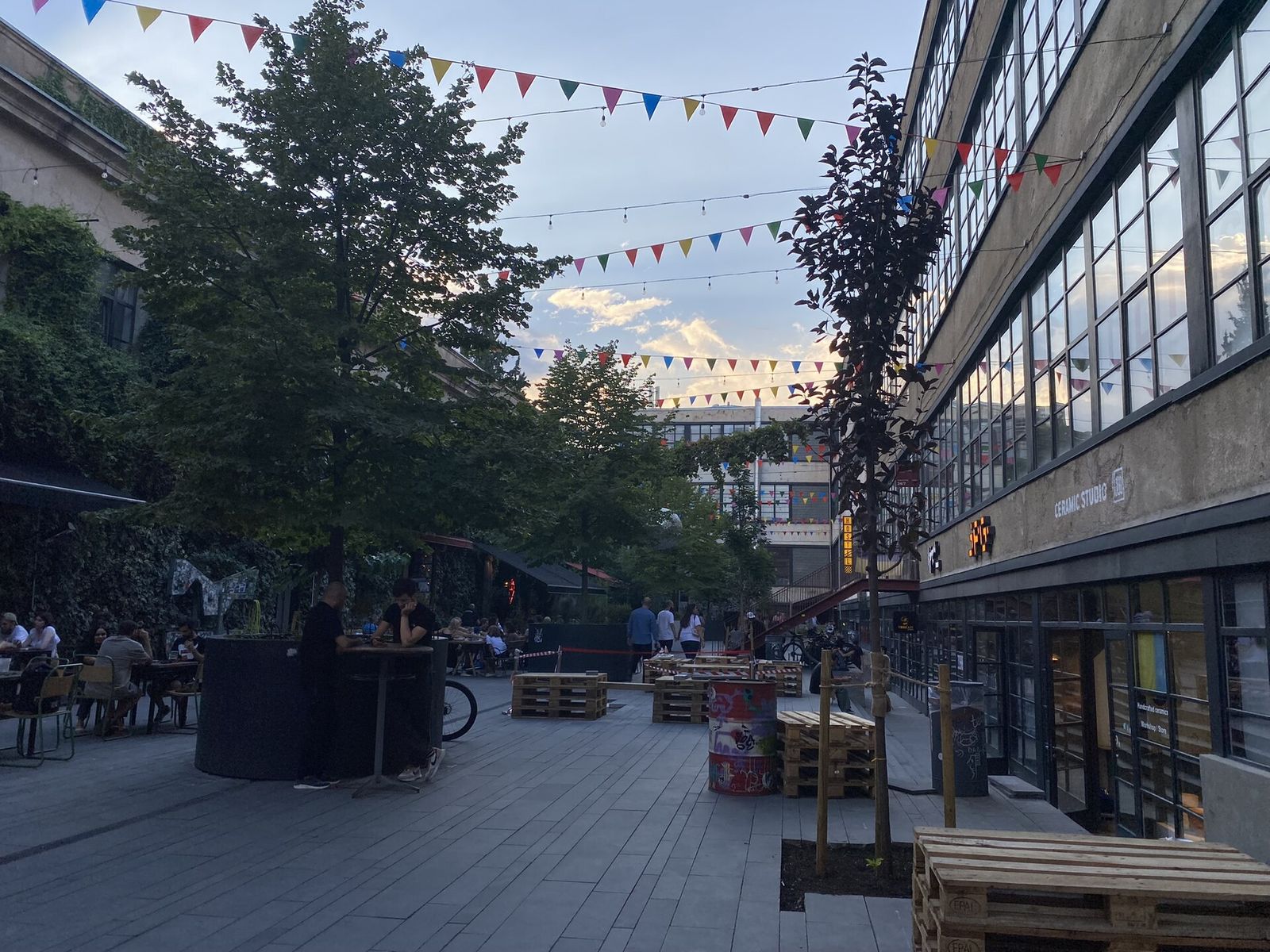
Keep going to Fabrika, a Soviet sewing factory turned into a hostel, bars, cafes and design shops around one big courtyard. It's at its best from late afternoon, when the courtyard fills up.
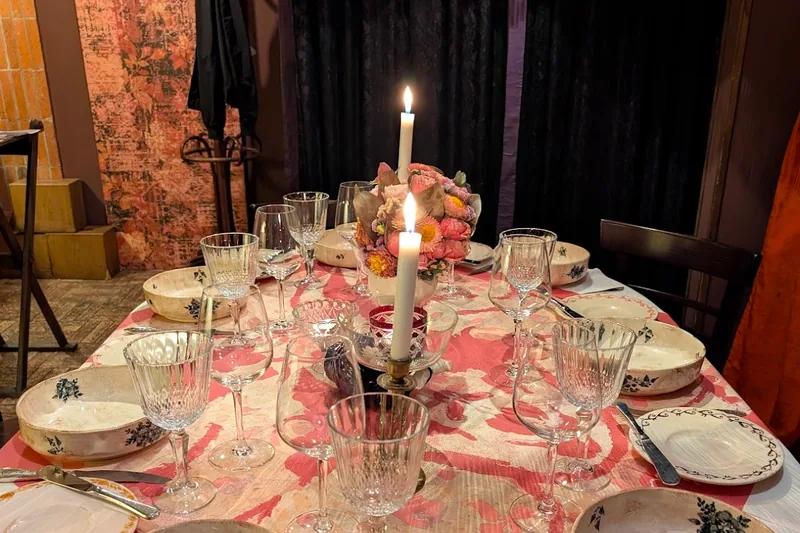
Dinner on the left bank. Book Barbarestan, at 132 Aghmashenebeli Avenue, well ahead: it cooks from a 19th-century Georgian cookbook and is full most nights. The pumpkin patties and the cherry soup with mint are the dishes I'd build the meal around, with a qvevri wine.
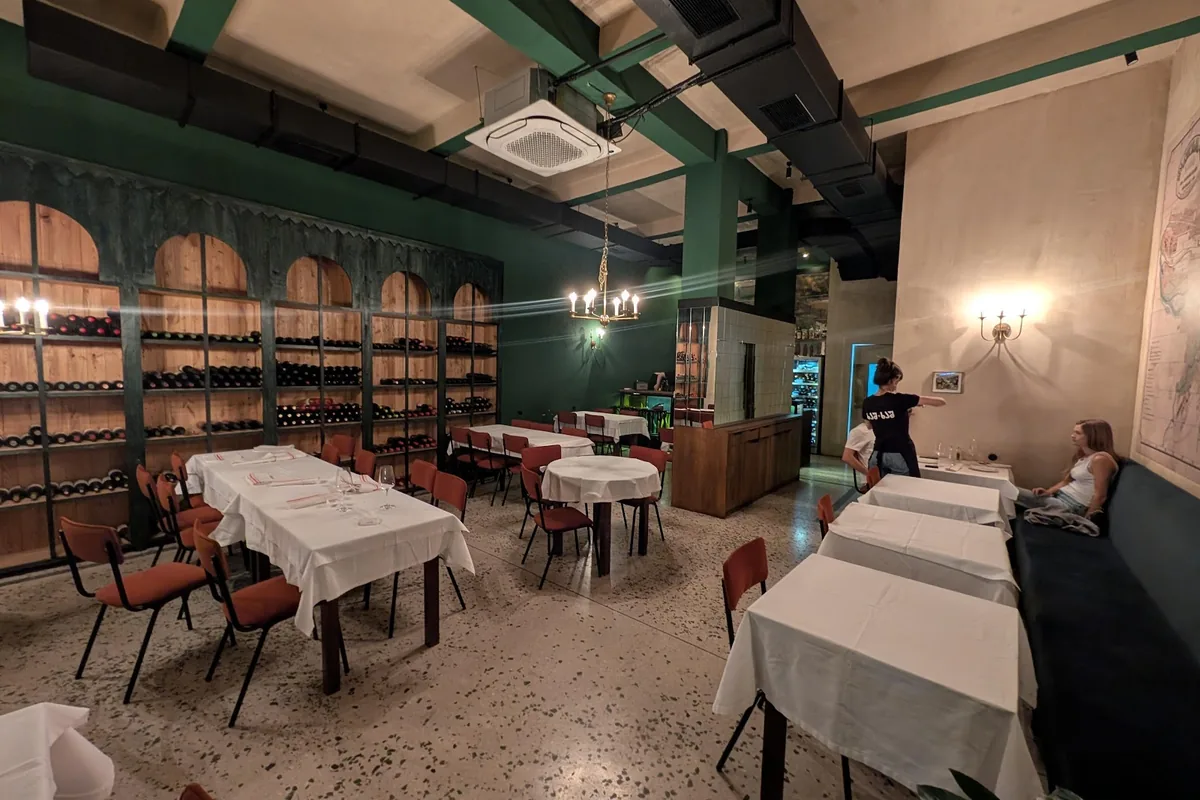
Without a booking, Khash-Khash on Mazniashvili Street, an easy walk from Fabrika, serves khinkali, kharcho and natural wine until 02:00, at about 30 to 60 GEL a person. The metro from Marjanishvili gets you back to the center for 1 GEL.
Day 3: a sulfur bath, Avlabari and Sameba at sunset
Day 3 is the slow one, and I'd plan it that way on purpose.
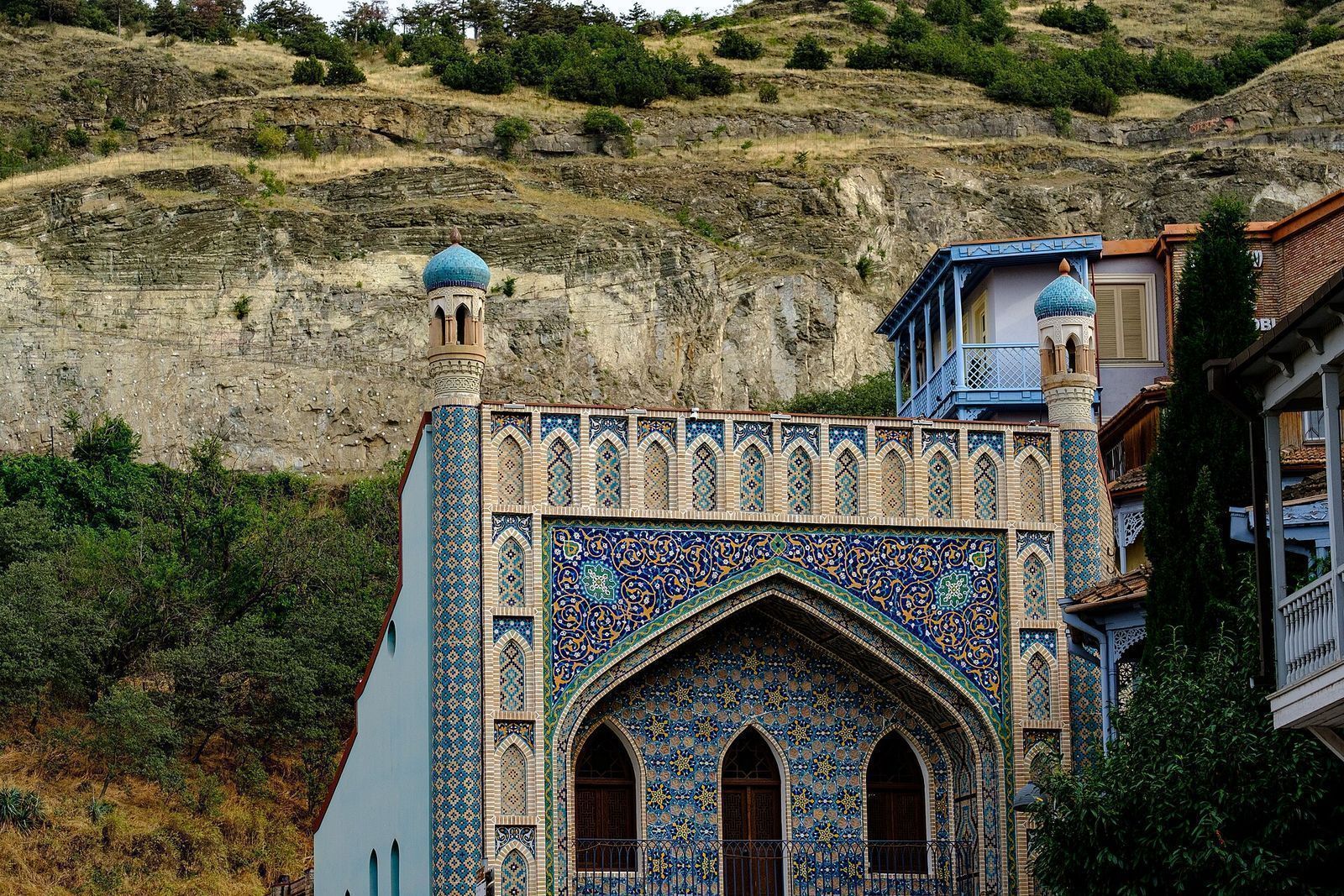
Morning: a private sulfur bath. Book a private room at the sulfur baths for 10:00, when the bathhouses are quietest. Most private rooms cost 120 to 300 GEL an hour, and my pick for a first visit is Chreli Abano, the blue-tiled bathhouse, from 130 GEL for 2. Chreli Abano takes no online bookings for the same day, so book it a day ahead, and bring cash for the kisa scrub, about 15 to 20 GEL.
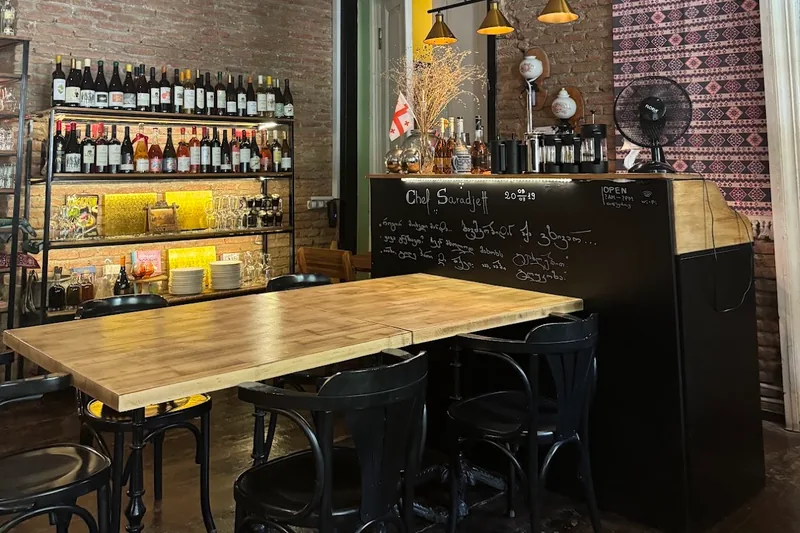
Lunch below the baths. Walk out of the bathhouse and into Chef Saradjeff on Gorgasali Street, which cooks the food of Meskheti in southwestern Georgia. Order the apokhti khinkali, filled with cured meat.
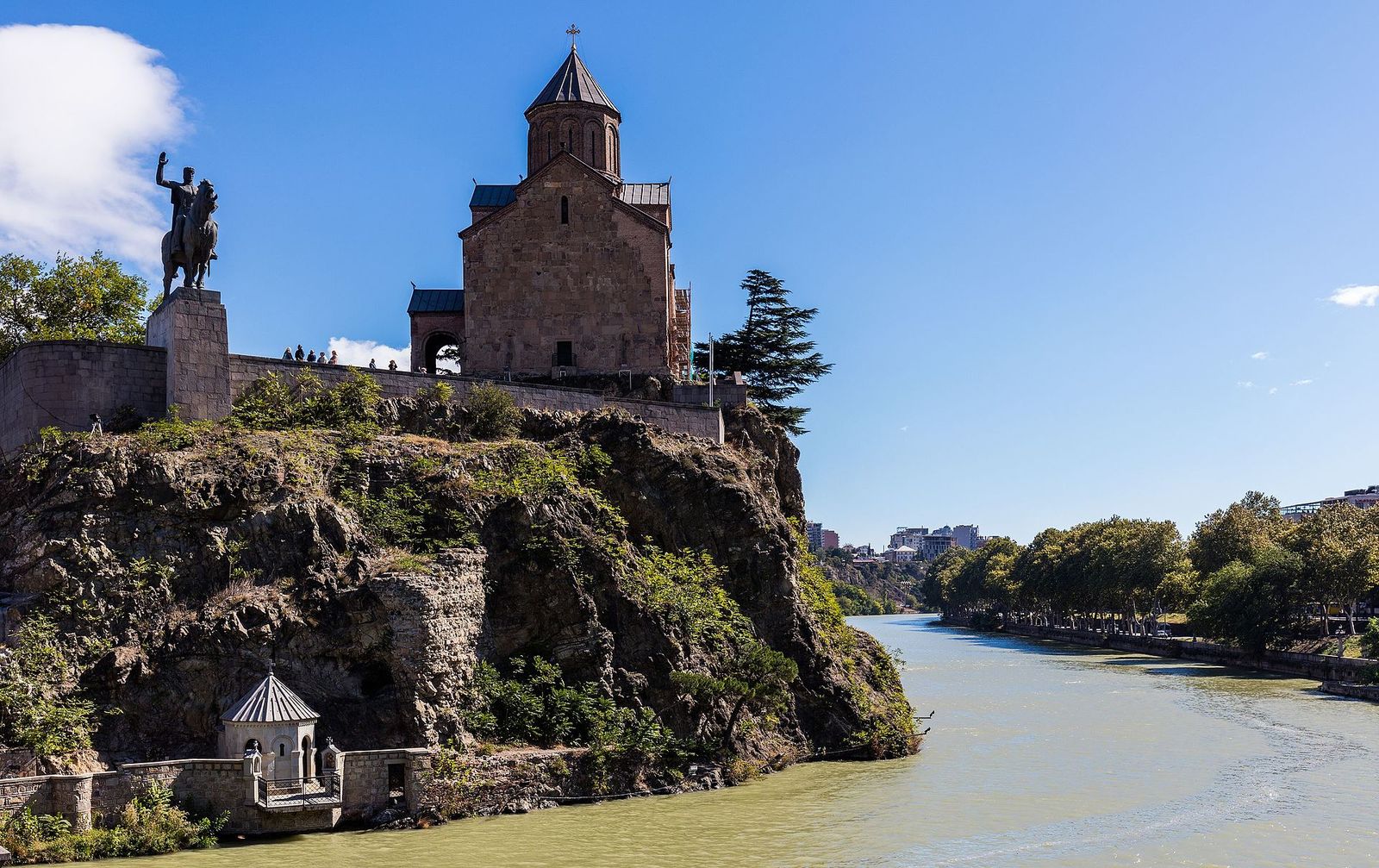
Afternoon: across the river to Avlabari. Cross the Metekhi bridge, past Metekhi Church on its cliff above the river, where the rider statue of King Vakhtang Gorgasali looks back over the Old Town.
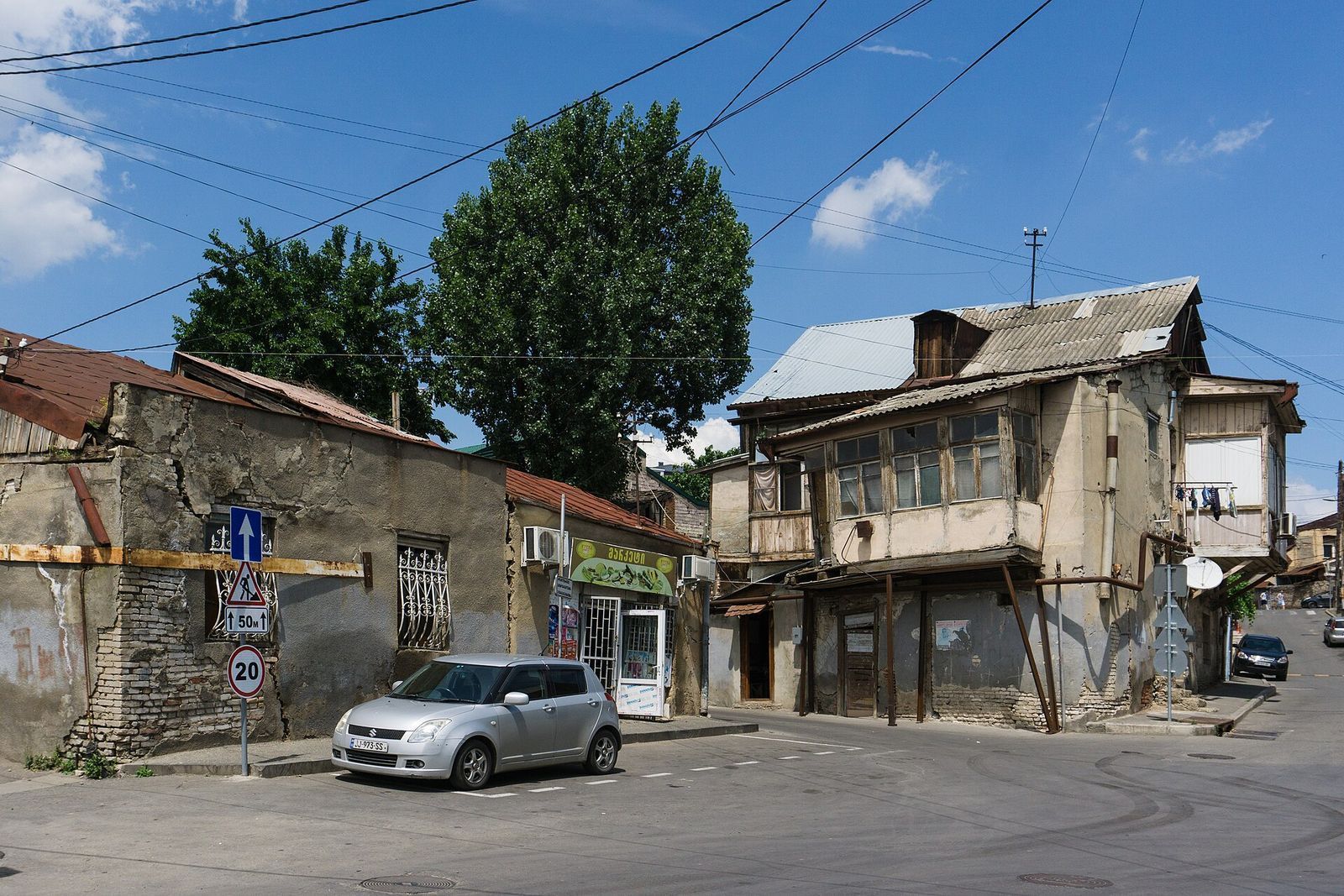
From the church, wander up into Avlabari, the old Armenian quarter on the left bank. The streets are quieter than the Old Town and the views back across the river are better.
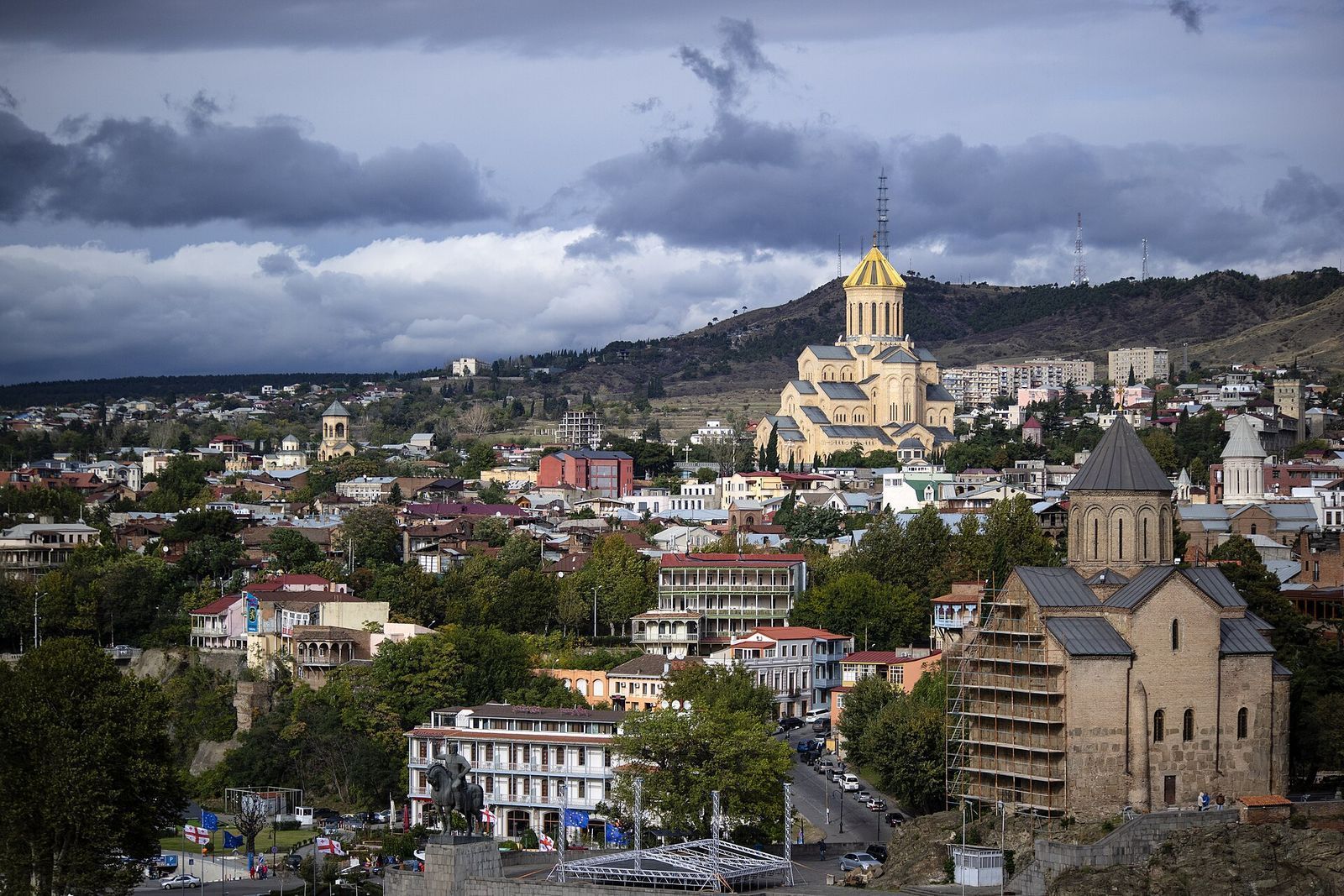
Sunset: Sameba. Time the climb so you reach Holy Trinity Cathedral, better known as Sameba, in the hour before sunset, when the stone turns gold, and stay until the dome lights up. It's free, open roughly 07:00 to 21:00, and a 10 to 15 minute walk uphill from Avlabari metro. Cover your shoulders and knees; women also cover their hair, and scarves are kept at the door.
Evening: a glass of amber. Finish back across the river with a glass of qvevri amber wine, which starts at about 6 GEL a glass in the best wine bars in Tbilisi. On a third night I'd rather drink slowly than chase one more sight.
Tbilisi in 2 days or a weekend
Two days means making choices, and the one I make is to keep the outdoor sights and drop a museum.
- Saturday: day 1 exactly as written, Old Town in the morning, the ridge at sunset, dinner at Iasamani in Sololaki.
- Sunday: breakfast at Baba Bakery, then the Dry Bridge market from late morning, because the weekend is when the most stalls are out. Lunch at Pictograma, then Aghmashenebeli Avenue and Fabrika in the afternoon. Book a private bath for 17:00, before dinner.
- What you skip: the National Museum, Avlabari and Mtatsminda. If Sameba matters more to you than the market, go on Sunday morning instead: the liturgy starts at about 09:00, and the choir is the best free music in the city.
Book the bath and any dinner reservations before you arrive, since weekends are when both fill up. Sundays are a normal day out here: shops, cafes and restaurants all open, and only banks and offices close.
Day 4: Mtskheta in the morning, Mtatsminda at night
Day 4 is the first day out of the city, and the easiest one.
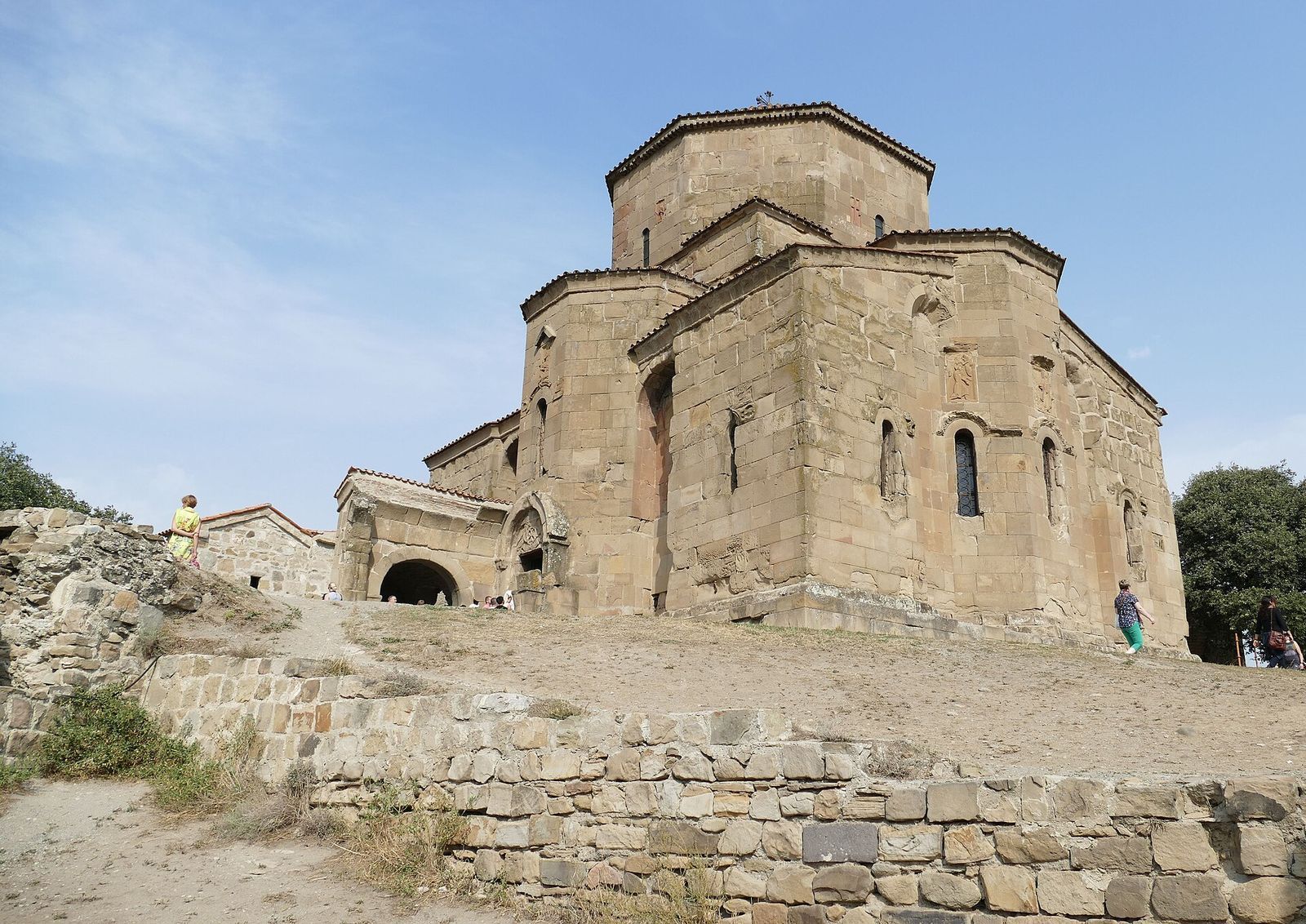
Morning: Mtskheta. The old capital is about 25 km away, and a van from Didube metro gets you to Mtskheta in 20 to 30 minutes for about 2 GEL. Go to Jvari Monastery first, before 10:00; no bus goes up the hill, so take a taxi from town for about 15 GEL one way.
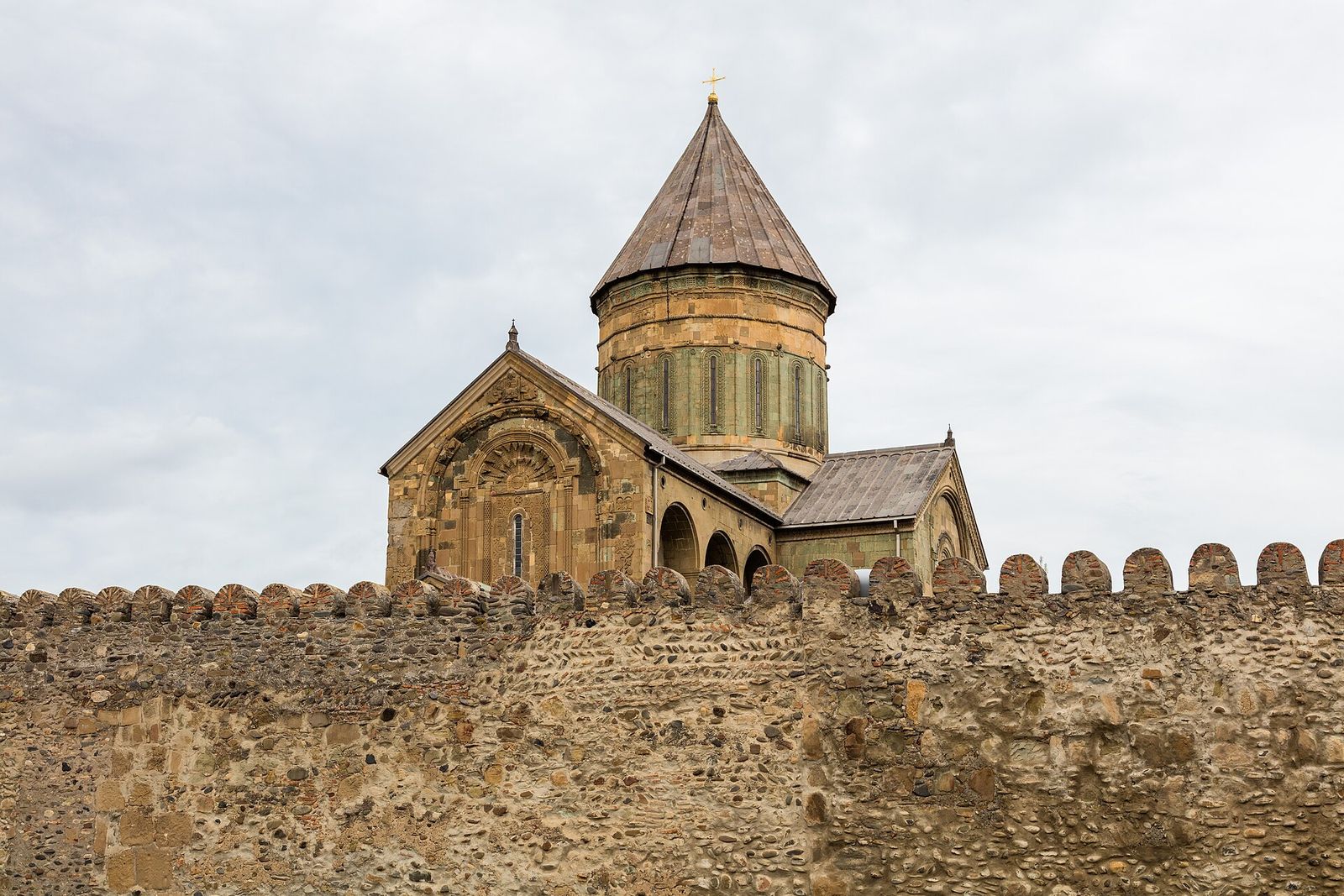
Then come down to Svetitskhoveli Cathedral, the 11th-century cathedral inside its own fortified wall in the middle of town. Give it 30 to 40 minutes.
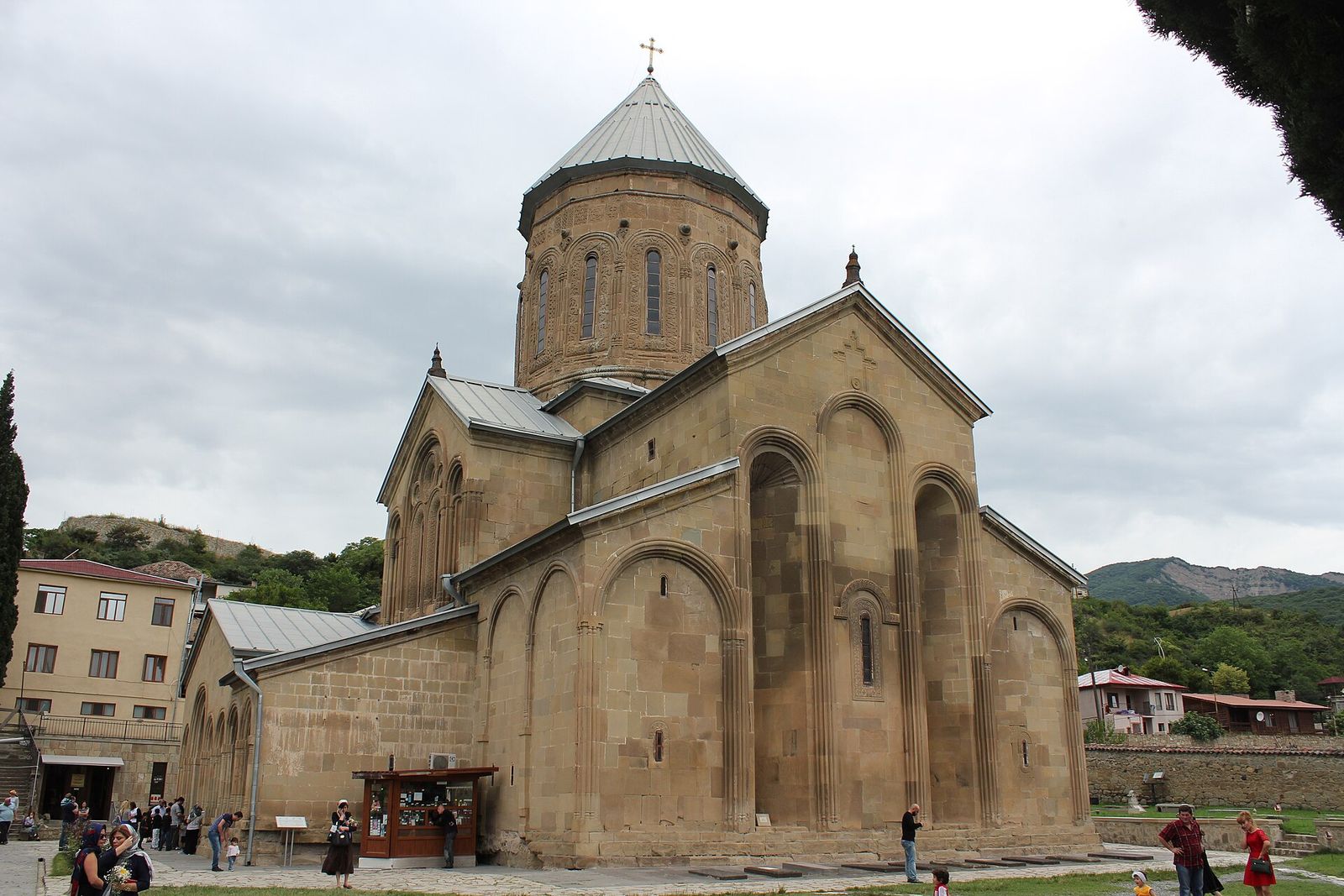
Samtavro Monastery is a 5-minute walk from the cathedral and takes 15 to 20 minutes; it's the burial place of King Mirian and Queen Nana, and most tour groups skip it. All three are free, and you'll be back in Tbilisi by about 14:00.

Afternoon: the Dezerter Bazaar. Ride the metro back from Didube to Station Square and walk over to the Dezerter Bazaar, the big food market, open from 07:00 to about 17:00. It's where I buy churchkhela, cheese and spices to take home, and a fresh lobiani from a bakery stall makes a late lunch for about 2 GEL.
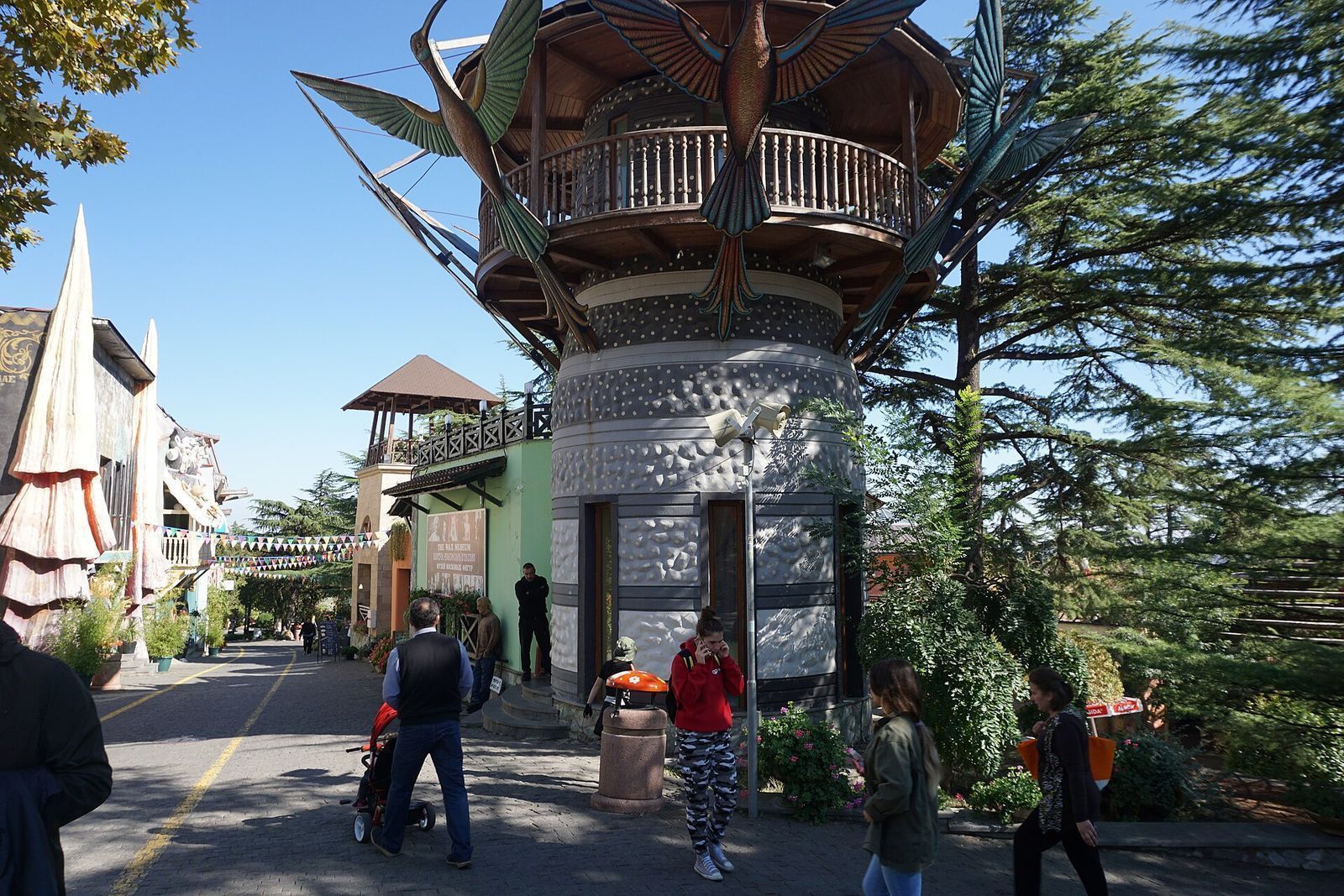
Evening: Mtatsminda Park. Head up Mtatsminda Park on the funicular from Daniel Chonkadze Street, about 10 to 12 GEL one way on a 2 GEL park card (no cash, no Metromoney). Go about an hour before sunset on a weekday, because the queue builds every evening. I ride up, watch the lights come on across the city, and walk down the 1.5 km Pantheon path.
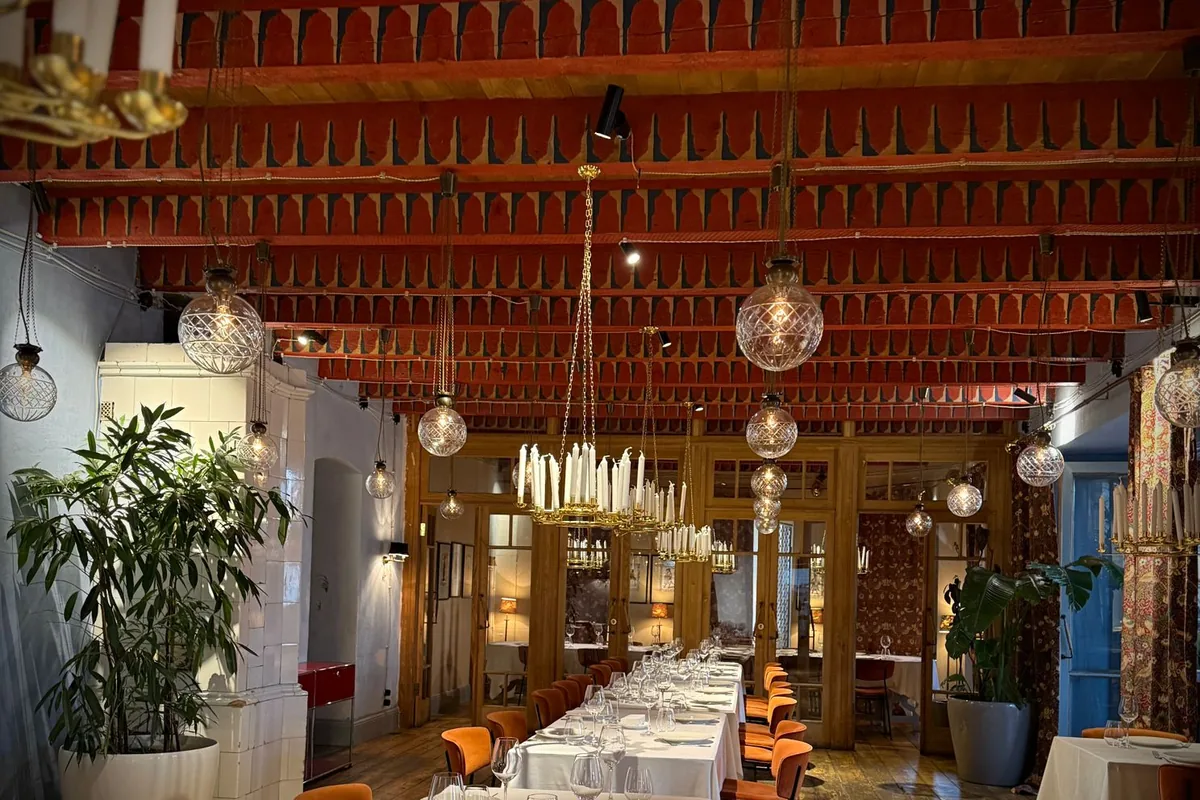
For dinner I'd book Keto and Kote, at the end of a dead-end lane off Zandukeli Street in Vera. It's the place I send people for a first proper Georgian dinner, in a long room under a wooden ceiling.
Day 5: Kazbegi or Kakheti
Day 5 is one big day trip, and the right one depends on the season and on whether you came for mountains or wine.
| Trip | Distance and time | Cheapest way | Easier way | Go for |
|---|---|---|---|---|
| Mtskheta | About 25 km, 20 to 30 min | 2 GEL van from Didube | Bolt, about 15 to 25 GEL one way | Churches, a half day |
| Gori and Uplistsikhe | About 86 km, 1 to 1.5 h | 5 to 7 GEL van from Didube, plus a 35 to 40 GEL taxi to the caves | A driver for the day | The cave town and the Stalin Museum |
| Sighnaghi and Bodbe | About 110 km, about 2 h | 10 to 15 GEL van from Samgori | A group wine tour | Walls, views, Pirosmani |
| Kakheti wineries | About 2 h each way, an 8 to 12 hour day | Group tour from about 100 GEL a person | Private tour from about 560 GEL for 1 or 2 | Qvevri cellars and tastings |
| Kazbegi | 157 km, 2.5 to 3 h each way | 20 GEL van from Didube | A driver, 150 to 250 GEL per car | Mountains, May to October |
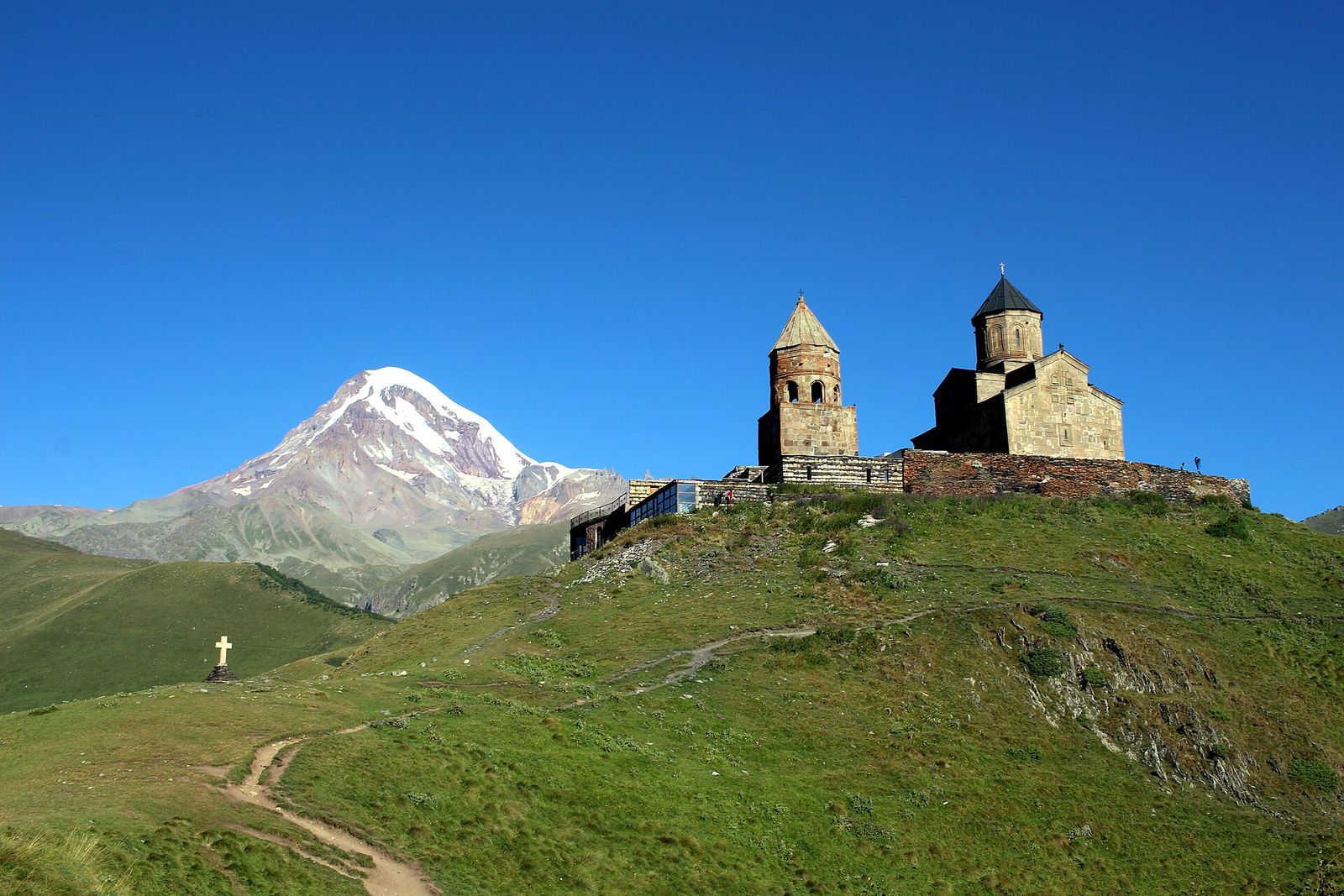
My pick from May to October: Kazbegi. The Kazbegi day trip runs up the Georgian Military Highway to Stepantsminda and Gergeti Trinity Church under Mount Kazbek. Plan on 10 to 12 hours. A driver costs more than the 20 GEL van, but the van drives straight past Ananuri and the Friendship Monument, which are half the reason to go. At the top, a 4x4 up to the church costs about 30 to 50 GEL per car return, or you can walk it in about 1.5 hours.
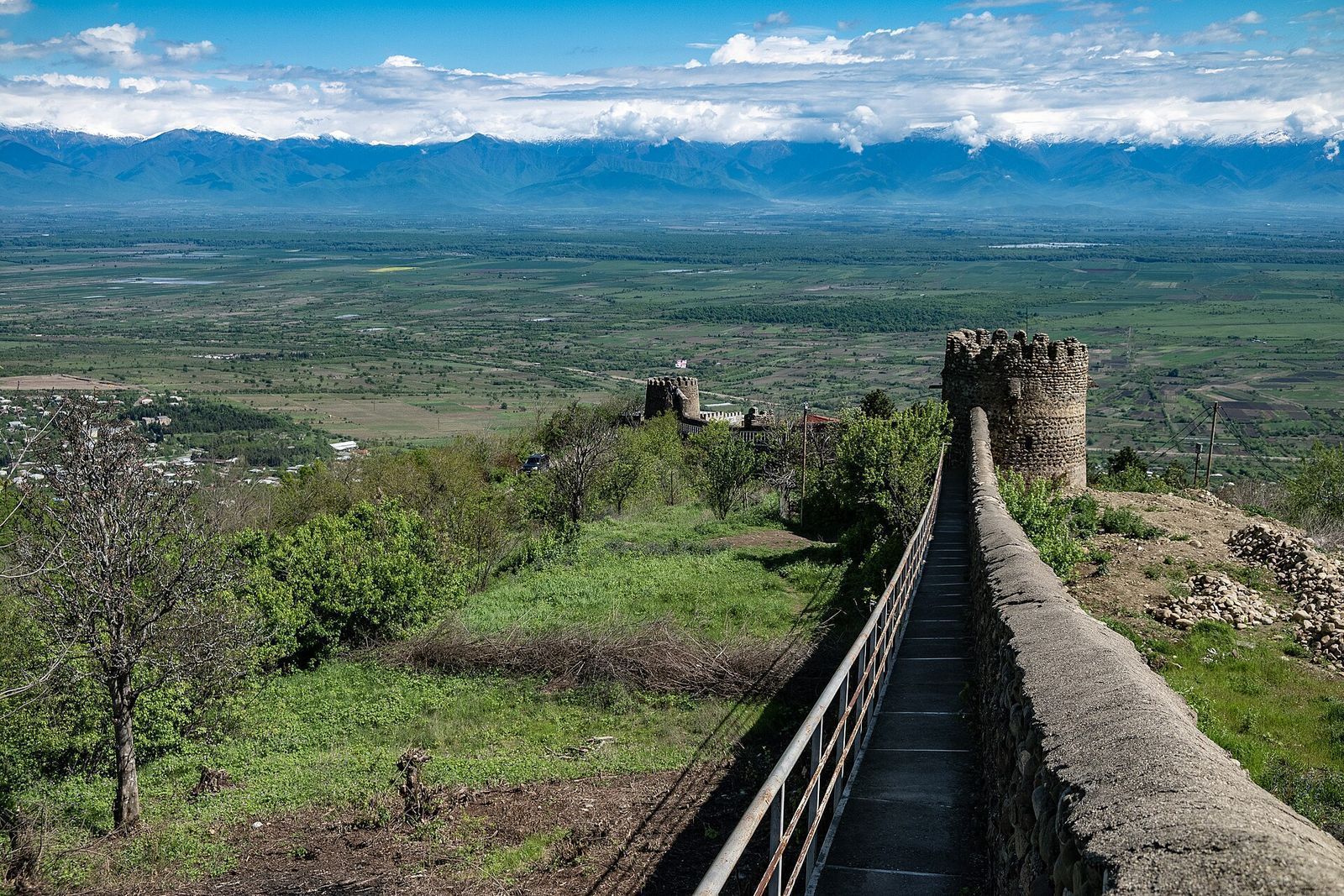
The rest of the year, or if you came for wine: Kakheti. Sighnaghi is the easy version by van, with the town walls, Pirosmani's paintings in the local museum and Bodbe Monastery 2 km out of town; the last van back leaves around 18:00, so build the day backwards from that. For cellars, book a Kakheti wine tour instead, because the wineries sit outside the towns and Georgia's drink-drive limit is zero.
With 7 days or more, I'd stop doing day trips and sleep in Kazbegi and Sighnaghi instead, which is the start of a proper Georgia itinerary from Tbilisi. Batumi needs about 3 days on its own, so leave it out of a short trip.
What this Tbilisi itinerary costs
Most of the sights on this route are free: the Old Town lanes, the Narikala ridge, Sameba, the churches in Mtskheta and browsing both markets. The money goes on transport out of the city, the bath and dinner.
| What | Price |
|---|---|
| Metro or bus ride | 1 GEL, on a Metromoney card with a 2 GEL deposit |
| Bolt across the center | About 4 to 7 GEL |
| Cable car, Rike Park to the ridge | 2.50 GEL |
| Georgian National Museum | 40 GEL |
| Mtatsminda funicular | 10 to 12 GEL one way, plus a 2 GEL park card |
| Private sulfur bath room | 120 to 300 GEL an hour, per room |
| Khinkali | About 2.40 to 3 GEL a piece |
| Dinner for two with wine | 80 to 120 GEL at a mid-range place |
| Mtskheta by van | About 2 GEL each way |
| Kazbegi | 20 GEL by van, or 150 to 250 GEL per car with a driver |
For two people, a budget day in Tbilisi runs about 250 to 350 GEL and a comfortable one 400 to 600 GEL, so a comfortable 5-day trip for two lands around 2,000 to 3,000 GEL before flights. The biggest savings on Tbilisi on a budget come from Bolt instead of street taxis, changing money in town rather than at the airport, and eating a street or two away from the main avenues.
Where to stay for this itinerary
The route works from any central base, but where you sleep changes how much walking each morning starts with.
- Sololaki, my pick: the Old Town is about 5 minutes on foot, the streets are quieter, and the day 1 dinner and the day 2 breakfast are both on your doorstep. Rooms run about 60 to 200 GEL a night, and the hills are real, so pack light.
- The Old Town: you walk out of the door into day 1, but it's the noisiest and priciest base, with apartments at about 80 to 150 GEL.
- Marjanishvili: the best value, at about 50 to 100 GEL, close to Fabrika and on the same metro line as Didube, where the Mtskheta and Kazbegi vans leave.
Seasons, Mondays and evenings on Rustaveli
Three things change how this itinerary plays out on the ground.
The season. April to June and September to October are the best time to visit Tbilisi, at about 15 to 25 C. July and August reach 38 to 40 C, so I start at 09:00, spend the middle of the day in the bath or a museum, and go back out after 17:00. Winter runs 0 to 8 C and is quieter, and the Kazbegi road can close after snow.
Mondays. Almost every museum closes, so a Monday is the day for the Old Town, the baths, Sameba, the markets or Mtskheta. Opening hours on Google Maps can be out of date, so check a venue's Instagram before you plan around it.
Evenings on Rustaveli Avenue. Protests have run since November 2024, mostly in the evenings in front of Parliament. Daytime sightseeing and the rest of the city carry on as normal.
Key takeaways
- Three full days is the right length for a first trip: Old Town and the ridge, then Sololaki, Rustaveli and Fabrika, then a bath and Sameba.
- With only 2 days, keep day 1 as written and fit the Dry Bridge market, Fabrika and an evening bath into day 2.
- Day 4 is Mtskheta, at 2 GEL by van, and day 5 is Kazbegi from May to October or Kakheti the rest of the year.
- Museums close on Mondays, the funicular queue builds at sunset, and Parliament is best avoided in the evening.
- Getting around costs 1 GEL a ride; the private bath, at 120 to 300 GEL an hour per room, is the one big spend inside the city.
Frequently asked questions
How many days do you need in Tbilisi?
Three full days is enough for a first visit. That covers the Old Town, Rustaveli Avenue, the left bank and a sulfur bath at a walking pace. Add a fourth and fifth day for Mtskheta and Kazbegi or Kakheti.
Is 2 days enough for Tbilisi?
Yes, if you start early and skip the museums. Spend the first day in the Old Town and on the Narikala ridge, and the second at the Dry Bridge market, Fabrika and a private bath. You'll miss Sameba at sunset and Mtatsminda, which are the first things a third day buys back.
Is Tbilisi walkable?
The center is very walkable: the Old Town, Sololaki and Rustaveli Avenue sit within about 20 to 25 minutes of each other on foot. It's hilly, the pavements are uneven, and you should use the underpasses, because jaywalking is fined. For the left bank and Didube, the metro at 1 GEL a ride is faster.
What can you do in Tbilisi on a Monday?
Most museums close on Mondays, so spend the day outdoors. The Old Town, the cable car to the ridge, the sulfur baths, Sameba, the Dry Bridge market and a trip to Mtskheta all work on a Monday. Stalin's Underground Printing House, which is free, and the Wine Museum, from 12:00 to 18:00, also open.
Can you do Kazbegi as a day trip from Tbilisi?
Yes, as a long day of 10 to 12 hours. Stepantsminda is 157 km away, 2.5 to 3 hours each way, and a driver at 150 to 250 GEL per car lets you stop at Ananuri on the way. Go between May and October, and stay one night if you want sunrise on Kazbek.
What is the best month to visit Tbilisi?
May, June, September and October are the best months, with days of about 15 to 25 C. July and August hit 38 to 40 C in the city, though they're the best months for the mountains. Late September and early October add the grape harvest in Kakheti.
Tbilisi Travel Tips: What I'd Tell You Before a First Trip to Georgia
Tbilisi is known for wine, sulfur baths and long dinners. Here's what to know about entry, money, transport and safety.
Read the guide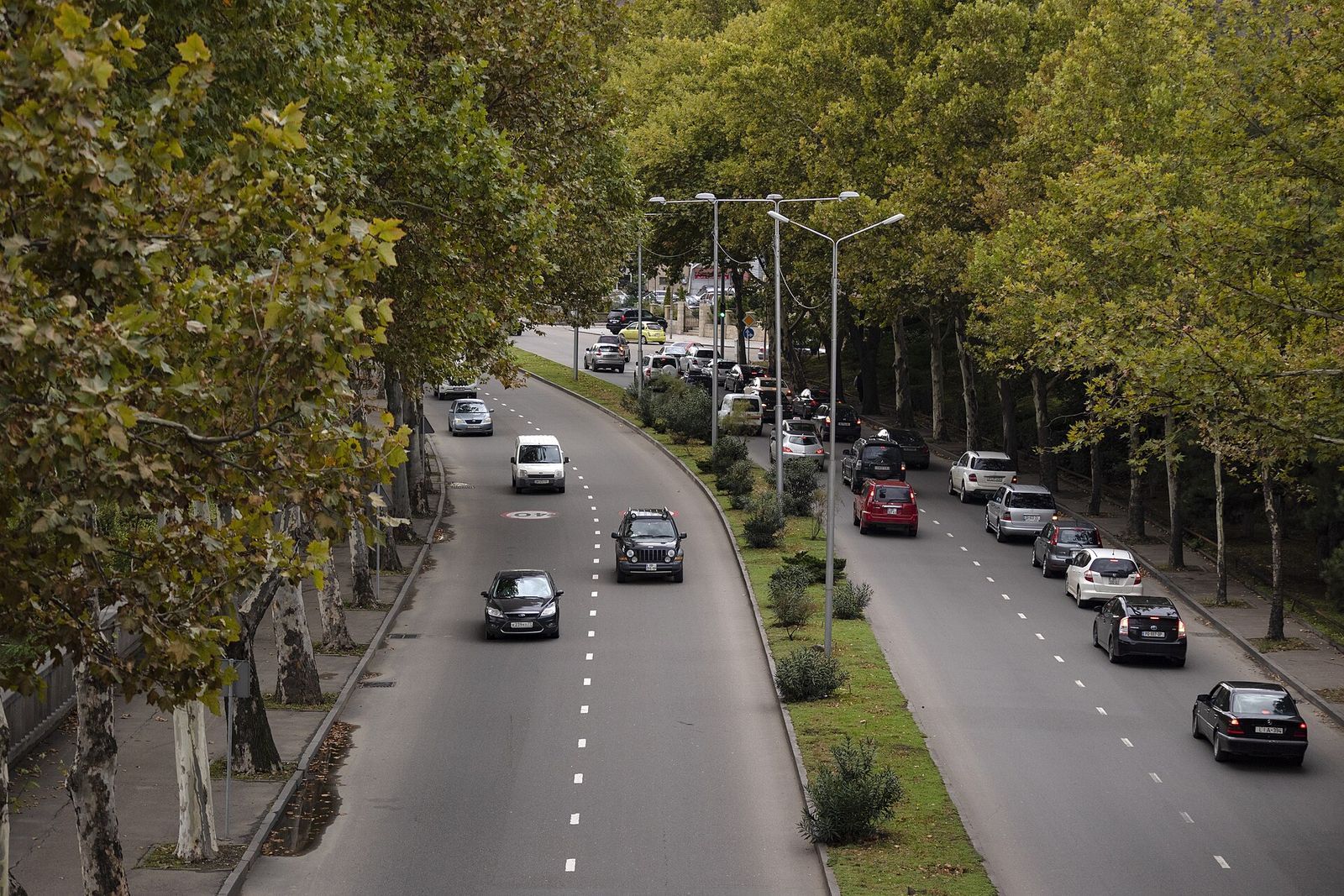
The Best Time to Visit Tbilisi, Month by Month
Tbilisi is known for golden autumns and hot summers. Here is the weather by month, the crowds, and when I would go.
Read the guide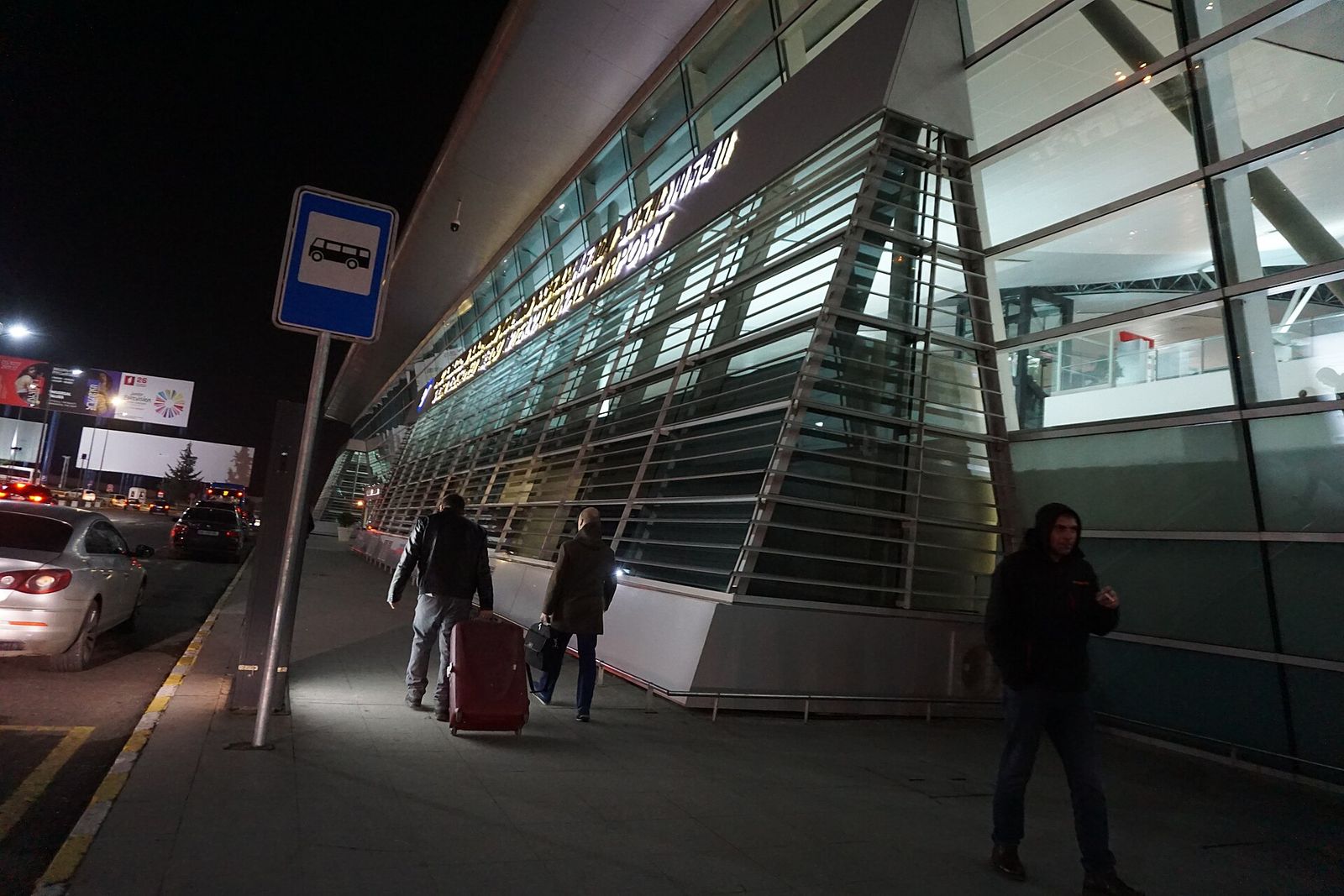
Tbilisi Airport to the City Center: Bus 337, Bolt, Taxis and Transfers
Tbilisi Airport sits 17 km from the center. Here is how the bus, Bolt, taxis and transfers compare on price and time.
Read the guide