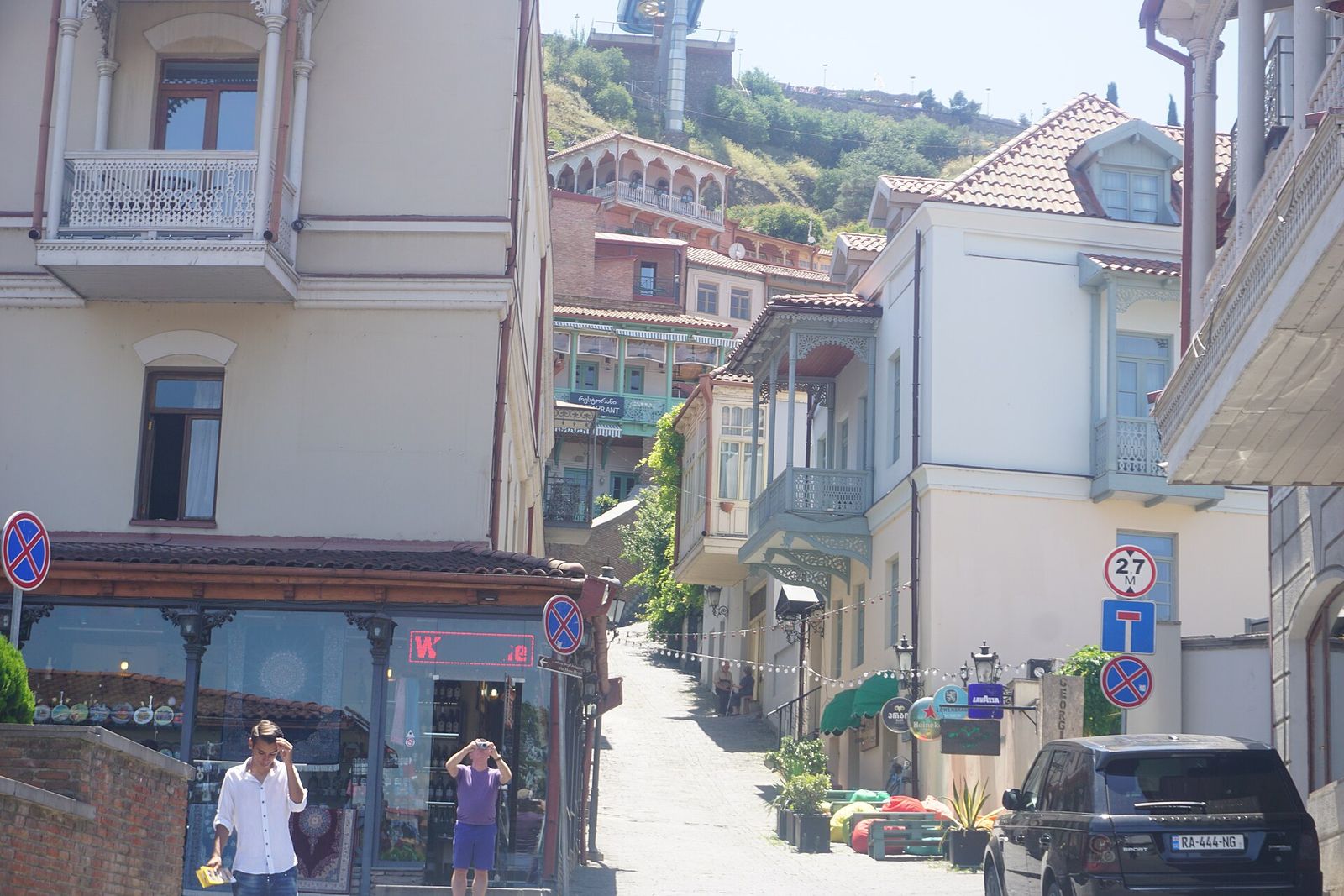
25 Unique Things to Do in Tbilisi, Off the Usual Route
Tbilisi is known for its sulfur baths and its fortress, but the city I keep coming back for sits a street or two off that route: a fire temple in a courtyard, a waterfall behind the baths, a Soviet ministry stacked like toy blocks. Here are 25 unique things to do in Tbilisi, grouped by area, with what each one costs, when to go and who should skip it.
Unique things to do in Tbilisi at a glance
This is the whole list in one table. The headline things to do in Tbilisi, from Narikala to Sameba, are not on it: everything below is what I'd do on day three, once those are ticked off.
| # | Thing to do | Area | Cost | Best time | Skip it if |
|---|---|---|---|---|---|
| 1 | The tunnel and the oldest bath ruins | Abanotubani | Tunnel free, ruins 3 GEL cash | Tue to Sun, 10:00 to 18:00 | You want working baths, not ruins |
| 2 | Leghvtakhevi waterfall | Abanotubani | Free | Morning | You expect a big waterfall |
| 3 | Atashgah fire temple | Old Town, 3 Gomi St | Free | Daytime | Small ruins leave you cold |
| 4 | Jumah Mosque and the religious quarter | Old Town | Free | Outside prayer times | Never, it's on the way |
| 5 | Meidan Bazaar, underground | Meidan Square | Free to browse | A hot afternoon | Souvenirs bore you |
| 6 | Bread from a tone bakery | All over the center | Small change | Morning | Never |
| 7 | Tabori Monastery lookout | Above Abanotubani | Free | Sunset | Your knees hate stairs |
| 8 | Queen Darejan's balcony | Avlabari | Free | Sunday morning | Never, it's on the way to Sameba |
| 9 | Stalin's Underground Printing House | Avlabari | Donation | Mon to Fri, 10:00 to 18:00 | It's the weekend |
| 10 | The Bank of Georgia building | Saburtalo | Free, from outside | Late afternoon | Concrete does nothing for you |
| 11 | Soviet metro stations | Citywide | 1 GEL a ride | Off-peak | Never, you'll ride it anyway |
| 12 | Abandoned cable car stations | Behind Rustaveli, Mziuri Park | Free | Daylight | You're unsteady on rough ground |
| 13 | Chronicles of Georgia | Above the Tbilisi Sea | Free, plus a taxi | Late afternoon | Your trip is under 3 days |
| 14 | Street art at Fabrika | Marjanishvili | Free | Afternoon | Never |
| 15 | Stamba | Vera | Free to walk in | Coffee time | Hotel lobbies bore you |
| 16 | Aghmashenebeli Avenue and Chughureti | Left bank | Free | Early evening | Never |
| 17 | Dezerter Bazaar at dawn | Near the train station | Free to browse | 07:00 to 09:00 | Raw meat halls put you off |
| 18 | Polyphonic singing at a Sunday service | Churches citywide | Free | Sunday morning | You won't stand for an hour |
| 19 | Bitadze tea shop | Center | Free to look | Afternoon | Tea isn't your drink |
| 20 | Sololaki entrance halls | Sololaki | Free | Weekday daytime | The door is locked |
| 21 | Porakishvili Hall and grand interiors | Center | 3 GEL | Mon to Fri, 11:00 to 18:00 | It's the weekend |
| 22 | Turtle Lake and the Open Air Museum | Hills above Vake | 1 GEL cable car, museum 25 GEL | Tue to Sun, 10:00 to 18:00 | It's Monday |
| 23 | The Tbilisi Sea | Northeast edge | Free, bus 11 or 36 | Summer afternoon | It's winter |
| 24 | The evening puppet show at the Gabriadze clock tower | Old Town, 13 Shavteli St | Free, theater tickets about 10 to 60 GEL | Daily at 19:00 | Quiet, slow shows bore you |
| 25 | Techno at Bassiani | Under Dinamo Arena | 25 to 50 GEL | Fri or Sat, after midnight | Techno isn't your thing |
Offbeat things to do in the Old Town
The Old Town has the most odd corners per street of anywhere in the city. All six of these sit within a 15-minute walk of Meidan Square, and I'd do them in this order on one long morning.
1. Walk under the baths: the tunnel and the oldest bath ruins
Most people see the brick domes of Abanotubani from above and stop there. Underneath the bath district, an old stone tunnel is free to walk through, and the remains of the oldest bathhouse in the city sit in the small Antique Archaeological Museum, 3 GEL in cash, Tuesday to Sunday from 10:00 to 18:00. It takes 20 minutes and changes how you see the domes above.
It pairs well with an hour in the sulfur baths afterwards. You've seen what the old ones looked like; now you lie in the water that fed them.
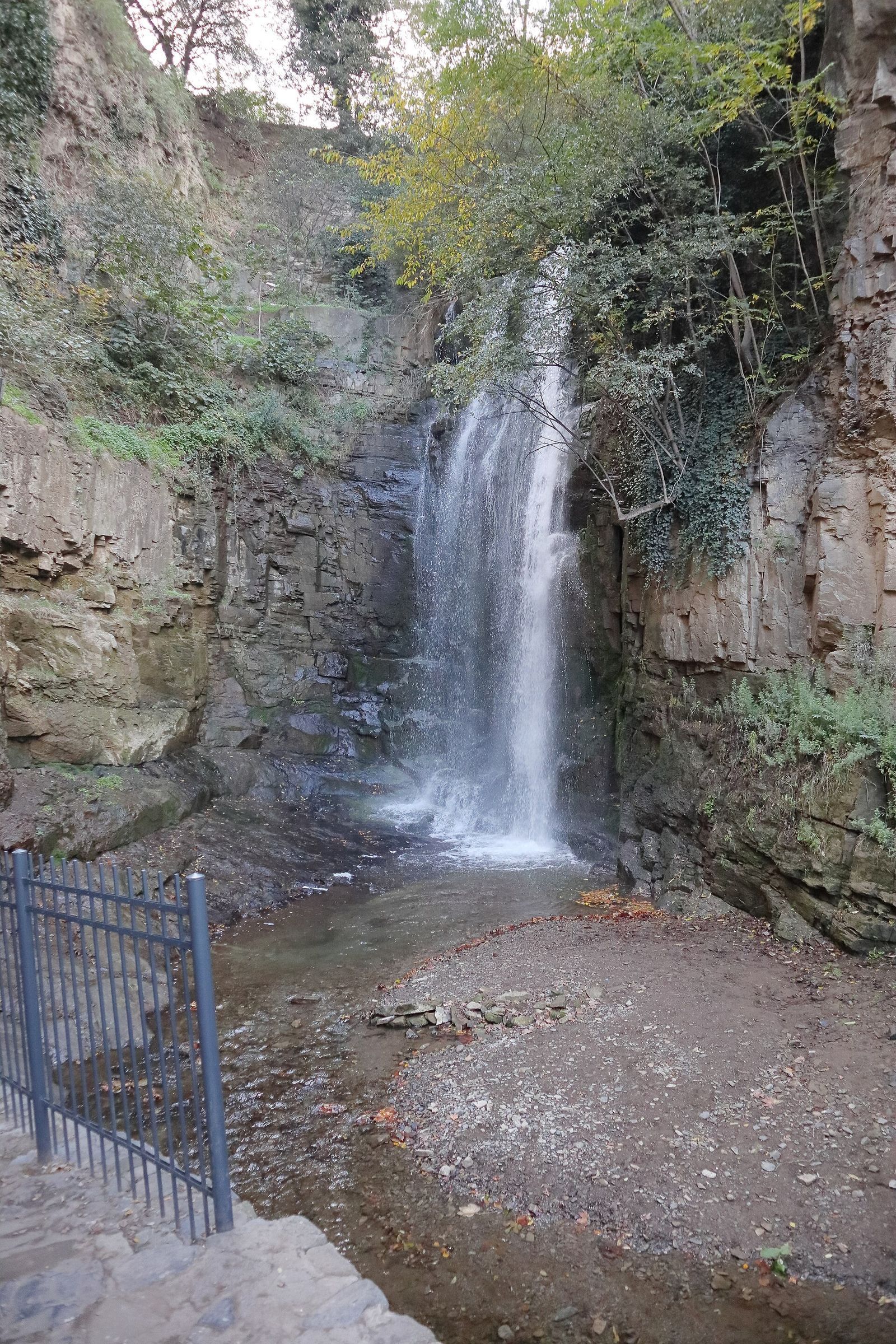
2. The Leghvtakhevi waterfall behind the baths
Follow the stream past the last bathhouse and the street turns into a wooden walkway between cliffs. About 5 to 10 minutes later you reach a small waterfall dropping into a pool at the end of the gorge. It's free, open at all hours, and the coolest spot in the Old Town on a July afternoon.
3. The Atashgah fire temple on Gomi Street
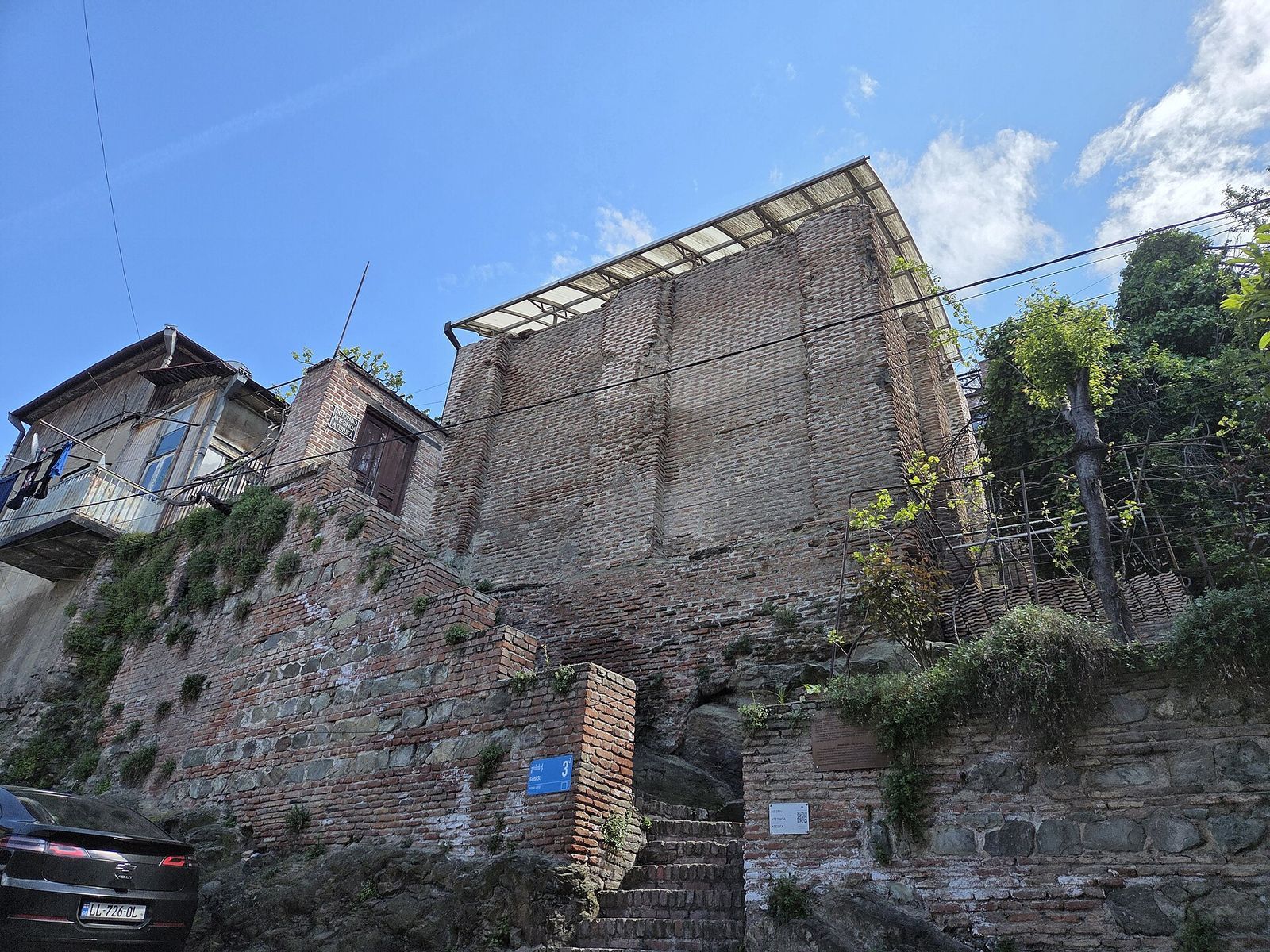
At 3 Gomi Street, tucked into a residential courtyard, stands the only remaining Zoroastrian fire temple in Tbilisi, a leftover from the centuries when Persian rulers held the town. It's a plain brick shell now, and you can step inside. Most people walk past the gate without knowing it's there, which is exactly why I like it.
4. The Jumah Mosque and the religious quarter
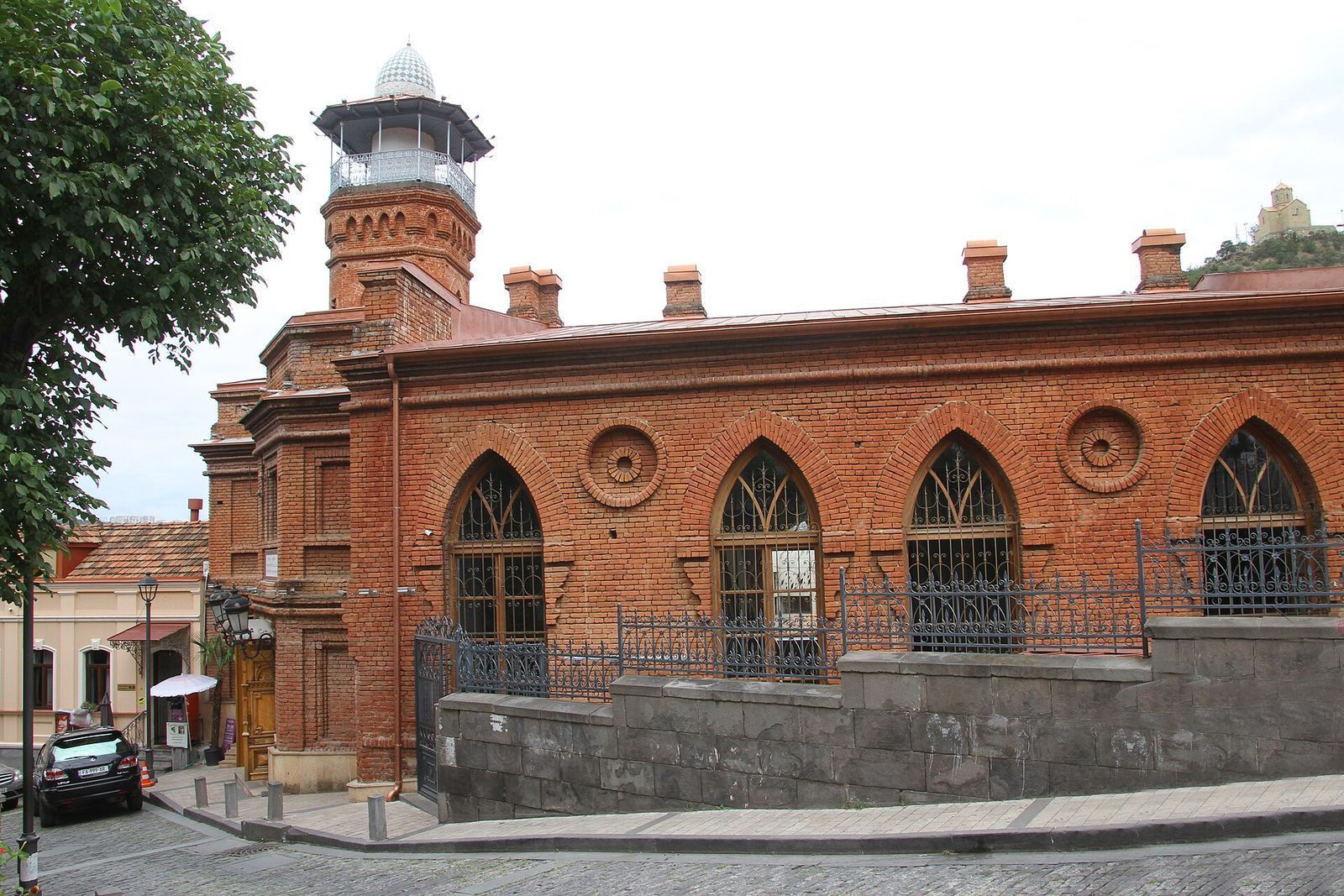
The Jumah Mosque on Botanikuri Street is the last mosque still standing in the Old Town, and its slim brick minaret is the one you see from across the river. It's known for Sunni and Shia worshippers praying under the same roof. Visitors are welcome outside prayer times.
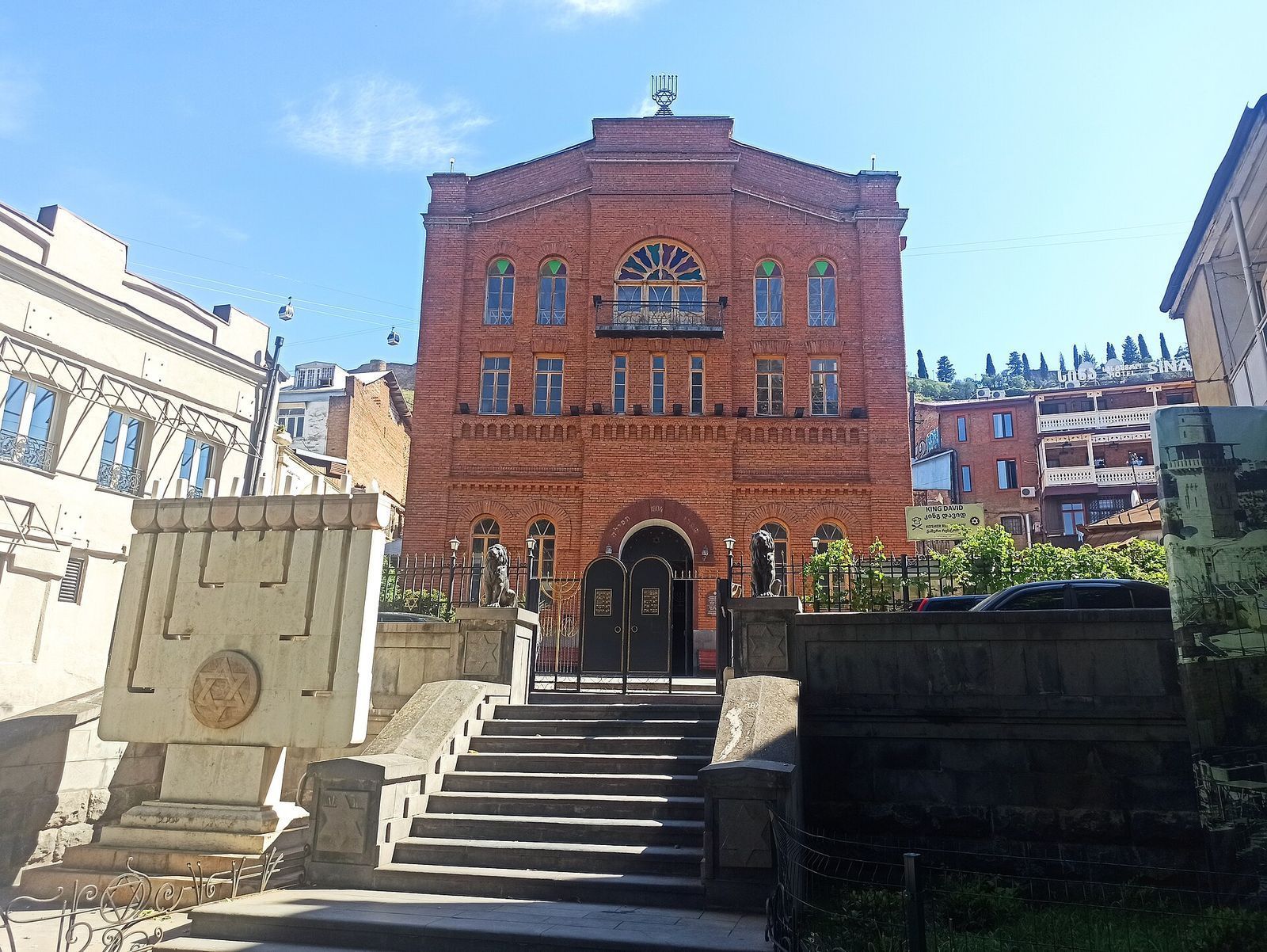
Within a few minutes' walk you can also see Sioni Cathedral, Armenian churches and the Great Synagogue on Kote Abkhazi Street. I can't think of another old town where a 10-minute walk covers this many faiths. The lanes connecting them are the best of Old Tbilisi anyway.
5. Meidan Bazaar, under the square
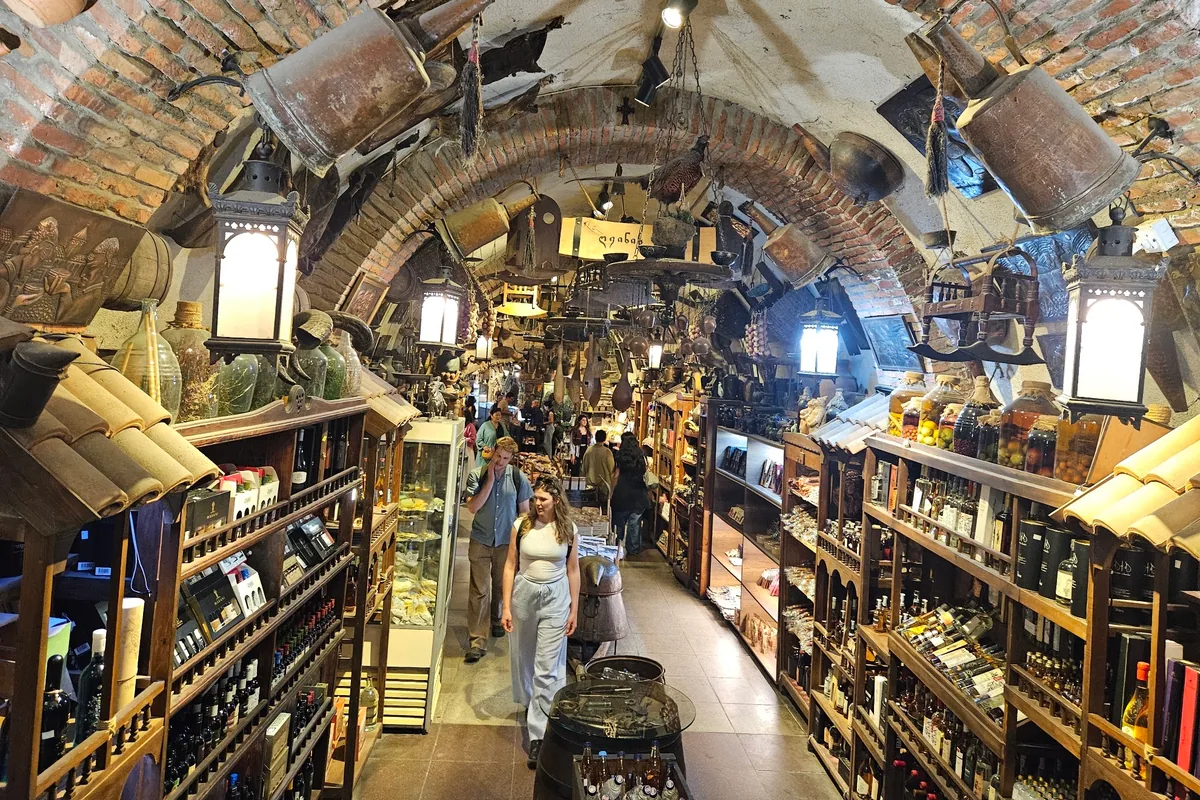
Below Meidan Square there's a brick-vaulted underground arcade of shops selling spices, wine, enamel jewelry and souvenirs. I wouldn't come for the shopping alone, but the vaults are handsome, it's cool when the square above is baking, and it's a better place to browse than the stalls out front.
6. Bread from a tone bakery window
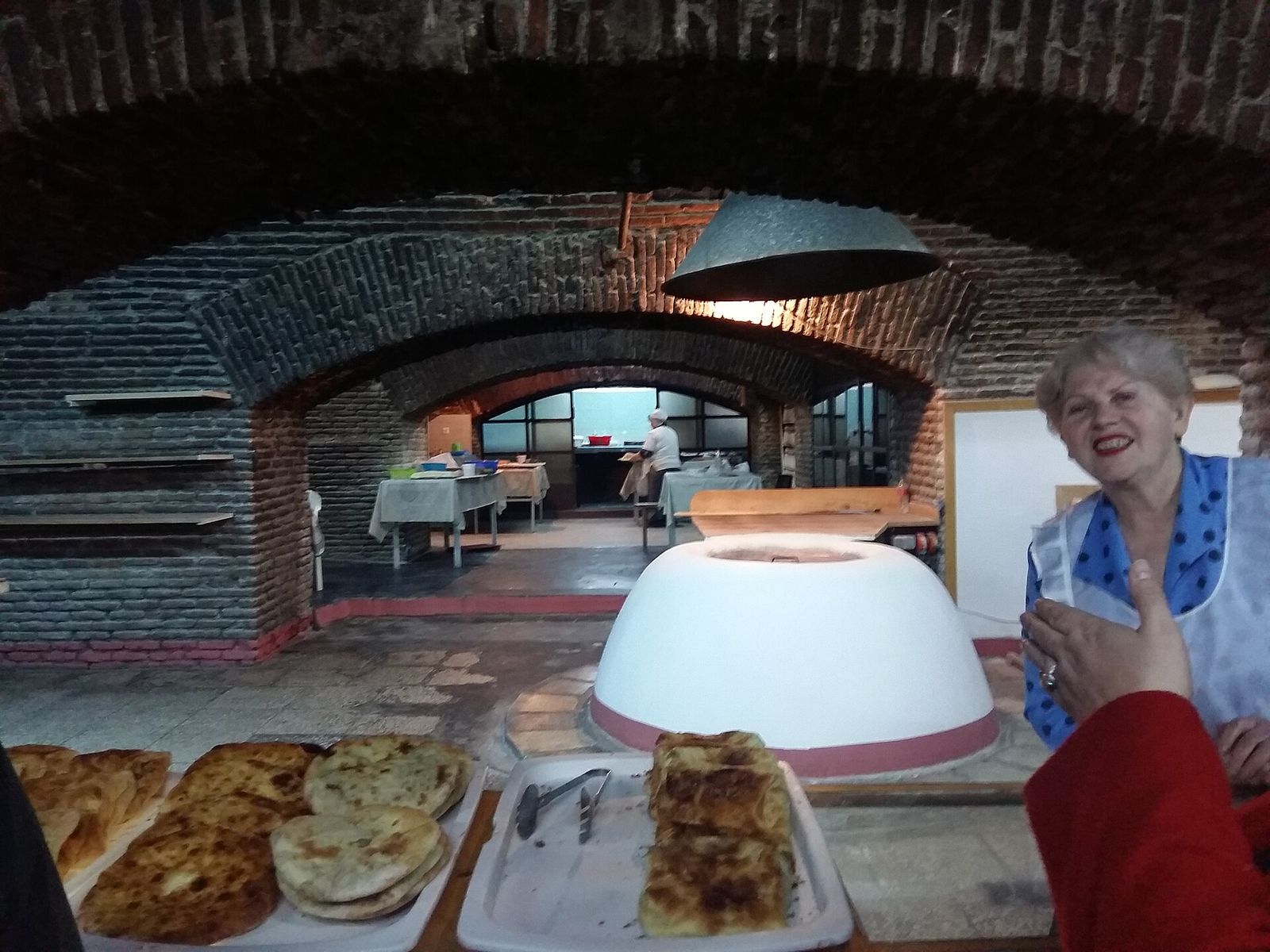
All over the center, look for a window at knee height with steam coming out of it. That's a tone bakery: a basement with a round clay oven, where the baker slaps canoe-shaped shotis puri onto the hot inside wall. You buy through the window for small change and eat it warm on the street. Add a glass of Lagidze water, the old-fashioned soda mixed with tarragon or cream syrup, and that's my favorite cheap breakfast in the city.
Lookouts most visitors miss
Everyone goes up to Narikala for sunset. These two give you the same city with a fraction of the crowd, and both sit near my top picks among Tbilisi's viewpoints.
7. Tabori Monastery lookout
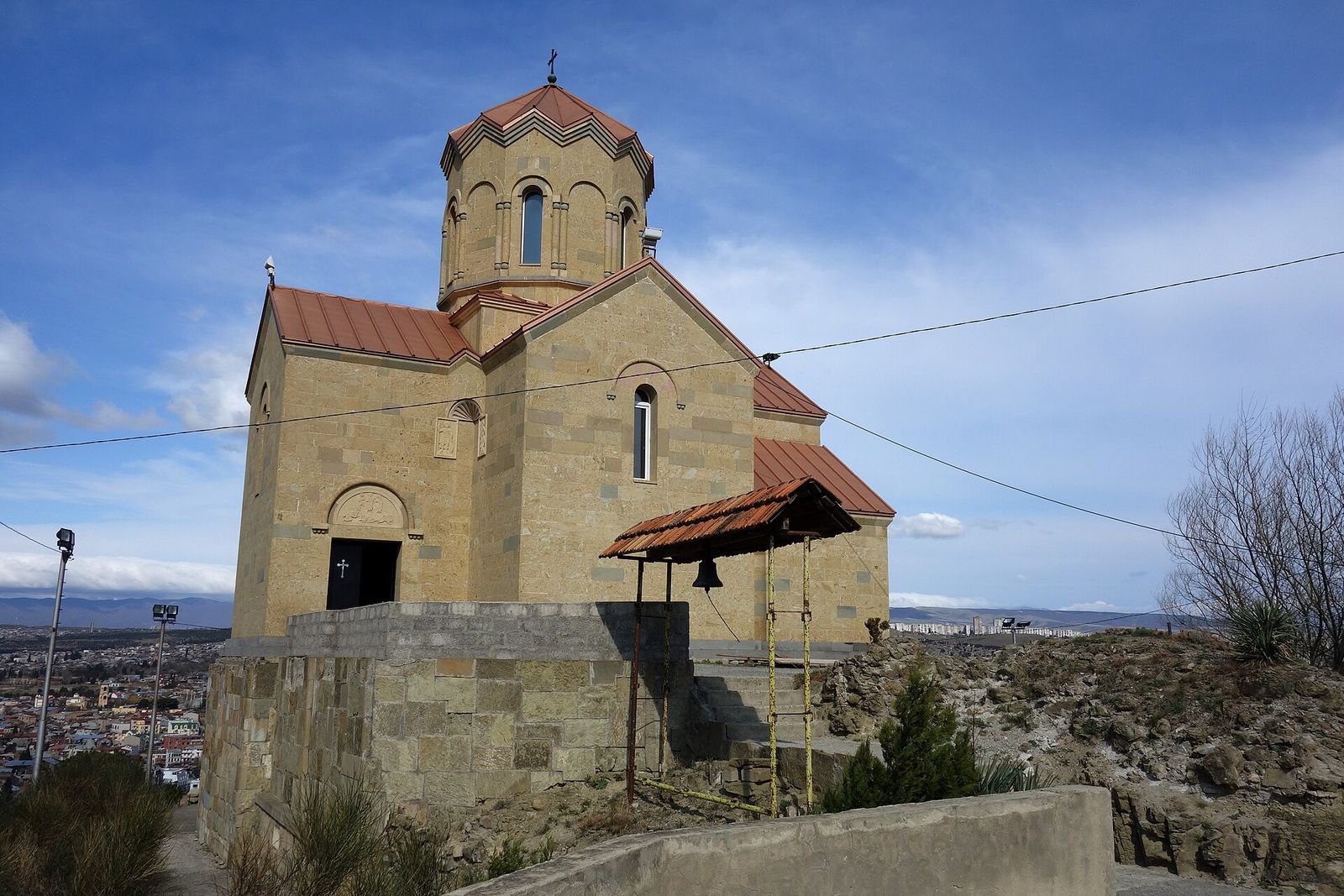
Walk Baazov Street to its end, then climb the spiral staircase and keep going uphill to Tabori Monastery. It's about 45 minutes on foot from the Chreli Abano bathhouse, and the payoff is a straight look across the gorge at the Narikala walls with the whole Old Town under them. At sunset I've had it almost to myself, while the fortress terraces opposite were packed.
8. Queen Darejan's balcony
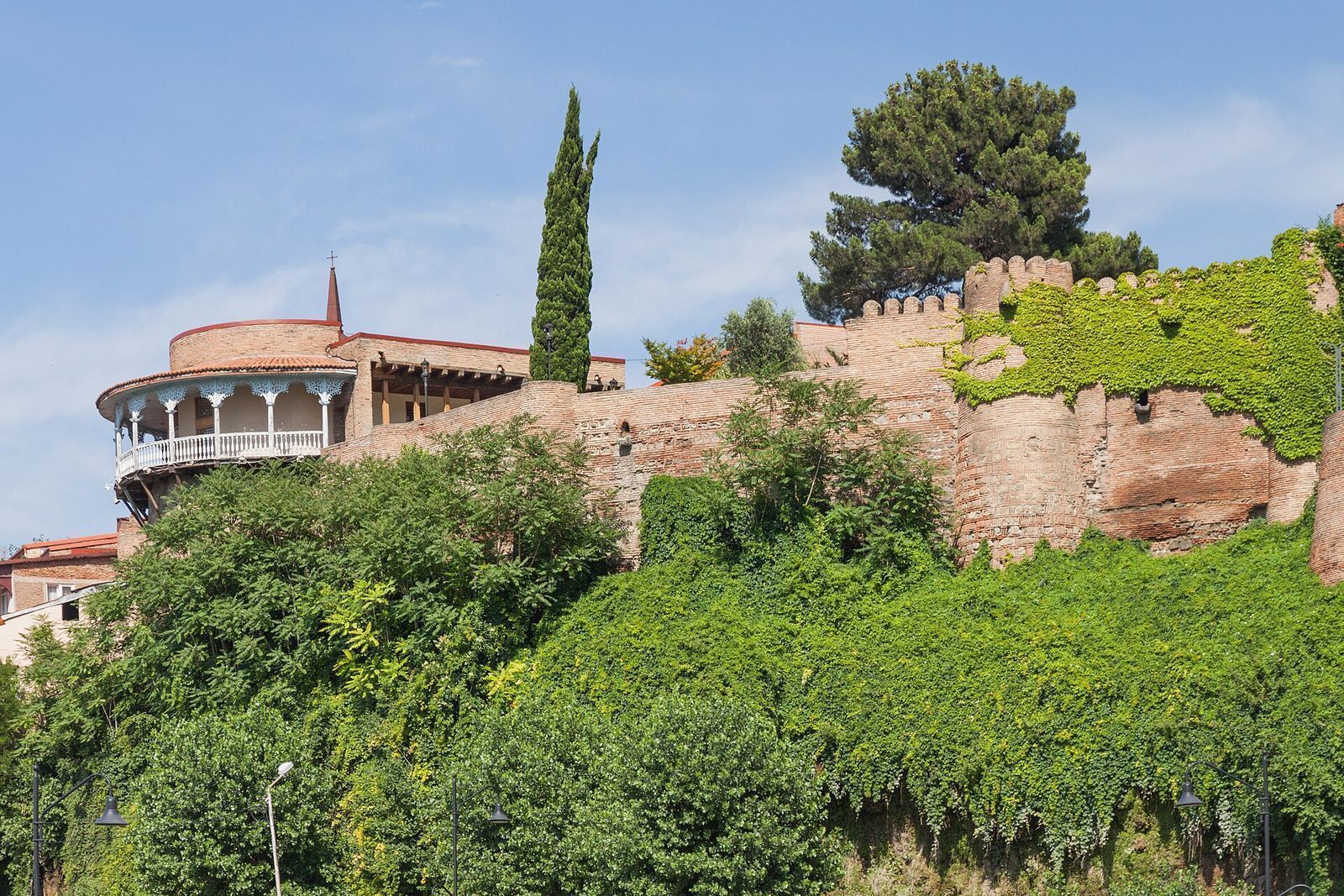
Across the river in Avlabari, Queen Darejan's Palace is the round building with the delicate blue balcony that you've probably photographed from Meidan. What most people don't know is that you can climb up and stand on it. The view runs straight back across the river to the bath domes and the fortress. Come on a Sunday morning and you'll hear the nuns of the convent next door chanting.
Soviet Tbilisi: printing presses, bunker blocks and ruins
Tbilisi wears its Soviet past more openly than most capitals in the region, and some of its strangest sights are from that era.
9. Stalin's Underground Printing House
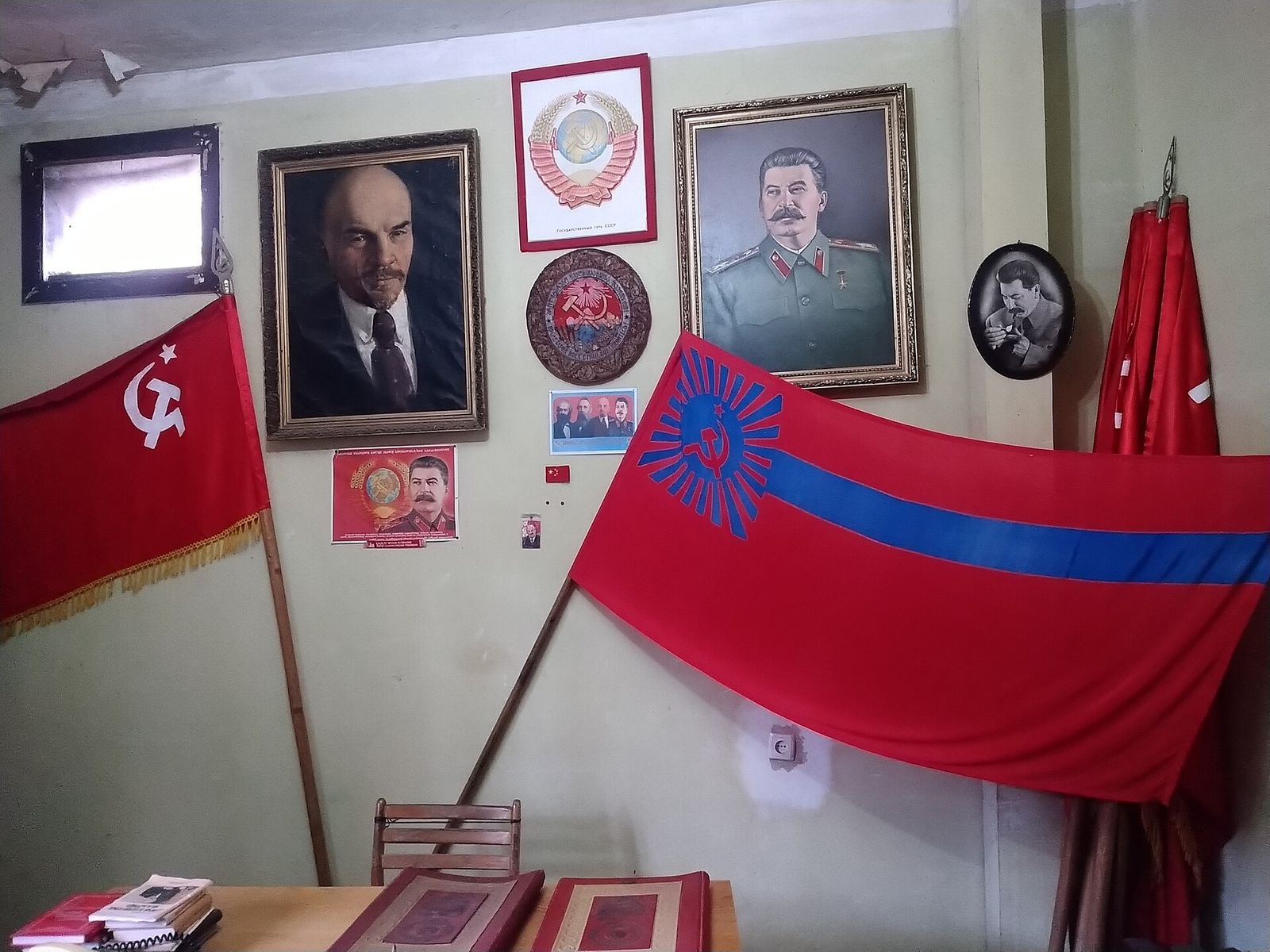
Before he was Stalin, a young Georgian radical helped run an illegal printing press hidden under a house in Avlabari, reached through a well shaft and a tunnel. A small group of Georgian communists keeps Stalin's Underground Printing House open today, and the visit is half history lesson, half time capsule. It's free with a suggested donation, open Monday to Friday from 10:00 to 18:00.
10. The Bank of Georgia building
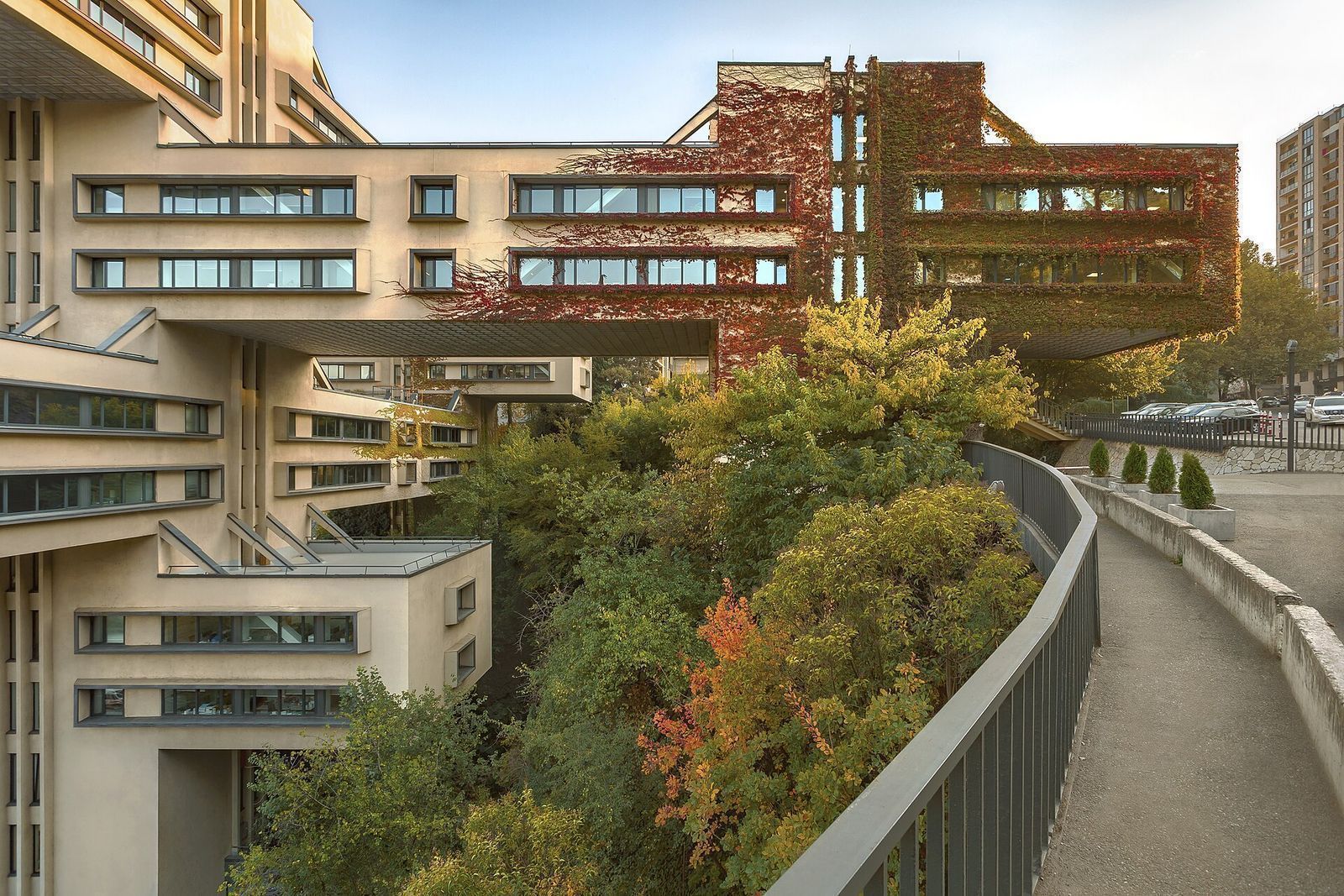
The headquarters of the Bank of Georgia in Saburtalo was built as the Ministry of Highway Construction of the Georgian SSR. Architects George Chakhava and Zurab Jalaghania finished it in 1975: stacked concrete blocks crossing each other in midair, so the offices seem to float over the wooded gorge below. It's the one piece of Soviet architecture in Tbilisi I'd cross the city for. You can't go inside, but the walk around it is free.
11. The Soviet metro stations
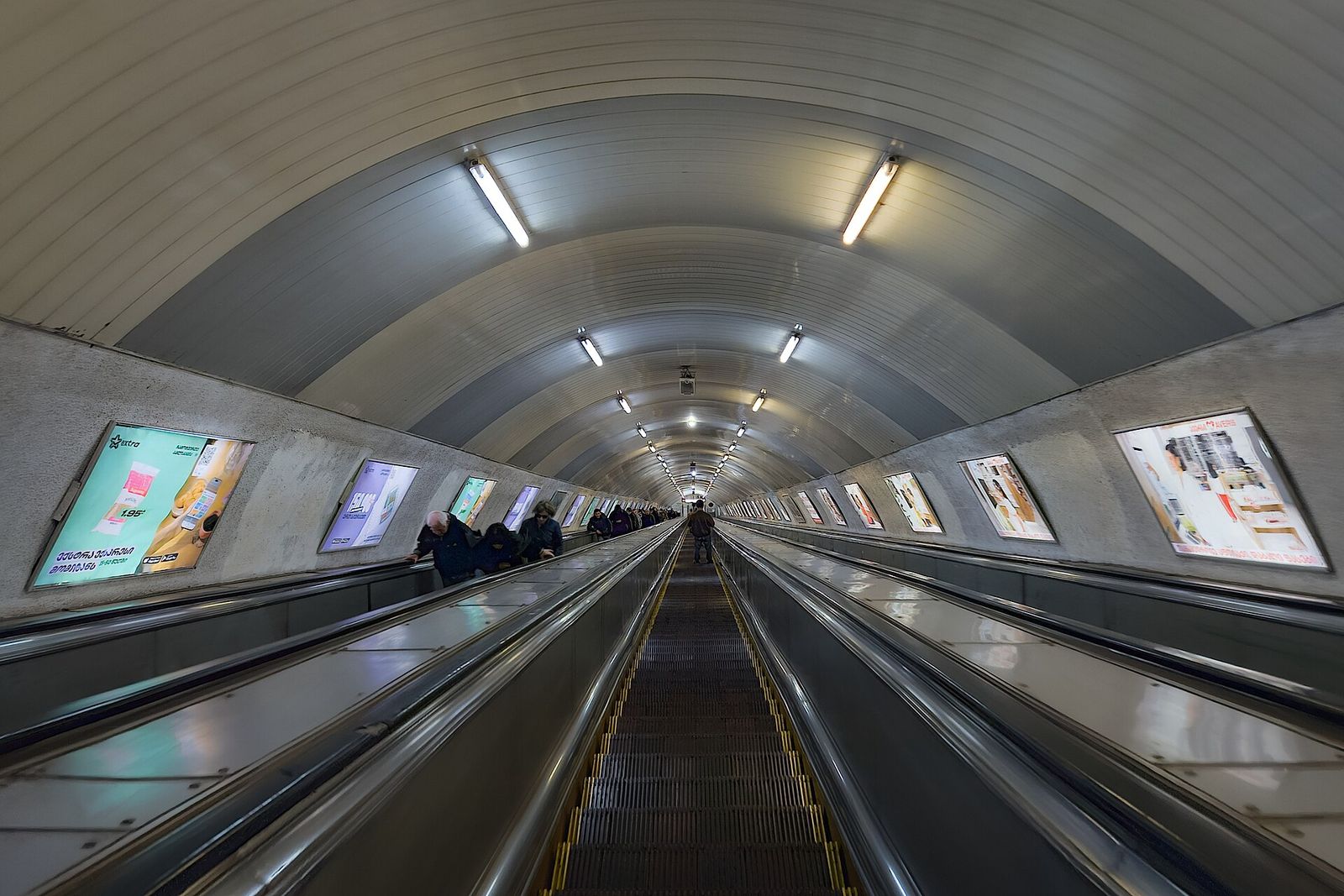
The Tbilisi metro is a Soviet system, and riding it is half the point: long, steep escalators down into stations that still carry their original look. A ride costs 1 GEL on a Metromoney card, which costs 2 GEL with a refundable deposit. Ride a few stops outside rush hour and get off wherever the platform looks interesting.
12. Abandoned cable car stations
The city's old cable car network left ruins behind. The Rustaveli station ruins sit on a hill behind the Tbilisi Concert Hall, and the old station known as the Cube stands in Mziuri Park. The working cable cars in Tbilisi have been renovated, which makes the ruined ones look even stranger.
13. The Chronicles of Georgia
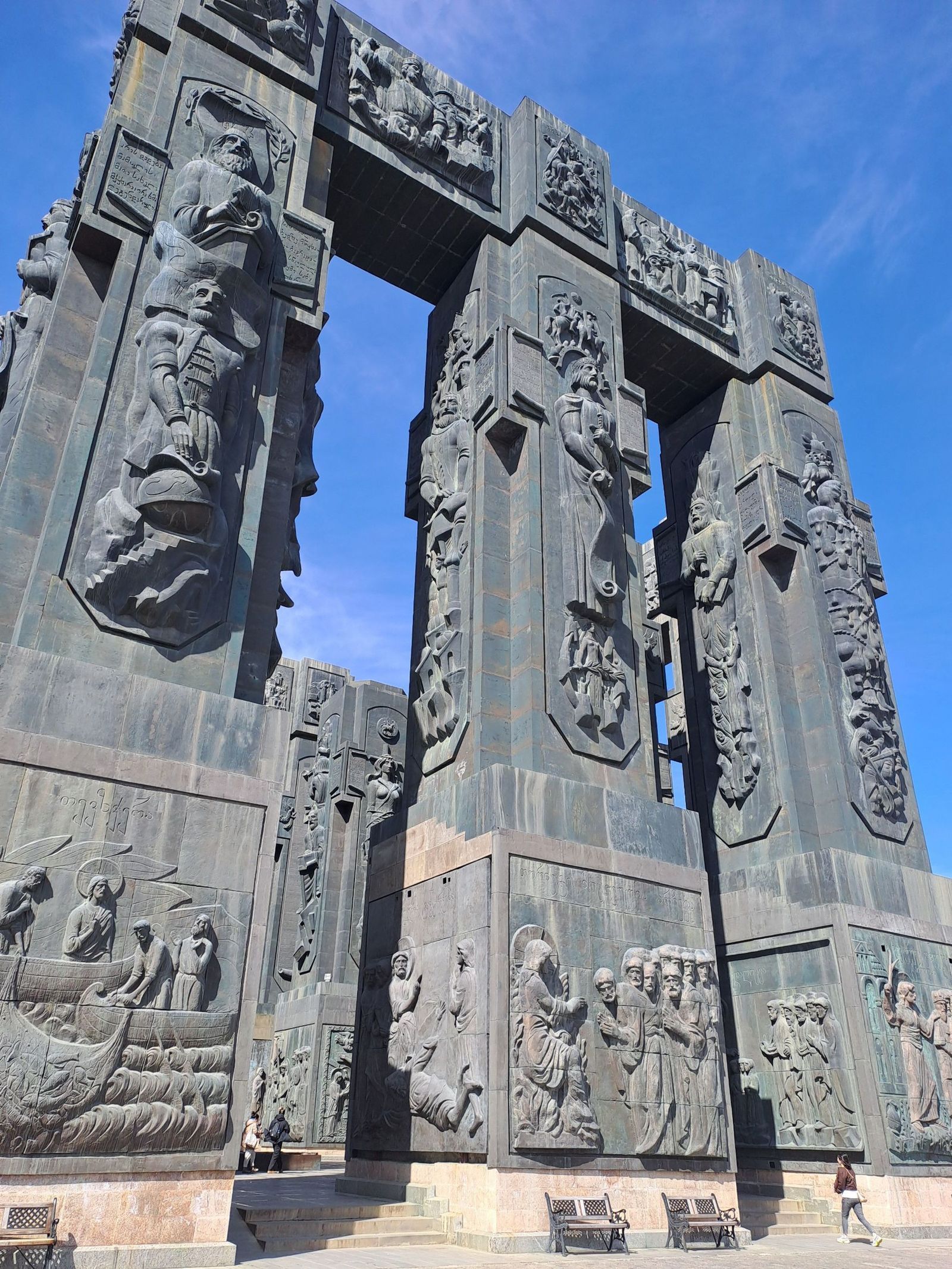
On a hill above the Tbilisi Sea, 16 giant stone pillars carved with scenes from Georgian history and the Bible tower over the reservoir. The Chronicles of Georgia were begun in 1985 and are still unfinished, which somehow adds to them. They're free and open at all hours; the cost is the taxi from the center. Go late in the afternoon when the light comes in low across the water.
Converted factories and the left bank
The far side of the river, around Marjanishvili and Chughureti, is where Tbilisi's creative crowd went once the Old Town filled with tour groups.
14. Street art at Fabrika
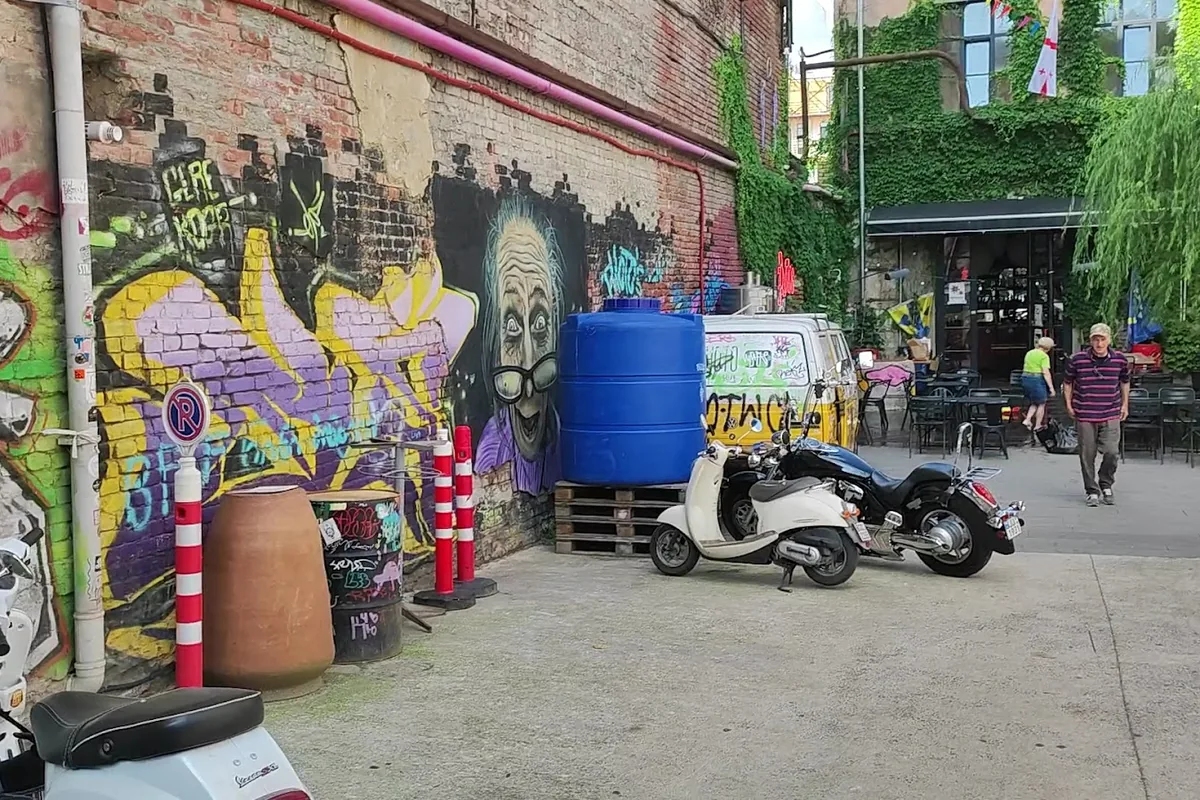
Fabrika is a former Soviet sewing factory turned hostel, and its yard of bars and shops is wrapped in murals and graffiti, the densest collection of street art in Tbilisi. Start with the brick walls of the yard, then keep walking. Most visitors stop at the bars, but the side wings and the corridors at the back hide whole stairwells painted floor to ceiling.
15. Stamba
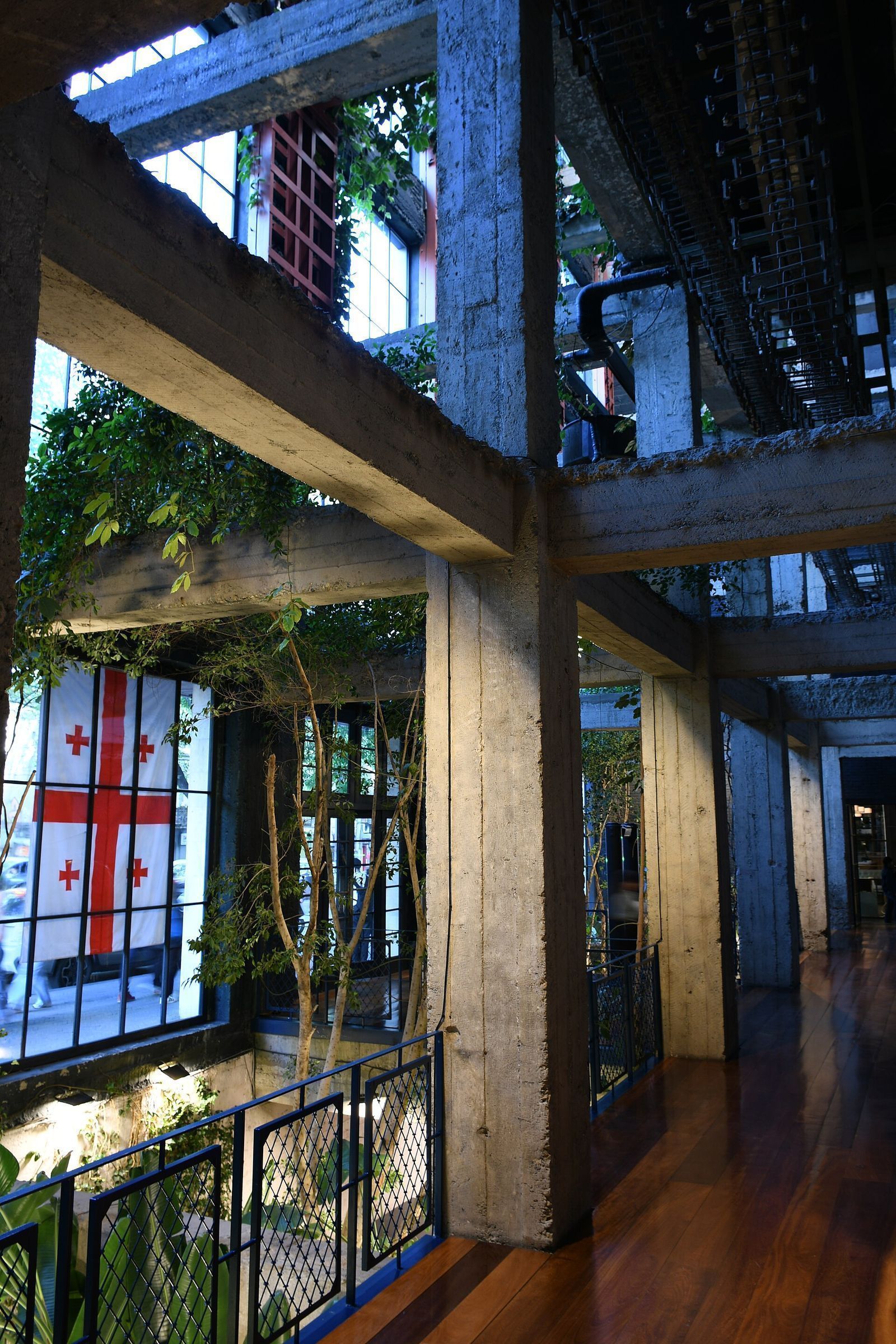
Stamba, on Kostava Street, was the Soviet printing and publishing house Samshoblo. Today it's a hotel and cafe, but the builders kept the giant concrete pillars and the rusted conveyors that snake overhead, and the atrium is open to walk into. Order a coffee and look up. Of all of Tbilisi's converted factories, this is the one I find most beautiful.
16. Aghmashenebeli Avenue and Chughureti
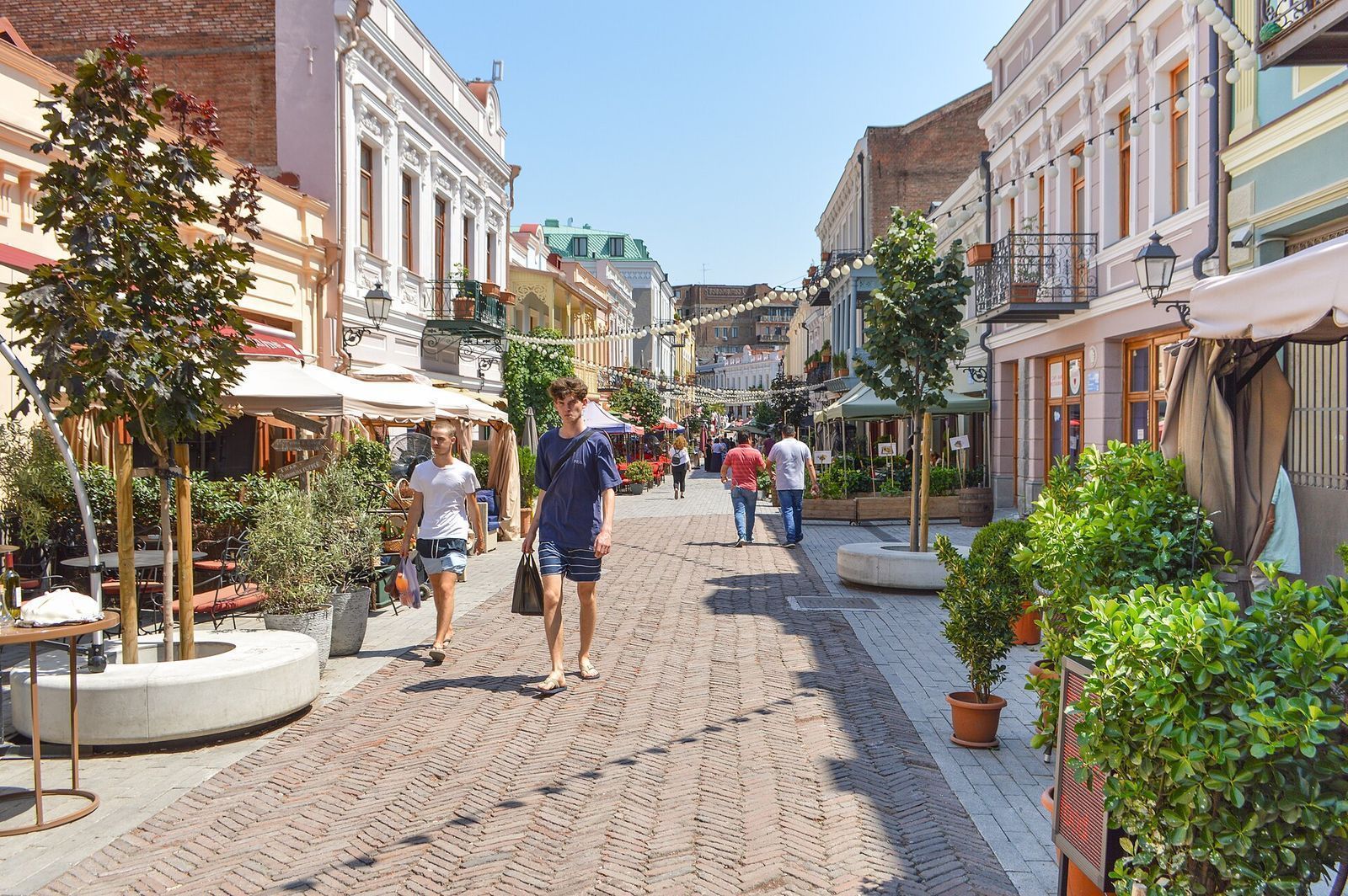
From Fabrika, walk down Aghmashenebeli Avenue, a long street of restored 19th-century facades, then turn off into the side streets of Chughureti, where galleries and small bars fill the old houses. It's my favorite early-evening walk in Marjanishvili, and it feels like a different city from the Old Town across the river.
Local life: markets, Sunday singing and tea
These cost almost nothing and get you closer to how Tbilisi actually lives.
17. Dezerter Bazaar at dawn

The Dezerter Bazaar opens at 07:00 every day, and the first two hours are the best. There are almost no tourists, the vendors have time to chat and offer tastes, and the halls of churchkhela, spices, cheese and pickles are at their freshest. By late morning it's crowded and the good stuff is picked over.
18. Polyphonic singing at a Sunday service
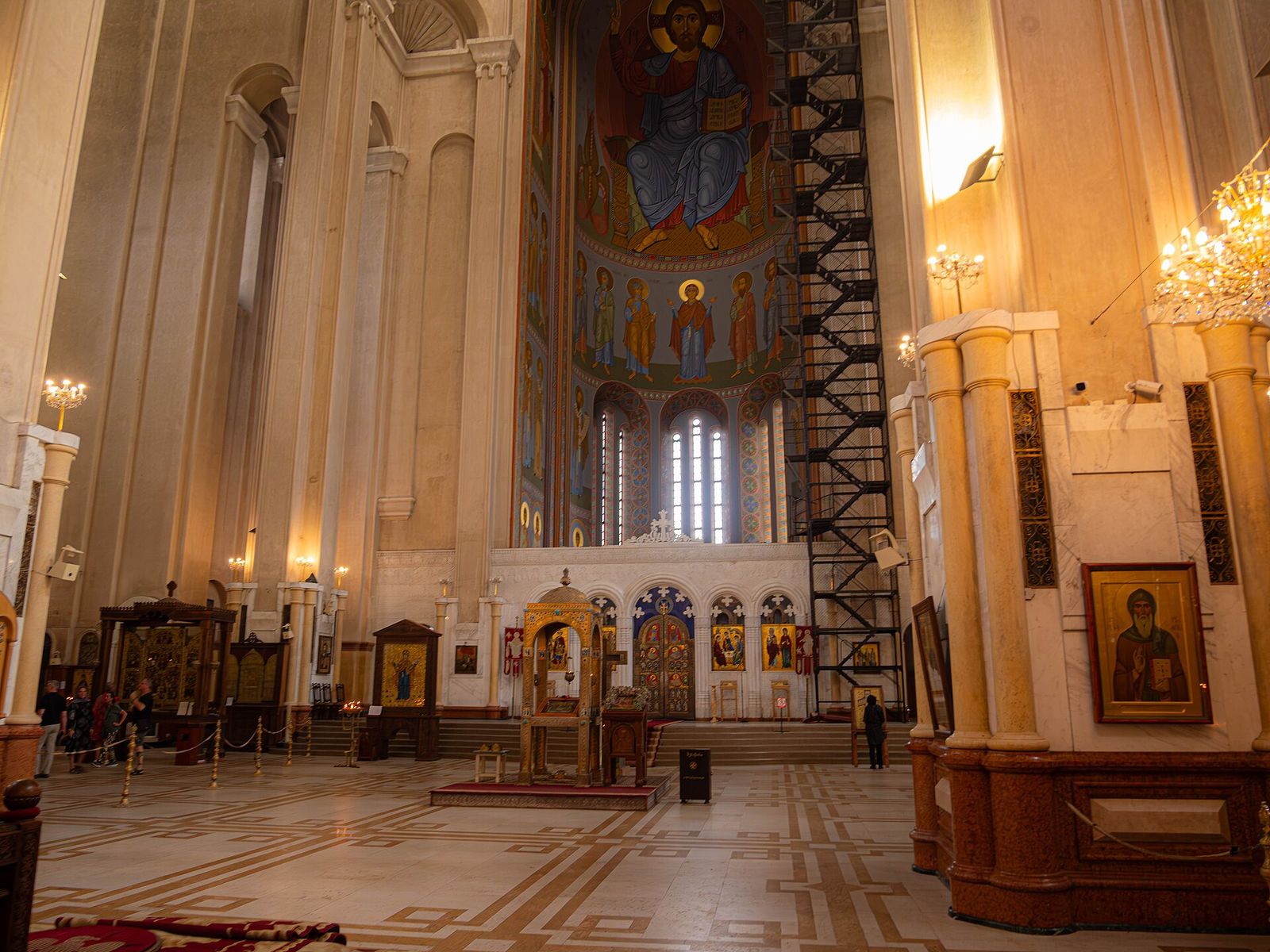
Georgian church choirs sing in layered harmonies that sound like nothing else. Walk into Sameba or one of the Old Town churches on a Sunday morning and you'll hear polyphonic singing at a real service, free. Stand at the back, stay as long as you like, and leave quietly.
19. The Bitadze tea shop
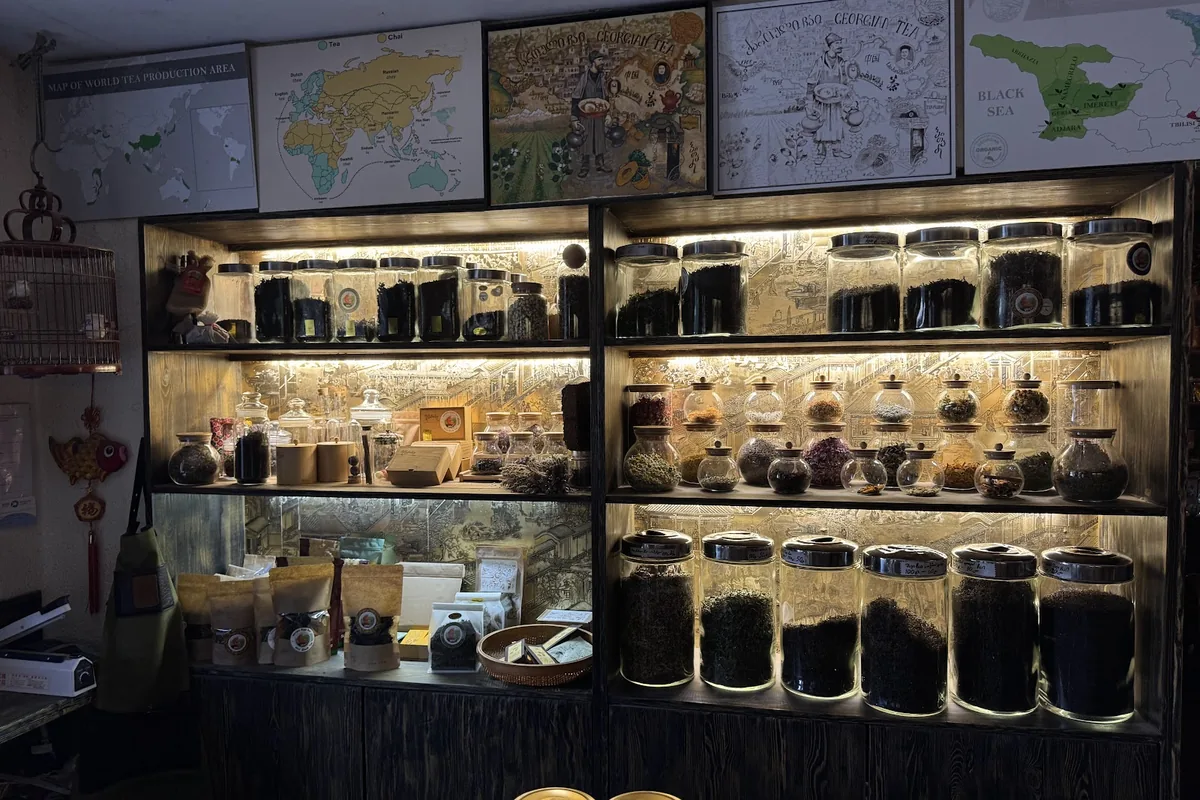
Georgia grows its own tea, and the Bitadze tea shop doubles as a small free tea museum, with old tins and packaging on display. It's the place to buy loose-leaf Georgian tea to take home, and a better souvenir than another bottle of chacha.
Grand interiors: entrance halls and old palaces
Some of the best rooms in Tbilisi are hidden behind ordinary doors.
20. Sololaki's entrance halls
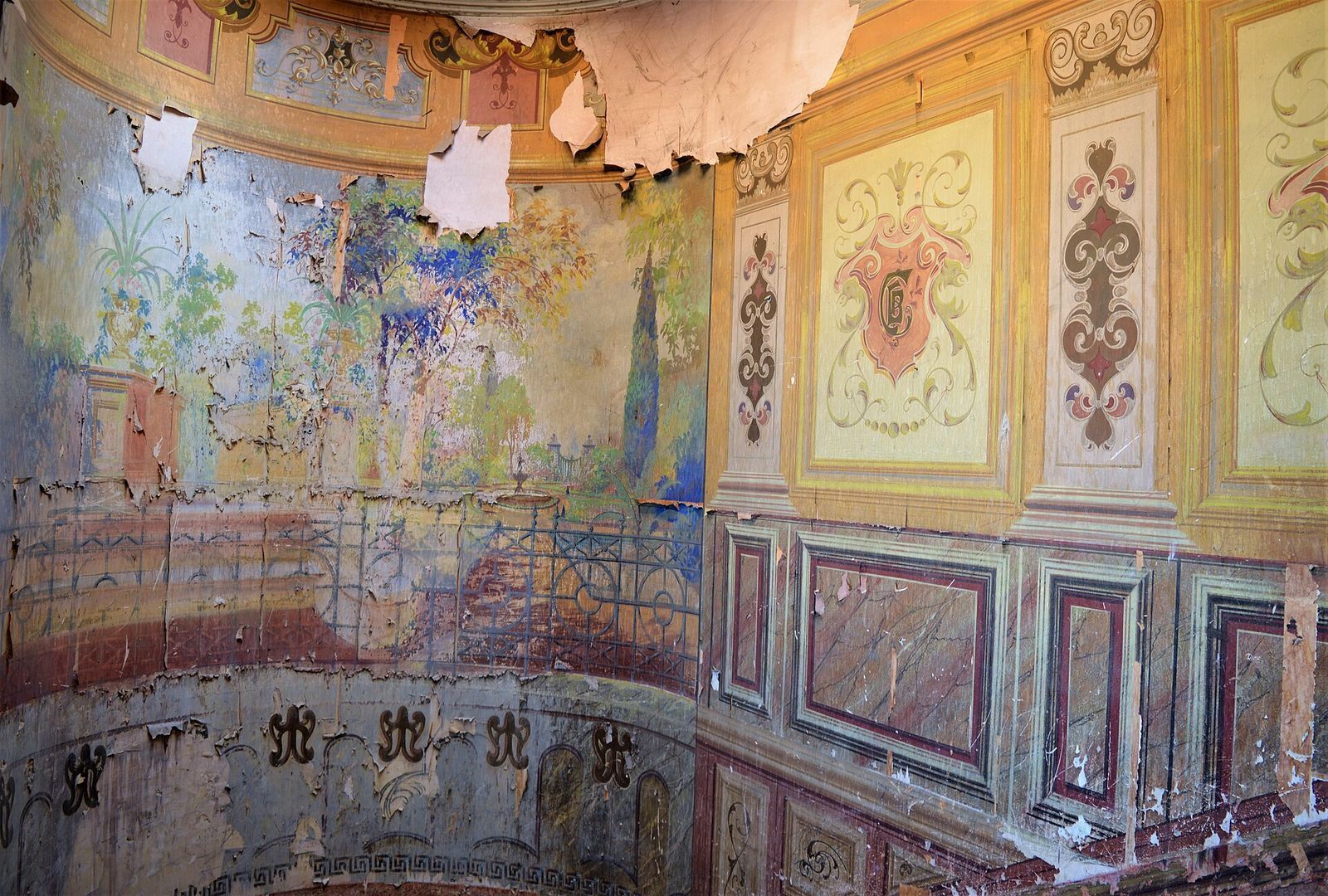
The 19th-century apartment houses of Sololaki hide their best features inside the front door: painted ceilings, tiled floors, carved wooden staircases and the odd spiral stair winding up through a stairwell. When a door stands open, step in and look up. The entrance halls and balconies of Tbilisi are the city's best free gallery.
21. Porakishvili Hall, the National Library and the Academy of Arts
Porakishvili Hall, an old house with an ethnographic collection, opens Monday to Friday from 11:00 to 18:00 for 3 GEL.
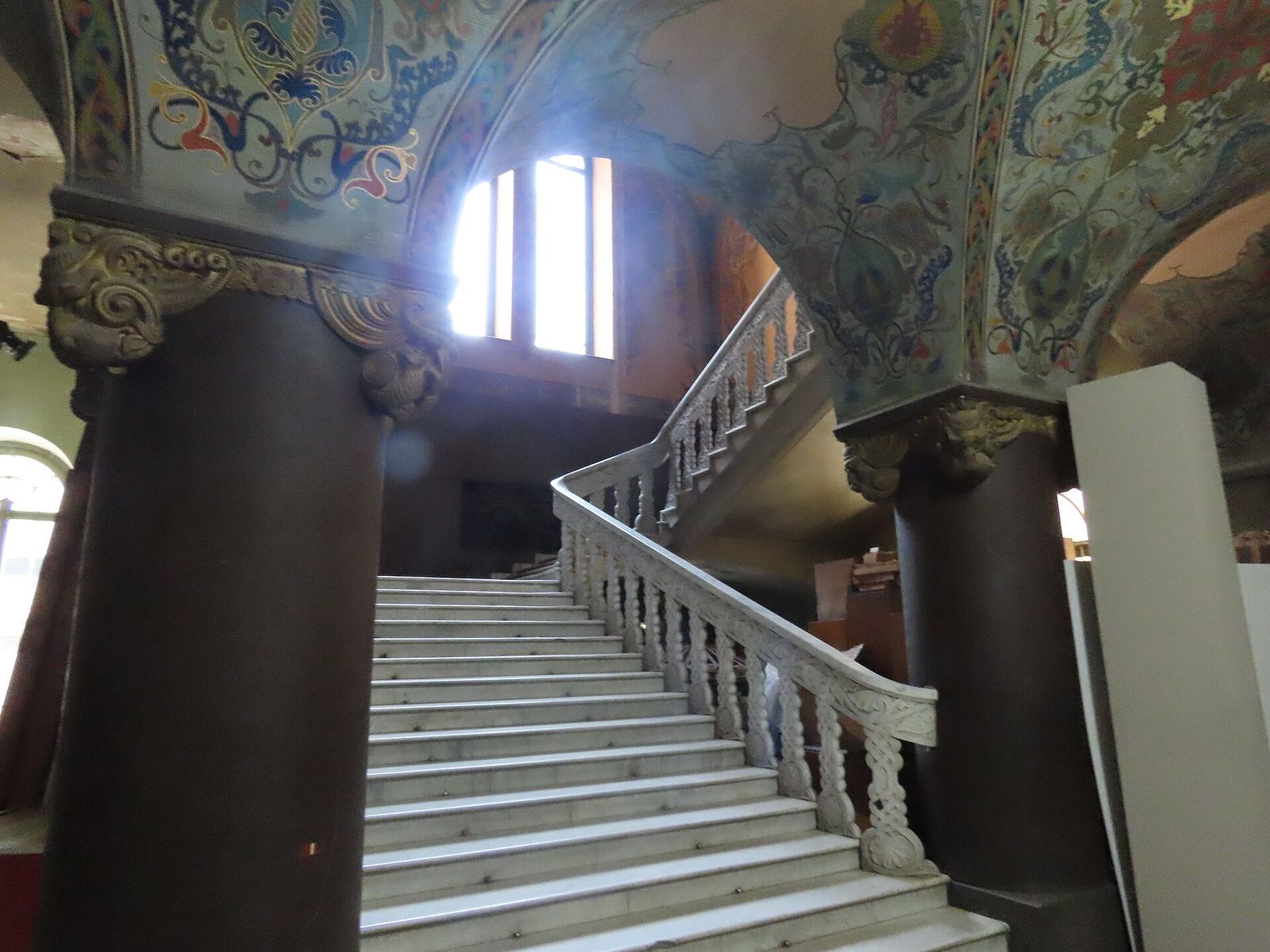
On the same theme, the main staircase of the National Library is one of the grandest interiors in the city, a pale stone stair climbing under vaults painted floor to ceiling. If the doors are open, go in and have a look.
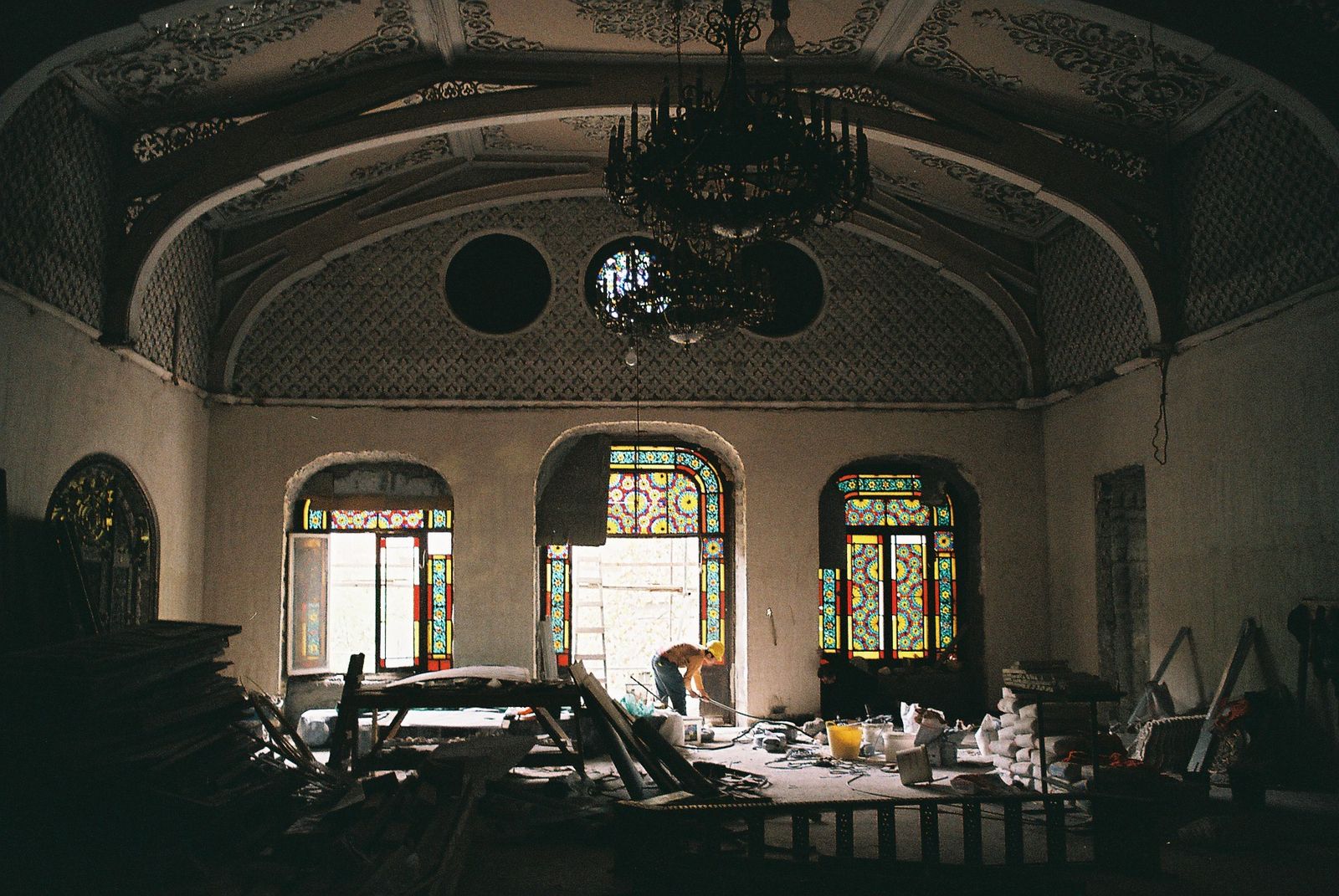
The halls of the Academy of Arts belong on the same list, with stained-glass windows, chandeliers and painted vaulted ceilings. Here too, walk in only when the doors stand open.
Further out: Turtle Lake, the open air museum and the Tbilisi Sea
Two half days out of the center, both reached cheaply.
22. Turtle Lake and the Open Air Museum of Ethnography
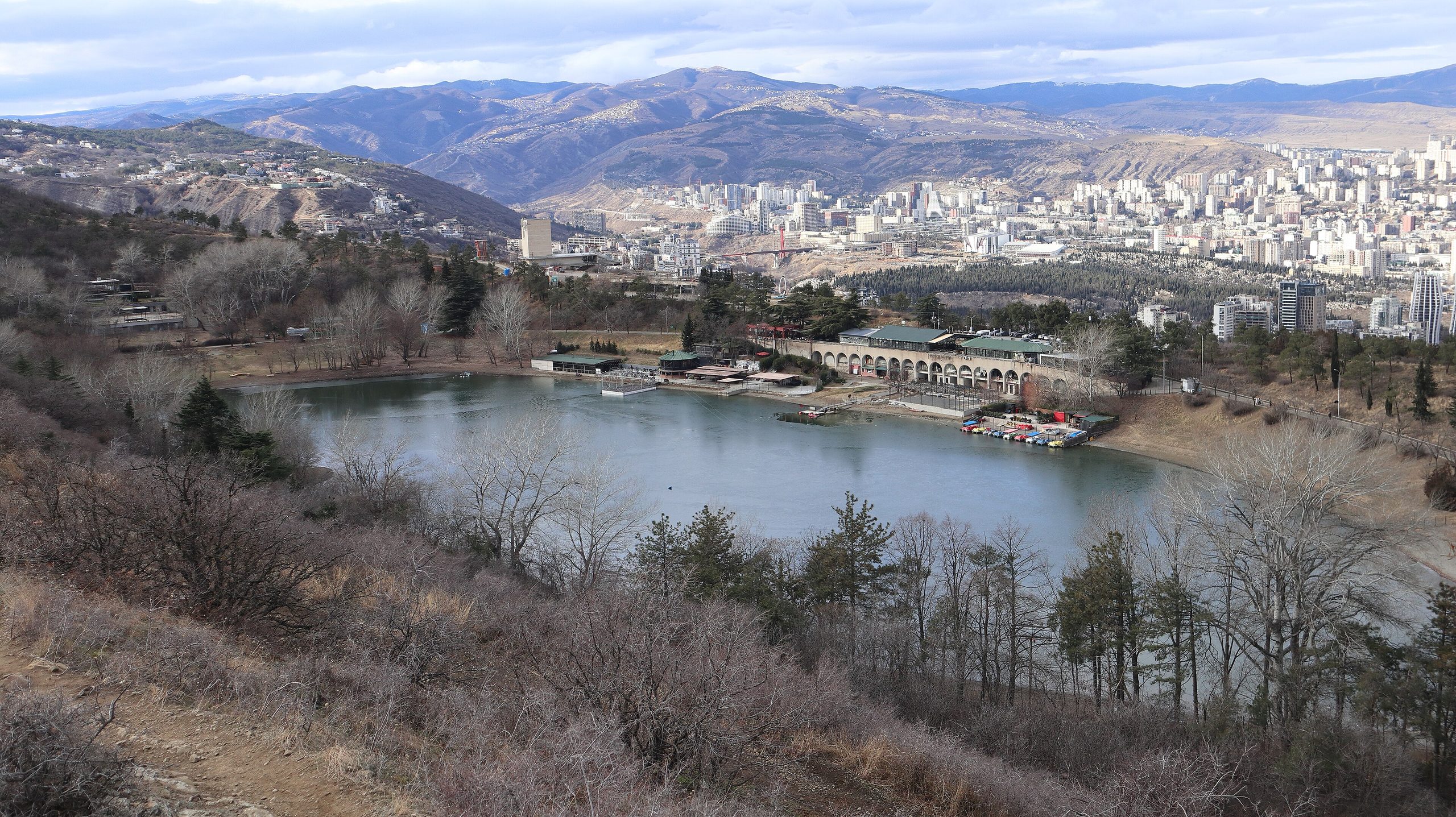
The little cable car up to Turtle Lake costs 1 GEL, and the ride in its small cabins is half the fun. Walk the loop of the lake, then go 20 minutes down the hill to the museum gate.
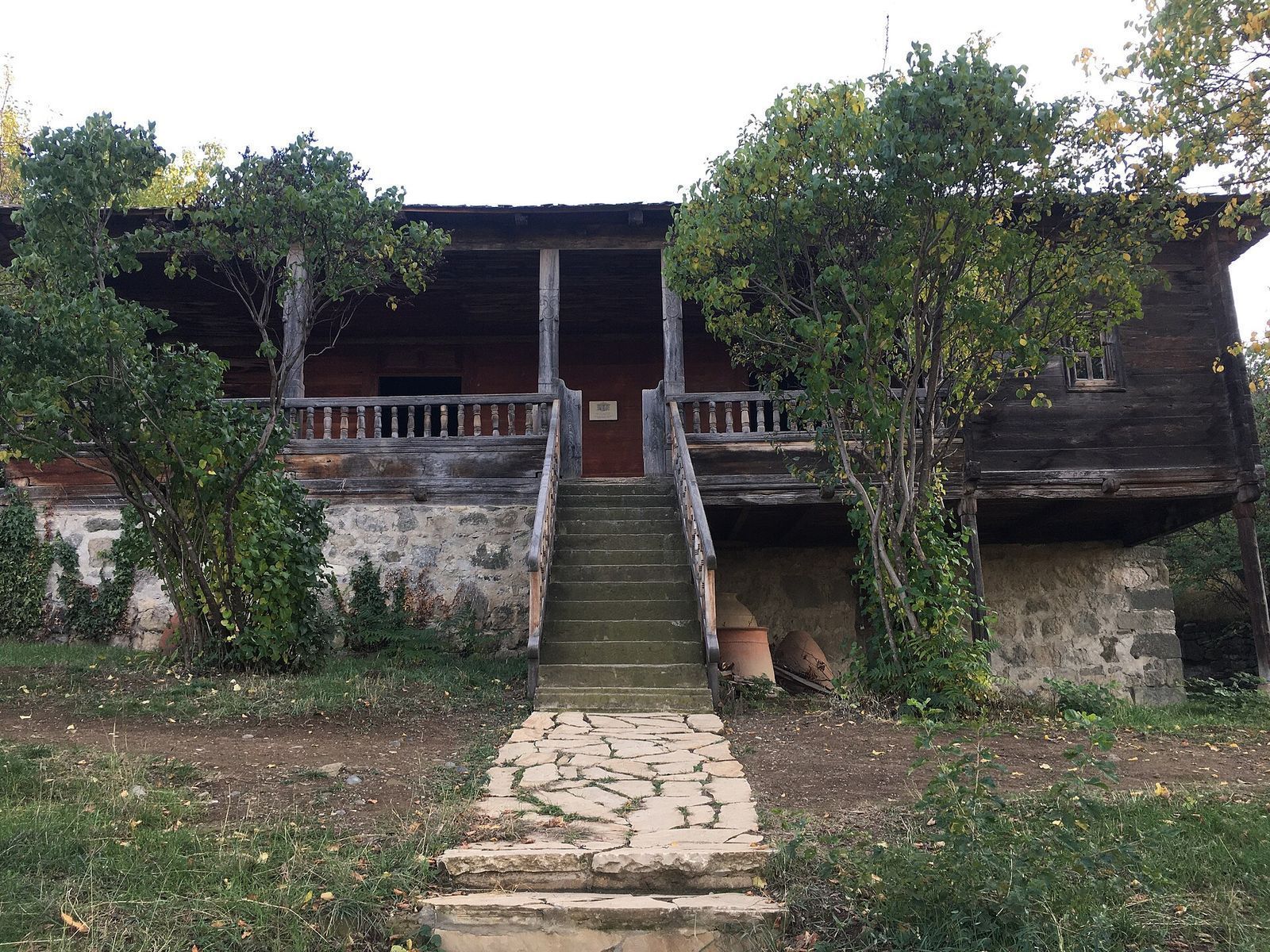
At the Open Air Museum of Ethnography, old village houses from every region of Georgia stand on a wooded slope. It's my favorite museum in Tbilisi and the least visited of the big ones.
23. The Tbilisi Sea
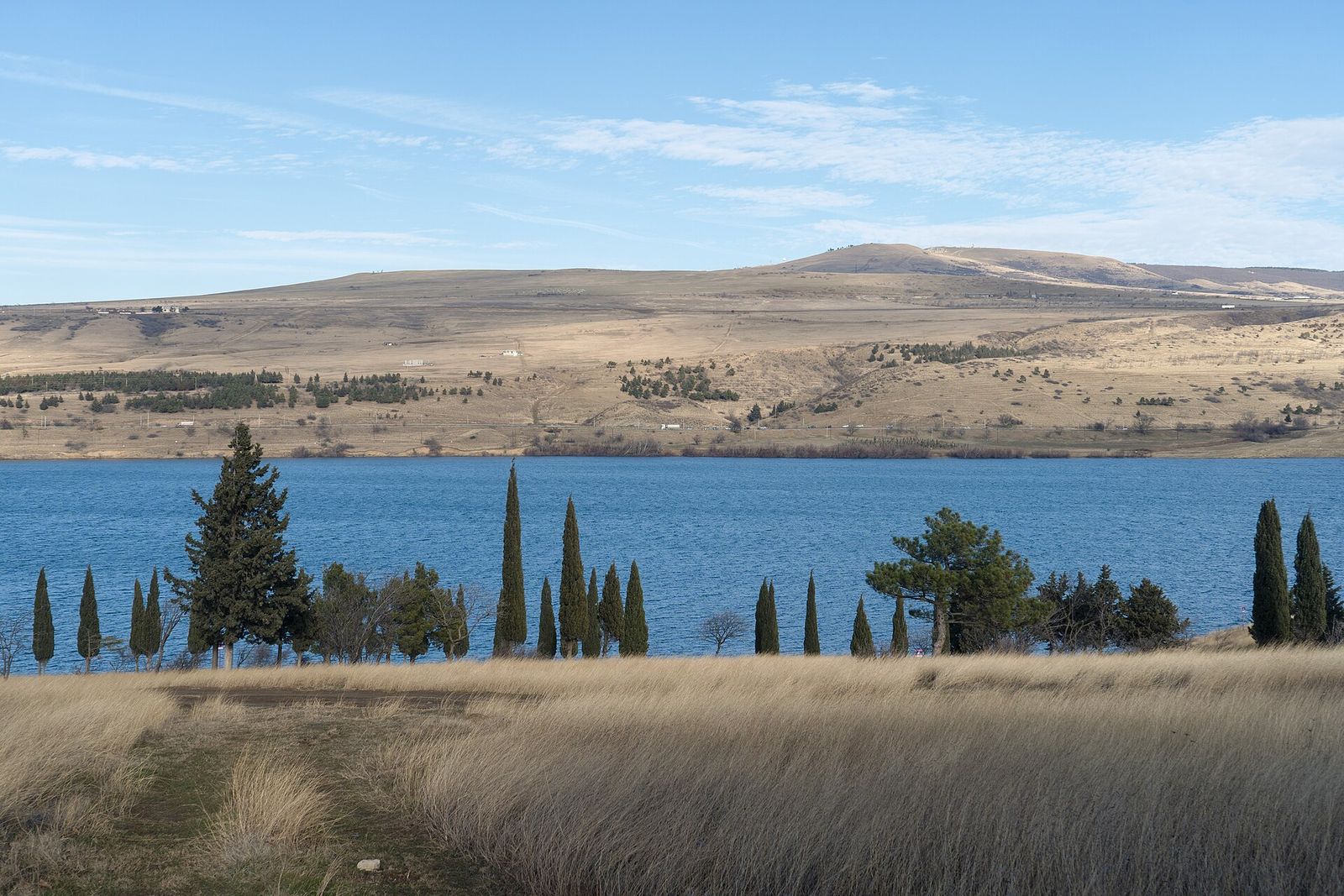
The Tbilisi Sea is a reservoir on the northeast edge of the city, opened in 1953, and on a hot summer day it's where locals go to swim. Buses 11 and 36 run out there, or a taxi from Didube metro costs up to 12 GEL. Pair it with the Chronicles of Georgia on the hill above and you have an afternoon almost no visitor plans.
An alternative night out
Tbilisi after dark is a reason to visit on its own, and the two evenings I'd recommend to anyone who wants something other than a wine bar could hardly be more different: a quiet puppet show at 19:00 and techno until morning.
24. The evening puppet show at the Gabriadze clock tower
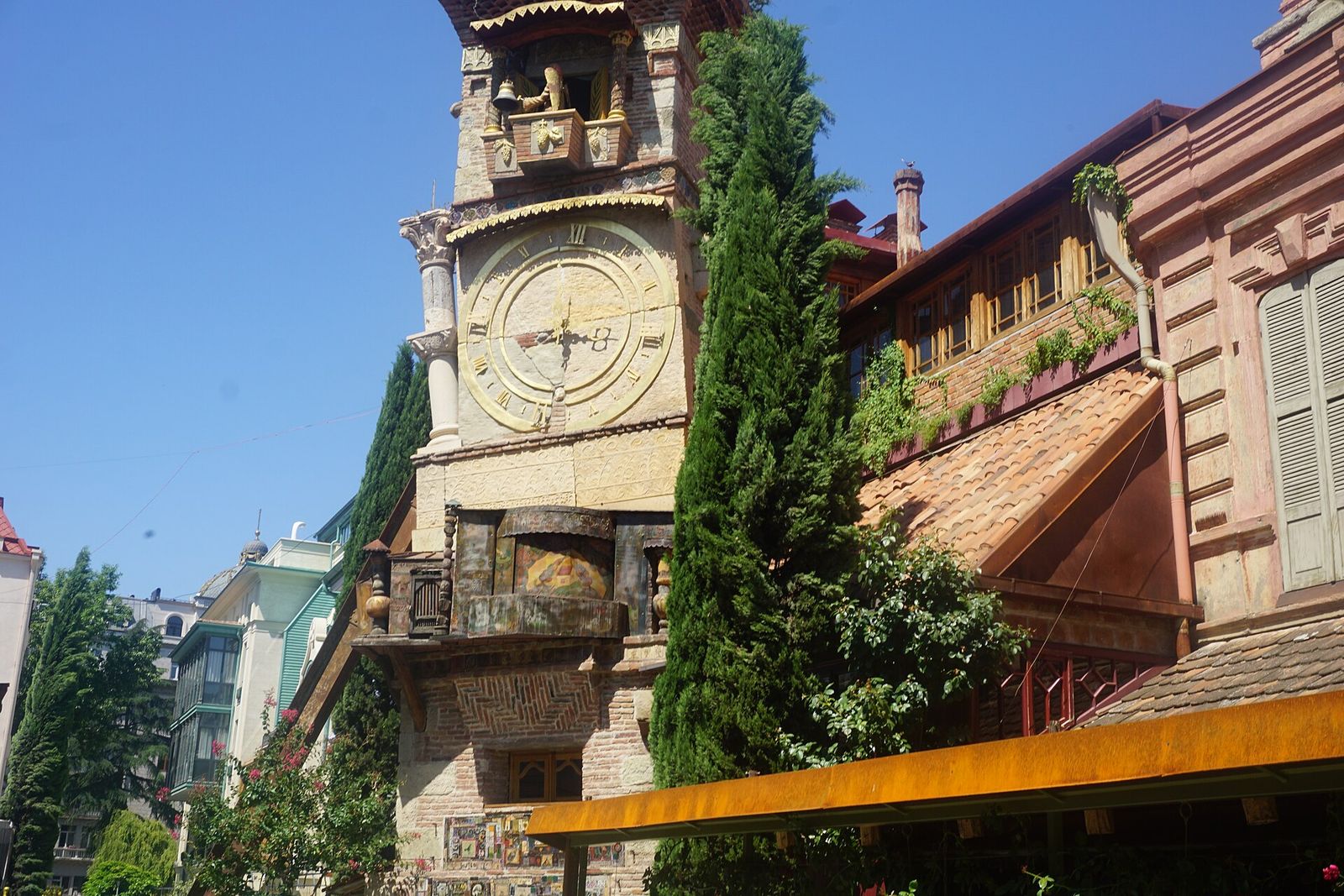
The crooked, tile-covered Gabriadze clock tower at 13 Shavteli Street looks a few hundred years old, but the puppet master Rezo Gabriadze built it in 2010 beside his marionette theater. Every day at 19:00, and again at 12:00, a little balcony stage opens and carved puppets act out a whole life, from first meeting and wedding to old age, in about 15 minutes. It's free, and on every hour an angel steps out to ring the bell.
The evening show is the one I'd catch, on the way to dinner in the Old Town. Get there 10 minutes early and stand back across the square to see the whole stage. If it wins you over, book the 80-seat marionette theater next door: tickets run about 10 to 60 GEL and shows sell out days ahead.
25. Techno at Bassiani
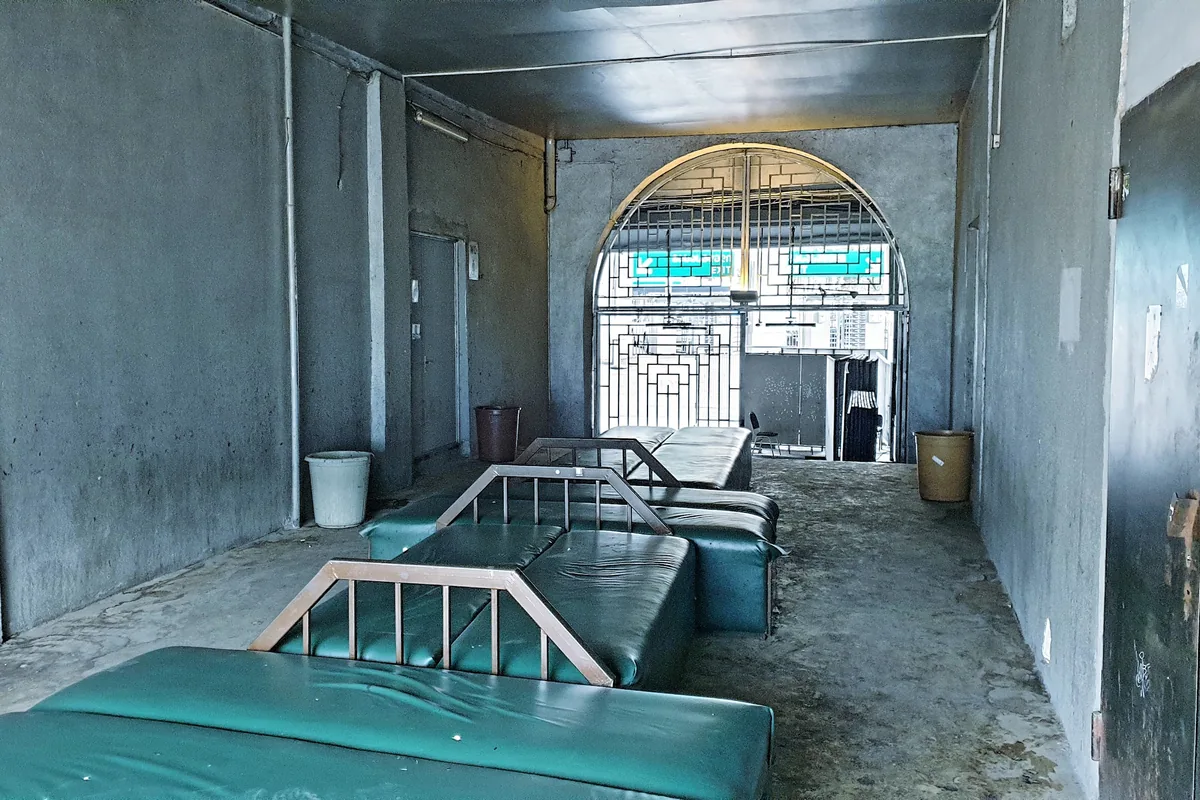
Bassiani sits in a drained swimming pool under Dinamo Arena, the national football stadium, and it's the club that put Tbilisi techno on the map. It opens on Friday and Saturday only, from about midnight until 9am, with two dance floors and entry from 25 to 50 GEL. Dancing in an old pool under a stadium is about as unique as a night out gets.
Key takeaways
- Most unique things to do in Tbilisi are free, including the Leghvtakhevi waterfall, the fire temple, the Tabori lookout and Queen Darejan's balcony.
- The Old Town's offbeat corners fit in one morning, starting with the bath ruins (3 GEL cash) and the waterfall before 10:00.
- Plan around closures: the Printing House opens only Monday to Friday, and the Open Air Museum (25 GEL) closes on Mondays.
- For Soviet Tbilisi, see the Bank of Georgia building, the metro (1 GEL a ride) and the unfinished Chronicles of Georgia.
- For an evening out, catch the free 19:00 puppet show at the Gabriadze clock tower, or spend a Friday or Saturday night at Bassiani.
Frequently asked questions
What are some unique things to do in Tbilisi?
Walk to the Leghvtakhevi waterfall behind the sulfur baths, find the Atashgah fire temple on Gomi Street and climb to the Tabori Monastery lookout. For Soviet history, visit Stalin's Underground Printing House and the Bank of Georgia building. For an evening out, watch the free 19:00 puppet show at the Gabriadze clock tower, or go dancing at Bassiani.
What is Tbilisi most famous for?
Tbilisi is most famous for its sulfur baths, its Old Town of carved wooden balconies under Narikala Fortress, its food and wine, and its techno clubs. Most of the offbeat things on this list sit a short walk from those headline sights.
Is the Leghvtakhevi waterfall free?
Yes. The waterfall is free and open at all hours, about 5 to 10 minutes on foot past the last bathhouse in Abanotubani. Go before 10:00 to have the walkway to yourself.
Can you visit Stalin's Underground Printing House?
Yes. It's open Monday to Friday from 10:00 to 18:00 and free with a suggested donation. It's in Avlabari, and the visit goes down a well shaft to the old press room.
Where can I see Soviet architecture in Tbilisi?
Start with the Bank of Georgia building in Saburtalo, the former Ministry of Highway Construction finished in 1975. Then ride the metro, look for the abandoned cable car stations behind the Tbilisi Concert Hall and in Mziuri Park, and see the Chronicles of Georgia above the Tbilisi Sea.
What can you do in Tbilisi on a Monday?
Everything outdoors is open on Mondays: the waterfall, the lookouts, the fire temple, the Soviet buildings, Turtle Lake and the markets. Most museums close on Mondays, including the Open Air Museum of Ethnography, but Stalin's Underground Printing House opens.
How many days do you need in Tbilisi?
Three days covers the main sights and a handful of the offbeat ones; with five you can add the half days out to Turtle Lake and the Tbilisi Sea. A Tbilisi itinerary of 3 to 5 days leaves room for a day trip too.
Are there free unusual things to do in Tbilisi?
Yes, most of them. Of the 25 things on this list, the majority cost nothing, and a full day of free things to do in Tbilisi can cover the waterfall, the fire temple, the Sololaki entrance halls, the Tabori lookout and a Sunday service with polyphonic singing.
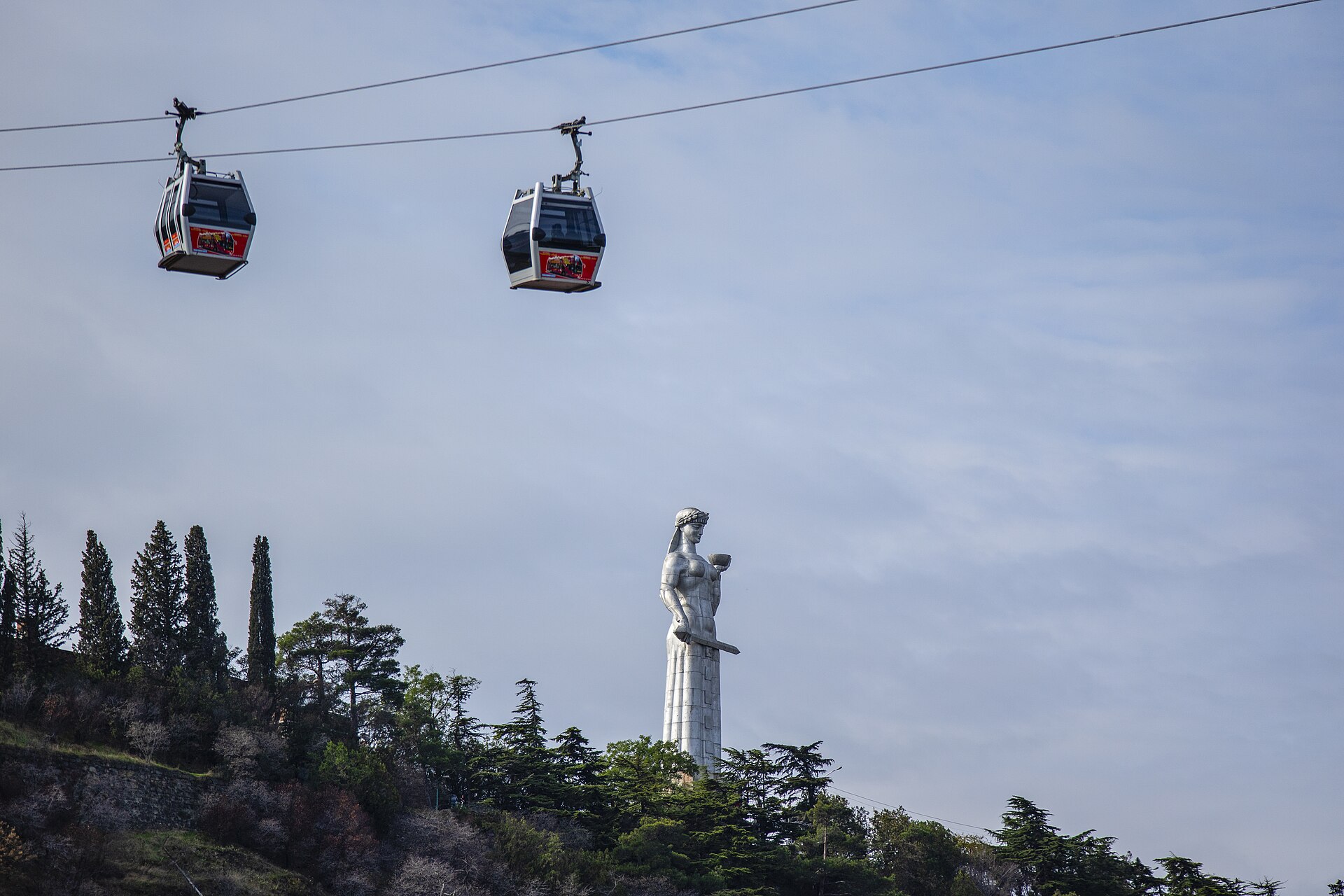
25 Best Things to Do in Tbilisi in 2026 (With Prices)
Tbilisi is known for its sulfur baths, balconies and hilltop views. Here are 25 things to do, with prices and times.
Read the guide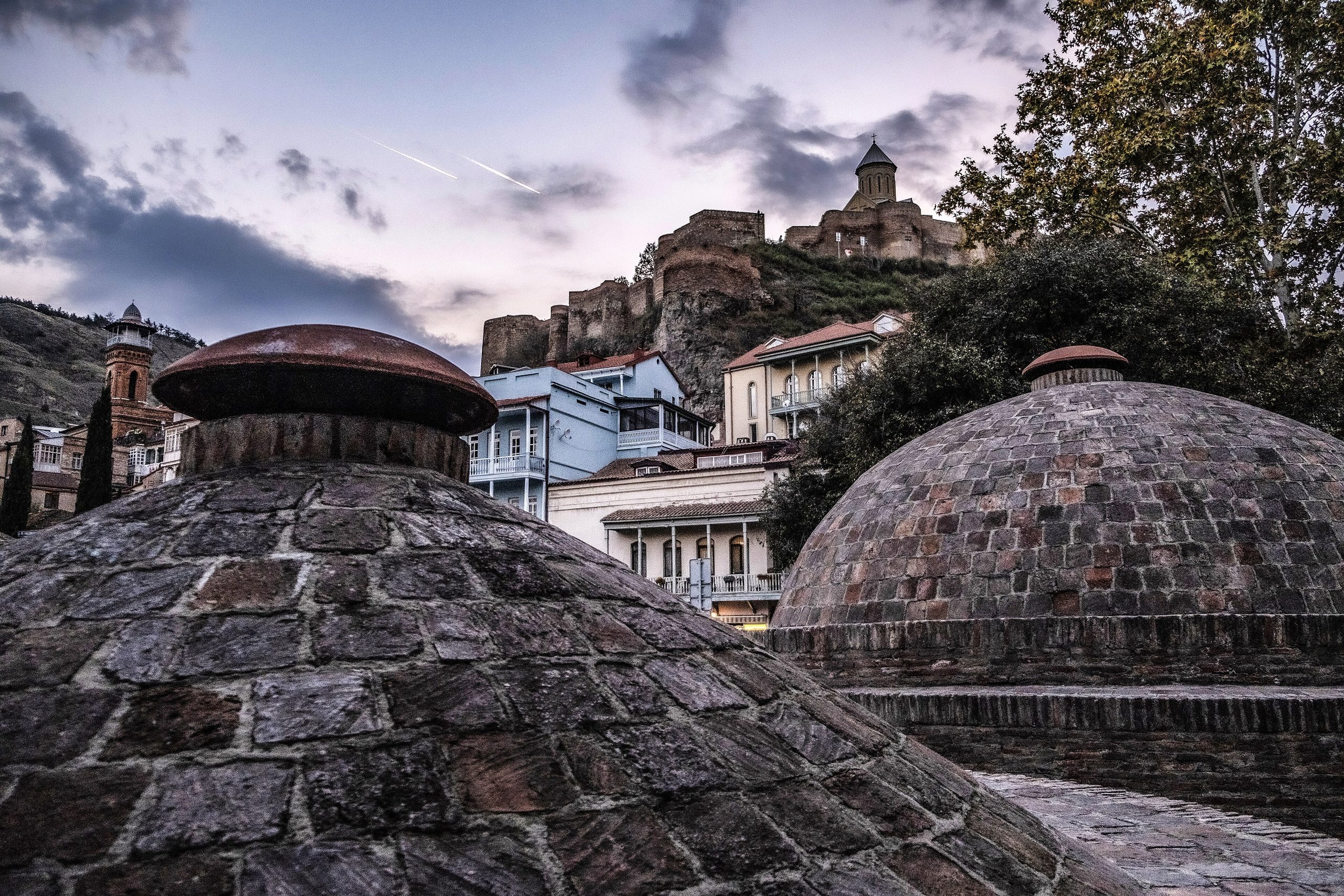
The Sulfur Baths of Abanotubani: Prices, Bathhouses and Booking
Tbilisi is known for its sulfur baths. Here is what to know about the bathhouses, room prices and booking.
Read the guide
Narikala Fortress, Tbilisi: Getting Up, What Is Open and When to Go
Narikala is the fortress above Old Tbilisi. Here is what is open in 2026, how to get up and when to go for the view.
Read the guide