The Best Wineries in Kakheti: 10 Cellars Worth the Drive
Kakheti is known for its wineries: big estates with tunnels and tasting rooms, and family cellars where the wine comes out of clay jars buried in the floor. It makes about 70% of Georgia's wine, so the choice is huge. Here are the 10 Kakheti wineries I'd visit, what a tasting costs, which ones you can walk into and how to group them into a day.
The best Kakheti wineries at a glance
These are my 10, ranked by how much I'd want to go back. The list mixes the famous names with small family cellars, because the best Kakheti day has a bit of both.
| # | Winery | Area | Type | Tasting price | How to visit |
|---|---|---|---|---|---|
| 1 | Khareba Kvareli Wine Cave | Kvareli | Big winery in a tunnel | 35 GEL with tasting | Walk in |
| 2 | Pheasant's Tears | Sighnaghi | Natural wine restaurant | By the glass or a flight | Lunch or dinner, from 12:00 |
| 3 | Giuaani | Manavi | Family estate | 35 GEL for 4 wines | Book online |
| 4 | Shalauri Wine Cellar | Telavi | Qvevri cellar with a kitchen | Ask when you book | Facebook or phone |
| 5 | Tsinandali Estate | Tsinandali | Historic estate and museum | 10 GEL entry, 35 GEL for 5 wines | Walk in |
| 6 | Wine Yard N1 | Akhasopheli, near Kvareli | Family cellar with a garden | 80 GEL with a meal | Book ahead |
| 7 | TEMI Community Winery | Gremi | Organic social enterprise | From 20 GEL | Facebook or website |
| 8 | Akido | Ikalto, near Telavi | Family cellar in an old house | Ask when you book | Facebook or phone |
| 9 | Shumi | Tsinandali | Big winery | 15 to 40 GEL | Walk in |
| 10 | Kindzmarauli Corporation | Kvareli | Big winery | About 20 GEL | Walk in |
Four of the ten take walk-ins, Pheasant's Tears works like any restaurant, and the other five want a message first. If you book nothing at all, the big names in Kvareli or in Tsinandali still fill a day.
What a marani is and what happens on a winery visit
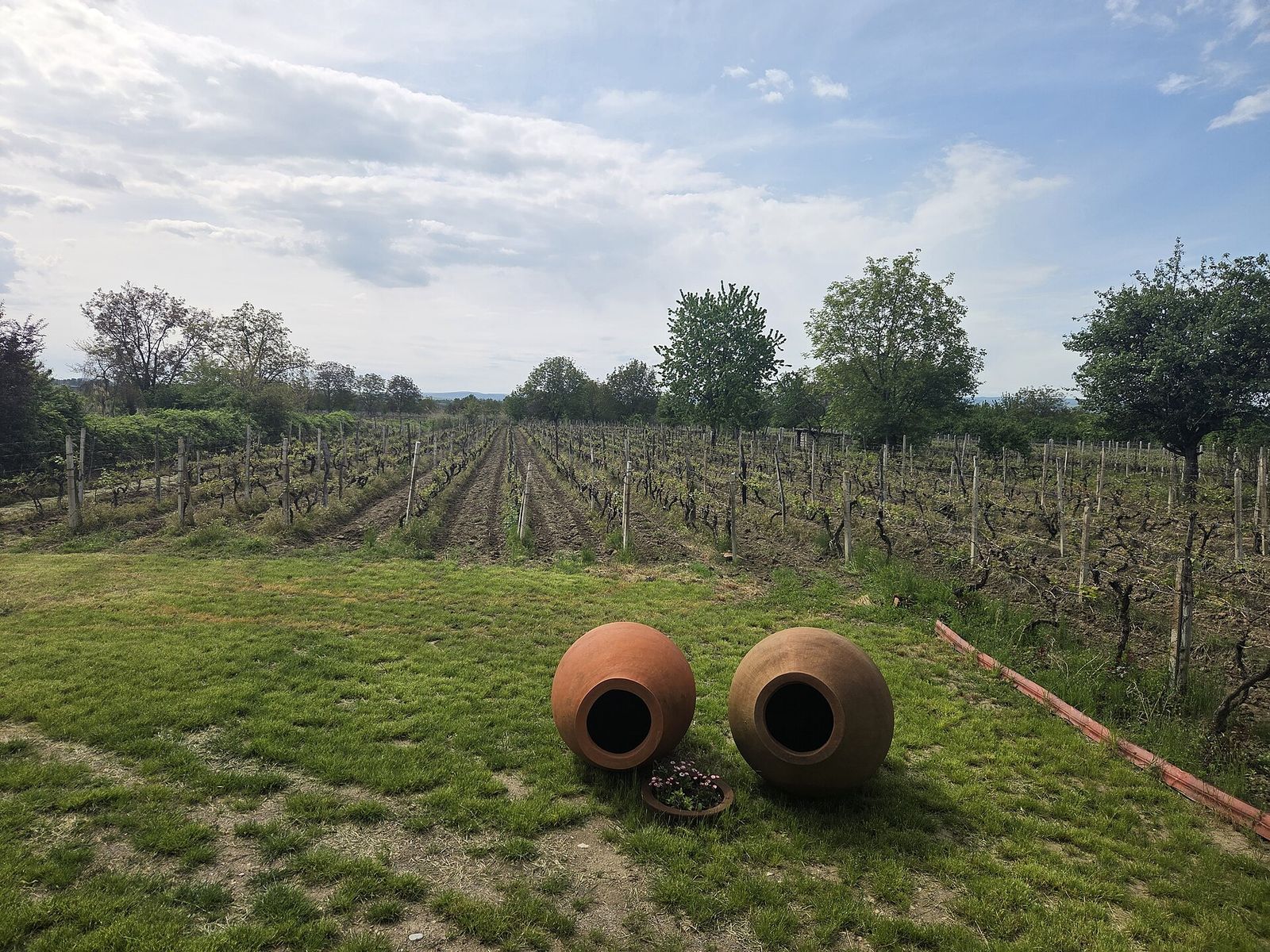
A marani is a Georgian wine cellar, and the traditional kind has qvevri, big egg-shaped clay jars, buried to the neck in the floor. The grapes ferment and age inside them, the lids are sealed with beeswax and wet clay, and the method has been on UNESCO's intangible heritage list since 2013. Every family cellar on this list is built around one, and seeing the lids set into the floor is half the point of going.
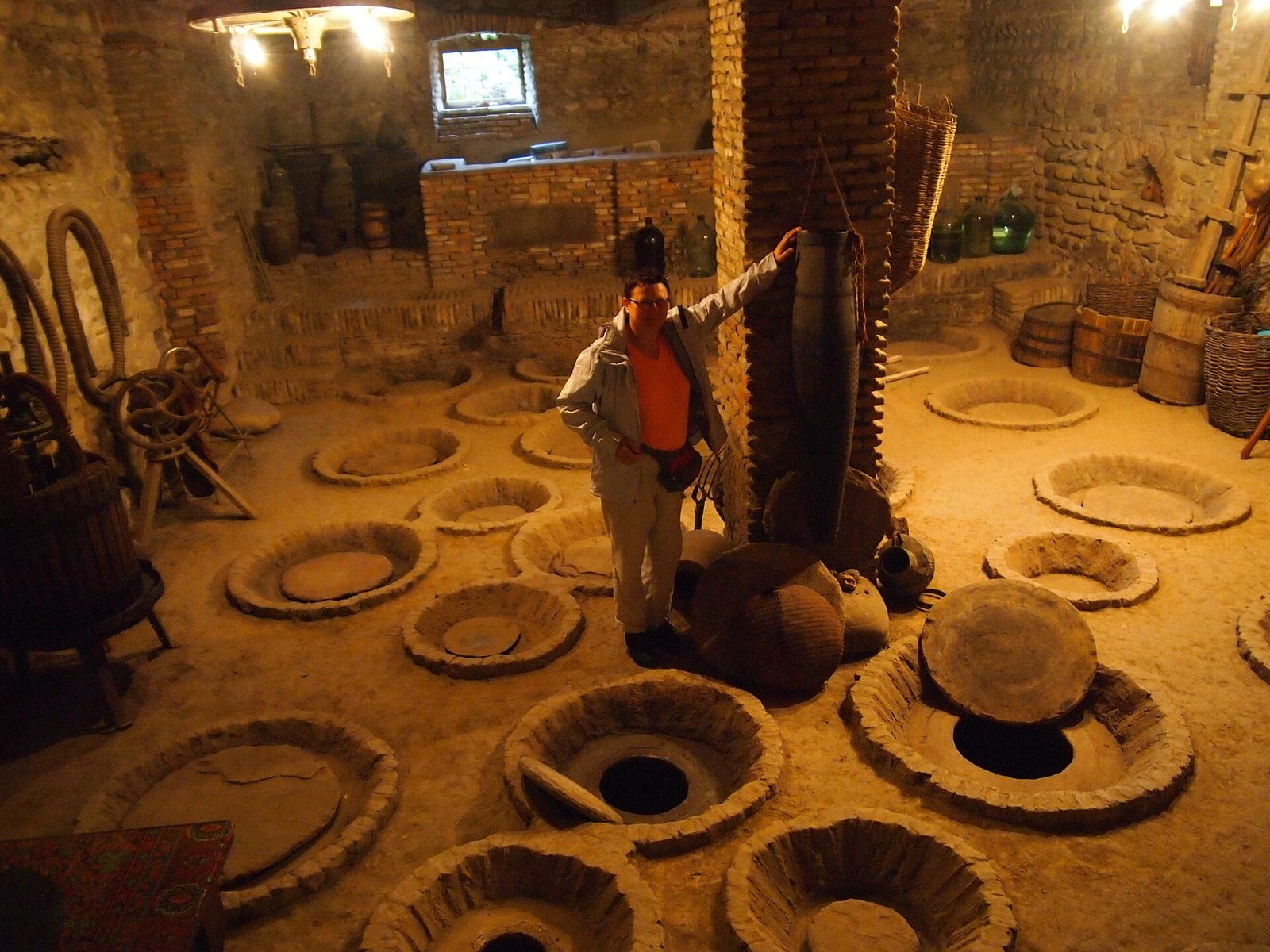
The visit itself depends on the size of the place. At a big winery you join a guided tour of the production hall and the cellar, then sit down for a group tasting of three to six wines; the whole thing takes about an hour, and you can walk in. At a family cellar the winemaker pours, food arrives, and it rarely takes less than 2 hours. At the smallest ones the wine is drawn straight from the qvevri into a clay bowl, which is my favorite way to taste qvevri wine.
The style of wine changes too. Big wineries pour mostly European-style wine from steel tanks and oak, plus a qvevri line. Family cellars pour almost only qvevri wine, and that is where you find the coppery amber wine Kakheti is famous for: white grapes left on their skins for about six months.
The 10 best wineries in Kakheti
1. Khareba Kvareli Wine Cave, Kvareli
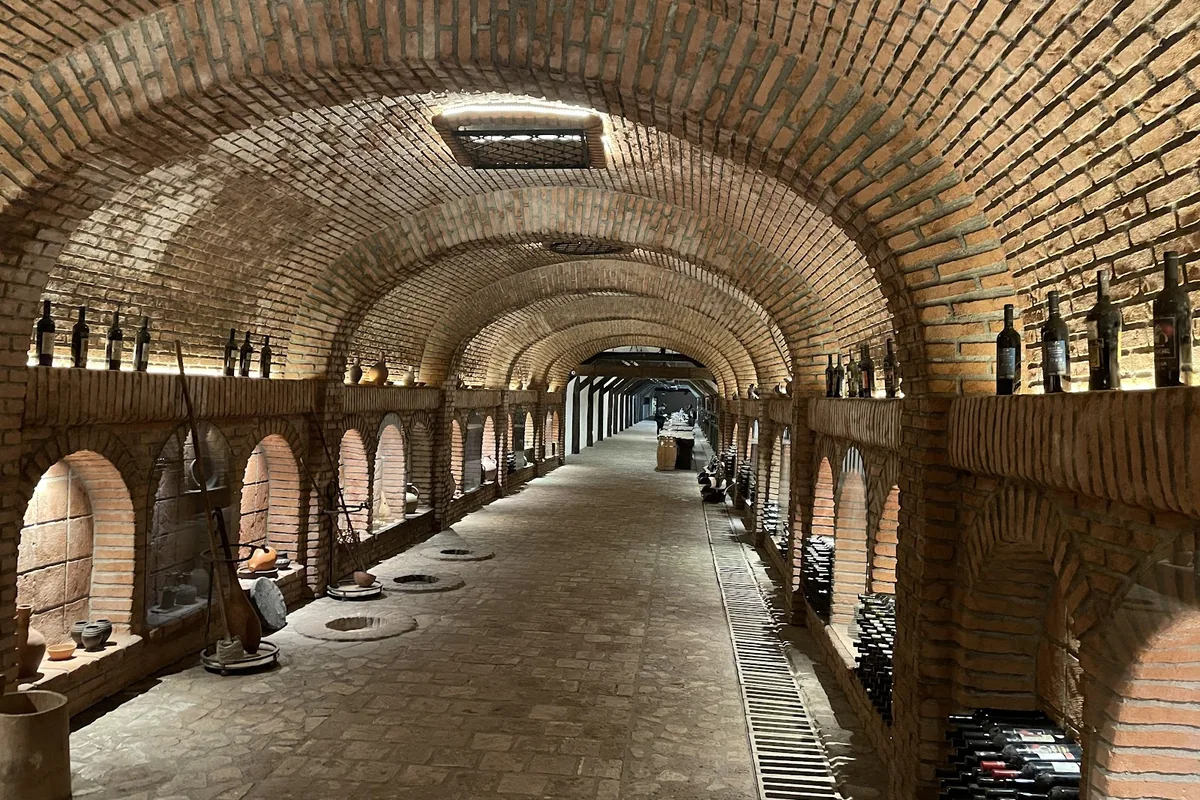
Khareba's cave is a 7.7 km network of tunnels cut into the Caucasus foothills in 1962, and it stays at 12 to 16°C all year, which makes it the best place in Kakheti to spend a hot afternoon. About 26,000 bottles age inside. The tour with a tasting costs 35 GEL, the tunnel alone is 10 GEL, and bigger packages run up to 100 GEL with add-ons from chacha to khinkali and churchkhela classes.
It is open daily from 10:00 to 20:00 and takes walk-ins, with a restaurant above the valley that serves until 22:00. I put it first because it works for everyone: first-timers, groups, kids who need something to look at while the adults taste, and anyone who arrives without a booking.
2. Pheasant's Tears, Sighnaghi
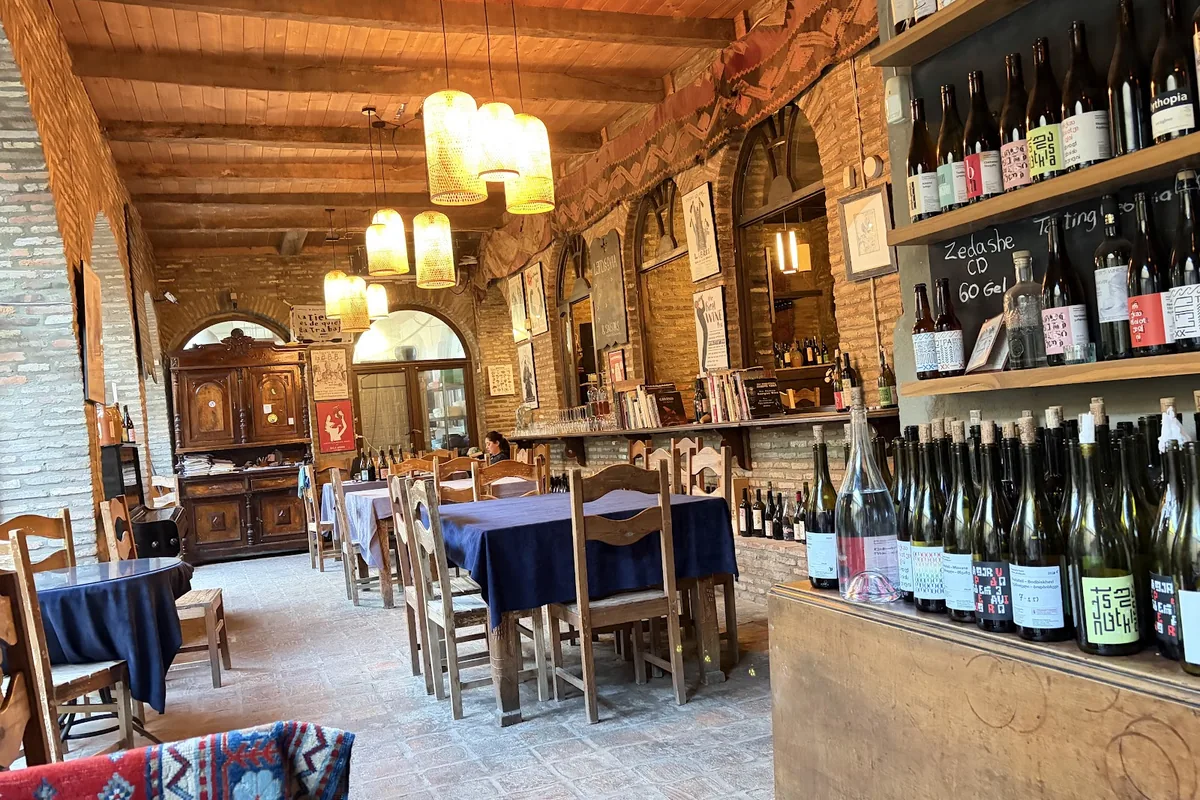
Pheasant's Tears is the best-known natural wine label in Georgia, and its home in Sighnaghi, at 18 Baratashvili Street, is a restaurant with a tasting room rather than a working cellar. The wine is made elsewhere and poured here, with a kitchen good enough to plan a day around. It is open daily from 12:00 to 23:00, and the kitchen closes at 22:00.
Order a flight of the amber wines with lunch. They are unfiltered, made in qvevri, and a clear lesson in what months on the skins do to white grapes. It is the pick for a first visit to Sighnaghi, and for anyone who already loves natural wine. If you want to stand in a marani, go somewhere else; this is lunch with great wine.
3. Giuaani, Manavi
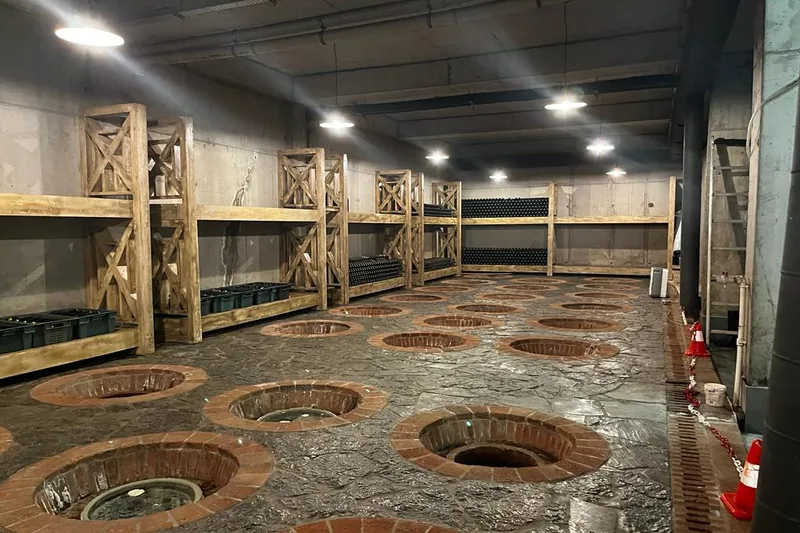
Giuaani is the closest family winery on the list, in Manavi, under an hour from Tbilisi, and the family has made wine there since 1894. The estate has a hotel, a restaurant and a garden. Two set tours include a walk through the cellar, a board of food and chacha: 35 GEL for four wines or 58 GEL for six.
Manavi gives its name to a dry white made from 100% Mtsvane, so ask for the Mtsvane first. Book online a few days ahead. In harvest season Giuaani runs a picking and pressing session at 70 GEL a person, the easiest way I know to put your own hands in the grapes. It is my pick for a half day, or for anyone who can't face 4 hours of driving.
4. Shalauri Wine Cellar, Telavi
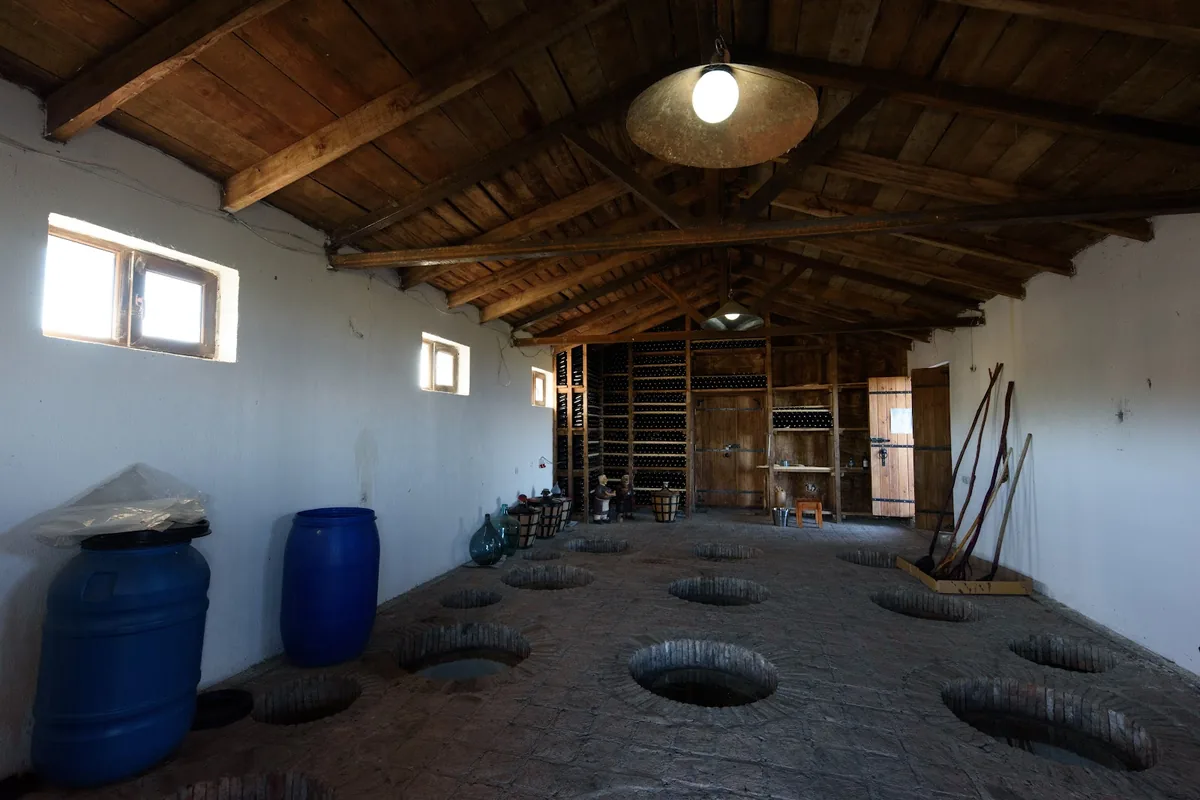
Shalauri sits on the edge of Telavi and was started by four friends. It is qvevri only: every wine ferments in clay, across 43 qvevri, including a Saperavi from old vines in the Tsinandali zone. The kitchen is serious, and the dining verandah faces the Caucasus ridge.
This is the family-cellar lunch I'd book first on the Telavi side. The wines are what Georgians mean by traditional, and the food is a proper meal rather than a snack plate. Book through Facebook or by phone, say how many you are and that you want to eat, and ask the price when you book. It suits anyone whose first question at a winery is "what's in the jar".
5. Tsinandali Estate, Tsinandali
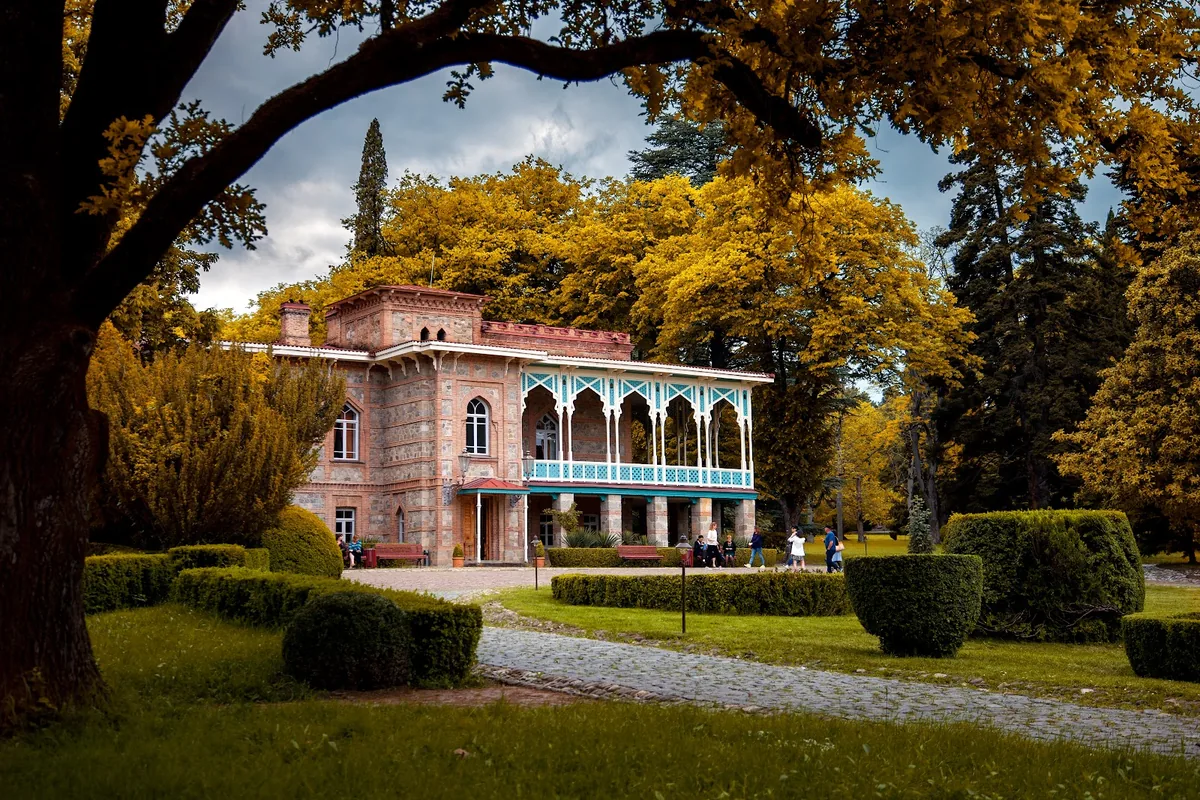
Tsinandali is the 19th-century estate of the Chavchavadze family, where bottled European-style winemaking took hold in Georgia in the early 1800s. Today it is mostly a history stop: the house museum takes about half an hour, the landscape garden has bamboo groves and a hedge maze, and the cellar holds a collection of very old bottles.
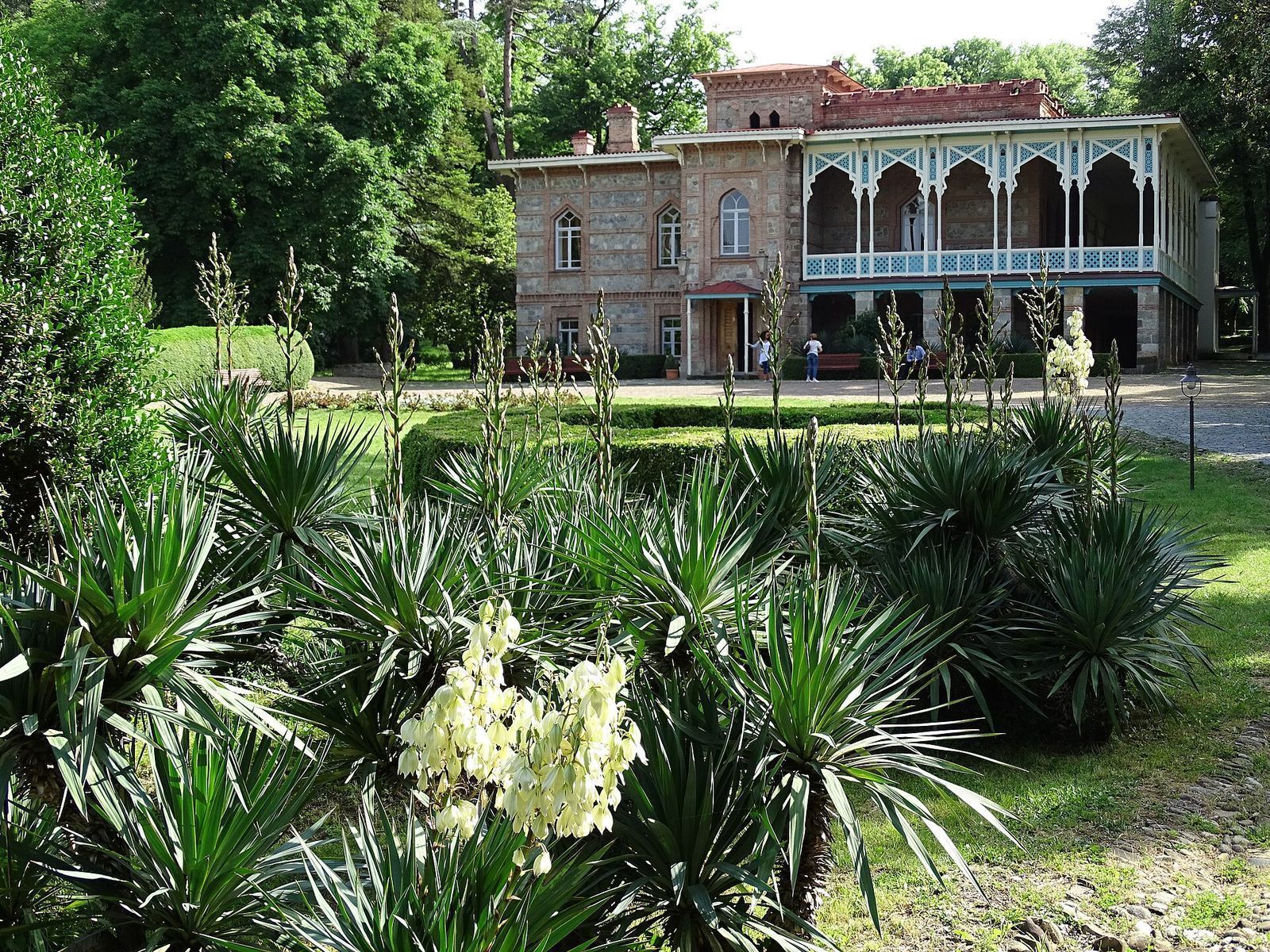
Entry to the museum and cellar is 10 GEL, then 2 GEL for one wine or 35 GEL for five. You can walk in, and there are two hotels on the grounds. I'd come for the garden and the house and keep the tasting short, then do the serious drinking at a cellar nearby. Tsinandali is also the name of a dry white, usually about 80% Rkatsiteli and 20% Mtsvane, so make that your glass here.
6. Wine Yard N1, Akhasopheli
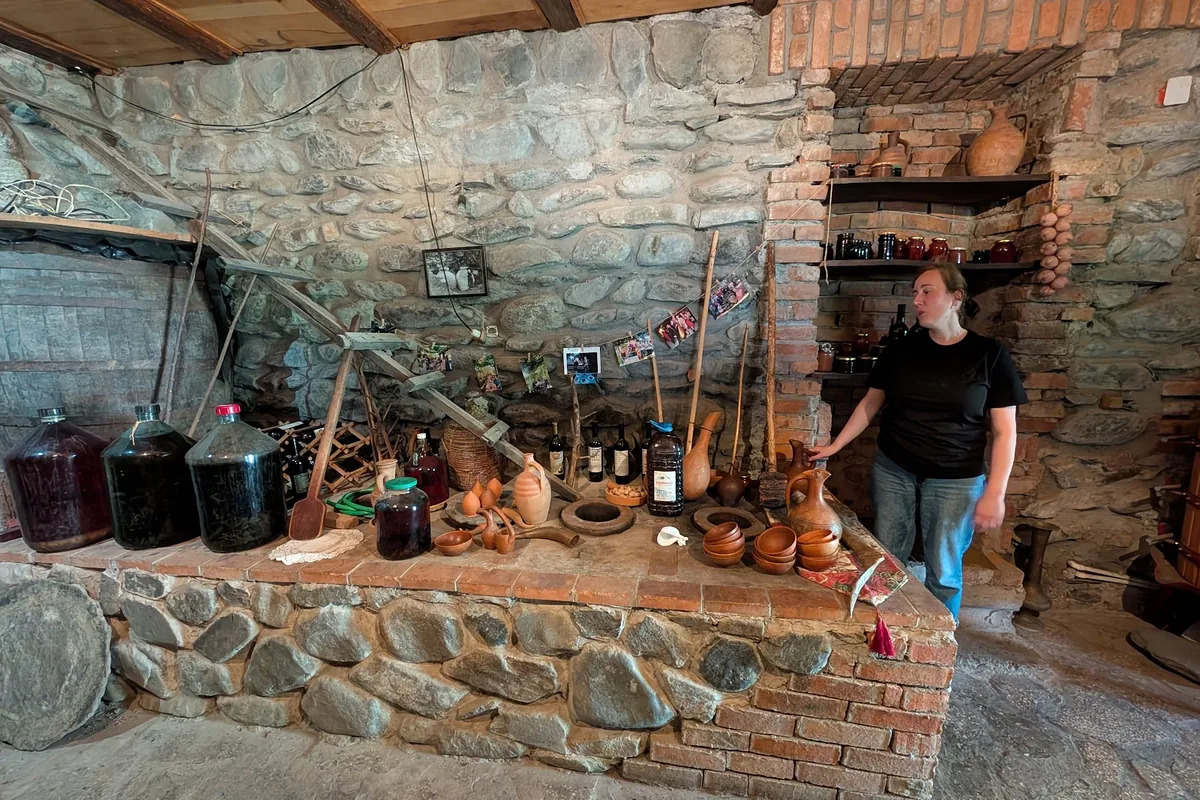
Wine Yard N1 is a family place in Akhasopheli, near Kvareli on the north side of the Alazani Valley, where a tasting turns into most of a day. It costs 80 GEL a person with food and wine included: big plates, house wine in the garden and nobody in a hurry. Bread-baking or churchkhela classes can be added on request.
This is the Kakheti lunch most people picture before they go, and it pairs well with Khareba in the morning. In autumn the family runs a harvest day with music. Book ahead, since it is a home and not a tasting room. It suits groups and anyone who would rather sit at one table for 3 hours than visit four cellars.
7. TEMI Community Winery, Gremi
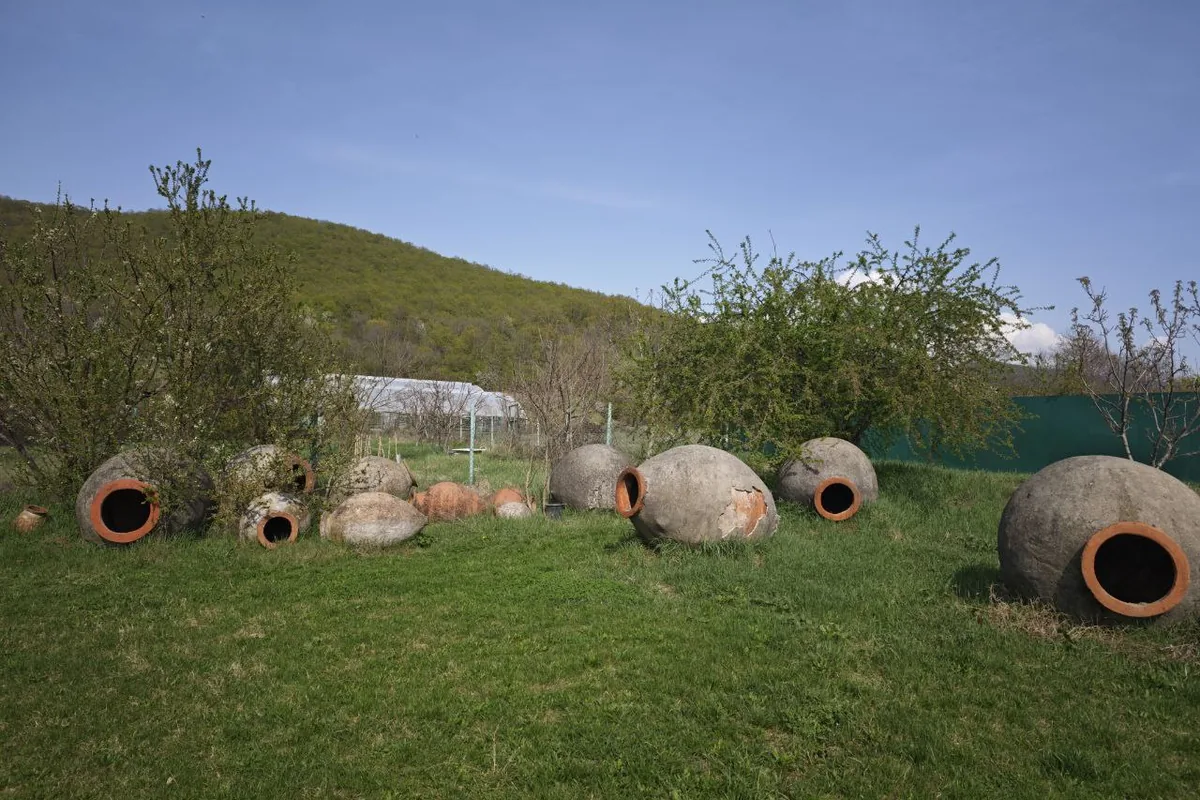
TEMI, in Gremi, is a social enterprise with roots going back to 1989, and the winery supports around 70 people of different backgrounds and abilities. It makes organic qvevri Rkatsiteli and Saperavi in the Kindzmarauli zone, so the reds come from the same slopes as the famous semi-sweet wine, made dry and in clay.
Tastings start at 20 GEL, the cheapest serious qvevri tasting on this list. Book through Facebook or the winery website. TEMI also opens its harvest days to visitors in autumn. I'd go for the wine and come away caring about the place; it is the stop I recommend most to people who want their wine money to stay in the village.
8. Akido, Ikalto
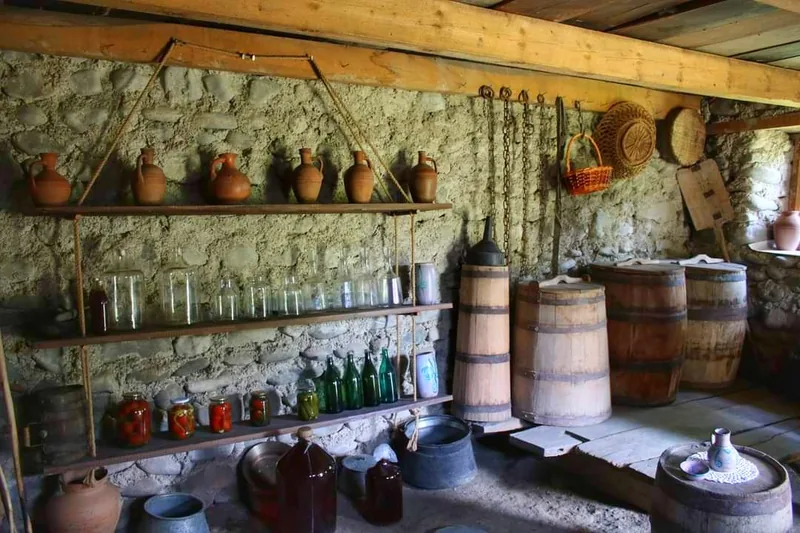
Akido is run by a young couple and their parents from a restored early-1900s Kakhetian house at the edge of their vineyard, close to the old Ikalto monastery outside Telavi. Tastings happen on a wooden balcony with a table of food, and meals and khachapuri classes can be arranged.
It is the most homely visit on the list. You are a guest on someone's balcony, the vines are right there, and the people pouring made the wine. Book through Facebook or by phone a few days ahead, and ask the price when you do. I'd pair it with Shalauri or Tsinandali for a full Telavi-side day. It suits couples and small groups more than a tour bus.
9. Shumi, Tsinandali
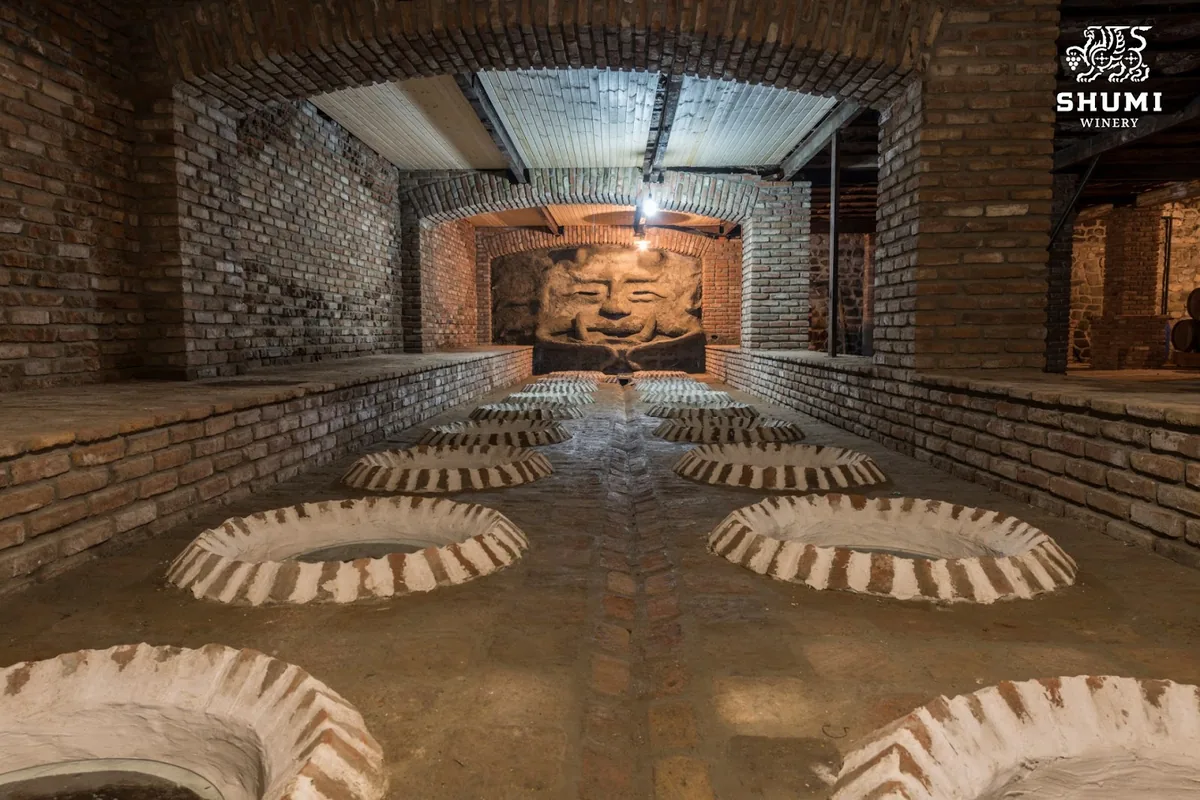
Shumi is a big producer in Tsinandali village, a short drive from the estate, making about 2.5 million bottles a year. It bottles most of the big appellations, from Tsinandali and Napareuli to Mukuzani and Kindzmarauli, so it is a good place to taste the classic names side by side. There is a small museum, a tasting terrace and a restaurant in a garden complex.
It is open daily from 10:00 to 20:00 and takes walk-ins. An English tour costs 5 GEL, and tastings run 15 to 40 GEL depending on how many wines you pour. Shumi is the right stop for a first lesson in Georgian grape varieties before the family cellars, and the shop is a fair place to buy bottles you already know you like.
10. Kindzmarauli Corporation, Kvareli
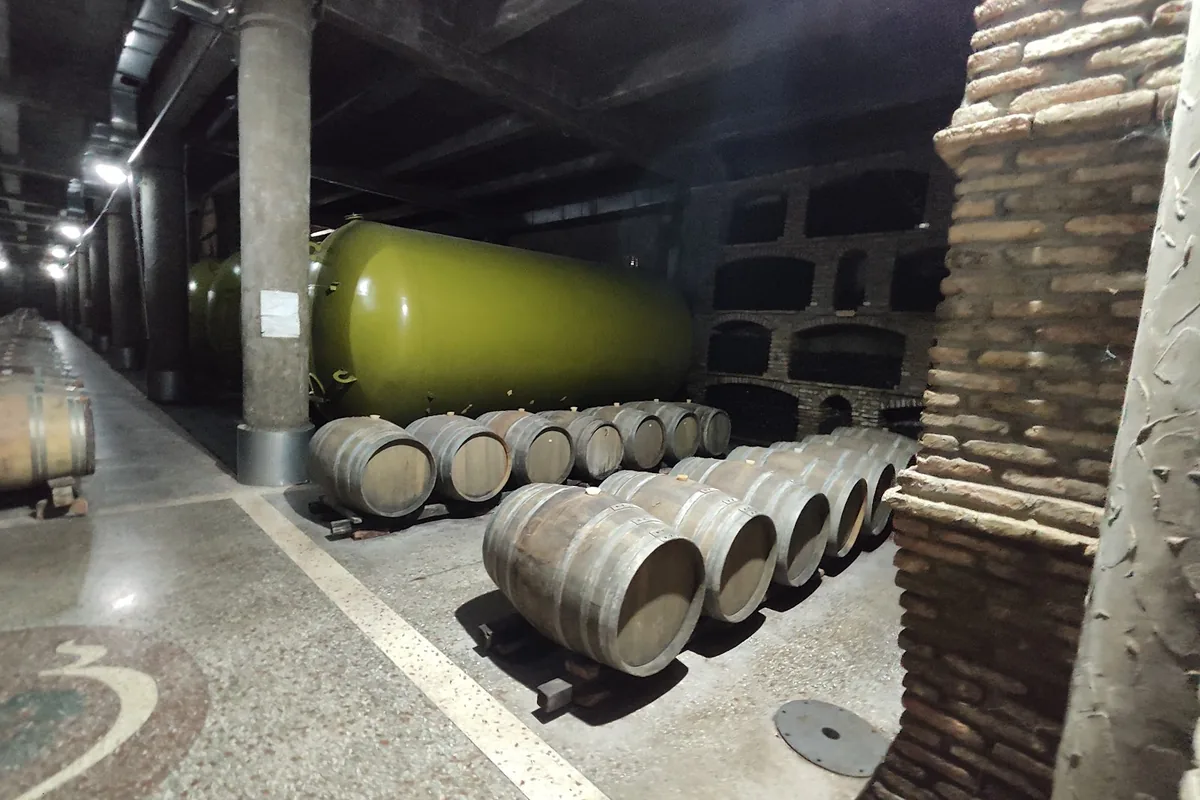
Kindzmarauli Corporation is the industrial-scale producer in Kvareli, known for the naturally semi-sweet Saperavi the area gives its name to, at about 1.5 million bottles a year. A tour of the grounds with a seated tasting costs about 20 GEL, and there is a shop and a restaurant on site.
Go if you like Kindzmarauli, one of the best Georgian wines to bring home as a gift, and want to taste it where it is made. The sweetness comes from fermentation stopped early, not added sugar. The shop often sells for less than Tbilisi stores. Khareba is in Kvareli too, so the two make an easy walk-in pair.
Kakheti wineries by area
Kakheti is big, and the 10 wineries above sit in four corners of it. Pick one corner per day and you spend your time in cellars instead of in the car.
| Area | Wineries on this list | From Tbilisi | Pair it with |
|---|---|---|---|
| Manavi | Giuaani | Under an hour | A half day out with lunch |
| Sighnaghi | Pheasant's Tears | About 2 hours | The town walls and Bodbe Monastery |
| Telavi and Tsinandali | Shalauri, Akido, Tsinandali Estate, Shumi | About 2 hours over the Gombori Pass | Alaverdi Monastery and Telavi Bazaar |
| Kvareli and Gremi | Khareba, Kindzmarauli Corporation, Wine Yard N1, TEMI | Across the valley from Telavi | A night in Telavi or Kvareli |
These are the three days I'd plan, one winery type at a time:
- Telavi day: Tsinandali Estate in the morning, Shumi a short drive away, then a long booked lunch at Shalauri or Akido. Leave time for Telavi itself on the way back.
- Kvareli day: Khareba at 10:00 when the cave opens, lunch at Wine Yard N1, and either TEMI in Gremi or Kindzmarauli Corporation in the afternoon.
- Short day: Giuaani for a tasting and lunch, back in Tbilisi by mid-afternoon. If even that is too far, the wineries near Tbilisi in Kartli are closer still.
The Sighnaghi side is lighter on cellars to book and heavier on views, which is why I'd treat it as a town day with one long lunch at Pheasant's Tears. Most group tours go there; a Kakheti wine tour is the easier way to reach the Kvareli side without a car.
How to book a Kakheti winery and what it costs
The big wineries need no booking: turn up during opening hours and join the next tour. Family cellars are homes and small businesses, so message them 3 or 4 days ahead with the date, the number of people and whether you want a meal. Facebook and WhatsApp get answers faster than email.
| What you pay for | Typical price |
|---|---|
| Big winery tour with tasting | About 15 to 40 GEL |
| Big winery tour, no tasting | 5 to 10 GEL |
| Family cellar tasting | From 20 GEL, up to 120 GEL for a long tasting |
| Family cellar meal with wine | About 80 to 200 GEL a person |
| Harvest picking and pressing | About 70 GEL a person |
| A bottle at the winery | About 15 to 100 GEL |
A meal at a family cellar usually needs at least 24 hours' notice, and it is where the visit turns into a small Georgian supra, with toasts, a table that keeps filling and homemade chacha to finish. Getting there is the other cost: a driver for the day, split between 2 to 4 people, is the best value, and the vans covered under getting around Georgia only reach the towns, not the cellars outside them.
Buy bottles at the wineries, since the small producers sell wine you will not find in Tbilisi shops. Shipping from Georgia is hard, so most people pack wine in checked luggage; the natural, low-sulfite wines travel worst, and the rules for bringing wine home put a tighter cap on chacha than on wine.
When to visit Kakheti wineries
The best months are May and June, when the vines are green and the days mild, and late September to October, for Rtveli, the grape harvest. Picking runs from late August to late October, with most of it between about 5 September and 20 October, and many cellars let visitors pick and press. Giuaani, TEMI and Wine Yard N1 all run harvest days. July and August often pass 35°C in the Alazani Valley, which suits Khareba's cool tunnel and not much else.
If your dates are flexible, plan the trip around Rtveli. The villages smell of crushed grapes, families press wine at home, and the cellars are at their busiest and happiest.
Which Kakheti winery suits you
- First visit, no plans: Khareba and Kindzmarauli Corporation, both in Kvareli and both open to walk-ins.
- Natural wine lovers: Pheasant's Tears for the amber flight, then Shalauri or TEMI for qvevri wine at the source.
- One long lunch: Wine Yard N1 or Shalauri, booked ahead, with nothing else planned after.
- History over wine: Tsinandali Estate, with Shumi next door for a proper tasting.
- Short on time: Giuaani in Manavi, under an hour from Tbilisi.
When the answer is no:
- Skip the family cellars if you can't book a few days ahead. Walking up unannounced to someone's home is a gamble, and the big wineries are a better use of the day.
- Skip the 10-winery plan. Three a day is the limit before every glass tastes the same.
- Skip Kakheti altogether if you have two days in Georgia and wine is a side interest. A wine tasting in Tbilisi pours the same grapes in an evening.
Key takeaways
- My top three Kakheti wineries are Khareba for the tunnel, Pheasant's Tears for natural wine and Giuaani for the closest family cellar.
- Big wineries take walk-ins at about 15 to 40 GEL; family cellars need a message 3 or 4 days ahead.
- Book a family cellar meal at about 80 to 200 GEL, the part of the day most people remember.
- Group wineries by area: Telavi and Tsinandali one day, Kvareli and Gremi the next.
- Go in late September or October for the harvest, and three wineries a day is enough.
Frequently asked questions
What is the best winery in Kakheti?
Khareba's Kvareli Wine Cave is the best all-round pick: a 7.7 km tunnel, walk-ins and a 35 GEL tour with a tasting. For natural wine, Pheasant's Tears in Sighnaghi is the best-known name. For a family cellar, I'd book Shalauri near Telavi or Giuaani in Manavi.
Do I need to book Kakheti wineries in advance?
Only the family cellars. Big wineries such as Khareba, Shumi, Kindzmarauli Corporation and Tsinandali Estate take walk-ins during opening hours. Family cellars are homes, so message them 3 or 4 days ahead, and give at least 24 hours' notice for a meal.
How much does a wine tasting cost in Kakheti?
A tasting at a big winery costs about 15 to 40 GEL, and family cellars charge from 20 GEL up to 120 GEL for a long tasting. A meal with wine at a family cellar runs about 80 to 200 GEL a person. Bottles at the wineries cost about 15 to 100 GEL.
What is a marani in Georgia?
A marani is a Georgian wine cellar, traditionally with qvevri, large clay jars, buried to the neck in the floor. The wine ferments and ages in the jars under lids sealed with beeswax and clay. Most family wineries in Kakheti are built around one.
How many wineries can you visit in one day in Kakheti?
Three is the sensible limit. A big winery tasting takes about an hour and a family cellar visit at least 2 hours, and the driving between villages adds up. Two wineries plus a long lunch at one of them makes the best day.
Can you visit Kakheti wineries in winter?
Yes, but plan around the big ones. Khareba, Shumi, Kindzmarauli Corporation and Tsinandali Estate stay open, while many small family cellars stop taking guests in winter. Message a family cellar before you set out.
Which Kakheti winery is closest to Tbilisi?
Giuaani in Manavi is the closest on this list, under an hour from Tbilisi. It is a family estate with tastings from 35 GEL for four wines, a restaurant and a hotel. Telavi, Tsinandali and Sighnaghi are about 2 hours away.
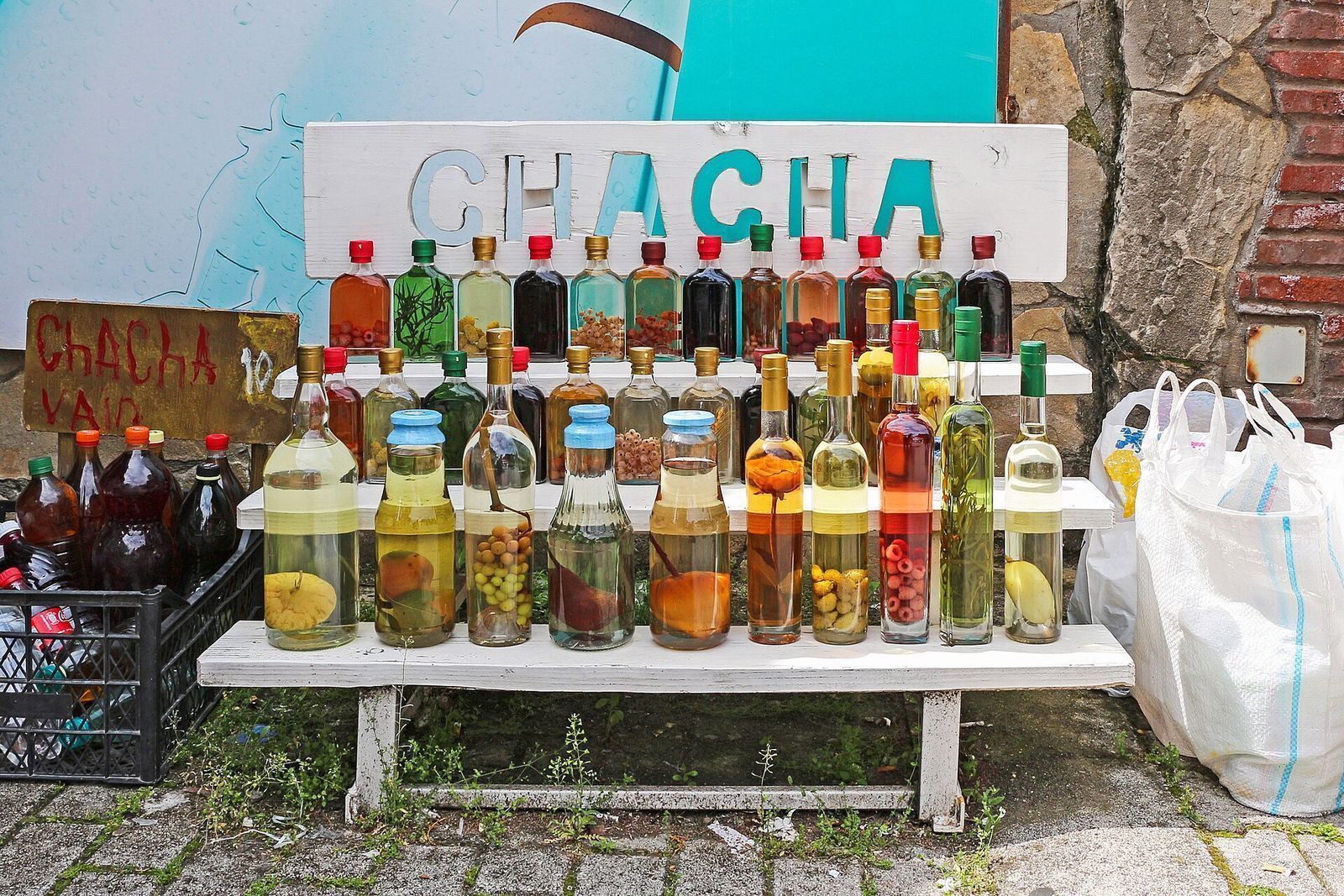
Georgian Drinks: What to Drink in Georgia and Where to Try It in Tbilisi
Tbilisi is known for its qvevri wine. Here's what to drink in Georgia, from amber wine to chacha, and where to try it.
Read the guide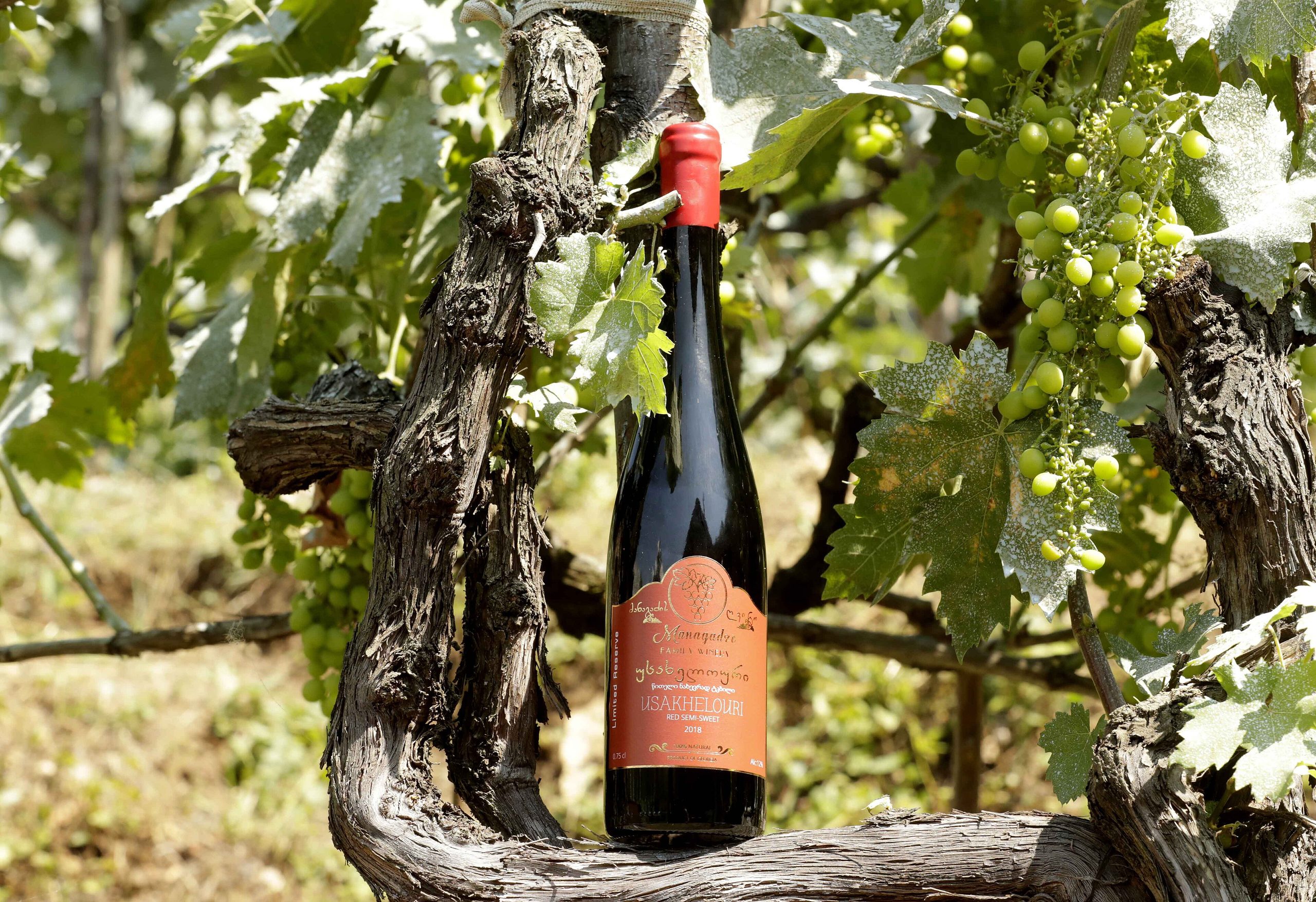
Georgian Wine Guide: Regions, Styles and What to Order
Georgia is known for 8,000 years of winemaking. Here is what to know about its styles, regions, prices and bars.
Read the guide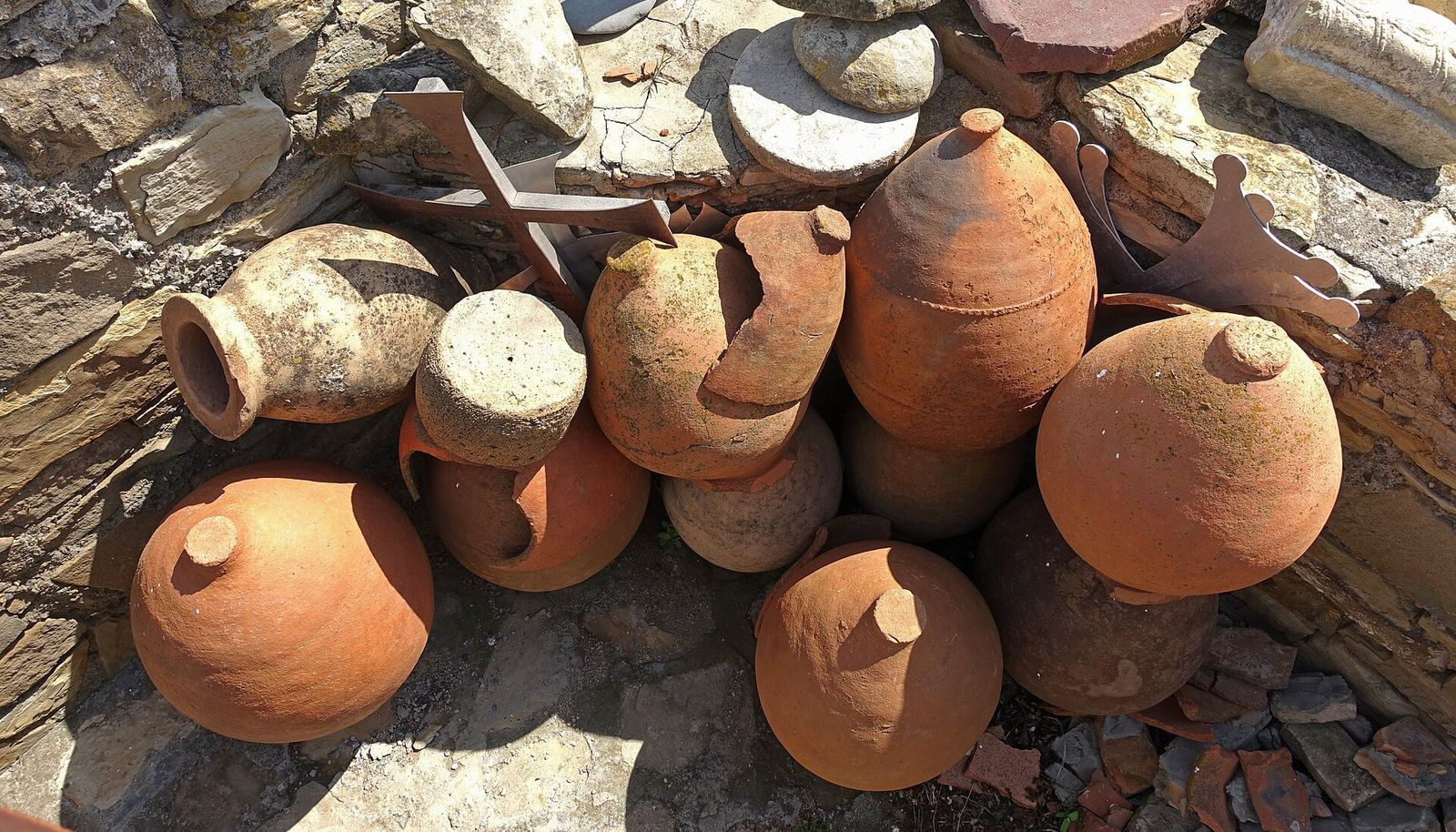
Qvevri Wine: How Georgia Makes Wine in Buried Clay Jars
Georgia is known for qvevri wine. Here is what the clay jars are, how the wine tastes and where to try it in Tbilisi.
Read the guide