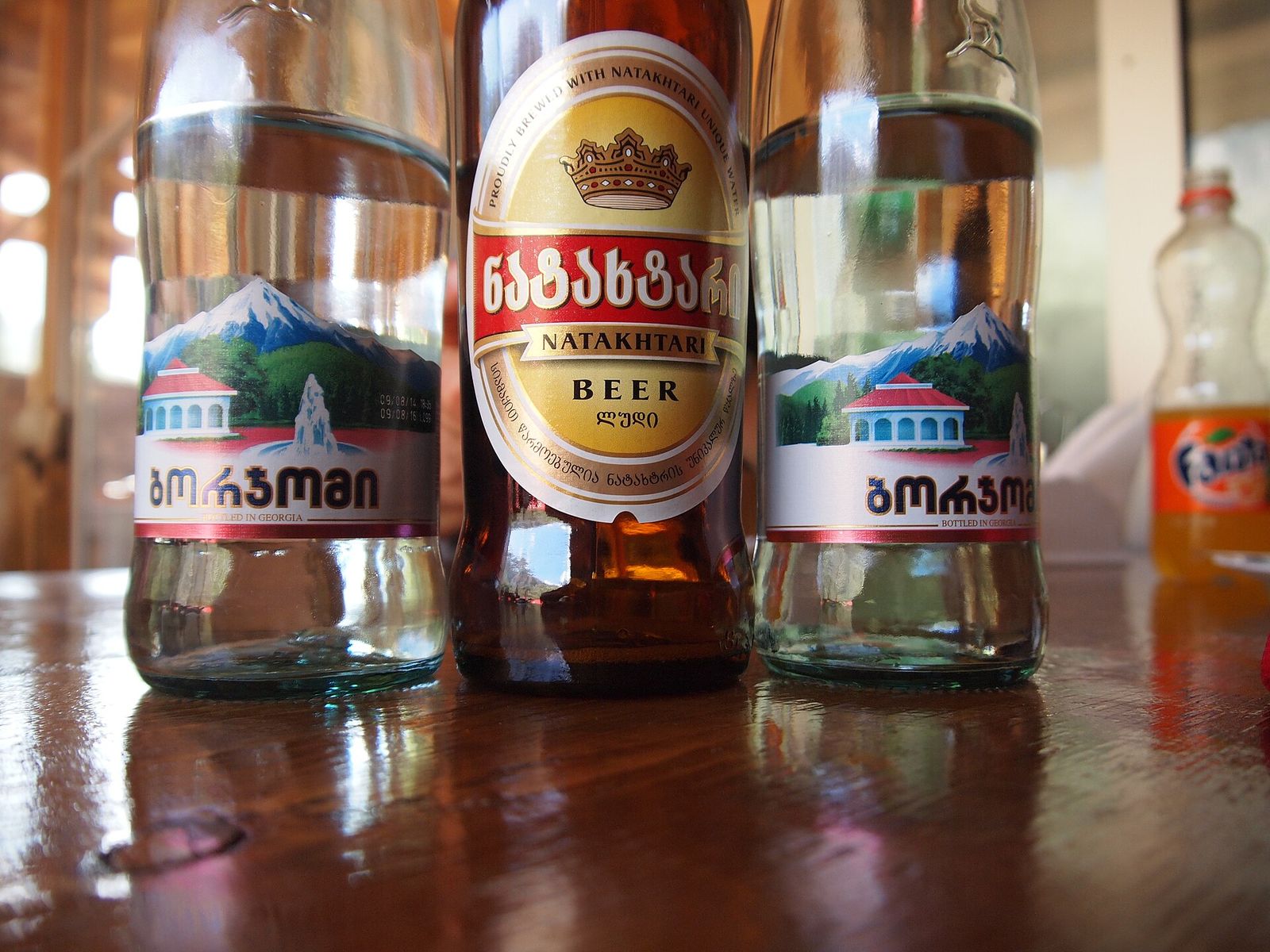
Georgian Beer: Natakhtari, Zedazeni, Argo and the Brews Worth Ordering
Georgia is famous for wine, yet the drink on most tables at a khinkali house is a cold lager. Natakhtari, Zedazeni, Argo and Kazbegi are the names you'll see on every menu, and a small craft scene in Tbilisi pours sours made with Georgian soup. Here's what each beer tastes like, what it costs, which old mountain brew came first, and where I'd go to drink it.
Is Georgian beer any good?
Yes, and it's better than its reputation as an afterthought in a wine country. Georgia drank about 140 million liters of beer in 2025, consumption has climbed to 44 liters per person a year, and 84% of it is brewed at home. The big lagers are clean, cheap and made for hot afternoons. The craft beer is the real surprise: barely a microbrewery existed in 2016, and by 2019 there were at least ten, several of them now exporting.
Wine still rules the formal table. At a Georgian supra with its long run of toasts, the tamada raises wine, and beer doesn't get a look in. Beer is the casual drink: the mug next to a plate of khinkali, the bottle at a late barbecue, the cold one on a riverside terrace in July. If you've spent three days on Georgian wine and a couple of nights on chacha, a lager is how Georgians reset too.
Four companies brew about 85% of the beer sold in Georgia. Efes, the Turkish brewer, is the biggest and makes Natakhtari. The Georgian Beer Company makes Zedazeni. Global Beer Georgia makes Kazbegi and is 80% owned by Royal Swinkels, a Dutch family brewer, which also holds 40% of Argo. Everything else is craft, imports and village brewing.
The big Georgian beer brands
You'll meet the same handful of lagers everywhere, from a Tbilisi supermarket fridge to a beach bar in Batumi. Here's how they compare and what I order each one for.
| Beer | Brewer | Styles | What it tastes like | Order it when |
|---|---|---|---|---|
| Natakhtari | Efes Georgia | Classic lager, Natakhtari Extra | Crisp, clean, light | You want the default, cold |
| Kazbegi | Global Beer Georgia | Golden lager | Maltier, a little sweet, a hint of honey | You like a fuller lager |
| Zedazeni | Georgian Beer Company | Lagers, wheat beer, a dark beer | Easy-drinking; the dark is smooth | You want wheat or dark |
| Argo | Argo, part-owned by Royal Swinkels | Lager, seasonal and flavored versions | A touch more refined than the mass lagers | It's the tap on offer |
| Karva, Kasris, Taati | Efes Georgia | Lagers | Plain, passable, cheap | Nothing else is in the fridge |
Natakhtari
The beer you'll see first and most. Natakhtari is brewed just outside Tbilisi, near the village it's named after, and the label boasts that it's made with the village's own spring water. It's a classic golden lager: crisp, clean, with nothing in the flavor to argue about. That makes it the ideal first order with a plate of khinkali and the beer I keep in the fridge in summer.
There's a stronger Natakhtari Extra on most shelves too. Efes Georgia brews more than a dozen brands here, from Natakhtari to locally made Staropramen and Löwenbräu, and imports Stella Artois and Corona on top.
Zedazeni
Zedazeni is brewed on the edge of Saguramo, a village at the foot of Mount Zedazeni near Mtskheta, in a modern brewery with European kit. It's the youngest of the big names and the most varied. Alongside the standard lager, it makes a wheat beer and a dark beer, and the dark is the one I'd pick. It's smooth, slightly roasty and still light enough for a warm evening.
If you find the mass lagers a bit samey, Zedazeni's range is the easiest way to change things up without hunting down a craft bar. Specialty shops in Tbilisi keep Zedazeni Dark in the fridge next to the craft bottles.
Argo
Argo is the lager with an old sailing ship on the label, a nod to the Argonauts, who sailed to western Georgia for the Golden Fleece in the Greek myth. The standard Argo Lager is 4.8%, a straight golden lager that some drinkers rate a little above the mass-market pack. Argo also brews seasonal and flavored versions.
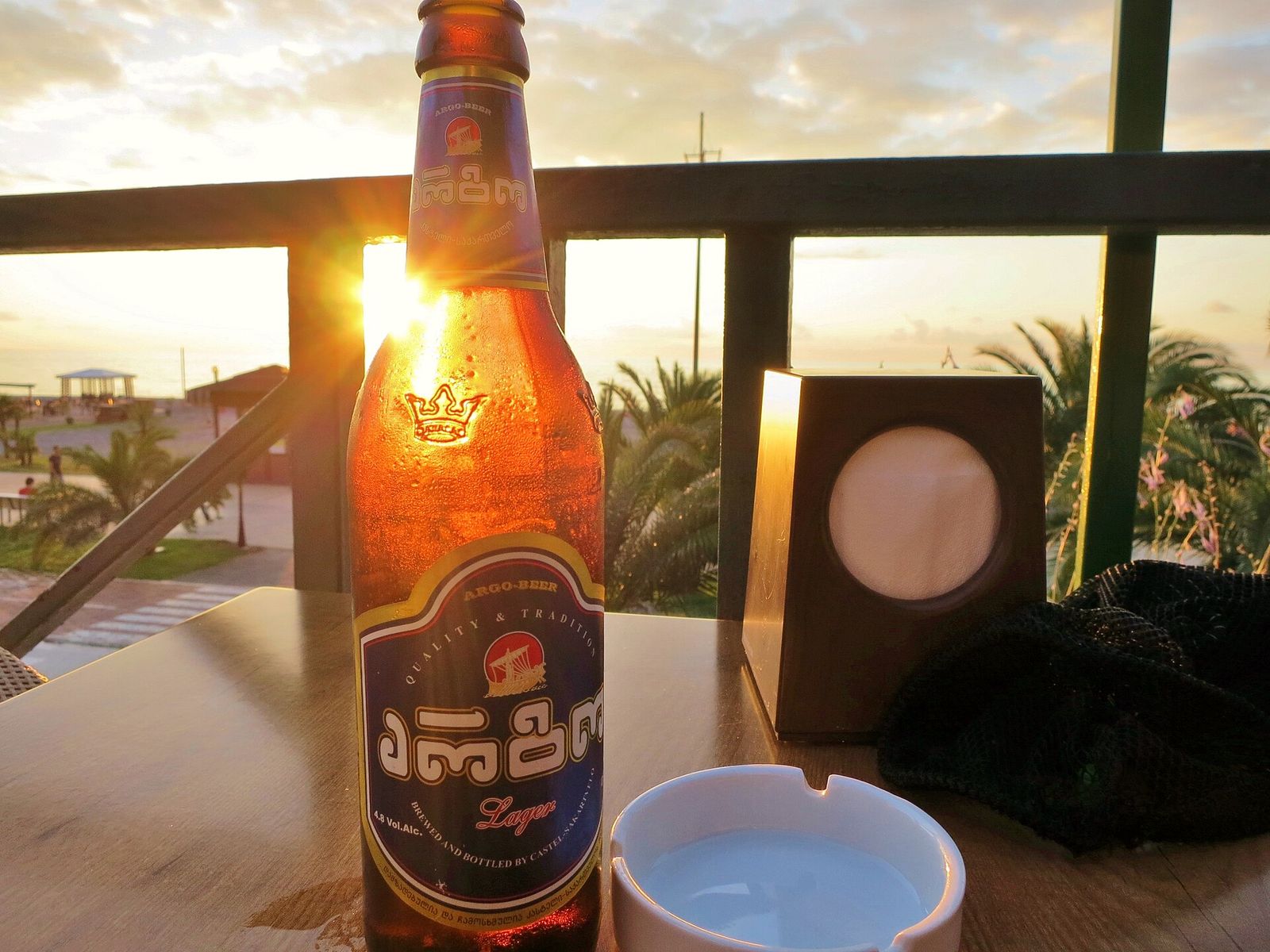
Argo is one of the four leading breweries in Georgia, and Royal Swinkels bought 40% of it in 2019. You'll see it most often on the Black Sea coast, where a bottle on a balcony at sunset is about as good as beer drinking in Georgia gets.
Kazbegi
Kazbegi takes its name from Mount Kazbek, the glacier-topped peak above Stepantsminda, and its roots go back to the Soviet era. It's brewed near Tbilisi by Global Beer Georgia. Next to Natakhtari it's maltier and slightly sweet, with a honeyed edge, which is why people who find Natakhtari thin often switch to it.
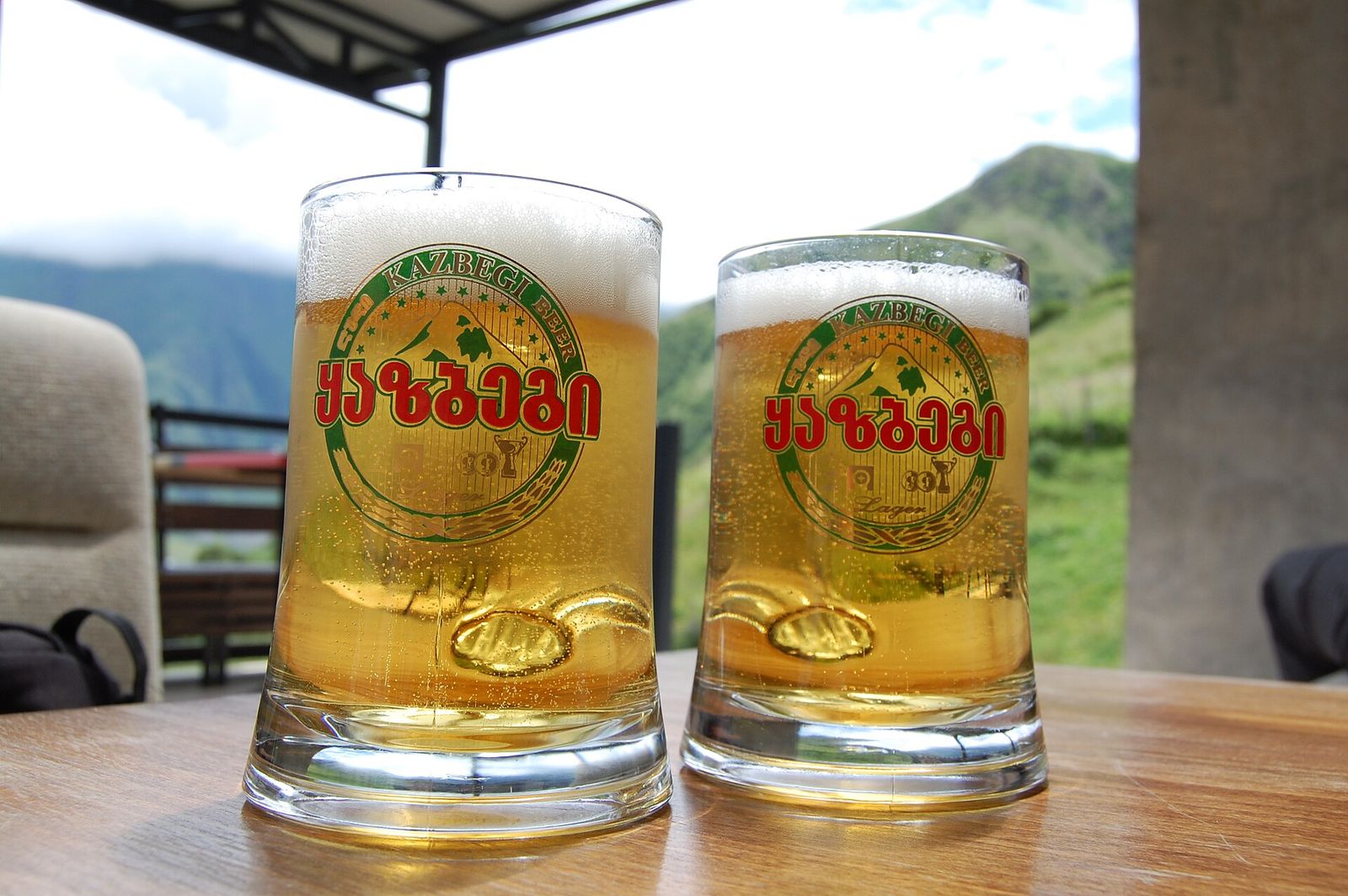
Draft Kazbegi often comes in its own branded mugs, and drinking one on a terrace in Stepantsminda after the walk up to Gergeti is a small ritual of every Kazbegi day trip. Kazbegi and Natakhtari are the two beers most Georgians would name as the country's favorites.
Karva, Kasris and Taati
These are the other Efes lagers, priced below Natakhtari and aimed at the supermarket shelf. They're perfectly drinkable when cold and nothing to go looking for. If a village shop only has one of these, buy it; if you have a choice, take Natakhtari or Kazbegi.
Aludi: Georgia's old mountain beer
Long before the lagers, the mountain villages of Khevsureti, Tusheti and Pshavi brewed aludi, a beer flavored with wild hops and herbs. It may go back thousands of years. Aludi belongs to religious festivals in the high mountains: elders raise cups of it in prayer, and it's poured for guests, for ancestors and for the old mountain shrines. The government is working to add it to UNESCO's list of intangible heritage.
You won't find real aludi on a Tbilisi menu, because it isn't brewed for sale. The way to taste it is to be in a village like those in remote Tusheti during a summer festival and be invited in. In town, a few bottled beers carry Khevsureti's name and patterns on the label as a nod to it, and craft brewers borrow the idea with thyme, mint, linden and other foraged herbs.
Georgian craft beer and the breweries to know
Craft beer is still well under 10% of what Georgians drink, but in Tbilisi it's everywhere you look. The breweries borrow from Georgian food and wine in a way I haven't seen anywhere else. Megobrebi makes a gose that tastes like khinkali and a sour built on kharcho, the walnut and beef soup. Number 8 has a beetroot gose and an ale aged in Saperavi wine barrels. Collaboration sours use tkemali, the sour plum sauce, and tarragon turns up in more beers than you'd expect.
| Brewery | Known for | Beer to try |
|---|---|---|
| Megobrebi | Experimental sours and wine and beer hybrids; the name means "friends" | Khinkalien, the khinkali gose |
| Number 8 | IPAs, ciders, small seasonal batches | The beetroot gose or the Saperavi barrel ale |
| Shavi Lomi (Black Lion) | Bold, hop-forward IPAs and oatmeal stouts | Any IPA on tap |
| 2 Tona | Dependable classic styles, four taprooms in Tbilisi | Vienna Street Lager or the Czech pilsner |
| Svia (Lost Ridge) | Kakheti brewery near Sighnaghi using foraged mountain ingredients | Svia Black IPA |
| Bayo | Hop-forward IPAs | The IPA |
| Seahorse, Underground, NaturAle, Alkhanaidze | Smaller brewers on rotating taps | Whatever is fresh |
Svia is the brewery to know if you're heading east. It sits at a ranch and inn near Sighnaghi in Kakheti, uses herbs and fruit foraged in Kakheti and Tusheti, and exports to the US and Europe. Shavi Lomi is now owned by Royal Swinkels, which tells you how seriously the big brewers take the scene.
Georgian wine habits have crept into the brewing too. Some brewers ferment in qvevri, the buried clay jars that qvevri wine is made in, and Gotsa's Qvrimi is a grape ale fermented in qvevri with Chinuri, Tsitska and Tsolikouri grapes. If you only try one strange beer in Georgia, make it a qvevri beer.
How strong is Georgian beer?
Mostly normal strength. The big lagers sit between 4.5 and 5%, and craft beers run 4.5 to 7%, with a few specials up to 8 to 10%.
| Style | Typical strength (ABV) | Examples |
|---|---|---|
| Lagers and pilsners | 4.5 to 5% | Natakhtari, Kazbegi, Argo Lager at 4.8% |
| Pale ales and IPAs | 5 to 6.5% | Shavi Lomi IPA, Bayo IPA |
| Stouts and porters | 5 to 7% | Zedazeni Dark, Shavi Lomi oatmeal stout |
| Sours and experimental beers | 4.5 to 7%, some higher | Megobrebi's kharcho sour |
| Specials | 8 to 10% | Barrel-aged and imperial styles |
The thing that catches people out is the session, not the strength. Beer in Georgia is often drunk alongside chacha, and a beer at the khinkali house followed by a round of homemade chacha at 50% or more is how a quiet dinner turns into a long night.
What a beer costs in Tbilisi
Beer is cheap here by any European standard, but where you drink matters more than what you drink. These are 2026 prices in lari.
| Where | Price of a beer |
|---|---|
| Ordinary bar or khinkali house | 5 to 9 GEL |
| Fabrika courtyard | 7 to 10 GEL |
| Shardeni Street in the old town | 9 to 14 GEL |
| For comparison: a glass of wine | 8 to 18 GEL |
| For comparison: a cocktail | 14 to 20 GEL |
Supermarkets and corner shops sell bottles and cans of the big lagers for much less than any bar, and a cold Natakhtari from a shop fridge on a hot afternoon is one of the cheapest pleasures in the city. Craft beer costs more than the lagers in every setting, but still less than a cocktail. A night of beer and late khinkali is the backbone of Tbilisi on a budget.
Georgian food to eat with beer
Beer belongs to the casual end of Georgian eating: grilled meat, dumplings, cheese bread and beans. These are the pairings I'd order.
| Dish | Beer | Why it works |
|---|---|---|
| Khinkali | Natakhtari or Kazbegi lager | A clean lager cuts through the peppery broth |
| Mtsvadi (grilled pork skewers) | An IPA from 2 Tona or Shavi Lomi | Hop bitterness stands up to smoke and fat |
| Khachapuri | Zedazeni or Megobrebi wheat beer | Soft, slightly sweet wheat beer suits the cheese |
| Lobio (bean stew) | A Georgian porter or stout | Malty beer matches the earthy beans |
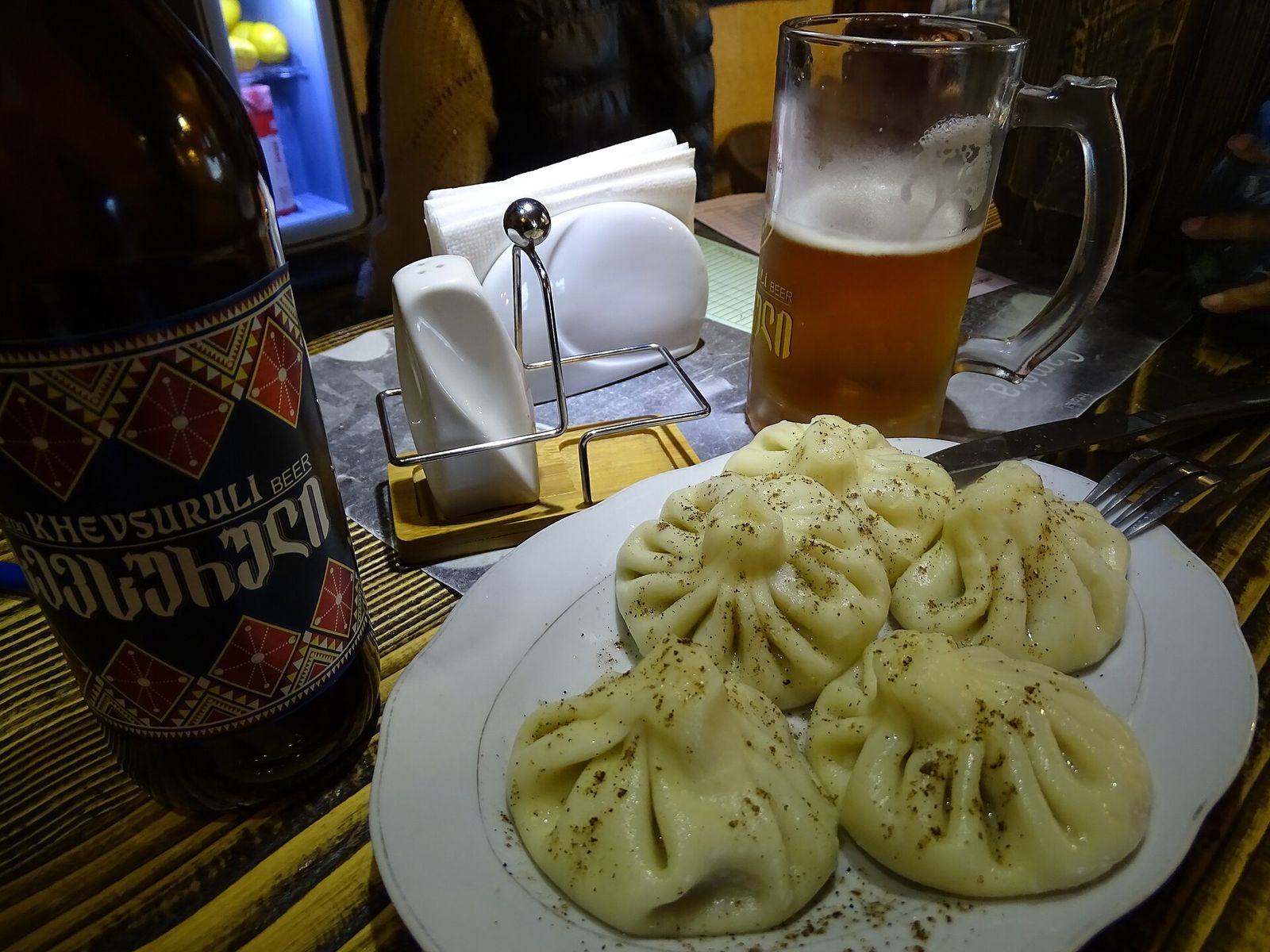
Khinkali and beer is the pairing I'd defend above all others. Most khinkali houses pour a draft lager in heavy glass mugs, and with ten dumplings in front of you, that's the drink that makes sense. For the dumplings themselves, the khinkali houses I rate in Tbilisi all keep cold beer on tap.
Where to drink Georgian beer in Tbilisi
You can drink Natakhtari in any of the bars in Tbilisi, but for Georgian beer beyond the big lagers, these five are where I'd go. Each one does something different.
Tsota Tsota
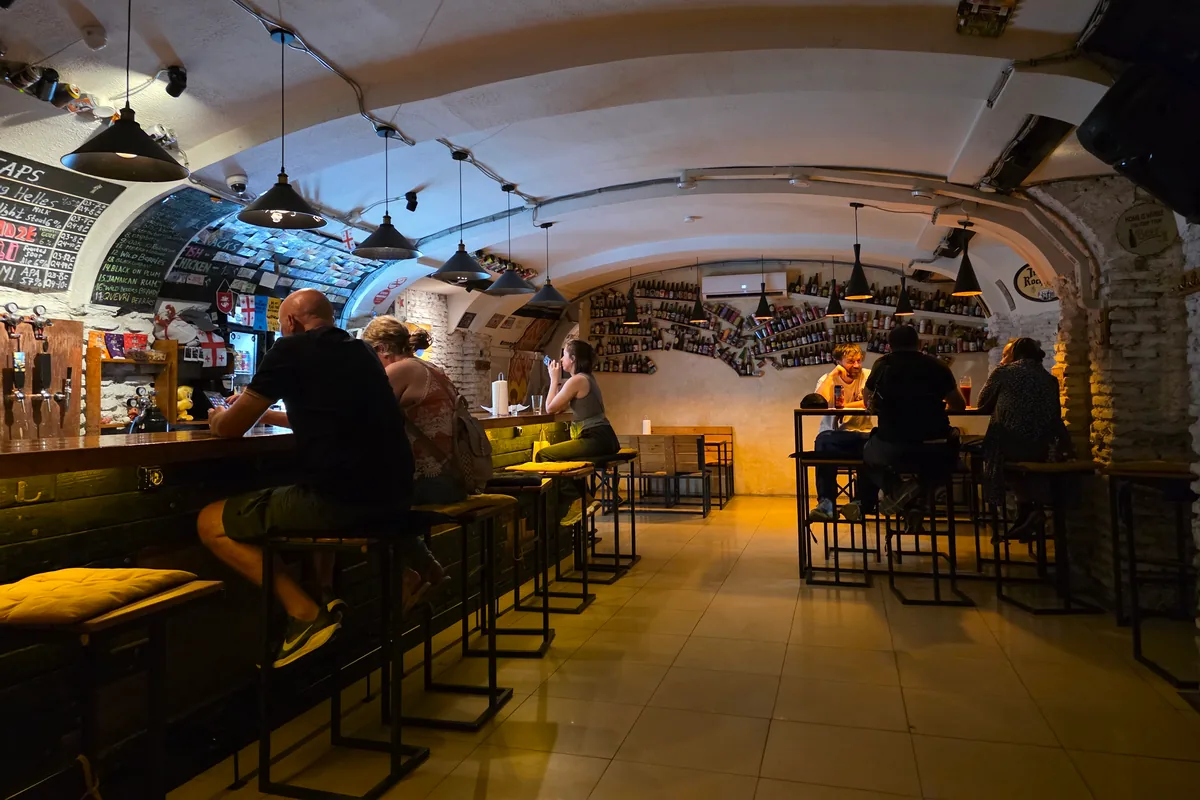
Megobrebi's own taproom, on Geronti Kikodze Street in Sololaki. It has 14 taps and a couple of packed fridges, so it's the best single place to try the brewery's range, including the sours built on Georgian dishes. Order the tasting plate first.
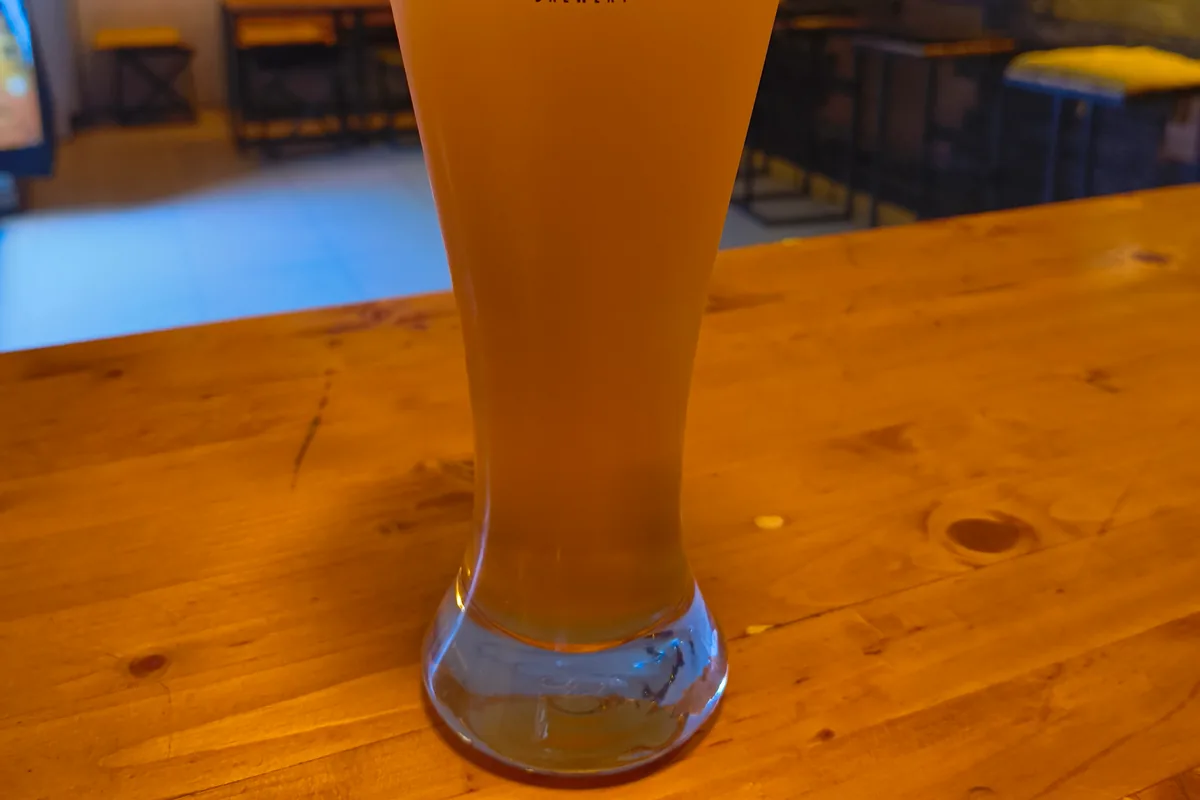
There are burgers and bar food, plus the brewery's own homemade liqueurs. It's the one I'd pick for a first evening of Georgian craft beer.
Process Craft Beer Bar
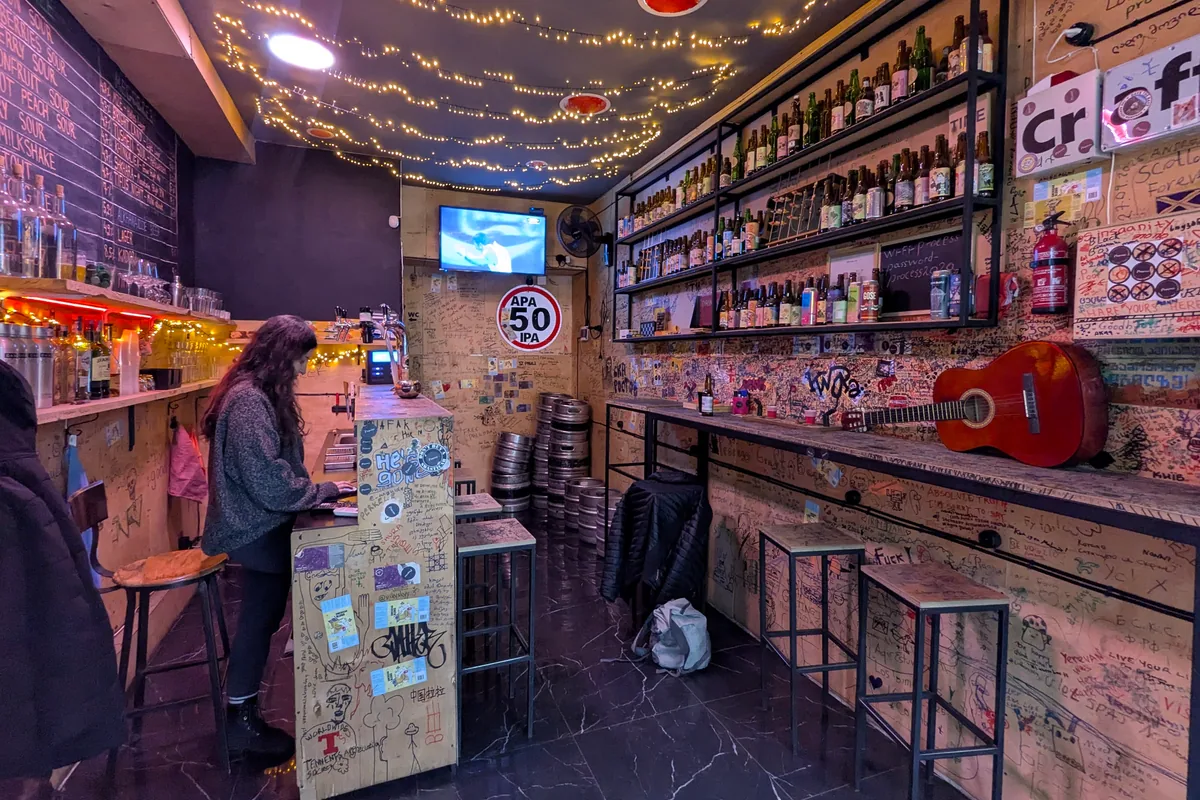
A tiny bar at 19 Merab Kostava Street, across from Stamba. There are only four taps, mostly its own with Georgian guests like NaturAle, Megobrebi and Alkhanaidze, and the packed fridge doubles as a bottle shop. This is where to find the strange stuff: tomato gose, tarragon sour, cherry ale.
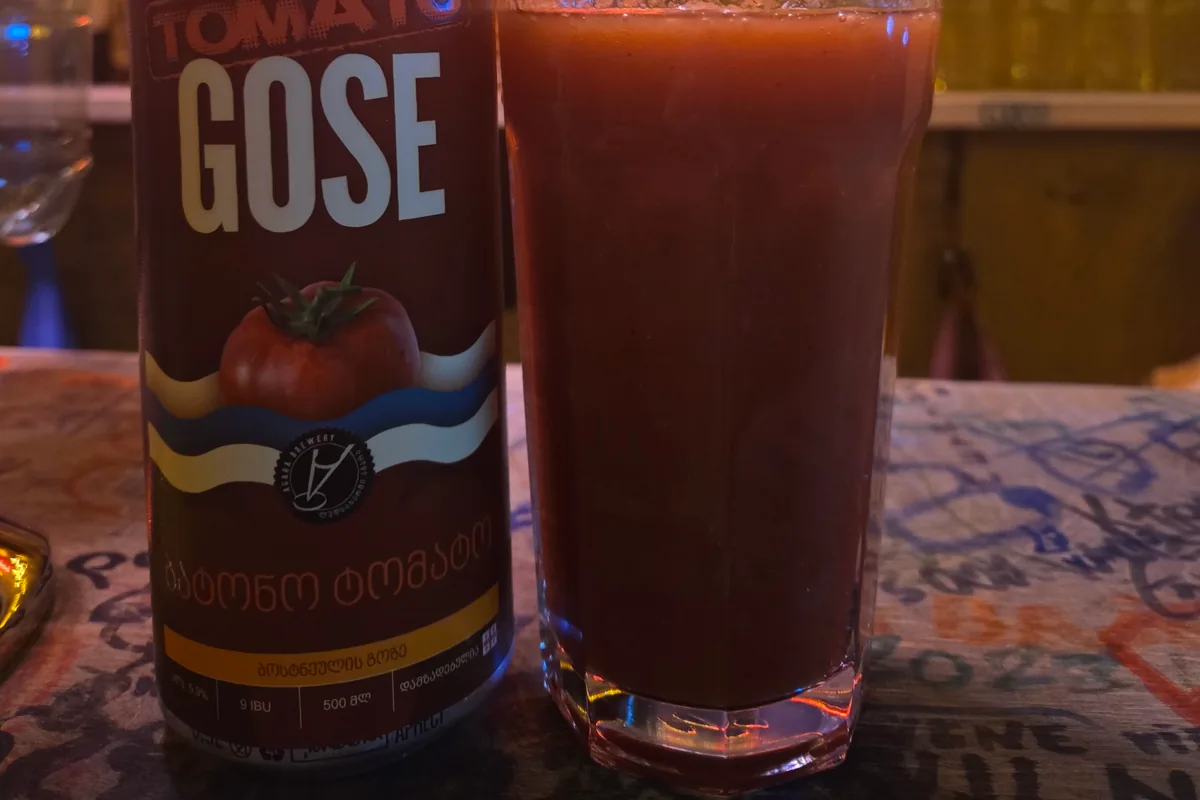
It also keeps chacha and Georgian cider, which makes it a good stop for a mixed group. Guests write and draw on the wood panels, so read the walls while you drink.
HOPA Taproom
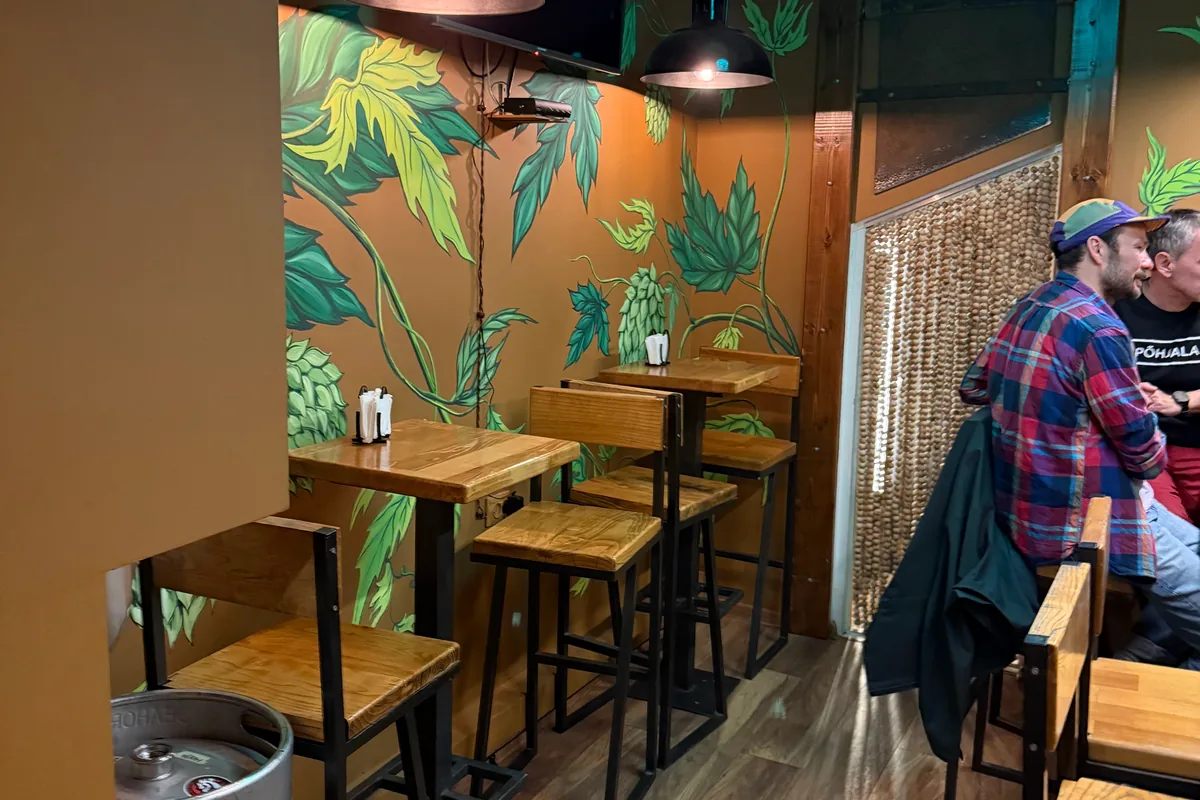
A small, no-frills taproom on Atoneli Street by Orbeliani Square, with 12 taps of Georgian beer and a fridge of local cans plus a few Belgians. The flights of four drafts are the way to go here, and the front patio fills up fast in good weather.
If Svia's Black IPA is on, order it. It's the easiest way to taste the Kakheti brewery without driving to Sighnaghi.
Number 8 Craft Beer Club
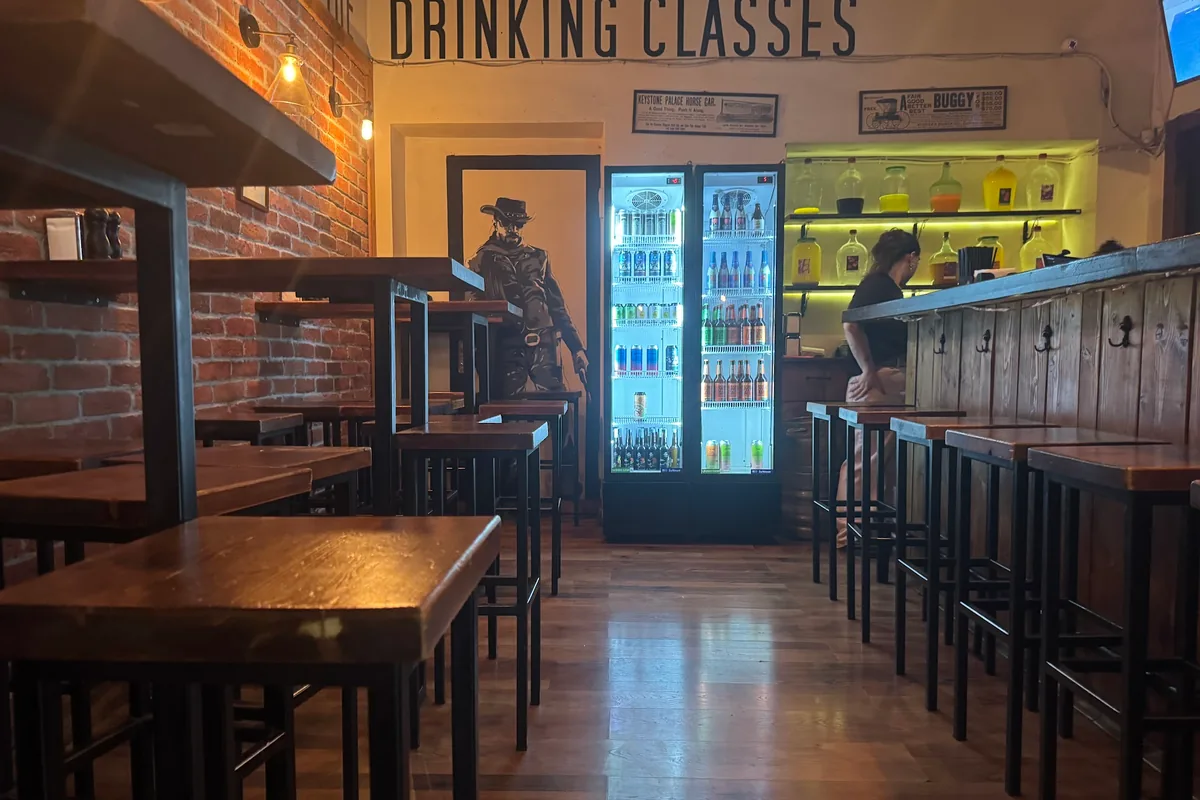
Number 8's bar at 22 Irakli Abashidze Street in Vake. Eight taps, mostly the brewery's own, with fridges of Underground and Megobrebi bottles, a full food menu and football on the TVs. It's the best beer stop in Vake and a good dinner spot too.
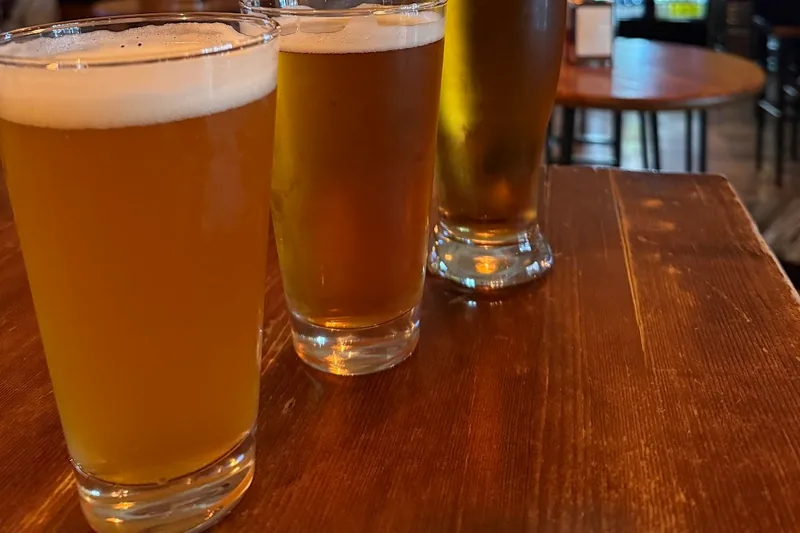
Order three small glasses rather than one big one, and include a sour if the tkemali collaboration is pouring.
Black Dog Bar
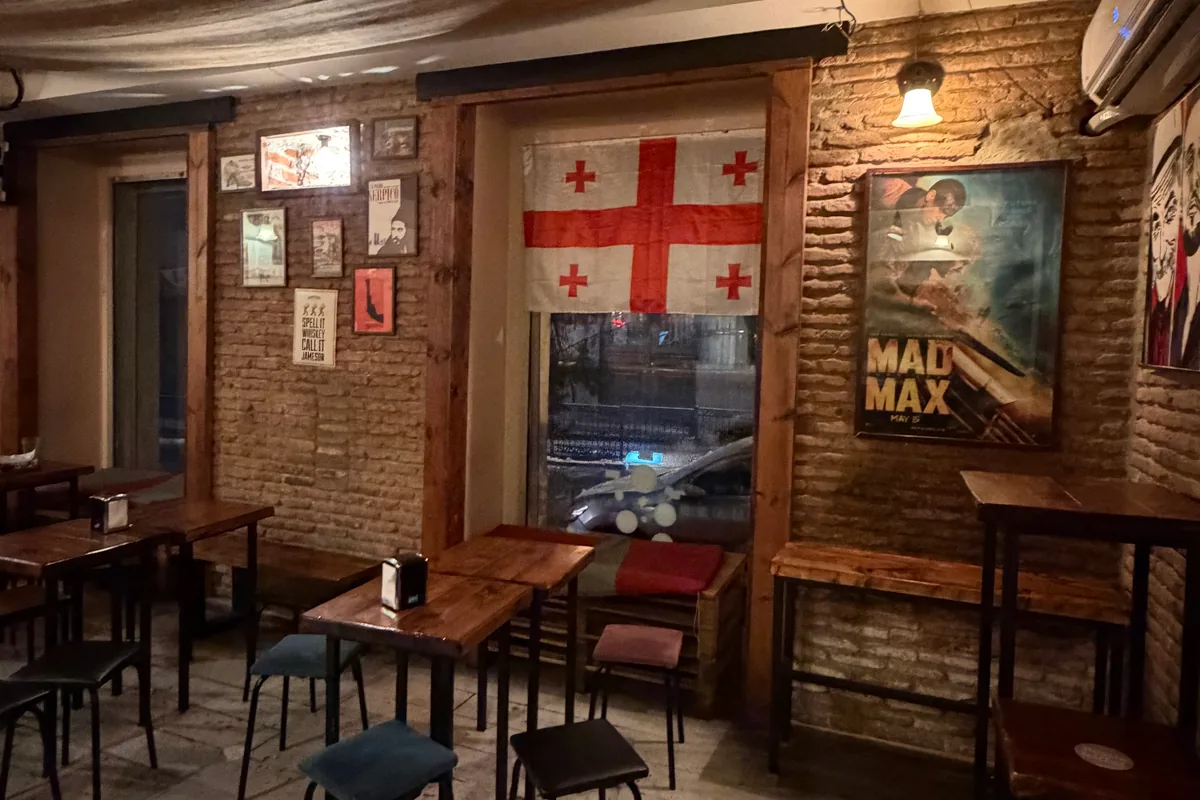
A friendly neighborhood bar at 33 Lado Asatiani Street in Sololaki, with movie posters, Big Lebowski murals and dogs welcome. It pours a full taplist of Number 8 beers alongside burgers and grills. There's a bigger branch at Wine Factory N1 on Vasil Petriashvili Street, open-air in warm months.
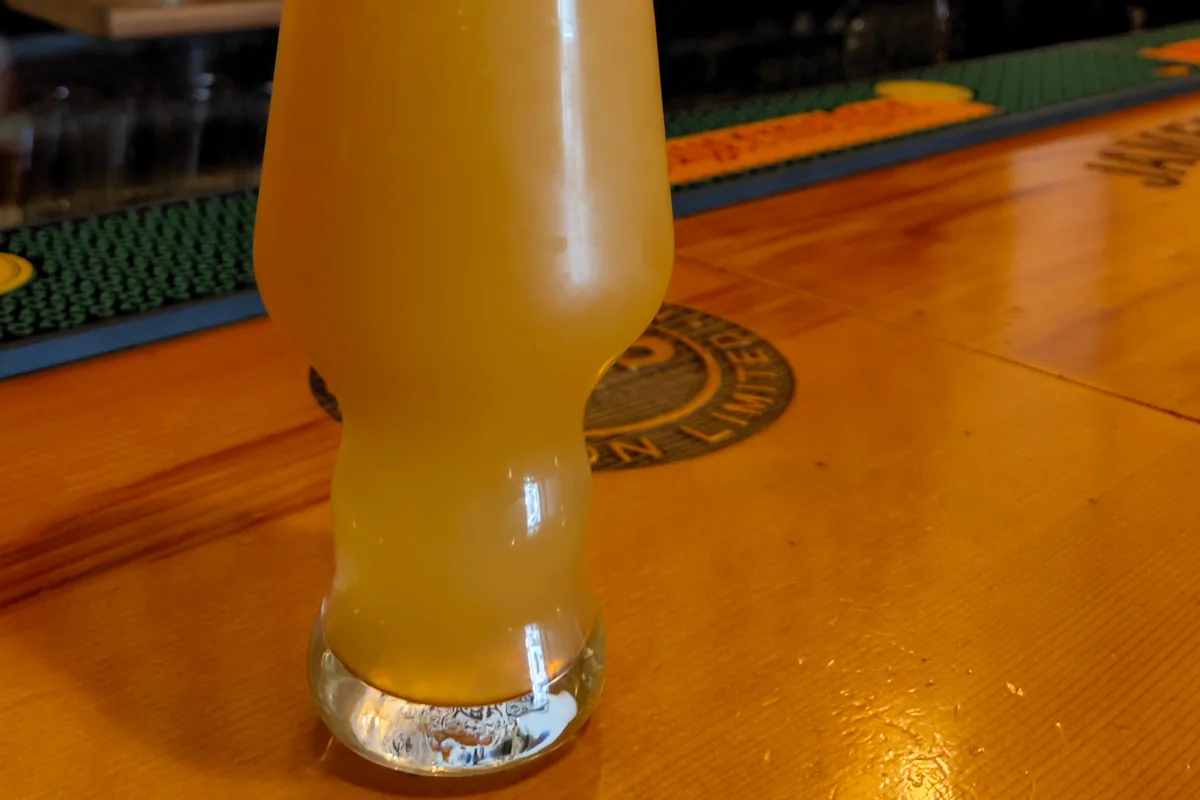
I like it as a relaxed second stop after Tsota Tsota, a short walk away, and the rest of the craft beer bars in Tbilisi are within a taxi ride of either.
Beer festivals in Georgia
Georgia's beer calendar runs from early summer to autumn. These are the dates to plan around.
| Festival | Where | When | What to expect |
|---|---|---|---|
| Tbilisi Craft Beer Festival | Tbilisi | Late June | Georgian craft breweries in one place |
| Black Sea Beer Fest | Europe Square, Batumi | August | A multi-day festival on the coast |
| Dedaena Park beer festival | Dedaena Park, Tbilisi | Mid-September | 100+ beers, below the Dry Bridge |
| Tsiskvili Beer Days | Tsiskvili, Tbilisi | October | Beer at the Beer Square restaurants |
The September festival in Dedaena Park is the one I'd time a trip around. It falls in the best weather of the year, and the park sits right by the Dry Bridge flea market, so you can shop for Soviet badges in the morning and taste a hundred beers in the afternoon.
Key takeaways
- Natakhtari is the default Georgian lager; Kazbegi is fuller and sweeter, Zedazeni has the wheat and dark beers, and Argo is the lager with the ship.
- Beer costs 5 to 9 GEL in an ordinary Tbilisi bar and up to 14 GEL on Shardeni Street.
- Georgian craft beer borrows from the kitchen and the wine cellar: khinkali gose, kharcho sour, tkemali sours and qvevri-fermented ales.
- Tsota Tsota, Process, HOPA, Number 8 and Black Dog are the bars I'd go to for Georgian beer beyond the lagers.
- Aludi, the herbal mountain beer, is brewed for village festivals and isn't sold in Tbilisi.
Frequently asked questions
What is the most popular beer in Georgia?
Natakhtari is the most widely sold beer in Georgia, with Kazbegi close behind as the other everyday favorite. Both are golden lagers. Natakhtari is lighter and crisper, and Kazbegi is maltier with a hint of honey.
Who makes Natakhtari beer?
Natakhtari is made by Efes Georgia, part of the Turkish brewer Efes, at a brewery just outside Tbilisi. The same company brews Karva, Kasris and Taati and makes Staropramen and Löwenbräu under license in Georgia.
Is beer cheap in Tbilisi?
Yes. A beer costs 5 to 9 GEL in an ordinary bar, cheaper than a glass of wine or a cocktail, and shop prices are far lower still. The exception is Shardeni Street in the old town, where the same beer costs 9 to 14 GEL.
Do Georgians drink more beer or wine?
Wine is the national drink and the one used for toasts at a supra, but beer is the everyday casual drink. Georgians drink about 44 liters of beer per person a year, and most of it is local lager.
What is aludi?
Aludi is a traditional Georgian beer from the mountain regions of Khevsureti, Tusheti and Pshavi, brewed with wild hops and herbs. It's made for religious festivals and family occasions rather than for sale, so you can only taste the real thing in the mountains.
Is Georgian craft beer good?
Yes, and it's the most interesting part of Georgian beer. Breweries like Megobrebi, Number 8 and Shavi Lomi make IPAs, stouts and sours flavored with Georgian ingredients, and some ferment beer in clay qvevri. Tbilisi has more than a dozen craft bars and taprooms.
How strong is Georgian beer?
Most Georgian lagers are 4.5 to 5% ABV, and Argo Lager is 4.8%. Craft IPAs run 5 to 6.5%, stouts 5 to 7%, and a few specials reach 8 to 10%.
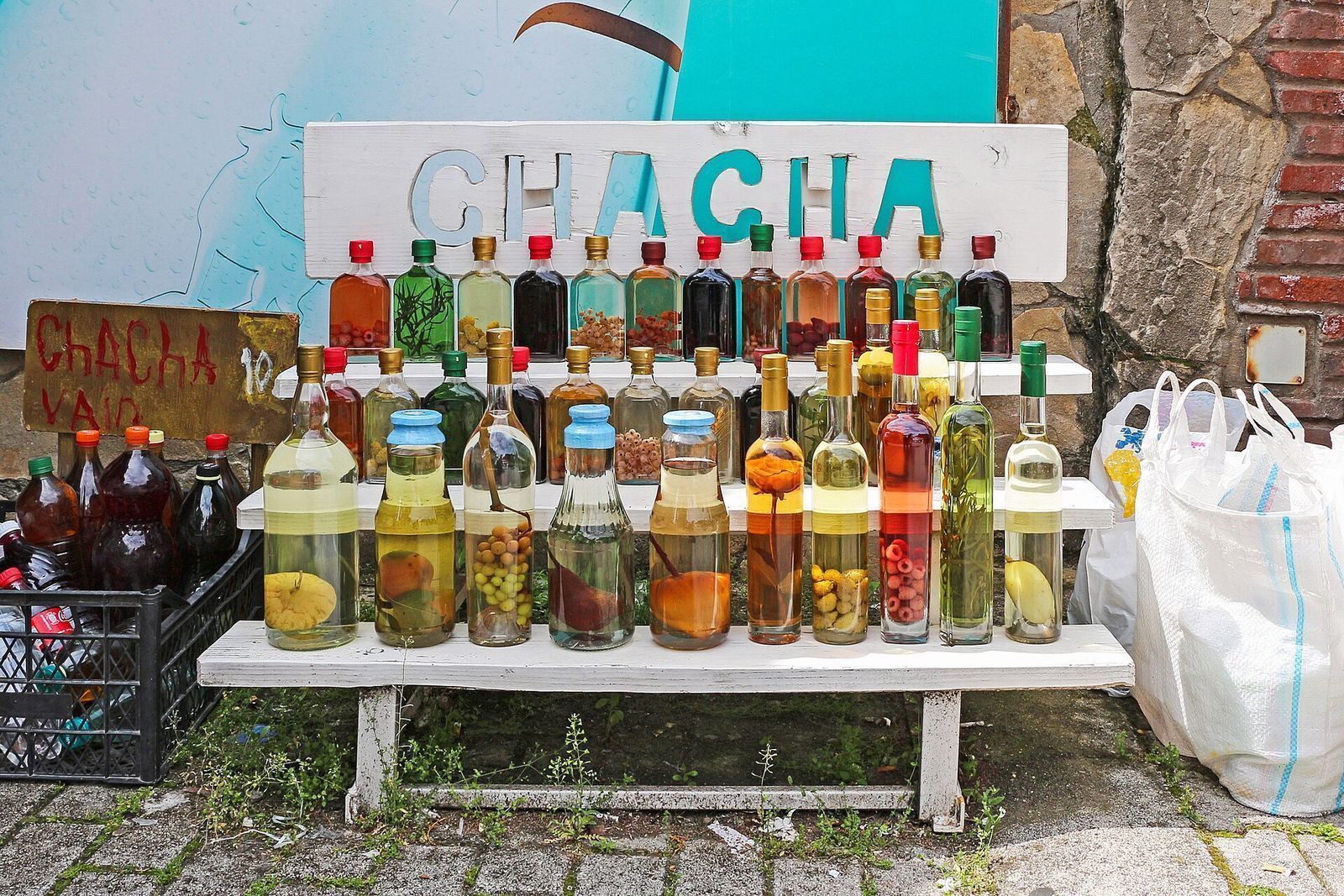
Georgian Drinks: What to Drink in Georgia and Where to Try It in Tbilisi
Tbilisi is known for its qvevri wine. Here's what to drink in Georgia, from amber wine to chacha, and where to try it.
Read the guide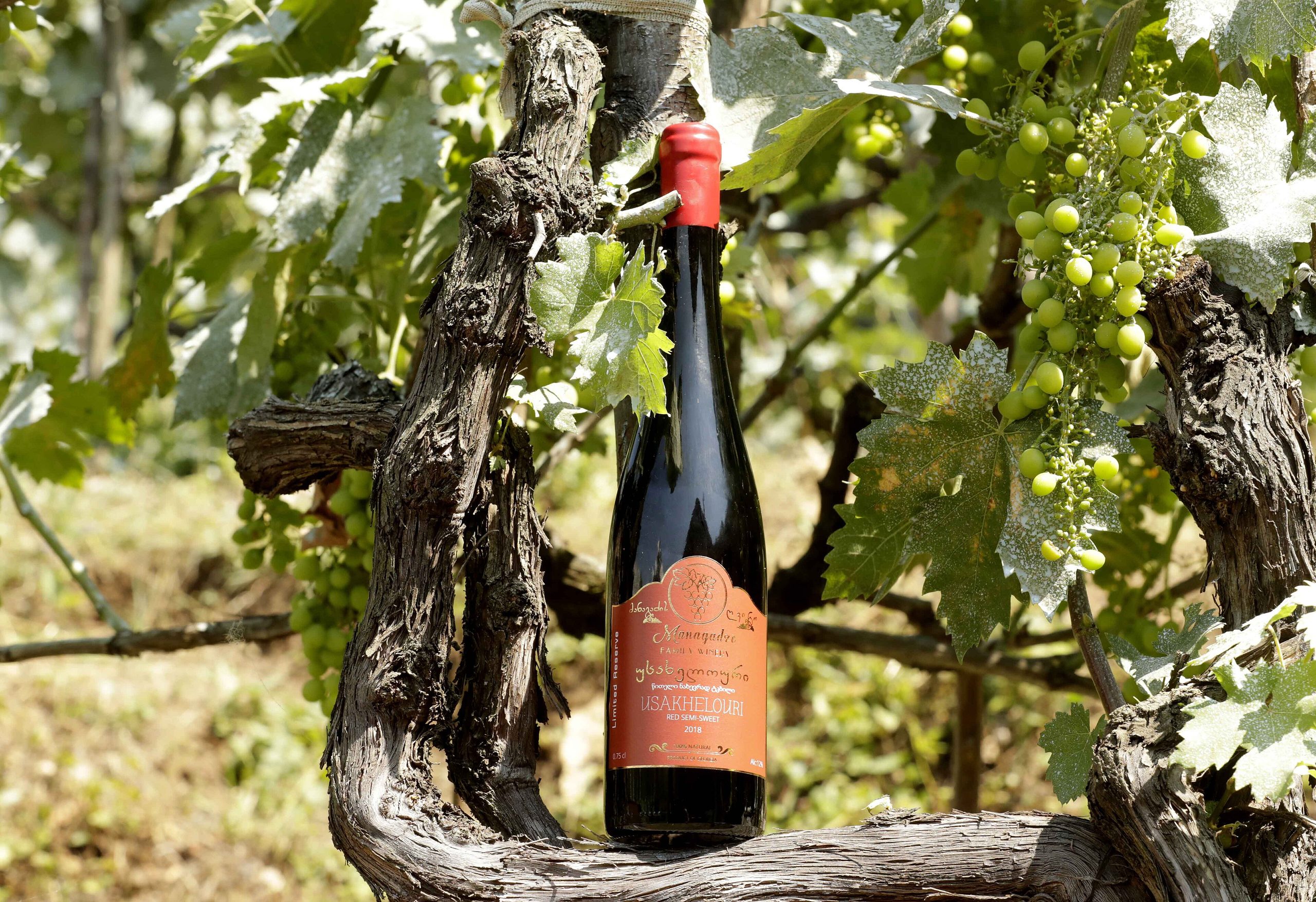
Georgian Wine Guide: Regions, Styles and What to Order
Georgia is known for 8,000 years of winemaking. Here is what to know about its styles, regions, prices and bars.
Read the guide
Qvevri Wine: How Georgia Makes Wine in Buried Clay Jars
Georgia is known for qvevri wine. Here is what the clay jars are, how the wine tastes and where to try it in Tbilisi.
Read the guide