Saburtalo, Tbilisi: Soviet Landmarks, Lisi Lake and Where to Eat
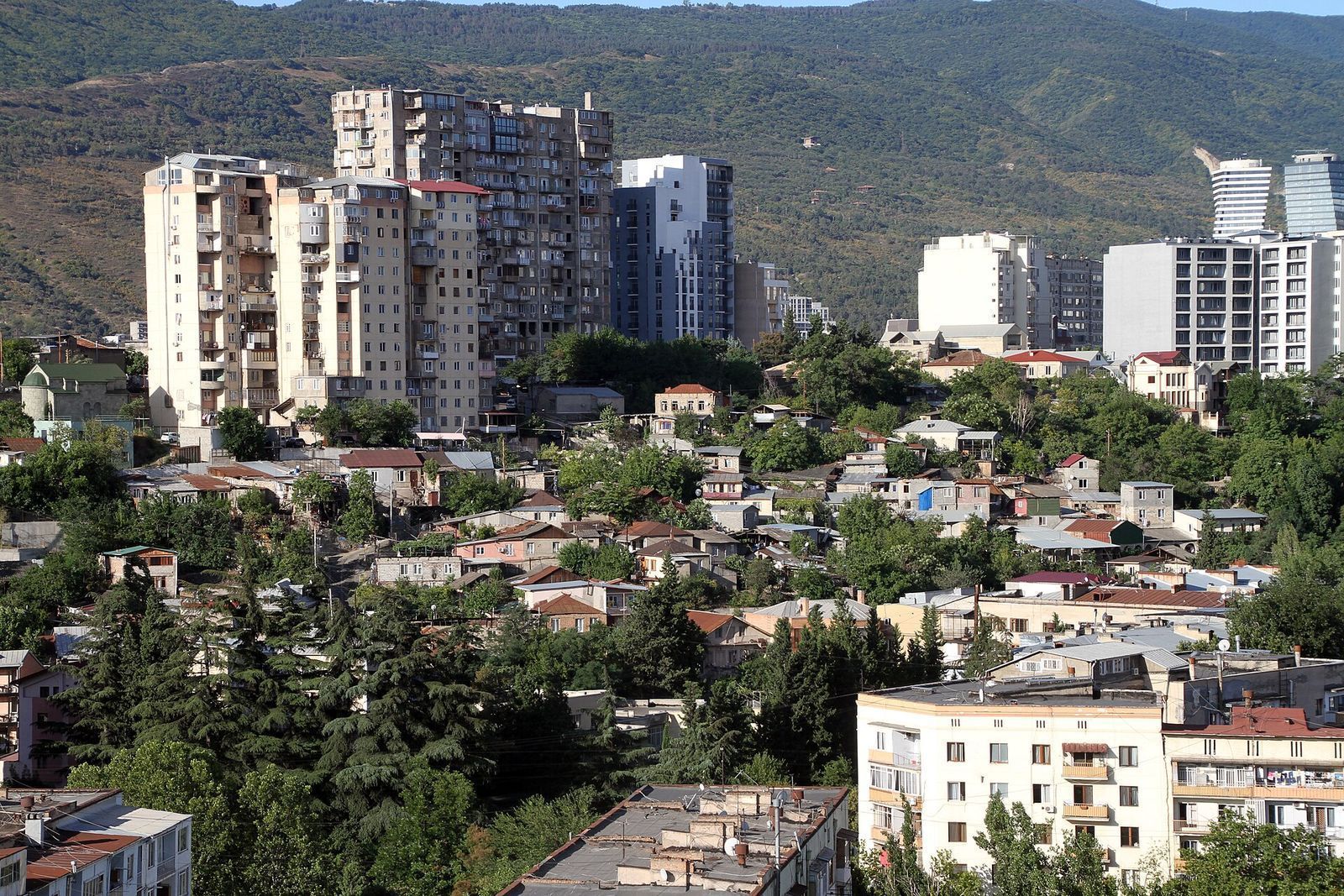
Saburtalo is known as the part of Tbilisi where the city actually lives: Soviet apartment towers, three universities, busy avenues and the cheapest rooms within a metro ride of the center. It has no old town, but it does have the Nutsubidze Skybridge, the Sports Palace, Lisi Lake and some of my favorite Georgian restaurants. Here's what you need to know about the sights, the metro, where to eat and who should stay.
Where Saburtalo is and what it feels like
Saburtalo spreads northwest of the center, from the Sports Palace and the Technical University up to the Tbilisi State University campus and the open hills around Lisi Lake. It borders Vake to the south, and it takes in smaller areas locals still name on their own: Bakhtrioni, Vedzisi, Delisi and the Nutsubidze Plateau, with Didi Dighomi now counted in too. Three long roads hold it together: Vazha-Pshavela Avenue, Pekini Avenue and Alexander Kazbegi Avenue.
Most of Saburtalo went up in the Soviet decades, as Tbilisi grew outward in microdistricts of tall apartment towers. Today it's where much of the city's middle class lives: supermarkets, pharmacies, clinics, playgrounds, a bakery on most corners and students heading to the Technical, Medical and State universities. Nobody here is performing for visitors, and that's the appeal.
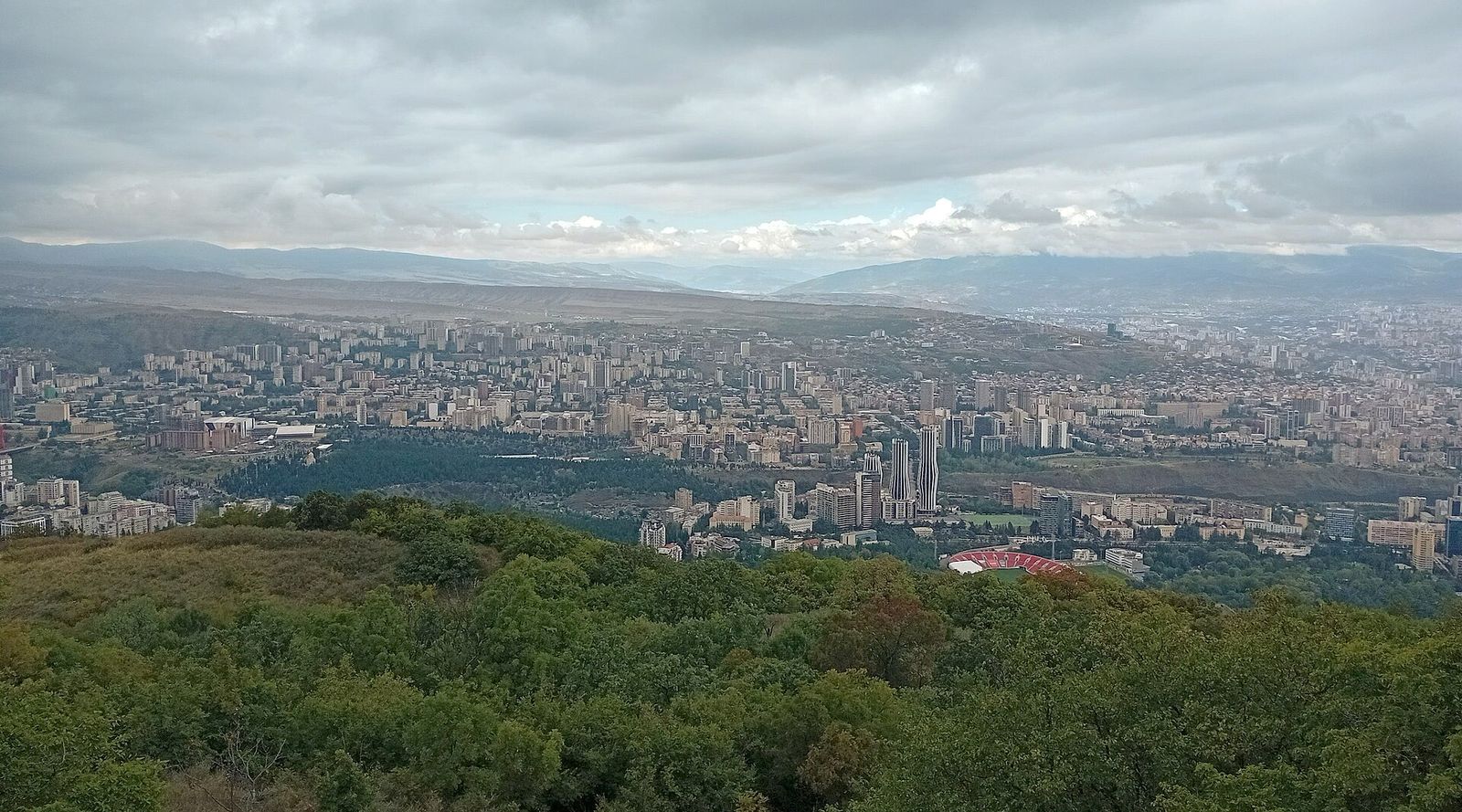
The honest downside is that Saburtalo has no historic center, and its big avenues are loud with traffic, worst at rush hour. Come for a half day of Soviet buildings and a long Georgian lunch, or stay for a month. Don't come looking for carved wooden balconies.
Getting to Saburtalo by metro and taxi
Saburtalo is the one district a visitor reaches by metro on purpose. Line 2 of the Tbilisi metro, known as the Saburtalo line, leaves Station Square and runs 7 stations northwest, and 5 of them are in Saburtalo. From Liberty Square, ride Line 1 three stops to Station Square, change to Line 2, and you're in Saburtalo 2 stops later. A ride costs 1 GEL for any distance, tapped with a Metromoney card or a contactless bank card, and trains run from 06:00 to midnight.
| Station | What's up top |
|---|---|
| Technical University | The Sports Palace, the Technical University campus, Dadiani and the best mosaic on the line |
| Medical University | Apartment blocks and the Medical University |
| Delisi | Sormoni, City Mall, Coffee LAB on Kazbegi Avenue and Baho |
| Vazha-Pshavela | The long main avenue of the district |
| State University | The university campus, Amra, the Bagebi cable car and the Skybridge, 10 minutes on foot |
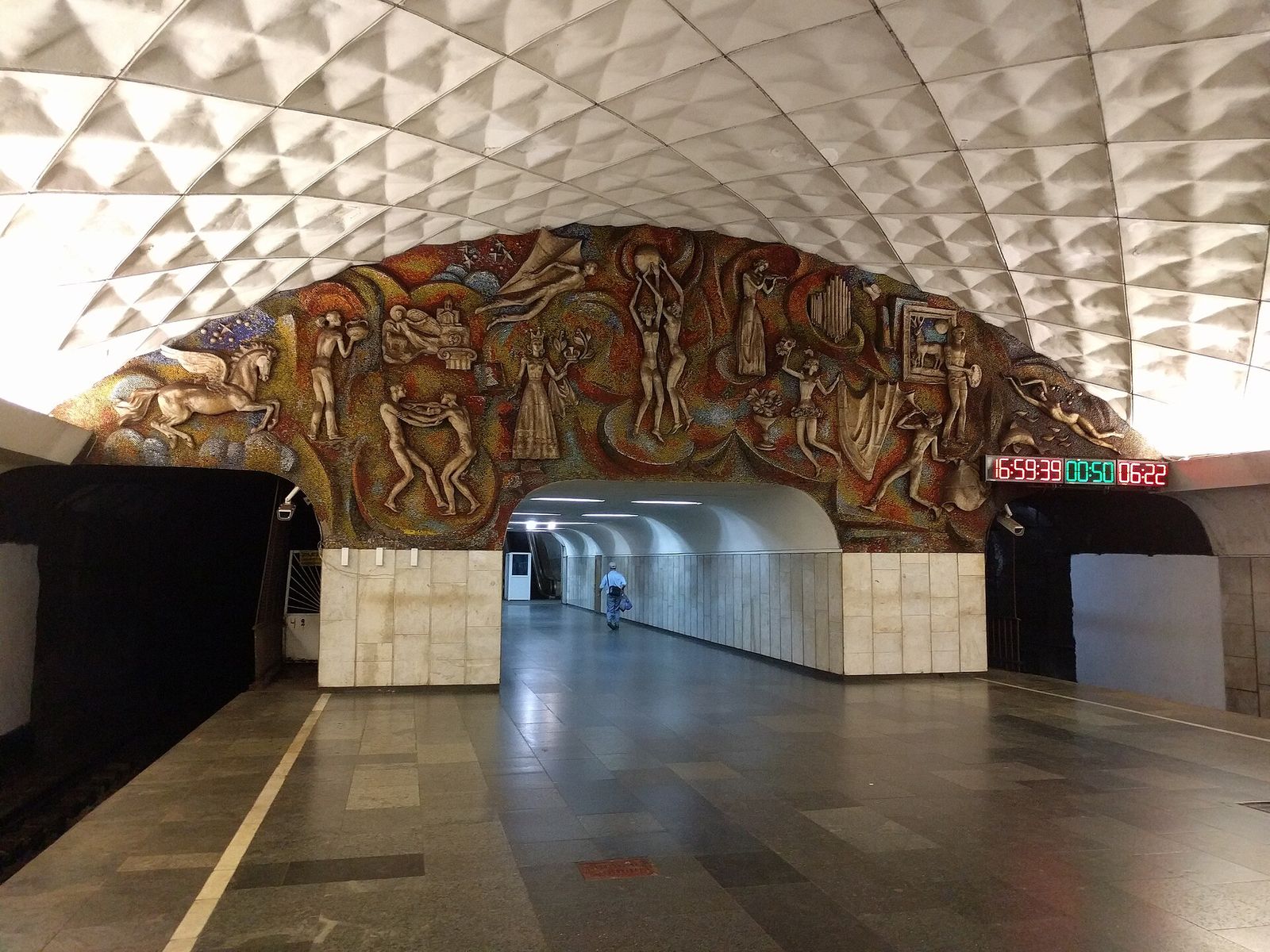
Look up when you step off at Technical University. The end wall of the platform holds a big Soviet mosaic of figures and animals in gold, brown and blue, under a ceiling of white geometric tiles, and it costs nothing more than the fare.
For Lisi Lake, the Bank of Georgia building or the ride home after dinner, I use Bolt. Taxis in Tbilisi run on apps with the fare fixed before you get in, most cross-city rides cost 8 to 15 GEL, and Lisi Lake from the Old Town runs about 15 to 20 GEL. The catch is rush hour: Pekini and Kazbegi avenues jam on weekday mornings and evenings, and the metro beats a car every time.
Flying in, bus 337 ends at Station Square, where you switch to Line 2, and after dark a Bolt from Tbilisi airport to your door is easier.
Soviet Saburtalo: the Skybridge, the Sports Palace and the Bank of Georgia
Saburtalo holds more of the city's Soviet architecture per block than any other district, and it's the main reason I send visitors out here. Everything below fits into a half day with the metro and one or two short taxi rides.
The Nutsubidze Skybridge
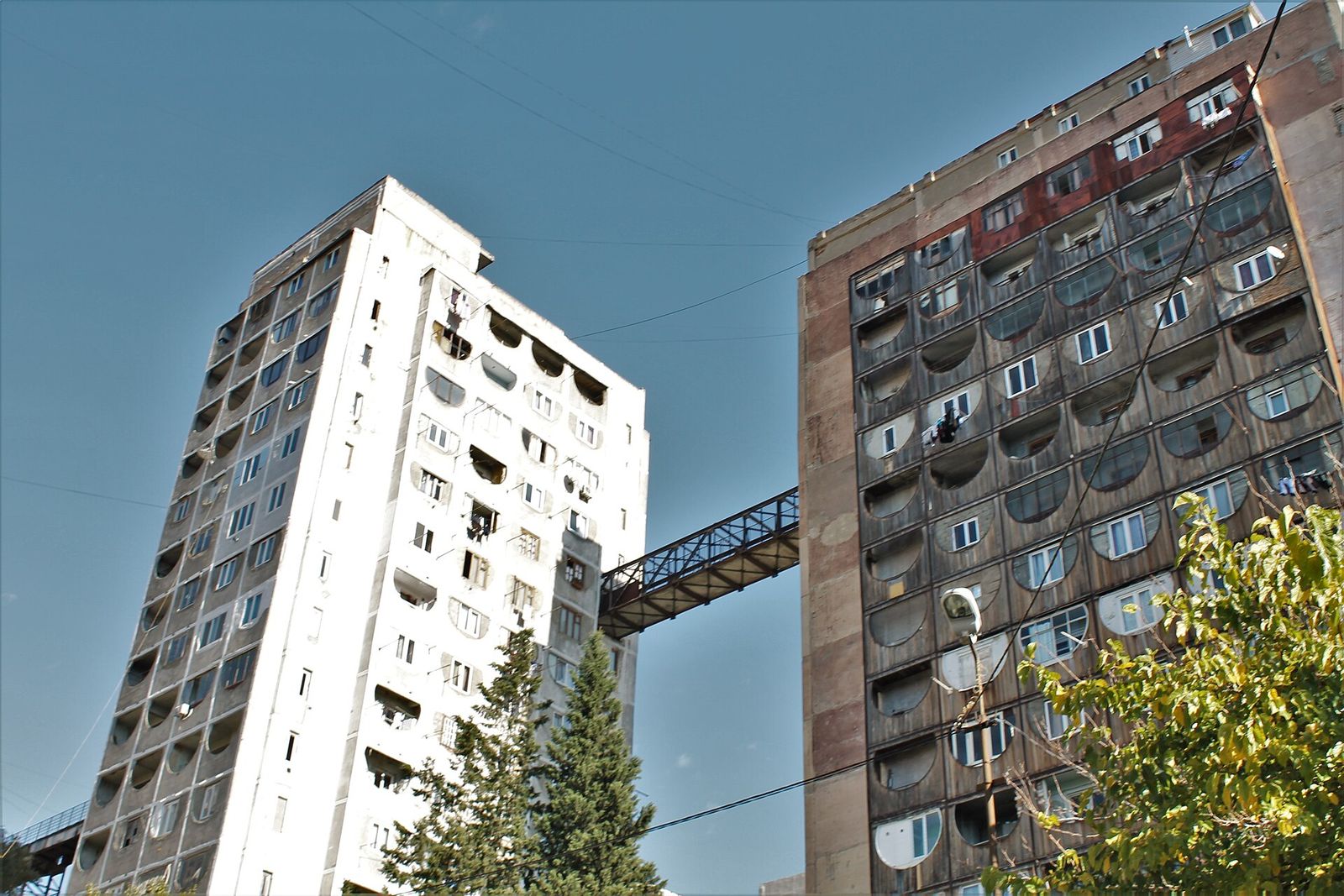
Three apartment towers on the Nutsubidze Plateau are joined high up by metal bridges, built from 1974 to 1976 to a design by Otar Kalandarishvili and Gizo Potskhishvili. The idea came from Shatili, a mountain village in northeast Georgia where the houses are stacked into each other and linked by passages, and the bridges still save residents a long walk around the hillside.
Getting on it is the fun part. Walk about 10 minutes from State University metro to the towers behind the police station on Nutsubidze Street, take the back right elevator (the other one is for residents), drop 20 tetri per person in exact coins and press 14. Then cross the bridge and look down over Saburtalo from 14 floors up.
The Sports Palace and the Technical University
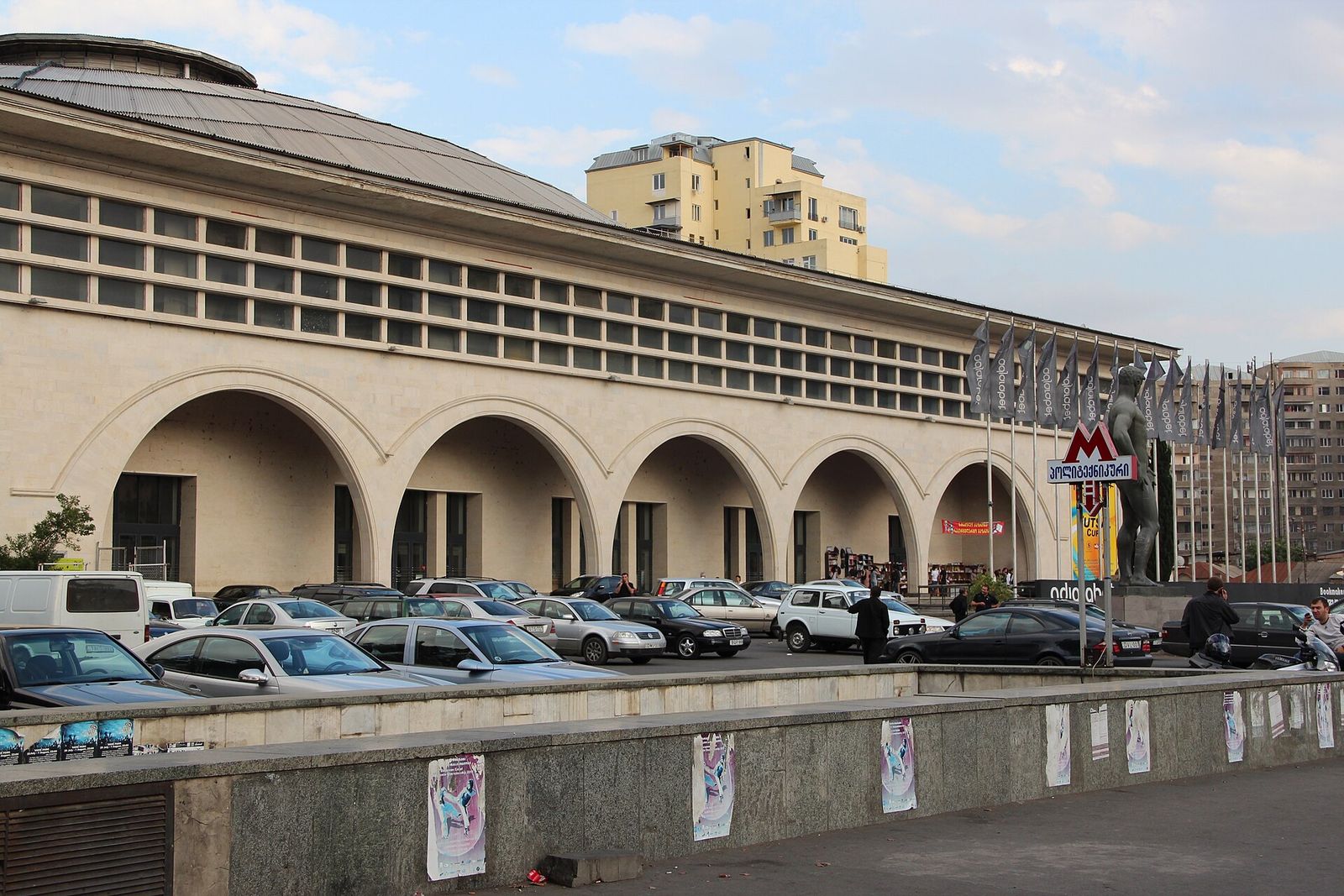
Next to Technical University metro, the Tbilisi Sports Palace opened in 1961: a concrete dome 76 m across over about 11,000 seats, with not a single column inside. It's still the home of Dinamo Tbilisi basketball and a regular concert venue, so a game night or a show is the easy way to see the interior, and I think it's the best piece of 1960s engineering in the city.
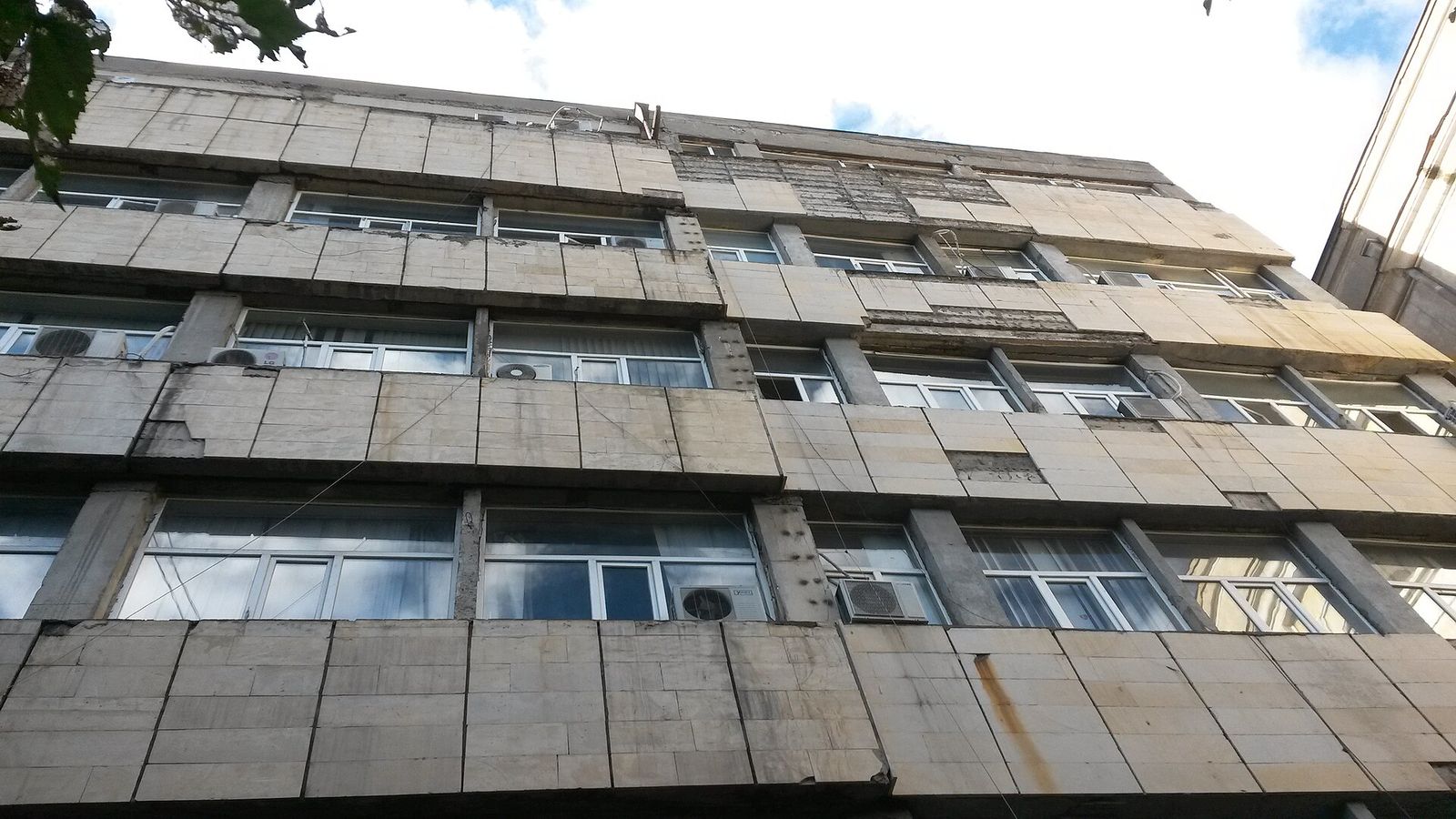
Across the road, the Georgian Technical University campus is a long run of raw concrete. The story goes that the plan, seen from above, forms a hammer and sickle. You can't check that from the pavement, but the concrete details are reason enough for a slow lap around the outside.
The Bank of Georgia building
The Bank of Georgia headquarters was built as the Ministry of Highway Construction of the Georgian SSR and finished in 1975, to a design by George Chakhava and Zurab Jalaghania. Its concrete blocks cross each other in midair, so the offices seem to float over the wooded gorge below, and in autumn the ivy on the upper floors turns deep red.
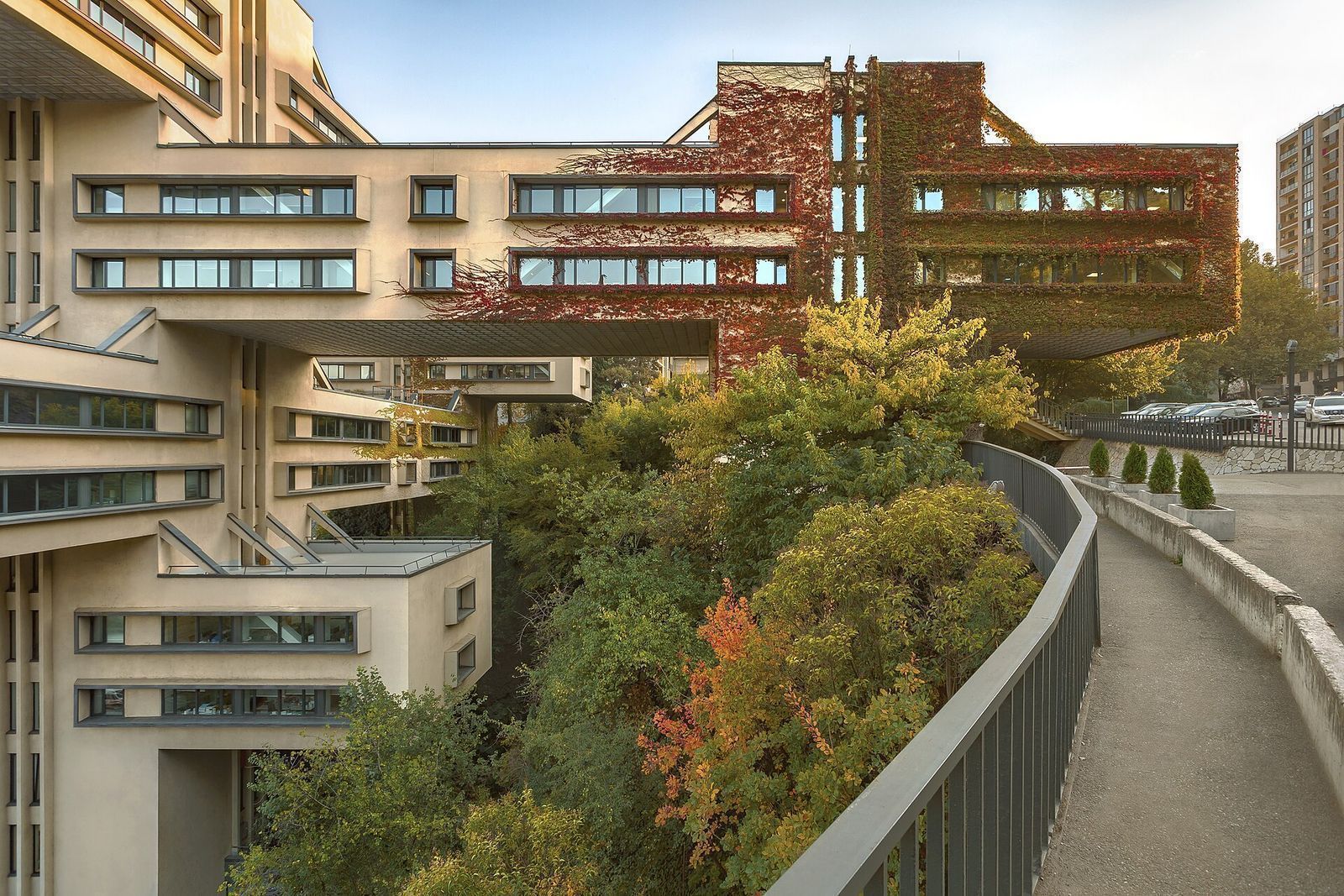
You can't go inside, but the walkway along the outside is free, and it's the one Soviet building in Tbilisi I'd cross the city for. Go in the late afternoon, when the low sun lights the facade, and take a Bolt, since no metro station is close.
The Bagebi cable car
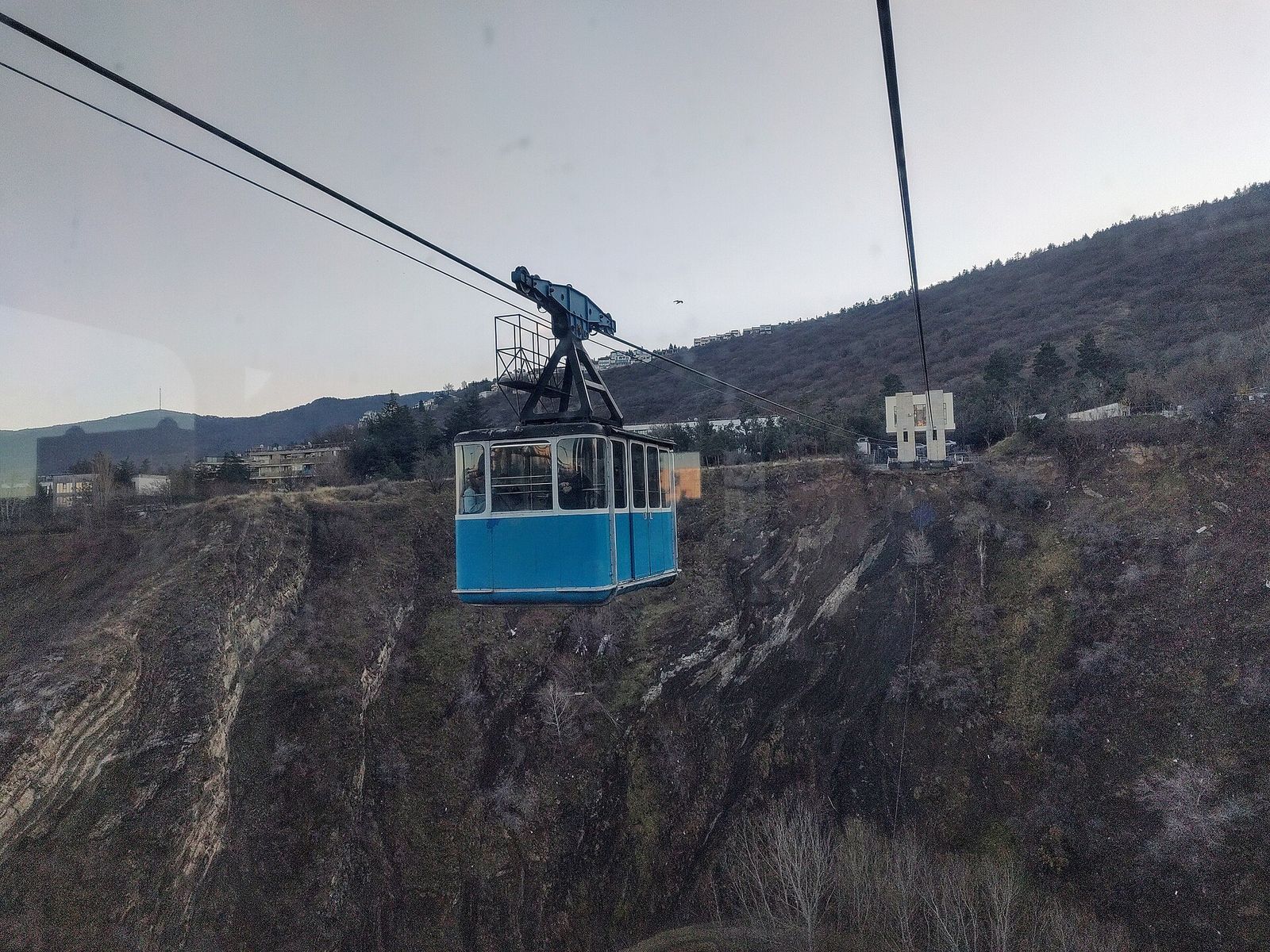
From the Tbilisi State University building near the end of Line 2, a small cable car crosses about 320 m over the Vere River gorge to the former student dormitories in Bagebi. The two tall, thin towers went up in the 1970s for university students, with cube balconies stepping out of the facade, and families displaced from Abkhazia have lived in them since the 1990s.
The line reopened in 2021 with its original rectangular blue gondola. It costs 1 GEL on a Metromoney card and runs daily from 08:00 to 20:00, which makes it the most local of the cable cars in Tbilisi. The ride is half the reason to go.
Khrushchevkas, murals and mosaics
The rest of Soviet Saburtalo is the housing itself. The oldest Khrushchevkas in Tbilisi line Kavtaradze Street: plain 4 to 5 floor panel blocks with no elevators, which a crew could put up in about 12 days. Behind them rise the taller towers of the 1970s and 1980s, with enclosed balconies, extensions bolted onto the facades and shops cut into the ground floors.
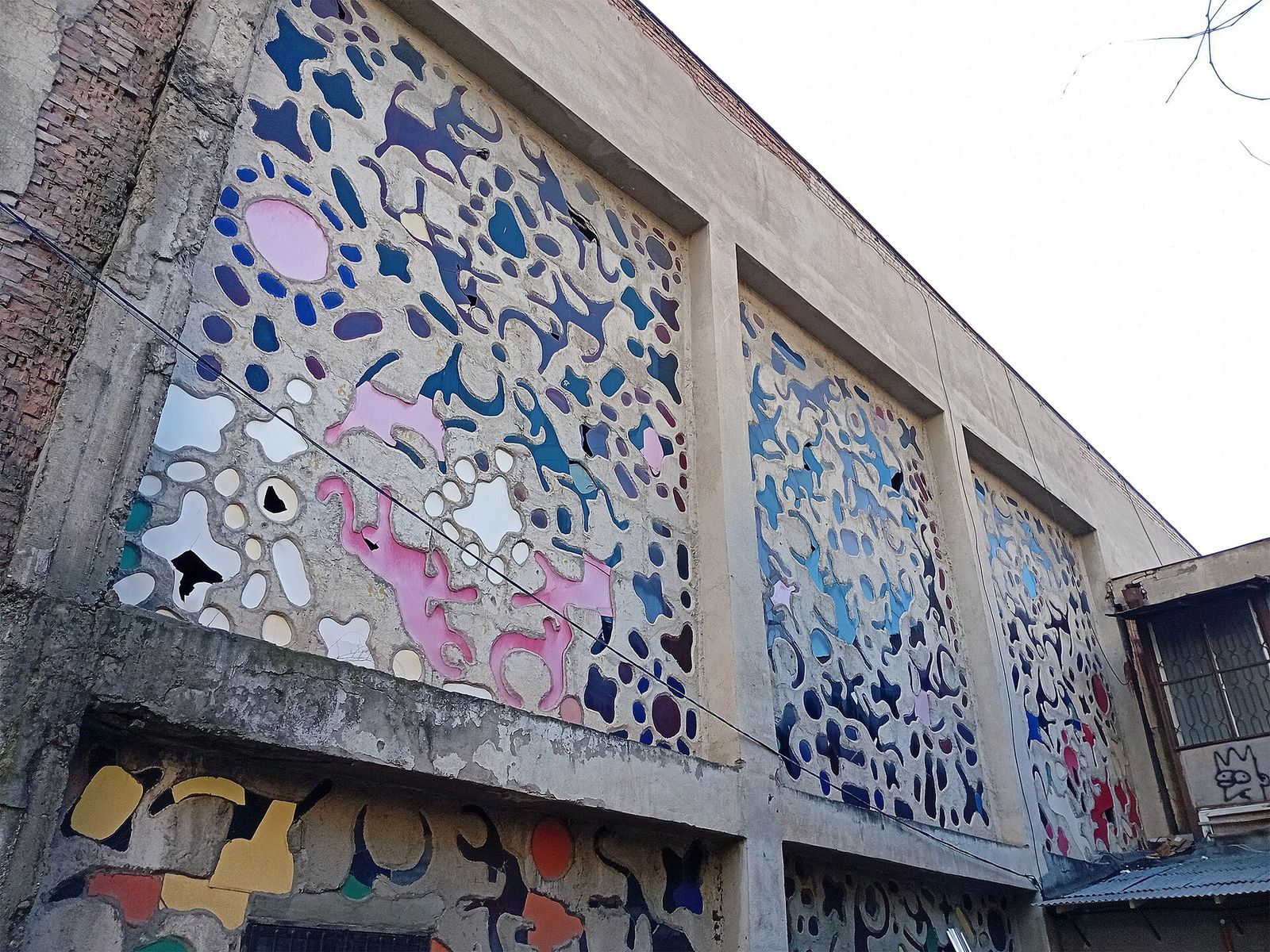
Keep an eye on the gray end walls, where big murals have been painted on several of the tallest blocks. The Trade Union Cultural Center at 1a Tavadze Street is the one I'd walk over for: Zurab Tsereteli set big panels of blue, pink and white glass into its concrete walls, and a Soviet-era mosaic of his tops the tower.
Lisi Lake and the Hippodrome
Saburtalo is short on parks, so locals head for its edges. Lisi Lake sits on the northwest edge of the district, a wide lake in open hills with a 3 km paved loop that suits a walk, a run or a bike ride. Bikes and scooters are for rent, and there's a free playground, a climbing wall, paid trampolines and go-karts, which is why it's on my list for Tbilisi with kids. The trees along the shore give shade, but the open water gets windy, so bring a layer.
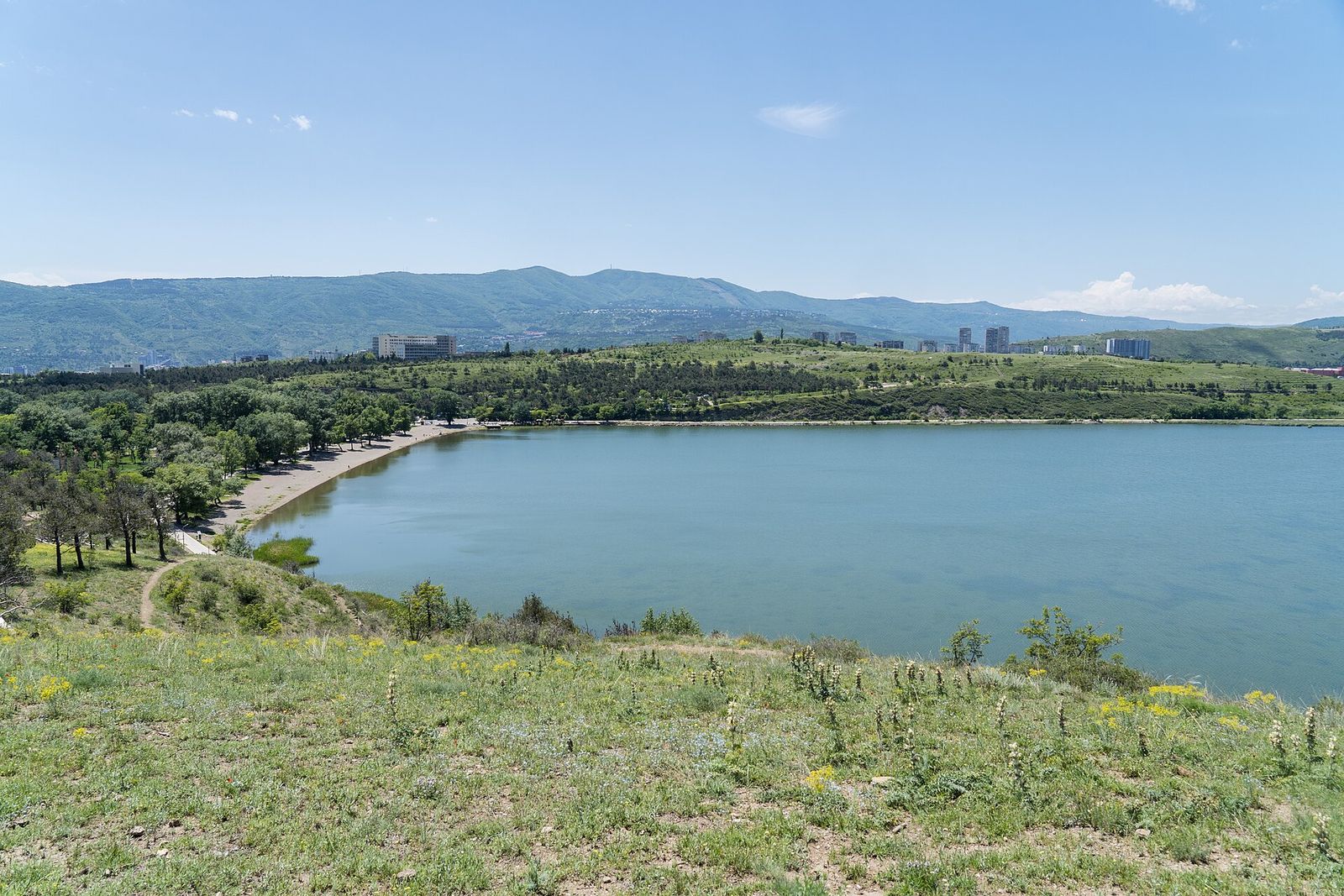
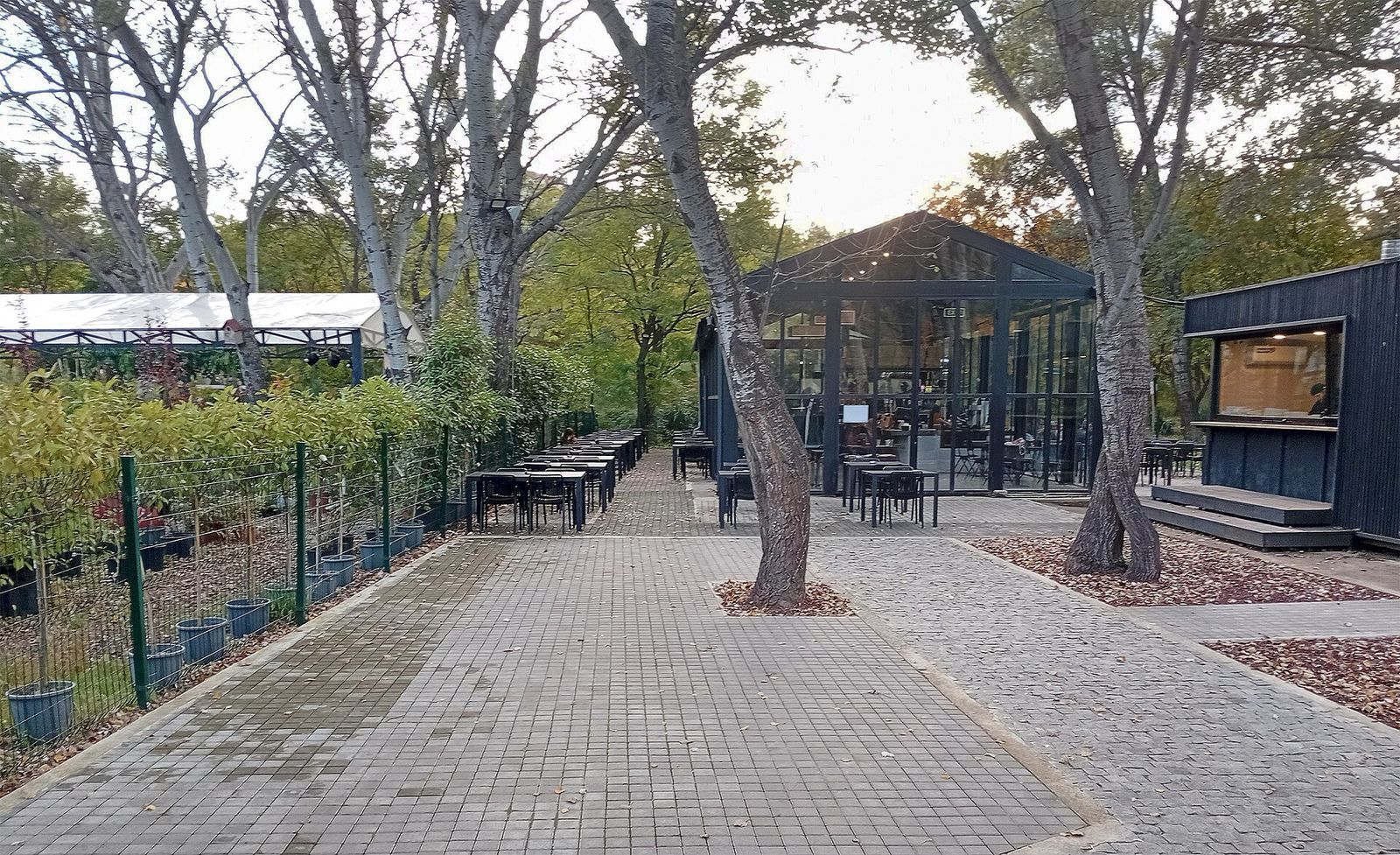
Coffee LAB runs its roastery cafe at the lake, open from 09:00 to 22:00, and the grounds host summer music festivals. On hot weekends the shore fills with families escaping the city heat, and the lake turns up again among the outdoor swimming spots around Tbilisi.
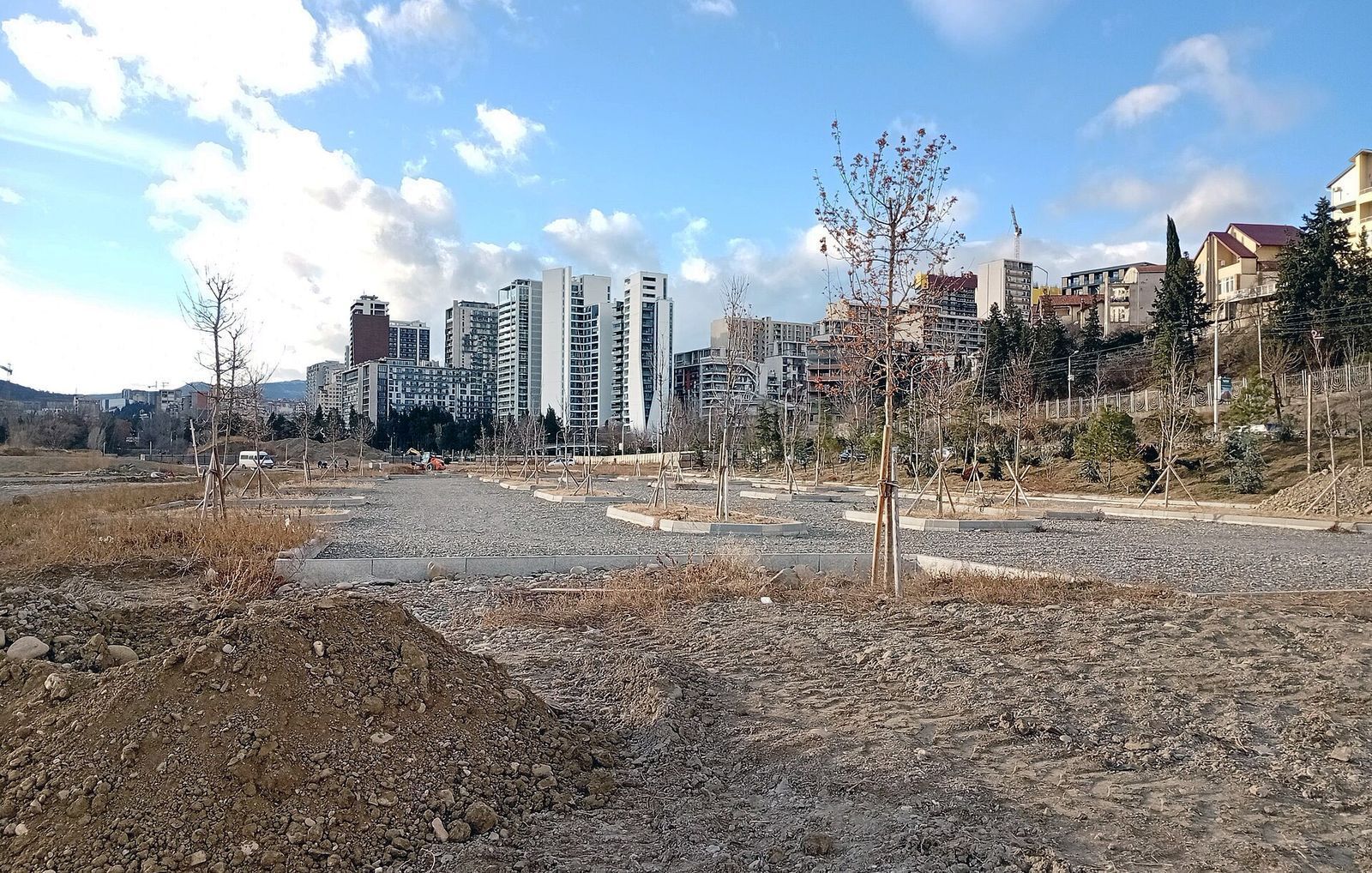
Closer in, the former Hippodrome is a big open space between the apartment blocks where residents walk their dogs, jog and catch the evening breeze in summer. The city is turning it into a central park, with new paths and young trees going in, so expect a park still taking shape rather than a finished one.
Where to eat and drink in Saburtalo
Saburtalo eats like a neighborhood, not a tourist strip. Prices are set for locals, the rooms are full of Georgians, and some of the city's regional specialists, from Abkhazian to Megrelian kitchens, are out here rather than in the Old Town. Most of my picks are a few minutes from a Line 2 station.
Sormoni on Kazbegi Avenue
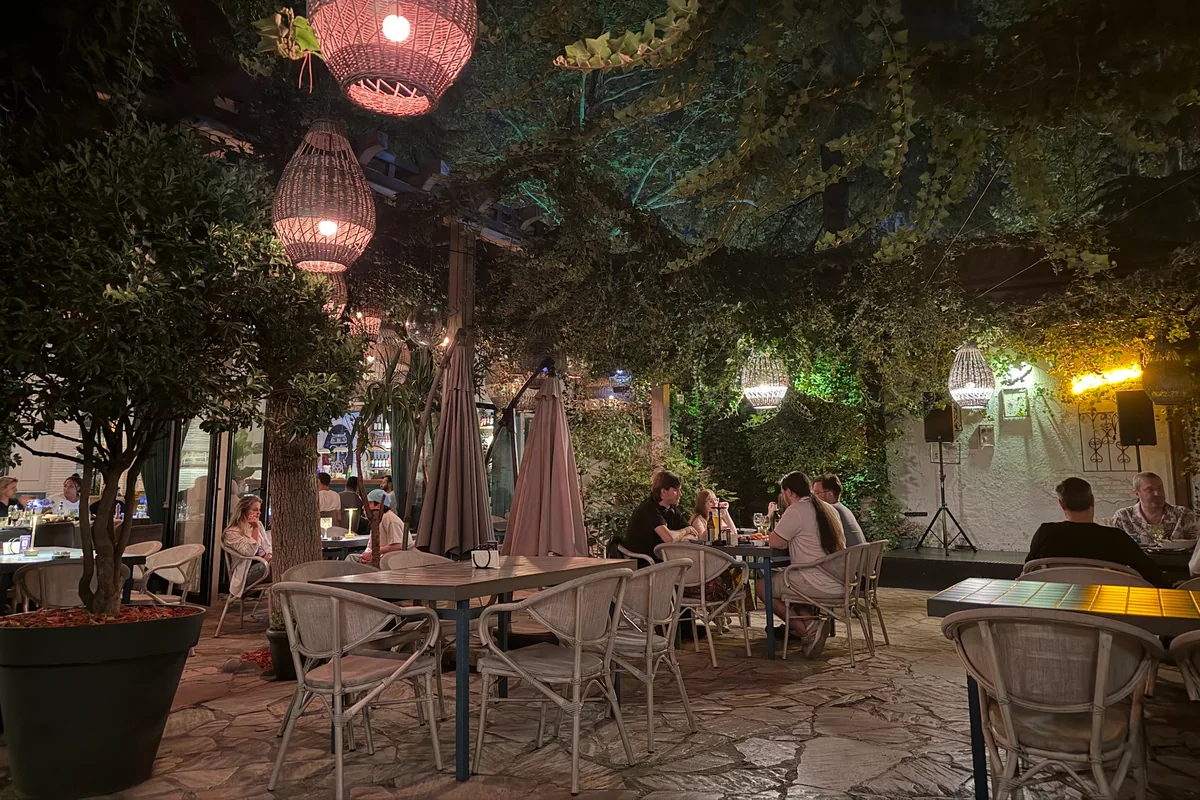
Sormoni is my first pick for a big Georgian dinner in Saburtalo, at 57 Alexander Kazbegi Avenue across from City Mall and a short walk from Delisi metro. Trees grow up through the dining room and the terraces are built like old wooden balconies, so it feels like a courtyard house rather than a restaurant on a busy avenue. It's open daily from 11:00 to 00:30.
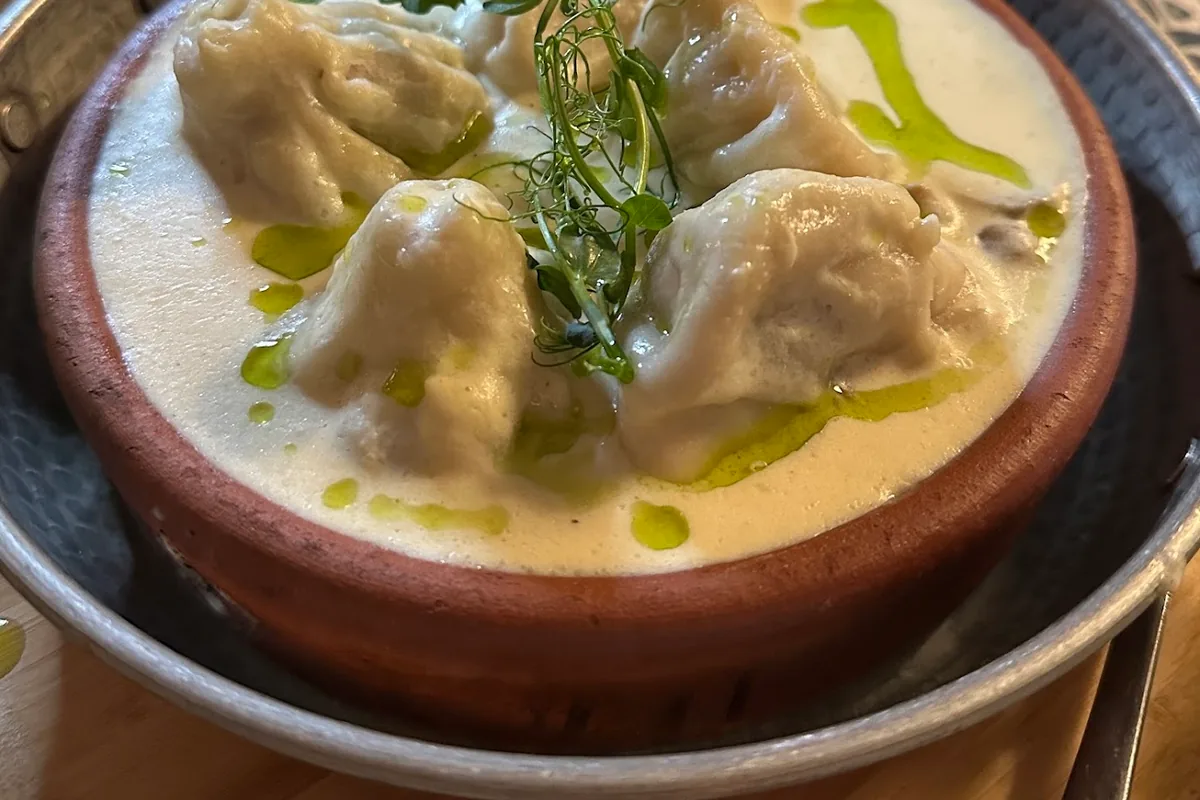
Order the shkmeruli (fried chicken baked in garlic and milk), the Imeruli khachapuri and the veal in pomegranate sauce, then add a plate of khinkali. The mushroom, chicken and smoked sulguni fillings are why Sormoni makes my list of khinkali in Tbilisi. Come hungry, and come as a group.
Bina N37, a restaurant in an apartment
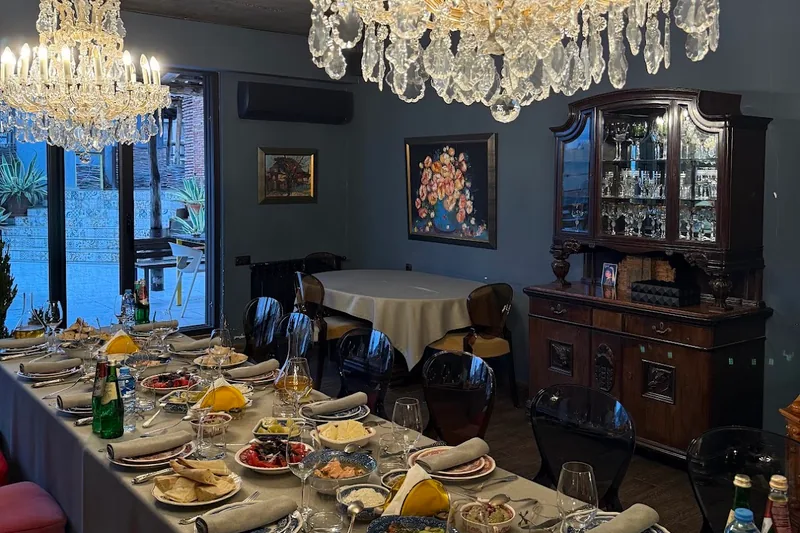
Bina N37 is the most unusual dinner in Saburtalo: a restaurant inside apartment number 37, on the 8th floor of a residential block at 5a Sofrom Mgaloblishvili Street. The hosts make their own wine in 43 qvevri, the clay vessels Georgian wine ferments in, set out on the rooftop veranda, and serve it with home-style Georgian cooking.
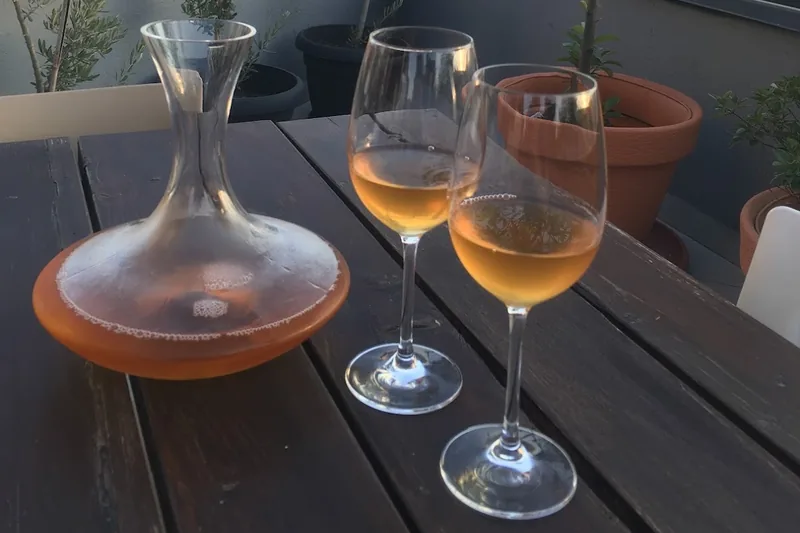
It feels like dinner in someone's flat, with a chandelier over the long table and the roof terrace for warm evenings. It opens in the evening only, and I'd plan on a long, slow meal with the house amber wine rather than a quick bite.
Sheen Aura on Nutsubidze Street
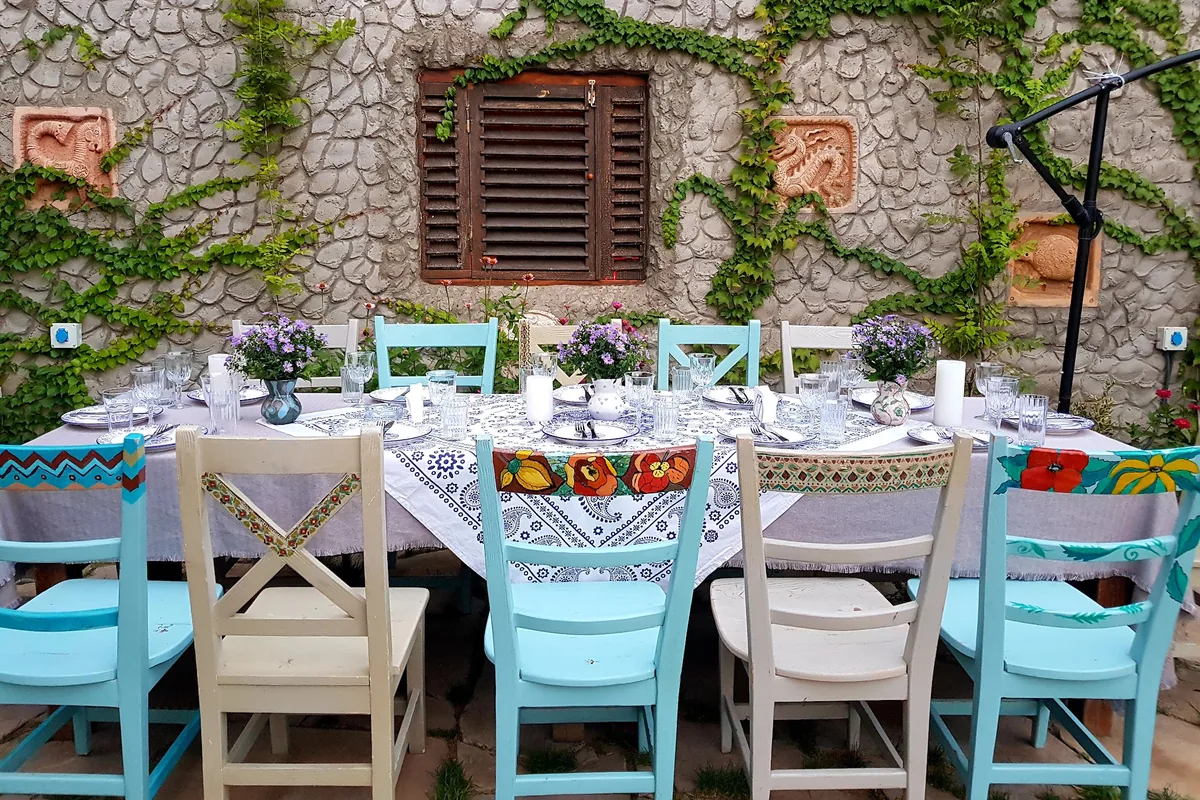
Sheen Aura, at 189 Shalva Nutsubidze Street, is a restaurant and bar in the former house and studio of the Georgian artist Antimoz Gorgadze, with a courtyard garden of pomegranate trees and a terrace. The crowd is almost all local, and it's my pick for live music in Tbilisi away from the center: Friday is folk night with Georgian ensembles, and other evenings bring piano, jazz and vocal duos. In summer the music moves out into the garden.
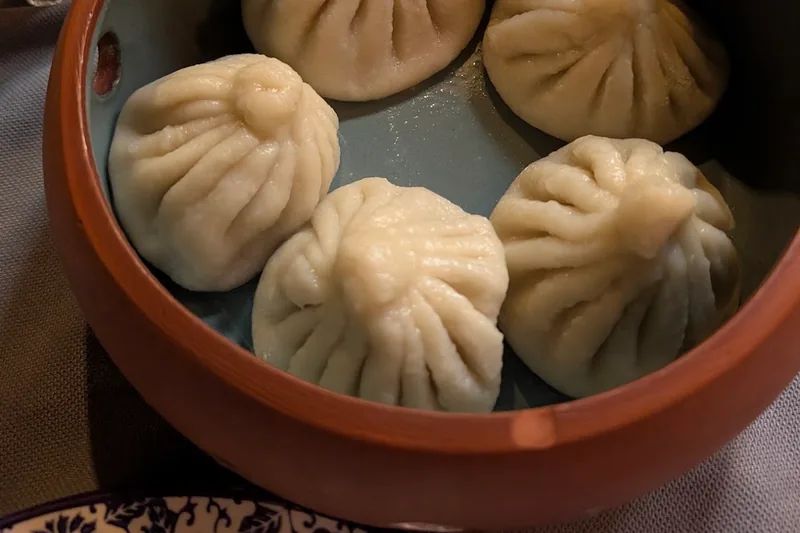
The food is classic Georgian, and khinkali is the dish people order most. It's open daily from 13:00 to midnight, and I'd book a table for Friday.
Tsetskhli Ainto on Tashkenti Street
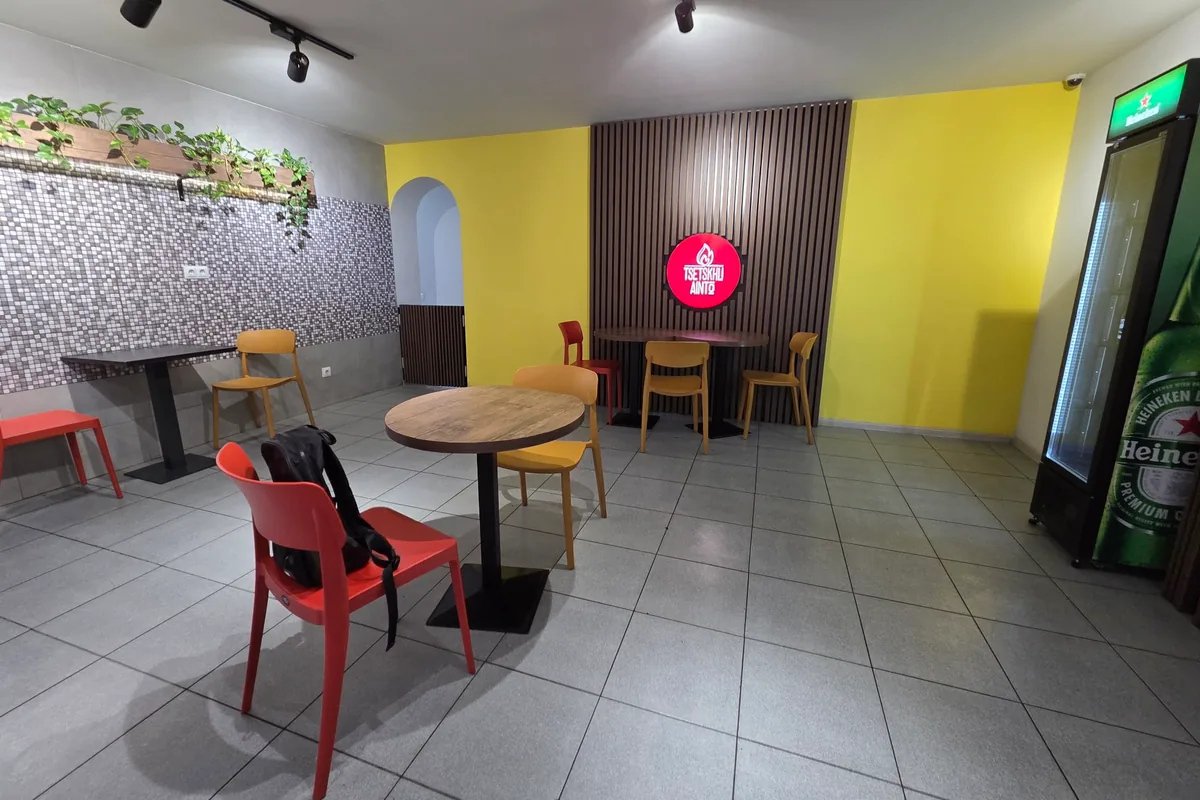
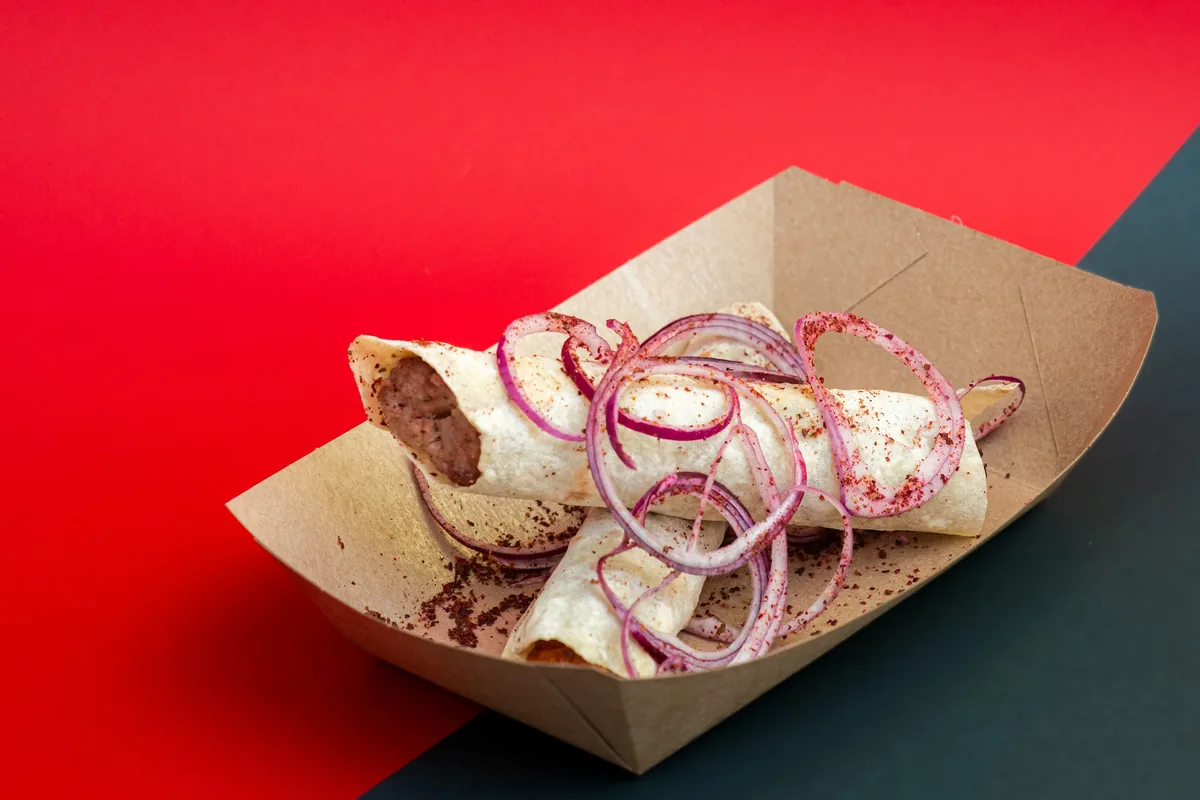
Tsetskhli Ainto does barbecue as fast food. At its Saburtalo branch on Tashkenti Street you order at the counter and get Kakheti-style mtsvadi, pork or chicken skewers with shoti bread, or a lavash kebab to carry, all straight off the fire. The room is plain and the sauces cost extra; you come for the meat. It's open daily from 12:00 to 22:00.
It's the cheapest good meal on this list, and the one I'd send a solo traveler to between sights. Order the Kakheti mtsvadi with tkemali, the sour plum sauce, and a tomato and cucumber salad on the side.
Khachapuri, khinkali and regional kitchens
Saburtalo is where I'd go for regional Georgian cooking, and for some of the best khachapuri in Tbilisi:
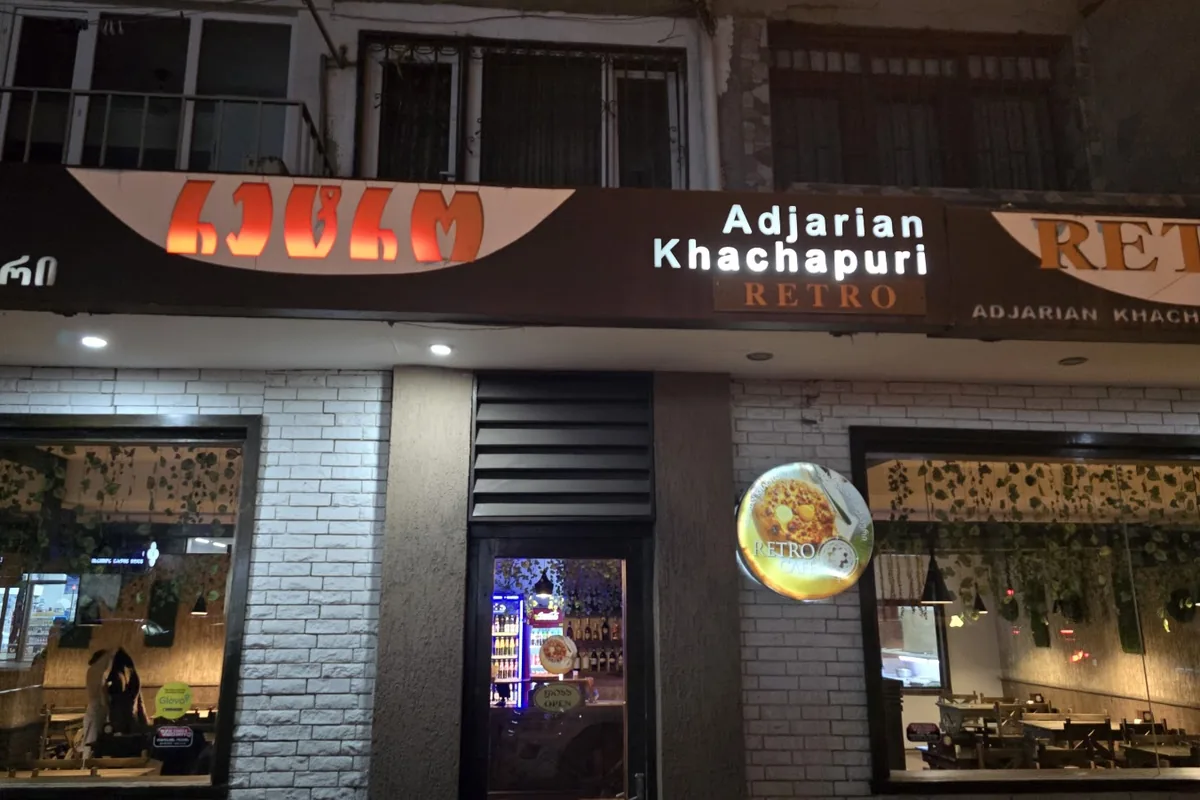
- Retro. The Adjaruli specialist, and my top pick for the boat-shaped khachapuri with egg and butter. The large one costs about 20 GEL and feeds two with a salad.
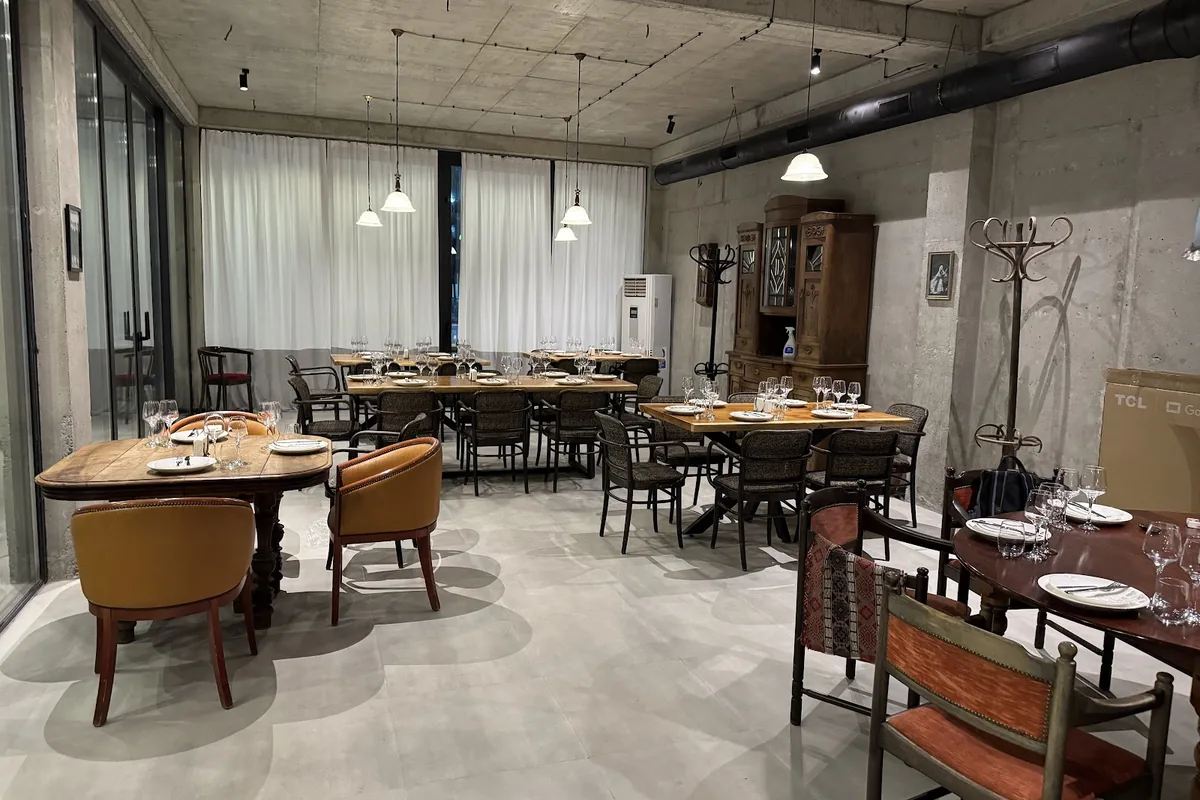
- Amra. On Danelia Street, a few minutes' walk from State University metro, the city's Abkhazian kitchen: abkhazura meatballs, elarji with smoked ham, Abkhazian khachapuri and Sokhumi ice cream.
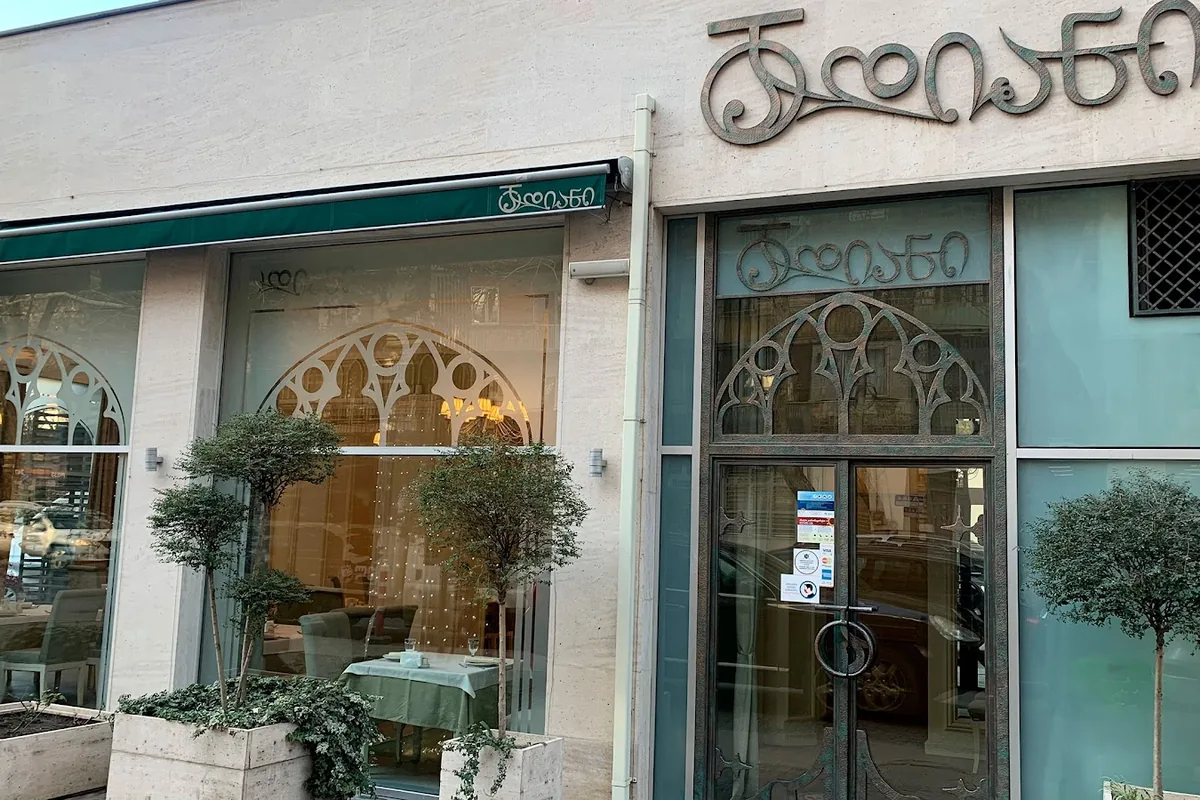
- Dadiani. A Megrelian kitchen a few minutes from Technical University metro, for Megruli khachapuri, elarji with kharcho, kupati and gebzhalia, fresh cheese in a creamy mint sauce.
- Asi Khinkali. Big rooms and 8 fillings, from tarragon to dambalkhacho; the easy choice for a group.
- Shemomechama. The Saburtalo branch of the open-kitchen Georgian restaurant, good for shkmeruli and a pkhali sampler.
- Big Boar. Charcoal-grilled pork and offal, sometimes wild boar, from a chain that started as a food truck.
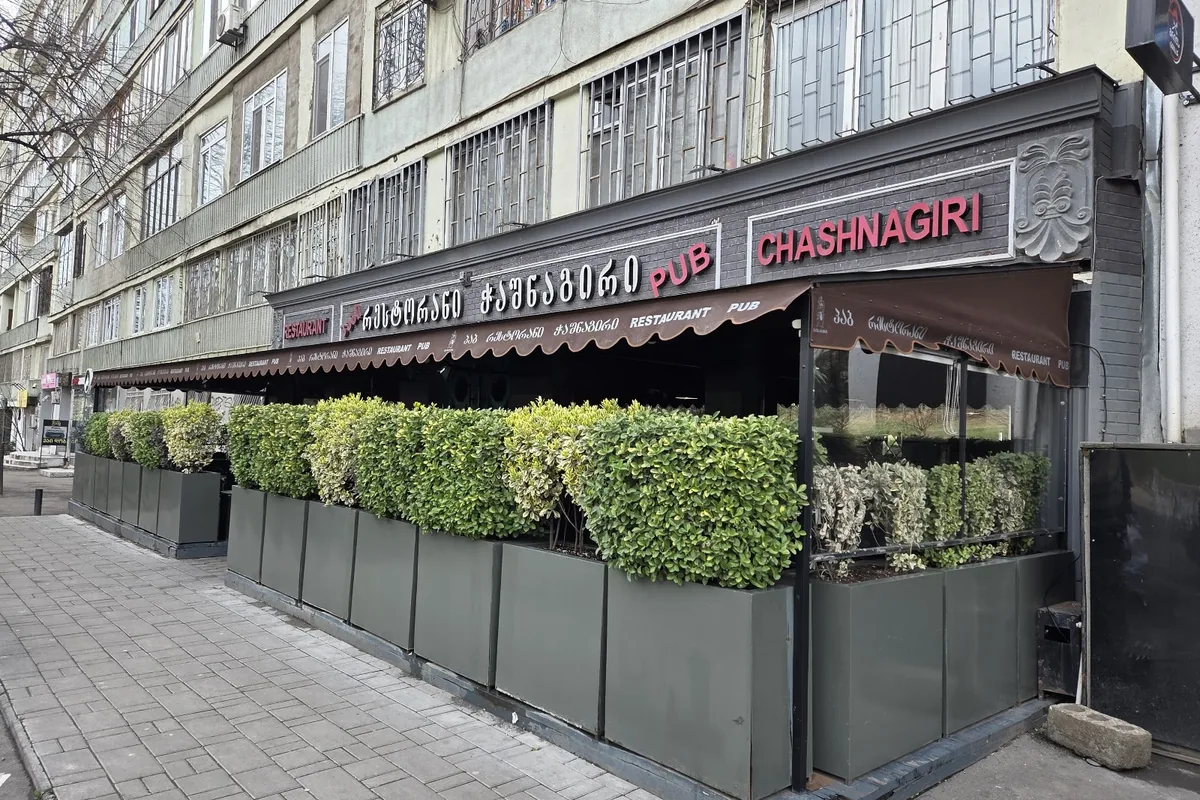
- Chashnagiri. A cheap, no-fuss room at 30 Vazha-Pshavela Avenue for khinkali, shkmeruli and mtsvadi.
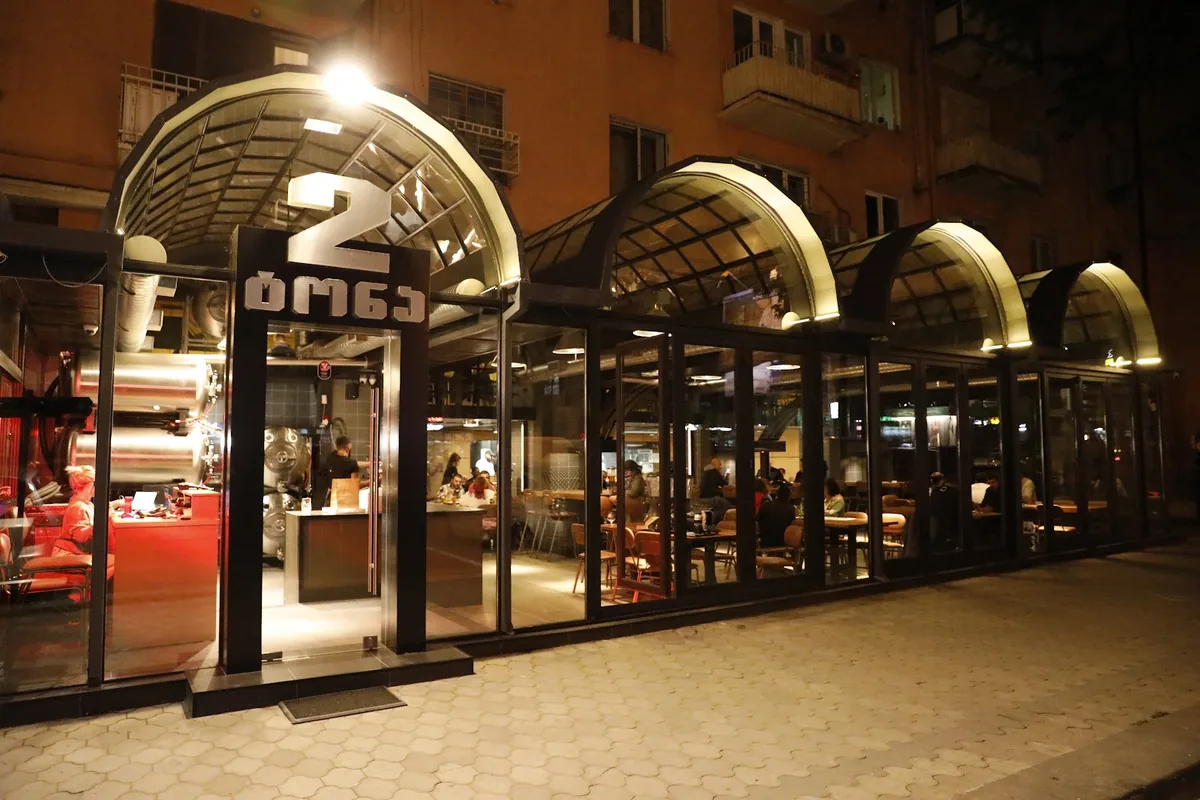
For a beer, the Georgian brewery restaurant 2 Tona has a branch on Vazha-Pshavela Avenue.
Coffee and cafes to work from
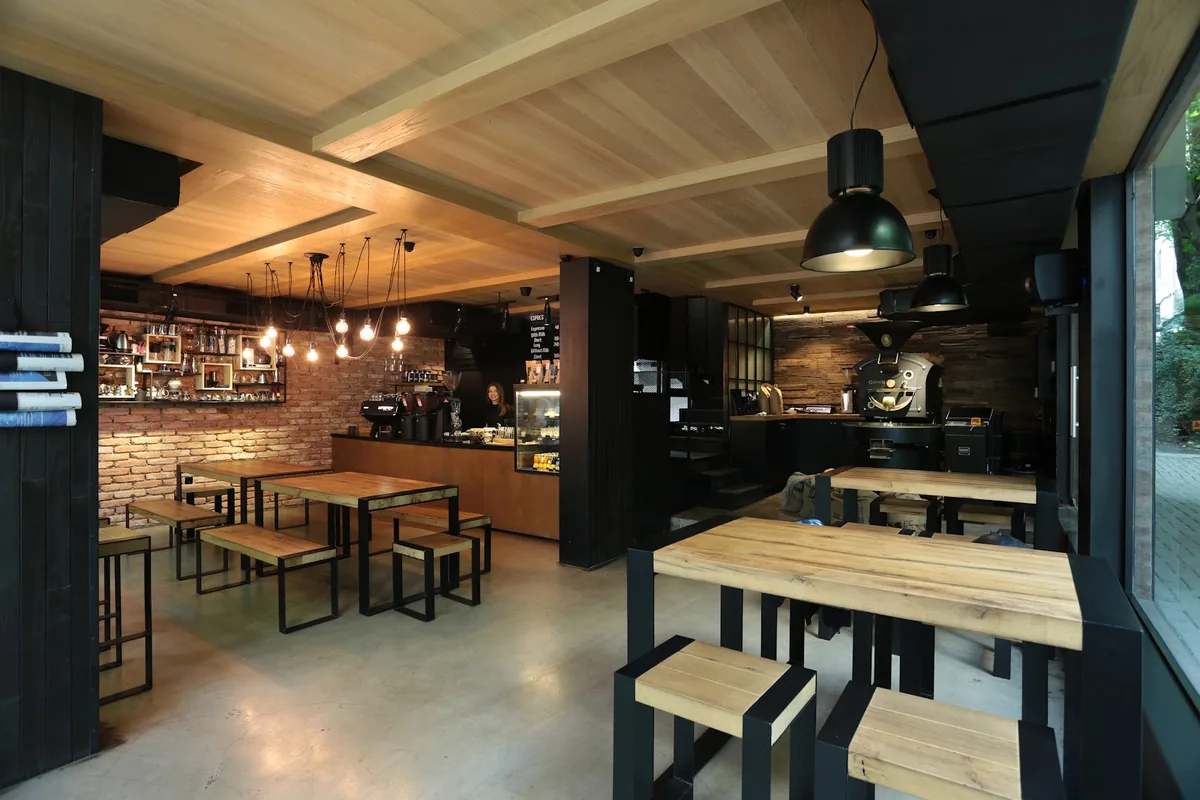
Saburtalo is the working end of town, and its cafes show it. Coffee LAB's branch at 27 Kazbegi Avenue is the one I'd pick for a full working day in this part of the city: two floors, a terrace with a power socket in every umbrella stand and hours from 09:00 to 23:00, with the house-roasted cappuccino at about 9 GEL. Near Delisi metro, Baho pours Rwandan coffee, and Caffeine by Workin is a tiny spot for a quick cup. The prettiest cafes in Tbilisi are in Vera and Sololaki; Saburtalo's are for getting work done.
Shopping and everyday Saburtalo
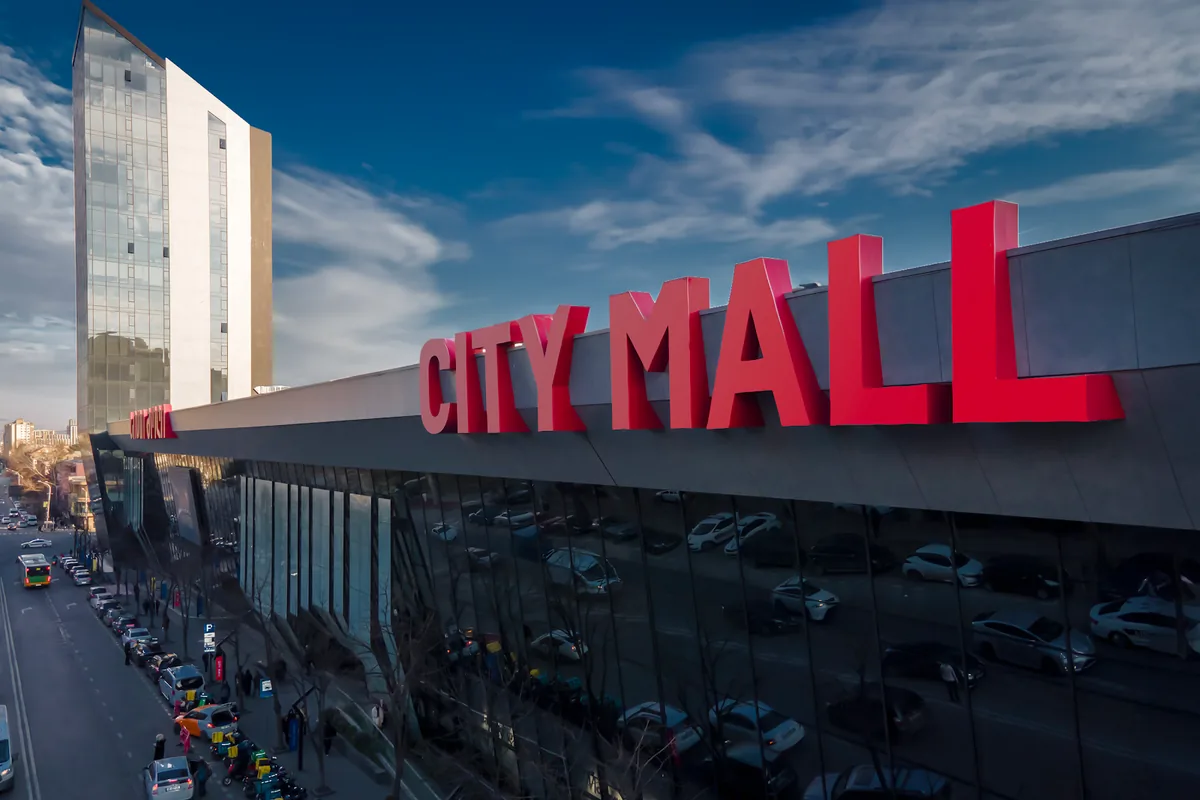
Saburtalo is where Tbilisi does its everyday shopping. City Mall on Kazbegi Avenue, across from Sormoni, is the big one in the district and among the busiest malls in Tbilisi, and the avenues are lined with supermarkets, pharmacies and bakeries. A few stops I'd make:
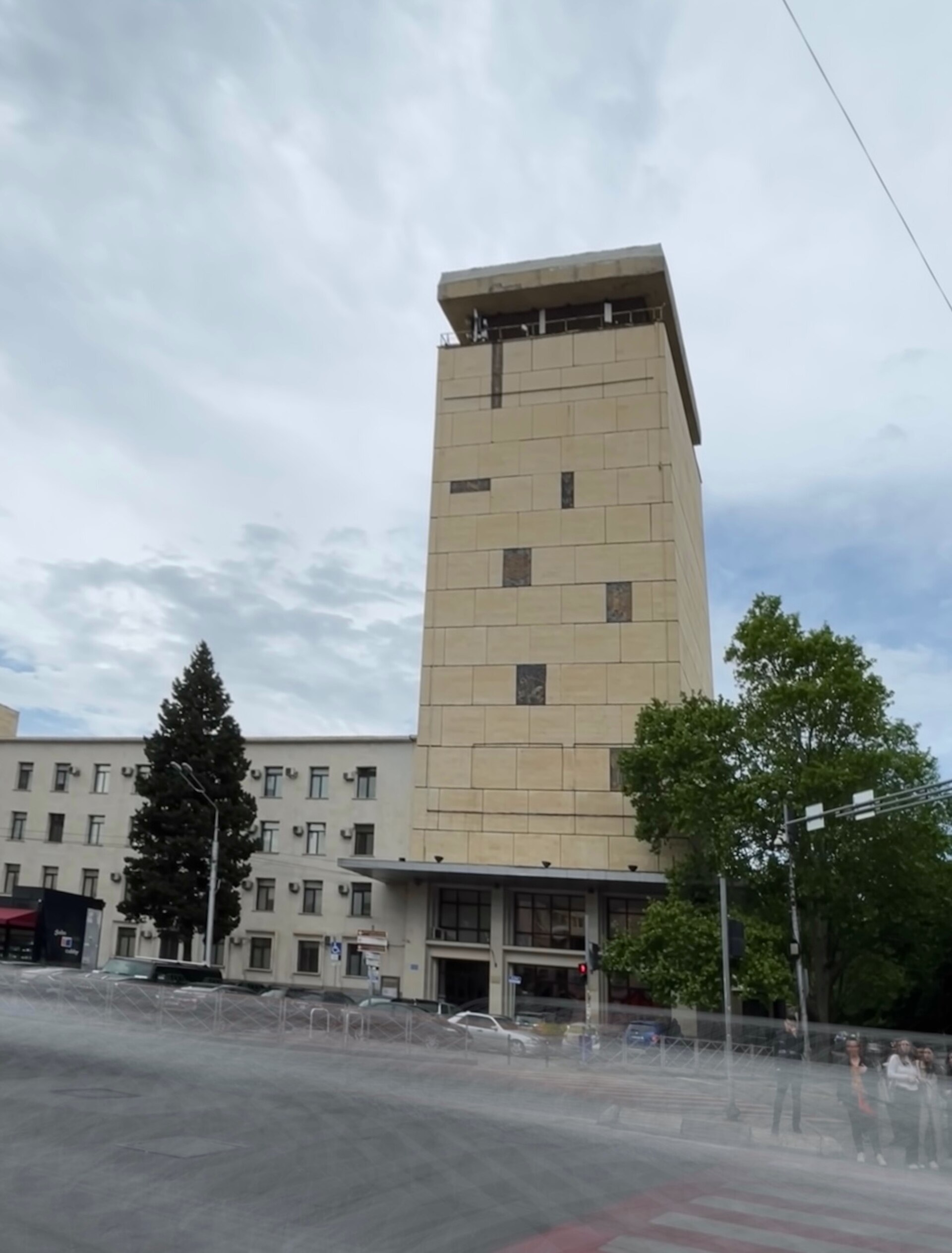
- The National Archives of Georgia, 1 Vazha-Pshavela Avenue. Its shop sells reproductions of Soviet Georgian film and propaganda posters, among the more unusual Georgian souvenirs; enter by the eastern door and go upstairs.
- Wine Gallery, Pekini Avenue. A specialist wine shop with bottles at about 25 to 80 GEL, and the place to ask for an oak-aged chacha.
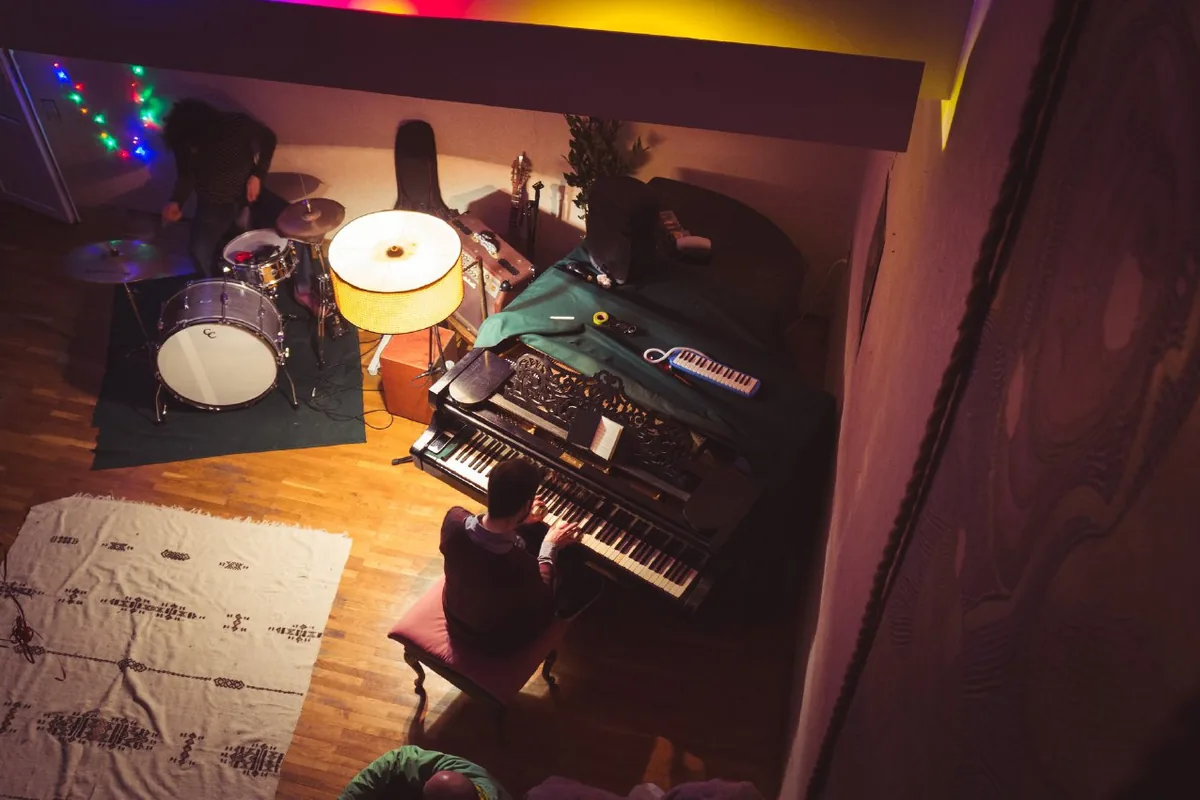
- Ikalto Micro Art Residence. A gallery in a ninth-floor apartment that hosts exhibitions and small piano and acoustic concerts. Entry is free apart from the 5 tetri elevator.
A half day in Saburtalo
This is the half day I'd plan for a first look, with the metro doing the long hops and one taxi for the stretch it can't. Start after 10:00, once the morning rush has cleared.
| Time | Stop | Cost |
|---|---|---|
| 10:00 | Metro to Technical University: the platform mosaic, the Sports Palace and the Technical University campus | 1 GEL |
| 11:00 | Metro to State University, then 10 minutes on foot to the Nutsubidze Skybridge | 1 GEL, plus 20 tetri for the elevator |
| 12:00 | Back to the State University building for the Bagebi cable car over the Vere gorge | 1 GEL a ride |
| 13:30 | Lunch at Amra by State University metro, or Retro for khachapuri | About 20 GEL for a large Adjaruli |
| 15:30 | Bolt to the Bank of Georgia building | Most rides 8 to 15 GEL |
| 16:30 | Lisi Lake: the 3 km loop and a coffee at the roastery | Free; coffee extra |
| 19:30 | Dinner at Sormoni, or Sheen Aura on a Friday for the folk night | Book Fridays ahead |
Short on time? The Skybridge and the Bagebi cable car fit into 2 hours from State University metro, and you can be back on Rustaveli Avenue for lunch.
Staying in Saburtalo: who it suits
Saburtalo is the cheapest part of Tbilisi with a metro station on the doorstep, and it makes a good home and an awkward sightseeing base. Most visitors who stay here rent an apartment for weeks rather than a hotel room for a few nights.
Stay in Saburtalo if you are:
- Staying a month or more. Long-term rents start around 600 GEL a month, and everything you need for daily life is on the next corner.
- On a budget. Rooms and simple apartments run about 40 to 80 GEL a night, the lowest of the areas visitors usually consider.
- Working remotely. Big cafes with sockets, a fast metro into town and quiet side streets.
- Into Soviet architecture. The Skybridge, the Sports Palace and the Bank of Georgia building are on your doorstep.
- Traveling as a family. Flat pavements for a stroller, playgrounds, clinics and Lisi Lake close by.
Skip it if you are:
- On a 2 to 4 day first trip. The sights are a long walk away, and you'll ride the metro or a taxi every day.
- After old streets and wine bars. Saburtalo has neither; Sololaki and Old Tbilisi have both on every block.
- Sensitive to traffic noise. The main avenues are loud, and the traffic is heavy at rush hour.
Prices are the lowest of the central areas: about 40 to 80 GEL a night for rooms and simple apartments. These are the hotels I'd look at first:
| Hotel | Tier | Why stay |
|---|---|---|
| Holiday Inn Tbilisi | Business, 252 rooms over 21 floors | A pool and big-hotel reliability on 26 May Square |
| Onyx City Center | Upper end | Guest score 8.8; the smartest stay in the area |
| Episode Tbilisi | Mid-range | Guest score 8.9; the best-rated mid-range pick |
| BG Palace Hotel | Budget | Guest score 8.5; cheap and well reviewed |
For a long stay, an apartment is the better deal. Many Airbnbs in Tbilisi set weekly and monthly discounts on the listing, and Saburtalo's newer blocks come with lifts, which the old houses in the center rarely have.
This is how Saburtalo compares with the other areas visitors usually weigh it against:
| Area | Price a night | Nearest metro | To Rustaveli Avenue | Best for |
|---|---|---|---|---|
| Old Town | 80 to 300 GEL | Liberty Square, Avlabari | About 10 minutes on foot | First trips of 2 to 4 days |
| Sololaki | 60 to 200 GEL | Liberty Square | Starts at Freedom Square | A quiet central base |
| Vera | 100 to 200 GEL | Rustaveli | 5 to 10 minutes on foot | Cafes, wine bars, long stays |
| Marjanishvili | 50 to 100 GEL | Marjanishvili | 1 metro stop | Food, nightlife, value |
| Vake | 120 to 250 GEL | None in Vake | A 10 to 12 GEL taxi | Families, parks |
| Saburtalo | 40 to 80 GEL | 5 stations on Line 2 | A few stops with a change at Station Square | Budget long stays, Soviet sights |
Of all the Tbilisi neighborhoods, Saburtalo gives you the most space for the money, while Vera and Marjanishvili cost a little more and keep the center within walking distance. On a first trip, the best area to stay in Tbilisi is still the center; Saburtalo comes into its own on the second visit or the long one.
Key takeaways
- Saburtalo is Tbilisi's big residential district, 5 stations up metro Line 2 with one change at Station Square.
- The 20 tetri Skybridge, the Sports Palace, the Bank of Georgia building and the 1 GEL Bagebi cable car make a half day of Soviet architecture.
- Lisi Lake on the northwest edge has a 3 km loop, playgrounds and a Coffee LAB roastery.
- Eat at Sormoni, Bina N37 or Sheen Aura, and go to Retro for a 20 GEL Adjaruli.
- Rooms cost about 40 to 80 GEL a night: stay for a month, not for a short first trip.
Frequently asked questions
Is Saburtalo a good area to stay in Tbilisi?
Yes, for long stays and tight budgets. It's the cheapest area with a metro, at about 40 to 80 GEL a night, and it's full of supermarkets, cafes and clinics. For a 2 to 4 day first trip, Sololaki or the Old Town puts the sights on your doorstep.
Is Saburtalo safe?
Yes. Saburtalo is an ordinary residential district in a city that's safe for travelers, and its avenues and metro stations stay busy into the evening. Take care crossing the big avenues, and keep the usual eye on your bag in a crowded metro car.
What is Saburtalo known for?
Saburtalo is known for its Soviet apartment towers, its universities and everyday city life. Visitors come for the Nutsubidze Skybridge, the Sports Palace, the Bank of Georgia building, Lisi Lake and regional Georgian restaurants such as Retro and Amra.
How far is Saburtalo from the Old Town?
It's a short metro ride with one change. From Liberty Square, ride 3 stops on Line 1 to Station Square, then 2 to 6 stops on Line 2, all for 1 GEL; a Bolt costs about 8 to 15 GEL outside rush hour.
Which metro stations are in Saburtalo?
Five stations on Line 2: Technical University, Medical University, Delisi, Vazha-Pshavela and State University. Line 2 starts at Station Square, where it meets Line 1, and State University is the end of the line.
Is Saburtalo cheap?
Yes, it's the cheapest part of Tbilisi that visitors usually consider. Rooms run about 40 to 80 GEL a night, long-term rents start around 600 GEL a month, and restaurant prices are set for locals rather than tourists.
What is there to do in Saburtalo?
Ride the Nutsubidze Skybridge, see the Sports Palace and the Bank of Georgia building, cross the Vere gorge on the Bagebi cable car and walk the loop at Lisi Lake. Then eat well: Saburtalo has some of the city's best regional Georgian restaurants.
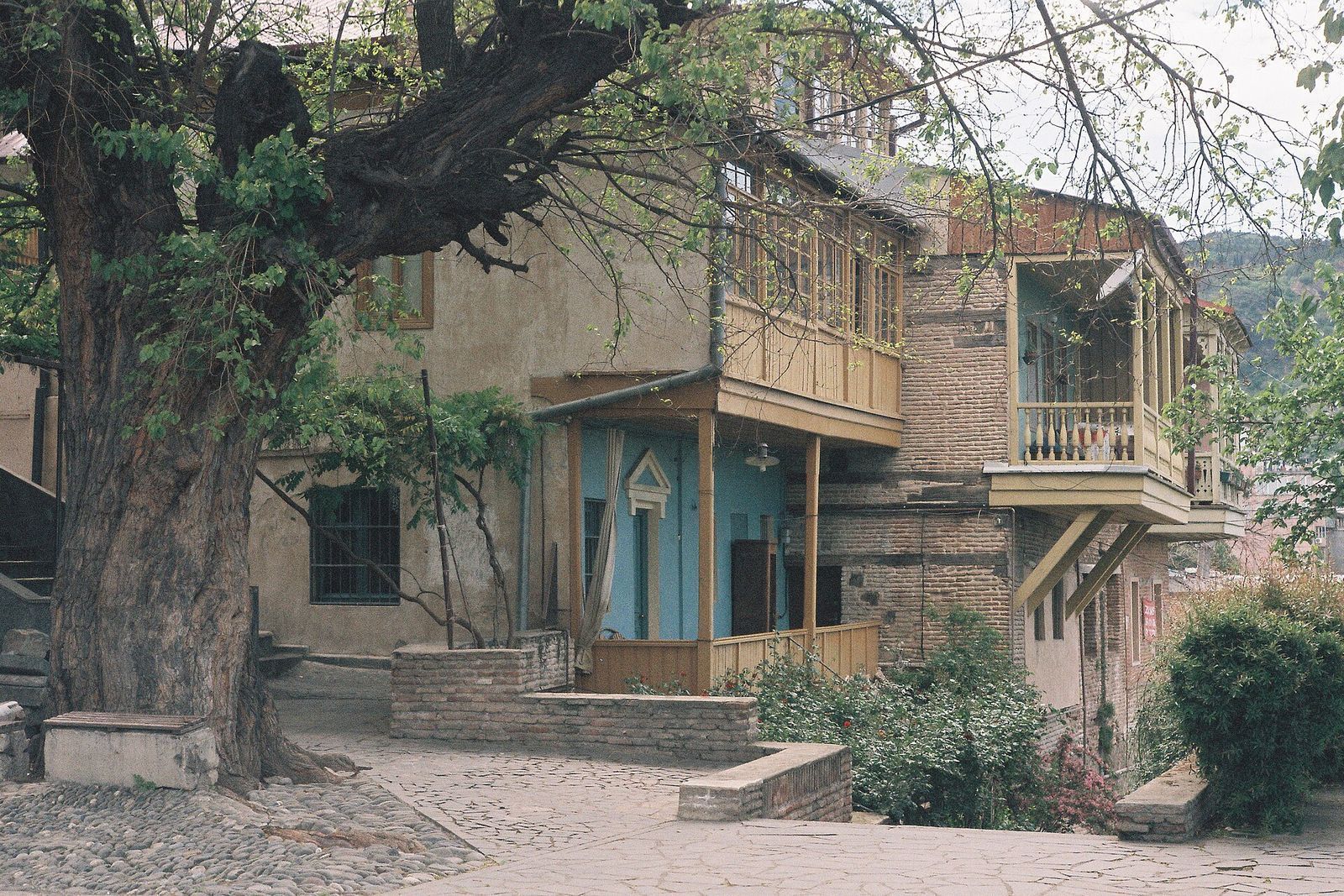
Tbilisi Neighborhoods: The 8 Best Areas and What Each One Is Like
Tbilisi is known for its old quarters. Here are the 8 best areas to explore, what each one is like and who it suits.
Read the guide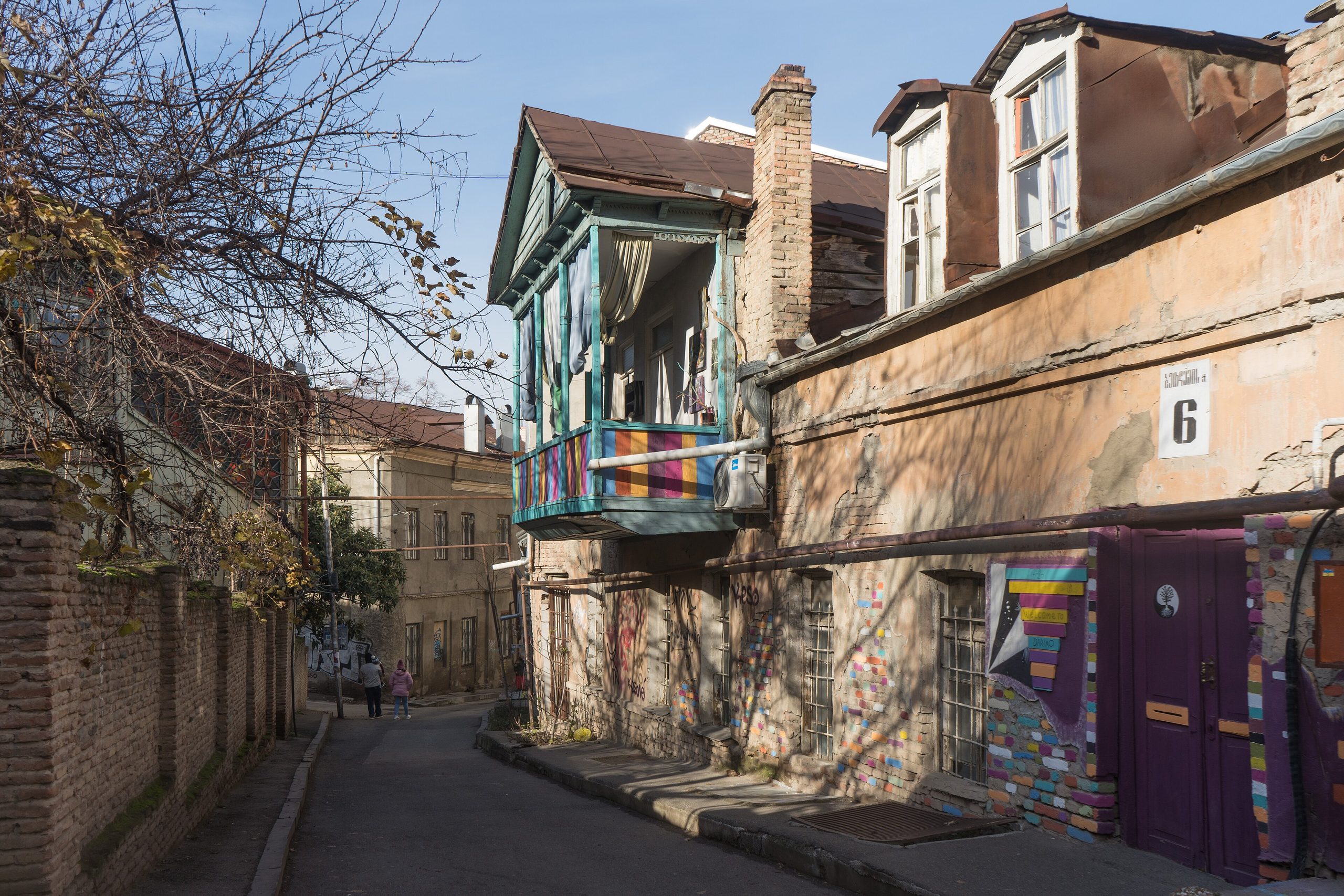
Old Tbilisi: Kala, Betlemi, Meidan and Shardeni Street
Old Tbilisi is the city of balconies and bath domes. Here is what to see, where to eat and whether to stay there.
Read the guide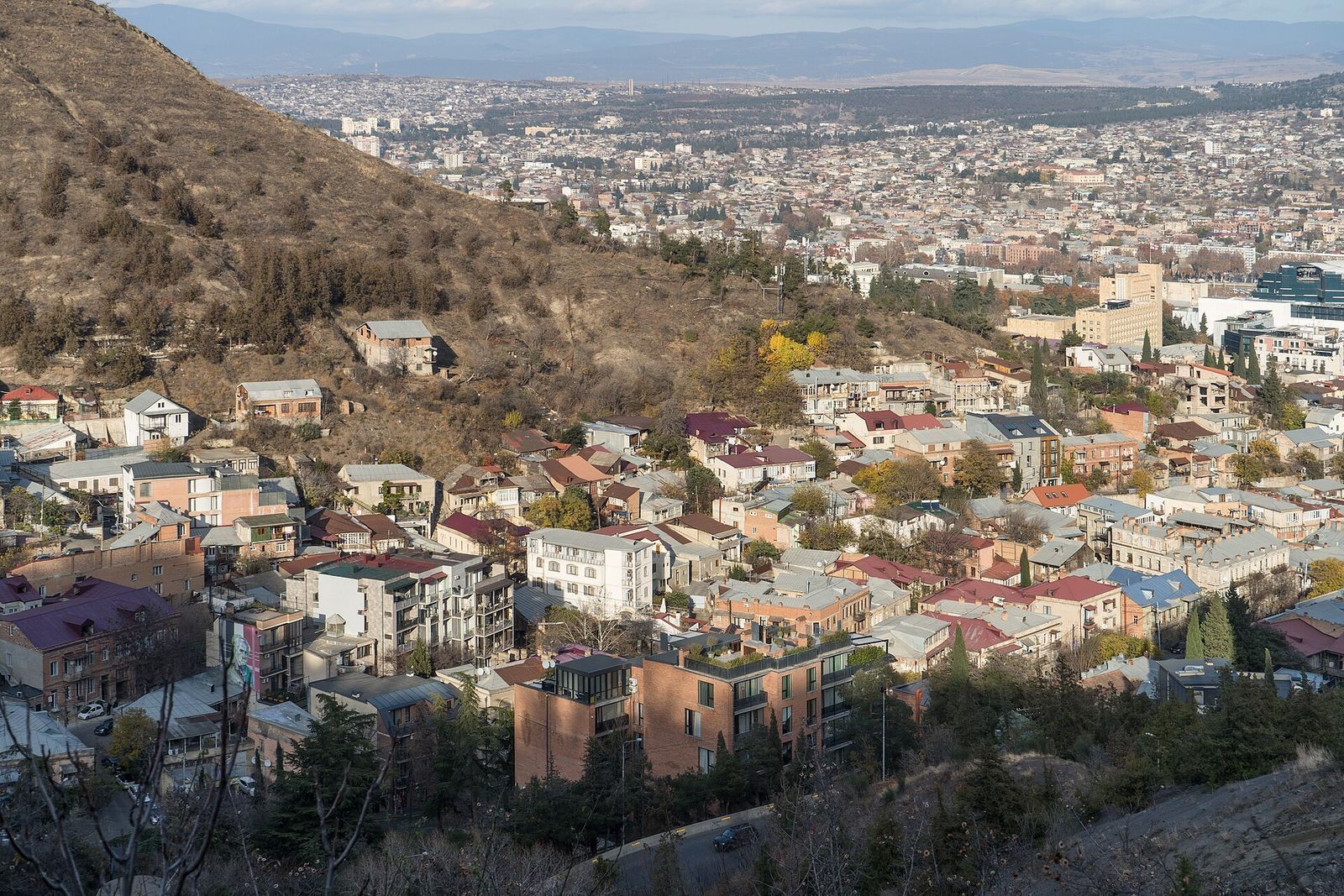
Sololaki, Tbilisi: Art Nouveau Entrances, Cafes and Where to Stay
Sololaki is the Art Nouveau quarter of Tbilisi. Here is what to see, where to eat and drink, and who should stay there.
Read the guide