Avlabari, Tbilisi: Sights, Metro, Food and Where to Stay
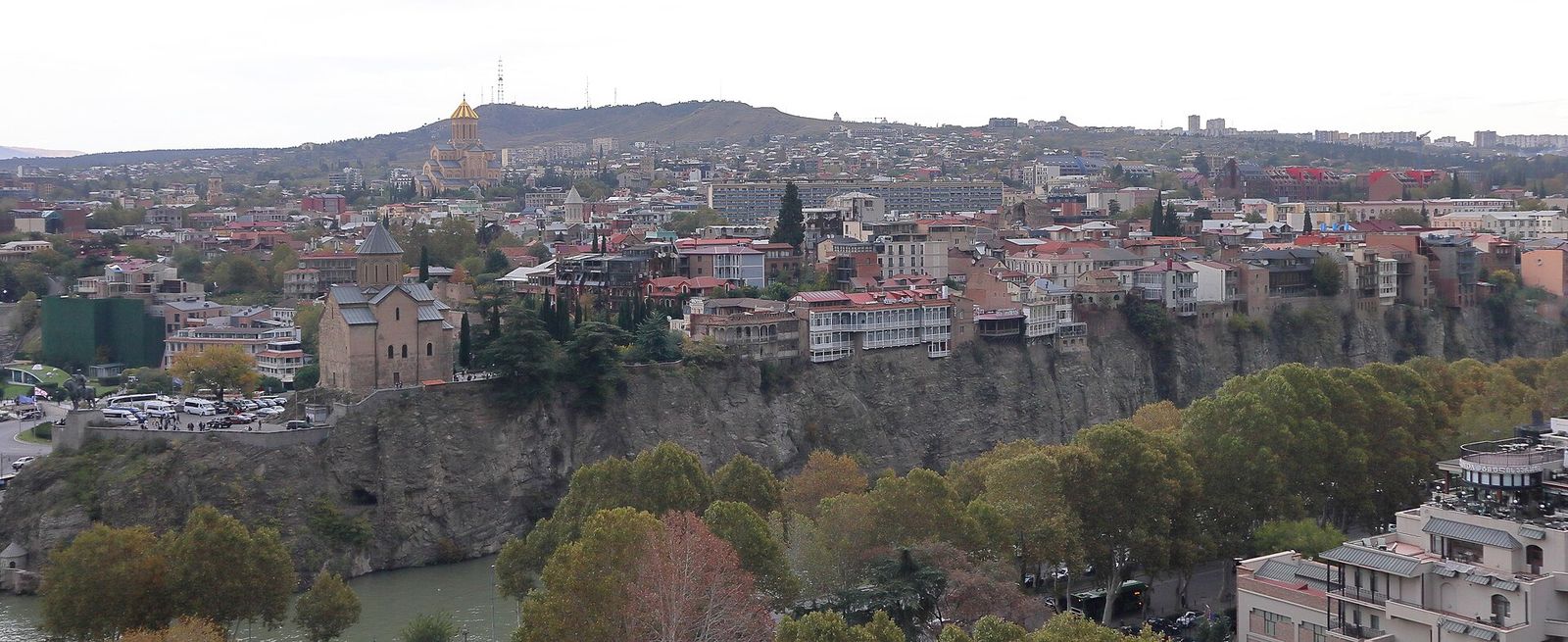
Tbilisi is known for its Old Town, and Avlabari is the district that looks straight back at it from the cliffs across the river. It holds Metekhi Church, the gold-domed Sameba cathedral, a metro station one stop from Liberty Square and some of the cheaper rooms in the center. Here's what you need to know about the sights, the metro, where to eat and whether Avlabari is the right base for your trip.
Where is Avlabari?
Avlabari sits on the left bank of the Kura (the Mtkvari, in Georgian), facing Old Tbilisi across the water. It starts on the cliff opposite Abanotubani, where Metekhi Church stands over the river, and climbs east and uphill to Elia Hill and Sameba cathedral. Two bridges tie it to the Old Town: the road bridge at Metekhi and the glass Bridge of Peace a little upstream, which lands in Rike Park on the Avlabari side.
On paper Avlabari belongs to the Isani district, which spreads further east, but most locals still treat it as a neighborhood of its own. For a visitor the neighborhood is the triangle between the river, Avlabari metro and Sameba, and you can walk across it in about 20 minutes.
A short history of Avlabari
For most of its life Avlabari was outside the city. The river cut it off from the old walled town, and the name is usually traced to an Arabic word for field and a Persian word for fence or rampart: the land beyond the wall. By the 14th century it was described as a suburb of Tbilisi, guarding one of the approaches to the city walls on the road to the eastern half of the Georgian kingdom.
It was also Tbilisi's Armenian quarter for centuries. The community gathered around the Echmiadzin church on what is now Ketevan Tsamebuli Square, and Avlabari became known for its markets, which pulled in merchants from neighboring towns. In the early 19th century the Russian army kept barracks here, and in 1831 the governor drew up a plan to turn Avlabari into a proper district of the capital. The plan was dropped, and the area grew the slow way instead, one street at a time.
The 20th and 21st centuries left their marks on top. Stalin's secret printing press was dug under a house here in 1900, Soviet apartment blocks went up beside the old merchant houses, and the 2000s and 2010s brought Sameba, Rike Park, the Bridge of Peace and the glass-domed presidential palace. If you like seeing how Georgian history piles up in one place, Avlabari packs a lot of layers into a few streets.
What Avlabari is like today
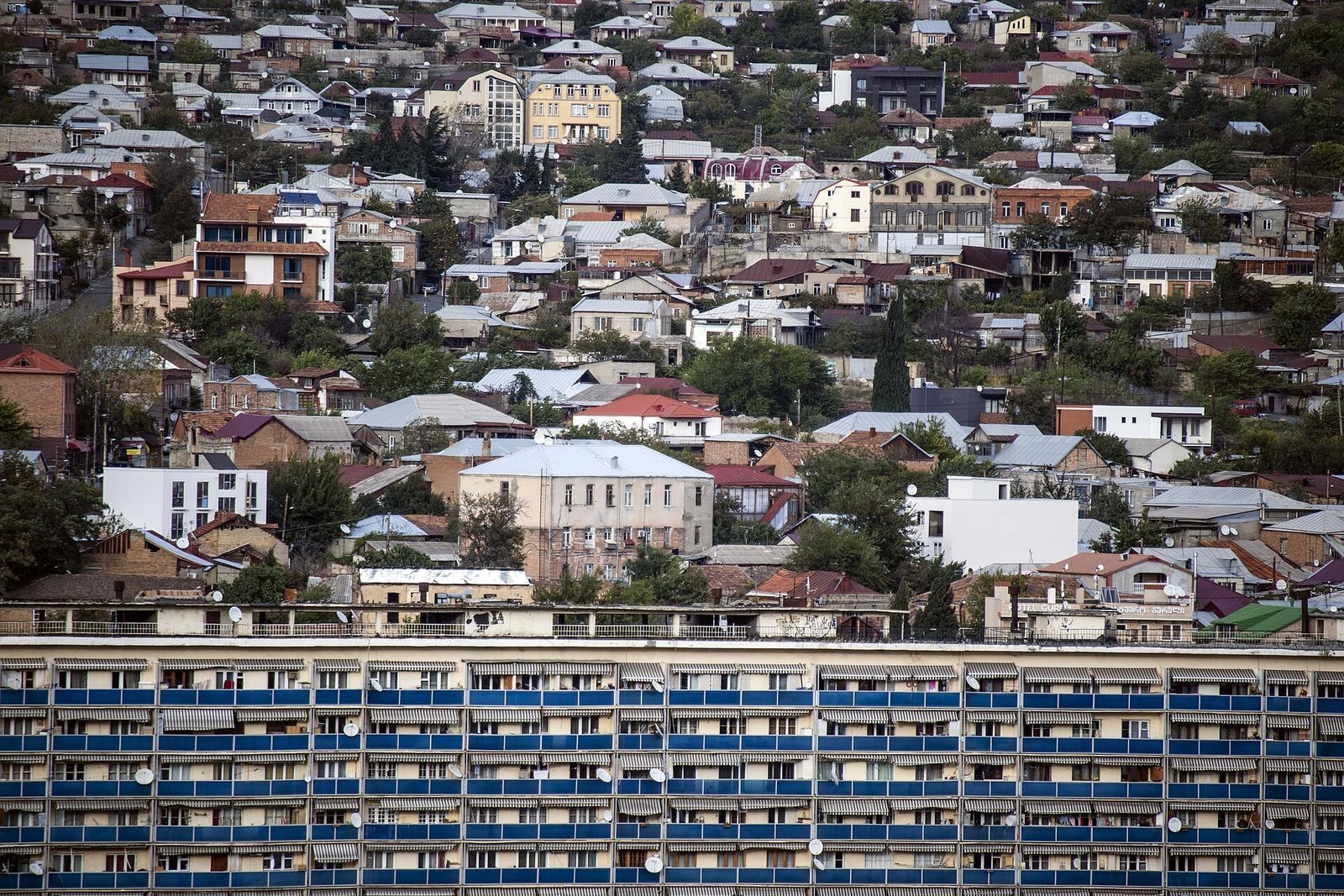
Avlabari feels like a place where people live, which is exactly why I like it. The lanes behind the cliff are a mix of old two-storey houses with sagging wooden balconies, Soviet blocks, small corner shops and new apartment buildings, often on the same street. Once you step off the main roads it gets quiet fast.
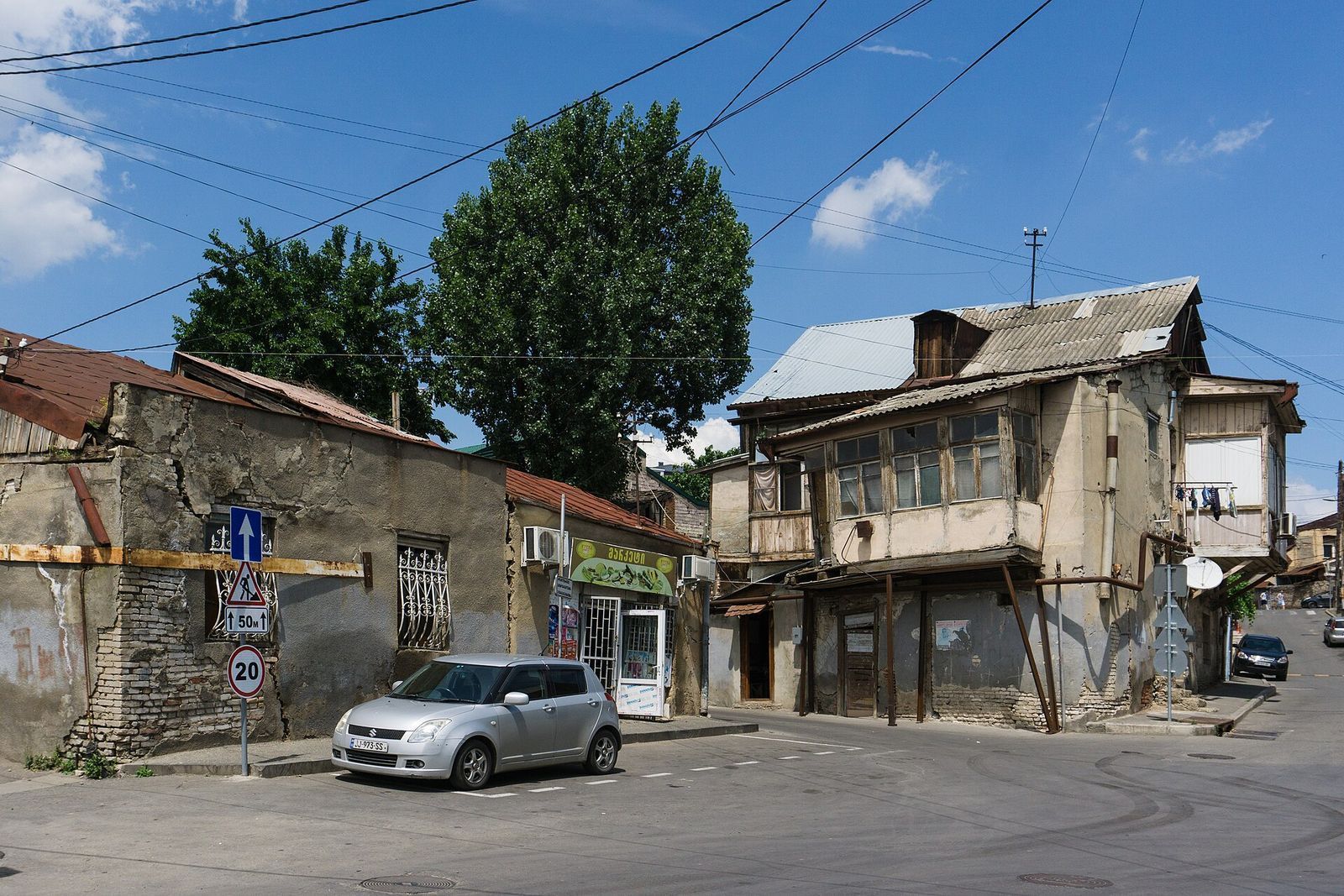
The honest downsides are real. Many streets are steep and the pavements are uneven, which matters with a big suitcase. There are far fewer cafes, restaurants and bars than in the Old Town or Sololaki, so most evenings end with a walk back over the bridge. The main roads around the metro stay busy and noisy into the evening, though the lanes behind them do not.
The area is changing quickly. Old houses are being restored or replaced, and new places to eat open every year, but it's still more neighborhood than tourist zone. Avlabari is also one of the central districts with the most Soviet building, which makes it a good walk if Soviet architecture interests you.
Things to do in Avlabari
Almost everything worth seeing in Avlabari is free and within a 20-minute walk of the metro. Here is how the sights line up.
| Sight | What it is | Cost | Time | Getting there |
|---|---|---|---|---|
| Metekhi Church | 13th-century church on the cliff, with the Gorgasali statue | Free | 30 minutes | About 10 minutes downhill from the metro |
| Sameba | The city's biggest cathedral, on Elia Hill | Free | 45 to 90 minutes | 10 to 15 minutes uphill from the metro |
| Queen Darejan's Palace | 1770s palace balcony and a working convent | Free | 15 minutes | Wine Rise, about 5 minutes from the metro |
| Rike Park and the Bridge of Peace | Riverside park, fountain and the glass footbridge | Free | About 1 hour | On the riverbank below the cliff |
| Cable car to Narikala | Ropeway from Rike Park to the ridge | 2.50 GEL one way | About 2 minutes in the air | Lower station in Rike Park |
| Stalin's Underground Printing House | A secret Bolshevik press under a house | Free, donation expected | 45 minutes | Kaspi Street, in the residential lanes |
| Karmir Avetaran | Ruined Armenian church | Free | 15 minutes | In the lanes, entered from a car park |
Metekhi Church and the Gorgasali statue
Metekhi, the Church of the Assumption of the Virgin, stands on a rock directly across the river from the sulfur baths. Tradition says King Vakhtang Gorgasali, who made Tbilisi his capital, built the first church here in the 5th century, and his statue on horseback now stands at the edge of the courtyard. Most of the church you see today is 13th century.
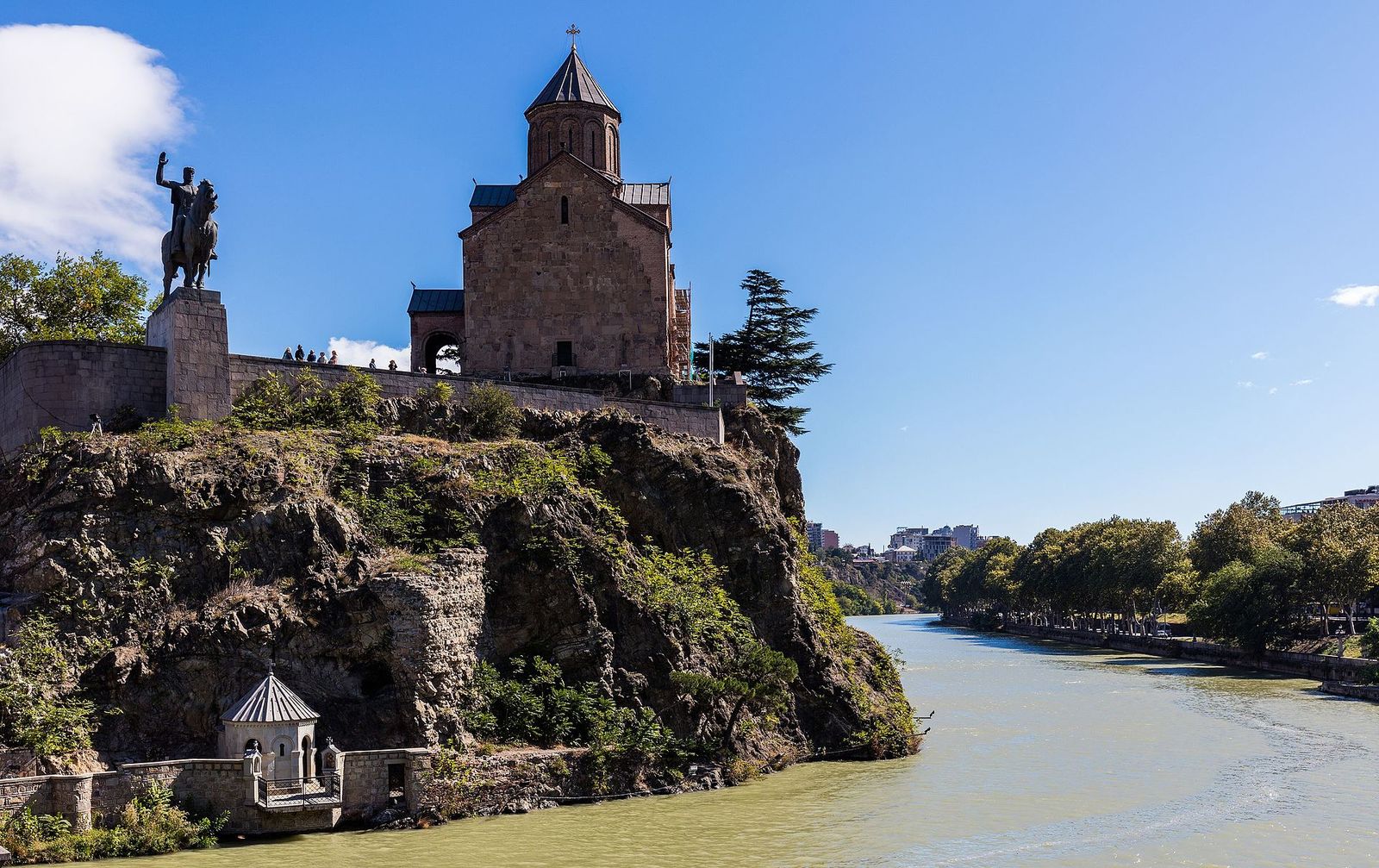
Its past is darker than the postcard. In 1819 the Russian government pulled down the old fortress around it and built a prison, and in Soviet times the secret police used it for executions. The prison closed in 1934, the church became a youth theater in 1979 and went back to being a church in 1988. Below it, by the bridge, a tiny chapel cut into the cliff honors St Abo, the city's patron saint. Metekhi is one of the stops I'd put on any list of churches in Tbilisi, mostly for the view: from the courtyard the bath domes, the Old Town and Narikala are laid out right in front of you.
Sameba, the Holy Trinity Cathedral
Sameba is the gold dome you see from almost every bridge in the city, on Elia Hill above Avlabari. It was built between 1995 and 2004, stands 87.1 m to the top of its cross and is the main cathedral of the Georgian Orthodox Church. It's free, open daily from about 07:00 to 21:00, and a 10 to 15-minute walk uphill from Avlabari metro.
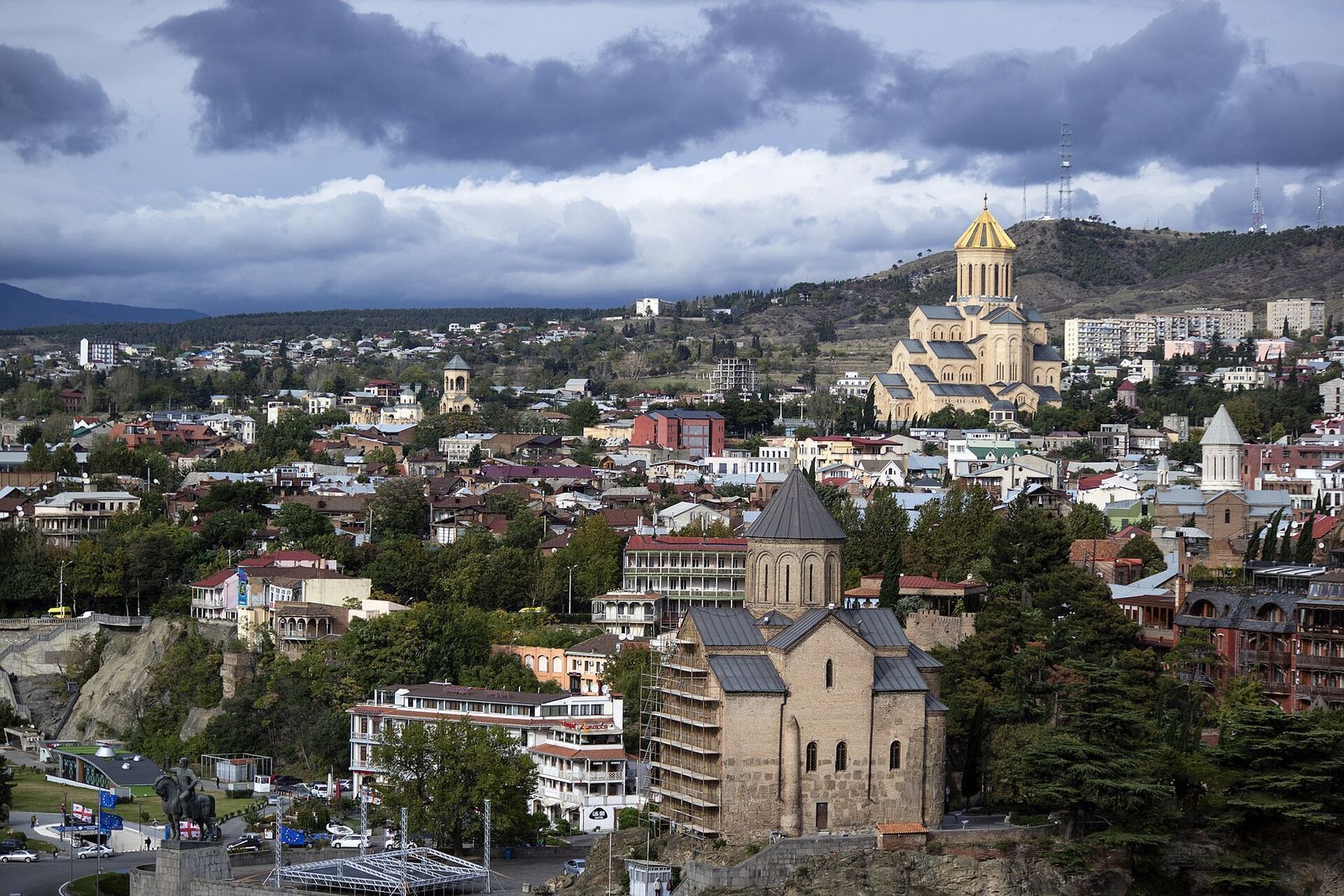
Don't expect medieval frescoes. Come for the scale, the terraces and gardens, and the view back across the river to the Old Town and Mtatsminda, the reverse of the view everyone photographs. My timing for the Holy Trinity Cathedral is the hour before sunset, then a walk down through the lanes to Metekhi as the lights come on.
Queen Darejan's Palace
From Europe Square, at the Avlabari end of Metekhi Bridge, look up and you'll see a round wooden balcony perched on an old brick wall above the road. That's what remains of the palace built in the 1770s for Queen Darejan, the wife of King Erekle II. The palace church is now part of a working convent, and the nuns run a small shop with embroidery and lace.
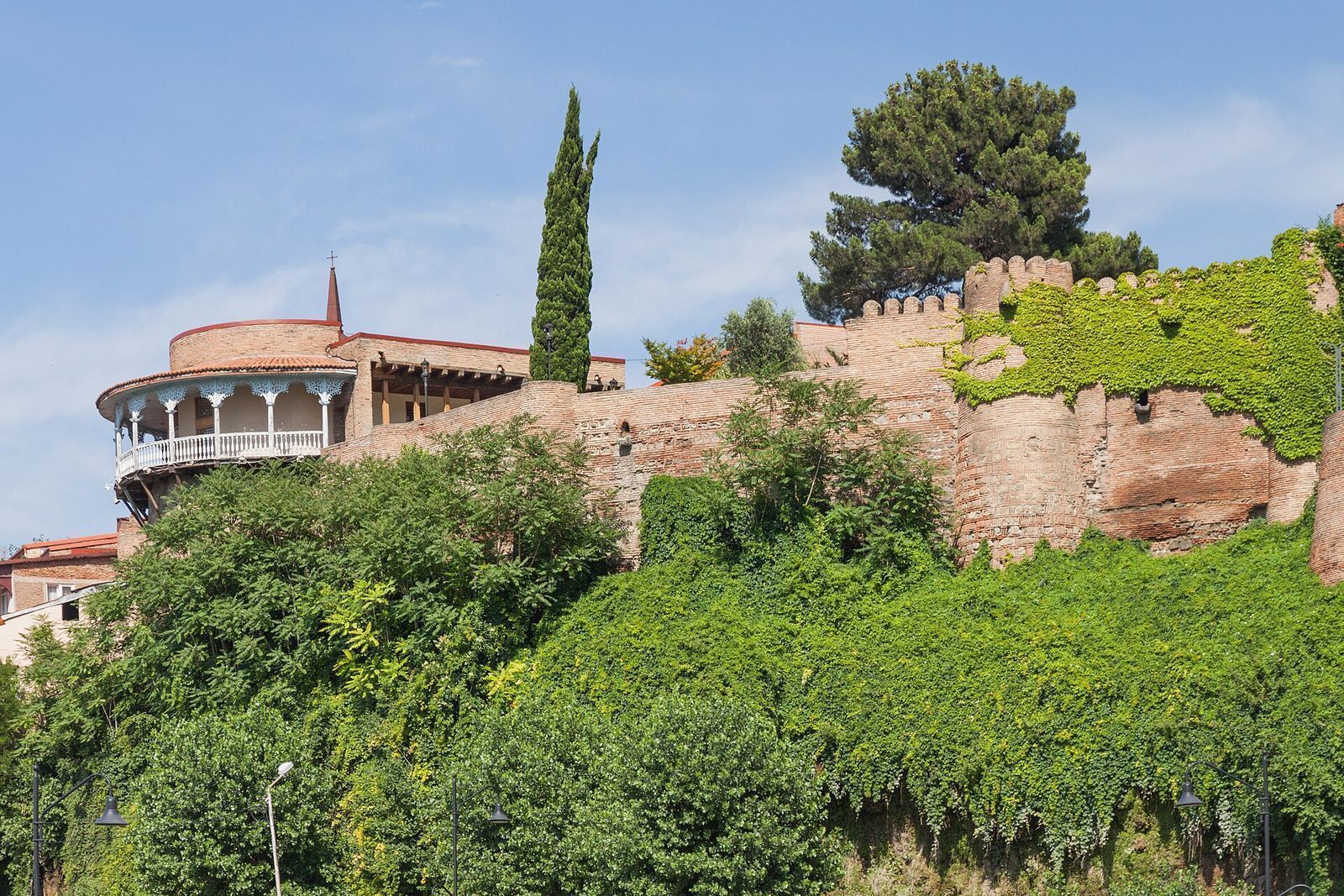
It sits on Wine Rise, the lane that climbs from Europe Square toward the metro, and the balcony is one of the best-loved views in Avlabari. On Sunday the liturgy starts around 10:00 and you can hear the nuns chanting from the garden.
Rike Park and the Bridge of Peace
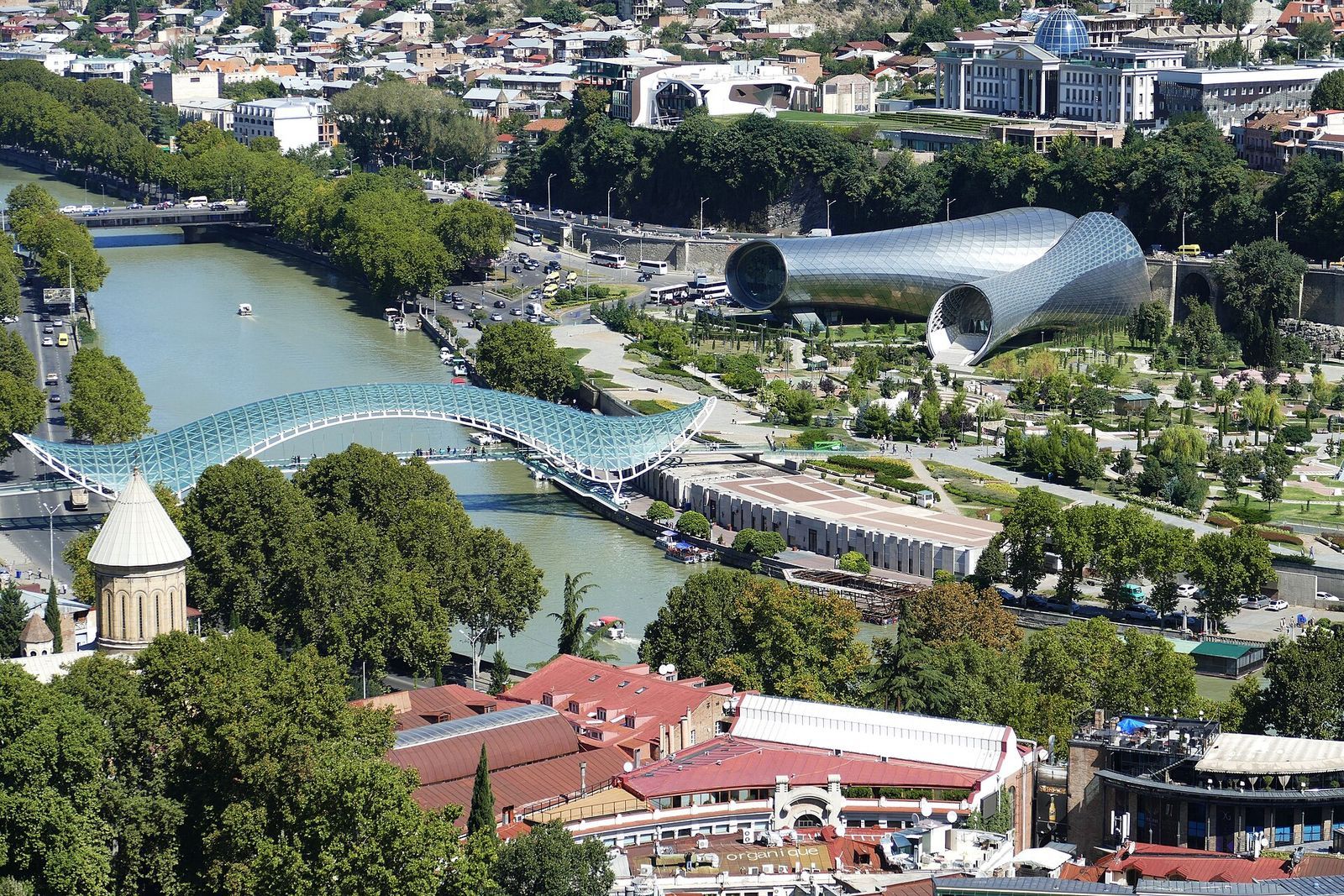
Rike Park fills the riverbank below the cliff: lawns, flower beds, playgrounds and a musical fountain that plays on summer evenings. It's free and open at all hours. The Bridge of Peace, a 156 m glass footbridge from 2010, crosses from here to the Old Town, and its LEDs switch on 90 minutes before sunset.
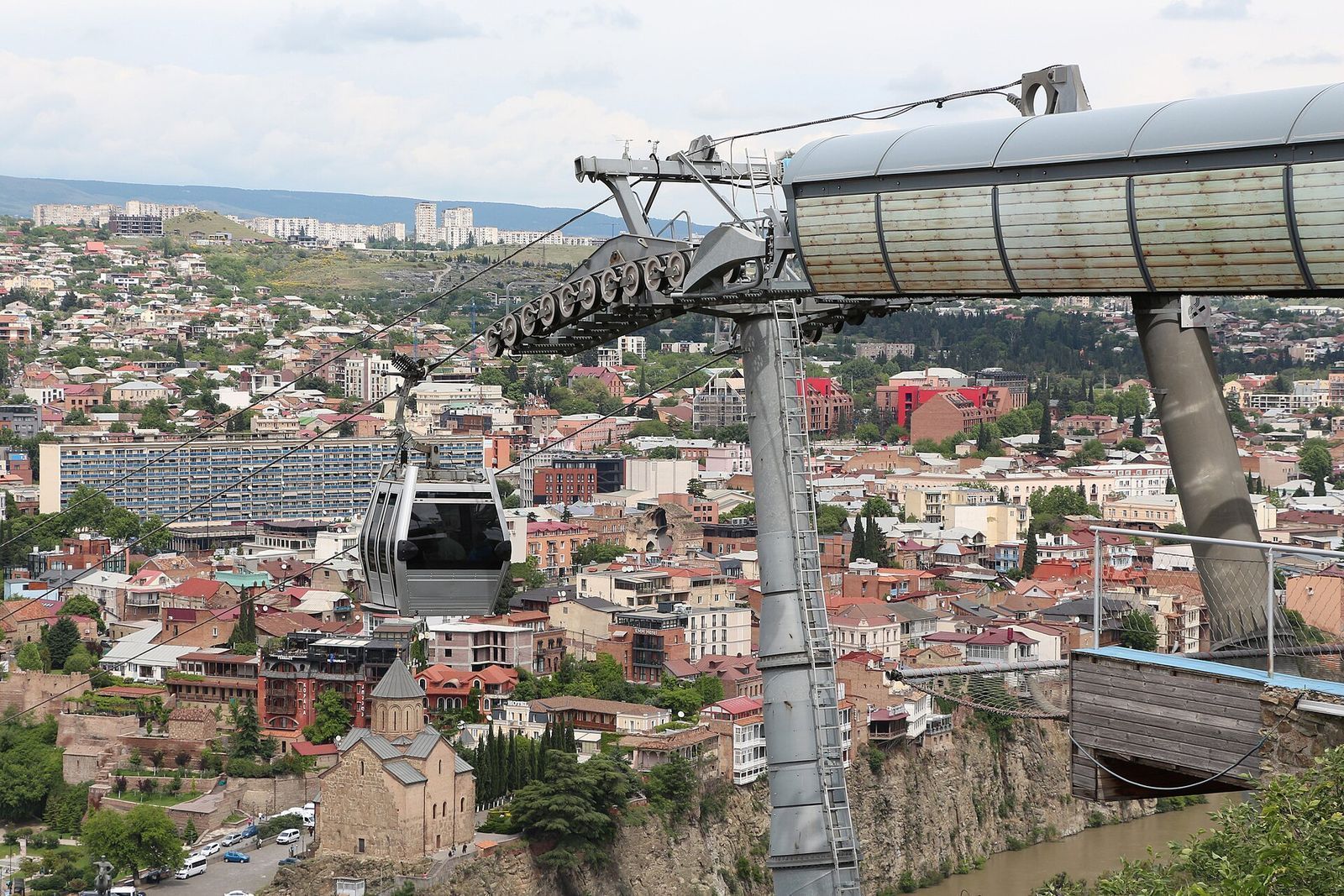
The lower station of the cable car to Narikala is in the park too: 2.50 GEL one way and a little over 2 minutes over the river and the bath domes. From the ridge you can walk down into the Old Town, which turns Avlabari into the start of a full loop rather than a detour.
Stalin's Underground Printing House
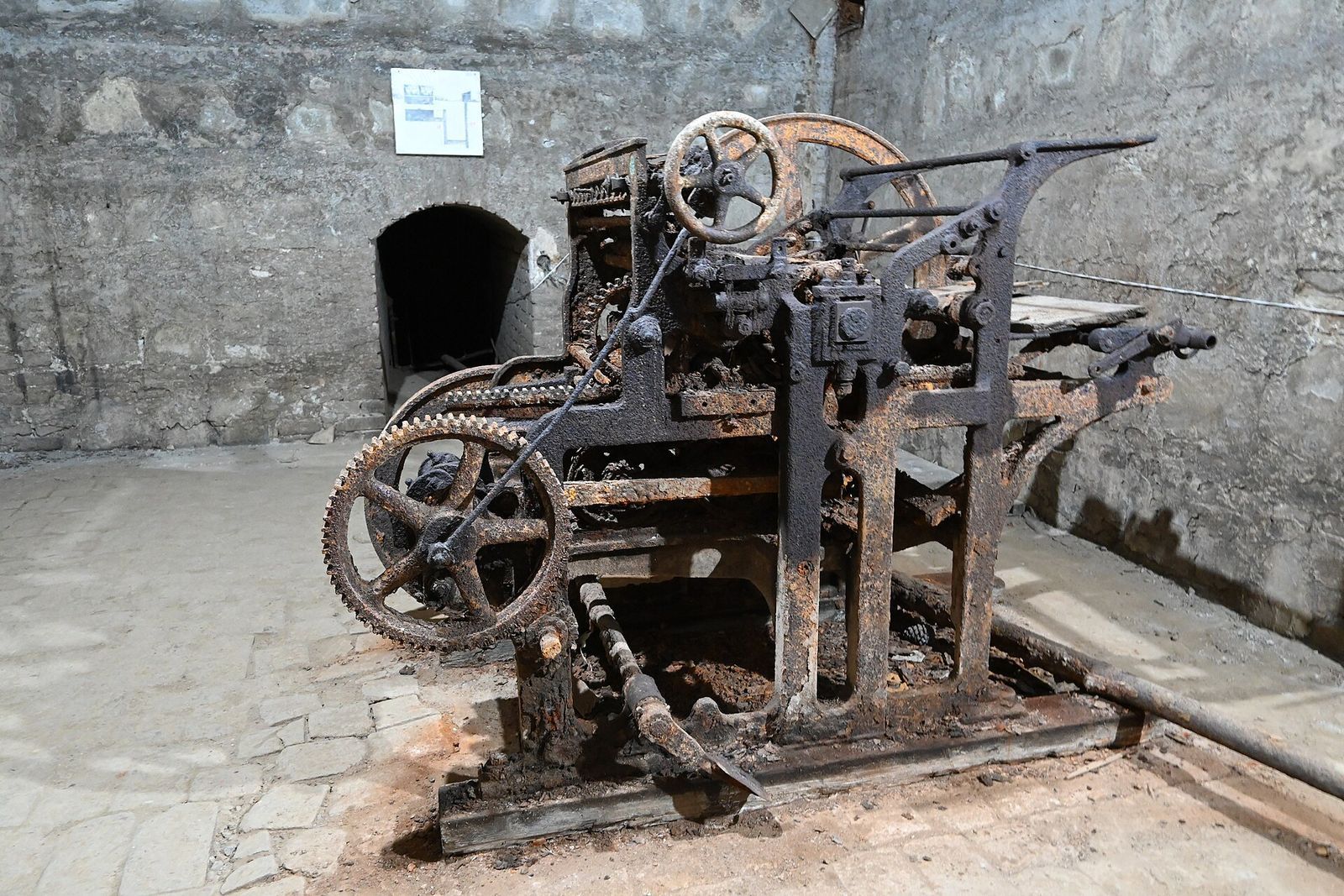
In the early 1900s young Bolsheviks, Stalin among them, ran a secret press under a house on what is now Kaspi Street, printing leaflets and newspapers in Russian, Georgian, Azeri and Armenian. You reach the press room through a well shaft and a tunnel. Stalin's Underground Printing House is kept open by a small group of Georgian communists, entry is free with a donation expected, and it opens Monday to Friday, 10:00 to 18:00. It's the oddest hour you can spend in Tbilisi, and I mean that as a recommendation.
Avlabari's Armenian churches
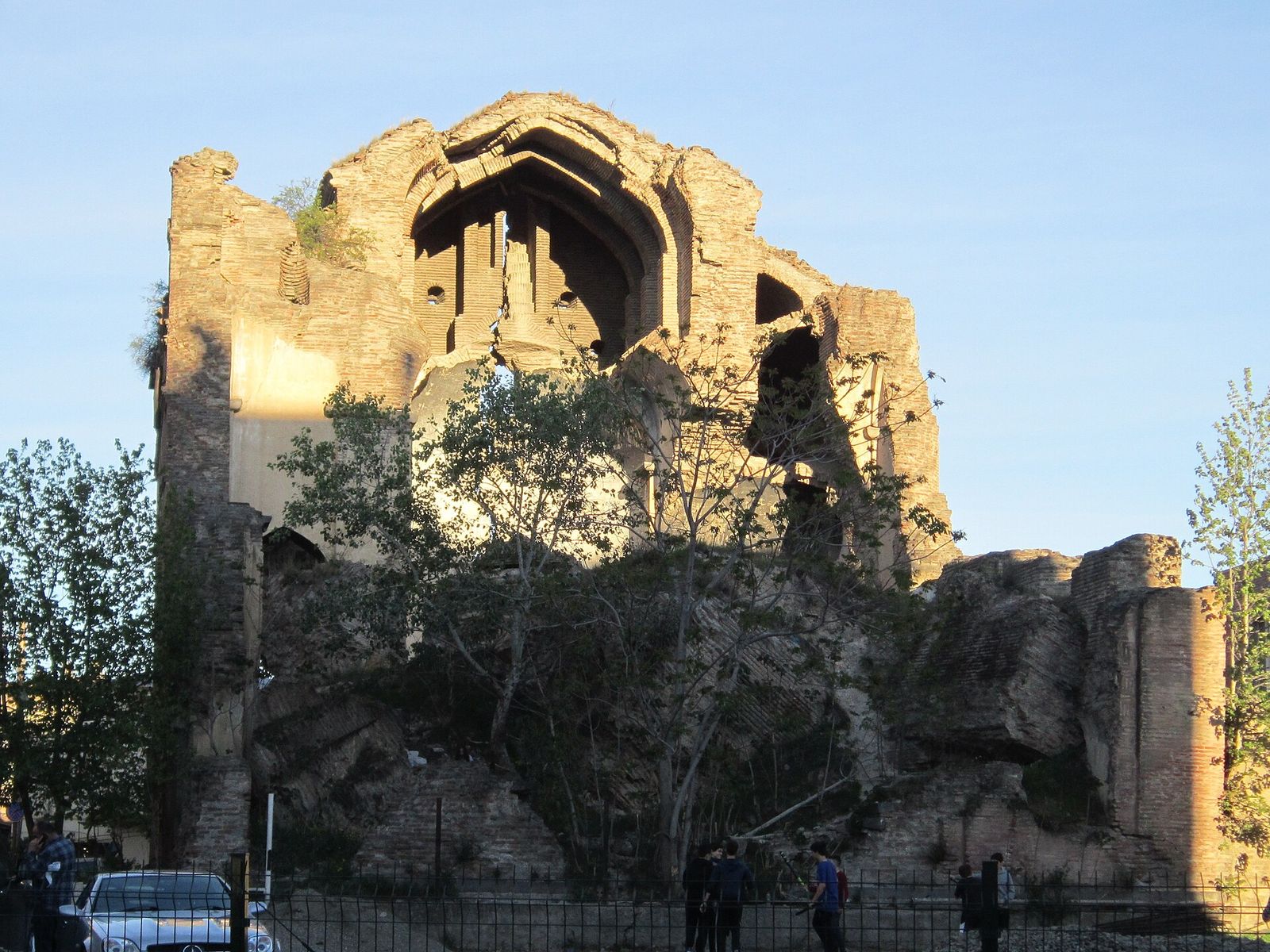
Tbilisi once had dozens of Armenian churches, and Avlabari has some of the most striking. The one I'd see is Karmir Avetaran, completed in 1809 and at the time the tallest Armenian church in the city. It was closed in 1937, used over the decades as a bakery, a gym, a library and artists' studios, and largely collapsed after an earthquake in April 1989. Today it's a roofless shell with a crack down the middle, reached from the car park next door. It's unmanaged, so watch your footing and don't climb on anything.
Avlabari metro station
Avlabari station is on Line 1 of the Tbilisi metro, one stop east of Liberty Square, with its entrance on Ketevan Tsamebuli Avenue. It opened in 1967 and is the station I'd use for Sameba, Rike Park and the left bank in general. A ride costs 1 GEL when you tap a Metromoney card or a bank card at the gate; the card itself costs 2 GEL and one card can pay for a whole group.
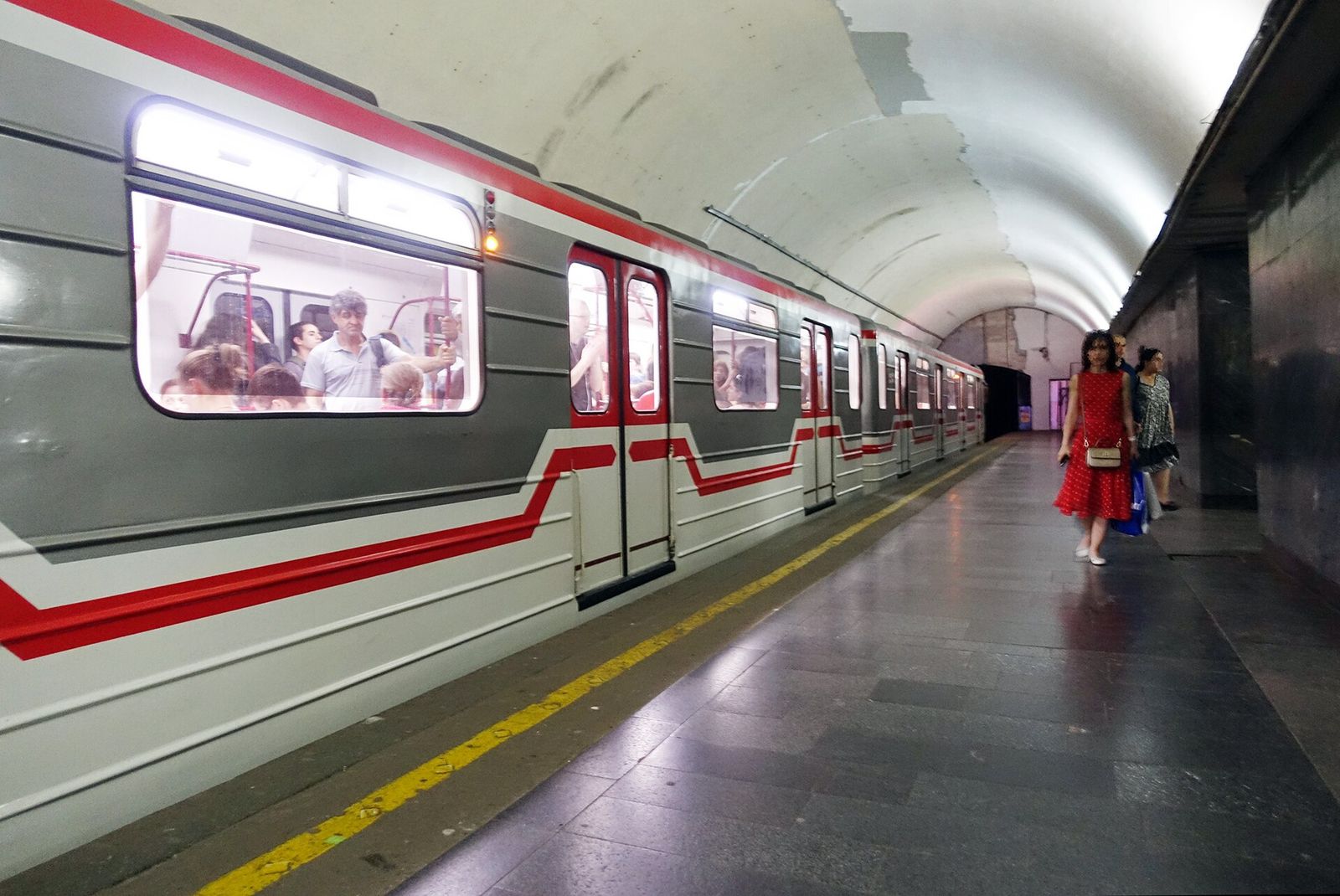
There's a small Carrefour by the station for water, snacks and groceries, which is handy if you're renting an apartment nearby. Here is where you can get to from the station.
| From Avlabari metro to | How | Time | Cost |
|---|---|---|---|
| Liberty Square and Rustaveli Avenue | Metro, Line 1 | 1 to 2 stops | 1 GEL |
| Meidan and the sulfur baths | On foot, down to Metekhi Bridge and across | About 10 minutes | Free |
| Sameba | On foot, uphill | 10 to 15 minutes | Free |
| Tbilisi airport | Bus 337 from the stop by the metro | About 60 minutes | 1 GEL, up to 1.50 GEL on a foreign bank card |
| Yerevan | Minibus from beside the metro | 5 to 6 hours | 50 GEL, cash |
Bus 337 is the cheapest way of getting from the airport to the city center, and Avlabari metro is one of its first central stops. It runs from about 07:00 to 23:00, every 15 minutes on weekdays and every 18 to 23 minutes at weekends, and you pay by tapping a card, never cash. At night, the official taxi booth inside the terminal charges a fixed 60 GEL to Avlabari, which falls in its cheaper zone, and a Bolt runs about 25 to 35 GEL.
Where to eat and drink in Avlabari
Avlabari doesn't have the restaurant density of the Old Town, and on most evenings I eat across the river. But it has a few places I'd cross the bridge for in the other direction.
Vakhtanguri
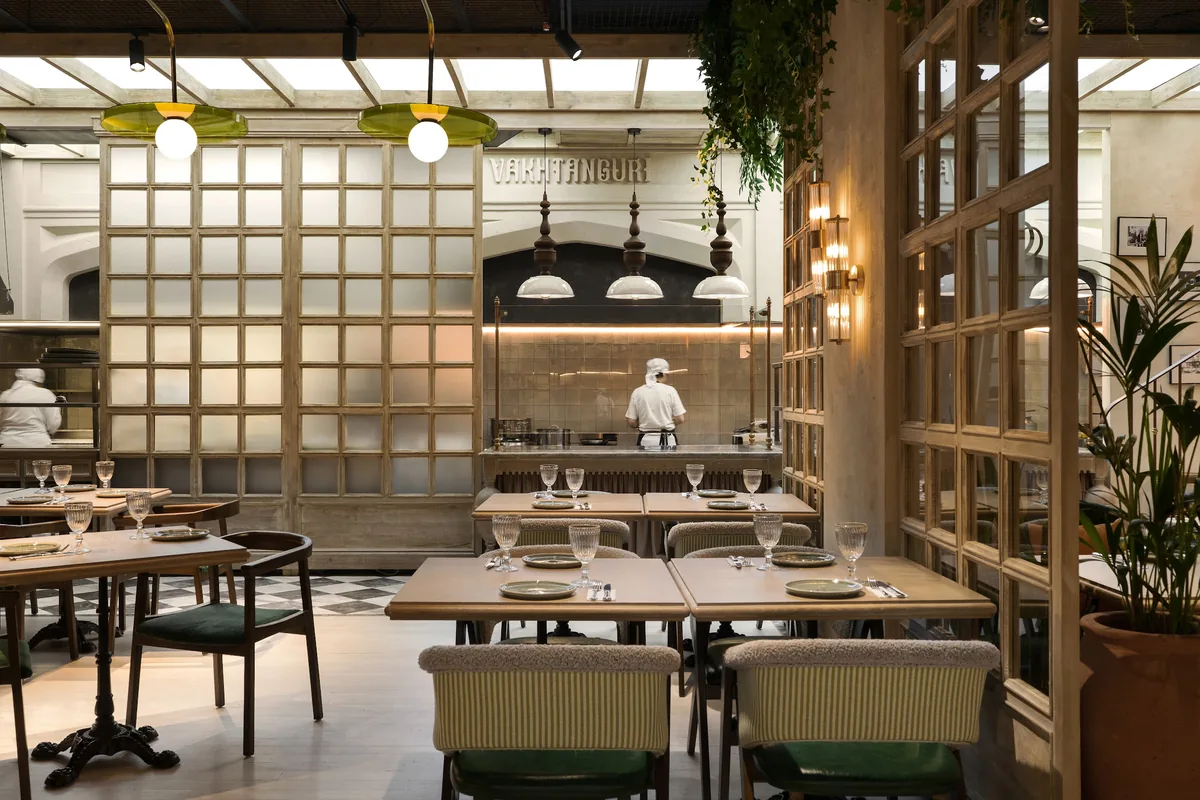
Vakhtanguri, on Lagodekhi Street a few minutes' walk from Sameba, made its name on chebureki: half-moon pastries with thin, crisp, bubbly dough, filled with meat, cheese, mushroom or potato. Order one of each for the table, with a jug of kompot. The menu now runs to khinkali, mtsvadi and ajapsandali too, and the dining room has an open kitchen and lattice partitions.
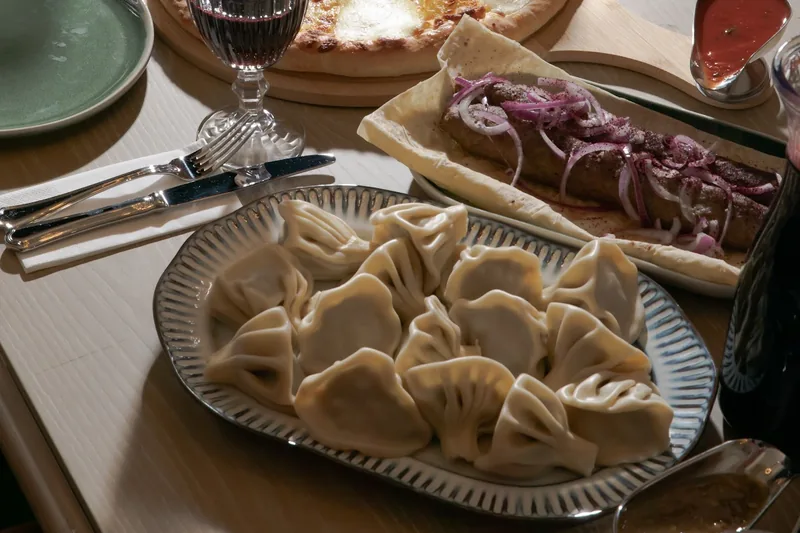
It's my pick for lunch after the cathedral, and one of the better places in the city to try a pastry that most visitors only meet as street food from a kiosk window. Who it suits: anyone hungry after Sameba, families, and travelers who want a cheap, filling Georgian meal on the left bank.
Wine Code
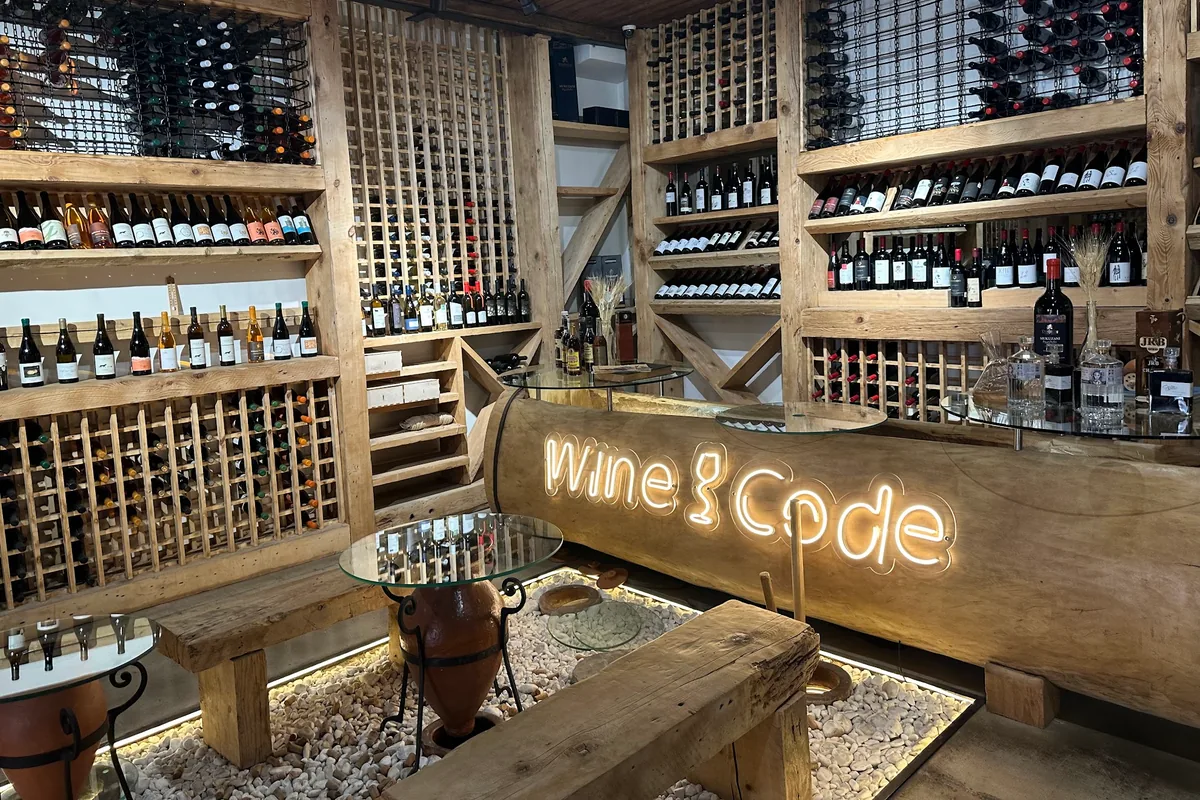
Wine Code is on Wine Rise, the same lane as Queen Darejan's balcony, and it's the place in Avlabari for wine with an explanation. The staff talk you through terroir as they pour, there's a cellar room with a small qvevri on display, and the list includes a wine tinted blue by Saperavi skins. The tasting pours four wines plus high-proof spirits for 35 GEL, one of the cheapest guided flights among the wine bars in Tbilisi.

Who it suits: travelers who want to learn about Georgian wine before buying bottles, and couples starting an evening on this side of the river. Eat first, or order the khachapuri, because the spirits at the end are strong.
Coffee Line
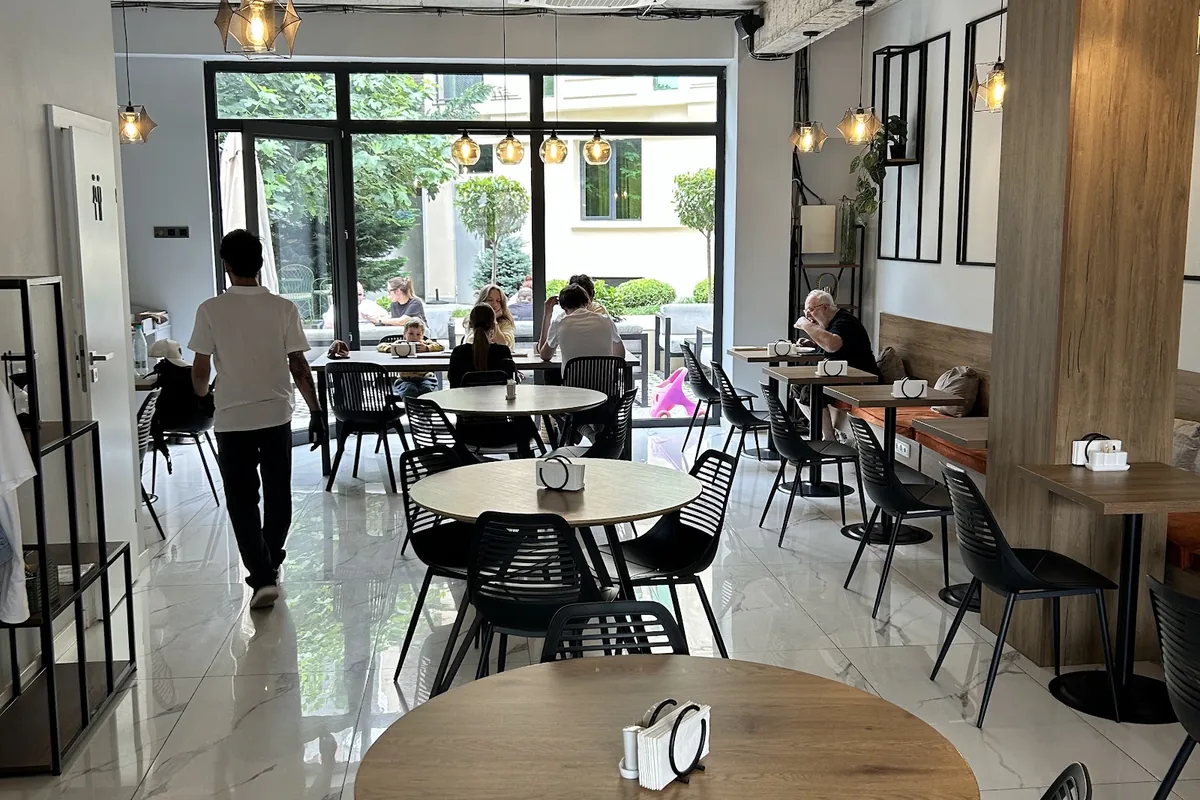
Coffee Line is the coffee stop close to Sameba, brewing Coffee LAB beans, with a terrace and a courtyard to sit in. It's one of the few cafes in Tbilisi on this side of the river worth a detour, and the obvious break between the cathedral and the walk down to the river. Who it suits: anyone doing Sameba in the morning, and remote workers staying in Avlabari who want a regular spot.
Staying in Avlabari
Rooms in Avlabari cost about 60 to 120 GEL a night, cheaper than the Old Town for the same standard, and the best of them come with the view you came for: Narikala and the Old Town across the river. The trade is fewer restaurants, more hills and a short walk over the bridge for dinner. These are the hotels I'd look at, from the biggest to the cheapest.
| Hotel | Type | Booking score | Why I'd book it |
|---|---|---|---|
| Sheraton Grand Tbilisi Metechi Palace | Luxury, 220 rooms | 8.6 | A big quiet hotel with balconies over the Old Town, conferences and a spa |
| Sandali Metekhi Boutique Hotel | Boutique, 24 rooms | 9.3 | By the river, with a suite that has its own terrace |
| Margot Old Tbilisi | Mid-range | 8.9 | A well-rated mid-range pick |
| Golden Tulip Design Tbilisi | Mid-range | 8.3 | A design hotel from an international chain |
| Marotel | Budget | 8.4 | A cheap, well-reviewed base |
| Sunny Hotel Tbilisi | Budget | 8.2 | Another budget option near the sights |
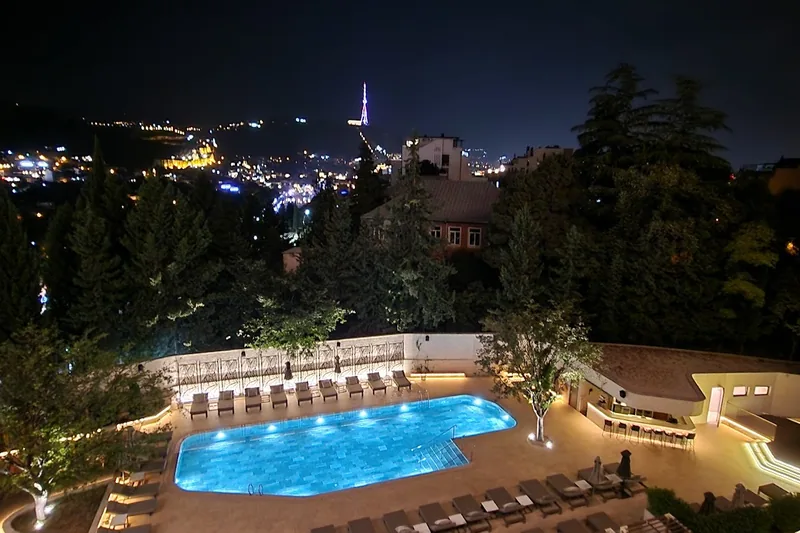
The Sheraton at Telavi Street 20 opened in 1991 as the first international hotel in Tbilisi and the whole South Caucasus, and it's still where I'd send a business traveler. Most of the best hotels in Tbilisi sit across the river, so the choice here is smaller, but Avlabari's are the ones with the view back at the rest.
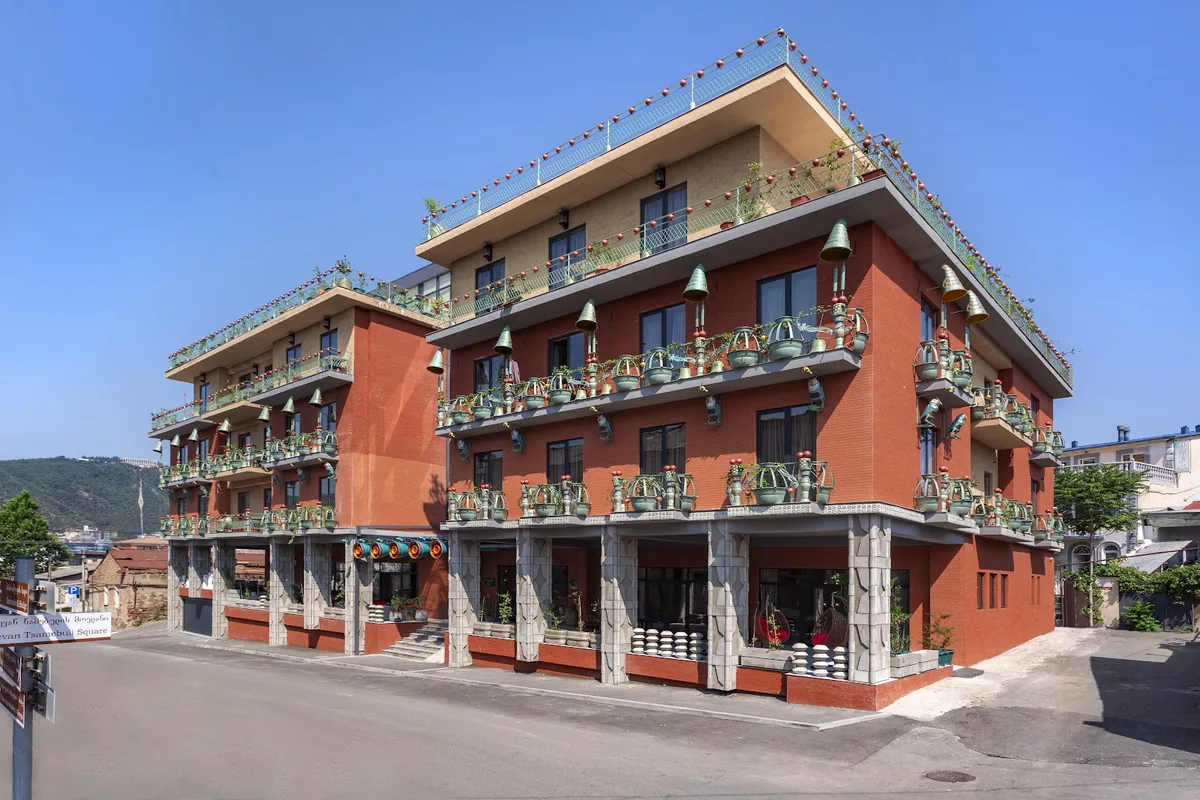
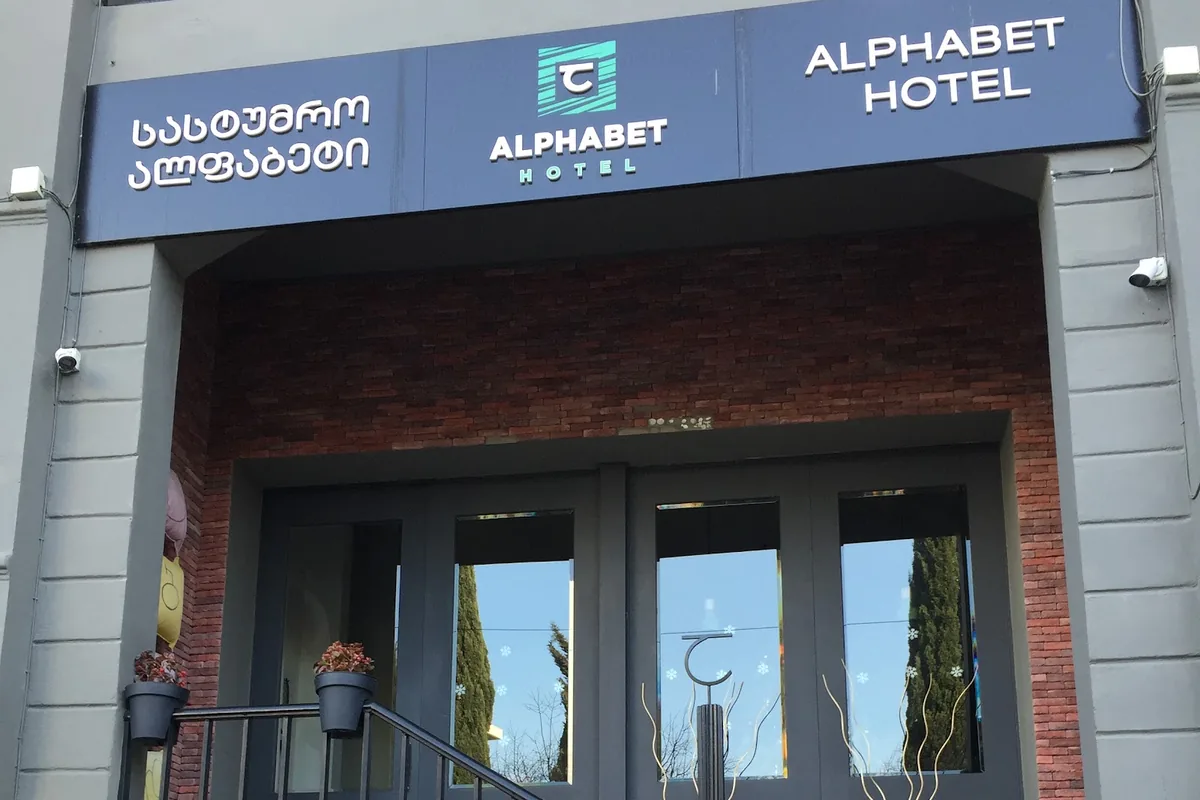
Two smaller places are worth a look too: Brim Tbilisi on Abdushelishvili Street, with hand-painted walls in its rooms and solar panels on the roof, and Alphabet Hotel on Telavi Street, about 10 minutes' walk from the metro.
Who Avlabari suits:
- Second-time visitors who have done the Old Town and want somewhere calmer with the same sights 10 minutes away.
- Couples who'd rather have a balcony view of Narikala than a bar under the window.
- Budget travelers who want central rooms for less, with a metro station on the doorstep.
- Airport and Yerevan days, since bus 337 stops at the metro and the Armenia minibuses leave from beside it.
- Big-hotel travelers heading for the Sheraton and its conference rooms.
Who should stay elsewhere:
- Nightlife first: the bars are across the river, and you'll walk or taxi back every night.
- Heavy luggage or limited mobility: the steep, uneven lanes are hard work, so check for a lift and a flat approach.
- Foodies who want to step out the door into dinner will be happier in the Old Town, Sololaki or Vera.
Avlabari vs the Old Town and Sololaki
Most people choosing Avlabari are weighing it against the two districts across the river. This is how they compare on the things that change a trip. Vera, Vake and Marjanishvili are the other central choices for where to stay in Tbilisi, all further from the Old Town sights.
| Avlabari | Old Town | Sololaki | |
|---|---|---|---|
| Rooms per night | About 60 to 120 GEL | 80 to 150 GEL for an apartment, 150 to 300 for a boutique hotel | 60 to 200 GEL |
| Hills | Steep, uneven streets | Cobbles and stairs | Steep upper streets |
| Noise | Quiet lanes, busy main roads | Loud on weekend nights, often until 3am | Quieter, residential |
| Restaurants and bars | Few | Many, some touristy | Cafes, wine bars and craft beer |
| Nearest metro | Avlabari | Liberty Square or Avlabari, about 10 minutes away | Liberty Square |
| The view | Back across at Narikala and the Old Town | Up at Narikala | Over the Old Town roofs |
My rule is simple: on a first trip of two or three days, sleep in the Old Town or Sololaki and visit Avlabari for an afternoon. On a second trip, a longer stay or a tighter budget, Avlabari is the better base, and the 10-minute walk over the bridge becomes the best part of every evening.
A half-day walk through Avlabari
This is the route I'd walk, starting at the metro in the early afternoon and finishing at the river after dark. It takes about 5 hours with stops and goes downhill for most of the way, which is the whole point of starting at the top.
| Stop | What to do | Time there |
|---|---|---|
| Avlabari metro | Arrive by metro, buy water at the Carrefour | 5 minutes |
| Sameba | Walk up 10 to 15 minutes, see the cathedral and the terraces | 60 minutes |
| Coffee Line or Vakhtanguri | Coffee, or chebureki for a late lunch | 45 minutes |
| Stalin's printing house (weekdays) | The tunnel and the press room | 45 minutes |
| Queen Darejan's Palace | The balcony, the convent garden and its shop | 15 minutes |
| Wine Code | The four-wine tasting, booked ahead | 60 minutes |
| Metekhi Church | The courtyard at sunset or after dark | 30 minutes |
| Rike Park and the Bridge of Peace | The fountain, then cross as the bridge lights up | 30 minutes |
From the far end of the bridge, the sulfur baths are about 10 minutes away on foot. A soak in the bathhouses of Abanotubani after a day on the hills is how I'd end it. If you'd rather keep the views going, ride the cable car from Rike Park up to Narikala instead and walk down through the Old Town.
Key takeaways
- Avlabari is the old left-bank district facing the Old Town, about 10 minutes away on foot over Metekhi Bridge.
- Metekhi Church, Sameba, Queen Darejan's balcony, Rike Park and the printing house are all free, and the cable car to Narikala is 2.50 GEL.
- Avlabari metro is one stop from Liberty Square on Line 1, and the airport bus 337 and the Yerevan minibuses both leave from beside it.
- Rooms cost about 60 to 120 GEL a night, but there are few restaurants and bars and many streets are steep.
- It's my pick of a base for a second trip, a couple or a tighter budget; on a short first trip, visit for an afternoon instead.
Frequently asked questions
Is Avlabari a good area to stay in Tbilisi?
Yes, if you want quiet, views and lower prices more than nightlife. Rooms run about 60 to 120 GEL a night, the Old Town is a 10-minute walk away and the metro is on the doorstep. The trade-offs are fewer restaurants and steep, uneven streets.
What is Avlabari known for?
Avlabari is known for Metekhi Church on its cliff above the river, Sameba cathedral on Elia Hill and its long history as Tbilisi's Armenian quarter. It also has some of the best views in the city back across the river to Narikala and the Old Town.
How far is Avlabari from the Old Town?
About 10 minutes on foot. Walk down to Metekhi Bridge and across, and you're at the sulfur baths and Meidan Square. The Bridge of Peace from Rike Park is the other easy crossing.
Which metro line is Avlabari station on?
Avlabari is on Line 1, one stop east of Liberty Square. A ride costs 1 GEL with a Metromoney card or a bank card, and the station is the nearest one to Sameba, which is 10 to 15 minutes uphill on foot.
How do I get from the airport to Avlabari?
Take bus 337, which stops at Avlabari metro, costs 1 GEL to 1.50 GEL and takes about 60 minutes. It runs from about 07:00 to 23:00. Outside those hours, the official taxi booth in the terminal charges a fixed 60 GEL to Avlabari, or a Bolt costs about 25 to 35 GEL.
Was Avlabari the Armenian quarter of Tbilisi?
Yes. For centuries Avlabari was the center of Armenian life in Tbilisi, gathered around the Echmiadzin church on today's Ketevan Tsamebuli Square. Fewer Armenians live there now, but the churches remain, including the ruined Karmir Avetaran.
What does the name Avlabari mean?
The name is usually traced to an Arabic word for field and a Persian word for fence or rampart, meaning the land beyond the city wall. That fits its history: for centuries Avlabari was a suburb outside the walled town, across the river.
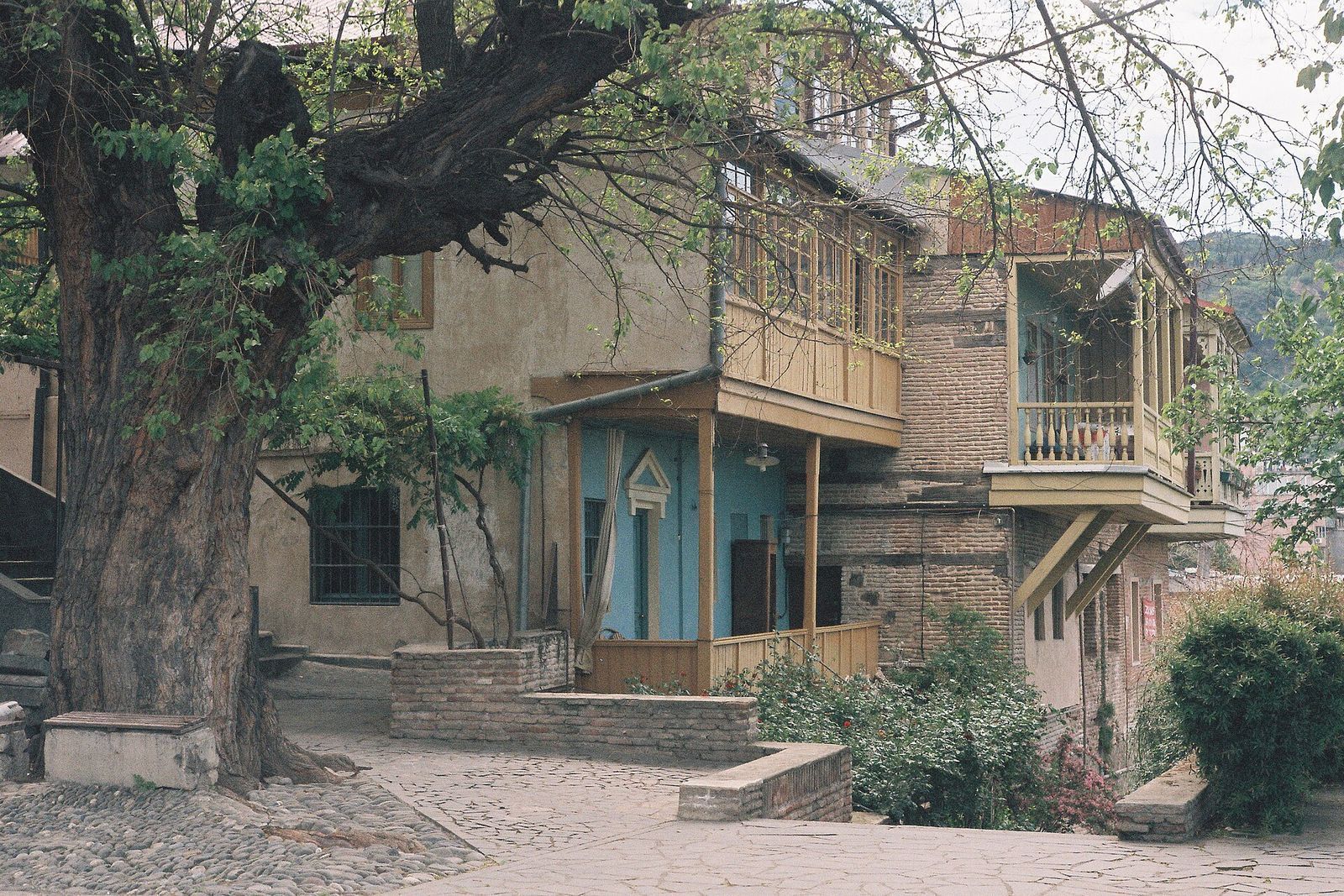
Tbilisi Neighborhoods: The 8 Best Areas and What Each One Is Like
Tbilisi is known for its old quarters. Here are the 8 best areas to explore, what each one is like and who it suits.
Read the guide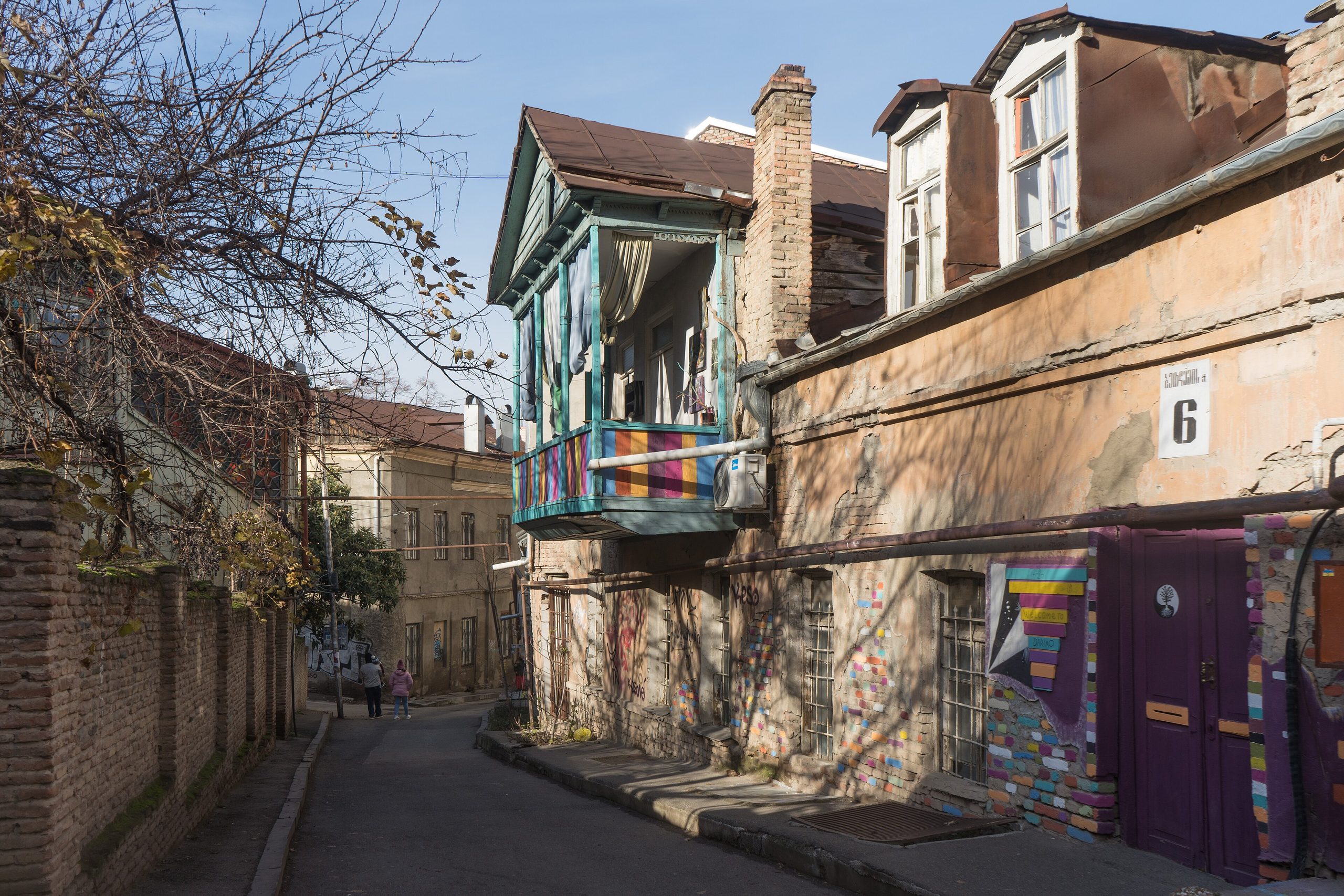
Old Tbilisi: Kala, Betlemi, Meidan and Shardeni Street
Old Tbilisi is the city of balconies and bath domes. Here is what to see, where to eat and whether to stay there.
Read the guide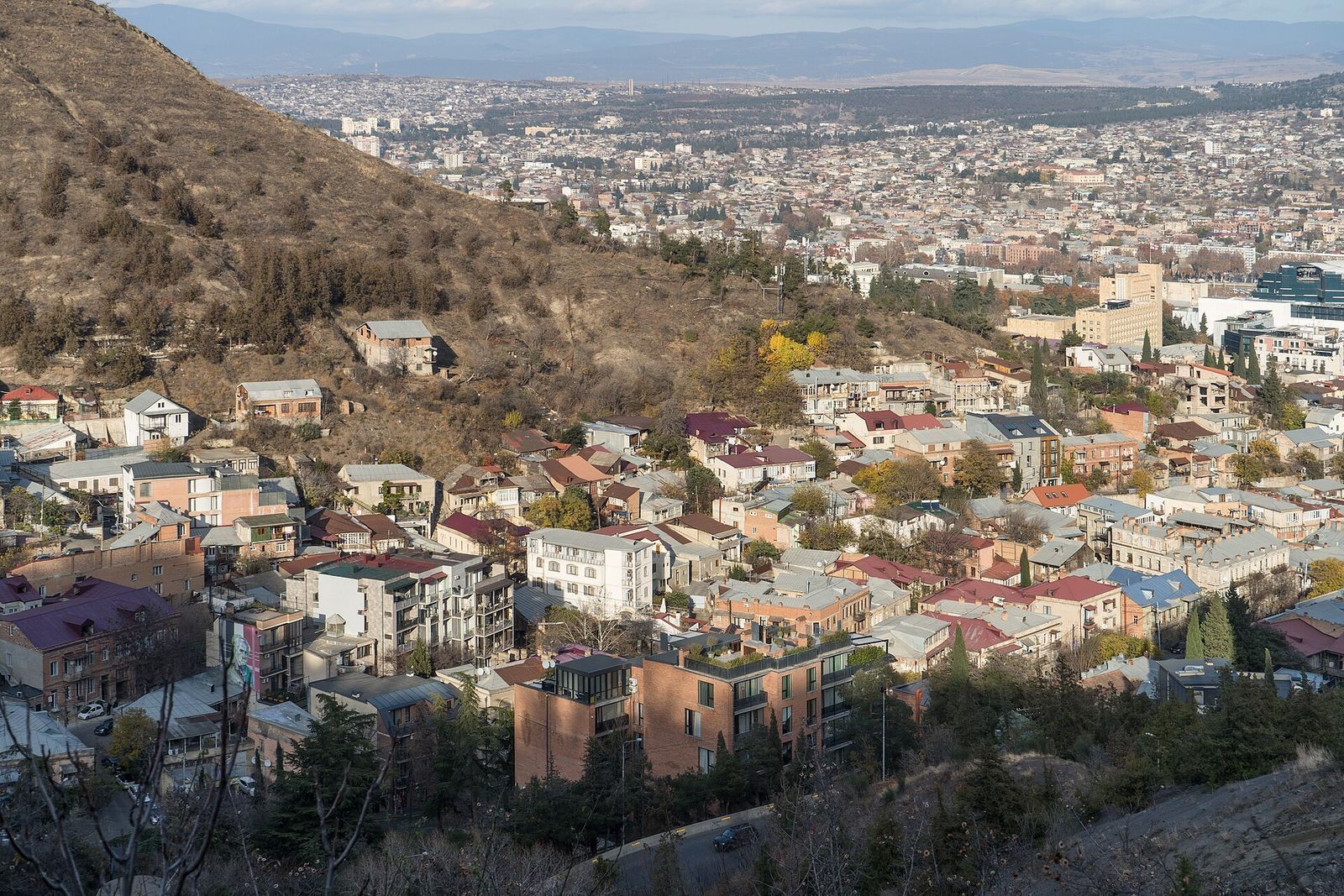
Sololaki, Tbilisi: Art Nouveau Entrances, Cafes and Where to Stay
Sololaki is the Art Nouveau quarter of Tbilisi. Here is what to see, where to eat and drink, and who should stay there.
Read the guide