The Best Churches in Tbilisi: 13 Old and Working Churches to See
Tbilisi is known for its churches: small stone basilicas older than most of Europe's cathedrals, a church on a cliff above the river, and a gold-domed cathedral finished in 2004. Here are the 13 I'd visit, from the 6th-century Anchiskhati to the ruins of an Armenian church in Avlabari, with what each is like inside, how to dress, when the singing happens and a half-day walk that strings the best of them together.
Tbilisi churches at a glance
Most of the churches worth your time sit in or around Old Tbilisi, on both banks of the Mtkvari river, and you can see five or six of them on foot in a morning. A few, like Kashveti and the Blue Monastery, are in the newer neighborhoods and fit better into a walk along Rustaveli Avenue or around Vera.
| Church | Where | Age | Why go |
|---|---|---|---|
| Anchiskhati Basilica | Old Town, Shavteli Street | 6th century | The oldest church in the city, and its choir |
| Sioni Cathedral | Old Town, Sioni Street | First built 6th to 7th century | The old patriarchal cathedral, painted floor to dome |
| Metekhi Church | Cliff above the river, left bank | Mostly 13th century | The setting, the view and the prison history |
| Holy Trinity Cathedral (Sameba) | Elia Hill, Avlabari | 1995 to 2004 | The scale: 87.1 m to the top of the cross |
| Upper Betlemi Church | Betlemi stairs, Old Town | 18th century | A garden with views over the whole Old Town |
| St Nicholas Church | Inside Narikala Fortress | Rebuilt in the 1990s | A painted interior on the way to the fortress |
| Tabori Monastery | Hill above the sulfur baths | Hilltop church | The quietest view of Narikala and the baths |
| St Abo Tbileli Chapel | Under Metekhi, by the bridge | Tied to a martyrdom in 786 | A gold mosaic in a chapel cut into the cliff |
| Queen Darejan's convent | Avlabari, Urbnisi Street | 1770s | A working nunnery and the round palace balcony |
| Karmir Avetaran | Avlabari | Completed 1809, now a ruin | An abandoned Armenian church, roofless and cracked |
| Kashveti Church | Rustaveli Avenue | 1910 | Lado Gudiashvili's frescoes |
| Mamadaviti Church | Halfway up Mtatsminda | Hillside church | The Pantheon of Writers and Public Figures |
| Blue Monastery (Lurji) | Vera | 12th century or earlier | The blue-tiled roof |
Churches in the Old Town
The right bank of the river, from the sulfur baths up to the Bridge of Peace and the clock tower, holds the oldest churches in the city. They are small, dark inside and crowded with icons, and they are where Tbilisi still goes to pray rather than to look.
Anchiskhati Basilica, the oldest church in Tbilisi
Anchiskhati dates from the 6th century, which makes it the oldest surviving church in Tbilisi. It is a low stone basilica on Shavteli Street, a few steps from the leaning clock tower, with a brick bell tower beside it and painters selling their canvases along the fence. From outside it barely looks like a church at all, and that's part of the charm.
The name comes from an icon. In 1664 a famous icon of the Savior was brought here from the monastery of Anchi, in the south of historic Georgia, to keep it out of Ottoman hands, and the church took the name "icon of Anchi". The building was rebuilt in the 15th and 17th centuries during the wars with the Ottomans and Persia, served as a handicrafts museum and then an art studio in Soviet times, was restored between 1958 and 1964 to its 17th-century look, and went back to being a church in 1991.
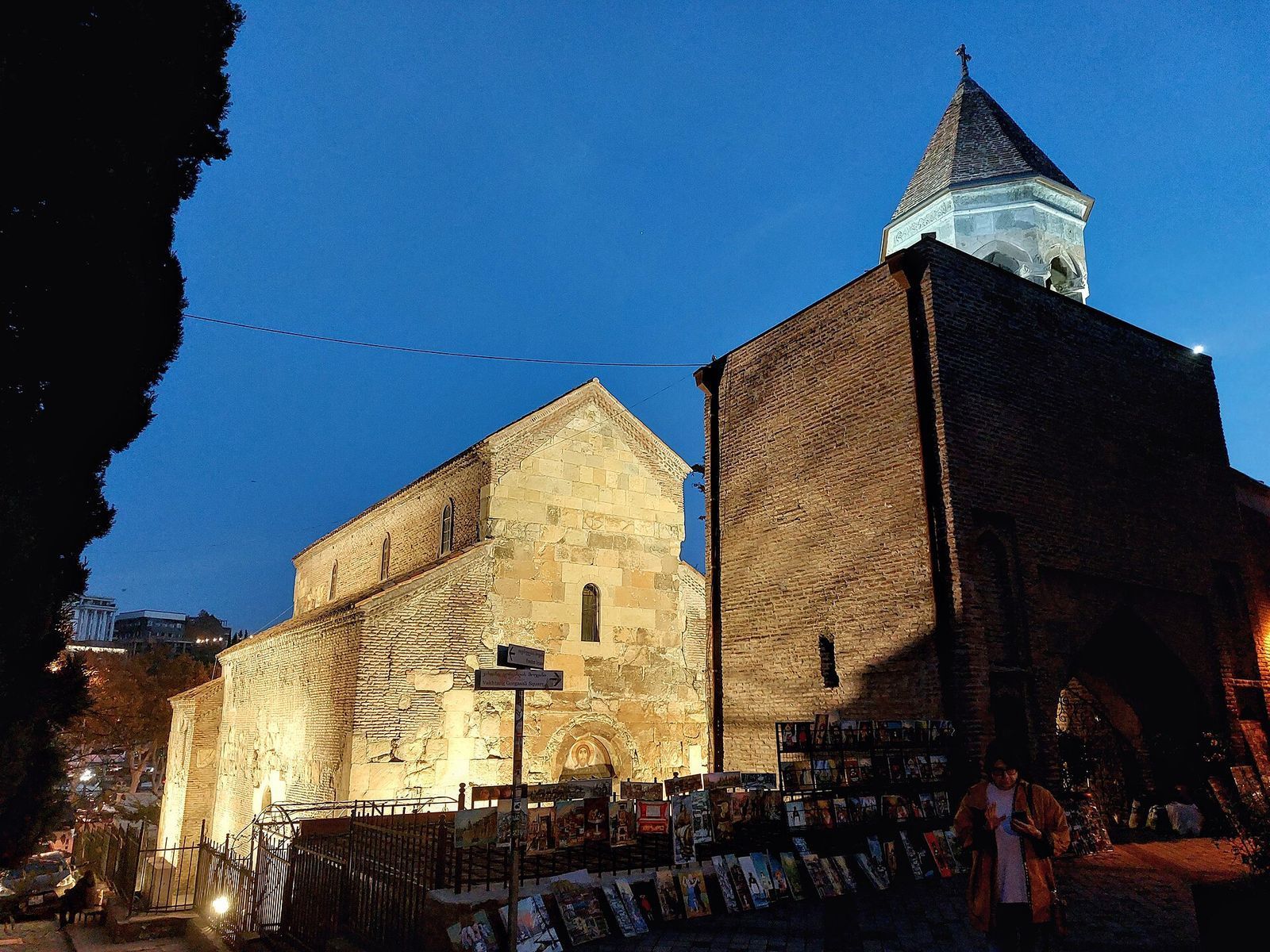
Inside, the frescoes around the altar date from 1683, and the rest of the painting is from the 19th century. The interior is dim, low and smells of beeswax, and it is the one church in the city where I'd sit at the back for 10 minutes and do nothing. Anchiskhati is also home to the Anchiskhati Choir, one of the best-known groups for Georgian polyphonic chant, and the acoustics of a stone basilica this small are the reason to come back on a Sunday.
Sioni Cathedral
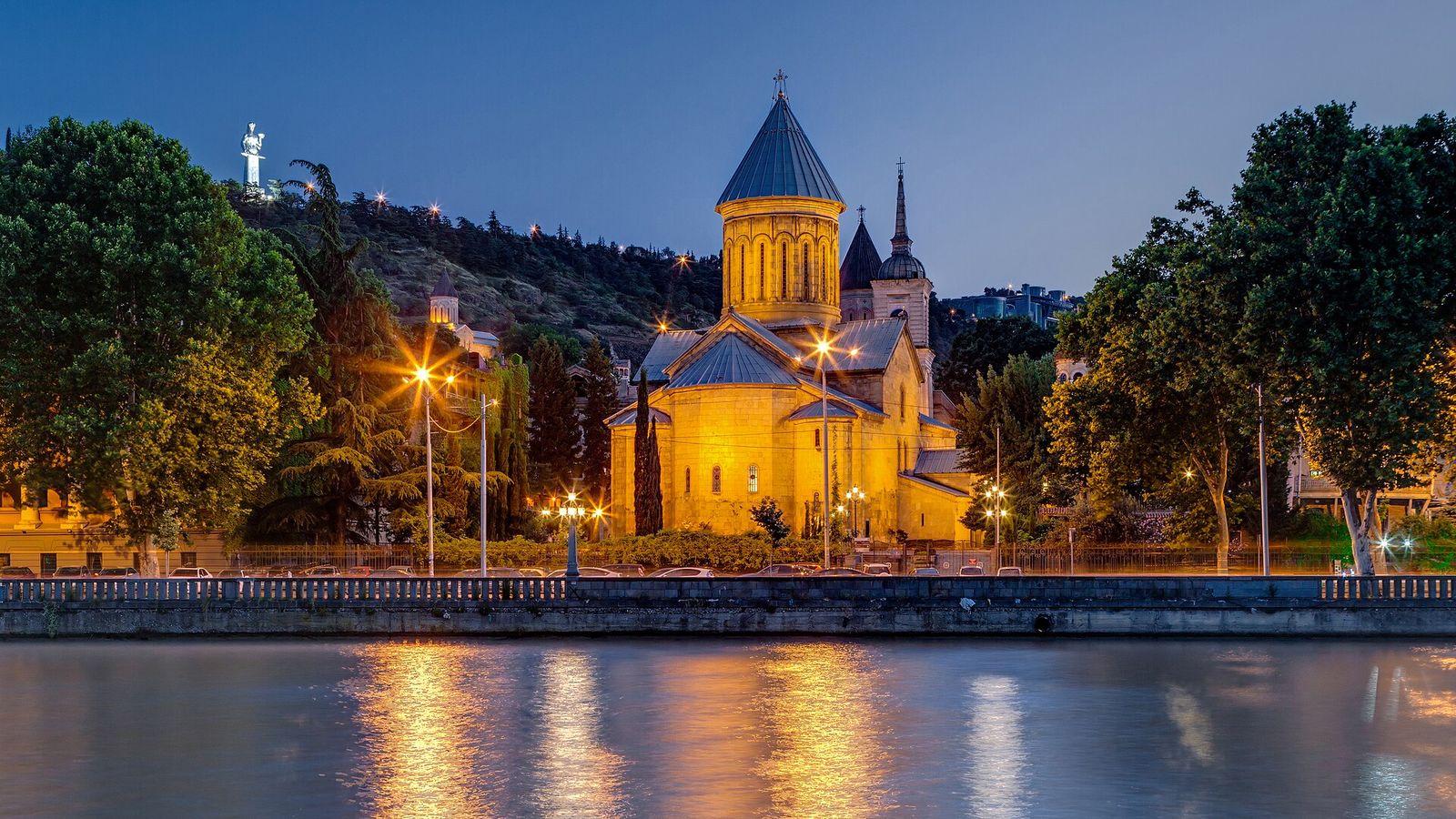
Sioni Cathedral, the Cathedral of the Dormition, stands on Sioni Street between the river and the Old Town lanes, a 5-minute walk south of Anchiskhati. A church has stood here since the 6th or 7th century, and it has been destroyed and rebuilt many times since; the building you see is made of yellow tuff stone brought from Bolnisi, with plain walls and a few carved reliefs.
Sioni was the seat of the head of the Georgian Orthodox Church until Sameba was consecrated in 2004, and it was one of only two Tbilisi cathedrals allowed to stay open through the Soviet years. Its most important relic is a cross linked to St Nino, the woman who brought Christianity to Georgia, kept in the cathedral and venerated by a steady line of visitors.
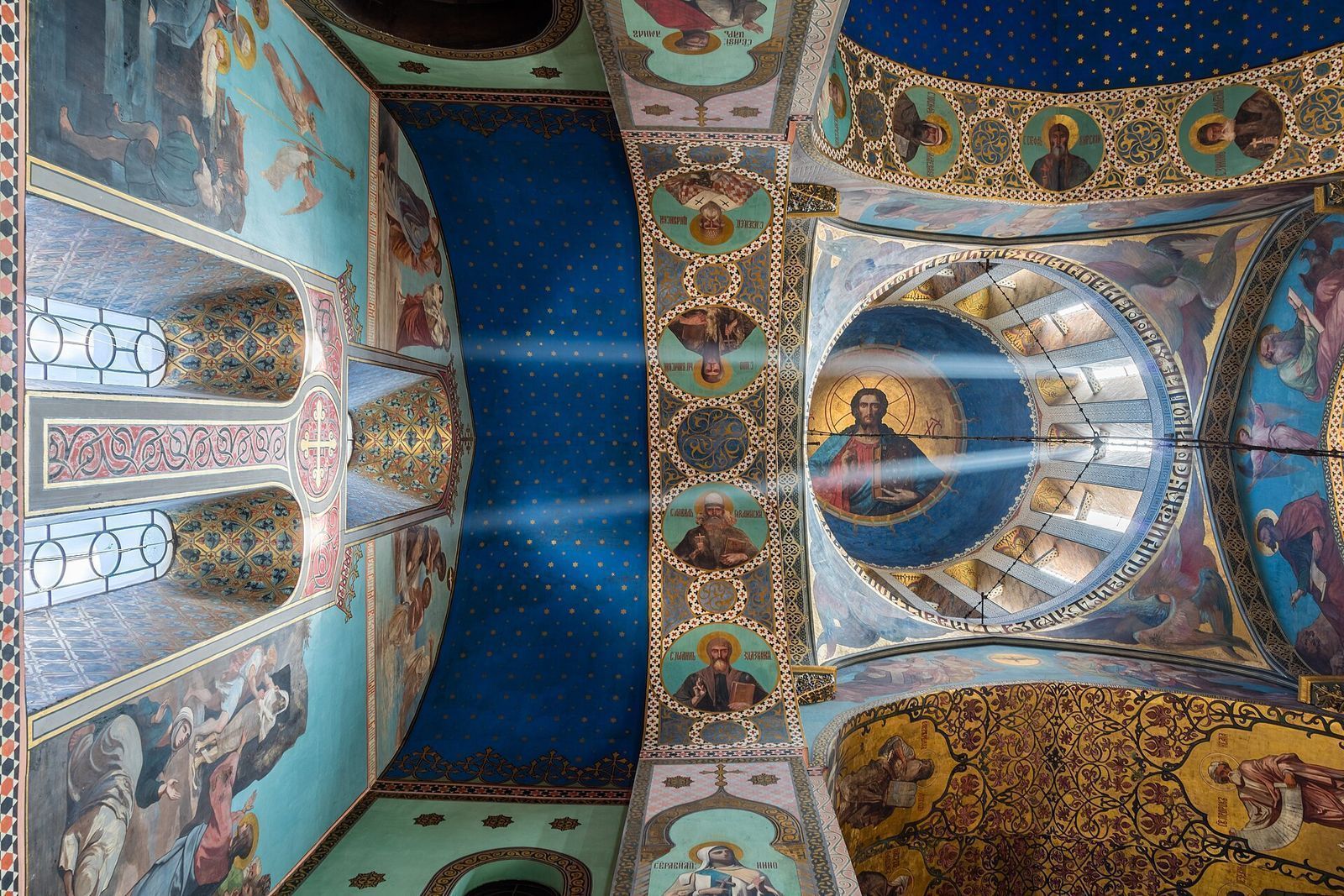
The outside is modest; the inside is the opposite. Every wall, arch and vault is painted, the dome shows Christ in gold on deep blue, and on a sunny morning light comes through the drum in long beams.
Next door, the old Artsruni caravanserai houses the Tbilisi History Museum, and a bronze statue of a tamada, the Georgian toastmaster, raises his drinking horn a few steps from the cathedral gate.
Upper Betlemi Church
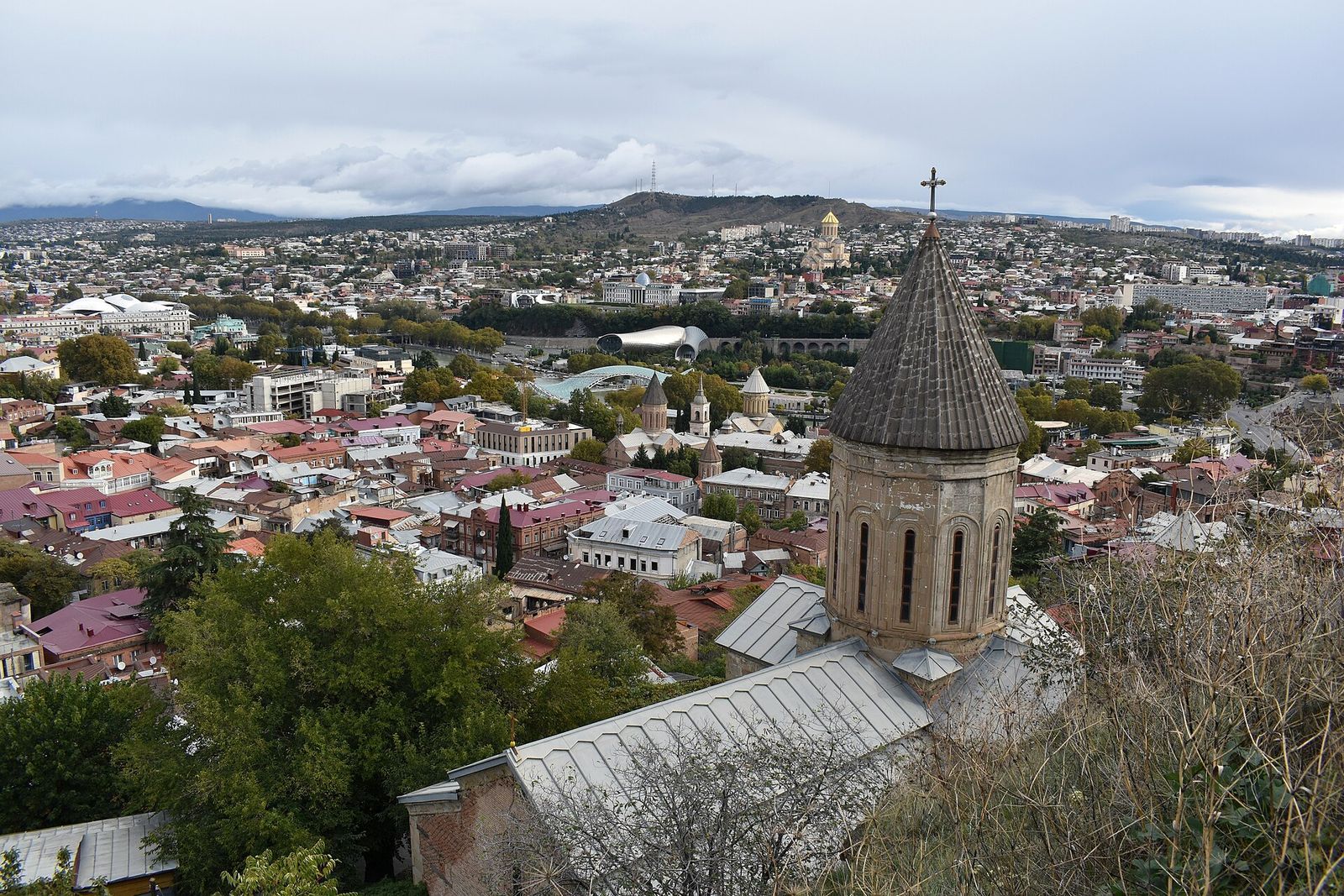
Climb the 120 steps of the Betlemi stairs from Lado Asatiani Street in Sololaki and you reach Upper Betlemi, an 18th-century church that began as an Armenian chapel and passed to the Georgian Orthodox Church in the 1990s. The church itself is small and plain. The reason to come is its garden: trellised benches, a few resident cats, and a view across the Old Town rooftops to Metekhi and Sameba.
In spring, wisteria covers the pergola and the garden becomes one of the most photographed corners of the Old Town. Sunday mornings are busy with parishioners, so visit on a weekday if you want the benches to yourself. The path carries on uphill toward the Mother of Georgia and the fortress, so Betlemi works well as the first stop on the climb.
St Nicholas Church at Narikala
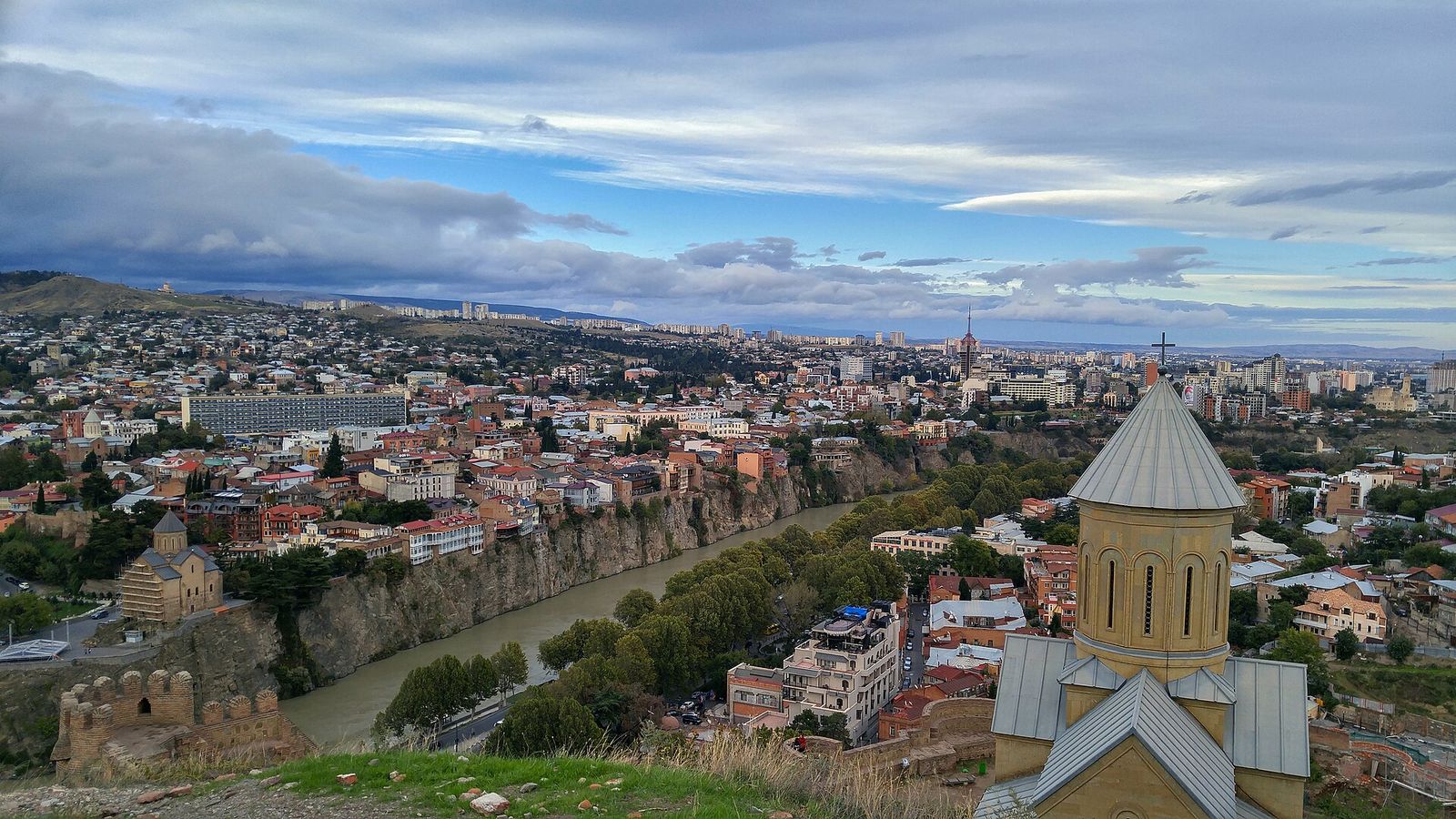
St Nicholas sits inside the lower walls of Narikala Fortress, a short walk down from the cable car's top station. It was rebuilt in the 1990s on the site of a much older church, which is why its pale stone looks so new against the brown fortress walls. Inside, the walls are painted from floor to dome. It's usually open from about 11:00 to 18:00, and it makes a quiet 10-minute stop between the ridge and the view.
Tabori Monastery
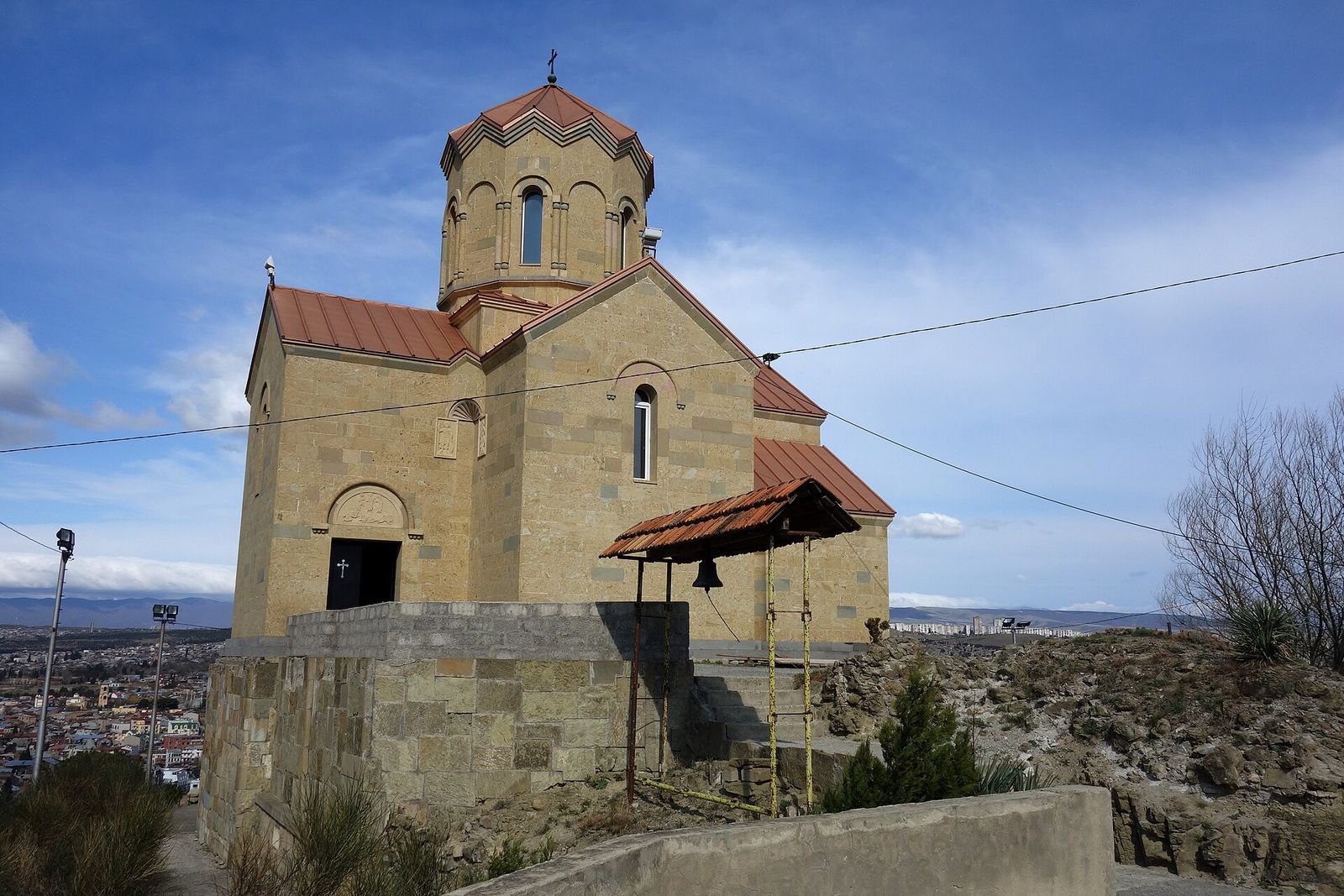
Tabori is the church on the hill facing Narikala, above the sulfur bath domes, and almost no one goes up. The hill had its own citadel until 1795, when it was destroyed during the Persian invasion; today there is the church, a few viewing platforms and the best side-on view of the fortress, the baths and the Bridge of Peace.
To get there, follow Baazov Street to its end, climb the modern spiral staircase and follow the wooden path up. It's about 45 minutes on foot from the bath district, and the path is steep, exposed and hot in the middle of the day. Go in early twilight, when the glare is gone and the lights come on below.
Metekhi Church and the churches of Avlabari
Cross Metekhi Bridge to the left bank and you are in Avlabari, the old district on the cliffs facing the Old Town. It holds the most famous church view in Tbilisi, the city's biggest cathedral and its most haunting ruin.
Metekhi Church
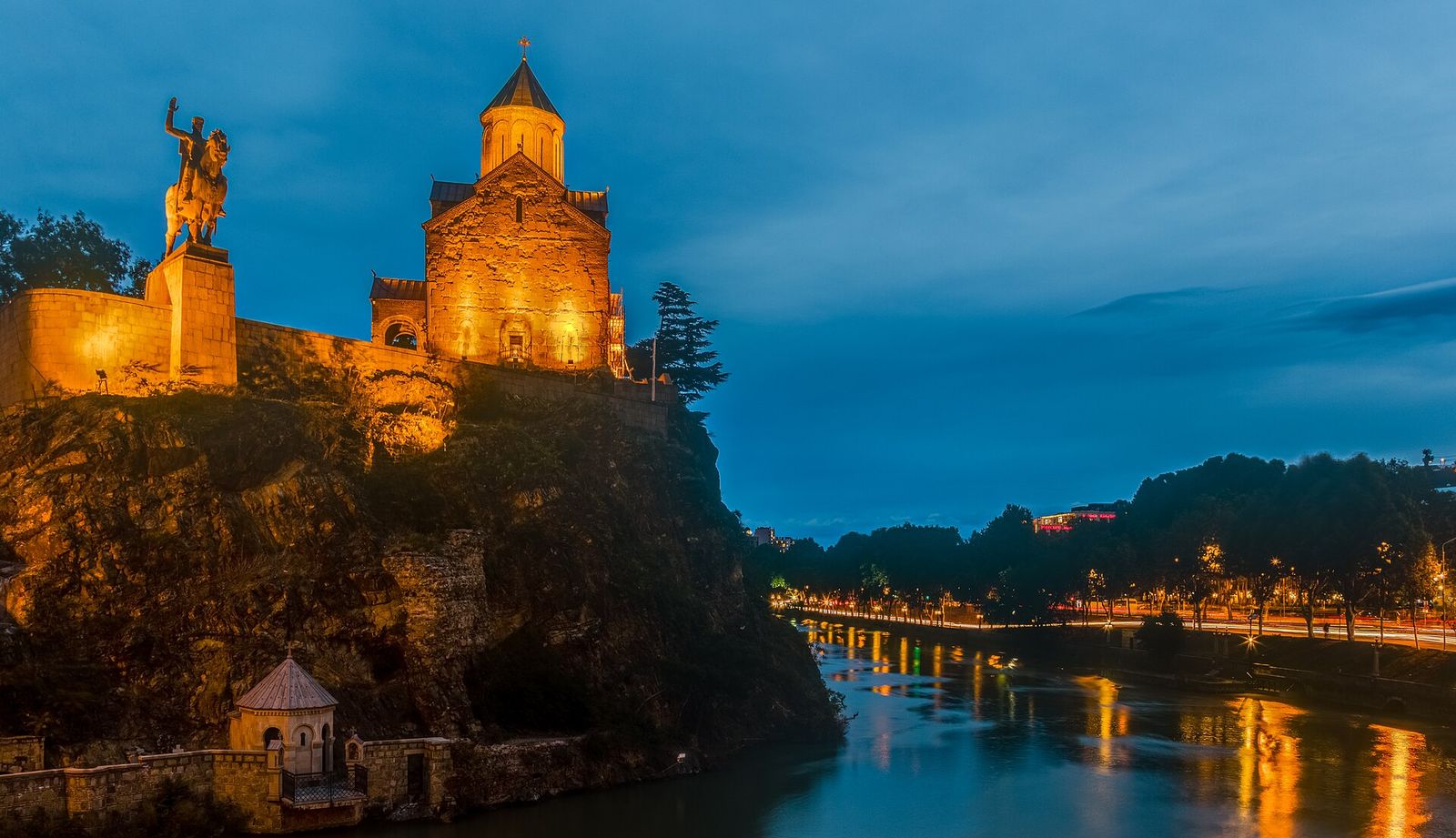
Metekhi Church, the Church of the Assumption of the Virgin, stands on a rock cliff above the river, directly across from the sulfur baths. Tradition says King Vakhtang Gorgasali, who made Tbilisi his capital, built the first church here in the 5th century, and his statue on horseback now stands at the edge of the courtyard. Most of what you see today dates from the 13th century.
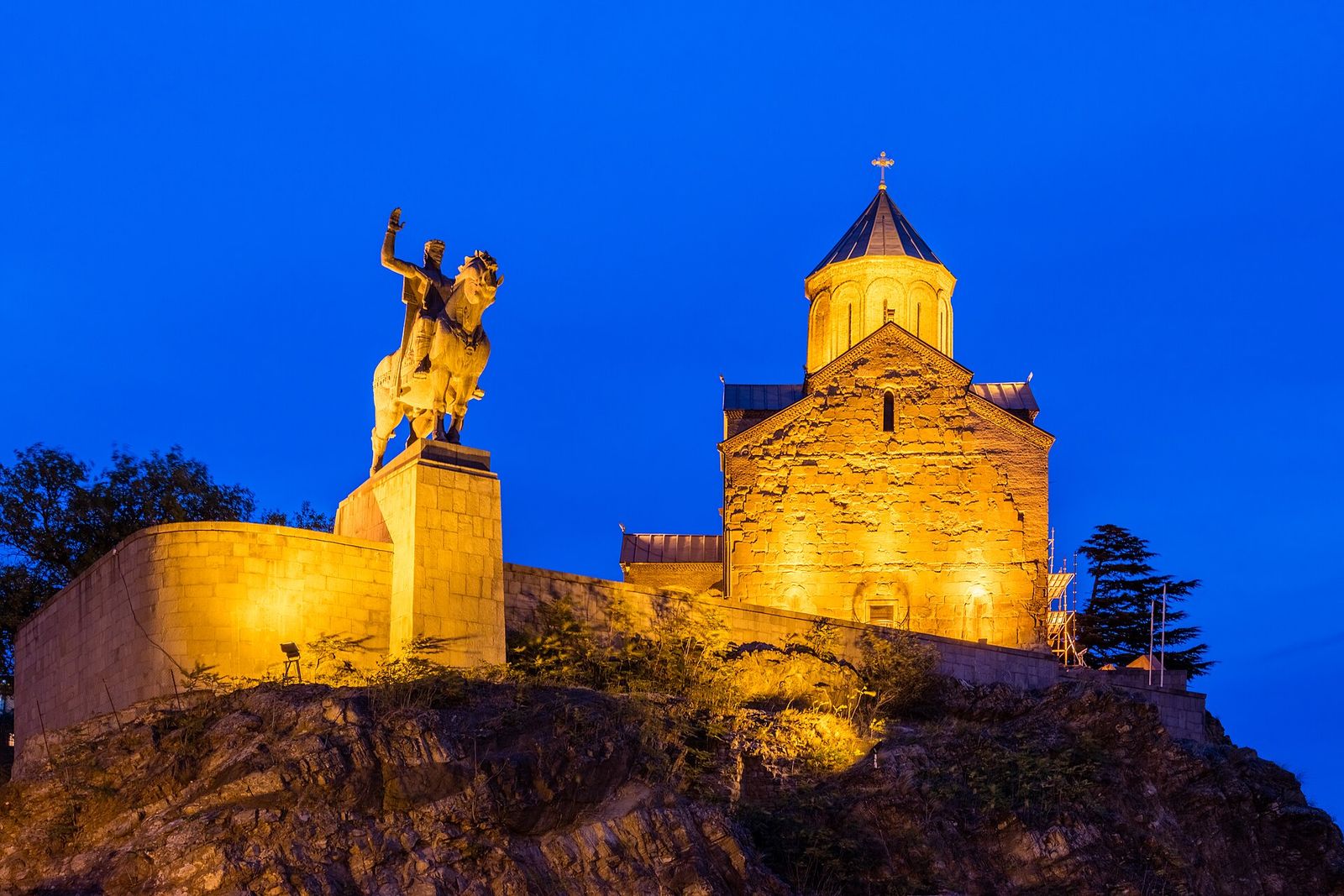
The church has a darker side than its postcard look suggests. The site was a fortress for centuries, and in 1819 the Russian imperial government pulled down the fortress and built a prison around the church. Prisoners scratched their names into the outer walls, and you can still find them if you walk around the building slowly. In Soviet times the NKVD, the secret police, used the prison and carried out executions here. The prison closed in 1934, its barracks and towers were demolished in 1937, and in 1979 the church became a youth drama studio with a 100-seat theater. It went back to being a church in 1988.
For most visitors, Metekhi is about the view. From the courtyard you look straight across the river at the bath domes, the Old Town climbing up to Narikala, and the turquoise dome of St George's Armenian Cathedral just above Meidan Square. It's the classic picture of the city, and it sits near the top of my list of Tbilisi viewpoints.
St Abo Tbileli Chapel
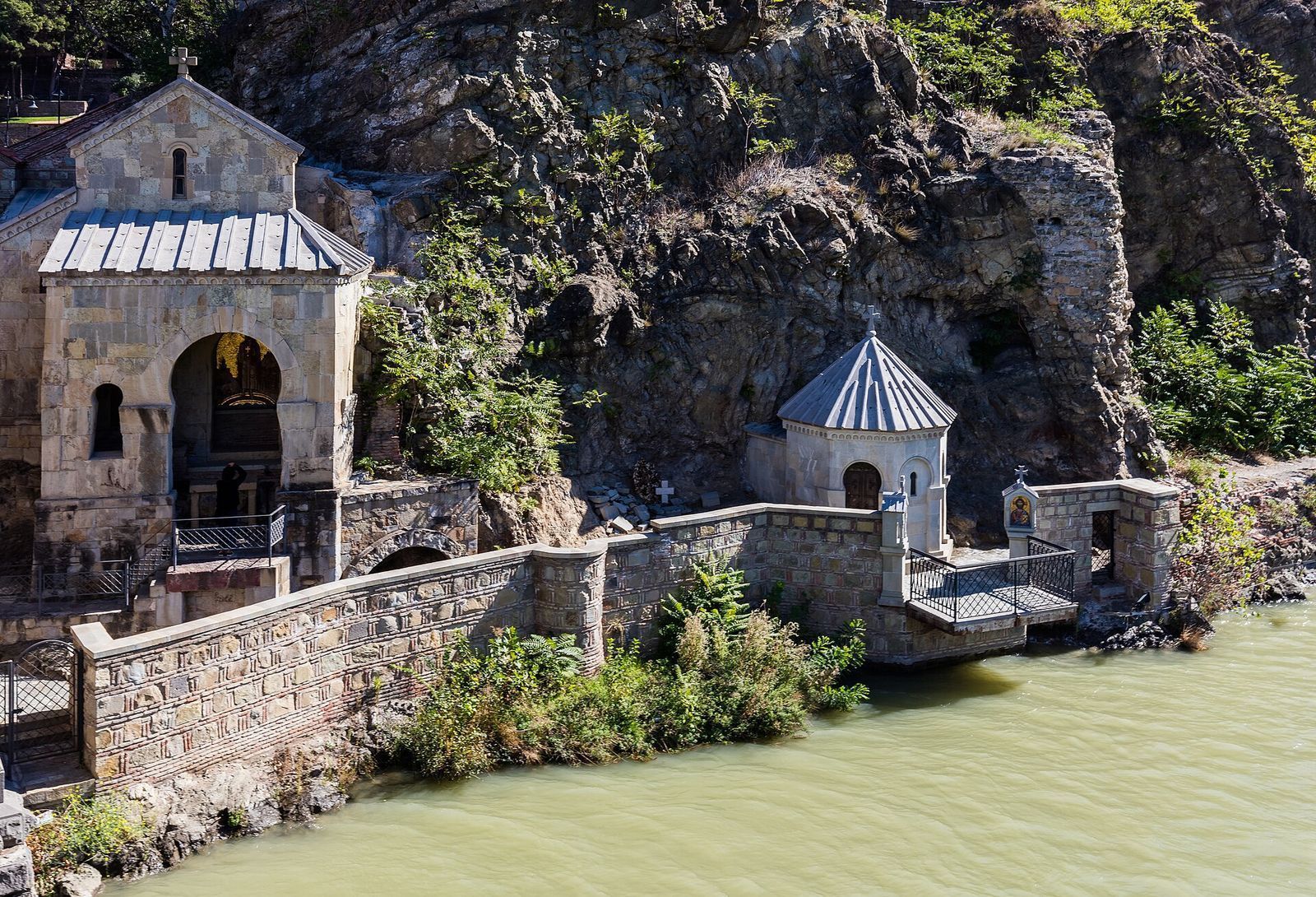
Just below Metekhi, at the end of Metekhi Bridge, a tiny stone chapel is built into the cliff. It's dedicated to St Abo, a perfumer from Baghdad who came to Georgia in the 8th century, became a Christian and was executed for it in 786. He is the patron saint of Tbilisi. Inside is a gold mosaic of the saint, and outside a small terrace looks over the river and the Narikala cable cars.
Holy Trinity Cathedral (Sameba)
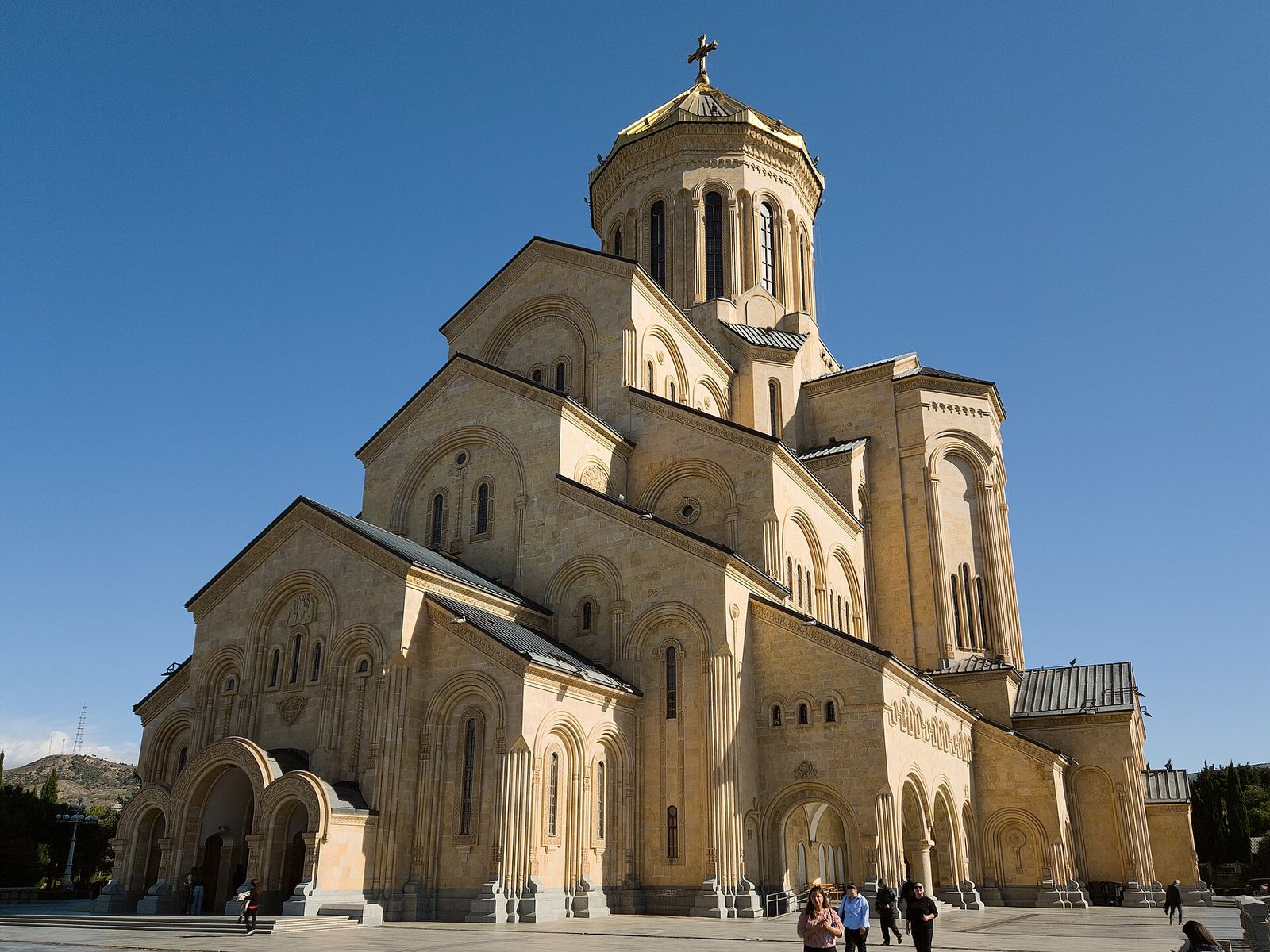
Sameba is the cathedral you see from everywhere, the gold dome on Elia Hill above Avlabari. It was built between 1995 and 2004 to mark 1,500 years of the Georgian Orthodox Church and 2,000 years of Christianity, and it stands 87.1 m to the top of its cross, among the tallest Orthodox churches in the world. Next to the old churches it feels enormous: wide stone terraces, gardens, bell towers and a cavernous, gold-lit interior.
It's free to enter and a short uphill walk from Avlabari metro. The Holy Trinity Cathedral is also where the head of the Georgian church leads the biggest services of the year, including the midnight Easter service, so on a feast day it is the place to be and on a weekday it is calm and almost empty.
Queen Darejan's Palace and convent
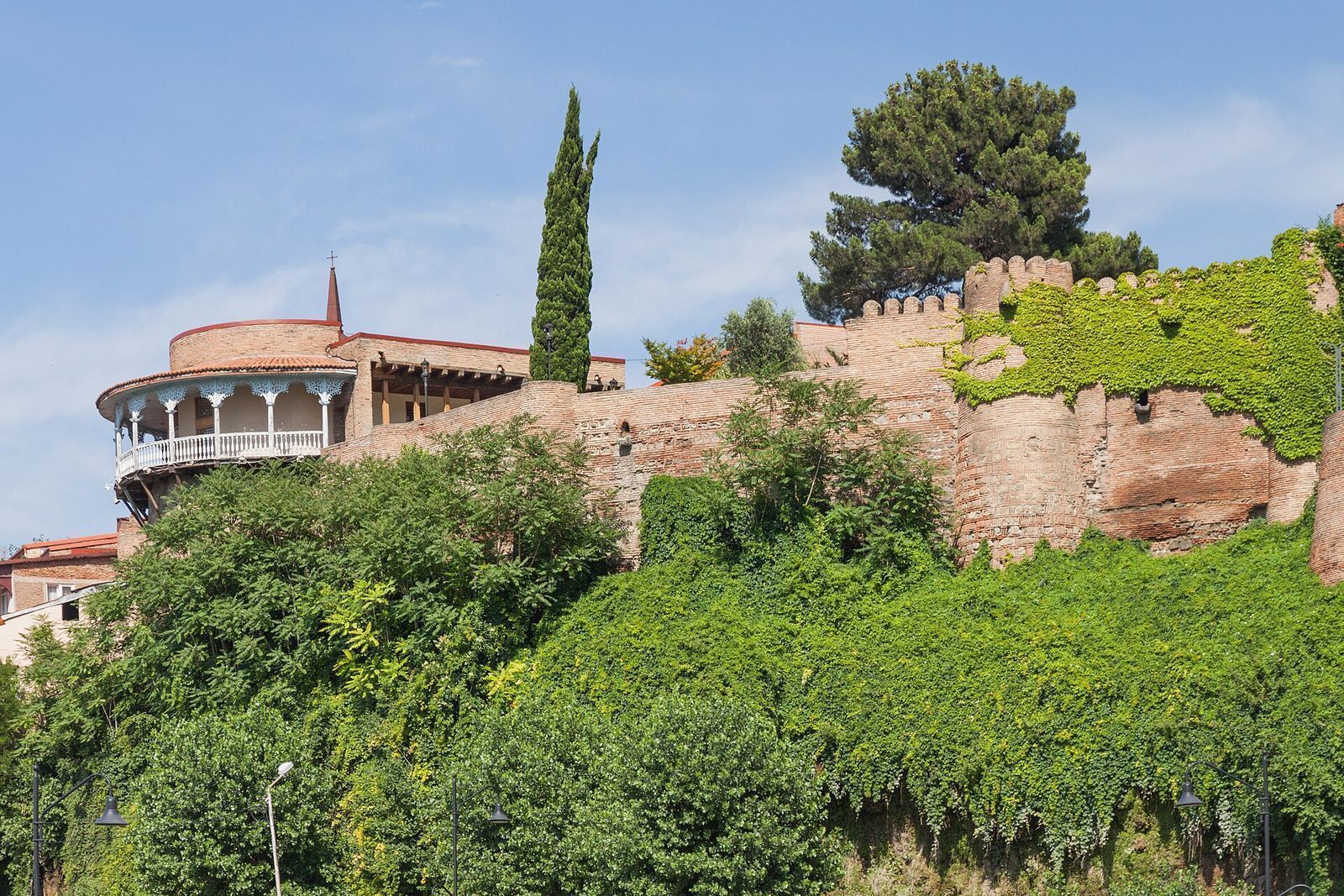
Walk up the lane from Metekhi Bridge and you reach the walls of Queen Darejan's Palace, built in the 1770s for the wife of King Erekle II. What survives is the stone wall, a round wooden balcony looking over the river, and a small church, which is now part of a working convent. The nuns run a shop selling embroidery and lace.
On Sunday the liturgy starts at around 10:00, and you can hear the nuns chanting from the garden. The balcony is one of the best-loved views in Avlabari, so come for both at once.
Karmir Avetaran, the ruined Armenian church
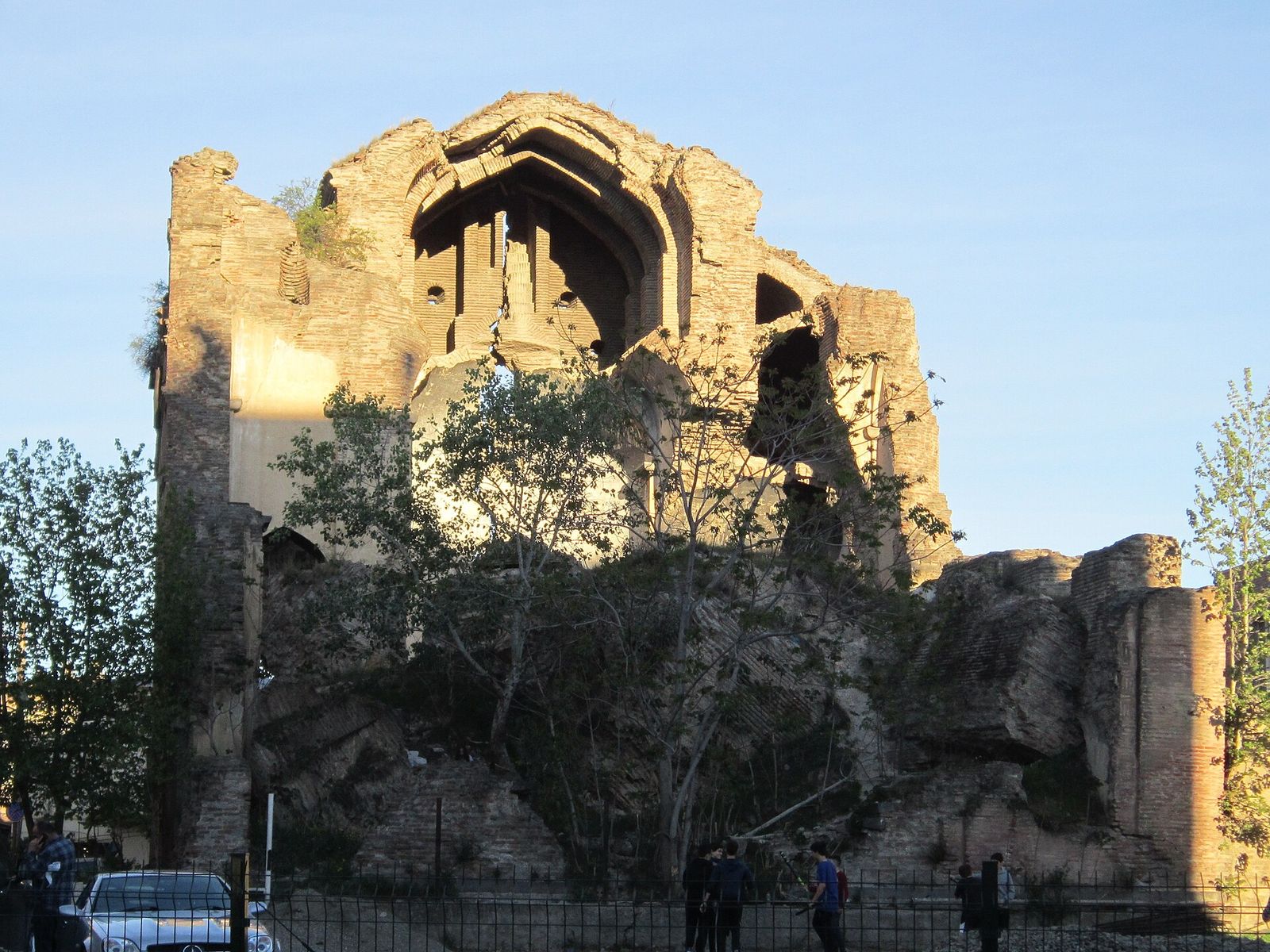
Tbilisi once had dozens of Armenian churches, and several stand empty today. The most striking is Karmir Avetaran in Avlabari, completed in 1809 and, at the time, the tallest Armenian church in the city. It was closed in 1937, used over the following decades as a bakery, a gym, a library and artists' studios, and then largely collapsed after an earthquake in April 1989.
What remains is a roofless shell with a crack running through the middle and debris across the floor. You reach it from the car park next door. It's eerie, beautiful and completely unmanaged, so watch your footing and don't climb on anything.
Churches beyond the Old Town
Three more churches are worth a detour when you are already nearby: one on the main avenue, one on the mountain and one in a residential neighborhood.
Kashveti Church
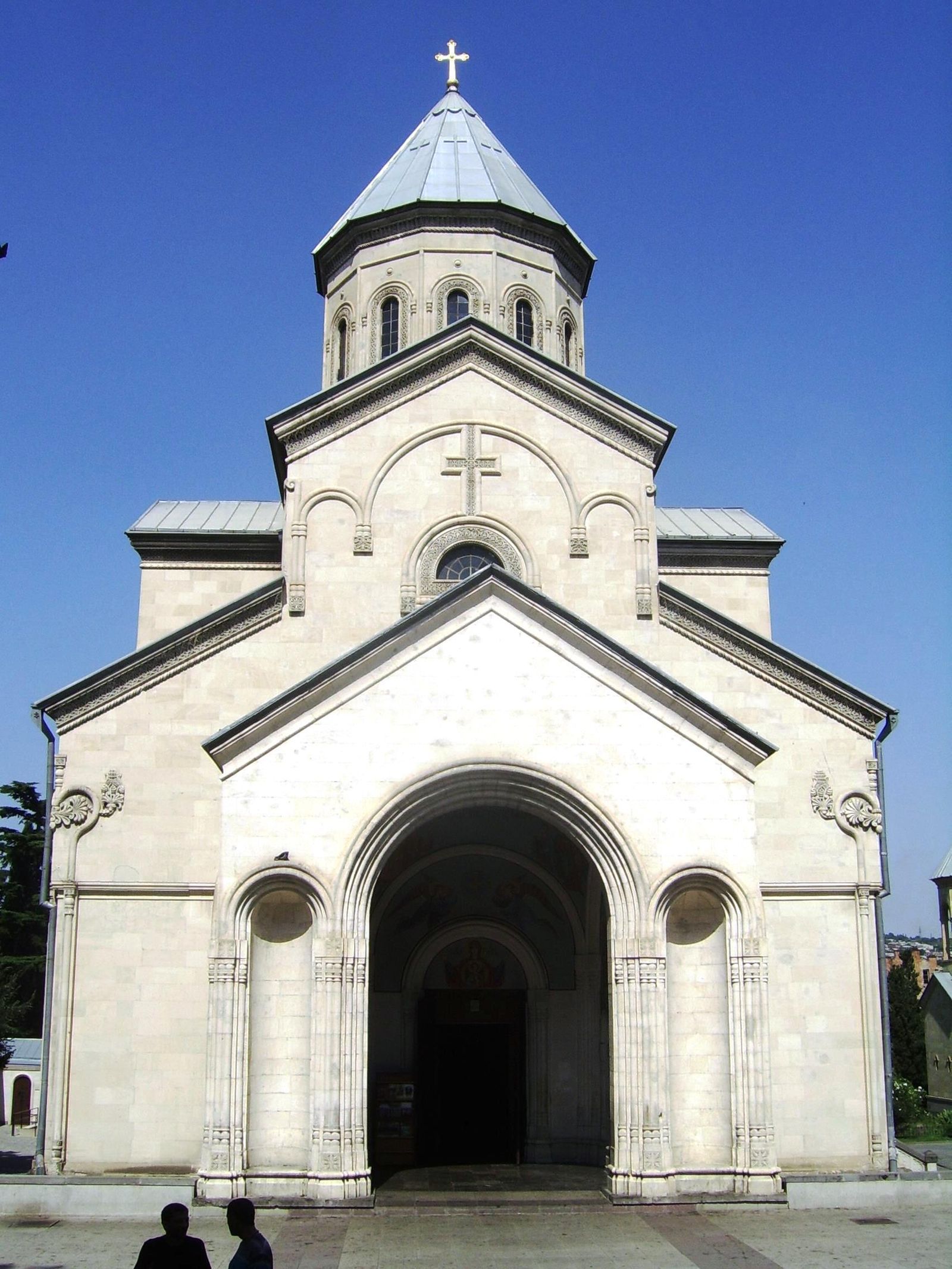
Kashveti, the Church of St George, stands on Rustaveli Avenue opposite the old Parliament building. It was built in 1910 on the site of an older church, with carvings on the facade by the Agladze brothers. The name comes from a legend about the monk David Gareja: accused by a woman of fathering her child, he told her she would give birth to a stone, and she did. "Kashveti" roughly means "gave birth to a stone".
The reason to go inside is the frescoes, painted in 1946 and 1947 by Lado Gudiashvili, one of Georgia's best-known modern artists. Painting a church in Stalin's time cost him his Communist Party membership and his teaching post. The style is all his own, with Persian and Caucasian touches like a pomegranate tree, and it's unlike anything else in Tbilisi's churches.
Mamadaviti Church and the Mtatsminda Pantheon
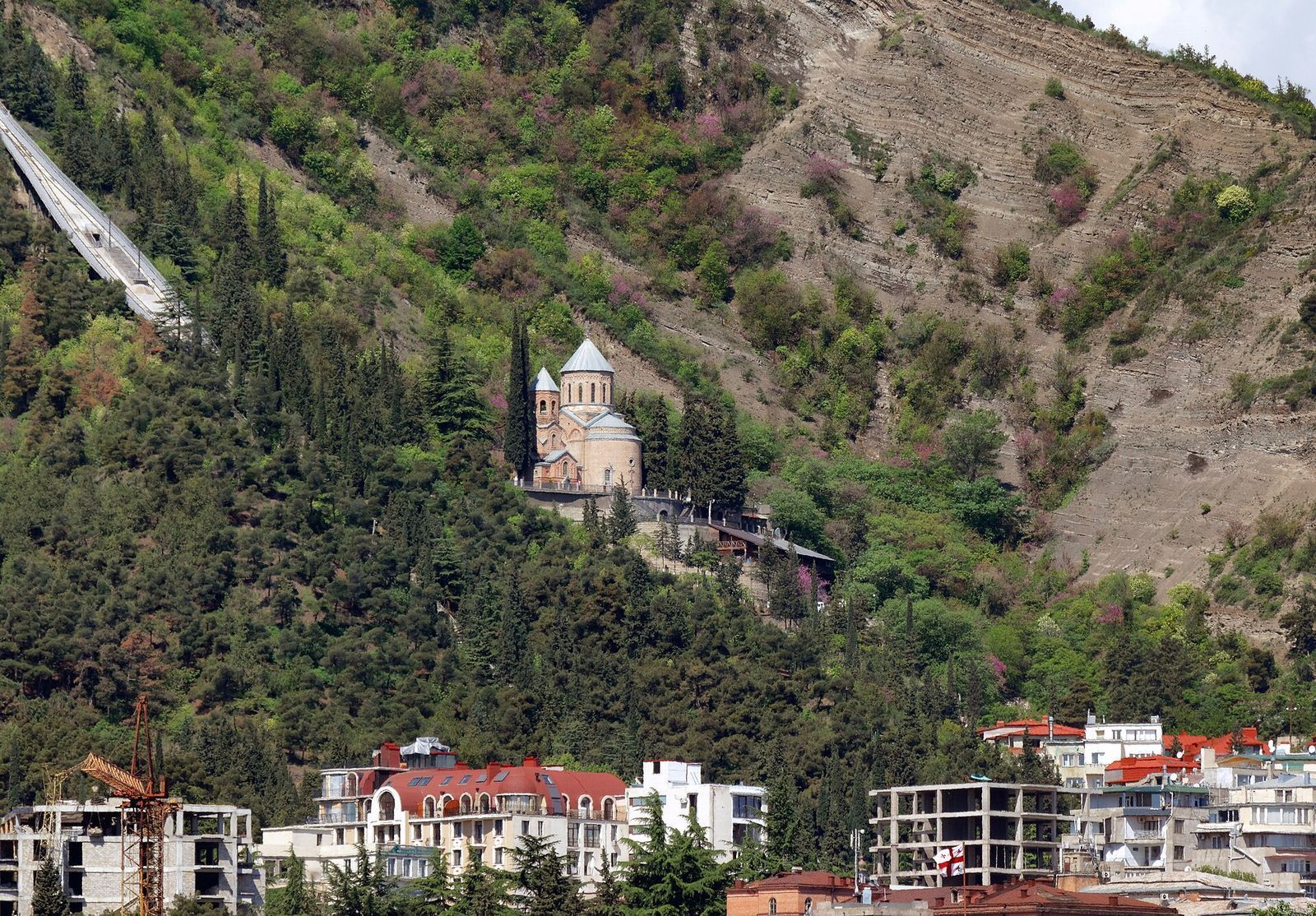
Halfway up Mtatsminda, the mountain above the city center, Mamadaviti (St David's Church) is cut into the hillside. Its churchyard is the Pantheon of Writers and Public Figures, where Georgia buries its national heroes: the writer Ilia Chavchavadze, the Russian playwright Alexander Griboyedov and dozens of poets, artists and actors lie under carved headstones and statues.
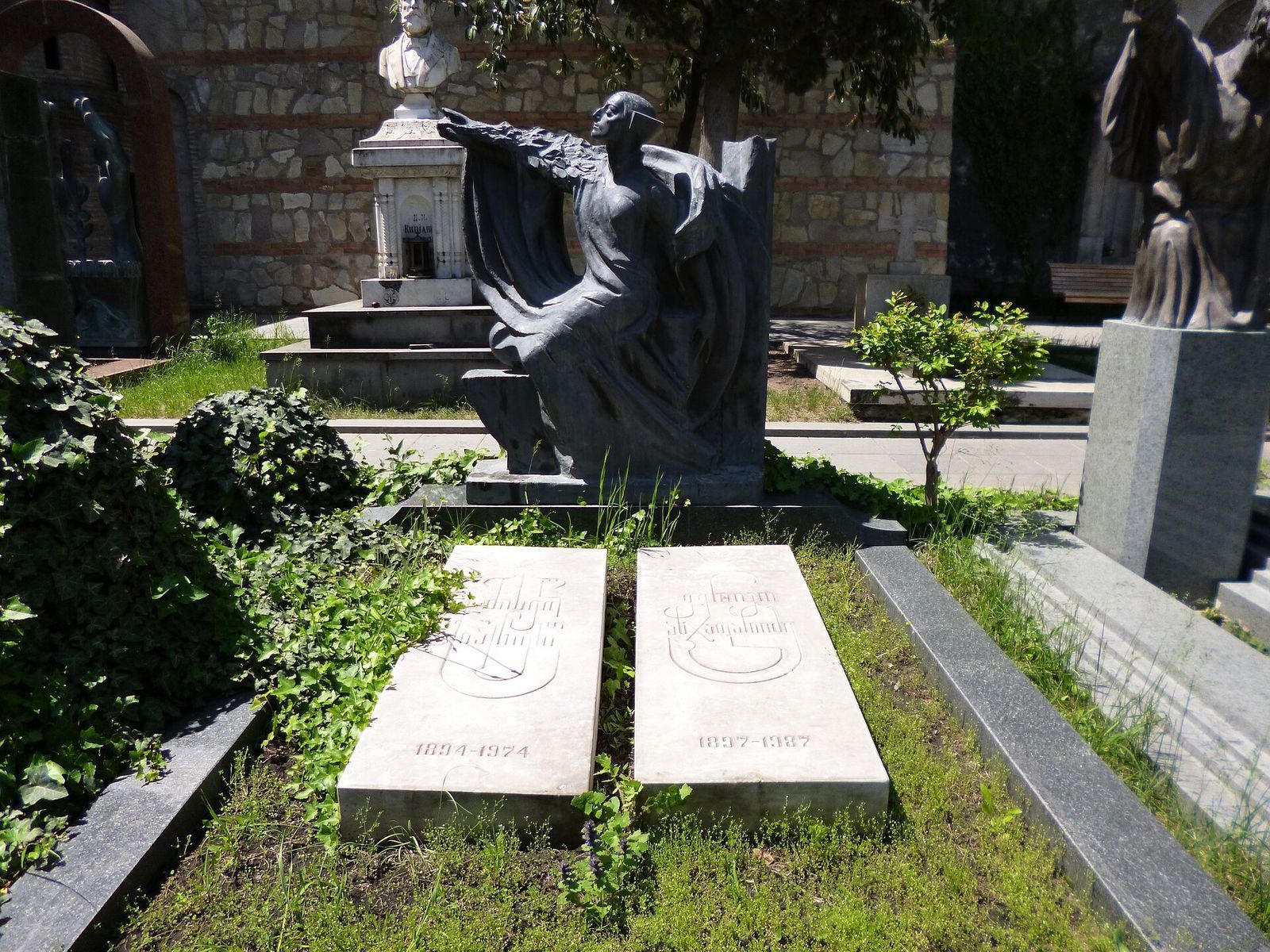
The funicular to Mtatsminda Park stops halfway at the church, so you can ride up, get off at the Pantheon and either walk down through Sololaki or ride on to the top. The terrace in front of the church has a good view over the city.
The Blue Monastery (Lurji Monastery)
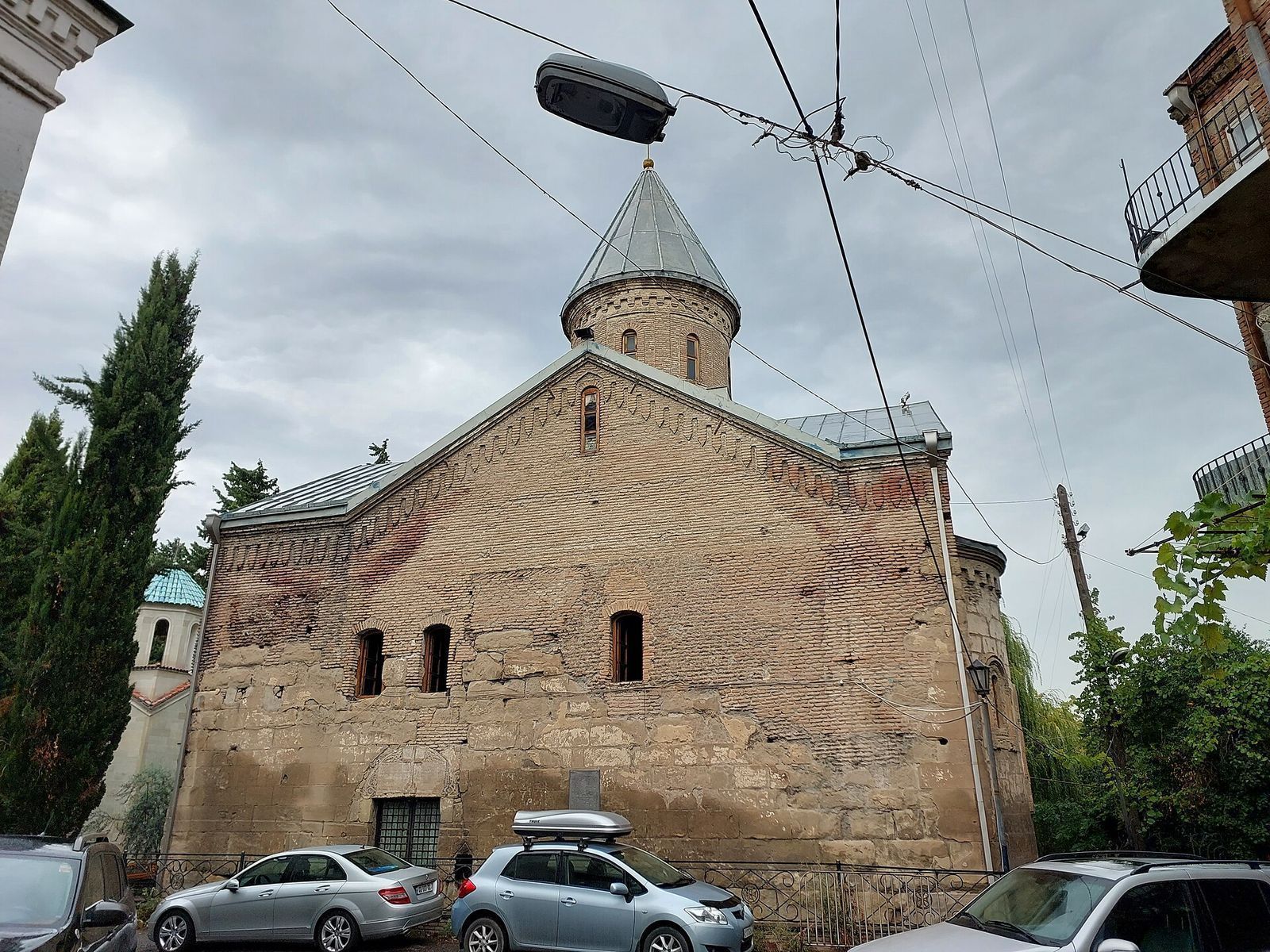
The Blue Monastery stands on Kiacheli Street in Vera, near Vera Park, and takes its name from the blue-gray glazed tiles on its roof. It existed by the 12th century at the latest, was damaged by the Persians in the 16th century, restored in 1873 and given its current roof in 1990. In between it served as a sawmill and a warehouse, and later as Georgia's first museum of the history of medicine.
It's a small, quiet church surrounded by Soviet apartment blocks, and that contrast is the reason I like it. Pair it with a walk through Vera's leafy streets.
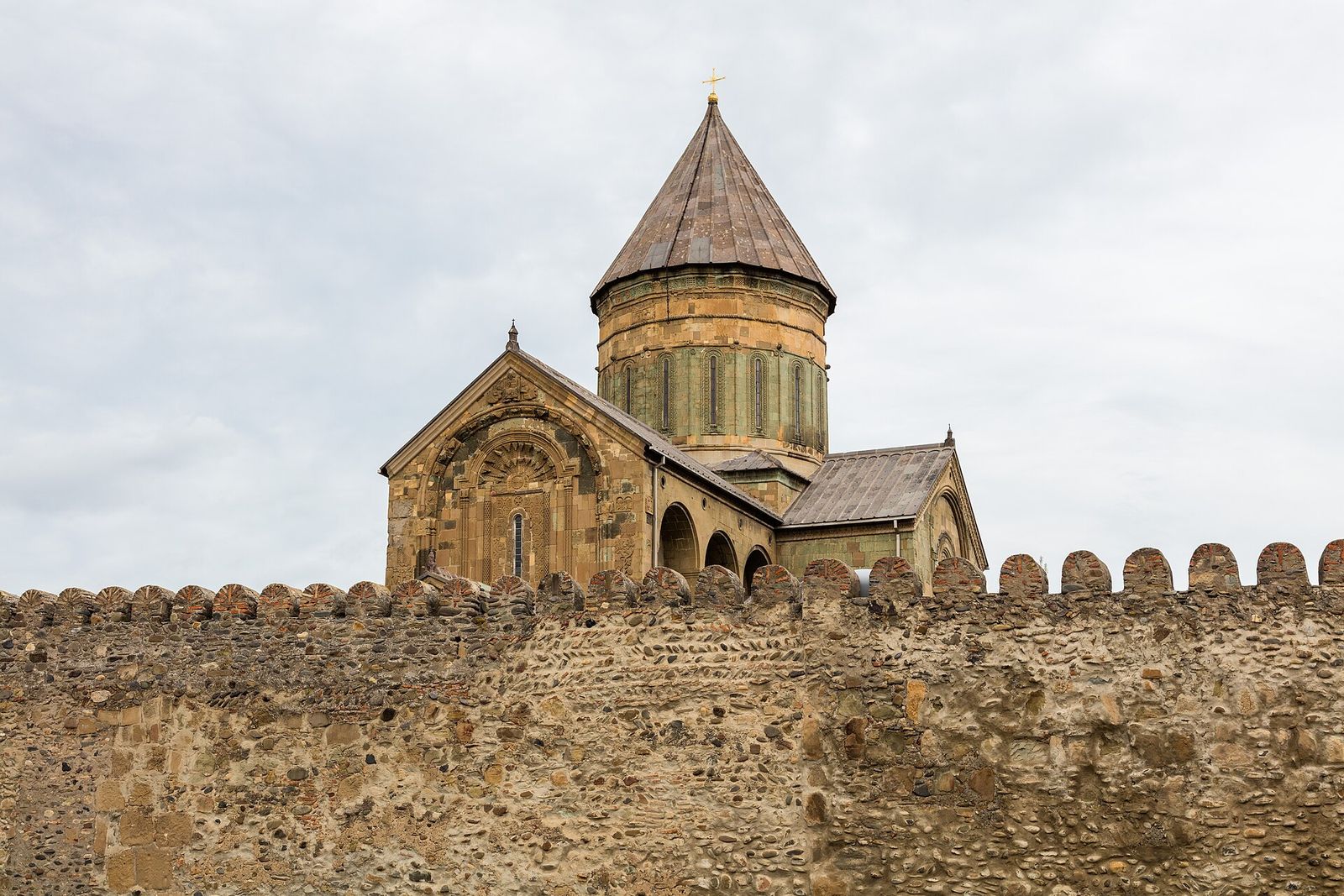
Georgia's most important churches outside the city are in Mtskheta, the old capital, where Svetitskhoveli Cathedral and Jvari Monastery make an easy half-day trip from Tbilisi: about 30 minutes by van from Didube for 2 GEL.
A half-day church walk through Tbilisi
You can see the best churches in one morning without a taxi. I'd start at Sameba and work downhill, which keeps the climbing for the end, when you head up to Betlemi and Narikala.
| Stop | What you see | Time there | Walk to next stop |
|---|---|---|---|
| Sameba, Avlabari | The big cathedral and its grounds | 30 minutes | About 15 minutes downhill |
| Queen Darejan's Palace | The balcony and the convent church | 15 minutes | 5 minutes |
| Metekhi Church and St Abo | The cliff, the view and the chapel | 30 minutes | About 10 minutes across the bridge |
| Sioni Cathedral | The painted interior | 20 minutes | 5 minutes |
| Anchiskhati Basilica | The oldest church in the city | 20 minutes | About 15 minutes to the Betlemi stairs |
| Upper Betlemi Church | The garden and the view | 20 minutes | About 20 minutes up the ridge |
| St Nicholas at Narikala | The fortress church and the terraces | 30 minutes | Walk down to the baths |
That's about 4 hours with the walks. Finish with an hour in the sulfur baths at the bottom of the ridge, or save Tabori for the evening and climb it at twilight.
Church dress code and etiquette in Tbilisi
Georgian churches are working places of worship, and the dress code is the same in all of them. Men and women cover their shoulders and knees, and women cover their hair. Some stricter churches ask women to wear a skirt rather than trousers, though that is more common in the countryside than in Tbilisi. Most city churches keep scarves and wrap skirts by the door for anyone who arrives unprepared.
Inside, keep your voice low, don't eat or smoke on church grounds, and step aside for anyone praying in front of an icon. Photography rules vary from church to church: obey any sign, and if there is none, ask before you take a picture, especially during a service. Candles are sold at a small counter near the door, and coins go in the donation box. People at some church gates ask for money; giving is up to you. The wider customs for visitors, at the table and beyond, are part of Georgian etiquette.
Church services and polyphonic singing
The Georgian Orthodox liturgy usually runs on Saturday evening, from around 16:00, and on Sunday morning, from around 9:00. Services are long, most people stand throughout, and visitors are free to come and go quietly at the back.
Sunday morning is when Tbilisi's churches sound their best. Anchiskhati, Sioni and Queen Darejan's convent are known for their chanting, and hearing Georgian polyphonic singing in a 6th-century stone church is one of the most moving things you can do in the city. Choirs don't sing at every service, so if you hear nothing at one church, walk to the next.
Key takeaways
- Every church in Tbilisi is free; carry a scarf, cover your shoulders and knees, and women cover their hair.
- Anchiskhati (6th century), Sioni Cathedral and Metekhi Church are the essential three, all within a short walk of each other.
- Sameba, finished in 2004 and 87.1 m to the top of its cross, is the city's biggest cathedral and the place for Easter.
- Go on a Sunday morning, from about 9:00, to hear the choirs at Sioni and Anchiskhati.
- Upper Betlemi and Tabori are the churches with the best views; Kashveti has the best frescoes.
Frequently asked questions
What is the oldest church in Tbilisi?
Anchiskhati Basilica, which dates from the 6th century, is the oldest surviving church in Tbilisi. It stands on Shavteli Street in the Old Town, near the leaning clock tower, and has been rebuilt several times, most recently restored between 1958 and 1964.
Are churches in Tbilisi free to visit?
Yes. Every church in Tbilisi is free to enter, including Sameba, Sioni and Metekhi. Buying a candle or leaving a coin in the donation box is optional.
What should I wear to visit a church in Georgia?
Cover your shoulders and knees, and if you are a woman, cover your hair with a scarf. Most Tbilisi churches lend scarves and wrap skirts at the entrance, but carrying your own light scarf saves the trouble.
Can you take photos inside churches in Tbilisi?
It depends on the church. Some have no-photography signs, others allow photos without flash. Follow any sign, ask if you're unsure, and never photograph people praying or a service without permission.
What is the main cathedral in Tbilisi?
Holy Trinity Cathedral, or Sameba, is the main cathedral of the Georgian Orthodox Church and the seat of its head since 2004. Before that, the patriarchal seat was Sioni Cathedral in the Old Town, which held it through the Soviet years.
Where can I hear Georgian chanting in Tbilisi?
Go to the Sunday morning liturgy at Anchiskhati Basilica, Sioni Cathedral or the convent at Queen Darejan's Palace. Services start at around 9:00 to 10:00, and you can stand at the back for as long as you like.
Is Metekhi Church worth visiting?
Yes, mostly for its setting. The church stands on a cliff above the river with one of the best views of the Old Town and Narikala, and its history as a prison makes the plain stone walls far more interesting once you know it.
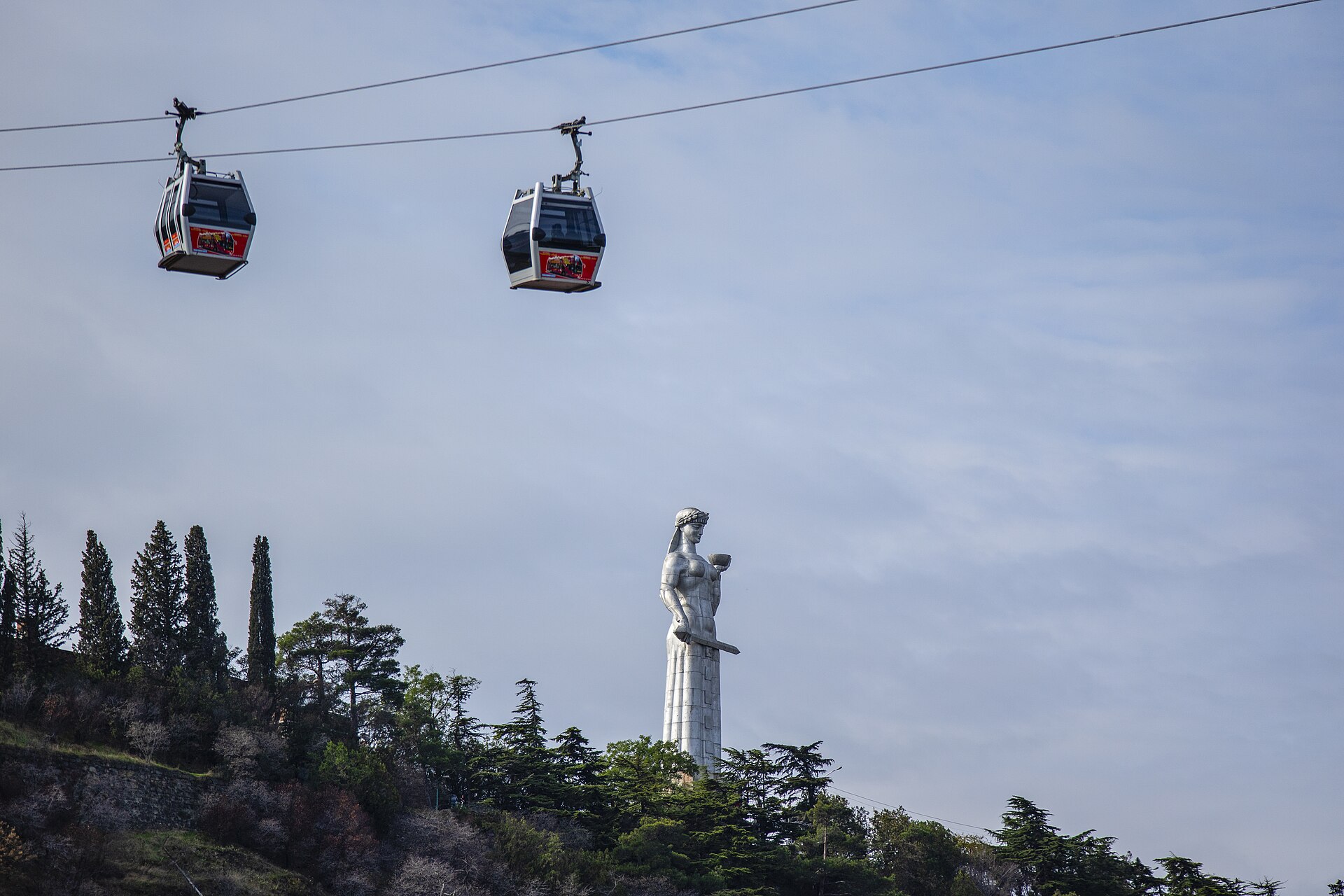
25 Best Things to Do in Tbilisi in 2026 (With Prices)
Tbilisi is known for its sulfur baths, balconies and hilltop views. Here are 25 things to do, with prices and times.
Read the guide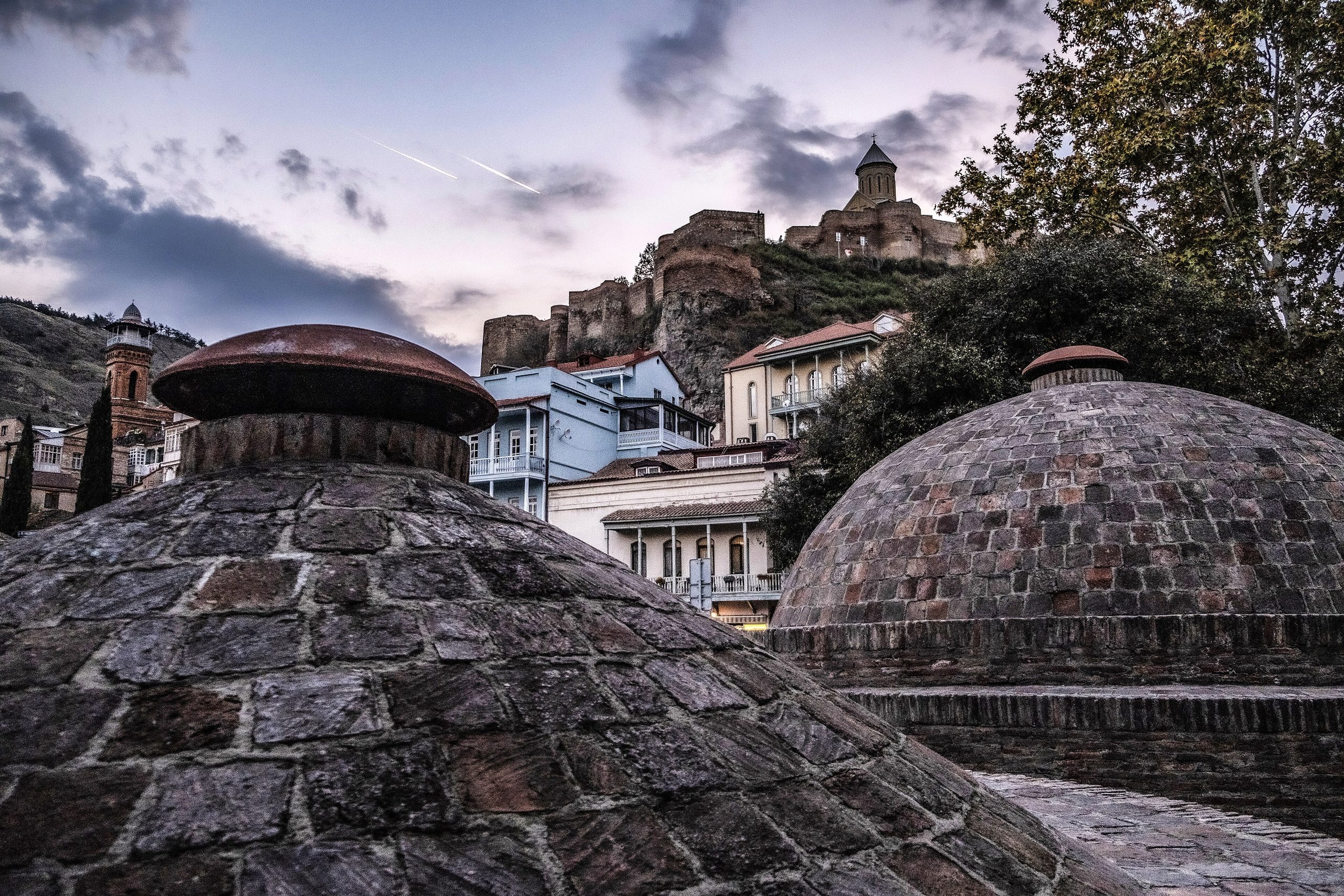
The Sulfur Baths of Abanotubani: Prices, Bathhouses and Booking
Tbilisi is known for its sulfur baths. Here is what to know about the bathhouses, room prices and booking.
Read the guide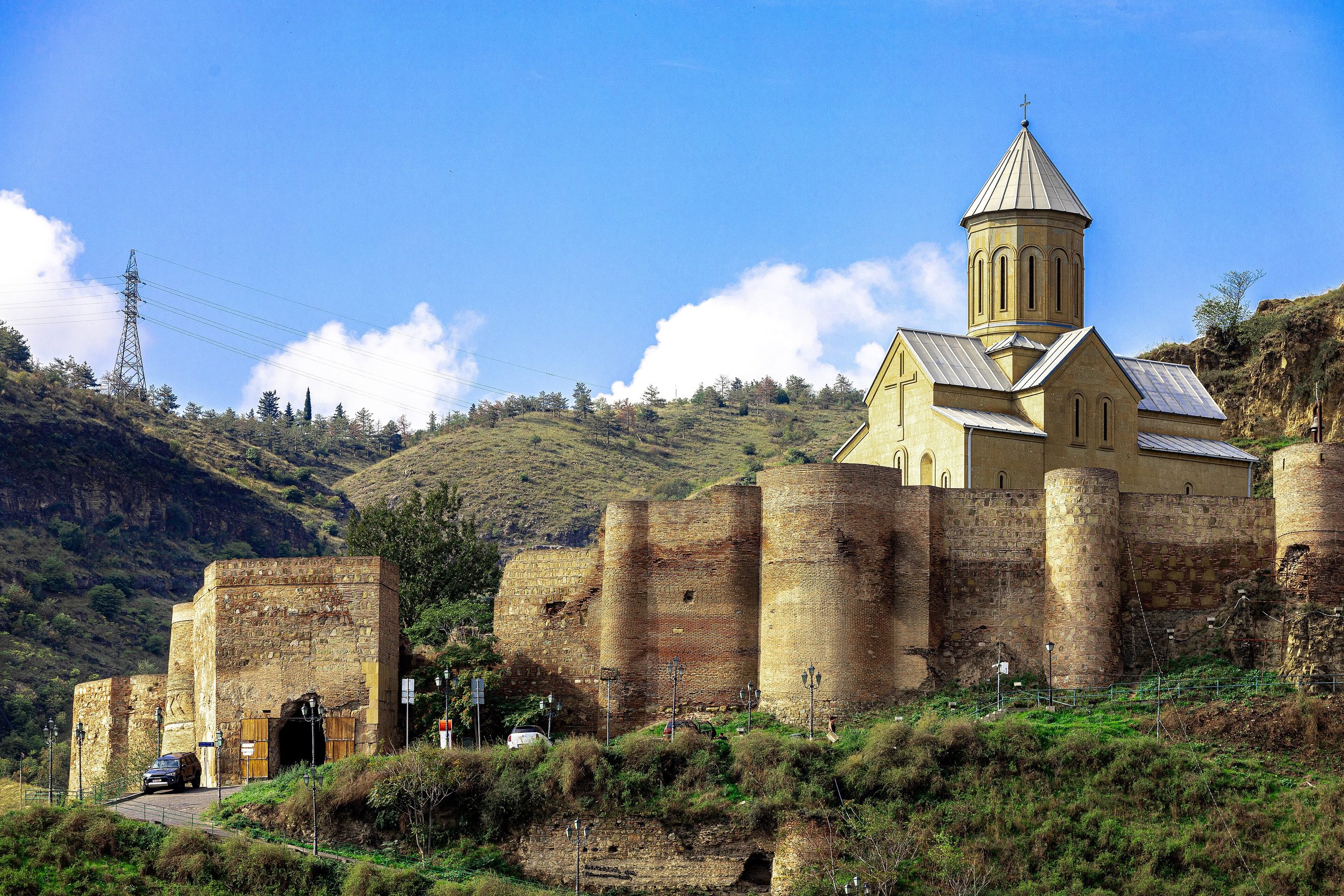
Narikala Fortress, Tbilisi: Getting Up, What Is Open and When to Go
Narikala is the fortress above Old Tbilisi. Here is what is open in 2026, how to get up and when to go for the view.
Read the guide