Easter in Georgia: Red Eggs, the Night Service and the Dates
Easter is the biggest religious holiday of the year in Georgia, and it runs on the Orthodox calendar, so it rarely lands on the same Sunday as Western Easter. It means red eggs, a church service that runs past midnight, a lamb stew that belongs to spring and a family visit to the cemetery. Here's what you need to know about the dates, the traditions and what closes in Tbilisi over the long weekend.
When is Orthodox Easter in Georgia?
The next Orthodox Easter in Georgia is Sunday 2 May 2027. The four-day holiday runs from Good Friday on 30 April to Easter Monday on 3 May. In 2026, Easter Sunday was 12 April, with the long weekend from 10 to 13 April.
The date moves because the Georgian Orthodox Church keeps the old Julian calendar for its feasts. Easter is the first Sunday after the first full moon after the spring equinox, counted the Julian way, which puts it anywhere between 4 April and 8 May. It is usually later than Western Easter, sometimes by several weeks, and only in some years do the two fall on the same Sunday. That same calendar is why Georgian Christmas falls on 7 January; the whole year of festivals and holidays in Georgia is built around it.
Easter is the only one of Georgia's 18 public holidays that changes date. The government has also added extra days off around it by decree in some years, announced only days ahead, so check the news in the week before if your trip depends on an office being open.
Holy Week in Georgia, day by day
Easter in Georgia is a week, not a day. Each day from Palm Sunday on has its own name and its own job, and the most visible traditions for a visitor are spread across that week rather than packed into Sunday.
| Day | Georgian name | 2027 date | What happens |
|---|---|---|---|
| Palm Sunday | Bzoba | 25 April | Boxwood branches are blessed at church and taken home |
| Great Thursday | Didi Khutshabati | 29 April | Morning liturgy and the foot-washing rite |
| Good Friday | Tsiteli Paraskevi, Red Friday | 30 April | Families dye eggs red; public holiday |
| Holy Saturday | Didi Shabati | 1 May | Shopping and cooking by day, the night service from about 23:00; public holiday |
| Easter Sunday | Aghdgoma | 2 May | Egg cracking, paska, the Easter feast; public holiday |
| Easter Monday | Bright Monday | 3 May | Family visits to the cemetery; public holiday |
If you're only in Tbilisi for part of the week, I'd plan around Saturday night and Sunday. Friday is the day the city goes quiet and the roads fill, and Monday belongs to families.
Great Lent and samarkhvo menus
Easter ends Great Lent, about 40 days of fasting. Plenty of Georgians keep at least part of it, and many keep the last week strictly: no meat, no dairy and no eggs.
For a visitor this mostly shows up on menus. In the weeks before Easter, more restaurants and bakeries put out a samarkhvo, or fasting, menu, and supermarkets label fasting products the same way. Samarkhvo food has no meat, dairy or eggs, which makes it the easiest time of year to eat vegan in Georgia, and a good season for vegetarians in Tbilisi generally: walnut-based pkhali, beans, eggplant rolls and mushroom dishes everywhere.
Palm Sunday: Bzoba and the boxwood
Holy Week opens a week before Easter with Bzoba, Palm Sunday. Palms don't grow in Georgia, so the branch of the day is boxwood, bza, and the name of the feast means the day of boxwood.
Sellers line the paths outside the churches with small bundles of it. People buy a sprig, carry it to the service to be blessed with holy water, and keep it at home for luck until the next Palm Sunday. Walk past any church in Tbilisi on Bzoba morning and you'll see the boxwood sellers at the gate; buying a sprig is a nice small way to take part.
Red Friday: dyeing the eggs
Good Friday in Georgia is Tsiteli Paraskevi, Red Friday, and it's the day families dye their eggs. The color is red, deep red, and the tradition says the deeper the better, because the red stands for the blood of Christ. Old practice keeps them plain: one even color, no patterns and no wax designs. Many families still insist on finishing before sunset.
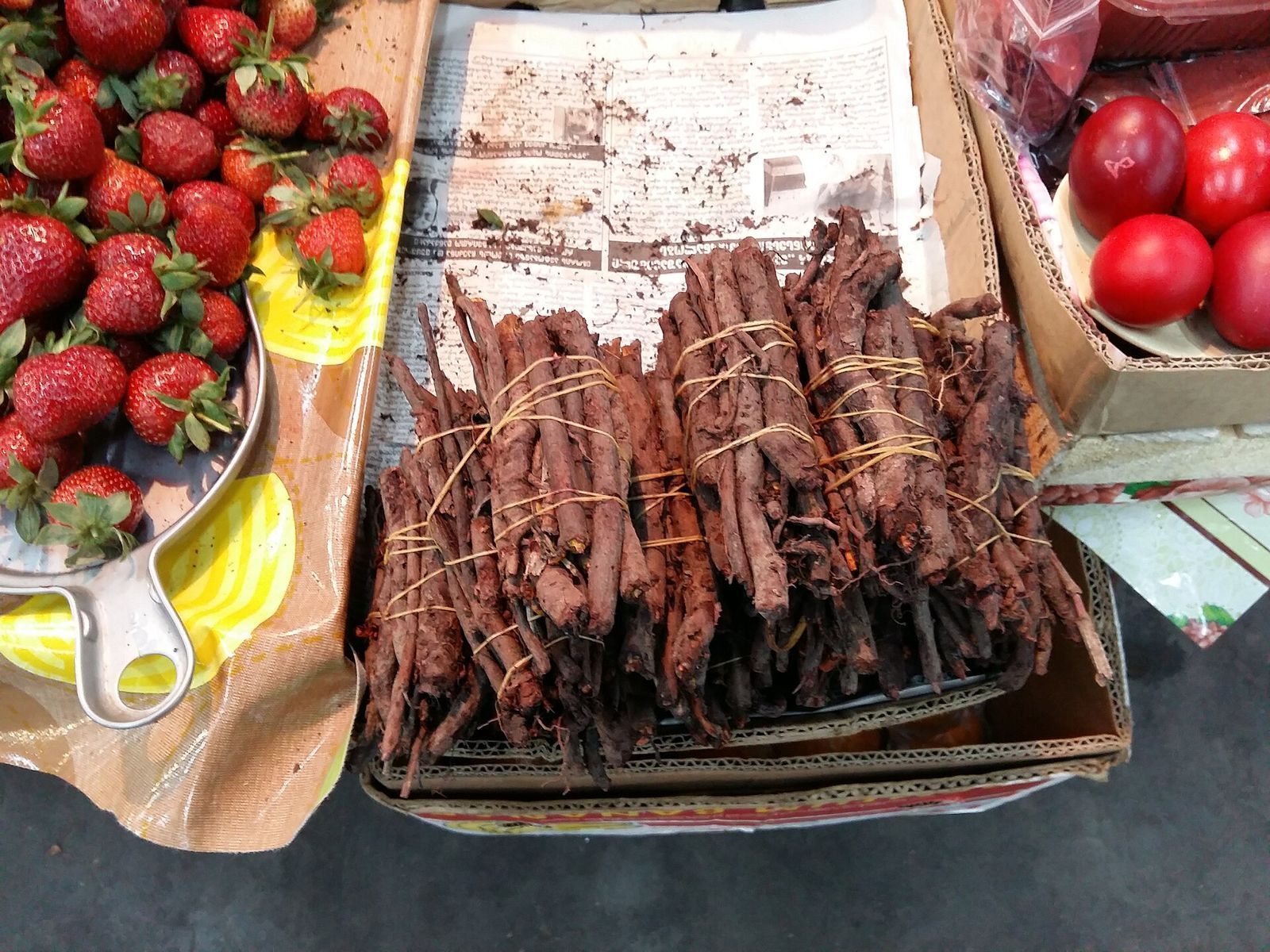
The dye is endro, madder root, sold at the markets as bundles of dried root or as a powder. The roots are crushed and soaked overnight, then the eggs are boiled in the dye, often with a splash of vinegar and some salt, and rubbed with a little oil at the end so they shine. Onion skins are the other old method, and they give a browner red. Packets of synthetic dye in every color are on sale too, and plenty of households use them.
The eggs then sit in jejili, a plate of bright green wheatgrass about 10 cm tall. Families scatter wheat seeds on wet cotton two or three weeks before Easter and let it grow, or buy a ready-grown tray at the bazaar. The red eggs nestle in the green for the whole of Easter week, as a picture of new life.
The Easter night service (Litonioba)
The center of Georgian Easter is the night between Saturday and Sunday. Churches across the country hold the paschal service, often called Litonioba, and it's the night when the whole country is awake at once.
People start arriving from about 23:00. Just before midnight the church goes dark, the clergy lead a procession with candles around the outside of the church, and at midnight the priest announces that Christ is risen. The crowd answers, the bells ring, and the candles pass from hand to hand until the whole churchyard is lit. The liturgy then continues, and most services end between 2:00 and 3:00, some toward dawn.
That night the Holy Fire, lit in the Church of the Holy Sepulchre in Jerusalem, is flown to Tbilisi and carried out to the churches. Buy a thin candle at the church shop on your way in; you don't need to find a flame of your own, because the person next to you will light yours from theirs.
You don't need to be Orthodox, or to speak Georgian, to attend. The service is long and in Georgian, and there are no seats; everyone stands. Most visitors stay for the procession and the midnight moment, then leave quietly, and nobody minds. The big churches play the service over loudspeakers into the yard, so you can stand outside with everyone else and still hear the singing.
Where to go to the Easter service in Tbilisi
Any church in the city holds the night service, and the choice is really between scale and calm.
| Church | Neighborhood | What it's like on Easter night | Best for |
|---|---|---|---|
| Sameba (Holy Trinity Cathedral) | Avlabari | The Patriarch leads the service, and the grounds fill with the biggest crowd in the country | Seeing the national occasion |
| Anchiskhati Basilica | Old Tbilisi | The oldest church in the city, small and packed, with a famous choir | Singing and atmosphere |
| St Michael the Archangel | Chughureti | A small neighborhood church, mostly locals | A quieter, local night |
| St George English-language Orthodox parish | Dighomi | The service partly in English | Following the words |
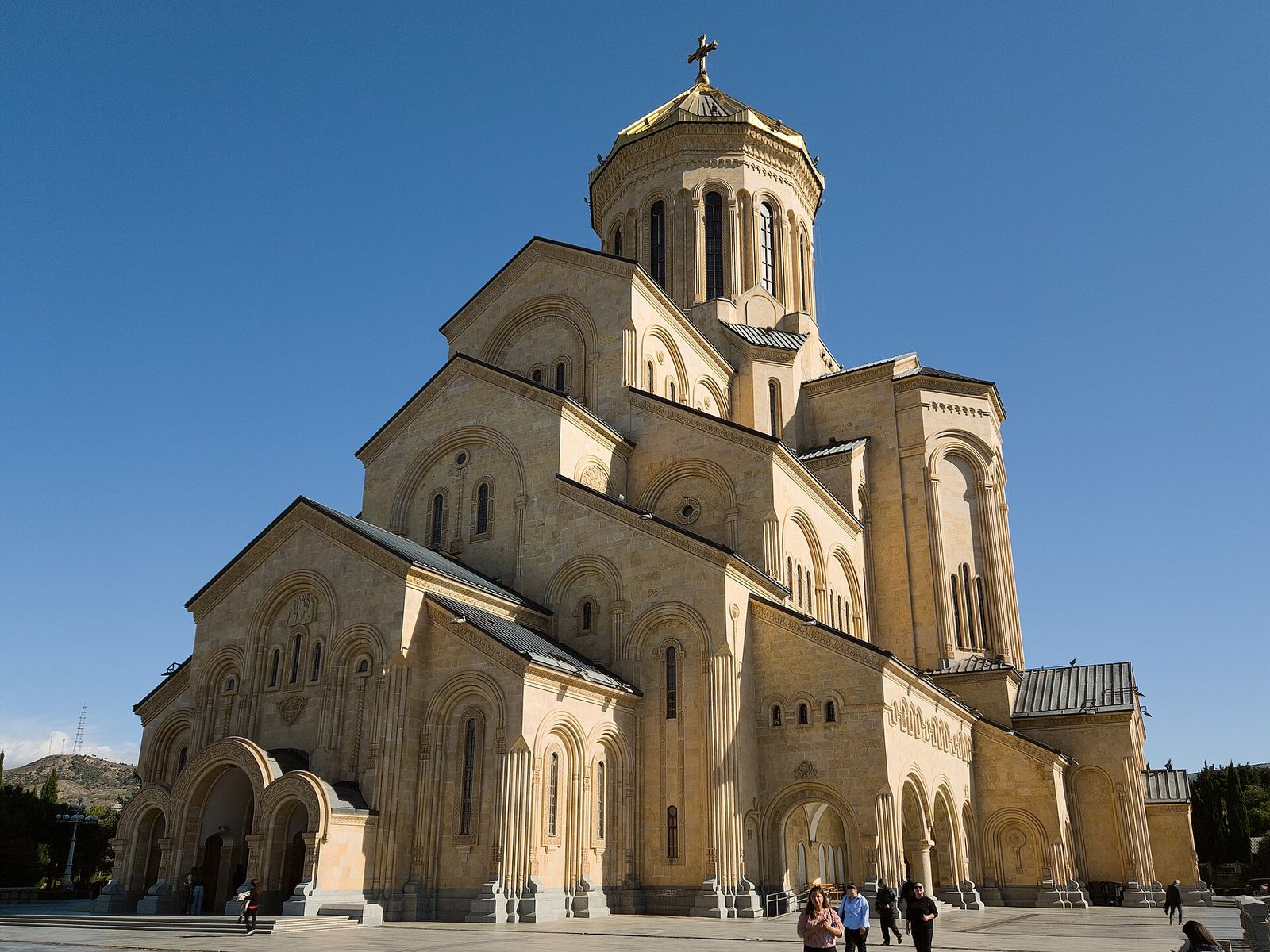
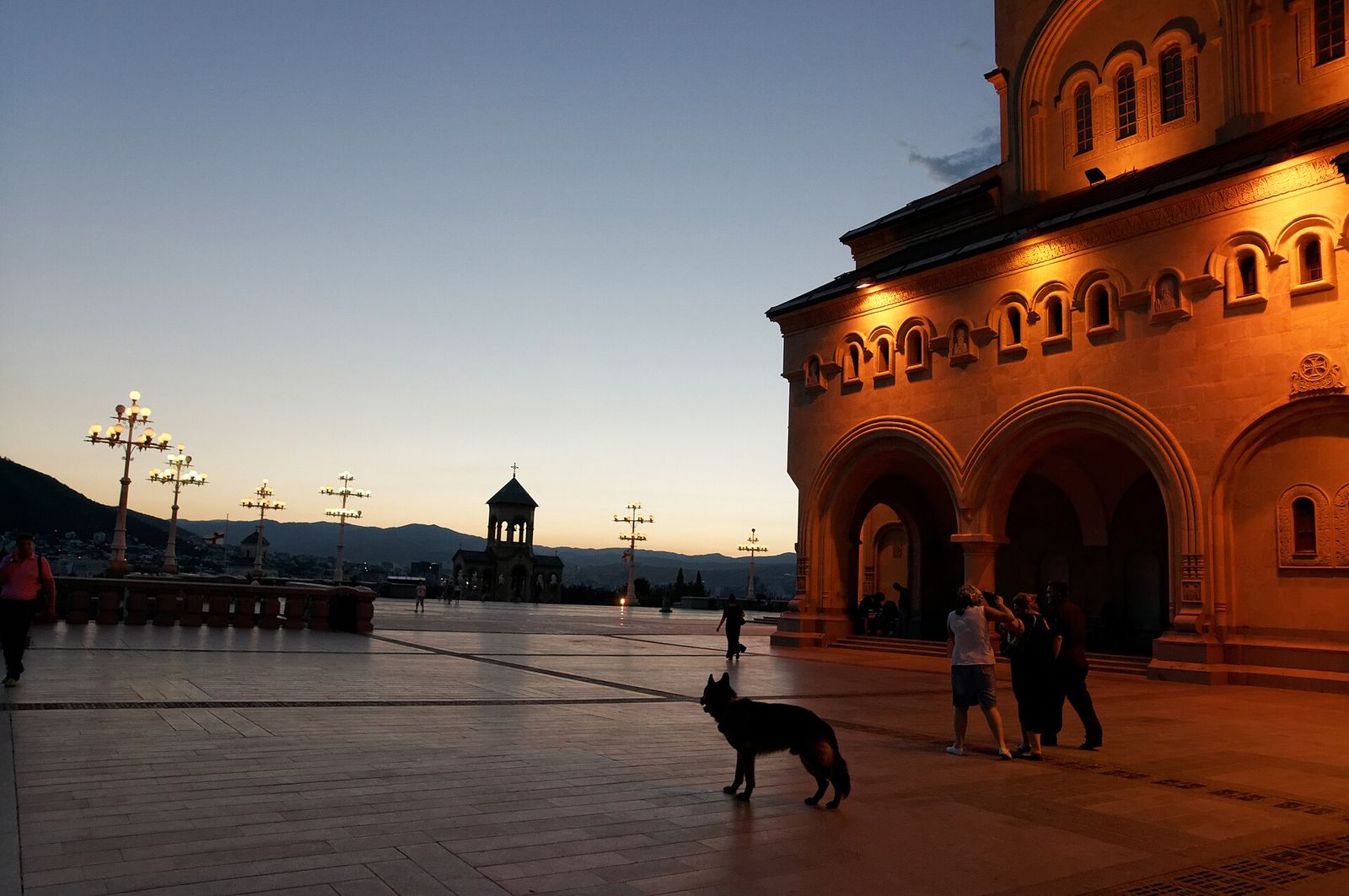
My pick for a first Easter is the Holy Trinity Cathedral, Sameba, on the hill above Avlabari. It's the biggest cathedral in the country, the Patriarch leads the service there, and the sight of the whole hillside holding candles at midnight is the one picture of Georgian Easter people remember. Get there by 22:30 for a place in the grounds.
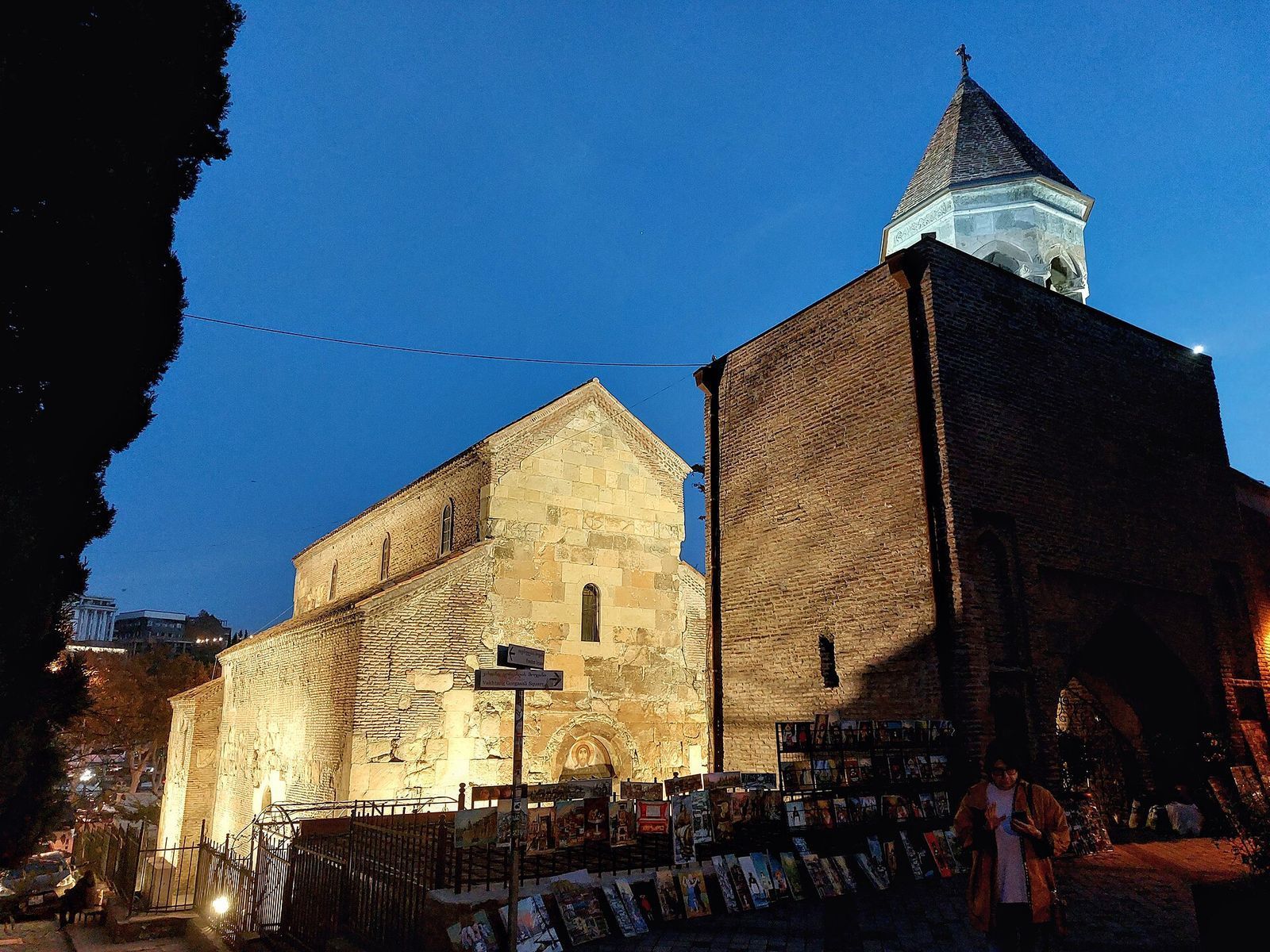
If crowds aren't your thing, go small. Anchiskhati in Old Tbilisi is my favorite of the old churches for this night: tiny, candlelit and full of singing, though you'll hear most of it from the lane outside. Every one of Tbilisi's best churches holds the night service, and the smaller ones give you the midnight moment without the crush.
Easter Sunday: red eggs and the greeting
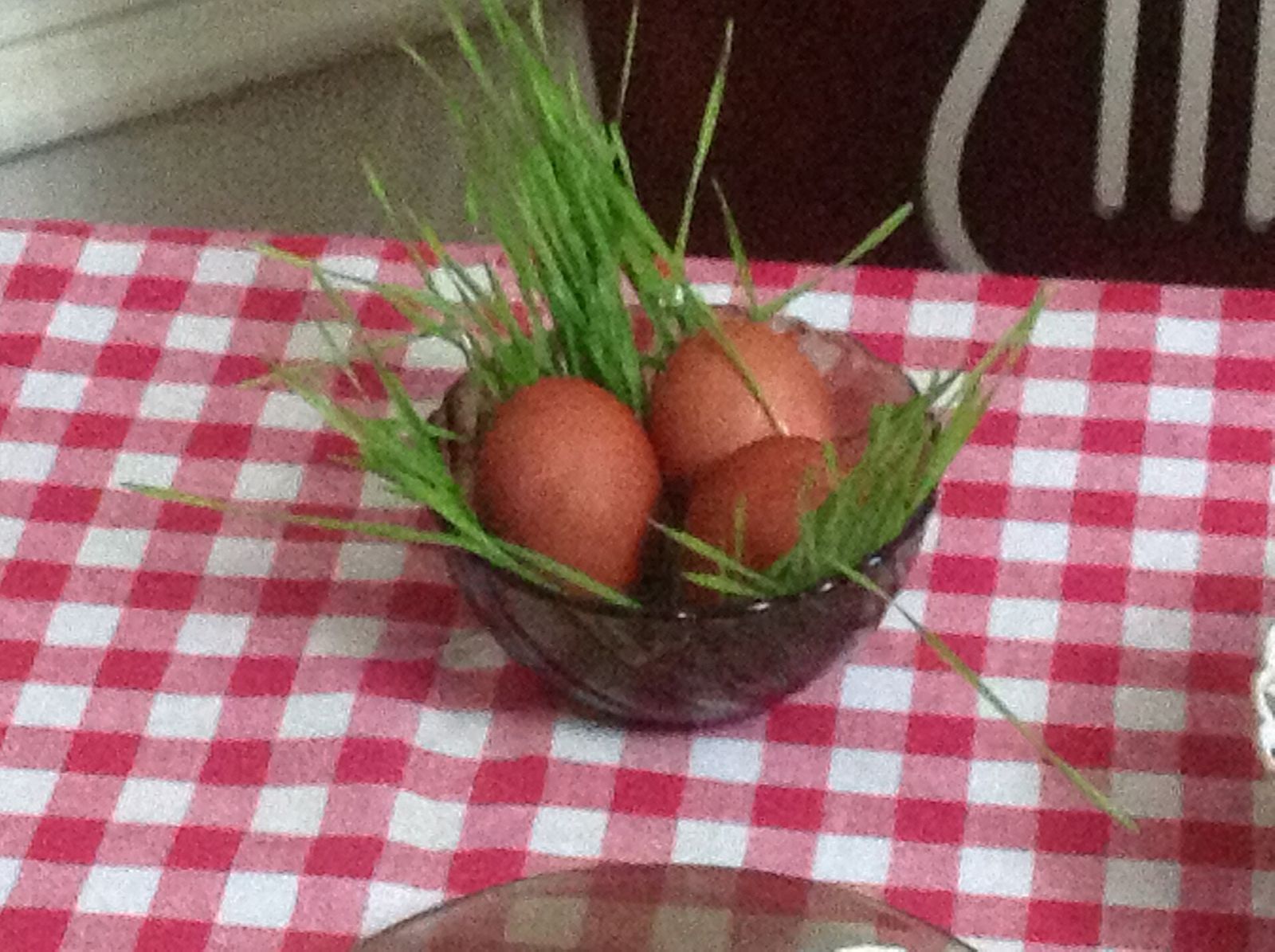
Easter morning starts with the eggs. Two people each hold a red egg and tap them together, tip to tip, then the blunt ends. Whoever's egg survives without cracking wins, and the winner keeps the cracked egg. Families play it around the table, and kids take it very seriously.
The greeting changes for the day too. From the night service until well after Easter, Georgians greet each other with "Kriste aghsdga", Christ is risen, and the reply is "Cheshmaritad aghsdga", truly he is risen. Say it back to a neighbor or a shopkeeper on Sunday morning and you'll get a big smile.
The rest of the day is the Easter feast. Families come together at home for a long lunch with wine and toasts, the first big meal after the fast. It runs like any Georgian supra, with a toastmaster and a long run of toasts, and if a Georgian family invites you, say yes.
Georgian Easter food
Easter has its own menu, and two dishes on it are hard to find at any other time of year.
| Dish | What it is | Where you'll find it |
|---|---|---|
| Red eggs | Boiled eggs dyed with madder root or onion skins | Every Easter table, and on graves on Monday |
| Paska | A tall, round Easter cake with raisins, topped with icing or powdered sugar | Bakeries and Easter stalls in Easter week |
| Chakapuli | Lamb stewed with tarragon, white wine, green onions and sour green plums | Family tables and some restaurants in spring |
| Boiled ham | The meat course after the fast | Family tables |
| Pkhali and salads | Walnut-and-vegetable dishes and fresh greens | Every table |
| Tarragon and egg khachapuri | Khachapuri made with tarragon and egg | Homes and bakeries |
| Easter kada | An older sweet bread, still baked in Samtskhe-Javakheti | Southern Georgia |
Paska is the one to buy. It's a buttery cake shaped like a tall dome, studded with raisins and finished with white icing or a snow of sugar, and some versions add cottage cheese. Families bake it a week ahead so it has time to settle, and every Tbilisi bakery sells it in Easter week. Of all the Georgian desserts, it's the one tied to a single week: outside Easter you'll rarely see it.
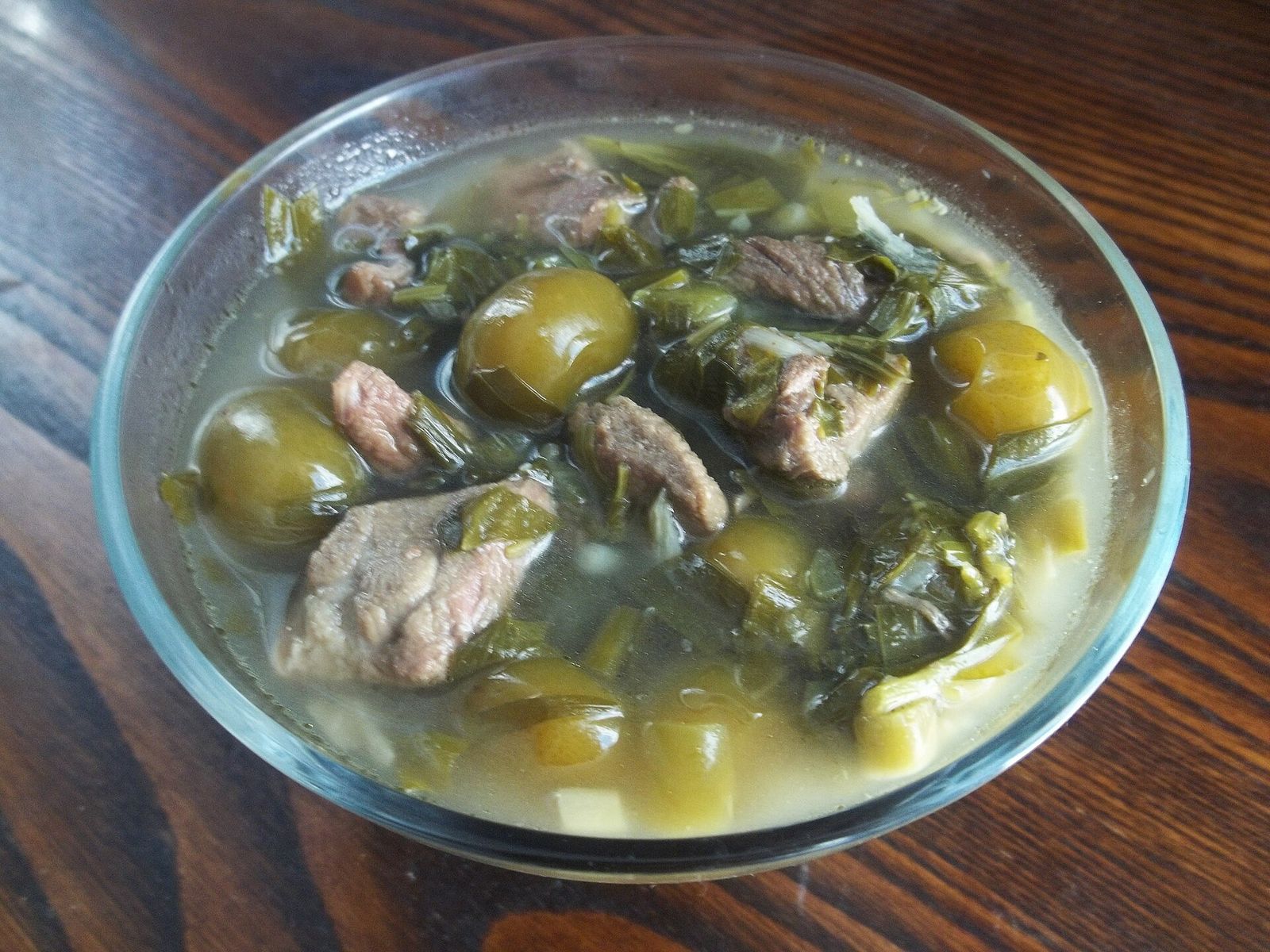
Chakapuli is the Easter dinner. Lamb, or veal, beef or chicken in many homes now, is stewed with a mountain of tarragon, white wine and tkemali, the sour green plums of spring, until the broth is green and sharp. There's a mushroom version for anyone still fasting. It's one of the dishes I'd put on any list of Georgian food to try, and spring is the season for it. Cafe Leila in the Old Town is one of the few places that keeps it on the menu all year.
Easter Monday at the cemetery
Easter Monday, Bright Monday, is the day Georgian families visit the graves of their relatives, and it's the Easter tradition that surprises visitors most. Cemeteries across the country fill with families carrying baskets: red eggs, paska, candles, wine and often a full spread of food.
At the grave, people light candles, roll a red egg across the grave three times, a gesture that recalls the stone rolled away from Christ's tomb, and pour a little wine over it. Then they sit down and eat together, sharing the meal with the dead, with toasts to those who are gone. Most of the food is eaten by the living; some is left on the grave.
The custom took its shape in the Soviet years, when most churches were closed and families gathered at the cemeteries to pray and light candles instead. Some families now go on Sunday afternoon to avoid the Monday traffic, and the roads to the big cemeteries jam on both days. City buses to the cemeteries usually run free on Easter Sunday and Monday.
Easter markets and where to buy paska in Tbilisi
Easter shopping is the part of the holiday any visitor can join, and it starts about a week before.
The Easter market at Rose Revolution Square and Rike Park
In the week before Orthodox Easter, Tbilisi sets up an Easter market at Rose Revolution Square and in Rike Park. The stalls sell paska, painted and decorated eggs, pottery, wood carving and textiles. It's my favorite crafts shopping of the year, better than most souvenir shops for gifts, and a weekday afternoon is the time to go before the weekend crowds.
Decorated eggs and small Easter pieces make light, cheap gifts, and they sit well alongside the year-round Georgian souvenirs like enamel, ceramics and felt.
Paska at Bazari Orbeliani

Bazari Orbeliani, the food hall in a renovated market hall on Vekua Street in the Old Town, holds a paska market for a few days before Easter, with stalls from Tbilisi bakers selling their own versions side by side. It's the easiest place to taste three or four and pick a favorite.

The rest of the food hall keeps you fed while you decide, and a plate of khinkali makes a good break between cakes. Any neighborhood bakery sells paska in Easter week too; the home-style ones from a small bakery are often the best.
Neighborhood Easter stalls
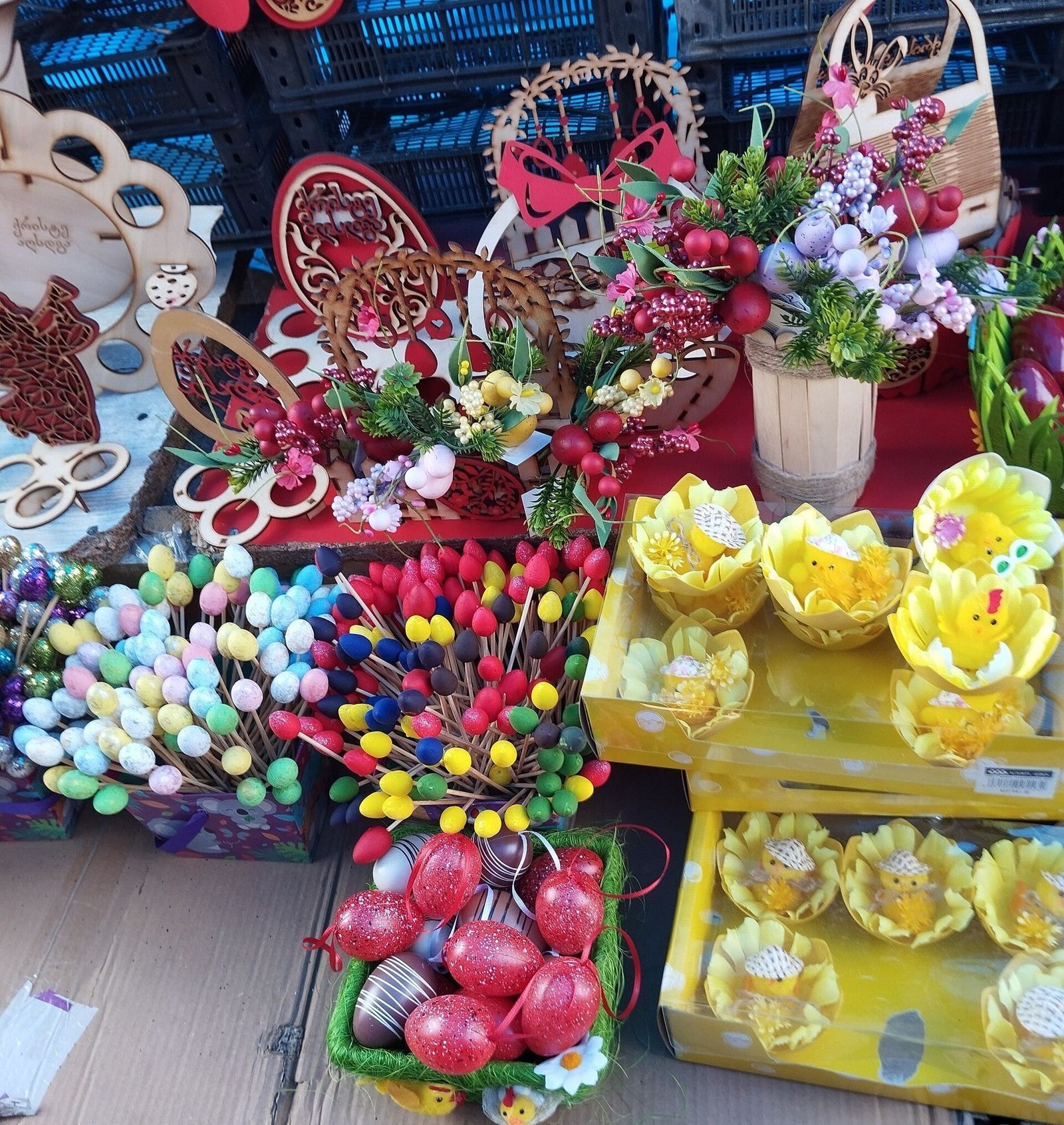
In the last weeks of Lent, small stalls pop up across the neighborhoods: dyed and decorated eggs, dye powders, bundles of madder root, trays of wheatgrass and church candles. They're the seasonal side of the Tbilisi markets, and stumbling on one is a nice spring moment.
What is open in Tbilisi over Easter
Easter is a long weekend for the whole country. Tbilisi doesn't shut down, but government business stops, transport gets crowded, and Friday and Monday feel like Sundays.
| What | Over Easter weekend |
|---|---|
| Banks and government offices | Closed Good Friday to Easter Monday |
| National museums | Closed on the holidays |
| Restaurants, cafes and supermarkets | Open, often on shorter hours; small family places may close Friday, Sunday or Monday |
| Metro | Runs normally, and has run free until about 04:00 after the night service in recent years |
| City buses | Run normally, with free buses to the cemeteries on Sunday and Monday |
| Taxis | Scarce on Saturday night and Monday; app waits get long |
| Trains | Run normally, but sell out to Kutaisi, Zugdidi and Batumi |
| Intercity minibuses | Reduced schedules |
| Dry Bridge Market | Closed on Easter Sunday |
| Uplistsikhe cave town | Closed Easter Sunday and Monday |
After the night service, the metro is the easiest way home. The Tbilisi metro station at Avlabari is a short walk from Sameba, and the trains run late that night. If you need a car, book it before the service ends; taxis in Tbilisi all get called at once at about 2:00.
Most sights stay open, but check anything run by the state. The Dry Bridge flea market shuts on Easter Sunday, and the cave town in a Gori and Uplistsikhe day trip closes on Sunday and Monday, so do those earlier in the week. Monasteries and churches that are also historic sites hold their own Easter services, so they're open but busy.
Easter outside Tbilisi
If you'd rather spend Easter night away from the capital, these are the places I'd go.
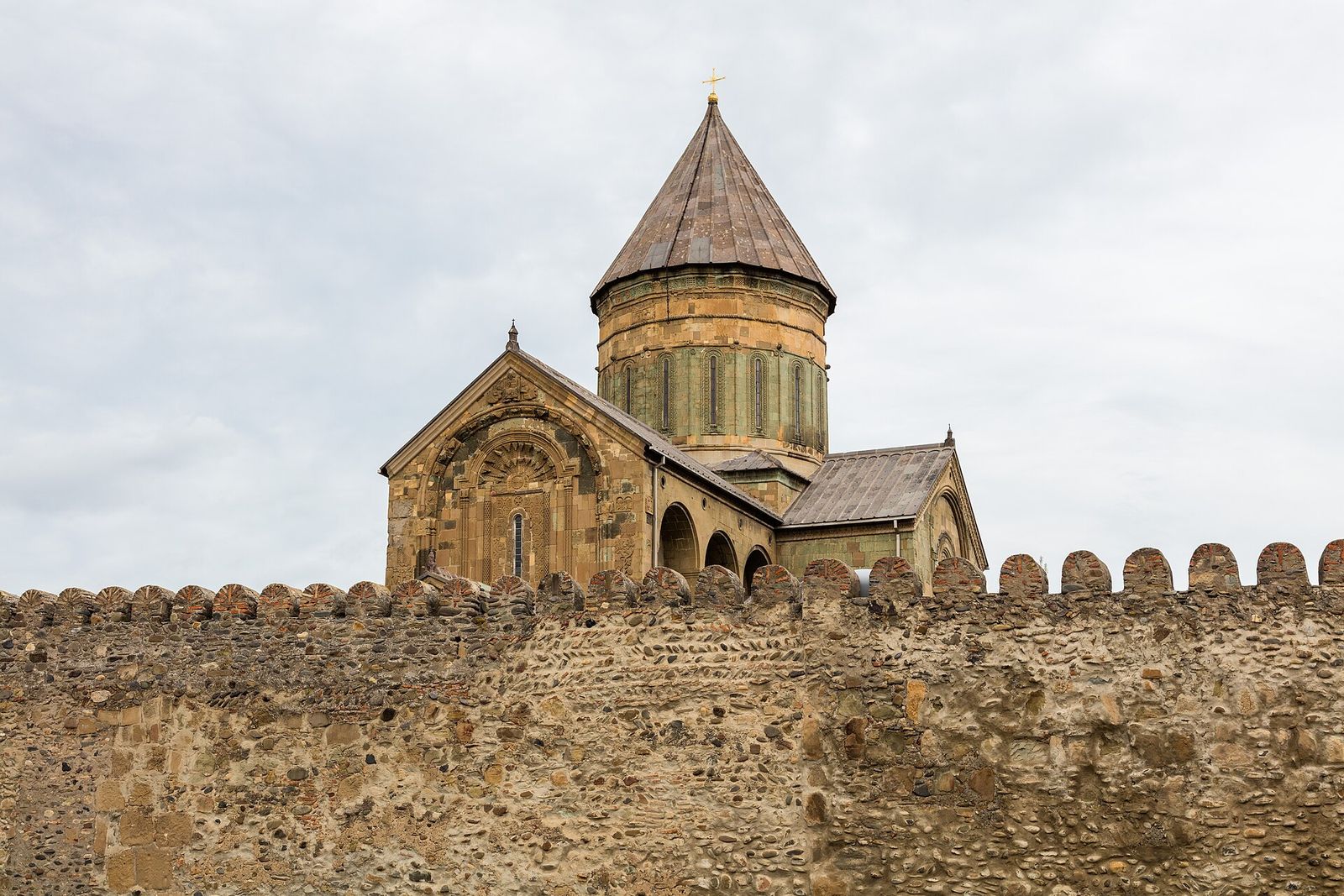
- Mtskheta. Svetitskhoveli Cathedral, the most important church in Georgia, holds a huge Easter service in the old capital, about 30 minutes north of Tbilisi by road. A Mtskheta day trip on Holy Saturday, staying for the night service, is the most memorable Easter I can suggest outside the city; arrange a ride back in advance.
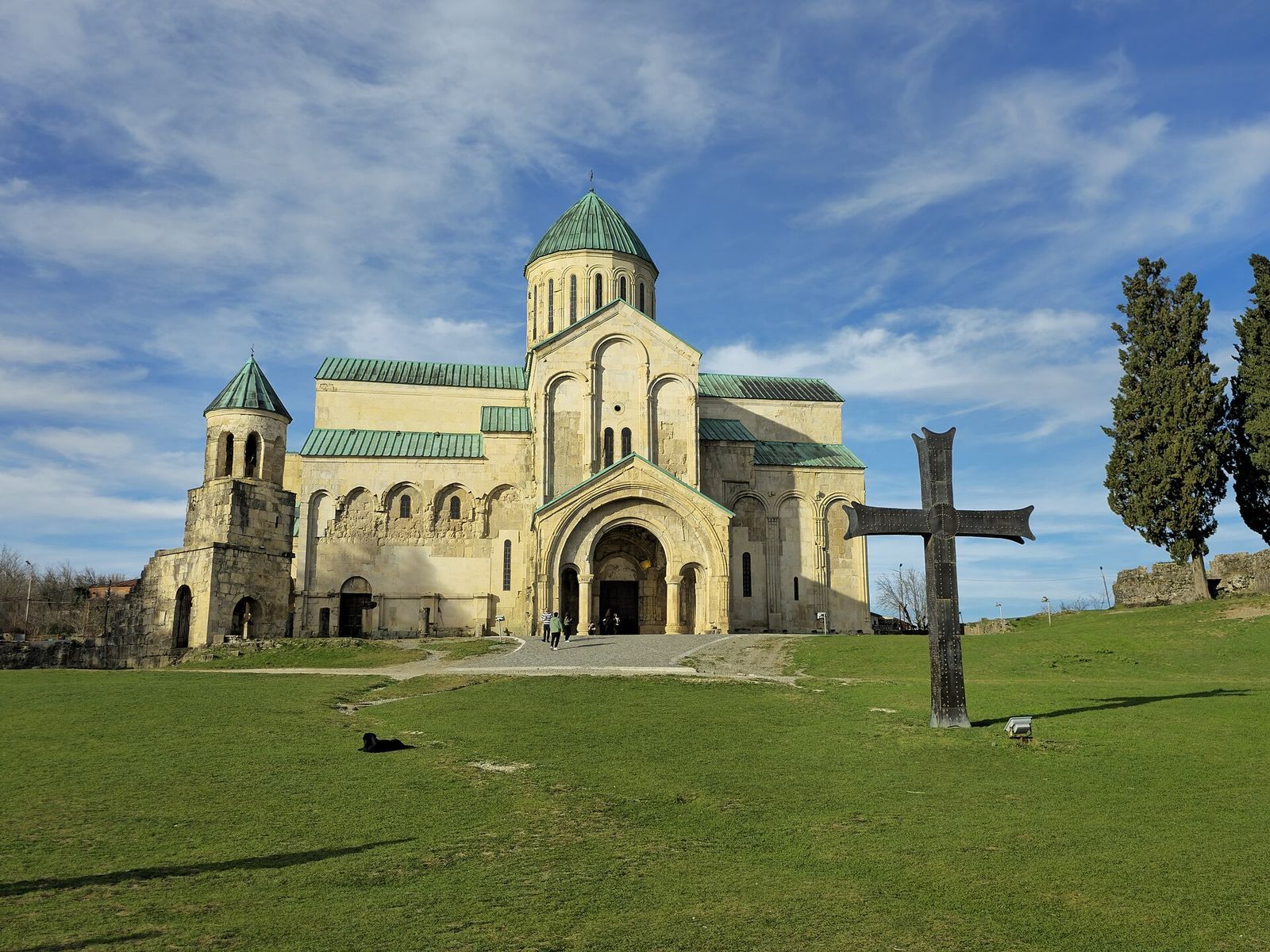
- Kutaisi. Bagrati Cathedral on its hill above the town holds the main Easter service in western Georgia, and Kutaisi has run its city transport free on Easter Sunday and Monday in recent years.
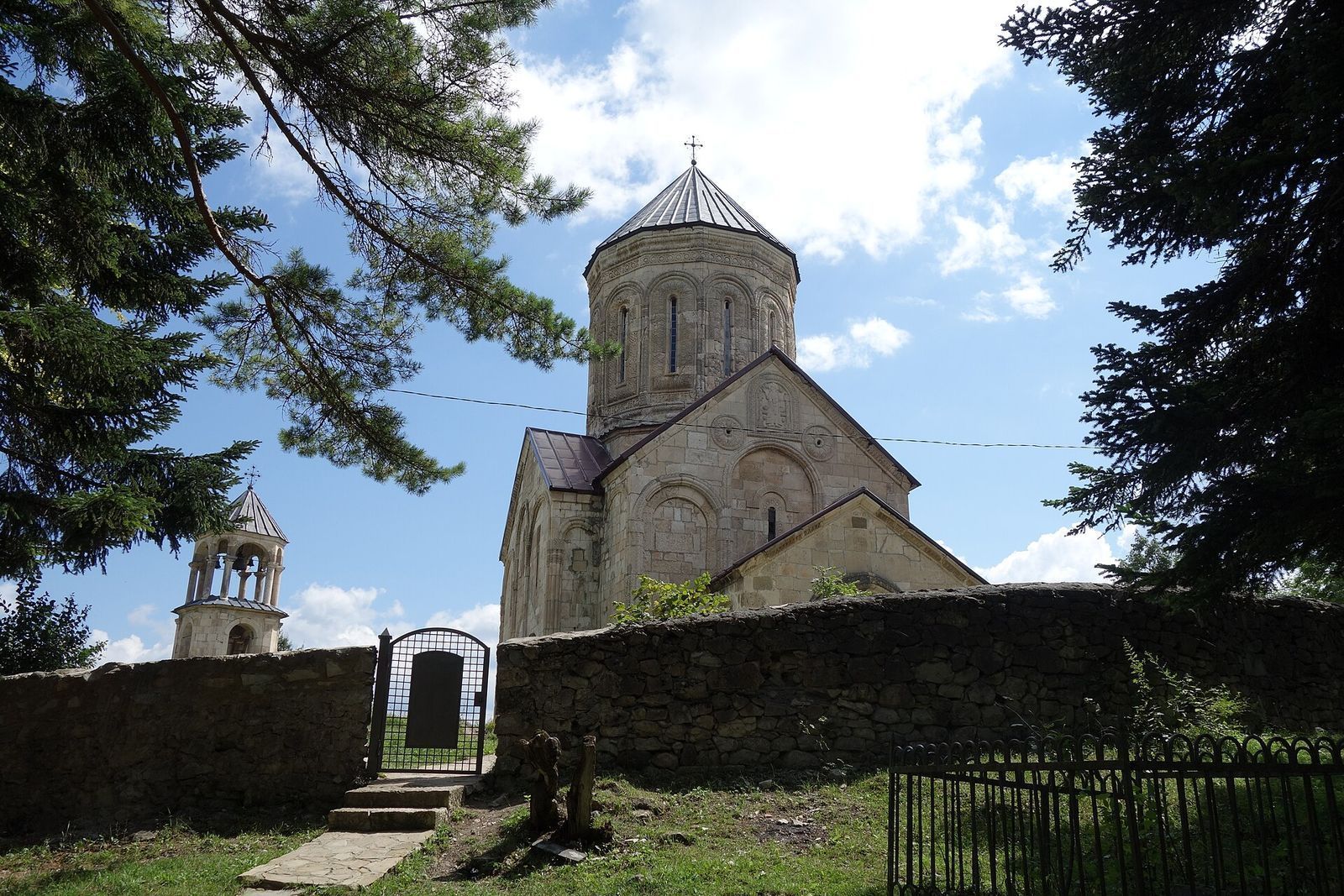
- Racha. Nikortsminda Cathedral, in the hills of Racha, is a beautiful and much quieter place for the service, if you have a car.
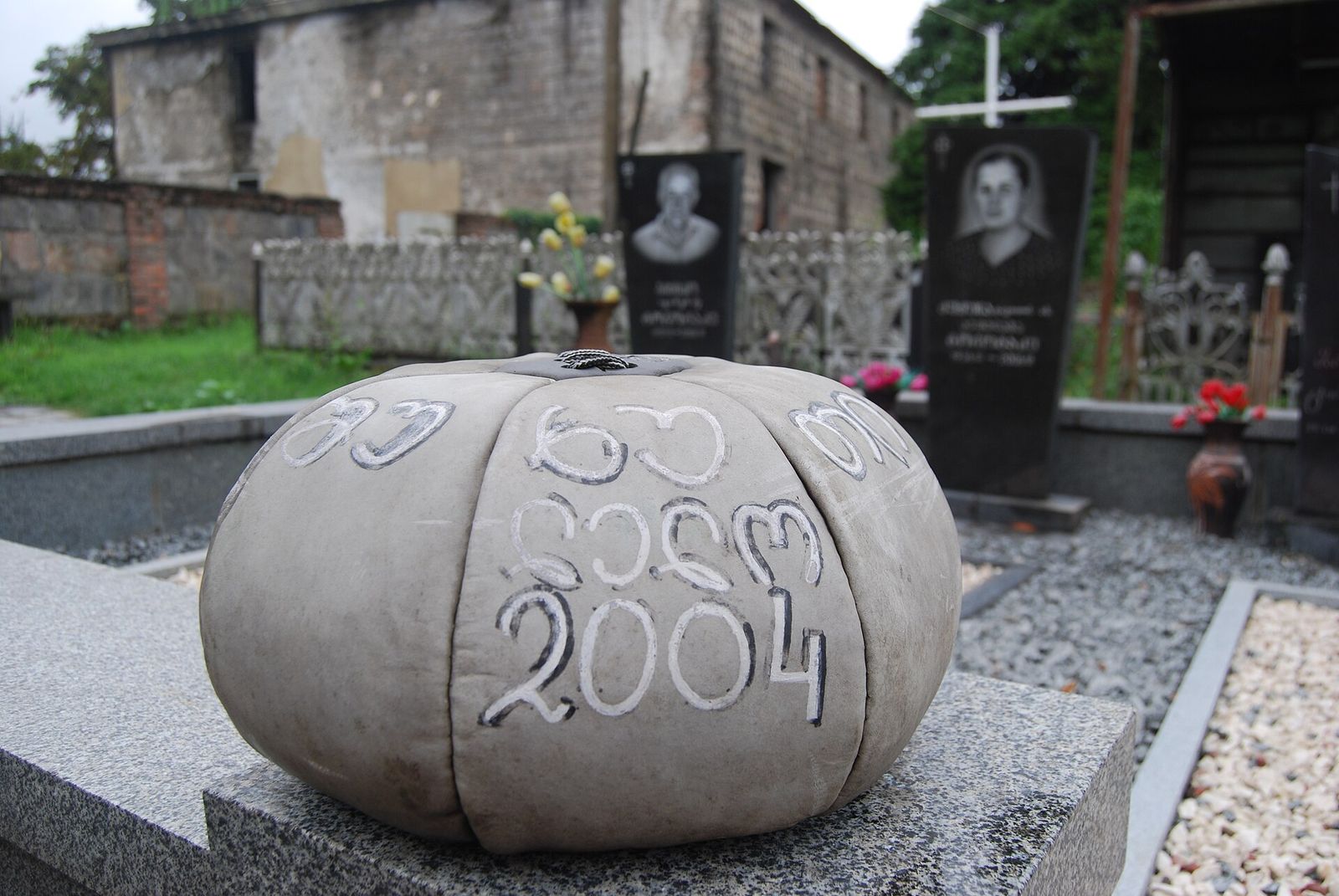
- Shukhuti, Guria. On Easter Sunday afternoon this village in western Georgia plays lelo burti, a ball game around 300 years old that looks like rugby with no rules. It's rough, loud and the strangest Easter tradition in the country.
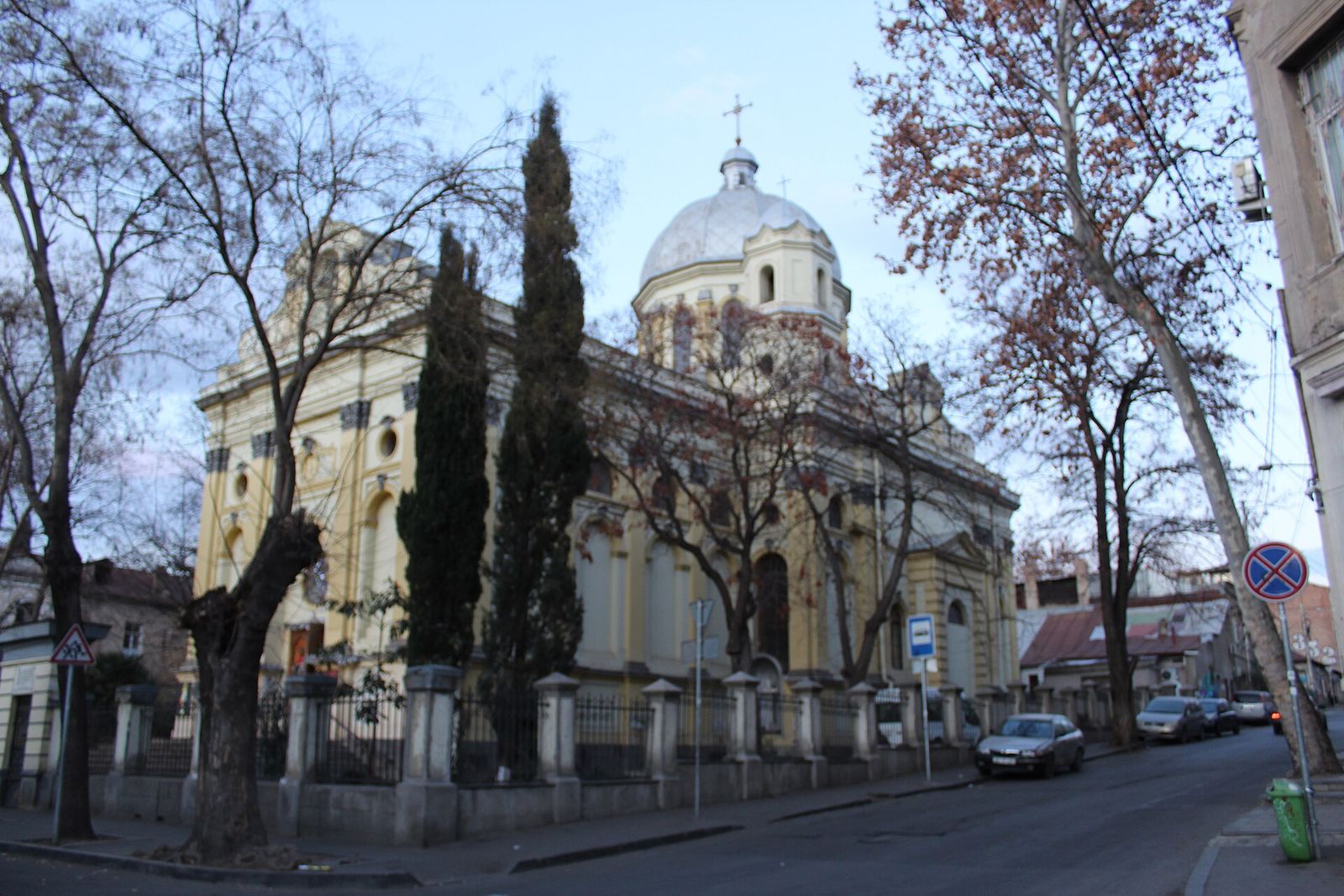
Western Easter is celebrated in Georgia too. If you'd rather mark your own date, Tbilisi's Catholic church of Sts Peter and Paul in Chughureti, a short walk from Fabrika, holds the Catholic Easter services.
Is Easter a good time to visit Tbilisi?
Yes, if you plan for it. Easter falls in spring, which is one of the best times to visit Tbilisi: April highs run 10 to 18 C, May highs 14 to 23 C, and the city is in blossom. You get the night service, the red eggs, the markets and paska in every bakery, and a side of Georgian life most visitors never see.
The trade-offs are practical. Rooms and trains fill early because Georgians travel home for the weekend, banks and offices close for four days, and Monday is quiet in the city. Book your room and any train tickets a few weeks ahead, plan day trips for the days before Good Friday, and keep Saturday night free.
What Easter isn't is a street party. It's a church and family holiday, so the city is quieter and more inward than at Tbilisoba or New Year. If you want celebration in the streets, come for the autumn festivals; if you want to see Georgians at their most devout and their most hospitable, come at Easter.
Key takeaways
- Orthodox Easter in Georgia is on 2 May 2027, with public holidays from Good Friday 30 April to Easter Monday 3 May.
- Go to the night service on Holy Saturday: Sameba for the spectacle, Anchiskhati for the singing, about 23:00 to 2:00 or 3:00.
- Cover up for church, buy a candle at the door and expect to stand outside for hours.
- Try paska and chakapuli, and buy decorated eggs at the Easter market at Rose Revolution Square and Rike Park.
- Get cash and train tickets by Thursday; banks close for four days and trains sell out.
Frequently asked questions
When is Orthodox Easter in Georgia in 2027?
Orthodox Easter in Georgia falls on Sunday 2 May 2027. Good Friday is 30 April, Holy Saturday is 1 May and Easter Monday is 3 May, and all four days are public holidays.
How do Georgians celebrate Easter?
Georgians celebrate Easter over a whole week. They bless boxwood on Palm Sunday, dye eggs red on Good Friday, go to the night service on Holy Saturday, crack eggs and feast with family on Sunday, and visit the graves of relatives on Easter Monday.
Why do Georgians dye eggs red for Easter?
The red stands for the blood of Christ, and the deeper the red, the better. Families dye the eggs on Good Friday, called Red Friday, using madder root or onion skins, and keep them plain with no patterns.
What do Georgians eat at Easter?
The Easter table centers on red eggs, paska and chakapuli. Paska is a tall raisin cake with icing, and chakapuli is lamb stewed with tarragon, white wine and sour green plums. Boiled ham, pkhali, salads and plenty of wine fill out the meal.
Is Easter a public holiday in Georgia?
Yes. Good Friday, Holy Saturday, Easter Sunday and Easter Monday are all public holidays, and Easter is the only holiday in Georgia that changes date each year. Banks, government offices and national museums close, while restaurants and supermarkets stay open.
Why do Georgians go to the cemetery after Easter?
Families visit the graves of relatives on Easter Monday to share the Easter meal with them. They light candles, roll a red egg over the grave, pour wine on it and eat together. The custom grew in the Soviet years, when churches were closed and people gathered at cemeteries instead.
Can tourists attend the Easter service in Georgia?
Yes. Anyone can attend the night service on Holy Saturday, and it's fine to come for the midnight procession and leave early. Dress modestly, with a headscarf and a long skirt for women and long trousers for men, and buy a candle at the church shop.
Georgian Culture and Traditions: A Visitor's Guide to Customs, Feasts, Faith and Song
Georgian culture is known for feasts, wine and song. Here's what visitors should know about its customs and traditions.
Read the guide
Basic Georgian Phrases for Travelers, with Pronunciation
Georgian has its own alphabet and a hello that means victory. Here are the phrases to learn and how to say them.
Read the guide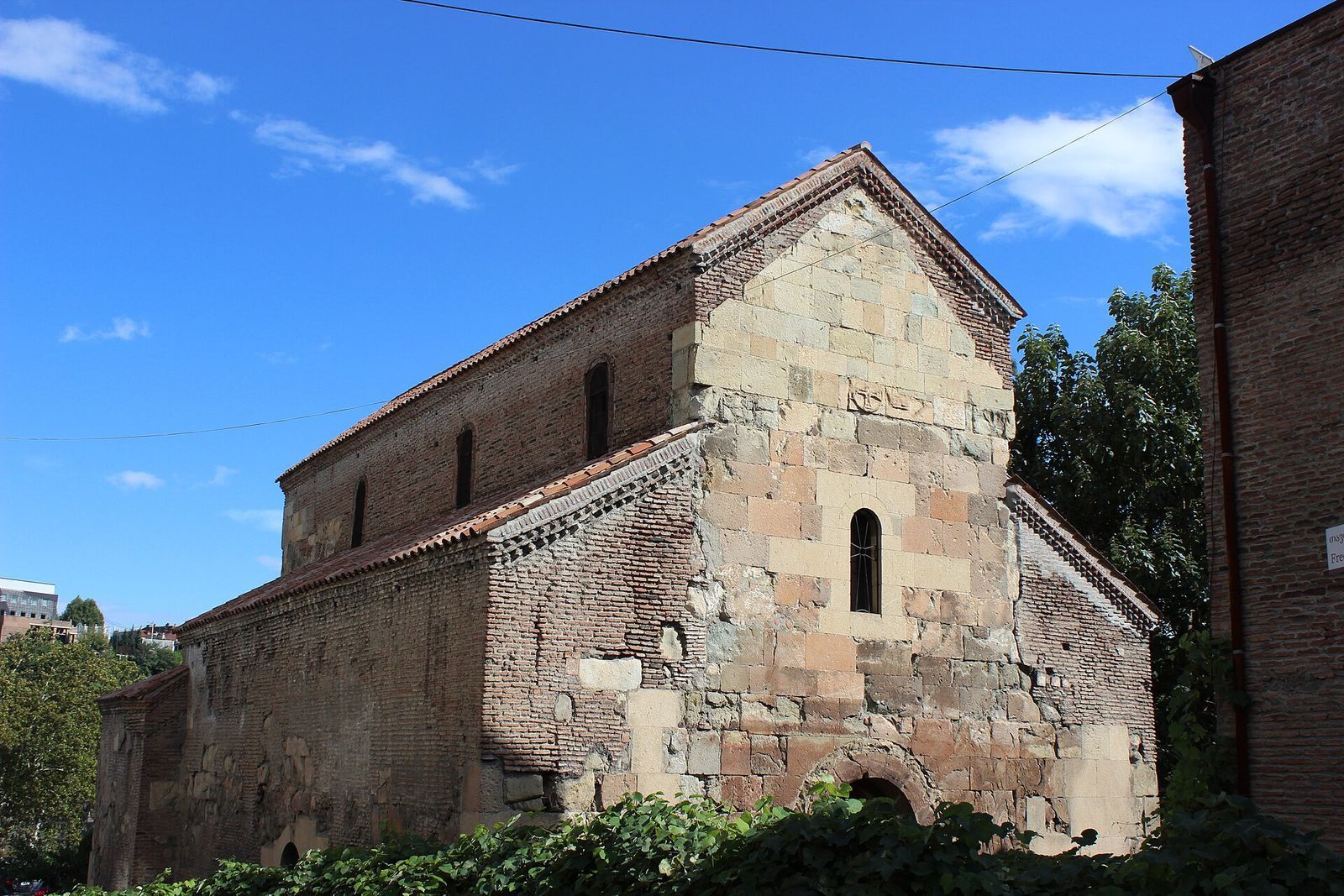
A Short History of Georgia and Tbilisi, From the Falcon Legend to Today
Tbilisi has been burned and rebuilt for 1,500 years. Here is Georgia's story in short, and where to see it today.
Read the guide