12 Best Places to Visit in Georgia in 2026, From Kazbegi to Batumi
Georgia is known for its mountains, its wine and its cave towns, and most of it sits within a day of Tbilisi. Here are the 12 places I'd send a friend once they've seen the capital, from Kazbegi and Svaneti to Batumi on the Black Sea, with how long each one needs, how to get there, what it costs in lari and the months to go.
The 12 best places to visit in Georgia at a glance
My ranking for a first trip, with the time from Tbilisi and how long I'd stay. Tbilisi is the base for most of it, so it isn't numbered.
| # | Place | Best for | From Tbilisi | How long | Best months |
|---|---|---|---|---|---|
| 1 | Kazbegi (Stepantsminda) | Gergeti church under Mount Kazbek | 2.5 to 3 hours | A long day or 1 night | May to October |
| 2 | Svaneti (Mestia and Ushguli) | Tower villages and hiking | 8 to 9 hours | 3 to 5 nights | Late June to mid-September |
| 3 | Sighnaghi and Kakheti | Wine, town walls, valley views | About 2 hours | A day or 1 night | May, June, September, October |
| 4 | Mtskheta | Jvari and Svetitskhoveli | 20 to 30 minutes | Half a day | All year |
| 5 | Kutaisi | Gelati, caves and canyons | About 3.5 hours | 2 nights | May, June, September, October |
| 6 | Vardzia | A 12th-century cave town | About 4 hours | A long day or 1 night | April to October |
| 7 | Tusheti | Remote villages and hiking | 7 to 8 hours | 3 nights or more | Mid-June to early October |
| 8 | Batumi | Seafront, beaches, Botanical Garden | About 5 hours by train | 2 to 3 nights | June, early September |
| 9 | Gori and Uplistsikhe | A rock-cut town and the Stalin Museum | 1 to 1.5 hours | A day | Spring and autumn |
| 10 | David Gareja | Cave monastery in the semi-desert | About 2 hours | A day | Spring and autumn |
| 11 | Borjomi | Mineral springs and forest pools | 2.5 to 3 hours | A day or 1 night | Spring to autumn |
| 12 | Gudauri | Skiing and paragliding | 2 to 2.5 hours | A day or a ski week | Late December to mid-April |
Start in Tbilisi
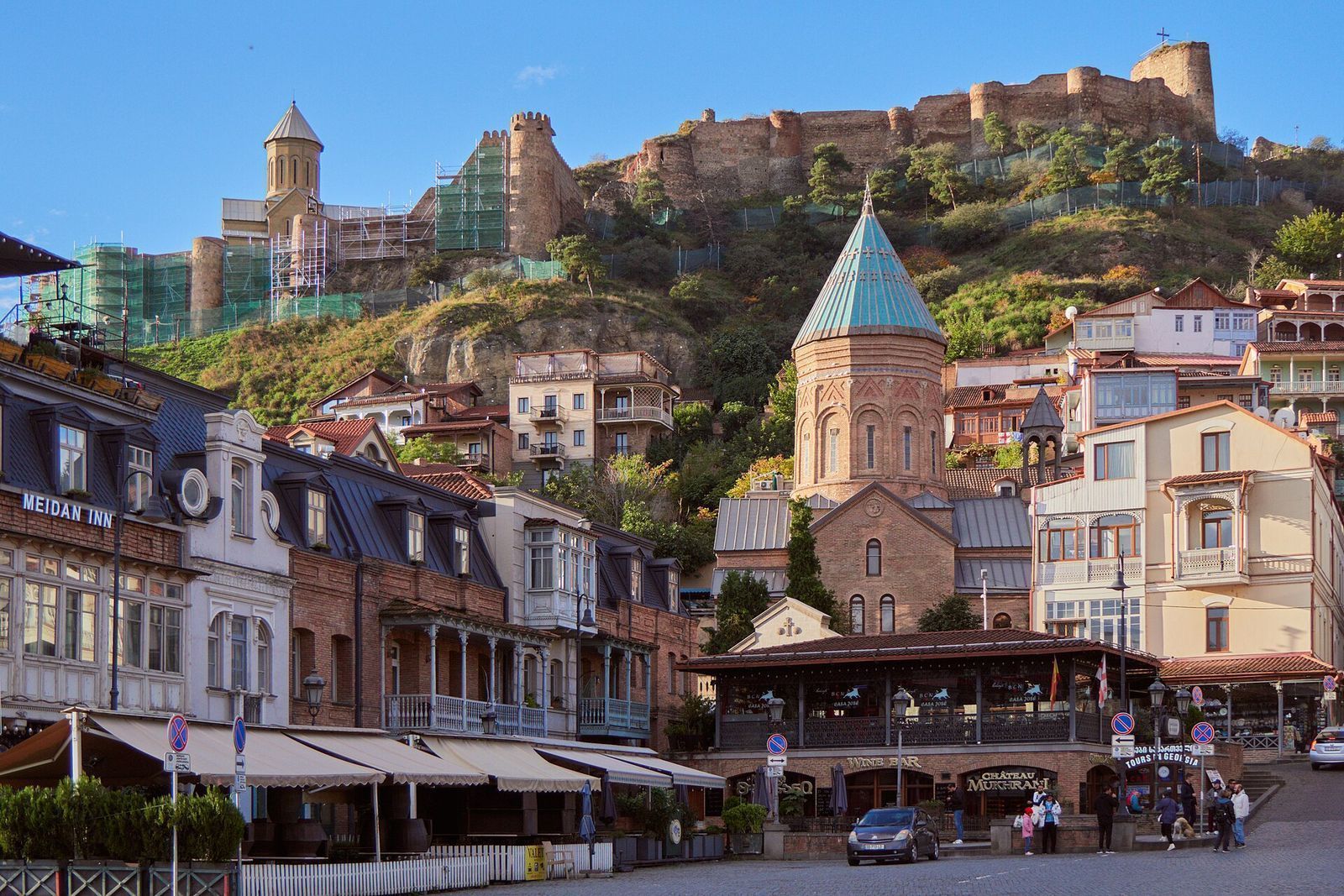
Every trip to Georgia starts in the capital, and I'd give it 3 full days. Its best sights sit close together: the Old Town, the 2.50 GEL cable car to the Narikala ridge, and a private sulfur bath at 120 to 300 GEL an hour for the room.
It's also the best base for the east, so I only start moving bags once I head west, where the legs run 3.5 to 9 hours.
Kazbegi and the Georgian Military Highway
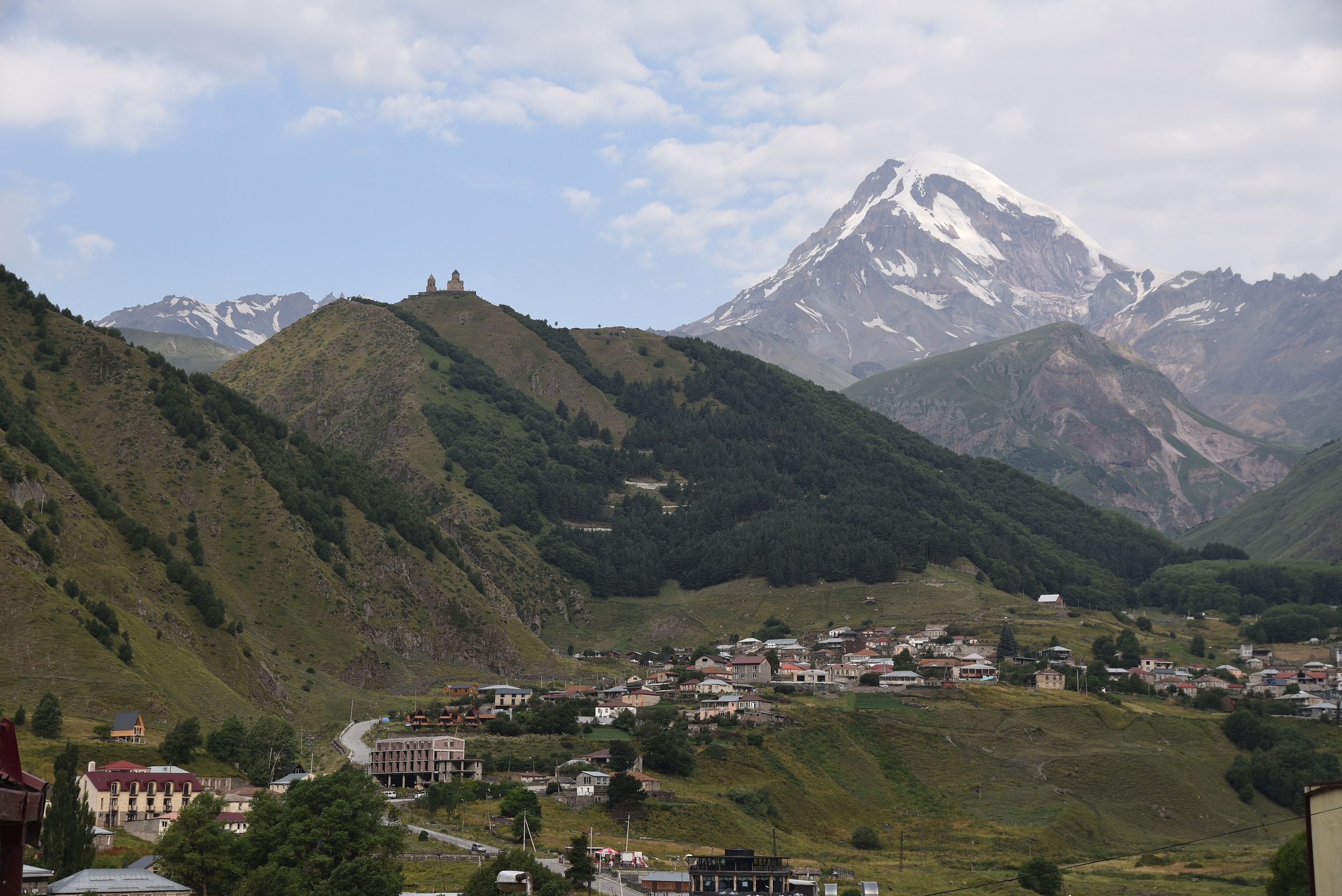
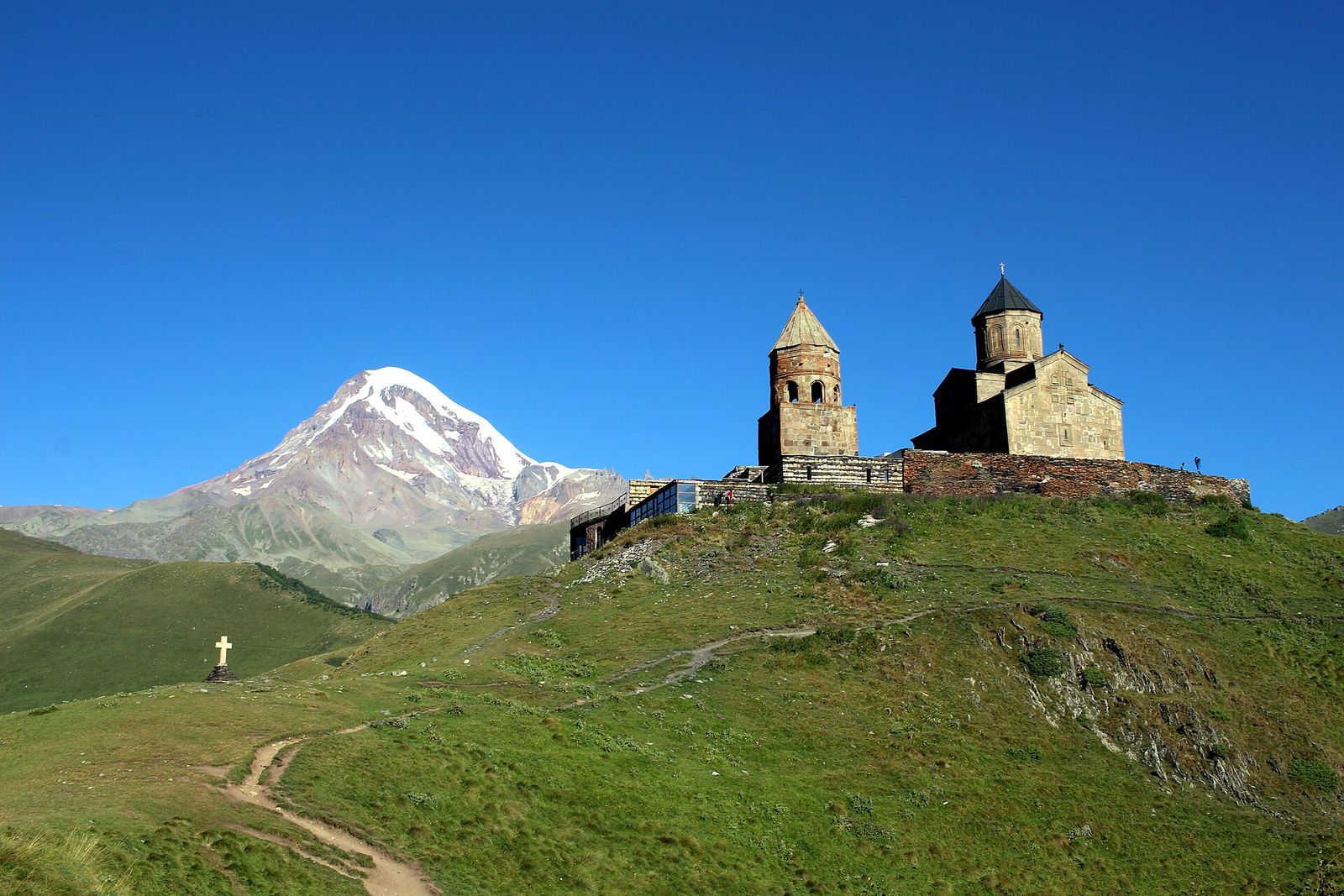
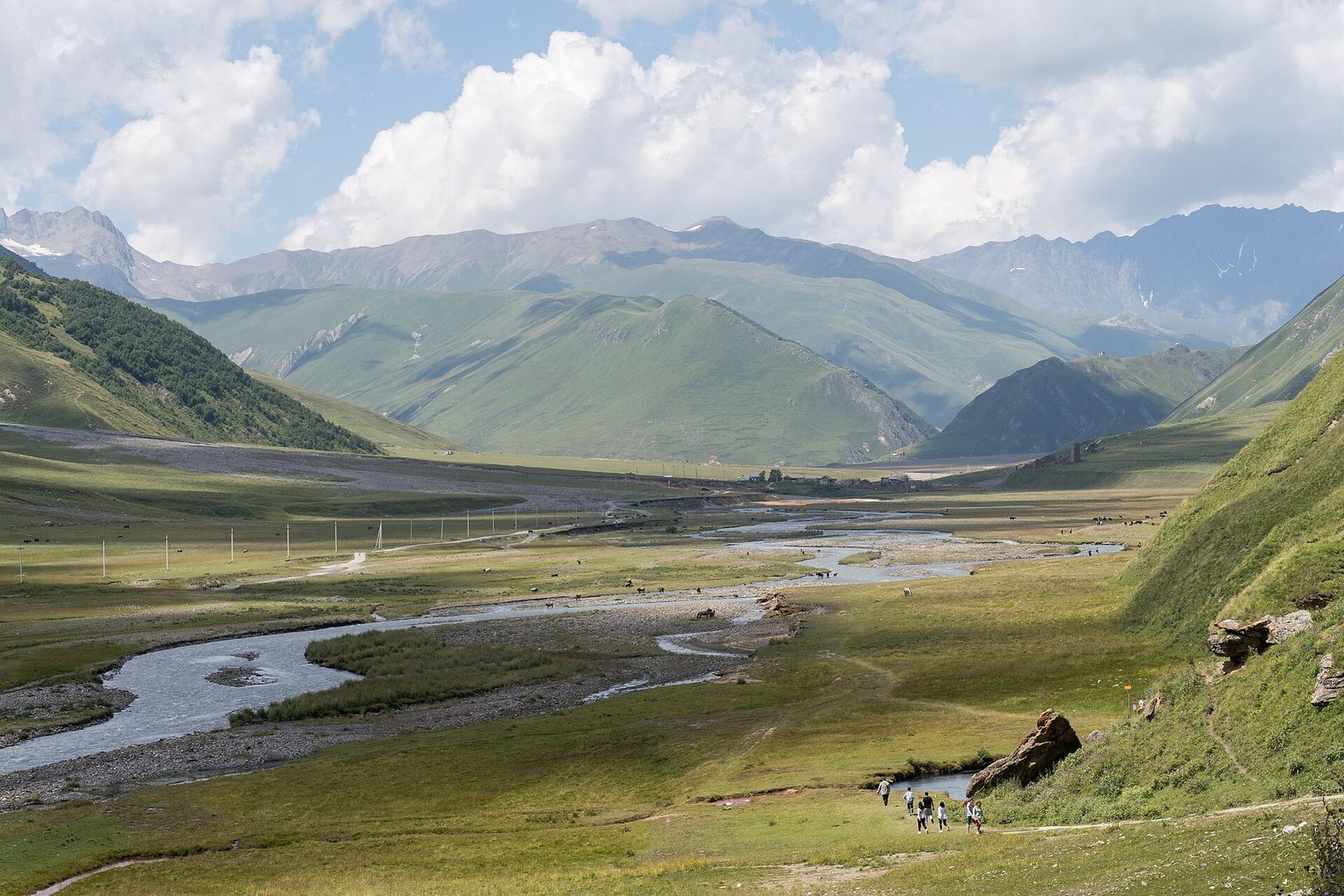
My favorite place in Georgia is Stepantsminda, the mountain town everyone calls Kazbegi, 157 km north of Tbilisi up the Georgian Military Highway. The picture you've seen of Georgia is probably this one: Gergeti Trinity Church on a green ridge with the snow cone of Mount Kazbek behind it.
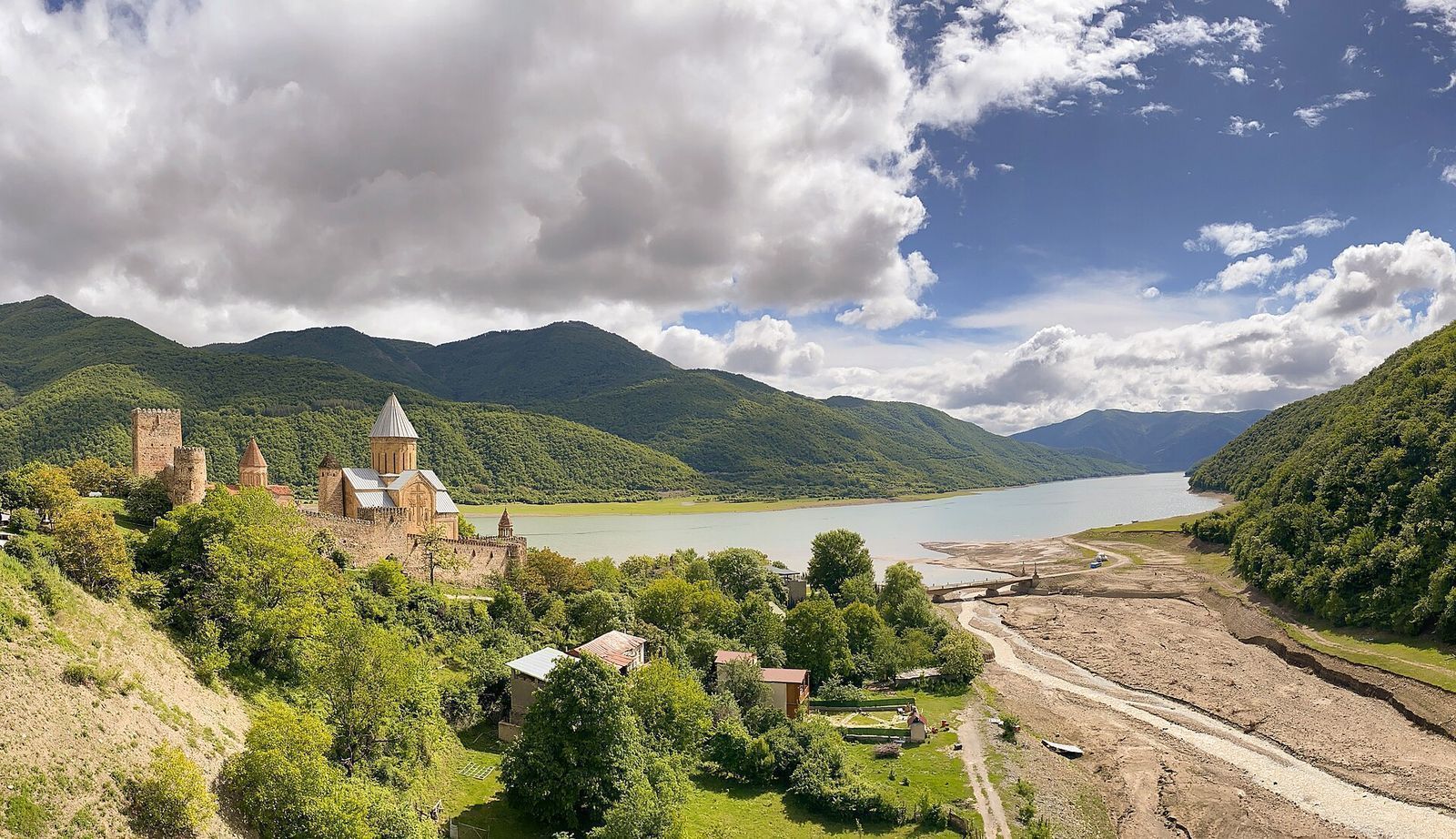
A day trip to Kazbegi runs 10 to 12 hours, and the road is half the reason to go: Ananuri fortress above its reservoir, the Gudauri viewpoint and the Jvari Pass. The 15 to 20 GEL van from Didube drives straight past all of them, so I'd pay for a driver at about 150 to 250 GEL a car.
Up in town, a 4x4 to the church costs about 30 to 50 GEL per car return, or the walk up to Gergeti Trinity Church takes about 1.5 hours. Stay a night for sunrise on Kazbek and Truso Gorge; guesthouse rooms start around 40 to 80 GEL.
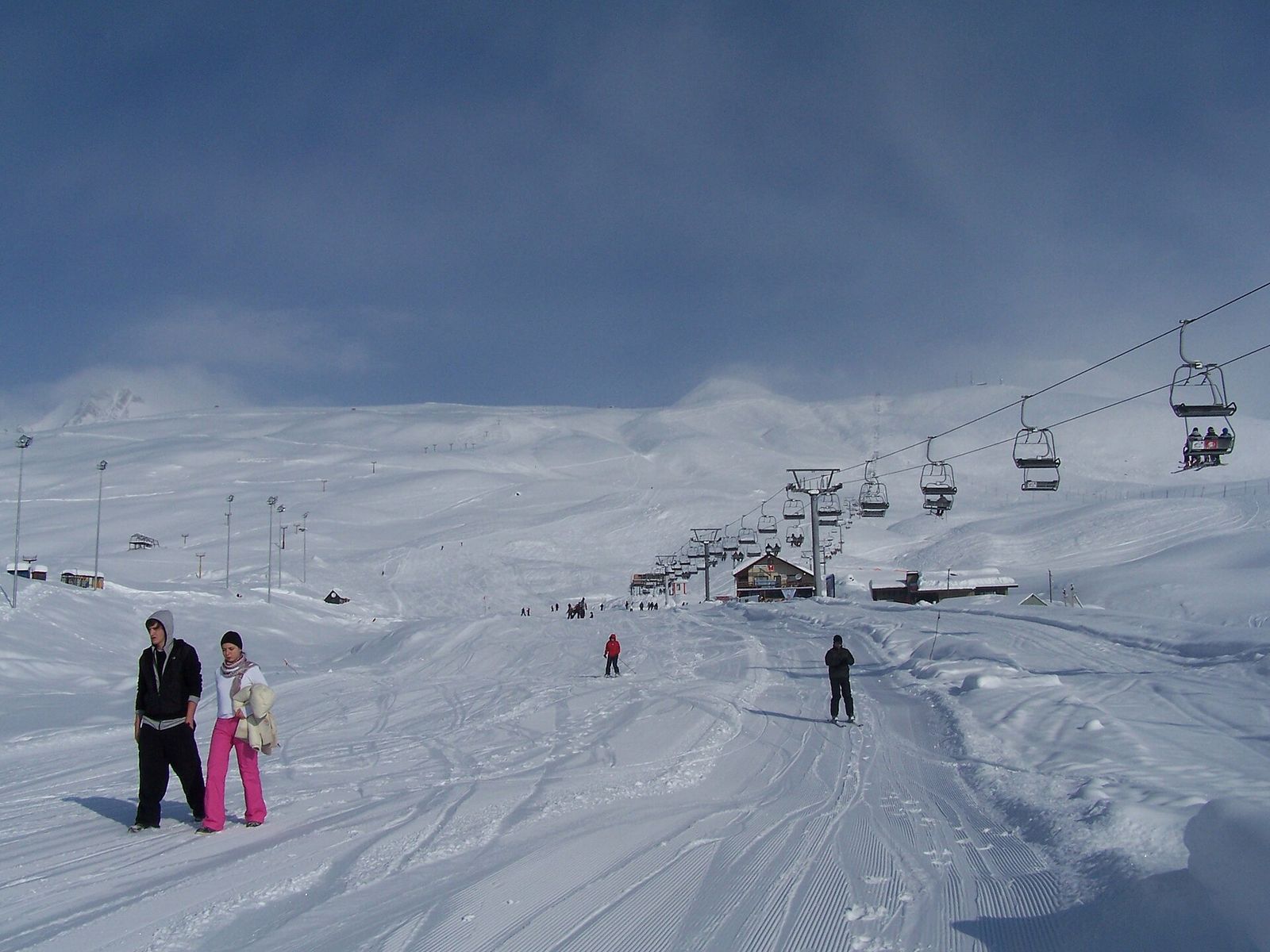
In winter the same road leads to the ski slopes of Gudauri, open from late December to mid-April, with a day pass at about 70 GEL.
Mtskheta, the old capital next door
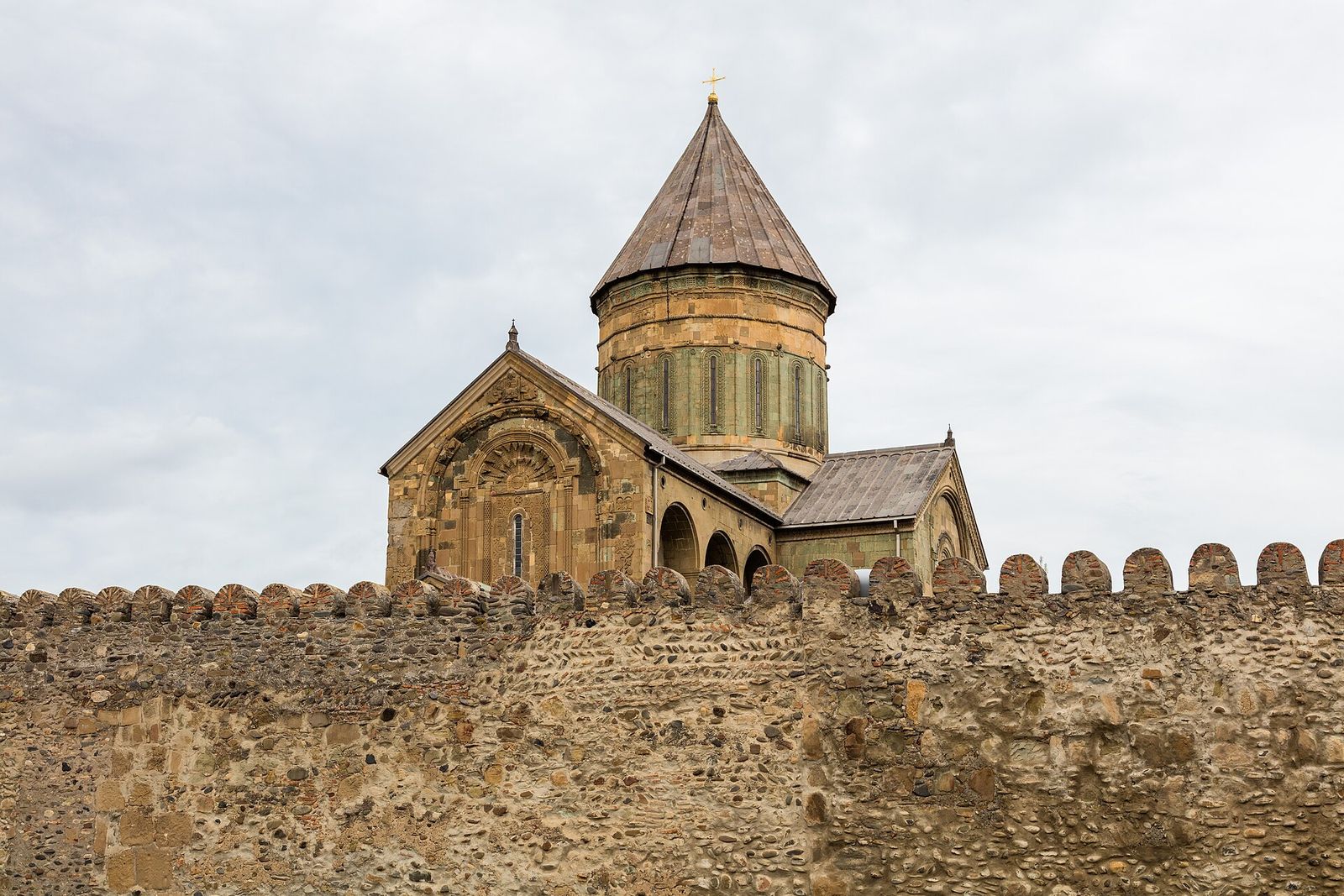
Mtskheta is the easiest half day in Georgia and the one I'd do first. It's 25 km from Tbilisi, a 2 GEL van ride from Didube metro, and its churches are UNESCO listed. Jvari Monastery went up on the hill above town in the late 6th century, and Svetitskhoveli Cathedral is still the most important church in the country.
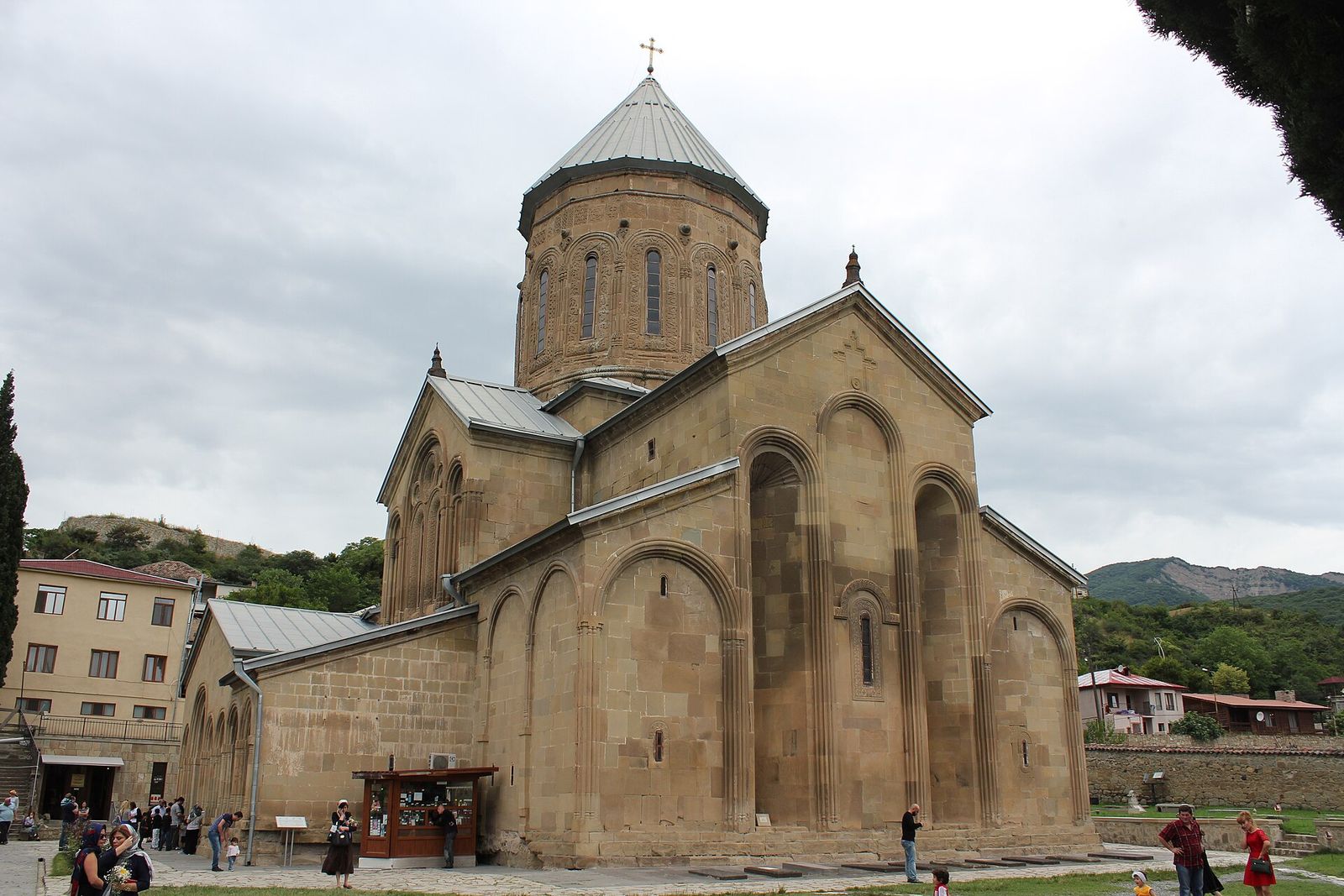
Samtavro Monastery is a 5-minute walk from the cathedral, and all three are free.
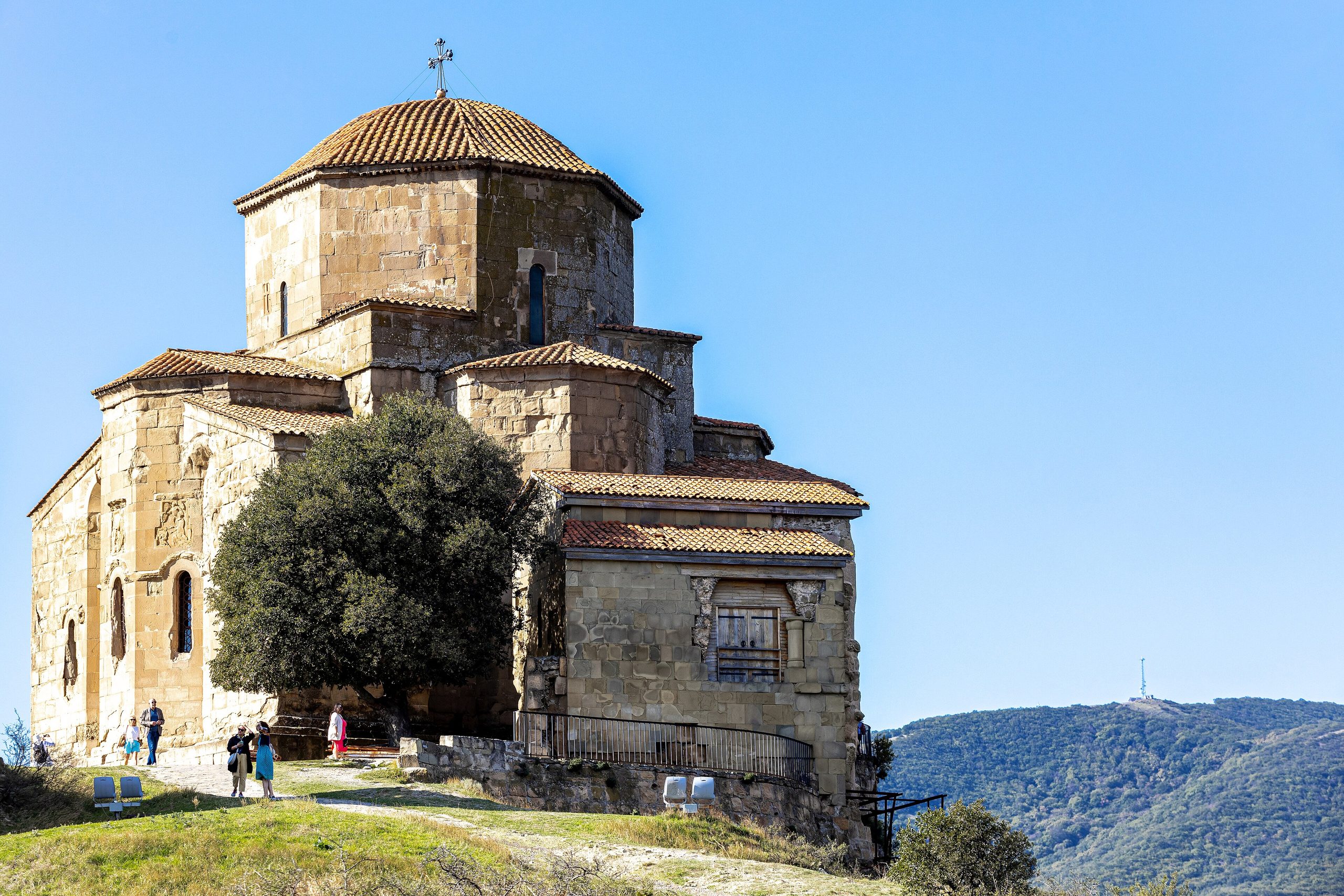
No bus goes up to Jvari, so for half a day in Mtskheta I take a taxi from town for about 15 GEL, see the hill first, then walk the town and I'm back in Tbilisi by about 14:00. It's the cheapest of the easy trips out of Tbilisi.
Sighnaghi, Telavi and the Kakheti wine country
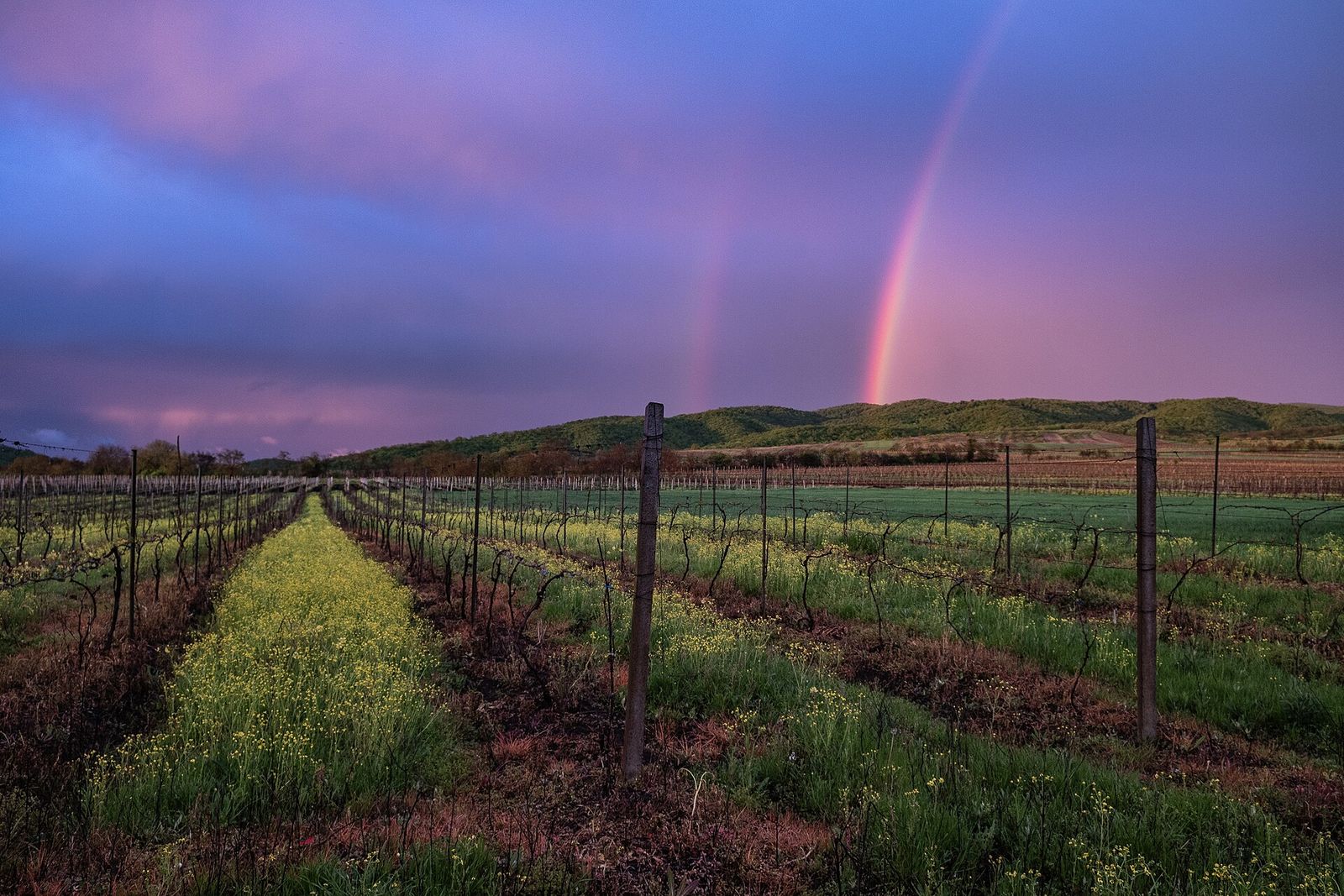
Georgia claims about 8,000 years of winemaking, and Kakheti, east of Tbilisi, is where I'd go to taste it.
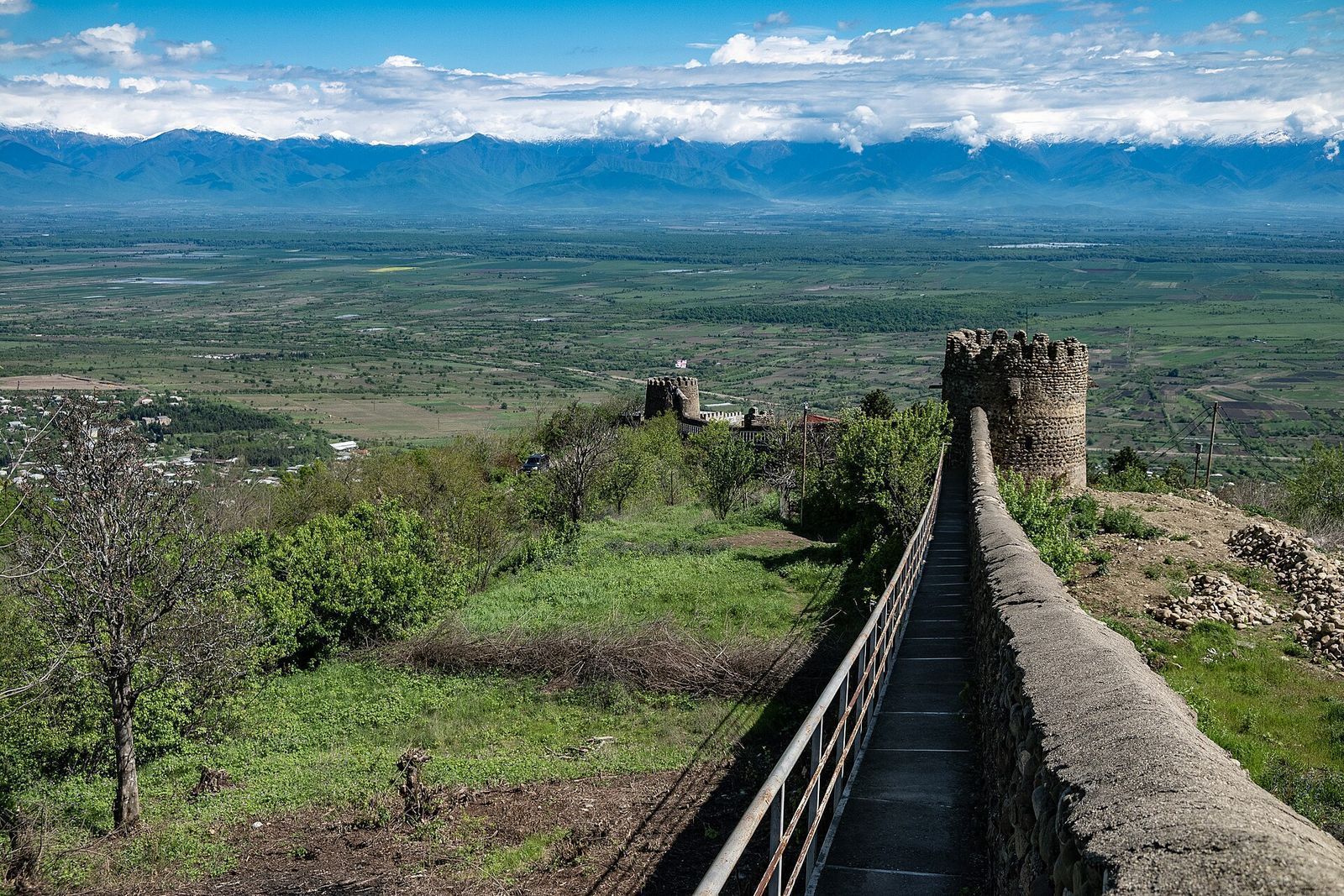
Sighnaghi is the pretty one: red roofs inside an 18th-century wall that runs about 4 km with more than 20 towers, looking across the Alazani Valley to the Caucasus. The van from Samgori takes about 2 hours for 10 to 15 GEL, and the last van back leaves around 18:00.
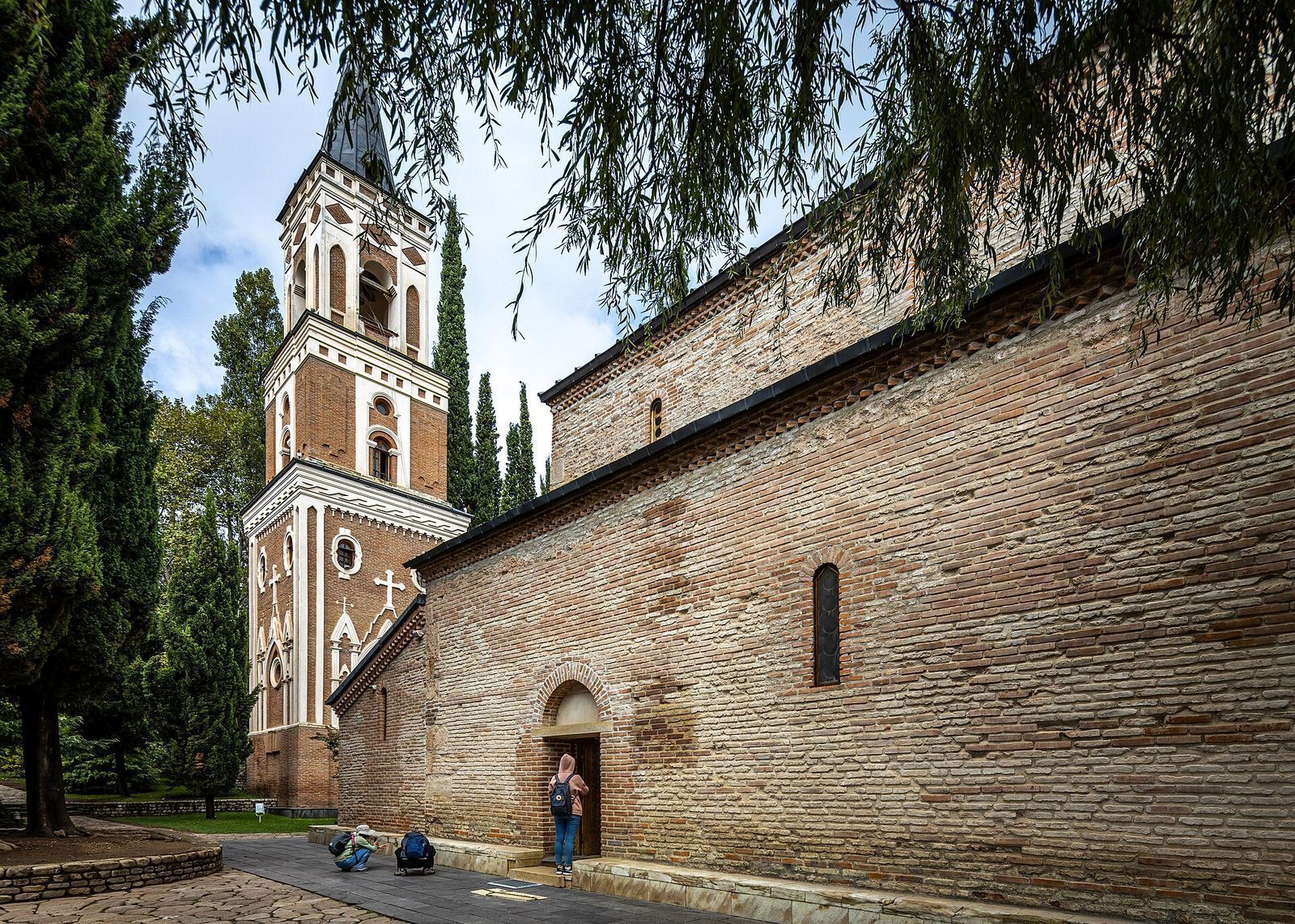
Bodbe Monastery, the convent where St Nino is buried, is 2 km out of town.
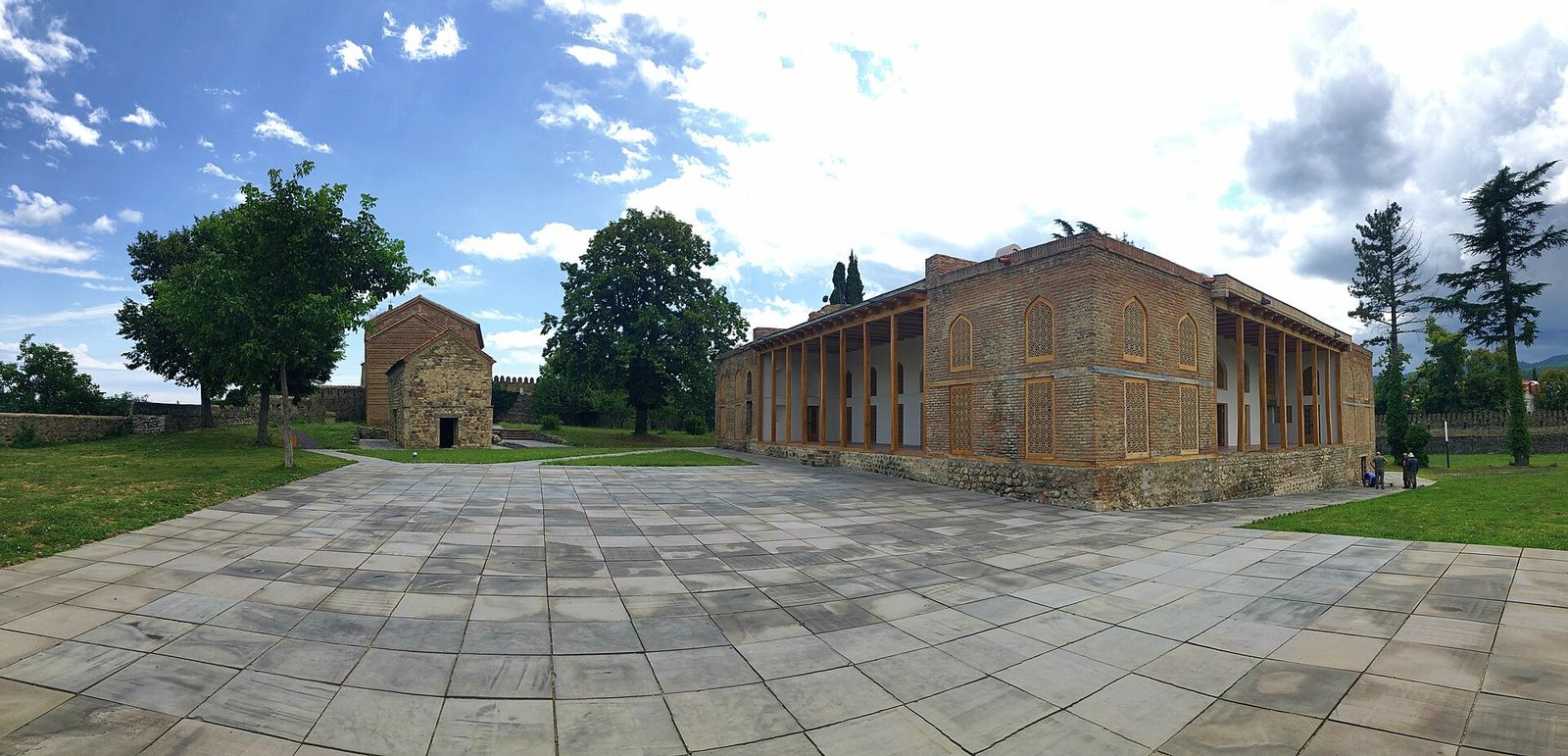
Telavi, about 95 km away over the Gombori Pass, is the route for estates and monasteries: Alaverdi, Gremi and Tsinandali, which need a driver at about 190 GEL a car.
The cellars sit outside both towns, which is why I'd book a guided wine tour on a first visit. Group tours start at about 100 GEL a person plus lunch, and Georgia's drink-drive limit is zero, so someone else should be driving anyway.
Cave towns: Uplistsikhe, David Gareja and Vardzia
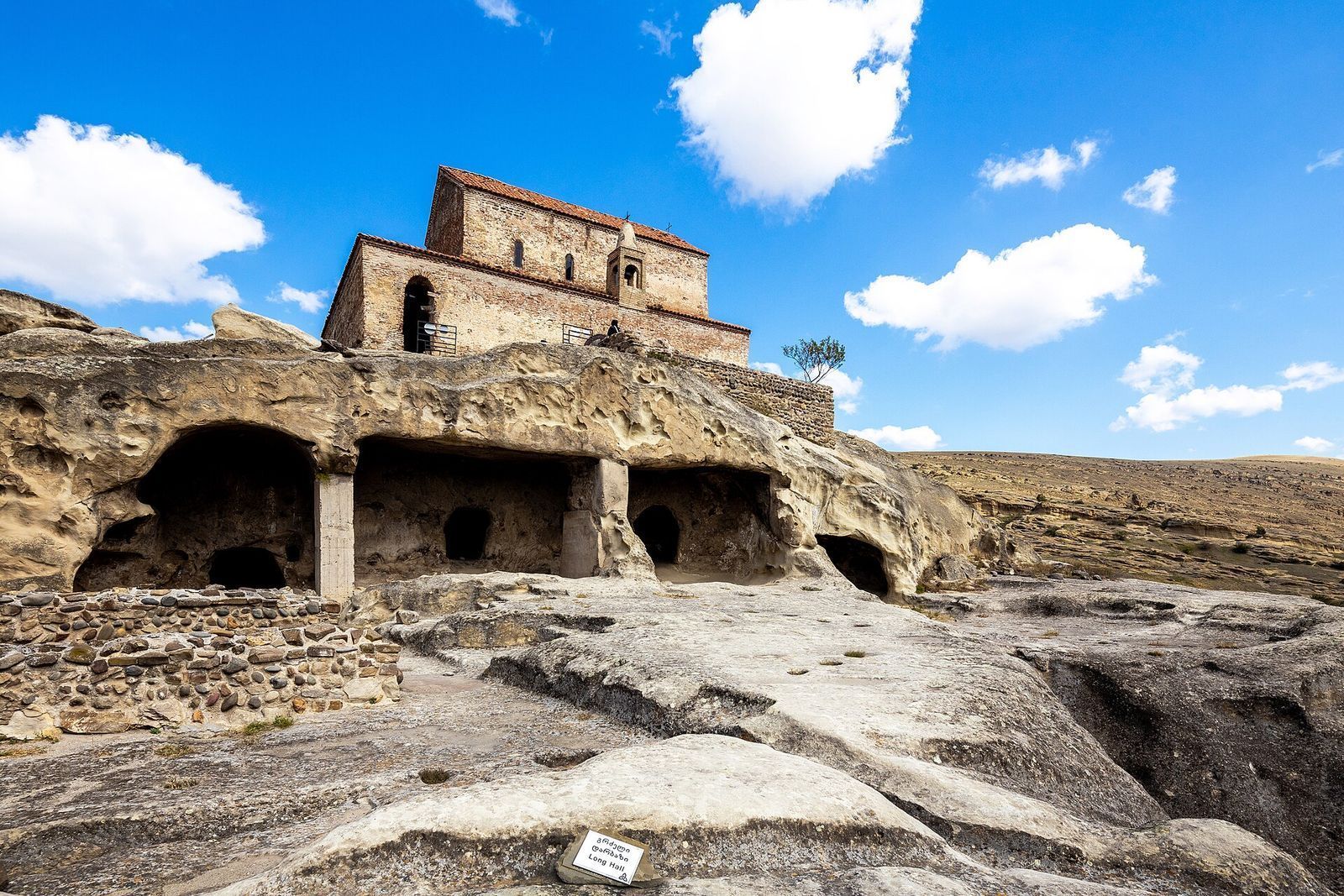
Gori and Uplistsikhe make an easy day: Gori is about 86 km west, 1 to 1.5 hours by van from Didube for 5 to 7 GEL, and the rock-cut town of Uplistsikhe is 15 km east of it. Entry is 15 GEL and there's almost no shade, so I'm at the gate when it opens at 10:00.
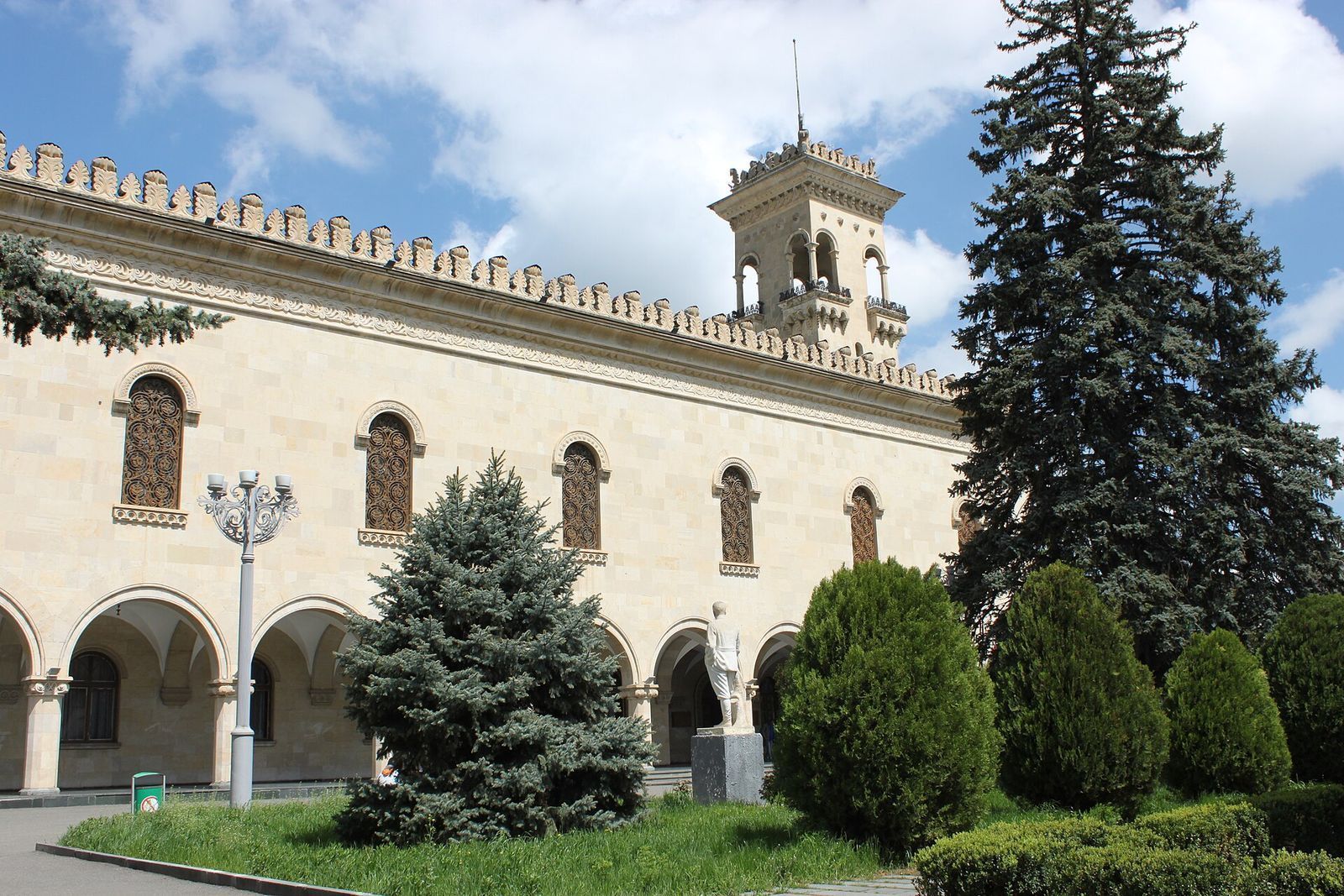
Then it's back into Gori, the town where Stalin was born, for the 15 GEL Stalin Museum.
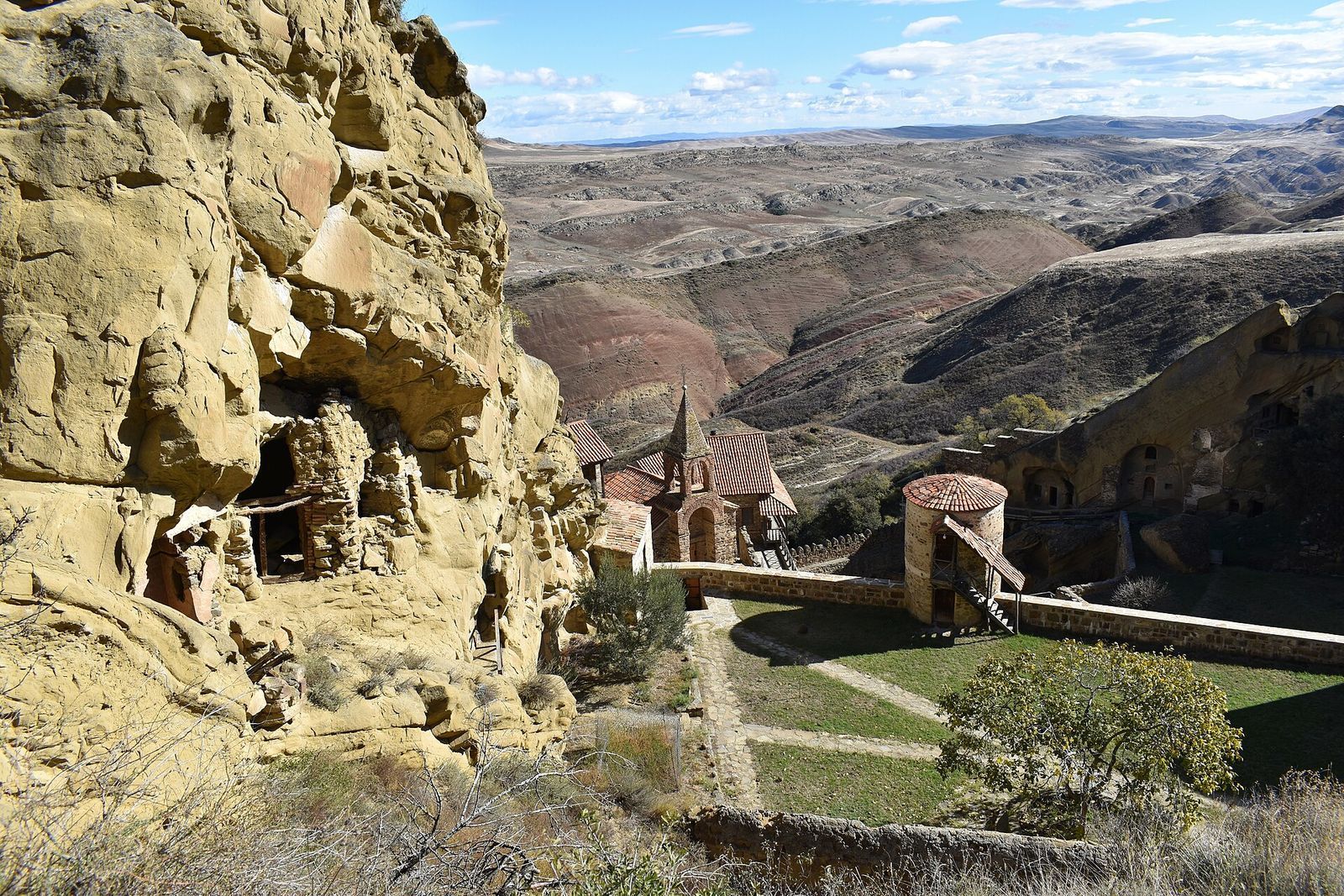
David Gareja is a cave monastery in the semi-desert about 2 hours southeast of Tbilisi, where monks have lived on and off since the 6th century. Entry is free, no marshrutka goes there, and the Gareji Line shuttle costs about 40 GEL return from April to October. With the Rainbow Hills and lunch in Udabno village it fills 7 to 8 hours.
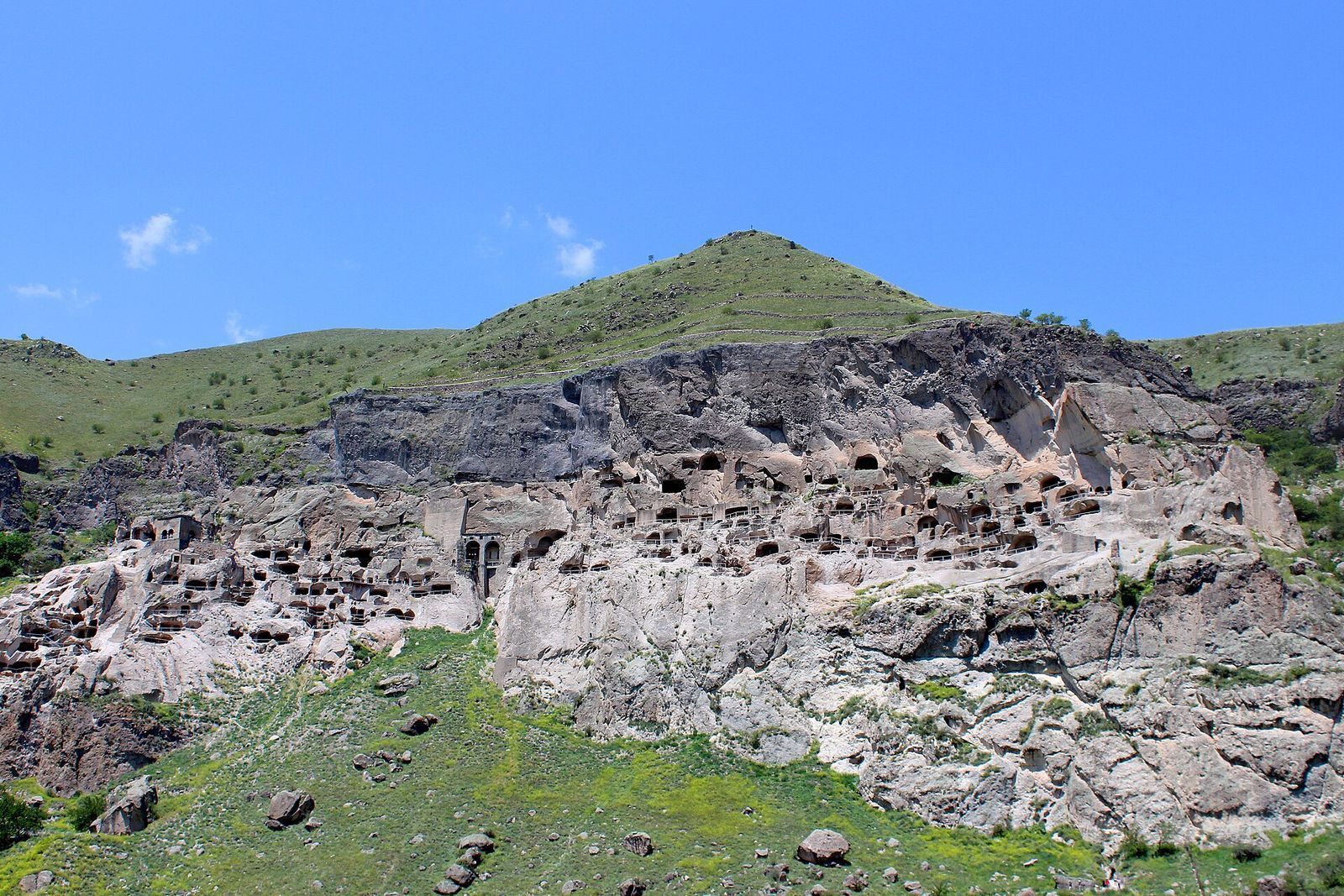
Vardzia is the big one: 13 levels of cells, tunnels, wine cellars and a frescoed church cut into a cliff above the Mtkvari river. King George III began it in 1156 and Queen Tamar finished it. Entry is 15 GEL, but it's about 250 km and 4 hours each way, so a day trip runs 13 to 14 hours.
Borjomi, the spa town in the forest
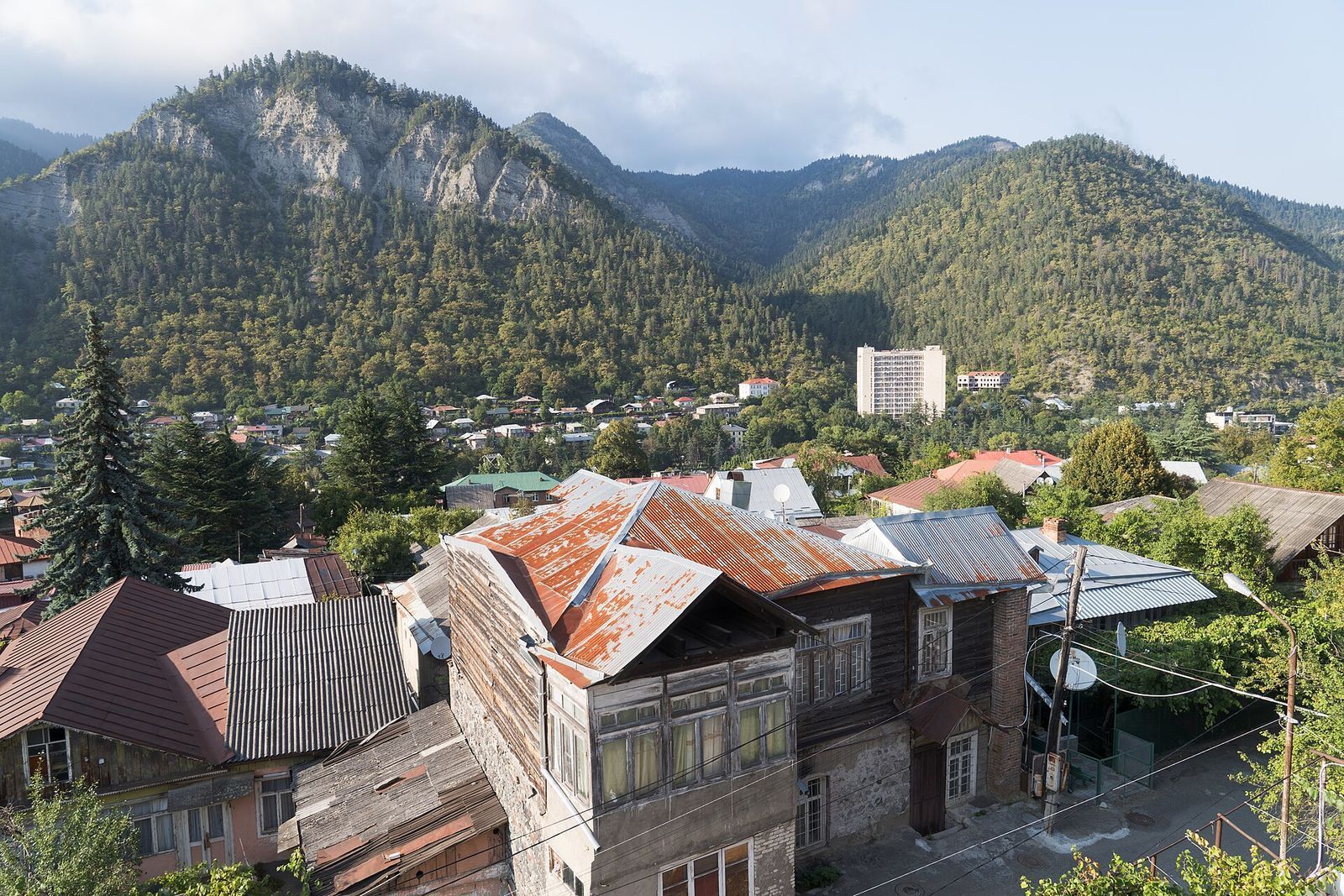
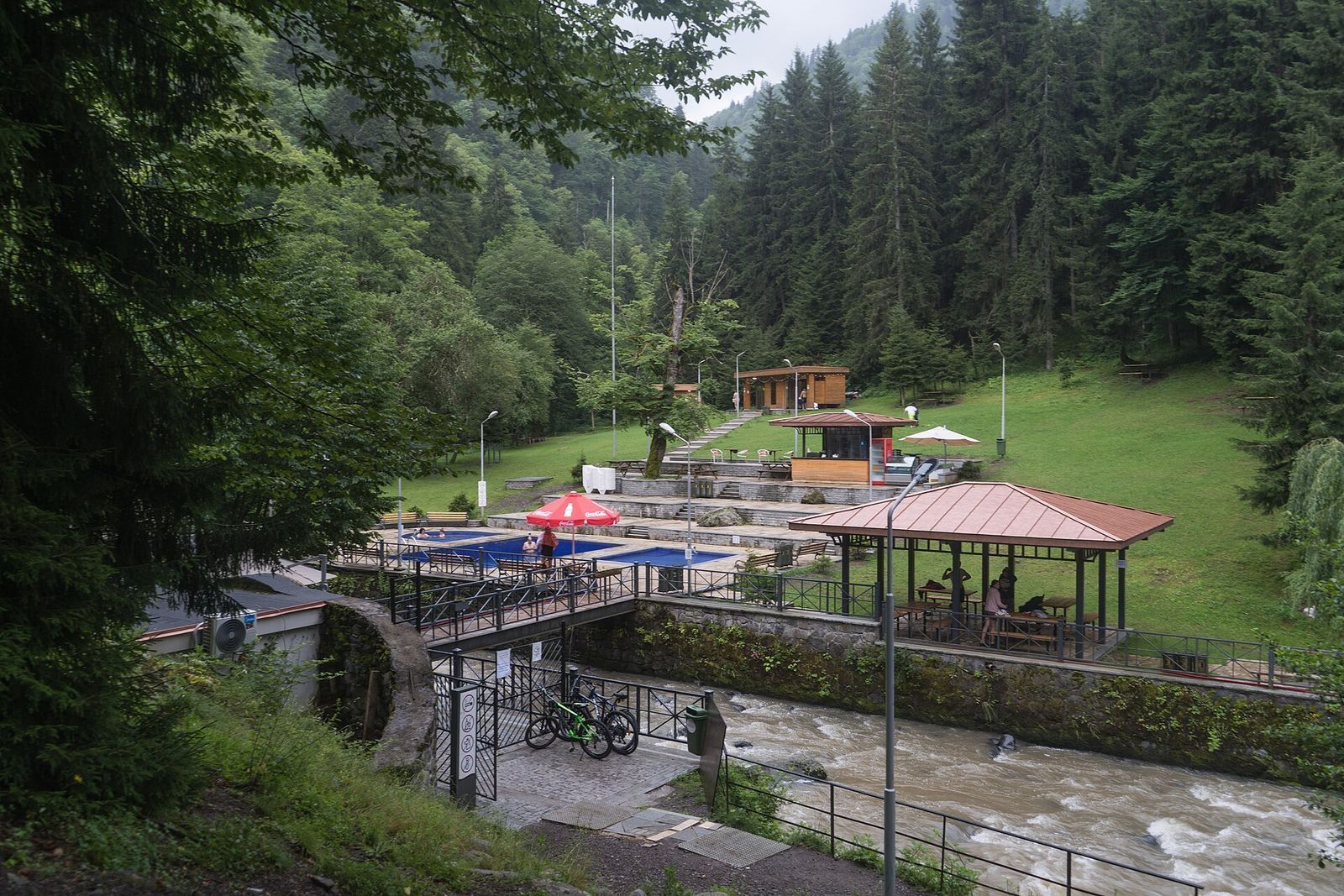
Borjomi is the slow day out: a faded spa town in a wooded gorge about 150 km west of Tbilisi, 2.5 to 3 hours by van from Didube for about 12 GEL. The springs in Central Park are free to drink from, and the open-air sulfur pools, a 30 to 40 minute forest walk past the park, sit at about 30°C for 5 to 10 GEL.
I'd use it as the night before Vardzia, 2 to 2.5 hours away by way of Akhaltsikhe.
Kutaisi, Gelati and the canyons of the west
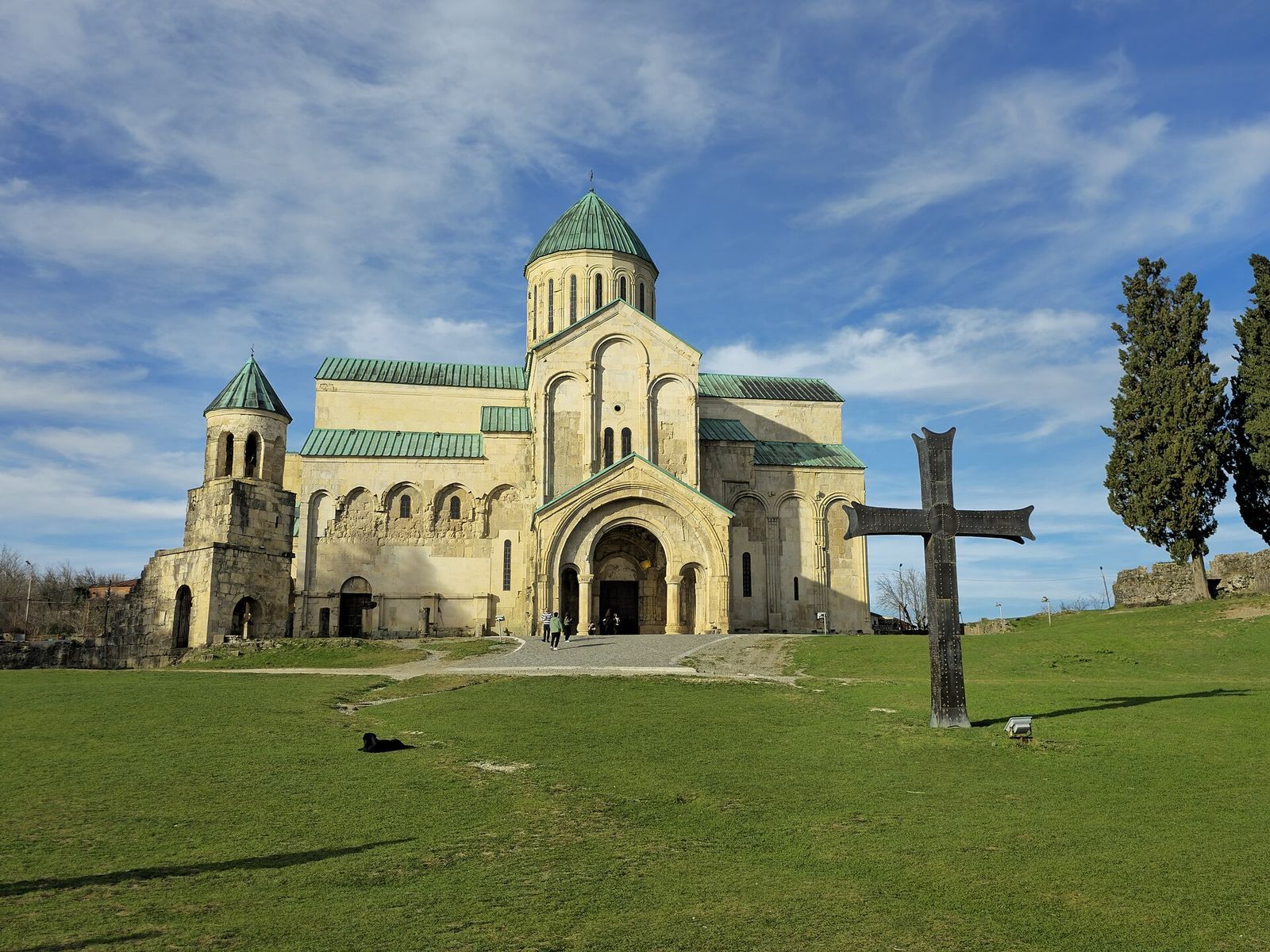
Georgia's second-largest city and a former capital, Kutaisi is the hub of the west, small and cheap, with Bagrati Cathedral on its hill and a 1961 cable car at 1 GEL a ride.
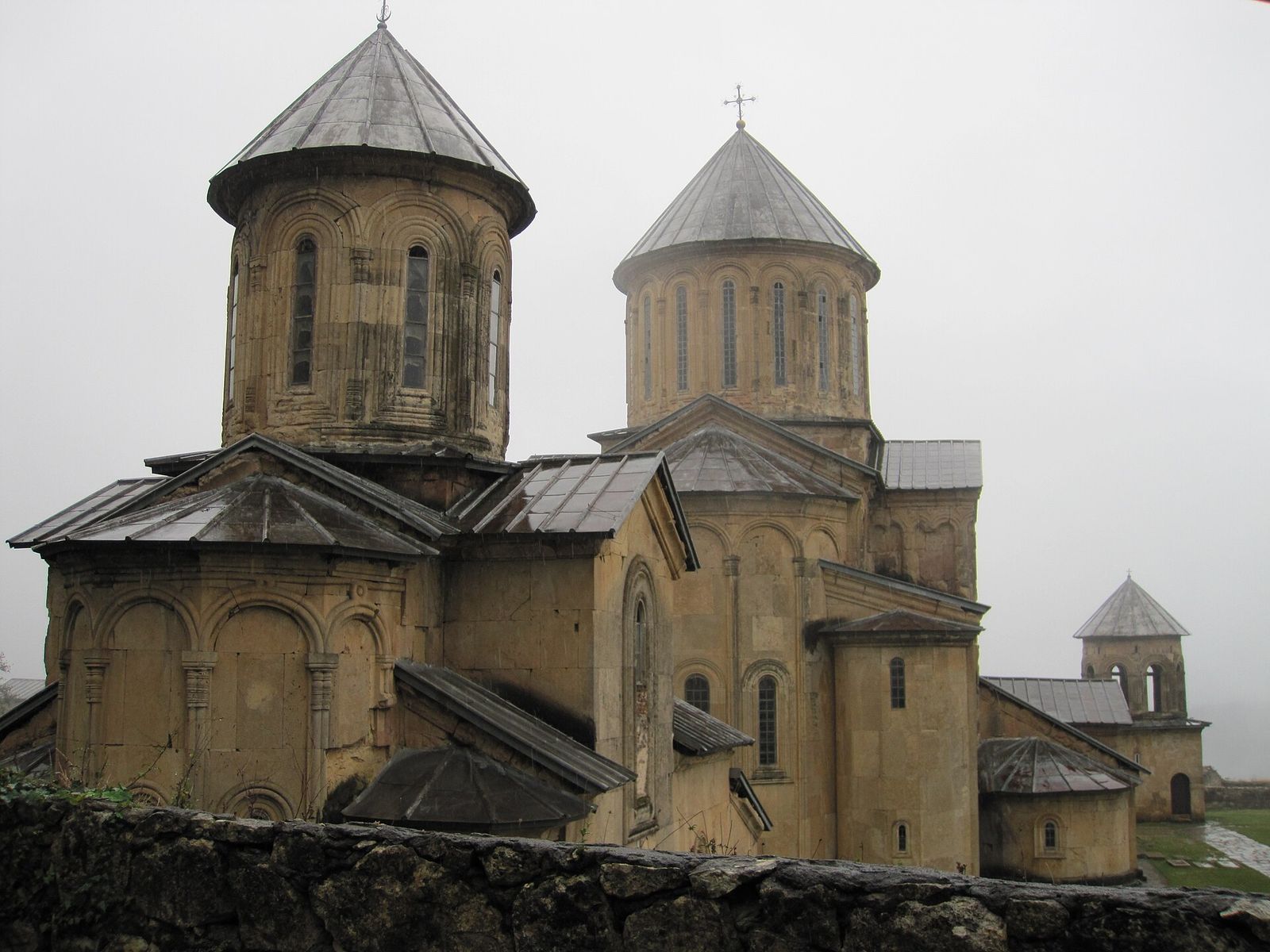
The reason I go is Gelati Monastery, which David the Builder began in 1106 and which is on the UNESCO list, a 1 GEL marshrutka ride from town.
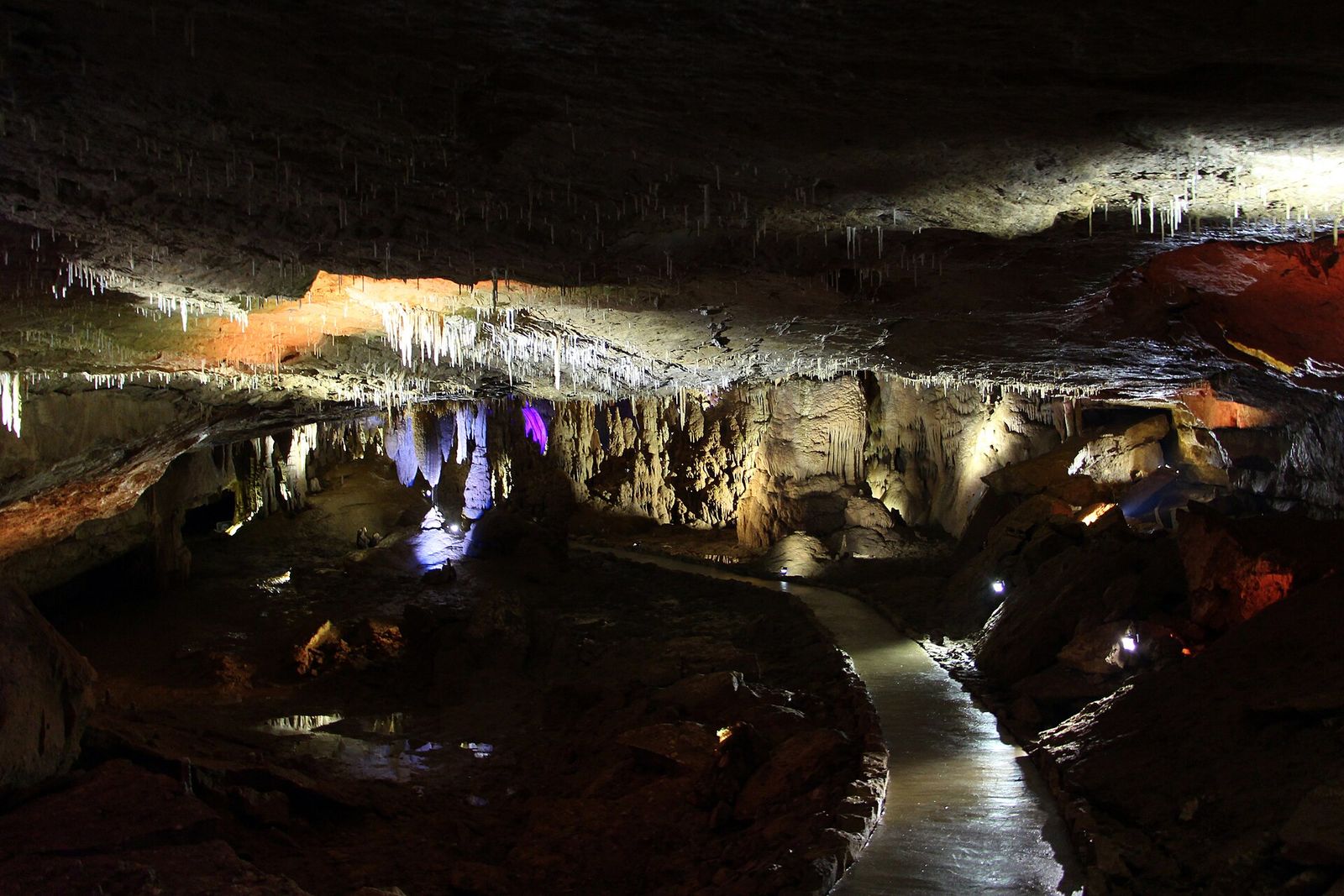
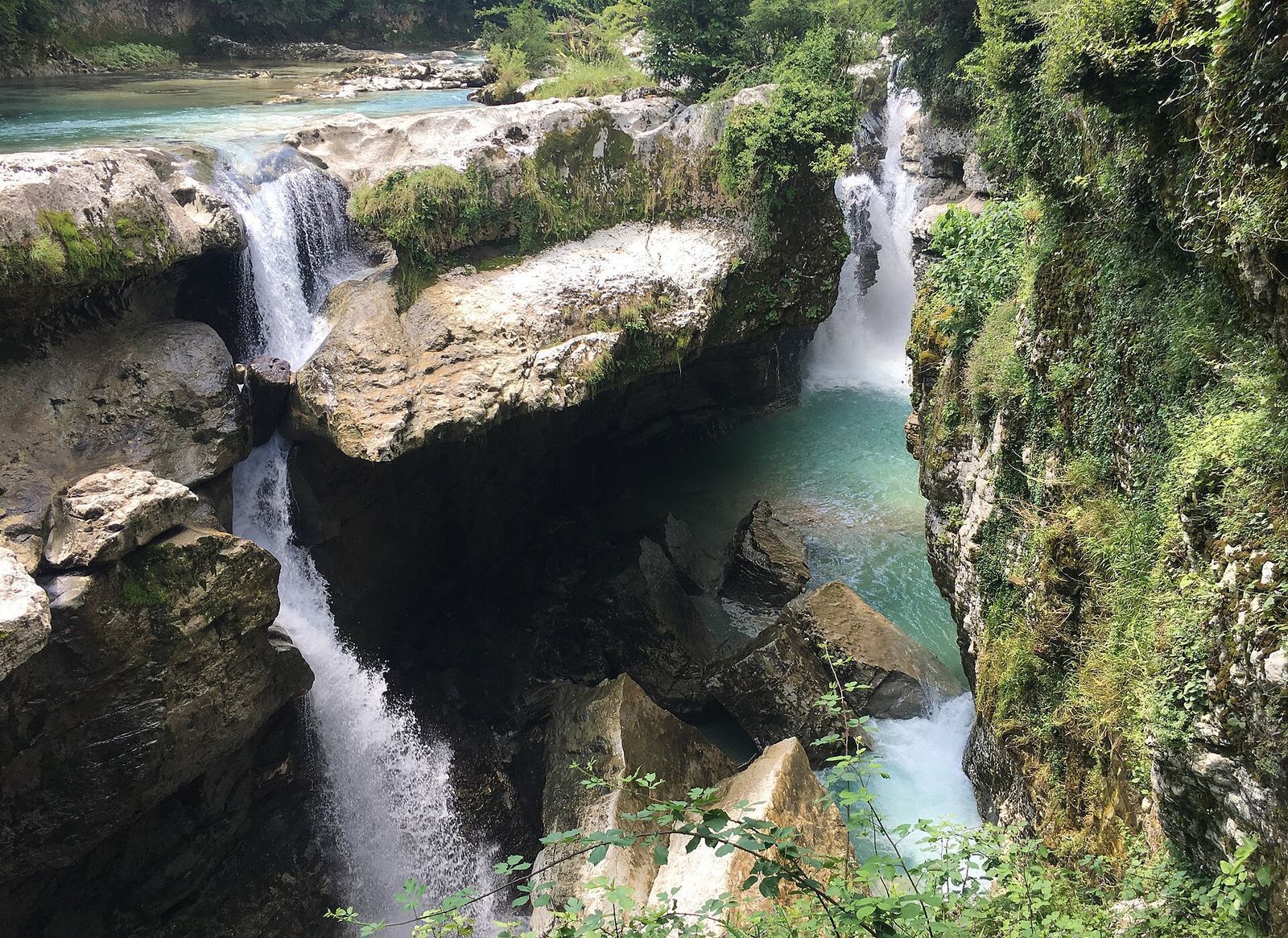
The second day is for Prometheus Cave at about 23.5 GEL and Martvili Canyon at 20 GEL plus 20 GEL for the boat.
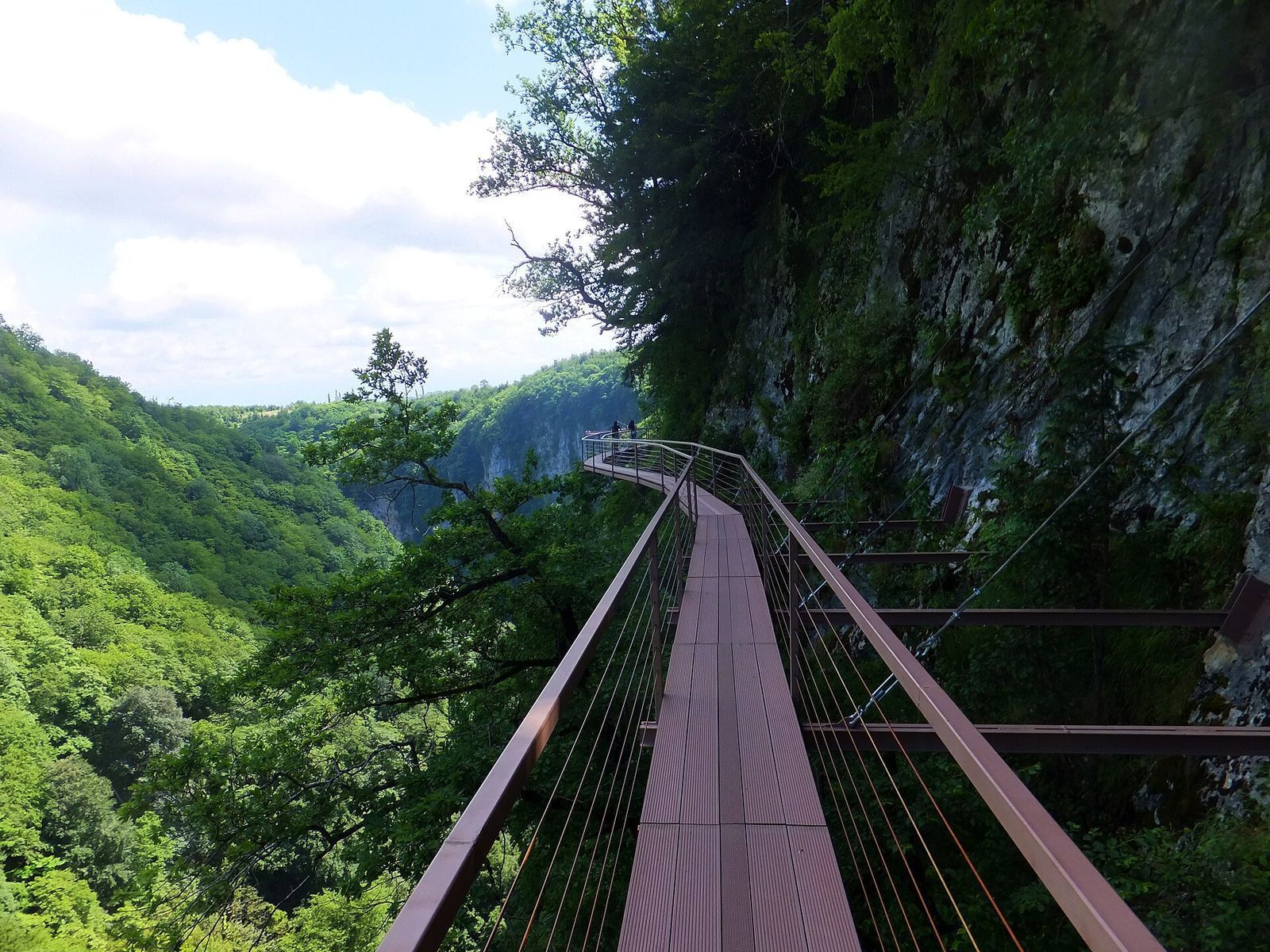
Okatse Canyon, with its walkway hung off the cliff, makes a third stop, but it closes on Mondays.
Going from Tbilisi to Kutaisi, I take the 14 GEL economy train to Rioni station, about 3.5 hours, then an 8 to 12 GEL Bolt into the center. It's too far for a day trip, so give it 2 nights.
Batumi and the Black Sea coast
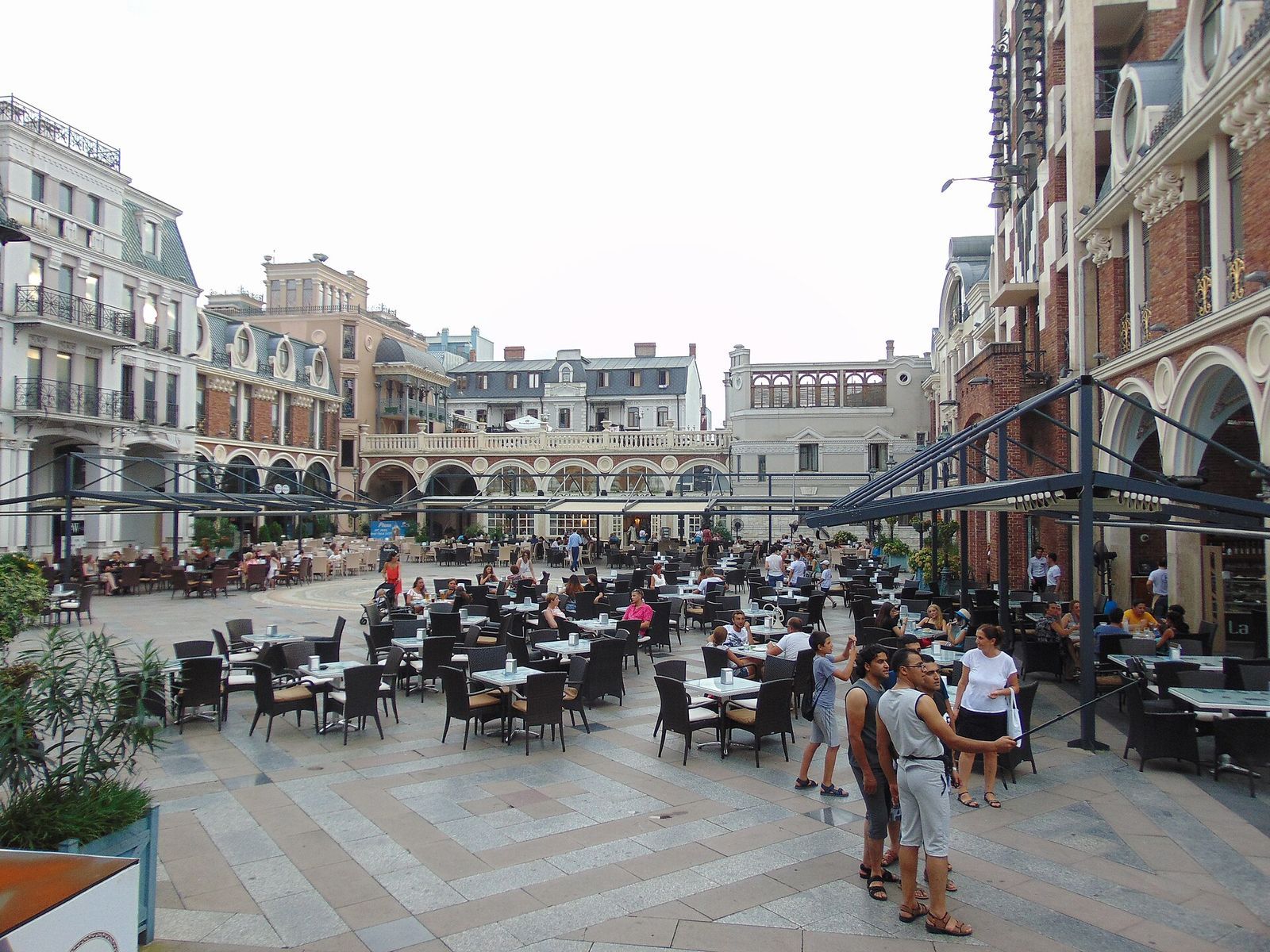
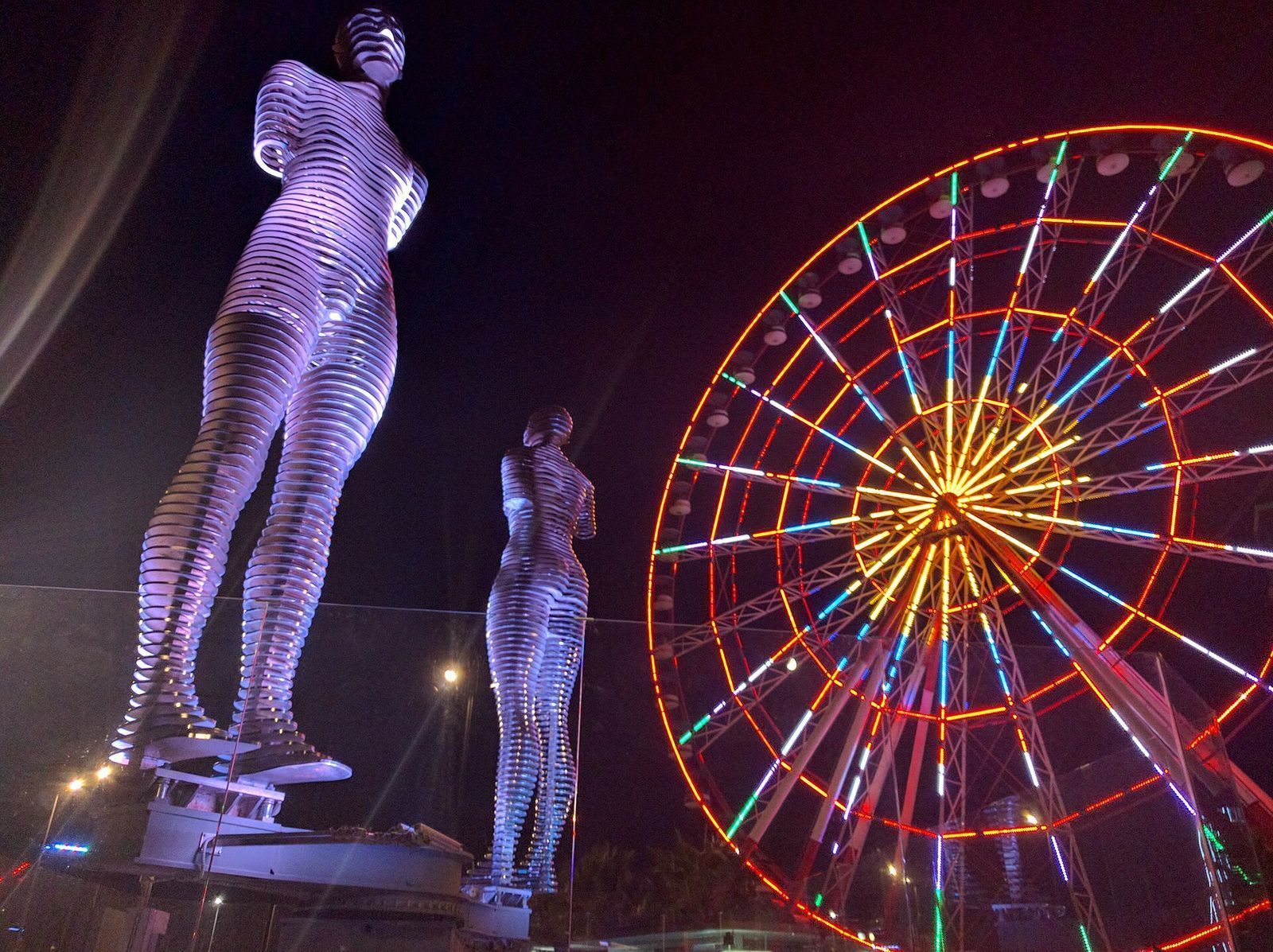
Batumi is Georgia's summer city on the Black Sea: a 7 km seafront boulevard, Old Batumi's squares and a line of glass towers running south. The best of it is free, from the boulevard to the moving Ali and Nino statue at dusk.
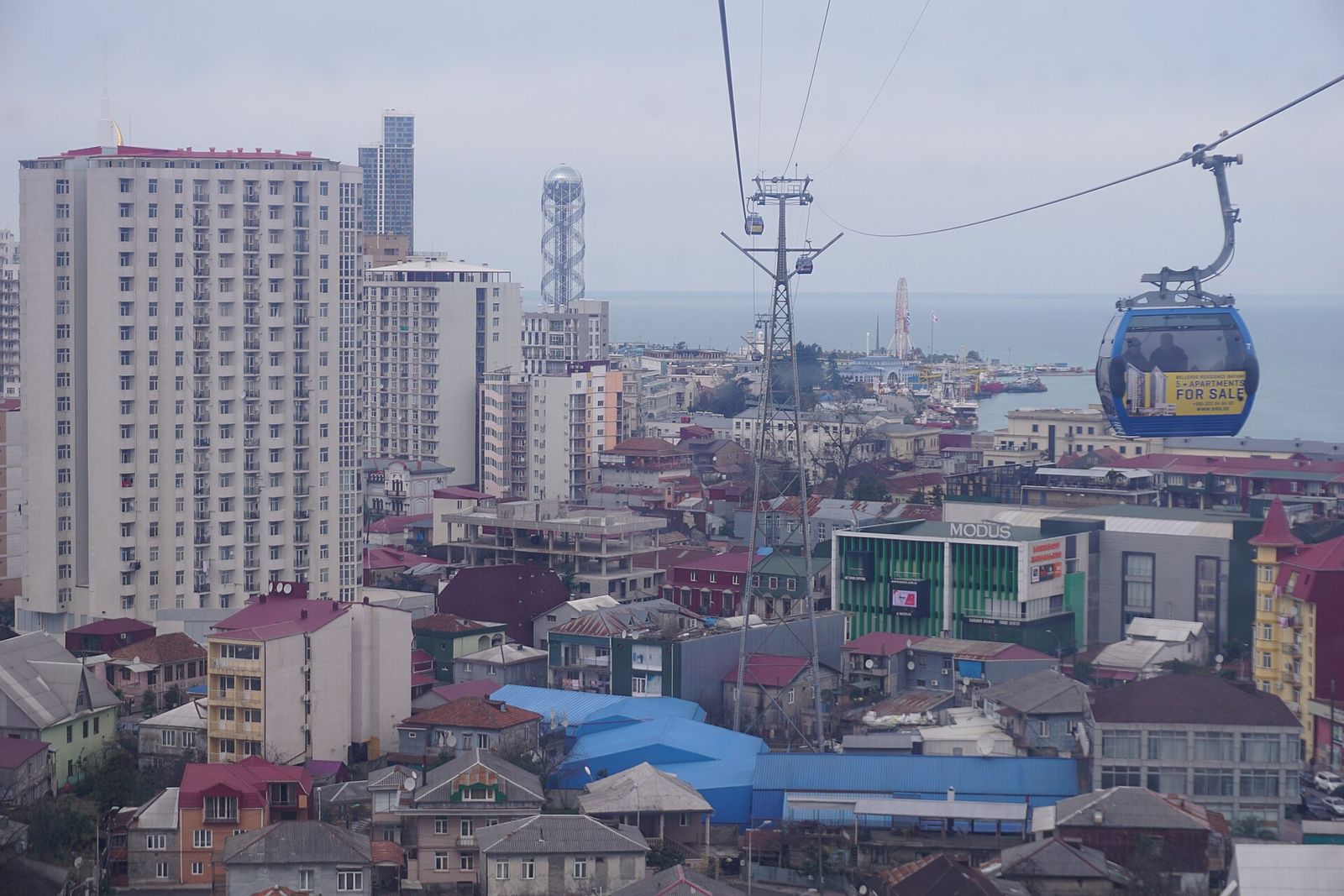
Of the paid sights, my first pick is the Argo cable car at about 39 GEL, best ridden an hour before sunset.
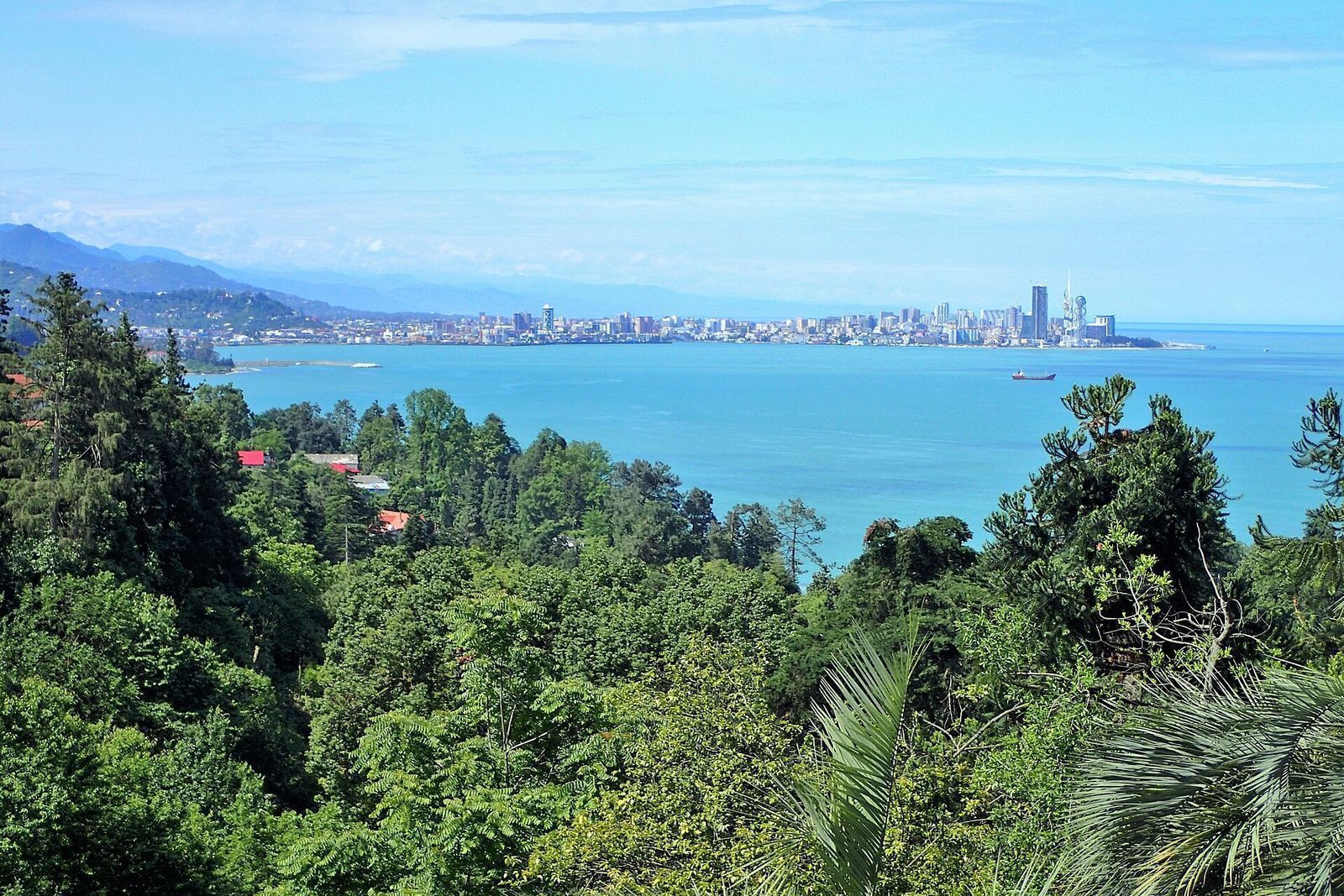
The other is the Botanical Garden at 25 GEL, north of town on the Green Cape, with a view back across the bay to the city.
The city beach is pebbles and shelves steeply, so for sand I'd go 55 to 60 km north to Ureki.
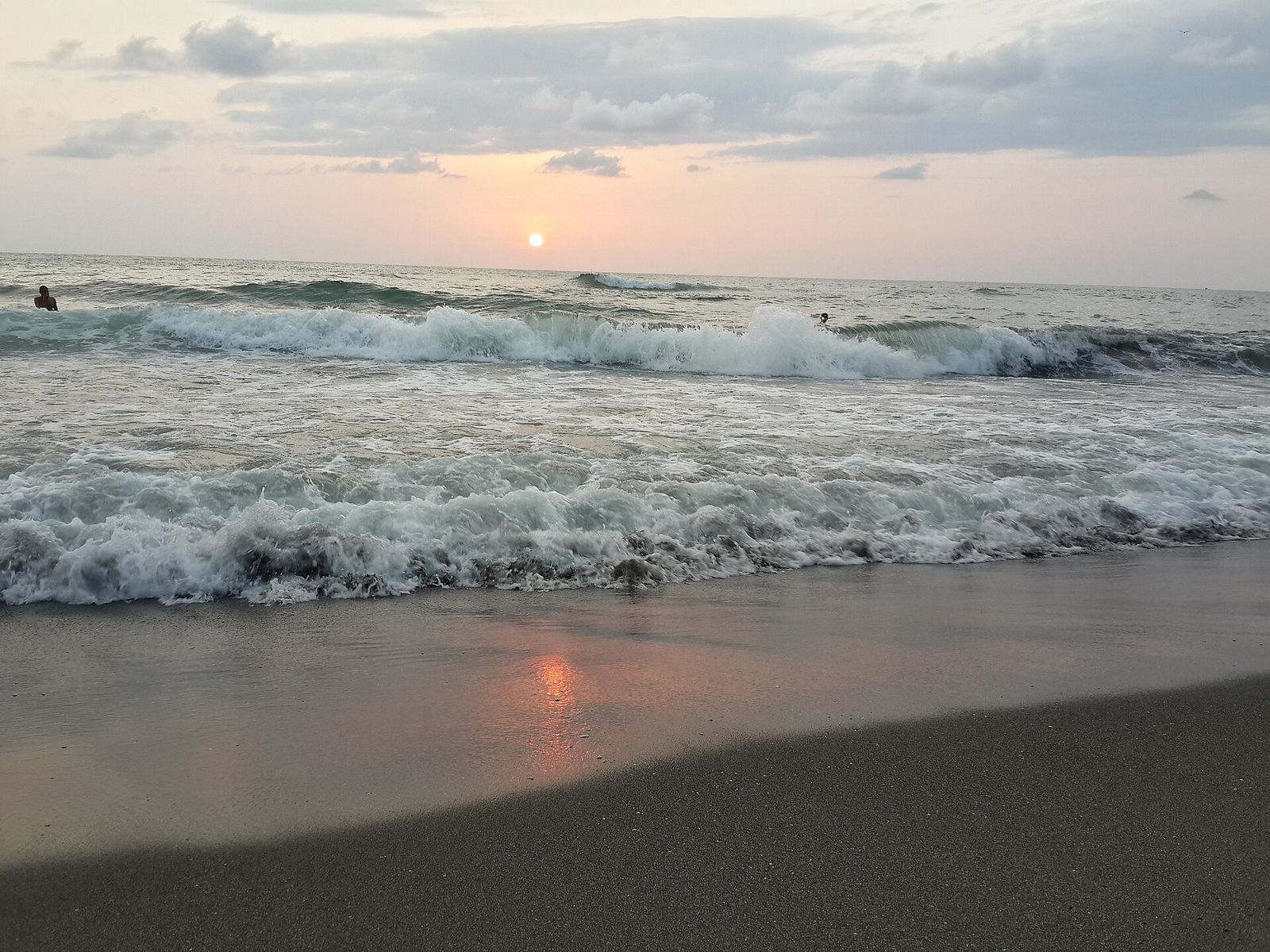
The trip from Tbilisi to Batumi is best by train: about 5 hours, from 35 GEL in second class. Summer trains sell out, so book on TKT.ge as soon as sales open, about 20 days ahead, and aim for June or early September, for a warm sea without the August crowds.
Svaneti: Mestia, Ushguli and the Svan towers
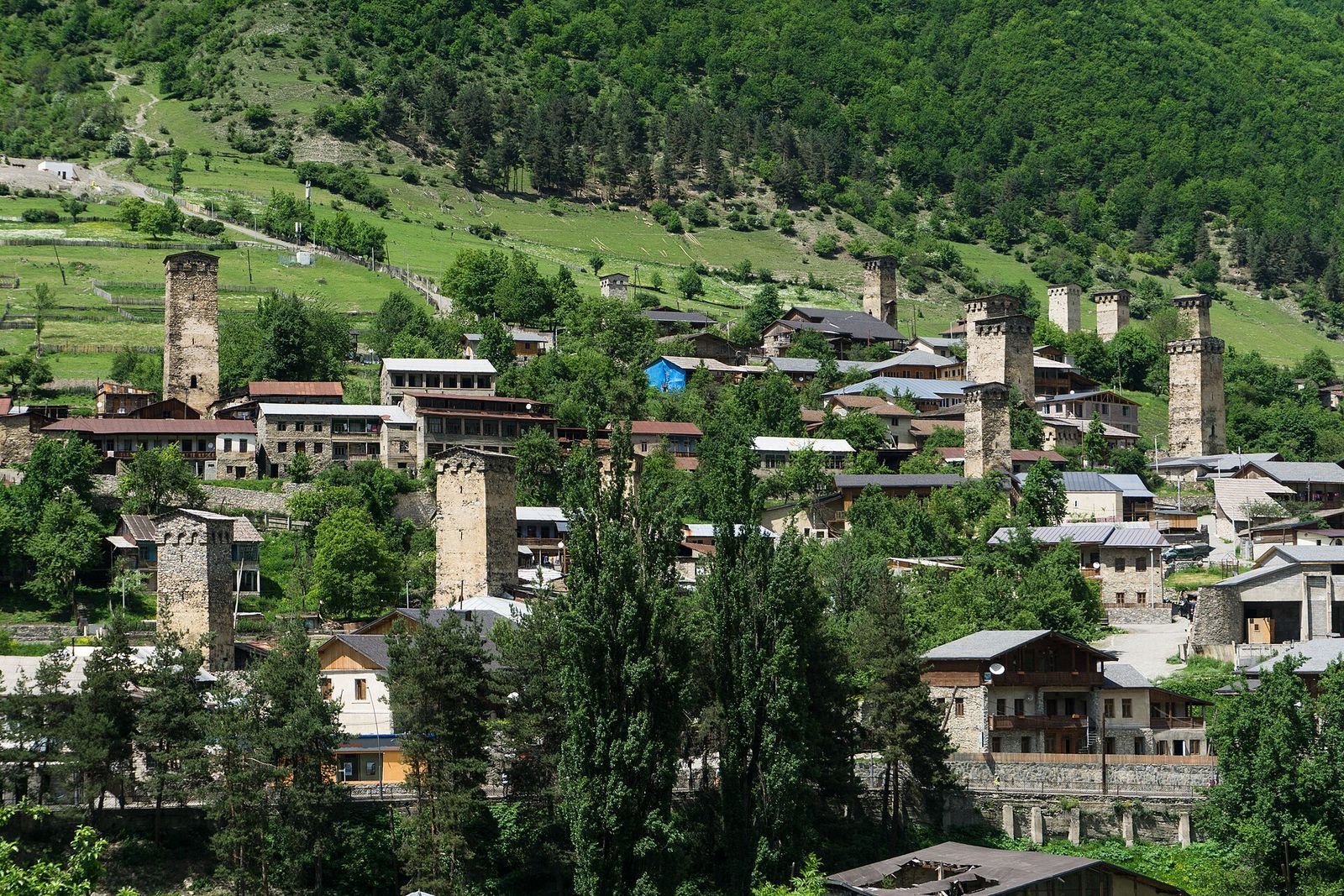
If Kazbegi is my favorite day in Georgia, Svaneti is my favorite week. It's the high valley in the northwest where the villages stand crowded with stone Svan towers. Mestia is the base, with a 20 GEL history museum.
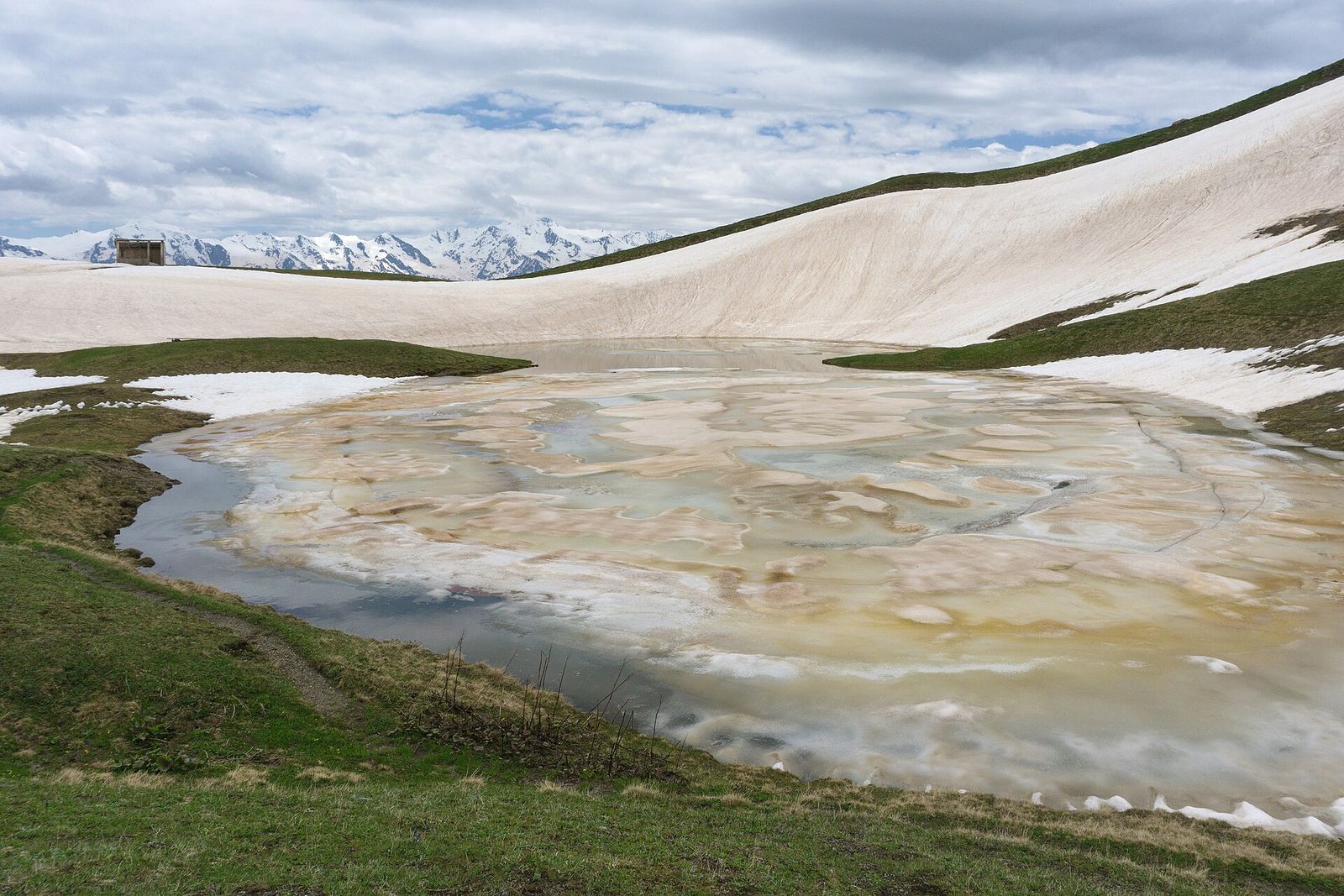
From Mestia, the day hikes I'd pick are the Cross over Mestia, the Koruldi Lakes and the Chalaadi Glacier.
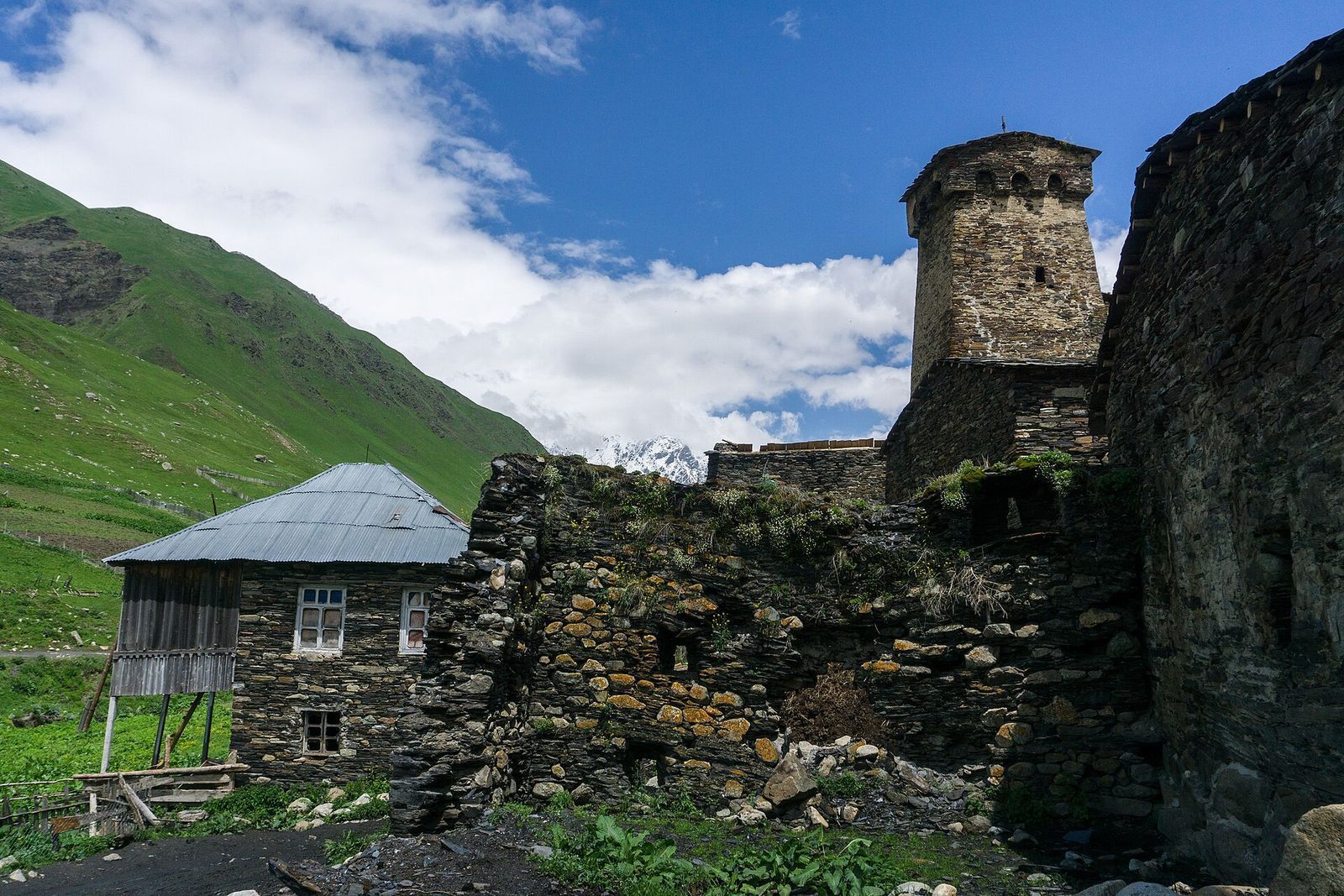
Ushguli, the UNESCO-listed tower village at around 2,200 m, is about an hour from Mestia on a road paved all the way since 2024. The classic long walk is the 4-day, roughly 55 km trek from Mestia to Ushguli. Plan at least 3 nights, from late June to mid-September for hiking; winter is for skiing at Tetnuldi and Hatsvali.
My pick for getting from Tbilisi to Mestia is the morning train to Zugdidi and the van that meets it, which puts you in Mestia around 19:00.
Tusheti, open in summer only
Tusheti is the wildest place on this list and the hardest to reach, which is the only reason it ranks below Svaneti. The one way in is a 70 km dirt road from Pshaveli over the 2,826 m Abano Pass to Omalo. In 2026 the road opened on 20 June and the pass closed on 4 October, so the next window starts in summer 2027.
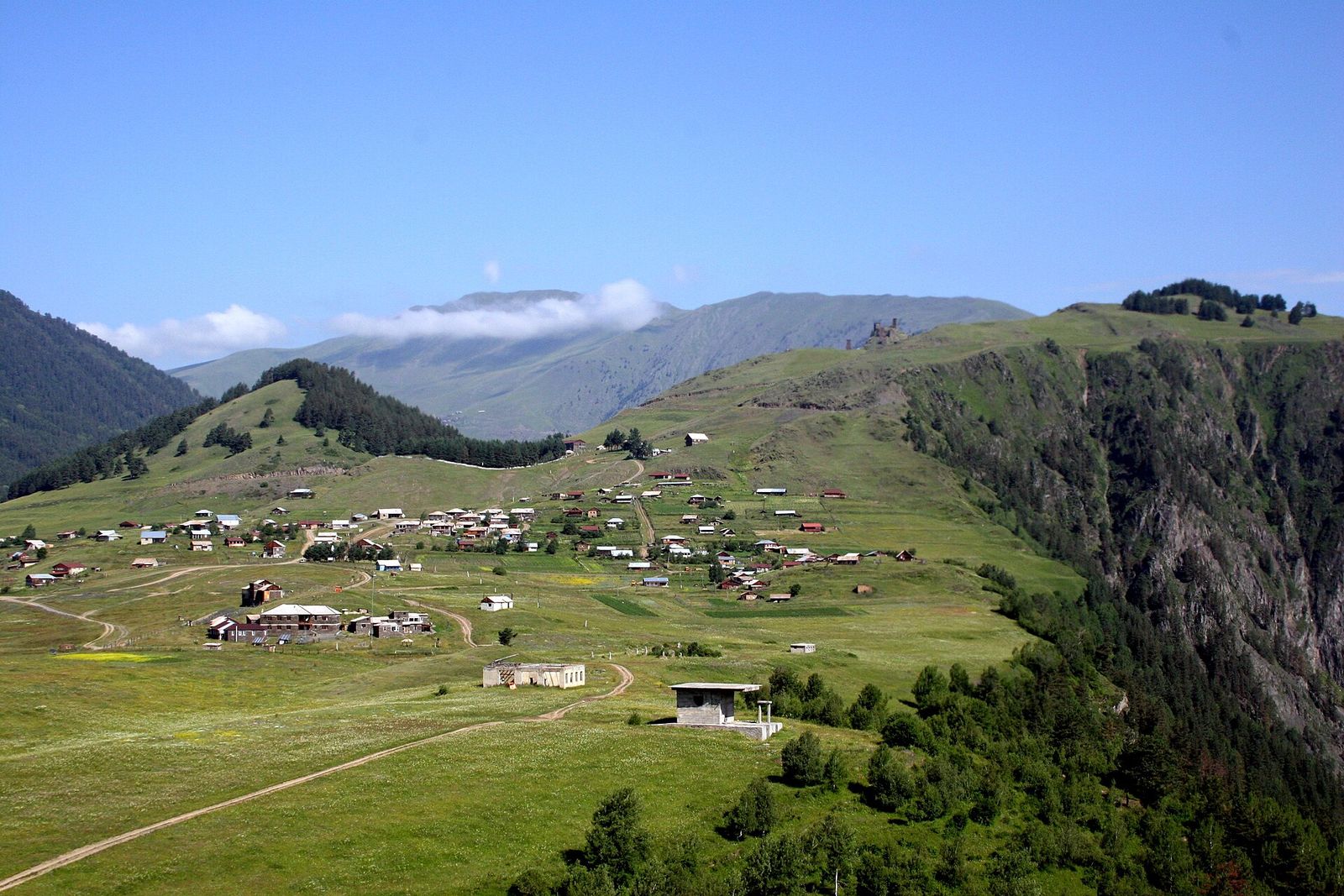
Base yourself in Omalo, at 1,880 m, for at least 3 nights. Guesthouses charge about 80 to 120 GEL a person a night with breakfast.
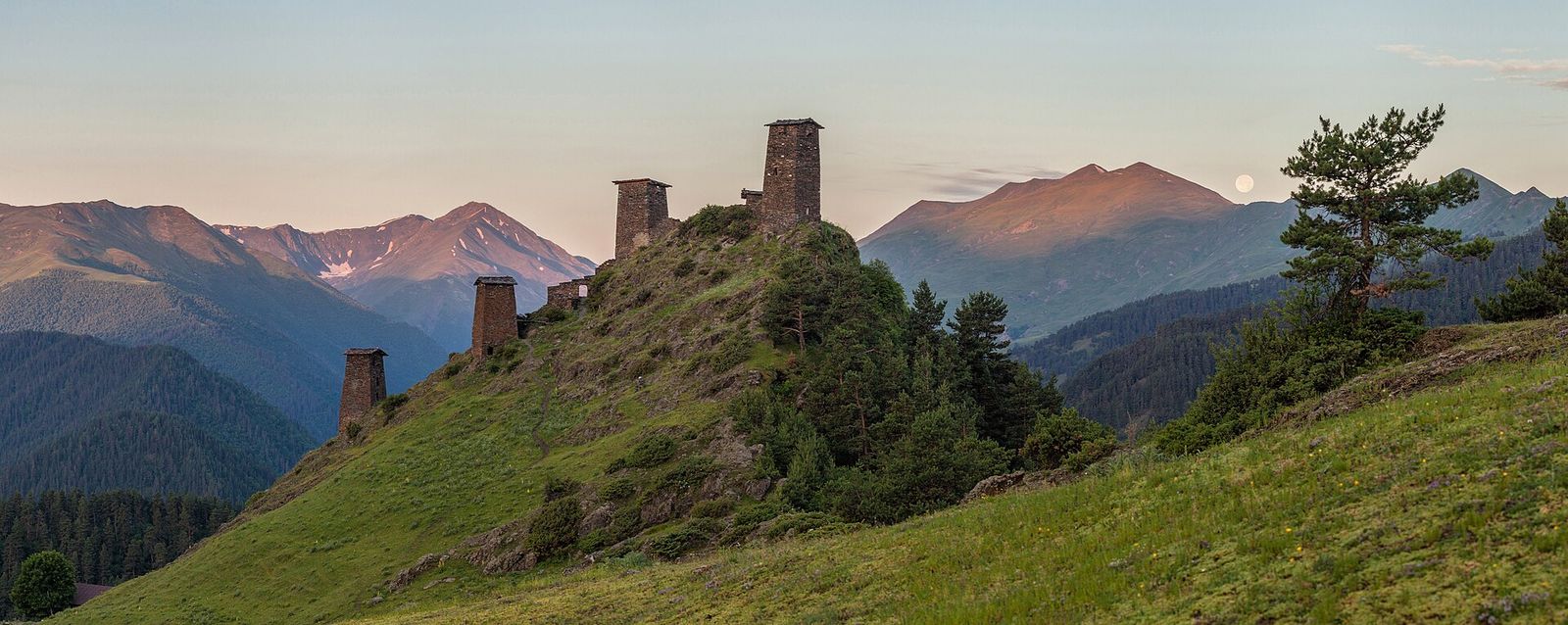
I'd give one day to Keselo fortress, one to the walk to Shenako and Diklo, and the third night to Dartlo.
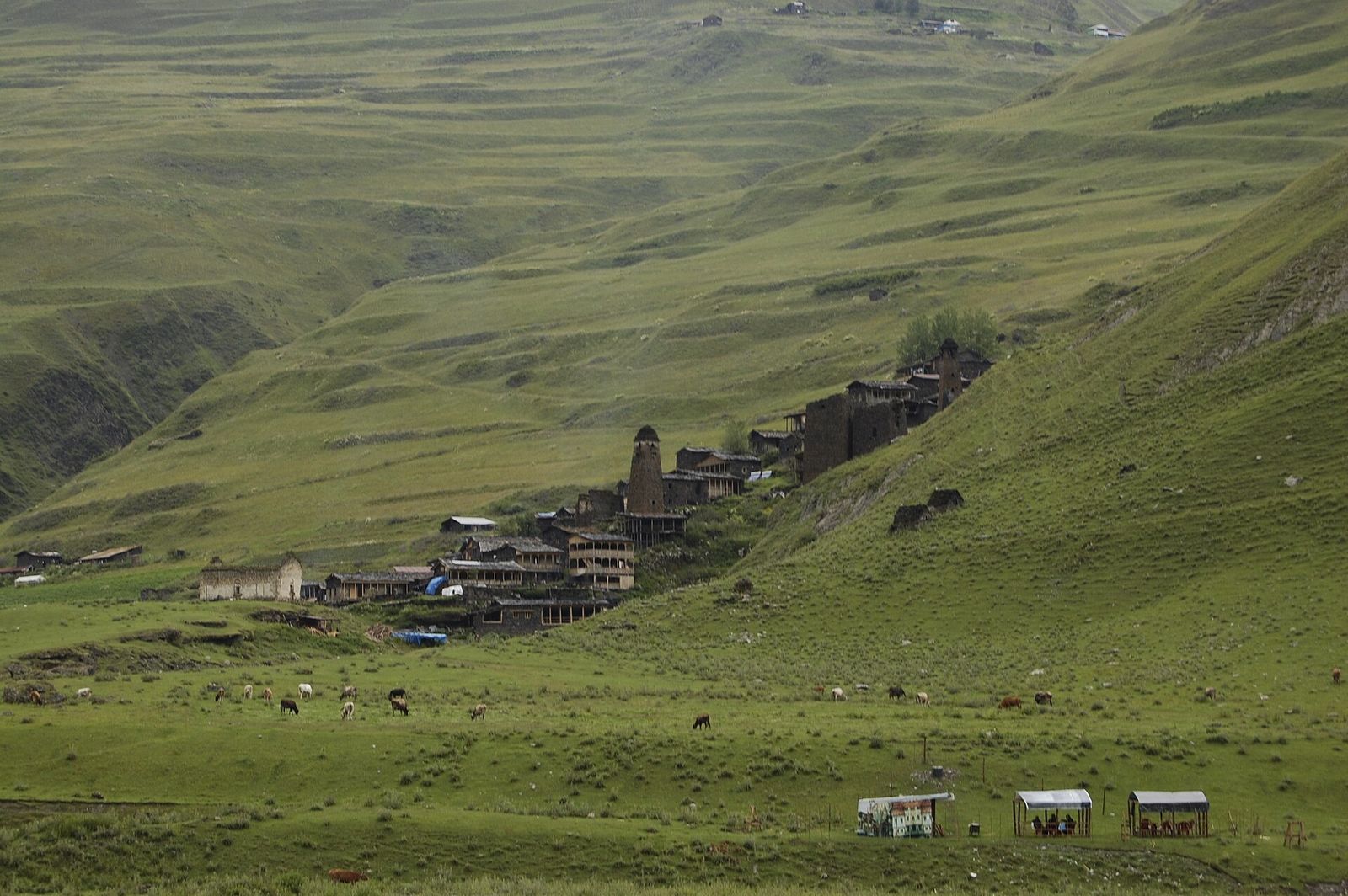
The cheap way from Tbilisi to Tusheti is the 09:00 van from Ortachala to Kvemo Alvani for 12 to 15 GEL, then a shared jeep to Omalo at 100 to 120 GEL a seat, 7 to 8 hours door to door.
Armenia and Azerbaijan from Tbilisi
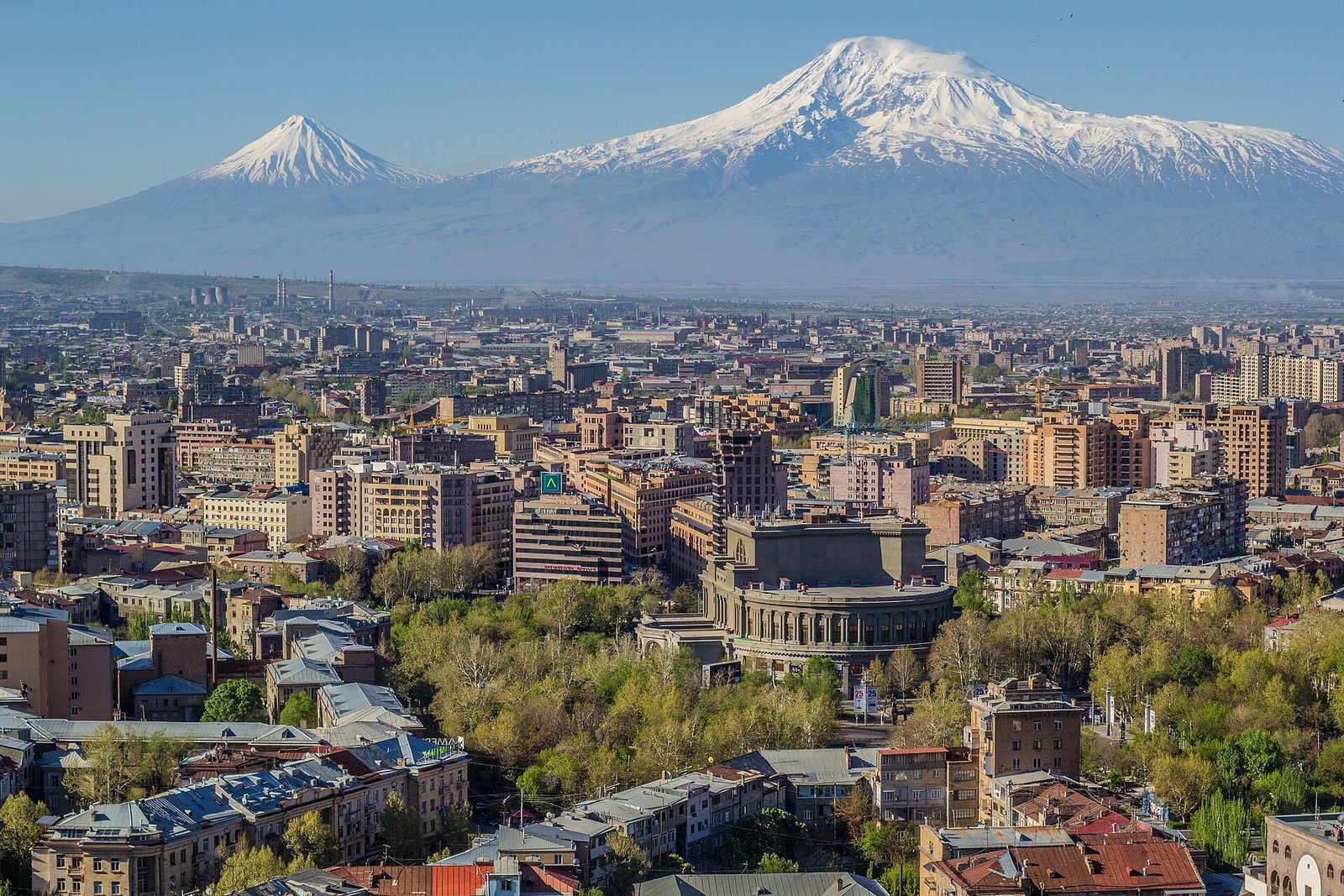
Going from Tbilisi to Yerevan, a marshrutka costs 35 to 50 GEL in cash and takes 5 to 6 hours, and the overnight train runs every other night from October to May and nightly in summer. The border takes 20 to 40 minutes on a weekday morning and up to 2.5 hours on Fridays and weekends.
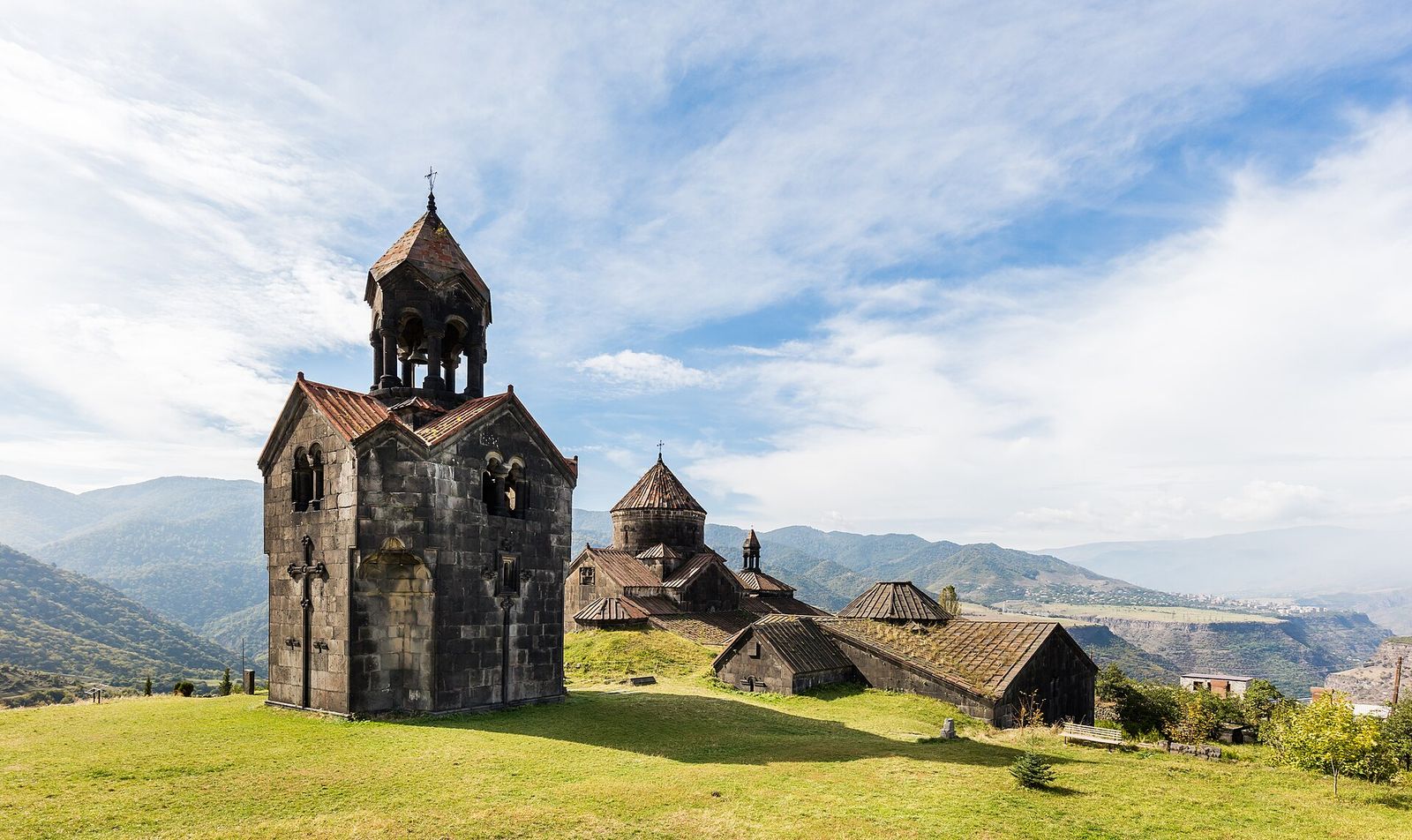
For the monasteries alone, a day in northern Armenia covers Haghpat, Sanahin and Akhtala in 10 to 12 hours.
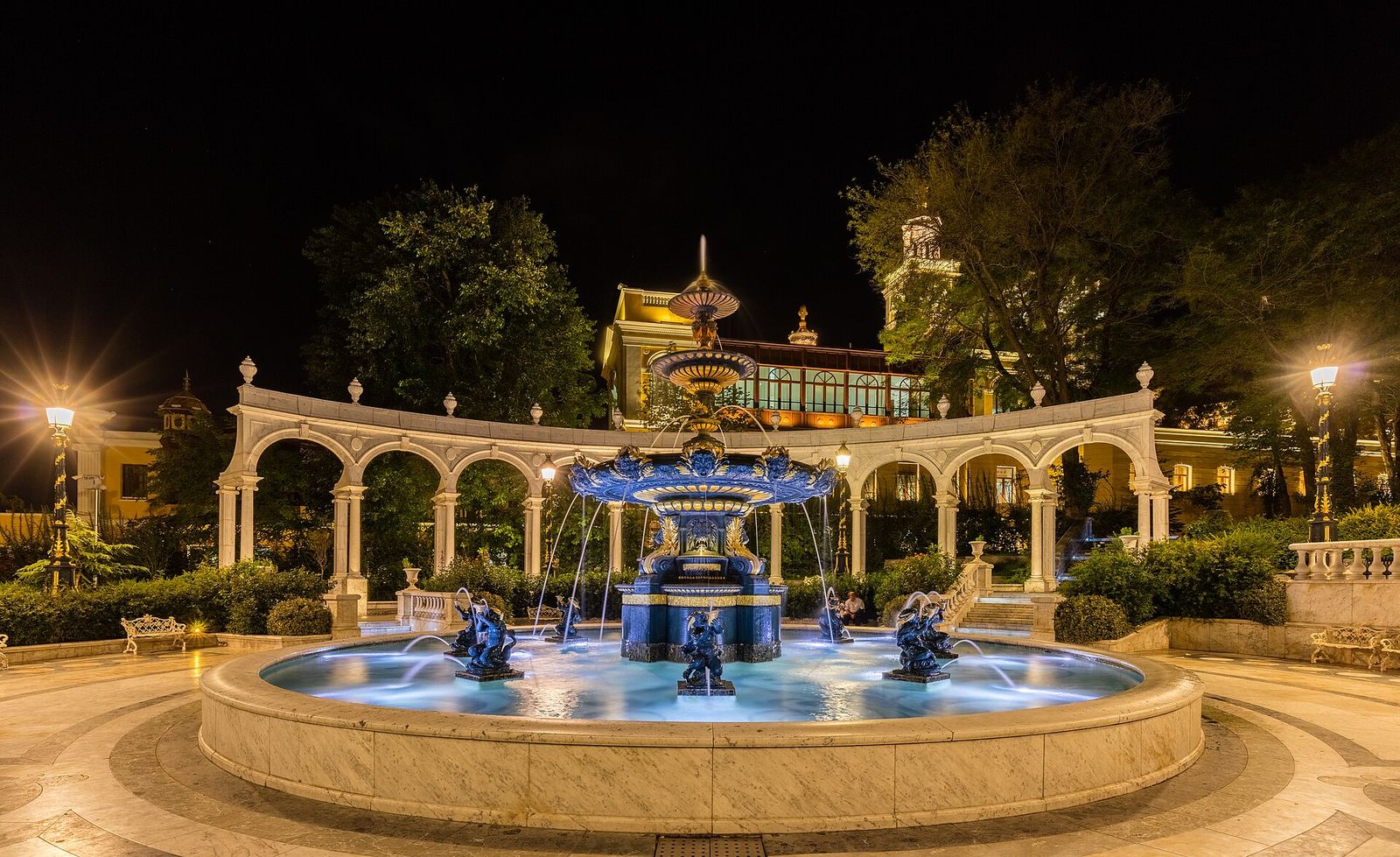
Going from Tbilisi to Baku is a different story. The train came back on 26 May 2026, takes about 9.5 hours, and from 1 November 2026 runs twice a day each way.
Getting around Georgia
Getting between Georgian towns comes down to three bus stations and one main rail line. Didube serves the north and west, including the vans to Kazbegi; Samgori serves Kakheti; Ortachala has the Batumi coaches and the vans south to Armenia. Marshrutkas are cash only.
| Route | Best way | Leaves from | Time | Fare |
|---|---|---|---|---|
| Tbilisi to Kazbegi | Van | Didube | 3 to 3.5 hours | 15 to 20 GEL |
| Tbilisi to Sighnaghi | Van | Samgori | About 2 hours | 10 to 15 GEL |
| Tbilisi to Kutaisi | Train | Tbilisi Central to Rioni | About 3.5 hours | 14 GEL economy |
| Tbilisi to Batumi | Train | Tbilisi Central | About 5 hours | From 35 GEL |
| Tbilisi to Mestia | Direct van | Samgori, 07:00 | 8 to 9 hours | 50 GEL |
| Tbilisi to Omalo | Van, then shared jeep | Ortachala, 09:00 | 7 to 8 hours | 12 to 15 GEL, then 100 to 120 GEL |
The Stadler trains to Kutaisi and Batumi are the comfortable way west, booked on TKT.ge. If you'd rather stop at every viewpoint, a rental car suits the Military Highway, and the rebuilt Zugdidi to Mestia road is fine in a normal car.
How many days you need in Georgia
For a first trip I'd plan 10 days to 2 weeks. Seven days covers the east from a Tbilisi base, with a night each in Kazbegi and Sighnaghi. Ten days adds 2 nights in Kutaisi, or Borjomi and Vardzia if you prefer cave towns to canyons. Two weeks is the first length where 3 nights in Mestia and a night in Batumi fit.
In April and May I'd keep to a 10-day Georgia itinerary and save Svaneti for summer. With Yerevan and Baku added, a three-country Caucasus trip takes about 2 weeks, with 6 of those days in Georgia.
Best time to visit Georgia
The best time to visit Georgia is May to June or September to October, when the lowlands are warm rather than hot and the mountain roads are open. Tbilisi reaches 38 to 40°C on the worst July and August afternoons, so I'd spend high summer in Svaneti, Tusheti or Kazbegi, or by the sea in Batumi.
Autumn is my favorite season. The grape harvest in Kakheti peaks from about 5 September to 20 October, and the mountains stay open until early October. Winter is for skiing in Gudauri and Svaneti, while Tusheti shuts completely.
Visas, insurance and cash for Georgia
Passports from more than 90 countries, including the US, UK, EU, Canada and Australia, get up to 365 days without a visa, and the Georgia visa rules for everyone else start with a $20 e-visa. Since 1 January 2026, every foreign visitor also needs health and accident insurance for the whole stay, with at least 30,000 GEL of cover. Outside Tbilisi, vans and mountain guesthouses run on cash, so I always leave the capital with enough lari in notes for the days ahead.
Key takeaways
- Base yourself in Tbilisi for the east: Mtskheta, Kazbegi, Kakheti, Gori and David Gareja are all day trips or single nights.
- Kazbegi is the one place I'd add to any trip, and Svaneti is the one worth 3 nights or more.
- The west needs hotel moves: 2 nights in Kutaisi, 2 to 3 in Batumi and at least 3 in Mestia.
- Go in May and June or September and October, and save late June to mid-September for Svaneti and Tusheti.
Frequently asked questions
What is the most beautiful place in Georgia?
For me it's Kazbegi, where Gergeti Trinity Church stands on a ridge under Mount Kazbek, 2.5 to 3 hours from Tbilisi. Svaneti's tower villages, Ushguli above all, come a close second.
Where should I go in Georgia for the first time?
Tbilisi for 3 days, then Mtskheta, Kazbegi and Sighnaghi in Kakheti. With 10 days, add Kutaisi, and with 2 weeks add Svaneti and Batumi.
What is the best month to visit Georgia?
September, in my view: warm days, the grape harvest in Kakheti and the mountain roads still open. July and August suit the mountains and the Black Sea but are hot in Tbilisi.
Can you travel around Georgia without a car?
Yes. Marshrutkas from Didube, Samgori and Ortachala and the trains to Kutaisi and Batumi reach every place on this list, and a driver at about 150 to 250 GEL a car fills the gaps on mountain days.
Do I need a visa to visit Georgia?
Not if you hold one of more than 90 passports, including US, UK, EU, Canadian and Australian ones, which get up to 365 days visa-free. Every visitor does need health and accident insurance for the whole stay, since 1 January 2026.
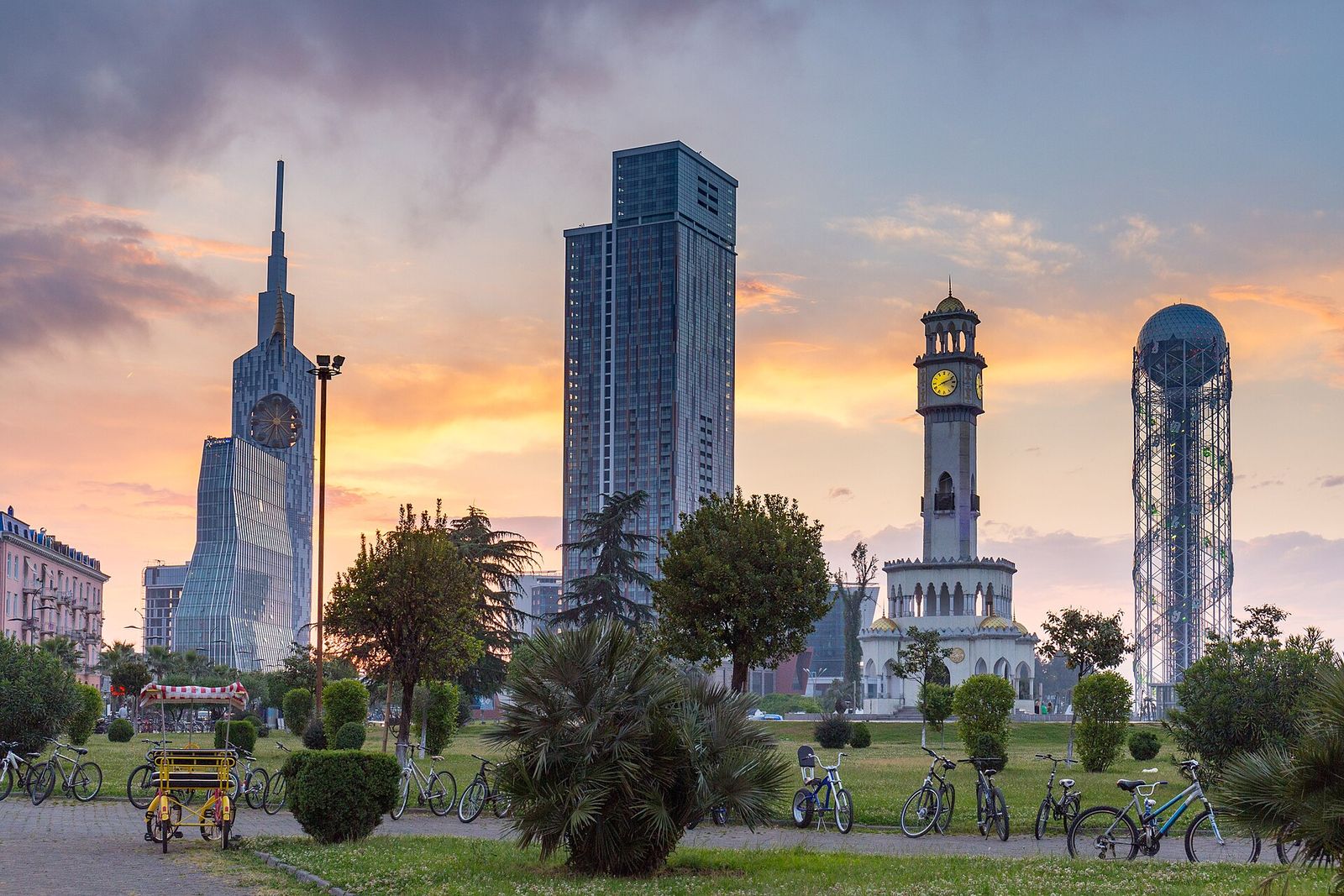
Tbilisi to Batumi: Train, Bus, Marshrutka, Flight or Drive
Batumi is Georgia's Black Sea city. Here is every way to get there from Tbilisi, with times, fares and my pick.
Read the guide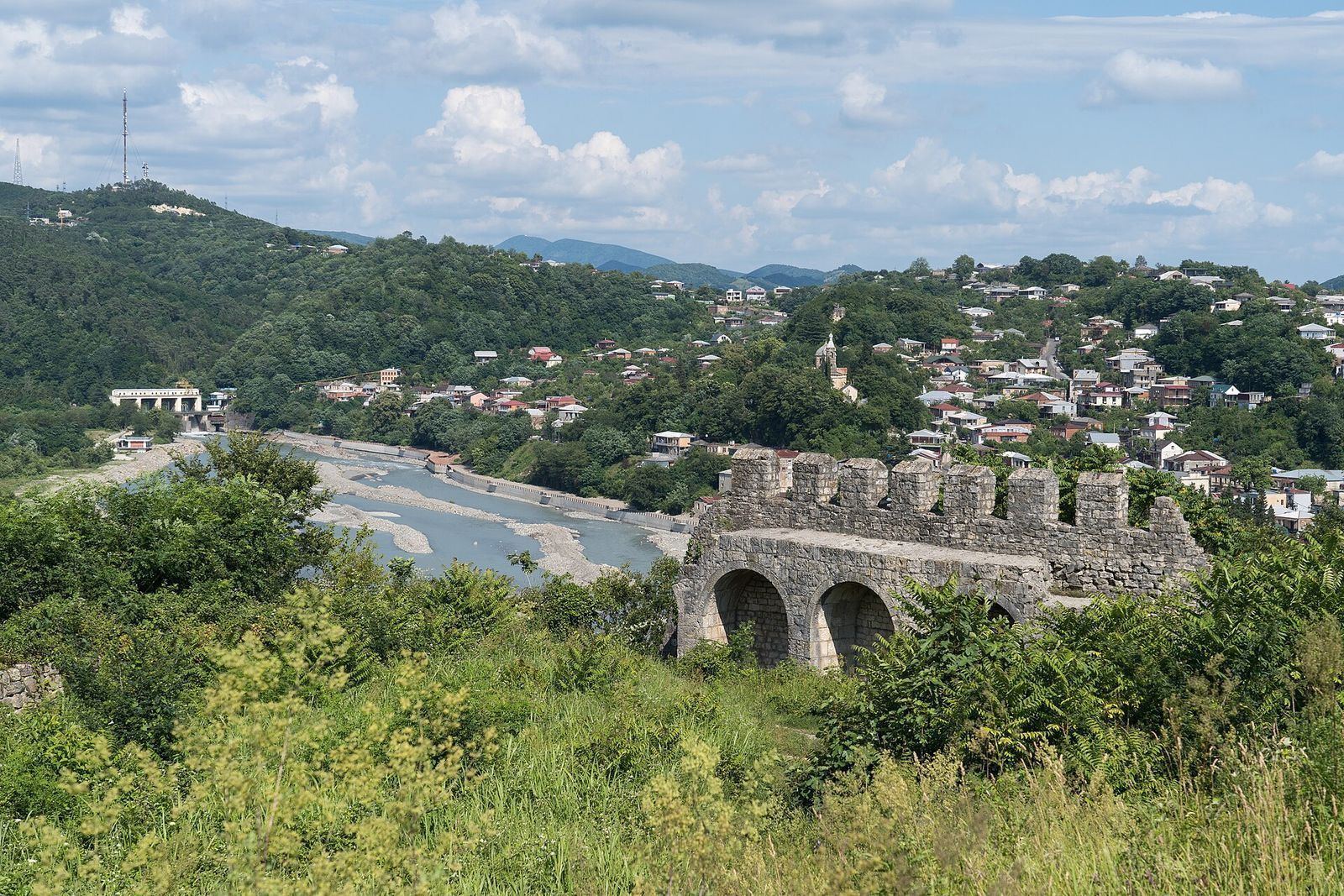
Tbilisi to Kutaisi: Train, Marshrutka, Bus and Car in 2026
Kutaisi is Georgia's second city, 226 km west. How to get there by train, marshrutka or car, and what each one costs.
Read the guideTbilisi to Mestia: How to Get to Svaneti by Bus, Train or Plane
Mestia is the gateway to Svaneti, a long day from Tbilisi. Here is every way there, with times, fares and my pick.
Read the guide