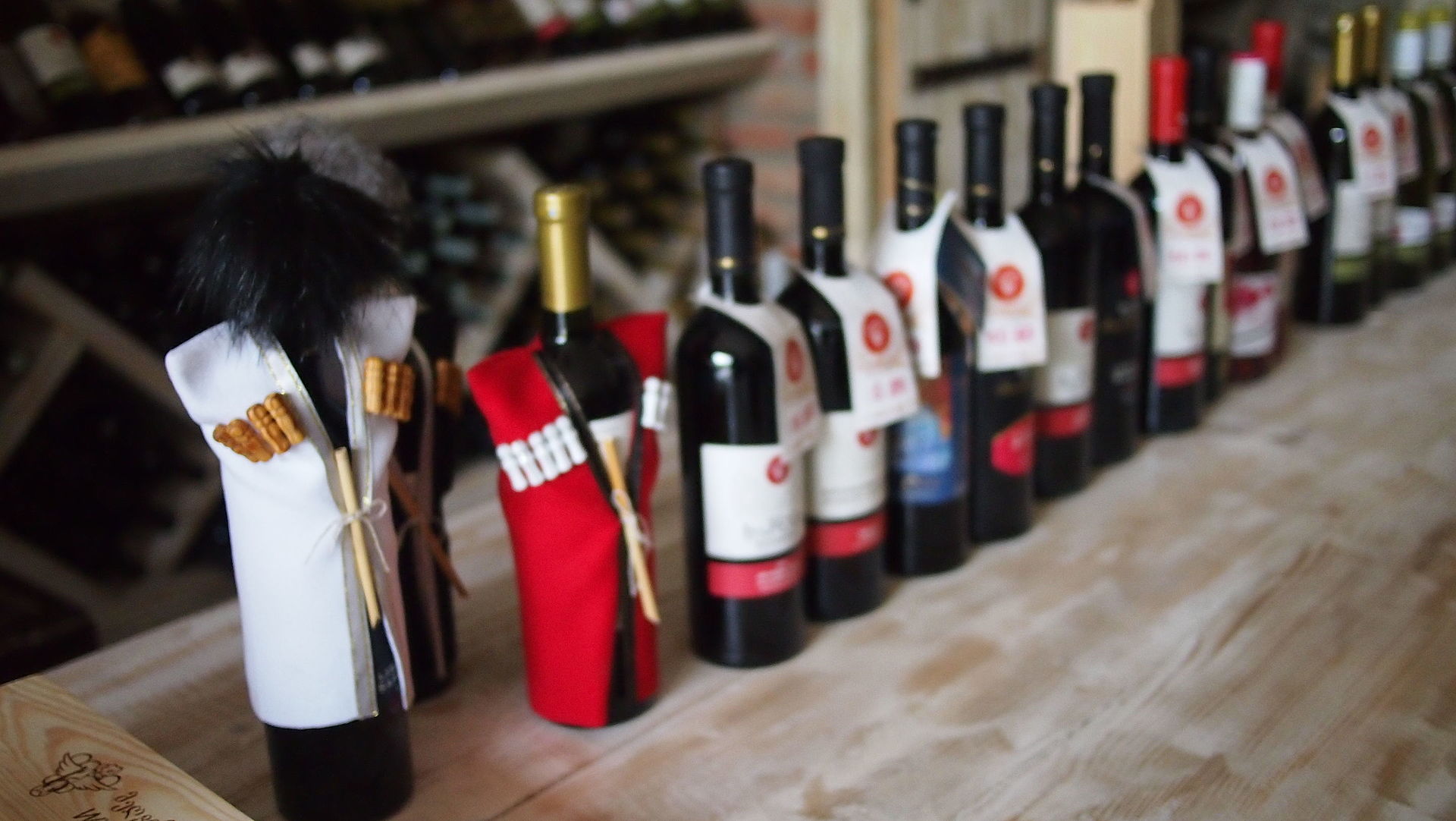
Taking Georgian Wine Home: Allowances, Packing and Shipping
Georgia is known for its wine, and most visitors fly home with a few bottles of Georgian wine wrapped in their socks. Georgia doesn't cap what you carry out; your home country's customs allowance does. Here's how many bottles you can bring back, how to pack them so they arrive whole, what shipping involves and which wines survive the trip.
How much wine can you take out of Georgia?
As much as you like for your own use. Georgian customs doesn't limit wine or chacha leaving the country in personal quantities. What it does police is cultural heritage, such as old icons, paintings and books, and cash: carrying more than 30,000 GEL out means a declaration, which matters more for money in Georgia than for wine.
The limit that counts is at the other end. Your home country decides how much alcohol you can bring in duty-free, and anything above that gets declared and taxed. In practice, 6 to 10 bottles in a checked bag is normal, and that's roughly where I stop too. Past that point the weight, not the customs officer, becomes the problem.
Wine allowances by country
These are the duty-free amounts per adult arriving from Georgia, which sits outside the EU. A standard bottle is 750 ml, so I've turned the liters into bottles.
| Flying home to | Wine, duty-free | In bottles | Spirits such as chacha |
|---|---|---|---|
| United Kingdom | 18 liters of still or sparkling wine | 24 bottles | 4 liters over 22% |
| European Union | 4 liters of still wine | 5 bottles | 1 liter over 22% |
| United States | 1 liter of alcohol in all | 1 bottle | Inside the same 1 liter |
| Australia | 2.25 liters of alcohol in all | 3 bottles | Inside the same 2.25 liters |
| Russia and other EAEU countries | 3 liters of alcohol | 4 bottles | Inside the same 3 liters |
The UK is the generous one. Since 1 October 2026, sparkling wine counts inside the 18-liter wine allowance instead of a separate category, so a mix of still Saperavi and Georgian sparkling all comes under one number. The UK also allows 42 liters of beer, and cider now sits inside that beer allowance.
The EU is the tight one. Four liters is five bottles, and a sixth in the case already puts you over. The US looks tighter still on paper, but it works differently.
What happens above your allowance
Going over isn't illegal. You walk through the red channel, say what you have, and pay duty and tax on the bottles above the allowance. On a few bottles of wine that's usually a modest sum, and far cheaper than getting caught in the green channel with a case.
The US has no federal cap on alcohol for personal use. You declare everything above the 1-liter allowance and pay the duty, which is low on wine. Two things can still trip you up: a quantity big enough to look commercial, and your own state's rules, which can be stricter than the federal ones. If you're bringing home a full case, check your state before you buy it.
Allowances are per adult (17 and over for the UK), so a couple flying to the EU can bring 10 bottles between them duty-free.
Wine in hand luggage or checked luggage
Checked luggage, every time. Security at Tbilisi airport applies the usual liquid rule, so nothing over 100 ml goes through in a cabin bag, and a bottle of Saperavi bought on the way to the airport ends up in the bin at the scanner. Pack every bottle in the bag you check in, and do it at the hotel, not in the taxi.
The one exception is wine bought in duty-free after security. That can travel in the cabin in its sealed bag with the receipt.
How to pack wine in a suitcase
The method that works is the boring one. Put each bottle in a plastic bag and knot it, so a break leaks into the bag instead of your clothes. Wrap it in a towel or a couple of thick socks, then lay the bottles in the middle of the case, away from the shell and the wheels, with soft clothes packed tight around them so nothing can shift. Shoes along the edges make a good bumper.
A hard-shell case protects better than a soft one, and I lay bottles flat, side by side, rather than standing them in a row. Ask for flight packaging when you pay at a wine shop; a padded sleeve or a cardboard divider turns a towel job into a sure thing.
Weight is the limit people forget. A full bottle weighs about 1.5 kg, so six bottles add about 9 kg to your bag before a single shirt goes in. Weigh the case at the hotel before you leave, because an overweight fee at check-in can cost more than the wine.
| Bottles | Added weight, about | How I'd carry them |
|---|---|---|
| 2 to 3 | 3 to 4.5 kg | Wrapped in clothes in your main checked bag |
| 6 | 9 kg | In the main bag with less clothing, or a second bag |
| 10 to 12 | 15 to 18 kg | A second checked bag of their own |
Shipping wine from Georgia
Possible, slow and rarely worth it. Georgian Post will send a parcel abroad, but it takes 2 to 4 weeks and it isn't cheap. Alcohol also faces its own rules at the other end: many countries and many US states restrict wine sent by post or courier to a home address, and a parcel that does clear customs still pays the same duty as a bottle in your bag.
For most people the sums point one way. A second checked bag for 25 to 40 euros carries a dozen bottles home the same day you do. Shipping only makes sense when you've bought more than you can fly with, and then I'd ask the winery or shop you bought from whether they arrange export, rather than boxing it up yourself at the post office.
Which Georgian wines travel well
Sturdy wines travel; delicate ones are for drinking here. A dry Saperavi or an oak-aged Mukuzani handles a flight and a few months in a cupboard without complaint, and a naturally semi-sweet Kindzmarauli is the bottle I'd pick for friends who think they don't like dry red. All three are among the best Georgian wines for a gift, partly because the names are easy to spot on a label.
Natural wine is the fragile one. Many traditional Georgian wines are made with little or no added sulfite, and they travel badly: heat, shaking and weeks in a hold can change them. I drink the delicate natural bottles in Tbilisi and fly home with the sturdier reds and the better-sealed amber wine from established wineries.
Heat is the other risk. July and August in Tbilisi hit 35 to 40°C, one more reason spring and autumn are the best time to visit Tbilisi if wine is the point, and a box of bottles left in a car trunk on a day trip cooks fast. In summer I keep the bottles in the hotel room and pack them on the last night.
Clay jugs and decorative bottles
Souvenir stalls in the Old Town sell wine in ornate jugs with grapes molded into the sides and a handle on top. The jug is the souvenir; the wine inside is usually ordinary, and tourist streets such as Shardeni charge 50 to 100% more than ordinary shops for the same things.
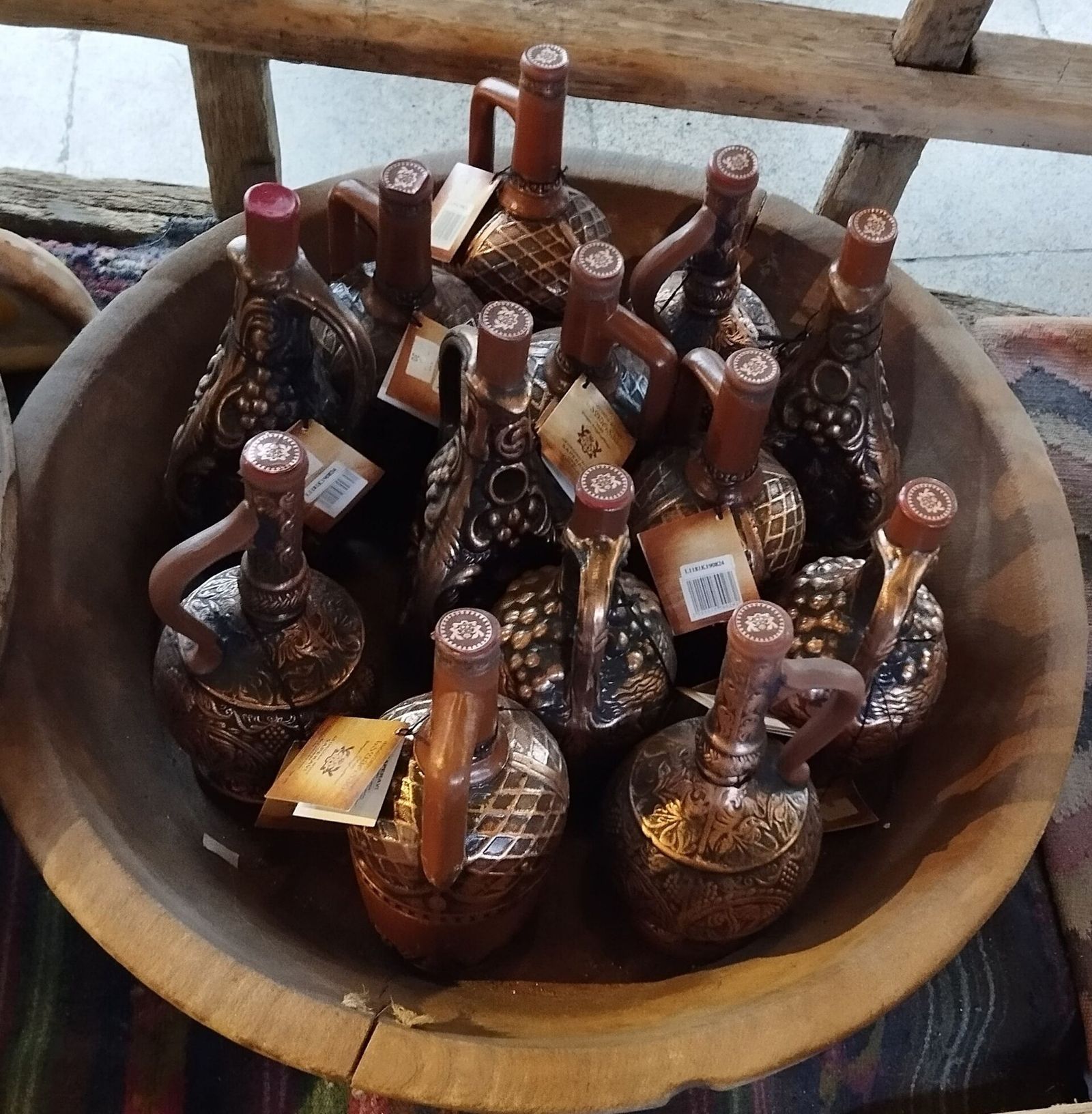
If you buy one, wrap the handle and the neck on their own before the jug goes in a towel, because those break first. For the wine itself, a plain bottle from a shop that let you taste it travels better. An empty clay jug, about 10 to 25 GEL, is one of the Georgian souvenirs that packs light and can't leak.
Where to buy wine to fly home
Buy where you can taste first. You're going to carry every bottle across a continent, so it should be one you already know you like. A good bottle in Tbilisi's wine shops costs about 15 to 40 GEL, and natural or qvevri wine from a small producer starts at about 30 to 40 GEL. These are the four places I'd buy bottles that leave the country.
Dionysus Wine Shop
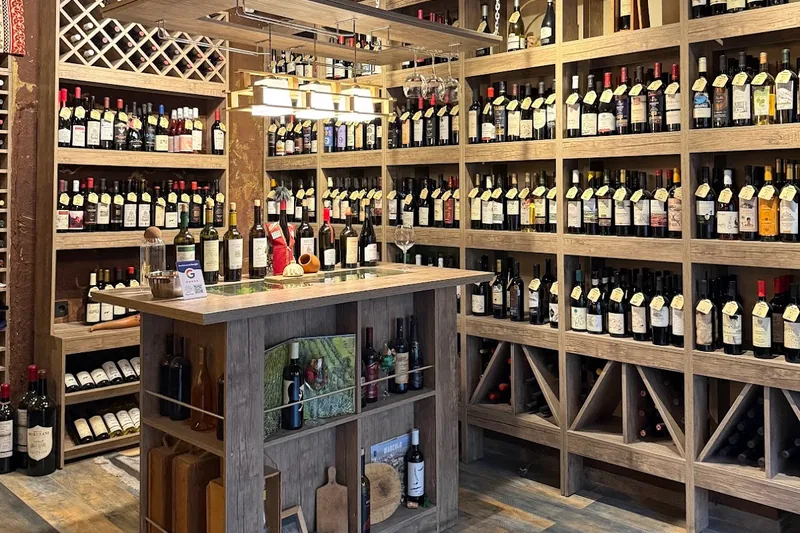
Dionysus is a few steps from Freedom Square at 25 Pushkin Street, which makes it the easy last stop on the way back to a hotel in the center. You taste before you buy, and the staff handle the brief that matters here well: tell them your budget, what you drink at home and how many bottles your bag can take. The range covers Saperavi, Rkatsiteli, Kisi and Mtsvane, from big wineries and small ones.

It opens at 13:00 and stays open until about midnight, so it fits the evening before a flight. It suits anyone buying gifts for several people in one go.
8000 Vintages
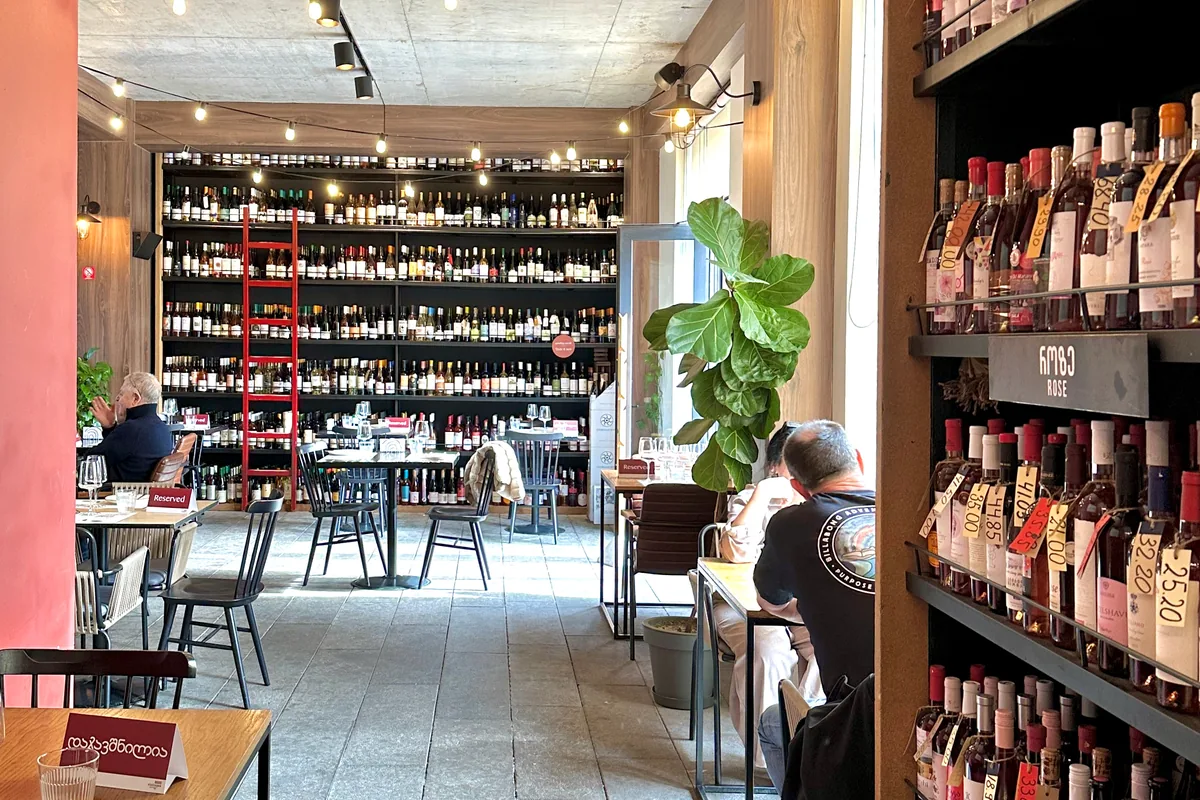
8000 Vintages is a wine shop with a bar inside and four branches in Tbilisi; the Old Town one on Kote Afkhazi Street is the handiest for visitors. It opens at noon, glasses run 8 to 16 GEL and bottles about 28 to 90 GEL, with big wineries and small producers on the same wall.

This is where I shop when I'm not sure what I want. Order three glasses and a cheese board, pick the one you'd fly home with, and buy that bottle off the wall. Sommelier tastings run on request, and they're the most useful kind of wine tasting in Tbilisi when you're shopping, because you leave with a shortlist.
Kakheti winery shops
If you spend a day in wine country, buy there. Bottles at the wineries run about 15 to 100 GEL, and a big producer's own shop often sells for less than the Tbilisi stores. Most wineries in Kakheti take walk-ins for tastings, so you buy what you just drank. Family cellars usually take cash only, so bring lari.
On a Kakheti wine tour, the bottles you buy ride in a minibus all afternoon. Ask the driver to keep them in the cabin rather than the trunk on a hot day, and pack them flat in the case that night.
Dezerter Bazaar

Tbilisi's big food market sells homemade wine by the liter after you taste it: about 10 to 12 GEL at the stalls in the front rows and 5 to 7 GEL deeper in. It's wine for this week, not for the suitcase. I fill a bottle for the apartment and a picnic, and buy the wine I'm giving away somewhere with labels and receipts.
Buying wine at Tbilisi airport duty-free
The duty-free shops are in the departures area after passport control, and they're open 24 hours. One of them is a Georgian wine store laid out like a cellar, with tastings poured around the clock, so you can try a glass before a late flight. It's the only place where wine can go in your cabin bag, which makes it handy for one last bottle when your checked bag is already full.
I still do the main shopping in town. The city shops carry more small producers, you'll have tasted far more by the last day, and duty-free bottles carry the transfer risk above. Leave for Tbilisi airport with enough slack to browse after passport control, and treat the airport store as a top-up.
Taking chacha home
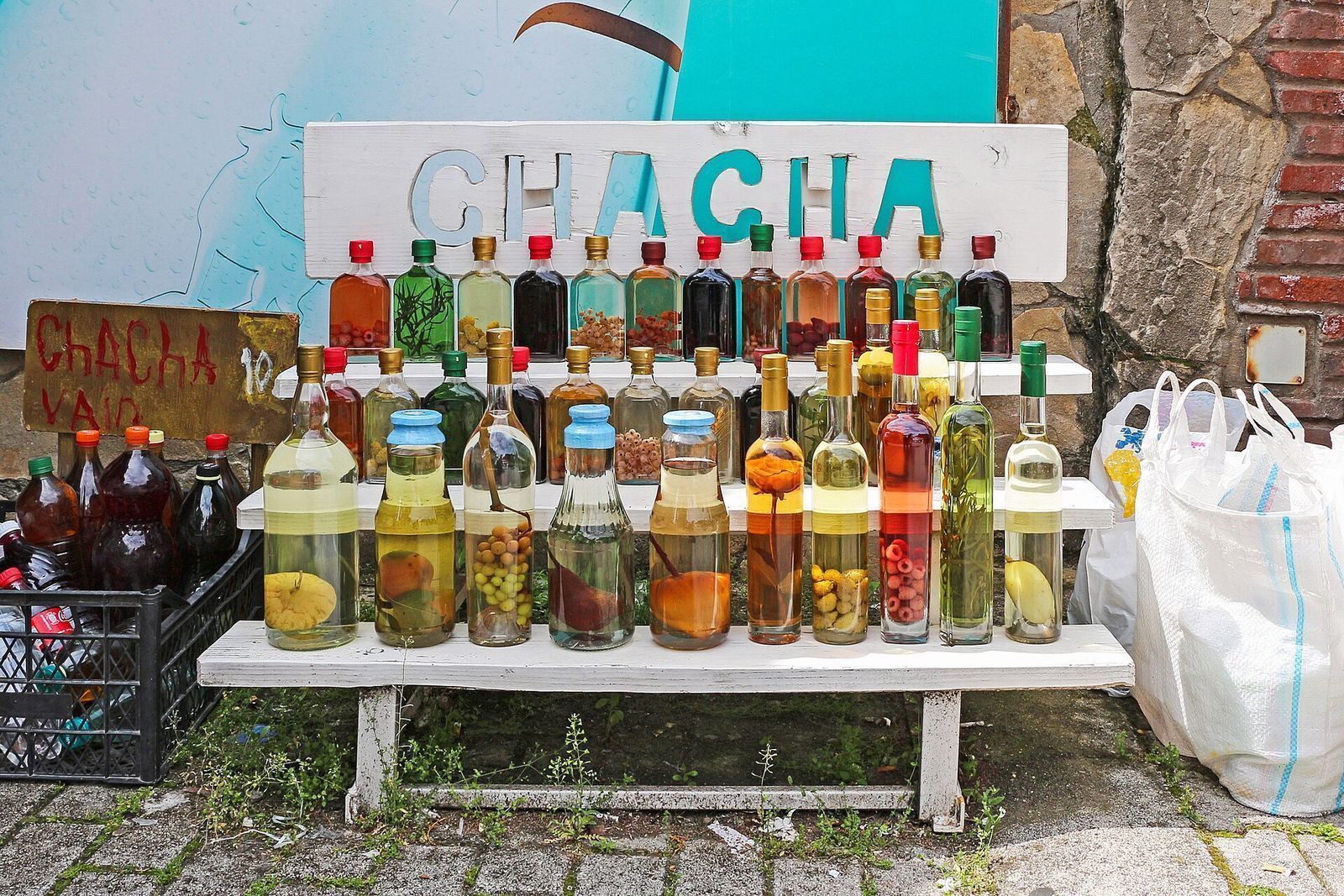
Chacha, Georgia's grape brandy, counts as a spirit at customs, and spirits allowances are tighter than wine. The EU allows 1 liter over 22% per adult duty-free, the UK 4 liters, and in the US a bottle of chacha uses up the 1-liter alcohol allowance on its own. Factory chacha is usually 40 to 43%; homemade runs stronger.
For a bottle that flies, buy factory-sealed: Shumi, Old Tbilisi and Sarajishvili are the brands to look for in shops and supermarkets. Homemade chacha at the market costs 10 to 20 GEL a liter, but it comes in plastic bottles, and badly distilled homemade spirit can carry methanol, so I'd only buy it from an established stall and drink it here. Keep the bottle sealed or keep the receipt, and pack it the same way as the wine.
Key takeaways
- Georgia doesn't limit the wine you carry out; your home allowance does: 18 liters to the UK, 4 to the EU and 1 to the US duty-free.
- Every bottle goes in checked luggage, bagged in plastic, wrapped in a towel and packed in the middle of the case.
- Six bottles add about 9 kg, so past 3 or 4 bottles a cheap second bag beats cramming.
- Ship only when you've bought more than you can fly with; Georgian Post takes 2 to 4 weeks and costs more than an extra bag.
- Fly home with sturdy reds and amber wine from established wineries, and drink the fragile natural bottles in Tbilisi.
Frequently asked questions
How many bottles of wine can I take out of Georgia?
Georgia has no limit on wine for personal use, so the cap is your home country's allowance. Duty-free, that's 24 bottles for the UK, about 5 for the EU and 1 for the US, and you can bring more if you declare it and pay the duty. Most visitors fly home with 6 to 10 bottles.
Can I take wine in my hand luggage from Tbilisi?
No, unless you buy it in duty-free after security. The 100 ml liquid rule applies at Tbilisi airport, so bottles from the city go in your checked bag. Duty-free bottles can fly in the cabin in their sealed bag, but a transfer security check on a connecting flight may still take them.
Can you ship wine from Georgia?
Yes, but it's slow and rarely cheaper than flying it home. Georgian Post takes 2 to 4 weeks, many countries and US states restrict alcohol sent by post, and a second checked bag for 25 to 40 euros carries a dozen bottles on your own flight.
Is there a wine shop at Tbilisi airport duty-free?
Yes. The duty-free area after passport control is open 24 hours and includes a Georgian wine store that pours tastings. The city shops have a wider range of small producers, so I use the airport for one last bottle rather than the main haul.
Do I have to declare wine at customs when I get home?
Only above your duty-free allowance. Within it, walk through the green channel; above it, use the red channel, declare the bottles and pay duty and tax on the extra. Keep your receipts, since they show what you paid.
How much chacha can I bring home from Georgia?
The duty-free limit is 1 liter for the EU and the US and 4 liters for the UK. In the US that 1 liter covers wine and spirits together, so a bottle of chacha uses it up. Buy factory-sealed bottles and pack them in checked luggage.
How do you pack wine in a suitcase?
Bag each bottle in plastic, wrap it in a towel or socks, and lay it in the middle of a checked case with soft clothes tight around it. Keep bottles away from the shell and the wheels, and weigh the bag before you leave, since six bottles add about 9 kg.
Georgian Drinks: What to Drink in Georgia and Where to Try It in Tbilisi
Tbilisi is known for its qvevri wine. Here's what to drink in Georgia, from amber wine to chacha, and where to try it.
Read the guide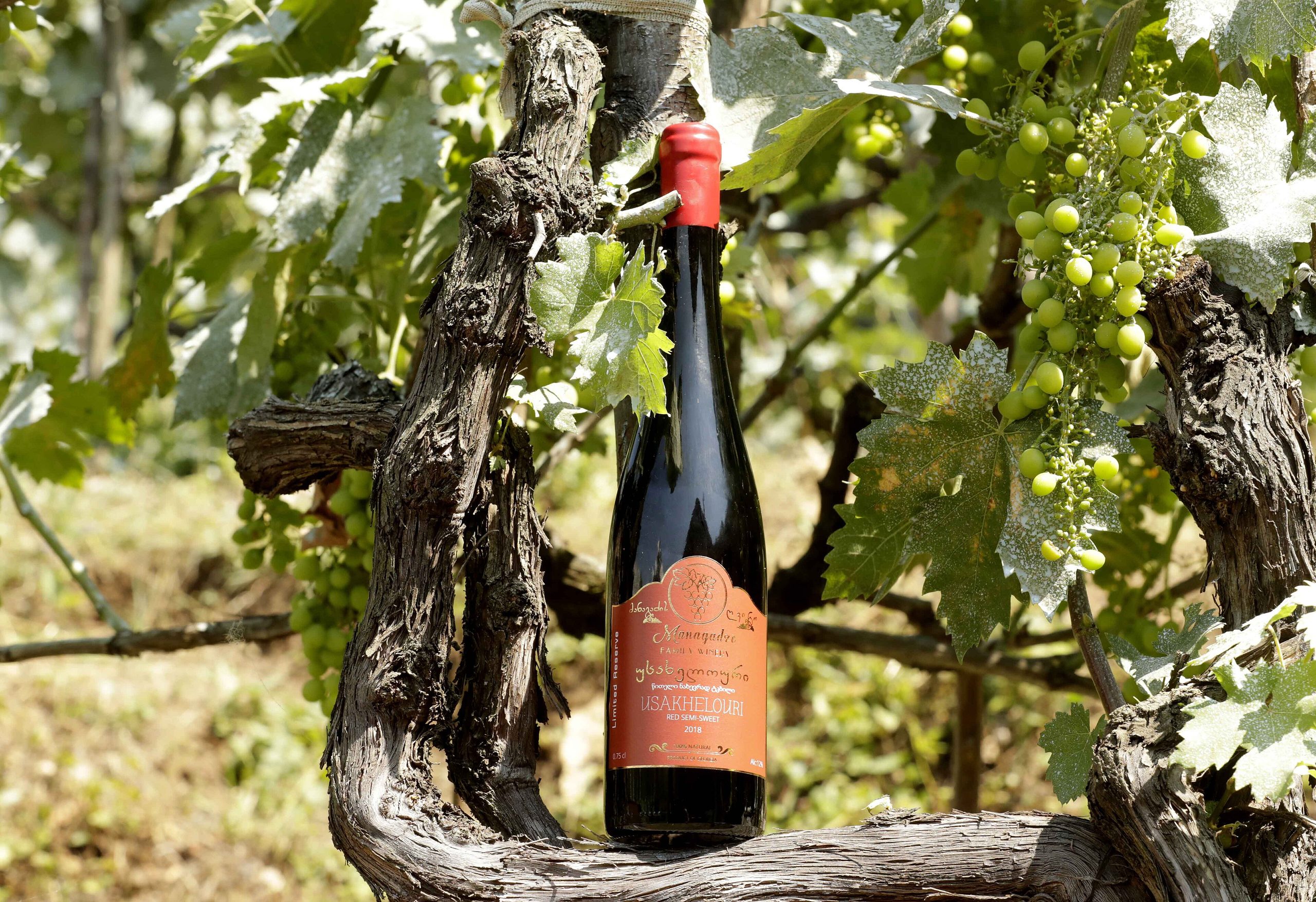
Georgian Wine Guide: Regions, Styles and What to Order
Georgia is known for 8,000 years of winemaking. Here is what to know about its styles, regions, prices and bars.
Read the guide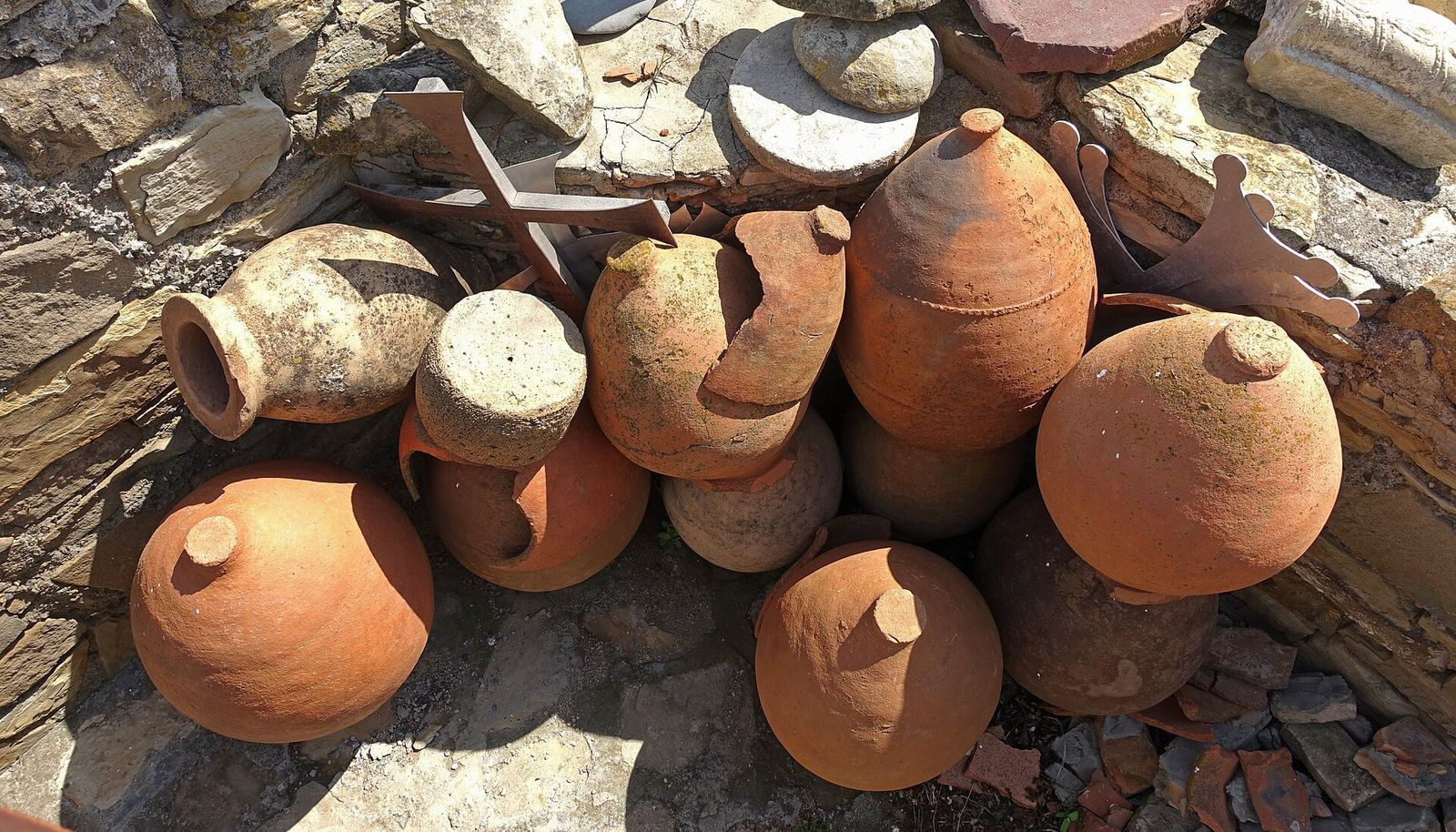
Qvevri Wine: How Georgia Makes Wine in Buried Clay Jars
Georgia is known for qvevri wine. Here is what the clay jars are, how the wine tastes and where to try it in Tbilisi.
Read the guide