Opera and Theatre in Tbilisi: The Opera House, Ballet and Tickets
Tbilisi is known for its striped Moorish opera house on Rustaveli Avenue, a ballet company with real international pedigree and a tiny puppet theatre that sells out for weeks. A night at one of them costs less than dinner in most European capitals. Here's what you need to know about the stages worth your evening, which shows work without Georgian, what tickets cost and how to book them.
Where to see opera, ballet and theatre in Tbilisi
Tbilisi has more stages than a city of its size needs, and most of them sit on or near Rustaveli Avenue, within a 15-minute walk of each other. The catch for visitors is language: drama is almost all in Georgian or Russian, so the best evenings are the ones where the story is told by music, dance or puppets.
| Stage | What's on | Language | Tickets | Best for |
|---|---|---|---|---|
| Opera and Ballet Theatre | Classical ballet, Georgian and Italian opera, galas | None needed for ballet; opera sung in the original | From about 20 GEL | A first big night out |
| Gabriadze Marionette Theatre | Rezo Gabriadze's puppet plays | Georgian and Russian, English subtitles | About 10 to 60 GEL | The most original evening in the city |
| Rustaveli Theatre | Georgian drama, Shakespeare | Georgian, English translation on some nights | Per show | The building and the history |
| Marjanishvili Theatre | Georgian drama | Georgian | Per show | Theatre fans, the facade |
| Griboedov Theatre | Russian drama | Russian | Per show | Russian speakers |
| Tbilisi Concert Hall | Classical, jazz, folk dance companies | Music | Per show on tkt.ge | Concerts and the October jazz festival |
My order for a short trip: ballet at the opera house first, the Gabriadze theatre second if you can get seats, and the Rustaveli Theatre as a facade you admire on the walk between them.
The Tbilisi Opera and Ballet Theatre
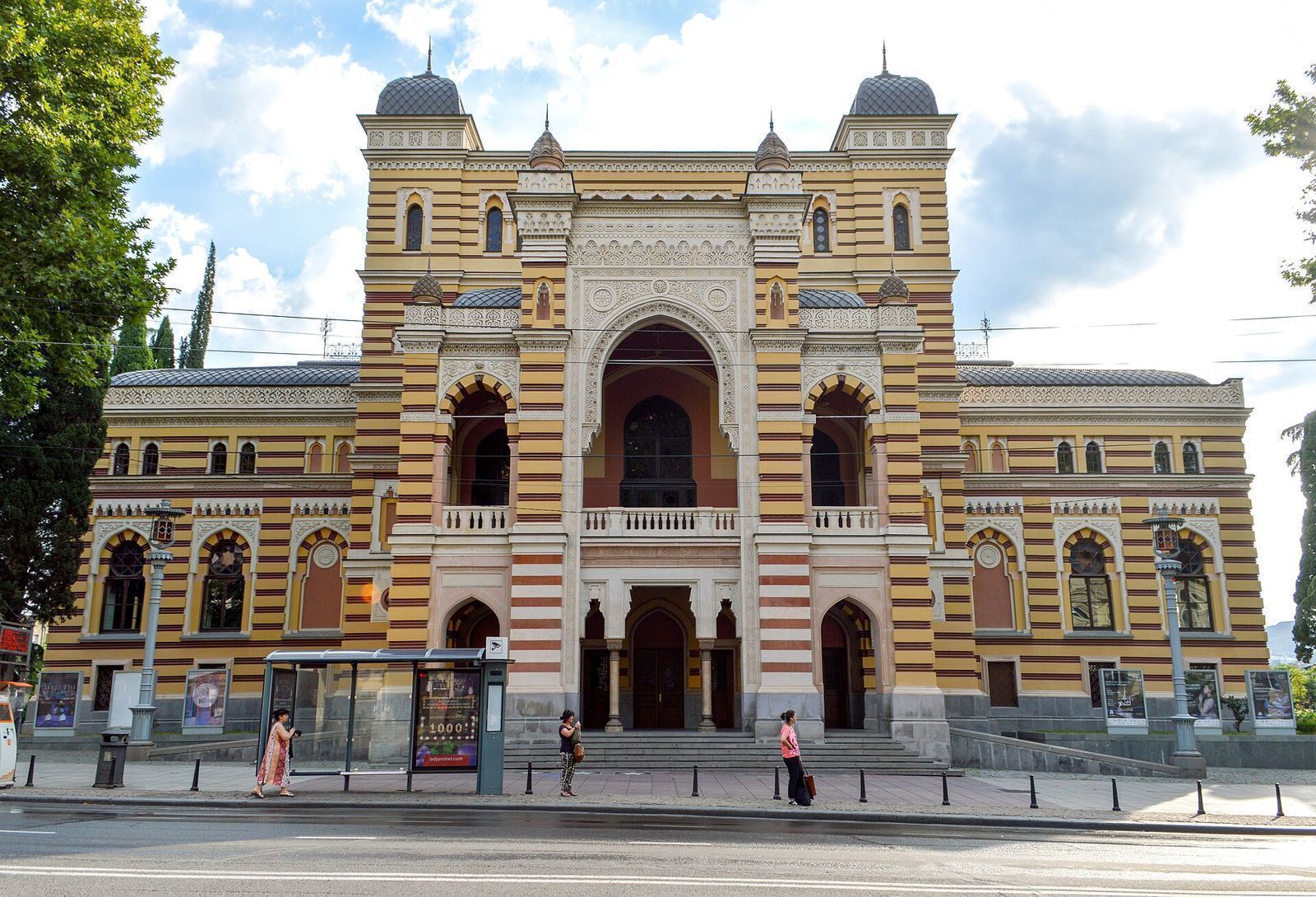
The opera house is the building you won't mistake for anything else on Rustaveli Avenue: yellow and red striped stone, horseshoe arches and little domed towers, as if a palace from Andalusia had been moved to the Caucasus. Its full name is the Zakaria Paliashvili Tbilisi Opera and Ballet State Theatre, after the composer who wrote Georgia's best-loved operas, and locals simply call it the Opera.
A short history of the opera house
Opera in Tbilisi is older than the building. The city's first theatre opened its first season on 9 November 1851 with Donizetti's Lucia di Lammermoor, in a theatre built under Mikhail Vorontsov, the Russian viceroy, on what is now Freedom Square. Fire destroyed it on 11 October 1874, taking the costumes, the sets and much of the music library with it.
The replacement went up on Rustaveli Avenue to a design by Viktor Schröter, an architect from St Petersburg, and opened in 1896. The Moorish style was the official taste for public buildings in the Caucasus at the time, but the plan inside is a typical European horseshoe opera house. The theatre has carried Paliashvili's name since 1937.
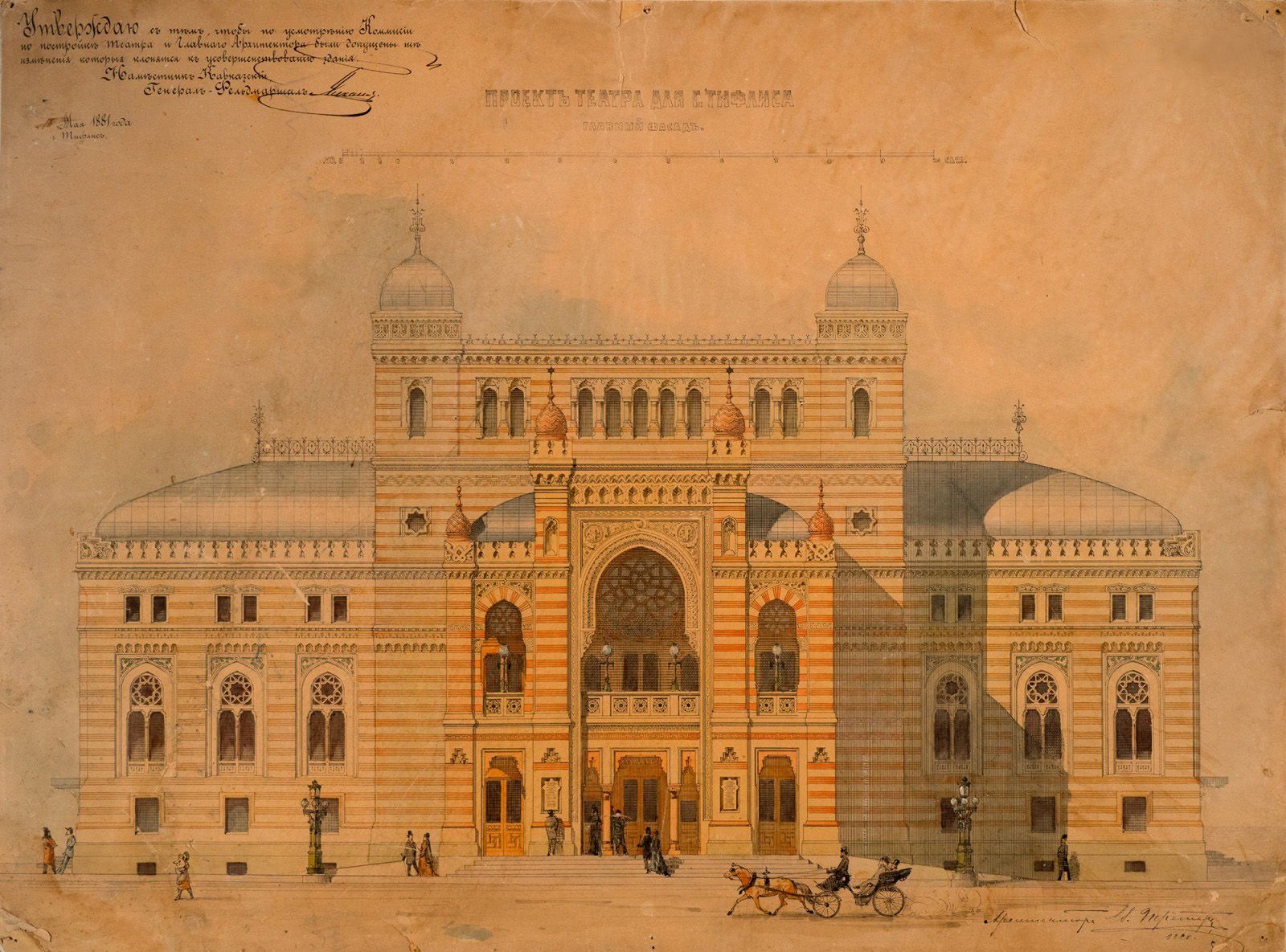
A second fire in 1973 gutted the interior, which was rebuilt close to the original design. The most recent restoration took about six years and reopened the house in January 2016 with Paliashvili's Abesalom and Eteri, the Georgian opera that traditionally opens each season.
Inside the building
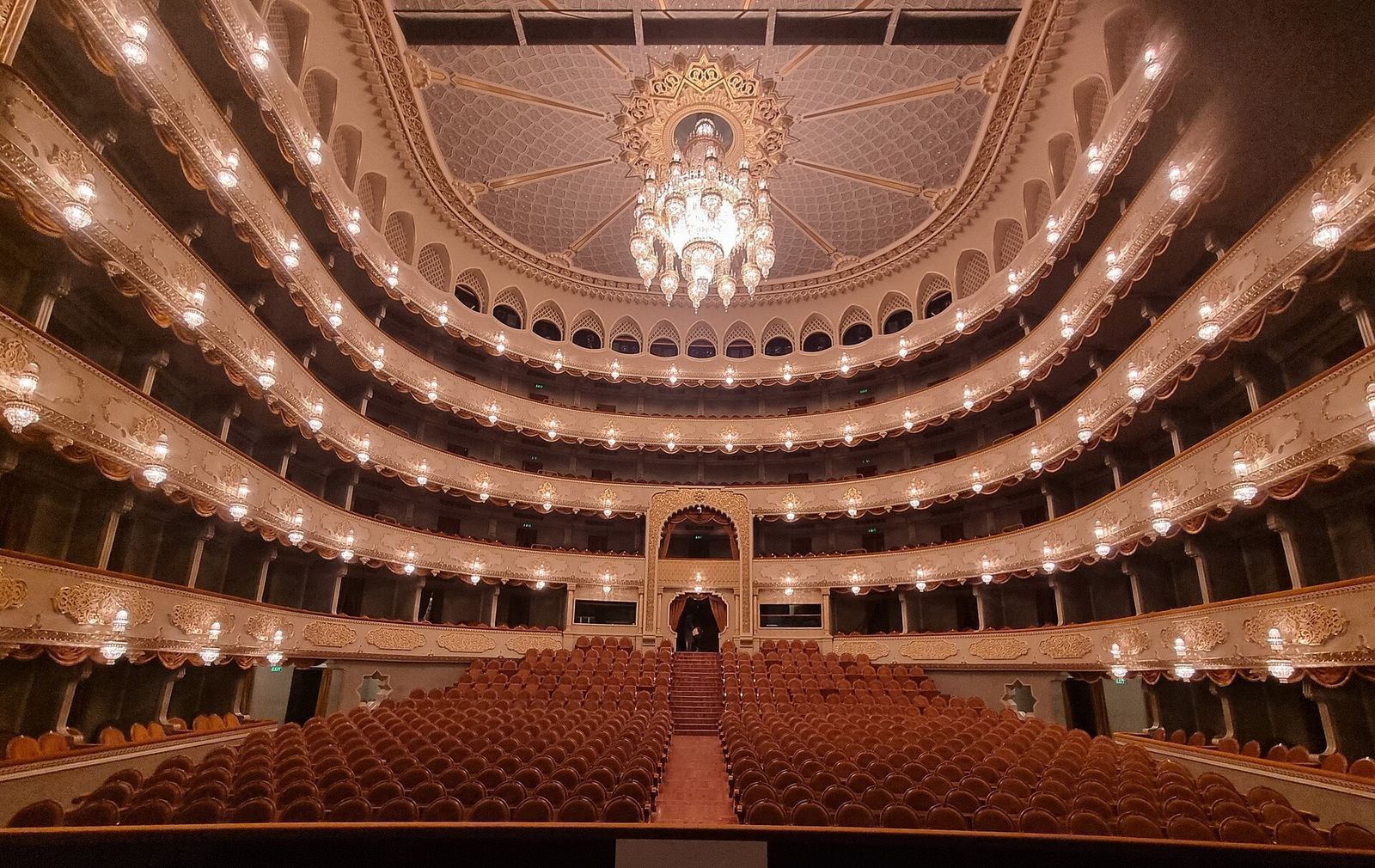
The auditorium seats about 1,065 people, with five tiers of side and back balconies curving around the stalls. It's all red velvet, gilding and painted Moorish patterns, and it looks best from one of the upper tiers, where you see the whole ceiling and chandelier rather than the back of the heads in front of you. The foyers and staircases are part of the evening too, so arrive early and walk the house before you sit down.
Can you tour the opera house?
Yes, with some planning. The theatre arranges guided tours of the building, and the best of them take you backstage to the rehearsal rooms of the State Ballet, often bundled with a ticket for a performance that evening. Ask at the box office or book through the theatre a few days ahead rather than turning up at the door. If you only want to see the hall, a cheap upper-tier ticket is the easiest tour there is.
Ballet or opera: what to see at the Tbilisi Opera
Pick the ballet. The State Ballet of Georgia is the company with the bigger reputation, and dance needs no subtitles. It has been led since 2004 by Nino Ananiashvili, the Georgian ballerina who danced as a principal with the Bolshoi and American Ballet Theatre, and she has brought guest stars, international choreographers and a polish that matches the building.
The ballet repertoire leans on the classics: Swan Lake, Giselle, The Nutcracker, Don Quixote, Romeo and Juliet and A Midsummer Night's Dream all come round regularly. A ballet night is the one I'd book for anyone on their first trip, including people who have never seen a ballet at home.
The opera side is worth it for something you can't hear anywhere else: Georgian opera. Paliashvili's Abesalom and Eteri and Daisi are the national classics, and Victor Dolidze's comic opera Keto and Kote, a matchmaking story set in old Tbilisi, opened the 2026 program over New Year. The Italian and Russian repertoire is sung in the original language.
| Show type | Examples | Language | Who it suits |
|---|---|---|---|
| Classical ballet | Swan Lake, Giselle, Don Quixote | None needed | Everyone, first-timers included |
| Georgian opera | Abesalom and Eteri, Daisi, Keto and Kote | Georgian | Curious visitors who know the story first |
| Italian and Russian opera | Lucia di Lammermoor and the standard repertoire | Original language | Opera fans |
| Galas and festival nights | Guest stars, visiting companies | Mostly dance and music | Anyone who can book early |
Opera and ballet tickets in Tbilisi: prices and how to book
Ballet and opera tickets start at about 20 GEL in the upper tiers, which makes the opera one of the cheapest grand nights out in Europe or Asia. Seats in the stalls and the front of the boxes cost a good deal more, and gala nights, guest stars and festival performances cost more again. Popular ballets and festival nights sell out well ahead, so buy as soon as your dates are fixed.
There are three ways to buy:
- Online on opera.ge, the theatre's own site, with the full program for the season.
- Online on tkt.ge, the main ticket site in Georgia, where you pick your seat on a map of the hall and pay by card.
- At the box office in the theatre, open roughly 11:00 to 19:00, which is the easy option if you're walking the avenue anyway.
Online tickets are electronic: you show the QR code on your phone at the door, with no printing. Children under 6 are generally not admitted to evening performances.
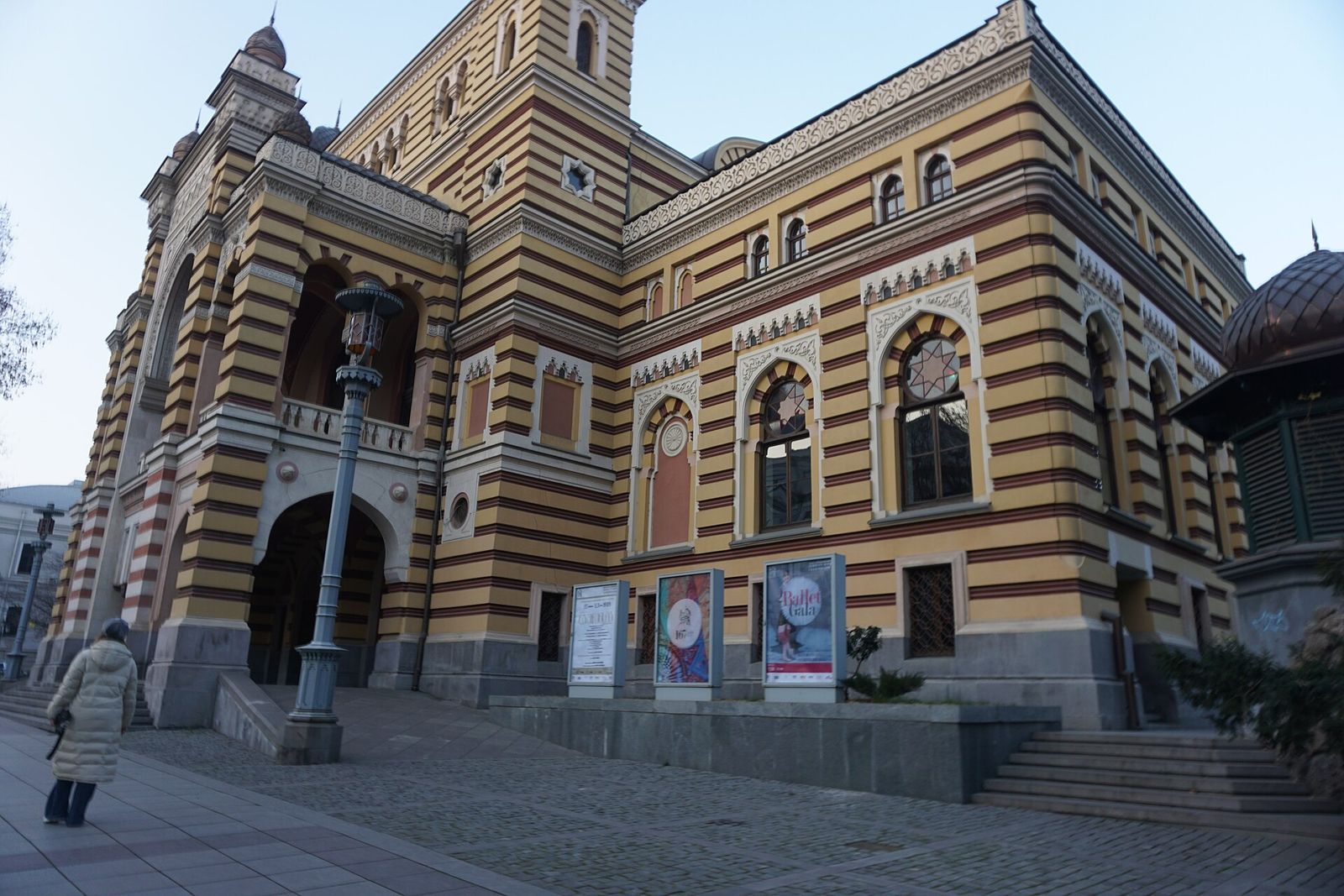
For seats, I'd skip the cheapest side places at the far end of the upper tiers, where the view of the stage gets cut, and pay a little more for a seat facing the stage in the second or third tier. For ballet, a raised seat is better than the front of the stalls anyway, because you see the patterns the dancers make across the whole floor.
What to wear and theatre etiquette in Tbilisi
Smart casual is the norm. A shirt or a nice top with trousers or a dress is right, and nobody expects a suit. What doesn't work is beachwear: shorts, sportswear and flip-flops look out of place next to a dressed-up local crowd. Opening nights, galas and the July festival bring out the best clothes in the city, so dress up a notch for those.
Photography and filming are not allowed during the performance. Snap the hall before the lights go down and during the interval, when everyone else is doing the same. The interval is the time to walk the foyers and staircases, which are as ornate as the hall.
The Gabriadze Marionette Theatre
The Gabriadze theatre and its leaning clock tower on Shavteli Street in the Old Town hold the most original evening in Tbilisi. Rezo Gabriadze, the artist and screenwriter, founded his marionette theatre in 1981, made every puppet and set himself, and toured his plays to festivals across Europe and the United States. He died in 2021, and the theatre keeps his plays running.
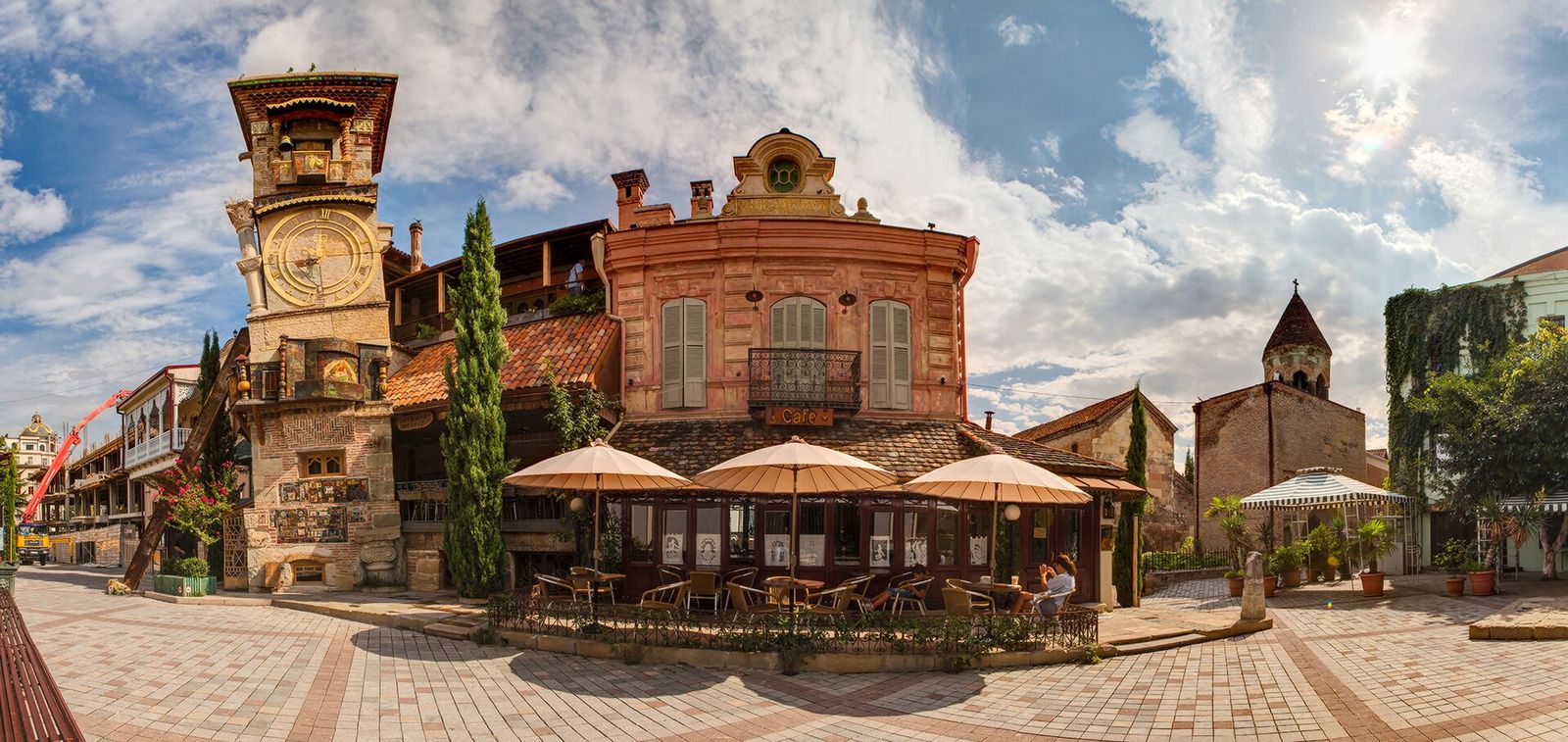
These are puppet plays for adults: Alfred and Violetta is a love story taken from La Dame aux Camélias, and Stalingrad is a requiem for the siege, told through people, horses and ants. Shows are performed in Georgian and Russian with English subtitles, and the evening performances are for ages 12 and up.
The hall has just 80 seats, and tickets cost roughly 10 to 60 GEL depending on the show and the seat. Buy them on the theatre's website, where you pick your seat, or at the box office by the tower, open daily from 12:00 to 19:00. There are no shows on Mondays.
The Rustaveli Theatre
The Rustaveli Theatre is Georgia's national drama theatre and the most famous stage in the country after the opera. Its company dates to 1879, when Georgian-language theatre was revived in Tbilisi, it moved into its building on Rustaveli Avenue in 1901, and it has carried the name of the poet Shota Rustaveli since 1921.
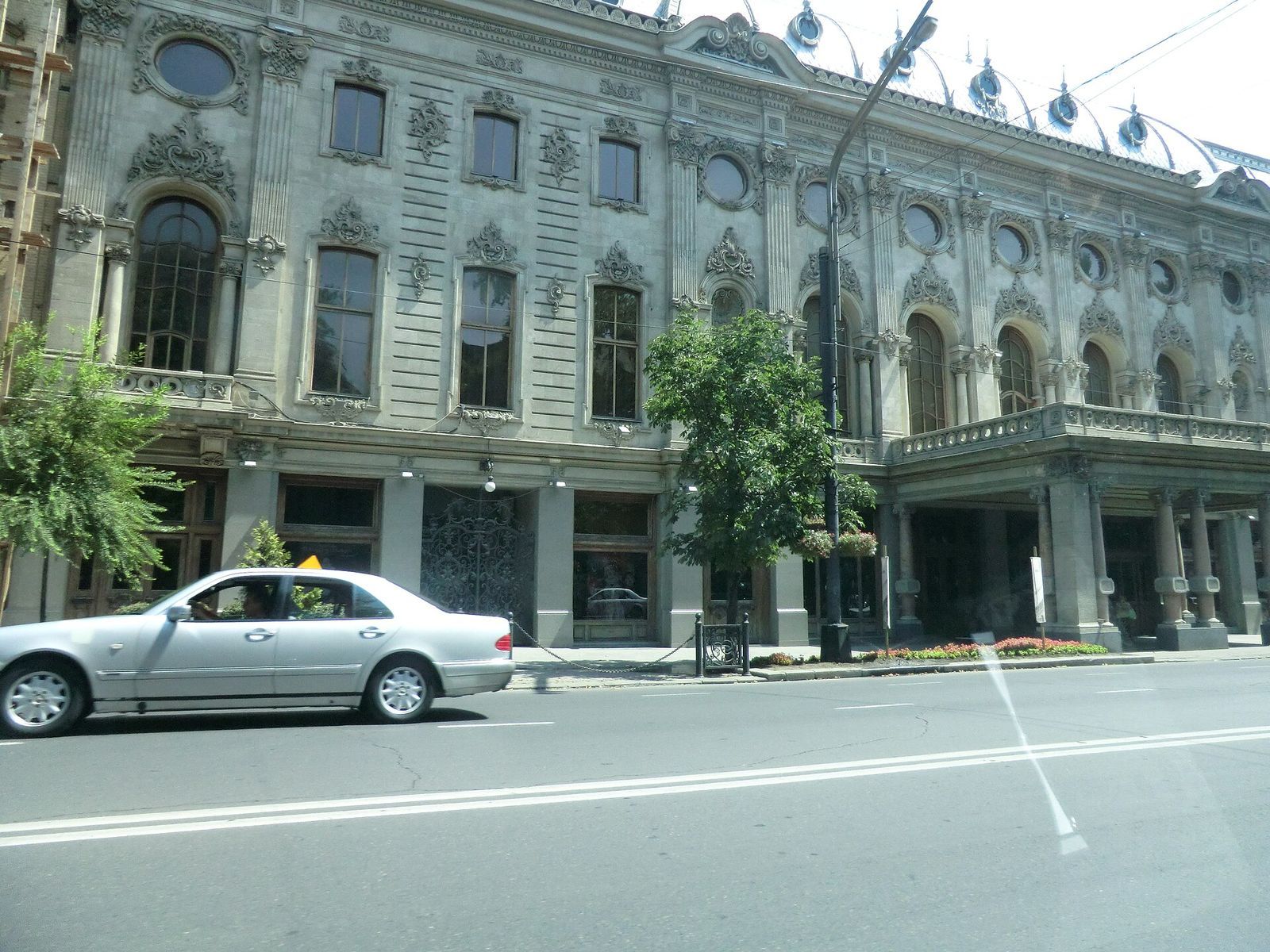
Abroad, the name means Robert Sturua. The director ran the theatre from 1979 for more than 30 years, and his Shakespeare productions, Richard III and King Lear among them, toured the world and made the Rustaveli one of the best-known theatres of the late Soviet era.
The honest limit for visitors is language. Plays are in Georgian, and English translation is offered only on some nights, so check the listing before you buy. Even without a ticket, the building is worth a look: the facade, with its round windows and carved stone, is one of the best on the avenue, and the basement was once the artists' cafe of early 20th-century Tbilisi, with murals by Lado Gudiashvili and his circle still on the walls.
Other theatres and concert halls in Tbilisi
A few more stages are worth knowing, mostly for what they show you about the city rather than for a night out in a language you don't speak.
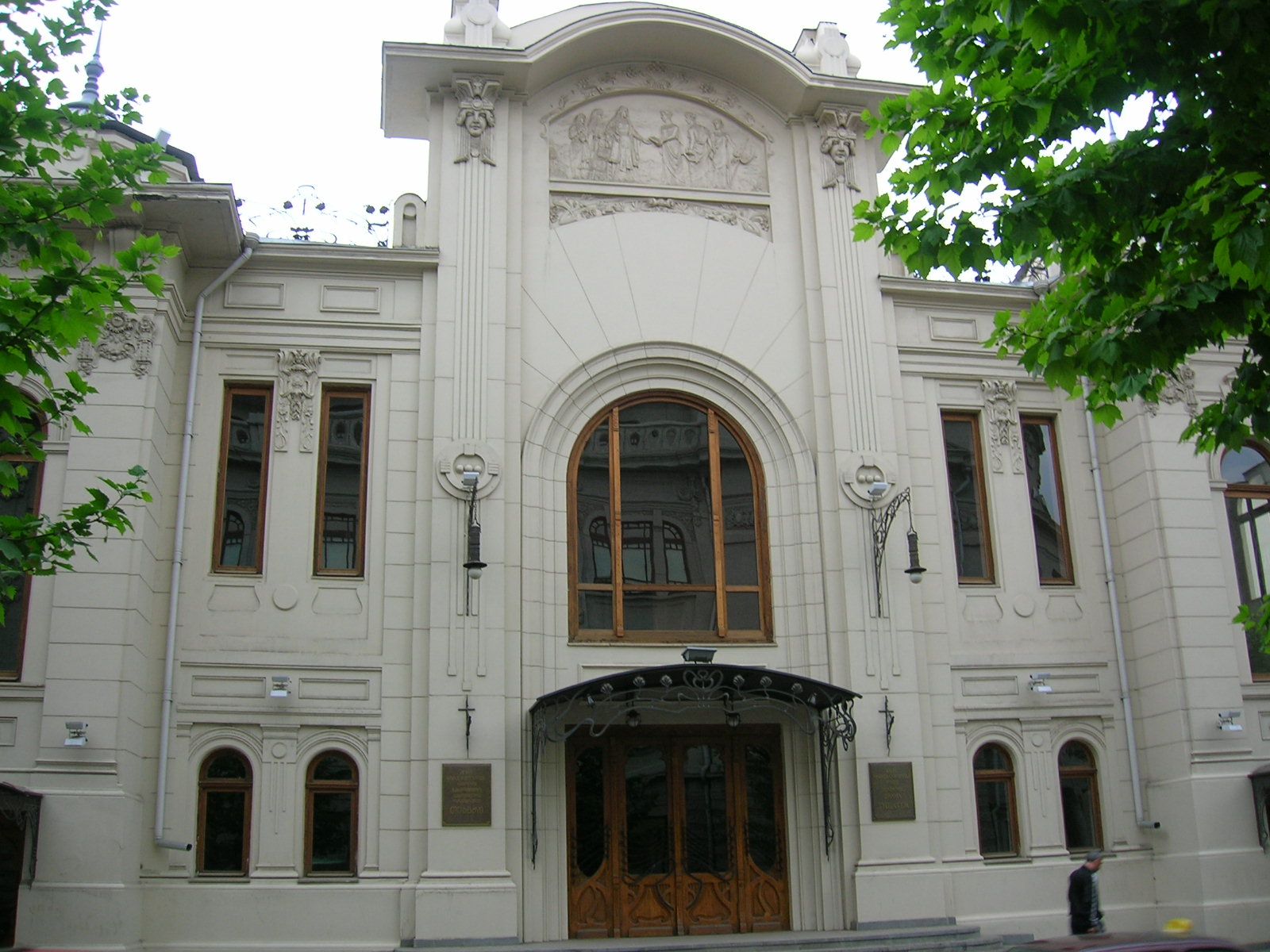
Marjanishvili Theatre. The other great Georgian drama house, in Marjanishvili on the left bank, behind an early 20th-century facade with stars for its actors set into the pavement outside. Plays are in Georgian.
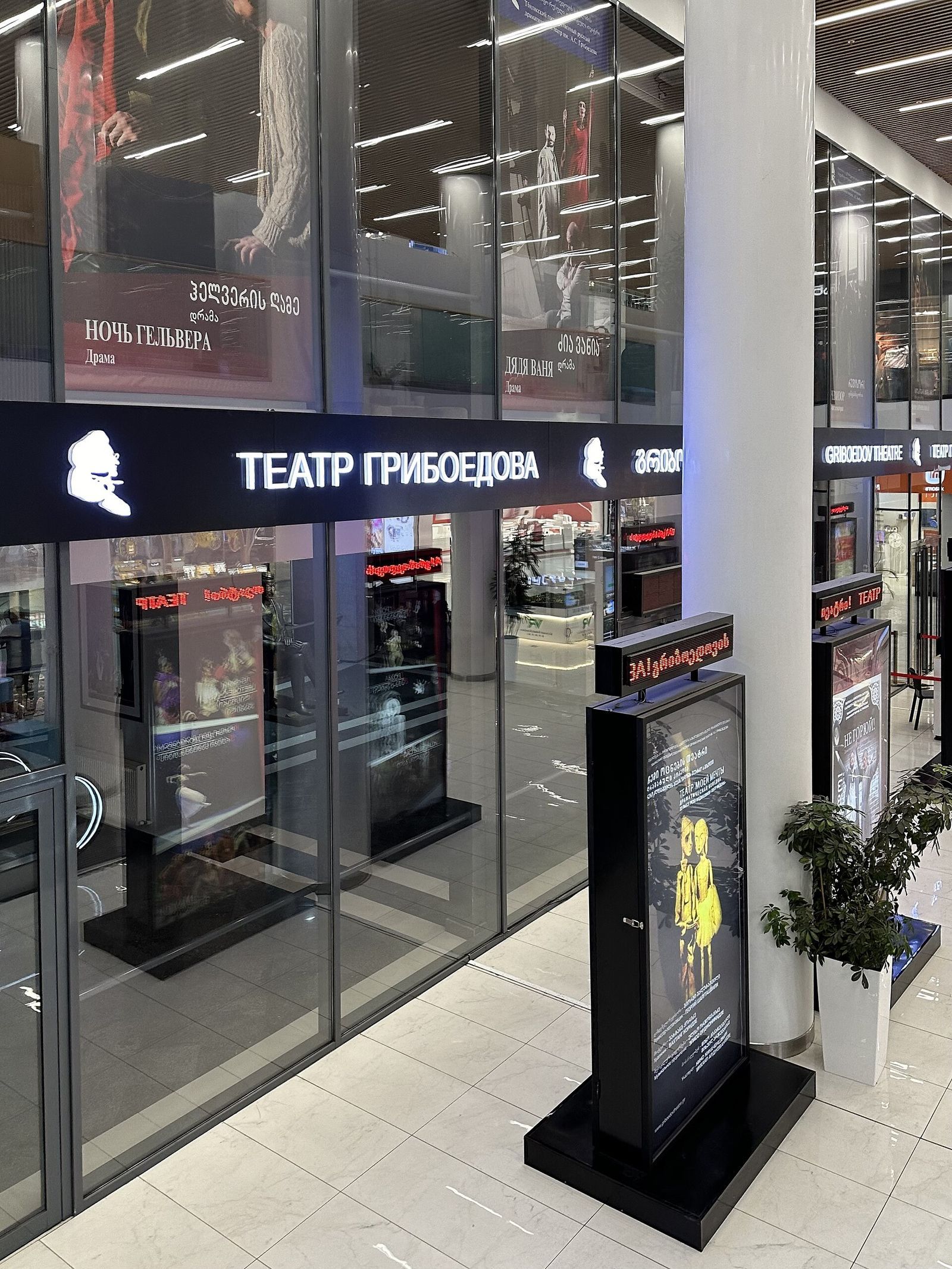
Griboedov Theatre. The Russian-language drama theatre, at the Freedom Square end of Rustaveli Avenue, and the one to pick if you speak Russian.
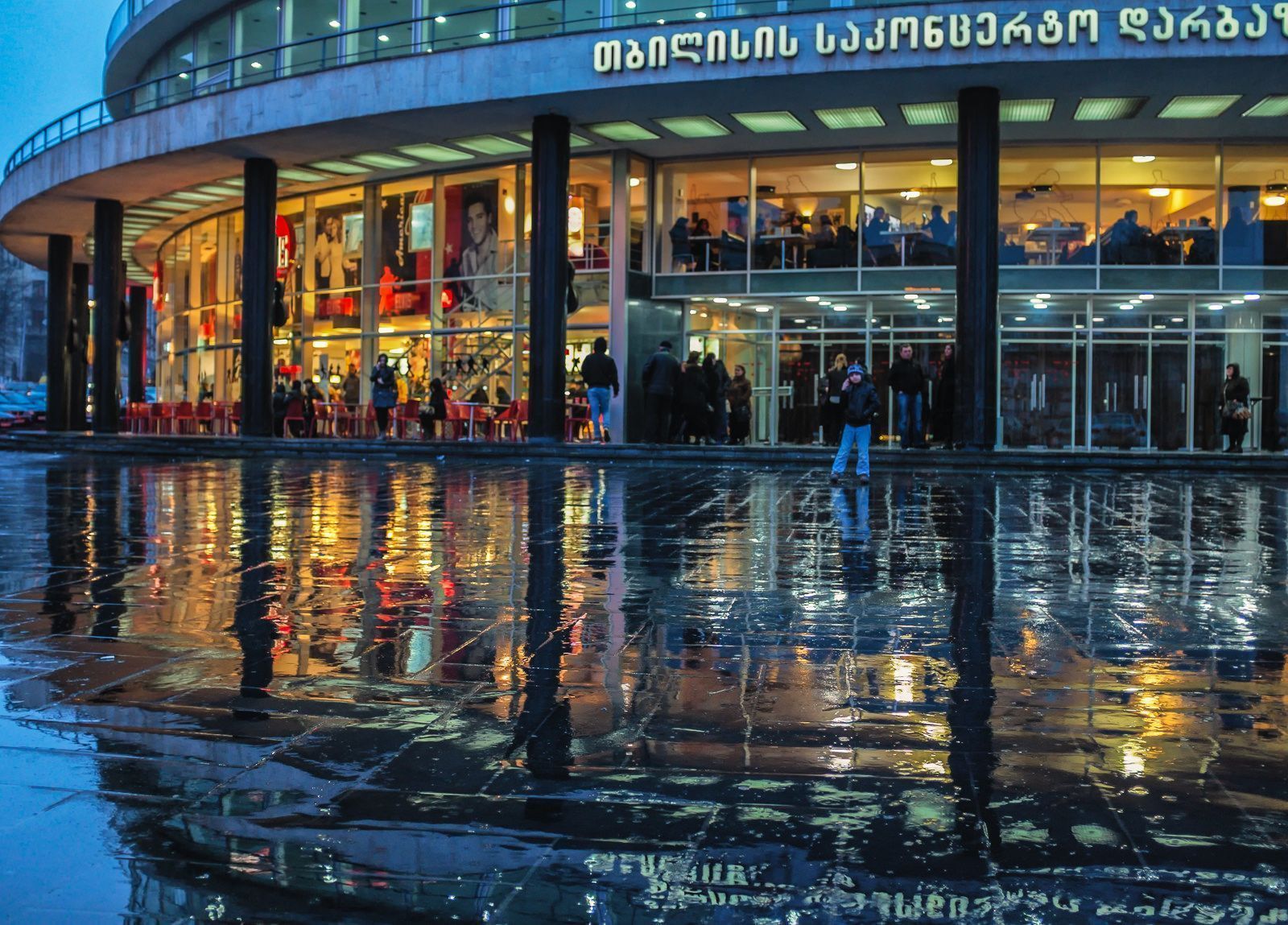
Tbilisi Concert Hall. The big modern hall that locals still call the Philharmonic, for classical concerts, folk ensembles and the Tbilisi Jazz Festival every October; the wider live music scene in Tbilisi runs from jazz clubs to wine bar gigs.
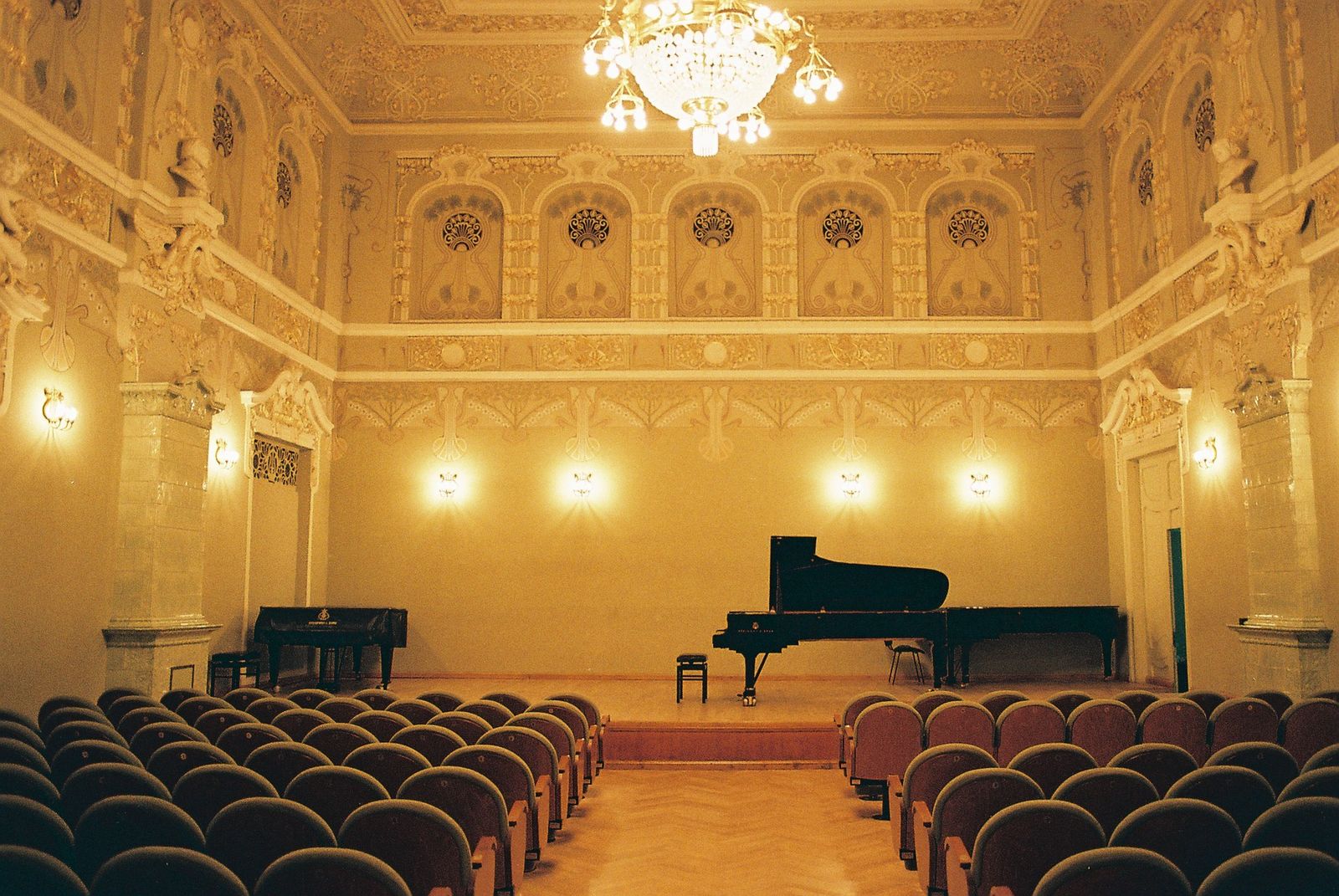
Tbilisi Conservatoire. A yearly program of student and faculty concerts through the academic year.
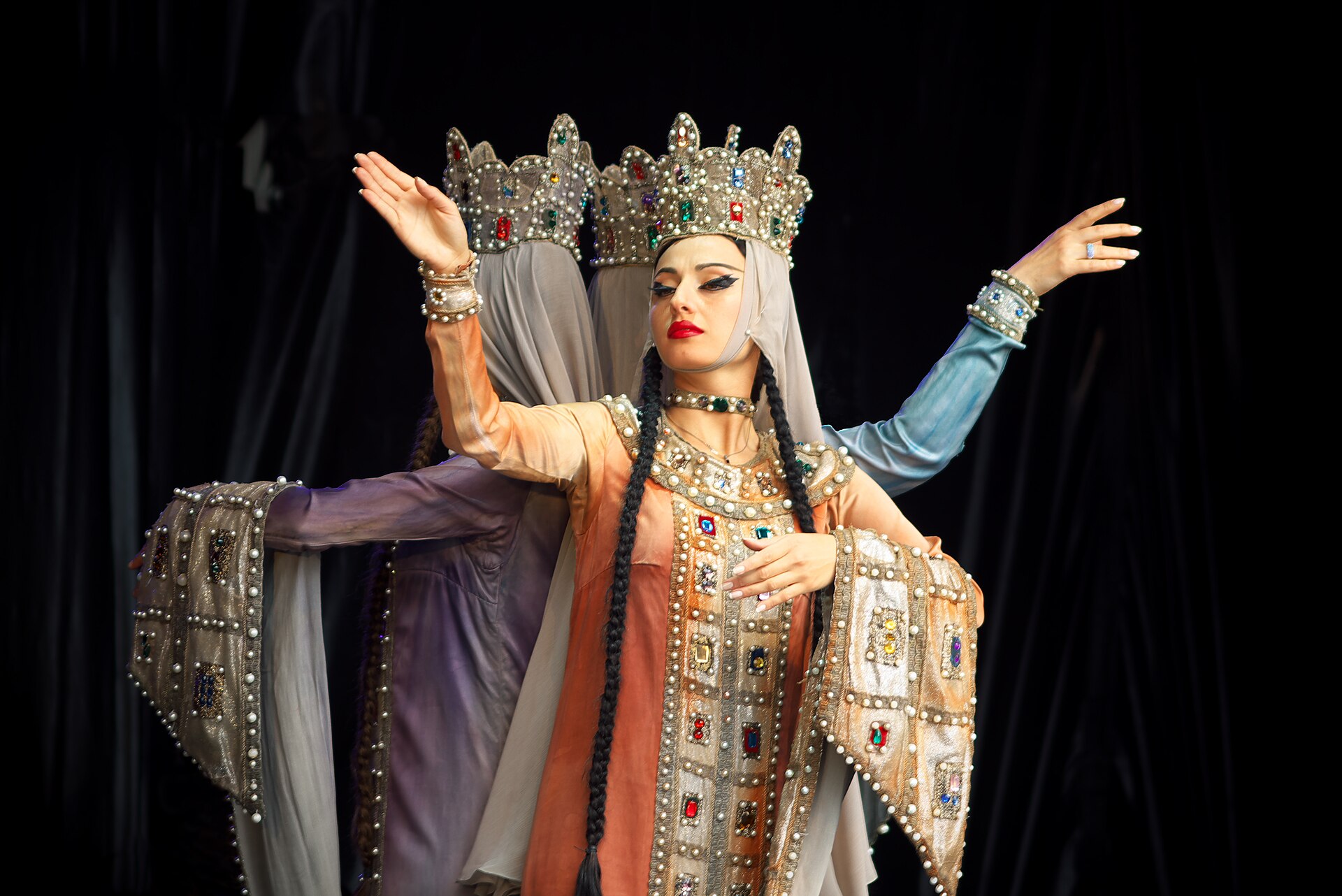
Sukhishvili. Folk dance is its own world, and Sukhishvili, the Georgian National Ballet, is not a classical ballet company at all but the famous folk dance troupe. It spends long stretches touring abroad, so its home dates are worth grabbing when they appear.
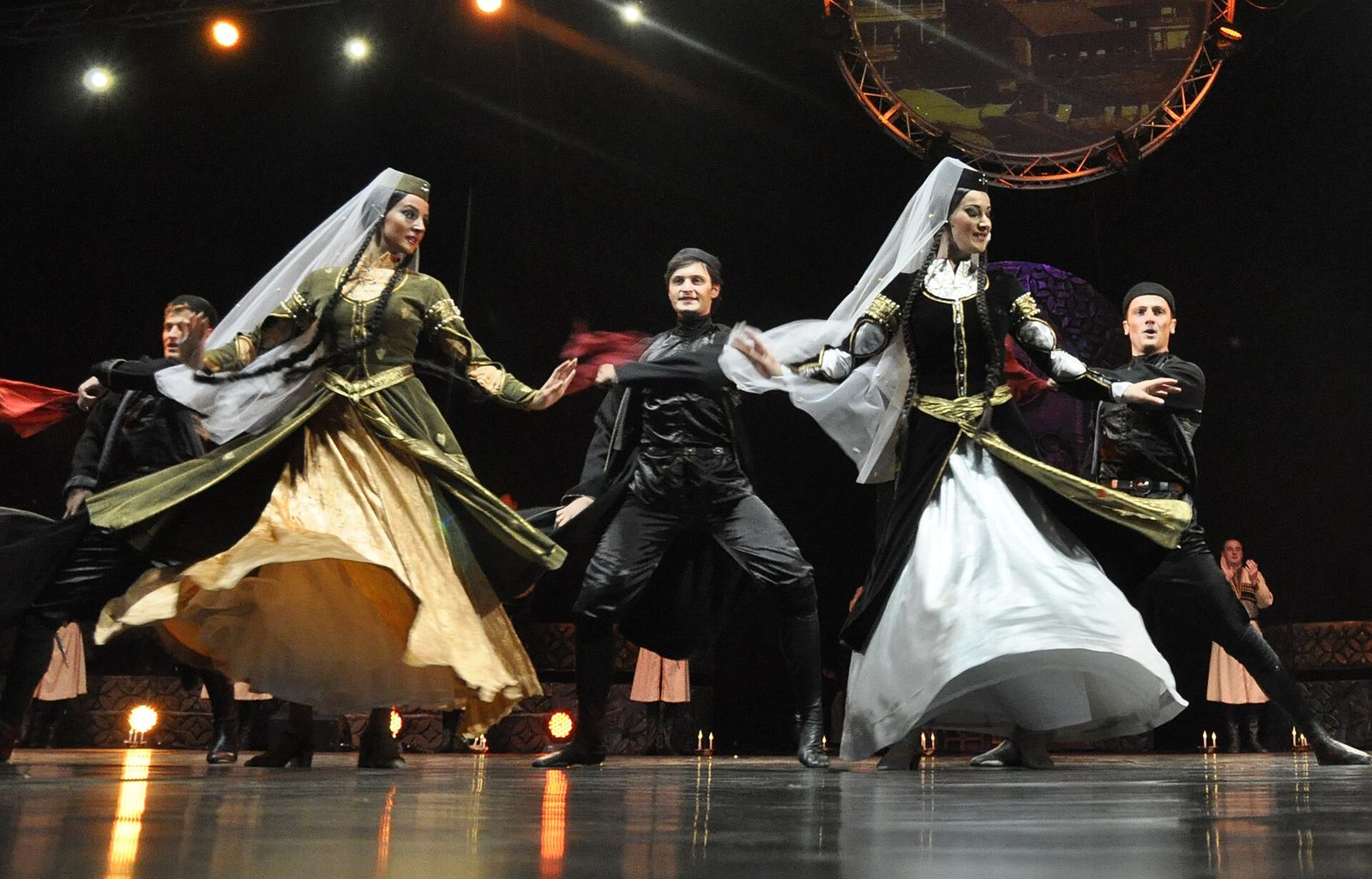
Erisioni. The state ensemble of dance and song. When it and Sukhishvili play at home, the shows are the best place to see Georgian polyphonic singing and dance on a big stage.
Movement Theatre. Kakha Bakuradze's company builds its shows on movement more than dialogue, which makes it one of the few drama stages in town that works without Georgian.
When to go: the season and the July ballet festival
The opera's season runs from autumn to July. It traditionally opens with Abesalom and Eteri, the program is fullest from October to May, and the house goes quiet in August before the new season starts. Over New Year the theatre puts on festive programs, and in 2026 it opened the year with Keto and Kote.
The highlight is the Tbilisi International Ballet Festival, held every July under Nino Ananiashvili's direction. The 2026 edition ran from 5 to 19 July with Swan Lake, The Sleeping Beauty and Pina Bausch's Tanztheater Wuppertal as a visiting company, and festival nights are the ones that sell out first. It's one of the summer highlights in the festival calendar for Georgia, alongside Art-Gene at the end of the month.
For the Gabriadze theatre, the season matters less than the day: there are no shows on Mondays, and the busy summer months are when it's hardest to get seats.
Dinner before the show near the opera
Plan dinner around the curtain rather than after it. Georgian dinners run long, the kitchens on Rustaveli stay open late, and a big meal before a three-act opera is a mistake I'd only make once. My rule: a light, early meal near the theatre, then a proper late dinner or a glass of wine after the show. Most of the best restaurants in Tbilisi for a late dinner are a short taxi ride away in Sololaki and the Old Town.
Salobie Bia
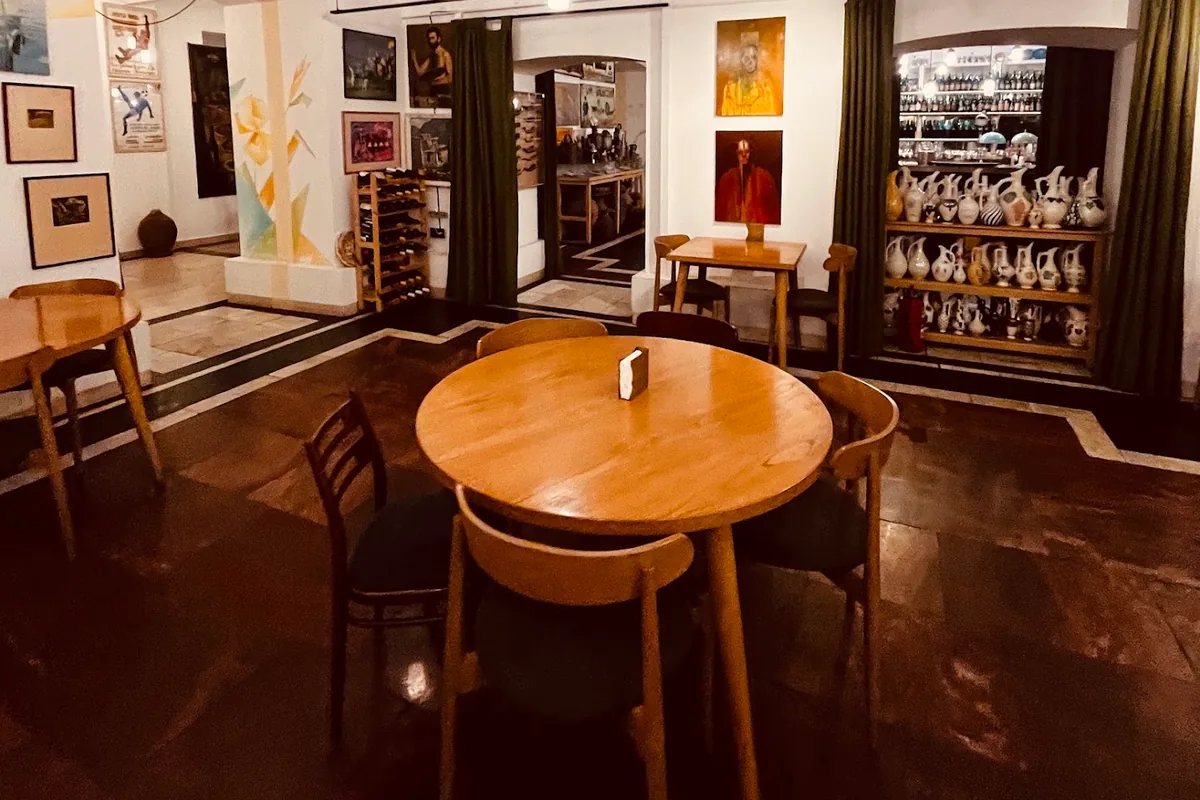
Salobie Bia sits at 17 Rustaveli Avenue, right beneath the Rustaveli Theatre and a couple of minutes' walk from the opera, so it's the easiest pre-show table on the avenue. The room is calm and simple, and the kitchen keeps to Georgian home cooking. I'd order the lobio, a slow-cooked bean stew served in a clay pot with cornbread, and a kubdari, the meat-filled bread from Svaneti, to share.
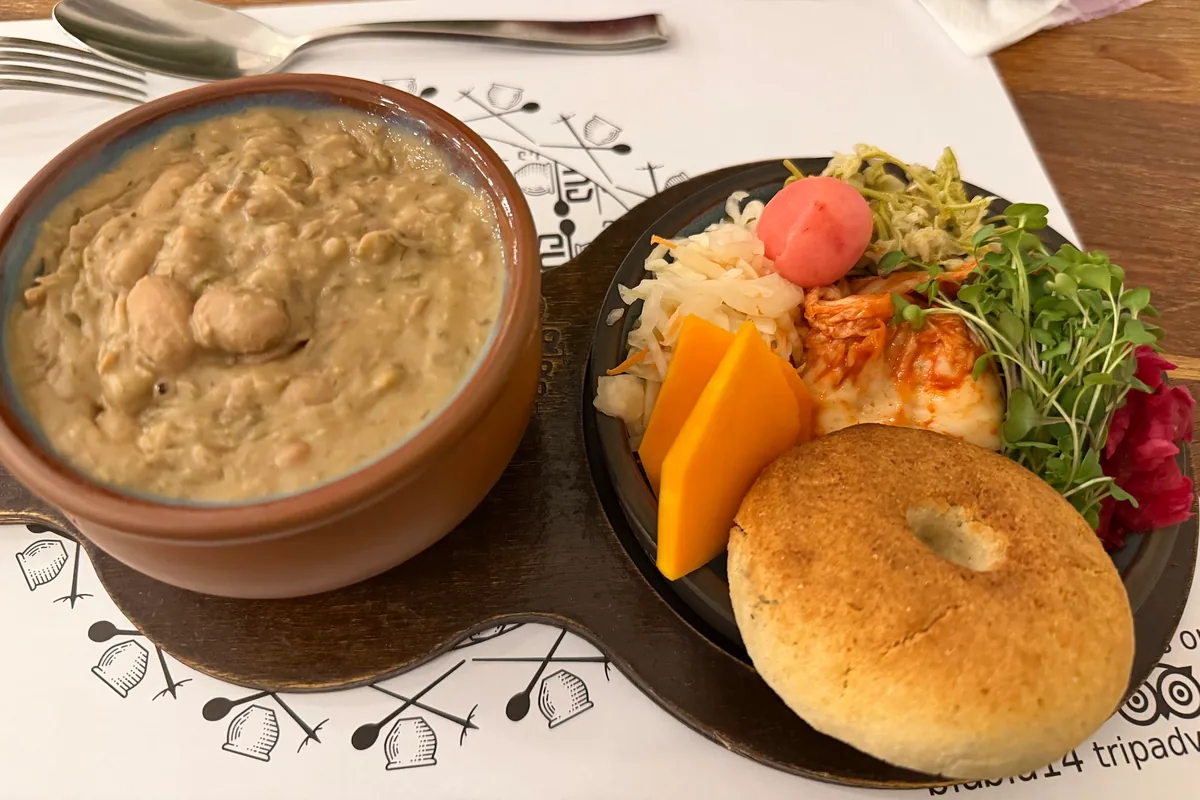
It suits a calm meal before the curtain rather than a long feast. For something livelier, Sofia Melnikova's Fantastic Douqan sits in a courtyard behind the Rustaveli Theatre and serves until 2 AM, which also makes it the obvious place for a drink after the show.
Getting to the opera and the Rustaveli Theatre
Both theatres are on Rustaveli Avenue, a couple of hundred meters apart. The nearest station on the Tbilisi metro is Rustaveli, about 5 minutes' walk from the opera, and Freedom Square station is about 10 minutes away at the other end of the avenue. A ride costs 1 GEL on a Metromoney card.
After an evening show I'd walk to dinner if it's in Sololaki, 15 minutes downhill, and order a Bolt for anything further: taxis in Tbilisi cost 3 to 8 GEL across the center, and the cars line up along the avenue as the theatres empty. The Gabriadze theatre is in the Old Town, about 10 minutes on foot from Freedom Square down Kote Abkhazi Street, so an opera night and a Gabriadze night fit into a three-day Tbilisi itinerary without any planning beyond the tickets.
The Gabriadze theatre and the clock tower are good with children over 12, and the free tower show works for any age, which makes the Old Town the easier pick for an evening in Tbilisi with kids.
Key takeaways
- Book a ballet night at the Opera and Ballet Theatre on Rustaveli Avenue, with seats from about 20 GEL on opera.ge or tkt.ge.
- The Gabriadze Marionette Theatre has 80 seats, English subtitles and tickets of roughly 10 to 60 GEL; book days ahead.
- The Rustaveli and Marjanishvili theatres play in Georgian, so see them for the buildings unless a show offers English translation.
- Dress smart casual, arrive early, and remember latecomers wait for the interval.
- Aim for October to May, or the July ballet festival, and avoid August.
Frequently asked questions
How much are tickets for the Tbilisi Opera?
Seats for opera and ballet start at about 20 GEL in the upper tiers. The stalls and the front boxes cost more, and gala and ballet festival nights cost more again. Buy on opera.ge, on tkt.ge or at the box office on Rustaveli Avenue.
What should I wear to the Tbilisi Opera?
Smart casual is enough: trousers or a dress and a shirt or nice top. Shorts, sportswear and flip-flops are out of place, and opening nights and galas bring out dressier clothes. Check your coat at the cloakroom before you sit down.
Are performances in Tbilisi in English?
Mostly not, which is why ballet is the best choice for visitors. Operas are sung in the original language, the Gabriadze puppet plays have English subtitles, and the Rustaveli Theatre offers English translation only on some nights.
Can you visit the Tbilisi Opera House without seeing a show?
Yes, on a guided tour arranged with the theatre in advance, which can include the ballet's rehearsal rooms. The cheaper way in is an upper-tier ticket from about 20 GEL, which gets you the hall, the foyers and a performance.
When is the ballet season in Tbilisi?
The season runs from autumn to July, with the fullest program from October to May. The Tbilisi International Ballet Festival takes over the opera house every July, and August is usually quiet.
What is the Tbilisi Opera named after?
It is named after Zakaria Paliashvili, the composer of Abesalom and Eteri and Daisi, the best-loved Georgian operas. The theatre has carried his name since 1937.
Is the Gabriadze Theatre worth it?
Yes, if you can get a seat. It's an 80-seat hall with puppet plays for adults, English subtitles and tickets of roughly 10 to 60 GEL, and it's the most original evening in Tbilisi. Book days ahead, because it sells out.
Can children go to the opera in Tbilisi?
Yes, from about age 6, since younger children are generally not admitted to evening performances. A ballet such as The Nutcracker or Swan Lake is the best first show, and the free puppet show in the Gabriadze clock tower suits any age.
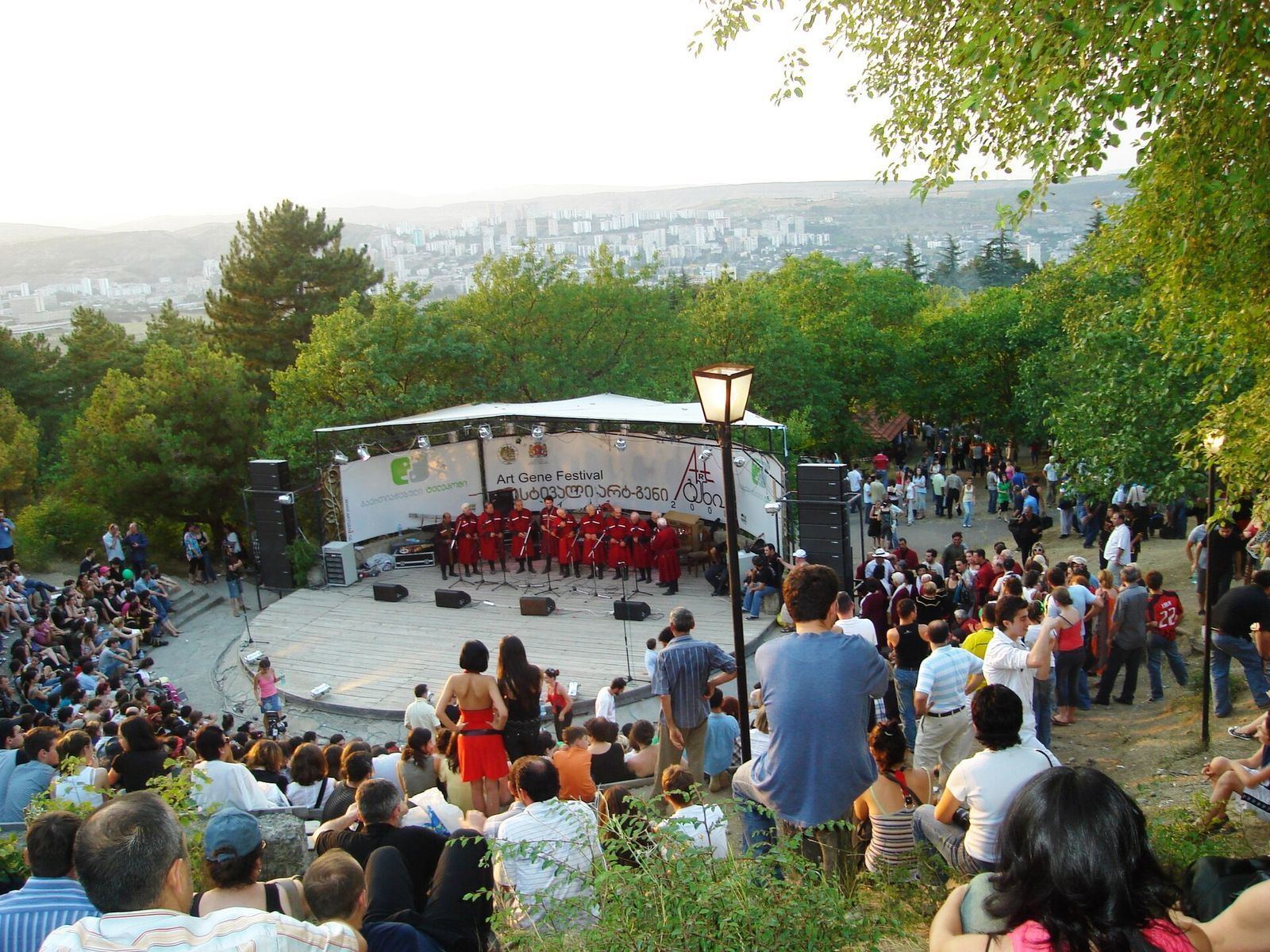
Georgian Culture and Traditions: A Visitor's Guide to Customs, Feasts, Faith and Song
Georgian culture is known for feasts, wine and song. Here's what visitors should know about its customs and traditions.
Read the guide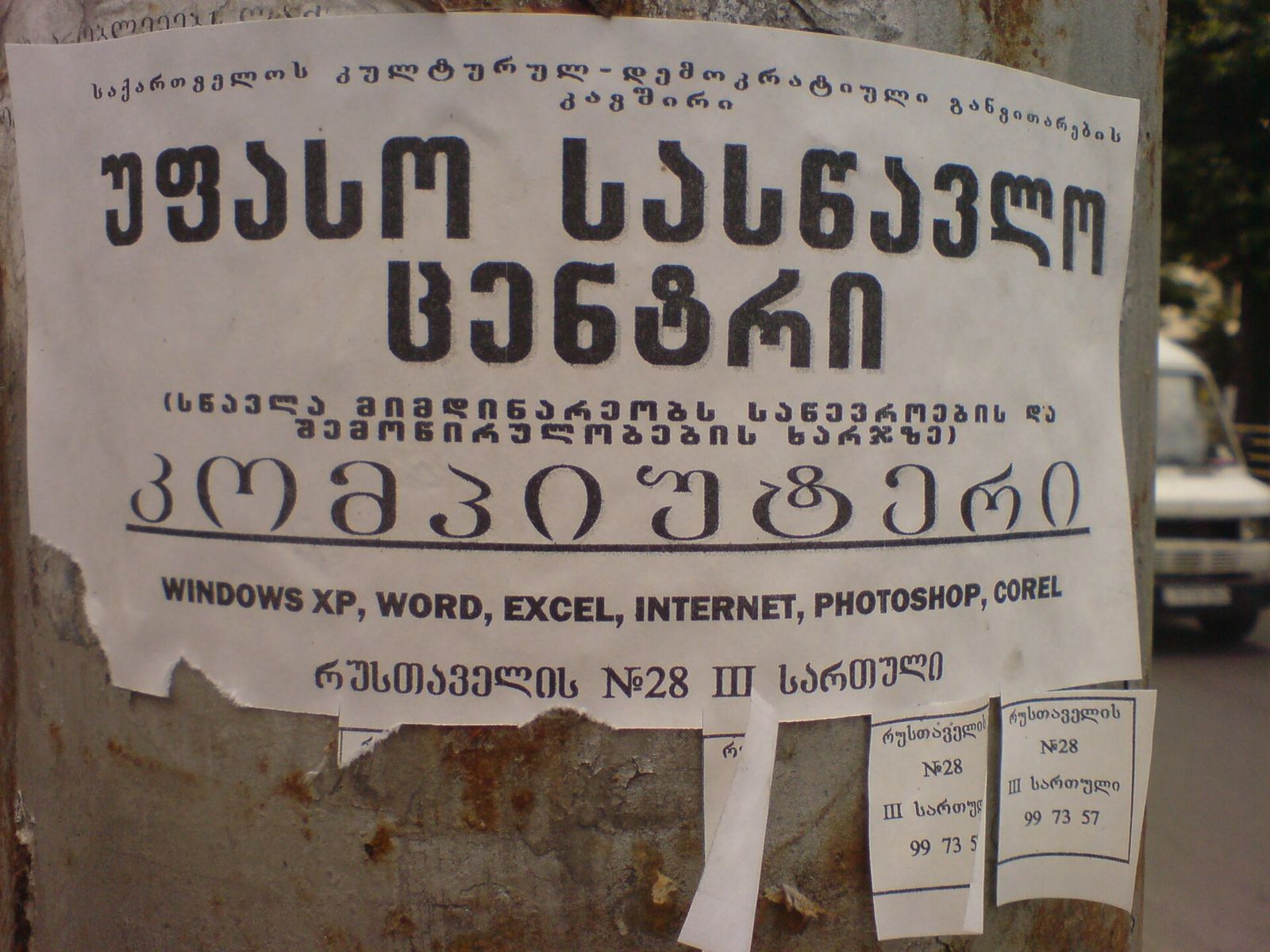
Basic Georgian Phrases for Travelers, with Pronunciation
Georgian has its own alphabet and a hello that means victory. Here are the phrases to learn and how to say them.
Read the guide
A Short History of Georgia and Tbilisi, From the Falcon Legend to Today
Tbilisi has been burned and rebuilt for 1,500 years. Here is Georgia's story in short, and where to see it today.
Read the guide