Tbilisi in Autumn: Weather, Fall Colors and What to Do in October
Tbilisi is known for its long, golden autumns: warm September days, the grape harvest in Kakheti, Tbilisoba in the old town and hills that turn yellow and red by late October. Here's what you need to know about the weather month by month, the festival dates, where to see the fall colors, what to eat, which day trips still work and what to pack.
Is autumn a good time to visit Tbilisi?
Yes. Autumn is my favorite season in Tbilisi and one of the two best, together with spring. The summer heat breaks in September, the hills around the old town turn yellow and red through October, and the whole country is busy with the grape harvest. You can walk the steep lanes from Sololaki down to the baths at 2 pm, which in July feels like a punishment.
It's also the season with the most going on for food and wine. Families pick and press grapes in Kakheti, the city throws its own festival in the old town, and market stalls fill up with persimmons, pomegranates and fresh churchkhela. If you came for Georgian wine, there is no better time of year.
The trade-off is weather that turns as the season goes on. September still feels like summer, October brings crisp mornings and the odd day of rain, and by November the sky is often grey. The best time to visit Tbilisi overall is a tie between October and the second half of April, and if I could only come once, I'd come in October.
Tbilisi autumn weather by month
Here are the average daily lows and highs for Tbilisi, the same for Kazbegi in the mountains for anyone heading north, and how each month feels on the ground.
| Month | Tbilisi low to high | Kazbegi low to high | Rain | Crowds and rooms | My verdict |
|---|---|---|---|---|---|
| September | 17 to 28 C (63 to 82 F) | 6 to 16 C | Mostly dry and sunny | High; prices starting to fall | Summer without the worst heat, and the clearest mountain views |
| October | 12 to 21 C (54 to 70 F) | 2 to 12 C | More showers, often without warning | Moderate; mid-range prices | My pick: harvest, Tbilisoba and fall colors |
| November | 7 to 13 C (45 to 55 F) | -2 to 5 C | Grey skies and frequent showers | Low; rooms 30 to 50% below summer | Quiet and cheap, for wine, theater and the baths |
Those are averages. Early September afternoons still feel like summer, and a sunny spell in late October can make a T-shirt enough at lunchtime. What changes most is the evening: from mid-October the temperature drops fast once the sun goes down, and you'll want a jacket for dinner on a terrace.
Tbilisi in September
September is when the city gets back to work. Schools reopen, traffic returns after the August lull, and the worst of the summer heat is over, although afternoons early in the month still reach 28 C. It's mostly dry and sunny, the evenings are warm enough to eat outside, and you'll wear shorts more often than a jacket.
The grape harvest begins in Kakheti, white grapes first, and the region also has Alaverdoba, the feast at Alaverdi monastery, and the Tsinandali classical music festival, both usually in September. In a year when Tbilisoba falls in late September, as it did in 2025, the city festival lands this month too.
September is still priced as high season. Tourist numbers are a little below June's, and I'd book a room 2 to 4 weeks ahead. If the heat put you off a trip in July or August, September gives you most of the summer without the 35 C afternoons.
Tbilisi in October
October is, for me, the best month of the year in Tbilisi. Highs slide from the low 20s to the mid-teens over the month, mornings are crisp, and in the late afternoon the old town balconies glow gold. It rains more than in September, and the rain tends to arrive without much warning, so a light jacket and a small umbrella stay in my bag.
The month splits in two. The first half has the festivals: Tbilisoba on a weekend in late September or early October (3 and 4 October in 2026), the Gurjaani Wine Festival in Kakheti on the second weekend, and the last of the harvest in the vineyards. Svetitskhovloba, the feast of the cathedral in Mtskheta, follows on 14 October.
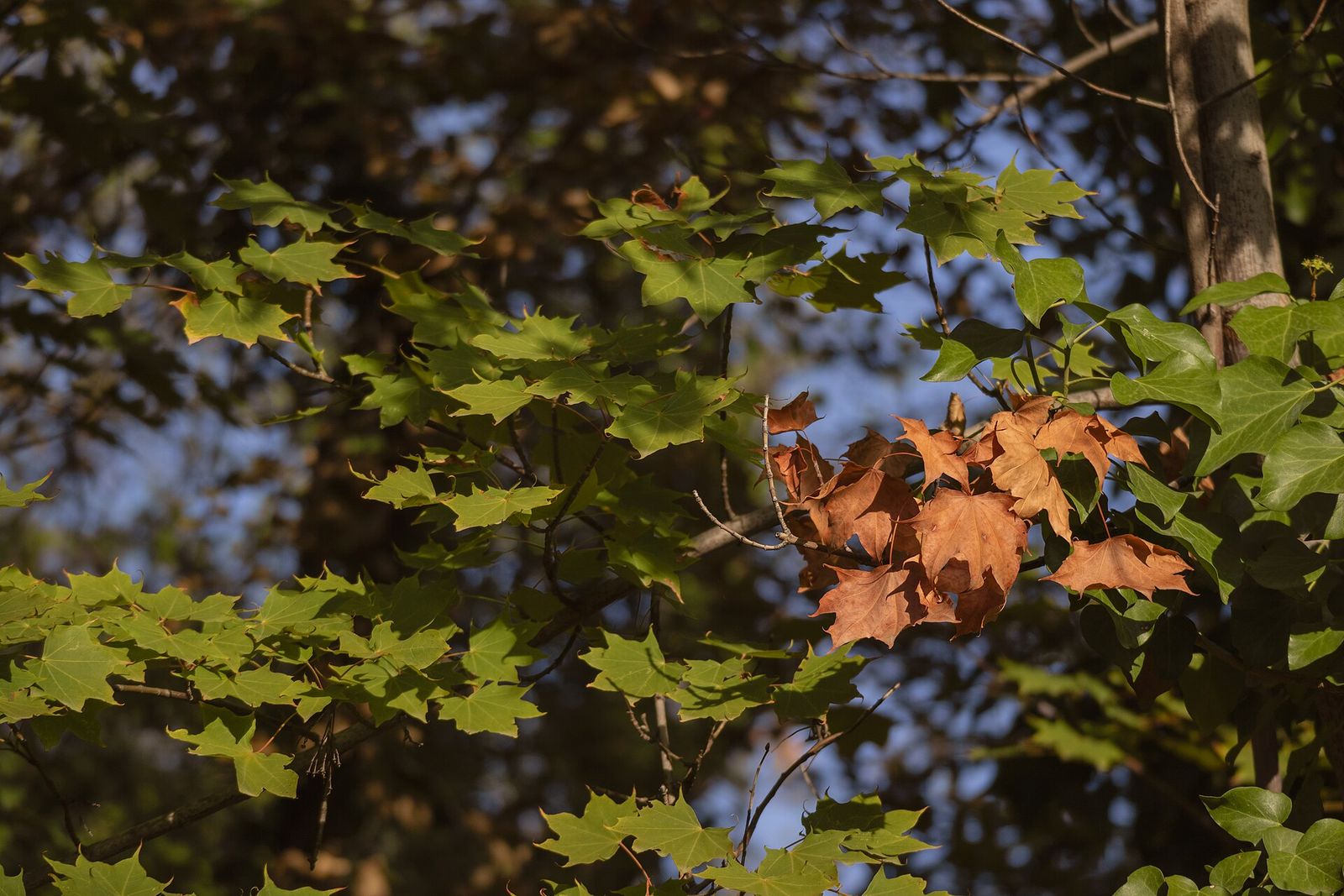
The second half is for the colors. The trees on Mtatsminda, in the Botanical Garden and around Turtle Lake turn yellow, orange and red, and the city goes quiet again after the festival weeks. Room prices drop to mid-season in October, and a week or two of notice is usually enough.
Tbilisi in November
November is cool, grey and quiet, with highs of 7 to 13 C and frequent showers. There are no big street celebrations apart from Giorgoba, St George's Day, on 23 November, which is a public holiday. It's the cheapest month of the autumn: rooms run 30 to 50% below summer rates, and you'll share the old town with far fewer visitors.
It's a good month for culture and for wine. The opera and theater season is in full swing, with book fairs and film festivals on the calendar, and the new wine is opened from the qvevri, the clay vessels it ferments in. The first sunny days can still bring golden leaves; by the end of the month the trees are bare and winter in Tbilisi is on its way.
I'd go in November for a city break built around the sulfur baths, wine bars and long lunches, and I'd bring a warm coat.
Autumn festivals and holidays in Tbilisi
These are the dates that shape an autumn trip. Public holidays close banks, government offices and the national museums; restaurants, cafes and shops mostly stay open.
| Date | What | Where | What it means for you |
|---|---|---|---|
| September to mid-October | Rtveli, the grape harvest | Kakheti and Imereti | Picking, pressing and feasts; harvest day tours from Tbilisi |
| September, usually | Alaverdoba and the Tsinandali festival | Kakheti | Monastery feast; classical concerts |
| Late September or early October (3 and 4 October in 2026) | Tbilisoba | Old Town, Rike Park, Abanotubani | Free; folk dance, regional food, young wine |
| Second weekend of October (10 October in 2026) | Gurjaani Wine Festival | Central park, Gurjaani, 103 km away | Free; big wineries and family producers |
| 14 October | Svetitskhovloba, public holiday | Mtskheta | The cathedral's feast day; offices closed |
| November | New wine opened from the qvevri | Wineries and wine bars | The first taste of the new vintage |
| 23 November | Giorgoba, St George's Day, public holiday | Nationwide | Offices closed |
The festival calendar in Georgia is busiest at both ends of the year, with church holidays in January and the harvest season in autumn, and autumn is the end with the food and wine.
Tbilisoba, the city festival
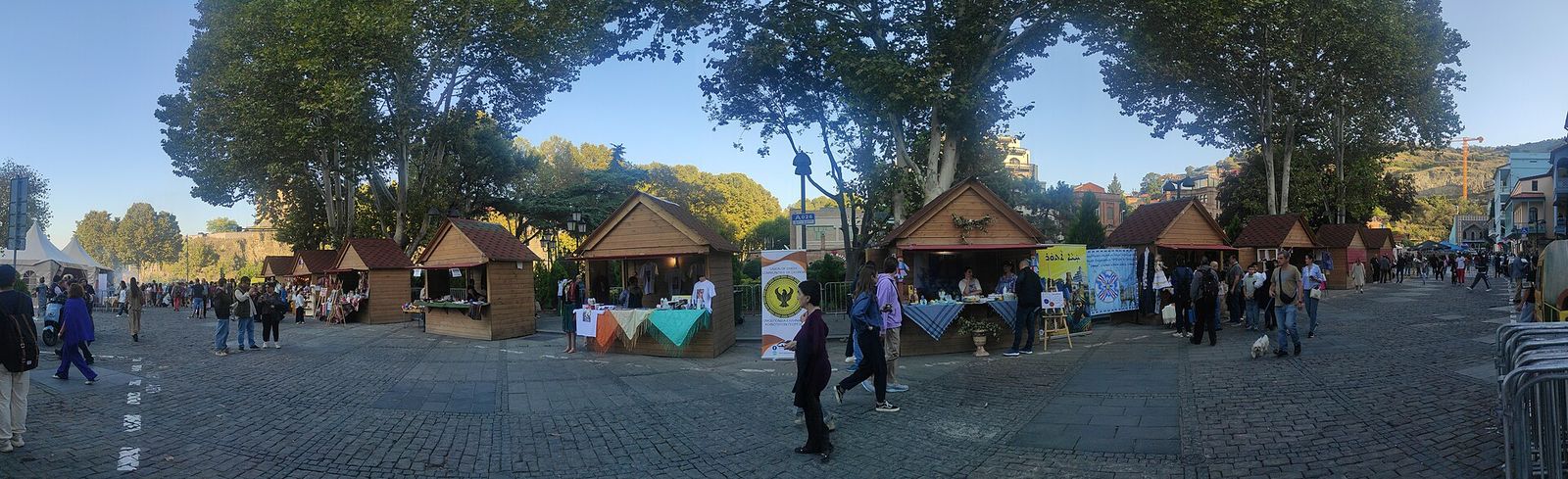
Tbilisoba is the city's own birthday party, a weekend of concerts, folk dance and food and wine stalls spread through the old center. Wooden stalls go up under the plane trees in Abanotubani, grapes are trodden in big wooden vats the old way, and passers-by get handed the fresh juice. Stalls from every region sell cheese, churchkhela, young wine and chacha, and maghari, the cloudy, just-fermented new wine, is often poured for free.
The festival began in 1979 and for decades ran on the last weekend of October. Now the date moves every year: 20 and 21 September in 2025, 3 and 4 October in 2026. Entry is free, and the stages are spread across Rike Park, Orbeliani and Gudiashvili squares, the Leghvtakhevi gorge, Europe Square and Metekhi Bridge, so you can walk between all of them in an afternoon.
Where to see autumn colors in Tbilisi
The leaves start turning in early October, the second half of the month is the peak, and the first sunny days of November can still be golden. Here's where I'd go for them:
| Where | What you see | Getting there | Cost |
|---|---|---|---|
| National Botanical Garden | Yellow and red trees against old stone walls, and the waterfall gorge | Walk from Abanotubani, or down from Narikala | 4 GEL |
| Mtatsminda Park | Forest above the city, with views over the turning hills | Funicular, about 10 to 12 GEL plus a 2 GEL park card | Park free |
| Turtle Lake | Forest around a small lake | Cable car from Vake Park, 1 GEL | Free |
| Vake Park and Mziuri Park | Easy, flat walks under big trees | Bolt or bus to Vake | Free |
| Rike Park | Riverside trees below Narikala | Walk from the old town | Free |
| Kojori and Asureti | Woods and open hillsides | Car, driver or tour | Free |
| Sabaduri forest | Beech and oak forest, about 20 km out | Car, driver or tour only | Free |
The Botanical Garden in autumn
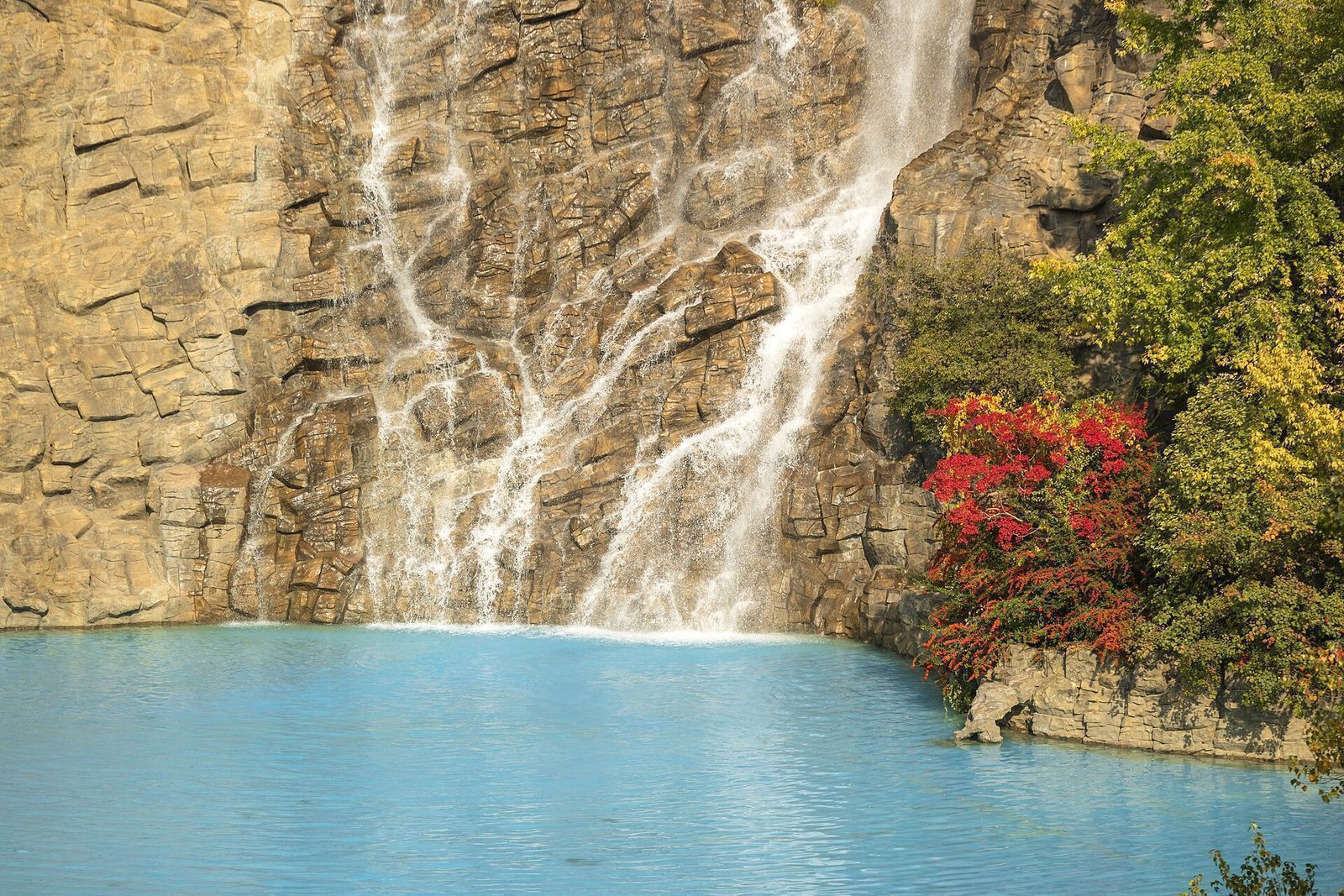
If you see the colors in only one place, make it the National Botanical Garden. It fills the gorge behind Narikala, a few minutes' walk from the sulfur baths, and in late October the trees along its paths and old stone walls turn bright yellow, with the 22 m waterfall at the bottom of the gorge. A ticket costs 4 GEL.
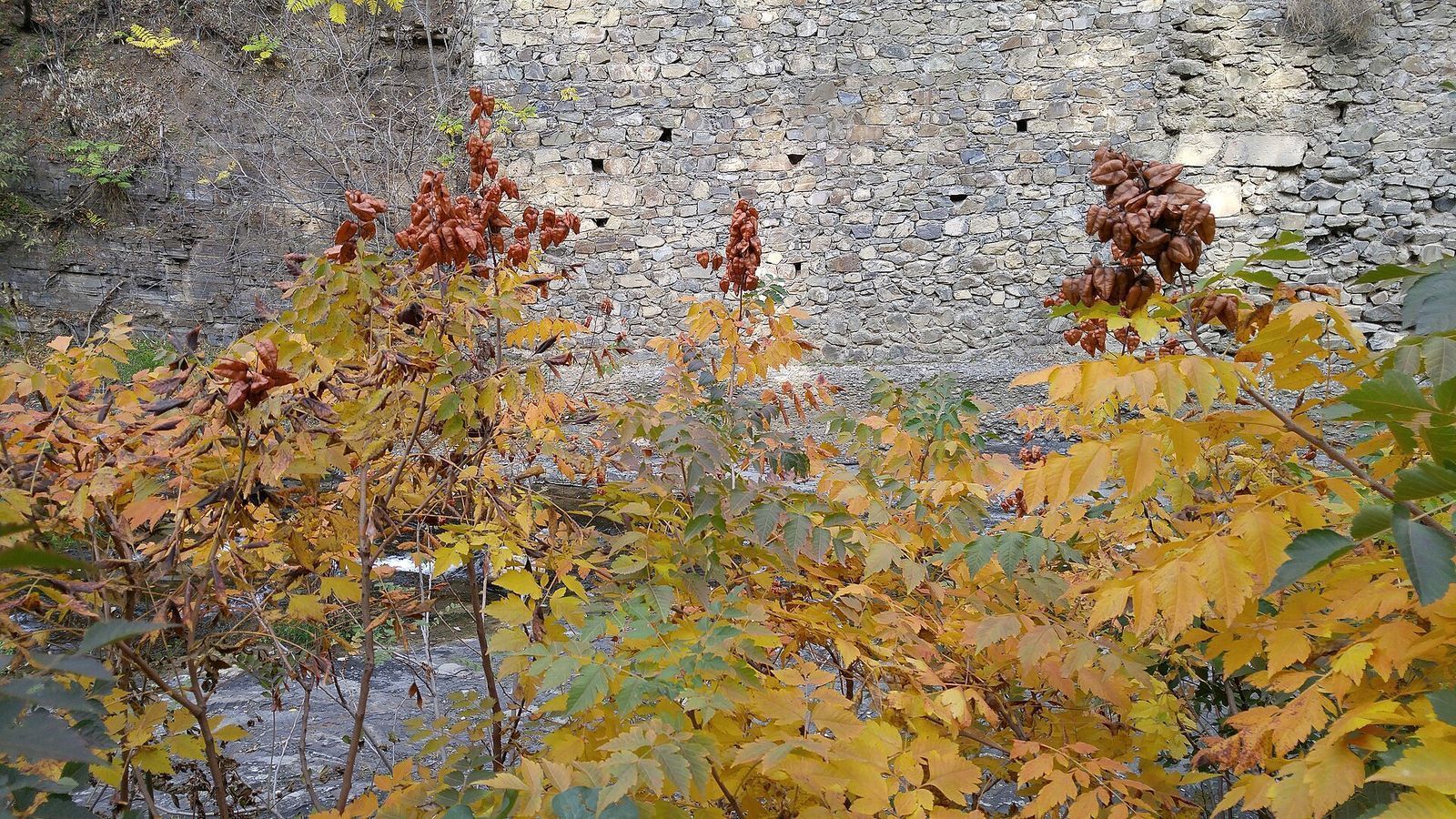
My autumn route starts at the top: ride the cable car up to Narikala Fortress, walk along the ridge and take the stairs down into the garden, then come out at the bottom for a late lunch in Abanotubani.
Mtatsminda Park and Turtle Lake
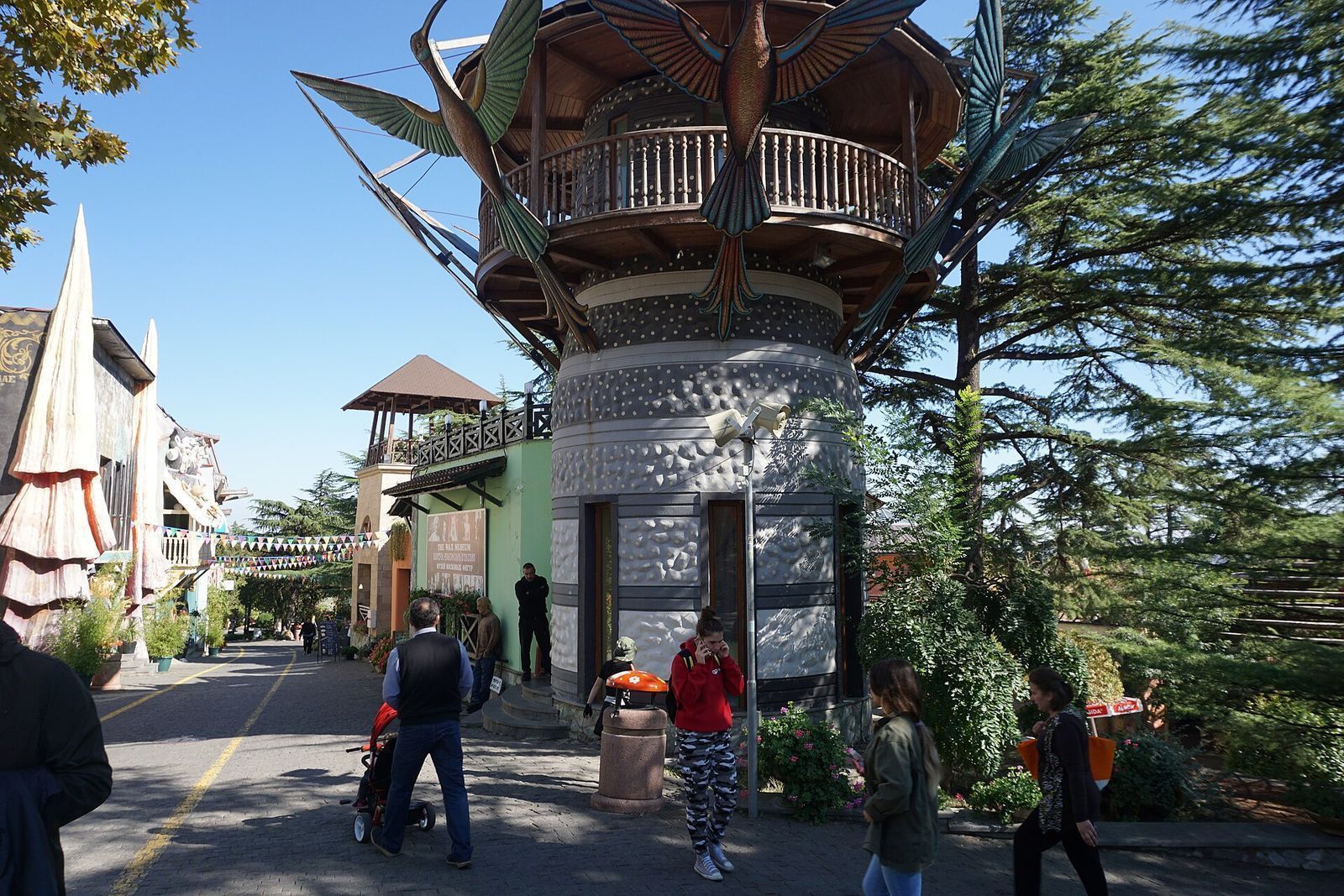
My favorite autumn walk links the two hills. Take the funicular up to Mtatsminda Park, then follow the forest trail along the ridge to Turtle Lake, with the turning trees around you and the whole city below.
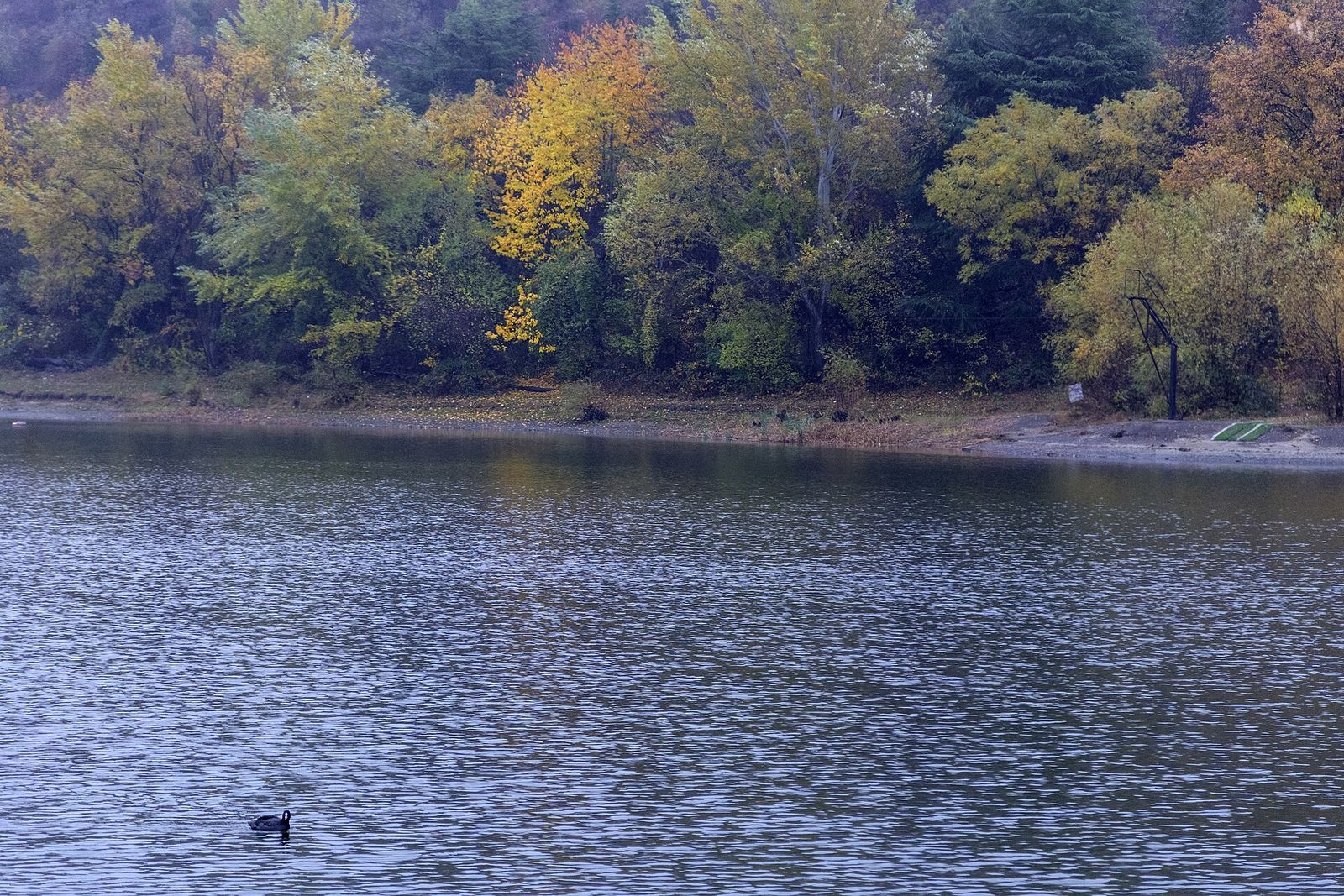
Turtle Lake is a small lake ringed by forest above Vake, and in the second half of October the trees along its shore turn yellow and orange. From the lake, the cable car down costs 1 GEL and drops you at the top of Vake Park, where the big old trees in leafy Vake make a good last stretch on foot.
Kojori Fortress and the hills outside the city
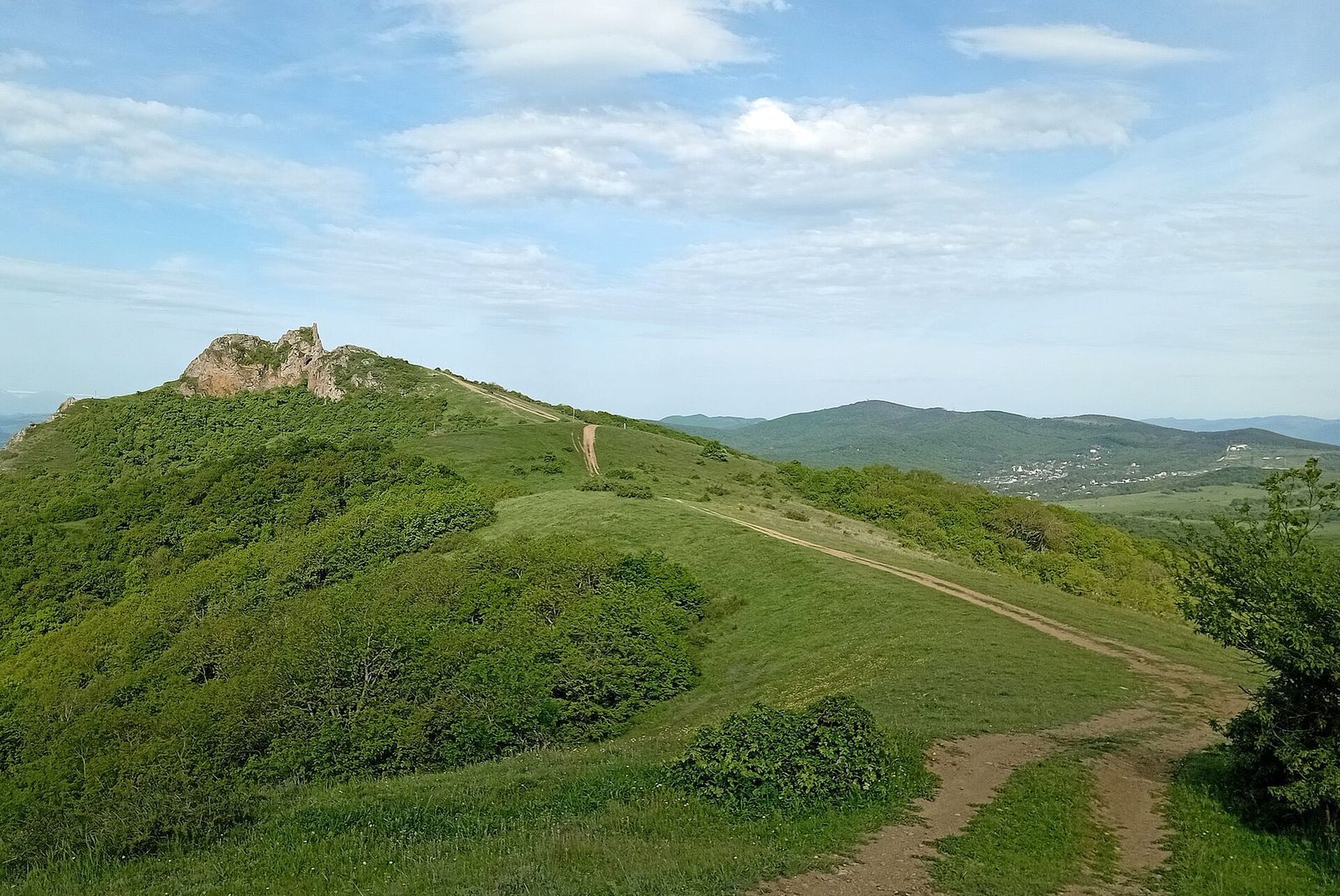
Just outside the city, the walk from Kojori Fortress down to Asureti is one of the best day hikes near Tbilisi in autumn, with open hillsides and far fewer people than in May. With a car or a driver and a whole day free, Sabaduri forest, about 20 km out, adds more than 5,000 hectares of beech and oak that turn gold and copper; no public transport goes there.
The grape harvest: Rtveli from Tbilisi
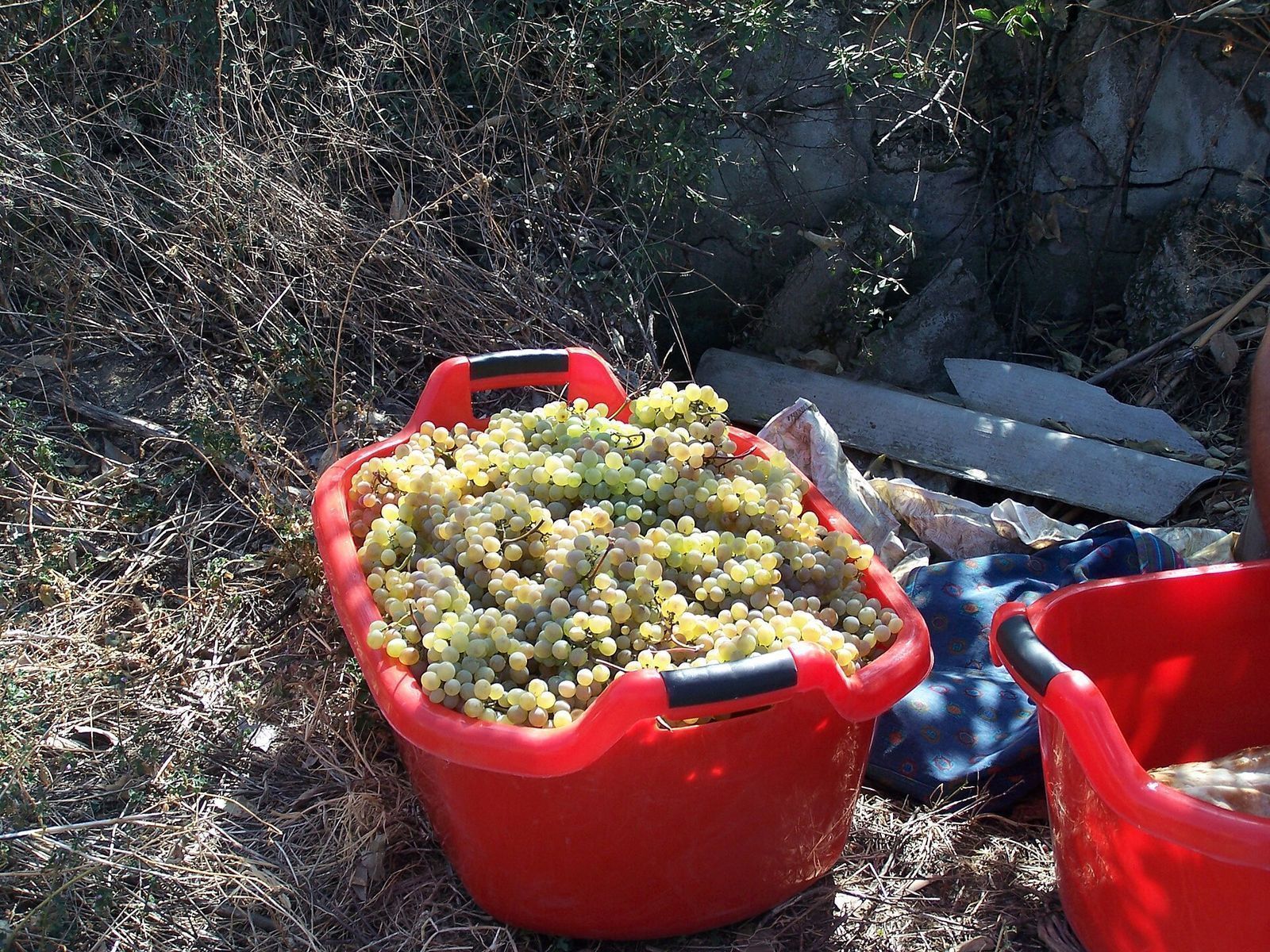
Rtveli is the Georgian grape harvest, and it's the reason many people come in autumn. Families in Kakheti, the wine region east of Tbilisi, pick the grapes, tread them, pour the juice into qvevri buried in the cellar floor and then sit down to a long feast. Most of the picking falls between about 5 September and 20 October, and Kakheti is busiest from late September to mid-October.
The easiest way in is a harvest day tour from Tbilisi: from 225 GEL per person for 9 to 10 hours of picking, treading grapes, filling the qvevri and a supra at the end. A real family harvest is better still, but families pick on their own schedule and the day moves with the weather, so a day of Rtveli picking and pressing needs 2 or 3 free days around it.
If you'd rather taste than work, a Kakheti wine tour in harvest season puts you among trucks of grapes, crates outside every cellar and the smell of fermenting juice in the villages.
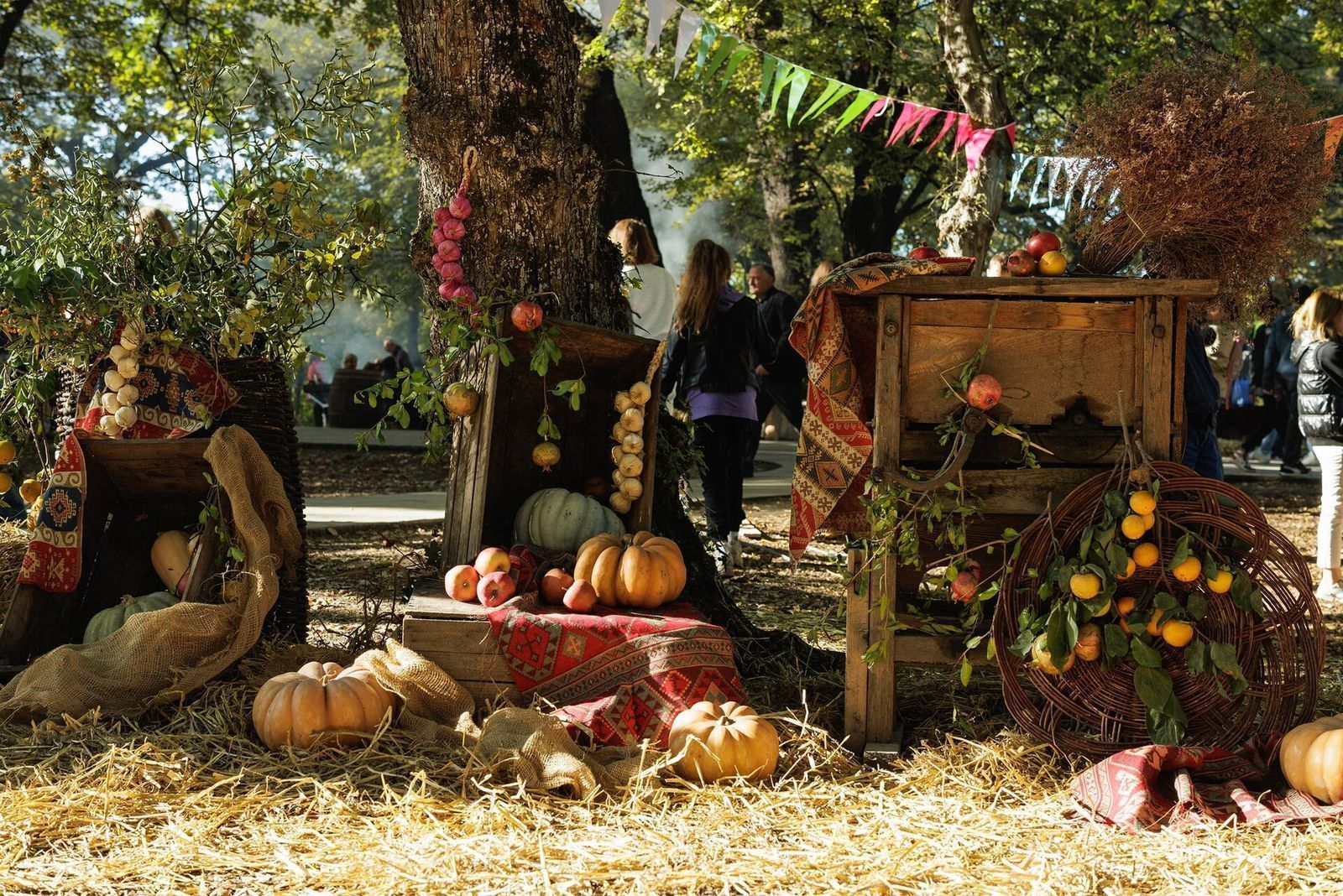
The Gurjaani Wine Festival, on the second weekend of October, fills the central park of a Kakheti wine town with wineries big and small, homemade cheese and stalls of food. It's the autumn pick among the wine festivals near Tbilisi, and entry is free.
Back in the city, the wine made at the harvest is opened from the qvevri in November, and the first qvevri wine of the new vintage starts to appear in wine bars and at family tables.
Autumn food in Tbilisi
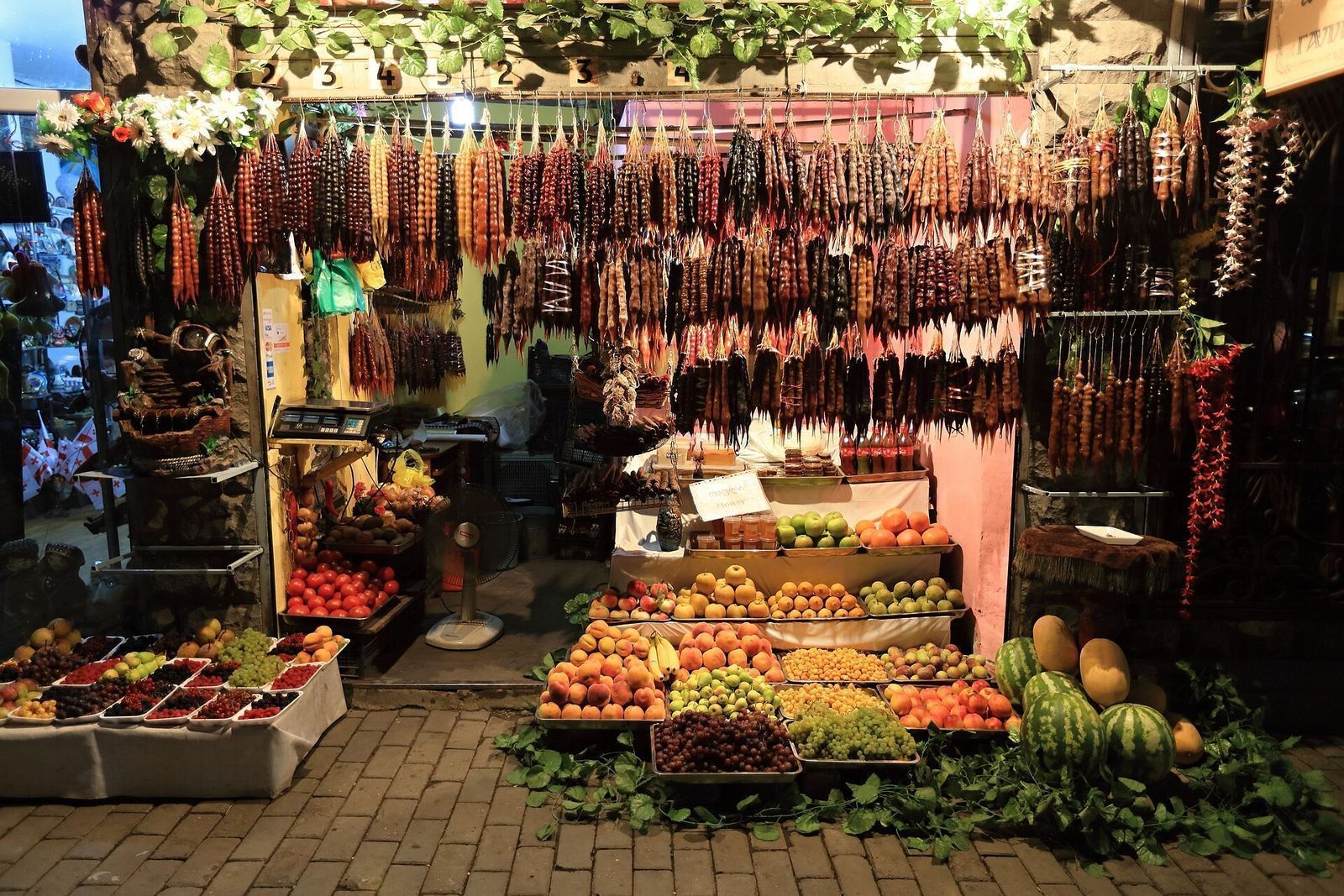
Autumn is harvest season for more than grapes, and the markets show it. Grapes, persimmons, pomegranates, quince, autumn pears, feijoa and pumpkins pile up on the stalls, and tangerines and other citrus follow later in the season. Chanterelles and other wild mushrooms turn up on restaurant menus.
Churchkhela, strings of walnuts dipped in thickened grape juice, are made after the harvest, so autumn is when they're freshest; a string costs 3 to 5 GEL.

Pelamushi, the same grape juice set into a soft pudding, is the other harvest sweet, and both belong on any list of Georgian desserts.

The best place to see all of it at once is Dezerter Bazaar, the big market about 15 minutes' walk from Marjanishvili metro. Bring cash in small notes, and go in the morning, when the produce is freshest and the aisles are calmer.
Things to do in Tbilisi on a rainy autumn day
October and November bring days when the rain sets in, and the city has good answers to them.
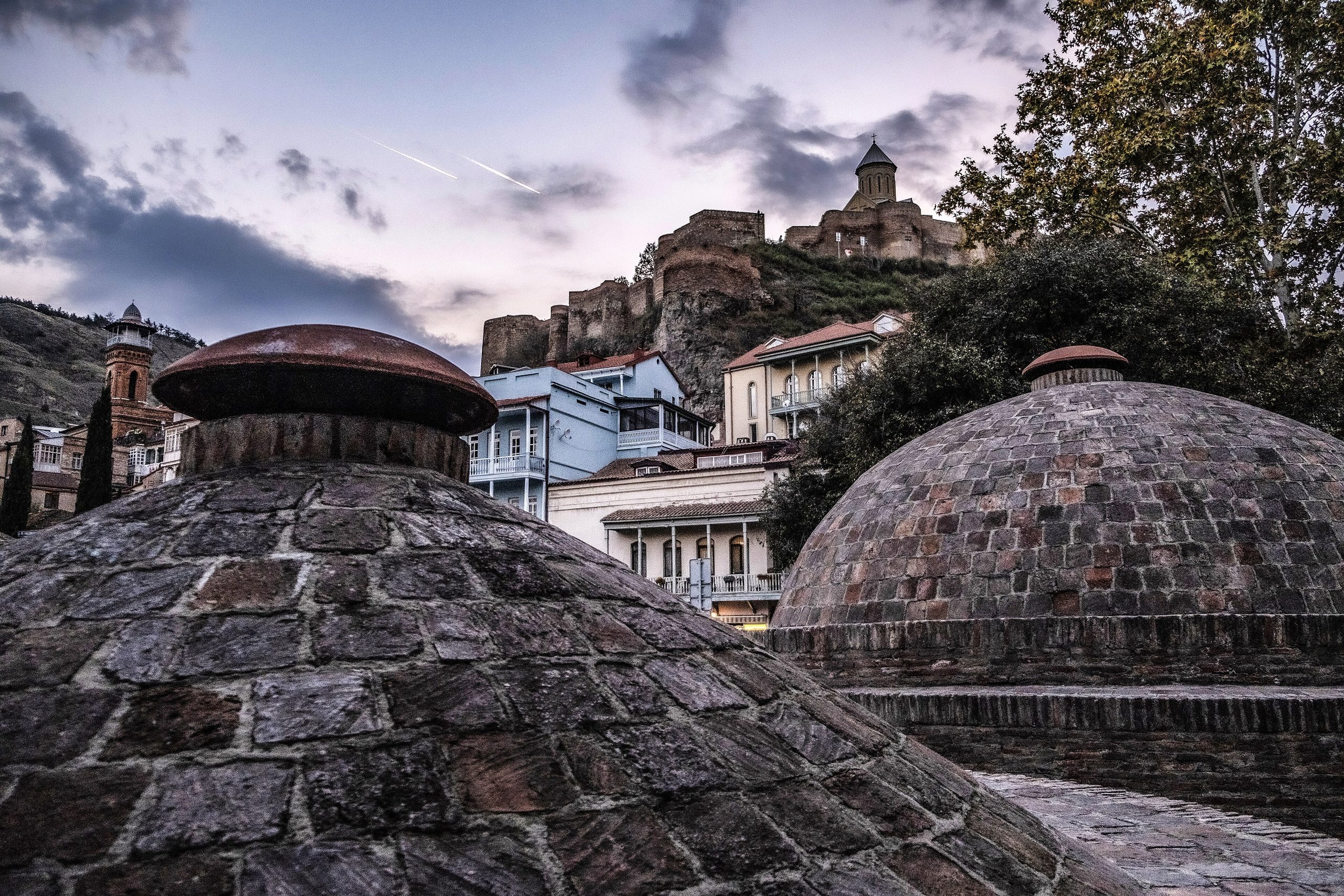
The first is heat. A private room at the sulfur baths in Abanotubani is the best place in town on a cold, wet afternoon; most cost 120 to 300 GEL an hour, and the price is per room, so it gets cheap split between friends.

The second is a museum. The Georgian National Museum on Rustaveli Avenue holds the Colchian gold in its Treasury and the Soviet Occupation Hall, and the best museums in Tbilisi all sit within a short walk or Bolt ride of it. Most close on Mondays, so keep the museum day for any other day of the week.
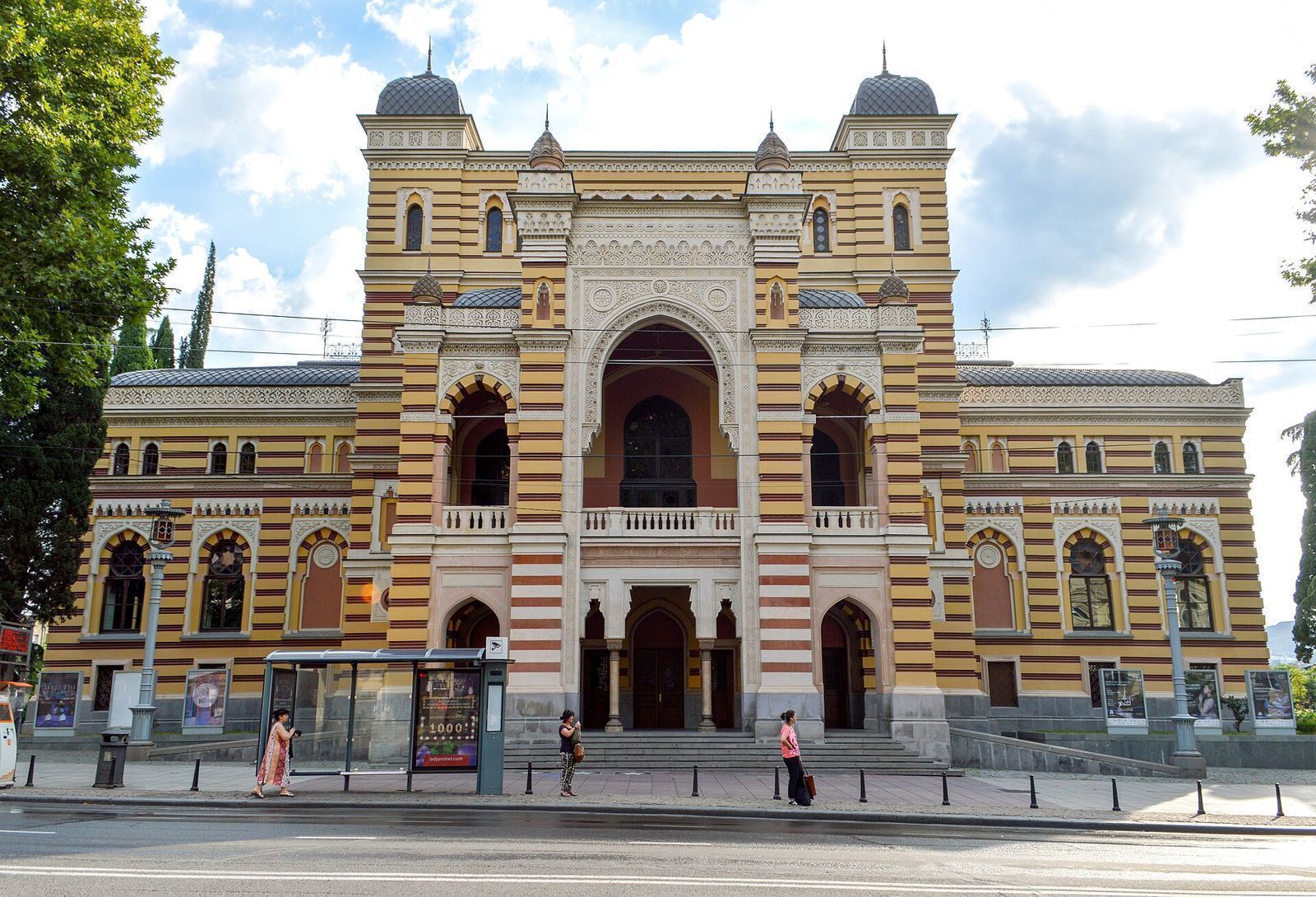
The third is a night out under a roof. The opera and theater season in Tbilisi runs through autumn, with tickets on TKT.ge or Biletebi.ge, and a wine tasting in a Sololaki cellar fills the hours before the curtain. A cooking class in Tbilisi is the other good wet-weather plan: you spend the afternoon folding khinkali and eat the results.
Cozy places to eat and drink in Tbilisi in autumn
When the evenings cool down, I want a warm room, a good glass and something grilled. These are three places I'd pair with an autumn day in the old town.
Cafe Leila
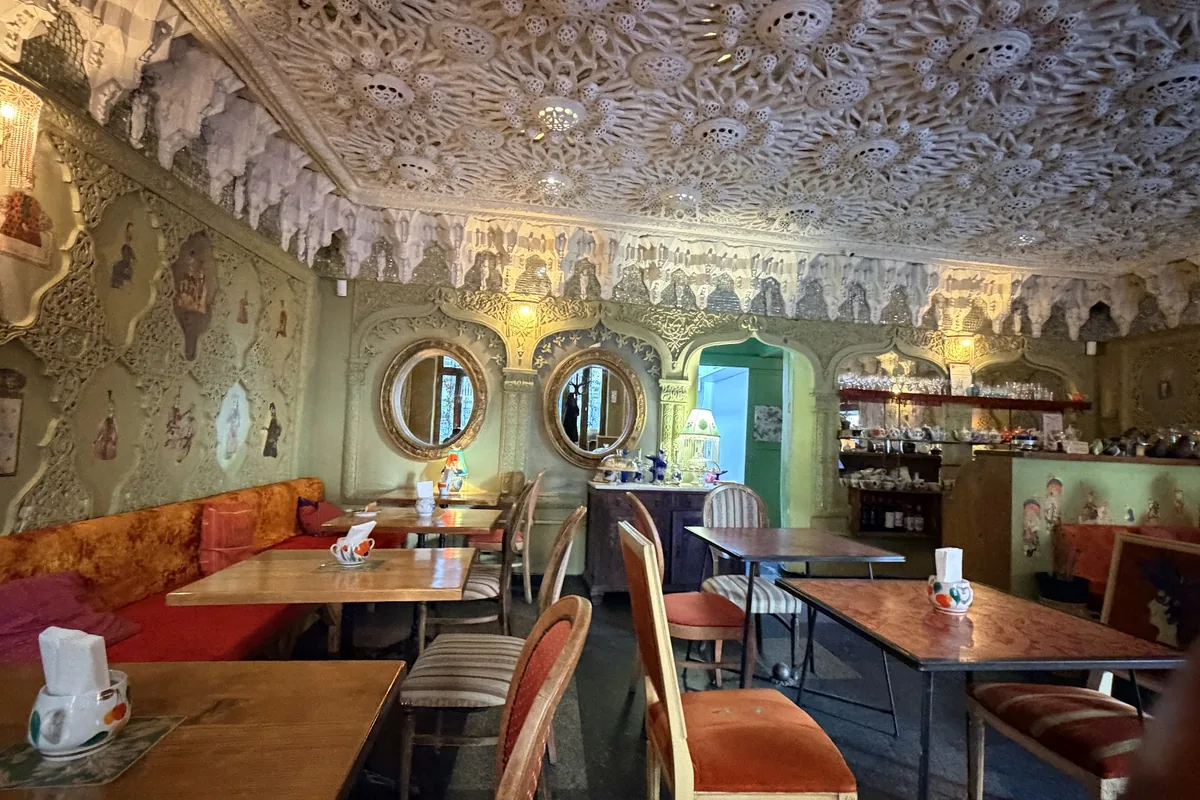
Cafe Leila is on Ioane Shavteli Street in the Old Town, opposite Anchiskhati Basilica, in a former Soviet-era sweet shop with a carved white ceiling, round mirrors and red banquettes. It's one of the best cafes in Tbilisi to sit out a rain shower, it's open daily from 11 AM to 11 PM, and it takes walk-ins.

Order the mushroom and tarragon soup when the afternoon turns cold, or the mushroom kharcho with blackberry sauce and cornbread. Nothing on the menu is fried.
Vino Underground
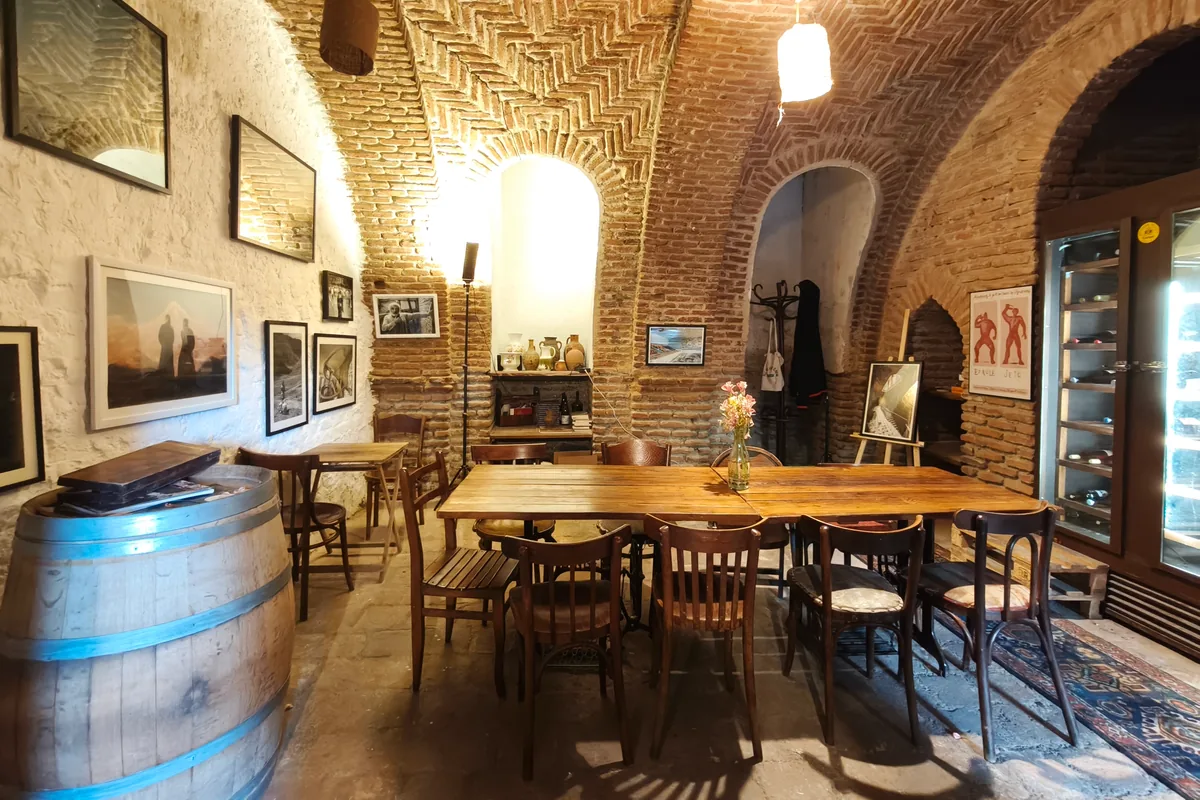
Vino Underground is a brick-vaulted basement wine bar on Galaktion Tabidze Street in Sololaki, opened by a group of natural winemakers and one of the first places in town devoted to natural Georgian wine. In autumn, with the harvest just in, it's where I'd go to talk about the new vintage with staff who know the producers.

A glass costs 10 to 20 GEL and a bottle 35 to 120 GEL, and the list leans toward small qvevri producers and amber wine. It opens in the afternoon, which makes it a good place to wait out an October downpour with a glass in hand.
Deda Tbilisi
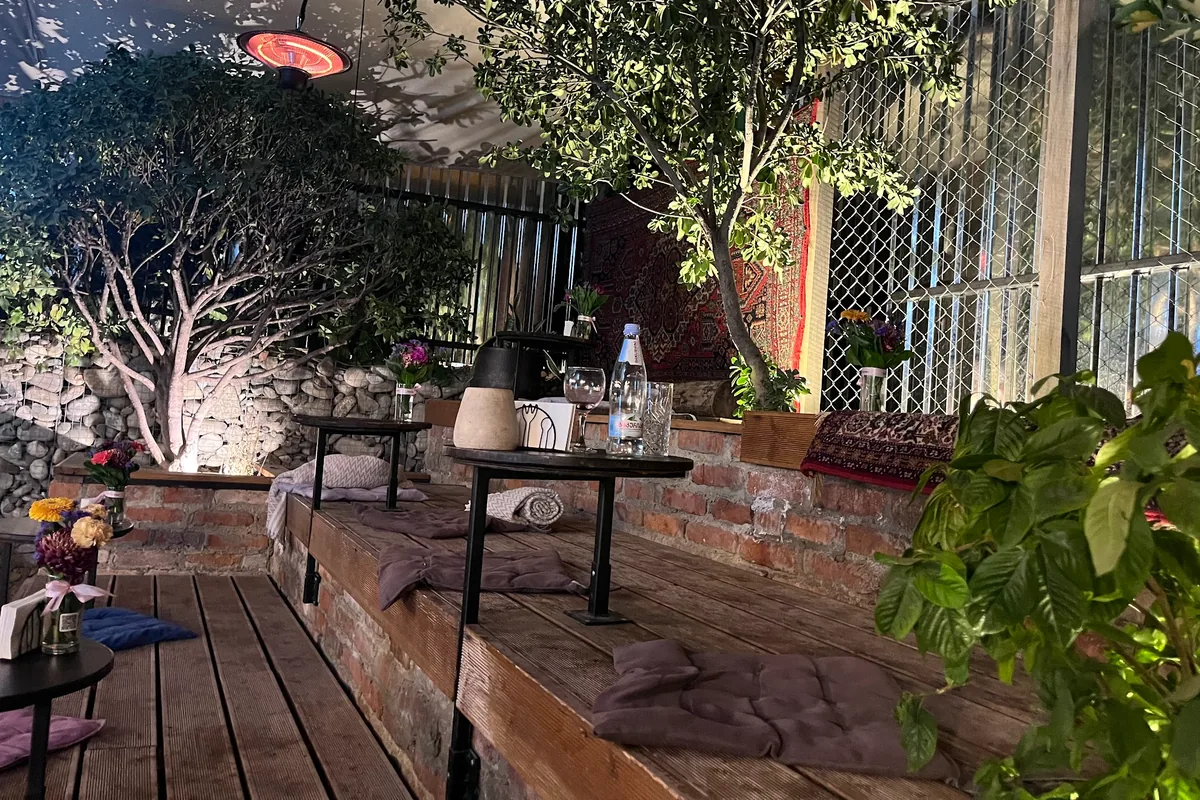
Deda Tbilisi, on Saiatnova Street in the Old Town, grills its mtsvadi over a pit in the courtyard, and the terrace under the trees is at its best on a mild autumn evening. It takes reservations in summer and autumn, and I'd book ahead for a weekend or the Tbilisoba dates.

Order the mtsvadi, skewers of grilled meat served with raw onion, and a bowl of kharcho, the spiced beef soup, for when the evening turns cold.
Autumn day trips from Tbilisi
Autumn is the best season for the wine country and still a good one for the mountains, as long as you go before November.
| Day trip | In autumn | Why |
|---|---|---|
| Kakheti (Sighnaghi, Telavi, wineries) | Best in September and October | The harvest, golden vineyards and wine festivals |
| Mtskheta | Good all autumn; 14 October for the feast | 25 km away and low-lying; the churches are open all year |
| Kazbegi | September for clear views, October still good | More cloud from October; November is off-season |
| David Gareja and the Rainbow Mountains | Best in early autumn | Semi-desert that is far kinder in September than in July |
| Sabaduri forest | Mid to late October | The fall colors, about 20 km out |
| Tusheti | Closed from early October | The pass shut on 4 October in 2026 |
| Batumi | Good in September and October | Rain sets in from November |
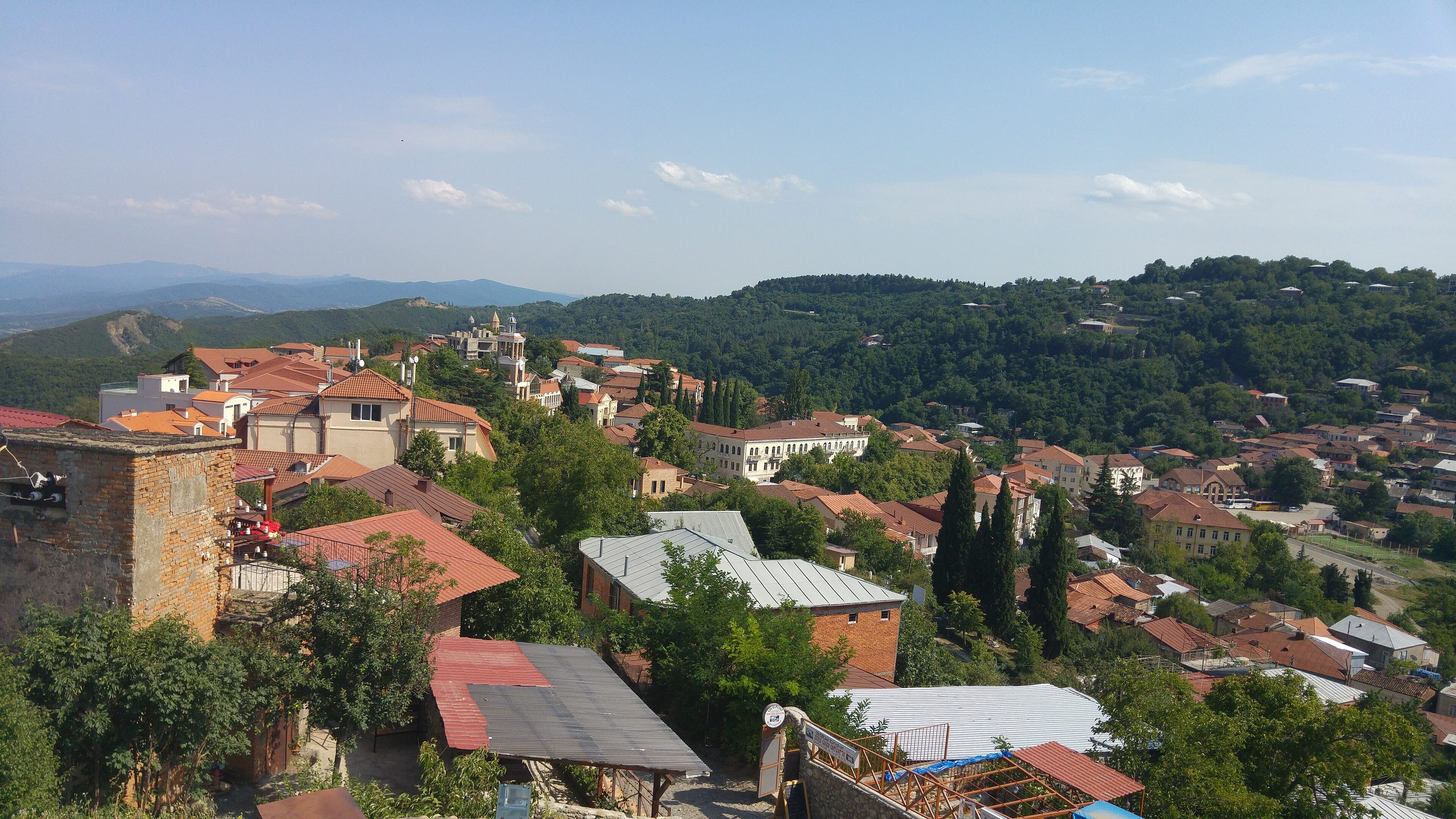
For wine, Kakheti is the obvious trip. The van to Sighnaghi leaves from Samgori metro, costs 10 to 15 GEL and takes about 2 hours, and the hilltop town looks over the Alazani valley at harvest time.
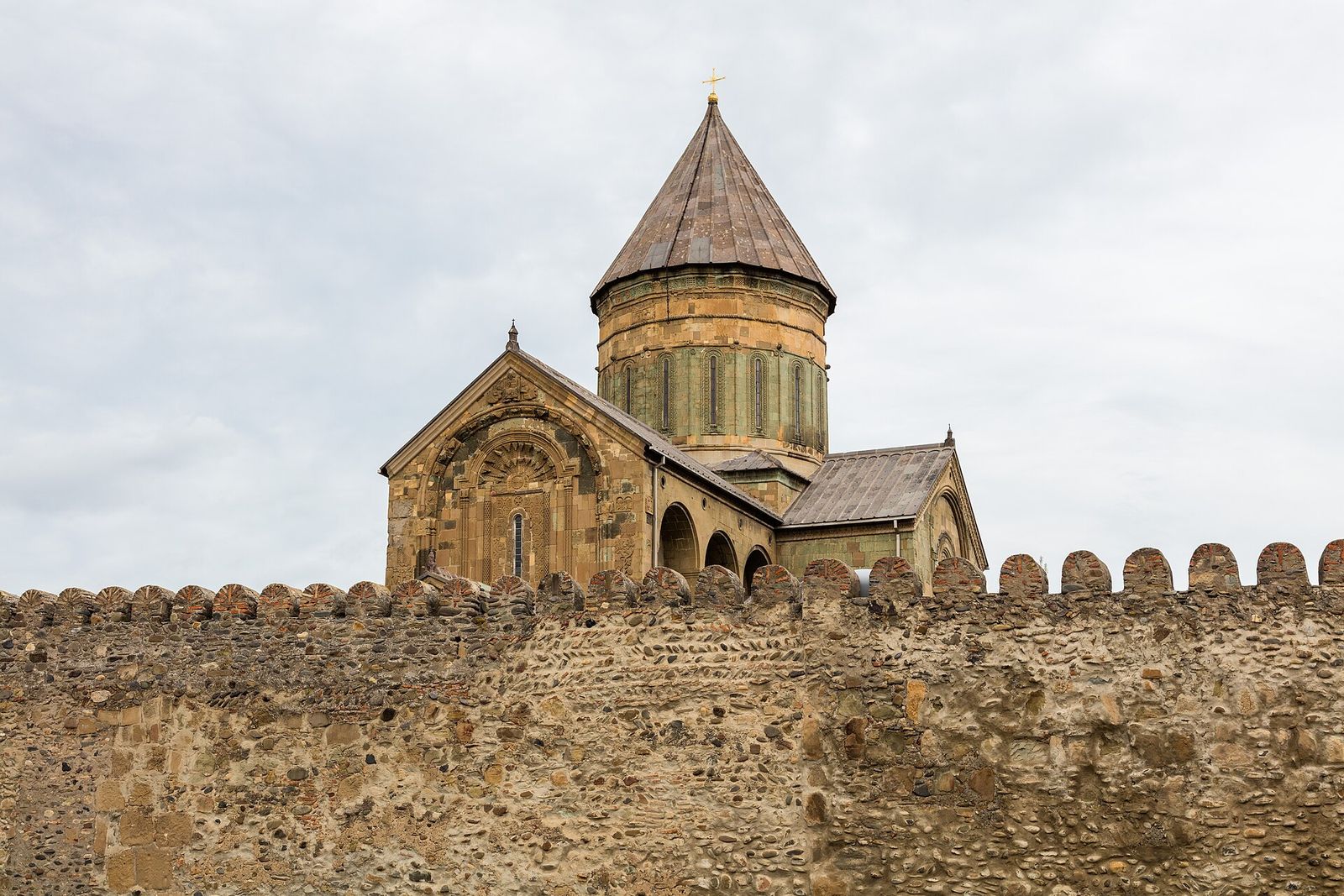
The closest trip is a half-day in Mtskheta, 20 to 30 minutes away by a 2 GEL van from Didube, and on 14 October it puts you at Svetitskhoveli Cathedral on its own feast day.
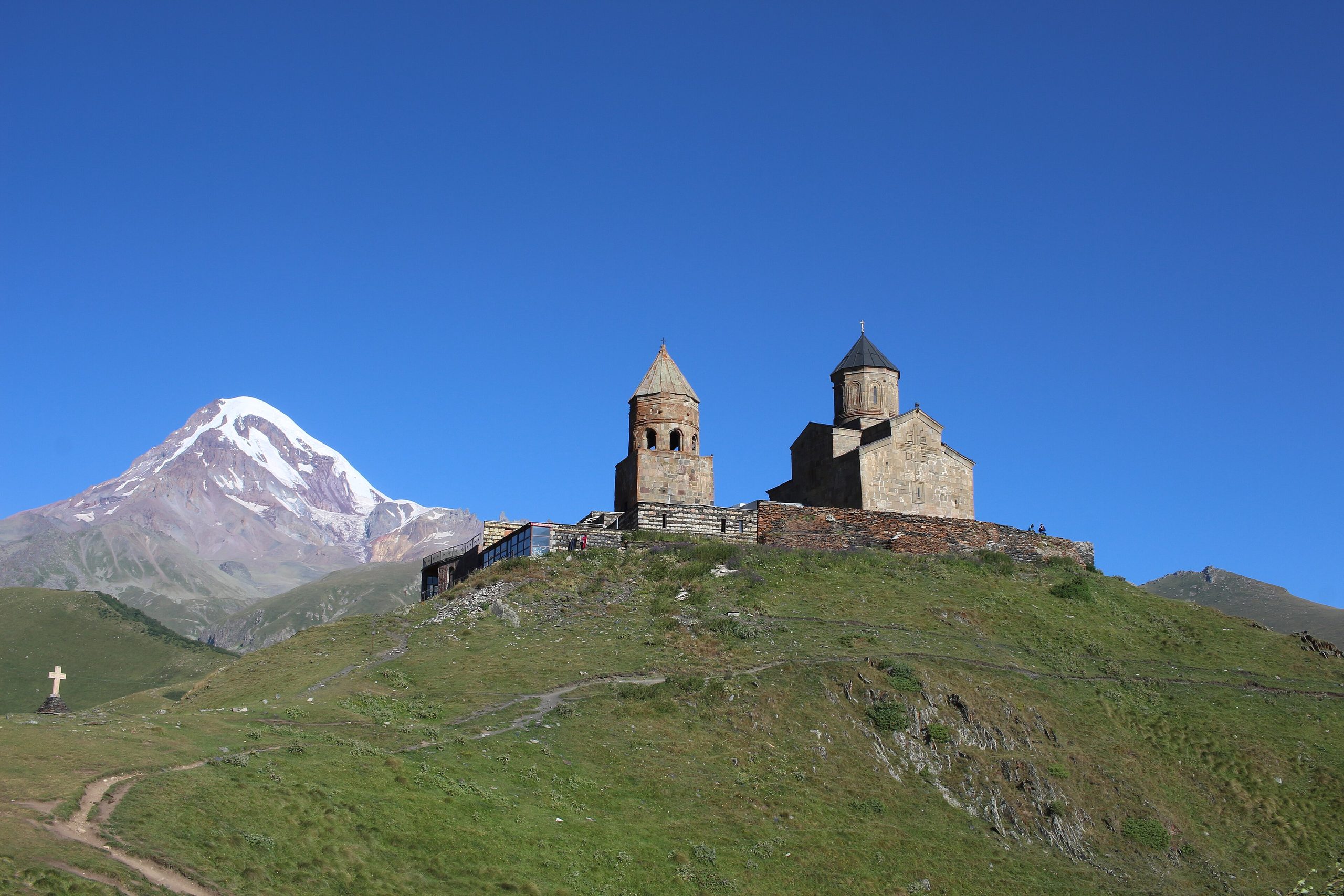
A day trip to Kazbegi is at its best in September, when the views of Kazbek are at their clearest, and still good in October with fresh snow on the peaks and golden slopes below. The marshrutka from Didube costs 20 GEL; I'd be at Gergeti Trinity Church before late morning, before the cloud builds.
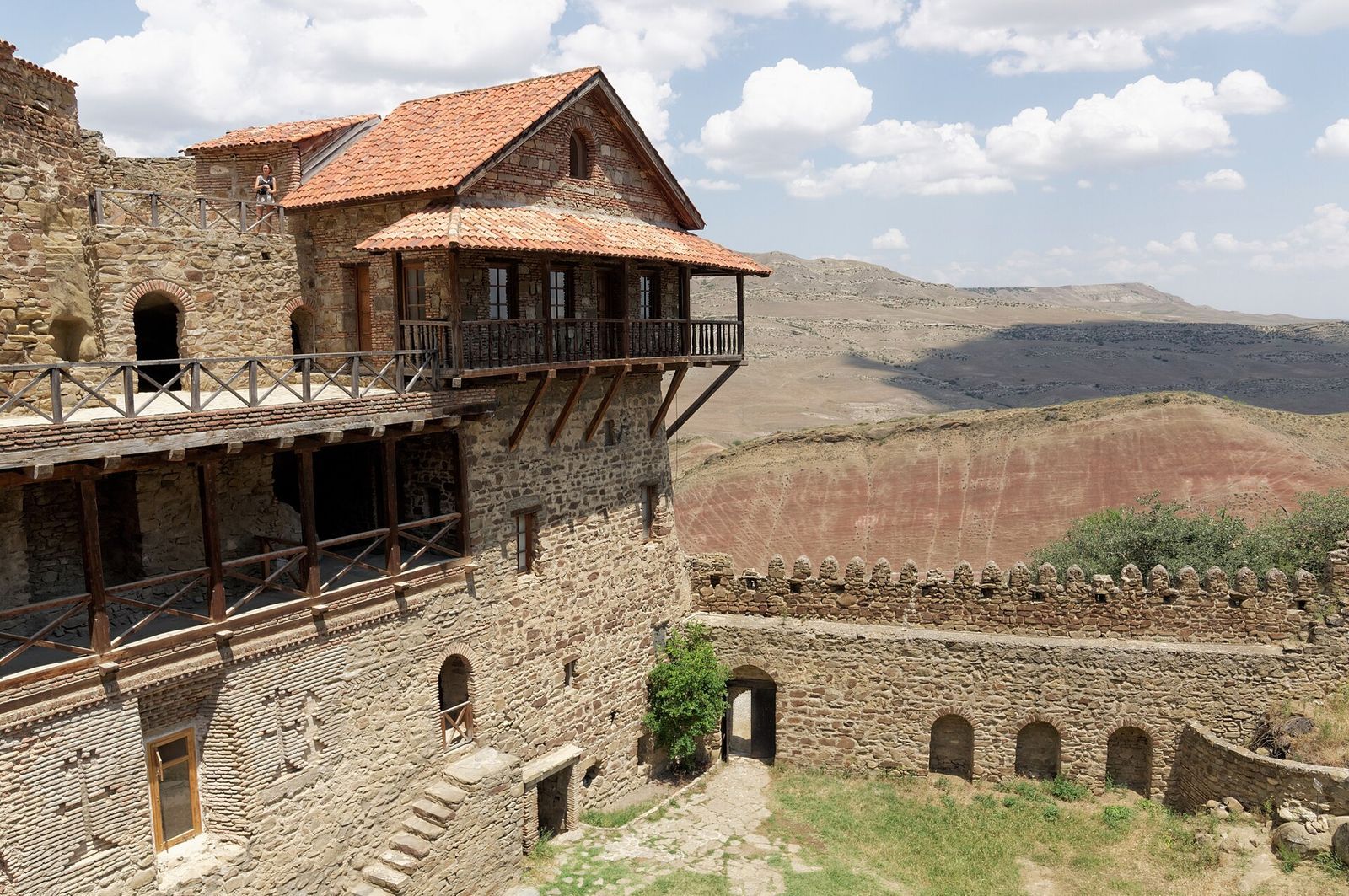
The semi-desert monasteries of David Gareja suit early autumn, once the summer sun has eased: in September the bare hills around them are far kinder to walk than in July.
What to pack for Tbilisi in autumn
Autumn packing changes more with the month than with the trip. A packing list for Georgia in autumn covers warm afternoons, cool evenings and a wet day in the same week:
- September: T-shirts, light trousers or shorts, and a light sweater for the evenings.
- October: layers, a light rain jacket or small umbrella, and a warm layer for after sunset.
- November: a proper warm coat, a scarf, and waterproof shoes.
- Shoes: comfortable walking shoes with grip for wet cobblestones and steep lanes, and shoes you don't mind getting muddy in the vineyards at harvest.
- Church cover: a scarf or shawl for women, and clothes that cover shoulders and knees.
- For the day trips: a warm jacket for Kazbegi and a refillable water bottle, since the tap water in Tbilisi is safe to drink.
Key takeaways
- Autumn in Tbilisi runs from 17 to 28 C in September to 12 to 21 C in October and 7 to 13 C in November.
- October is the best month: Tbilisoba and the end of the harvest in the first half, fall colors in the second.
- Tbilisoba moves every year (3 and 4 October in 2026) and is announced only a few weeks ahead, so keep your booking flexible.
- The Botanical Garden, Mtatsminda Park and Turtle Lake are the best places for the leaves, which peak in the second half of October.
- Kakheti, Mtskheta and Kazbegi all work in autumn; Tusheti closes in early October and the mountains turn cold in November.
Frequently asked questions
Is October a good time to visit Tbilisi?
Yes, October is the best month to visit Tbilisi. Highs sit between about 12 and 21 C, the grape harvest is still on in Kakheti in the first half, Tbilisoba usually falls in late September or early October, and the fall colors peak in the second half. Room prices are mid-range after the September peak.
What is the weather like in Tbilisi in October?
October in Tbilisi is mild and crisp, with average temperatures from 12 to 21 C (54 to 70 F). Days are often sunny and warm enough for a T-shirt at lunchtime, the evenings get cool, and showers become more frequent as the month goes on.
When do the leaves change color in Tbilisi?
The leaves start turning in early October and peak in the second half of the month. The Botanical Garden, Mtatsminda Park, Turtle Lake and Vake Park are the best places to see them in the city, and Sabaduri forest, about 20 km out, is the best full day in the woods.
When is Tbilisoba?
Tbilisoba falls in late September or early October, on a weekend that Tbilisi City Hall announces a few weeks ahead. In 2026 it ran on 3 and 4 October, and in 2025 on 20 and 21 September. It used to be held on the last weekend of October.
Is November a good time to visit Tbilisi?
November is a good time for a quiet, cheap city break, but not for warm weather. Highs are 7 to 13 C, the skies are often grey, and rooms cost 30 to 50% less than in summer, which makes it a good month for the sulfur baths, wine bars, theater and museums.
What should I wear in Tbilisi in autumn?
Wear layers: T-shirts and a light sweater in September, a light rain jacket over layers in October, and a warm coat in November. Comfortable shoes with grip matter most on the steep, cobbled lanes of the old town, and churches ask for covered shoulders and knees.
Tbilisi Travel Tips: What I'd Tell You Before a First Trip to Georgia
Tbilisi is known for wine, sulfur baths and long dinners. Here's what to know about entry, money, transport and safety.
Read the guide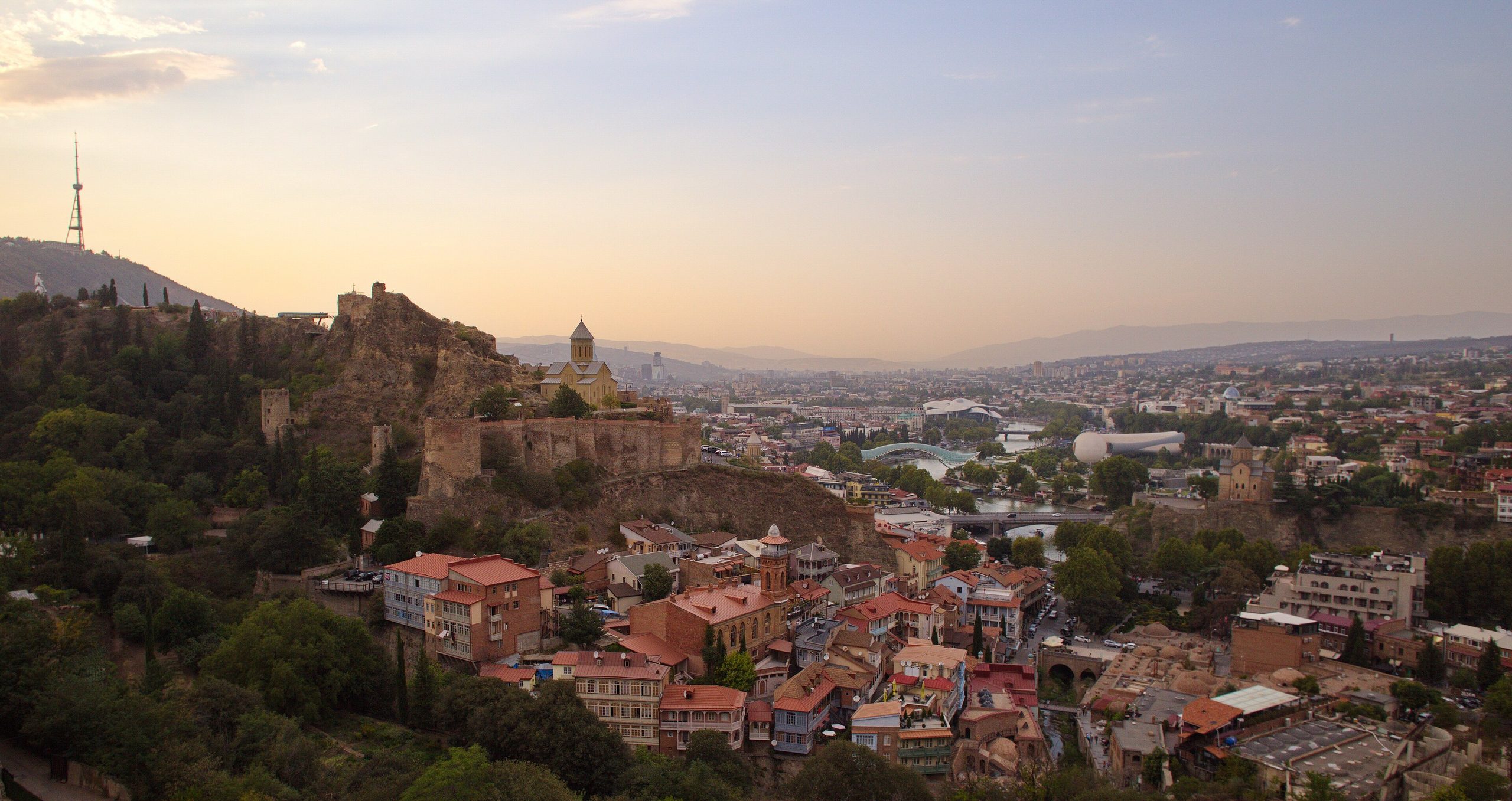
Tbilisi Itinerary: How I'd Spend 1 to 5 Days in Tbilisi
Tbilisi is best over 3 full days. Here is how to spend 1 to 5, with routes, meals, day trips and costs.
Read the guide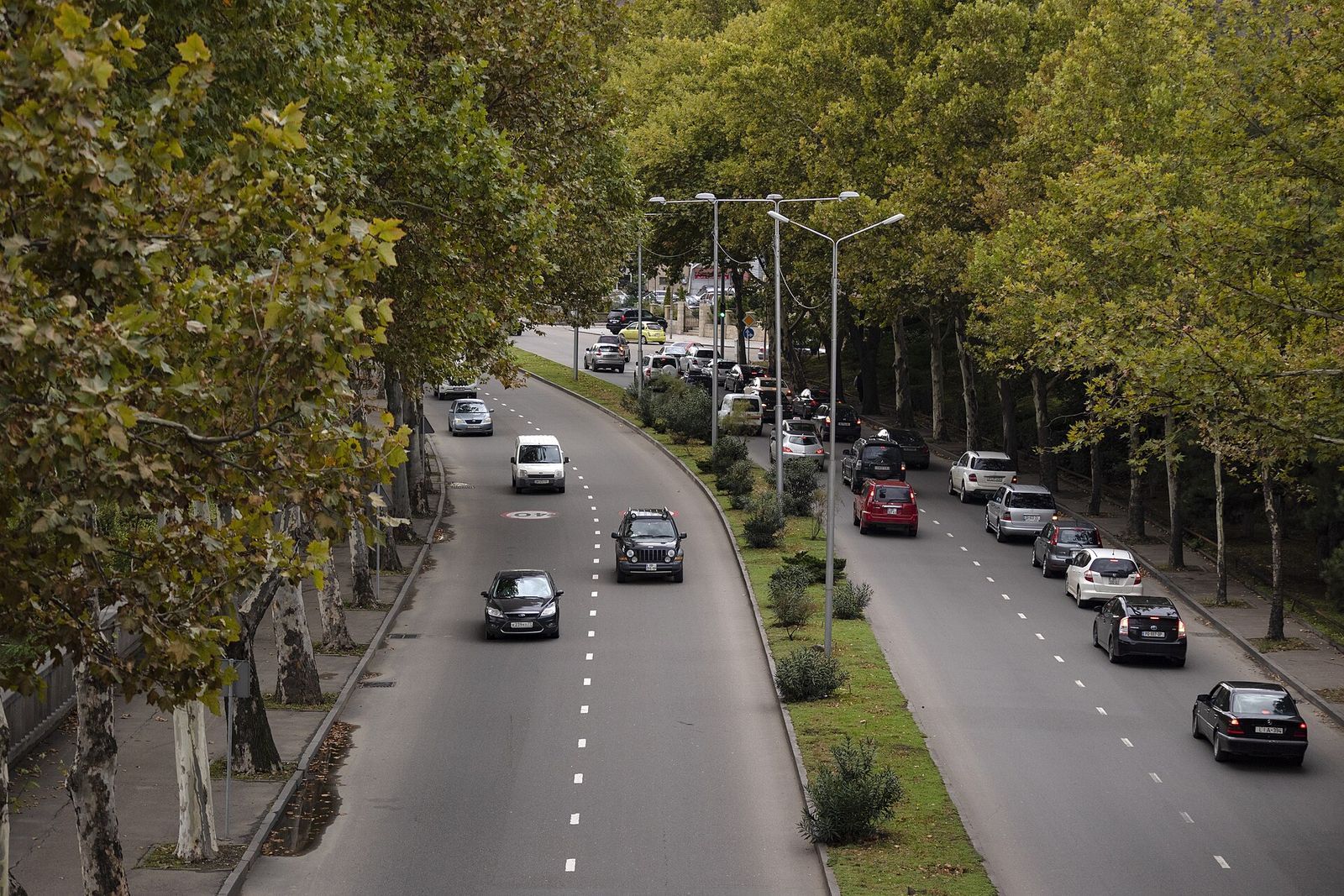
The Best Time to Visit Tbilisi, Month by Month
Tbilisi is known for golden autumns and hot summers. Here is the weather by month, the crowds, and when I would go.
Read the guide