Borjomi and Georgian Mineral Water: Taste, Brands and Prices
Georgia is famous for its mineral water, and Borjomi, the salty, fizzy one from a volcanic gorge about 150 km west of Tbilisi, is the bottle you'll see on almost every restaurant table. Here's what it tastes like, how it compares with Nabeghlavi and the other Georgian waters, what a bottle costs, how locals drink it and where to taste it free at the spring.
What Borjomi water is
Borjomi is a mineral water from springs in the Borjomi gorge, a forested valley in south-central Georgia about 150 km west of Tbilisi. The water rises from deep under the volcanic rock of the gorge and picks up a heavy load of minerals on the way, mostly sodium and bicarbonate. That makes it a sodium bicarbonate water, the same family as French Vichy, and "the Vichy of the Caucasus" has been its nickname for well over a century.
It is also the best-known thing Georgia sends abroad after wine. Across the old Soviet world Borjomi was the water on the hospital tray, the dinner table and the bedside table the morning after, and today it is sold in about 40 countries. In Georgia it is simply there, on the table next to the bread, in every corner shop fridge and on every supra.
What Borjomi tastes like
Salty first, then mineral, with a faintly sour, metallic edge and lively bubbles. If you're used to Perrier or San Pellegrino, the first sip is a shock: it tastes closer to a light broth than a soda. Ice cold, after a plate of mtsvadi and fried potatoes, it suddenly makes complete sense. Warm, on an empty stomach, much less so.
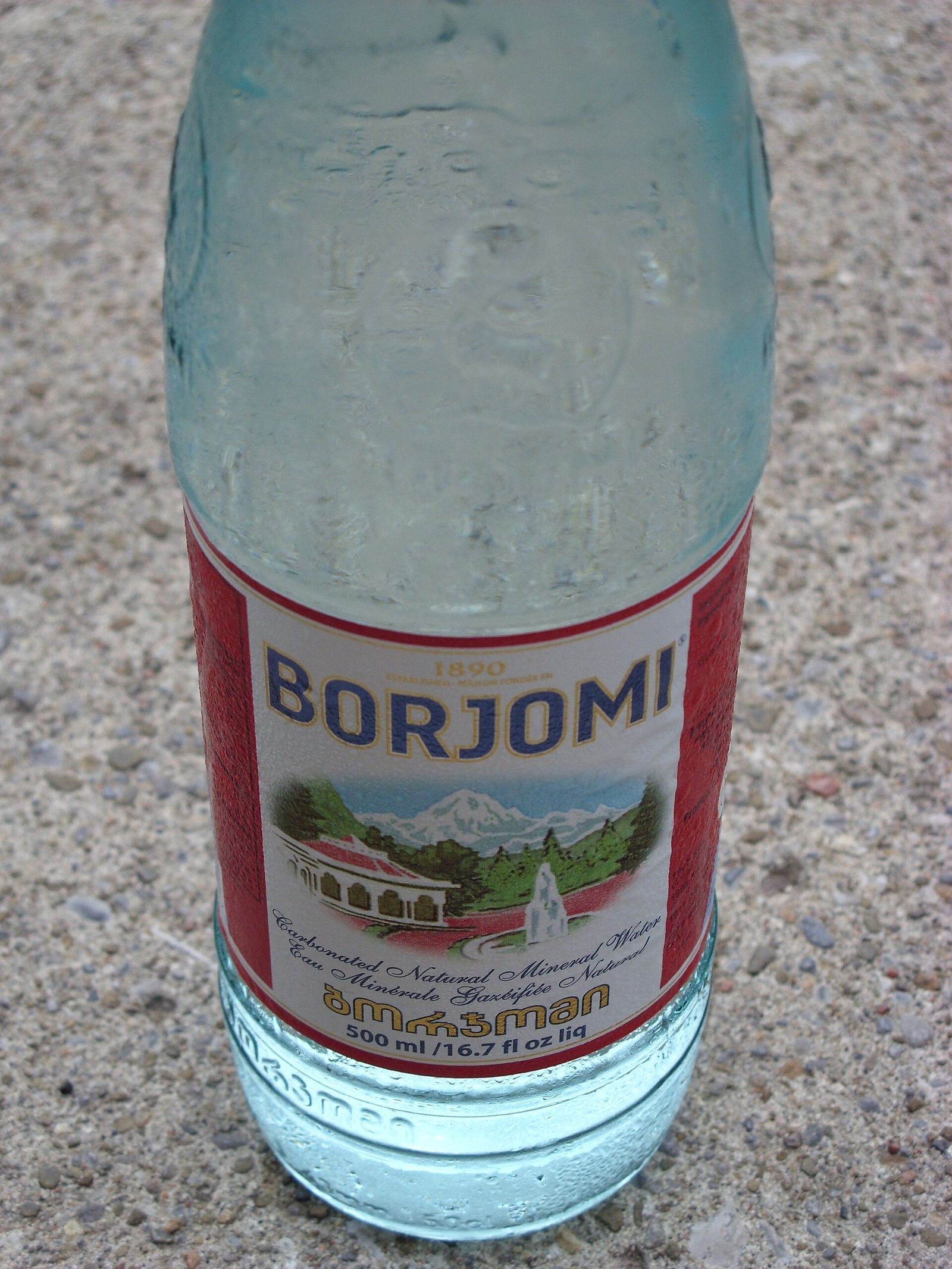
The salt comes from the rock, not from anyone adding it. These are the main minerals in a liter of Borjomi.
| Mineral | Per liter of Borjomi |
|---|---|
| Bicarbonate | About 3,900 mg |
| Sodium | About 1,550 mg |
| Chloride | About 380 mg |
| Calcium | About 60 mg |
| Magnesium | About 50 mg |
| Potassium | About 30 mg |
Sodium is the number to notice. A liter of Borjomi carries many times the sodium of an ordinary European table water, which explains both the taste and the reason Georgians drink it by the glass rather than by the bottle. The bicarbonate is what gives it the soft, slightly soapy finish and its old reputation as a water for the stomach.
Borjomi vs Nabeghlavi
Nabeghlavi is the other big name, and in plenty of Tbilisi homes it is the everyday bottle. Both are natural sodium bicarbonate waters, both are sparkling, and both are cheap and sold almost everywhere in Georgia. The difference is strength. Nabeghlavi comes from a spring in the mountains of Guria, in western Georgia, and it is noticeably softer and less salty than Borjomi.
| Borjomi | Nabeghlavi | |
|---|---|---|
| Source | Springs in the Borjomi gorge | A spring in the Guria mountains, Chokhatauri district |
| Known since | Springs found in the 1820s | Spring found in 1905 |
| Sodium per liter | About 1,550 mg | 690 to 1,270 mg |
| Taste | Salty, mineral, a little sour | Milder and rounder, less salt |
| Bubbles | Sparkling | Sparkling, with a gas top-up before bottling |
| Best for | After a heavy meal, the morning after | Everyday drinking with food |
| Price in Tbilisi | 2 to 5 GEL a bottle | 2 to 5 GEL a bottle |
My rule is simple: Nabeghlavi with dinner, Borjomi the morning after. Nabeghlavi is easy to drink by the glass through a long meal, and its milder taste sits better next to wine. Borjomi is the stronger medicine, and I reach for it after a night of toasts or a lunch of khinkali and cheese bread.
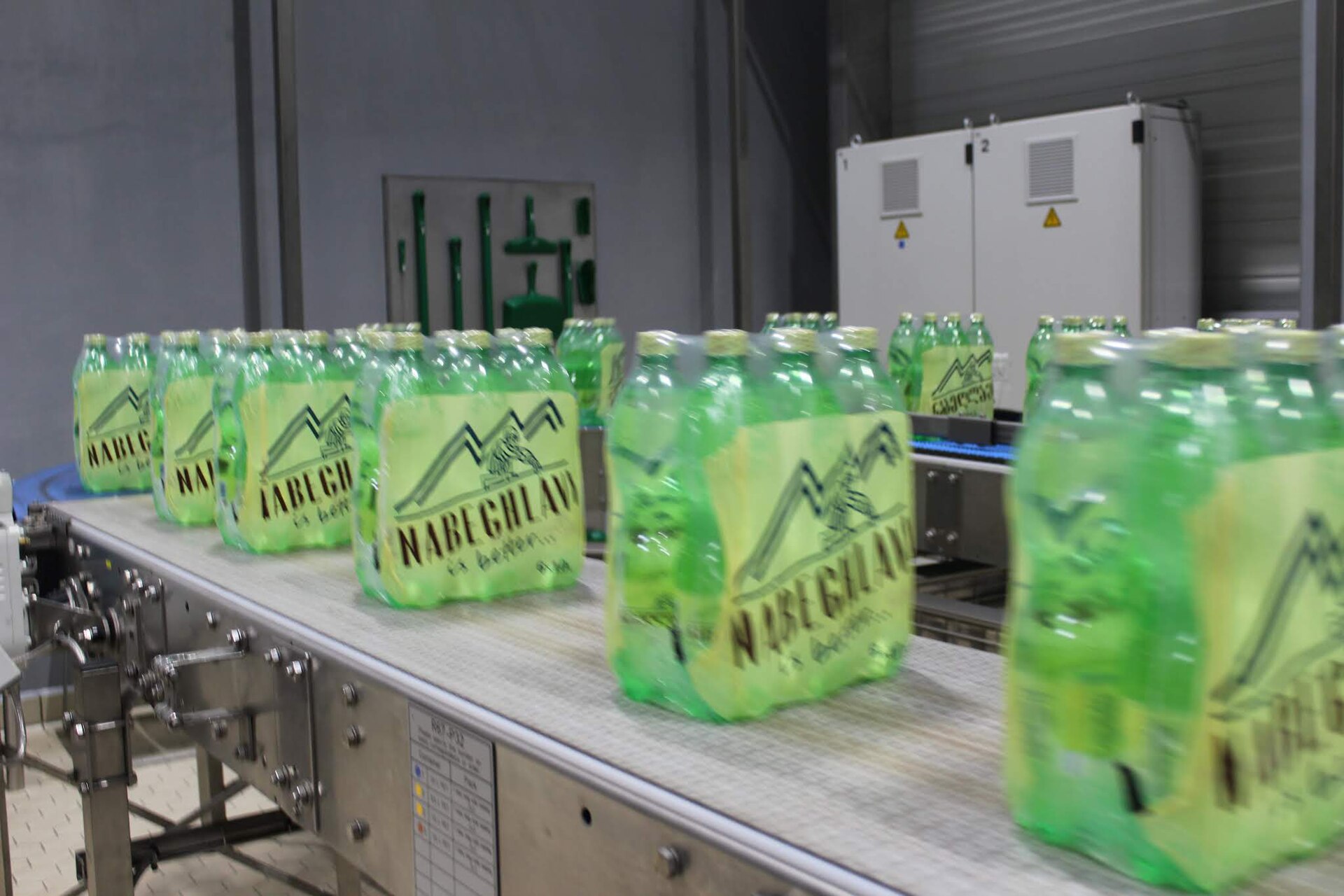
You'll spot the two at a glance in a shop fridge. Nabeghlavi comes in green bottles with a mountain outline on the label, and the classic glass Borjomi bottle has a deer pressed into the glass.
Other Georgian mineral waters worth trying
Georgia has more than 730 mapped mineral springs, and the water aisle of a big Tbilisi supermarket shows it. Borjomi and Nabeghlavi lead, but these are the other labels you'll see. The first five are proper mineral waters with a taste of their own; the last four are still, low-mineral waters that do the job of ordinary bottled water.
| Water | Where it comes from | Style | What to know |
|---|---|---|---|
| Likani | A 1,500 m deep well on the west side of Borjomi town | Sparkling, salty | Made by the Borjomi company, lighter and smoother |
| Sairme | A spa resort at 915 m in the hills of Imereti | Sparkling, calcium bicarbonate | Found in the 1890s; a calcium water, so less salty |
| Zekari | The Zekari Pass, 2,182 m up in southern Imereti | Sulfur water | A spa water with a strong taste, 2 to 2.2 g of minerals per liter |
| Lugela | A gorge in the hills of Samegrelo | Calcium chloride | A medicinal water with an odd, sharp taste |
| Kobi | Kobi village, 2,000 m up on the road to Kazbegi | Sparkling | A newer brand, bottled since 2018 |
| Bakuriani | Forest springs around the Bakuriani ski resort | Still, low mineral | 0.2 to 0.5 g of minerals per liter, an everyday water |
| Bakhmaro | The Bakhmaro mountains of Guria | Still, very low mineral | 0.07 to 0.15 g per liter |
| Sno | An underground reservoir in the Greater Caucasus | Still, low mineral | Plain drinking water with no salt taste |
| Nakaduli | Springs at 2,000 m in the hills above Sairme | Still, very low mineral | Mild enough for cooking and for babies |
Of the sparkling ones, Likani is the one I'd try next after Borjomi. It comes from the same town and the same company, from a deeper well, and it tastes like a softer Borjomi. Likani is also the name of the riverside quarter of Borjomi where the Romanovs built their summer palace, so the label doubles as a little history lesson.
Sairme is the interesting outlier. It's a calcium water rather than a sodium one, so it has the minerals without the salty hit, and it comes from a small spa resort in the hills of Imereti. Zekari and Lugela are spa waters first and table waters second: try a glass for the experience, but don't order them to drink through dinner.
Kobi has the best story for a visitor. On the Kazbegi day trip the road climbs to the Jvari Pass, where mineral water seeps out of the hillside and has built orange and cream terraces right beside the highway, and Kobi village sits a little further on, in the high valley that leads down to Stepantsminda.
How Georgians drink mineral water
Mineral water in Georgia is a table drink, not a thirst quencher. It comes out with food, it sits beside the wine and it gets poured in small glasses. These are the moments you'll see it.
- With a big meal. A bottle of Borjomi or Nabeghlavi lands on almost every restaurant table without anyone asking for it twice. At a Georgian supra, the wine goes round with the toasts and the mineral water is what people sip in between.
- After heavy food. Georgian cooking is rich: cheese breads, walnut sauces, fatty pork skewers, dough by the plate. Mineral water has a long reputation here as the thing that settles the stomach afterward, and the bicarbonate is the reason people give.
- The morning after. This is Borjomi's most famous job. After a night of wine and chacha, a cold bottle of Borjomi is the classic Georgian fix, salty, fizzy and easy to keep down.
- At the spring, as a cure. Borjomi grew up as a spa town, and the old spa habit of drinking a measured glass at the spring lives on. The usual guidance there is 1 to 2 glasses at a time, up to 3 times a day.
I like a slice of lemon in mine, which takes the edge off the salt. Drink it cold; the warm, flat version is something you try at the spring rather than order at dinner.
Borjomi, lemonade or tap water: what to order
Visitors mix these three up all the time, and the mistake usually shows on their face after the first sip. Lemonade in Georgia is the sweet one: Lagidze water, the old Tbilisi soda in tarragon, pear and cream flavors, is a soft drink with no salt in it at all. Order Borjomi expecting that and you'll get a shock.
Here's what I'd order, and when.
| Situation | What I'd order | Why |
|---|---|---|
| A long dinner with wine | A bottle of Nabeghlavi for the table | Mild enough to sip between every toast |
| Khinkali or khachapuri at lunch | Beer, or a tarragon lemonade | Locals reach for beer or lemonade with khinkali |
| The morning after a feast | Cold Borjomi, with lemon | Salt and bubbles, the Georgian standard |
| A hot day of walking | Tap water or a 1.5 liter still bottle | Borjomi is too salty to drink in volume |
| Something sweet for kids | Lagidze lemonade | Sugar and fruit, no salt |
| Trying something new | Likani or Sairme | Same style as Borjomi, a different taste |
Tap water in Tbilisi is safe to drink from day one. It's hard and tastes of chlorine, so some visitors buy bottled water for the first few days, but refilling a bottle from the tap is free and saves a lot of plastic over a week.
The food shapes the choice too. With traditional Georgian food like mtsvadi, khinkali and walnut-heavy salads, a sparkling mineral water cuts through the fat better than anything still.
What Borjomi costs and where to buy it
A bottle of Borjomi or Nabeghlavi costs 2 to 5 GEL in Tbilisi, at the low end in supermarkets and corner shops and at the top end in restaurants. Every corner shop, kiosk and supermarket in the city stocks both, usually in a fridge by the till. The smaller brands like Likani, Sairme and Kobi are easiest to find in the big supermarkets.
In a restaurant, a bottle of Borjomi adds 2 to 5 GEL to the bill, while a jug of tap water is usually free if you ask for it. If you want mineral water, ask for it by name; waiters know exactly what "Borjomi" and "Nabeghlavi" mean.
Taking Borjomi home
A bottle costs far less in Georgia than in any shop abroad, and a few glass bottles of Borjomi make a cheap and properly Georgian addition to a bag of Georgian souvenirs. Glass bottles travel like wine: wrap them in clothes, put them in checked luggage, never in a carry-on, and the same rules for packing bottles in a suitcase apply.
Where to drink Borjomi at the spring
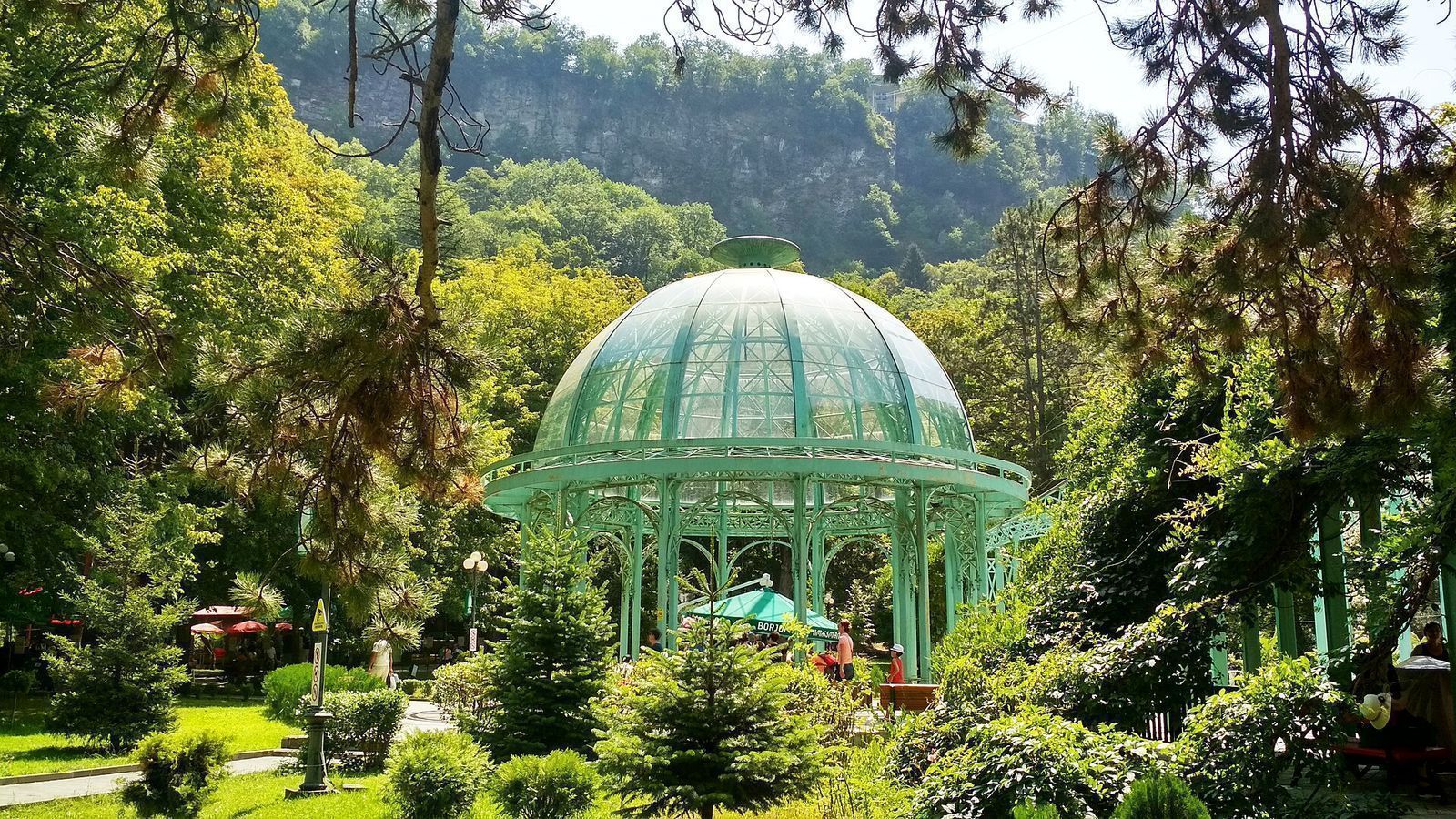
The best Borjomi you'll ever drink is free. In Borjomi town, the main spring pavilion sits just inside the entrance to Central Park, under a green iron and glass dome, and anyone can fill a cup straight from the spring. It comes out at about 35°C, salty, metallic and faintly sulfurous, and much flatter than the cold, fizzy version in the bottle. Most people grimace at the first sip and then go back for a second.
A second, cold spring is about 20 minutes' walk further into the park, cooler and milder. Between the two you get the full range of what this water tastes like before it is bottled.
Getting there is the easy part. Vans to Borjomi leave from Didube bus station in Tbilisi roughly every hour from about 08:00, take 2.5 to 3 hours and cost about 12 GEL, paid in cash to the driver. With the park, the cable car and the forest pools, it makes a full and gentle day out.
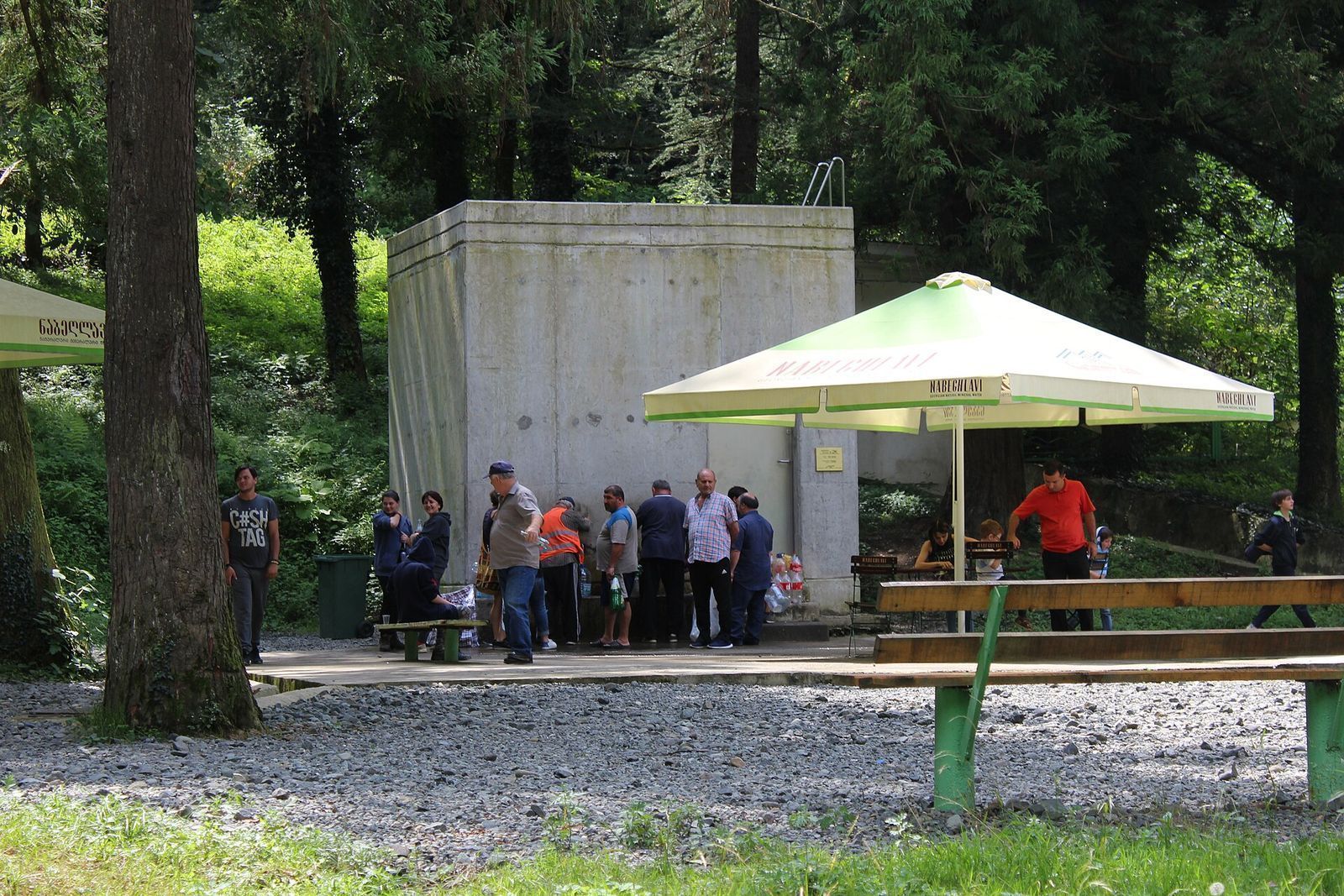
The other famous springs are further off. Nabeghlavi's spring is in the mountains of Guria, next to a small resort, and people queue there with plastic bottles to fill. It's a detour for a road trip west toward the coast rather than a day trip from Tbilisi.
Sairme is a small spa resort in the hills of Imereti, and the easiest base for it is Kutaisi. Tbilisi has its own springs too, hot and full of sulfur, but you bathe in those rather than drink them: the domed sulfur baths of Abanotubani sit right on top of them in the Old Town.
A short history of Borjomi water
The Borjomi springs were found by soldiers of the Russian imperial army in the 1820s, when the gorge was still a quiet forest valley. Over the 19th century Borjomi grew into a spa town, and the Russian imperial family made it a summer retreat, laying out the park around the springs and later building the palace at Likani in the 1890s.
Industrial bottling started in the late 19th century. In the Soviet era the company was nationalized and Borjomi became the best-known mineral water in the whole Soviet Union.
Today Borjomi is bottled at the plant in the town, sold in about 40 countries, and its name is protected as a place of origin, the same way Champagne is. The water has barely changed. The town around it is a faded, pretty spa resort, and the free springs in the park are still where the whole story started.
Key takeaways
- Borjomi is a salty, sparkling sodium bicarbonate water from the Borjomi gorge, with about 1,550 mg of sodium per liter.
- Nabeghlavi is the milder alternative from Guria, and the better choice for drinking through a meal.
- Both cost 2 to 5 GEL a bottle in Tbilisi; for everyday drinking, use tap water or a still bottle at 1 to 2 GEL for 1.5 liters.
- Drink Borjomi a glass or two at a time, with food or the morning after, never by the liter.
- Taste it warm and free at the spring pavilion in Borjomi Central Park, a day trip from Tbilisi.
Frequently asked questions
Why is Borjomi water salty?
Borjomi is salty because of the minerals it picks up underground, mostly sodium and bicarbonate. A liter carries about 1,550 mg of sodium, all of it from the volcanic rock of the Borjomi gorge, with nothing added at the plant.
Which is better, Borjomi or Nabeghlavi?
It depends on what you want it for. Borjomi is saltier and more mineral, and it's the classic choice after a heavy meal or the morning after. Nabeghlavi is milder and easier to drink through a whole meal, so it's the one I'd start with.
Is it OK to drink Borjomi every day?
A glass or two a day with food is how most Georgians drink it. It's a medicinal table water with a lot of sodium, so it shouldn't replace ordinary water, and the usual guidance at the spring is 1 to 2 glasses at a time, up to 3 times a day.
Where does Borjomi water come from?
Borjomi comes from springs in the Borjomi gorge in south-central Georgia, about 150 km west of Tbilisi. The water rises from deep volcanic rock and is bottled at the plant in Borjomi town, where you can also drink it free from the springs in Central Park.
How much does Borjomi cost in Georgia?
A bottle costs 2 to 5 GEL in Tbilisi, cheapest in supermarkets and corner shops and dearest in restaurants. That's far less than you'll pay for it abroad, which is why a few bottles make a good cheap souvenir.
Is Borjomi good for a hangover?
It's the classic Georgian morning-after drink. After a night of wine and chacha, Georgians reach for a cold bottle of Borjomi, and the salt and bubbles go down more easily than plain water.
Is Borjomi sparkling or still?
Bottled Borjomi is sparkling. At the spring in Borjomi Central Park the water comes out warm and much flatter, which is why it tastes so different from the bottle.
Can you drink the tap water in Tbilisi?
Yes. Tbilisi tap water is safe to drink, though it's hard and tastes of chlorine, so use it for everyday drinking and keep Borjomi for meals.
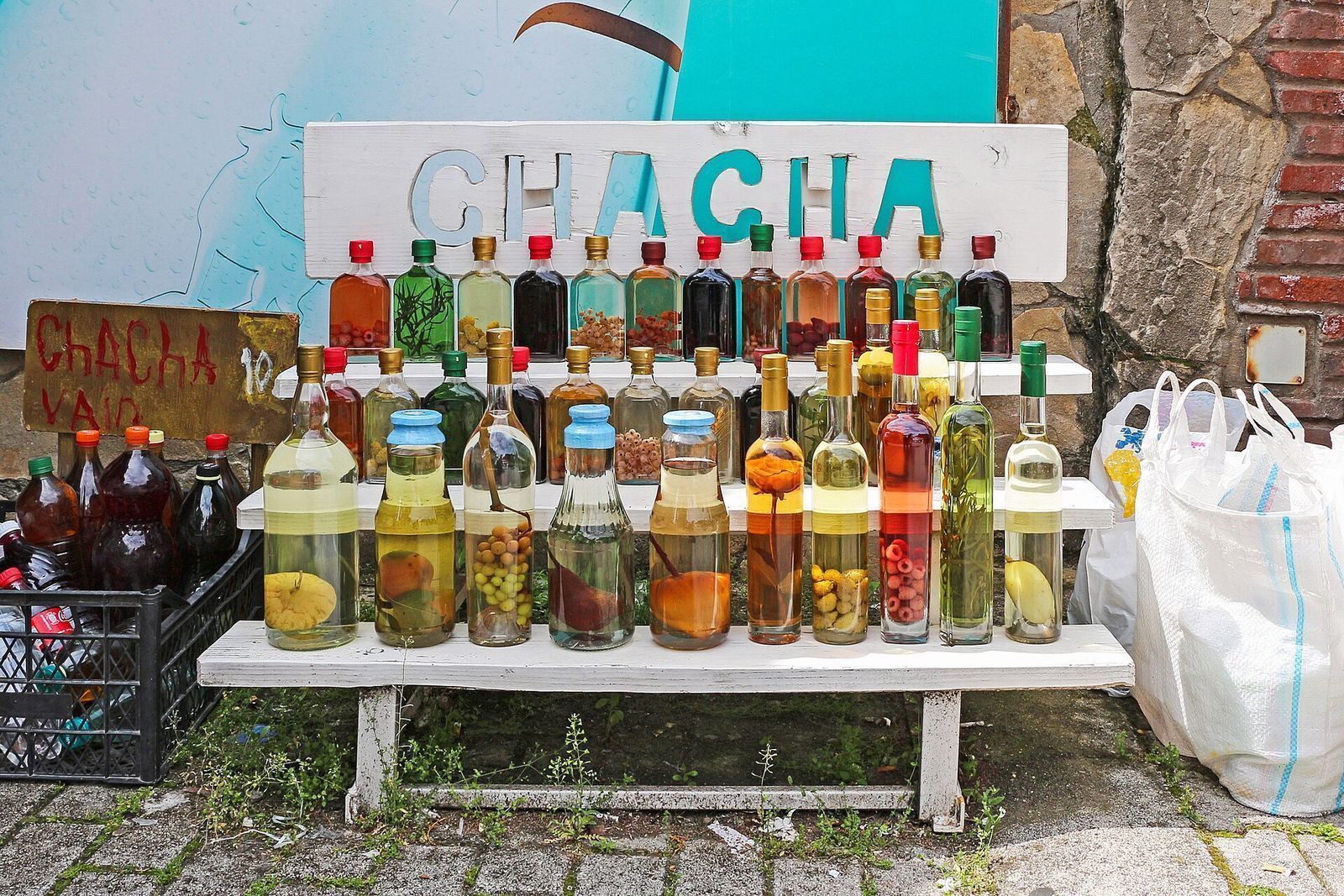
Georgian Drinks: What to Drink in Georgia and Where to Try It in Tbilisi
Tbilisi is known for its qvevri wine. Here's what to drink in Georgia, from amber wine to chacha, and where to try it.
Read the guide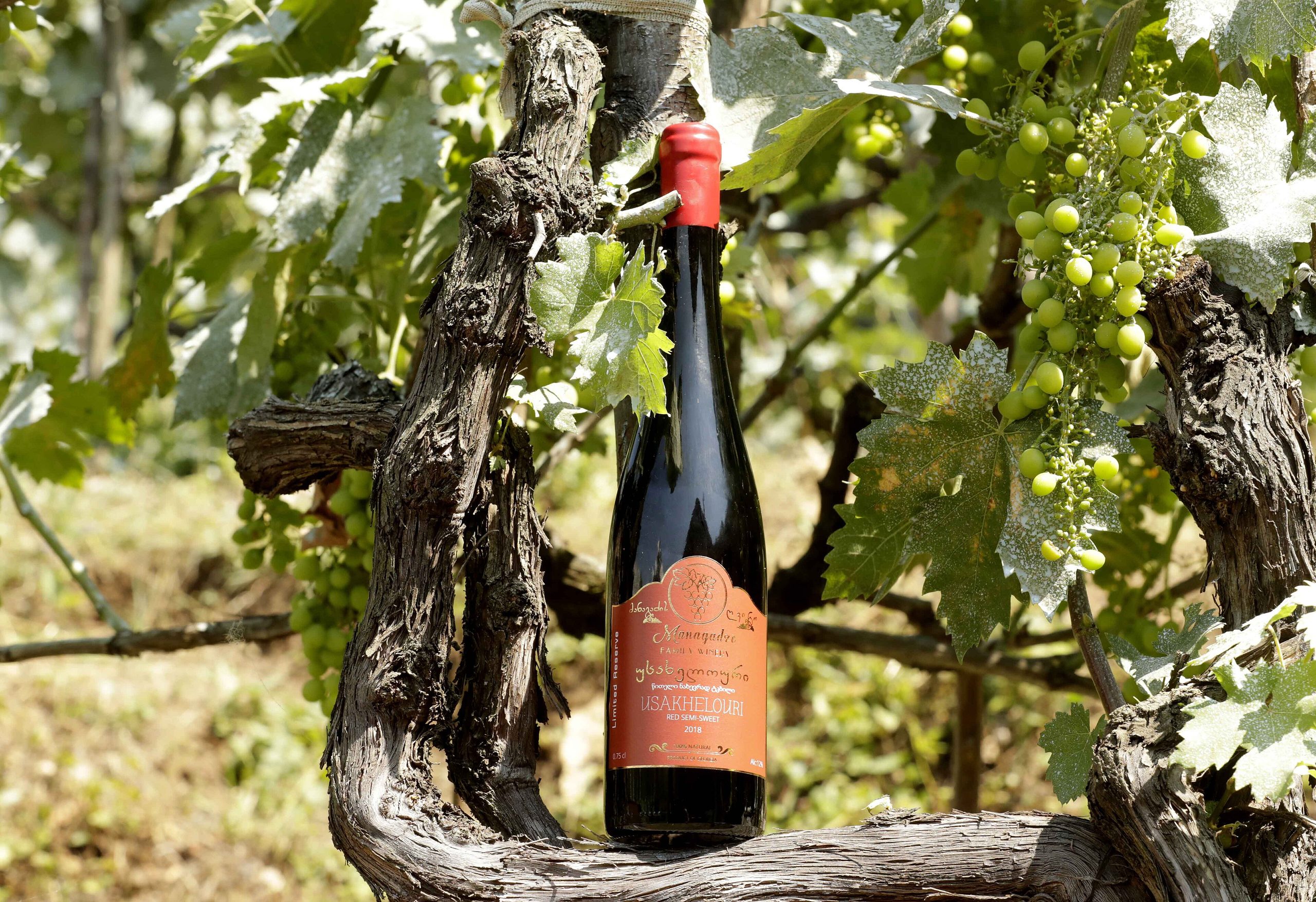
Georgian Wine Guide: Regions, Styles and What to Order
Georgia is known for 8,000 years of winemaking. Here is what to know about its styles, regions, prices and bars.
Read the guide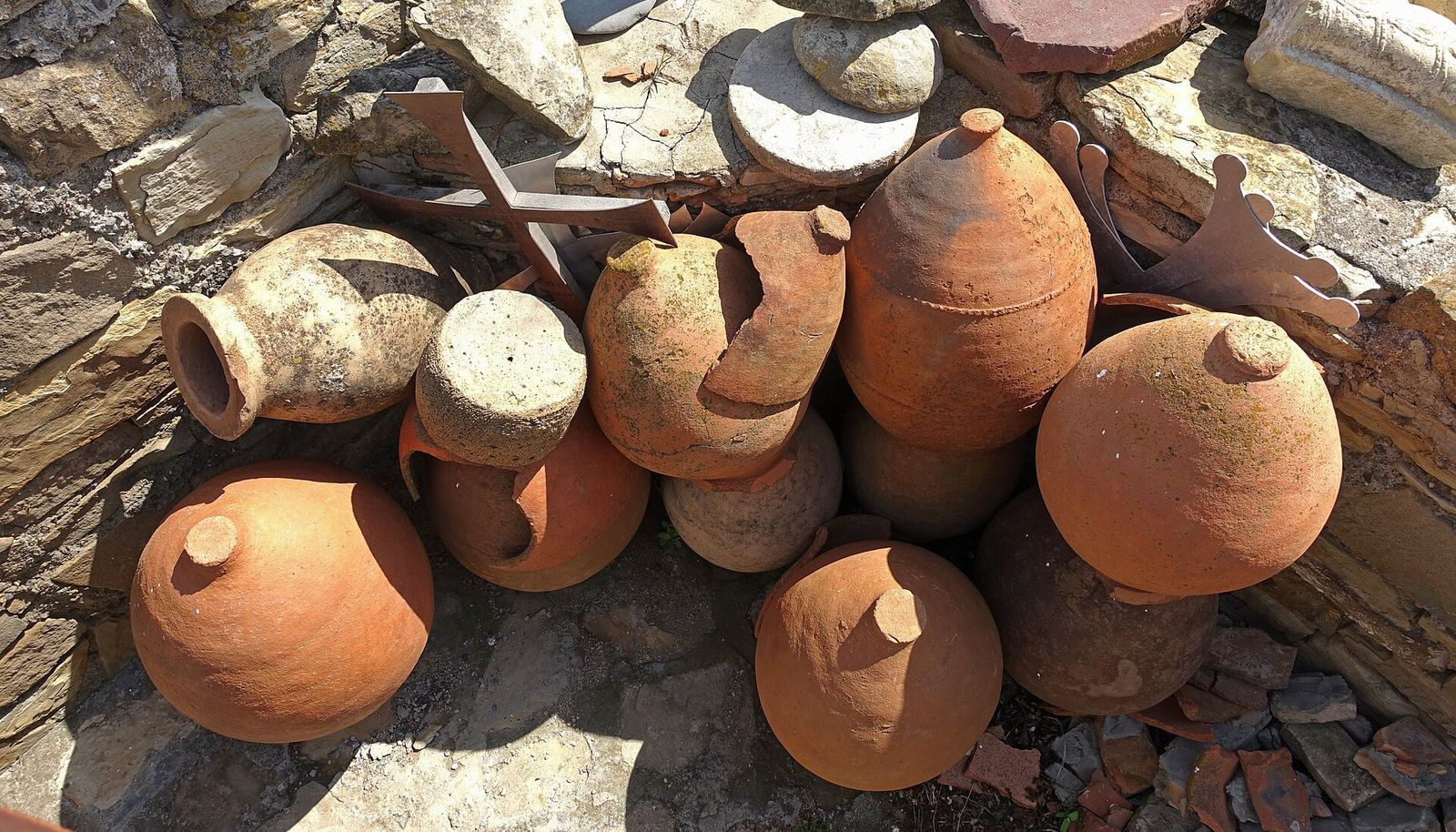
Qvevri Wine: How Georgia Makes Wine in Buried Clay Jars
Georgia is known for qvevri wine. Here is what the clay jars are, how the wine tastes and where to try it in Tbilisi.
Read the guide